18 Speeches Kept Out of Schoolbooks for Generations
Some speeches get excerpted into a single famous line and taught that way for generations, with the surrounding argument, the anger, or the radicalism quietly dropped. Others simply never made it into the curriculum at all, despite shaping the era they came from as much as anything that did make the cut.
Martin Luther King Jr.’s “Beyond Vietnam”
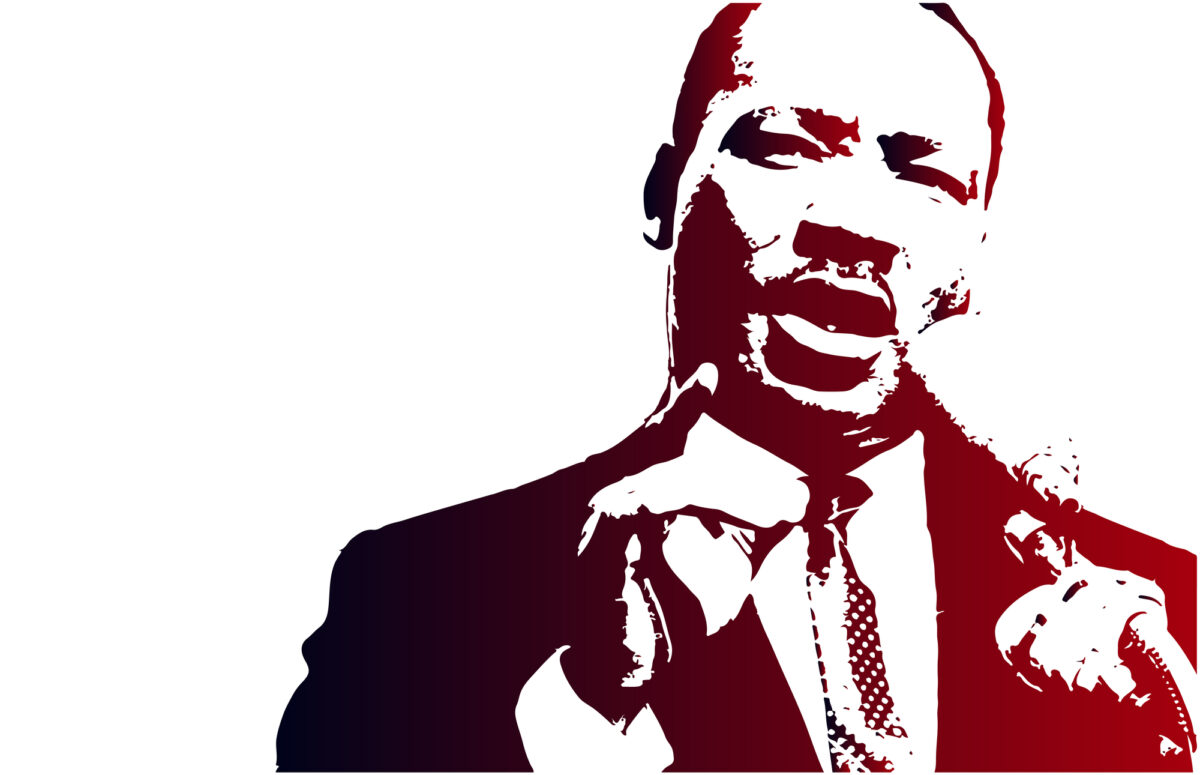
Delivered exactly one year before his assassination, this 1967 speech at Riverside Church condemned the Vietnam War and connected it directly to poverty and racism at home, drawing sharp criticism even from allies at the time. Educators and historians have widely noted that American curricula overwhelmingly favor the more conciliatory “I Have a Dream” speech, leaving King’s more confrontational later writing largely absent from standard instruction.
Frederick Douglass’s “What to the Slave Is the Fourth of July?”
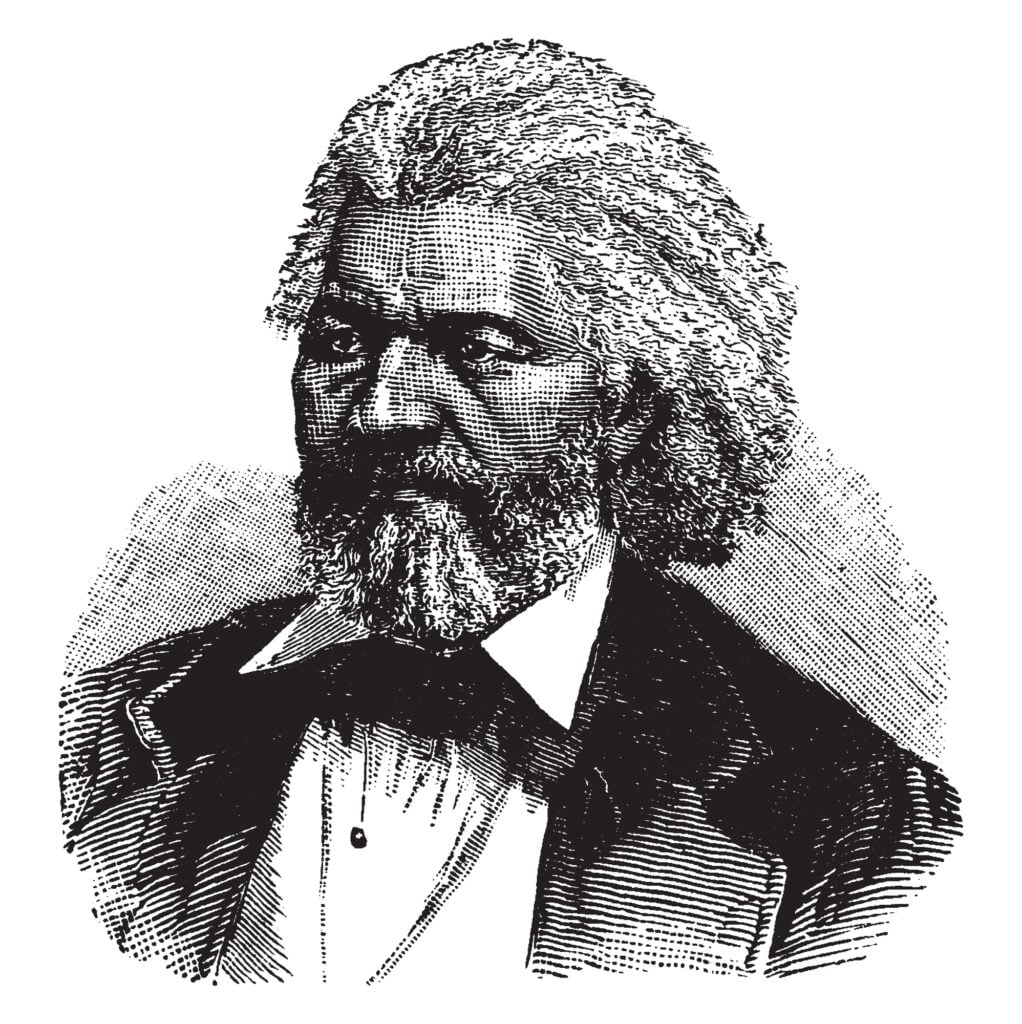
Delivered in 1852, Douglass’s speech directly confronted a white audience celebrating American independence while slavery remained legal, calling the holiday a “sham” from the perspective of the enslaved. Despite being considered one of the most significant orations in American history by scholars, it remains far less commonly taught than Douglass’s autobiographical writing.
Malcolm X’s “The Ballot or the Bullet”
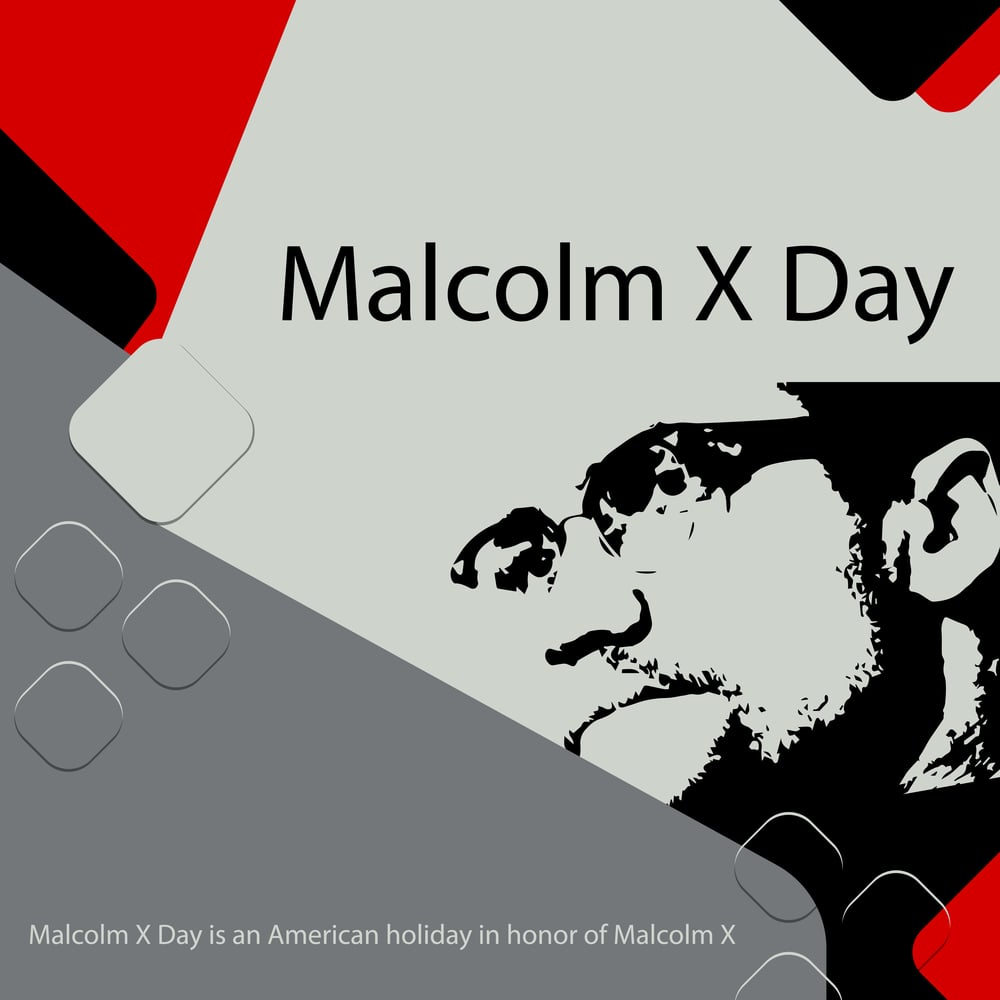
This 1964 speech laid out a case for Black political self-determination and conditional support for armed self-defense, delivered with a rhetorical precision that scholars regularly rank among the era’s most significant political speeches. It is far less commonly assigned in schools than King’s speeches from the same period, a pattern historians have connected to broader curricular discomfort with more confrontational civil rights rhetoric.
Eugene V. Debs’s Canton, Ohio Speech
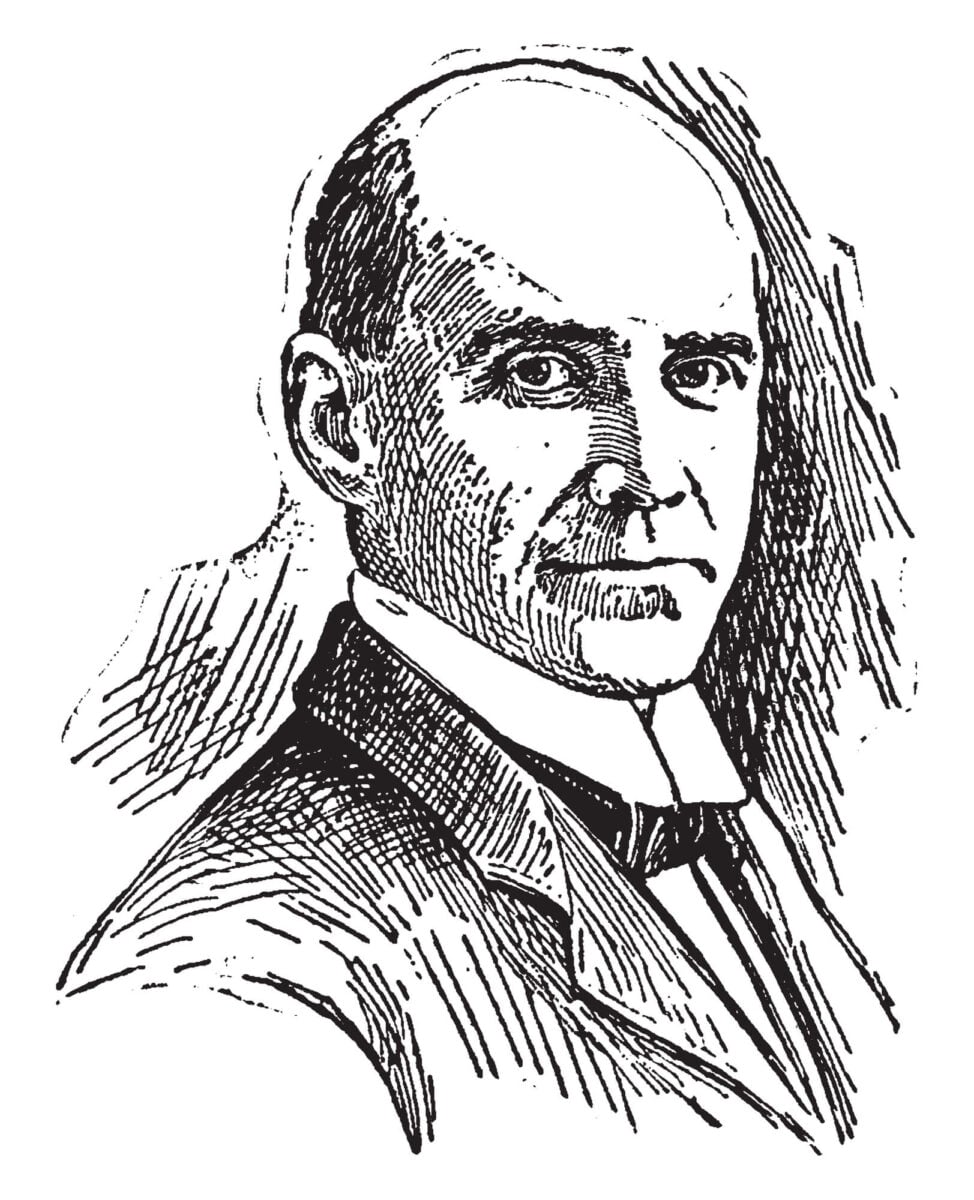
Labor leader and Socialist Party candidate Eugene Debs delivered this 1918 anti-war speech condemning U.S. involvement in World War I and capitalism’s role in warfare, an act that led directly to his conviction and imprisonment under the Espionage Act. The speech and Debs’s broader political career remain marginal in most standard American history curricula despite his five presidential campaigns.
Stokely Carmichael’s “Black Power” Speech
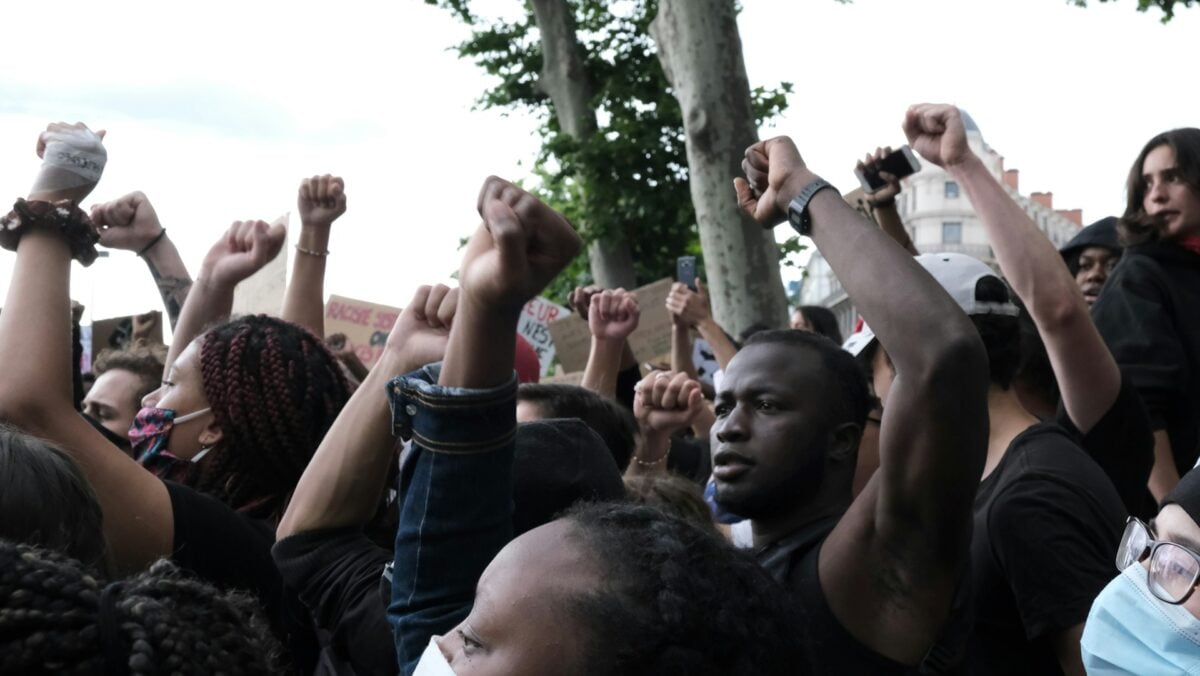
Delivered in 1966, this speech introduced and defined the term “Black Power” to a national audience, articulating a case for Black political and economic self-determination distinct from the integrationist framing more commonly taught. It remains far less represented in standard curricula than speeches emphasizing nonviolent integration.
Angelina Grimké’s Address to the Massachusetts Legislature
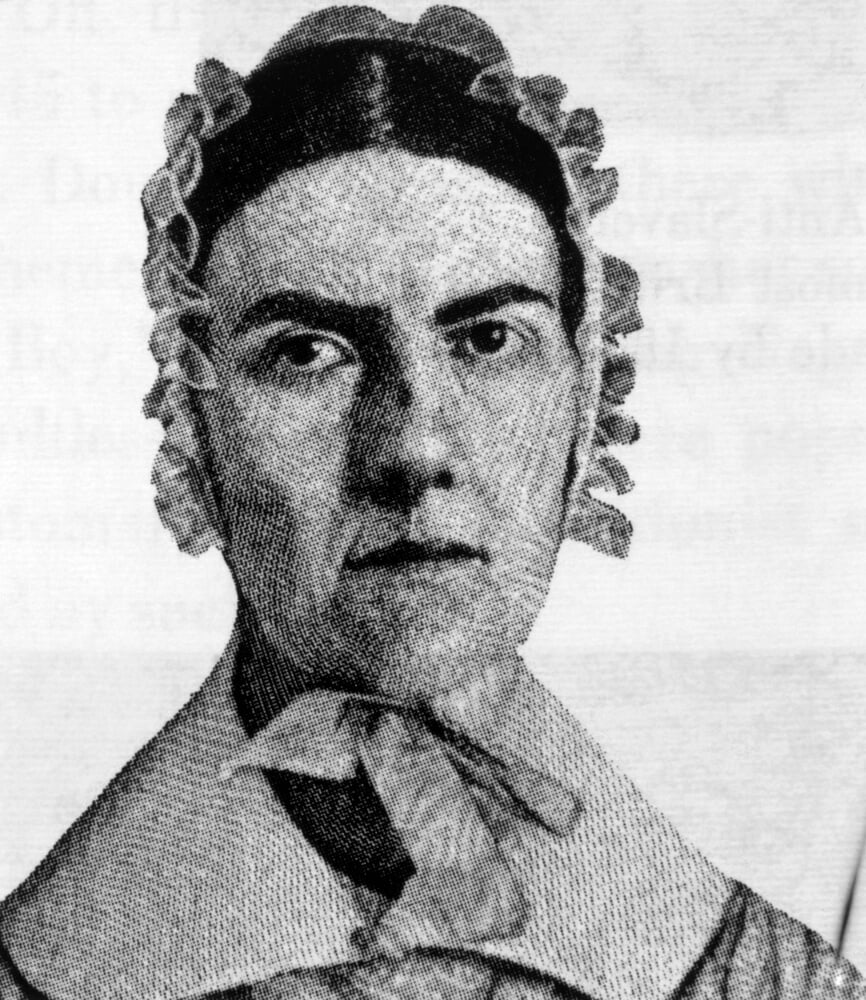
Delivered in 1838, Grimké became the first American woman to address a state legislative body, speaking against slavery to a hostile crowd amid threats of violence. Her pioneering role in both abolitionism and women’s public speech is rarely covered in standard curricula relative to her historical significance.
Sojourner Truth’s Speech at the 1851 Women’s Convention
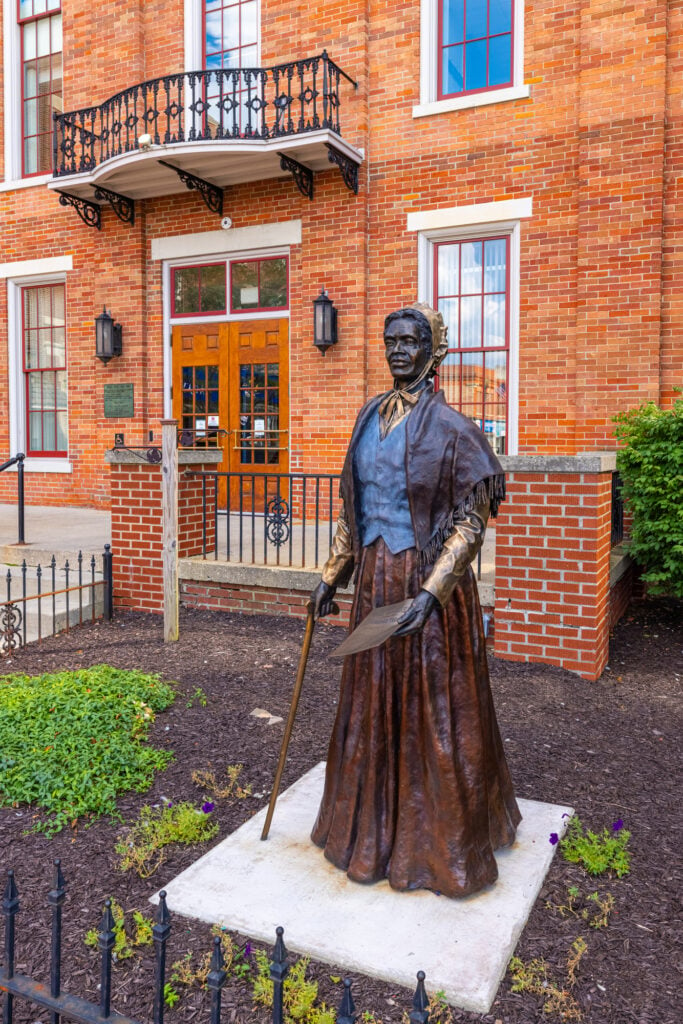
Truth’s address on gender and racial equality is now taught almost universally in a version featuring Southern dialect and the phrase “Ain’t I a Woman,” a transcription made twelve years after the fact by a white abolitionist, even though Truth was raised speaking Dutch in New York and would not have spoken that way. Historians have noted that the more accurate contemporaneous transcription of her actual words is rarely the version taught.
Paul Robeson’s Peekskill and Soviet-Era Speeches
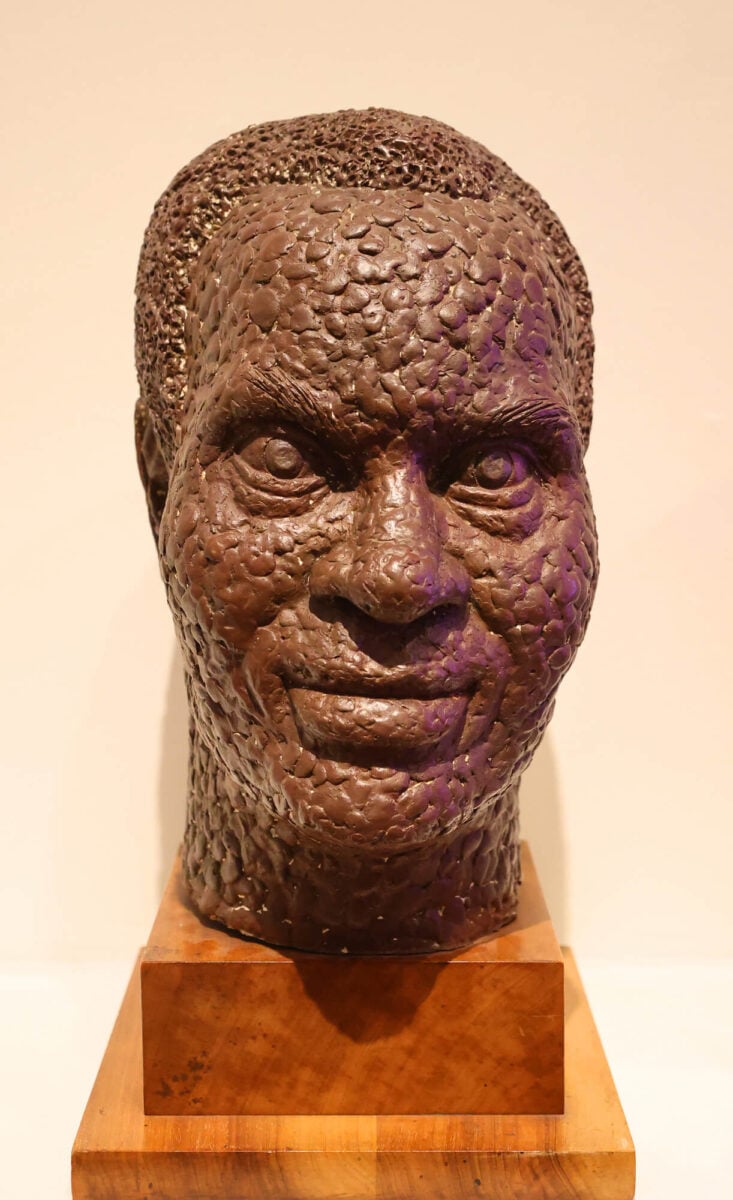
Singer and activist Paul Robeson’s political speeches of the late 1940s and early 1950s, including remarks sympathetic to the Soviet Union amid the Red Scare, effectively ended his mainstream career after he was blacklisted and had his passport revoked. His political speeches and their content remain largely absent from standard curricula, even in units that cover his artistic career.
Ida B. Wells’s Anti-Lynching Addresses
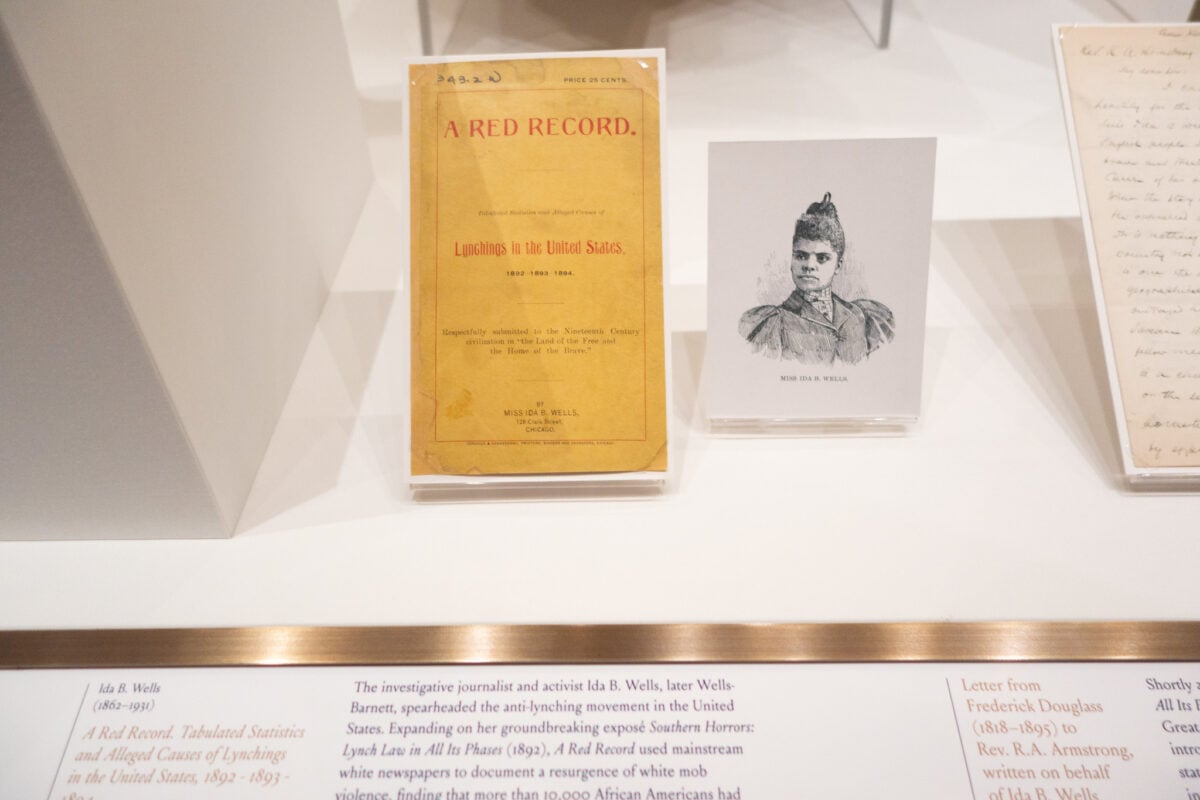
Journalist and activist Ida B. Wells delivered speeches across the United States and Britain in the 1890s presenting statistical documentation of lynching to counter the era’s dominant narratives justifying it. Despite her pioneering use of data-driven investigative advocacy, her speeches remain far less taught than her later suffrage work.
Huey P. Newton’s Speeches on Black Panther Party Ideology

Co-founder of the Black Panther Party Huey Newton’s speeches articulating the organization’s political philosophy, including its community survival programs, are largely absent from standard curricula, which tend to focus on the Panthers’ confrontations with police rather than their stated political platform.
Marcus Garvey’s Speeches on Pan-Africanism
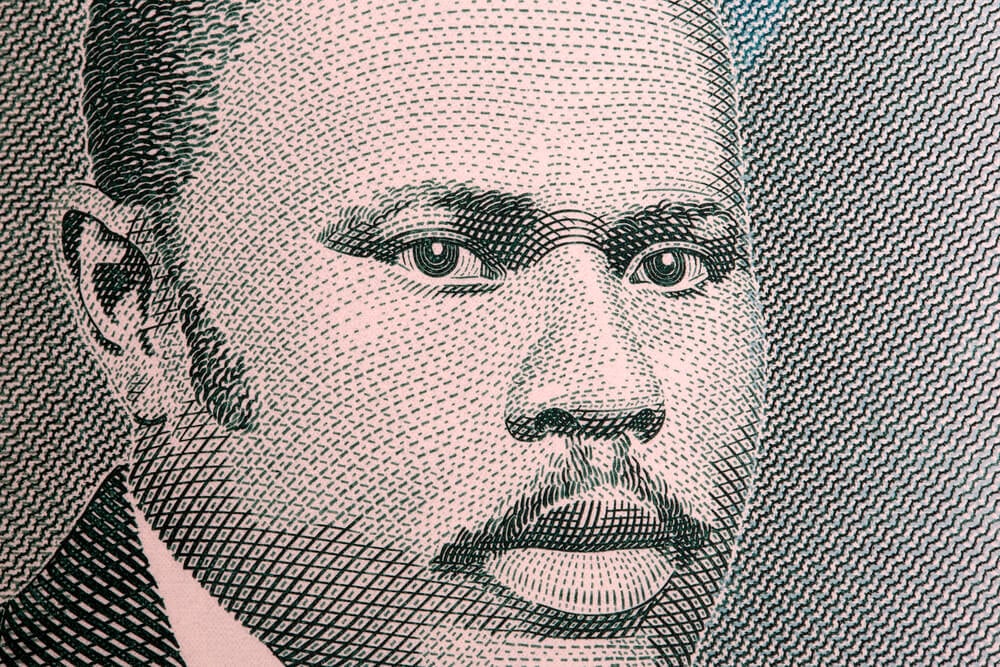
Garvey’s speeches to massive audiences in the 1920s, promoting Black economic self-sufficiency and a return-to-Africa movement, drew some of the largest crowds of any Black political figure of the era yet remain largely absent from standard American history instruction.
Chief Joseph’s Speeches on Native Removal
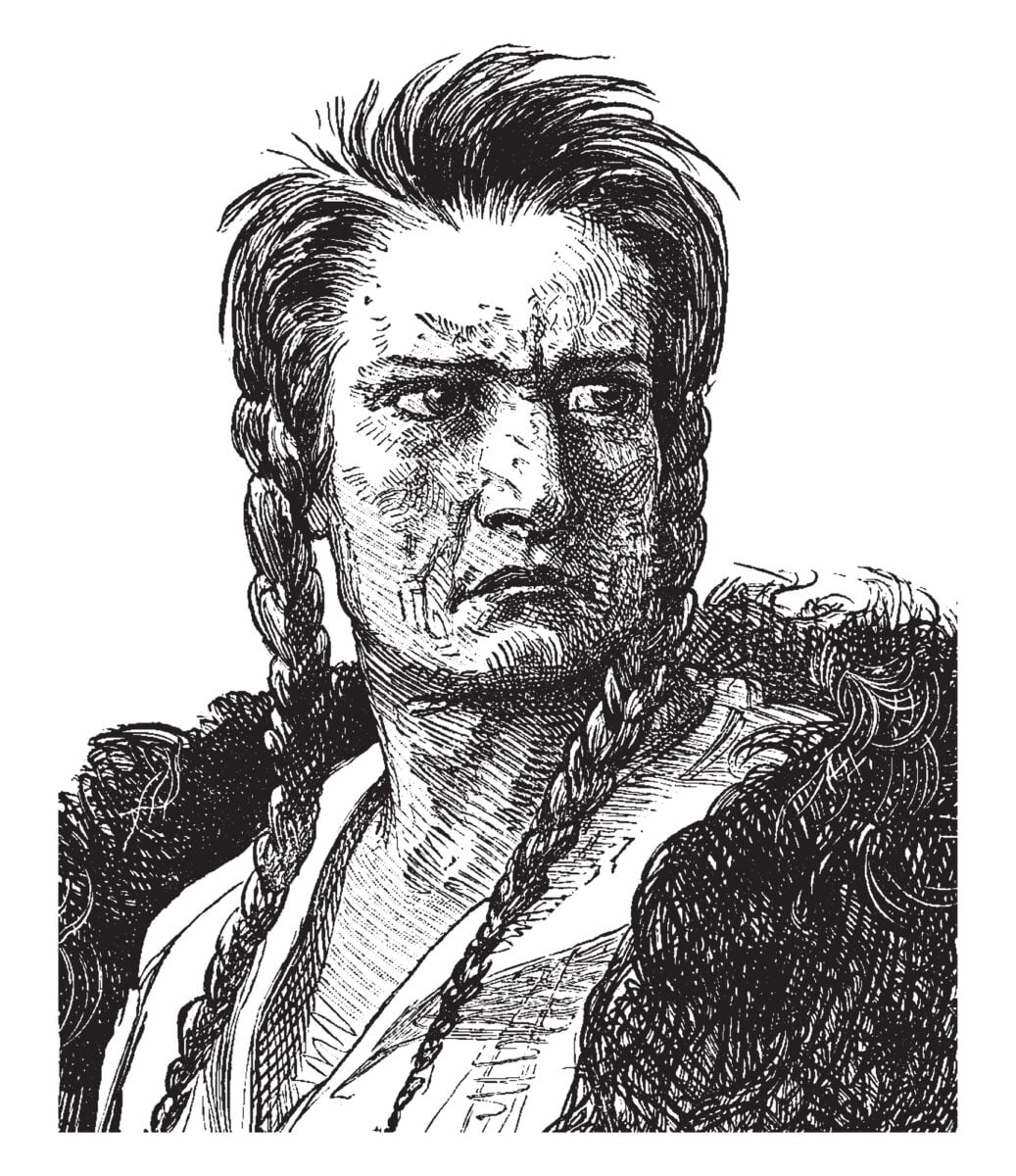
Nez Perce leader Chief Joseph’s addresses documenting the forced removal and suffering of his people, delivered in Washington, D.C. in the 1870s, are typically reduced in curricula to a single surrender quotation, with the fuller speeches detailing the broader injustice rarely assigned in full.
Emma Goldman’s Courtroom and Public Speeches
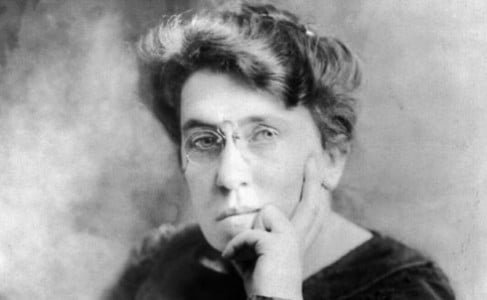
Anarchist and labor organizer Emma Goldman’s speeches on free speech, birth control access, and anti-militarism led to repeated arrests and eventual deportation in 1919, yet her political arguments remain largely absent from standard civics and history curricula despite her influence on early twentieth-century American radicalism.
Fannie Lou Hamer’s Testimony to the Democratic National Convention
Civil rights organizer Fannie Lou Hamer’s 1964 televised testimony describing the violence she endured for attempting to register Black voters in Mississippi was powerful enough that President Johnson called an emergency press conference to interrupt the broadcast. Despite its documented political impact, her testimony remains less commonly taught than speeches by more prominent male leaders of the same movement.
Bayard Rustin’s Organizing Speeches
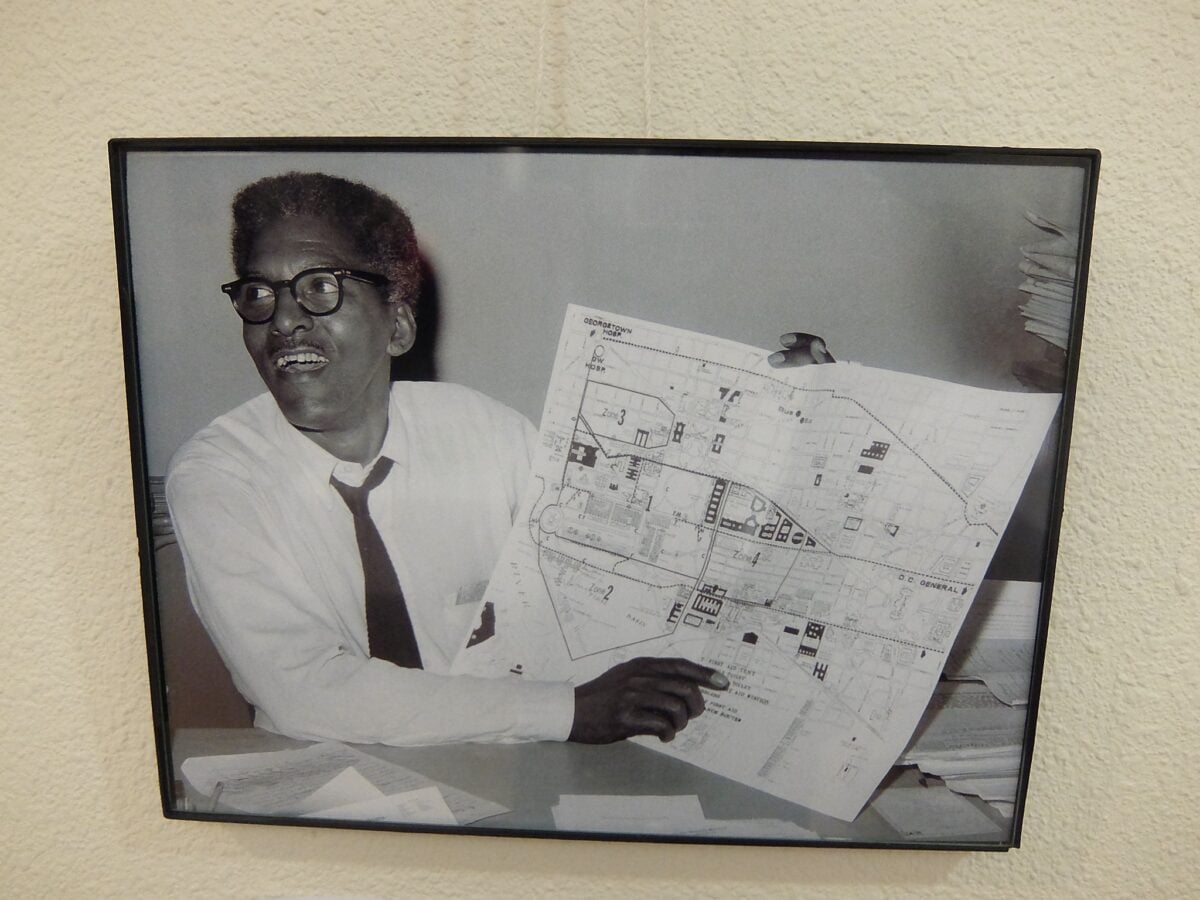
A chief architect of the 1963 March on Washington, Bayard Rustin’s own speeches and organizing philosophy are rarely taught alongside the event he built, a gap historians have connected to his having been marginalized within the movement itself because he was openly gay.
W.E.B. Du Bois’s Later Political Speeches

Du Bois’s speeches from the 1940s and 1950s, in which he grew increasingly critical of American capitalism and sympathetic to global socialist movements, are largely excluded from curricula that otherwise cover his earlier work founding the NAACP and writing “The Souls of Black Folk.”
Cesar Chavez’s Addresses to Farmworkers
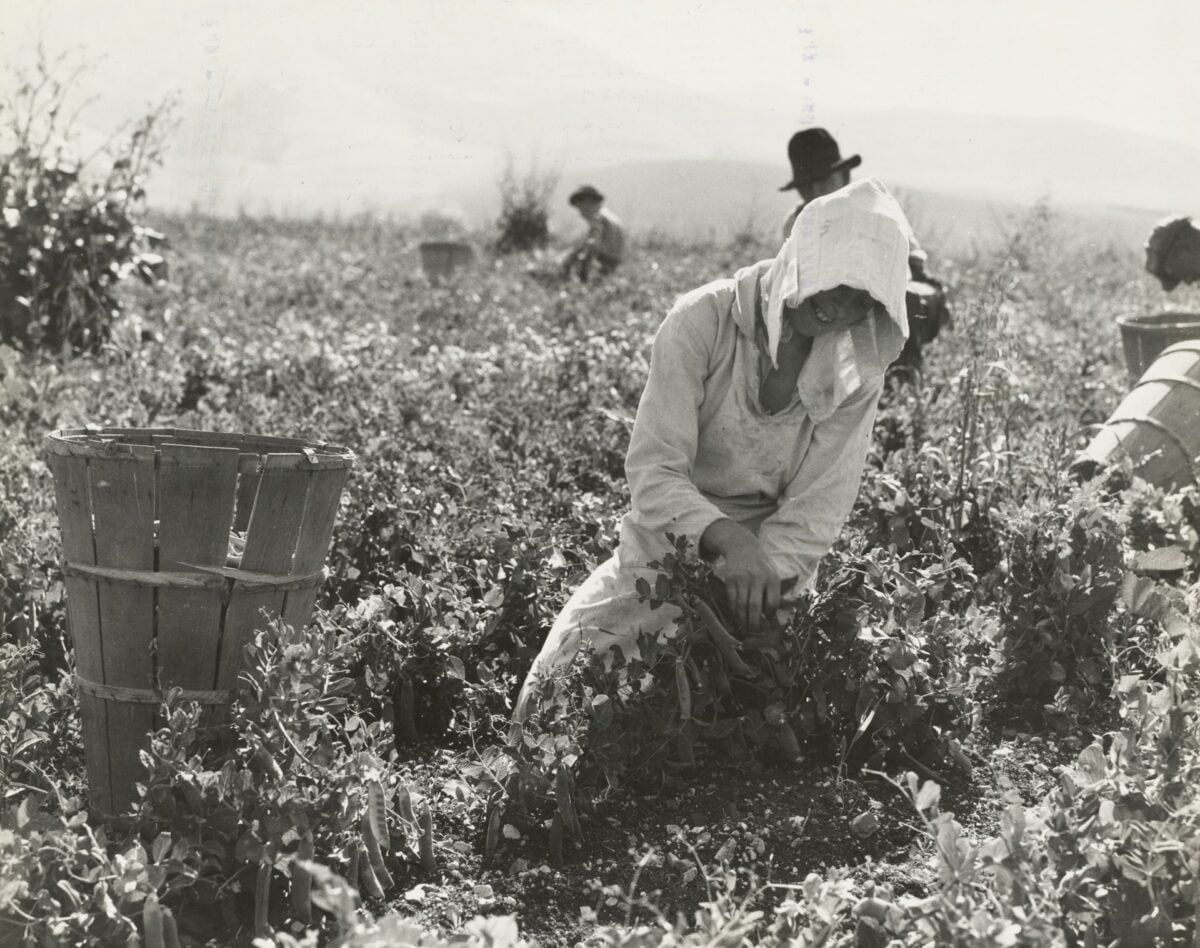
Labor leader Cesar Chavez’s speeches organizing the United Farm Workers movement in the 1960s and 1970s, including his articulation of nonviolent resistance principles applied to agricultural labor, remain unevenly represented across state curricula despite the movement’s significant impact on labor law.
John Brown’s Address to the Court
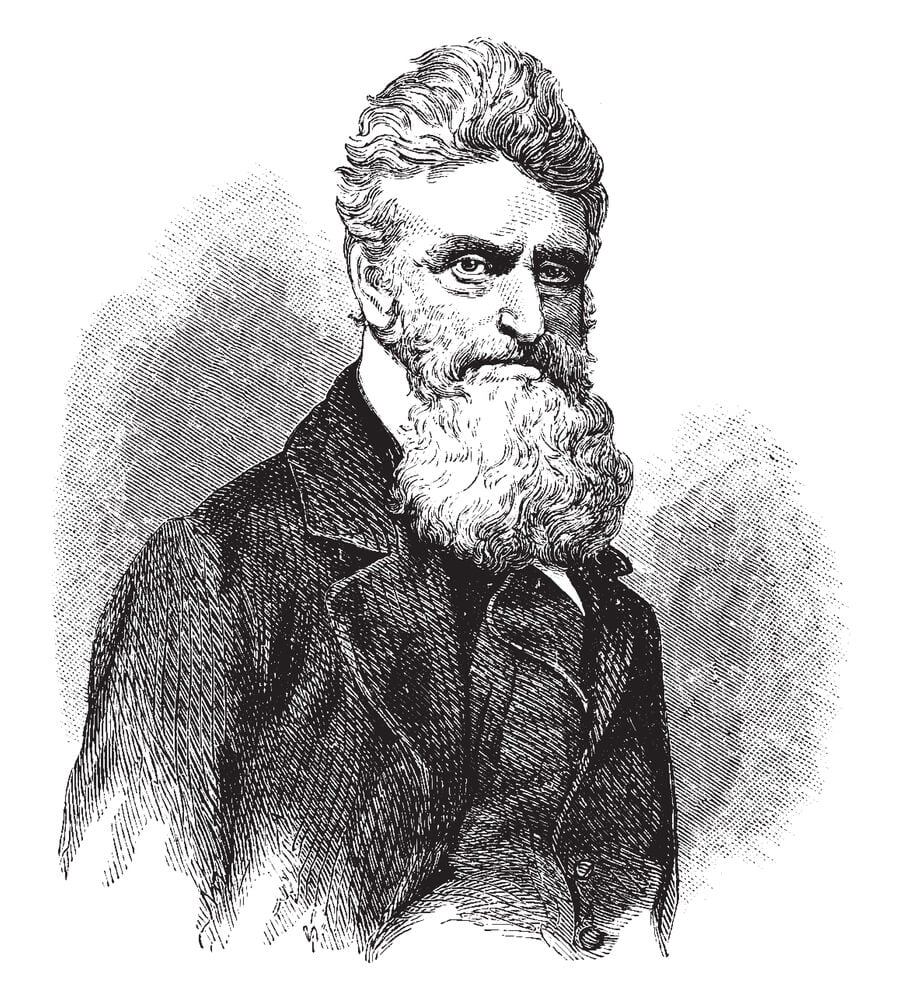
Delivered in 1859 after his conviction for the raid on Harpers Ferry, Brown’s unrepentant courtroom speech framed his armed insurrection against slavery as morally justified, a framing considerably more radical than the brief mentions Brown typically receives in standard curricula focused narrowly on the raid’s tactical failure.
What Gets Excerpted, and What Gets Left Whole

A pattern runs through most of these: speeches that pushed for gradual, reassuring progress tend to survive intact in classrooms, while speeches that indicated the system more directly get trimmed to a single safe line, or dropped from the syllabus altogether. It is rarely a conspiracy so much as a long accumulation of curriculum committees choosing the version of history that causes the least friction.
The speeches themselves did not go anywhere. They sit in archives, full transcripts available to anyone who looks.
What changed was simply which parts a textbook editor, decades removed from the moment, decided a classroom could handle.
More from Go2Tutors!

- The Romanov Crown Jewels and Their Tragic Fate
- 13 Historical Mysteries That Science Still Can’t Solve
- Famous Hoaxes That Fooled the World for Years
- 15 Child Stars with Tragic Adult Lives
- 16 Famous Jewelry Pieces in History
Like Go2Tutors’s content? Follow us on MSN.