25 Store Chains That Anchored American Malls
The American shopping mall reached its peak in the 1980s and 1990s as the central gathering place for consumer culture, defined not by the stores themselves but by the massive anchor department stores that bookended corridors and drew customers through entire complexes. These department stores provided the gravitational center that made malls function as social destinations rather than mere shopping locations—places where teenagers congregated after school and families spent weekends pursuing consumption as recreational activity.
The decline of these anchor stores represents the collapse of the entire mall ecosystem.
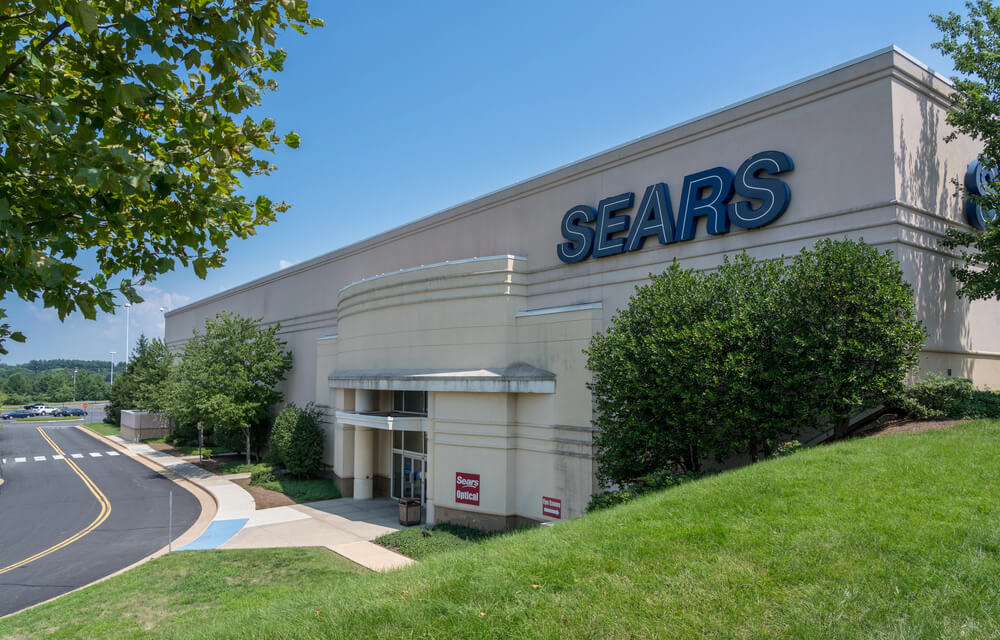
Sears
— Photo by steveheap
This department store giant once served as the largest catalog and retail operation in America, anchoring virtually every mall in the country with massive multi-story structures that carried everything from clothing to appliances and automotive goods. At its peak, Sears represented American retail dominance and economic confidence, but failure to adapt to online shopping and changing consumer preferences led to gradual decline.
The company that once seemed invincible in American retail contracted to just a handful of locations before bankruptcy and liquidation.
Montgomery Ward

— Photo by EJ Rodriquez Photography
This mail-order and retail giant that competed directly with Sears for generations operated stores that anchored malls across America, though financial mismanagement and late adaptation to modern retail trends ultimately caused its failure. Ward’s catalog was almost as iconic as Sears’, and the company occupied significant retail spaces in most major malls.
The company that survived the Great Depression and numerous economic crises couldn’t survive the transition to big-box retail.
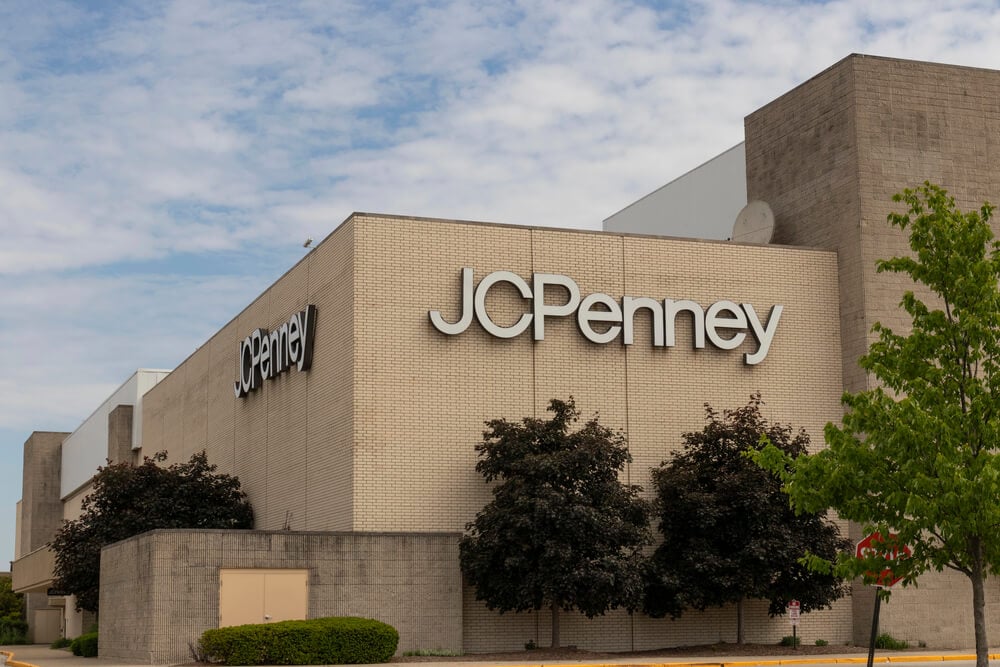
JCPenney
— Photo by jetcityimage2
Beginning as a mail-order company, Penney expanded into physical retail locations that became mall anchors across America, competing with Sears for middle-class customers who valued their mix of brand names and private-label goods. The company adapted better than some competitors, but persistent identity confusion about its market positioning and continuous leadership changes undermined its ability to respond to retail disruption.
Contemporary Penney locations continue operating, but as shells of their former significance.
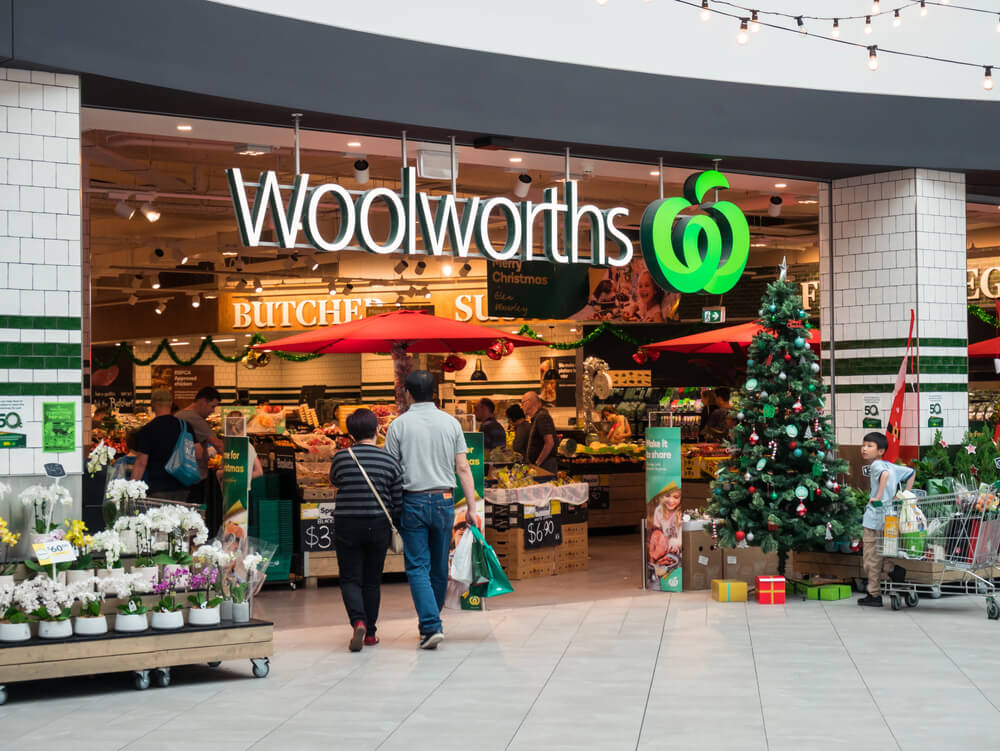
Woolworth’s
— Photo by nilsversemann
This five-and-dime store operator pioneered retail through discount pricing and extensive product ranges, establishing stores on main streets and in malls as family-oriented destinations where children could explore affordably priced merchandise. The iconic lunch counters that Woolworth’s operated became sites of civil rights activism during sit-ins, imbuing the stores with historical significance beyond retail.
The company’s failure to adapt to category-killers like Walmart sealed its fate.
Kmart
— Photo by lucidwaters
This discount department store chain became a staple in American retail by underpricing competitors while offering an extensive range of merchandise from clothing to household goods and groceries. The stores were typically larger than competitors and featured extensive electronics sections that drove traffic, particularly during major consumer events like Christmas.
The company’s failure to anticipate Amazon’s threat to its business model led to bankruptcy.
Macy’s
— Photo by jetcityimage2
This luxury department store chain maintained positions as premier mall anchors, particularly on the East Coast and in major metropolitan areas, catering to customers seeking fashion-forward merchandise and personal service. The company operated iconic flagship stores in cities like New York while maintaining mall-based locations across America, creating aspirational retail spaces.
While Macy’s continues operating significantly more stores than competitors, its role as a mall anchor has largely disappeared.
Marshall Field’s
— Photo by EJ Rodriquez Photography
This upscale department store chain dominated Chicago and the Midwest, operating beautiful flagship stores and mall-based locations that were particularly known for exceptional customer service and quality merchandise. The brand’s decision to sell to May Department Stores led to replacement with Macy’s branded locations, eliminating a beloved regional identity.
The loss of Marshall Field’s represented the end of regional department store identities and the rise of national chains.
The Boston Store
— Photo by Jkirsch13
This regional department store chain operated throughout the Midwest, providing mall anchors that contributed to community identity while competing with national chains for middle-class customers. The company’s regional identity meant it understood local markets better than national competitors but lacked the scale to compete effectively.
Contemporary retail has eliminated the space for regional department stores.
Elder Beerman
This regional department store chain served smaller cities and towns across the Midwest and Southeast, anchoring smaller malls and serving as gathering places for local shoppers. The stores weren’t as prestigious as national chains but understood their markets and provided personal service that larger competitors couldn’t match.
The company eventually merged with other regional chains before disappearing entirely.
Burdines
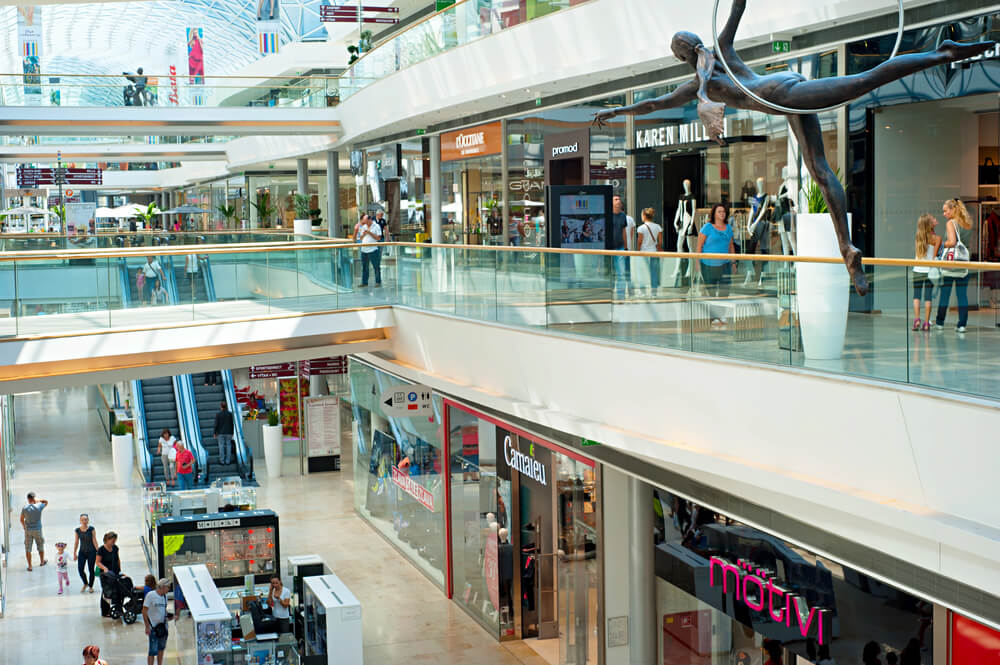
This department store chain established itself as a premier Miami retailer, eventually expanding into other southeastern markets through store locations that became important retail anchors. The company operated stores known for fashion awareness and customer service that created loyal customer bases.
The consolidation of regional department stores eliminated Burdines’ independent identity.
Filene’s
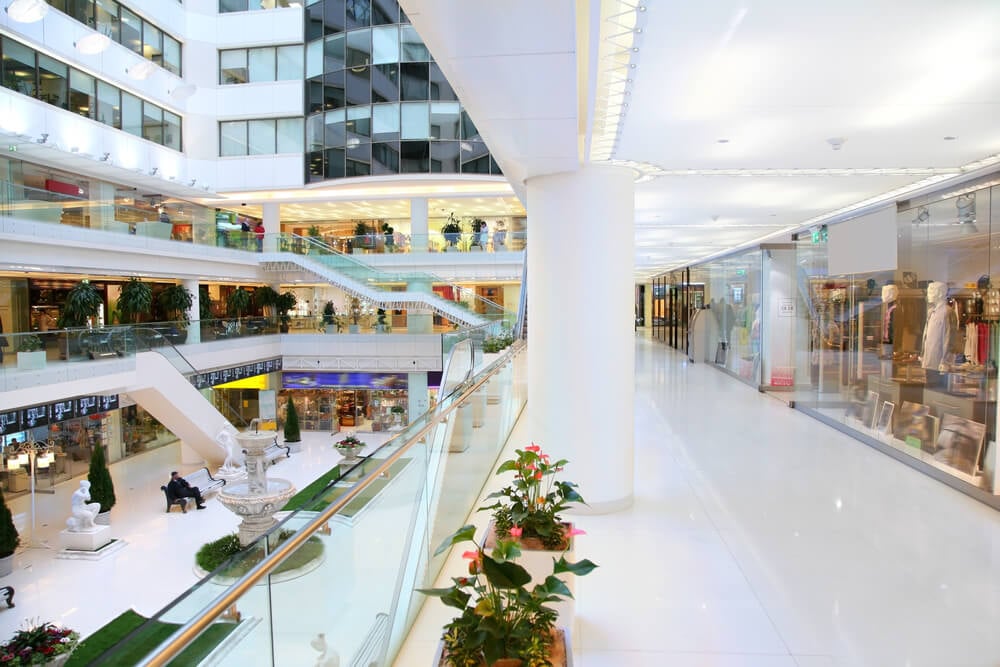
This Boston-based department store chain expanded beyond New England through mall locations that catered to middle-and upper-middle-class shoppers seeking quality merchandise and service. The company was particularly known for its legendary basement sales that created shopping events drawing customers from across New England.
The company’s regional identity couldn’t protect it from national retail trends.
Strawbridge’s
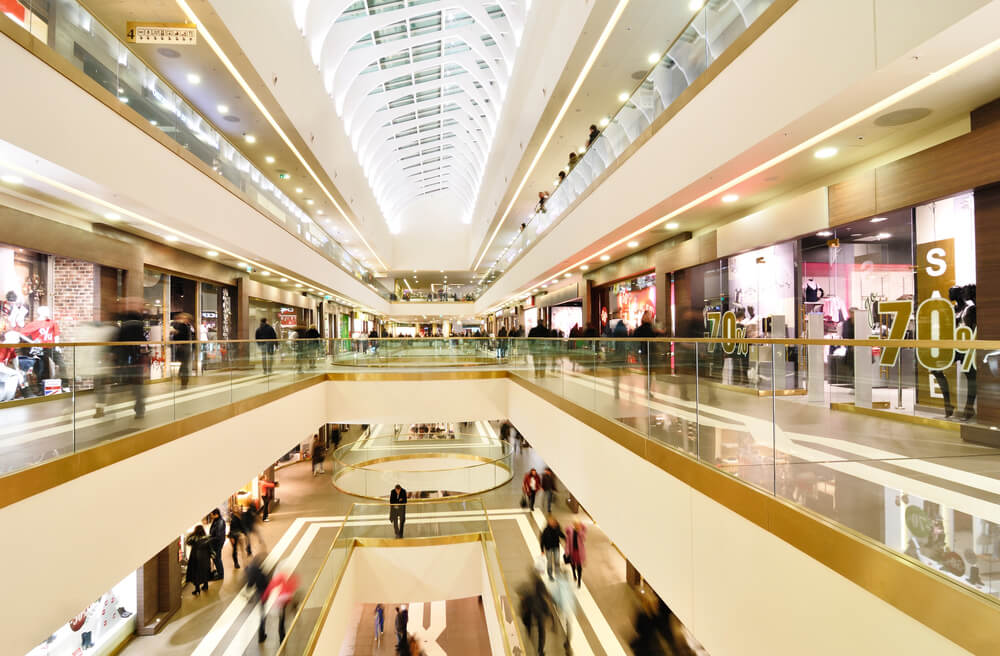
This Philadelphia-based department store anchored malls throughout the Mid-Atlantic region, operating stores that were known for customer service and merchandise quality that appealed to established suburban families. The company maintained a distinct regional identity even as national chains homogenized American retail.
Regional pride couldn’t overcome the economics of national retail consolidation.
Dayton Hudson

Operating as Target’s parent company, Dayton Hudson created upscale department stores that anchored malls while maintaining distinct regional identities in the Midwest. The company’s willingness to experiment with smaller store formats eventually led to the Target brand’s emergence and dominance.
The company effectively cannibalized its own department stores through the rise of Target.
Hudson’s
— Photo by BalkansCat
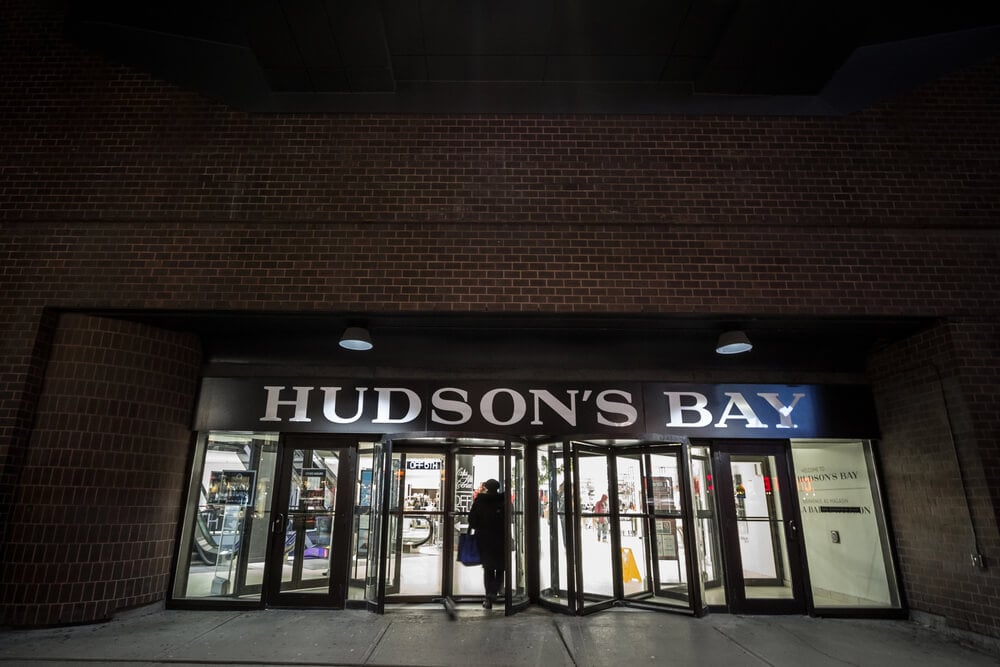
This regional department store chain based in Detroit anchored malls throughout the Midwest, serving as shopping destinations known for merchandise quality and customer service. The company’s expansion through acquisition gave it significant scale, but regional identity made it vulnerable to national consolidation.
The stores that once drew entire communities eventually closed as retail consolidated.
Campeau Corporation Stores
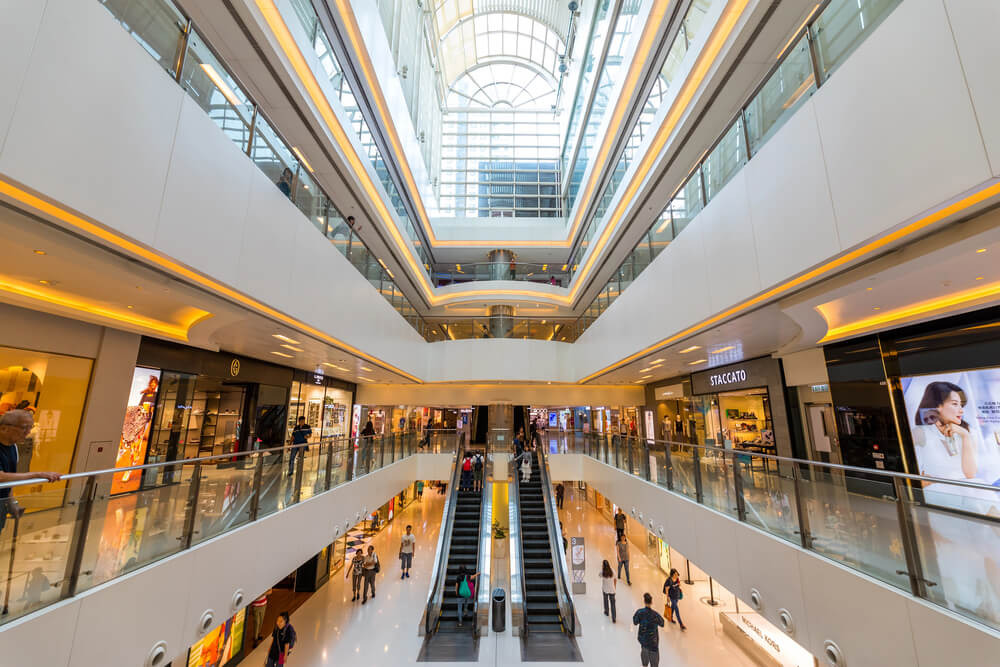
This retail conglomerate owned multiple department store chains and briefly represented the kind of diversified retail empire that seemed dominant in the 1980s before overexpansion and debt created a financial crisis. The company’s acquisition strategy tried to create retail scale through accumulated brands, but the fundamental business model proved unsustainable.
The company’s bankruptcy essentially eliminated multiple regional brands simultaneously.
The Limited
— Photo by BGStock72
While primarily a mall-based specialty store rather than traditional anchor, The Limited created a powerful retail presence in malls through scale of operations and brand dominance in women’s apparel. The company’s sub-brands like Express and Victoria’s Secret operated throughout malls, creating retail universes within mall corridors.
Contemporary retail has largely abandoned The Limited’s format.
Dillard’s
— Photo by Marti157900
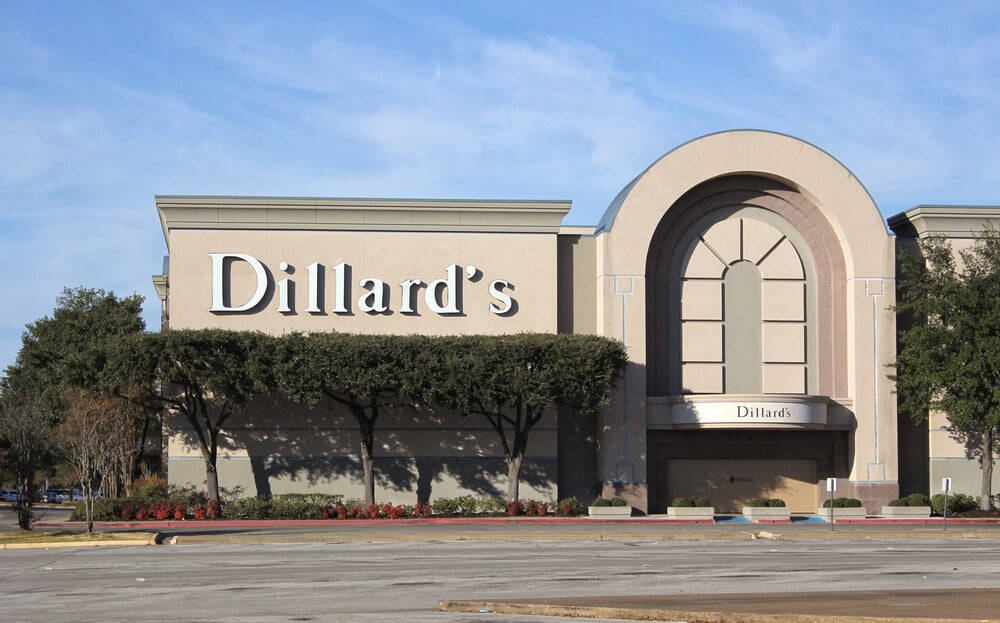
This Southern department store chain maintained strong regional presence particularly in Texas and across the Southeast, operating stores that competed effectively with national chains through understanding local markets. While Dillard’s continues operating far more stores than regional competitors, its role as a defining mall anchor has diminished.
The company represents one of the few regional chains that survived consolidation.
Belk
— Photo by sainaniritu
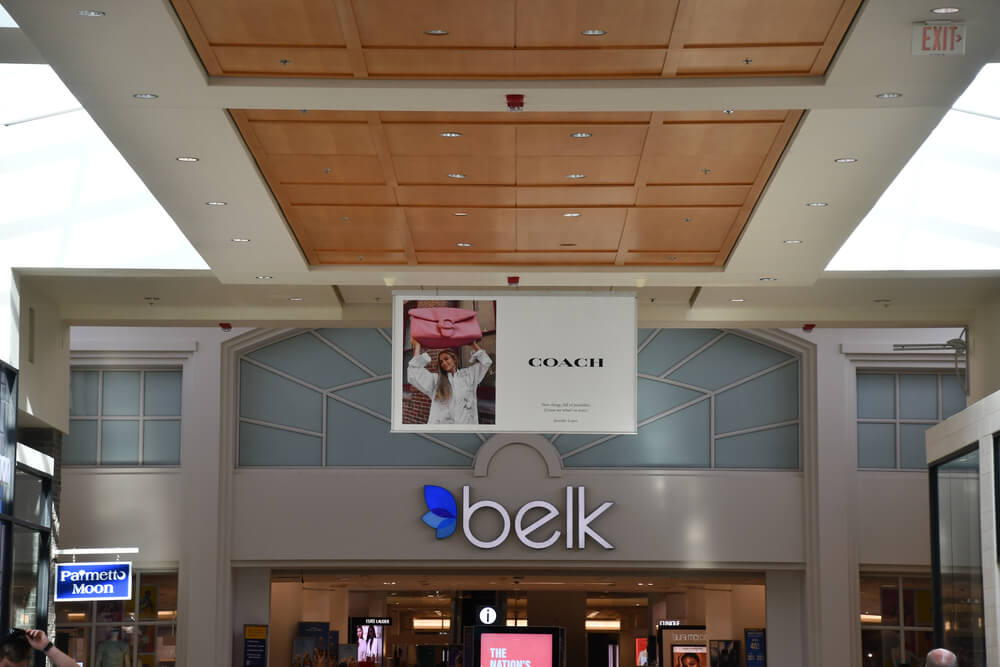
This Southern department store chain operated throughout the Southeast and into Mid-Atlantic regions, maintaining operations that served middle-class shoppers seeking moderately priced merchandise from national brands. The company continues operating today, though its footprint has contracted significantly from its historical peak.
Belk represents the surviving remnant of regional department store culture.
Gottschalks
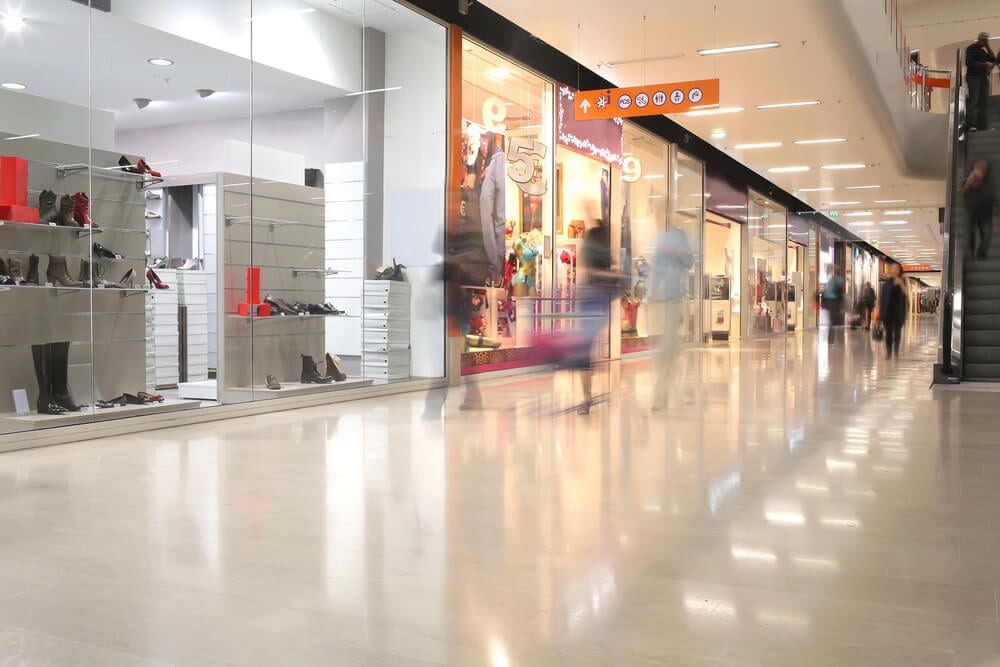
This West Coast department store chain anchored malls throughout California, Nevada, and Arizona, serving as destinations that helped define shopping patterns in western regions. The company operated stores that were particularly known for customer service and merchandise selection that appealed to diverse regional demographics.
The company eventually ceased operations as western retail consolidated.
Meier & Frank
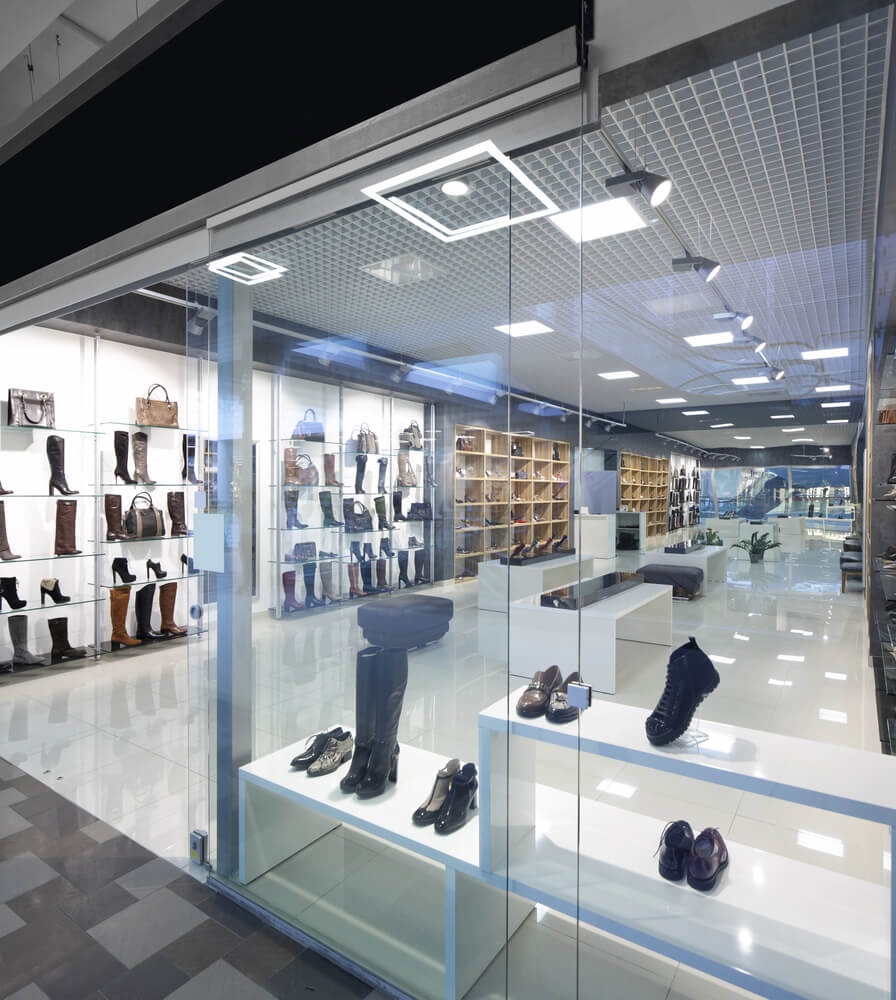
This Portland-based department store chain that operated throughout the Pacific Northwest created iconic flagship stores and mall-based locations that served regional customers for generations. The company’s acquisition by May Department Stores led to conversion to Macy’s branded locations, eliminating a beloved regional institution.
The loss of Meier & Frank represented the end of Pacific Northwest retail identity.
Nordstrom
— Photo by jetcityimage2
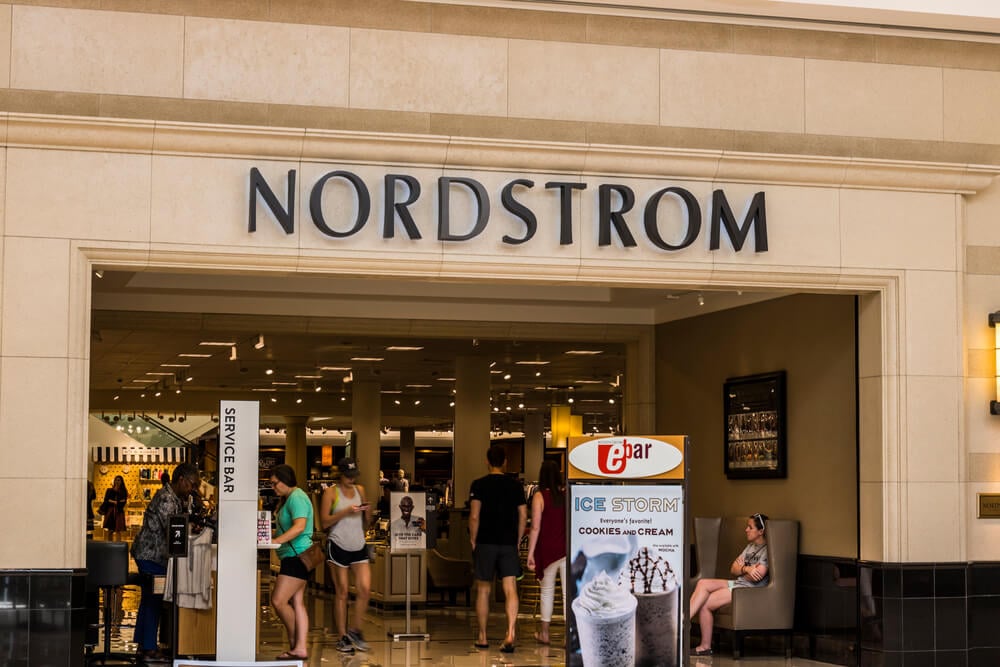
While Nordstrom continues operating successfully, its traditional mall-based anchor store format has become increasingly rare as the company moves toward urban flagship locations and off-mall formats. The company’s commitment to service created loyal customers, but the mall-based anchor concept has become economically unsustainable.
Nordstrom’s evolution reflects the broader transition away from mall-based retail.
Neiman Marcus
— Photo by wolterke
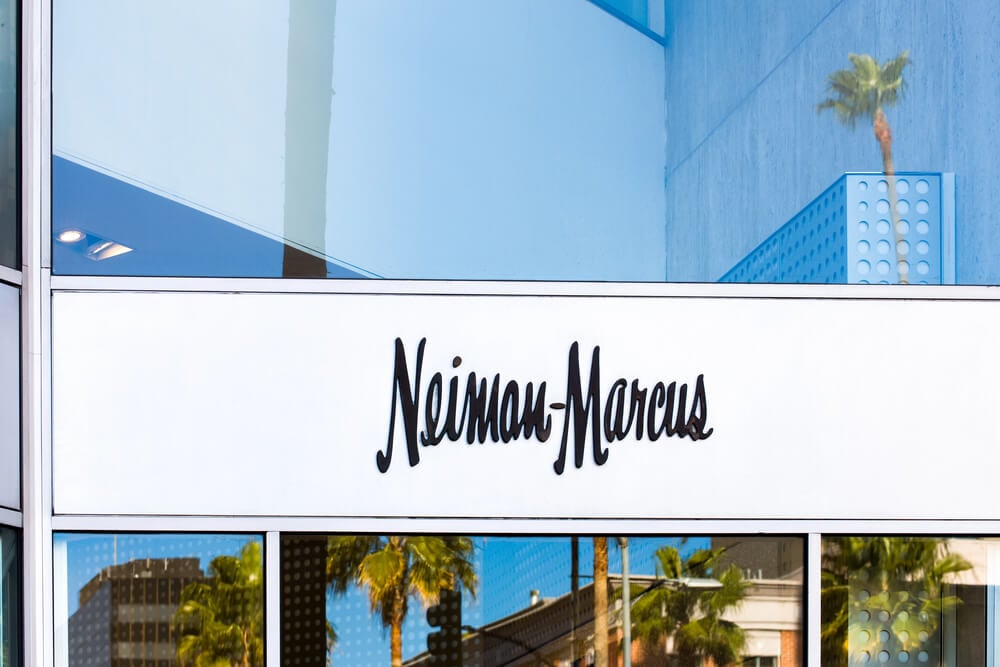
This luxury department store chain maintains select locations but has largely abandoned mall-based anchors in favor of standalone flagship locations in major metropolitan areas. The company’s focus on ultra-luxury customers meant that mall locations were increasingly inappropriate for its brand positioning.
Contemporary Neiman Marcus serves a narrower customer base than traditional department stores.
Bloomingdale’s
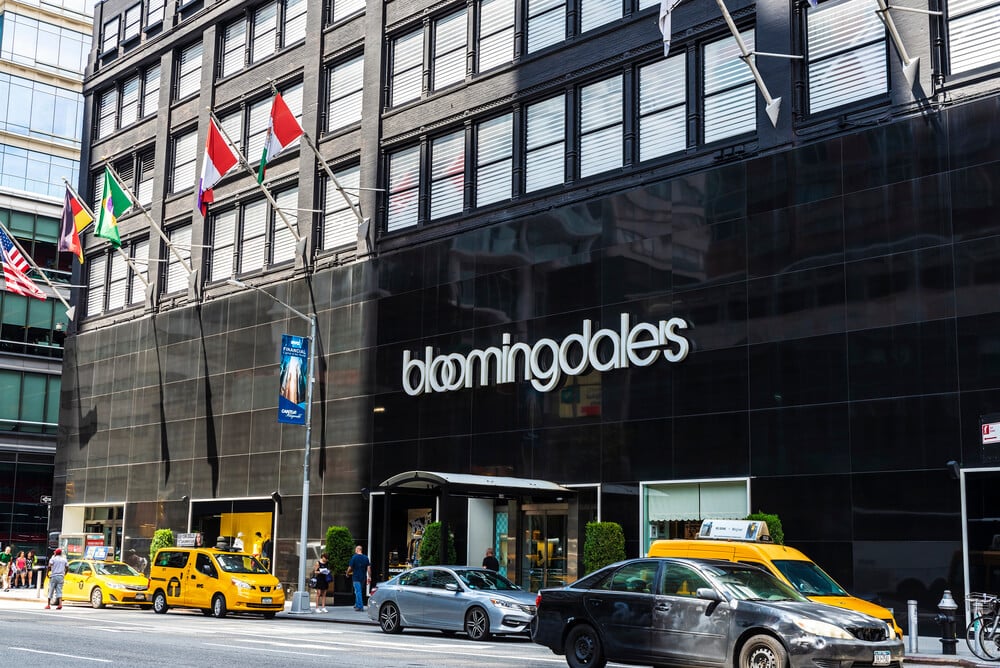
— Photo by J2R
This upscale department store chain operated mall-based locations alongside its iconic flagship New York store, serving customers seeking luxury merchandise and personal service. While Bloomingdale’s continues operating, its mall presence has contracted significantly from its historical prominence.
The company now focuses on urban locations and stand-alone concepts.
Emporium
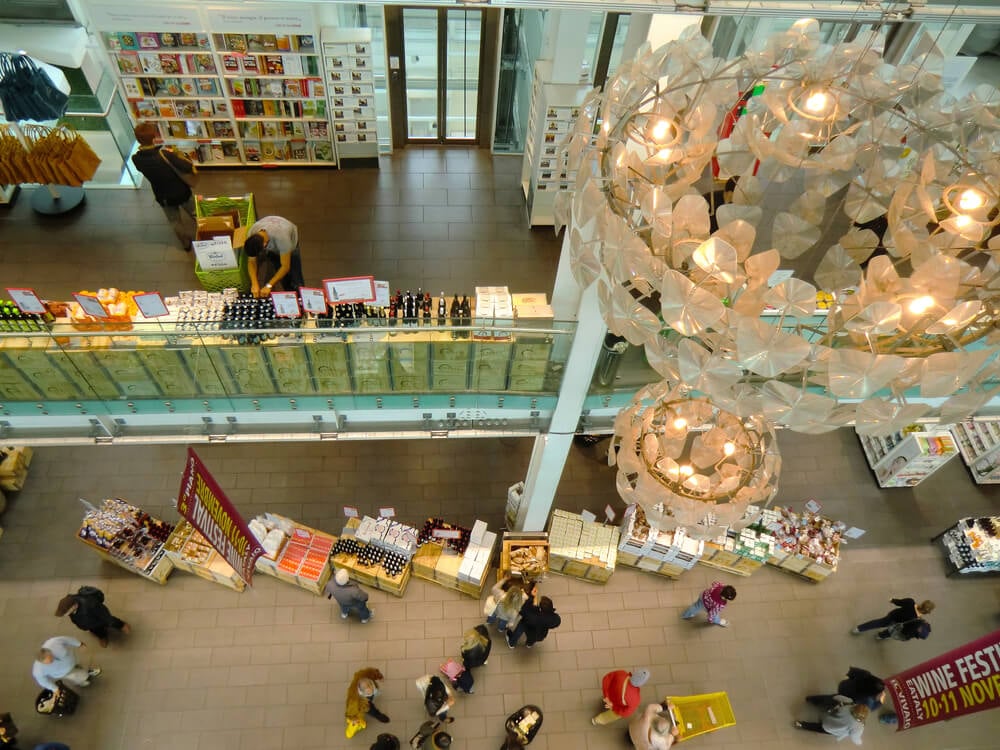
— Photo by angelocalvino
This San Francisco-based department store chain expanded throughout Northern California through distinctive stores that served regional markets effectively before consolidation eliminated the brand. The company operated stores that were particularly known for their distinctive architecture and customer service.
The company ultimately was acquired and consolidated into national chains.
Stage Stores
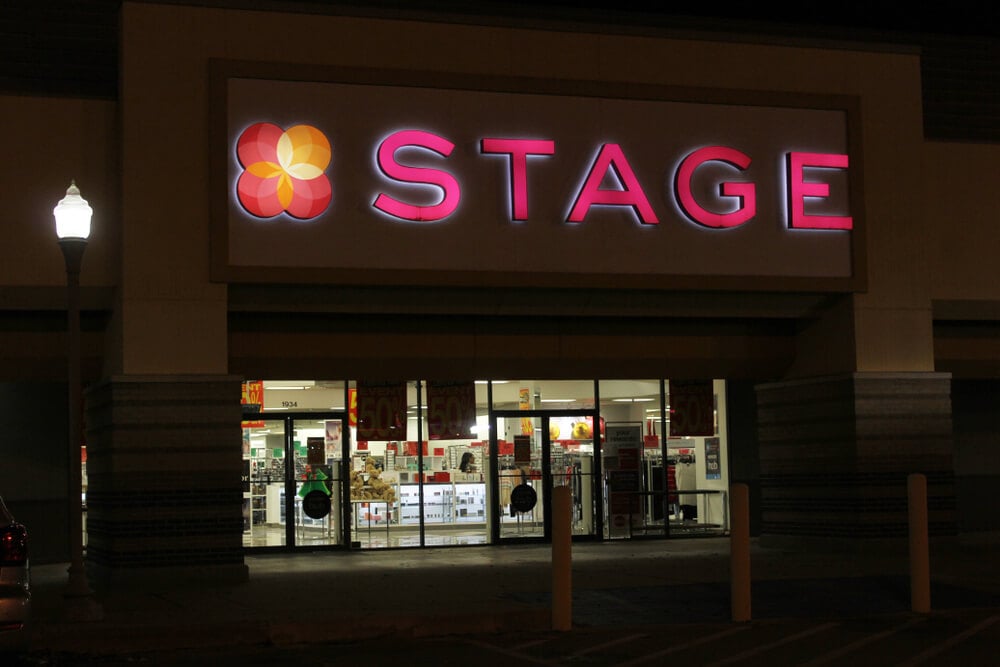
This regional discount department store chain operated throughout the Midwest and South, providing affordable shopping options in smaller communities and mall locations that valued price over prestige. The company served a different market segment than traditional department stores but still fell victim to retail consolidation.
Stage Stores eventually ceased operations as retail continued consolidating.
When Anchor Meant Something
The disappearance of these anchor department stores represents the fundamental collapse of the mall-based retail model that dominated American consumer culture for four decades. These stores were called “anchors” because they literally anchored malls, drawing customers through corridors to smaller specialty retailers that depended on foot traffic.
The shift to online shopping, big-box retail, and lifestyle centers fundamentally restructured American retail, eliminating the central gathering places that made malls socially important. What we’ve lost isn’t merely retail locations but entire ecosystems of social gathering and consumer ritual.
More from Go2Tutors!

- 16 Historical Figures Who Were Nothing Like You Think
- 12 Things Sold in the 80s That Are Now Illegal
- 15 VHS Tapes That Could Be Worth Thousands
- 17 Historical “What Ifs” That Would Have Changed Everything
- 18 TV Shows That Vanished Without a Finale
Like Go2Tutors’s content? Follow us on MSN.