15 Unique Musical Instruments From Around The Globe
Music is the universal language that connects us all, but the instruments used to create those melodies can be wonderfully strange and surprising. While most of us know guitars, pianos, and drums, countless cultures have developed their own unique ways of making music that sound nothing like what you’d expect. From instruments that use fire to create sound to devices that turn vegetables into orchestras, the world is filled with musical creativity that will make you rethink what an instrument can be.
These aren’t just oddities or novelties – they’re serious musical tools with rich cultural histories and devoted players. Here is a list of 15 unique musical instruments from around the globe that showcase the incredible diversity of human musical expression.
Mbira

This African thumb piano creates enchanting melodies that sound like rainfall on metal. The mbira consists of metal strips mounted on a wooden board, played by plucking the strips with your thumbs.
Originating with the Shona people of Zimbabwe over 1,000 years ago, the mbira is traditionally used in spiritual ceremonies to communicate with ancestors. The instrument often includes bottle caps or other metal pieces that create a distinctive buzzing sound, adding an ethereal quality that makes the music feel otherworldly.
Yaybahar
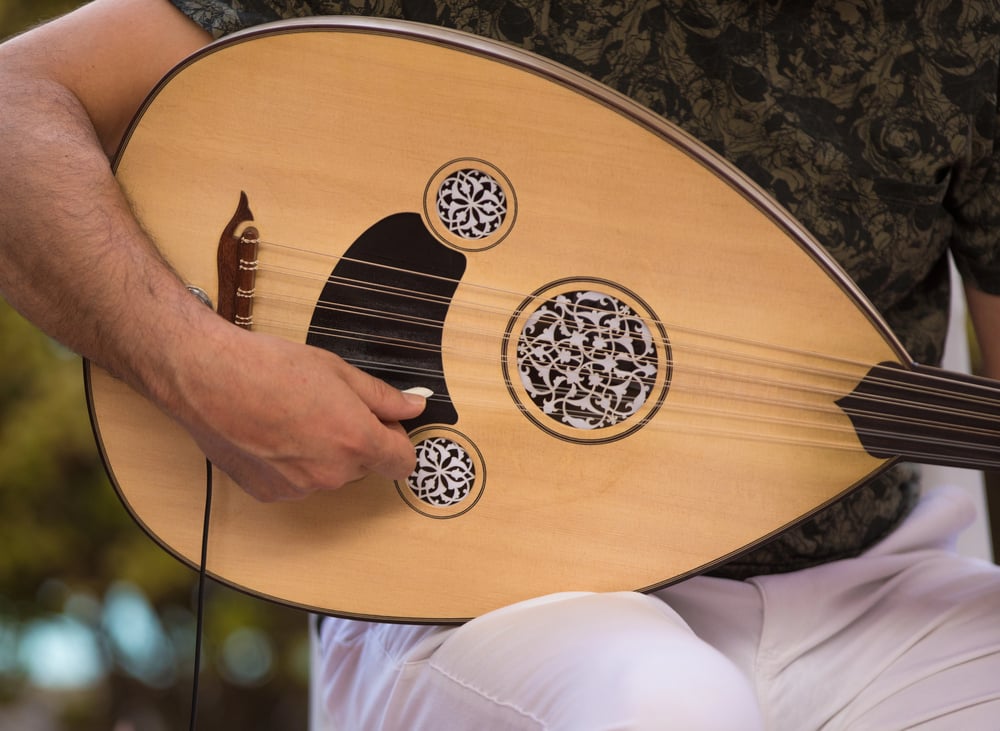
Turkey gave us this acoustic marvel that sounds like it belongs in a science fiction movie. The yaybahar combines strings, springs, and frame drums to create surreal soundscapes without any electricity or amplification.
When you bow or strike the strings, the vibrations travel through coiled springs to the drums, creating echoing, hypnotic sounds that seem to swirl around you. It’s like having a whole electronic music studio that runs on nothing but physics and creativity.
Like Go2Tutors’s content? Follow us on MSN.
Nyckelharpa

Sweden’s contribution to weird and wonderful instruments looks like someone attached a keyboard to a violin. The nyckelharpa features bowed strings and a series of keys that change the pitch when pressed.
Dating back to medieval times, this instrument creates hauntingly beautiful folk melodies that capture the essence of Scandinavian musical traditions. The name literally means ‘key harp,’ and watching someone play it feels like witnessing musical magic.
Didgeridoo

Australia’s ancient wind instrument proves that sometimes the simplest ideas create the most mesmerizing sounds. Made from eucalyptus branches hollowed out by termites, the didgeridoo produces deep, droning tones through a technique called circular breathing.
Aboriginal Australians have been playing this instrument for thousands of years, using it in ceremonies and storytelling. The continuous sound it creates can be meditative, rhythmic, or downright hypnotic depending on the player’s skill.
Glass Armonica
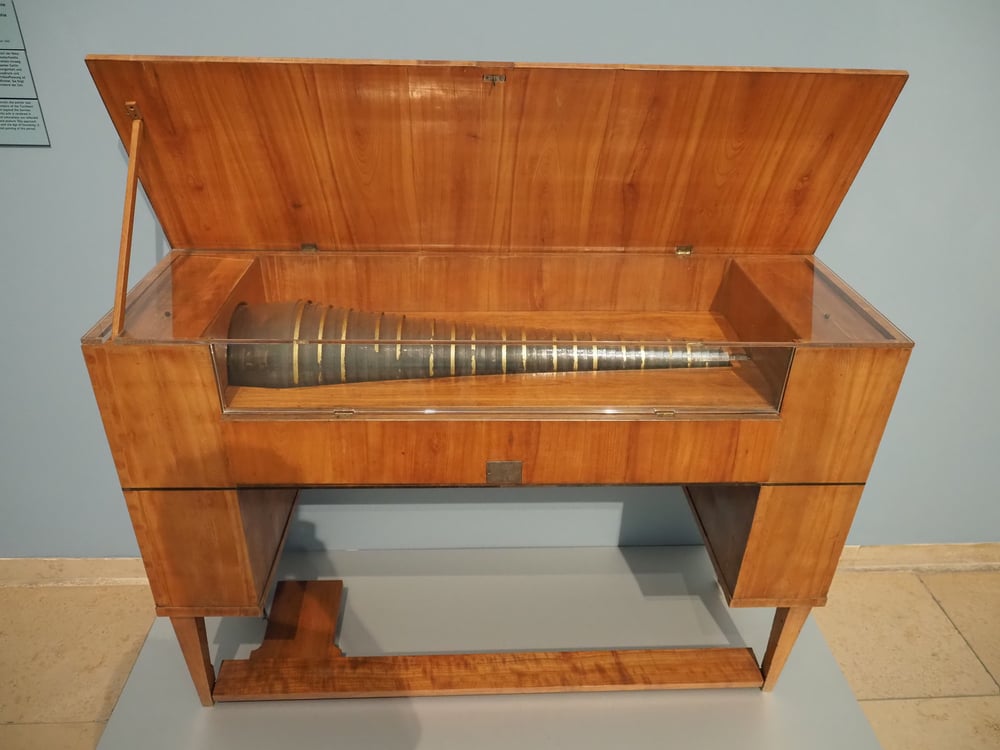
Benjamin Franklin invented this ethereal instrument by arranging glass bowls of different sizes on a rotating spindle. Players wet their fingers and touch the spinning glass to create pure, haunting tones that seem to float in the air.
Popular in the 18th century, the glass armonica was believed to have healing properties, though some claimed it could drive people mad. The sound is so otherworldly that Mozart and Beethoven both composed pieces specifically for this crystalline instrument.
Like Go2Tutors’s content? Follow us on MSN.
Theremin
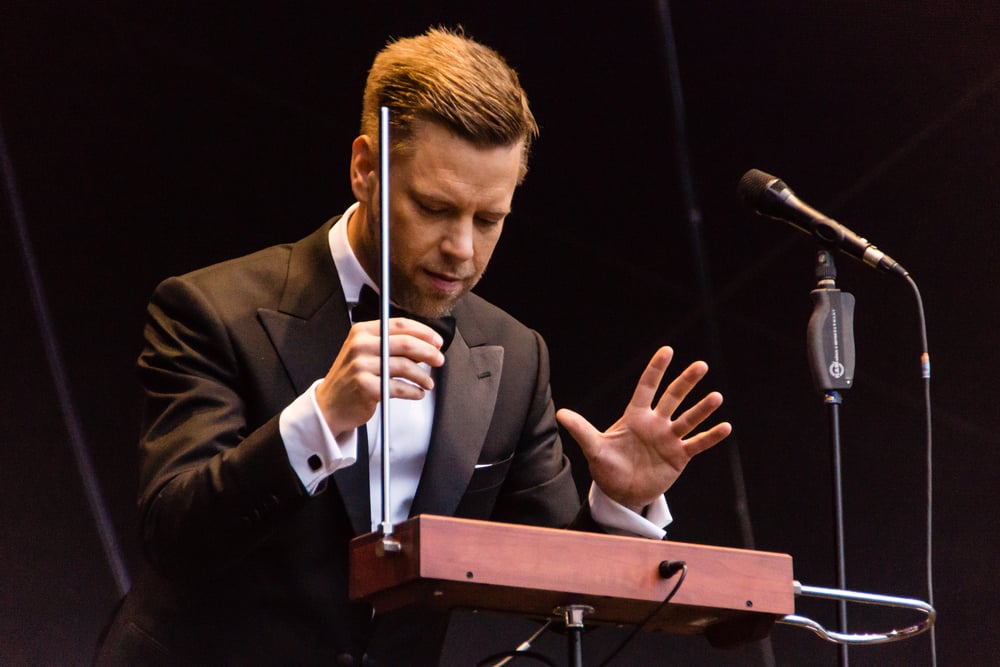
This electronic wonder is played without touching it at all – just by moving your hands near two metal antennas. Invented in 1920s Russia, the theremin responds to the electromagnetic fields created by your hand movements, controlling pitch and volume through thin air.
It’s the go-to instrument for spooky movie soundtracks, but skilled players can create beautiful, expressive music that sounds like a human voice singing without words.
Hang Drum
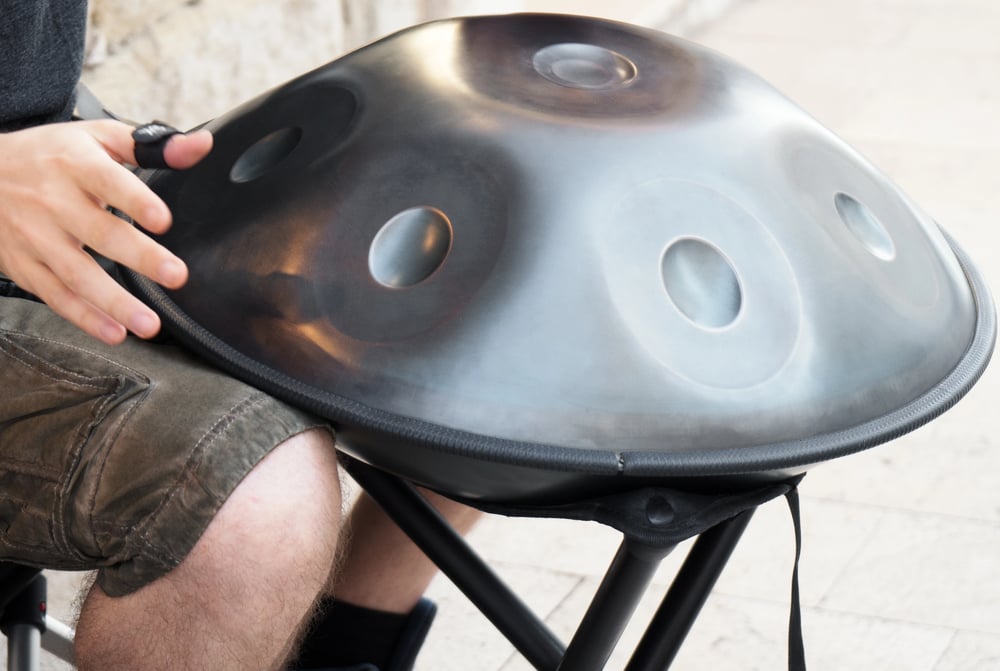
Switzerland surprised the world in 2000 with this UFO-shaped percussion instrument that sounds like steel drums had a baby with a gong. The hang drum is played by striking different areas with your hands, creating melodic, bell-like tones that seem to resonate forever.
Each drum is tuned to a specific scale, making it nearly impossible to hit a wrong note. Street performers love these instruments because they create an instant atmosphere and draw crowds like musical magnets.
Fujara

Slovakia’s giant flute can reach up to six feet long and produces incredibly deep, soulful tones. This three-finger instrument requires a unique playing technique where you use your breath and finger movements to create haunting folk melodies.
Traditionally carved from a single piece of spruce wood, the fujara was used by shepherds in the mountains. The instrument’s size means you need serious lung power, but the rich, woody tones it produces are worth the effort.
Like Go2Tutors’s content? Follow us on MSN.
Cristal Baschet

French brothers created this space-age instrument in the 1950s using glass rods mounted on a metal frame. Players rub the glass with wet fingers or resin-coated bows to create sounds ranging from crystalline chimes to deep, resonant drones.
The Cristal Baschet looks like modern art but sounds like music from another planet. Each performance becomes a visual and auditory experience as the glass elements vibrate and shimmer while producing their unique tones.
Berimbau
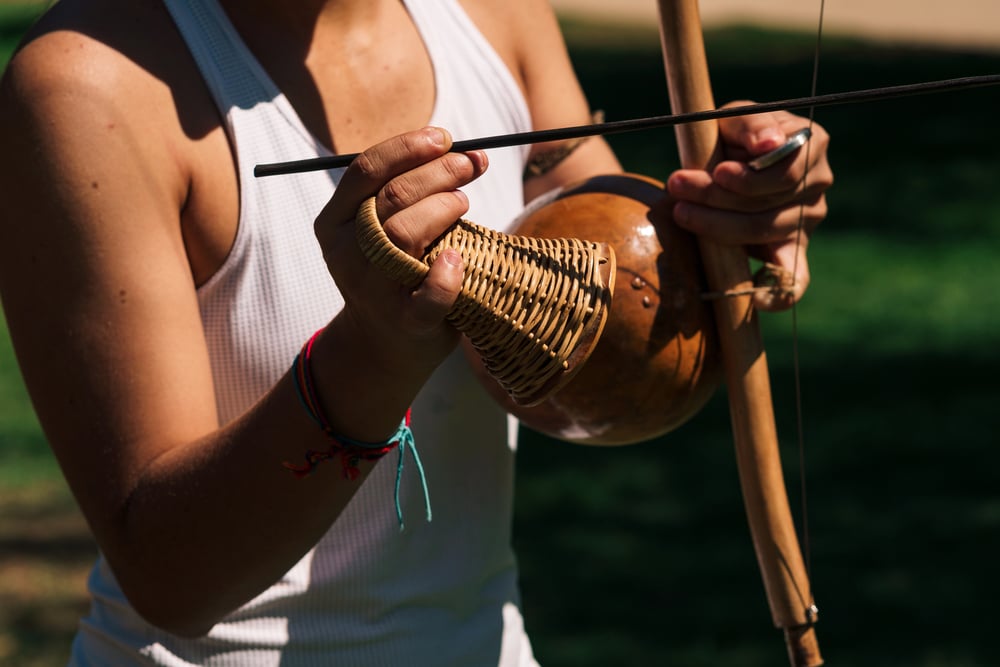
Brazil’s one-stringed wonder powers the martial art of capoeira with its distinctive twanging rhythm. This bow-shaped instrument uses a gourd as a resonator and is played with a stick and metal coin or stone.
The berimbau player controls the pitch by pressing the coin against the string while striking it with the stick. Different rhythms signal different movements in capoeira, making the instrument essential to this graceful fighting dance.
Chapman Stick

This 10 to 12-string marvel lets one musician sound like an entire band by using a two-handed tapping technique. Invented in the 1970s, the Chapman Stick allows players to simultaneously play bass lines, chords, and melodies.
It’s like having a guitar, bass, and keyboard rolled into one instrument. Progressive rock and jazz fusion musicians love the Chapman Stick because it opens up musical possibilities that simply don’t exist with traditional instruments.
Like Go2Tutors’s content? Follow us on MSN.
Kalimba
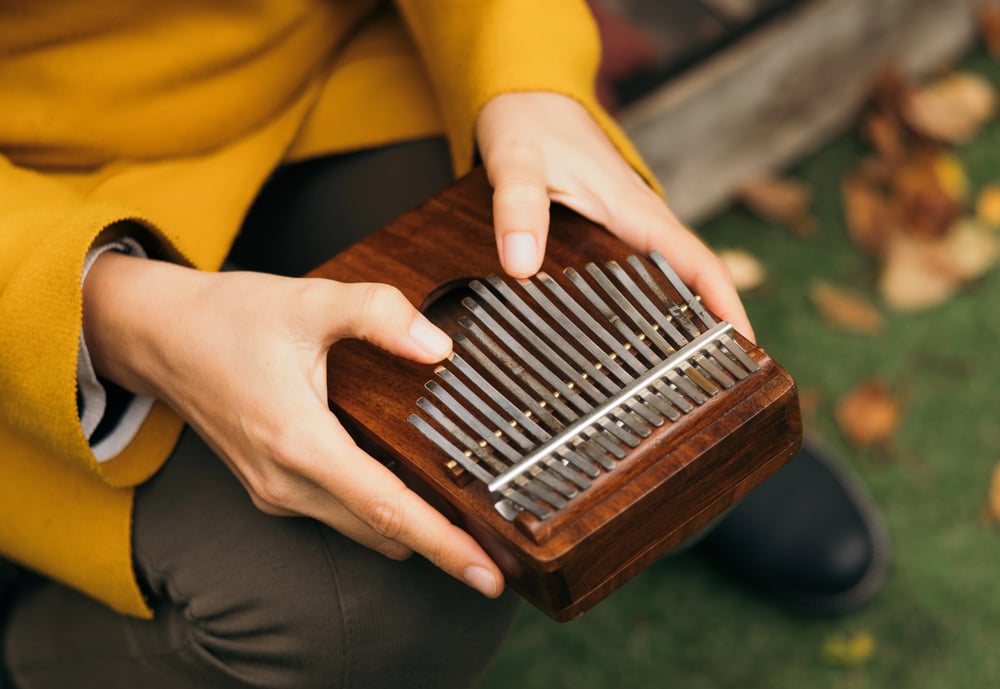
Africa’s answer to the music box creates gentle, meditative sounds perfect for relaxation. Also known as the thumb piano, the kalimba features metal strips mounted on a wooden board that you pluck with your thumbs.
Originally used by storytellers and healers throughout Africa, the modern kalimba has found new life in world music and meditation practices. The sound is so soothing that many people use kalimbas for stress relief and sleep aid.
Dizi
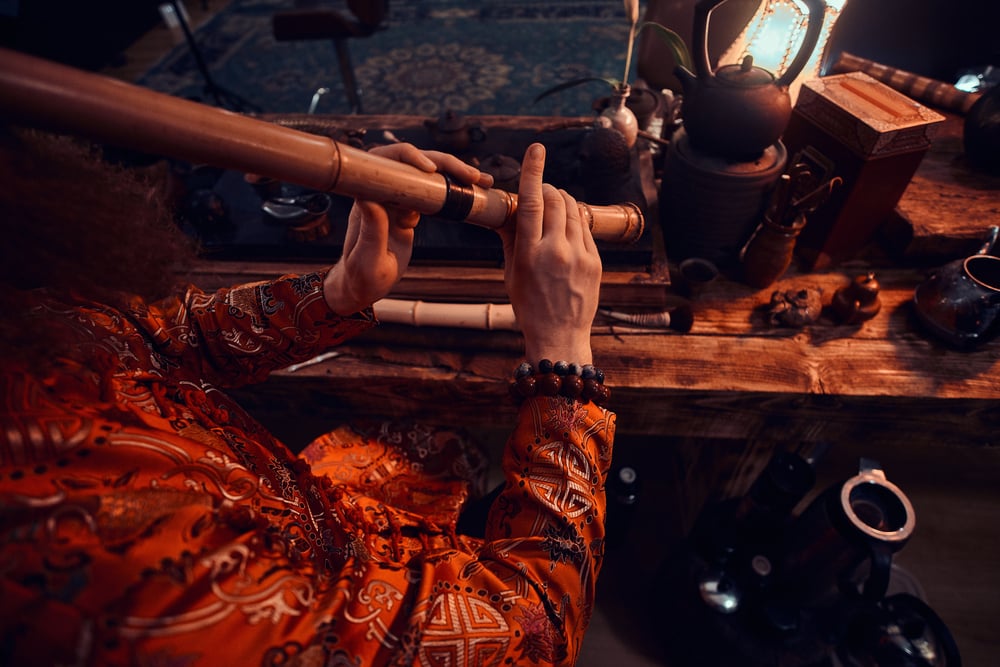
China’s bamboo flute includes a unique membrane that gives it a distinctive buzzing quality unlike any Western flute. Made from a single piece of bamboo with a special membrane covering one of the sound chambers, the dizi creates both pure flute tones and raspy, vibrating effects.
This versatility makes it perfect for Chinese opera, folk music, and modern compositions. The buzzing membrane can be adjusted or removed entirely, giving players incredible control over the instrument’s character.
Serpent
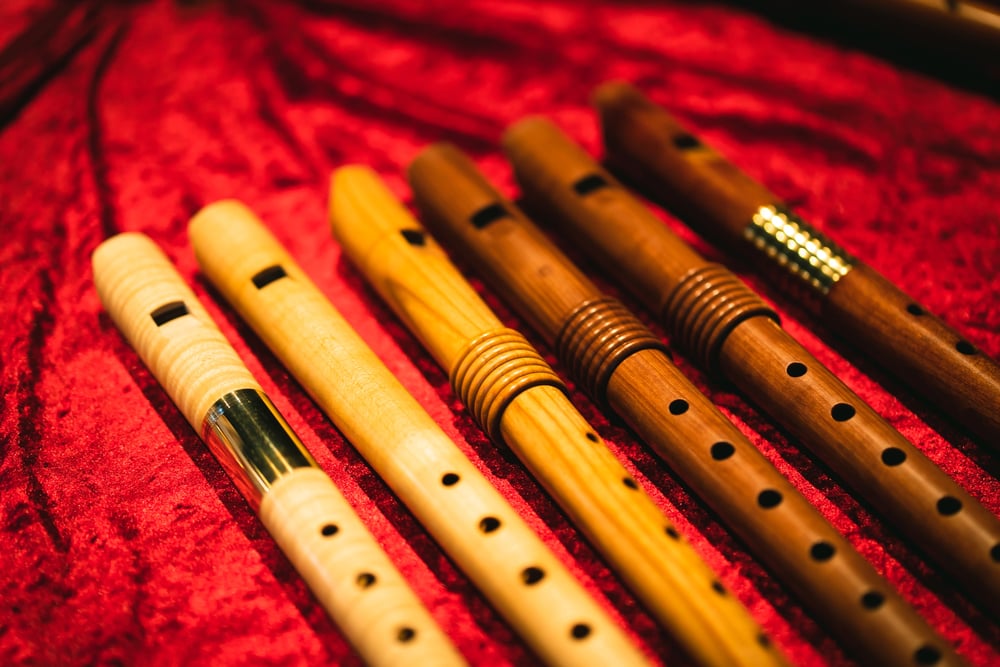
This snake-shaped bass wind instrument from Renaissance Europe looks like someone tried to turn a garden sprinkler into a musical instrument. Made of wood covered in leather, the serpent has finger compartments like a woodwind but a brass mouthpiece.
It served as the bass voice in church music before the tuba was invented. Playing the serpent requires serious lung power and finger dexterity, as the winding shape makes it challenging to reach all the finger spaces while maintaining proper breath support.
Like Go2Tutors’s content? Follow us on MSN.
Stalacpipe Organ

Virginia’s Luray Caverns houses this geological wonder that turns an entire cave into a musical instrument. Created by carefully selecting and tuning 37 stalactites to specific pitches, this organ uses rubber mallets controlled by a keyboard to strike the stone formations.
The natural acoustics of the cave amplify the tones, creating an eerie, cathedral-like sound that no traditional organ can replicate. It’s literally music carved from the earth itself, taking millions of years to grow and three years to tune.
Echoes Across Cultures
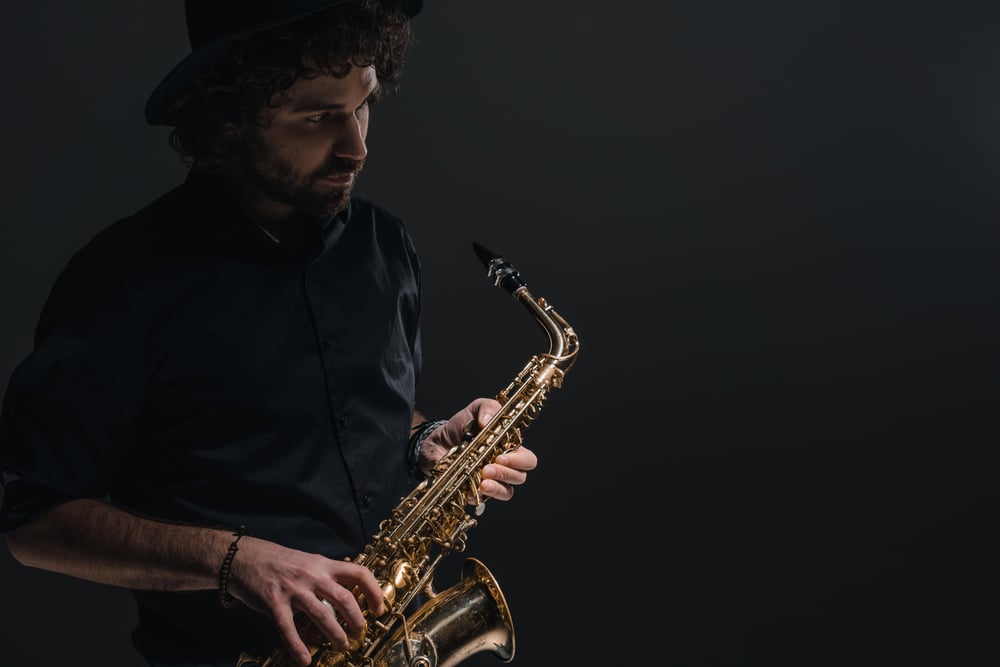
These remarkable instruments remind us that musical creativity knows no boundaries. What started as practical needs – calling across distances, accompanying rituals, or simply making life more beautiful – evolved into sophisticated art forms that continue to captivate audiences today.
Each instrument tells the story of its culture while proving that humans will always find new ways to make the world more musical. Whether created from ancient caves or modern materials, these unique instruments show that innovation and tradition can dance together in perfect harmony.
More from Go2Tutors!

- 16 Historical Figures Who Were Nothing Like You Think
- 12 Things Sold in the 80s That Are Now Illegal
- 15 VHS Tapes That Could Be Worth Thousands
- 17 Historical “What Ifs” That Would Have Changed Everything
- 18 TV Shows That Vanished Without a Finale
Like Go2Tutors’s content? Follow us on MSN.