30 Vintage Fishing Lures Worth Real Money
Most old tackle boxes hold about twelve dollars’ worth of rusty hooks and chewed plastic. A few hold a painted wooden minnow that pays for a new boat, and the difference is rarely obvious to the person cleaning out the garage.
Values below reflect recent auction and dealer ranges for genuine examples. Every price depends on condition, and original paint, original hardware, and the cardboard box can each double a figure or cut it in half.
J. T. Buel Spoons
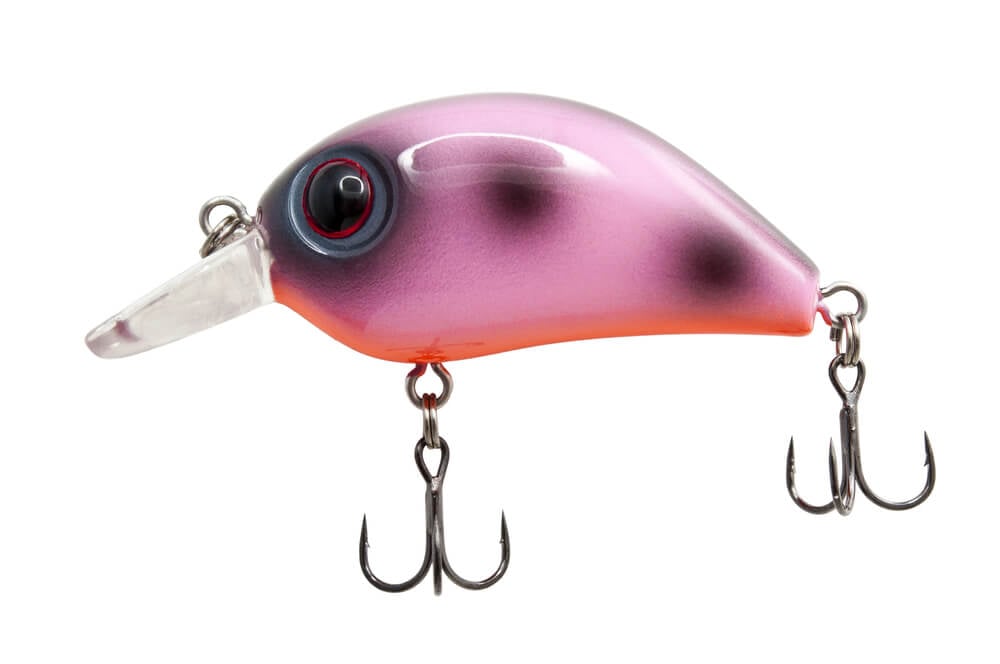
Julio Buel of Whitehall, New York, received the first American patent for a fishing lure in 1852. The story he told was that he dropped a teaspoon over the side of a boat as a boy in Vermont and watched a large fish strike it on the way down.
He sawed the handle off another spoon, soldered on a hook, and eventually built a business. Spoons stamped with his name and Whitehall address bring $50 to $500 and occasionally more, depending on size, markings, and condition.
Feathered trebles and legible stamping matter most.
The Haskell Minnow
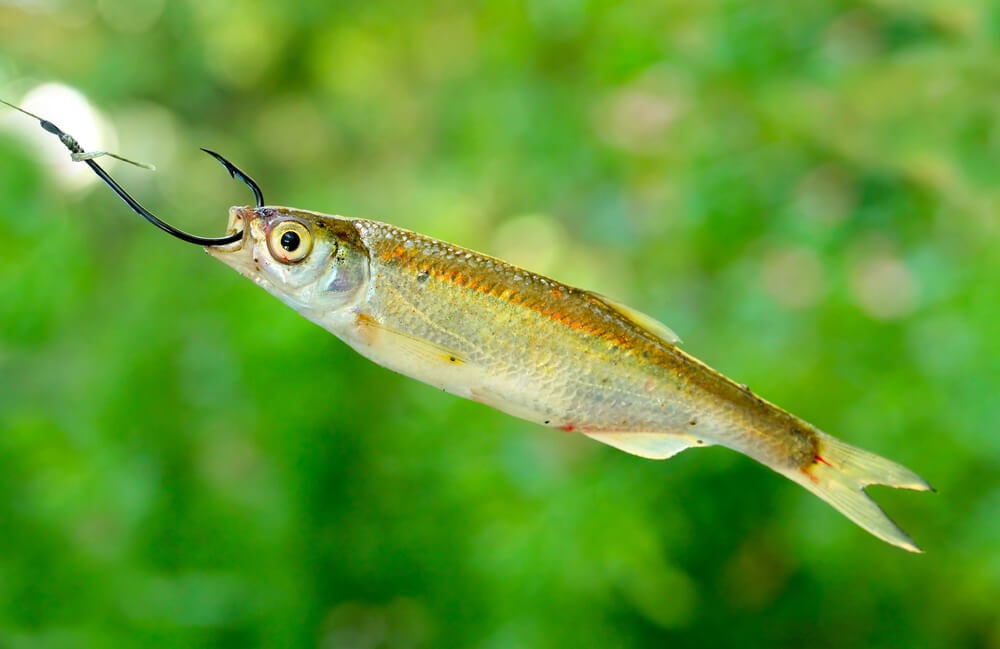
Riley Haskell was a gunsmith in Painesville, Ohio, and he brought an engraver’s skill to the hollow copper and brass fish he patented in 1859. The body shows scales, fins, and eyes in fine detail, and the tail section revolves on the retrieve.
Standard sizes sell for five figures when they surface at all. In 2003 Lang’s auction house sold the only known giant version, about ten inches long and complete with its box, for $101,200.
That figure has been cited ever since as the highest price paid for a single lure.
Comstock Flying Hellgrammite

Harry Comstock of Fulton, New York, patented this oddity in 1883. It has a slender wooden body, glass eyes, and a pair of metal wings that spin the lure in the current, and it ranks among the earliest American baits with a wooden body.
A legal fight over the design with the Pflueger family’s Ohio company followed almost immediately. Very few survive.
Authentic examples bring well into five figures, depending on condition, and specialists study the wing shape and body paint closely because the rival version is worth considerably less.
James Heddon’s Hand-Carved Frogs
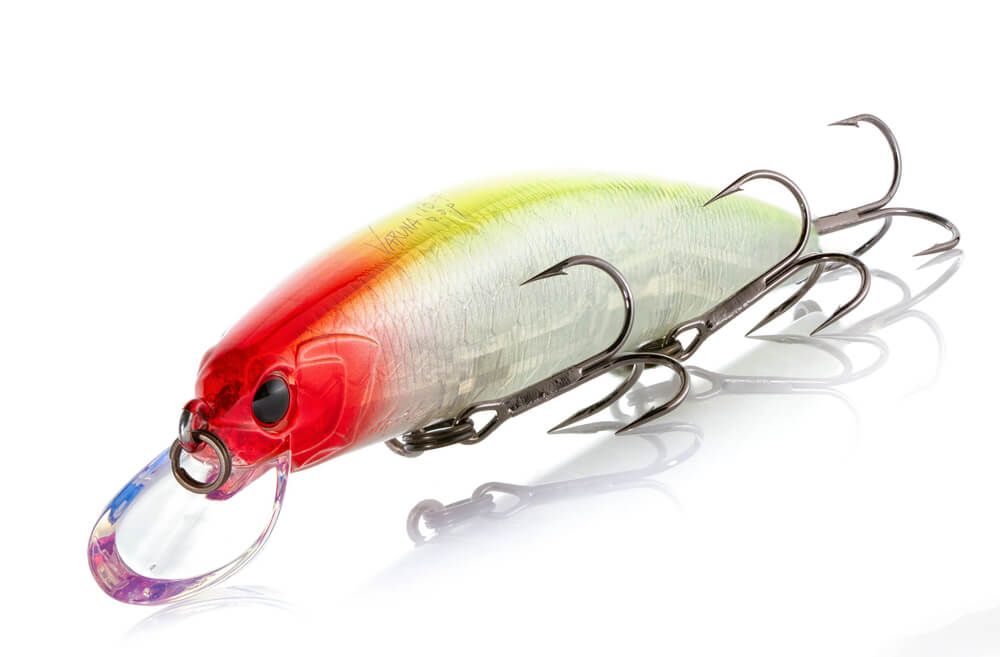
Heddon was a beekeeper and newspaperman in Dowagiac, Michigan, and the legend says he whittled a plug of wood beside a millpond in the 1890s, tossed it in, and watched a bass attack it. Before founding his company he carved a few frogs, reportedly from broom handles, and gave them to friends and business contacts.
Eight are known. They are widely regarded as the first wooden casting lures, and when one finally reached public auction in December 2024 it carried an estimate of $30,000 to $60,000.
Heddon Dowagiac Expert
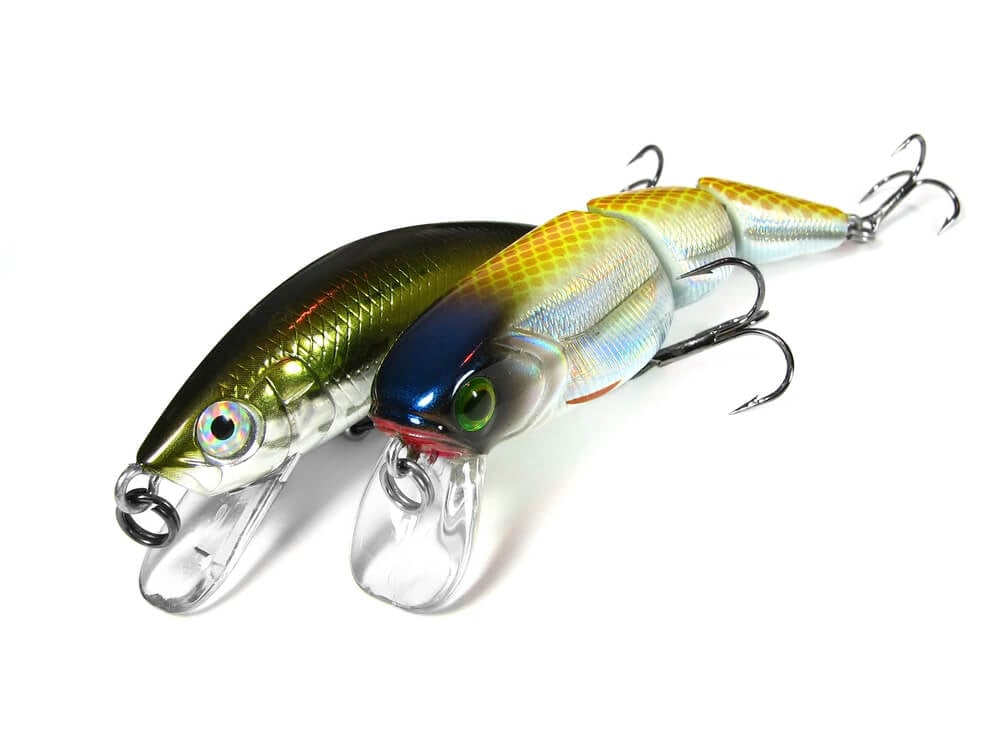
The company’s first commercial lure arrived around 1902, a tapered white wooden body with a blue sloped nose, a brass collar, and hooks hanging from cup hardware. Collectors call it the slope nose.
Few were sold compared with later models, and fewer kept their paint. An exceptional example brought $17,600 at Lang’s, though more typical pieces sell for $500 to $3,000 depending on condition.
The plain white cardboard box is so scarce that an empty one has sold for as much as $1,000, which says a good deal about this hobby.
Heddon 150 Minnow
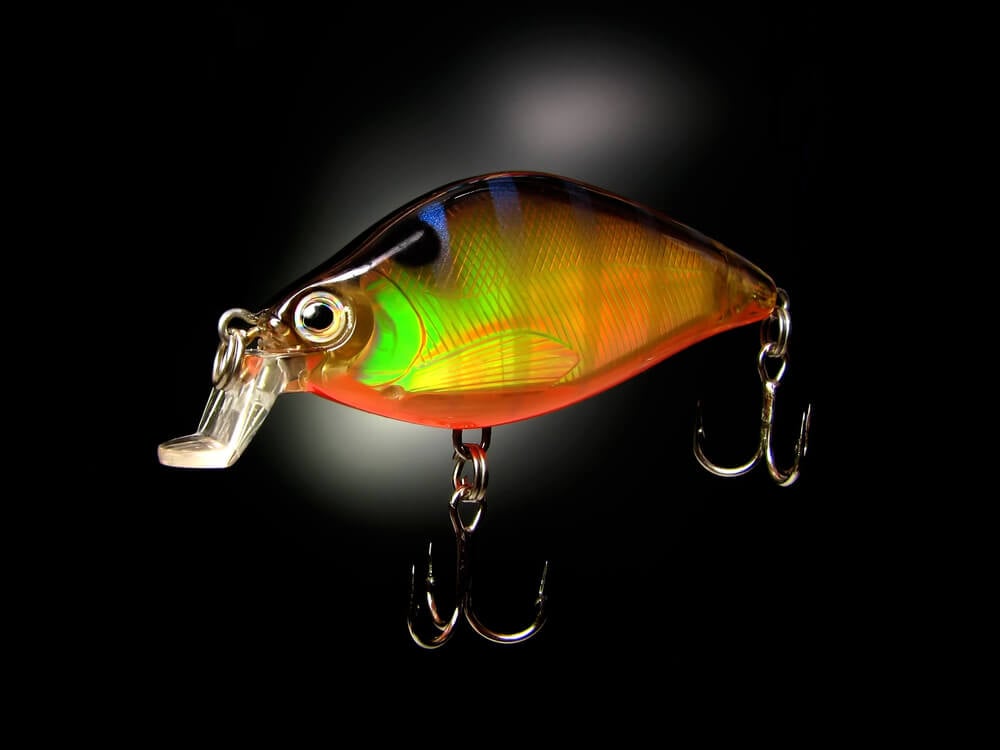
Introduced around 1904, the 150 is the classic underwater minnow: a slim wooden body, glass eyes, propellers at nose and tail, and five treble hooks that made it nearly impossible for a fish to miss. Heddon offered it in a growing list of hand-painted finishes, some produced for only a season or two.
Common colors in average shape bring around $200. Rare finishes in strong condition with the correct box exceed $2,000.
Hardware style dates each lure, so specialists look at the hook hangers before they look at the paint.
Heddon Luny Frog
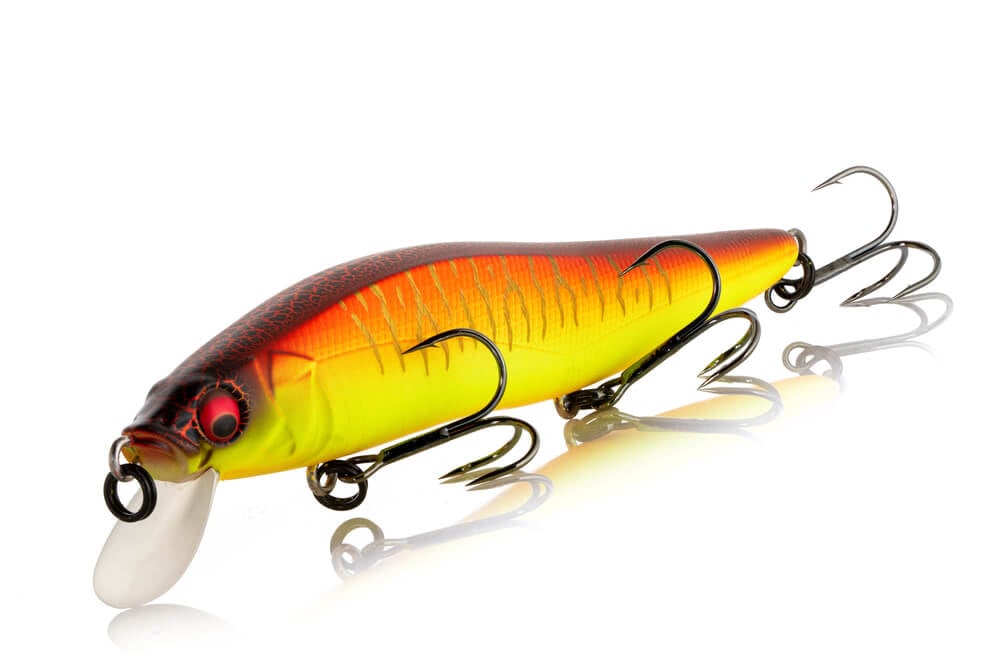
Heddon molded this 1927 frog from Pyralin, an early celluloid plastic, years before the rest of the industry gave up wood. The first version has open legs, and those legs snapped off so often that the company filled in the gaps to create the closed-leg version.
The material also shrinks, crazes, and occasionally crumbles. All of that makes a clean survivor unusual.
Prices run from about $150 to $500 depending on condition, with open-leg examples in the original box at the top, and a red-headed white variant rarer still.
Heddon Punkinseed
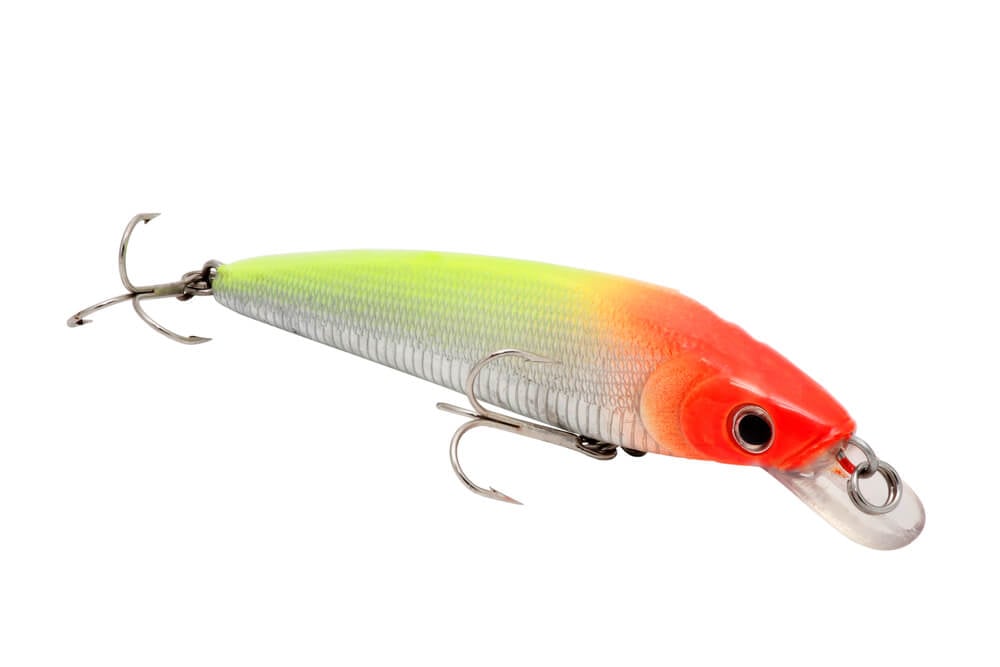
The Model 740 of 1940 abandoned the usual minnow profile for the flat, deep body of a sunfish, painted in convincing bluegill, crappie, and shad patterns. Early examples are wood, and the company later switched to plastic under its Spook name.
Anglers liked it, and so did pike, which explains why so many carry tooth marks. Wooden Punkinseeds in good paint bring $100 to $400 depending on condition and color.
A few scarce finishes go much higher. Hairline cracks along the belly weights are common and lower the figure.
Heddon Zaragossa
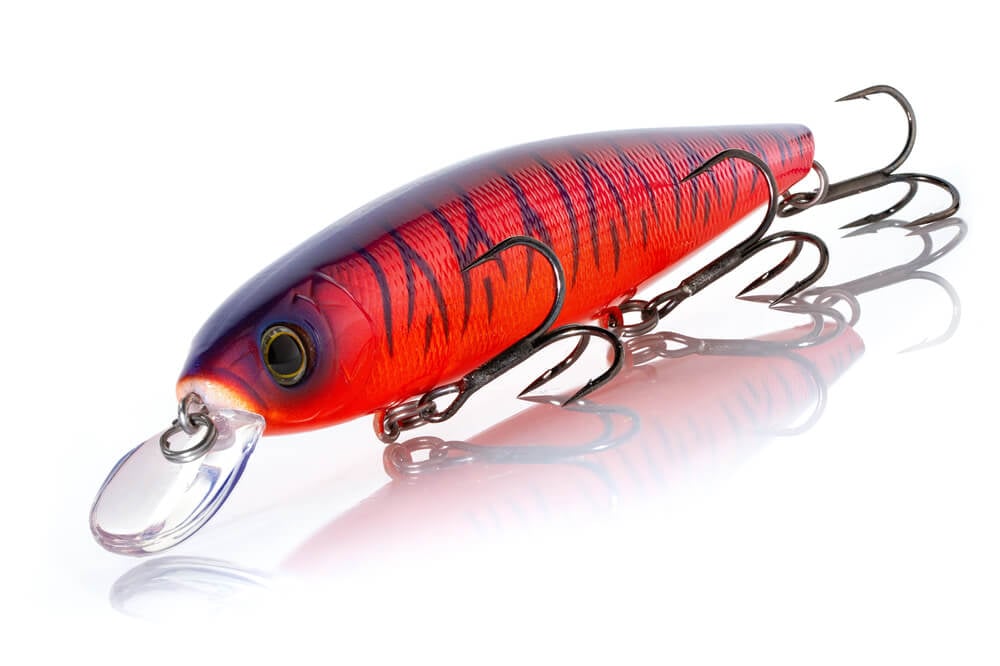
Named for a street in Pensacola, Florida, this 1922 surface lure has no lip, no propeller, and no built-in action at all. The angler supplies the movement by twitching the rod so the lure glides left and right, a technique now called walking the dog.
Florida bass fishermen swore by it. In 1939 Heddon remade it in plastic as the Zara Spook, which is still in production.
Wooden originals with glass eyes sell for $150 to $600 depending on color and condition, and early examples in the box bring more.
Heddon River Runt in Rare Colors
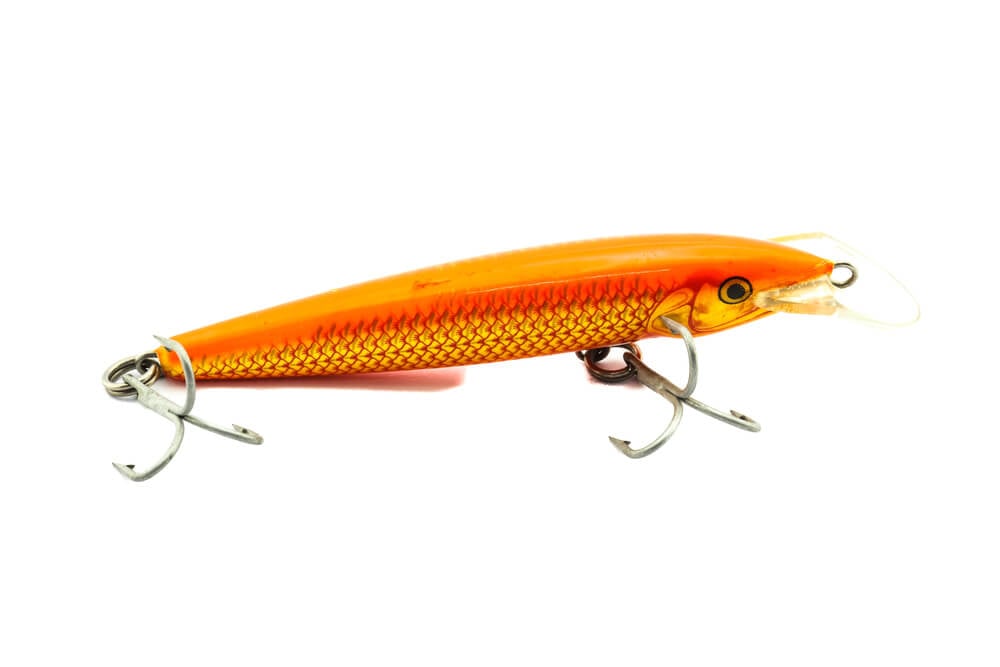
Honesty requires including a lure that is usually worth very little. Heddon sold River Runts by the million from 1929 through the 1960s, first in wood and then in plastic, and an ordinary one brings $10 to $30.
The exceptions justify a second look. Certain catalog colors were offered briefly, some special-order finishes never appeared in a catalog at all, and jointed and weedless versions had short runs.
Those can reach $100 to several hundred dollars depending on condition. A color chart is the only way to sort them.
Heddon Down-Leaping Bass Boxes
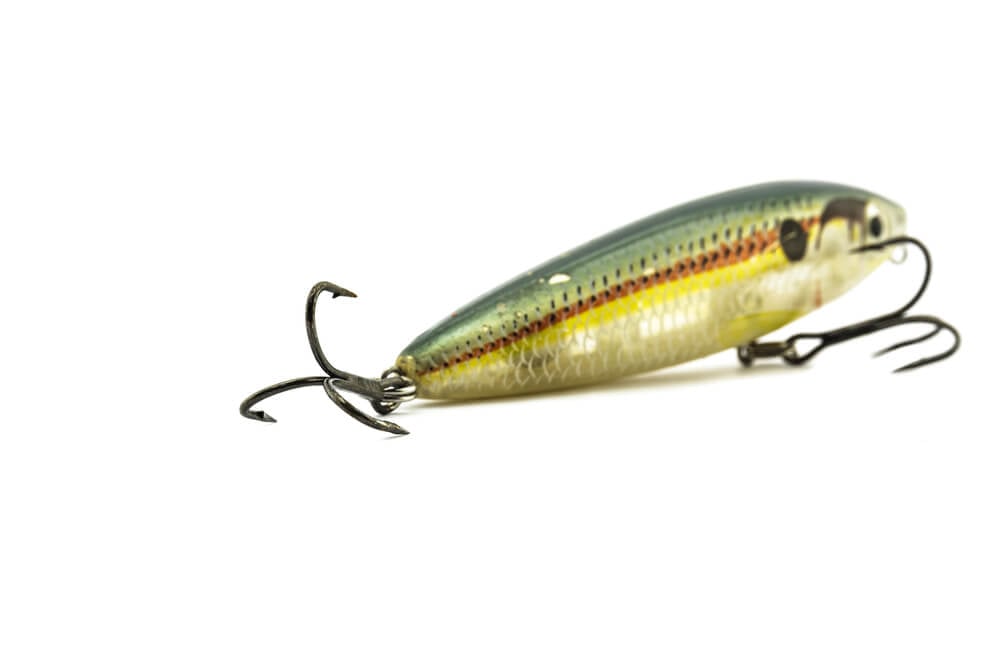
Cardboard was the first thing an angler threw away, which is why early lure boxes can rival their contents in value. Heddon’s boxes from the 1910s and 1920s show a bass leaping downward toward a lure, and collectors grade them as strictly as the baits.
An empty example in clean shape brings $100 to $500 depending on the model number stamped on the end flap. A correct lure in its matching box can double in price.
Marriages of the wrong lure and box are common, so the end label gets checked first.
Creek Chub Wiggler
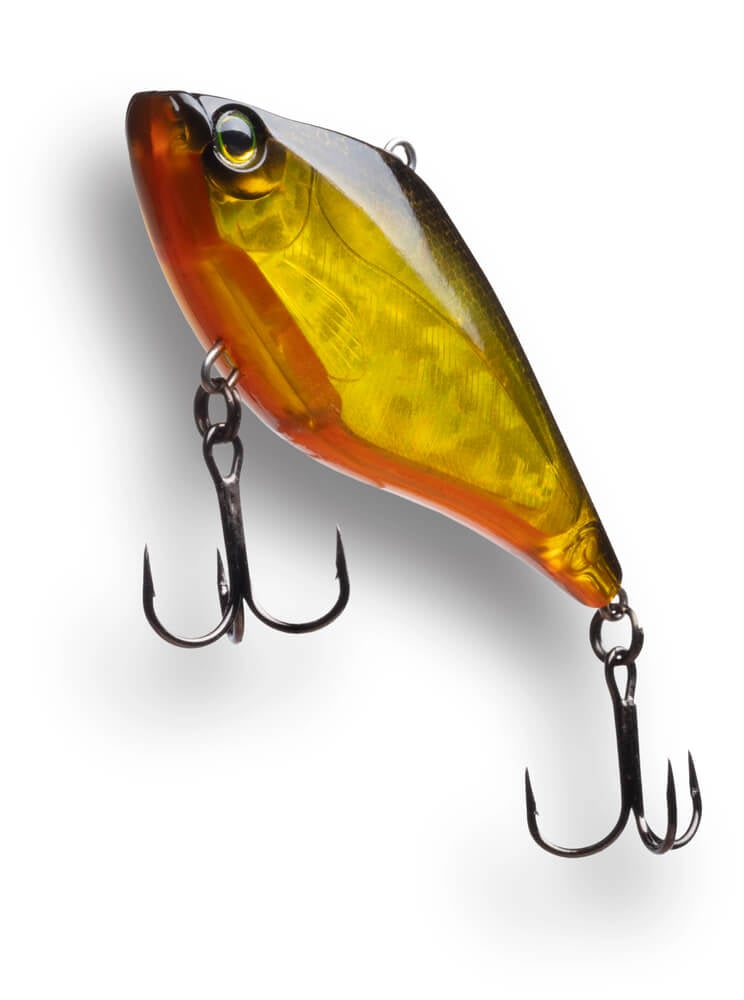
Three partners founded the Creek Chub Bait Company in Garrett, Indiana, in 1916, and the No. 100 Wiggler was their first product. Its angled metal lip, patented in 1920, made the wooden body dive and wobble, and nearly every diving plug since has borrowed the idea.
The company also pioneered a natural scale finish, sprayed through netting. Early Wigglers with hand-painted gill marks and no eyes are the ones collectors want.
Prices run $50 to $300 depending on condition, with early boxed examples above that range.
Creek Chub Pikie Minnow
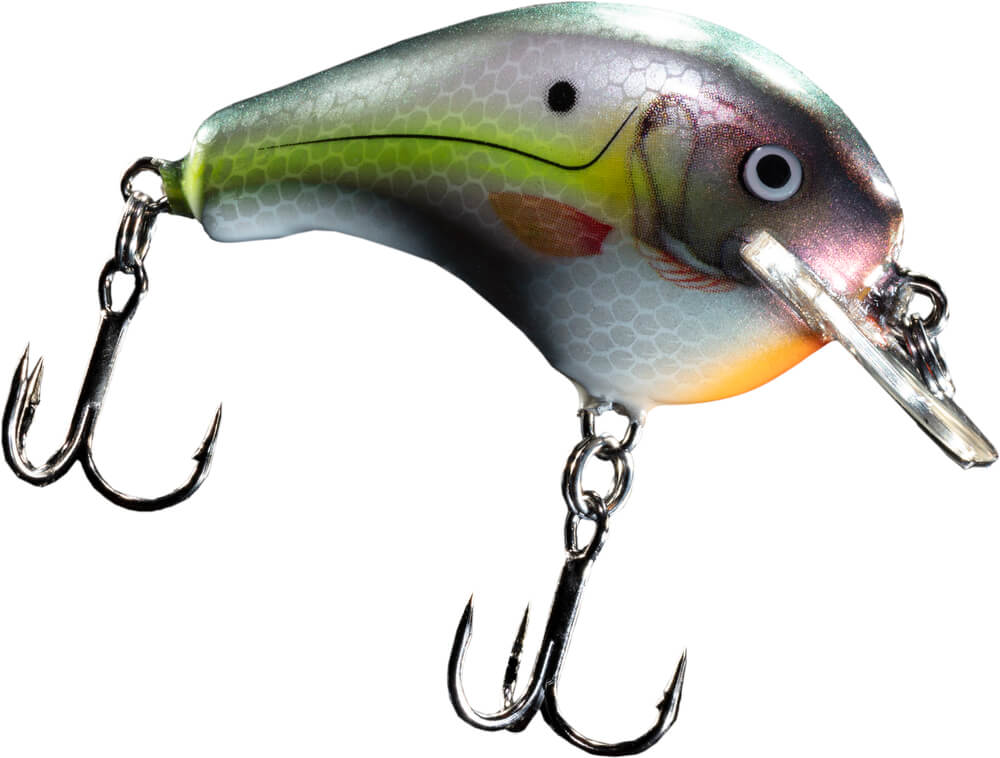
Introduced in 1920, the Pikie became the company’s best seller and stayed in the catalog for more than half a century. Production on that scale means ordinary examples in common pikie-scale finish bring only $20 to $60.
Collectors concentrate on the variations. Early versions without eyes, jointed models, giant saltwater and musky sizes, and scarce special-order colors can reach several hundred dollars, depending on condition.
Glass eyes indicate earlier production than painted tack eyes. The lure also caught fish better than almost anything else in the box, which is why so many are battered.
Creek Chub Wigglefish
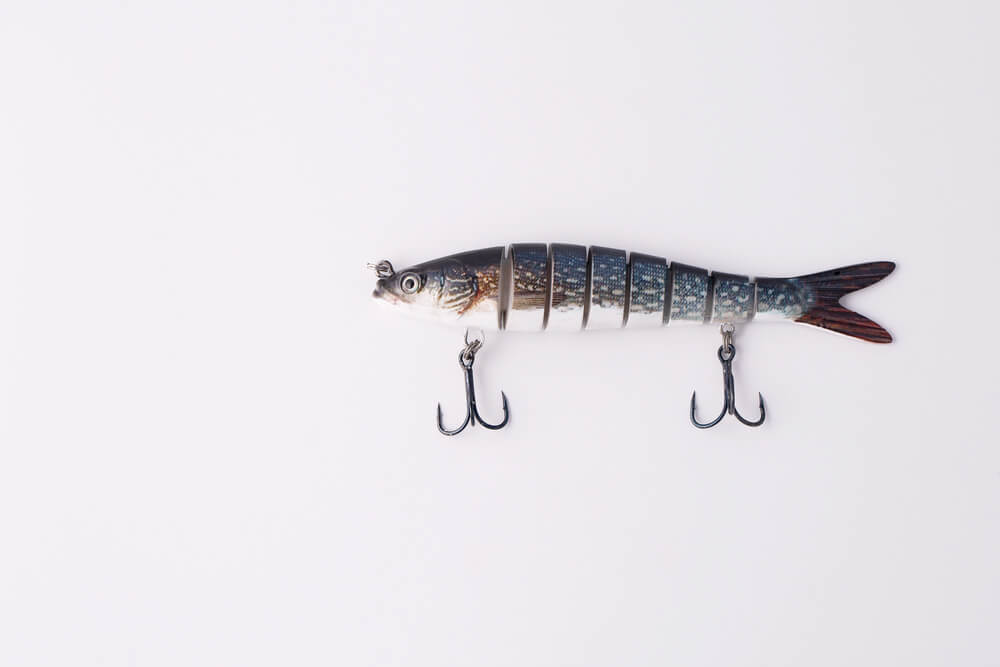
This jointed lure of the mid-1920s has a fluted metal tail that flutters behind a wooden body. It owes its fame to a single morning.
On June 2, 1932, a young Georgia farmer named George Perry landed a largemouth bass weighing twenty-two pounds four ounces from Montgomery Lake, and he said the lure was a Wigglefish in perch scale. The record has been tied and never beaten.
Perry ate the fish. Examples of the lure sell for $100 to $400 depending on condition, and the perch finish carries a premium for obvious reasons.
Creek Chub Beetle
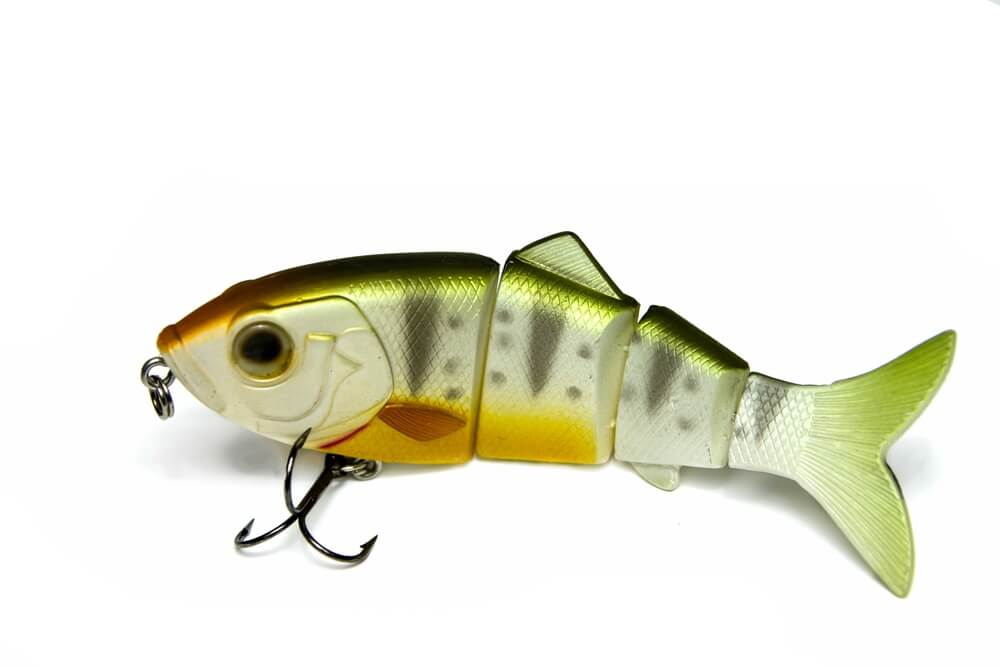
Creek Chub’s designers occasionally let themselves go, and the Beetle of 1931 is the proof. It has a rounded wooden body, a metal lip, protruding bead eyes, and a pair of small pearl-finished blades trailing like wings.
It came in bold solid colors that no real insect ever wore. Anglers were not convinced, and sales were modest.
That scarcity now works in the seller’s favor. Examples bring $150 to $500, depending on color and condition, and the original box adds meaningfully.
Pflueger Kent Frog
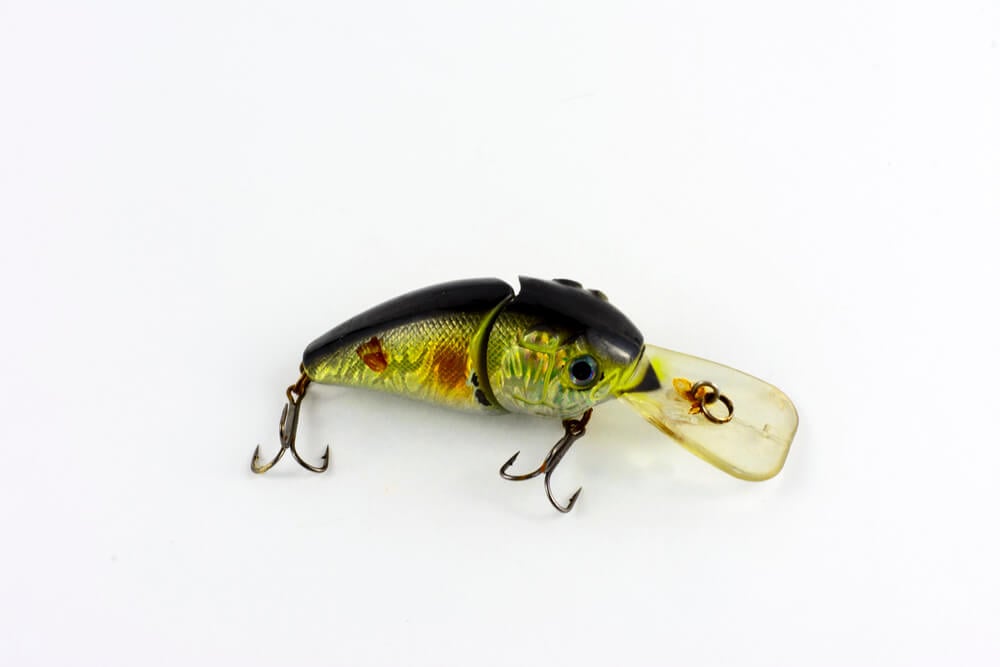
The Kent Frog began with a small maker in Kent, Ohio, around the turn of the century, and the Enterprise Manufacturing Company of Akron, better known by the Pflueger family name, took over production. It is a hand-painted wooden frog with glass eyes, propellers, and an alarming number of hooks.
The spotted paint was applied by hand, so no two look alike. Examples sell for $500 to $2,500 depending on age, maker, and condition.
The earliest pre-Pflueger versions command the highest prices, and specialists tell them apart by hardware.
Pflueger Neverfail Minnow
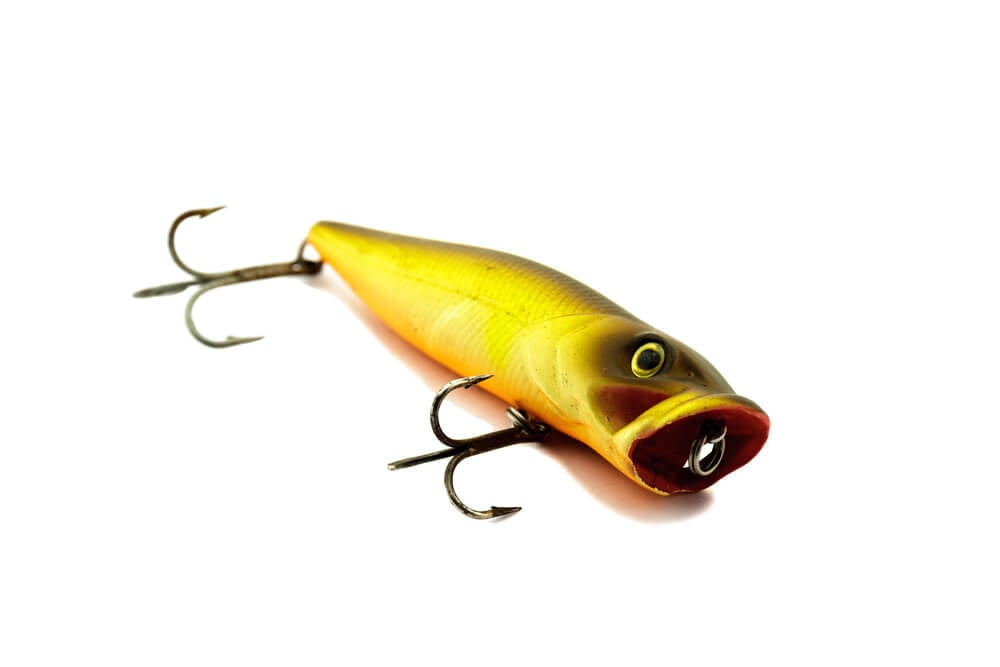
Ernest Pflueger patented luminous paint for fishing lures in 1883, and his family’s Akron firm became one of the largest tackle makers in the world. The Neverfail underwater minnow of the early 1900s took its name from a patented hook hanger that kept the trebles from scratching the paint.
It came in three-hook and five-hook versions with glass eyes and hand-painted gill marks. Prices run $100 to $600 depending on finish and condition.
Luminous versions, which glowed after exposure to light, are scarcer and sit at the top.
Shakespeare Revolution
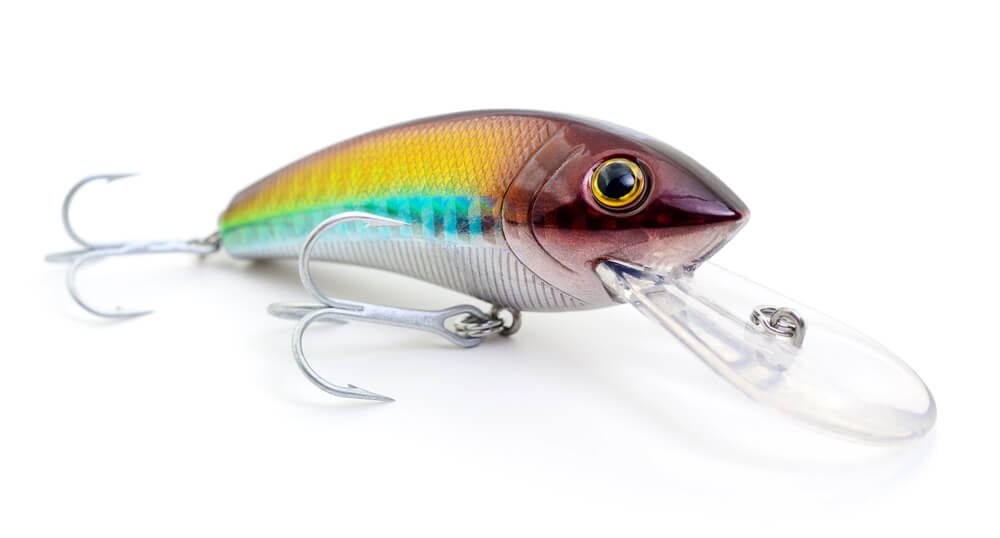
William Shakespeare Jr. of Kalamazoo, Michigan, patented a level-wind reel in the 1890s and followed it around 1900 with this lure. The earliest Revolutions were wood, and the company soon switched to hollow aluminum, with propellers fore and aft whose rounded blades collectors compare to a cartoon mouse’s ears.
It was among the first commercially successful American plugs. Aluminum examples bring $150 to $600 depending on condition and hardware, and the rare wooden version brings far more.
The company name, improbably, is genuine, and it is still in business.
Shakespeare Muskellunge Minnow
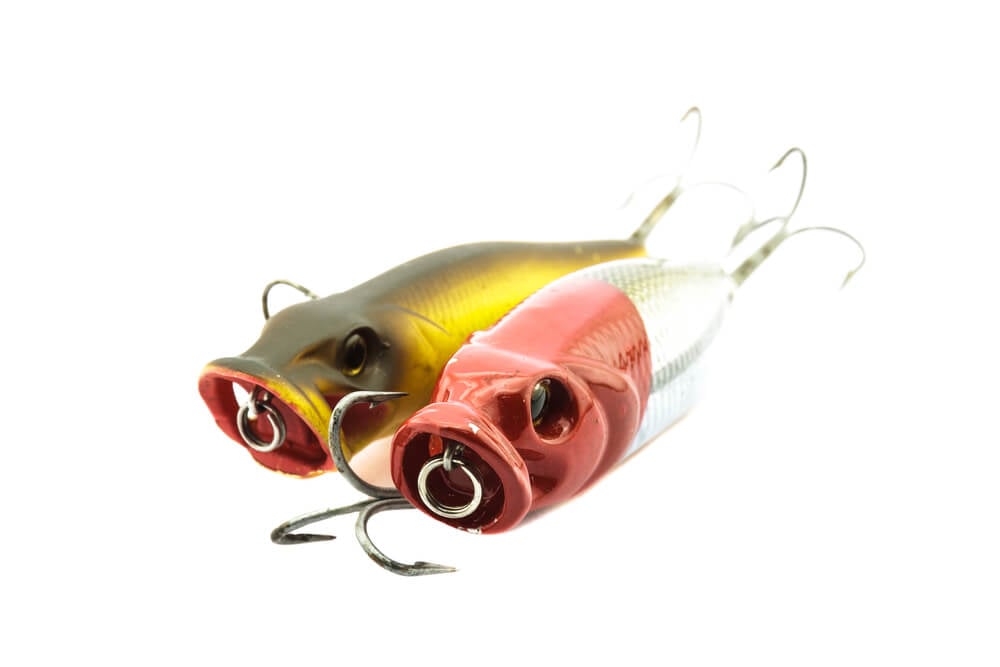
Shakespeare scaled up its wooden minnow for the largest freshwater predator in North America, and few anglers bought one. A carefully preserved example arrived at Lang’s with an estimate of $5,500 and sold for $23,100.
That result illustrates a rule of the hobby. Musky-size versions of any early lure were made in small numbers, fished hard, and chewed by fish with serious teeth, so clean survivors are scarce.
Any pre-1920 wooden minnow longer than five inches deserves an expert opinion before it goes into a garage sale.
South Bend Bass-Oreno
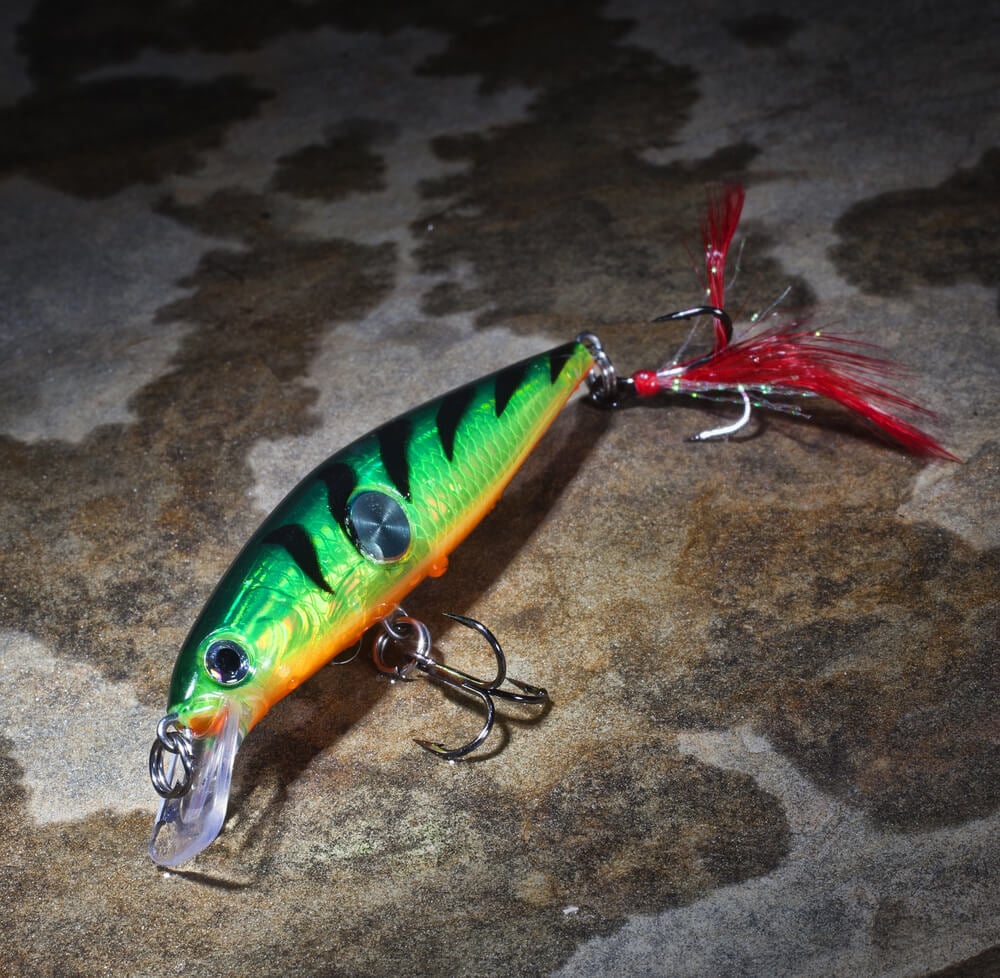
South Bend acquired the design from James Olds of Benton Harbor, Michigan, around 1915, and it became one of the best-selling wooden lures ever made. The scooped nose throws water and makes the body dart.
Because production ran for decades, a typical red-and-white example brings just $10 to $40. Early versions without eyes, scarce catalog colors, and boxed examples reach $100 to $300 depending on condition.
It belongs on this list as a caution. Familiar lures in common colors make up most of what turns up.
Moonlight Floating Bait
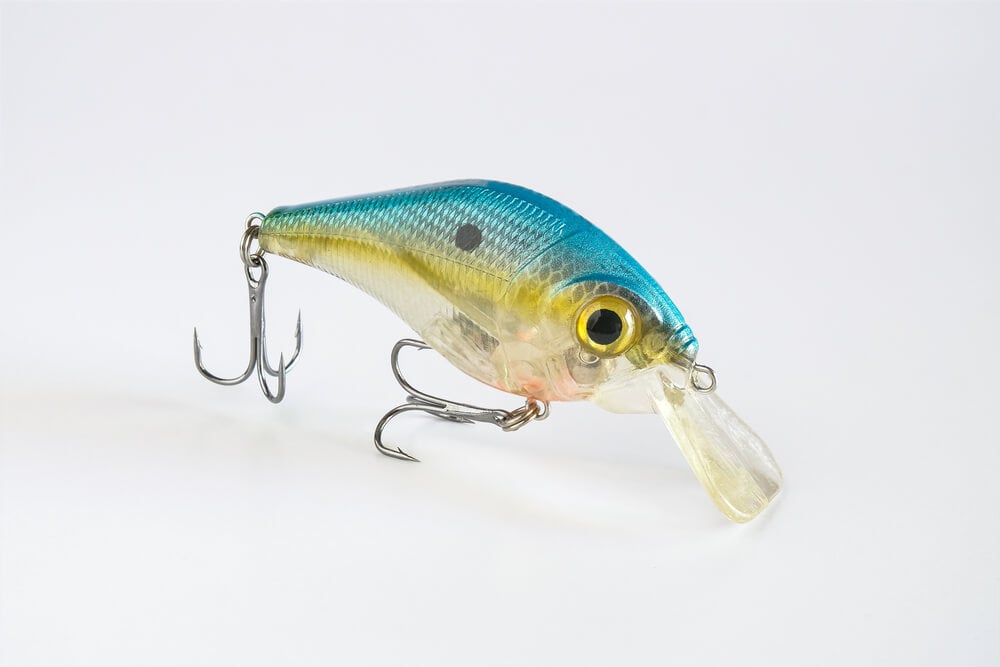
The Moonlight Bait Company took shape in Paw Paw, Michigan, around 1909, founded by men who liked to fish for bass after dark. Their first product was a simple floating wooden plug coated in luminous paint that glowed once it had been held near a lantern.
Early boxes show a night scene and carry real value on their own. Lures bring $100 to $500 depending on age and condition.
The firm absorbed several competitors and was reorganized in the late 1920s as the Paw Paw Bait Company, which lasted into the 1960s.
Jamison Coaxer
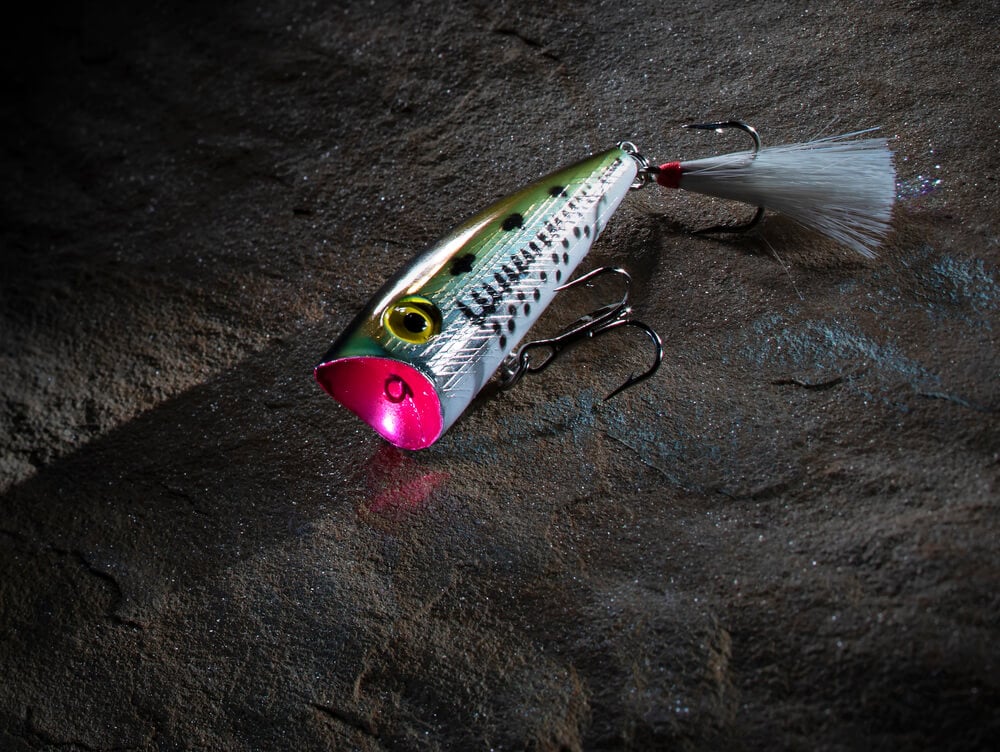
William Jamison of Chicago introduced the Coaxer around 1904. It has a cork body painted white, red felt wings, and a feathered tail hook, and it was meant to slide over lily pads without snagging.
Jamison was a showman. In 1910 he challenged rival lure maker Ans Decker to a public multi-day fishing contest on an Ohio lake, won it, and advertised the result for years.
Coaxers sell for $50 to $300 depending on the condition of the felt and cork, which suffer with age. Boxed examples are scarce.
The Chautauqua Minnow
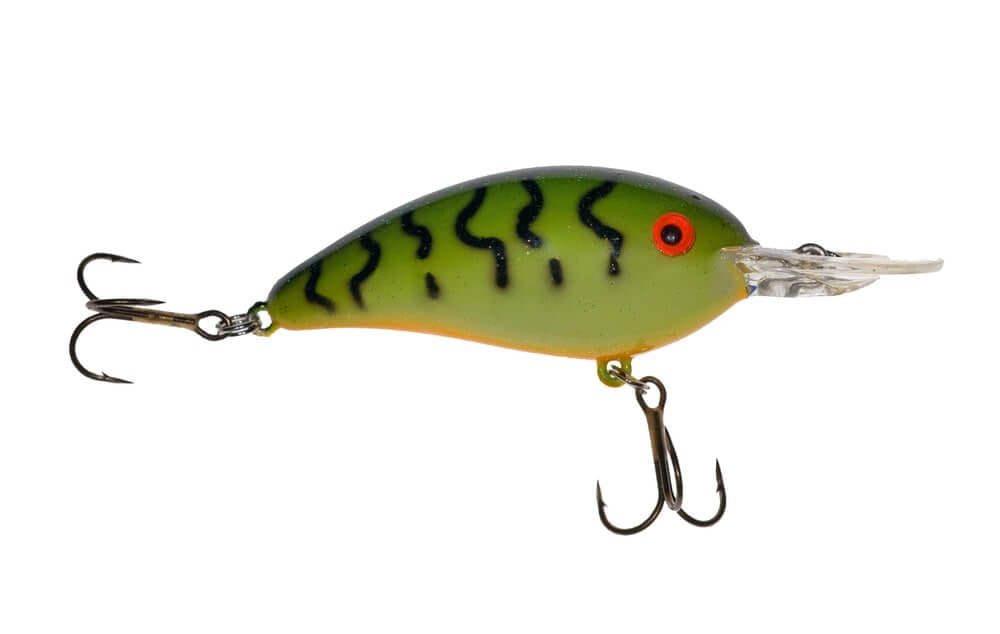
Krantz and Smith of Jamestown, New York, patented this mechanical lure around 1908. The hooks rest against the body to shed weeds and swing outward when a fish clamps down.
Anglers found that it seldom hooked anything, sales were poor, and production stopped quickly. Failure then is rarity now.
One example brought $37,400 at Lang’s, placing it among the most valuable production lures ever sold. Only a handful are known.
Anyone who finds a wooden minnow with odd pivoting hooks and a metal band around the middle should stop cleaning it at once.
The Charmer Minnow
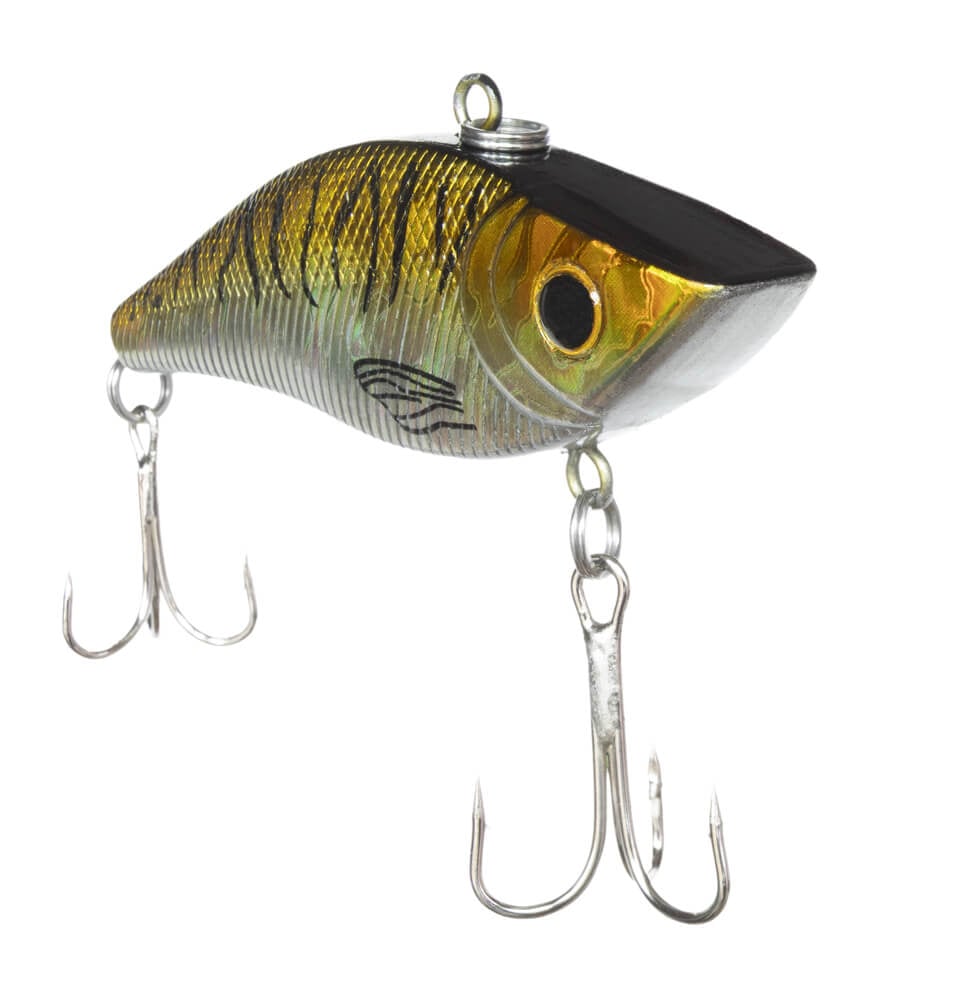
The Charmer Minnow Company of Springfield, Missouri, patented its design in 1910. The rear half of the wooden body rotates on the retrieve, and the factory painted it with a spiral stripe like a barber pole so the motion would show.
Glass eyes and nickel-silver propellers completed it. Standard sizes sell for $500 to $2,500 depending on color and condition.
The large five-inch musky version is another matter, and a striped example reportedly brought just over $25,000 at auction in 2018.
Detroit Glass Minnow Tube
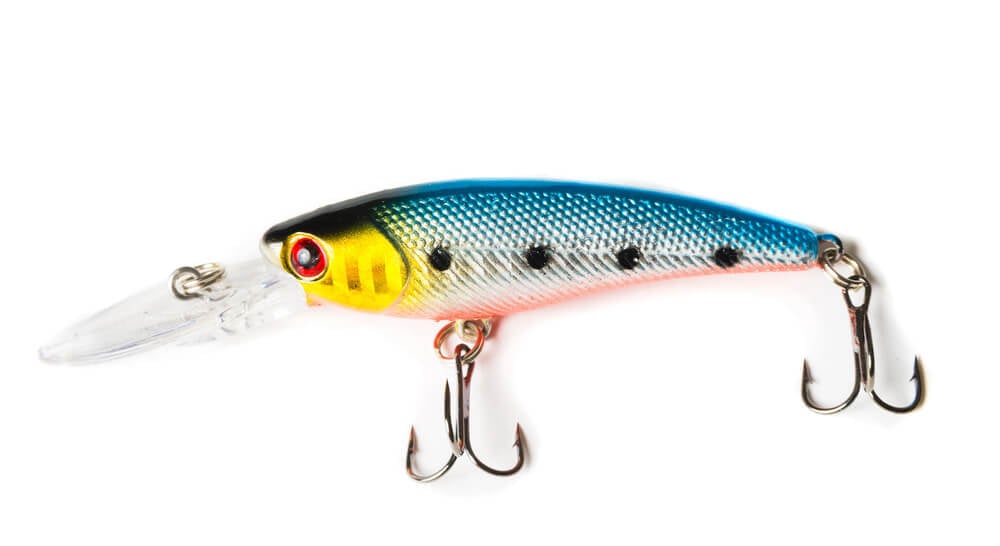
Patented in 1914, this lure is a glass cylinder with a metal cap, four treble hooks, and no paint whatsoever. The angler placed a live minnow inside with a little water.
The curved glass magnified the bait, small openings in the cap let fresh water through, and the same minnow could supposedly last all day. It was fragile, heavy, and awkward to cast, so few were sold and fewer survived a season on the rocks.
Intact examples bring $1,000 to $3,000 and more, depending on condition, with the illustrated box adding a great deal.
K and K Animated Minnow
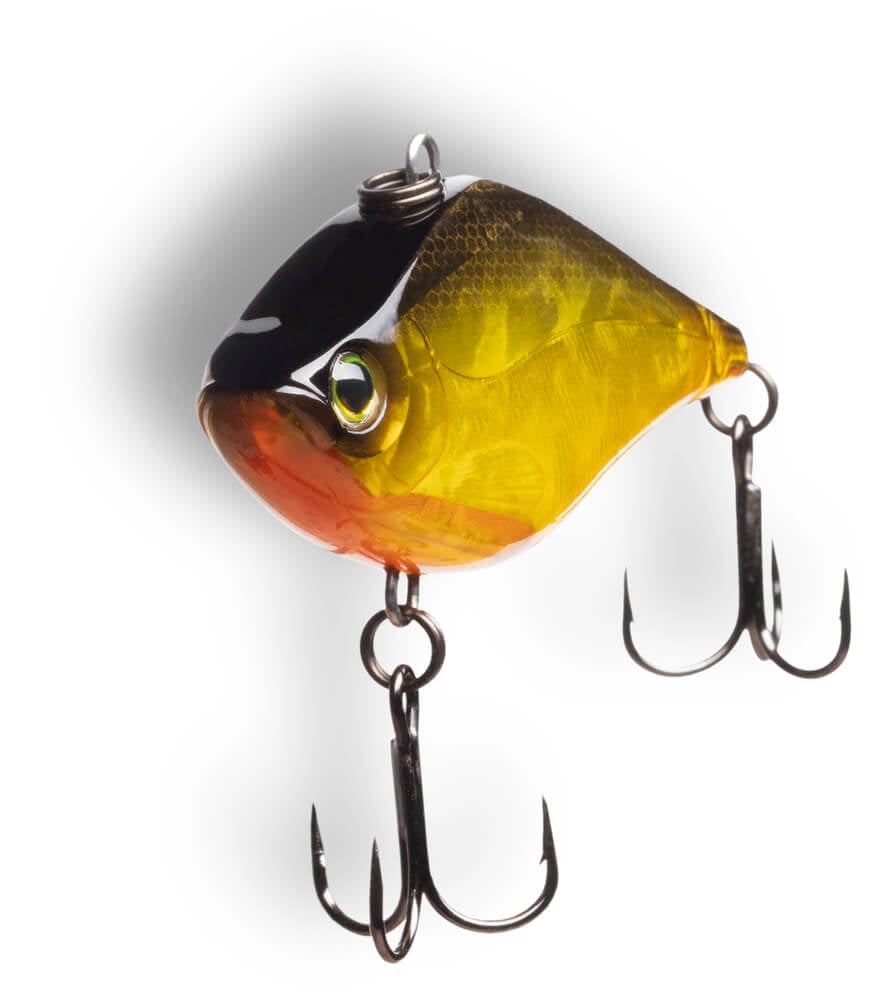
The K and K company of Toledo, Ohio, brought out this jointed wooden minnow in 1907, and collectors credit it as the first American lure built to swim with a flexing body. The sections are hinged so the tail swings from side to side.
It came in several sizes and in both floating and sinking versions. Production lasted only a few years.
Examples sell for $500 to $2,000 depending on size and condition, and the hinge pins and tail fin should be original, because replaced hardware is common on a lure this mechanical.
Winchester Lures
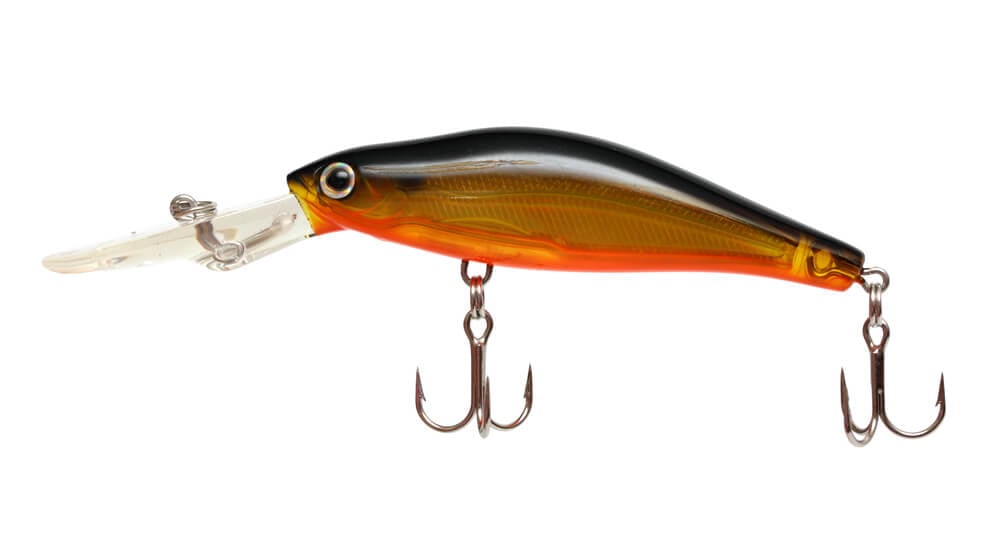
After the First World War the Winchester Repeating Arms Company tried to keep its factories busy by selling everything from roller skates to flashlights. Fishing tackle was part of the plan, and for a few years in the 1920s the company offered wooden minnows and wobblers with its name stamped on the propellers and lips.
The venture ended with the firm’s receivership in 1931. Lures bring $200 to $1,000 depending on model and condition.
Firearms collectors chase them as hard as tackle people do, which keeps prices firm.
Early Arbogast Jitterbugs
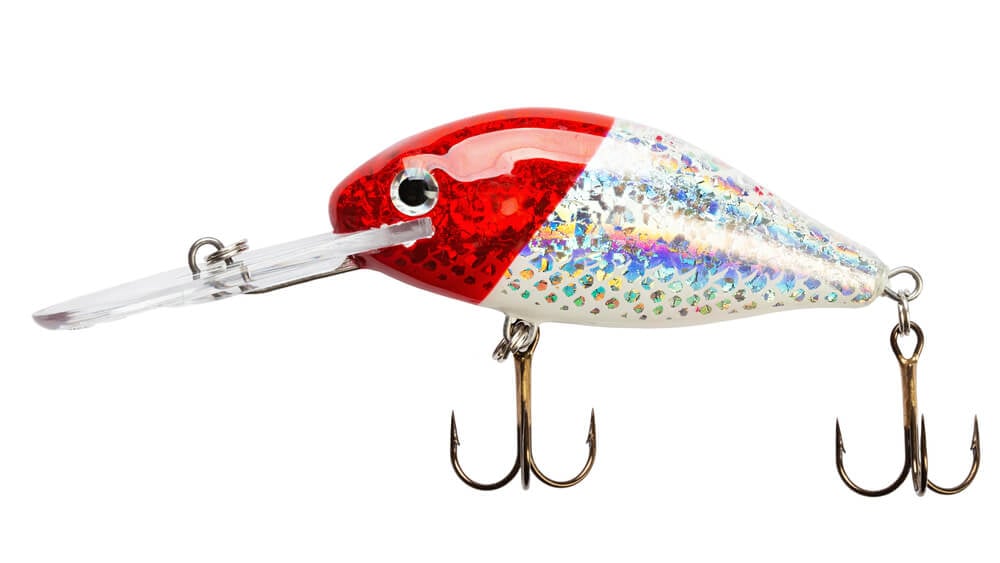
Fred Arbogast, an Akron rubber worker and champion caster, introduced the Jitterbug in the late 1930s. Its double-cupped metal lip makes the lure waddle across the surface with a gurgling sound that bass find hard to ignore.
The earliest bodies are wood. During the Second World War, metal restrictions forced the company to fit lips of colored plastic, and those wartime versions are the ones collectors seek.
They bring $50 to $150 depending on condition, and more in the box. Later plastic Jitterbugs are still sold new, so age needs confirming.
Early Finnish Rapalas
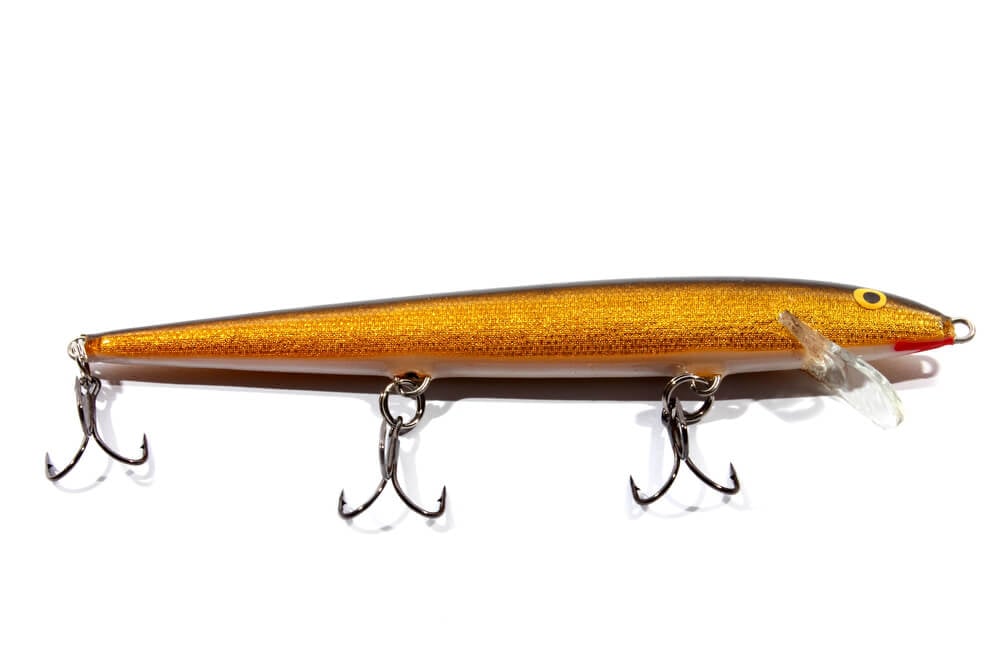
Lauri Rapala carved his first minnow from cork in 1936, wrapped it in foil from chocolate bars, and sealed it with melted photographic film. For years each lure was tested by hand in a tank.
American demand exploded after Life magazine ran a story on the lure in August 1962, in an issue that sold record numbers because Marilyn Monroe was on the cover. Shops ran out and rented lures by the day.
Early hand-tuned balsa examples with foil finish and Finnish boxes bring $50 to $300 depending on condition.
Fred Young’s Big O
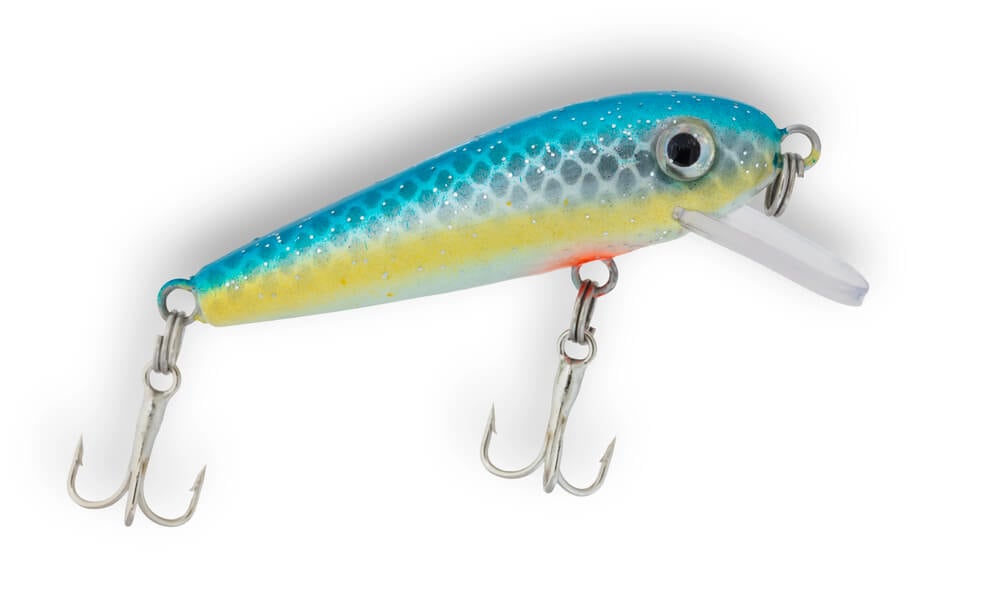
Fred Young of Oak Ridge, Tennessee, whittled fat-bodied balsa crankbaits in the late 1960s and named them for his brother Odis, a big man. Tournament anglers caught so many bass on them that originals were rented for the day, with a hefty deposit against loss.
Young signed and numbered his lures and made only a few thousand. In 1973 a manufacturer licensed the design in plastic and sold more than a million within about a year.
Hand-carved originals bring $200 to $1,000 and more, depending on number, condition, and provenance.
Bait for a Different Kind of Catch

The lures that bring the most money were often the worst at catching fish. A design that worked was sold by the million and fished until the paint wore off.
A design that failed was dropped within a season, and the few unsold examples sat in a hardware store drawer waiting for a collector. Everything else comes down to paint and paper.
A careful owner who kept the box and never tied the lure to a line has left behind something worth a hundred times the working version. The best advice for anyone holding an old tackle box is to put down the steel wool and pick up a reference book.
More from Go2Tutors!

- The Romanov Crown Jewels and Their Tragic Fate
- 13 Historical Mysteries That Science Still Can’t Solve
- Famous Hoaxes That Fooled the World for Years
- 15 Child Stars with Tragic Adult Lives
- 16 Famous Jewelry Pieces in History
Like Go2Tutors’s content? Follow us on MSN.