28 Buildings Sealed and Left Standing
Knocking a building down costs money. Fixing it costs more.
So a surprising number of large structures end up in a third state that nobody planned: doors welded, windows boarded, power off, and the building simply left to stand there. Walk through the Johannesburg CBD and you pass a few.
Every big city has them. They’re too solid to fall, too expensive to save, too tangled in ownership disputes to sell.
Some have been shut longer than they were ever open. And each one holds a particular day inside it, the day somebody locked up and didn’t come back.
Ryugyong Hotel, Pyongyang
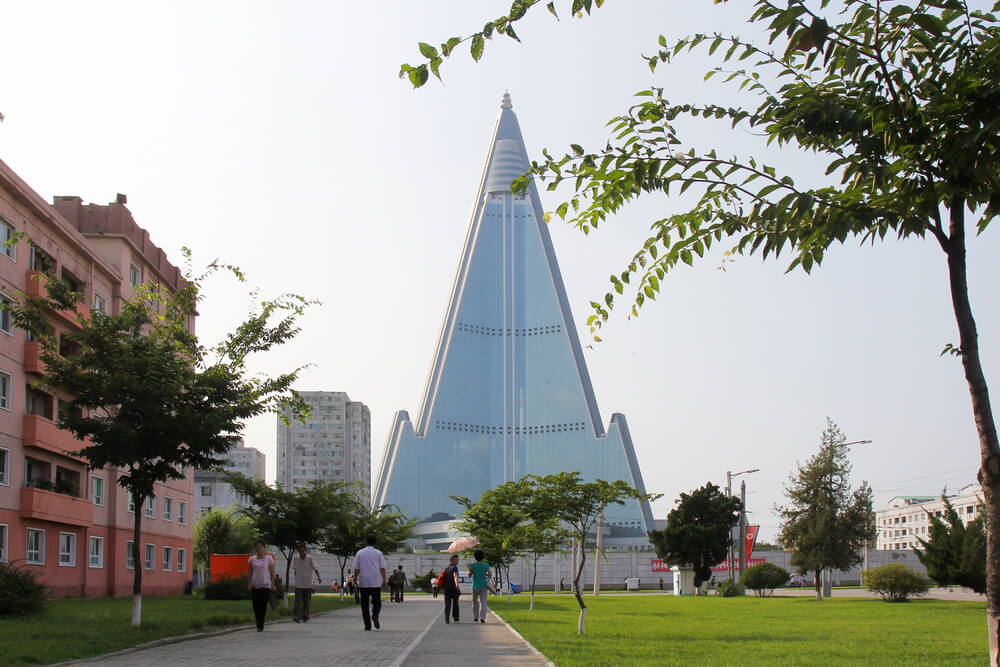
North Korea began this 105-storey pyramid in 1987, aiming for the tallest hotel in the world. Money ran out in 1992 when Soviet support collapsed.
For sixteen years a bare concrete shell with a rusting crane on top loomed over the capital, and officials airbrushed it out of photographs. An Egyptian telecoms company added glass cladding between 2008 and 2011.
LED screens now play propaganda animations across one face at night. Inside, by every credible account, the floors remain empty.
It has 330 metres of height, 3,000 planned rooms, and not one guest in nearly forty years.
The Hotels of Varosha, Cyprus
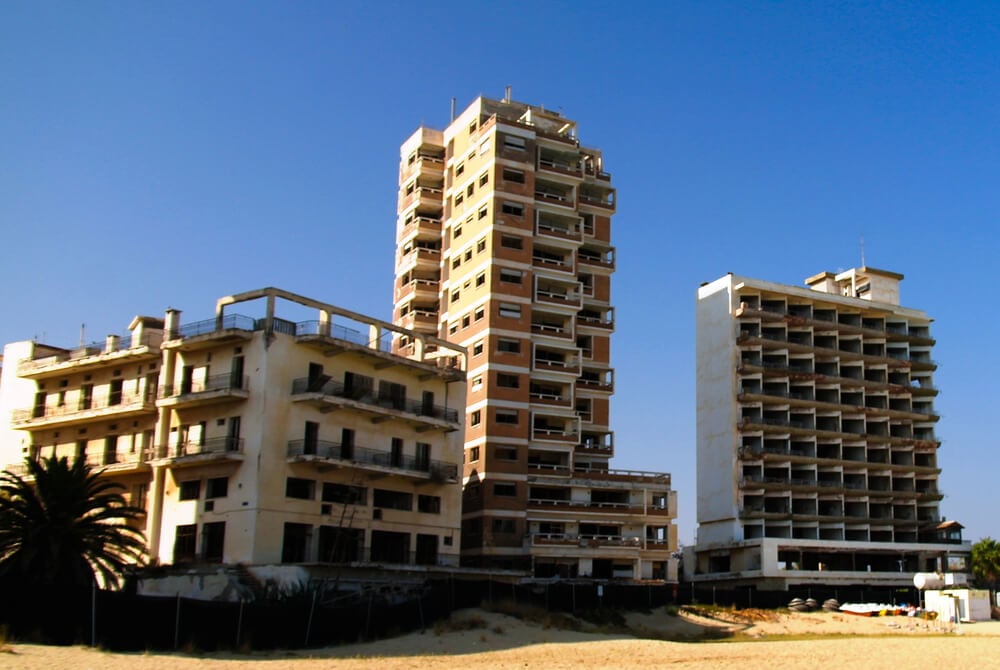
In 1974, Varosha was the Mediterranean’s smartest resort. Elizabeth Taylor and Brigitte Bardot stayed there.
When the Turkish army advanced that August, 39,000 residents fled with what they could carry, expecting to be back within days. The army fenced the district and let nobody in.
Breakfast tables stayed laid. A car dealership kept its 1974 models in the showroom.
Turkish Cypriot authorities opened a stretch of beachfront road to visitors in 2020, but the towers along it remain sealed and crumbling, their balconies dropping onto the sand one by one.
Nicosia International Airport
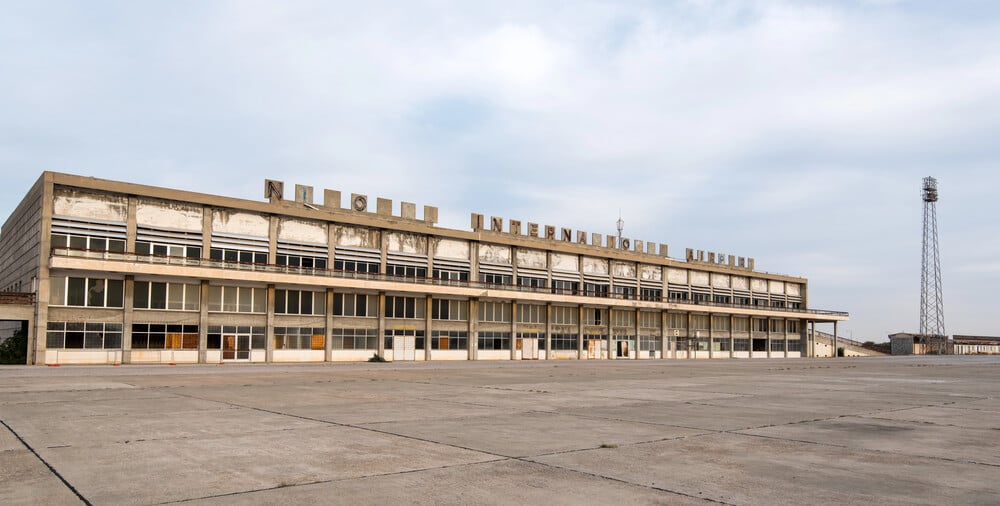
The island’s main airport got a modern terminal in 1968. Six years later it became a battlefield, and then part of the United Nations buffer zone.
It has belonged to neither side since. The departure lounge still has its rows of seventies seats under a thick coat of pigeon droppings.
Advertising posters from 1974 hang on the walls. A Cyprus Airways jet sits on the apron with its engines stripped.
Peacekeepers guard the perimeter and nobody has caught a flight there in over fifty years.
The Basement of Hospital 126, Pripyat
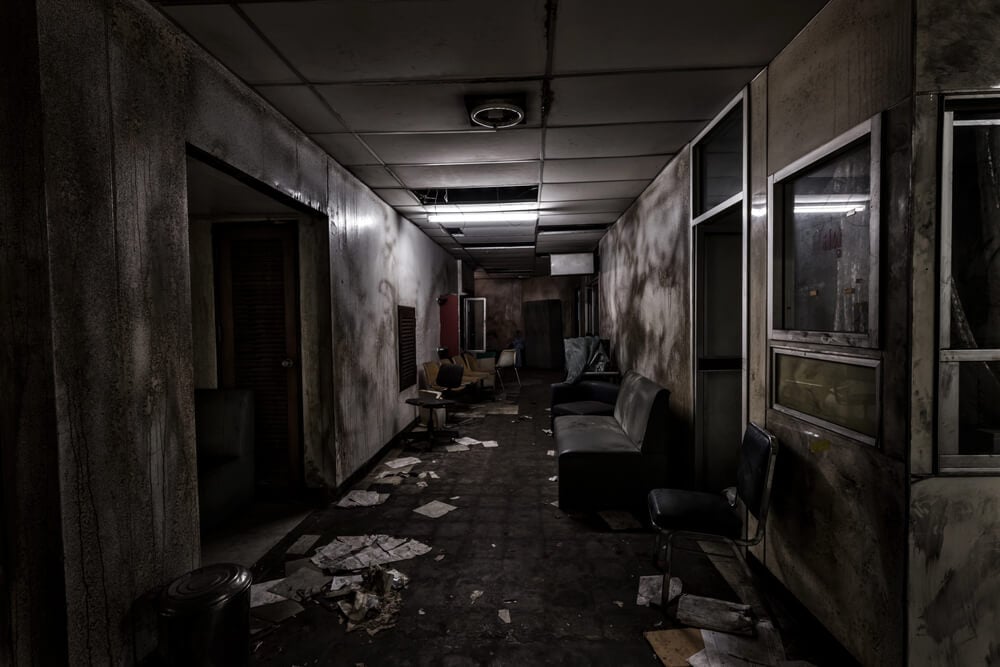
On the night of 26 April 1986, the first firefighters to reach the burning Chernobyl reactor were rushed to this hospital. Staff stripped off their uniforms, boots, and helmets and threw them into the basement.
Those men died within weeks. Their gear is still down there, and it remains among the most radioactive objects in the exclusion zone.
Authorities eventually filled the basement entrance with sand to stop thrill-seekers. The hospital above it stands open to the weather, but that one staircase stays blocked, for good reason.
Buzludzha Monument, Bulgaria
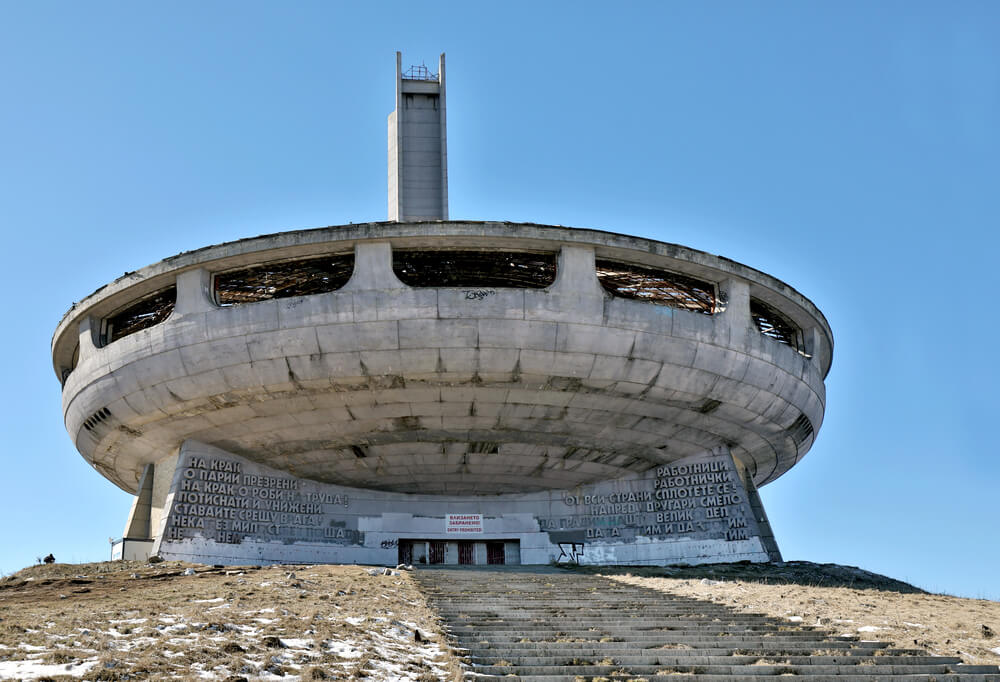
Bulgaria’s Communist Party built this concrete saucer on a mountain peak in 1981, funded partly by compulsory donations from citizens. Inside, mosaics of Marx, Lenin, and local party leaders lined a vast circular hall.
The party lost power eight years later, and the new state simply walked away from the building. Thieves took the copper roof and the weather took the rest.
The government eventually welded the doors shut. Conservators have recently stabilised the mosaics with outside funding.
Bulgarians still can’t agree whether to restore it or let it rot, and so it stands.
Michigan Central Station, Detroit
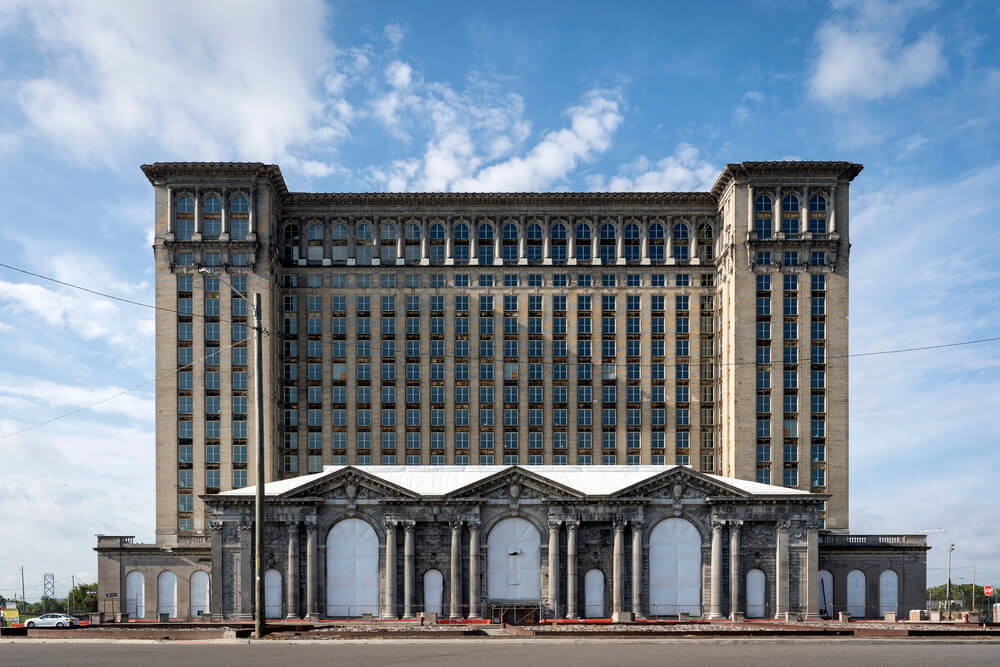
When it opened in 1913, this was the tallest railway station in the world, with a waiting room modelled on a Roman bathhouse. The last train left in January 1988.
For thirty years the 18-storey tower stood with every window smashed, the most photographed ruin in America and a shorthand for Detroit’s collapse. Ford bought it in 2018 and spent six years on restoration.
It reopened in June 2024. That earns it a place here as the exception: proof that sealed and standing isn’t always a death sentence.
Sathorn Unique Tower, Bangkok
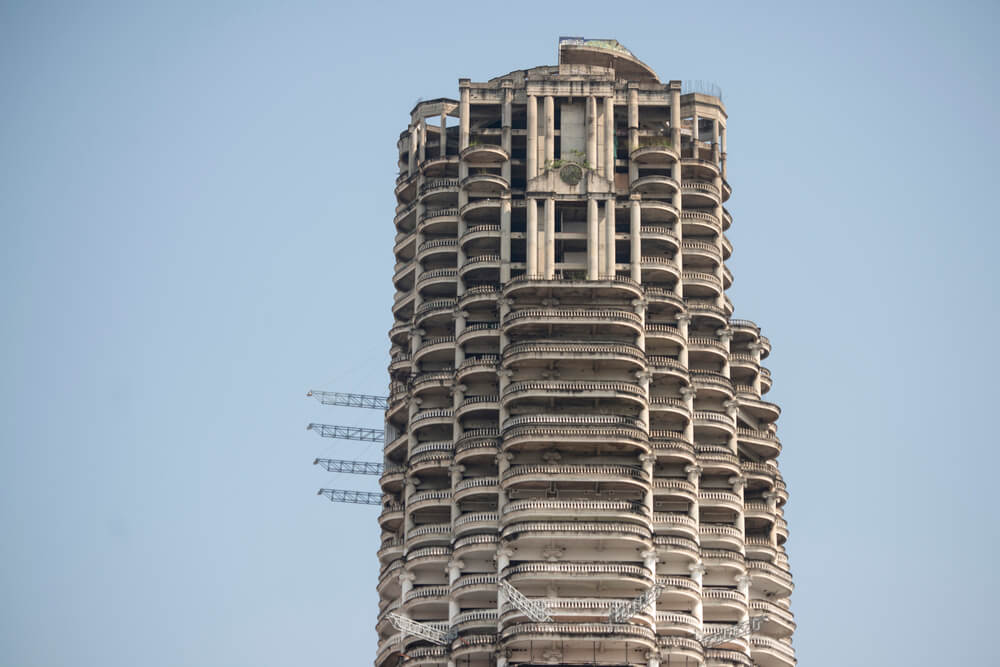
This 49-storey luxury condominium was about 80 percent complete when the Asian financial crisis hit in 1997. The developer went under and the builders left.
Bangkok grew up around it, and the tower stayed exactly as it was, with bathtubs installed on some floors and bare concrete on others. For years, urban explorers bribed their way up for skyline photos.
The owners have since sealed the lower floors and prosecuted trespassers. Locals call it the Ghost Tower.
It stands beside one of the city’s busiest train stations, where thousands of commuters see it daily.
The Carlton Hotel, Johannesburg
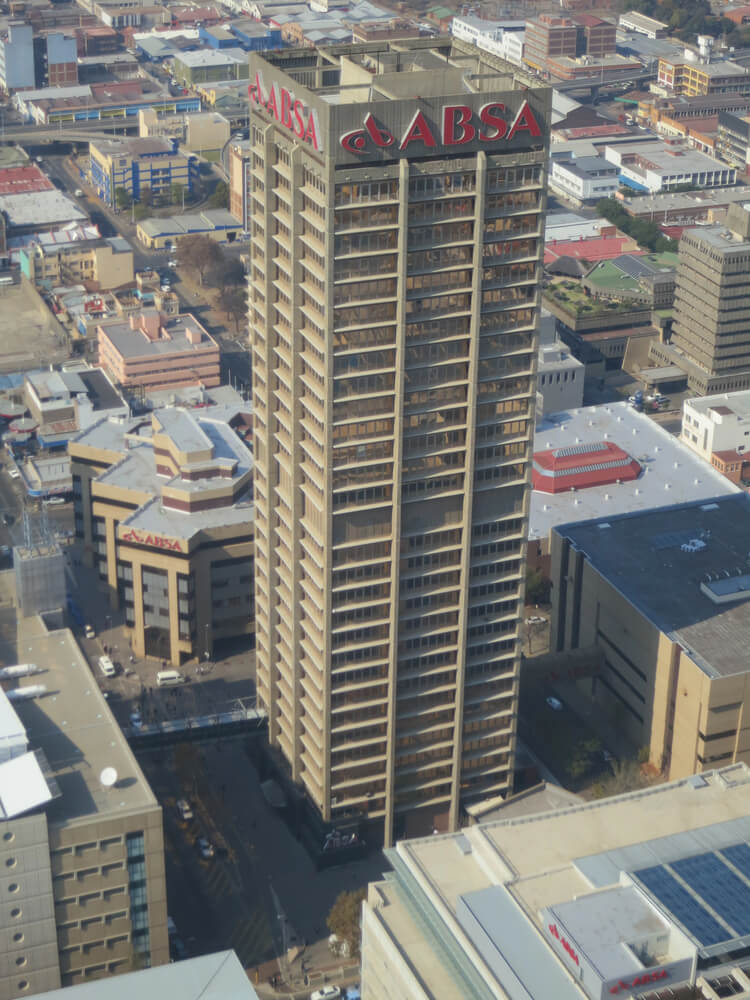
This one’s close to home. The Carlton opened in 1972 with more than 600 rooms across some 30 floors, and for two decades it was the best address in Africa.
Henry Kissinger and Margaret Thatcher stayed there. So did Whitney Houston and the Rolling Stones.
Nelson Mandela celebrated his 75th birthday in its banquet hall and announced the ANC’s election victory there in May 1994. By then the big companies were already leaving the CBD for Sandton.
The owners closed the main tower in December 1997. Transnet bought the entire Carlton Centre two years later for around R33 million, a fraction of its build cost.
The shopping centre below still trades. Above it, 600 rooms have sat dark for more than a quarter of a century, and chandeliers reportedly still hang over the empty hall.
Sale after sale has fallen through. Thousands of people shop beneath it every day without looking up.
The Old Synagogue, Pretoria
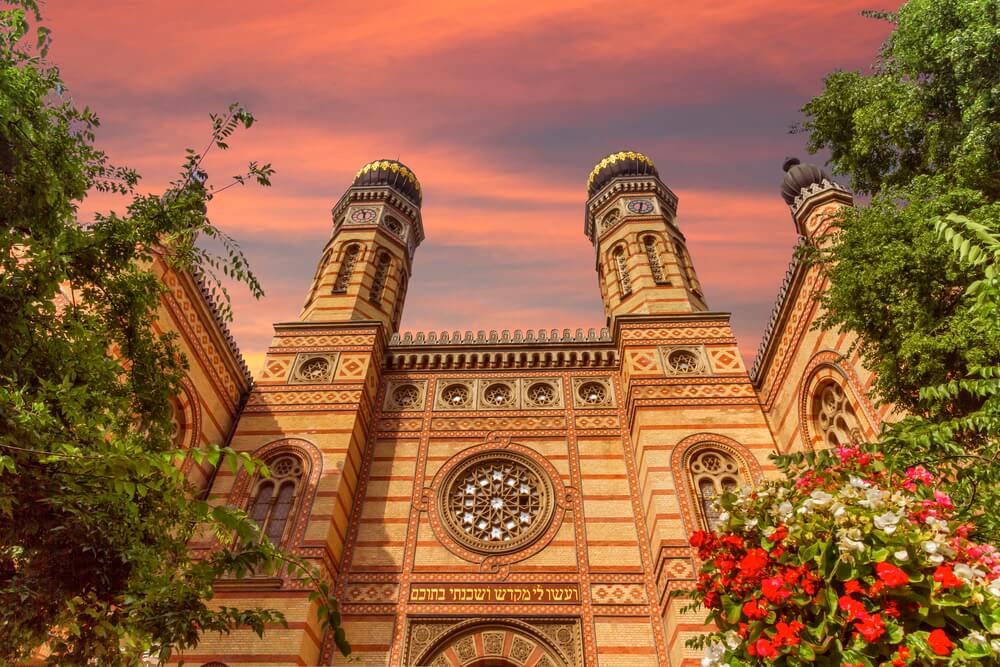
Pretoria’s Jewish community consecrated this building on Paul Kruger Street in 1898. The state expropriated it in 1952 and converted it into a special annex of the Supreme Court.
The Treason Trial ran there from 1958 to 1961, with Mandela among the accused. He returned to the same room in 1962, wearing a leopard-skin kaross in the dock.
The inquest into Steve Biko’s death sat there in 1977. Few buildings anywhere have hosted that much history.
It’s been boarded up and fenced for decades, with plans for a museum announced and abandoned more than once. The stained-glass arches are still visible from the pavement if you know where to look.
Building 93, Kings Park, New York
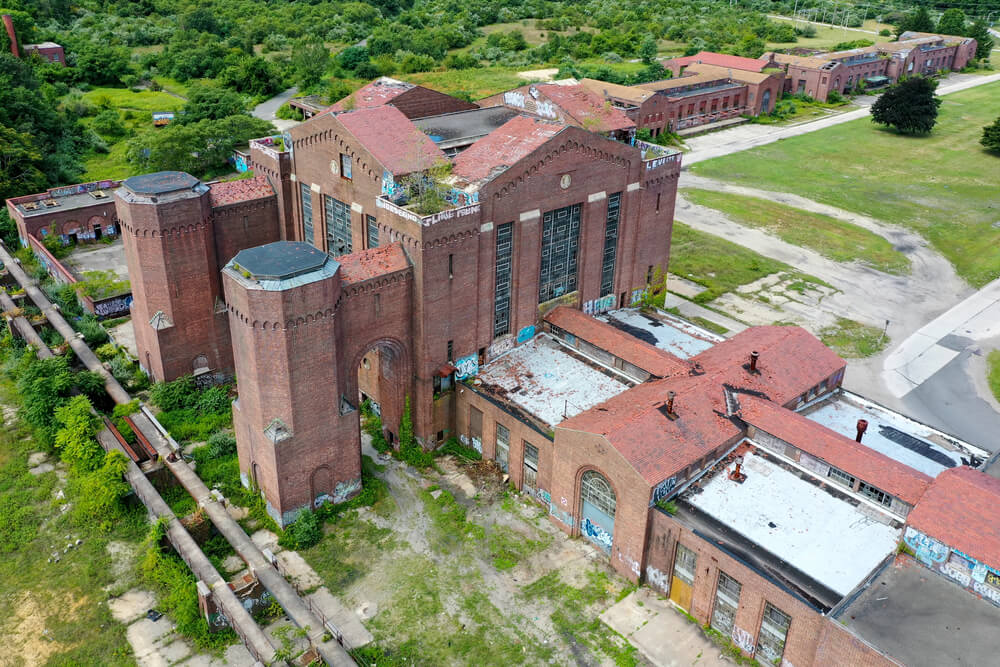
Kings Park Psychiatric Center on Long Island once held more than 9,000 patients. Building 93, a 13-storey brick tower from 1939, was its centrepiece.
The hospital closed in 1996 and most of the grounds became a state park. Joggers now run past a sealed high-rise full of peeling paint and abandoned bed frames.
The state has demolished smaller buildings around it, yet Building 93 keeps surviving each round. Asbestos makes demolition costly, and nobody wants to pay.
Millennium Mills, London
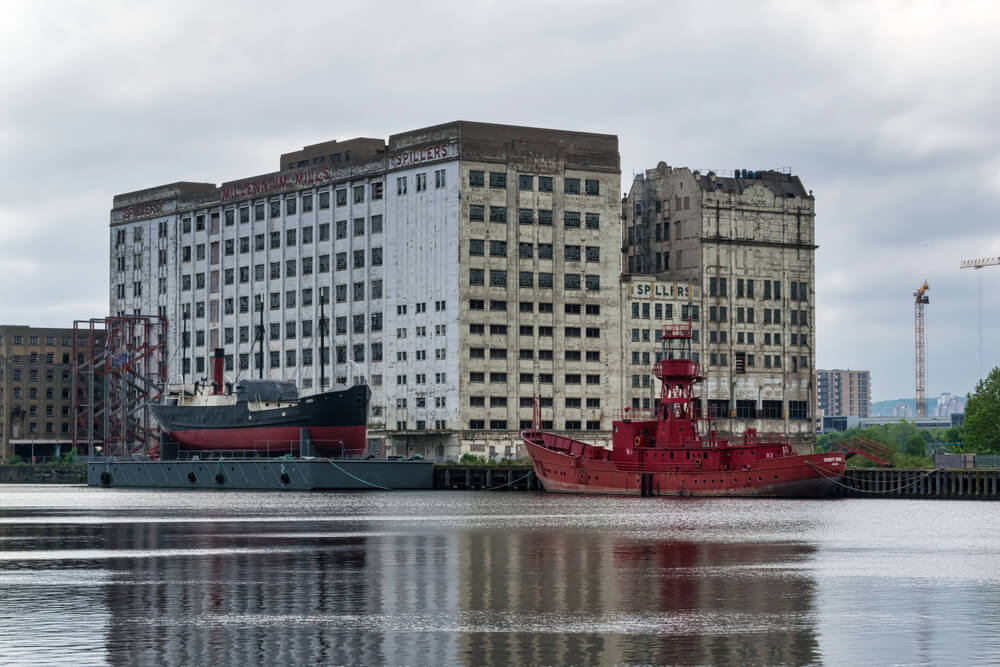
This ten-storey flour mill on the Royal Victoria Dock closed in 1981 when London’s docks died. Everything around it changed.
An airport opened next door, an exhibition centre went up across the water, and luxury flats lined the quay. The mill stayed derelict for forty years, used mainly as a backdrop for music videos and films needing a dystopia.
Workers stripped its asbestos in the 2010s as part of a redevelopment scheme that has moved slowly ever since. Its painted name still reads clearly across the dock.
St Peter’s Seminary, Scotland
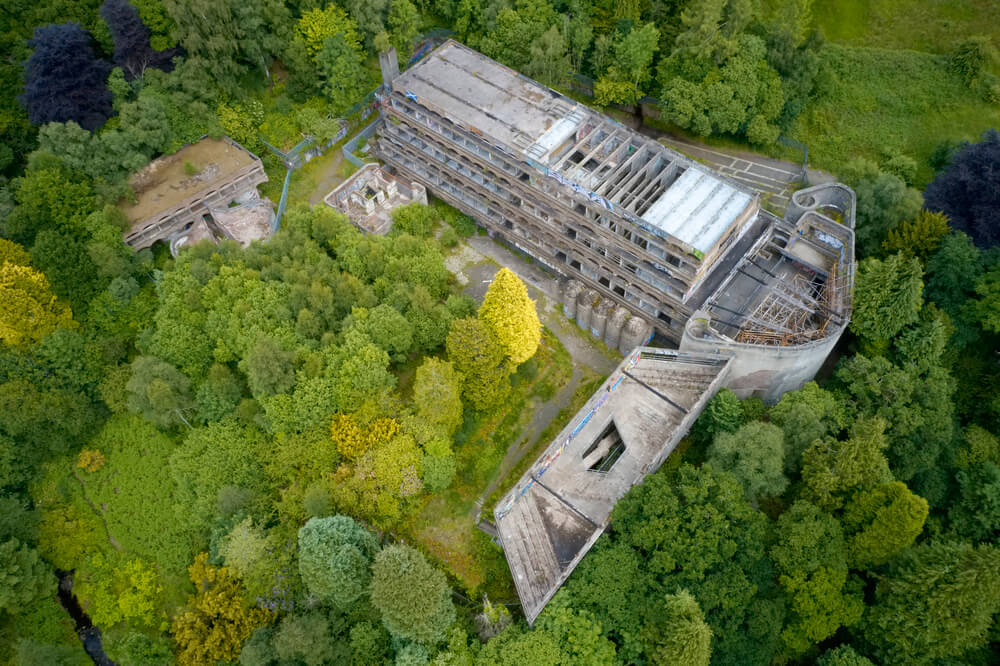
Architects finished this concrete training college for priests in 1966, in woods near the Clyde. It won awards and leaked from the first winter.
The Catholic Church was also running short of trainee priests, and the seminary closed in 1980. Scotland lists it among its most important modern buildings, which makes demolition illegal.
Rescue plans have failed repeatedly on cost. The Church gave it away to a small charitable trust in 2020.
Behind the fencing stands a structure that architects call a masterpiece and that nobody can afford to save.
The Renwick Smallpox Hospital, New York
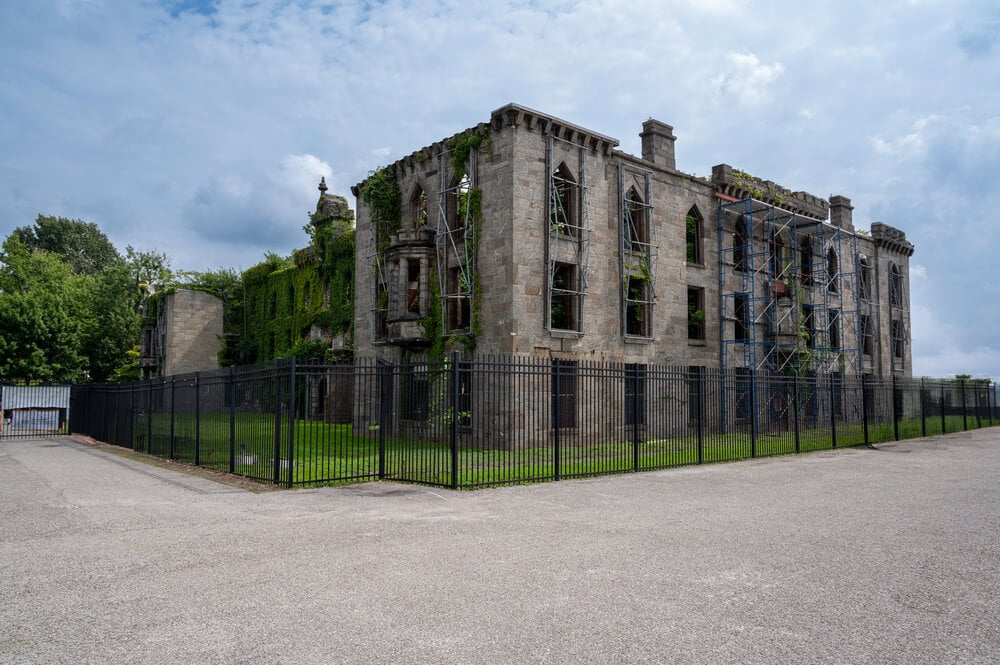
This Gothic ruin stands at the southern tip of Roosevelt Island in the East River. It opened in 1856 to isolate smallpox patients from Manhattan and closed a century later.
The roof and floors fell in long ago. The city landmarked the ruin in the 1970s, a rare honour for a building with no interior.
Engineers have braced the walls, and floodlights pick them out at night. It stands fenced inside a public park as the city’s only officially protected ruin, preserved in a state of falling down.
The Ellis Island Hospital Complex
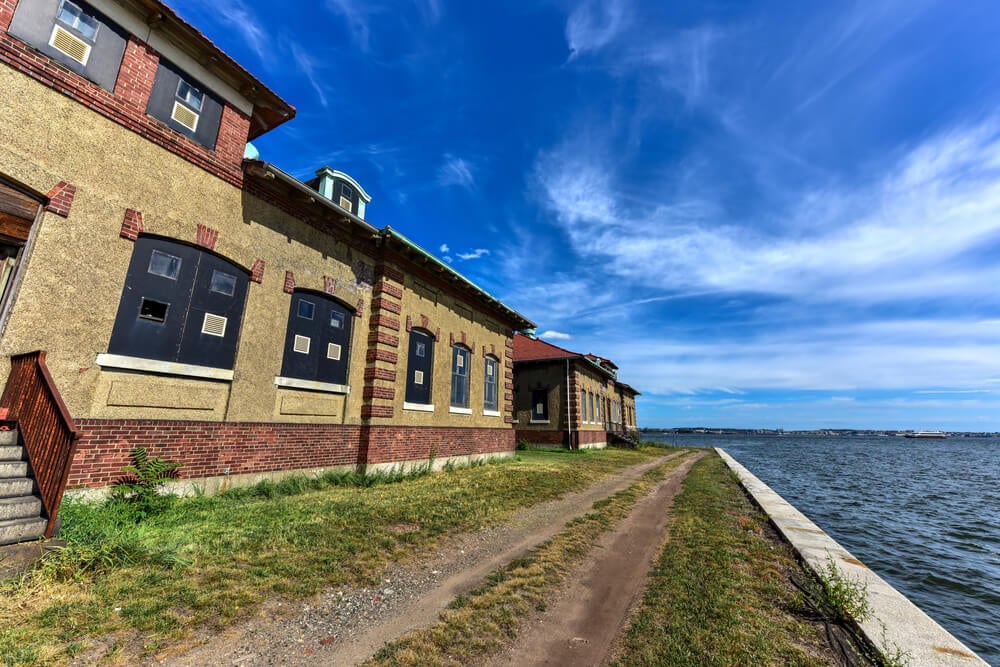
Twelve million immigrants passed through Ellis Island, and you can tour the restored great hall today. The south side of the island is different.
There, more than 20 hospital buildings treated arrivals too sick to enter America, and delivered around 350 babies. The government locked the complex in 1954.
It stayed shut for sixty years while vines grew through the wards. Small guided hard-hat tours began in 2014 to raise restoration funds.
Most rooms remain as they were left, with autoclave doors hanging open and leaves drifted against the walls.
The Secretariat, Yangon
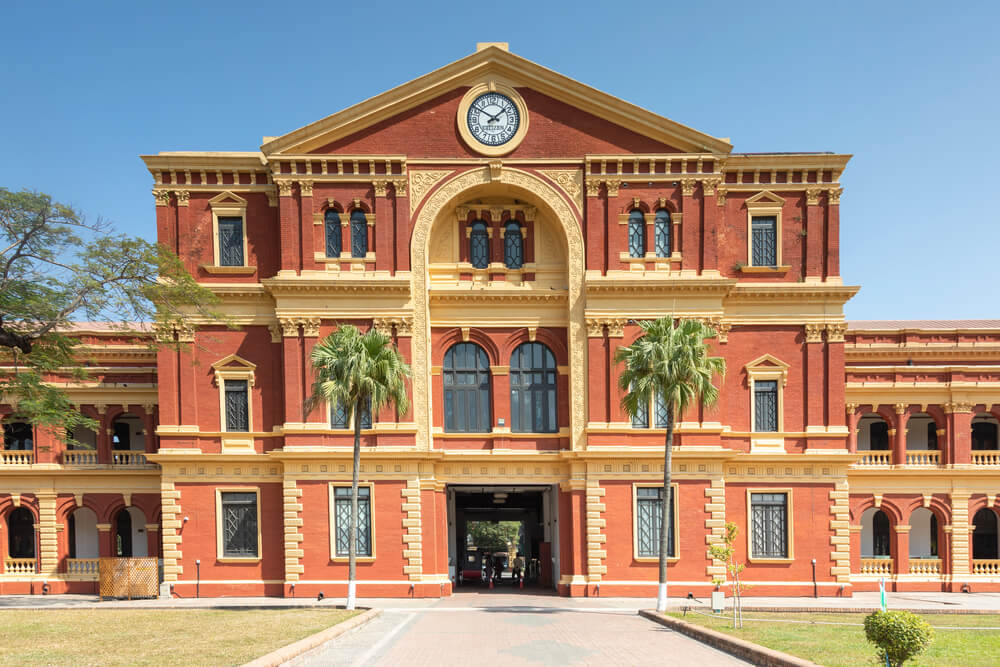
This vast red-brick complex was the seat of British power in Burma. On 19 July 1947, gunmen burst into a meeting room and shot independence leader Aung San and six of his cabinet.
The room is now a shrine. The government moved to a new capital in 2005 and padlocked the Secretariat.
For years it opened to the public one day annually, on the anniversary of the killings, and queues stretched around the block. A private group has since begun restoring parts of it.
Most of the complex remains closed.
The Holiday Inn, Beirut
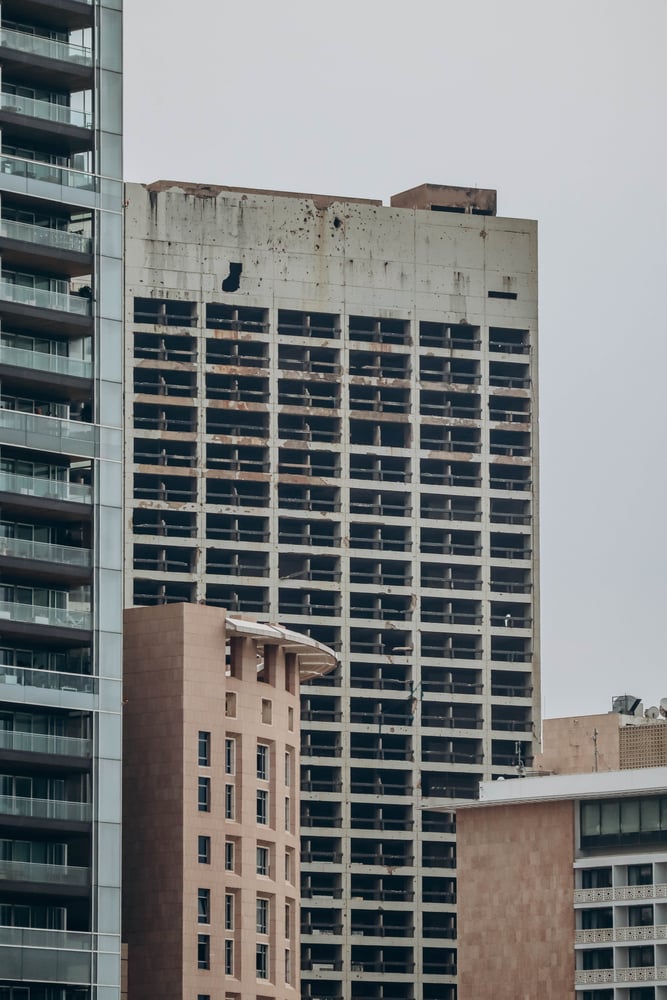
The hotel opened in 1974 with a revolving restaurant on the 26th floor. It operated for barely a year.
In October 1975, rival militias began fighting for control of Beirut’s hotel district, because tall buildings made ideal sniper platforms. They fought room to room for months.
The shell-scarred tower has stood gutted ever since, right through the city’s reconstruction. Its owners, a Lebanese company and a Kuwaiti group, disagree over whether to renovate or demolish.
The army uses the base as a post and keeps everyone out. Beirut rebuilt everything around it and left this one standing as a reminder.
Burj el Murr, Beirut
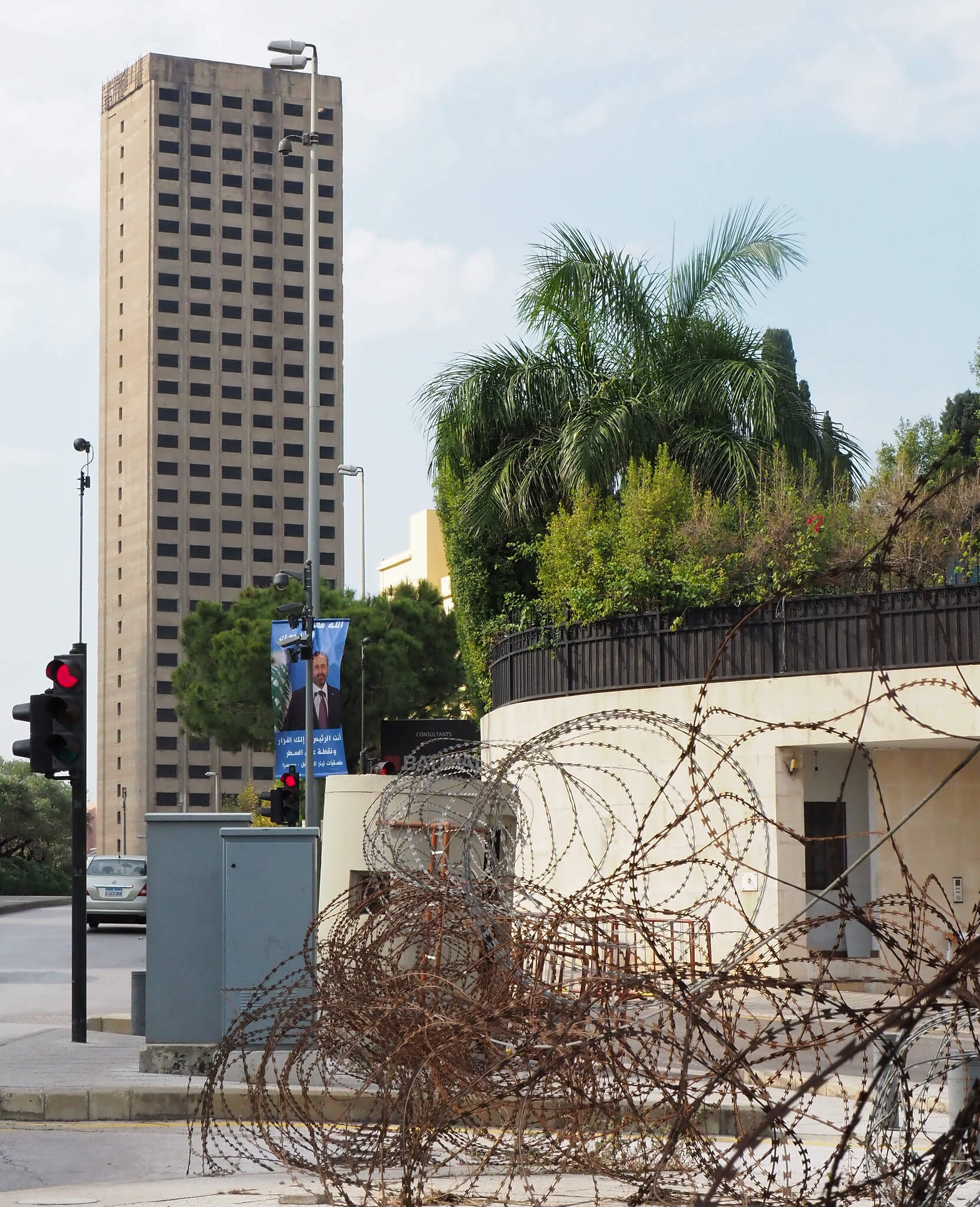
Construction on this 40-storey concrete office tower began in 1974, and the civil war arrived before the builders finished. It never received windows, tenants, or a single desk.
It did see use, as a sniper’s nest and reportedly as a prison. The walls are so thick that demolition by explosives would endanger the neighbourhood, and taking it down piece by piece costs too much.
So a windowless grey slab dominates the skyline of a Mediterranean capital, fifty years old and never occupied.
The Iraqi Embassy in East Berlin
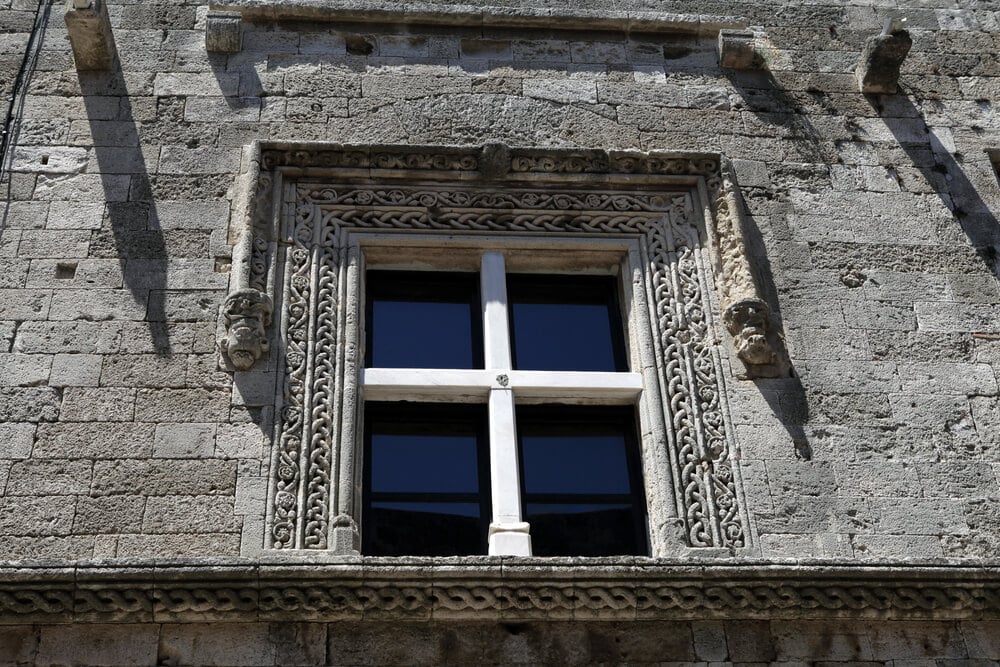
Iraq’s diplomats to East Germany worked in a modern block in the Pankow district. In January 1991, as the Gulf War began, they left in a hurry.
East Germany no longer existed, and nobody in Baghdad or the new Berlin took responsibility for the building. Papers, typewriters, and portraits of Saddam Hussein lay scattered through the offices for years.
Germany owns the land but Iraq holds a permanent right to use it, so neither can act alone. A legal knot has kept a building empty for thirty-five years.
The Houston Astrodome
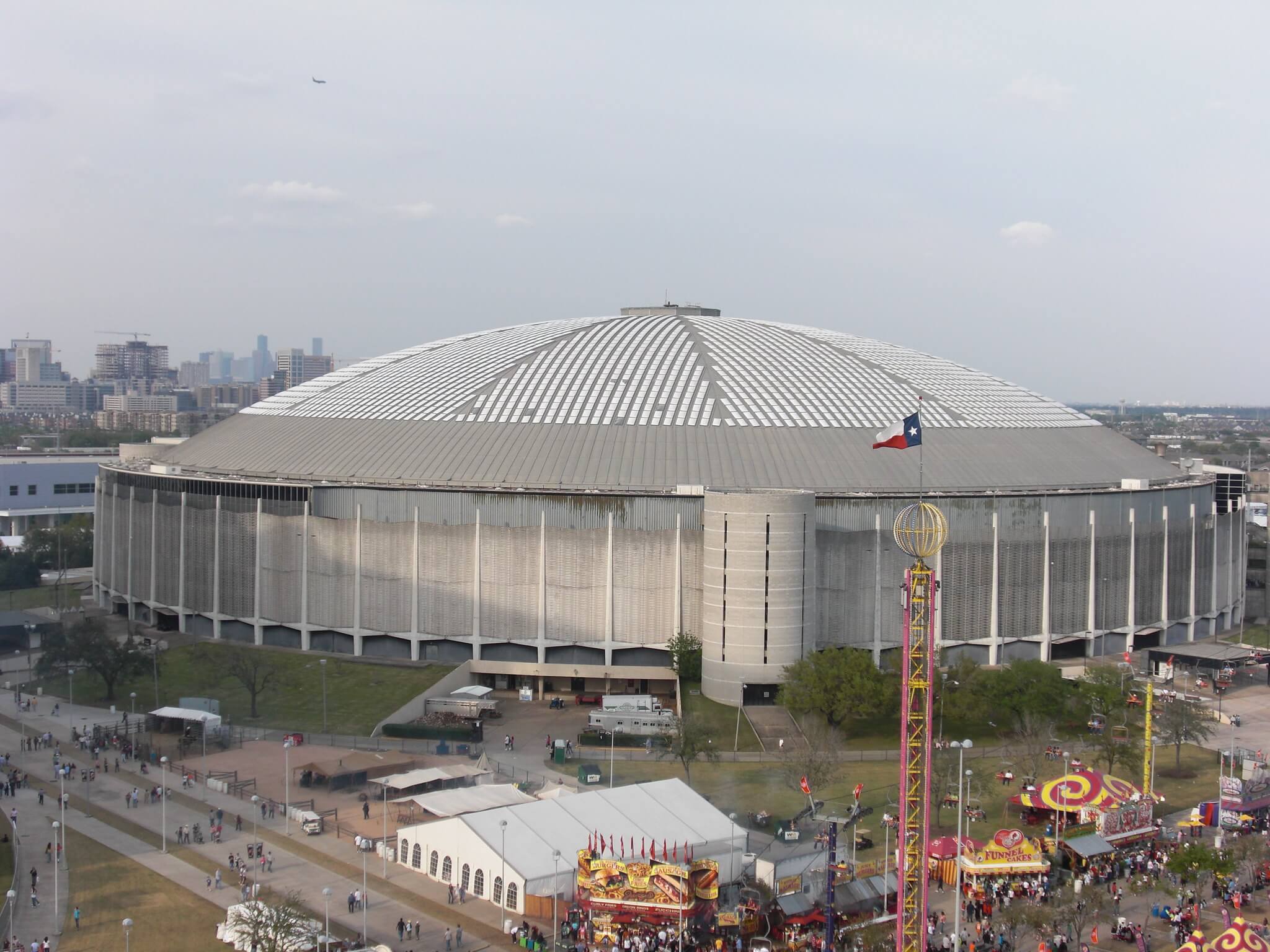
They called it the Eighth Wonder of the World when it opened in 1965: the first domed, air-conditioned sports stadium anywhere. Artificial grass got its name here.
Its teams moved to newer venues, and its last great service came in 2005, sheltering thousands of people displaced by Hurricane Katrina. Inspectors declared it unfit for occupancy in 2009.
Voters rejected a 217-million-dollar renovation plan in 2013. Texas then gave the dome protected heritage status, which blocks demolition.
It sits locked beside the stadium that replaced it, costing the county money every year just to keep standing.
Miami Marine Stadium
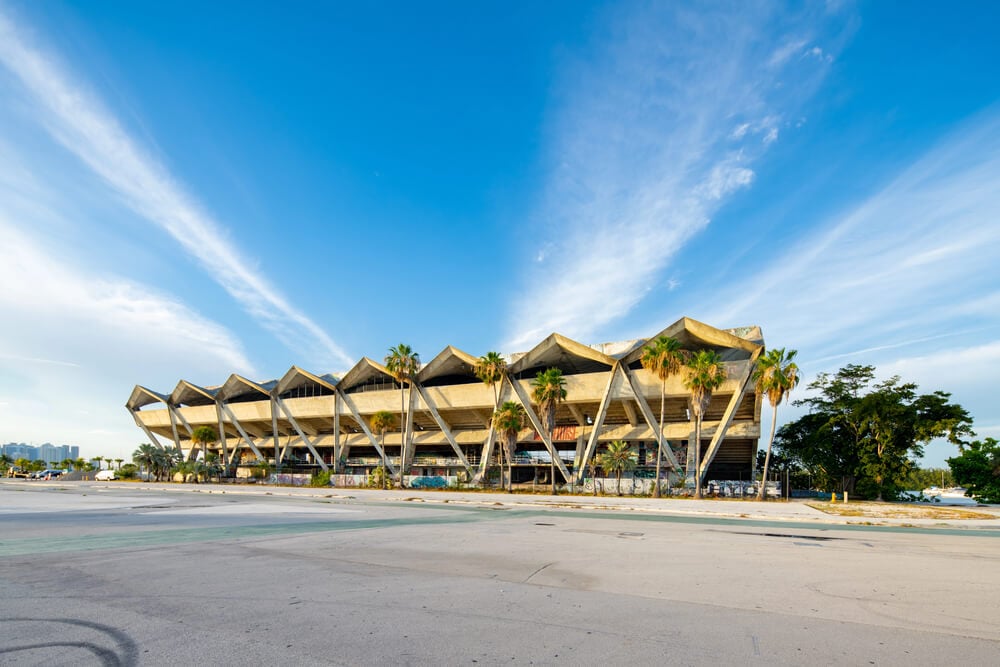
A 28-year-old Cuban-born architect designed this waterfront grandstand in 1963, with a folded concrete roof as long as a rugby field cantilevered over 6,500 seats. Crowds watched powerboat races, and concerts played from a floating stage.
The city declared it unsafe after Hurricane Andrew in 1992, a finding engineers later disputed. Graffiti artists have since covered every surface, and the results are good enough that preservationists debate keeping them.
Miami has approved restoration funding more than once. The gates are still chained.
The Ducor Hotel, Monrovia
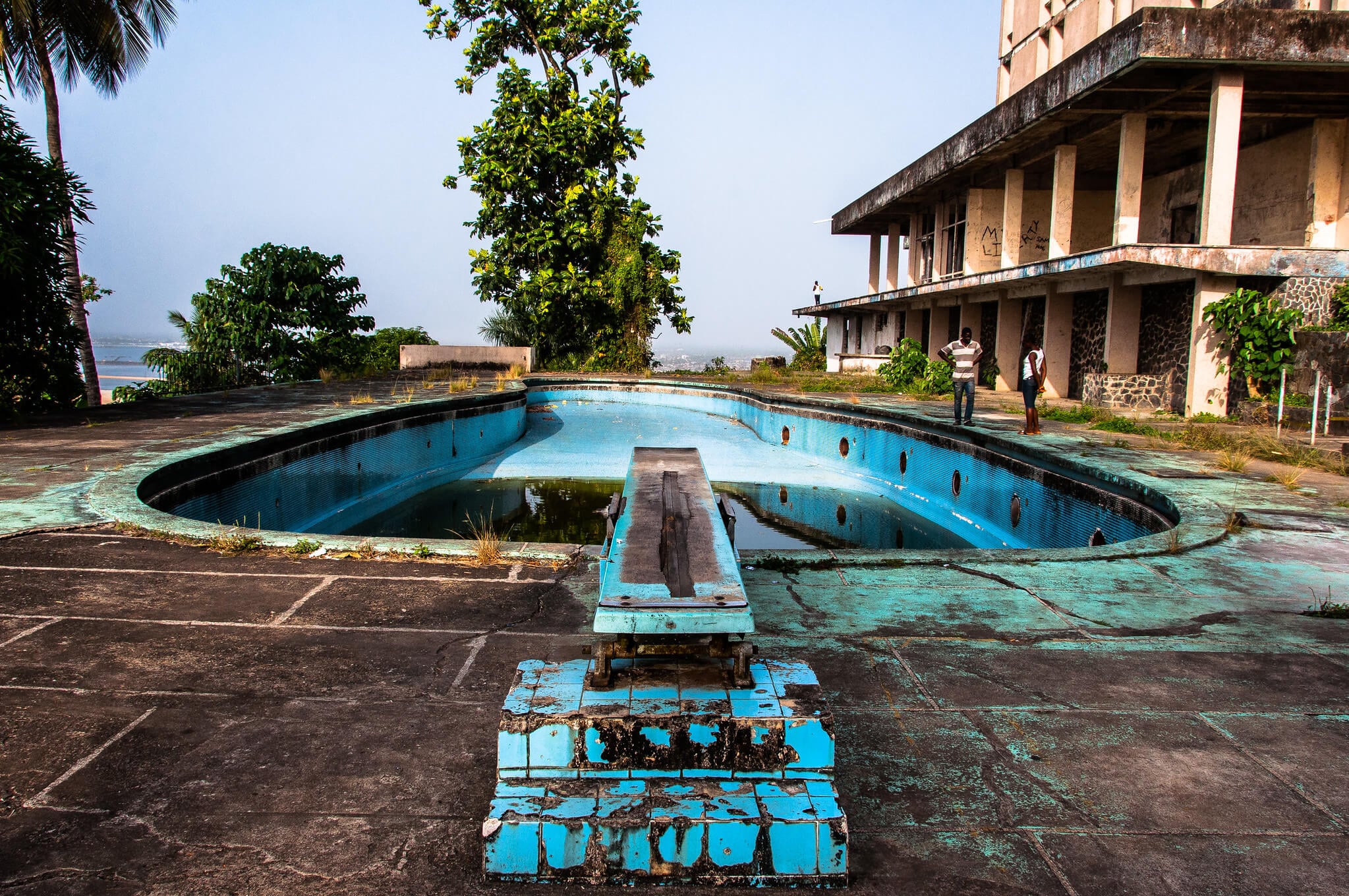
Perched on the highest point in Liberia’s capital, the Ducor opened in 1960 as one of Africa’s first five-star hotels. Heads of state met there.
Guests swam in a pool overlooking the Atlantic. It closed in 1989 as the country slid toward civil war, and displaced families occupied it for years.
The government cleared the building in 2007. A Libyan-funded renovation started and then halted in 2011 when Gaddafi’s regime fell.
The eight-storey shell still crowns the hill, stripped down to raw concrete. It has the best view in Monrovia and no one to enjoy it.
The Government Building in Sukhumi
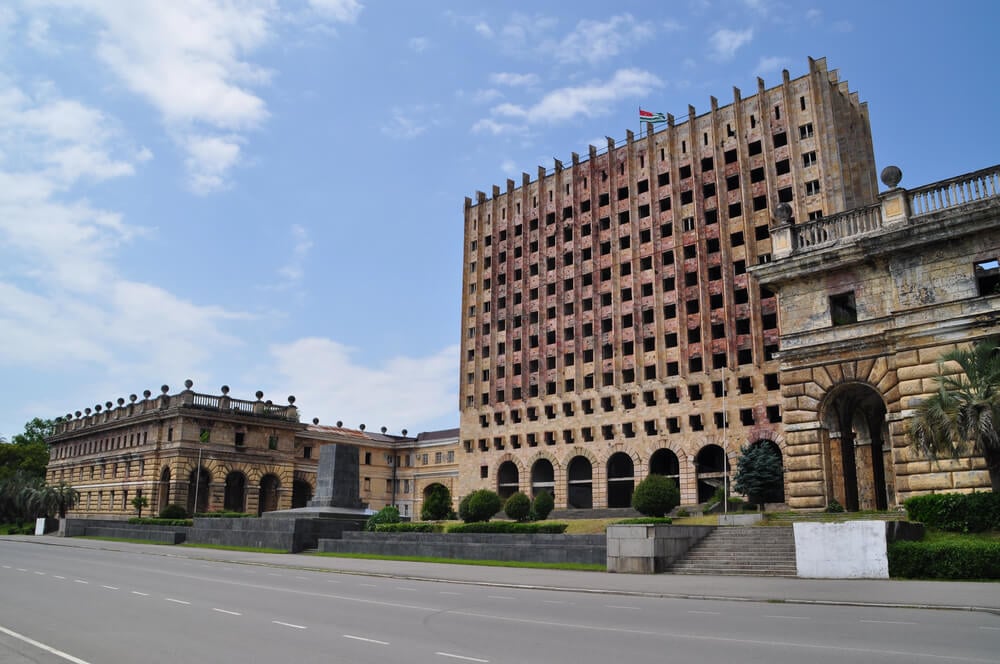
In September 1993, the war over Abkhazia ended when separatist forces took this high-rise government headquarters, the last stronghold of Georgian officials in the city. It burned.
The victors left it precisely as it was. More than thirty years on, a blackened high-rise still stands in the central square of a seaside town, facing a well-kept park.
Locals treat it as a war memorial. Leaving it standing costs them nothing, and it says what they want said.
Madame de Florian’s Apartment, Paris
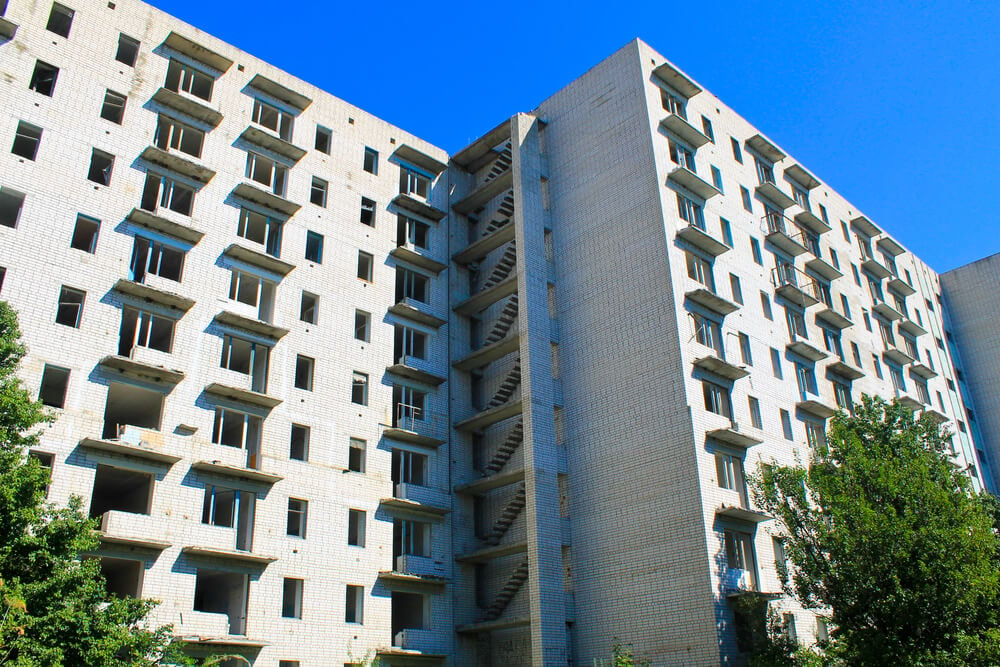
In 1942, a young woman locked her late grandmother’s flat near the Opéra and left for the south of France. She never went back, and she never stopped paying the rent.
When she died in 2010 at the age of 91, her heirs sent an auctioneer to take stock. He found a time capsule under a layer of dust: a stuffed ostrich, an early Mickey Mouse toy, a dressing table still set with brushes.
On the wall hung an unknown portrait of the grandmother by the society painter Giovanni Boldini, with his love letters in a drawer nearby. The painting sold for 2.1 million euros.
Seventy years of rent turned out to be a sound investment.
Kijong-dong, North Korea
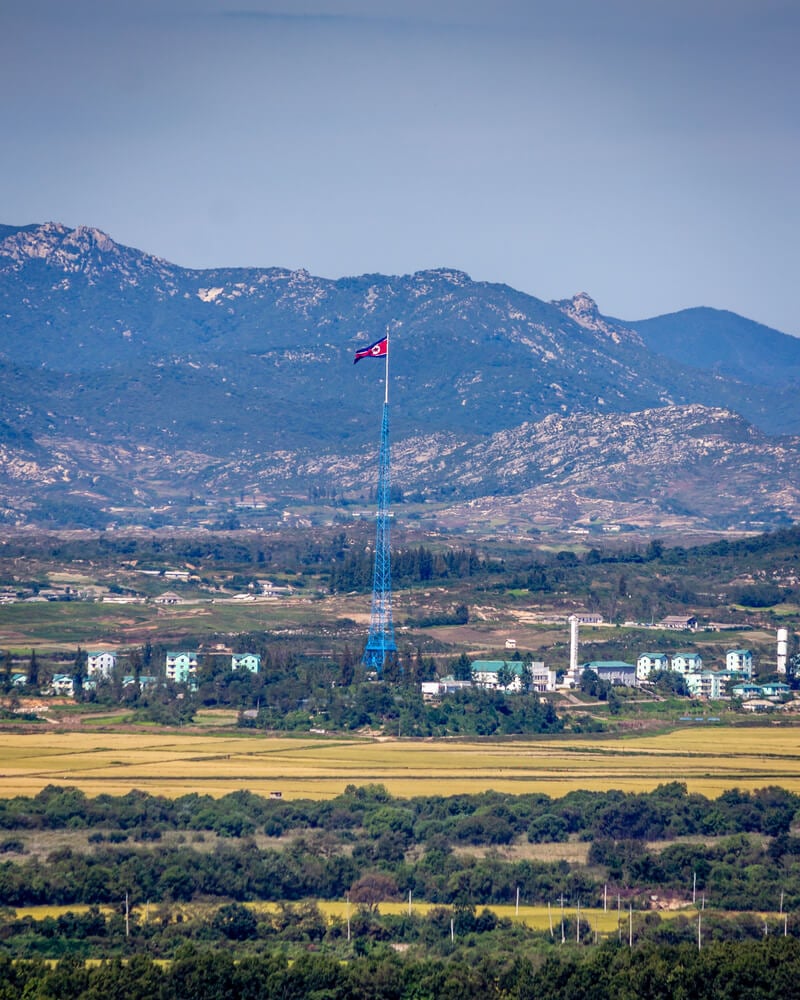
From the southern side of the demilitarised zone, you can look through binoculars at a tidy North Korean village with bright blue roofs and a flagpole 160 metres high. The North calls it a thriving collective farm.
Observers in the South have watched it for decades and describe something else. The buildings appear to be concrete shells without glass or interior rooms.
Lights come on at set times. Caretakers sweep streets where nobody lives.
It was built in the 1950s to tempt defectors northward, which makes it a sealed town that was never unsealed to begin with.
Plymouth, Montserrat
The Soufrière Hills volcano woke in 1995 after centuries of quiet. Plymouth, the island’s capital, was evacuated.
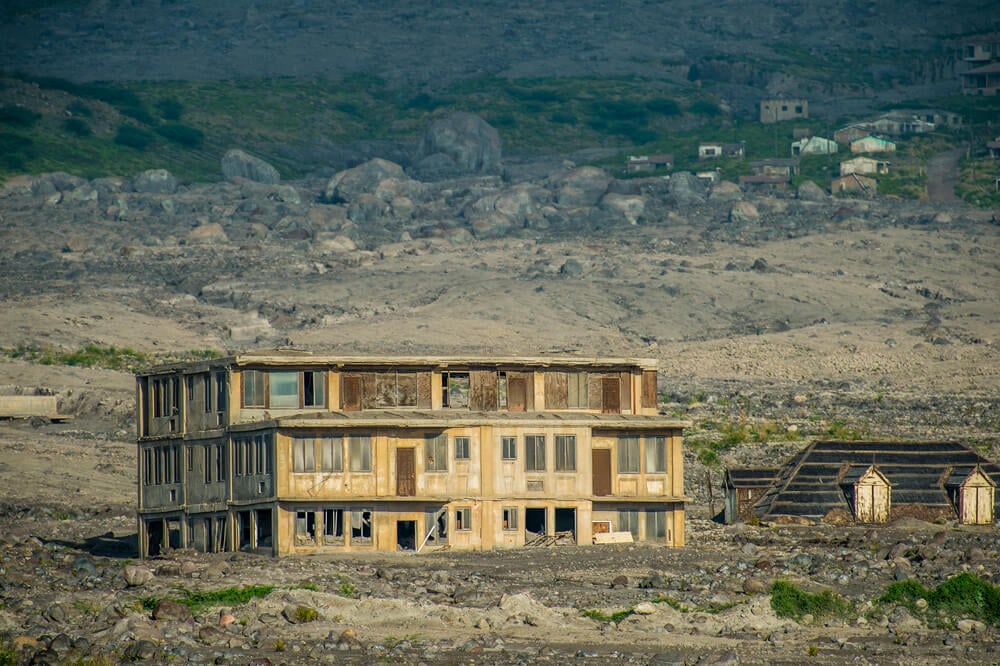
In 1997, flows of superheated ash and rock buried most of the town several metres deep. Plymouth remains the legal capital, the only one in the world with a population of zero.
The clock tower of the courthouse pokes from the grey plain, along with the upper floors of shops and hotels. Entry to the exclusion zone requires police permission and a guide, and the volcano still steams above it.
Tennessee State Prison, Nashville
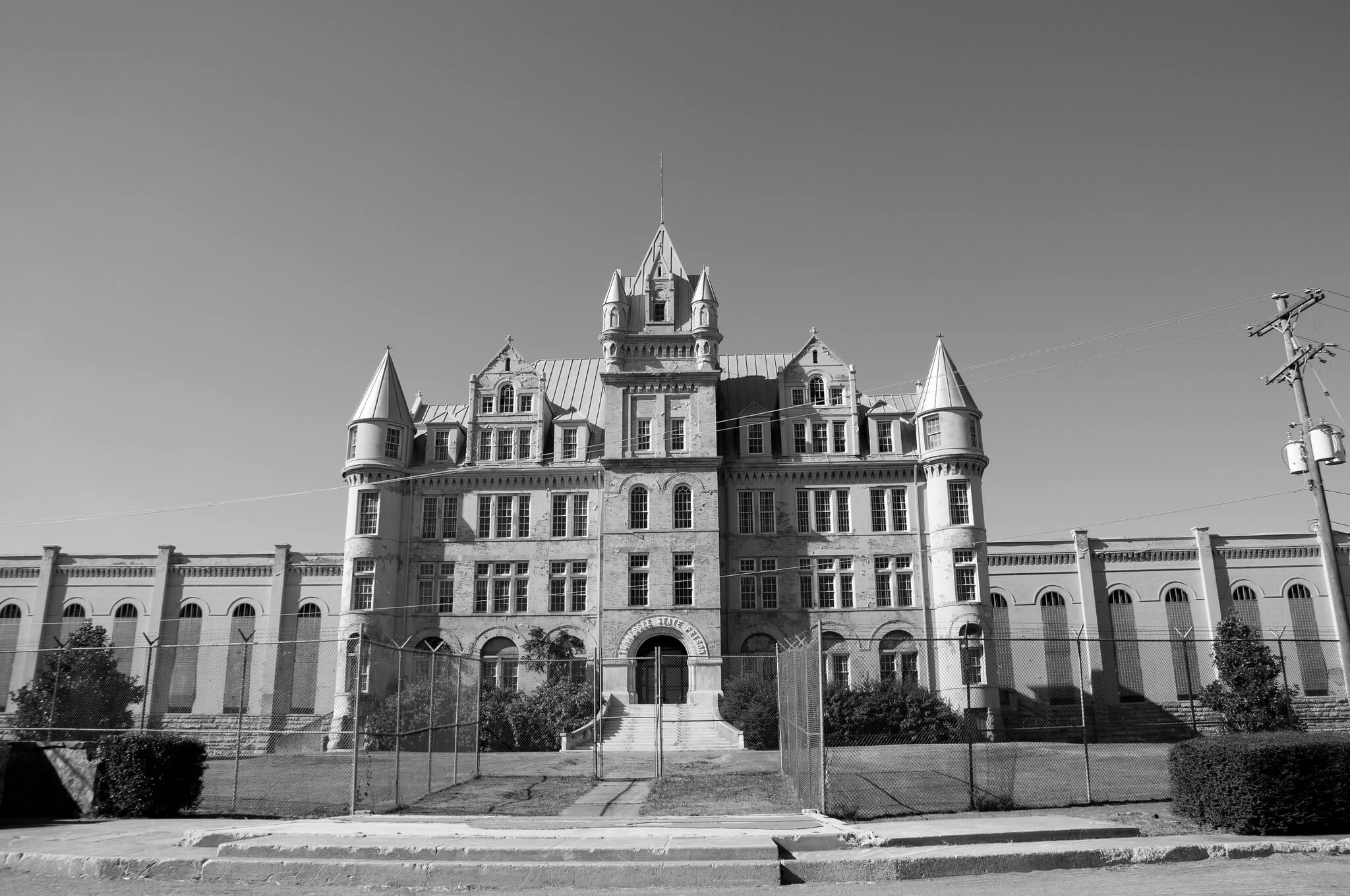
Built in 1898 to look like a fortress, this prison held twice its intended population for much of its life. A federal lawsuit over conditions closed it in 1992, and the court order bars the state from ever housing inmates there again.
Film crews moved in. The Green Mile was shot in its cell blocks.
Asbestos and lead paint ended even that use. A tornado tore part of the roof and walls away in March 2020.
The state hasn’t repaired it and hasn’t demolished it, and the castle front still faces the road.
Crumlin Road Courthouse, Belfast
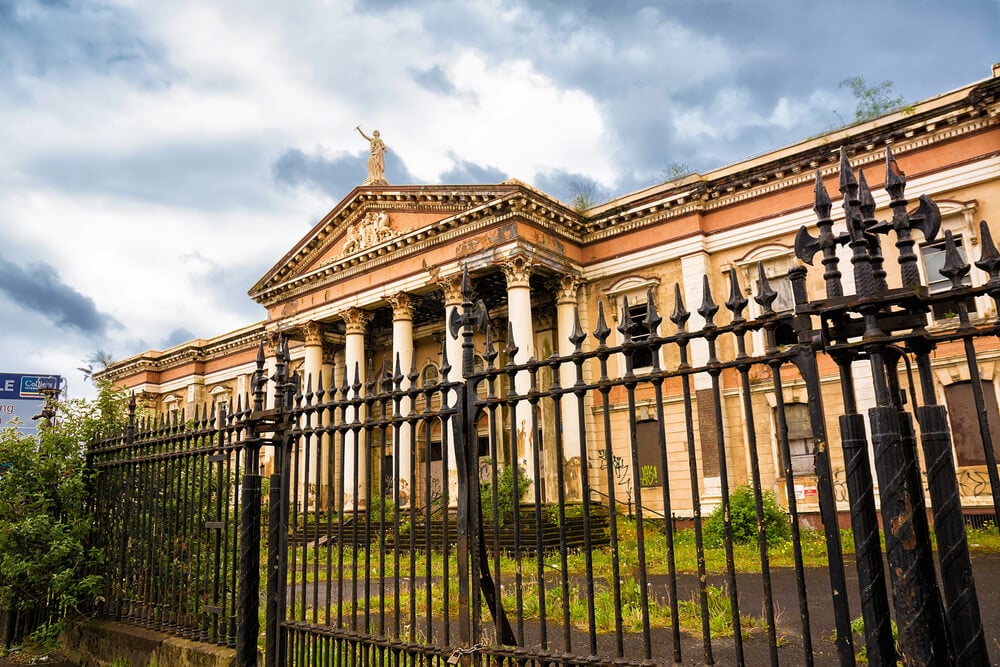
For 150 years, prisoners walked from the Crumlin Road Gaol to this courthouse through a tunnel under the street. During the Troubles it hosted the largest terrorism trials in the United Kingdom.
It closed in 1998. A developer bought it for one pound.
Fires in 2009 gutted the interior, and hotel plans have collapsed more than once. The gaol across the road is now a busy tourist attraction, and its visitors look across at a roofless classical facade with trees growing out of the pediment.
New World Mall, Bangkok
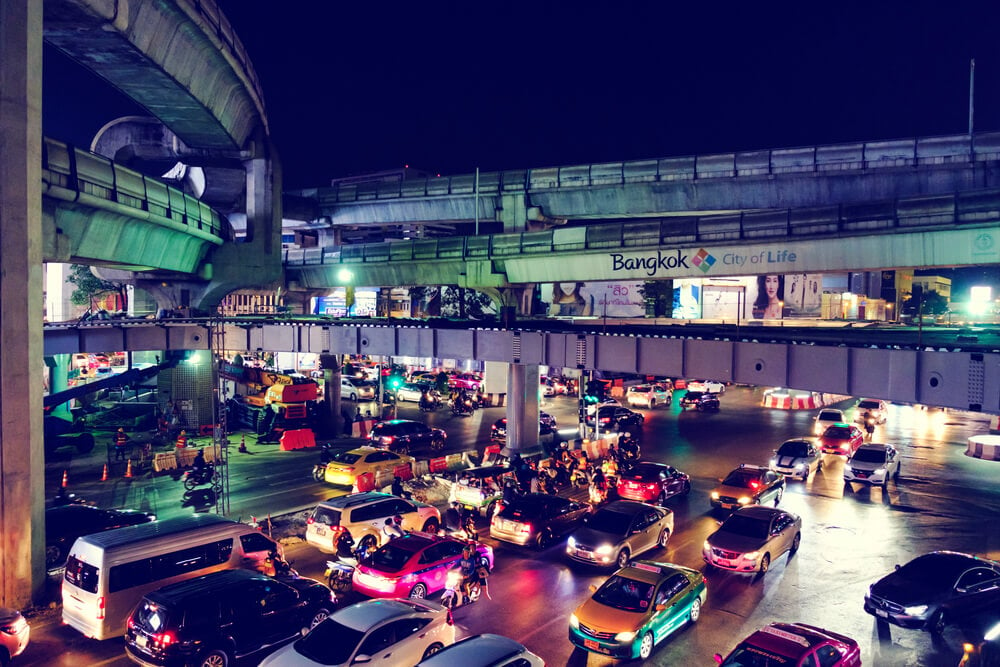
This department store in the old city was built eleven storeys high on a permit for four. Courts ordered the illegal floors demolished, the mall closed in 1997, and a fire in 1999 left the rest without a roof.
Monsoon rains flooded the ground floor to knee depth. Mosquitoes bred in the water, so neighbours tipped in a few fish to eat the larvae.
The fish multiplied into thousands. For a decade, koi and catfish swam circles around dead escalators in the middle of Bangkok.
City workers netted them all in 2015 and sealed the building, and the mall has stood dry and locked ever since.
Keys That Still Turn
If old buildings pull at you, do it the legal way. Heritage groups in Johannesburg run walking tours that get you into places you’d never enter alone, and your ticket money supports the case for saving them.
Trespassing in a structure like these risks a fall through a rotten floor and a criminal record on top of it. A demolished building disappears from memory within a few years.
A sealed one does the opposite. It stands there on its corner, asking every passer-by the same question about what happened here and why nobody fixed it.
Cities need a few of those. They’re the only honest monuments most places have.
More from Go2Tutors!

- The Romanov Crown Jewels and Their Tragic Fate
- 13 Historical Mysteries That Science Still Can’t Solve
- Famous Hoaxes That Fooled the World for Years
- 15 Child Stars with Tragic Adult Lives
- 16 Famous Jewelry Pieces in History
Like Go2Tutors’s content? Follow us on MSN.