Worst Products of the ’90s
The 1990s gave us grunge music, the internet, and some truly spectacular product failures. It was a decade caught between analog nostalgia and digital ambition, where companies threw everything at the wall to see what would stick.
Most of it didn’t. These weren’t just minor missteps or products that aged poorly — these were genuine disasters that left consumers scratching their heads and companies scrambling to explain themselves.
Crystal Pepsi

Clear cola made perfect sense to someone at PepsiCo in 1992. The logic seemed bulletproof: if clear meant pure, and pure meant better, then transparent soda would obviously dominate the market.
Crystal Pepsi lasted about as long as a snowball in July. The problem wasn’t the taste — it actually tasted like regular Pepsi.
The problem was that your brain expected lemon-lime when it saw clear liquid, not cola. Every sip felt like a lie your eyes were telling your taste buds.
Virtual Boy
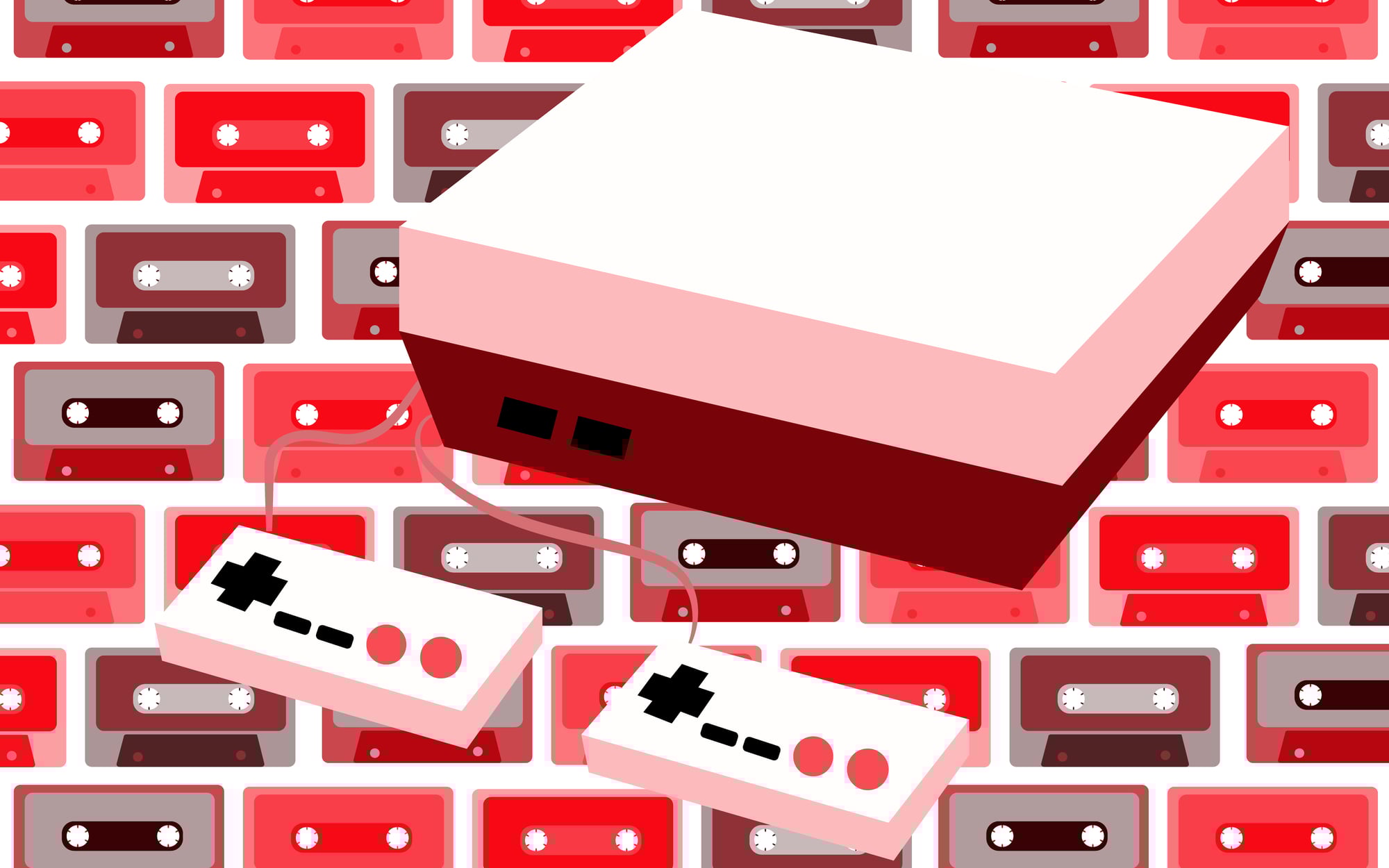
Nintendo’s Virtual Boy was like strapping a View-Master to your face and calling it the future. The red-and-black graphics gave you an instant headache, and the whole contraption required you to hunch over a table like you were defusing a bomb.
The marketing promised virtual reality (which was still science fiction in 1995), but delivered something closer to virtual nausea. Players complained of eye strain, neck pain, and seizures — which is saying something for a company that had already perfected the art of making people stare at screens for hours.
But at least the Game Boy didn’t require a chiropractor afterward, and you could actually take it places without looking like you were operating heavy machinery.
New Coke

There’s something almost beautiful about a company deciding to fix what wasn’t broken, then watching 79 days of consumer revolt unfold in real time. Coca-Cola had dominated the soft drink market for nearly a century, so naturally they concluded the recipe needed a complete overhaul.
New Coke tasted sweeter, more like Pepsi (which was the point), and absolutely nothing like the Coke people had been drinking since 1886. The backlash was swift and merciless — people hoarded old Coke, protest groups formed, and the company’s phone lines melted under the weight of angry calls.
Some conspiracy theorists still insist it was all a marketing stunt. Others point out that no marketing department would voluntarily endure that level of public humiliation.
Apple Newton
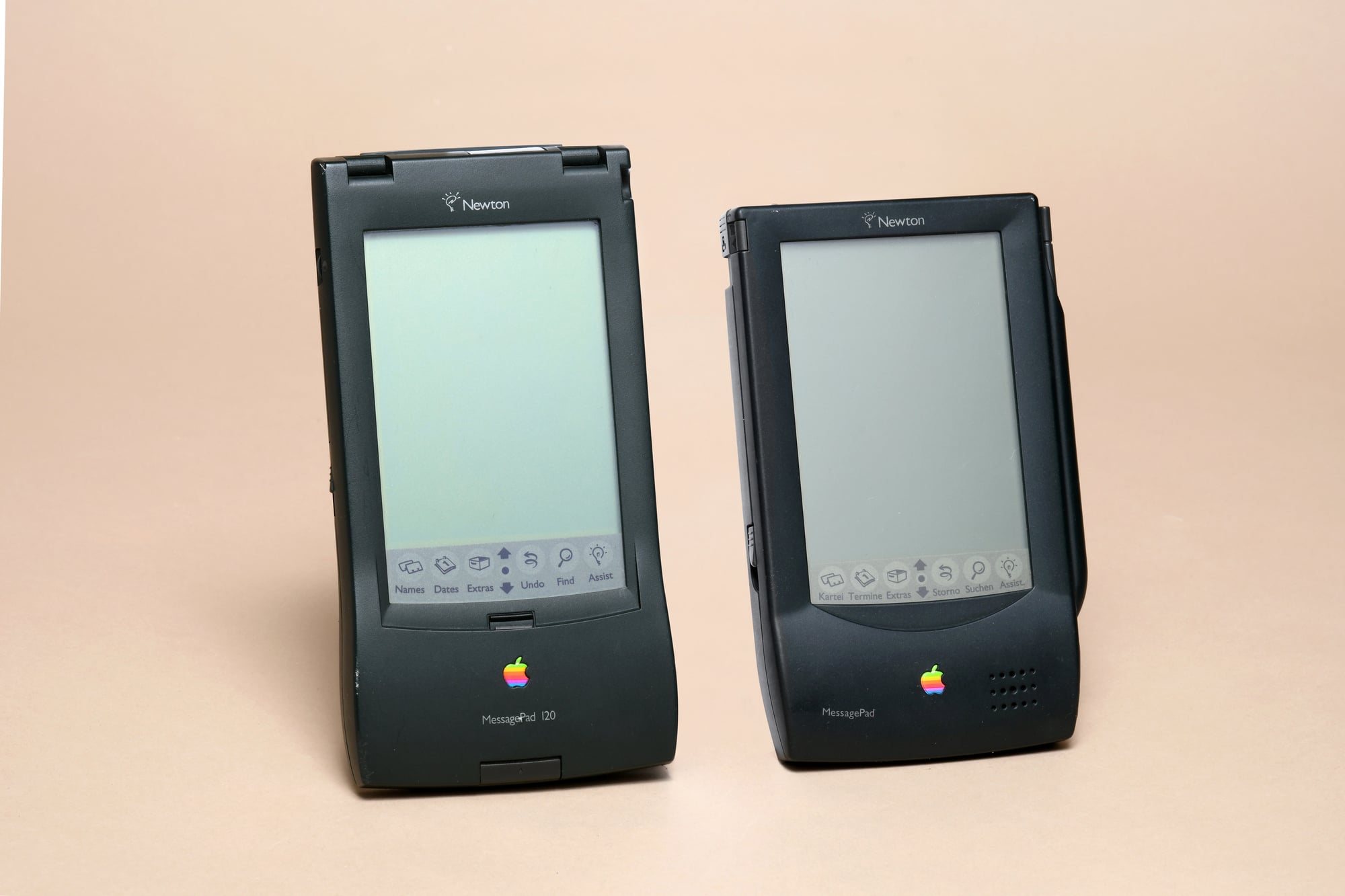
The Newton was supposed to be your personal digital assistant, but it felt more like a personal digital disaster. The handwriting recognition was so notoriously bad that “Eat Up Martha” became “Beat Up Martin” — a mistranslation that spawned a thousand Doonesbury comics and turned the device into a punchline.
Apple poured millions into making the Newton work, but the technology simply wasn’t ready. The stylus felt clunky, the interface was confusing, and the whole device was about as portable as a hardcover book.
Steve Jobs killed it immediately after returning to Apple, which tells you everything about how he felt about its place in the company’s future.
Microsoft Bob
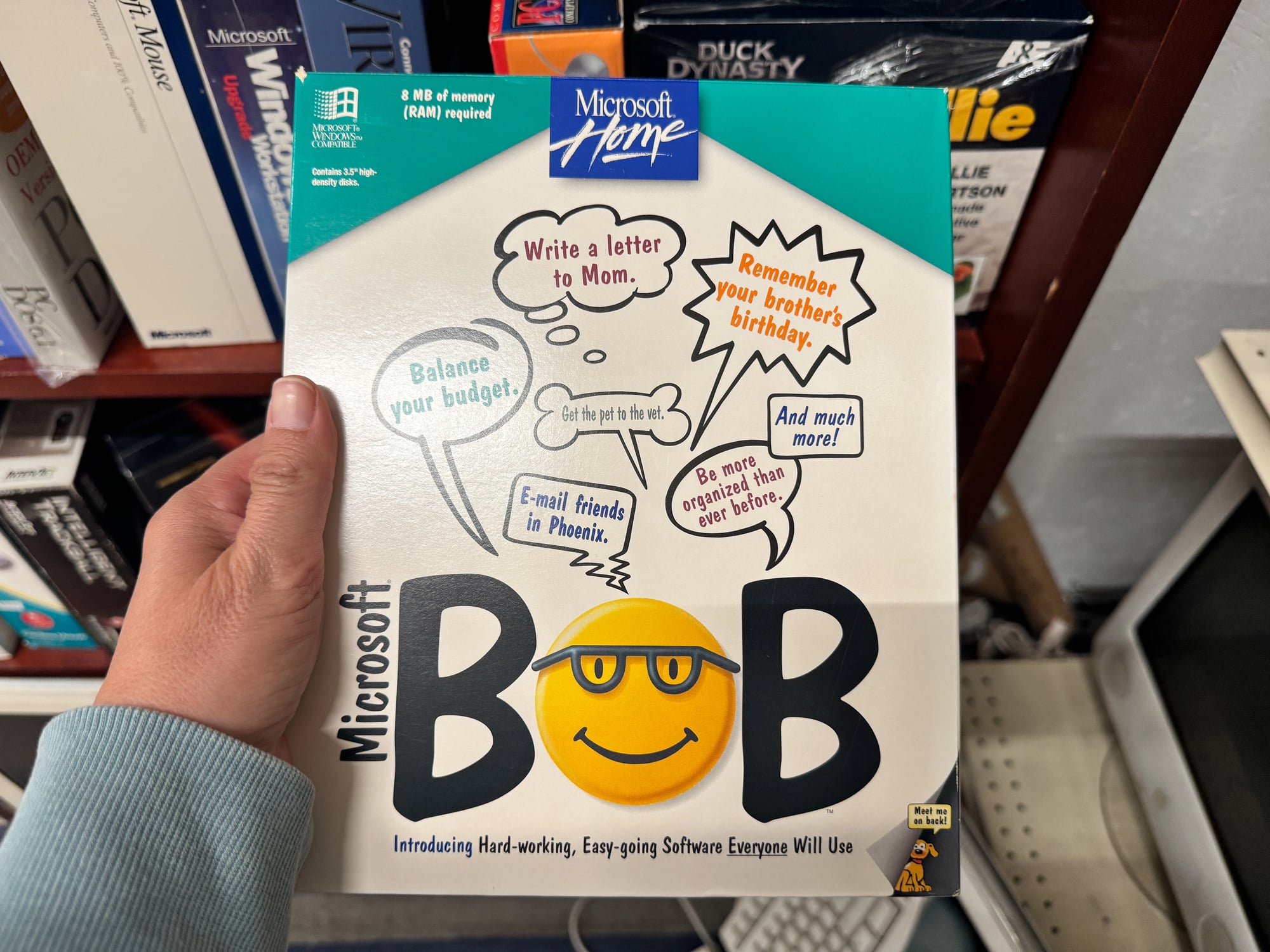
Bob was Microsoft’s attempt to make computers friendlier by turning your desktop into a cartoon living room. Instead of folders and files, you got rooms with furniture.
Instead of programs, you got friendly cartoon assistants who talked to you like you were five years old. The problem with Bob wasn’t just that it was condescending — though it absolutely was.
The problem was that it made simple tasks complicated and complicated tasks impossible. Opening a document required navigating through virtual rooms, clicking on virtual objects, and listening to virtual pets explain things you already understood.
Bob made using a computer feel like playing house, except less fun and more frustrating. Even Melinda Gates, who managed the project, later admitted it was a mistake.
McDonald’s Arch Deluxe

McDonald’s decided in 1996 that what America really needed was a sophisticated burger for grown-ups. The Arch Deluxe featured peppered bacon, Spanish onions, lettuce, tomato, and a secret mustard mayo sauce on a bakery-style bun.
The campaign cost $150 million and featured adults doing childish things while eating this allegedly mature burger. The message seemed to be that McDonald’s was finally ready to serve real food to real adults, which raised uncomfortable questions about what they’d been serving everyone else all these years.
Adults, it turned out, didn’t want sophisticated burgers from McDonald’s — they wanted Big Macs, or they went somewhere else entirely for sophistication.
Tamagotchi
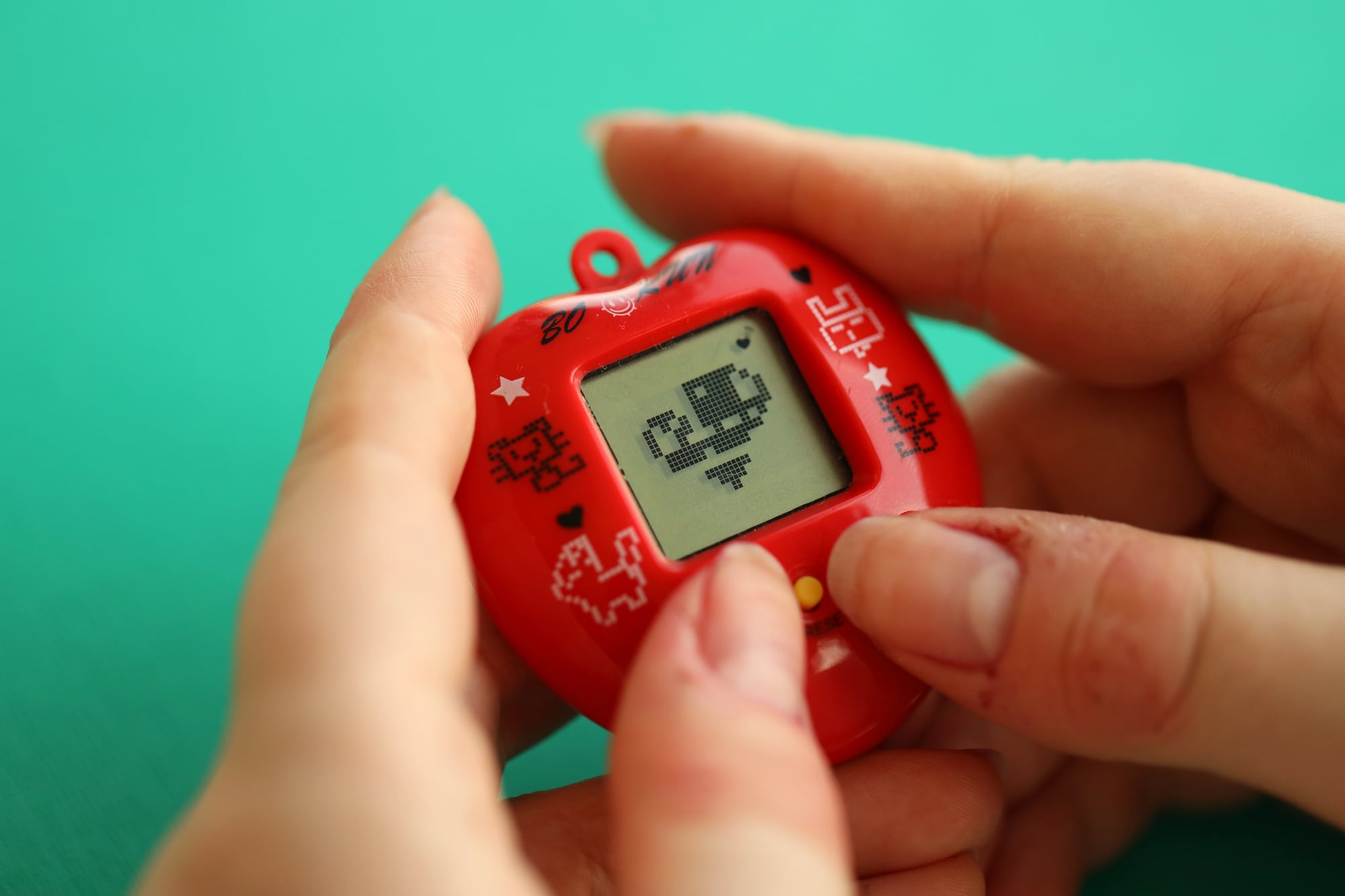
The Tamagotchi was a digital pet that lived in a plastic egg and demanded constant attention. It beeped when it was hungry, beeped when it was lonely, and beeped when it needed its virtual waste cleaned up.
Then it died if you ignored it for too long. Schools banned them because students were feeding their digital pets during math class.
Offices banned them because employees were checking on their virtual creatures during meetings. The Tamagotchi turned responsible adults into anxious pet owners, except the pet was a collection of pixels that served no purpose beyond creating anxiety.
The worst part was feeling genuinely sad when the thing inevitably died, which happened to everyone because nobody could maintain that level of digital codependency forever.
Segway
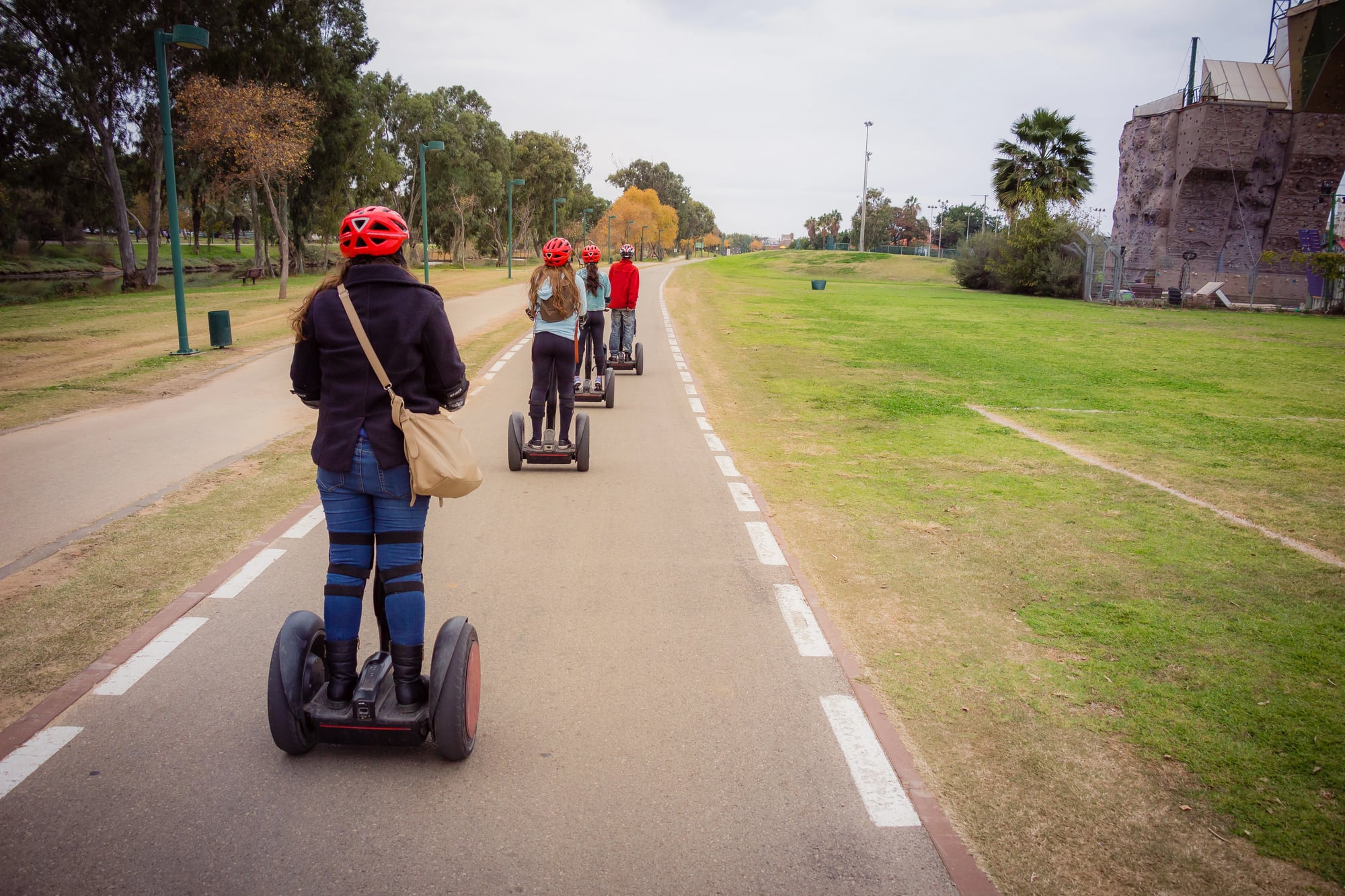
The Segway was supposed to revolutionize transportation and reshape cities. Dean Kamen promised it would be bigger than the internet, more important than the personal computer, and as significant as the automobile.
Instead, it became the preferred vehicle of mall security guards and tourist groups. The Segway cost $5,000, required training to use safely, and made everyone who rode one look faintly ridiculous.
Cities banned them from sidewalks, and parking them anywhere secure was nearly impossible. For something that was supposed to replace walking, the Segway required an awful lot of walking — to places where you were actually allowed to use it.
Sony MiniDisc
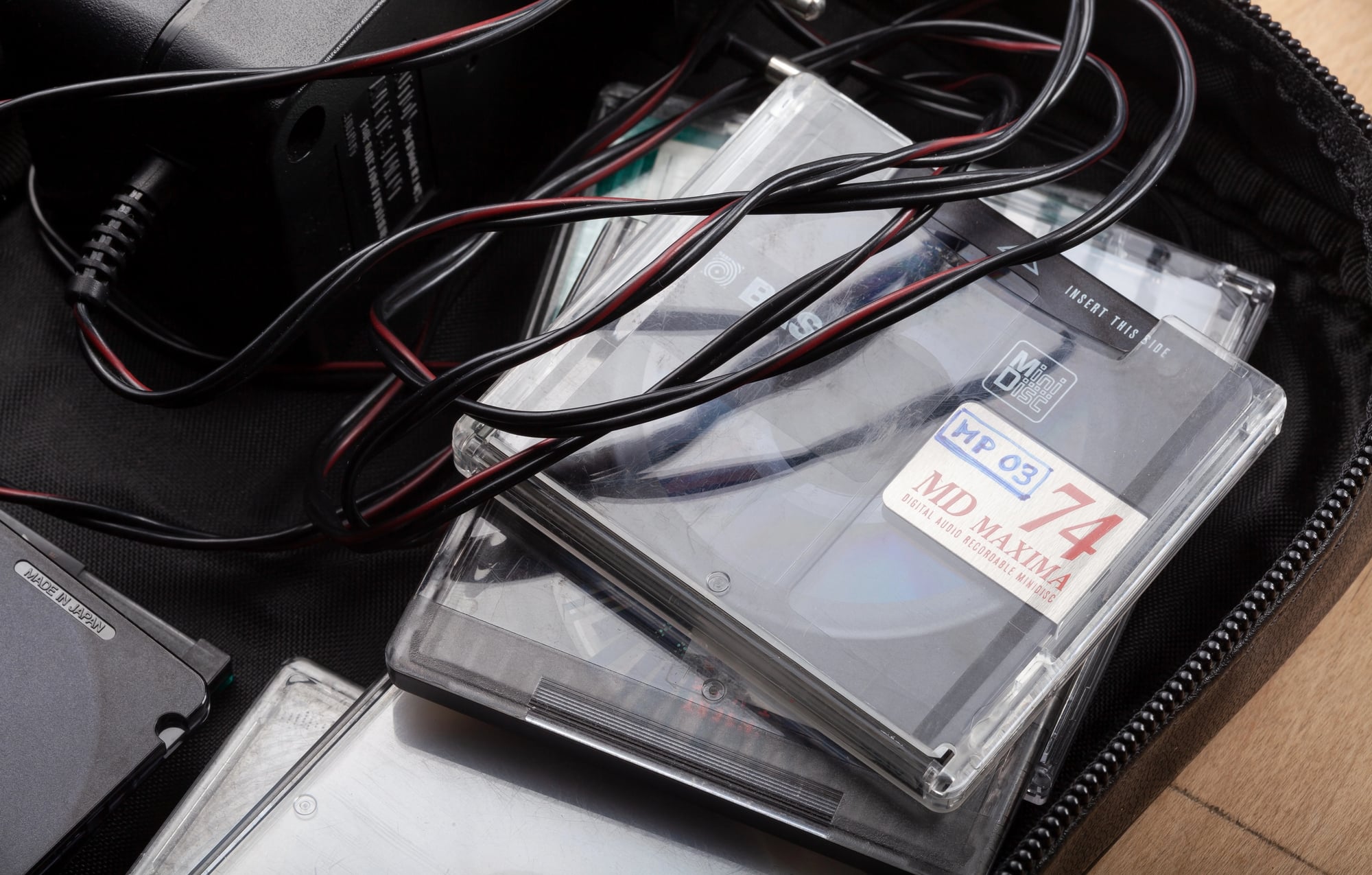
Sony’s MiniDisc was technically superior to CDs in almost every way. It was smaller, more durable, recordable, and had better sound quality.
It should have dominated the portable music market. But timing matters more than technology, and the MiniDisc arrived just as MP3 players were making all physical media obsolete.
Sony spent years perfecting a format that consumers were already abandoning. The discs were expensive, the players were complicated, and the whole system felt like a solution to a problem nobody had anymore.
It was like watching someone perfect the telegraph just as everyone started buying telephones.
3DO Interactive Multiplayer
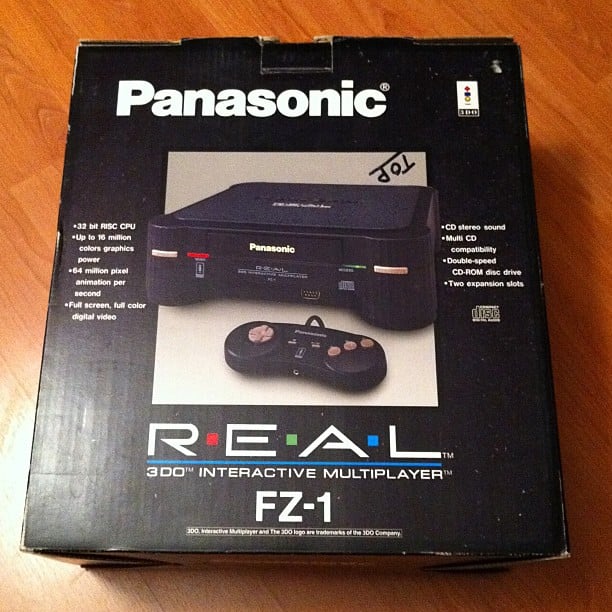
The 3DO was going to save video gaming from Nintendo and Sega’s stranglehold on the industry. It boasted 32-bit graphics, CD-quality sound, and games that looked like interactive movies.
At $699, it cost more than most people’s rent. The 3DO made the other “expensive” consoles look like impulse purchases.
Panasonic, Goldstar, and Sanyo all manufactured versions, but nobody could manufacture a reason to spend that much money on a gaming system when a Super Nintendo cost $200 and had better games. The 3DO failed so completely that most people forgot it existed, which might be the kindest fate for any product on this list.
Apple Pippin
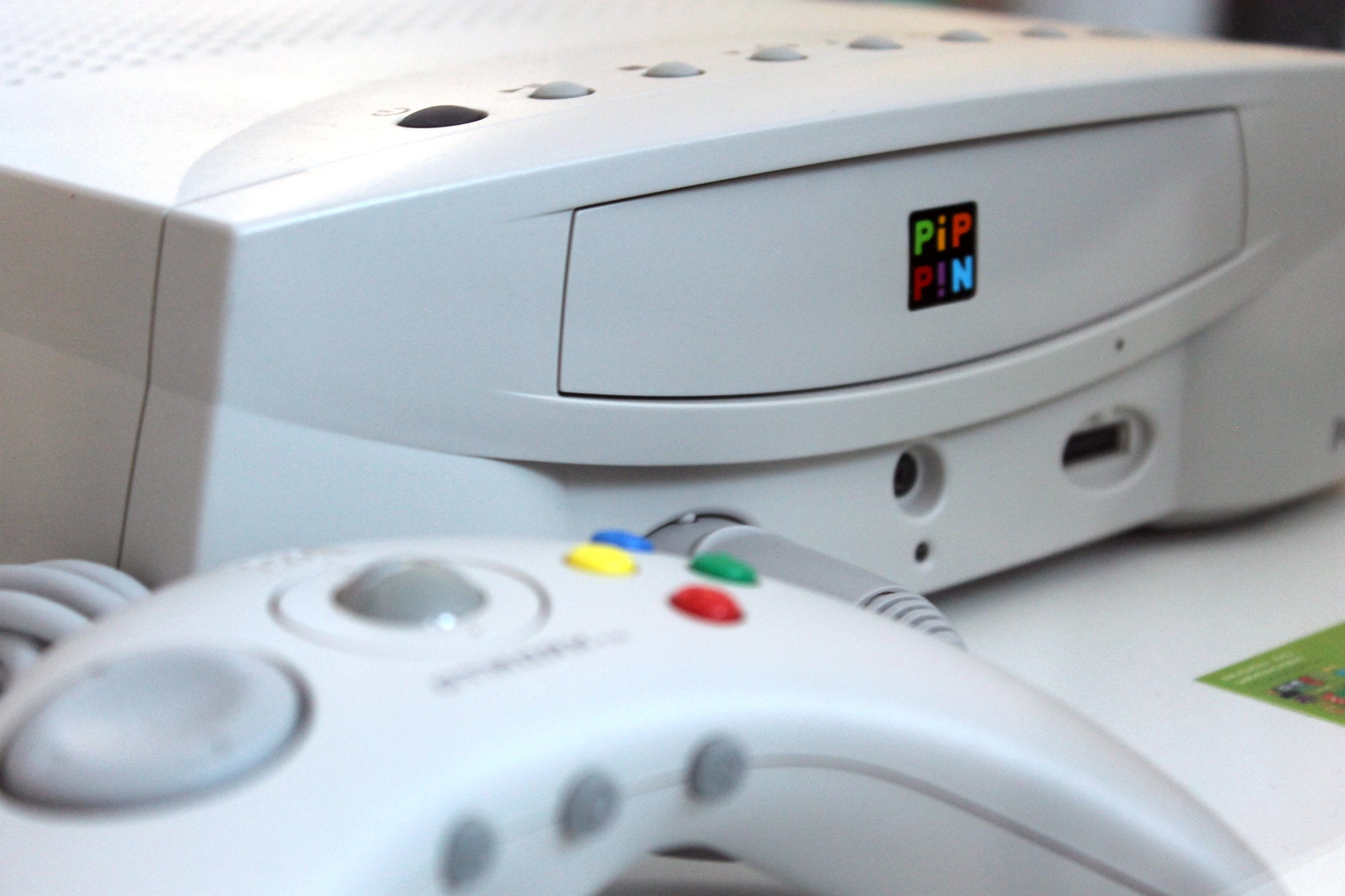
Apple decided to enter the gaming console market with the Pippin, a device that was neither a good computer nor a good gaming system. It ran a stripped-down version of Mac OS and played games that looked worse than what other consoles were already doing.
The Pippin launched at $599 in 1996, the same year the Nintendo 64 debuted at $199. Apple marketed it as an “interactive multimedia player,” which was corporate speak for “we’re not sure what this thing is supposed to do either.”
The console sold fewer than 42,000 units worldwide, making it one of the most spectacular failures in gaming history. Even Apple doesn’t like to talk about the Pippin, which should tell you everything about how that experiment ended.
Looking Back at the Wreckage
These products didn’t fail because they were poorly made or because nobody cared about them. Most failed because they solved problems that didn’t exist, or because they existed at exactly the wrong moment in history.
The 1990s were a decade of bold experiments and confident predictions about the future, many of which turned out to be spectacularly wrong. But that willingness to fail big gave us the successes that followed — sometimes you have to make a Crystal Pepsi to eventually create something people actually want to drink.
More from Go2Tutors!

- The Romanov Crown Jewels and Their Tragic Fate
- 13 Historical Mysteries That Science Still Can’t Solve
- Famous Hoaxes That Fooled the World for Years
- 15 Child Stars with Tragic Adult Lives
- 16 Famous Jewelry Pieces in History
Like Go2Tutors’s content? Follow us on MSN.