25 Structures Older Than the Pyramids
The pyramids of Egypt feel like the beginning of history, the oldest monuments anyone could name. Djoser’s step pyramid rose around 2670 BC, and the Great Pyramid of Giza followed about a century later.
By then, people across the world had already been building in stone and earth for thousands of years. Some of those earlier structures are still standing, and a few are older than the pyramids by a wider margin than the pyramids are older than today.
Gobekli Tepe in Southeastern Turkey
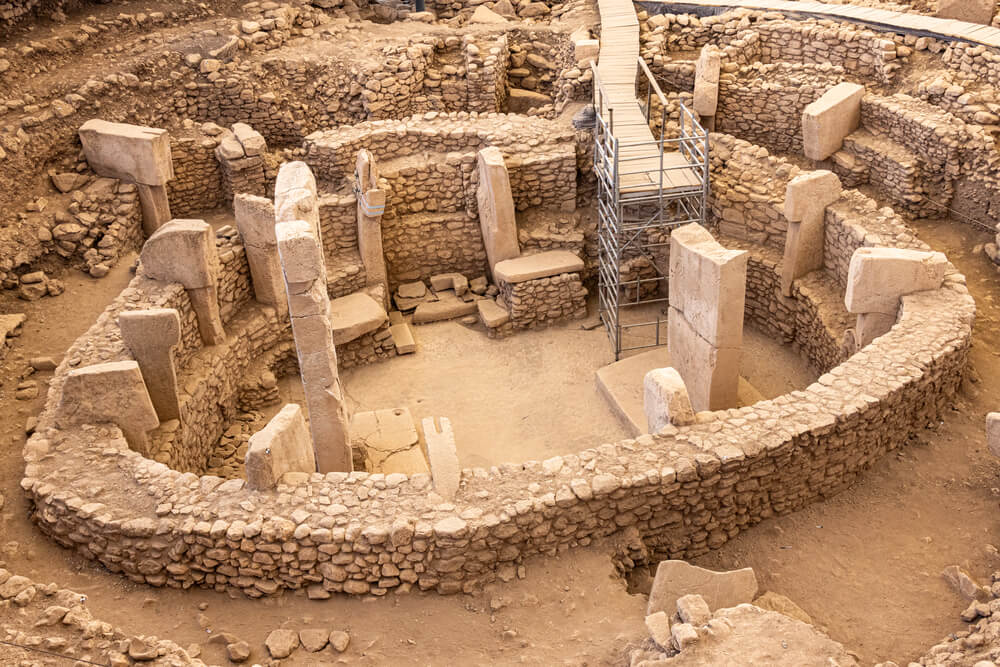
Gobekli Tepe was built around 9500 BC, roughly 7,000 years before the Great Pyramid and before farming had fully taken hold in the region. Its builders raised massive T-shaped limestone pillars, some more than 16 feet tall, arranged in circular enclosures and carved with foxes, boars, vultures and scorpions.
The site was first surveyed in the 1960s, but its significance was not recognized until excavations began in the 1990s. It overturned the long-held idea that monumental construction only came after settled agriculture.
Hunter-gatherers organized the labor to build it.
Karahan Tepe, Its Close Neighbor
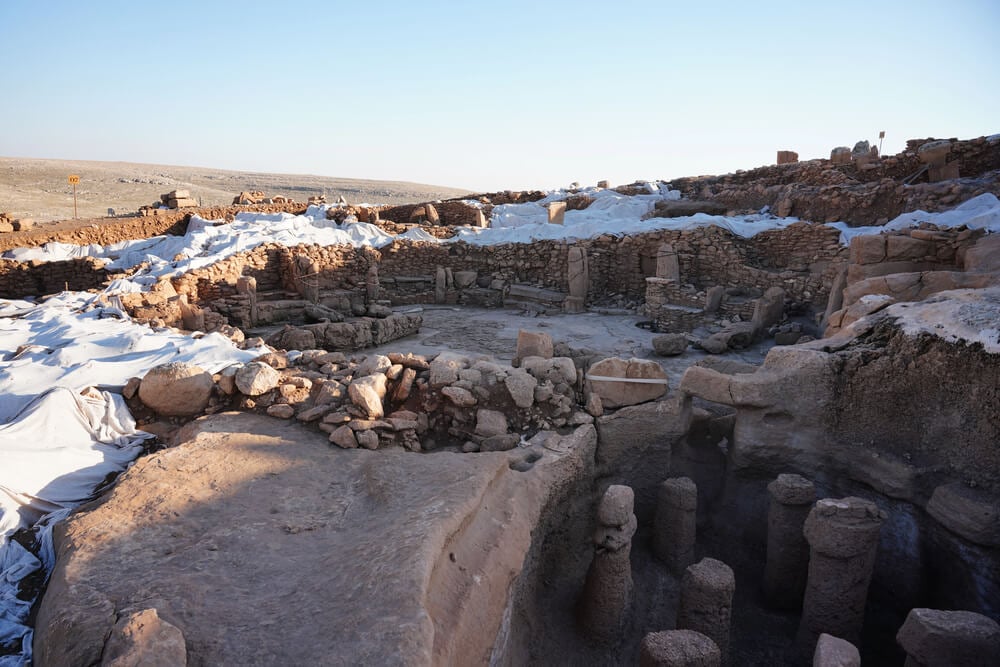
Karahan Tepe lies about 22 miles from Gobekli Tepe and dates to roughly the same period. Excavations since 2019 have revealed a chamber carved into the bedrock, with a row of stone pillars and a large human head emerging from one wall.
Archaeologists believe it was part of a network of similar sites across the region. The discoveries suggest that Gobekli Tepe was not a one-off but part of a wider building culture.
The more archaeologists dig in the area, the older and more complex its early history looks.
Tower of Jericho
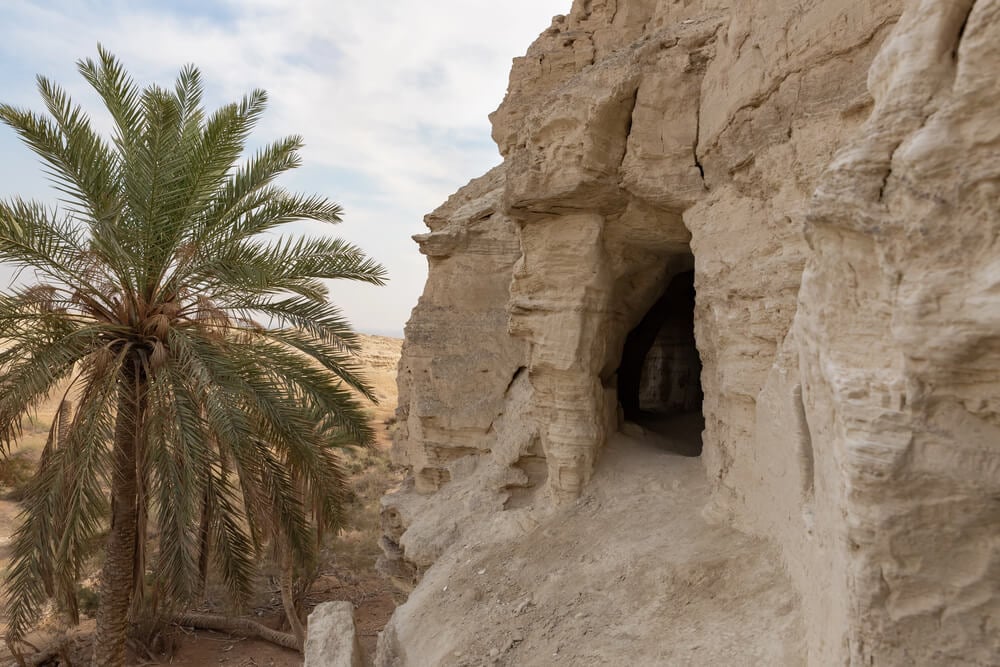
Around 8000 BC, the people of Jericho built a stone tower about 28 feet tall, with an internal staircase of 22 steps. It is one of the oldest known stone monuments in the world.
Its purpose remains debated, with proposals ranging from defense to flood protection to a ceremonial or astronomical function. Some researchers have noted that the tower’s orientation seems to align with the sunset on the summer solstice.
It was built thousands of years before writing, and nobody knows what its builders called it.
Catalhoyuk and Its Rooftop Streets
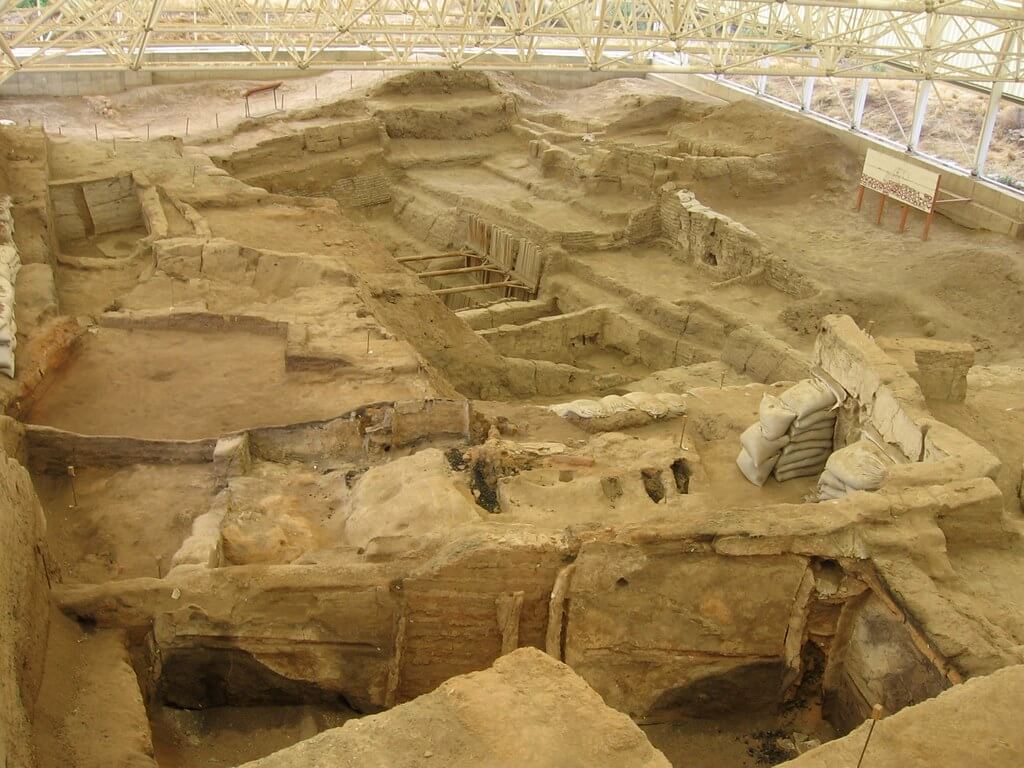
Catalhoyuk in central Turkey was occupied from around 7400 BC to 6000 BC, and at its peak thousands of people lived there. Its mud-brick houses were packed so tightly together that there were no streets.
Residents moved across the rooftops and entered their homes through openings in the ceiling, climbing down wooden ladders. The interiors were plastered and decorated with wall paintings and bull horns.
The dead were often buried beneath the floors of the houses where the living slept. Without streets, a fire or a collapse in one house affected its neighbors directly.
Khirokitia on Cyprus
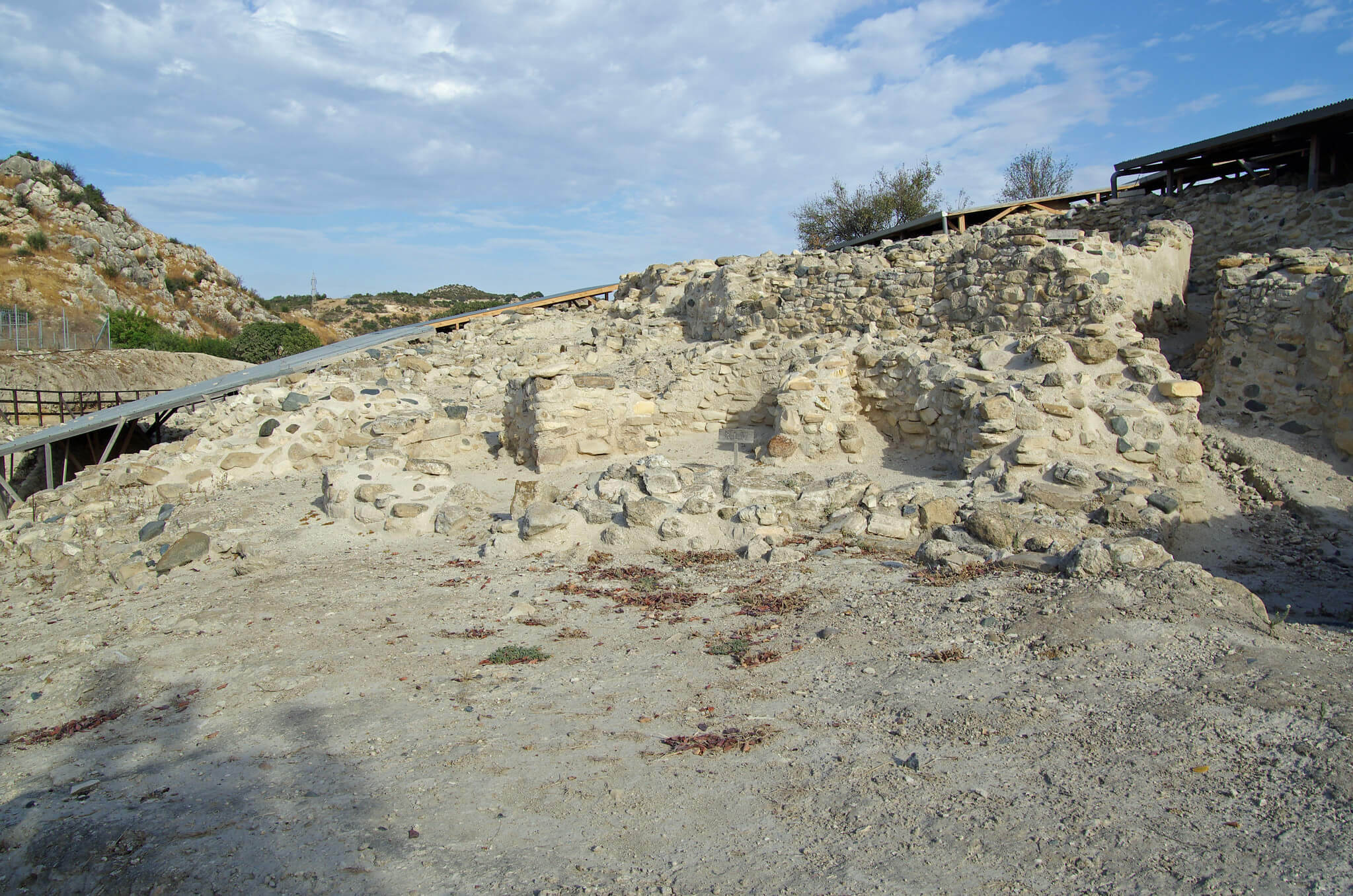
Khirokitia, on the southern side of Cyprus, is a Neolithic settlement dating to the seventh millennium BC. Its residents built circular houses of stone and mud brick, packed closely together on a hillside and surrounded by a wall.
The village was occupied for centuries, and the dead were buried under the floors of homes. UNESCO lists it as a World Heritage site, and reconstructed houses near the entrance show visitors how the settlement looked.
Its builders were among the first people to settle on the island.
Mehrgarh in Pakistan
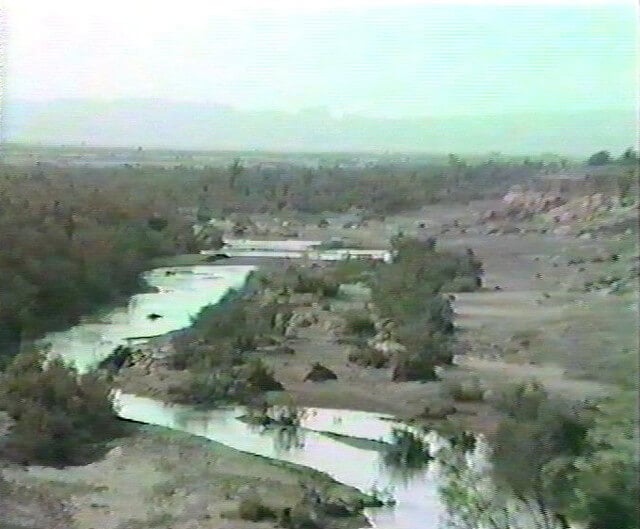
Mehrgarh, at the foot of the Bolan Pass in Balochistan, was settled around 7000 BC and is one of the earliest farming villages in South Asia. Its inhabitants built multi-room houses and storage buildings from mud brick.
Archaeologists there have also found evidence of early dentistry, with drilled teeth dating back around 9,000 years. The site shows that farming and settled life developed in the region thousands of years before the Indus Valley cities of Harappa and Mohenjo-daro.
It is one of the most important sites for understanding how civilization began in South Asia.
Nabta Playa’s Stone Circle
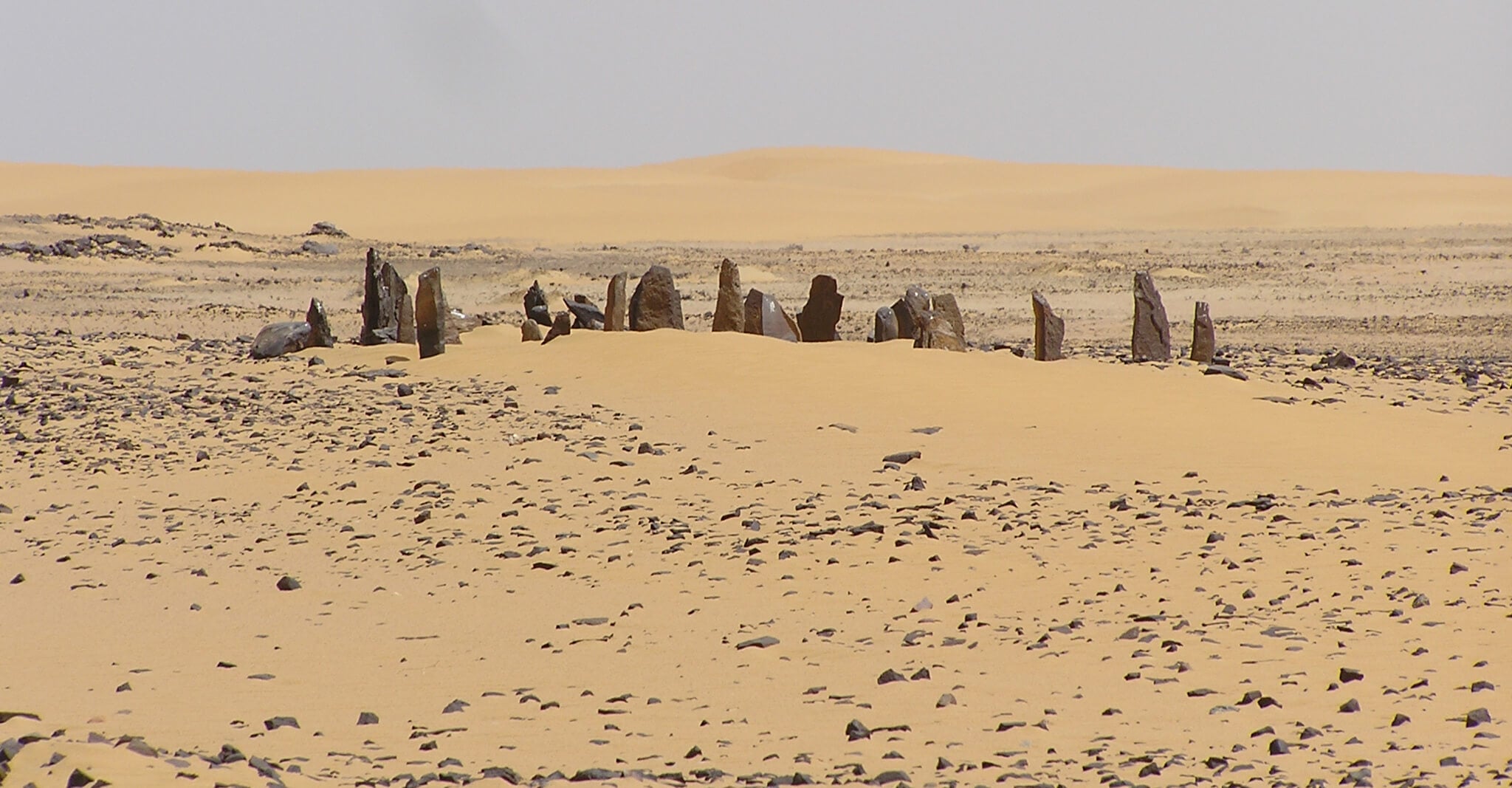
About 60 miles west of Abu Simbel, in Egypt’s Nubian Desert, stands a circle of standing stones built around 7,000 years ago. Nabta Playa was a seasonal lake that attracted herders, and they arranged stones in alignments that some researchers believe tracked the summer solstice and the arrival of the rainy season.
That would make it one of the oldest known astronomical sites. The builders lived in Egypt thousands of years before the pharaohs.
The oldest monuments in Egypt were not pyramids at all, but a ring of rough stones on an empty desert plain.
Barnenez Cairn in Brittany
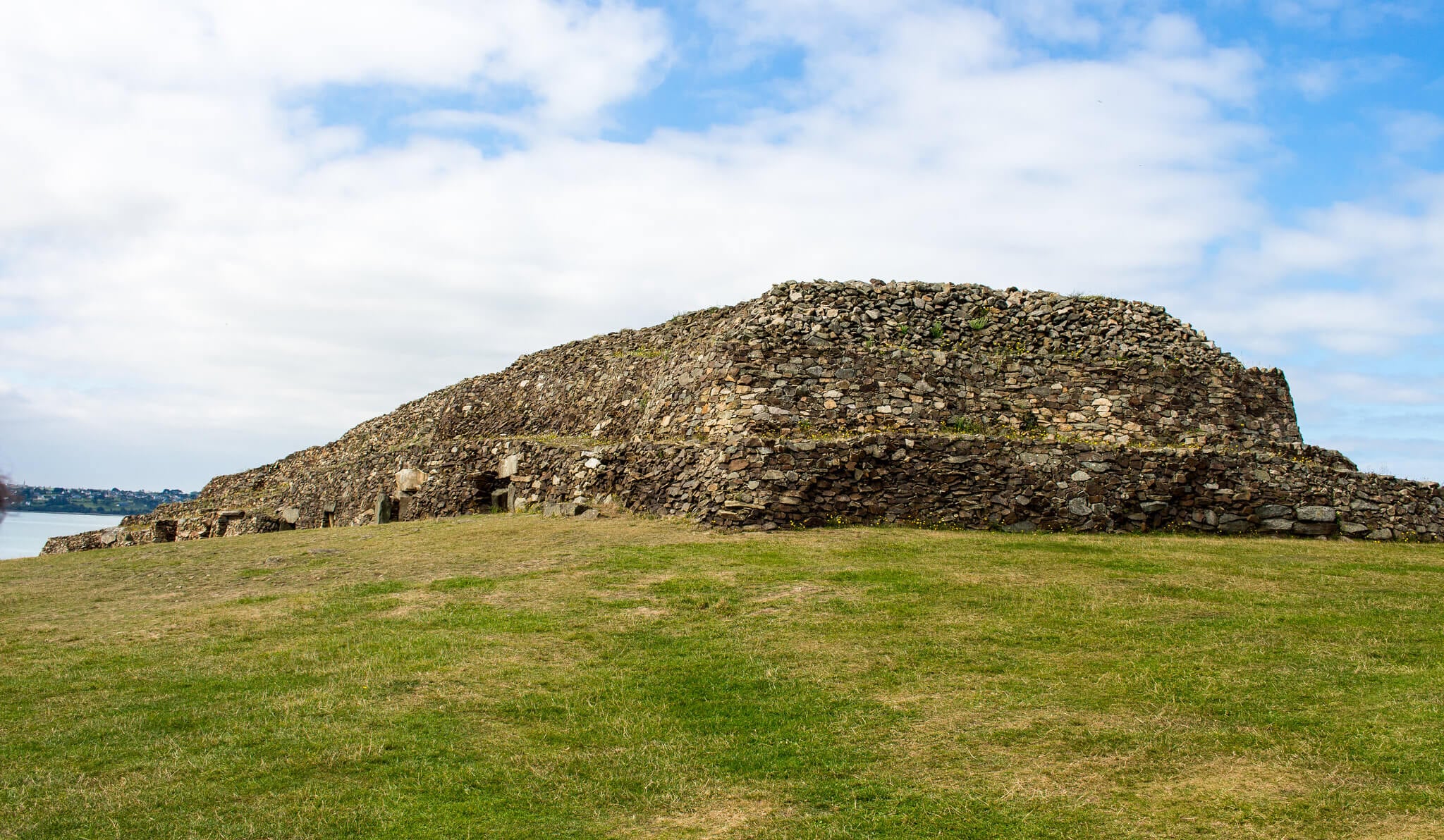
Barnenez, near the northern coast of Brittany, is a long stone mound built around 4800 BC and enlarged over the following centuries. It contains 11 separate chambers, each reached by its own passage.
In the 1950s a contractor began quarrying the mound for stone, exposing some of its interior chambers before public outcry stopped the work. The damage allowed archaeologists to study its construction in detail.
It is one of the oldest and largest megalithic monuments in Europe, and the French writer Andre Malraux once compared it to the Parthenon.
Carnac Stones
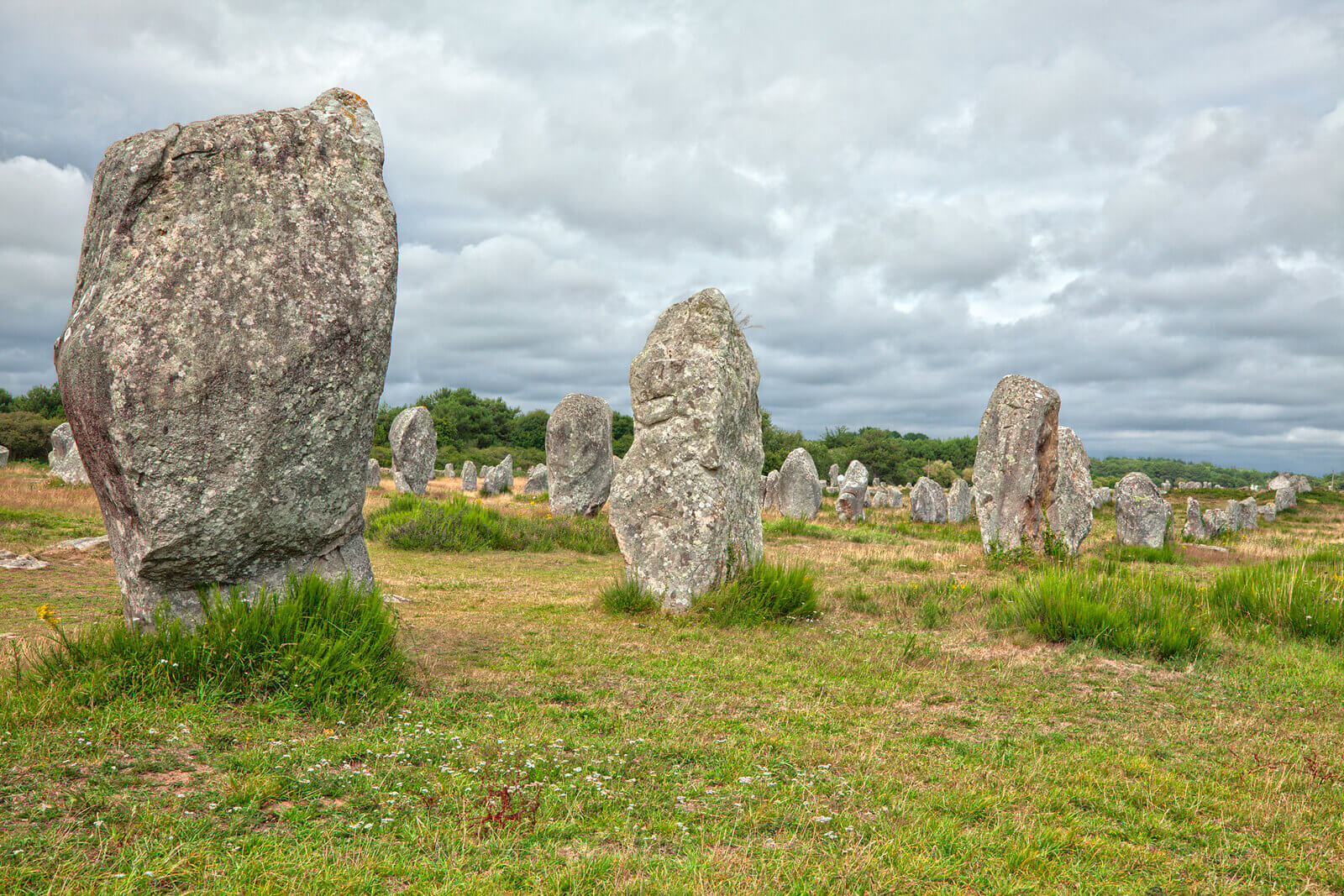
Near the town of Carnac in Brittany, more than 3,000 standing stones stretch across the countryside in long rows. The alignments were raised between about 4500 BC and 3300 BC by Neolithic communities.
Their purpose is still unclear, with theories ranging from astronomy to territorial markers to ceremonial processions. Local legend claims the stones are Roman soldiers turned to stone by a saint.
Some stones stand more than 13 feet tall. The scale of the effort involved suggests they mattered a great deal to the people who placed them.
Hypogeum of Hal Saflieni in Malta
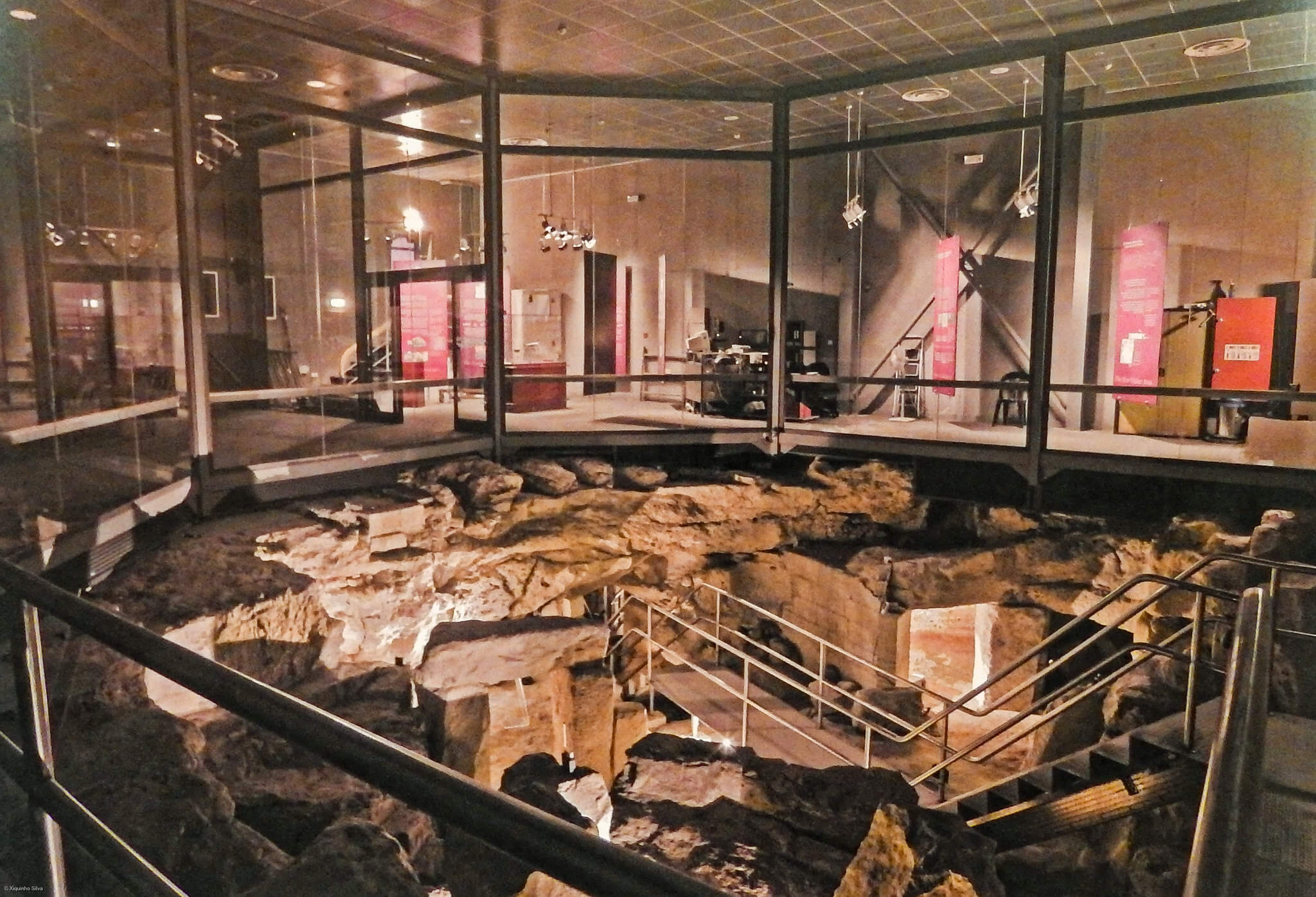
Malta’s Hypogeum of Hal Saflieni was carved into the bedrock beneath the town of Paola in Malta, beginning around 4000 BC. Its three levels of chambers were used as a burial place, and the remains of thousands of people were found inside.
Workers digging a cistern for new houses discovered it in 1902. One chamber has acoustics so remarkable that a deep voice resonates through the space.
Visitor numbers are strictly limited to protect its fragile ocher paintings, and tickets often sell out weeks ahead.
Ggantija Temples on Gozo
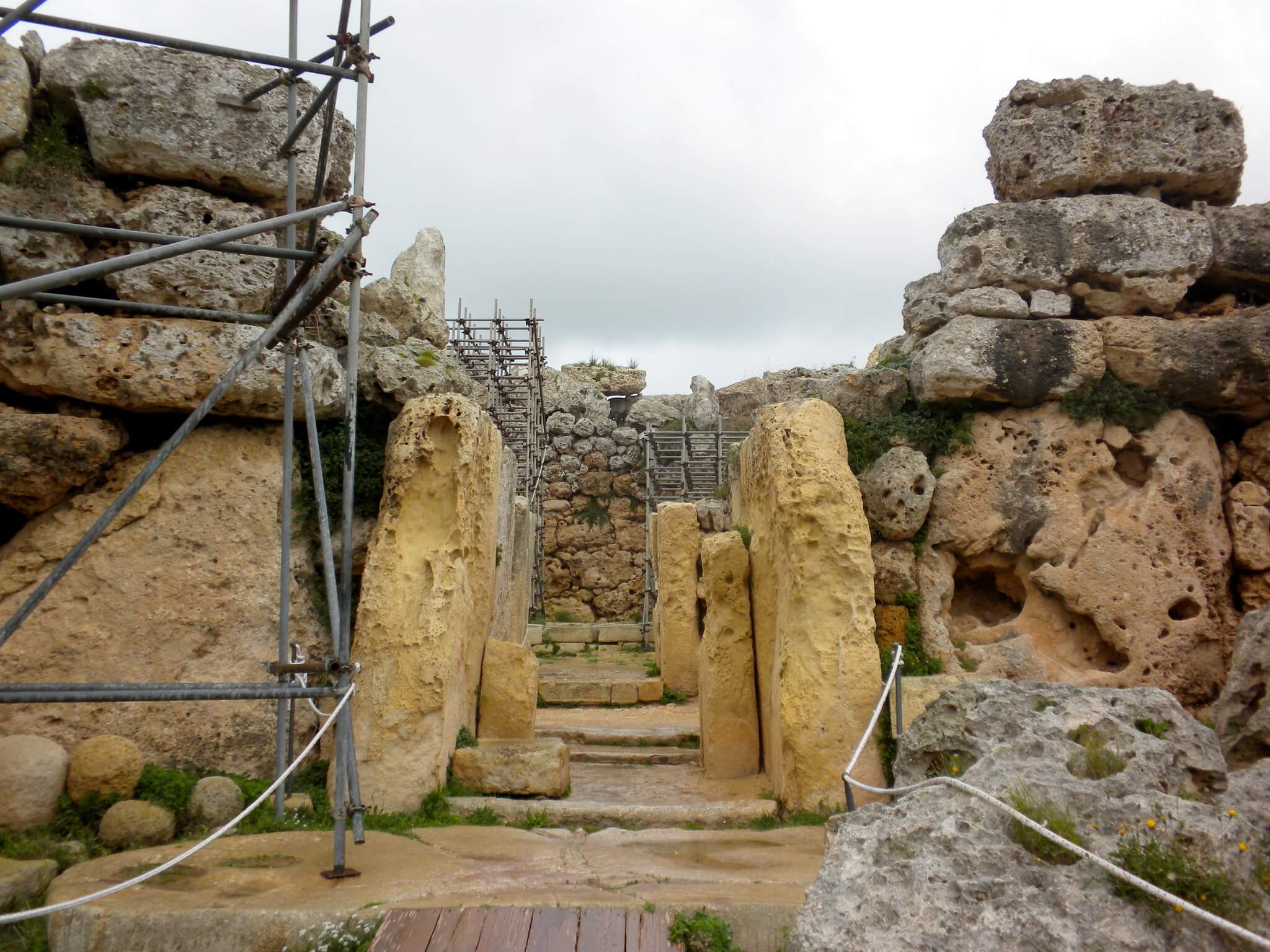
Neolithic farmers on the Maltese island of Gozo built the two Ggantija temples around 3600 BC. Their outer walls include blocks weighing several tons, and local legend claimed they were built by a giantess, which is where the name comes from.
They are among the oldest freestanding stone structures in the world. Inside, the temples have curved chambers arranged around a central corridor.
Stone rollers found on the island may have helped move the largest blocks. Their builders had no metal tools and no wheels, only stone, rope and effort.
Mnajdra and the Sun
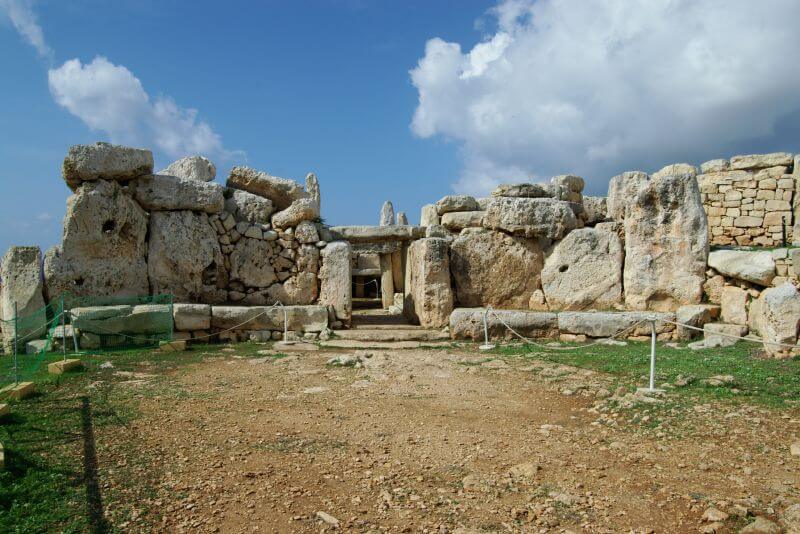
Mnajdra, on the southern coast of Malta, is a group of three megalithic temples built between about 3600 BC and 3200 BC. The lowest temple is aligned so that on the spring and autumn equinoxes, the rising sun shines straight through the main doorway into the inner chamber.
At the solstices, sunlight falls on the edges of stone slabs inside. The builders tracked the calendar with precision thousands of years before Egypt’s pyramid age.
The site is now covered by a protective tent, which shields the soft limestone from weather.
Dolmen of Menga in Spain
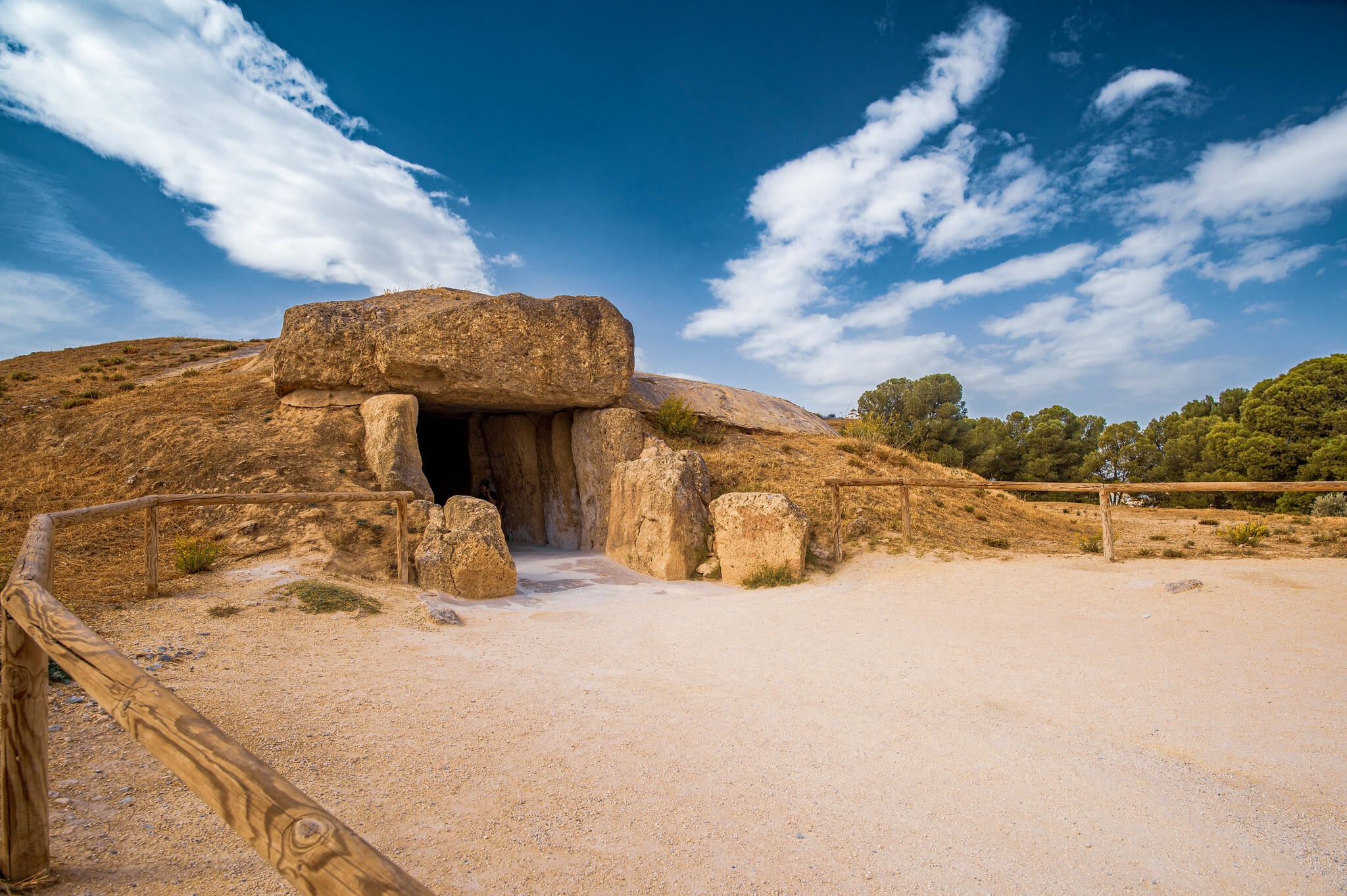
Near Antequera in southern Spain, the Dolmen of Menga was built around 3800 BC to 3600 BC. It is one of the largest megalithic chambers in Europe, with a capstone estimated to weigh around 150 tons.
Unusually, it is not aligned with the sunrise but with a nearby mountain, the Pena de los Enamorados, whose profile resembles a sleeping face. The site is part of a UNESCO World Heritage listing.
A deep well was also found inside the chamber in 2005. Menga shows that its builders cared about landscape as much as the sky.
Knap of Howar in Orkney
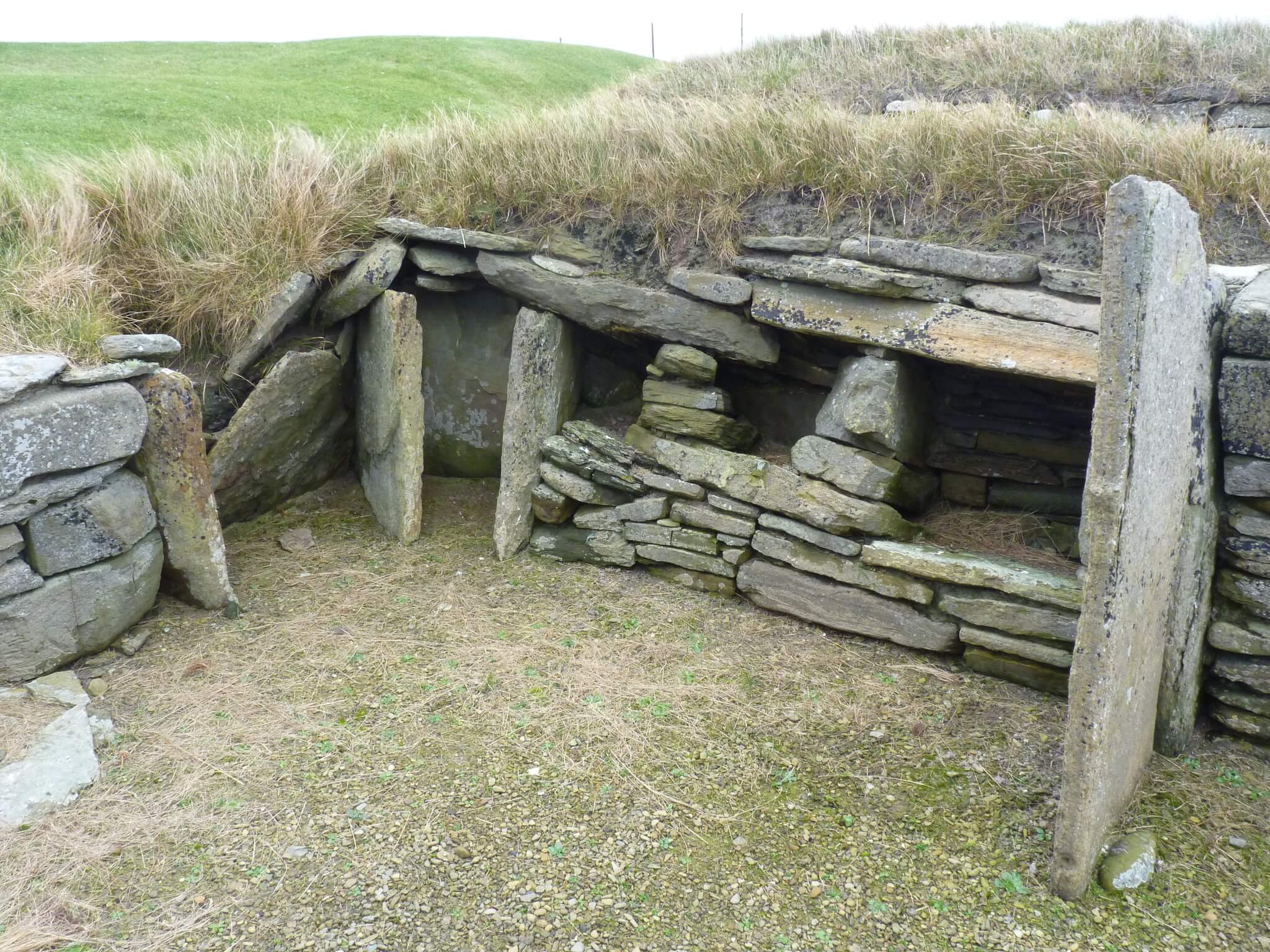
On the island of Papa Westray in Orkney, the Knap of Howar consists of two stone houses built around 3700 BC. They are often described as the oldest standing houses in northern Europe.
The walls still stand to their original height in places, and the stone furniture inside includes benches and cupboards. The houses were buried under sand for thousands of years until erosion exposed them in the 1930s.
Their builders were farmers who kept cattle and sheep, and they fished from the nearby shore. Standing in the doorway is standing where someone stood more than five thousand years ago.
West Kennet Long Barrow
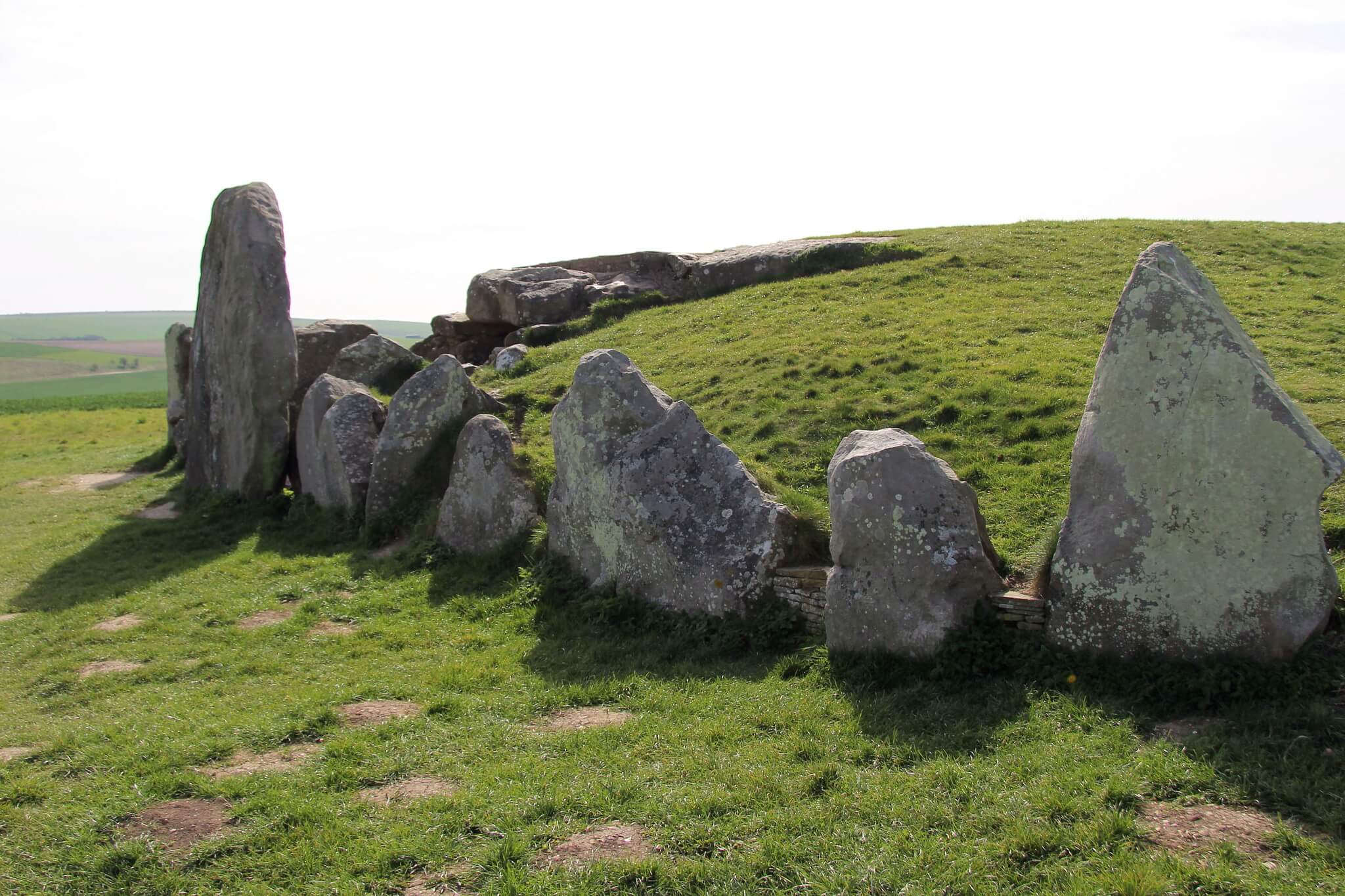
West Kennet Long Barrow in Wiltshire was built around 3650 BC, centuries before the first stones at nearby Stonehenge. It is a long earthen mound with stone chambers at one end, where the remains of dozens of people were placed over several generations.
Around 2000 BC the entrance was blocked with large stones, sealing the tomb for good. It is one of the largest and most accessible chambered tombs in Britain, and visitors can walk inside for free.
Silbury Hill, another giant prehistoric mound, is visible from its top.
Newgrange and the Winter Sunrise
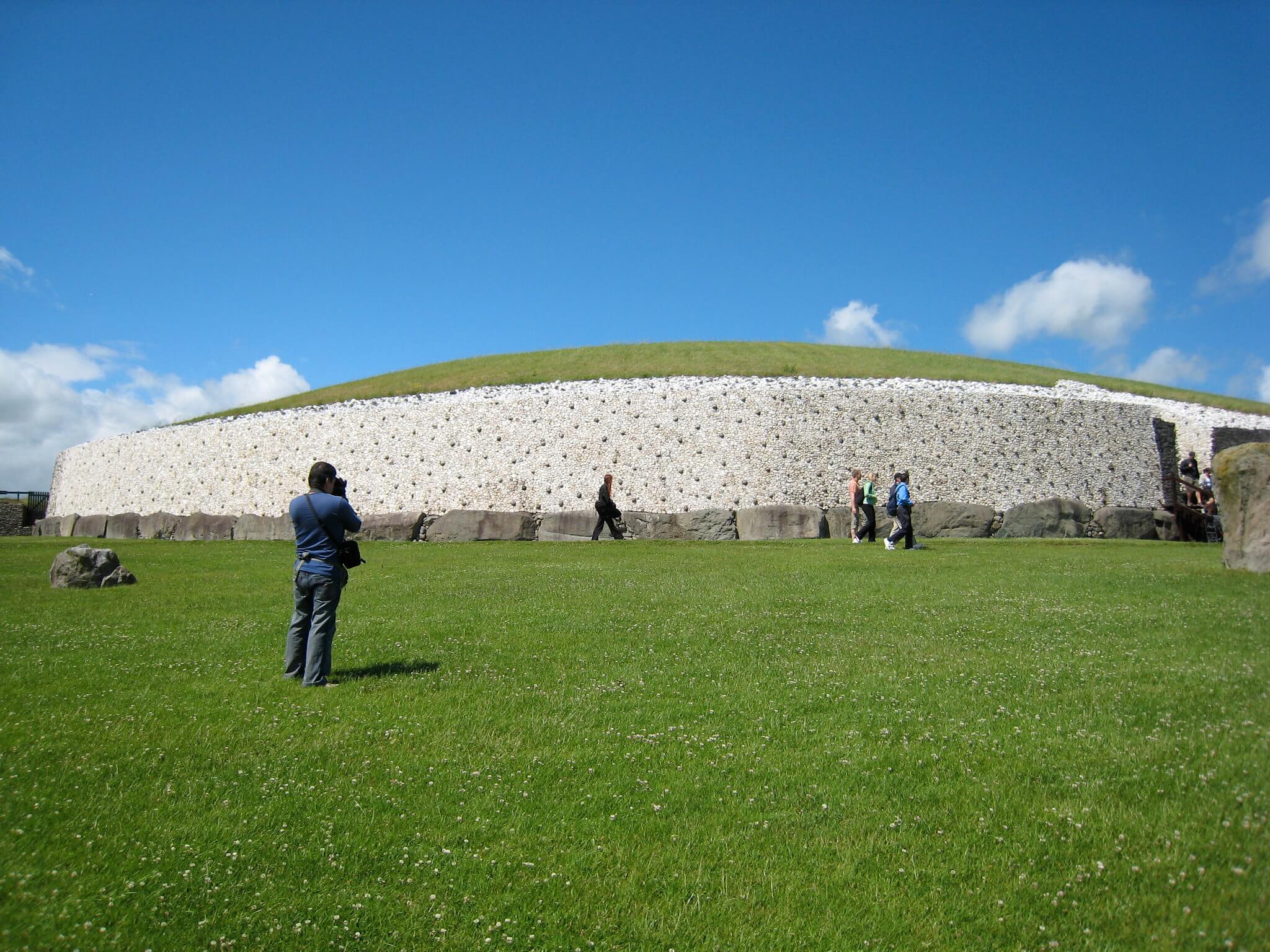
Newgrange in the Boyne Valley of Ireland was built around 3200 BC. It is a large circular mound with a stone passage leading to a chamber in the center.
Above the entrance is a roof box that lets sunlight travel down the passage and light the inner chamber for a few minutes around the winter solstice. The effect was rediscovered in 1967 by archaeologist Michael O’Kelly.
Places inside the chamber to witness it are allocated by lottery each year, and tens of thousands of people apply for a few dozen spots.
Knowth and Its Carved Stones
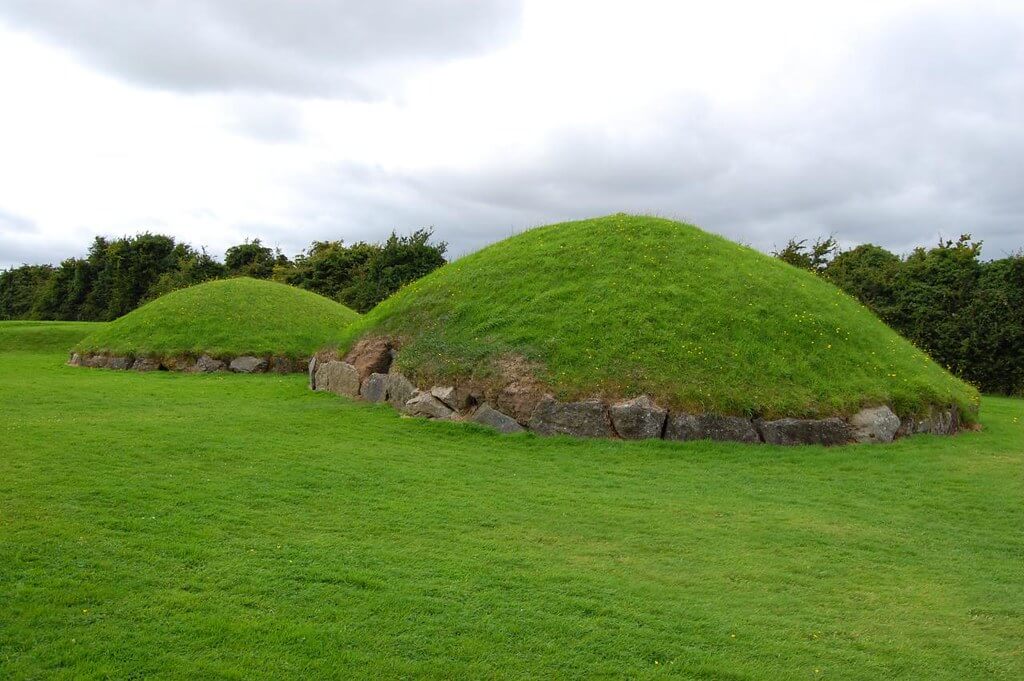
Knowth, close to Newgrange in the Boyne Valley, was also built around 3200 BC. The main mound contains two passages, and it is surrounded by smaller satellite tombs.
Knowth holds the largest collection of megalithic art in Western Europe, with carved spirals, circles and wavy lines covering the stones. Its builders used symbols that archaeologists still cannot decode.
Later communities reused the mound for centuries, and in the early medieval period it became a royal site with houses built on top. Each culture found a new use for the same hill.
Skara Brae, Uncovered by a Storm
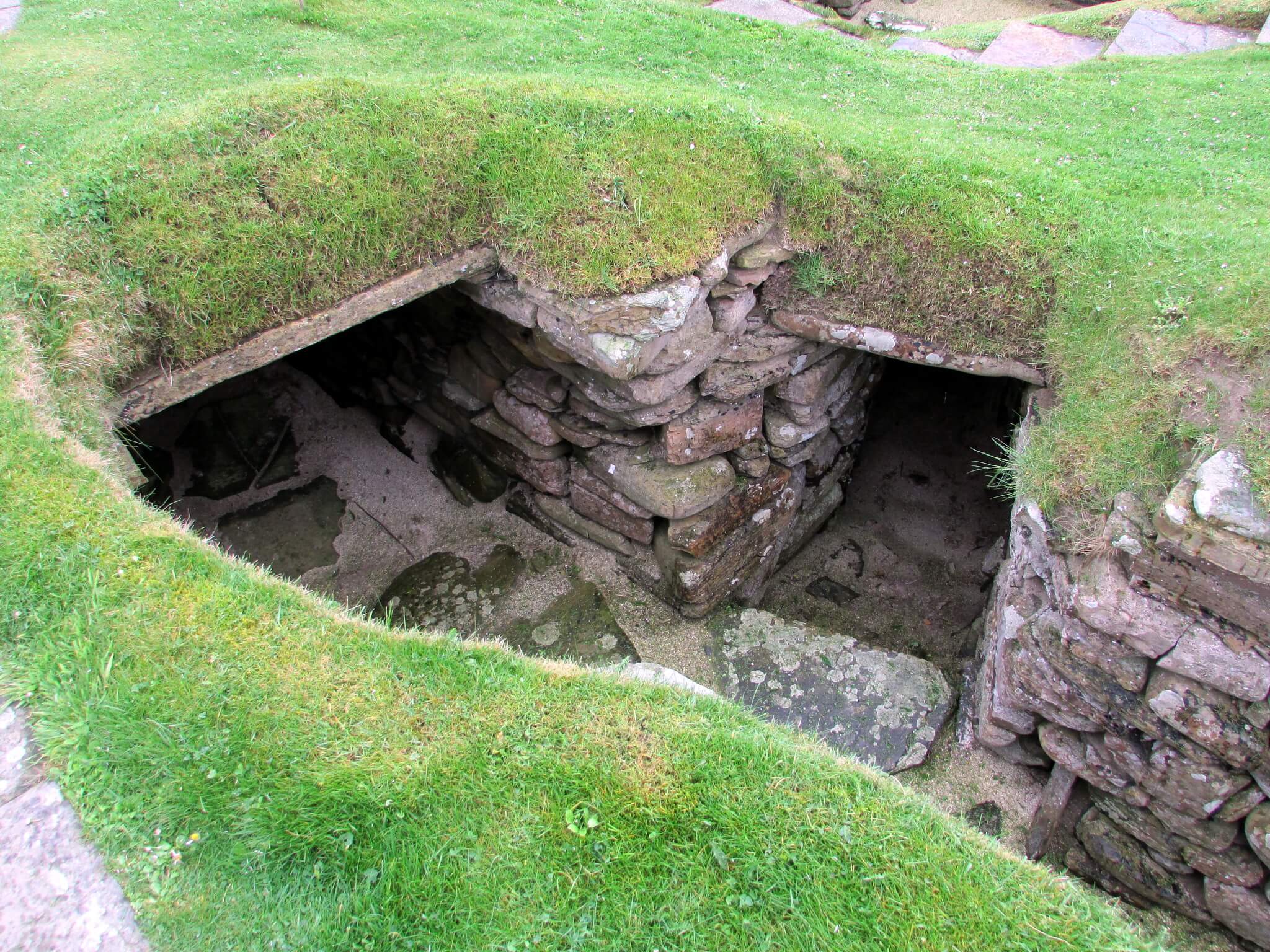
Skara Brae, on the Orkney mainland, is a Neolithic village built around 3180 BC. It was hidden under sand dunes until a severe storm in 1850 stripped away the grass and exposed stone houses.
Each house has stone furniture, including beds, shelves and a dresser facing the doorway. Covered passages connected the houses.
It is the best-preserved Neolithic village in northern Europe, and its builders were living there before the first stones of Stonehenge were raised. Stone dressers built five thousand years ago are still standing where their owners left them, which no wooden cabinet could manage.
Ness of Brodgar
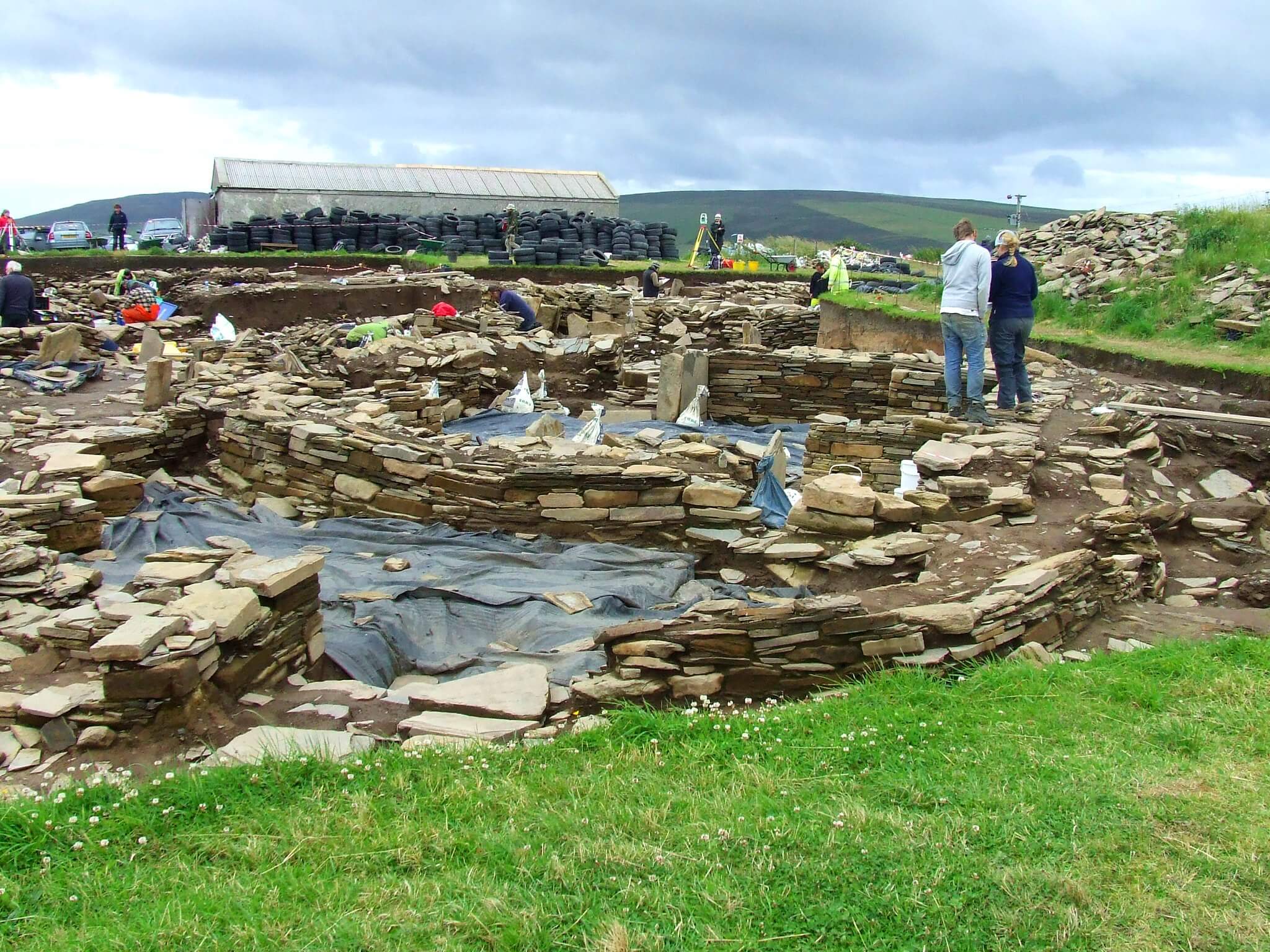
Orkney’s Ness of Brodgar is a complex of large stone buildings dating to around 3300 BC, discovered in 2002. Archaeologists found painted walls, carved stones and evidence of feasting on a large scale, including the bones of hundreds of cattle.
The buildings were probably used for gatherings and ceremonies. The site lies on a narrow strip of land between the Ring of Brodgar and the Stones of Stenness, two famous stone circles.
Excavation ended in 2024 after about two decades of digging, and the trenches were covered with soil to protect them.
Maeshowe Chambered Tomb
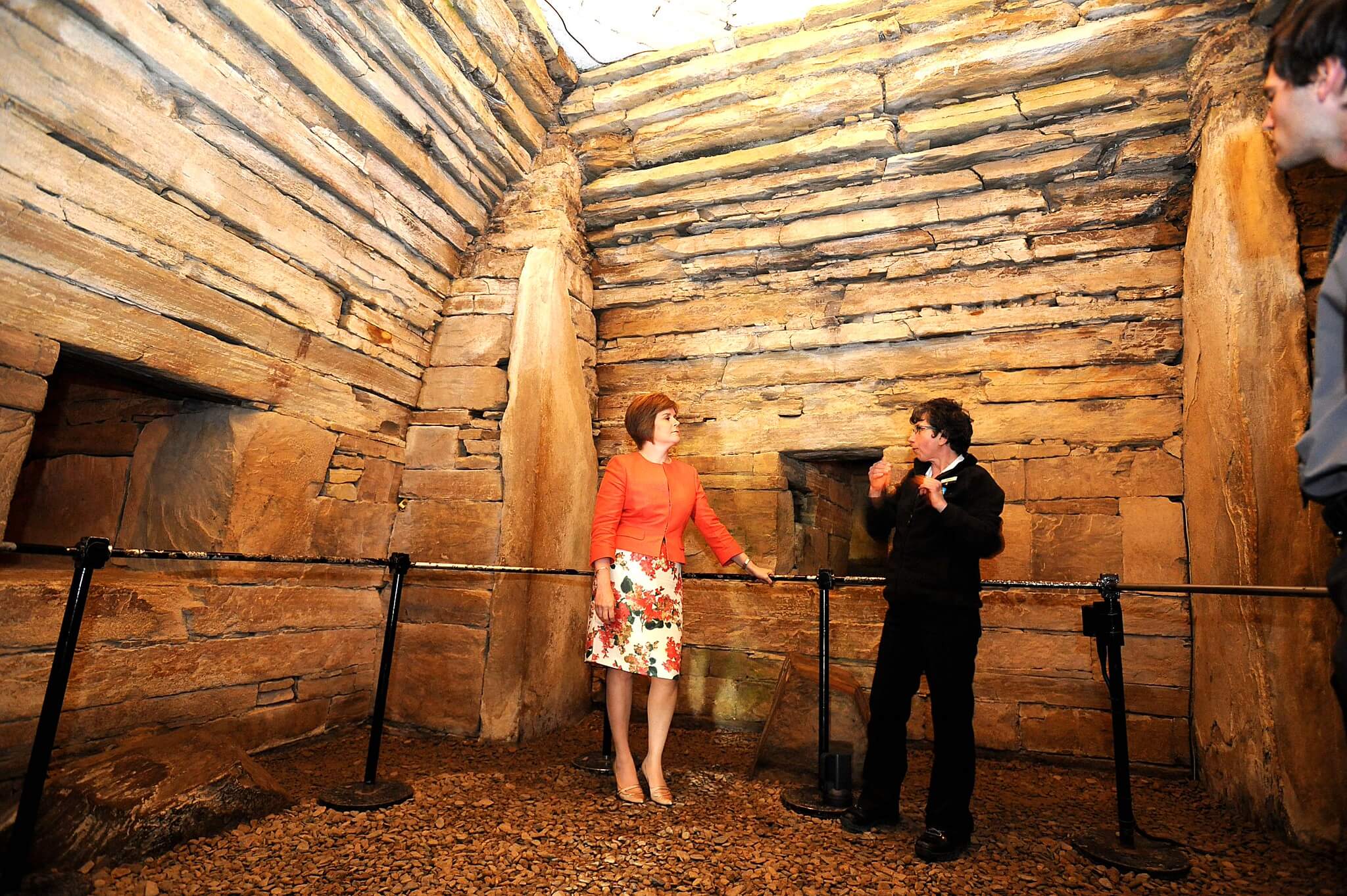
Maeshowe in Orkney was built around 2800 BC. It is a large mound with a stone passage leading to a central chamber, precisely built from carefully shaped stone slabs.
For weeks around the winter solstice, the setting sun shines down the passage and lights the back wall of the chamber. In the 12th century, Norse raiders broke in and carved runic graffiti into the walls.
Those inscriptions, including bragging, jokes and claims of hidden treasure, form one of the largest collections of runes outside Scandinavia.
Stonehenge’s First Phase
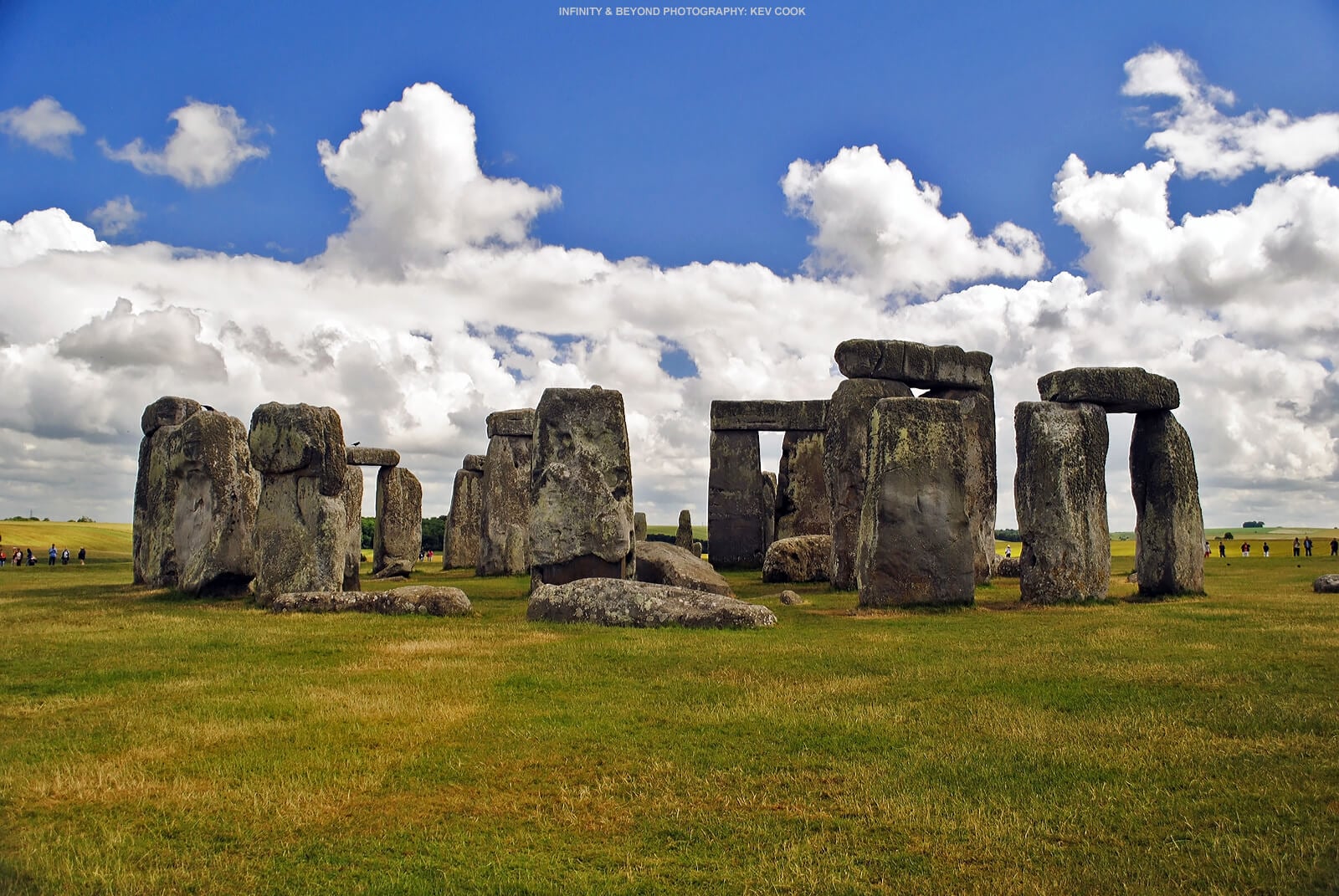
Stonehenge began as a circular ditch and bank built around 3000 BC, long before the famous large stones arrived. Within that circle were pits that may once have held bluestones or timber posts.
Cremated human remains were buried there, making it one of the largest cemeteries of its time in Britain. The huge sarsen stones were raised around 2500 BC, roughly when the Great Pyramid was being finished.
Stonehenge was already ancient when its most recognizable form appeared, and the bluestones were hauled from Wales.
White Temple of Uruk
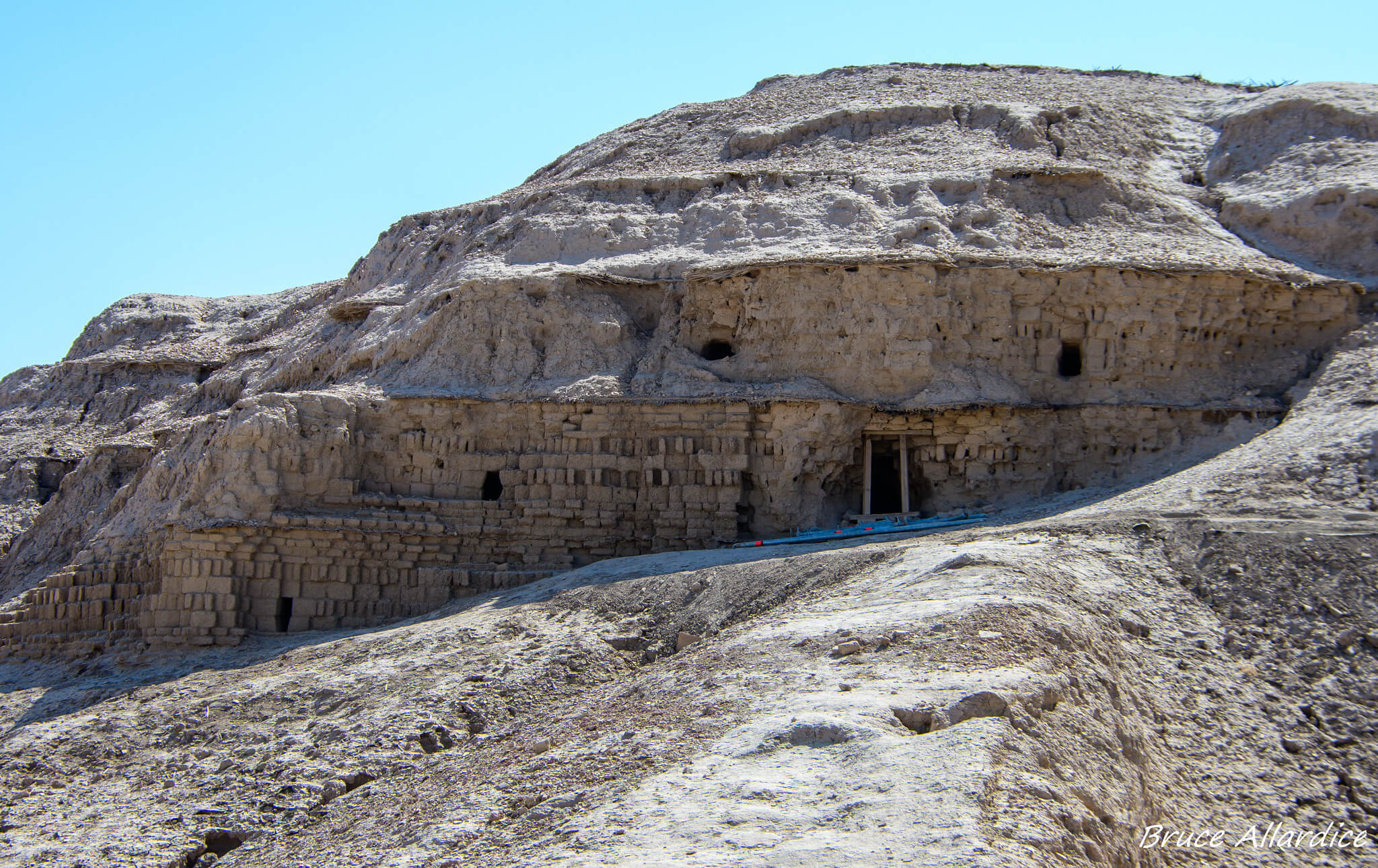
Uruk’s White Temple, in southern Iraq, was built on top of a high platform known as the Anu Ziggurat around 3500 BC to 3000 BC. Its walls were coated in white plaster, which would have made it visible from a great distance across the flat plain.
Uruk was one of the first true cities in the world, and it was here that early forms of writing developed. The temple’s platform is a forerunner of the ziggurats that later rose across Mesopotamia.
Fragments of its white coating still survive.
Sechin Bajo in Peru
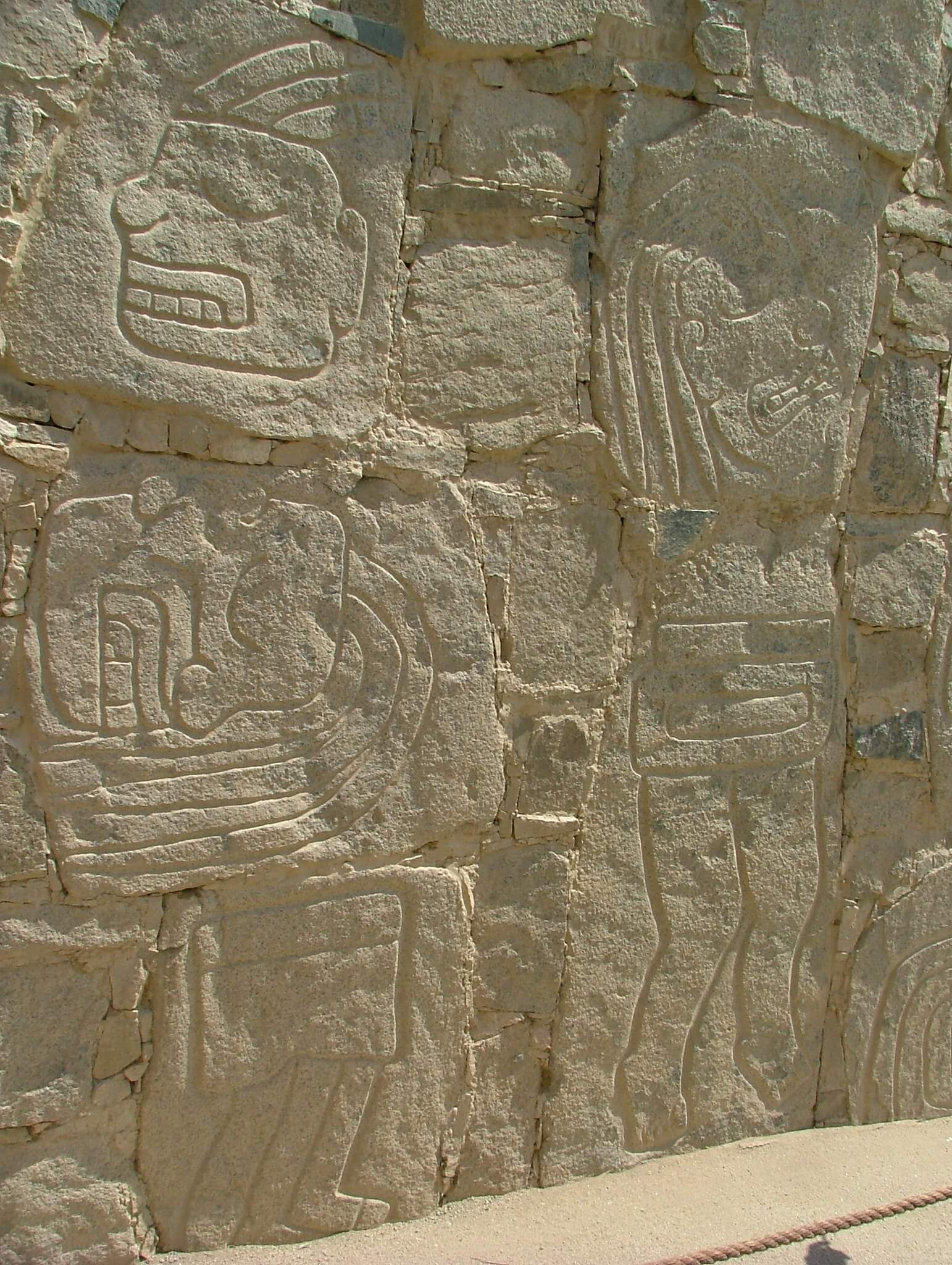
Sechin Bajo, in the Casma Valley of Peru, includes a circular sunken plaza dated to around 3500 BC. It is one of the oldest known monumental structures in the Americas.
Archaeologists found the plaza beneath later buildings, showing that the site was used and rebuilt over centuries. Its builders were working at the same time as the first cities of Mesopotamia.
The discovery pushed back the timeline of monumental construction in South America. It also suggested that complex societies arose along the Peruvian coast earlier than many experts had believed.
Watson Brake in Louisiana
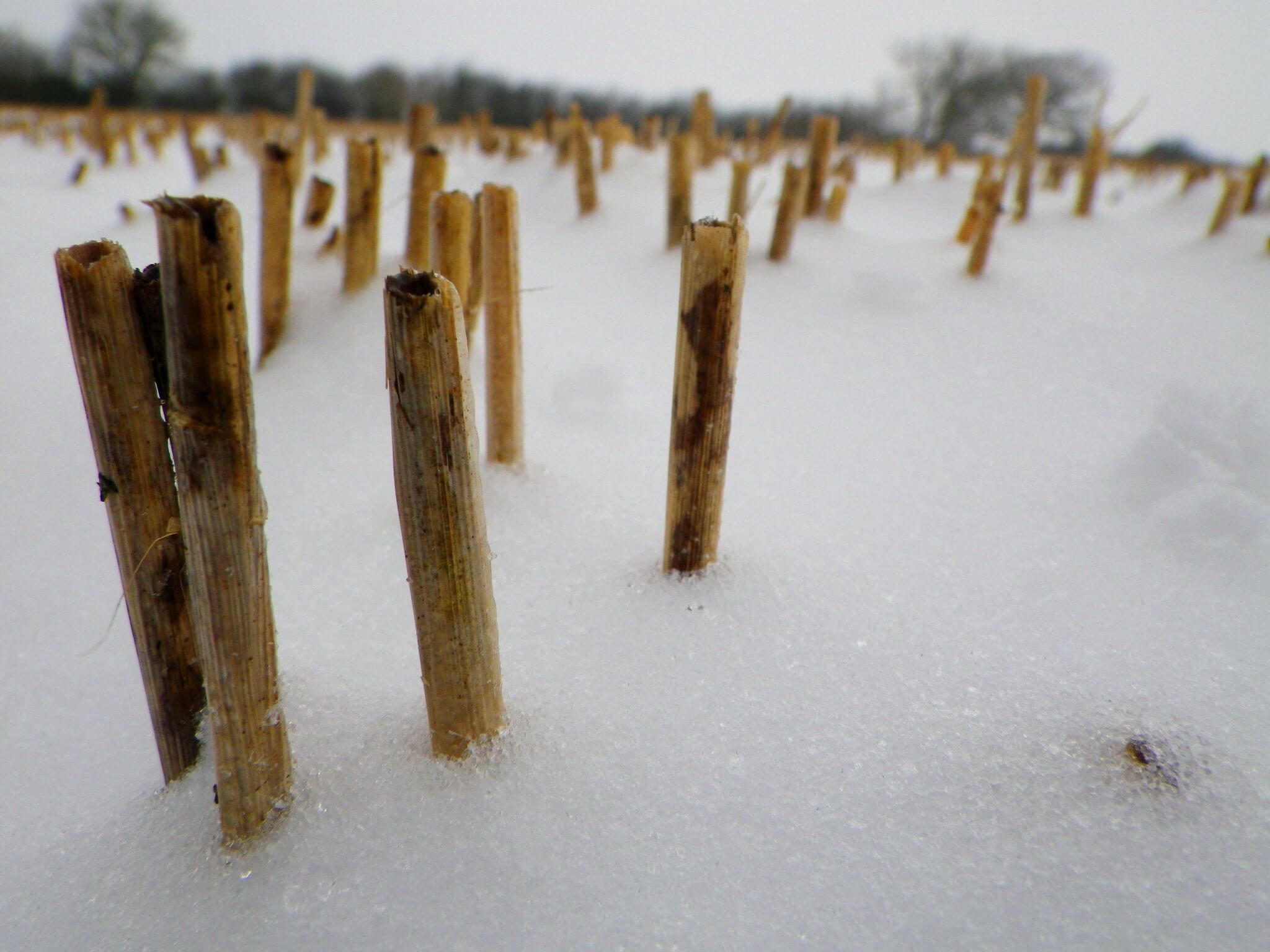
Watson Brake, near Monroe in northeastern Louisiana, is a ring of 11 earthen mounds connected by ridges, built around 3500 BC. It is the oldest known mound complex in North America.
Its builders were hunter-gatherers who fished and gathered plants in the surrounding wetlands. The site was not recognized as so ancient until radiocarbon dating in the 1990s.
It shows that large-scale earthworks in North America began thousands of years before farming arrived. The land is private, and the mounds are protected but not open to casual visitors.
Sannai-Maruyama in Japan
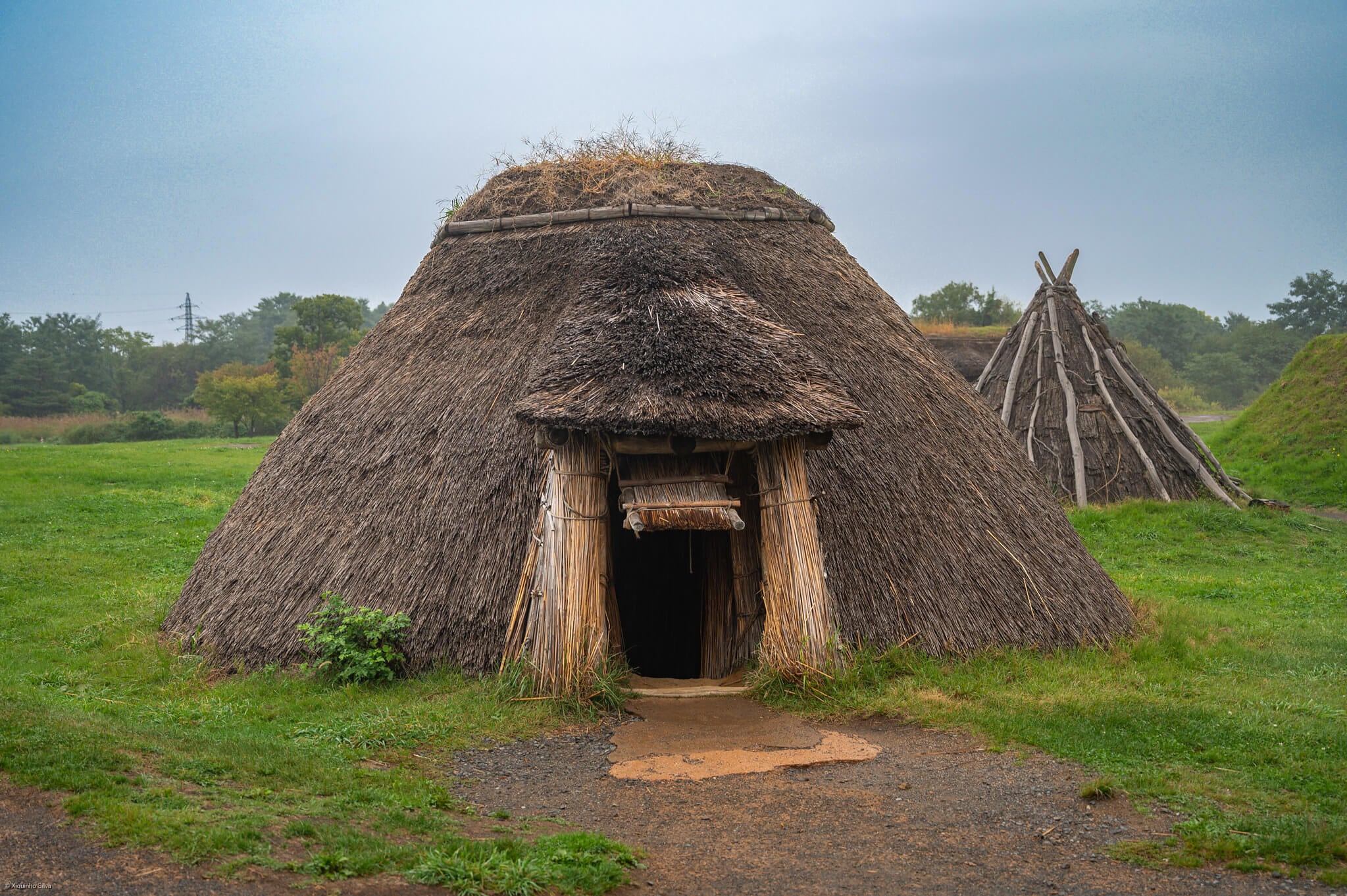
Sannai-Maruyama, in Aomori Prefecture in northern Japan, was a large Jomon settlement occupied from about 3900 BC to 2200 BC. Archaeologists found the remains of pit dwellings, storage buildings, and a structure supported by six enormous chestnut posts, each about three feet in diameter.
The site also yielded pottery, clay figurines and evidence that residents cultivated chestnut trees. A reconstruction of the six-post structure stands at the site.
It changed the view of the Jomon as purely nomadic hunter-gatherers and became part of a UNESCO World Heritage listing in 2021.
Stone Keeps Better Time Than Memory

These structures cover more than six thousand years and several continents, yet their builders shared a few instincts. They watched the sky, honored the dead and gathered in large numbers to move heavy things.
Few of them left writing, so their intentions have to be read from stone, earth and alignment. The pyramids remain astonishing, but they arrived late in a much older story.
Long before anyone in Egypt quarried a block for a pharaoh, people in Turkey, Malta, Ireland, Orkney and Louisiana were building monuments meant to last. Many of them did.
More from Go2Tutors!

- The Romanov Crown Jewels and Their Tragic Fate
- 13 Historical Mysteries That Science Still Can’t Solve
- Famous Hoaxes That Fooled the World for Years
- 15 Child Stars with Tragic Adult Lives
- 16 Famous Jewelry Pieces in History
Like Go2Tutors’s content? Follow us on MSN.



