23 Board Games Families Played Before Screens
The era before constant digital entertainment was defined by board game marathons that stretched past bedtime, with kitchen tables transformed into battlegrounds where siblings negotiated property deals and parents strategically built hotel empires. These games created social rituals that families returned to again and again, games that were simple enough for children to learn but complex enough to sustain hours of engagement.
They provided the template for modern gaming while capturing something fundamental about how humans entertain themselves through structured competition and shared narrative.
Monopoly
— Photo by HayDmitriy
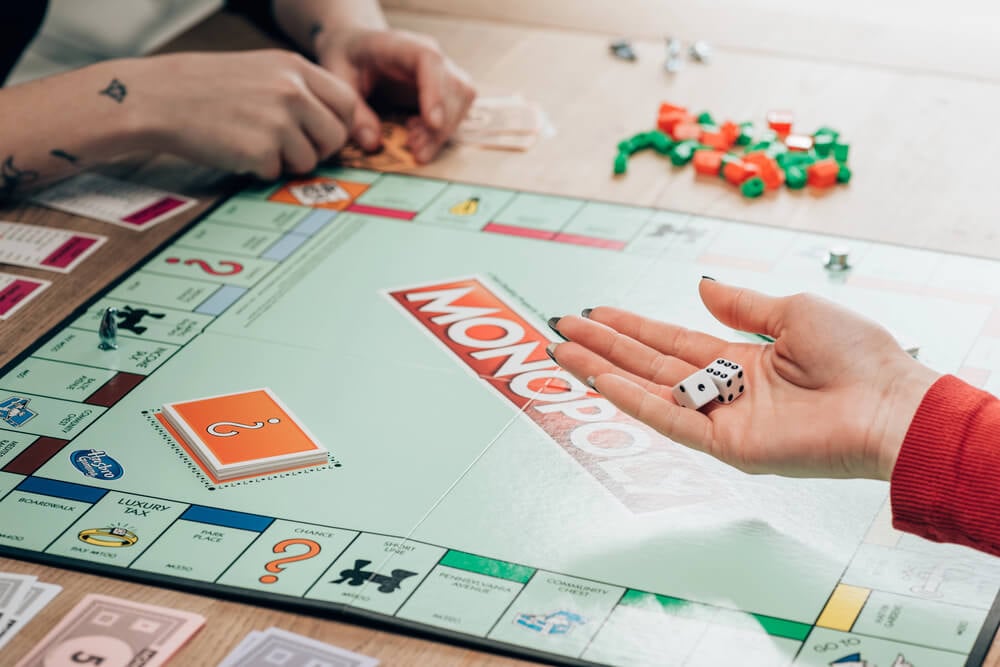
Nothing united and divided families quite like marathon Monopoly sessions, where players could spend entire evenings acquiring property, negotiating trades, and attempting to bankrupt opponents. The game’s promise was democratic ownership and capitalistic accumulation, but the actual experience was negotiation, occasionally brutal strategic ruthlessness, and siblings seething with barely contained rage.
The satisfying rattle of dice and the weight of plastic property tokens created tactile engagement that digital games still attempt to replicate.
Yahtzee
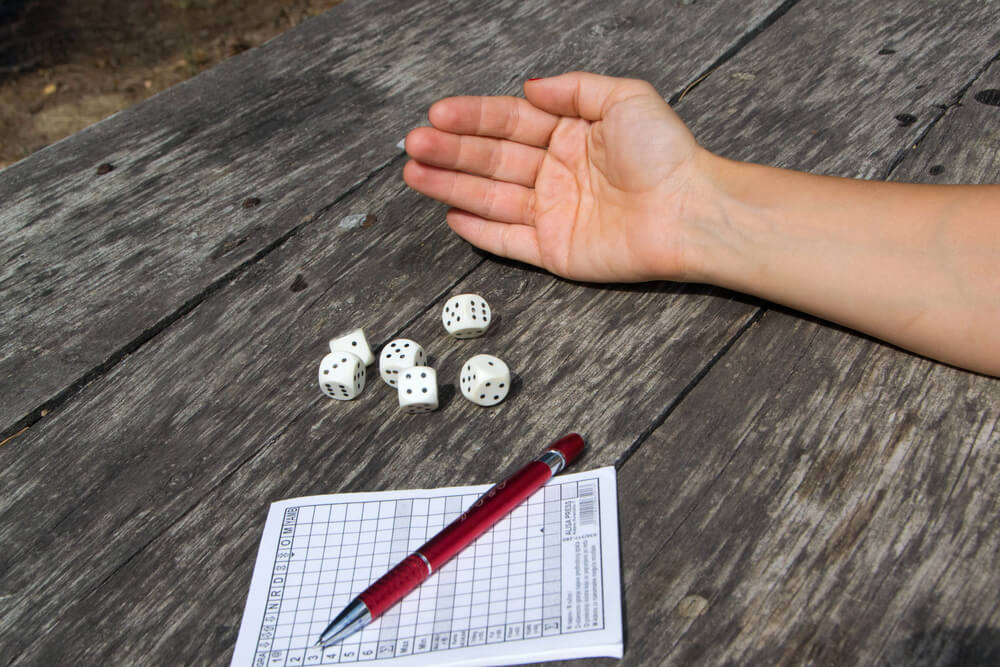
The satisfying sound of dice rattling in paper cups became synonymous with casual game nights, where players attempted to accumulate matching numbers in sequences that required both strategy and luck. Each turn generated anticipation as players aimed for high-scoring combinations like Yahtzees that would secure victory.
The simplicity of gameplay masked the strategic complexity that kept players coming back repeatedly.
Trivial Pursuit
— Photo by luvemak
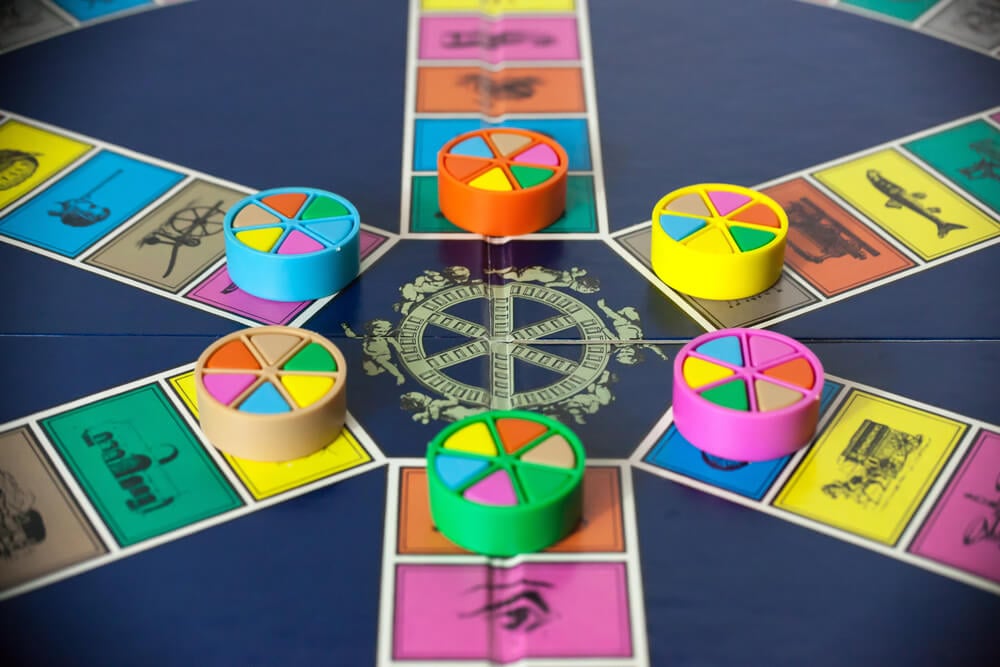
This brain-teasing trivia game tested players’ knowledge across various categories, separating the genuinely learned from the casually informed in ways that created sharp divisions among friends and family members. The game’s genius was making trivia competitive and social, transforming accumulated knowledge into currency that could be deployed strategically.
Answering questions correctly earned colored wedges that filled the iconic game pie.
Candy Land
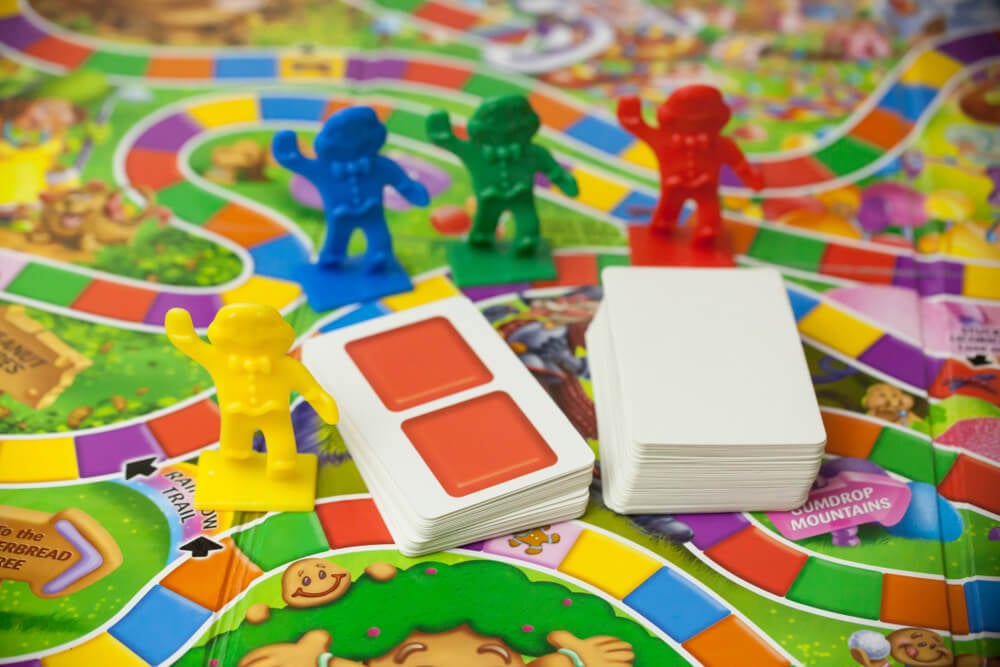
This colorful journey through fantastical candy-themed landscapes became the introduction to board gaming for countless children, requiring no reading ability and no strategy beyond moving predictably based on card draws. The whimsical board design—Molasses Swamp, Licorice Castle, Peppermint Forest—created narratives that engaged imagination even as gameplay remained simple.
The game worked precisely because it wasn’t actually competitive in meaningful ways.
Chutes and Ladders
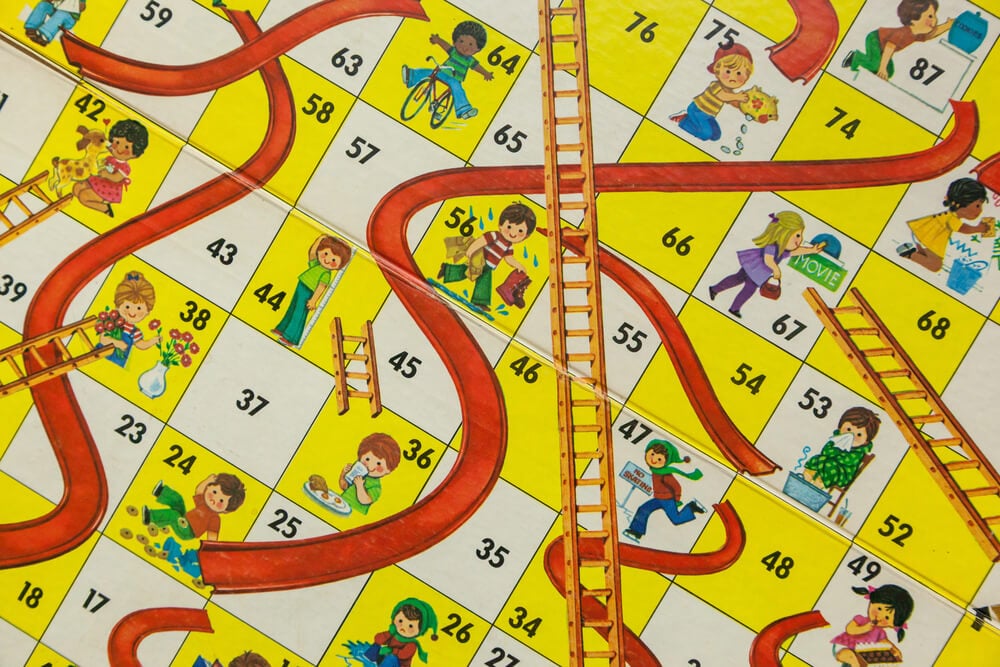
— Illustration by luvemak
Similar to Candy Land in simplicity but darker in concept, this game featured snakes (or chutes) that penalized players for unethical behavior while ladders rewarded good choices, creating moral lessons wrapped in game mechanics. The board design created sudden reversals of fortune that generated genuine excitement in young players experiencing luck as dramatic force.
The game’s simplicity meant that even toddlers could participate in family game night.
Risk
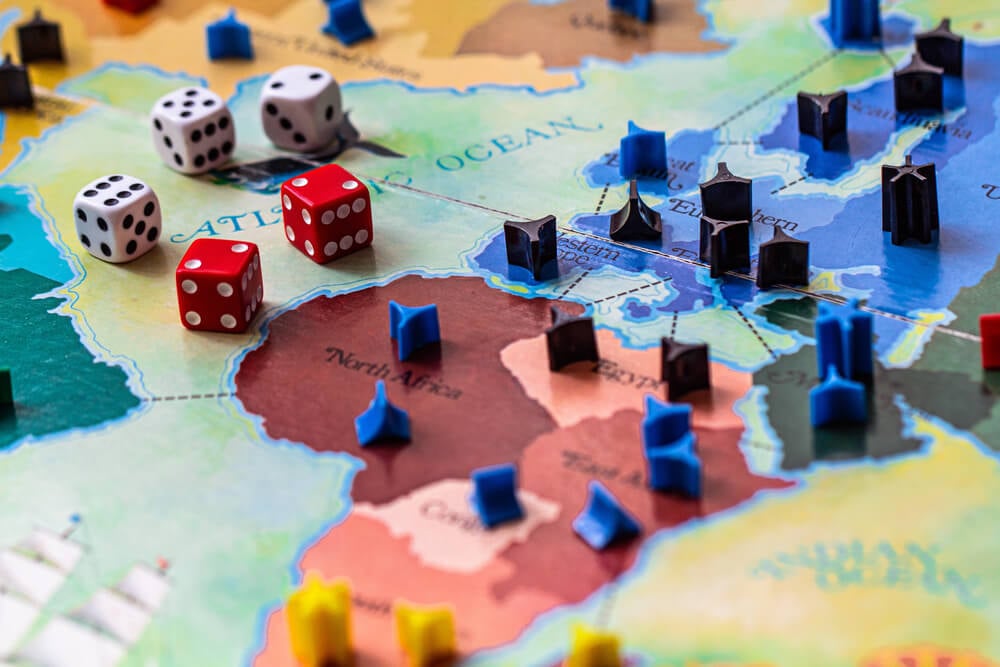
— Photo by mitchdhutchinson
This strategy-heavy game of military conquest required players to conquer territories through dice-determined combat, creating long sessions where strategic alliances formed and shattered. The global domination concept appealed to older children and adults who enjoyed strategic planning and negotiation.
Games could extend for hours as players maneuvered armies across continents in attempts to achieve world domination.
Clue
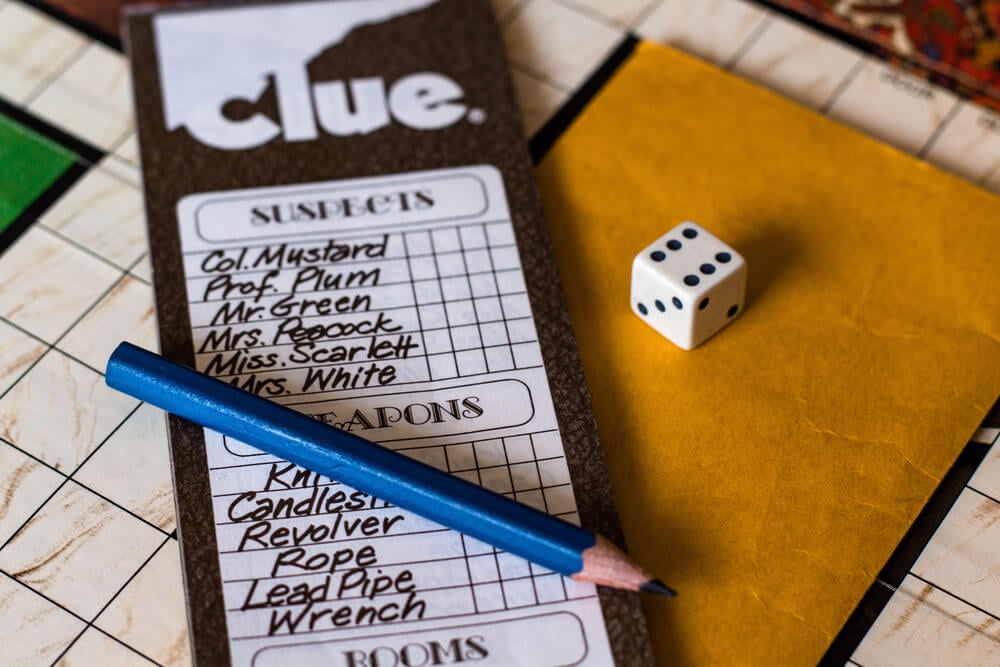
— Photo by mitchdhutchinson
This murder-mystery board game required players to deduce which suspect, weapon, and location were responsible for the titular murder, creating a deduction-based experience that appealed to logical thinkers. The nostalgic mansion setting, distinctive character tokens (Miss Scarlet, Colonel Mustard, Professor Plum), and solution envelope created mystery that rewarded careful observation.
Gameplay involved strategic questioning designed to eliminate possibilities systematically.
The Game of Life
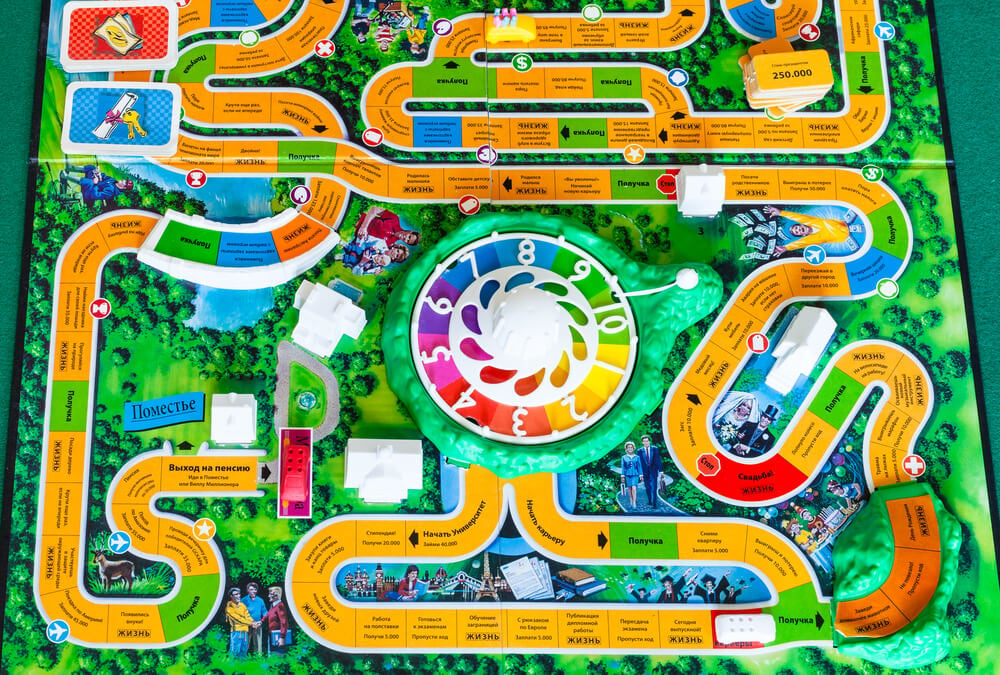
— Photo by vvoennyy
This simulation game allowed players to navigate through various life stages from college to retirement, making choices that influenced their path to success through the spinner-based movement system. The game represented American optimism about life’s possibilities, with colorful paths leading to diverse career and family outcomes.
The experience of playing Life created narratives about different life trajectories that sparked conversations about future possibilities.
Sorry!
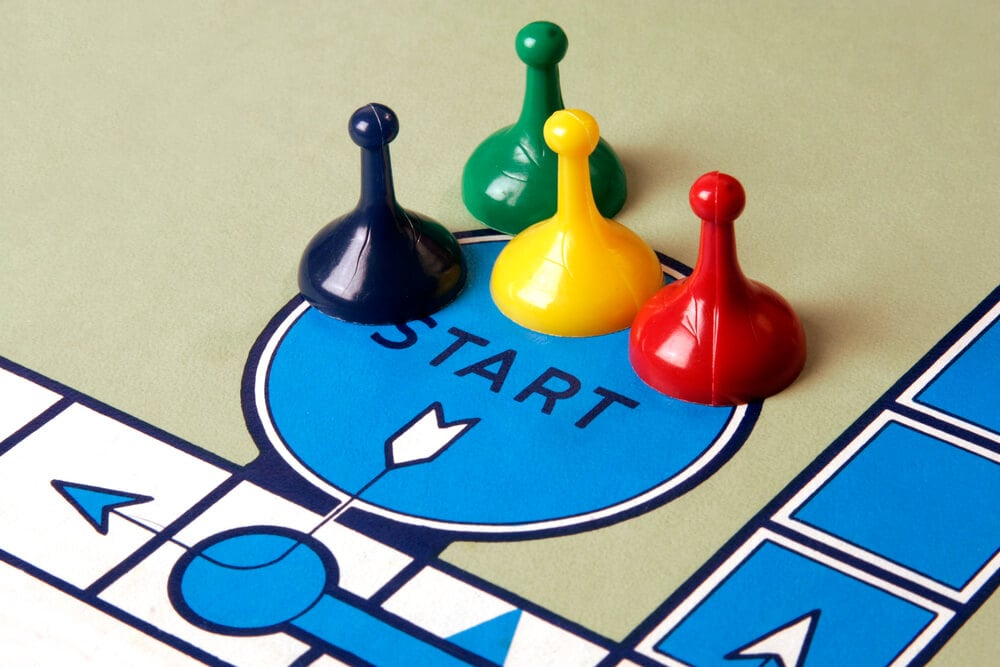
This race-game required players to navigate pegs around the board while strategically moving opponents’ pieces backward toward the start, creating moments of triumphant sabotage. The game’s genius was the “Sorry!” card that forced players to apologize while simultaneously destroying opponents’ progress, creating social rituals around competitive betrayal.
The wooden pegs and smooth board created satisfying tactile feedback.
Twister
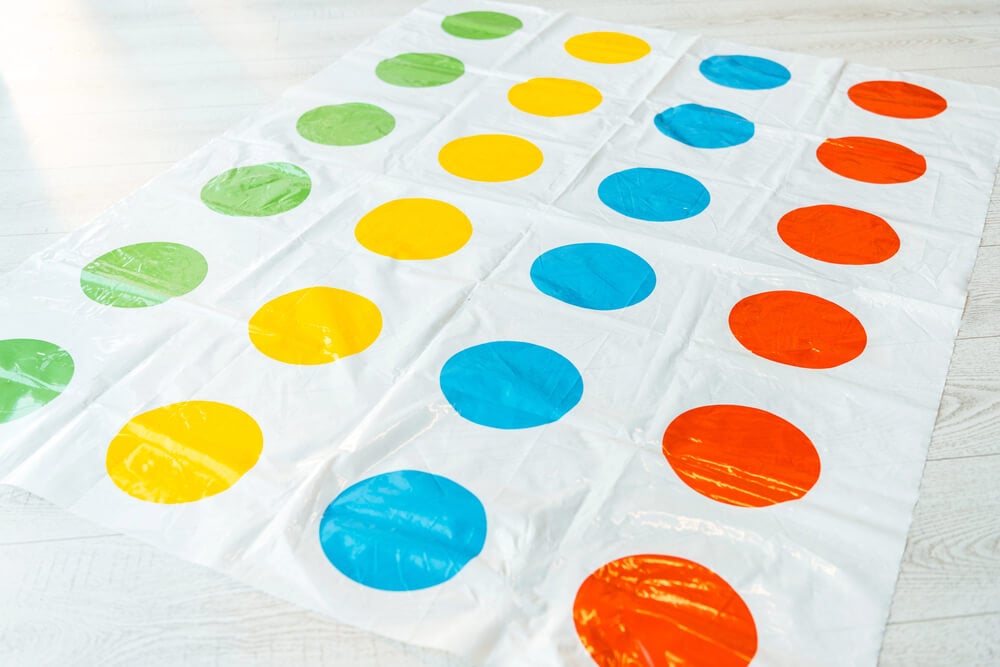
— Photo by IgorVetushko
This physical game required players to contort themselves into increasingly impossible positions while following spinner instructions, transforming the living room floor into a literal game board. The hilarity emerged from watching dignified adults collapse into tangles and from the intimate chaos of attempting to maintain balance while tangled with family members.
The game created shared physical comedy that transcended typical entertainment patterns.
Connect Four
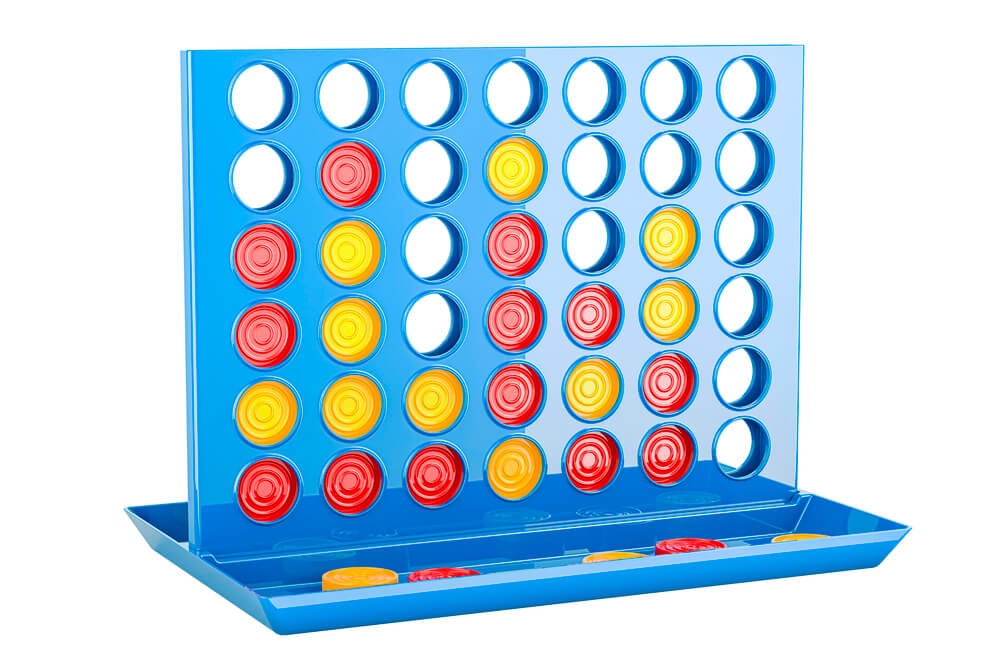
This simple strategy game required players to align four tokens vertically, horizontally, or diagonally while preventing opponents from doing the same, creating a game with surprising strategic depth. The satisfying plastic tokens and hinged board created tactile engagement, and games moved quickly enough that players wanted immediate rematches.
The game taught strategic thinking to young players through accessible mechanics.
Scrabble
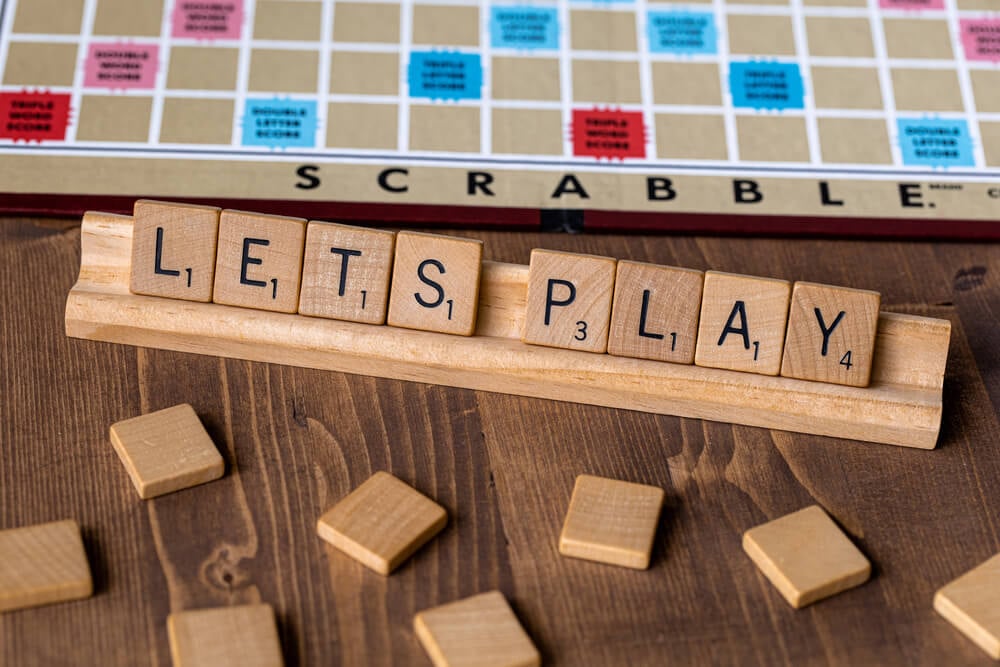
This word-based game required players to construct words using letter tiles, earning points based on letter values and board multipliers that rewarded strategic placement. The game appealed to word enthusiasts and proved that vocabulary could be competitive and engaging.
High-value letters like Q and Z became precious resources that players debated and negotiated for.
Battleship
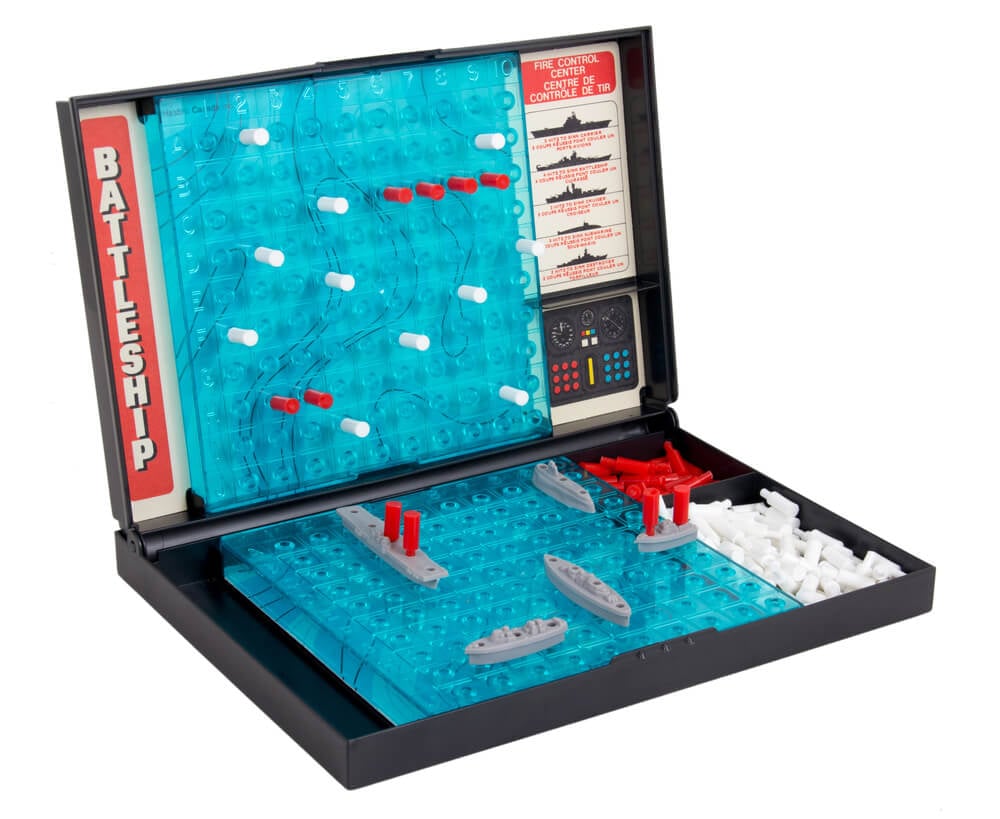
— Photo by Juliedeshaies
This two-player game of naval combat required players to locate and destroy opponent ships hidden on grids, calling out coordinates to narrow down locations. The suspense of not knowing if called coordinates hit or missed created tension that persisted throughout gameplay.
The game’s simplicity belied strategic complexity in ship placement that determined whether defensive setups left vulnerabilities.
Stratego
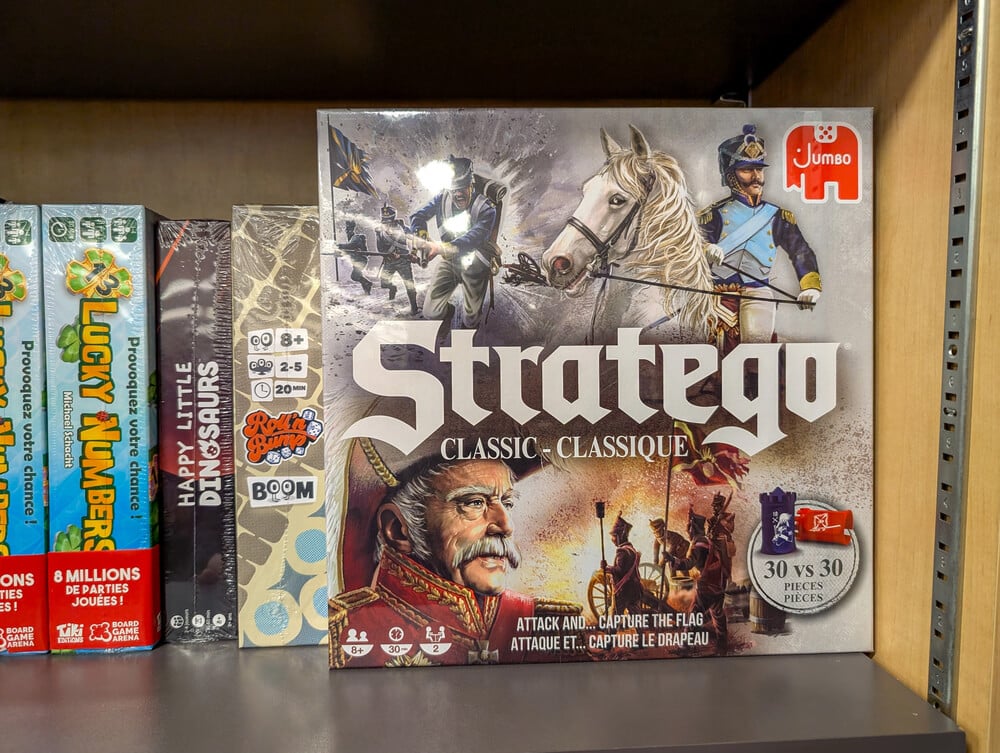
— Photo by HenryStJohn
This medieval-themed game required players to position pieces with hidden values attempting to capture the opponent’s flag while protecting their own position. The fog-of-war gameplay created tension around uncertainty, with players attempting to deduce piece values through careful observation and strategic probing.
The game balanced perfect knowledge (you know your own pieces) with perfect ignorance (opponent’s pieces remain hidden).
Mouse Trap
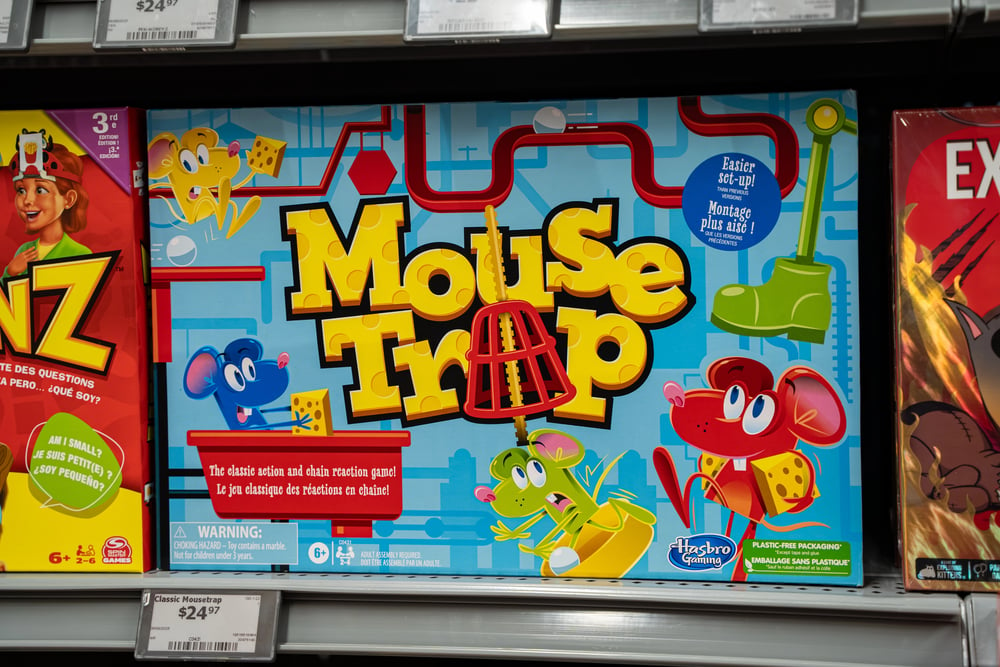
— Photo by egunes_
This elaborate board game featured a complex mechanical contraption that players would build throughout gameplay, creating a trap that physically captured opponent tokens through gears, cranks, and gravity. The game’s appeal transcended gameplay mechanics—the satisfying Rube Goldberg-style trap became the actual attraction.
Children often played primarily to see the trap spring, treating game victory as secondary to mechanical fascination.
Operation
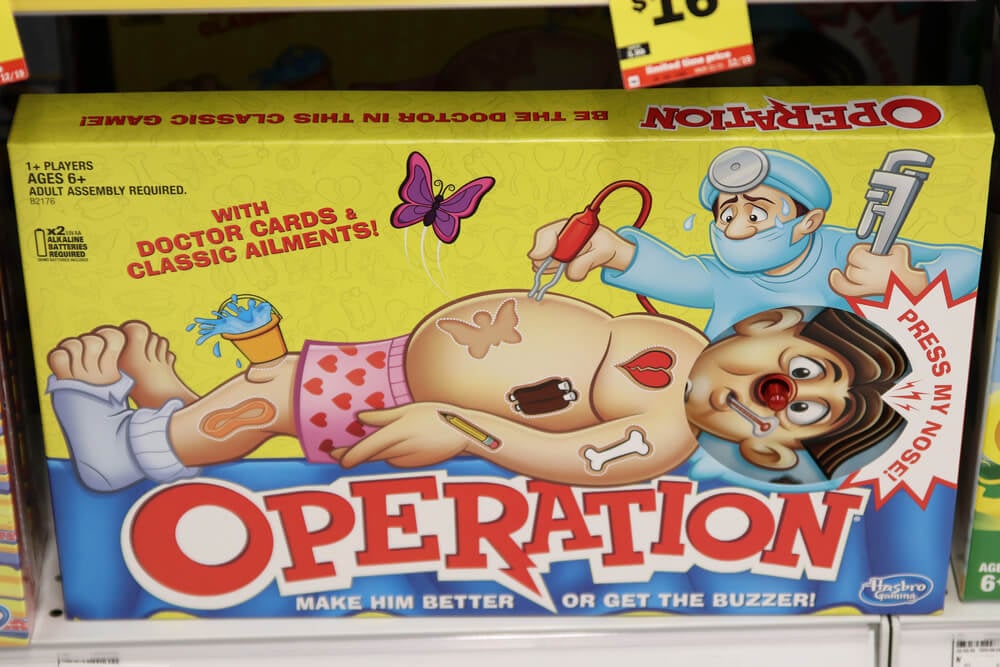
— Illustration by Bellanoche
This dexterity game required players to remove small plastic organs from an illuminated patient cavity using tweezers without touching the metal edges that would trigger an obnoxious buzzer. The game created memorable competition around hand-eye coordination, with the buzz producing genuine startle reactions.
The operation theme created a narrative around medical procedure simulation that was both humorous and oddly educational.
Ker-Plunk
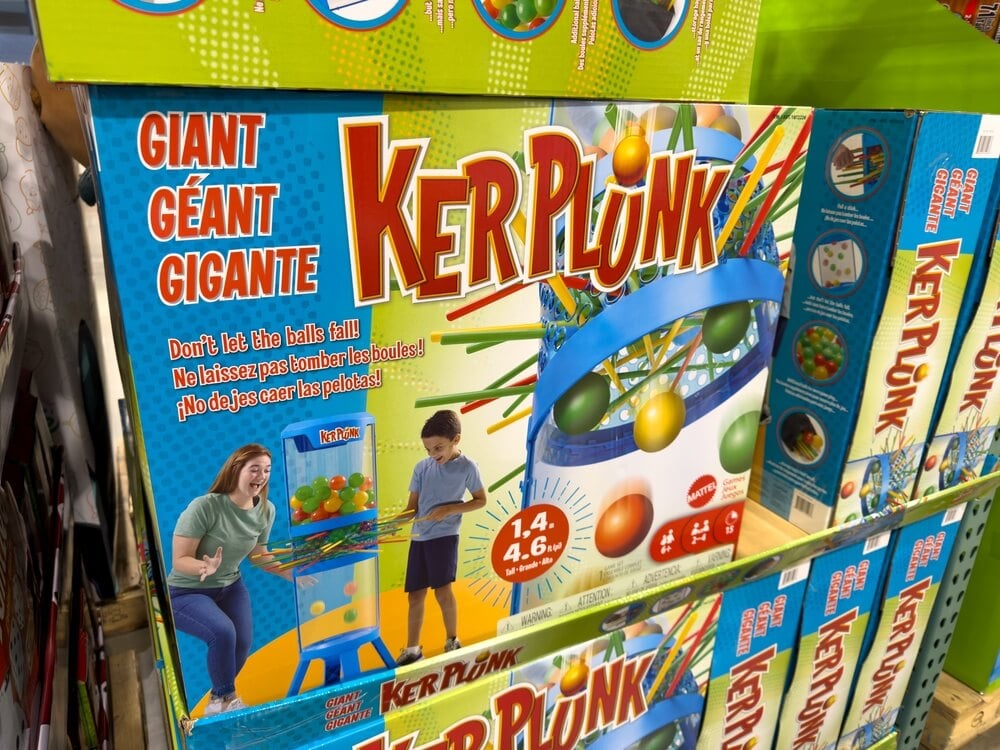
This physical game required players to remove thin sticks from a tube while preventing marbles from falling through, creating a tower-based challenge that tested nerve and precision. The tension built with each removed stick as the marble support structure weakened, creating anticipatory gameplay where players could feel the impending catastrophe.
The game’s simplicity masked the genuine strategy of timing and placement selection.
Jenga
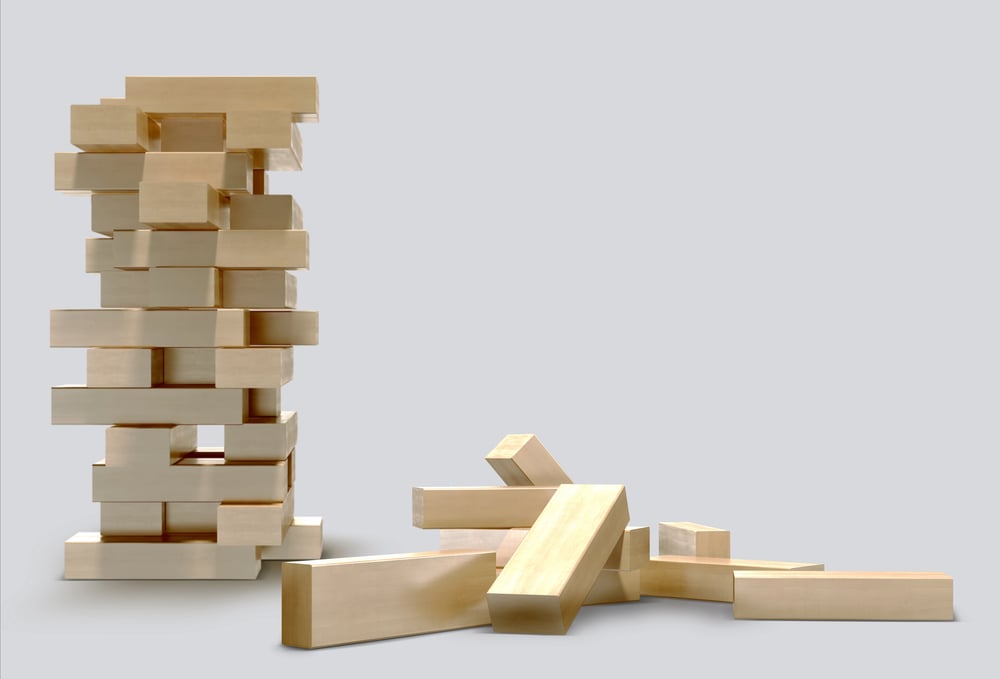
This balance-based game required players to remove wooden blocks from a tower and place them on top, gradually destabilizing the structure while attempting to avoid collapse. The physical presence of the tower created visceral tension as it swayed and tilted, with players experiencing genuine stress watching their moves threaten the structure.
The game taught risk assessment through physical consequences.
Ants in the Pants
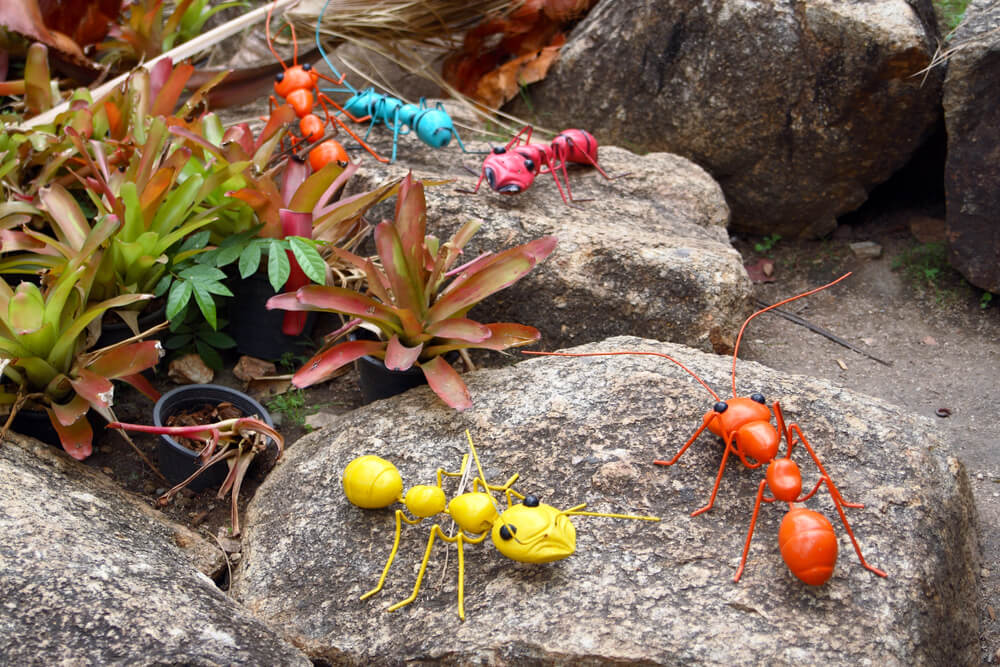
This oddly named game required players to flip a tiny plastic ant into an elastic-waistbanded pair of pants using a spring-loaded catapult, creating absurdist competition around launching insects into trousers. The game’s fundamental ridiculousness was its charm, and the physical comedy transcended actual competition.
Generations remember playing Ants in the Pants as representative of gaming’s peculiar 1960s era.
PacMan Board Game
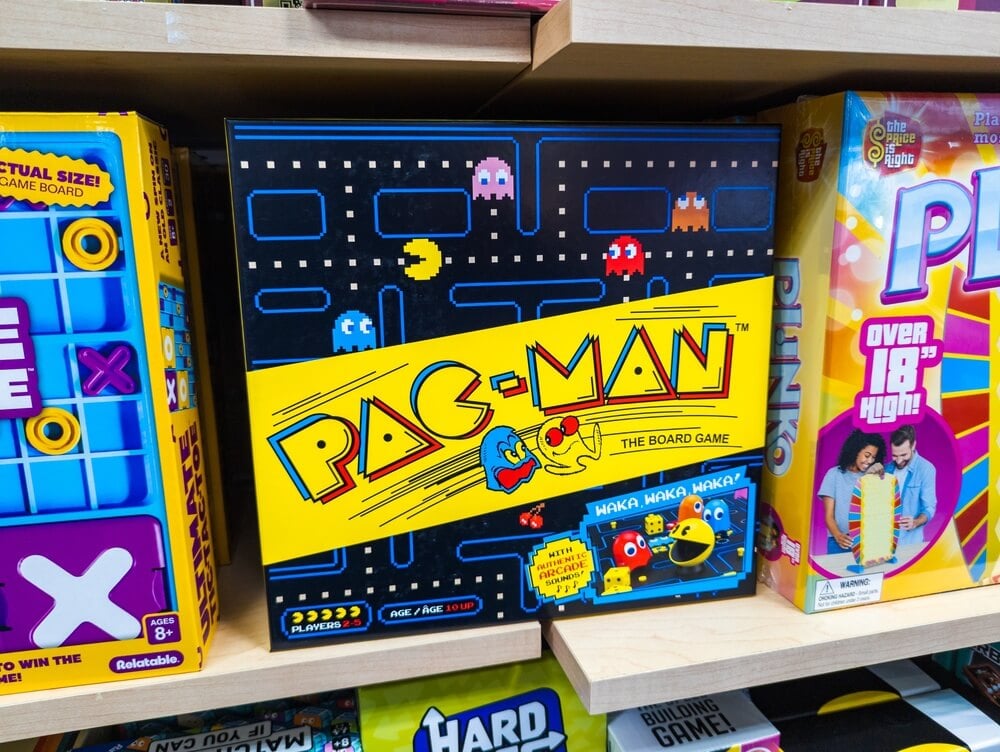
Based on the arcade sensation, this board game translated the video game experience into physical play, featuring Pac-Man tokens attempting to collect dots while avoiding ghosts. The game represented an early attempt to translate video game success into board game form, before video games completely displaced tabletop gaming.
Players moved tokens around the board attempting to eat pellets while avoiding ghost tokens.
Trouble
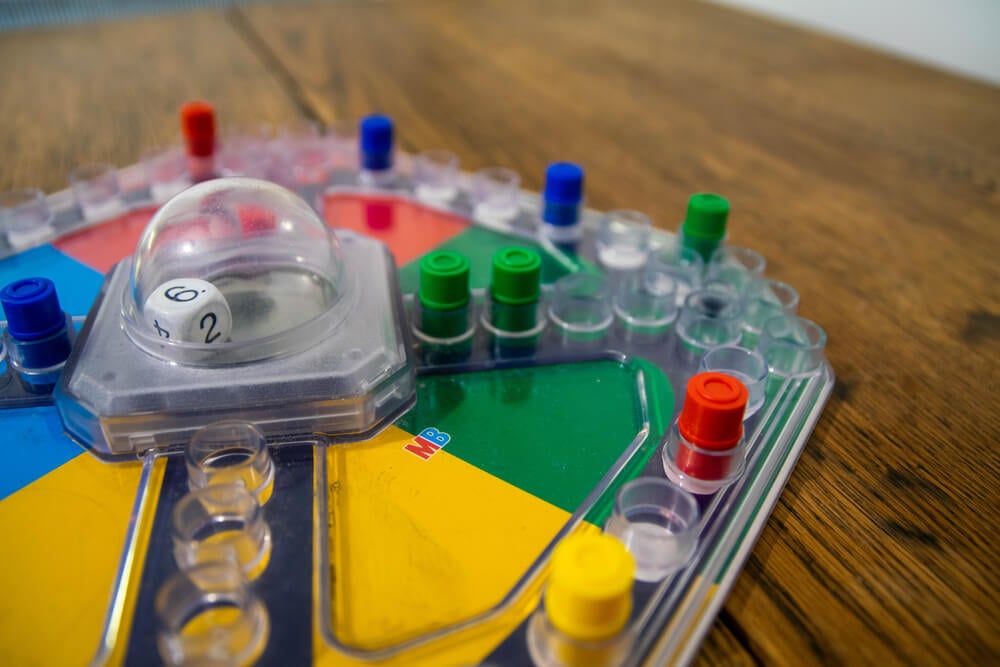
This board game featured the iconic Pop-O-Matic bubble, where players pressed down on a plastic dome to pop a bubble that determined movement spaces. The mechanical satisfaction of popping the bubble became as important as the actual gameplay, and the distinctive sound signaled game time throughout neighborhoods.
The bubble created reliable randomness in a way that dice couldn’t replicate.
Hungry Hungry Hippos
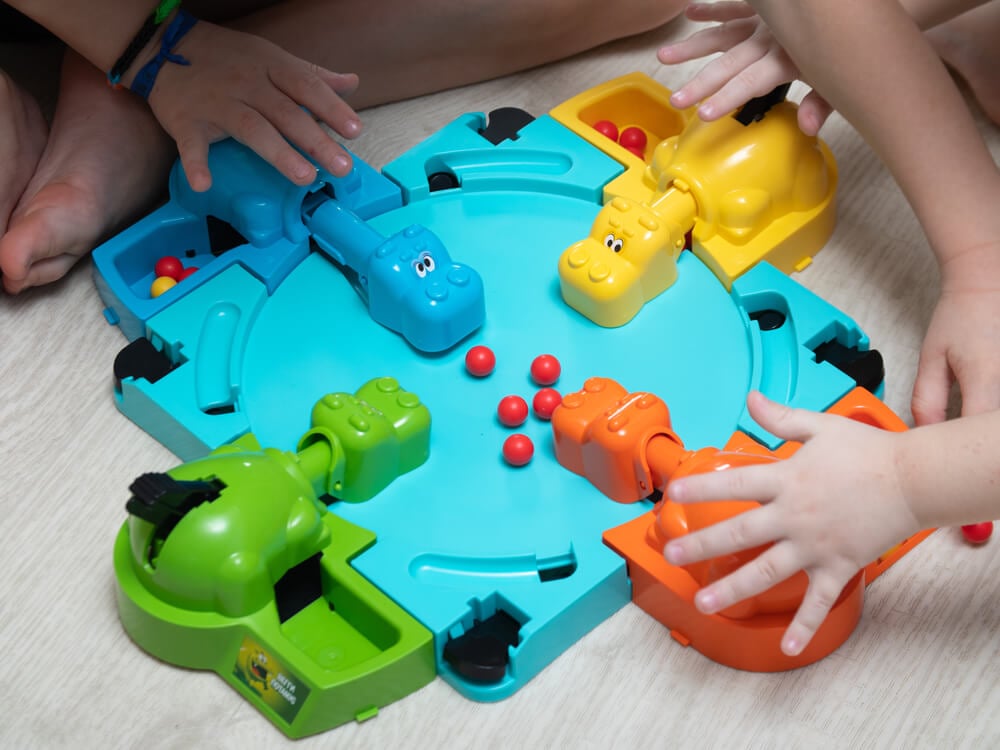
This kinetic game required players to press down repeatedly on hippo-head levers that opened their mouths to collect marbles bouncing in a central arena. The game’s appeal was pure physicality—the sound of rapid marble collection and the sight of marbles disappearing into hippo mouths created satisfying feedback loops.
Competition was determined by who could press their hippo lever fastest and most effectively.
Pit
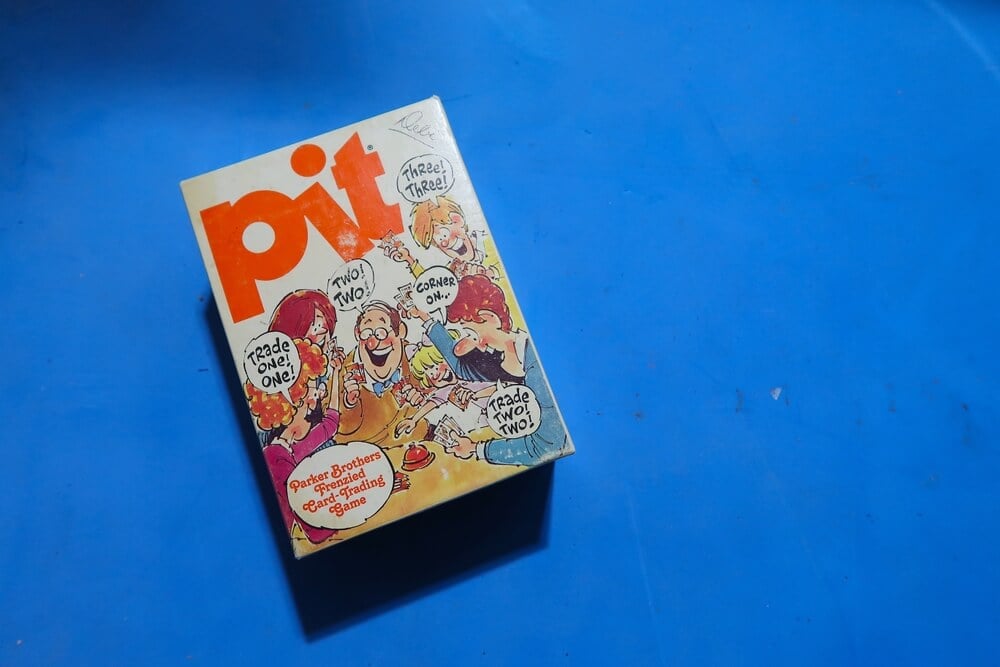
This commodity-trading game required players to engage in rapid negotiation and shouting as they attempted to corner markets, creating chaos-based competition that rewarded aggressive communication. The game transformed quiet board game sessions into loud trading frenzies, with players literally screaming bids across the table.
The frenetic energy created memories that transcended traditional game outcomes.
When Screens Were Somewhere Else
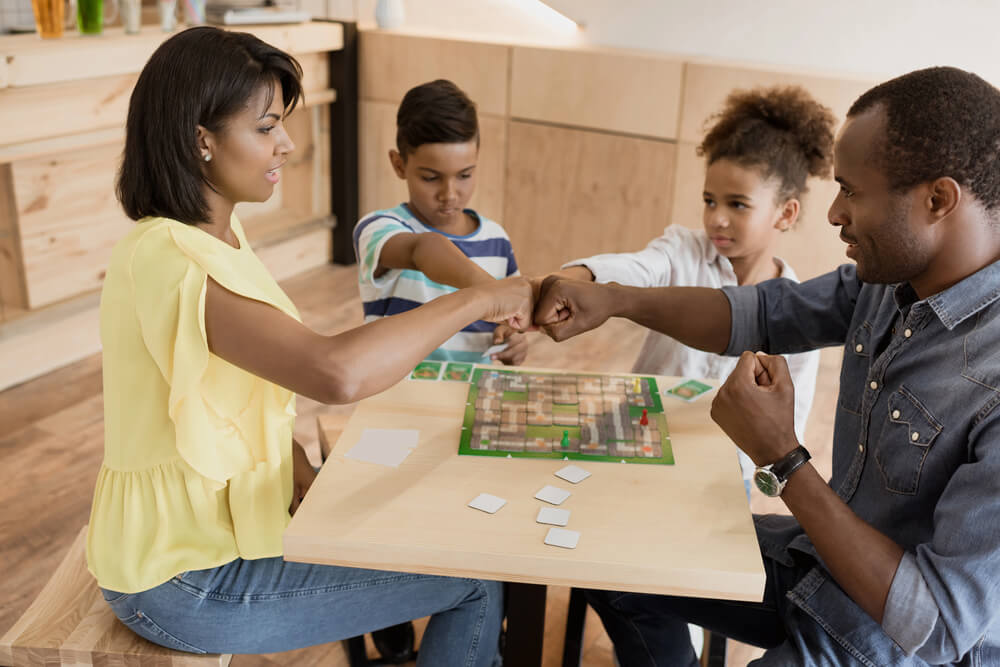
The board games of this era captured something essential about how humans organize entertainment through shared rules and mutual commitment. They created barriers to passive consumption—they required engagement, negotiation, and presence that couldn’t be replicated by solo screen time.
Contemporary digital games attempt to recreate the competitive joy these analog games generated, but they lack the social anchoring and tactile engagement that made board game nights family rituals rather than mere entertainment.
More from Go2Tutors!

- The Romanov Crown Jewels and Their Tragic Fate
- 13 Historical Mysteries That Science Still Can’t Solve
- Famous Hoaxes That Fooled the World for Years
- 15 Child Stars with Tragic Adult Lives
- 16 Famous Jewelry Pieces in History
Like Go2Tutors’s content? Follow us on MSN.