Strange Facts About the World’s Most Secure Vaults
Behind every secure vault lies an obsession with keeping things in and keeping people out. These aren’t just reinforced rooms with heavy doors — they’re architectural marvels of paranoia, engineering, and sometimes outright eccentricity.
The most secure vaults in the world guard everything from gold bullion to classified documents, but their protection methods often venture into territory that sounds more like science fiction than security protocol.
Fort Knox Bullion Depository
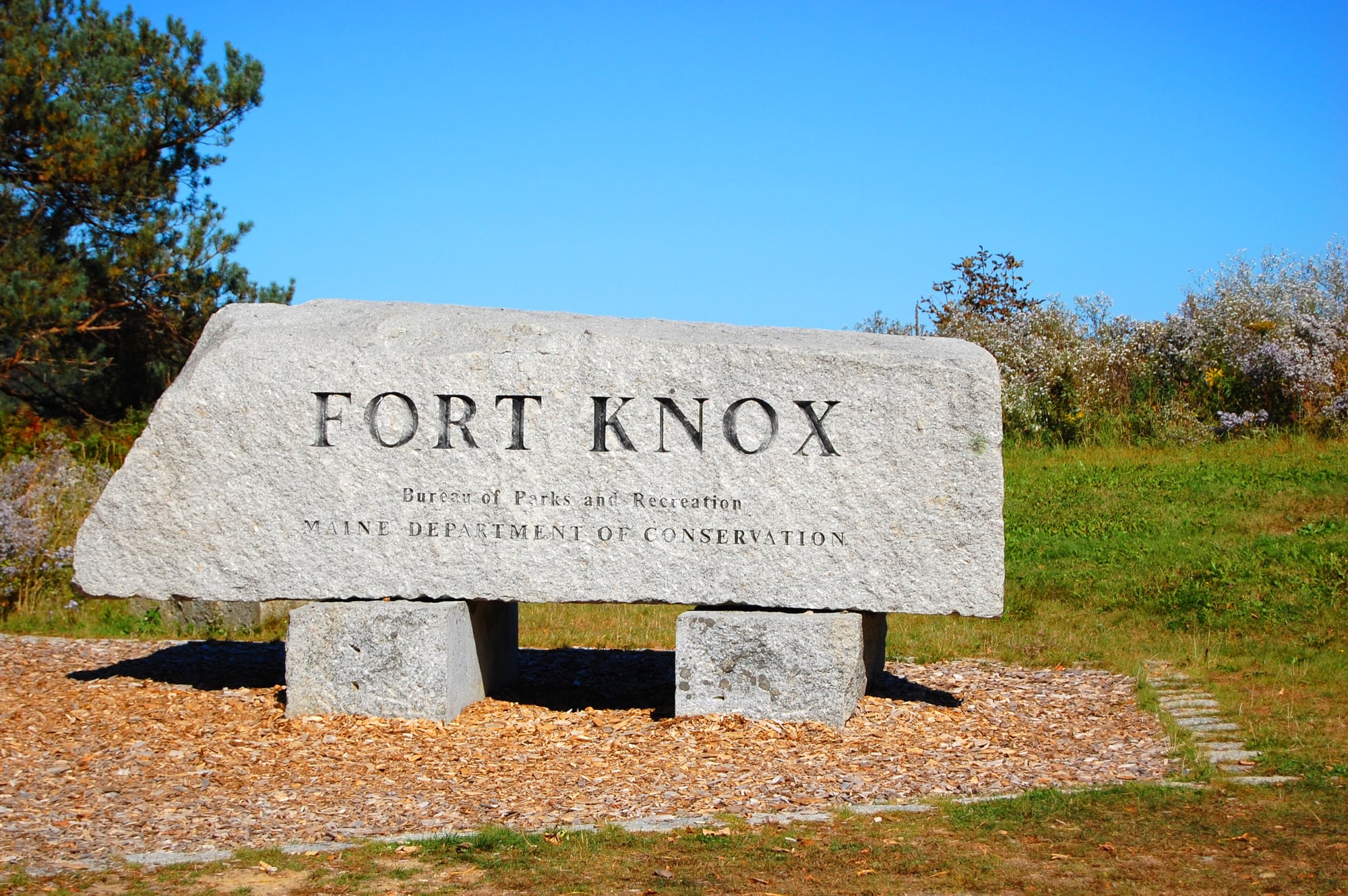
Fort Knox doesn’t mess around. The walls are granite-lined and reinforced with steel.
The vault door weighs 20 tons and requires multiple people to open — no single person knows the complete combination.
But here’s the weird part: they’ve never officially confirmed what’s actually inside. Everyone assumes it’s gold, and lots of it.
The secrecy has spawned conspiracy theories that range from “the gold is gone” to “they’re hiding alien artifacts.” Neither the gold nor the aliens have commented.
Federal Reserve Bank of New York
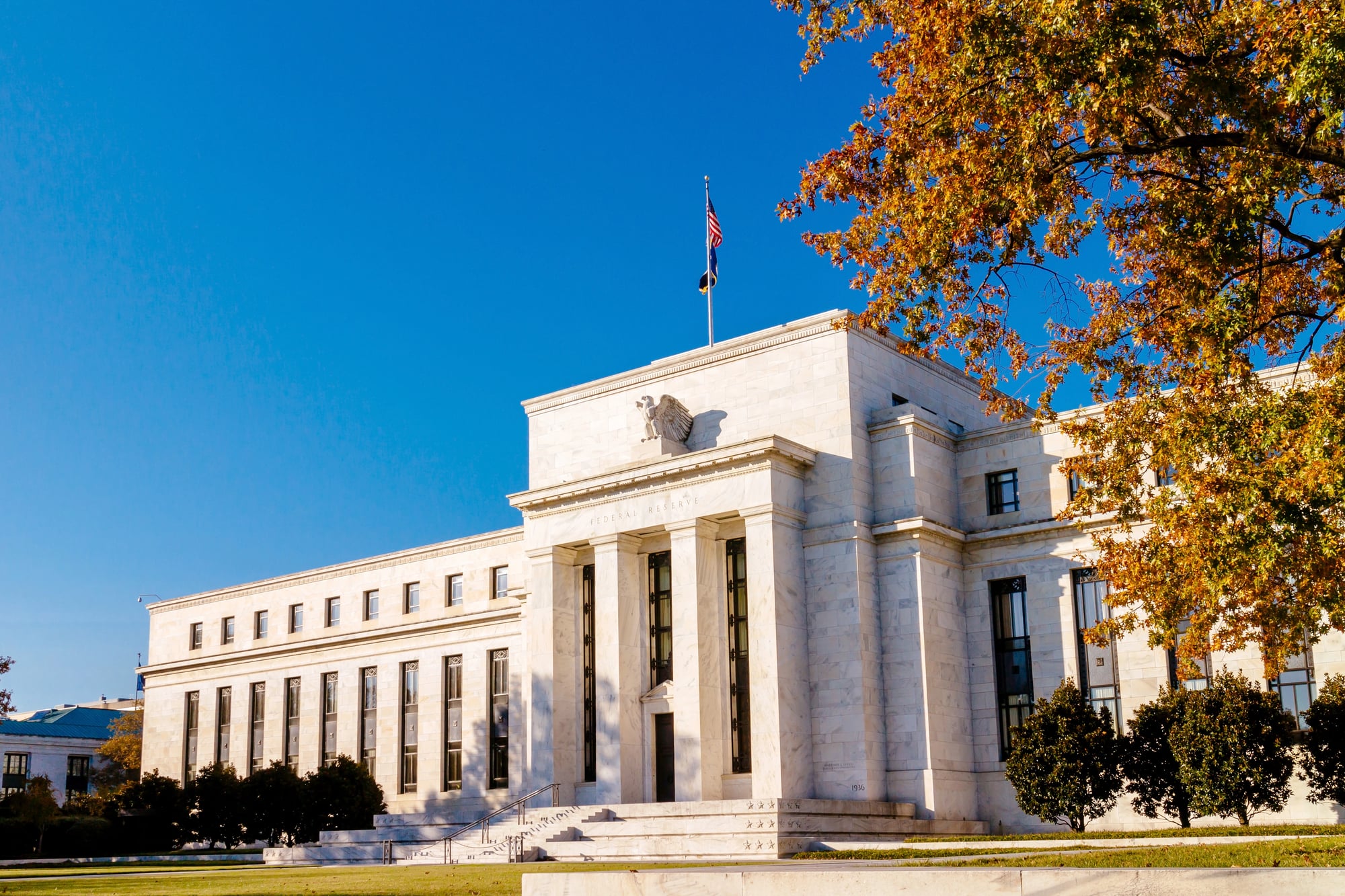
The Manhattan bedrock sits 80 feet below street level, and that’s where they built this vault. The structure holds roughly 25% of the world’s gold reserves, which sounds impressive until you realize that’s about 6,700 tons of metal just sitting there.
And yet — here’s what makes it strange — tourists can actually visit part of it. So while the gold itself remains locked behind systems that would make a Swiss banker weep with envy, the Federal Reserve runs guided tours where regular people can walk around and gawk at bars of gold through protective barriers.
Iron Mountain
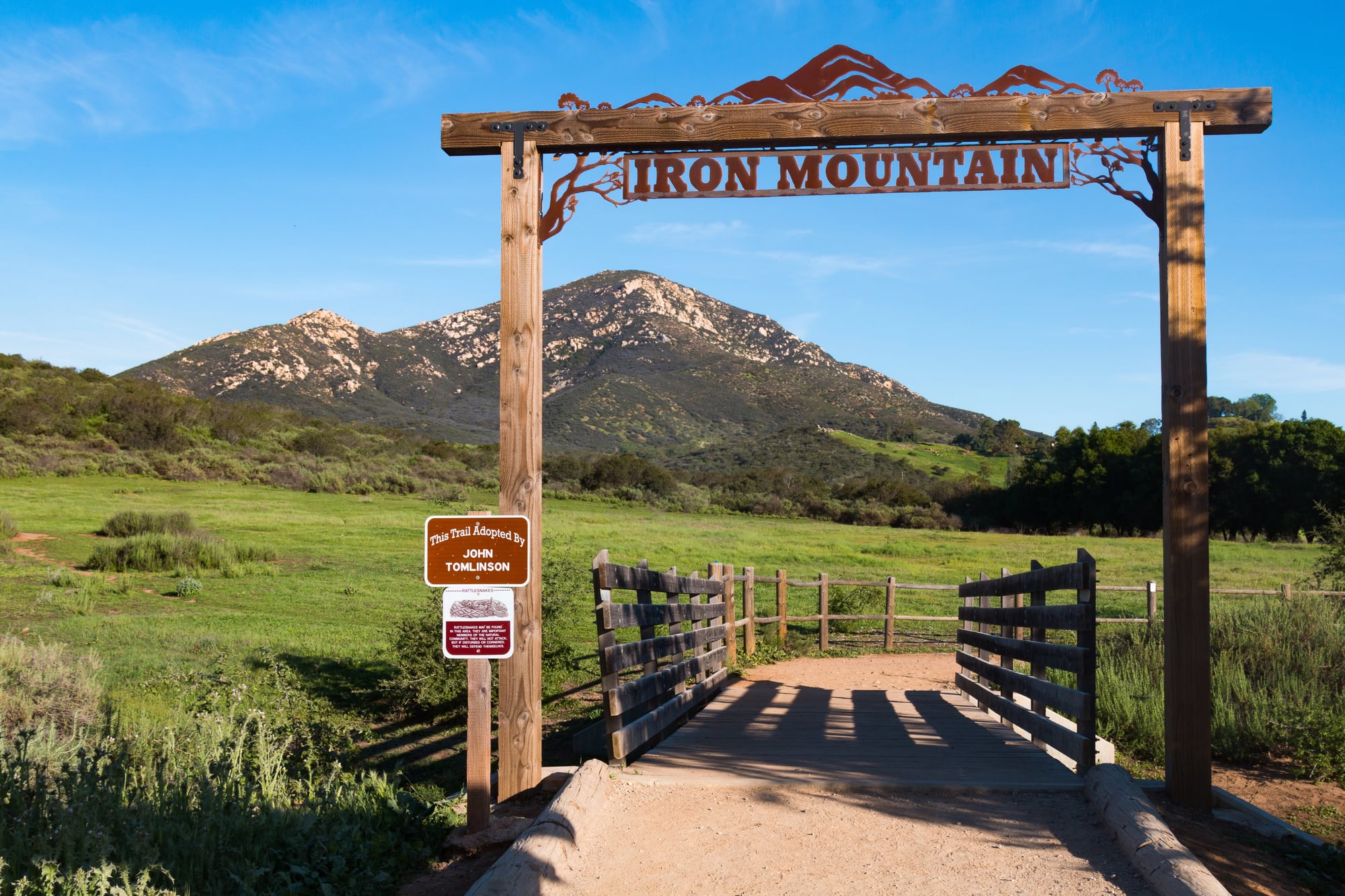
Picture a limestone mine in Pennsylvania that decided it had better career prospects as a vault. The temperature stays constant year-round without any climate control systems, the humidity remains stable, and the rock itself provides natural protection against pretty much everything except maybe a direct meteor strike.
What lives in there feels like the backup drive for human civilization. Original film reels from Hollywood studios.
The mine stretches for miles underground, with sections that most employees never see and access levels that operate on need-to-know principles so strict that even the security guards don’t know what they’re guarding.
Svalbard Global Seed Vault
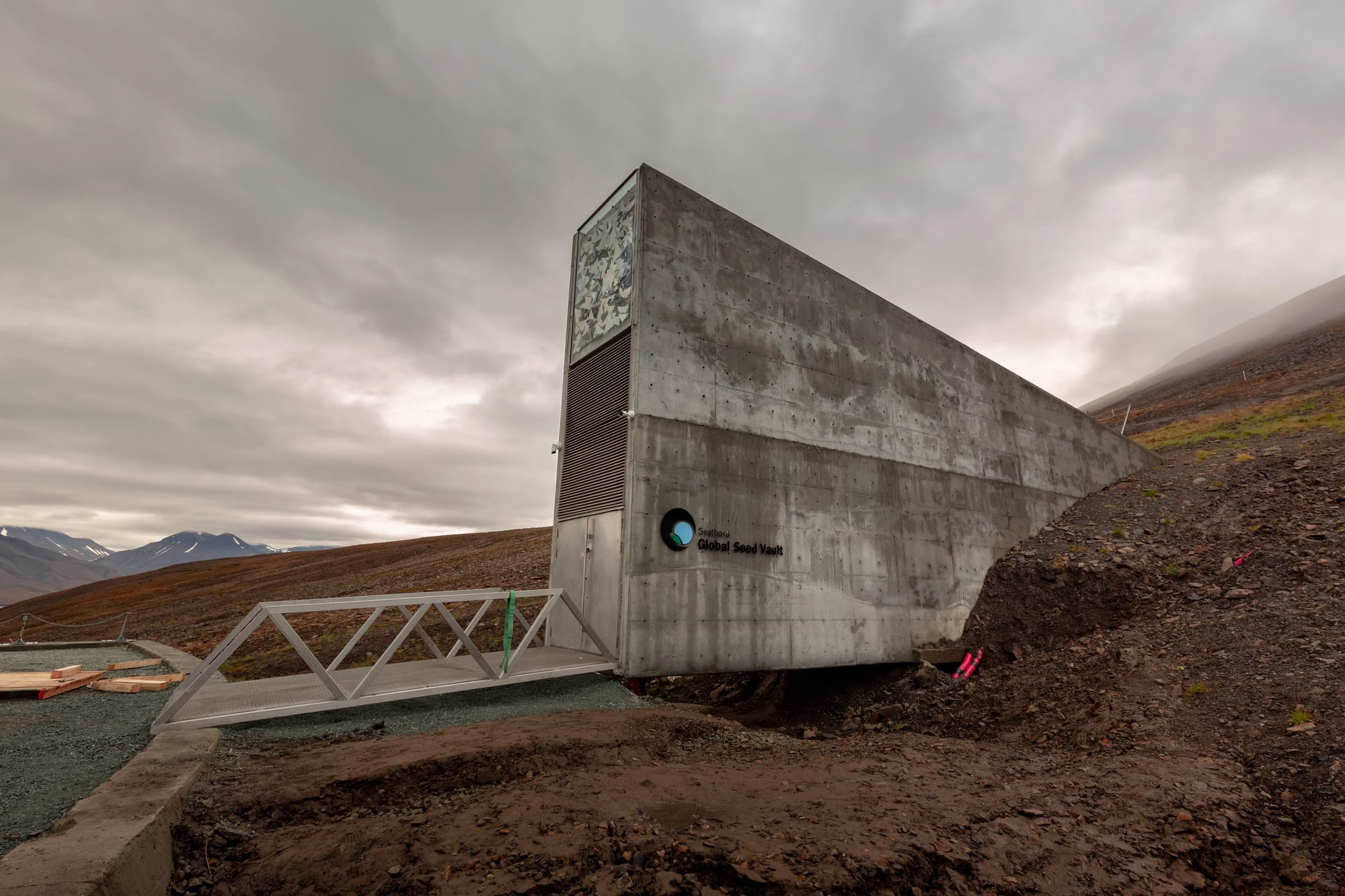
The “Doomsday Vault” sounds dramatic until you realize it’s actually more practical than paranoid. Built into a mountainside in Norway, it stores seeds from crops around the world in case something goes catastrophically wrong with agriculture.
Here’s the part that sounds like science fiction: the entrance glows. They installed an art installation that makes the vault opening visible from miles away, which seems counterintuitive for a facility designed to survive the apocalypse.
Vatican Secret Archives
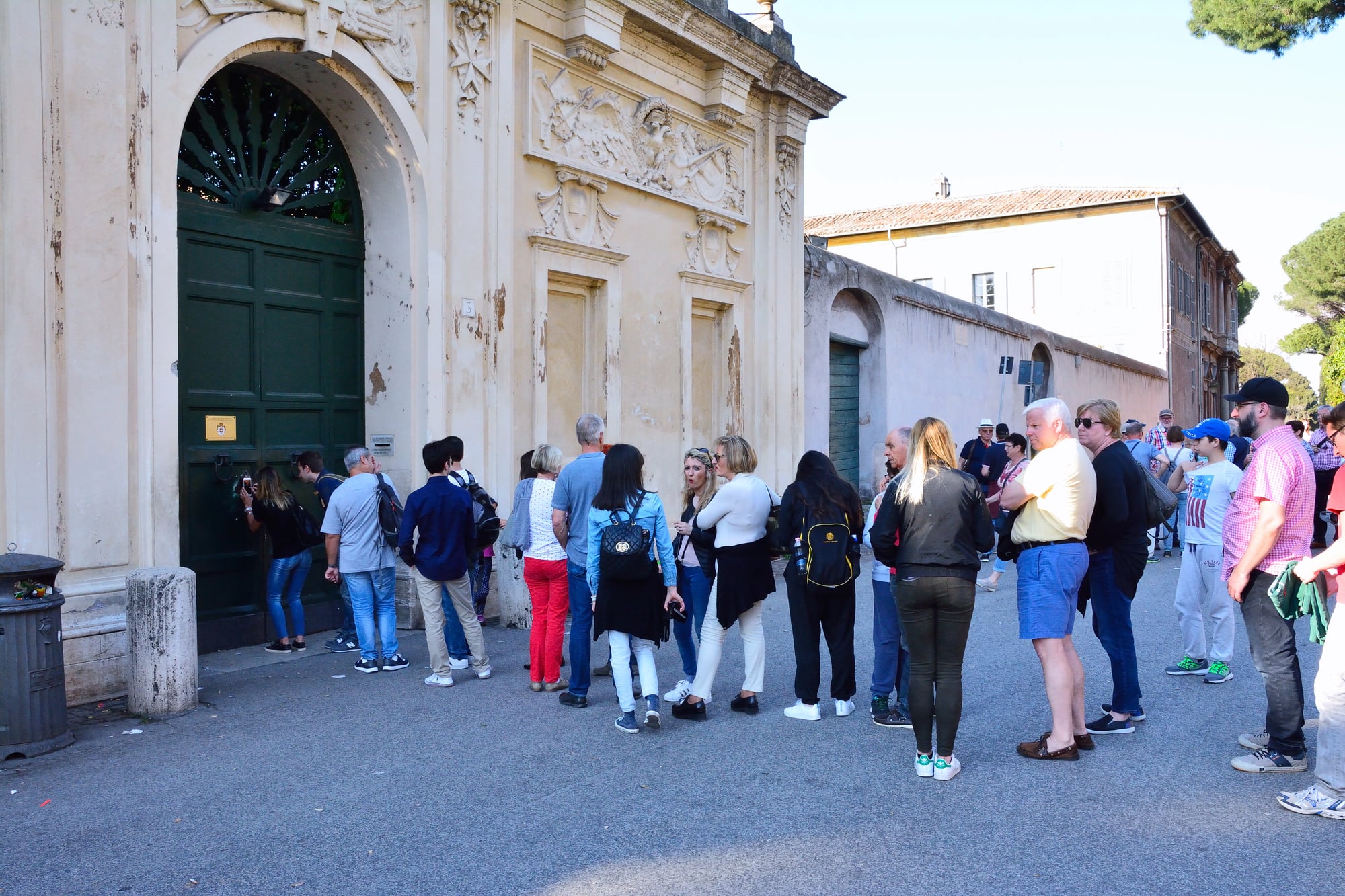
The name itself admits what it’s trying to do. These aren’t the “Vatican Private Archives” or “Vatican Restricted Archives” — they’re the Secret Archives.
What makes it genuinely secure isn’t the locks or the guards — it’s the bureaucracy. The administrative process for accessing anything creates so many layers of approval that most people give up before they get close to seeing whatever’s actually stored there.
Bank of England Gold Vaults
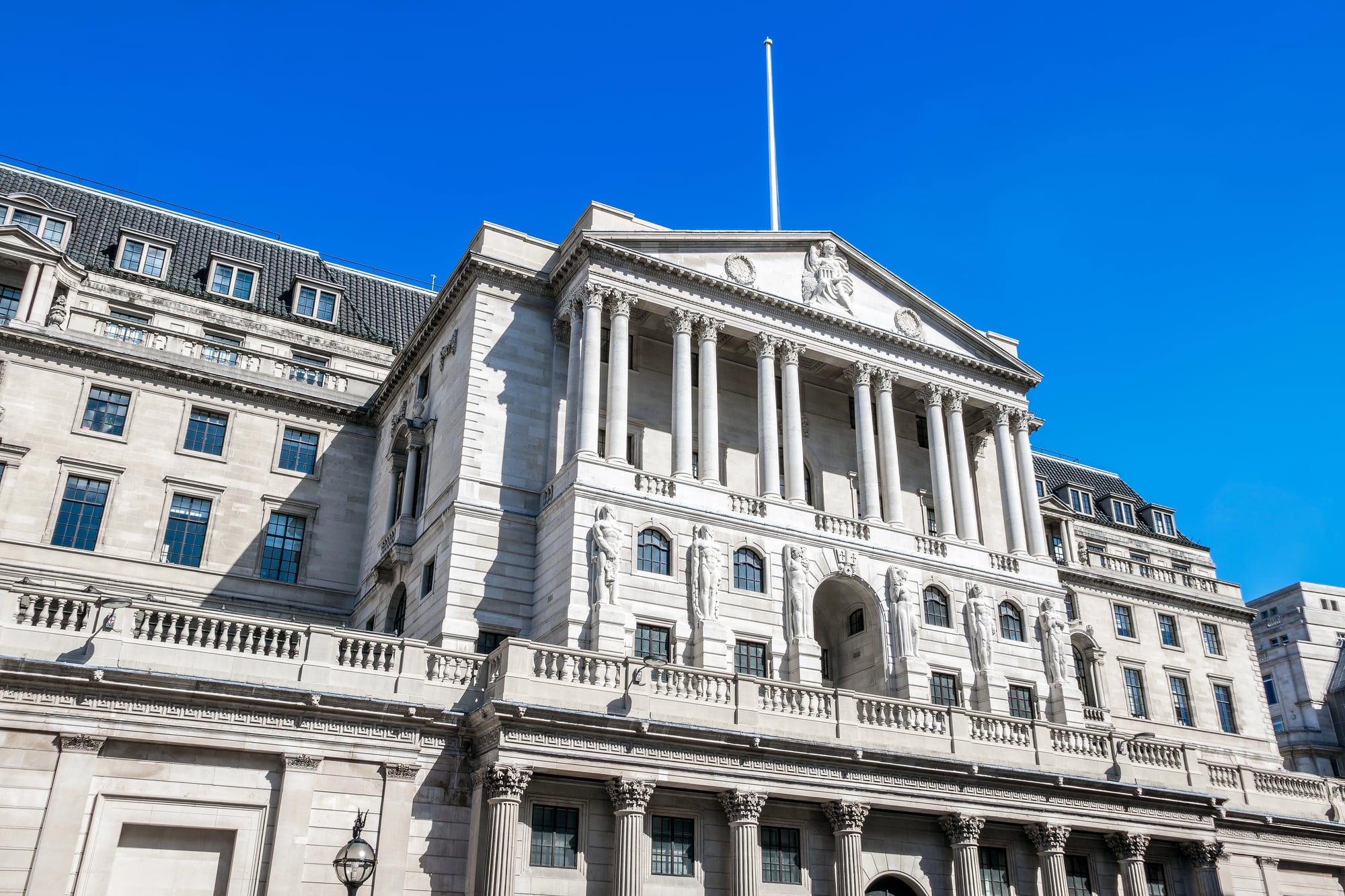
London built its gold vault in bedrock beneath the city, but the real security measure isn’t the location or the reinforced walls — it’s the fact that most of the gold never moves. Countries store their reserves there and conduct transactions by simply moving bars from one section of the vault to another.
The Bank of England offers tours, but with a peculiar restriction: no photography underground. Apparently, you can see billions of dollars worth of gold with your own eyes, but creating any permanent record of what you’ve seen crosses some kind of line.
Cheyenne Mountain Complex
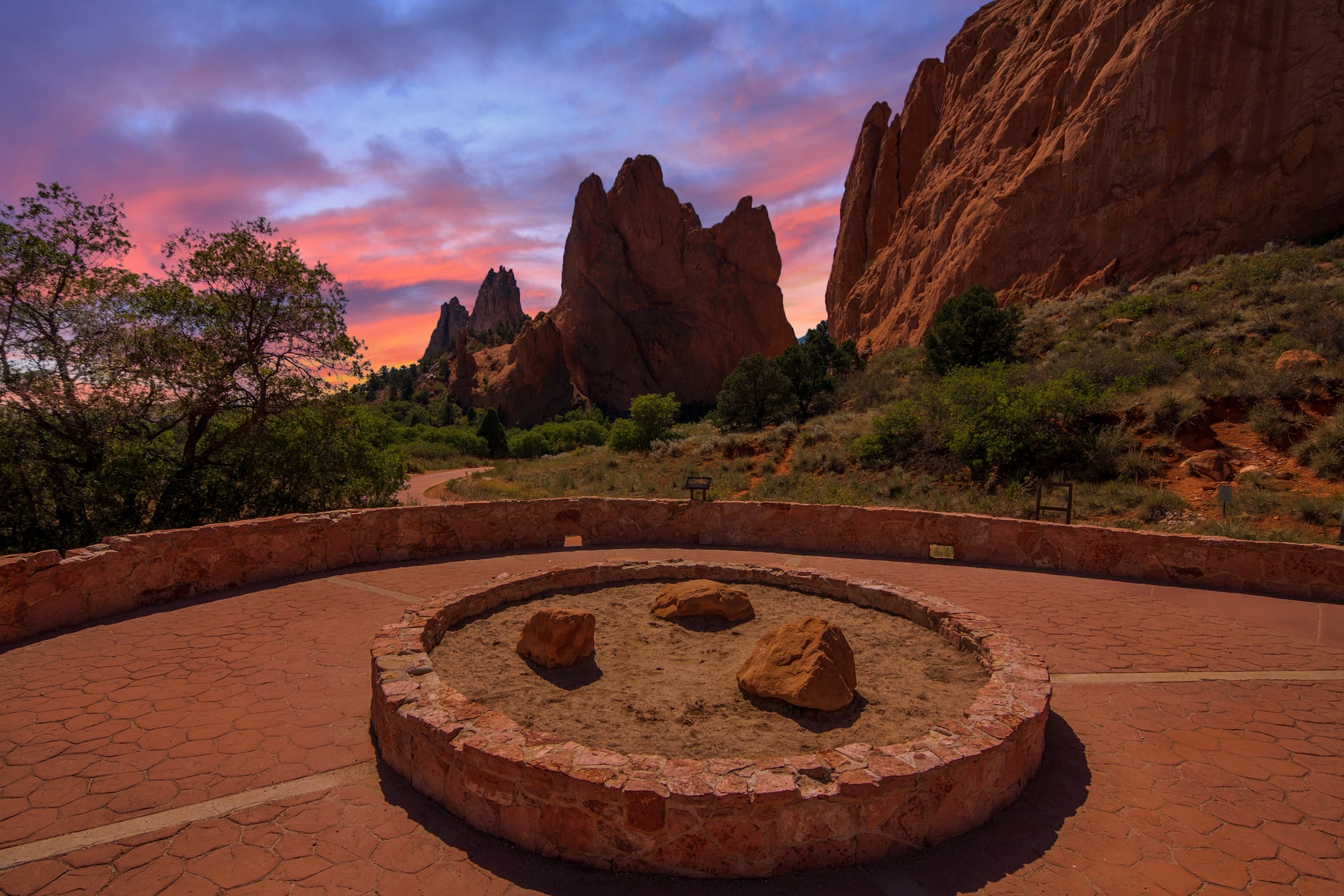
NORAD built a military installation inside a mountain, which already sounds like something a supervillain would do. The entire facility sits on springs to absorb shock waves.
The mountain itself provides natural shielding against electromagnetic pulses, which means the complex could theoretically maintain communications and computer systems even if every other electronic device in North America stopped working.
Granite Mountain Records Vault
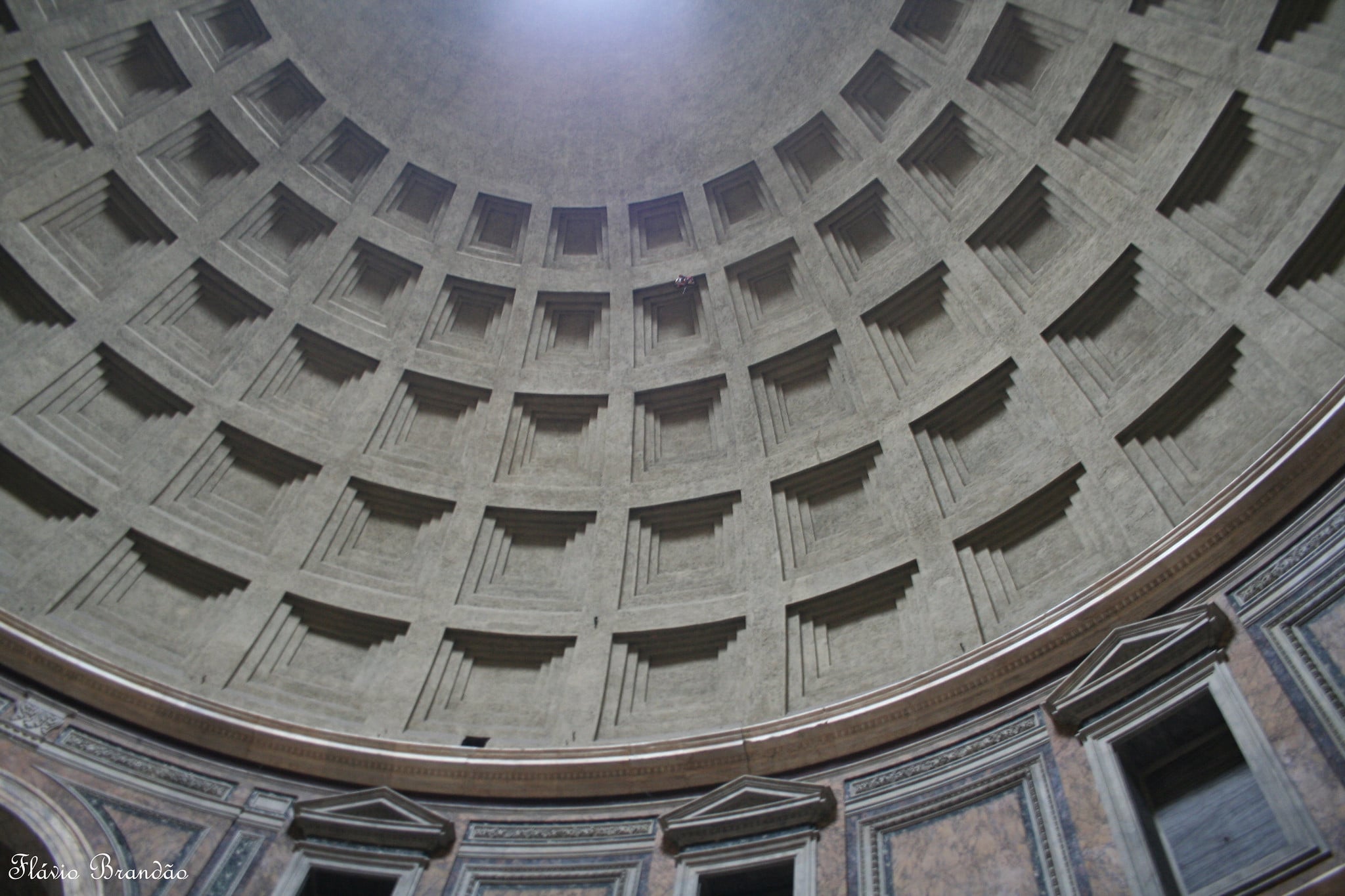
The Mormon Church built a vault inside a mountain in Utah to store genealogical records. The facility maintains climate-controlled conditions that could preserve documents for thousands of years.
The security isn’t just about protecting the records from theft — it’s about ensuring they survive natural disasters, wars, and societal collapses that could wipe out the original documents.
Swiss Safe Deposit Boxes
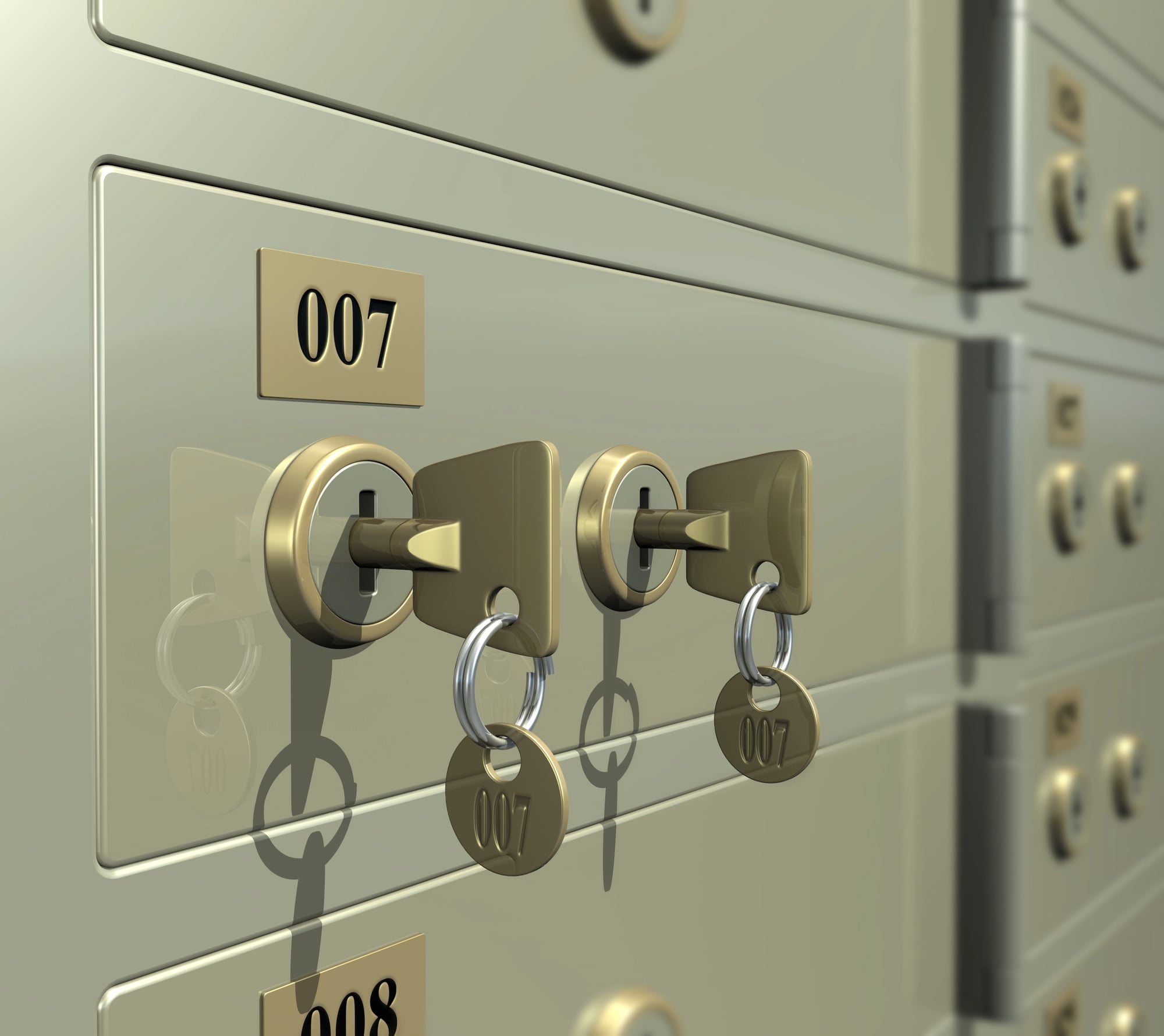
Switzerland doesn’t just store money — it stores secrets with a level of discretion that makes other countries’ privacy laws look chatty. Swiss banking secrecy operates on principles so strict that bank employees can go to prison for revealing information about accounts.
The physical vaults use security measures that banks in other countries would consider excessive, but Swiss institutions treat them as baseline requirements. Biometric scanners, weight-sensitive floors, air-quality monitors that detect human presence — these aren’t special features, they’re standard equipment.
Deep Underground Military Bases
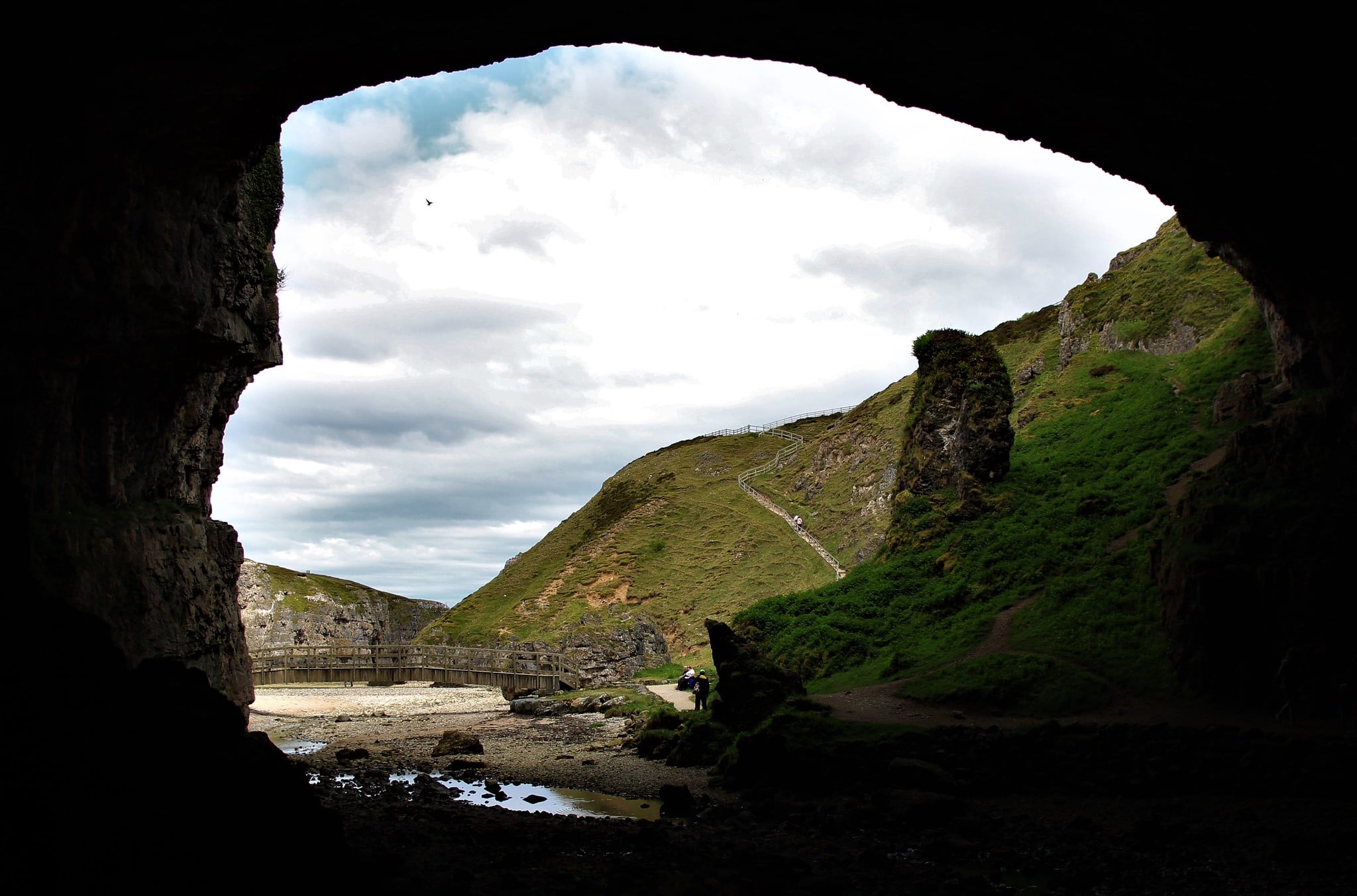
Every country with serious military ambitions has facilities that officially don’t exist. The locations are classified, the purposes are classified, and the security measures are so classified that admitting they exist would reveal information.
The few details that occasionally surface suggest engineering projects so ambitious that they make civilian vault construction look quaint. Underground cities with independent power supplies, air filtration systems, and communication networks could maintain military coordination even if traditional infrastructure collapsed.
Federal Reserve Emergency Bunker
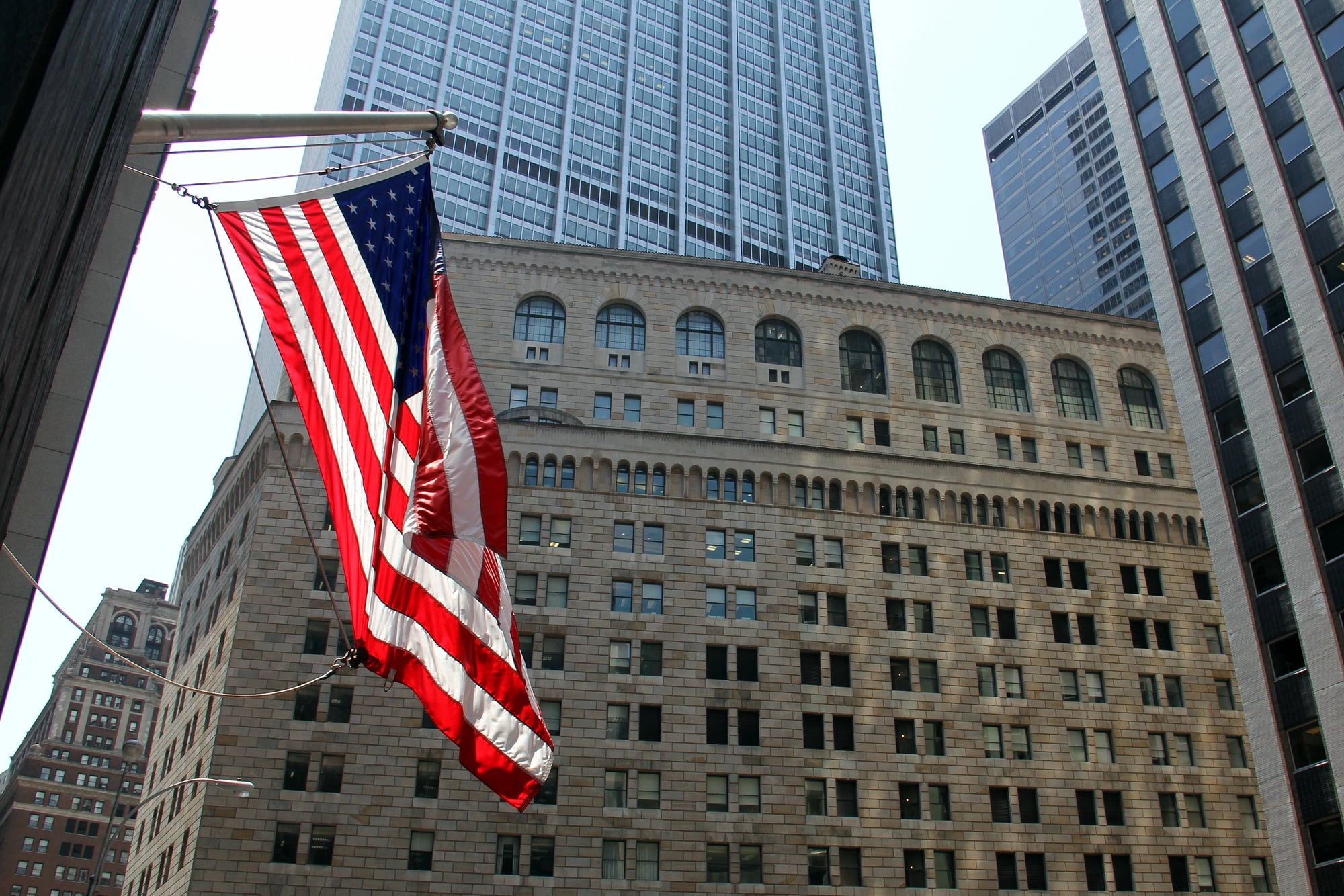
During the Cold War, the Federal Reserve built a bunker in Culpeper, Virginia to maintain banking operations if Washington D.C. got vaporized. The facility could house hundreds of people for months and included everything necessary to keep the American financial system running.
The facility operated in complete secrecy for decades, with employees who told their families they worked for the Weather Bureau or other cover organizations. The bunker was finally decommissioned in the 1990s, but the infrastructure remains largely intact.
Bank Safe Deposit Facilities
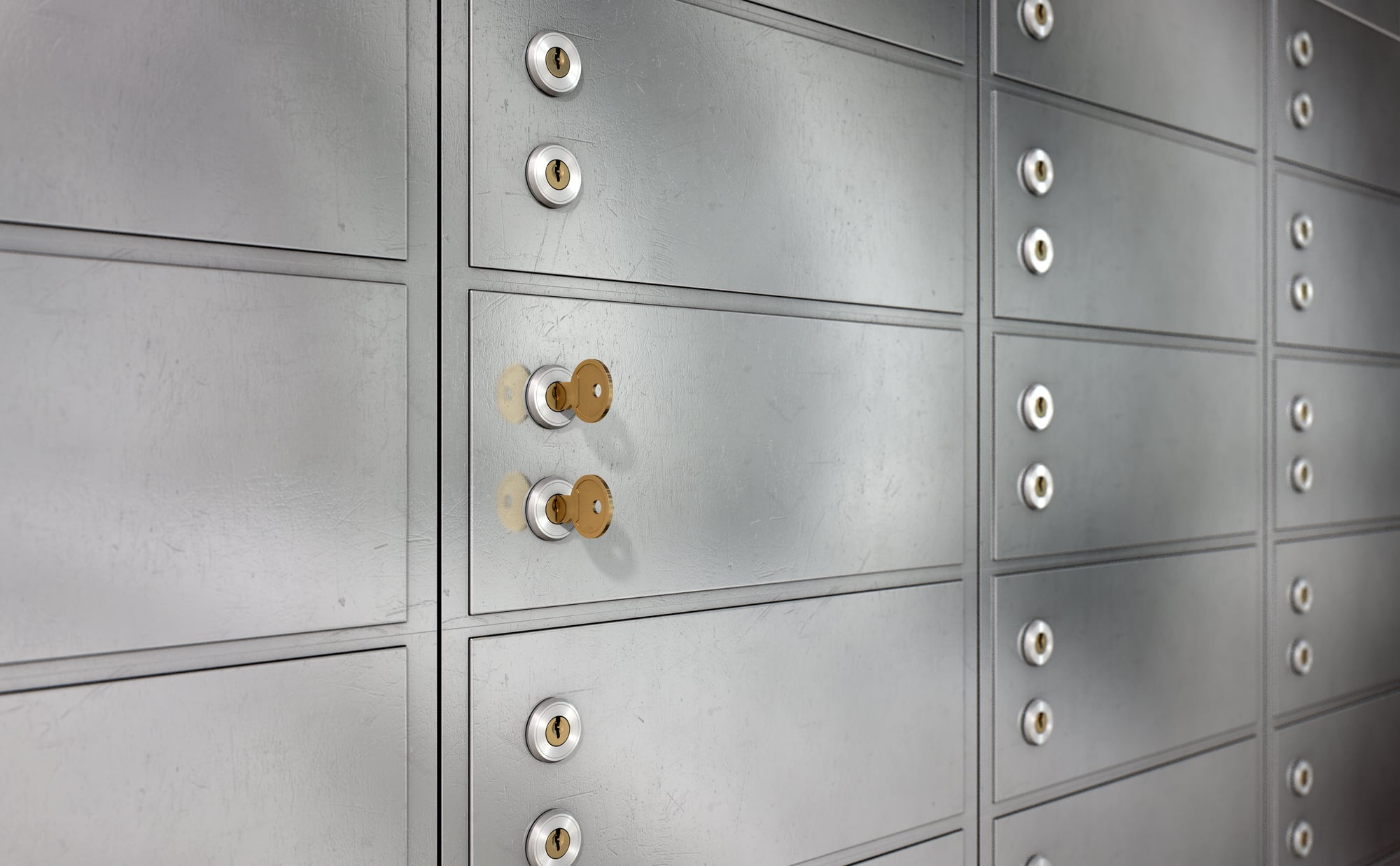
The most secure private vaults don’t advertise their security measures. The solution involves a kind of security theater where potential clients get carefully controlled tours that reveal impressive-looking measures while concealing the ones that actually matter.
Some facilities use misdirection as a security measure. The visible vault is real and functional, but the most valuable items are stored in a separate location that clients never see.
Corporate Data Centers
Technology companies build vaults for information rather than physical objects. The most secure data centers use multiple layers of access control, where employees need different credentials to enter different sections of the same building.
Some data centers use geographic distribution as a security measure, storing copies of the same information in multiple locations so that no single disaster can destroy everything. Others use real-time synchronization systems that update multiple secure facilities simultaneously.
Beyond the Vault Door
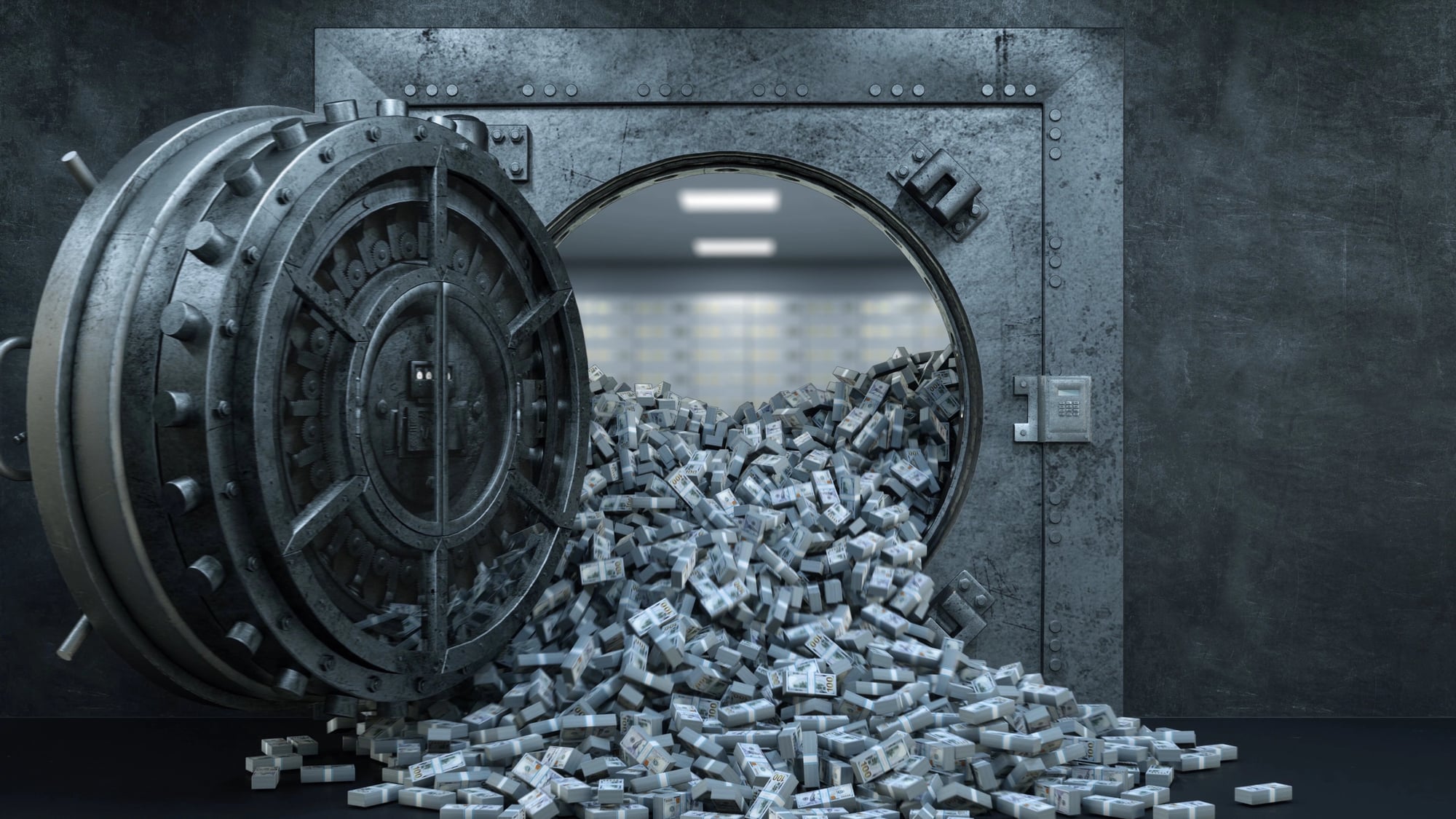
These facilities share something beyond heavy doors and sophisticated alarms — they represent different approaches to the same fundamental anxiety about loss. Whether it’s gold bars, government secrets, or digital information, every secure vault exists because someone decided that certain things are too important to risk losing.
The security measures reveal as much about the fears of their creators as they do about the value of what’s being protected. Some vaults guard against theft, others against natural disasters, and a few seem designed to survive the complete collapse of civilization.
More from Go2Tutors!

- The Romanov Crown Jewels and Their Tragic Fate
- 13 Historical Mysteries That Science Still Can’t Solve
- Famous Hoaxes That Fooled the World for Years
- 15 Child Stars with Tragic Adult Lives
- 16 Famous Jewelry Pieces in History
Like Go2Tutors’s content? Follow us on MSN.



