25 Famous Landmarks Built for a Different Purpose
Buildings rarely get to keep the job they were hired for. Railways close, power plants go quiet, religions change hands and governments fall, but thick walls and good bones are too expensive to throw away.
Some of the most visited places on Earth are second or third careers. Their original purpose often explains the strange details that visitors notice without quite understanding.
Eiffel Tower, Meant to Come Down
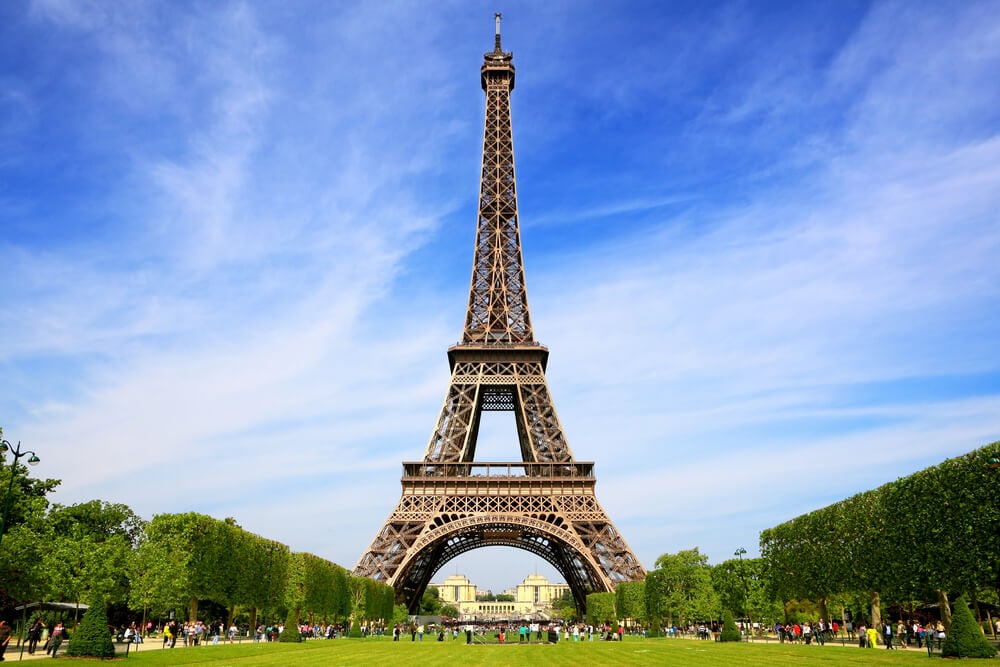
Gustave Eiffel’s tower was built as the entrance arch for the 1889 Exposition Universelle in Paris, and the city granted it a permit for only 20 years. Many prominent artists and writers had signed a public protest against it before construction was even finished.
Eiffel fought for its survival by turning it into a scientific tool, hosting weather observations and radio experiments. The military value of its radio transmitter helped save it when the permit ran out.
During World War I, operators on the tower intercepted enemy messages, and the temporary exhibit became permanent.
Tower of London Before the Crown Jewels
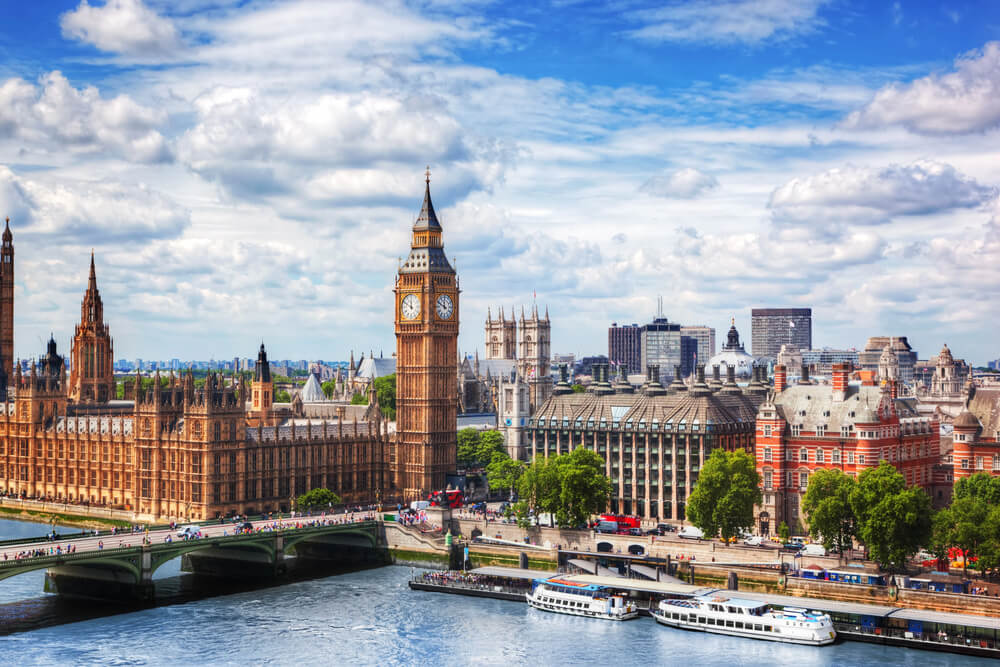
William the Conqueror began the White Tower in the 1070s as a fortress to intimidate the city he had just conquered. Over the following centuries the complex served as a royal palace, a prison, an armory, a treasury and even the home of the Royal Mint until 1810.
It also housed the Royal Menagerie, where lions, bears and other animals lived until the collection was moved out in the 1830s. Visitors now come mostly for the crown jewels and the ravens.
The executions are the part of its record that everyone remembers.
Alcatraz, Lighthouse and Army Post
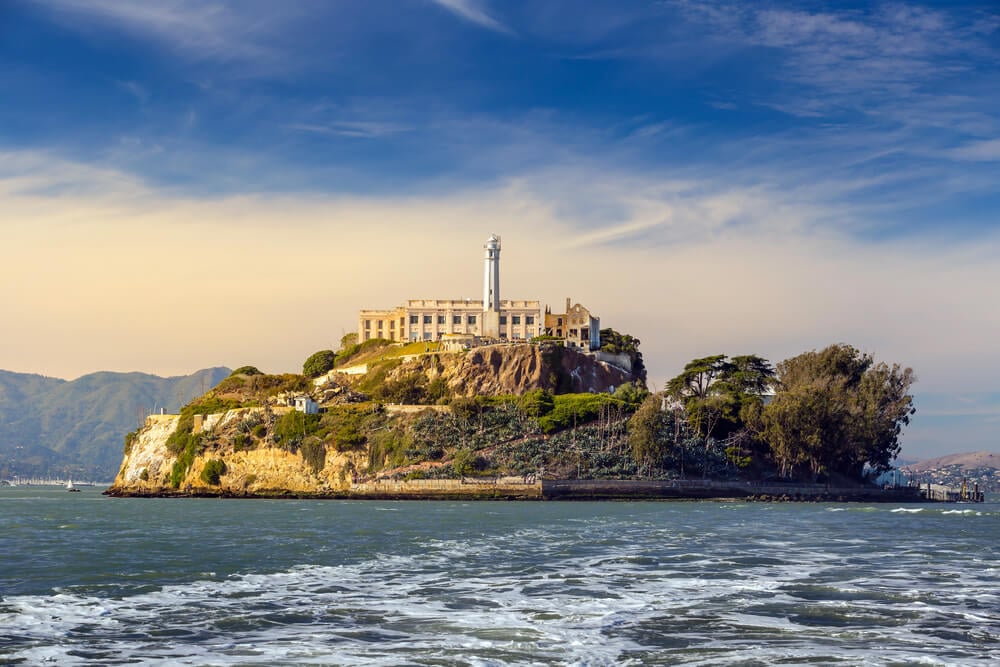
Long before it held gangsters, Alcatraz Island in San Francisco Bay hosted the first US lighthouse on the West Coast, lit in 1854. The Army then fortified it and later used it as a military prison.
The federal penitentiary that made it famous operated only from 1934 to 1963, a shorter run than most people assume. From 1969 to 1971, Native American activists occupied the island and drew national attention to treaty rights.
It is now run by the National Park Service, and the prison years are only one layer of a much longer story.
Musee d’Orsay, a Railway Terminal
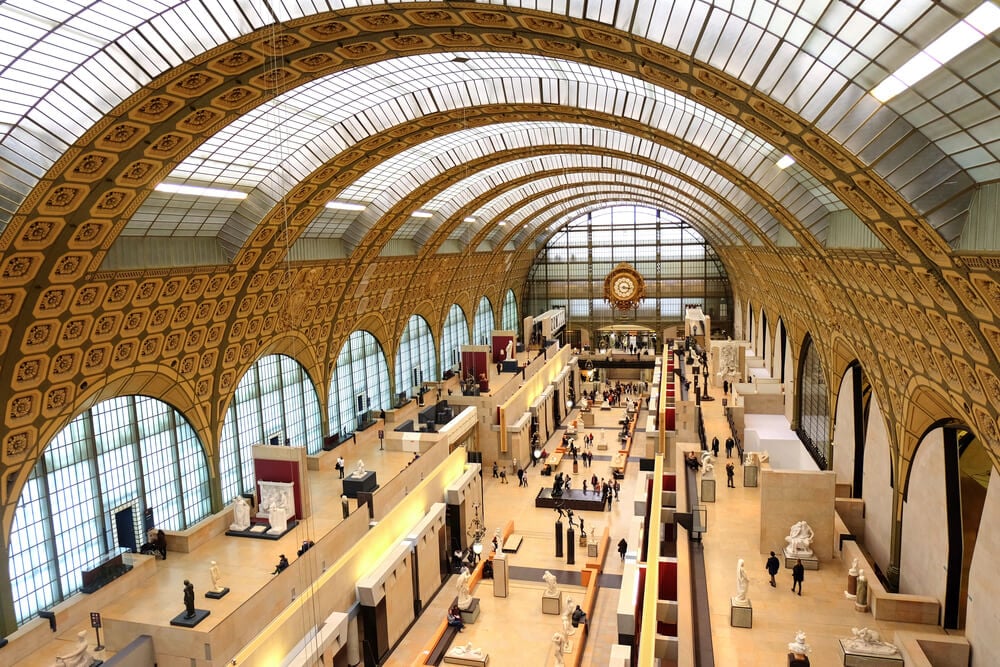
Architect Victor Laloux designed the Gare d’Orsay for the 1900 Exposition Universelle, and it served trains heading southwest from central Paris. By 1939 its platforms were too short for the longer electric trains coming into service, and long-distance traffic moved elsewhere.
The building became a mailing center during World War II, a film set and nearly a hotel. It reopened as a museum in 1986, focused on art from 1848 to 1914.
The great station clocks still hang in the main hall, keeping time for passengers who stopped arriving decades ago.
Tate Modern at Bankside Power Station
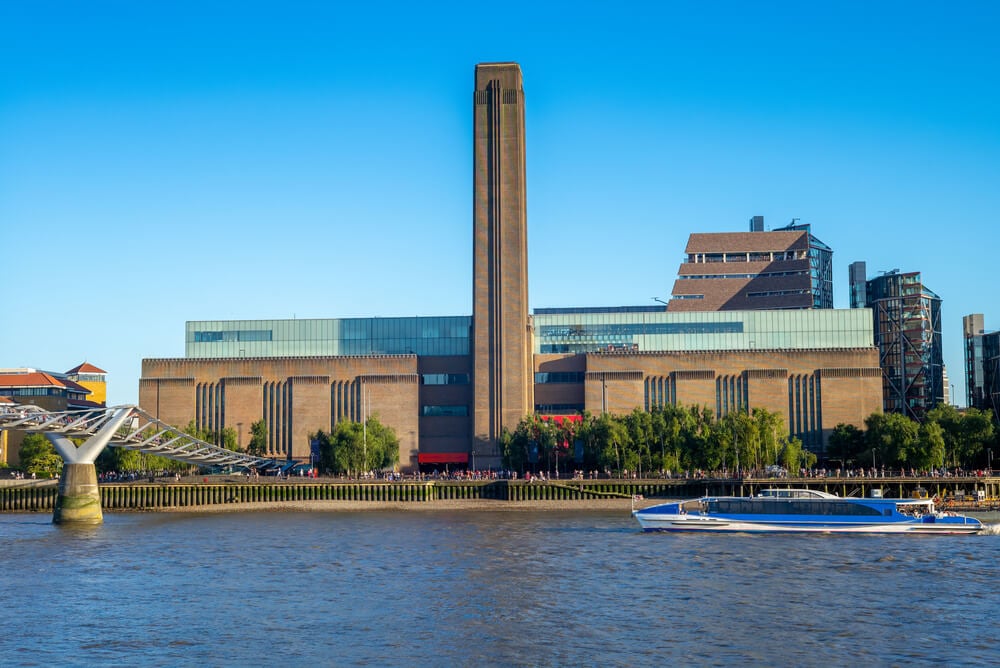
Giles Gilbert Scott, who also designed Britain’s red telephone box, designed Bankside Power Station on the south bank of the Thames. It generated electricity for central London until 1981, then sat empty for years.
Swiss architects Herzog and de Meuron converted it into Tate Modern, which opened in May 2000. The former Turbine Hall, where huge generators once stood, is now used for giant commissioned artworks.
The central chimney was kept at a height slightly lower than the dome of St Paul’s Cathedral across the river, a deliberate gesture of respect.
Hagia Sophia’s Four Identities
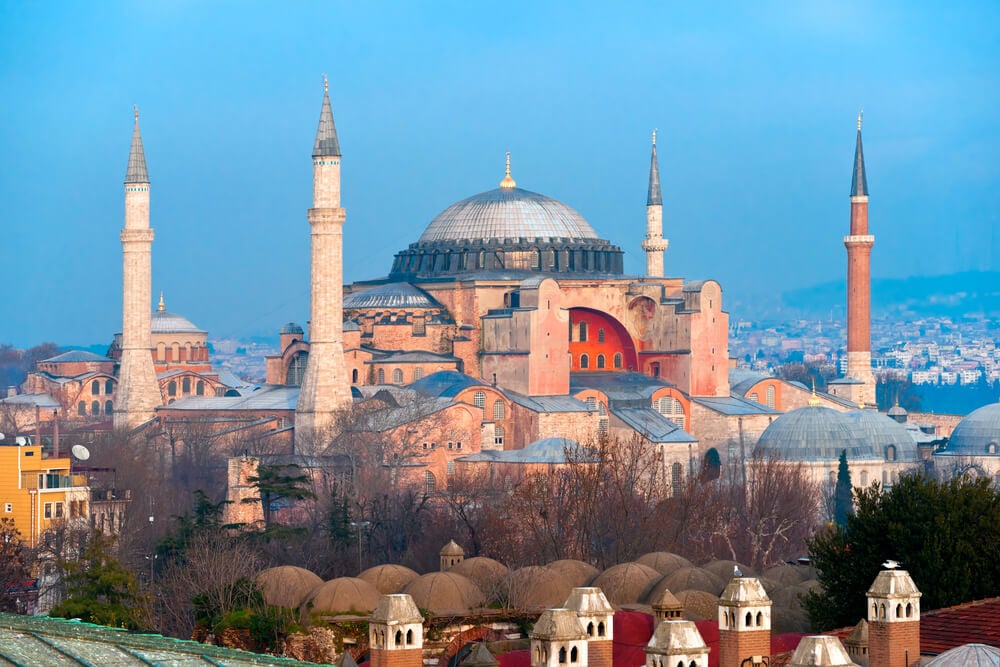
Emperor Justinian completed Hagia Sophia in Constantinople in 537 as the greatest church in the Christian world. After the Ottoman conquest in 1453 it became a mosque, and minarets were added around the original building.
In 1935 the Turkish republic turned it into a museum, and restorers uncovered Byzantine mosaics that had been plastered over for centuries. In 2020 it was reconverted into a mosque.
Few buildings anywhere have changed roles so often while keeping the same dome, which has now looked down on nearly 1,500 years of competing claims.
Pantheon, Saved by a Consecration
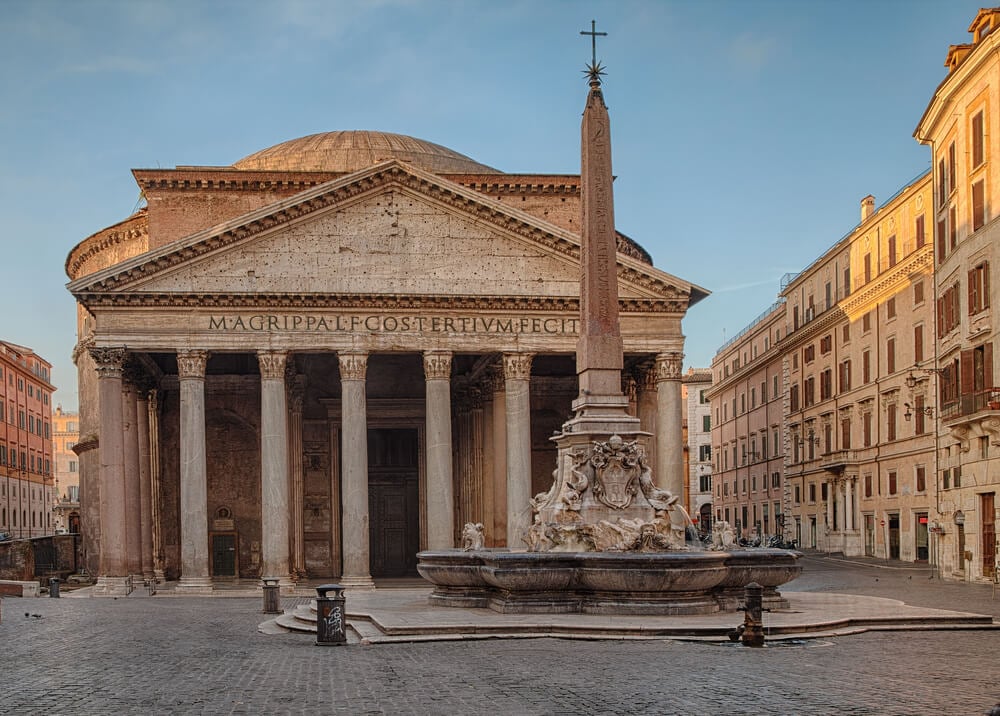
Rome’s Pantheon was rebuilt under Emperor Hadrian around 126 AD as a temple to the gods of Rome. Its unreinforced concrete dome is still the largest of its kind in the world, nearly two thousand years later.
The building survived the fall of Rome largely because Pope Boniface IV consecrated it as a Christian church in 609, which meant it was maintained instead of stripped for materials. Many other temples in the city were not so lucky.
The painter Raphael is buried inside, and Mass is still said beneath the famous open oculus.
Colosseum as Quarry and Apartment Block
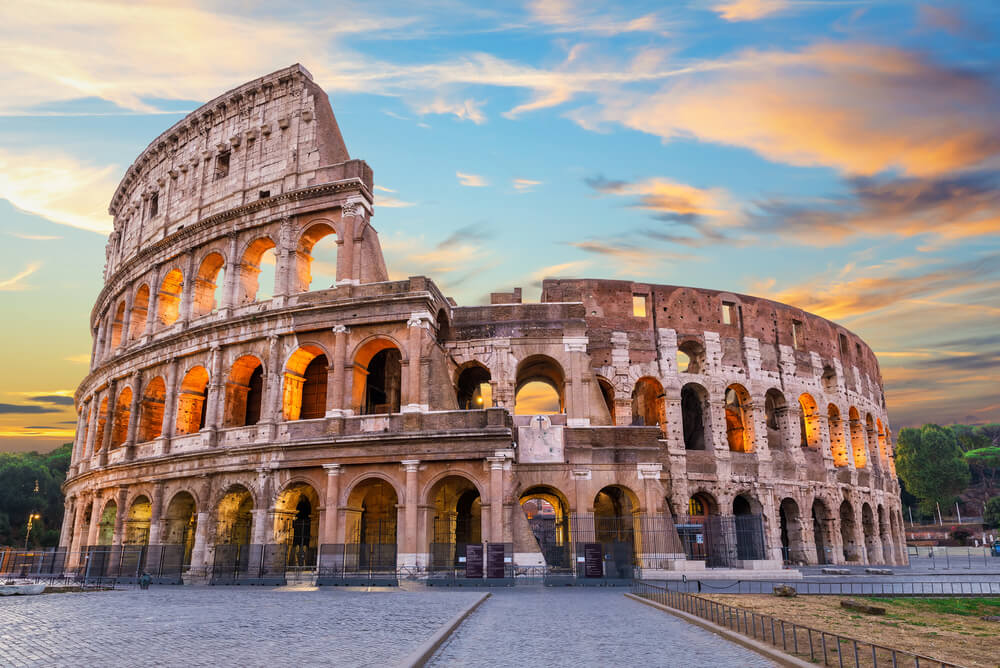
Rome’s Colosseum hosted gladiatorial games from 80 AD, but after the spectacles ended it had a long and unglamorous afterlife. People built homes and workshops into its arches, and in the 12th century the powerful Frangipani family turned it into a fortress.
Earthquakes brought down parts of the outer wall, and for centuries Romans treated the ruins as a quarry, hauling away stone for new buildings. In 1749 Pope Benedict XIV declared it a sacred site honoring early Christian martyrs, which finally slowed the damage.
Much of what disappeared is scattered across Rome in other buildings.
Castel Sant’Angelo, a Tomb Turned Fortress
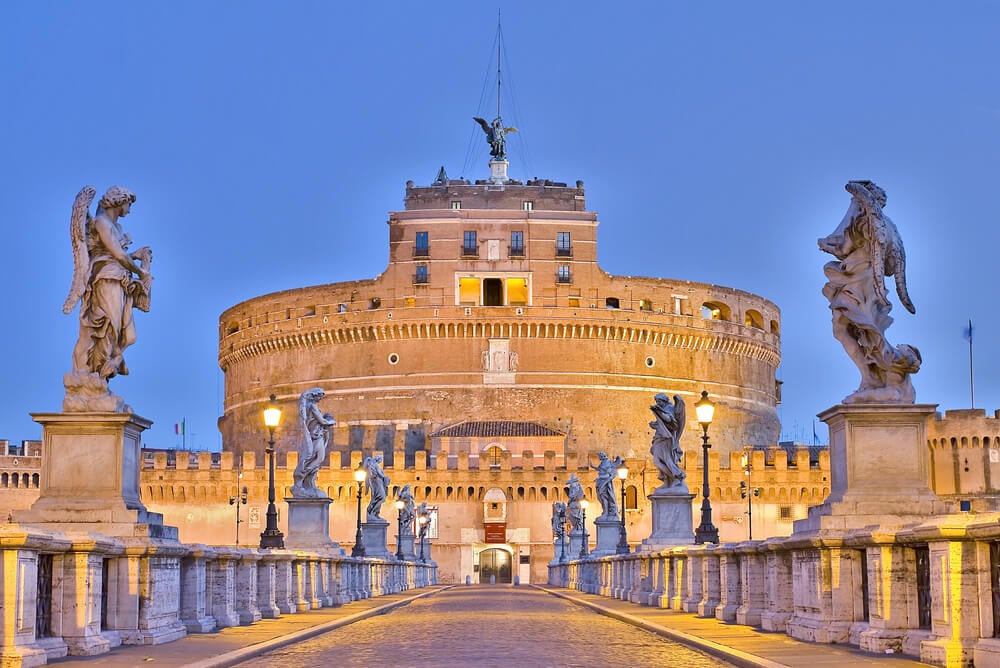
Hadrian built this massive cylinder on the banks of the Tiber as his own mausoleum, completed around 139 AD. Later rulers realized its thick walls made an excellent fortress, and it became part of the city’s defenses.
The popes took control and connected it to the Vatican with a raised, walled passage, the Passetto di Borgo, which Pope Clement VII used to flee during the sack of Rome in 1527. It later served as a prison.
Today it is a museum, and the emperor’s ashes are long gone.
Louvre, a Fortress Before a Museum
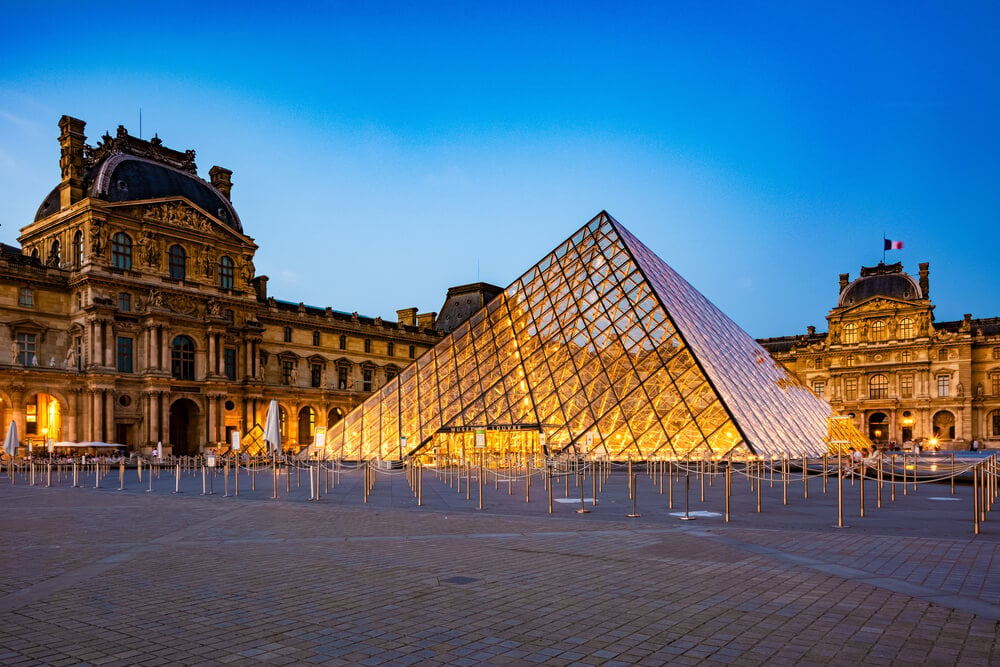
King Philip Augustus built the first Louvre around 1190 as a fortress to protect Paris from attack along the Seine. Later kings rebuilt it into a royal palace, but when Louis XIV moved the court to Versailles in 1682, the Louvre was partly left to artists, academies and lodgers.
The Revolution opened it as a public museum in 1793. Parts of the original medieval fortress foundations were uncovered during excavations in the 1980s and are now visible to visitors.
The world’s most visited museum sits on top of a castle.
Versailles, Once a Hunting Lodge
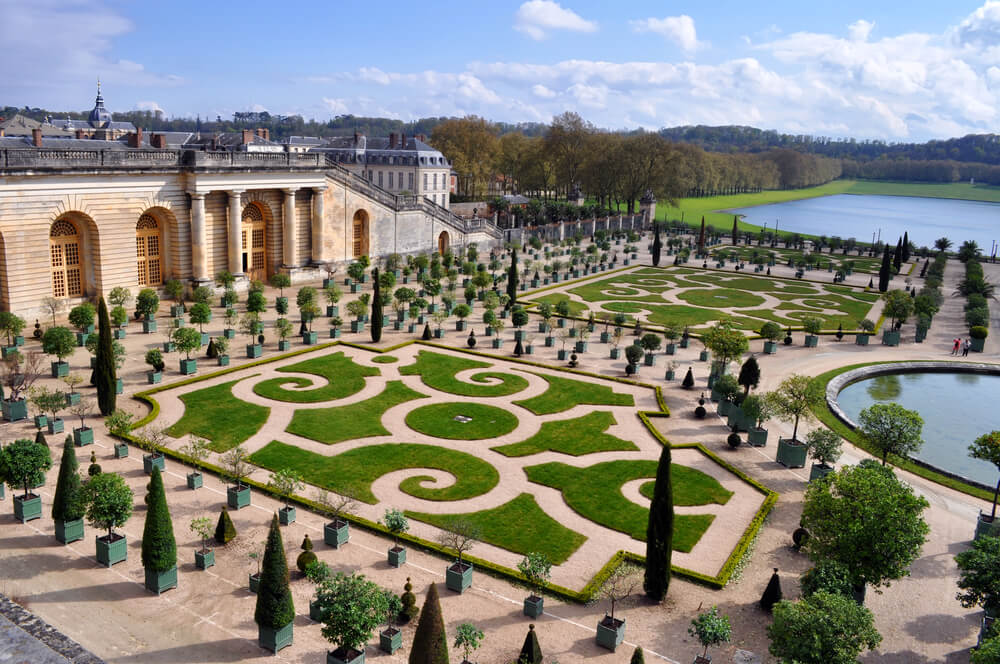
Louis XIII built a modest hunting lodge at Versailles in 1623, a place to rest after chasing game in the surrounding forests. His son Louis XIV expanded it in stages into the enormous palace the world knows today and moved the royal court there permanently in 1682.
The original brick and stone lodge was never demolished, despite several proposals to replace it. It was wrapped inside the new construction, and its facade still faces the Marble Courtyard.
The most famous symbol of royal excess grew around a weekend retreat.
High Line, a Freight Railway in the Sky
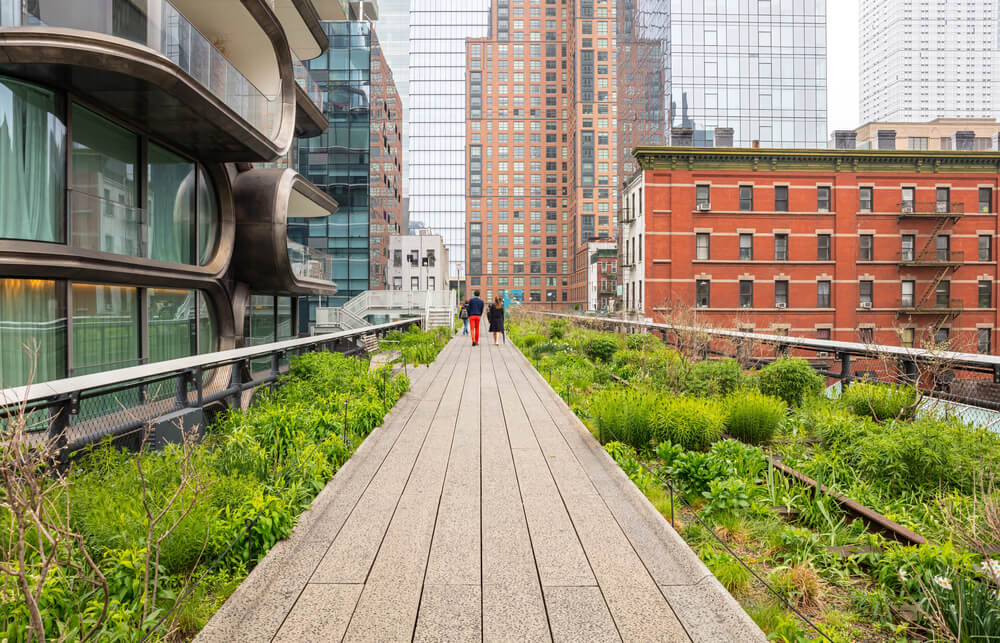
New York built the West Side rail line on steel viaducts in the 1930s to lift freight trains off Tenth Avenue, where so many pedestrians had been killed that the street was nicknamed Death Avenue. The line ran directly into factories and warehouses.
Trucks gradually made it obsolete, and the last train ran in 1980, reportedly carrying frozen turkeys. Neighborhood advocates fought demolition for years, and the first section opened as a public park in 2009.
The planting was inspired by the wild plants that had taken over the abandoned tracks.
Empire State Building’s Airship Dock
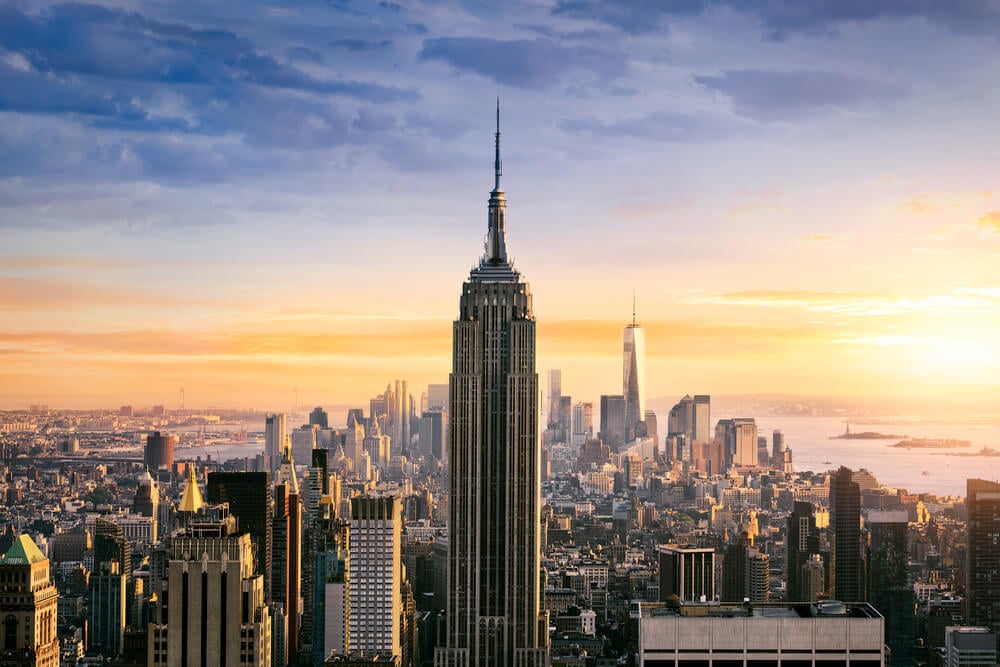
Atop the Empire State Building, the spire was originally promoted as a mooring mast for airships. The idea was that dirigibles would tie up there, and passengers would step off onto a platform high above Manhattan before riding lifts down to the street.
The plan ignored powerful winds at that height, and passengers would have been stepping out onto a narrow platform over a dizzying drop. Only brief, experimental contacts were ever made.
The mast later became a broadcast antenna, a much more practical use for the tallest point in town.
Battersea Power Station’s New Life
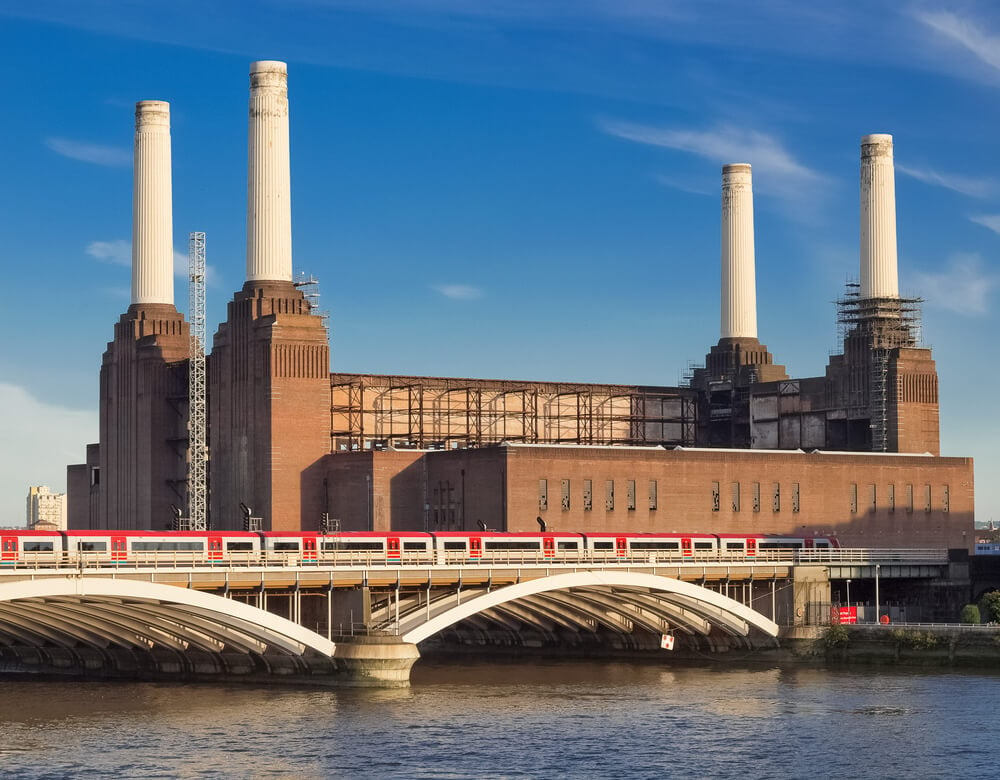
Giles Gilbert Scott also worked on Battersea Power Station, designing the exterior of the brick giant on the south bank of the Thames. Its four white chimneys became a London landmark, and the building generated power from the 1930s until 1983.
For decades it sat derelict while redevelopment schemes came and went. Pink Floyd flew an inflatable pig between the chimneys for the cover of its 1977 album Animals.
The building reopened in 2022 with shops, restaurants, apartments and offices, including a large Apple campus in the former boiler house.
Petra’s Treasury, Which Held No Treasure
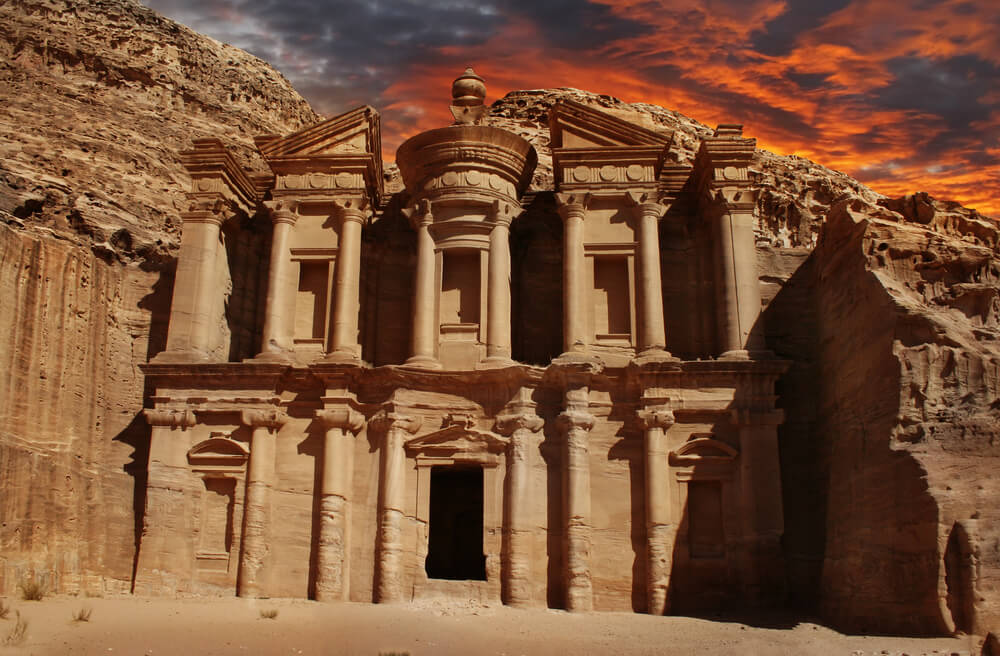
Al-Khazneh, the carved facade that greets visitors at the end of the narrow gorge into Petra, is usually called the Treasury. It was actually built as a tomb, most likely for a Nabataean king in the first century AD.
The name comes from a local legend that bandits or a pharaoh hid treasure in the stone urn at the top of the facade. Generations of Bedouin shot at the urn hoping to break it open, and the bullet marks are still visible.
It has never contained any gold.
Zeitz MOCAA in a Cape Town Grain Silo
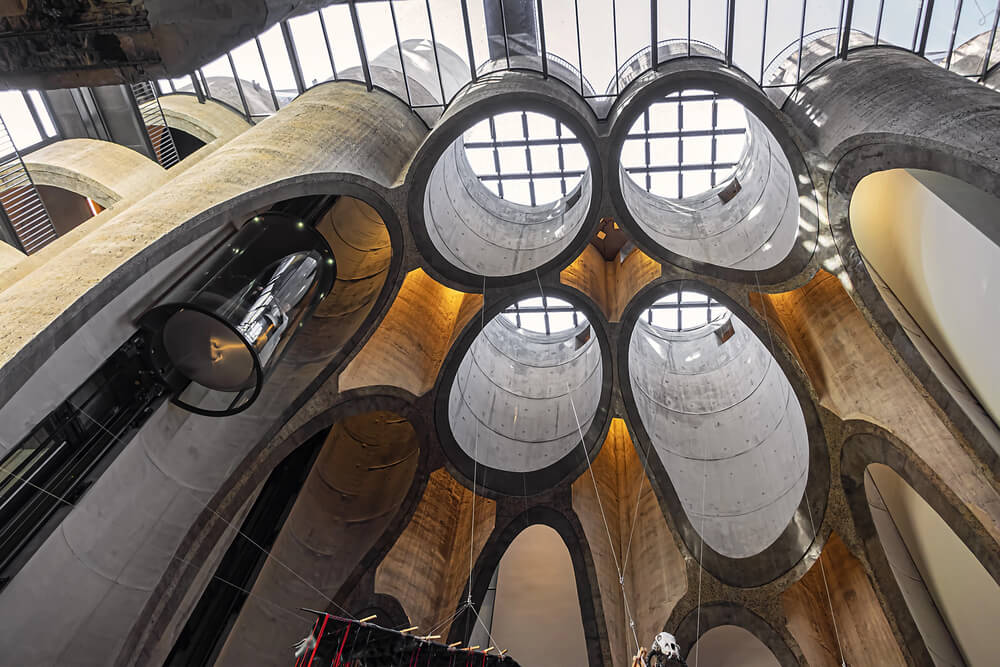
Cape Town’s grain silo complex at the V and A Waterfront was completed in the 1920s and was once the tallest building in the city. It stored and graded grain for export until changes in shipping made it obsolete.
British designer Thomas Heatherwick converted it into the Zeitz Museum of Contemporary Art Africa, which opened in September 2017. His team cut into the 42 tightly packed concrete tubes to create a cathedral-like atrium, shaped from the enlarged outline of a single grain of corn.
The building’s industrial past is literally carved into its core.
Old Fort and Constitution Hill
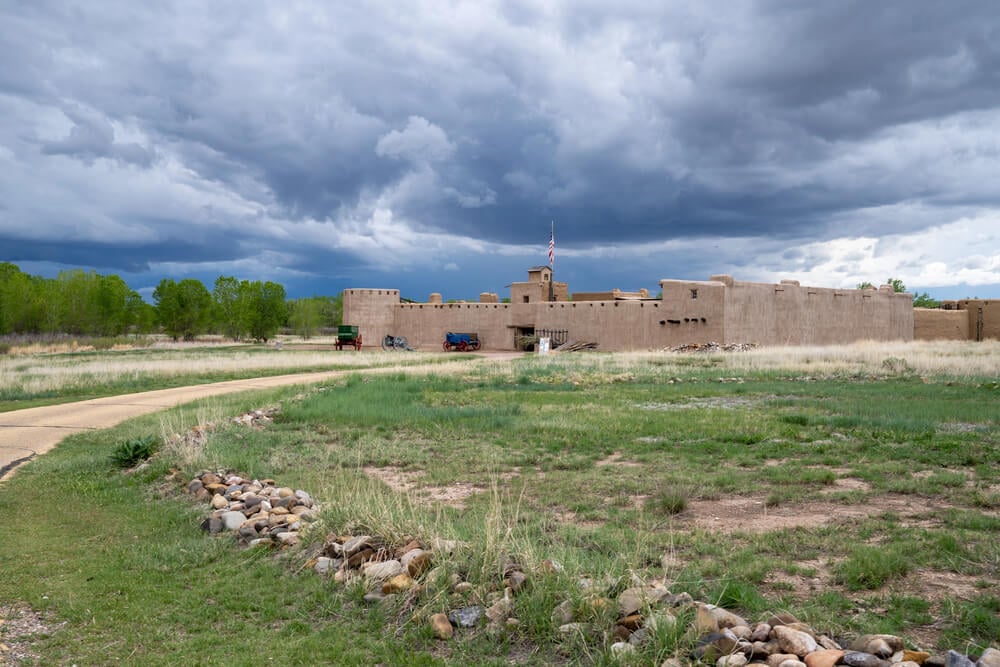
Paul Kruger’s government built the Old Fort in Johannesburg in the 1890s, partly to keep watch over the foreign miners flooding into the Witwatersrand. It soon became a prison and remained one for most of the 20th century, holding figures including Mahatma Gandhi and Nelson Mandela.
The complex also included the notorious Number Four section and a women’s jail. The Constitutional Court of South Africa opened on the site in 2004.
Bricks from a demolished awaiting-trial block were used in the court building, making a place of detention into the foundation of the new constitution.
Robben Island Before the Museum
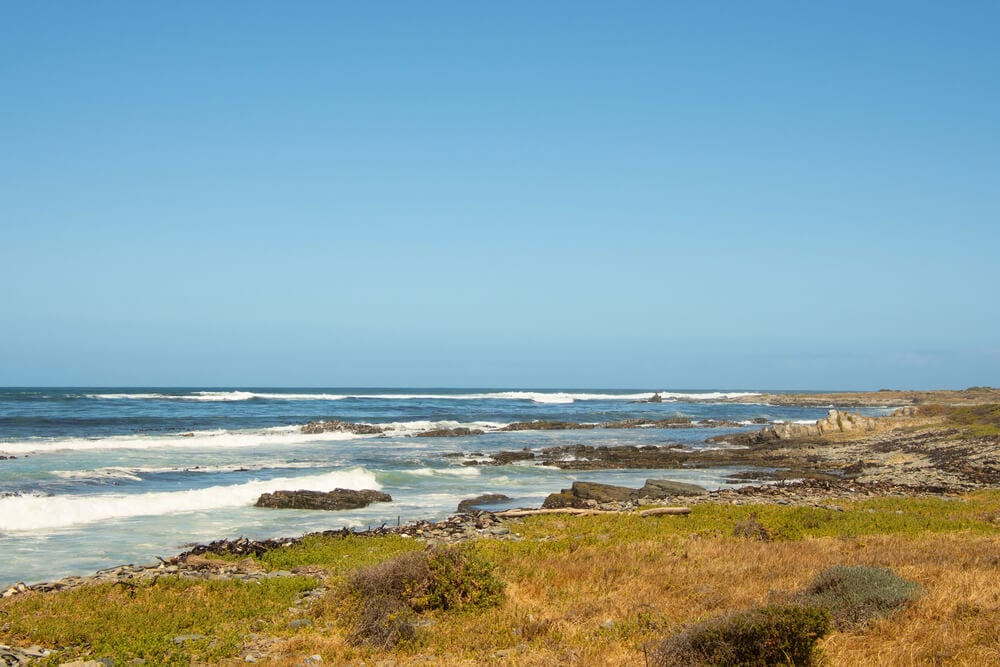
Robben Island, off Cape Town, served as a leper colony from 1846 until 1931, then as a military base during World War II. From 1961 it held political prisoners under apartheid, including Nelson Mandela, who spent 18 of his 27 years in prison there.
The prison closed in 1991, and the island opened as a museum in 1997. UNESCO added it to the World Heritage list in 1999.
Several former political prisoners worked as guides, telling visitors about the cells in which they had once been held.
Vienna’s Gasometers Turned Apartments
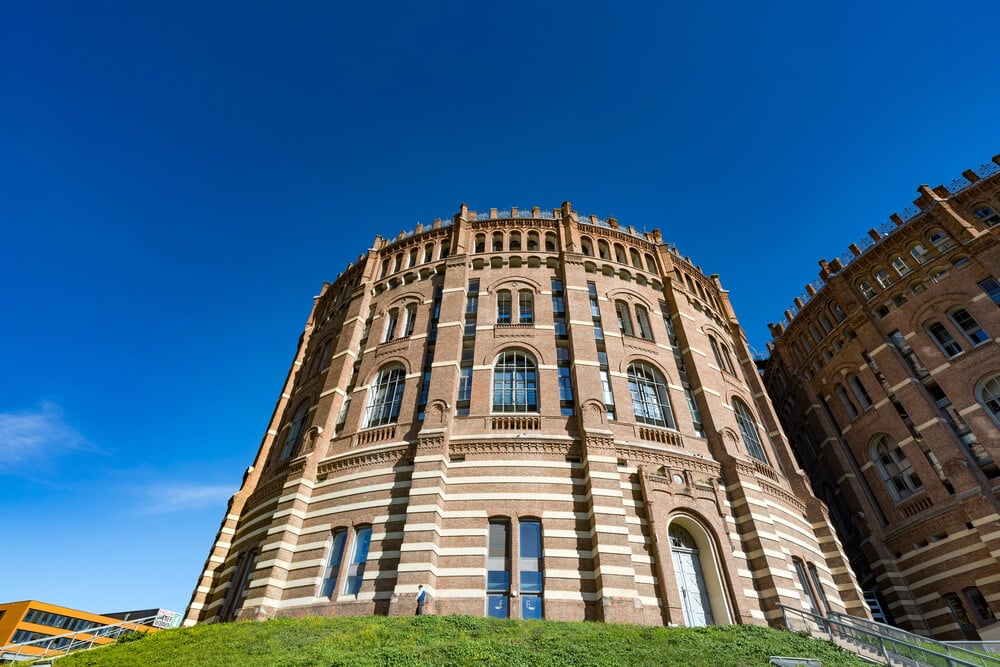
Vienna built four huge brick gas holders in the Simmering district at the end of the 19th century to store town gas. The steel tanks inside were removed after the city switched to natural gas, but the brick shells were protected as historic monuments.
Four architecture teams, including Jean Nouvel, redesigned them, and they reopened in 2001 as apartments, offices, a shopping mall and student housing. Residents live in circular buildings that once stored explosive fuel.
The complex even has its own subway stop, named Gasometer, and a concert venue inside one of the drums.
Tempelhof, From Airport to Park
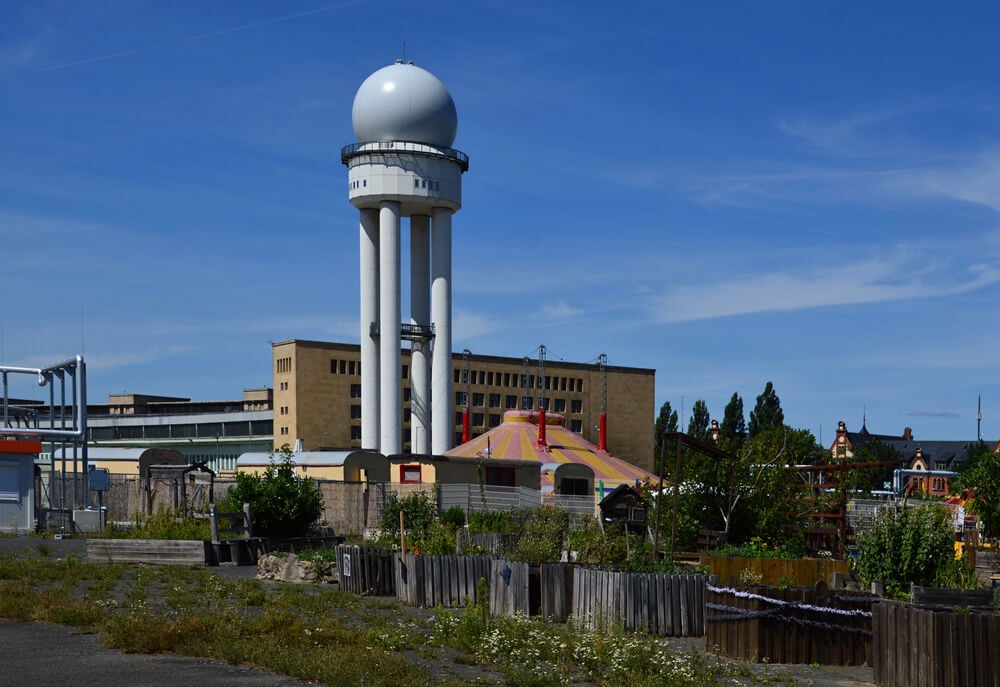
Berlin’s terminal at Tempelhof was built in the 1930s under the Nazi government and was one of the largest buildings in the world. After World War II, it became the center of the Berlin Airlift of 1948 and 1949, when Western planes flew in food and coal to supply the blockaded city.
The airport closed in 2008. Berliners voted to keep the airfield as open land, and it became a public park where people now cycle and fly kites on the old runways.
The terminal building is used for events and exhibitions.
Mont-Saint-Michel as a Prison
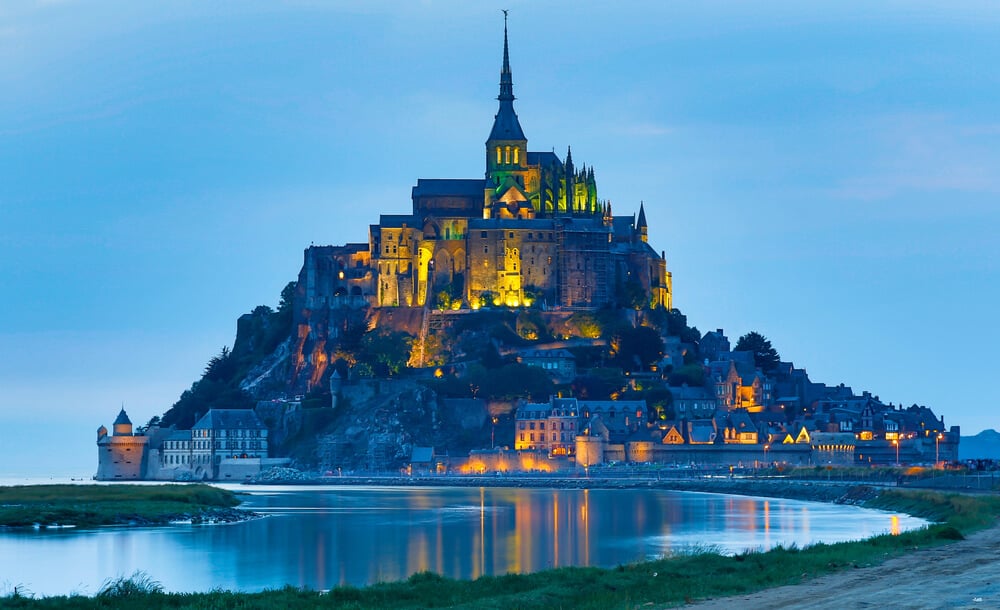
Benedictine monks built the abbey on Mont-Saint-Michel over centuries as a place of pilgrimage and monastic life off the coast of Normandy. During the French Revolution, the monks were expelled and the abbey was converted into a prison.
It held political prisoners and common criminals for decades, earning a grim reputation. Writers including Victor Hugo campaigned for its closure, and the prison finally shut in 1863.
The site was later restored as a historic monument, and a small religious community returned in the 20th century. Today it draws millions of visitors a year, most of whom never learn it once held inmates.
Chelsea Market, Where the Oreo Was Born
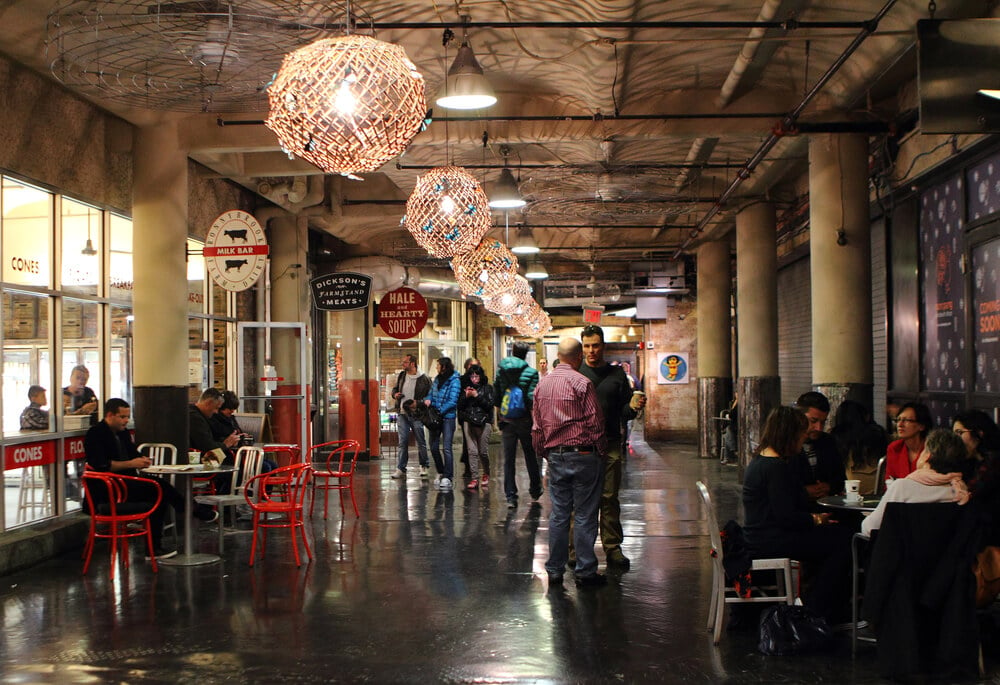
Chelsea Market in Manhattan occupies a complex of buildings that once formed the National Biscuit Company’s factory. Nabisco produced crackers and cookies there, and the Oreo was introduced from the site in 1912.
The company left in the 1950s, and the buildings were later redeveloped into a food hall with offices above, opening as a market in the late 1990s. Many of the original industrial details, including exposed brick and old pipes, were deliberately kept.
In 2018 Google bought the building for its New York offices.
Diocletian’s Palace in Split
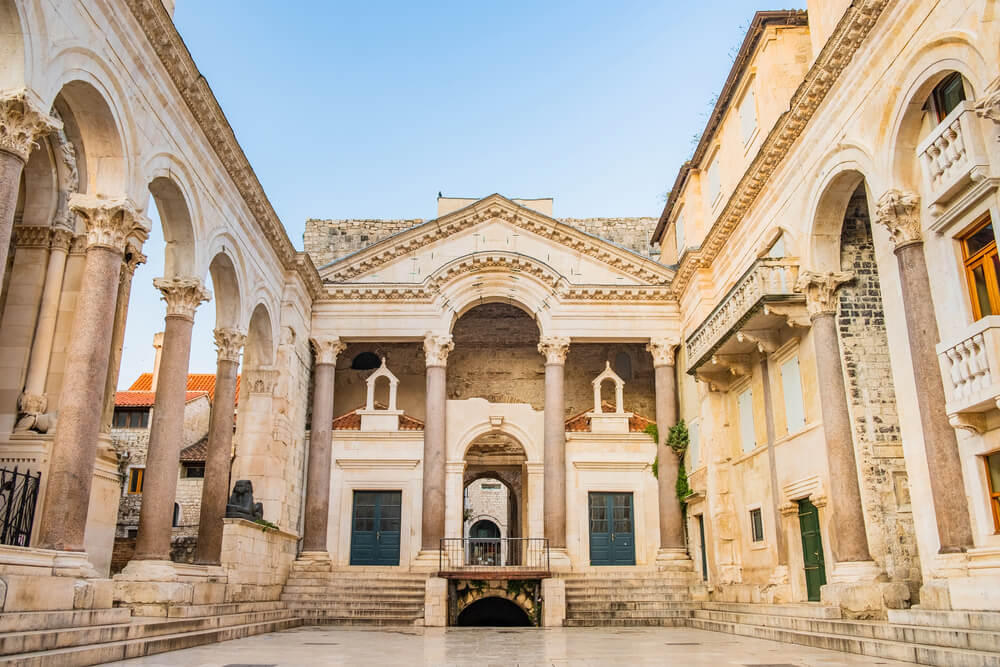
Emperor Diocletian built a fortified retirement palace on the Dalmatian coast around 305 AD and lived there after giving up the throne. In the seventh century, people fleeing the nearby city of Salona took refuge inside its walls.
They built homes into the palace structure, and a medieval town grew up inside it. Today thousands of people still live within its boundaries, running shops and cafes in the old Roman corridors.
The emperor’s mausoleum became a cathedral, a strange fate for the tomb of a ruler known for persecuting Christians.
Paris Catacombs in Old Quarries
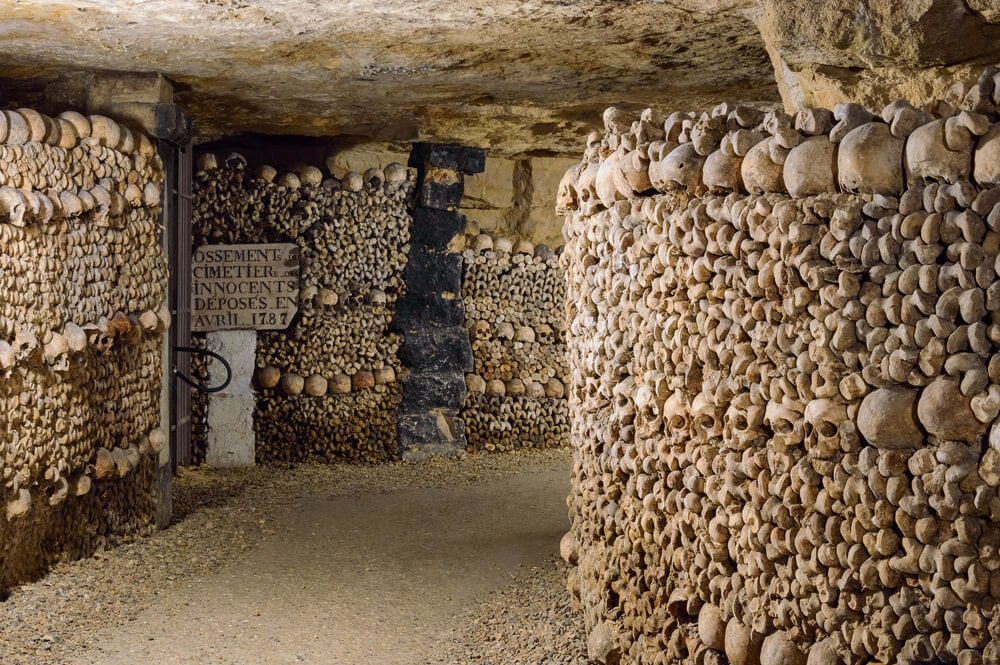
Beneath Paris lie hundreds of miles of tunnels left by centuries of limestone quarrying, which supplied stone for many of the city’s buildings. By the 18th century, collapses were swallowing streets and houses.
At the same time, overcrowded cemeteries were creating a public health crisis. In 1786 the city began moving bones from the Cemetery of the Innocents into a section of the old quarries.
The remains of around six million people now line the walls. Stone taken out to build Paris made room for the people who lived in it.
Salina Turda, a Salt Mine Turned Theme Park
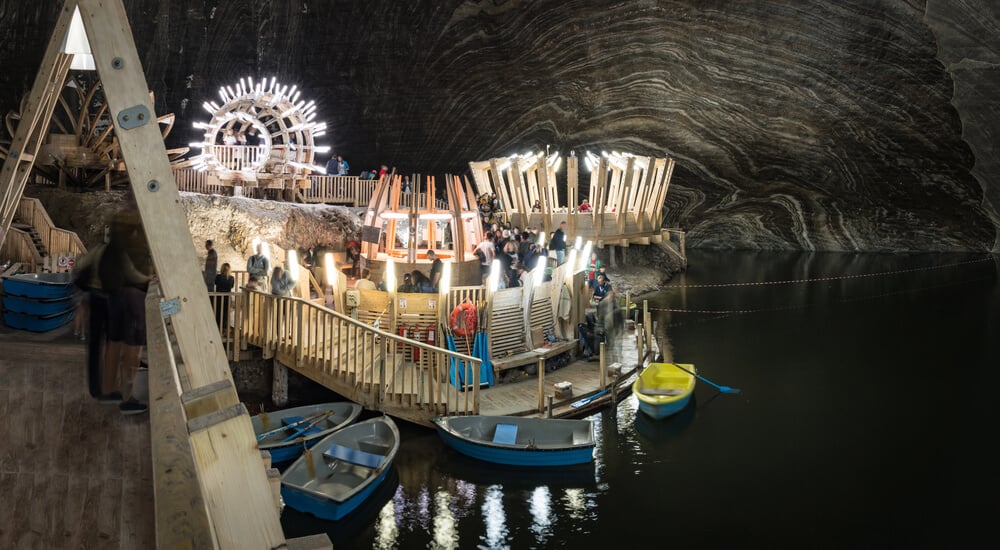
The salt mine at Turda in Romania was worked for centuries, with miners carving huge chambers deep underground. Mining ended in 1932.
During World War II the tunnels served as a bomb shelter, and later they were used for storing cheese. The mine opened to tourists in 1992 and was renovated in 2010 with a Ferris wheel, a boating lake, sports facilities and an amphitheater.
People now take rides in the chamber where miners once worked. It has become one of the most unusual attractions in Europe.
Buildings Keep Changing Their Minds
Almost every landmark here survived its first purpose because it was too solid, too expensive or too loved to destroy. Power stations and grain silos turned out to be ideal galleries.
Tombs became fortresses and prisons became museums. The walls stayed put while their meaning kept moving.
That pattern says something about how cities work. The most memorable buildings are often the ones that adapted instead of those that stayed perfect. A structure that survives long enough will almost certainly be asked to do something its builders never imagined.
The best ones are sturdy enough to say yes.
More from Go2Tutors!

- The Romanov Crown Jewels and Their Tragic Fate
- 13 Historical Mysteries That Science Still Can’t Solve
- Famous Hoaxes That Fooled the World for Years
- 15 Child Stars with Tragic Adult Lives
- 16 Famous Jewelry Pieces in History
Like Go2Tutors’s content? Follow us on MSN.