Most Valuable Stamps in the World
Tiny pieces of paper can be worth millions. Some stamps have sold for more than luxury homes, sports cars, and even private islands.
These small rectangles of history carry stories of empires, printing errors, and moments frozen in time. Collectors around the globe hunt for these rare treasures, willing to pay extraordinary prices to own a piece of postal history.
The world of rare stamps combines accident with artistry, scarcity with significance. Let’s look at some of the most expensive stamps ever sold.
British Guiana One-Cent
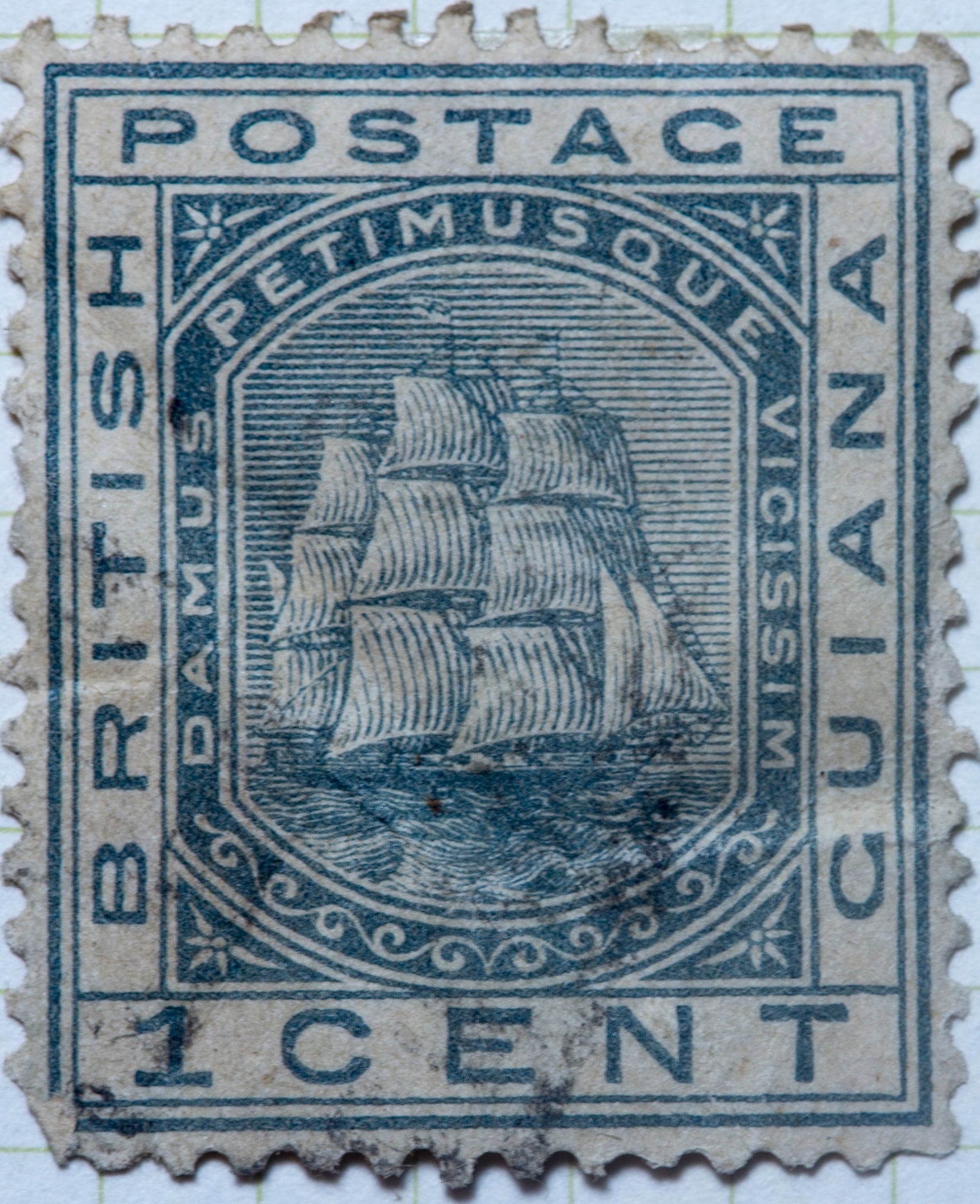
This stamp holds the title of the most expensive stamp ever sold at auction. In 2014, it fetched $9.5 million at a Sotheby’s sale in New York.
Only one copy exists in the entire world, making it the rarest stamp on Earth. The stamp was created in 1856 when a shipment of regular stamps didn’t arrive in British Guiana, forcing the postmaster to print an emergency batch locally.
A 12-year-old Scottish boy named Vernon Vaughan found it in his uncle’s correspondence in 1873, and it’s changed hands among wealthy collectors ever since.
Treskilling Yellow
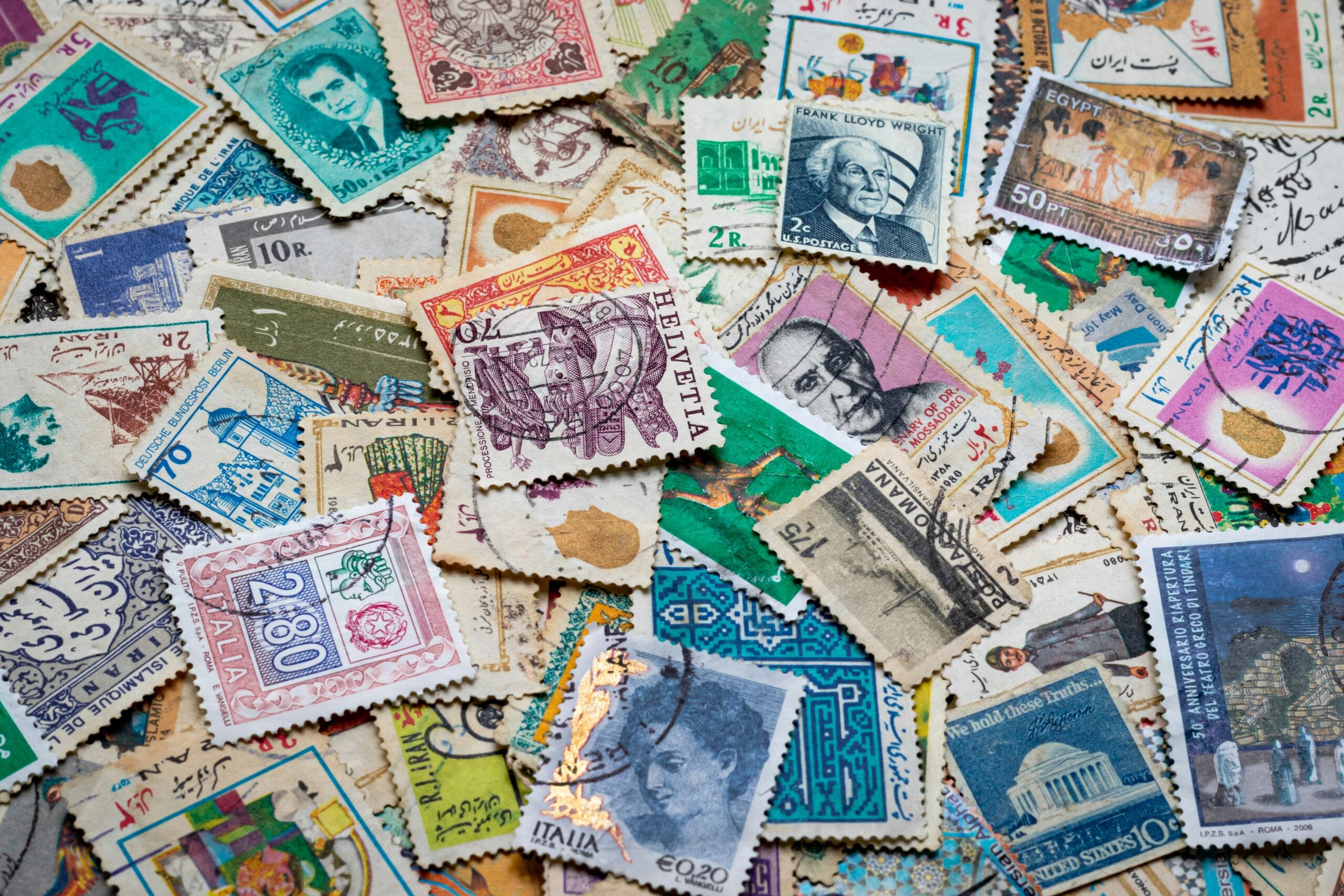
Sweden never intended to print this stamp in yellow. The three-skilling denomination was supposed to be green, while eight-skilling stamps were yellow.
Somehow, a printing mistake created this oddity in 1855, and only one example has ever been found. A Swedish schoolboy discovered it on an envelope in his grandmother’s attic in 1886.
The stamp sold for over $2.3 million in 2010, though experts believe it could be worth even more today.
The Whole Country Is Red
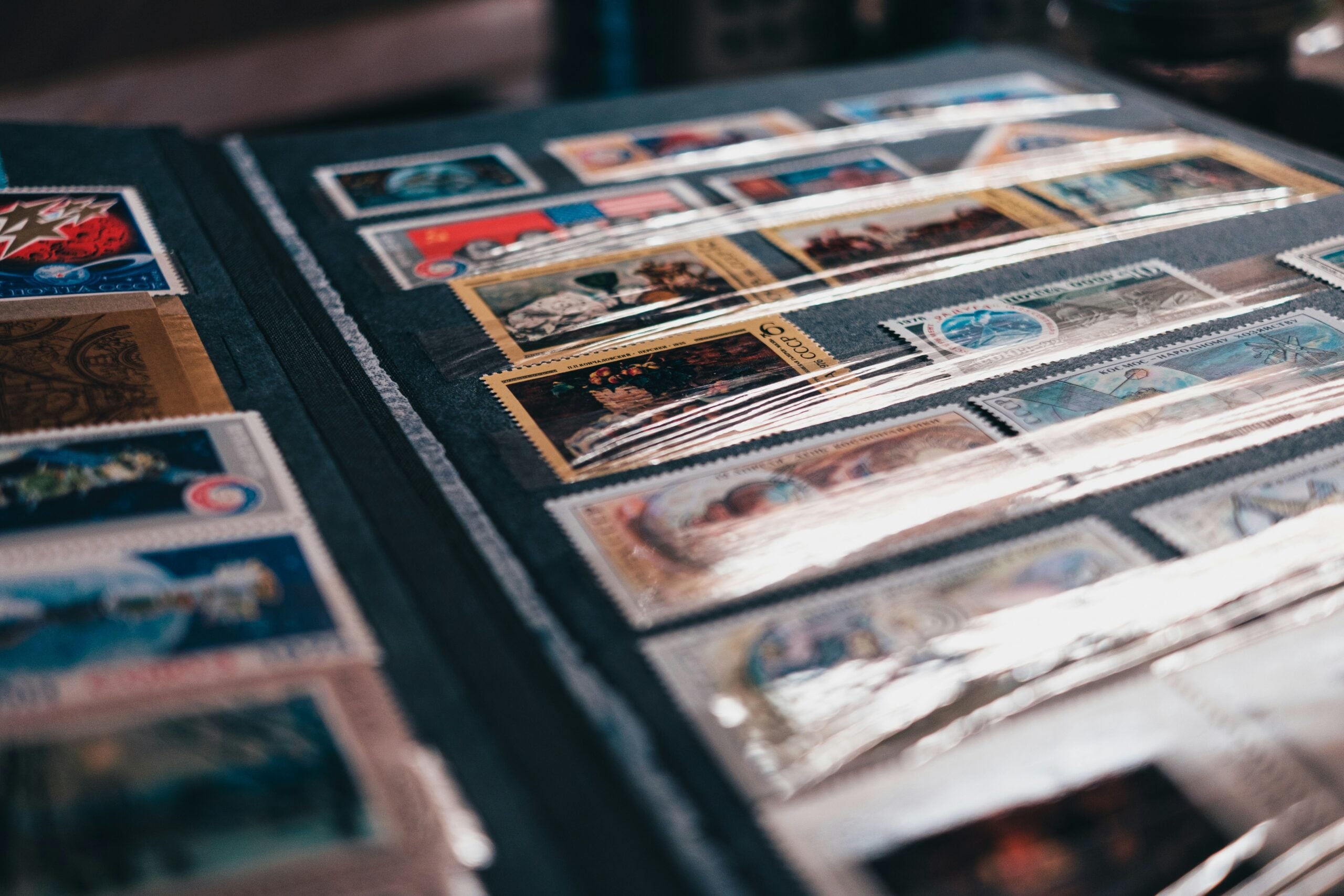
China issued this stamp in 1968 during the Cultural Revolution, showing a map of the country painted entirely red. Authorities pulled it from circulation almost immediately because Taiwan appeared in white rather than red, suggesting the island wasn’t part of China.
Only a handful escaped destruction, making surviving copies incredibly valuable. One sold for $1.2 million in 2018, setting a record for Chinese stamps.
Inverted Jenny
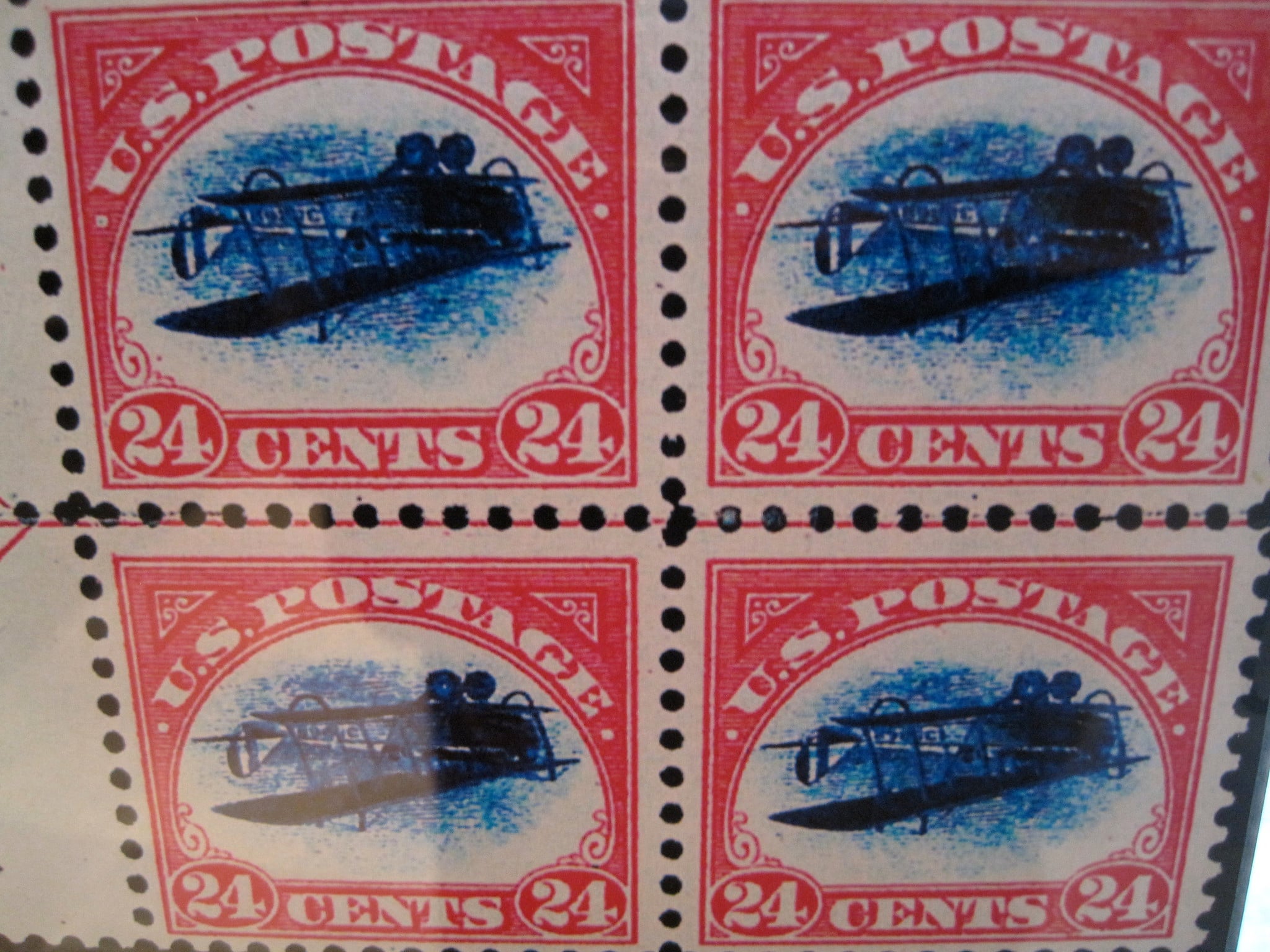
America’s most famous stamp error shows an airplane flying upside down. The Post Office printed these 24-cent stamps in 1918 to commemorate new airmail service between Washington and New York.
A sheet of 100 stamps went through the printing press incorrectly, putting the blue biplane upside down against the red frame. Collector William Robey bought the entire sheet at a Washington post office, and individual stamps from that sheet now sell for hundreds of thousands of dollars.
Baden 9 Kreuzer Error
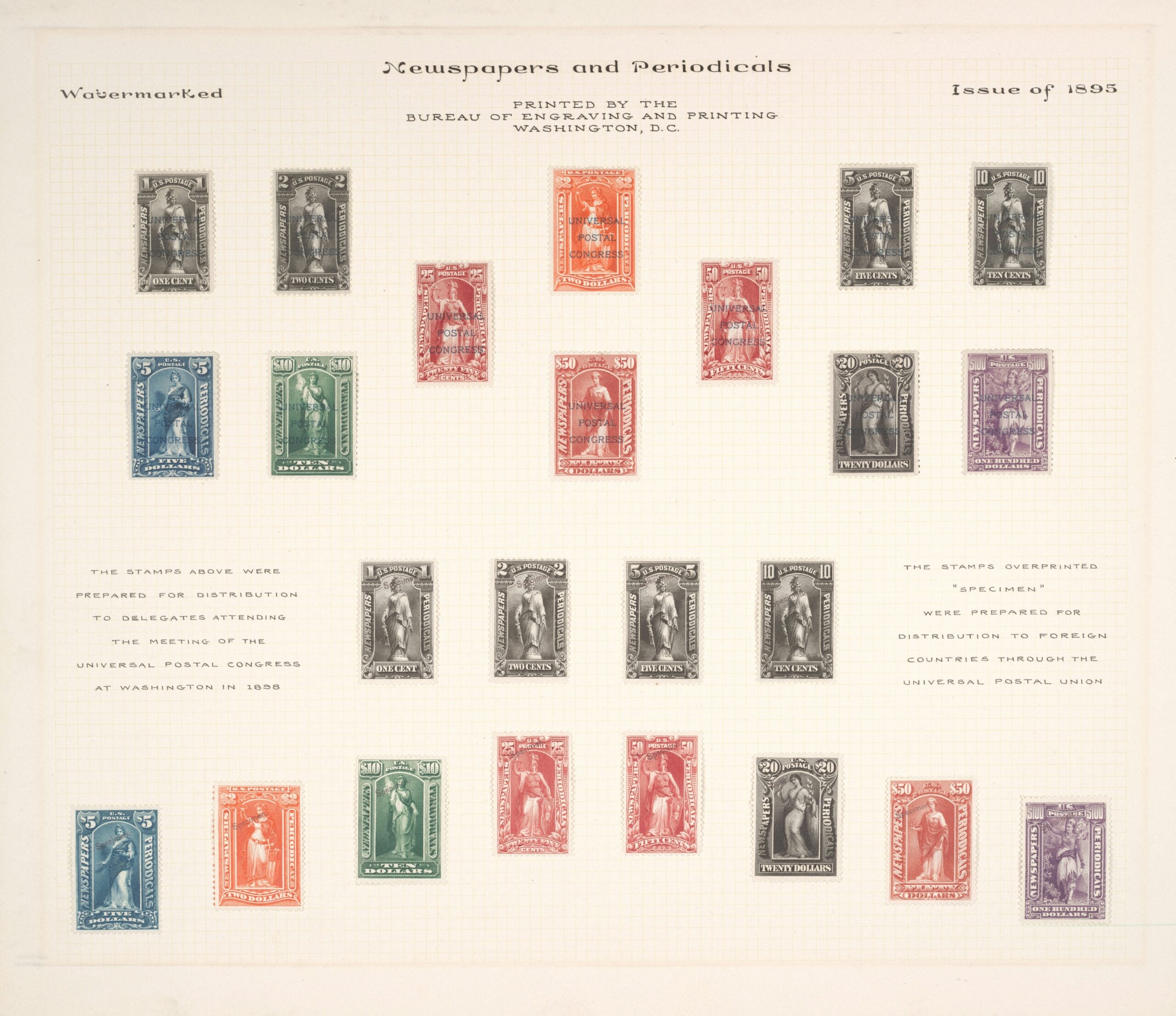
This German state stamp from 1851 shouldn’t exist in green. The nine-kreuzer denomination was meant to be pink, while the six-kreuzer version was green.
A printing plate mix-up created this rarity, and only four examples are known to exist. One sold for approximately $1.5 million in 2008.
The mistake went unnoticed for years until collectors started examining their collections more carefully.
Hawaiian Missionaries
These stamps got their nickname because missionaries in Hawaii used them frequently when writing letters home in the 1850s. The Kingdom of Hawaii issued them in two-cent and five-cent denominations.
Most were destroyed when recipients threw away the envelopes, making survivors extremely rare. A used two-cent Hawaiian Missionary sold for nearly $900,000 in 1995, and values have only climbed since then.
Mauritius Post Office Stamps
The wife of the British governor of Mauritius wanted stamps for her gala invitations in 1847. A local watchmaker engraved the plates, but he mistakenly inscribed them ‘Post Office’ instead of ‘Post Paid’ like similar British stamps.
Only 26 examples survive today, split between one-penny orange-red and two-pence blue versions. A single one-penny stamp sold for $1.6 million in 1993.
Pairs or blocks of these stamps command even higher prices.
The Sicilian Error of Color
Sicily issued its first stamps in 1859, just before Italian unification. The half-tornese denomination was supposed to be orange, but a small number were accidentally printed in blue instead.
Only two examples exist today, both in private collections. This stamp represents a brief moment in history when Sicily was still an independent kingdom.
Experts estimate its value at over $2 million.
Alexandria Blue Boy
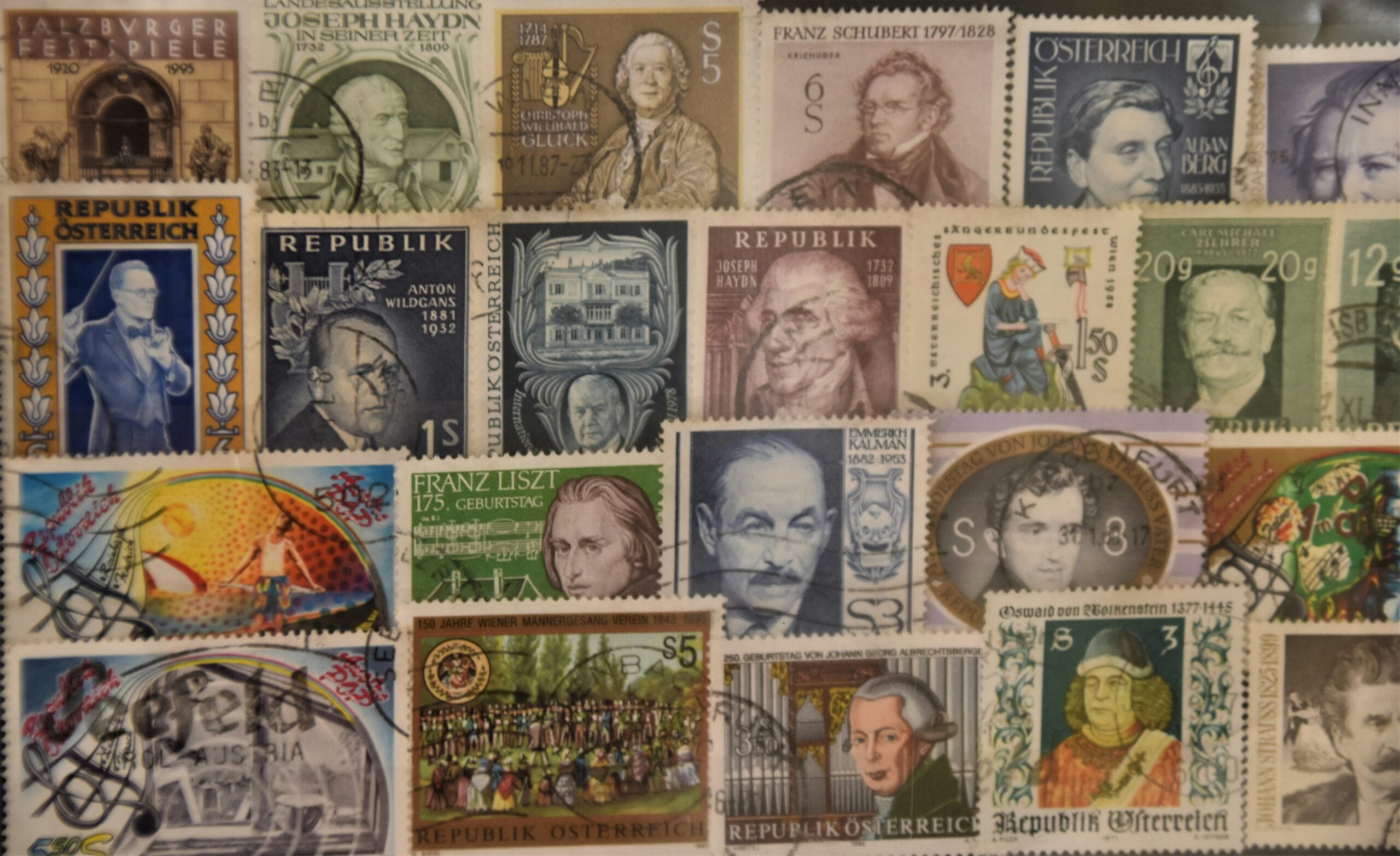
This stamp from Virginia holds the distinction of being America’s most valuable postmaster provisional. Before the federal government issued standard stamps in 1847, local postmasters created their own.
Alexandria’s postmaster printed these blue stamps in 1846, and only seven unused examples survive. One sold for $1.18 million in 2019, breaking records for U.S. stamps.
Penny Black
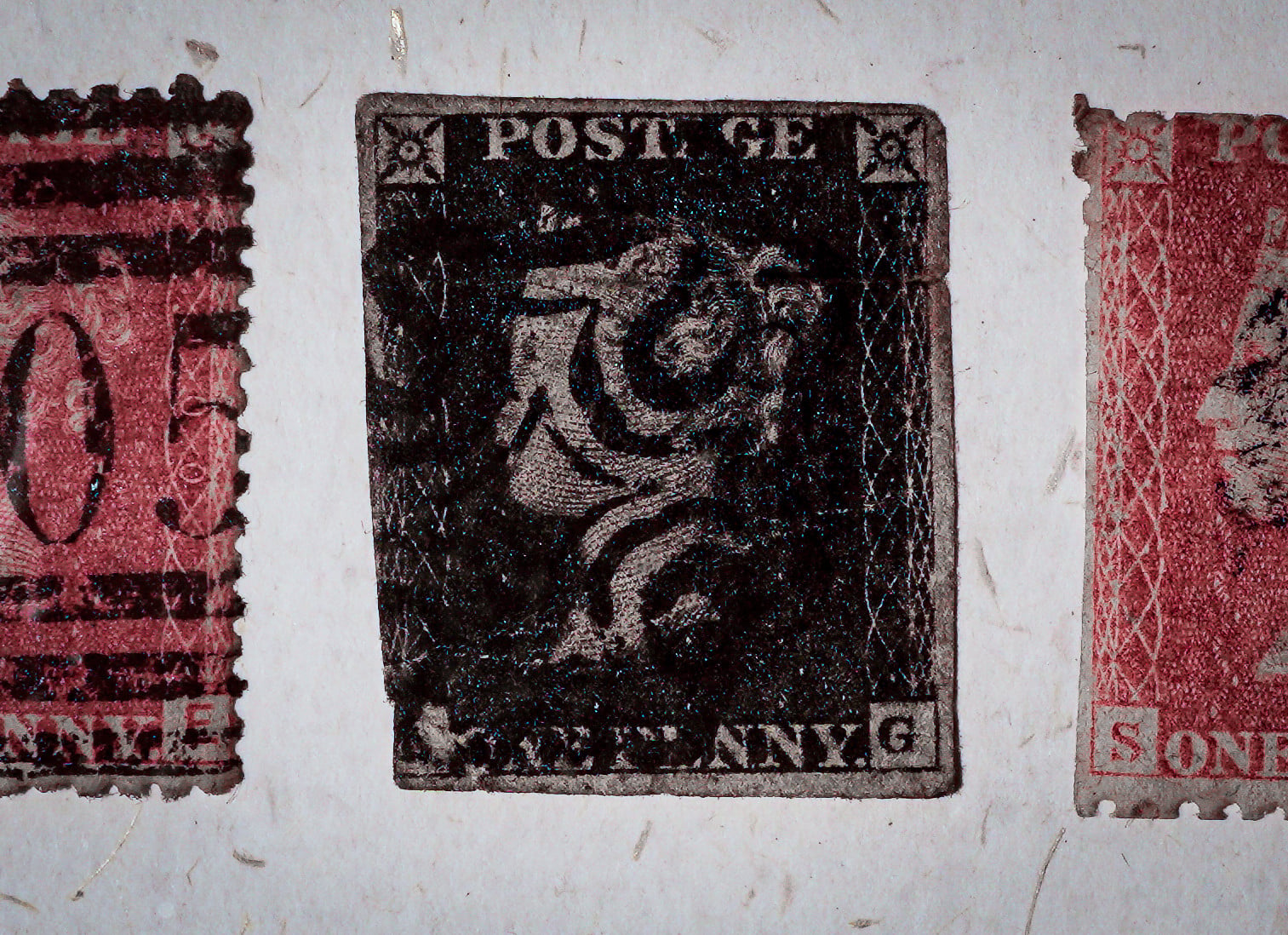
The world’s first adhesive postage stamp changed how people sent mail forever. Britain issued the Penny Black in 1840, featuring Queen Victoria’s profile.
While not extremely rare, pristine unused examples in perfect condition can sell for over $3,000. The stamp revolutionized postal systems worldwide, making it valuable for historical significance rather than scarcity.
Collectors treasure examples with clear margins and bright printing.
Basel Dove
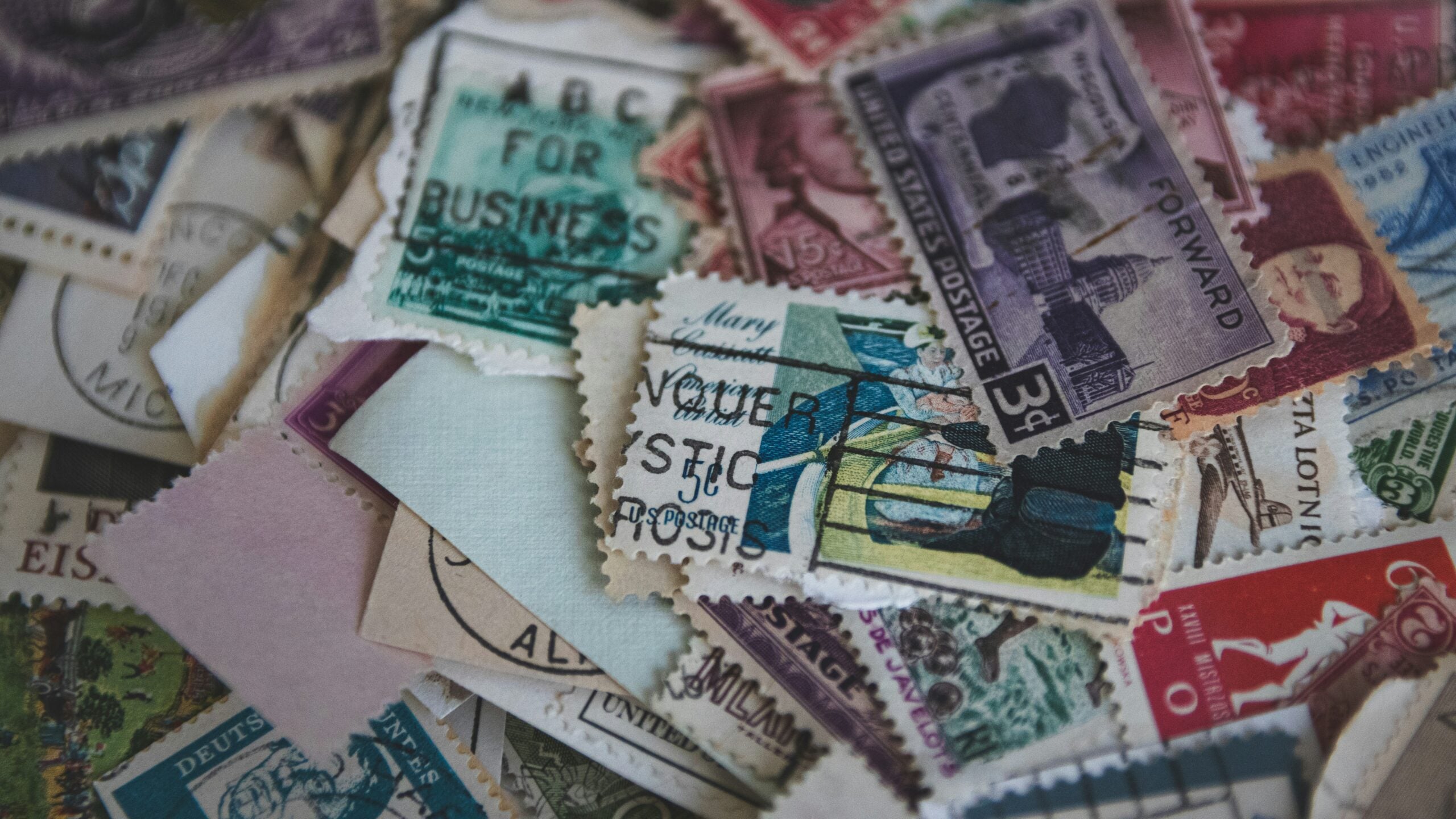
Switzerland’s Basel canton issued this charming stamp in 1845, making it one of the world’s earliest stamps. The design features a white dove carrying a letter against a dark background.
Only around 2,000 were printed, and far fewer survive today. The Basel Dove regularly sells for $20,000 to $40,000 depending on condition.
Its simple beauty and historical importance make it highly sought after.
Benjamin Franklin Z Grill
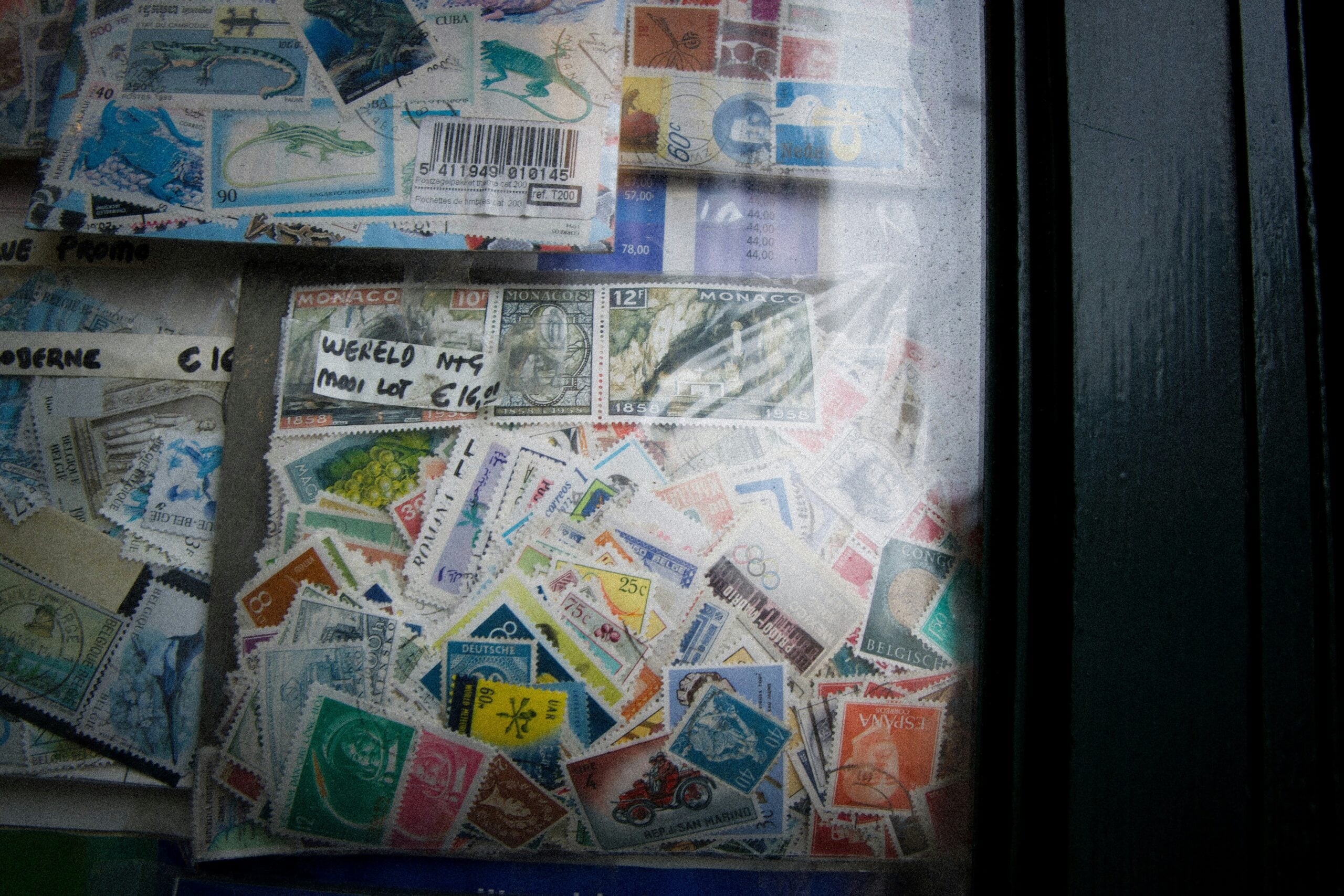
This American stamp from 1868 features tiny embossed ridges called a grill that helped prevent stamp reuse. The Z grill pattern appeared on only two known copies of the one-cent Benjamin Franklin stamp.
One sold for $935,000 in 1998, while the other resides in the New York Public Library. The grill pattern covers the entire stamp, distinguishing it from other Franklin stamps of the period.
British Guiana Two-Cent Cotton Reel
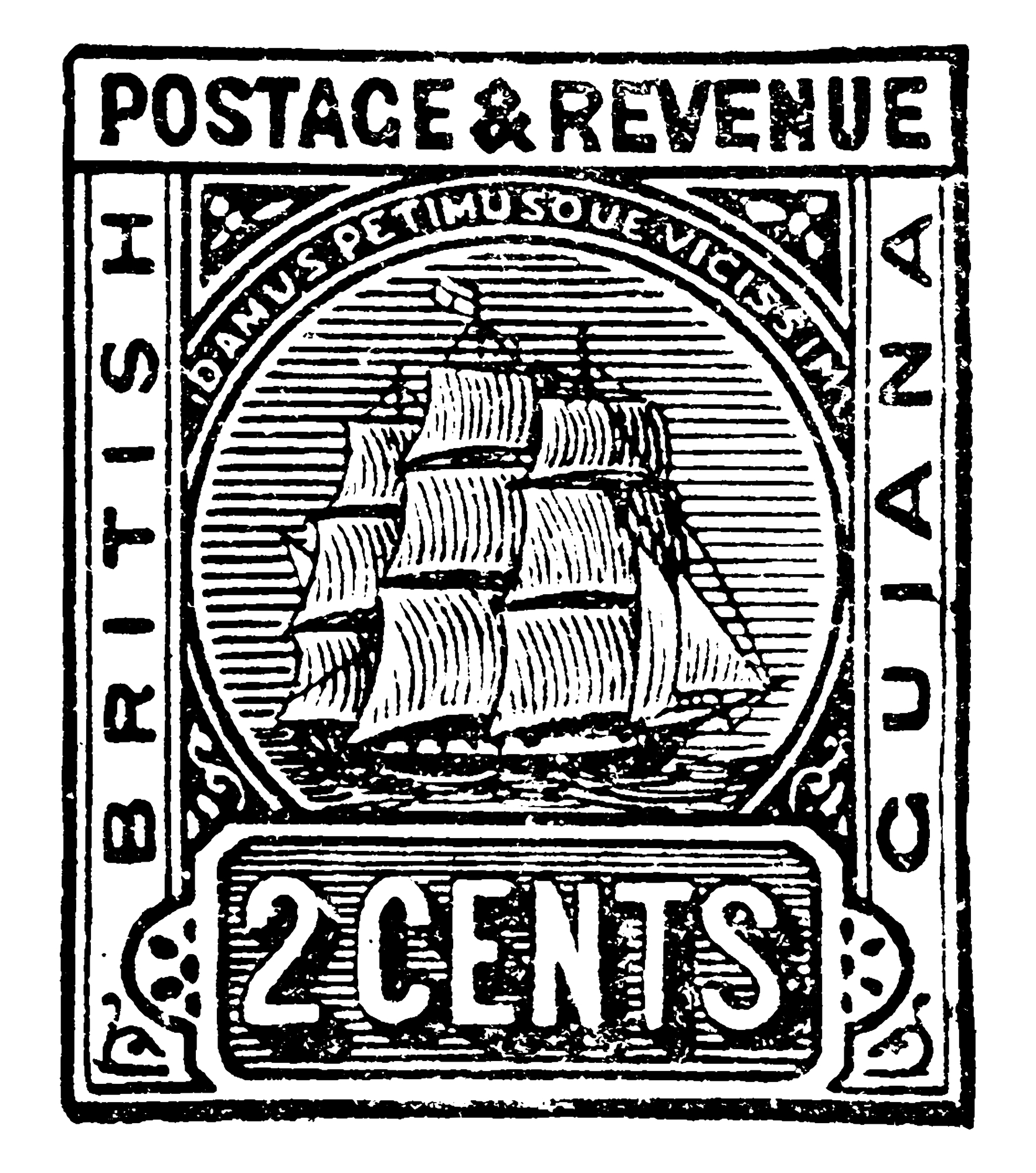
Before the famous One-Cent Magenta, British Guiana issued these unusual round stamps in 1850. Their circular shape earned them the ‘cotton reel’ nickname, and they were printed on thin paper that rarely survived intact.
Only about a dozen examples exist today. Prices vary widely based on condition, but top specimens sell for several hundred thousand dollars.
Cape of Good Hope Woodblocks
South Africa’s Cape Colony issued these stamps in 1861 when regular supplies ran low. Local officials carved printing blocks from wood, creating crude but functional stamps.
The rough printing quality and limited production make them extremely rare today. One-penny and four-pence versions exist, with the penny woodblock being particularly scarce.
High-grade examples sell for over $500,000.
Post Office Mauritius Cover

While individual stamps command high prices, complete envelopes with multiple rare stamps become even more valuable. A single cover featuring both the one-penny and two-pence Post Office Mauritius stamps sold for $4 million in 1993.
Letters like these are called ‘covers’ in philatelic terms, and they’re prized because they show stamps in their original postal use. Finding an intact cover from the 1840s is extraordinarily rare.
Inverted Swan
Western Australia issued this stamp in 1855, but a printing error turned the black swan emblem upside down on some sheets. Only 15 examples are known to exist today.
The mistake happened during the plate-making process when one block was inserted incorrectly. Collectors consider it one of the British Commonwealth’s most important rarities, with prices exceeding $80,000 for well-preserved specimens.
The Red Mercury
Austria issued this newspaper stamp in 1851 featuring the Roman messenger god Mercury. A printing error produced a few sheets in the wrong red color instead of the standard blue.
Only a handful survived because newspaper stamps were typically discarded after use. The Red Mercury represents one of Europe’s rarest stamps, valued at over $2 million.
Its survival rate is incredibly low since people didn’t collect newspaper stamps like regular postage.
Canada Twelve-Pence Black
This stamp from 1851 was Canada’s first issue and the country’s largest denomination at the time. The twelve-pence black featured Queen Victoria and paid for heavy letters sent overseas.
Fewer than 50 unused examples exist today. One sold for over $200,000 in recent years, making it Canada’s most valuable stamp.
The black color and large size make it visually striking compared to other Victorian-era stamps.
Paper Worth More Than Gold
Rare stamps prove that value doesn’t depend on size or material. These tiny pieces of history connect us to moments when empires ruled, technologies emerged, and human errors created accidental treasures.
Collectors continue searching through old letters, attics, and estate sales, hoping to discover the next million-dollar find. The stamps that survive carry stories of the people who used them, the places they traveled, and the accidents that made them irreplaceable.
More from Go2Tutors!

- The Romanov Crown Jewels and Their Tragic Fate
- 13 Historical Mysteries That Science Still Can’t Solve
- Famous Hoaxes That Fooled the World for Years
- 15 Child Stars with Tragic Adult Lives
- 16 Famous Jewelry Pieces in History
Like Go2Tutors’s content? Follow us on MSN.



