27 Common Foods Once Banned Somewhere in the World
Most bans on food begin with fear. Sometimes the fear is reasonable, like a toxic fruit or a chemical additive, and sometimes it is about politics, religion, trade or a powerful industry protecting its turf.
Many of the foods below sit on grocery shelves without a second thought. Somewhere, at some point, eating or selling them could get a person fined, jailed or at least lectured.
Coffee in Mecca and Istanbul
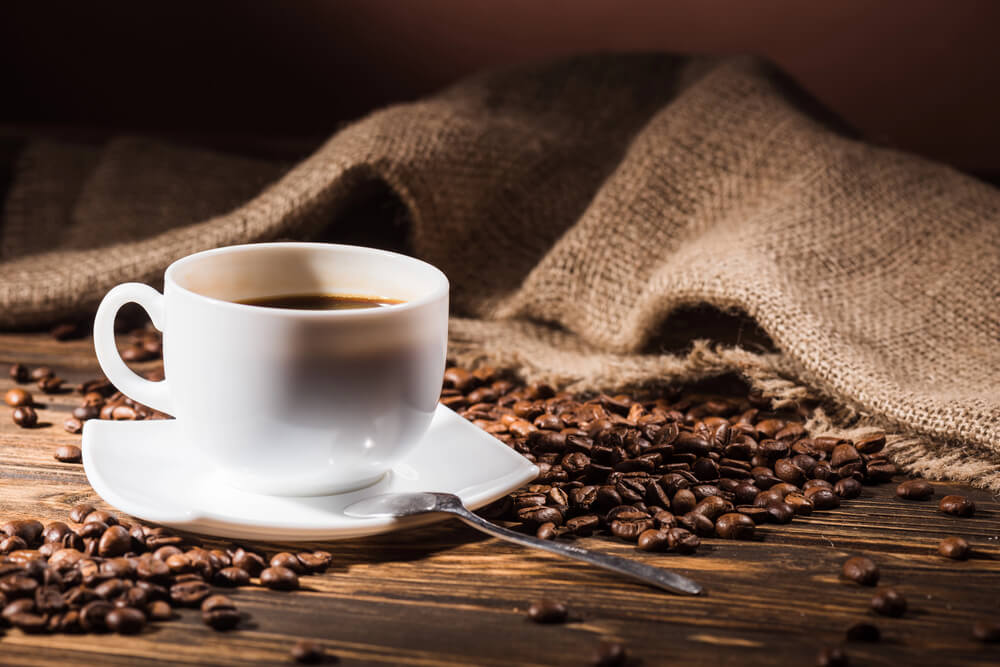
Coffee spread through the Islamic world in the 15th and 16th centuries, and coffeehouses quickly became places where people gathered to talk, argue and gossip about rulers. In 1511 the governor of Mecca, Khair Beg, banned coffee after religious scholars argued it was an intoxicant, though the ban was soon overturned.
In the 17th century the Ottoman sultan Murad IV closed coffeehouses in Istanbul, fearing they were breeding grounds for sedition, and harsh punishments were reported for violators. The bans never lasted.
Coffee won every argument, largely because too many people wanted it.
Chewing Gum in Singapore
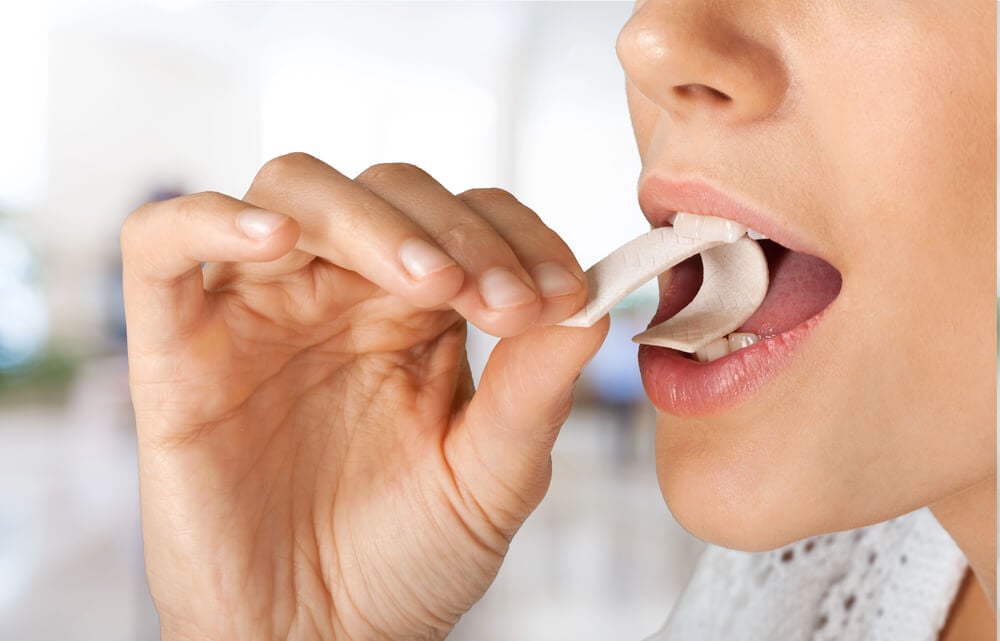
Singapore banned the import and sale of chewing gum in 1992, after years of frustration with gum stuck on sidewalks, in elevators and on the doors of its new subway trains, where it caused delays. The ban became internationally famous as a symbol of the city-state’s strict approach to public order.
In 2004, as part of a free trade agreement with the United States, Singapore allowed the sale of therapeutic gum such as nicotine gum, but only through pharmacies. Ordinary chewing gum remains unavailable in shops.
Visitors are allowed to bring small amounts for personal use.
Ketchup in French School Cafeterias
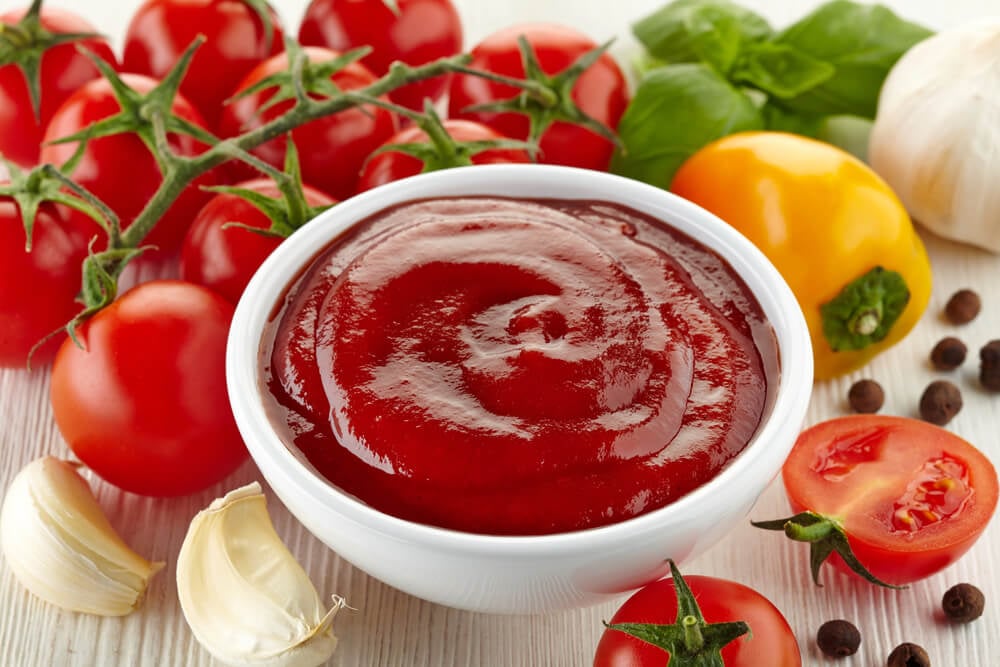
In 2011 France restricted the use of ketchup and other condiments in school cafeterias as part of a broader effort to improve children’s diets and protect French cuisine. Ketchup could still be served, but only with French fries, which were themselves limited to once a week.
The rule was widely reported abroad as a ban on ketchup. Officials argued that children were smothering traditional dishes in sauce and missing the flavors of the food itself.
The policy reflected the French view that school lunch is part of education.
Haggis in the United States
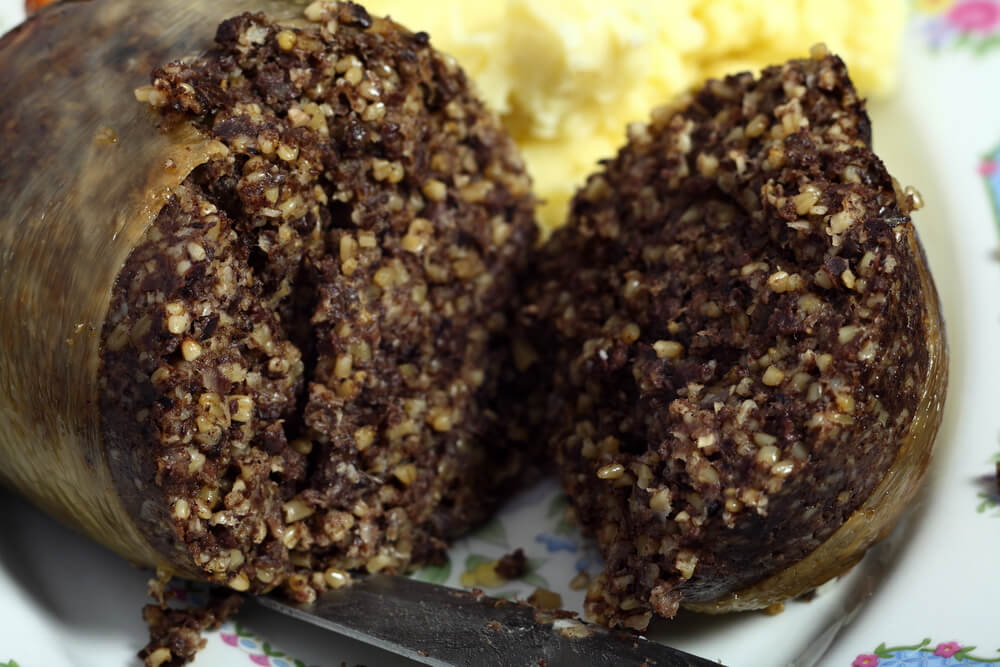
Scotland’s national dish is traditionally made with sheep’s heart, liver and lungs, mixed with oats, onion and spices and cooked in a casing. In 1971 the US Department of Agriculture banned the use of lungs in food for human consumption, which made traditional haggis illegal to import or sell.
Scottish producers have campaigned for years to get the ban lifted, and some make special lung-free versions for American customers. Burns Night dinners in the United States usually serve a modified haggis.
The real thing still cannot be sold legally in the country.
Poppy Seeds in the Gulf
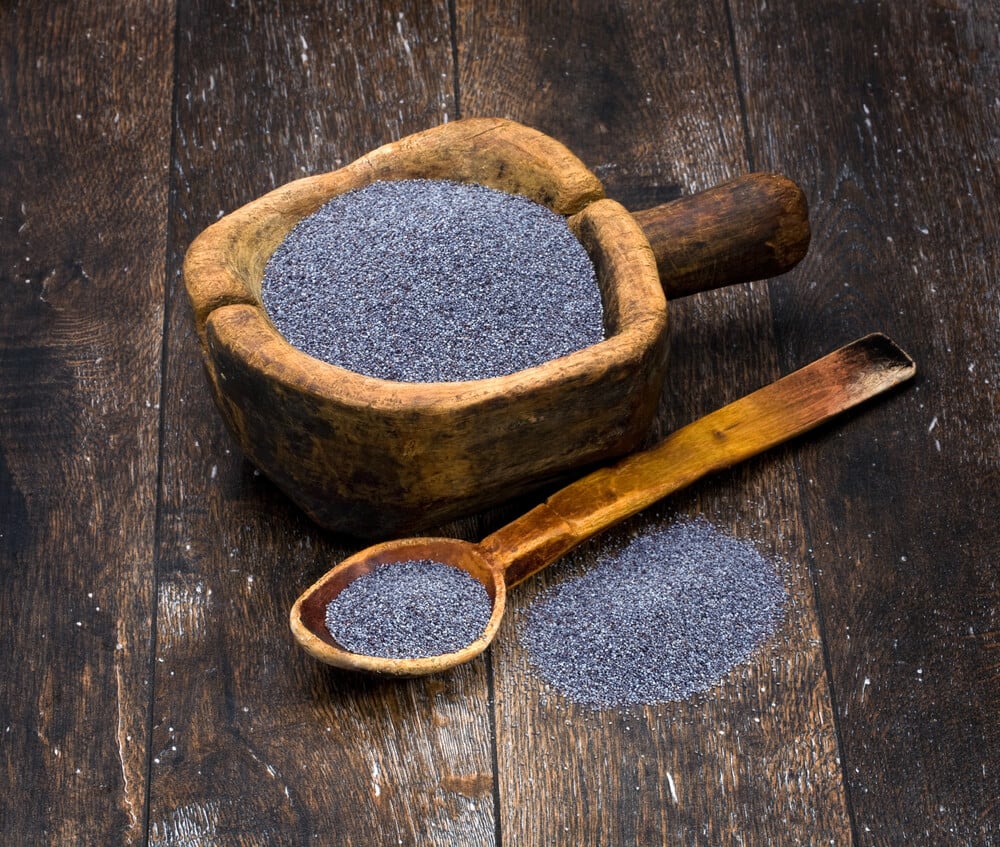
Poppy seeds are a common ingredient in bagels, muffins and cakes in much of the world, but several countries ban or strictly control them because they come from the opium poppy. The United Arab Emirates and Saudi Arabia are among those that prohibit their import.
Travelers have been detained after customs officers found poppy seeds in their luggage. The seeds themselves contain only trace amounts of opiates, but authorities treat them as a controlled substance.
A bread roll topping in one country can be a serious legal problem in another.
Raw Milk Across State Lines
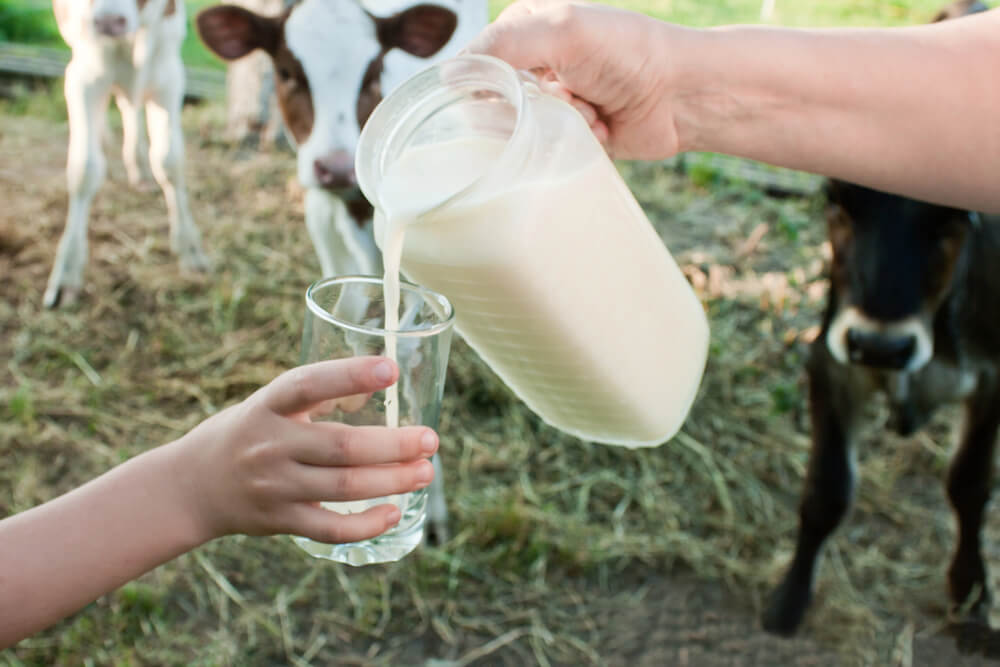
Unpasteurized milk was the only kind available for most of human history. As pasteurization became standard in the 20th century, governments began restricting raw milk because of the risk of bacteria such as listeria and E. coli.
In 1987 the US Food and Drug Administration banned the interstate sale of raw milk for human consumption. Individual states set their own rules for sales within their borders, and those rules vary widely, from outright bans to sales in retail stores.
Canada bans the sale of raw milk nationally.
Yellow Margarine in Wisconsin
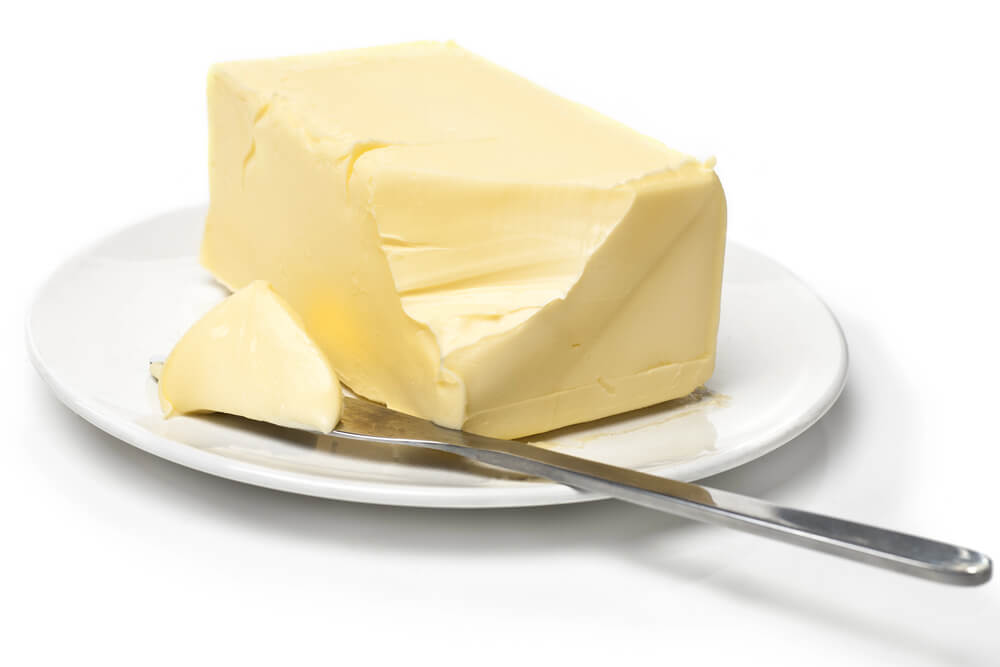
Margarine was invented in France in the 1860s as a cheap substitute for butter, and it threatened American dairy farmers. States passed laws taxing it heavily or banning it from being colored yellow, so it would not look like butter.
Some required it to be dyed pink. Consumers bought white margarine and mixed in coloring at home.
Wisconsin, the Dairy State, kept its ban on colored margarine until 1967, long after most other states had dropped theirs. Some restrictions on how margarine is served in restaurants there lingered much longer.
Sliced Bread in 1943
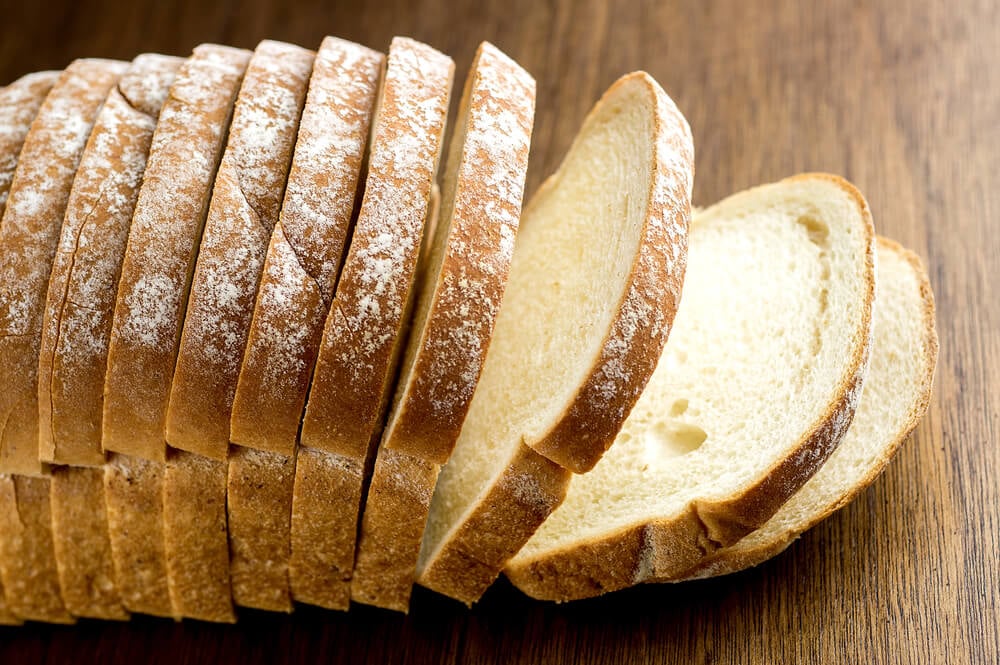
On January 18, 1943, the US government banned the sale of sliced bread as a wartime conservation measure. Officials argued that sliced bread required heavier wax paper wrapping to stay fresh, and they wanted to save paper and steel used in slicing machines.
The ban also aimed to reduce the price of bread and flour. The public reaction was immediate and angry, as households struggled to cut loaves evenly for sandwiches.
The ban was lifted on March 8, 1943, less than two months after it began.
Foie Gras in California and Chicago
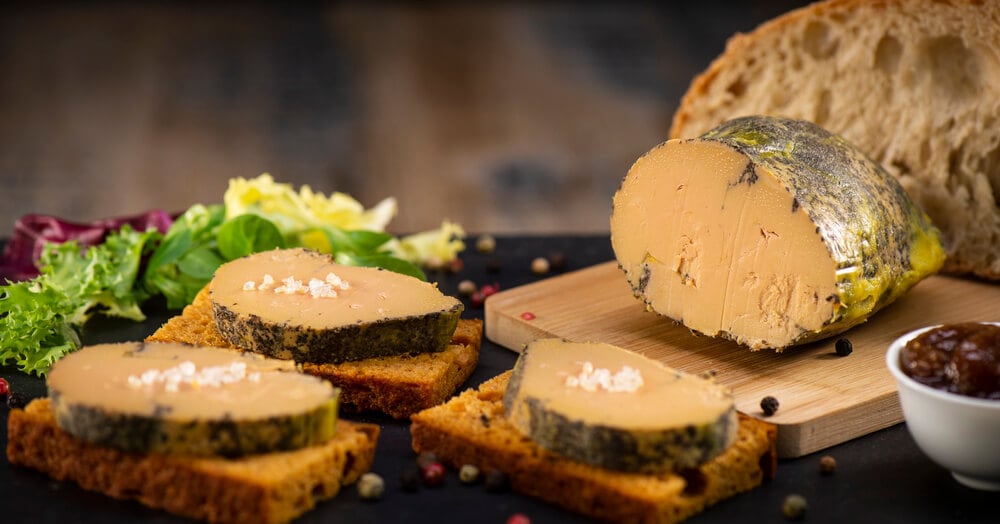
Foie gras is made from the liver of a duck or goose that has been force-fed to fatten it, a practice criticized by animal welfare groups. California passed a law banning its production and sale in 2004, with the ban taking effect in 2012.
After court challenges, the ban was upheld and remains in force, although residents can still order foie gras from producers outside the state. Chicago banned its sale in restaurants in 2006, but the city council repealed the ban in 2008 after chefs openly defied it.
New York City passed its own ban in 2019.
Samosas in Somalia
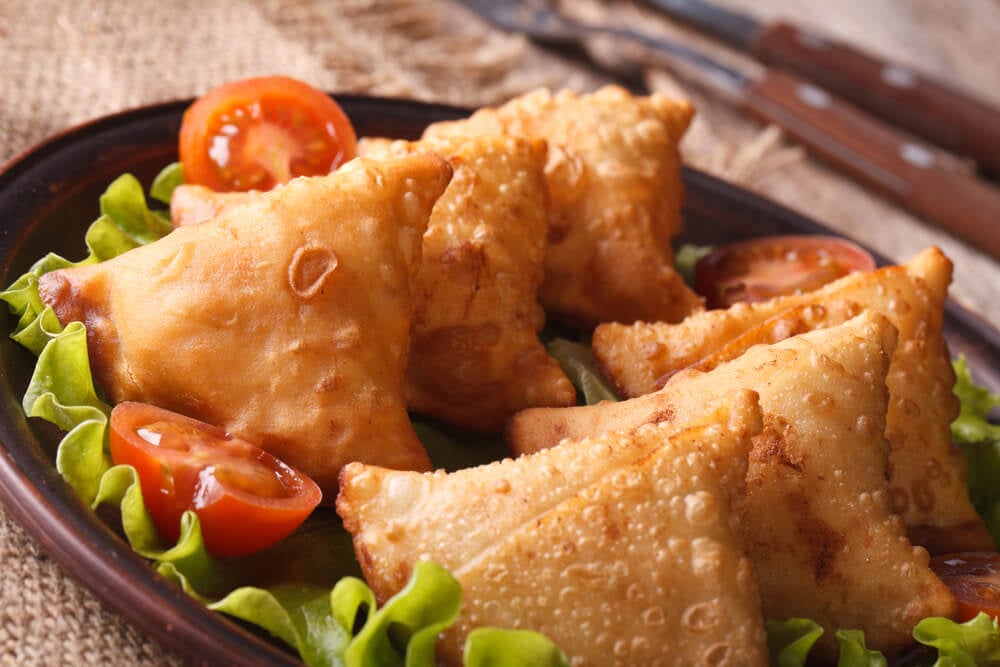
In 2011 the Somali militant group al-Shabaab reportedly banned samosas in areas under its control. Various explanations circulated, including the claim that the triangular shape was too close to Christian symbolism, and others suggested the group simply objected to the filling or to foreign influence.
Residents were reportedly warned that anyone selling or eating samosas would be punished. The story received wide coverage because it seemed so absurd.
Yet the ban was only one of many harsh restrictions the group imposed on daily life, alongside rules on music, television, clothing and the shaving of beards.
Red Bull in France

France kept Red Bull off its shelves for about 12 years because of concerns about the drink’s high caffeine content and its use of taurine, an amino acid added to energy drinks. French food safety authorities argued that there was not enough evidence that taurine was safe in those quantities.
Red Bull fought the decision in European courts, and for years French consumers crossed borders to buy it. After the European Court of Justice ruled against similar restrictions elsewhere, France dropped its ban in 2008.
Red Bull is now widely sold across the country, including in its supermarkets.
Brominated Vegetable Oil in Soft Drinks
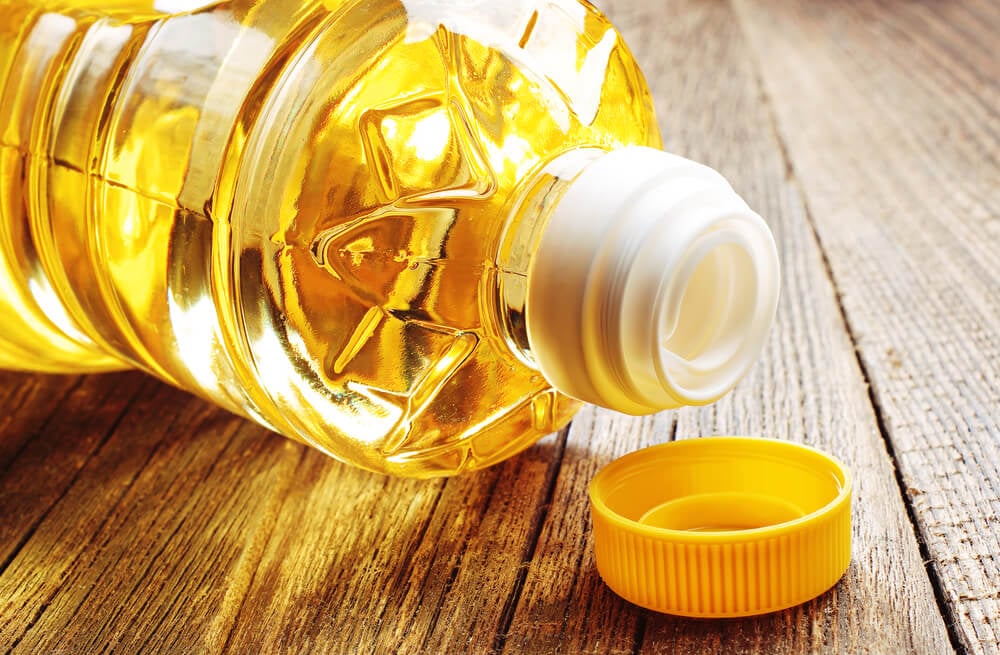
Brominated vegetable oil was used for decades to keep citrus flavorings evenly mixed in soft drinks, including versions of Mountain Dew and Fanta. Without it, the flavor oils would float to the surface and form a ring at the neck of the bottle.
It was banned or restricted in the European Union, India and Japan. Research linked it to health problems, including effects on the thyroid, and a teenager’s online petition in 2012 drew wide attention to it.
Coca-Cola and PepsiCo announced in 2014 that they would remove it, and the FDA formally revoked its approval in 2024.
Red Dye No. 3
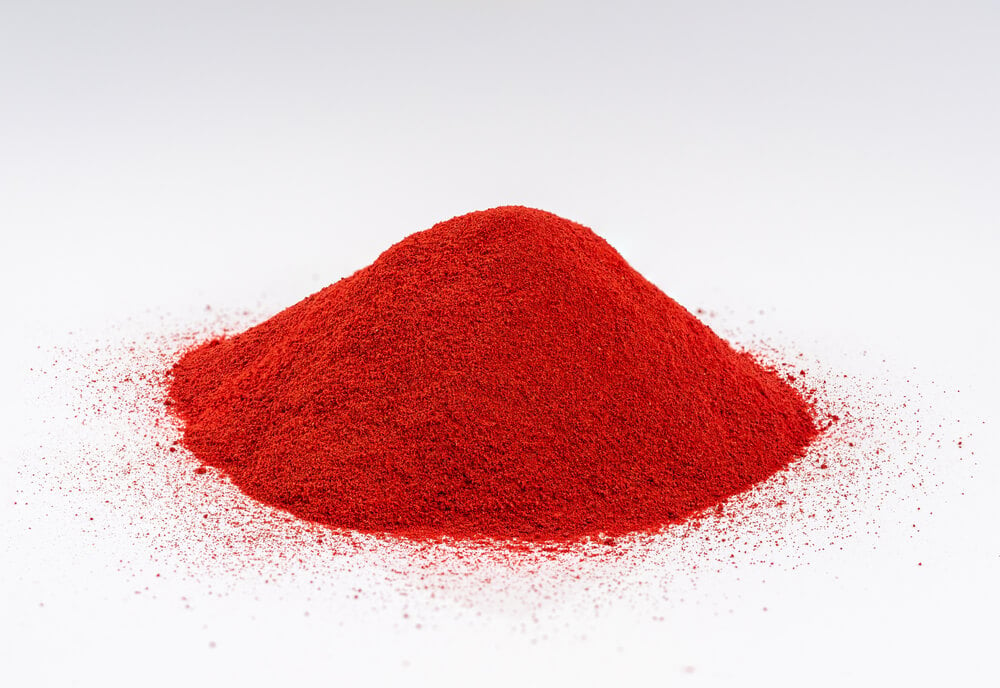
Red Dye No. 3, a bright cherry-red coloring also called erythrosine, was used in candy, baked goods and maraschino cherries for decades. In 1990 the US Food and Drug Administration banned it from cosmetics after studies linked high doses to thyroid tumors in male rats.
Oddly, the dye remained allowed in food for more than thirty years afterward, so it could not be used in lipstick but could be eaten. In January 2025 the FDA announced it would revoke approval for its use in food, with manufacturers given until 2027 to reformulate.
California had already passed its own ban in 2023.
Ackee in the United States
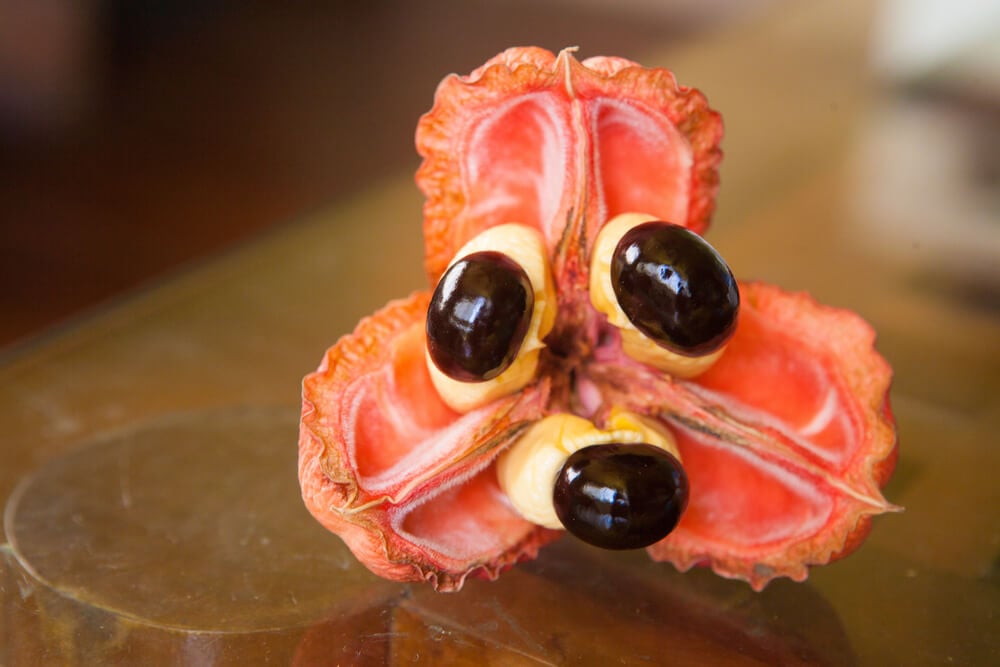
Ackee is Jamaica’s national fruit and a key ingredient in ackee and saltfish, the national dish. The unripe fruit contains hypoglycin, a toxin that can cause Jamaican vomiting sickness, a dangerous drop in blood sugar that can be fatal.
Only the creamy yellow flesh of a fully ripe fruit is safe to eat, and the seeds remain poisonous. The United States banned imports of ackee in 1973.
Canned ackee from approved Jamaican processors was allowed back in 2000 after producers met safety requirements. Traditional cooks know the fruit is ready only when its red pod opens naturally on the tree.
Beluga Caviar in the United States
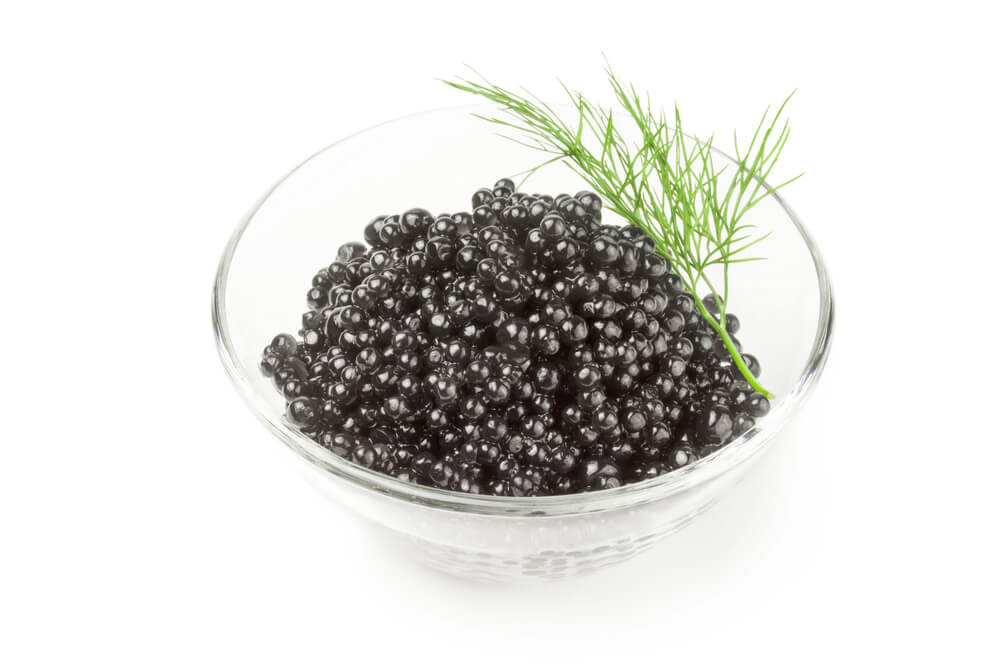
Beluga caviar, from the beluga sturgeon of the Caspian and Black Seas, has long been one of the most expensive foods in the world. The fish can live for more than a century, and females may take 15 years or longer to mature and produce eggs, which makes them especially vulnerable to overharvesting.
Overfishing and poaching drove the species toward extinction. In 2005 the US Fish and Wildlife Service banned imports of beluga caviar from the Caspian region.
Legal sales now depend largely on farmed sturgeon, and the wild fish is listed as critically endangered.
Shark Fin in Hawaii and Beyond
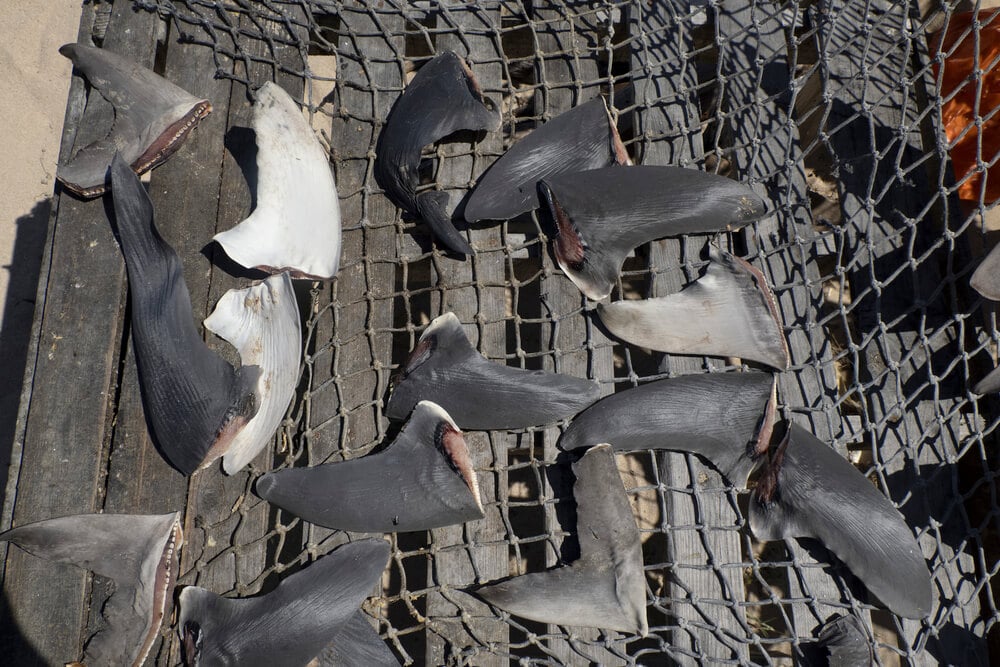
Shark fin soup is a traditional luxury dish at Chinese banquets and weddings, prized more for its texture than its taste, since the fins themselves are almost flavorless. Demand for the fins drove the practice of finning, in which fins are cut from sharks that are often thrown back into the sea to die.
In 2010 Hawaii became the first US state to ban the sale and possession of shark fins. More than a dozen other states followed.
In 2022 the United States passed a federal law banning the buying and selling of shark fins nationwide.
Sassafras and Original Root Beer
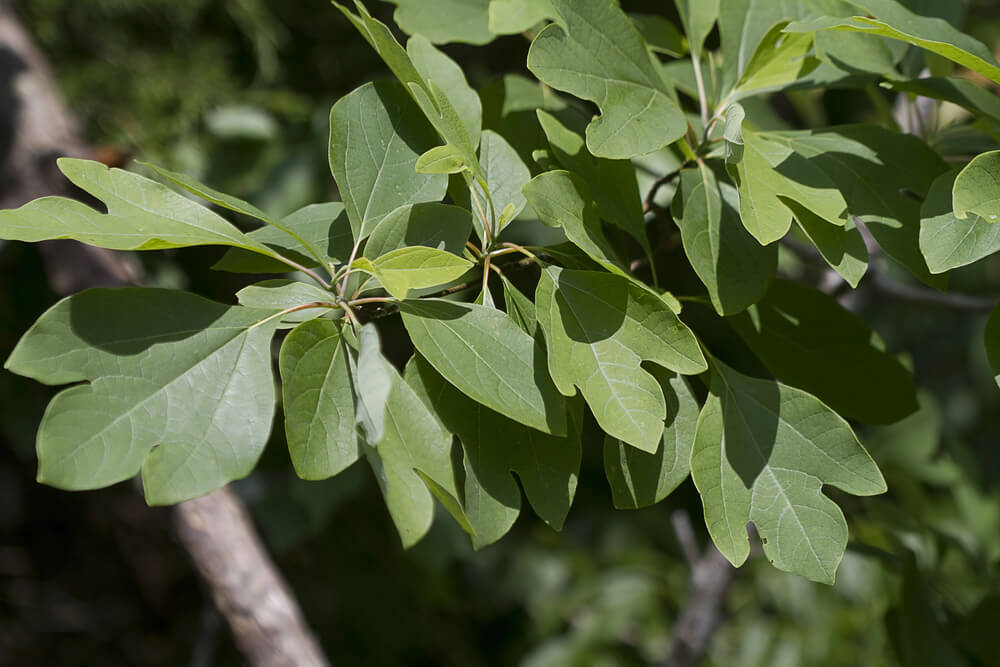
Root beer was originally flavored with sassafras root bark, which contains an oil called safrole. In 1960 the FDA banned safrole as a food additive after studies linked it to liver cancer in rats.
Root beer makers switched to artificial flavorings and safrole-free extracts, and the drink’s taste quietly changed. Safrole is also a precursor chemical used in making illegal drugs, which keeps it tightly controlled today.
Sassafras leaves, which contain little safrole, are still dried and ground to make file powder for gumbo. Many people who drink root beer have never tasted its original flavor.
Indian Mangoes in the United States
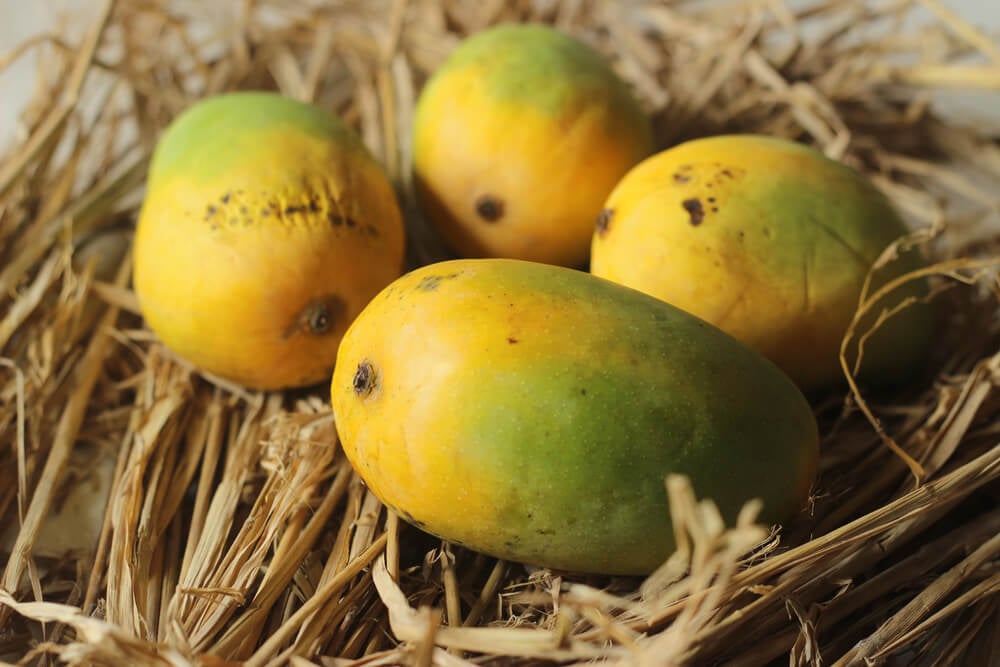
India grows more mangoes than any other country, but for about 18 years the United States banned their import because of concerns about fruit flies and seed weevils. The ban ended in 2007 as part of a broader trade deal, and the first shipments were irradiated to kill any insects.
The Alphonso mango became especially sought after by Indian American communities, who had often relied on relatives smuggling a few in luggage. The deal was sometimes described as mangoes for motorcycles, because India agreed in return to allow imports of Harley-Davidson motorcycles.
Mexican Avocados in the United States
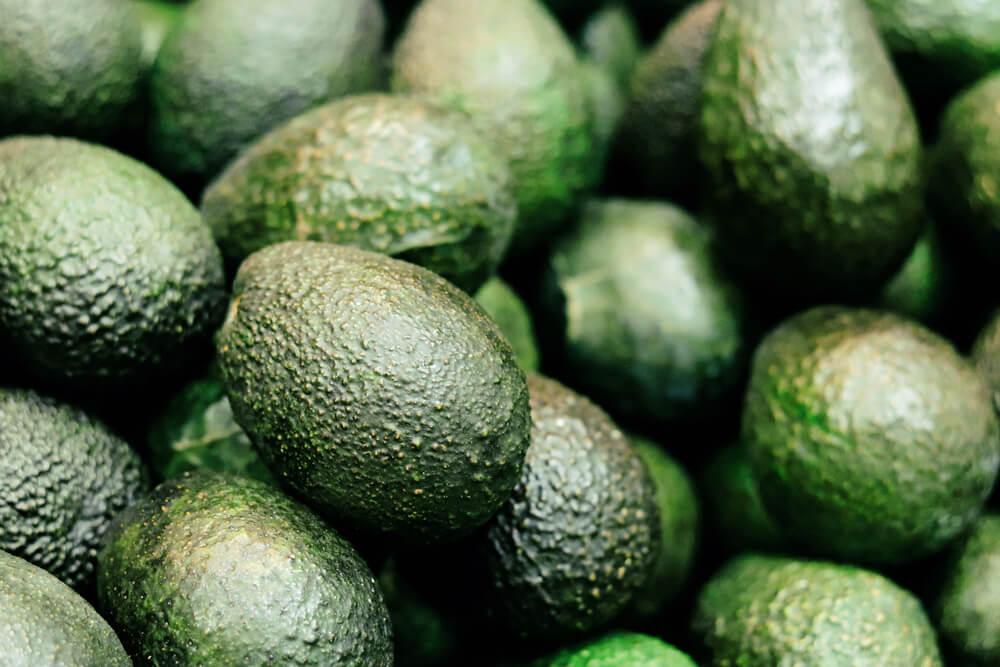
In 1914 the United States banned the import of avocados from Mexico, citing concerns about seed weevils and other pests. The ban protected California growers from competition.
It remained in place until 1997, when imports were allowed into some northern states during the winter. Restrictions were gradually lifted, and Mexico now supplies most of the avocados eaten in the United States.
The guacamole that fills American stadiums on game days depends on a trade relationship that did not exist for most of the 20th century.
Beer in Iceland
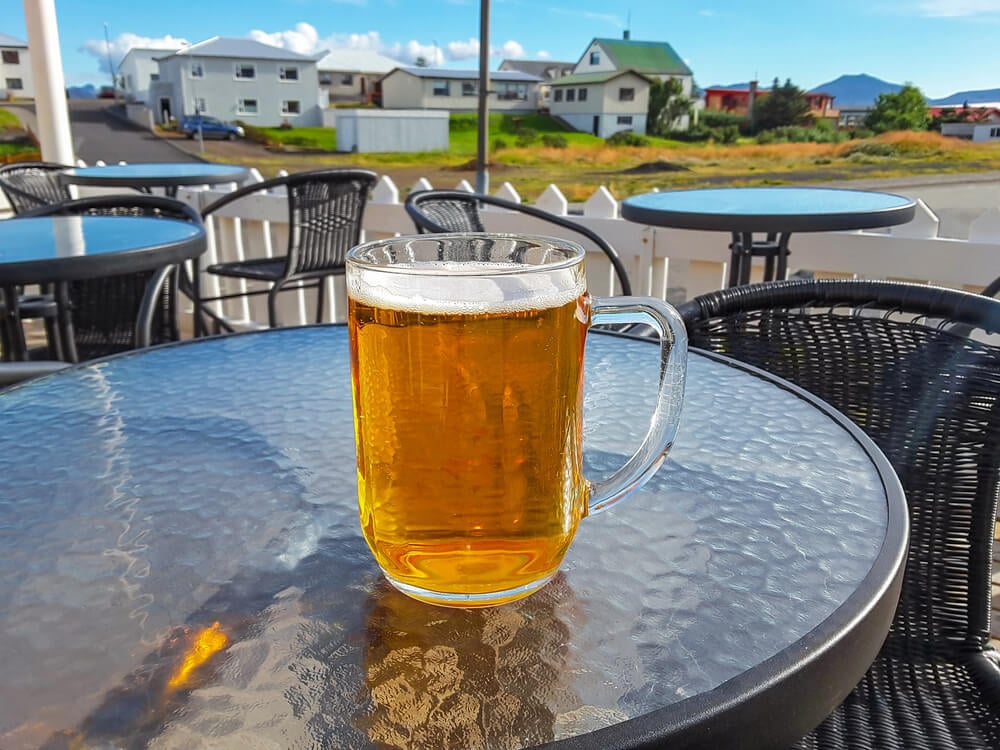
Iceland introduced a general ban on alcohol in 1915 after a national referendum. Wine and spirits were gradually allowed back in the 1920s and 1930s, partly because Spain threatened to stop buying Icelandic fish unless Iceland bought Spanish wine.
Beer stronger than 2.25 percent alcohol, however, remained illegal. Supporters of the ban argued that cheap beer would encourage drinking among young people and workers.
Some bars got around it by mixing legal weak beer with vodka. The ban was lifted on March 1, 1989, a date now celebrated in Iceland as Beer Day.
Chlorine-Washed Chicken in the European Union
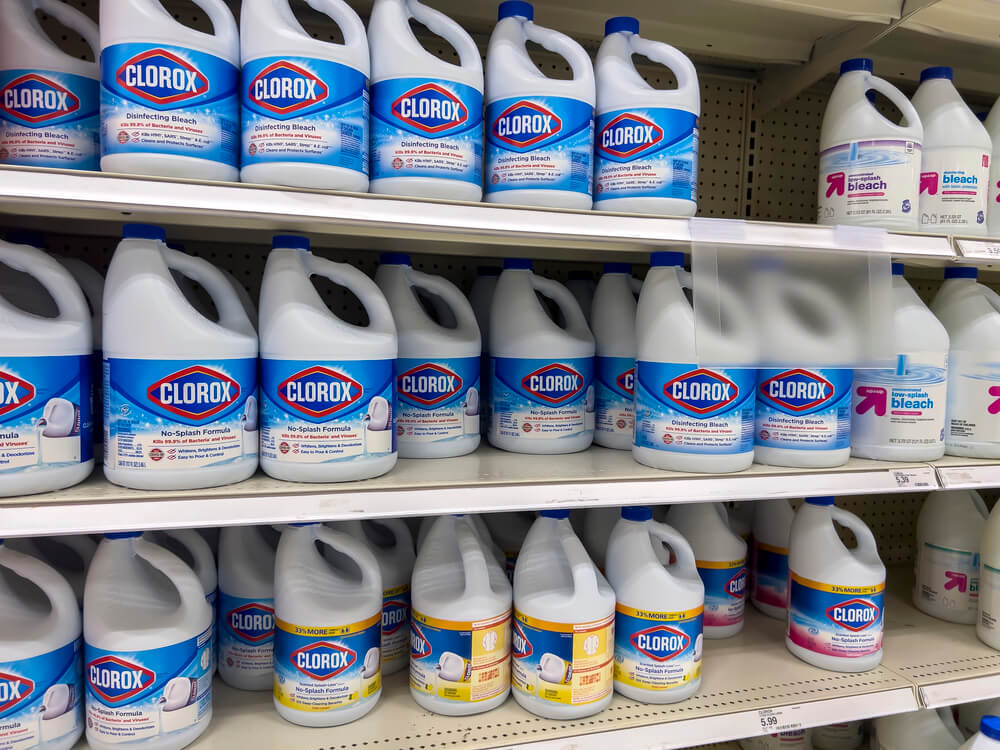
Many American poultry processors rinse chicken carcasses in chlorinated water or other antimicrobial washes to kill bacteria such as salmonella. The European Union banned imports of chicken treated this way in 1997.
European officials argued that the practice could cover up poor hygiene earlier in the production process, and that standards on the farm mattered more than a chemical rinse at the end. American producers insisted the method was safe and effective.
The issue became a sticking point in trade negotiations, including Britain’s post-Brexit talks with the United States, where chlorinated chicken turned into a political symbol.
Hormone-Treated Beef in Europe
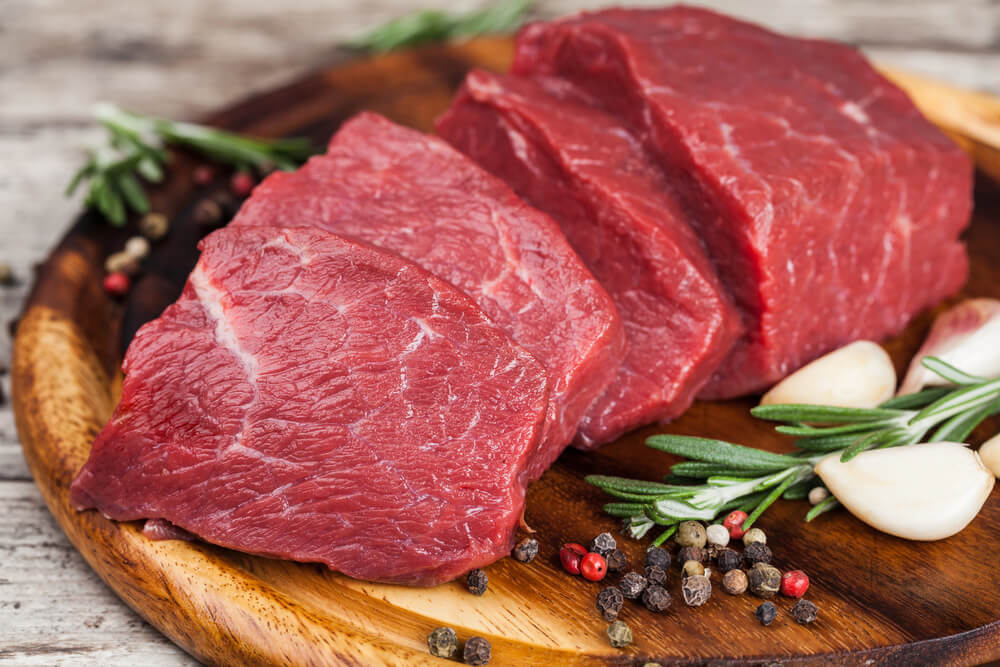
The European Union banned the use of growth hormones in cattle, and the import of beef from cattle treated with them, in 1989. American and Canadian producers routinely used hormones to speed growth and reduce feed costs.
The United States and Canada challenged the ban through the World Trade Organization, which ruled in 1998 that the EU had not provided adequate scientific justification. The EU kept the ban anyway and accepted retaliatory tariffs on goods such as Roquefort cheese.
The dispute lasted decades, eased only by a deal allowing more hormone-free American beef into Europe.
Konjac Jelly Cups
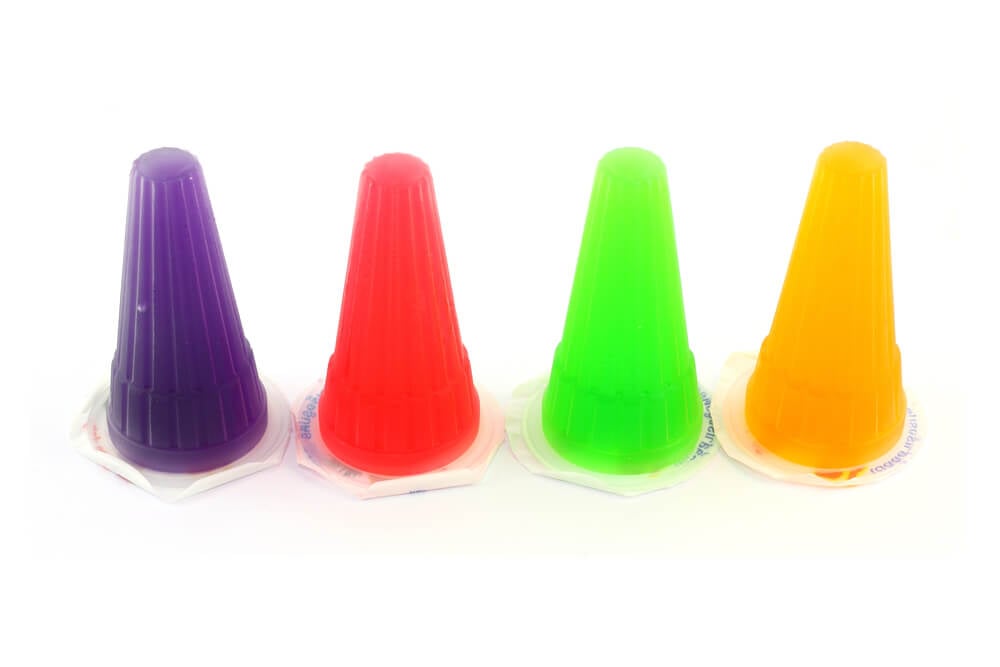
Konjac jelly cups are small bite-sized treats popular in Asia, made with a gelling agent from the root of the konjac plant. Unlike gelatin, konjac does not dissolve easily in the mouth, and the jellies are often eaten by squeezing them straight from the cup.
Several children and elderly people choked to death on them, and the European Union suspended their sale in 2002. Australia and other countries followed with their own restrictions.
The United States issued import alerts and recalls. The jellies remain widely sold in parts of Asia, often with printed choking warnings.
Four Loko’s Original Formula
Four Loko was a fruit-flavored malt beverage that combined high alcohol content with caffeine, taurine and guarana in a single large can. Critics nicknamed it blackout in a can after reports of college students being hospitalized, including a group at Central Washington University in 2010.
Several states, including Michigan and Washington, banned caffeinated alcoholic beverages that year. The FDA then warned makers that adding caffeine to alcoholic drinks was unsafe.
Four Loko’s maker removed the caffeine and other stimulants, and the drink continues to be sold without them.
Cyclamate Sweetener
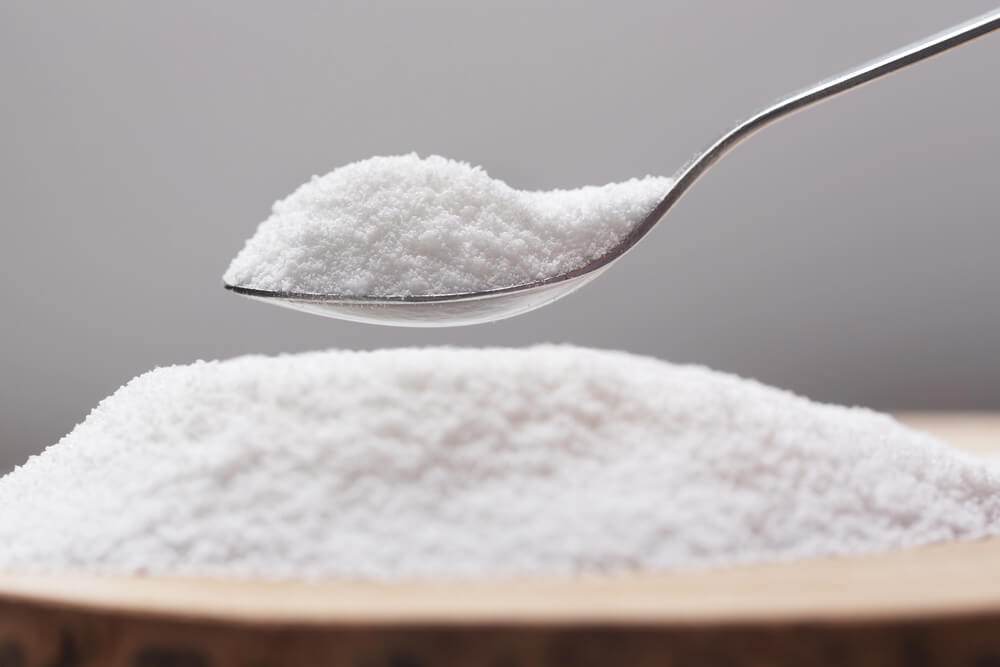
Cyclamate was a popular artificial sweetener used in diet sodas and other low-calorie products in the 1950s and 1960s. It was discovered in 1937 by a graduate student at the University of Illinois who noticed a sweet taste on his fingers.
In 1969 a study linked high doses to bladder cancer in rats, and the United States banned it as a food additive in 1970. Diet drink makers had to reformulate quickly.
Later research questioned the link, and cyclamate remains approved in more than 100 countries, including Canada. It is still banned in the United States.
Trans Fats in Restaurant Frying
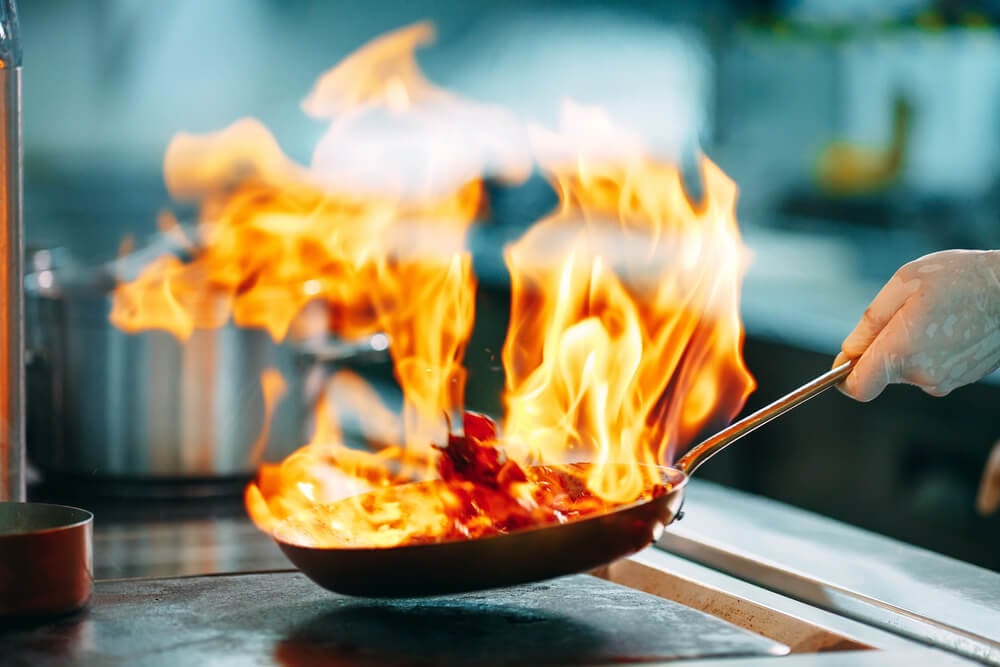
Partially hydrogenated oils, the main source of artificial trans fats, were used for decades in frying, baking and margarine because they were cheap and kept food fresh longer. Research linked them to heart disease because they raised harmful blood fats while lowering helpful ones.
New York City banned artificial trans fats in restaurants in 2006, and other cities followed. In 2015 the FDA determined they were not generally recognized as safe, and the ban took effect nationally in 2018.
Doughnuts, crackers, microwave popcorn and French fries were all reformulated as a result.
Durian on Public Transport
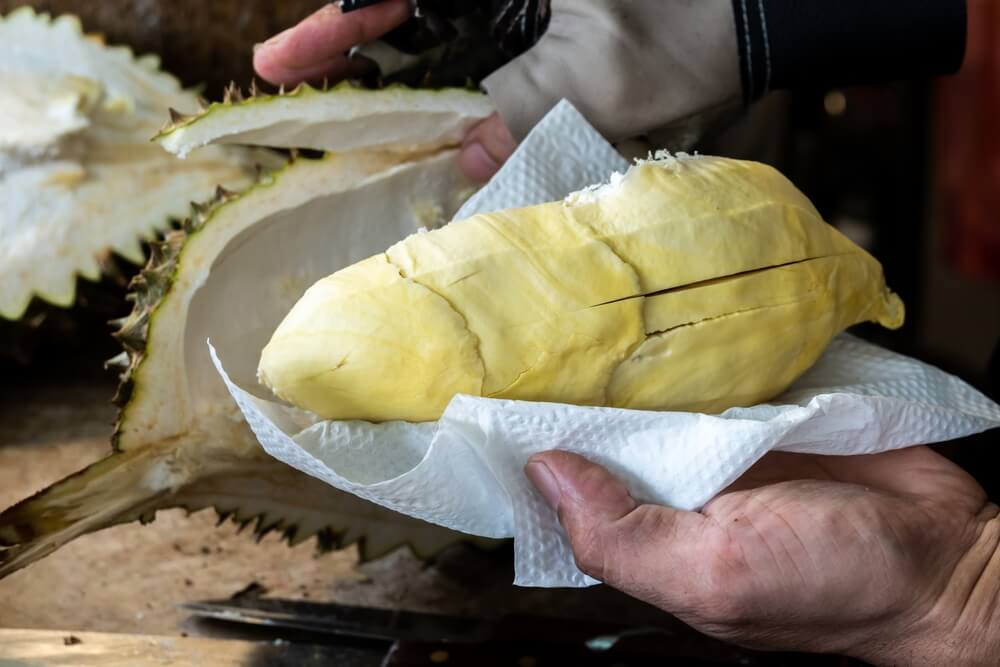
Durian is a large spiky fruit prized across Southeast Asia for its creamy flesh, but its powerful smell has been compared to rotting onions and sewage. Singapore’s rapid transit system bans passengers from carrying it on trains, and many hotels and airlines in the region prohibit it too.
Signs showing a crossed-out durian are common. In 2019 a rotting durian left in a cupboard at an RMIT University library in Melbourne was mistaken for a gas leak, and about 500 people were evacuated.
The fruit remains wildly popular, often called the king of fruits.
Appetite Versus the Rulebook

Every ban here was justified by someone as protection. Some protected people from real dangers, like toxic fruit, cancer-causing additives and jelly that could choke a child.
Others protected industries, political power or a particular idea of what people should eat. The line between the two is often blurry.
Most of these bans eventually changed. Science moved on, trade deals were signed, consumers pushed back or governments fell. What stays constant is the struggle between what people want to eat and what authorities think they should be allowed to.
Appetite usually wins in the end.
More from Go2Tutors!

- The Romanov Crown Jewels and Their Tragic Fate
- 13 Historical Mysteries That Science Still Can’t Solve
- Famous Hoaxes That Fooled the World for Years
- 15 Child Stars with Tragic Adult Lives
- 16 Famous Jewelry Pieces in History
Like Go2Tutors’s content? Follow us on MSN.



