29 Banned Toys Pulled From Store Shelves
Toy designers spend years trying to make something children will love, and occasionally they succeed a little too well at the wrong thing. A launcher shoots too hard, a doll bites back, a bead turns into a drug inside the body.
Other toys were pulled for reasons that have nothing to do with safety at all. Governments have banned dolls for their politics, board games for their economics and a talking doll for spying.
Lawn Darts and the 1988 Ban
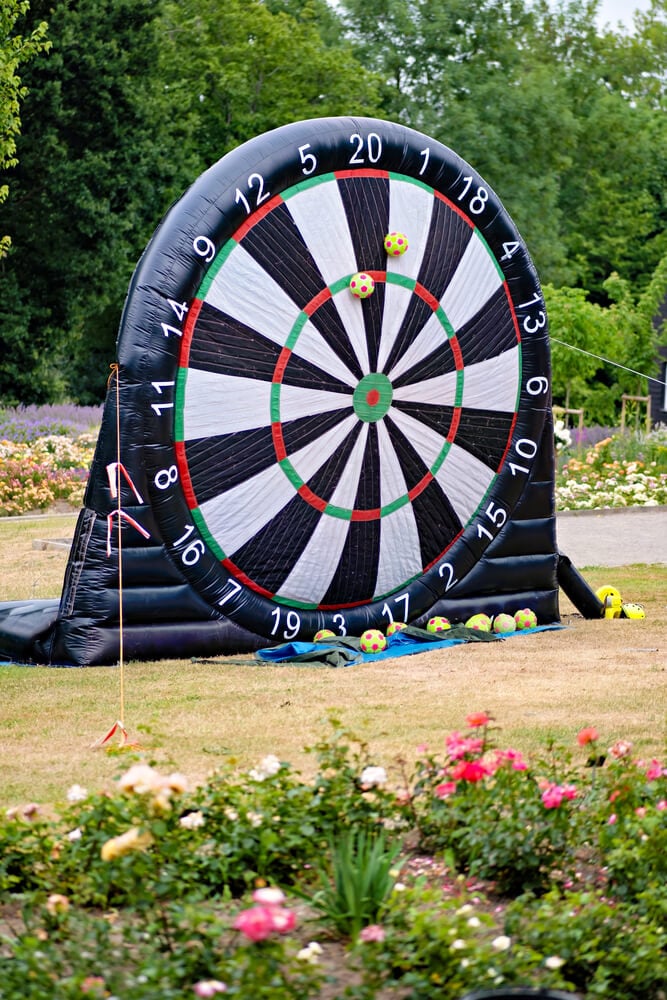
Lawn darts were heavy, weighted spikes meant to be tossed underhand at a plastic ring on the grass, and brands like Jarts sold them for decades. They also punctured skulls.
After a seven-year-old California girl named Michelle Snow was killed by one in 1987, her father campaigned for a ban. The US Consumer Product Safety Commission banned the sale of lawn darts in 1988, and Canada followed.
Sets from that era now turn up at estate sales, still sharp, still heavy, and still entirely capable of doing what got them banned.
Clackers and Their Shattering Spheres
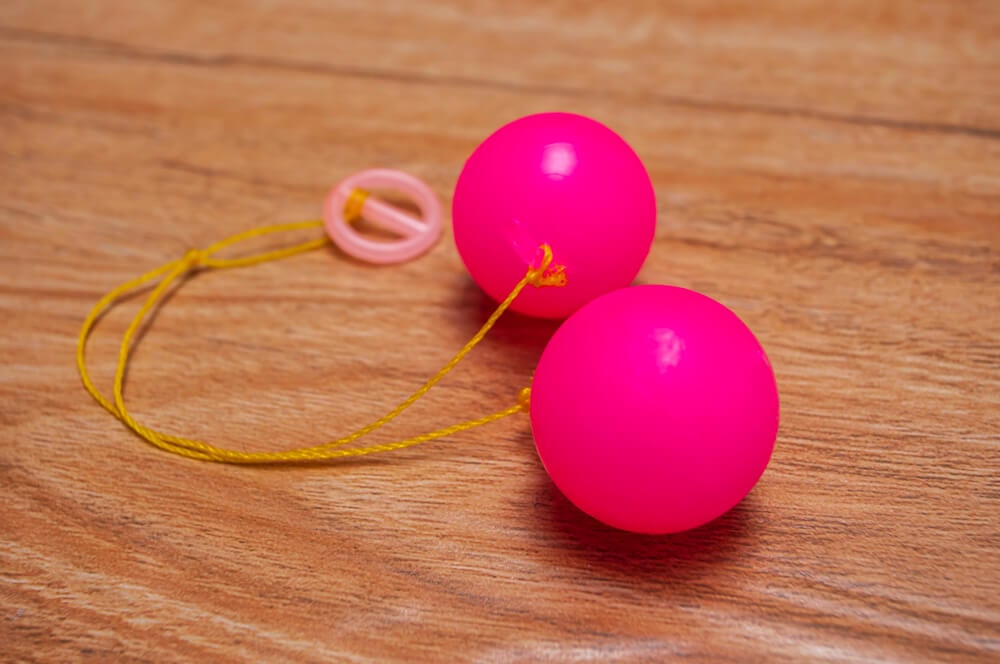
Clackers were two hard acrylic spheres attached to a string, which children swung up and down so they smacked together with a loud crack. They were hugely popular around 1970 and 1971.
The spheres sometimes shattered, sending sharp fragments flying at the faces of children and bystanders. Federal regulators moved against the hazardous versions in the early 1970s, and they mostly disappeared from American shelves.
Few toys have ever combined such a simple design with such an annoying sound and such a real risk to eyes.
Aqua Dots and the Hidden Drug
Aqua Dots were tiny beads that children arranged into designs and sprayed with water to fuse together. In 2007 the toy was recalled after it emerged that the coating on the beads contained 1,4-butanediol, a chemical that the body converts into GHB, a sedative drug.
Several children who swallowed the beads became unconscious or fell into comas. Around 4.2 million units were recalled in North America.
The same product had been named toy of the year in Australia under the name Bindeez. It later returned with a safer formula and a new name, Pixos.
Magnetix Building Sets
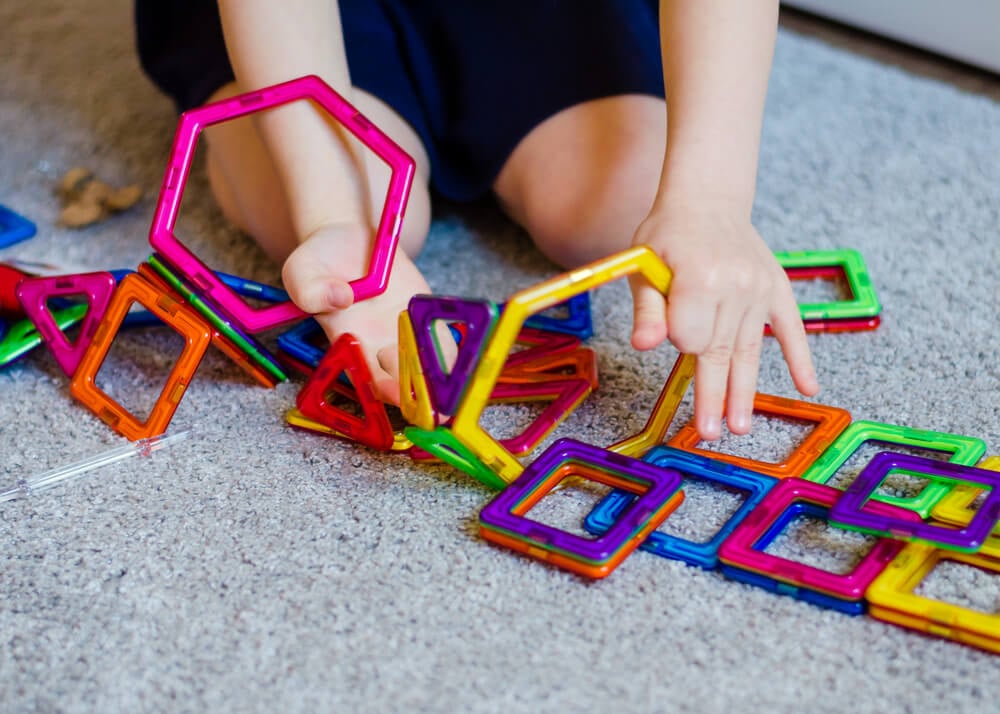
Magnetix construction sets used small powerful magnets embedded in plastic pieces. Over time, the magnets could come loose.
If a child swallowed more than one, the magnets could attract each other through the walls of the intestines, causing perforations and life-threatening infections. After a 20-month-old boy died in 2005, the manufacturer recalled about 3.8 million sets in 2006.
The case helped push the toy industry toward stricter standards for magnets in children’s products, and it changed how regulators treat any toy containing small magnets. Doctors now ask about magnets whenever a child arrives with unexplained stomach pain.
Rare-Earth Magnet Desk Sets
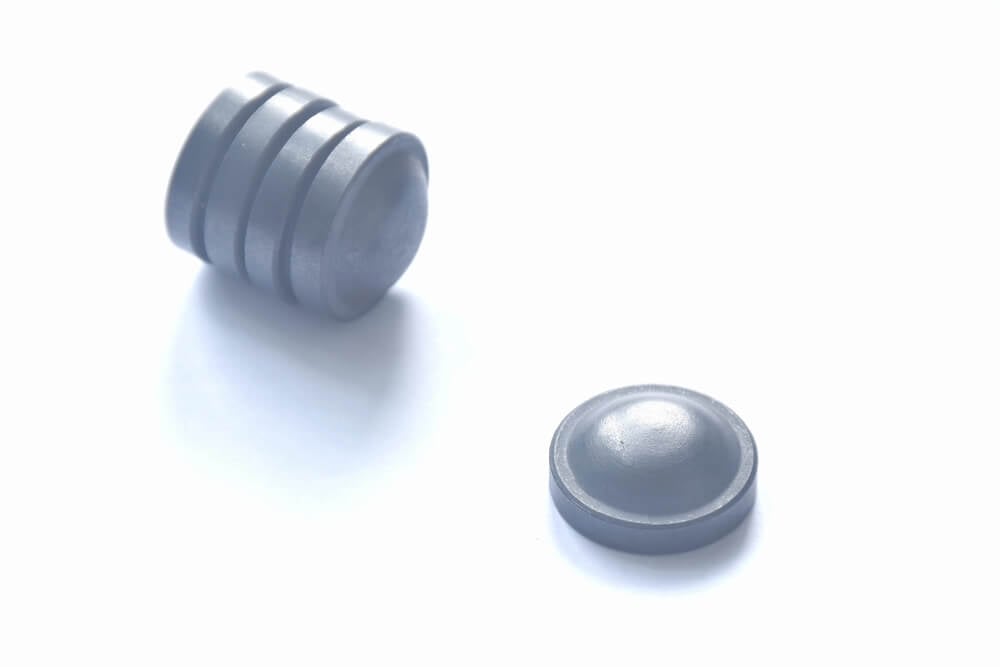
Sets of tiny, extremely strong rare-earth magnetic spheres became a popular adult desk toy after 2009, sold by brands including Maxfield and Oberton. Children and teenagers swallowed them, sometimes by using them as fake tongue piercings, and the injuries were severe.
The CPSC took legal action against sellers in 2012, and Maxfield and Oberton dissolved. A federal safety standard adopted in 2014 was overturned by a court in 2016, and the magnets returned.
In 2022 the agency adopted a new standard that sharply limits the strength of small magnets in such products.
Snacktime Cabbage Patch Kids
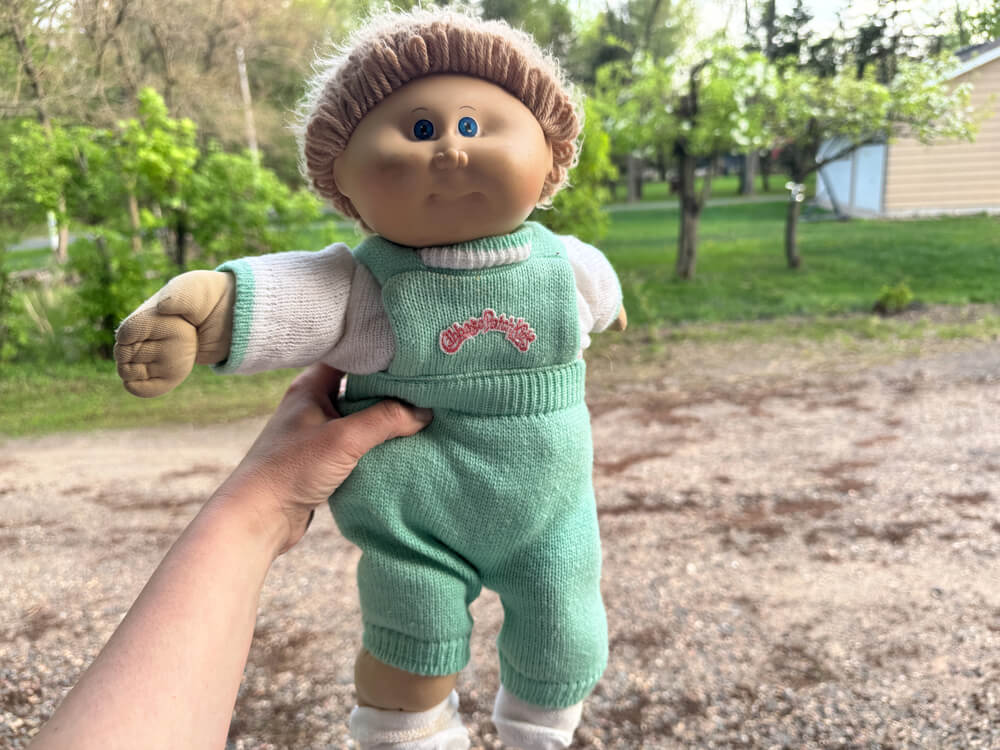
Mattel’s Snacktime Cabbage Patch Kids, released for the 1996 holiday season, had motorized jaws that chewed plastic snacks, pulling them into the doll’s mouth. They also chewed hair and fingers.
Reports of children’s hair getting caught in the mechanism came in within weeks. In January 1997 Mattel stopped selling the dolls and offered refunds.
The instructions had already advised removing a snack from the doll’s mouth by switching it off, but that was little comfort to parents trying to untangle a child’s hair. The CPSC concluded the doll was not defective, yet the damage to its reputation was done.
Sky Dancers

Galoob’s Sky Dancers were dolls with foam wings, launched from a base by pulling a string so they spun into the air. They were popular through the 1990s but notoriously hard to control.
The spinning dolls struck children in the face, causing eye injuries, broken teeth and cuts. In 2000 Galoob and the CPSC recalled about 8.9 million of them after more than 150 injuries.
A toy designed to look like a graceful fairy turned out to behave more like a helicopter rotor without a guard.
Easy-Bake Oven Recall of 2007
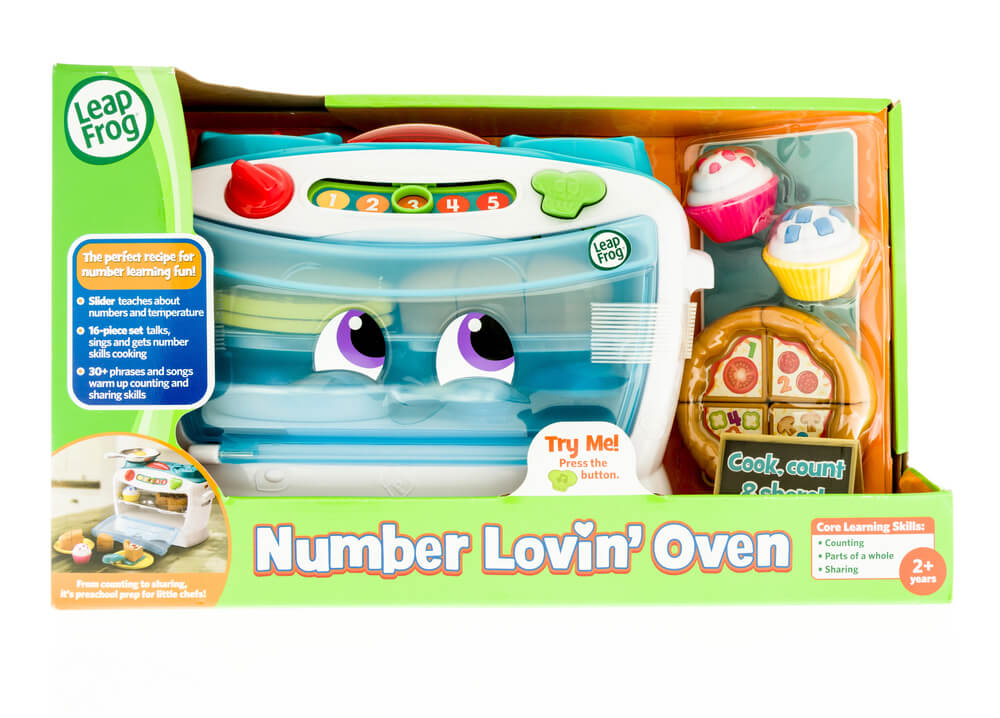
Hasbro’s Easy-Bake Oven has been a staple of children’s toys since 1963, but one redesigned model in 2007 created a new problem. Children could get their fingers caught in the front opening, where the heating element was located.
Hasbro received reports of dozens of burns, including serious ones and one partial finger amputation. The company recalled nearly one million ovens in 2007.
The toy itself survived, and later models were redesigned to keep small fingers away from the heat. Earlier versions had used an ordinary light bulb as the heat source, a detail that still surprises adults who grew up with one.
Gilbert U-238 Atomic Energy Lab
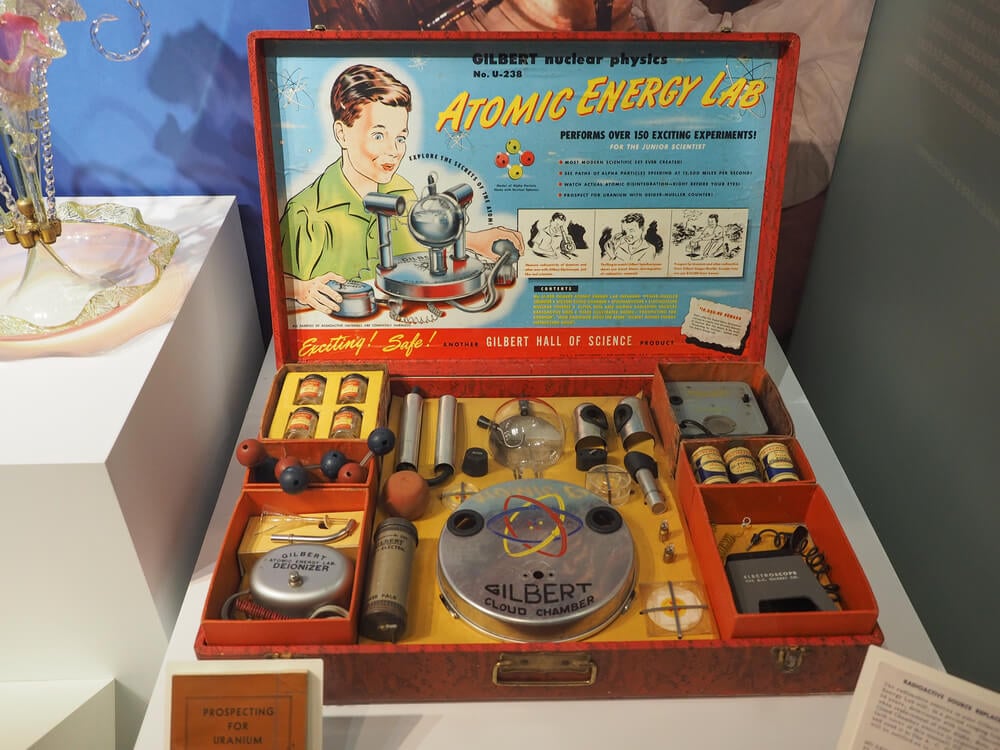
The A.C. Gilbert Company released a science kit in 1950 that included samples of uranium ore, a Geiger counter, a cloud chamber and a spinthariscope for watching radioactive decay. It cost 49.50 dollars, a large sum at the time.
The kit was meant to teach children about atomic energy during a period of public fascination with the atom. It sold poorly because of the price and was discontinued by 1951.
Complete surviving kits are now prized collectibles, and they still carry faint radioactivity. The manual even included a cartoon guide to prospecting for uranium.
Battlestar Galactica Viper Missiles
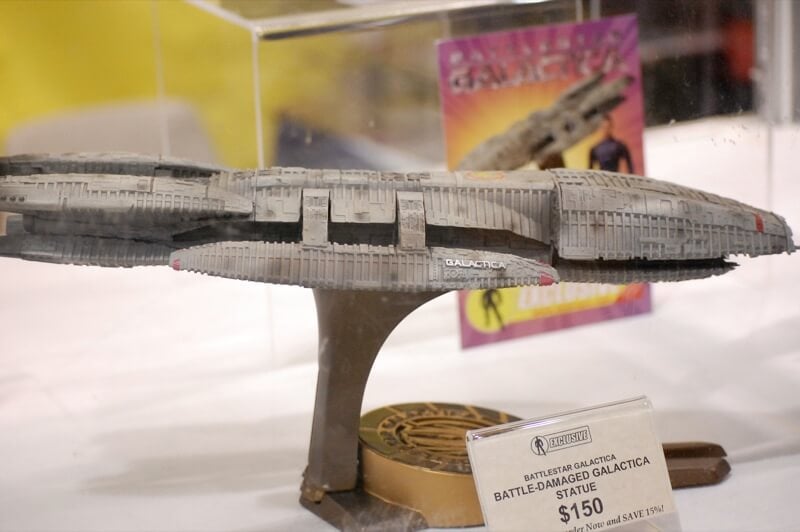
Mattel’s Battlestar Galactica toys of 1978 included a Colonial Viper spaceship that fired small plastic missiles from a spring-loaded launcher. A four-year-old boy died after one lodged in his airway, and other children were injured.
Mattel modified the toys and offered replacements, and the incident pushed the industry to reconsider small projectile toys. The case helped shape safety standards for launchers and small parts.
Spring-loaded missiles on later toys were often redesigned so they could not fire at all, which disappointed a generation of children who had loved the originals. Unmodified early Vipers are now sought by collectors.
Cayla, the Doll Germany Outlawed
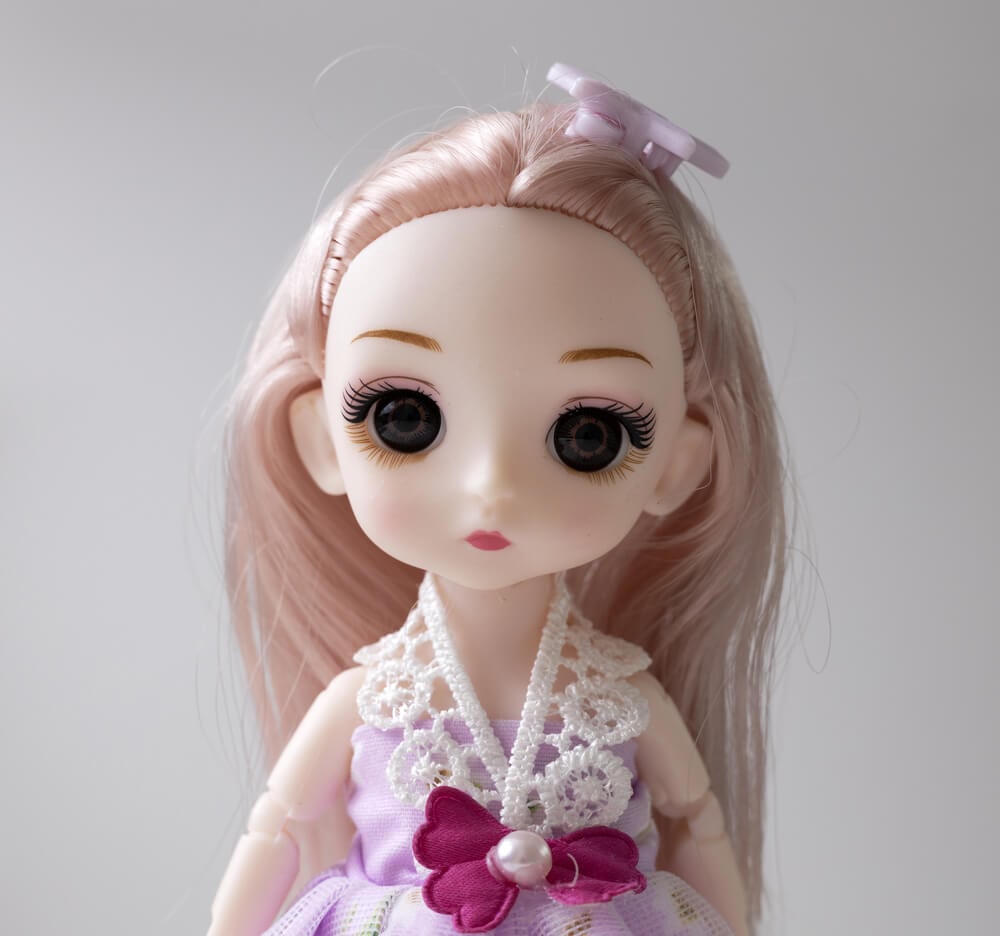
Cayla was an internet-connected doll that listened to children through a microphone and answered questions via a smartphone app. In February 2017 Germany’s Federal Network Agency classified the doll as an illegal concealed surveillance device.
Parents were told to destroy it, and regulators even suggested ways to make it unusable. Researchers had shown that the Bluetooth connection could allow strangers nearby to listen to and talk to a child.
It was one of the first times a government treated a toy as a spying device.
Pokemon Cards in Saudi Arabia
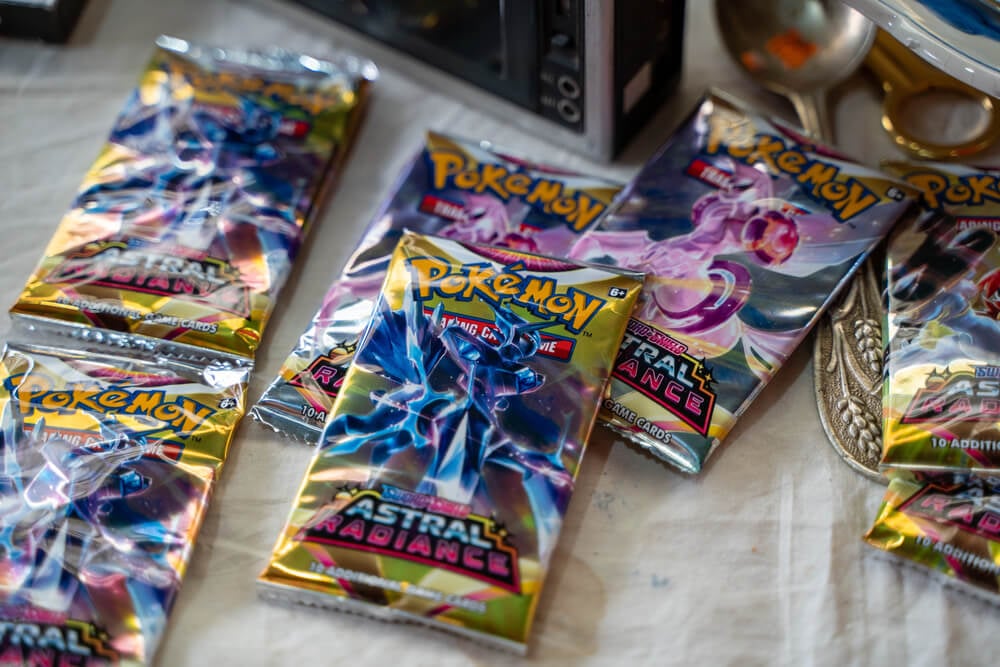
Saudi Arabia’s top religious authorities issued a ruling in 2001 against Pokemon cards and games, saying they encouraged gambling and contained symbols the clerics considered offensive, including stars and crosses printed on some cards. The ban led retailers to pull the products.
Similar objections have surfaced in other countries at different times. When Pokemon Go appeared in 2016, the old ruling was widely recirculated in Saudi media.
Many children continued to trade cards privately regardless, and the franchise remained enormously popular across the Gulf. Bans rarely stop a craze, but they do change where it happens.
Barbie and Saudi Religious Police
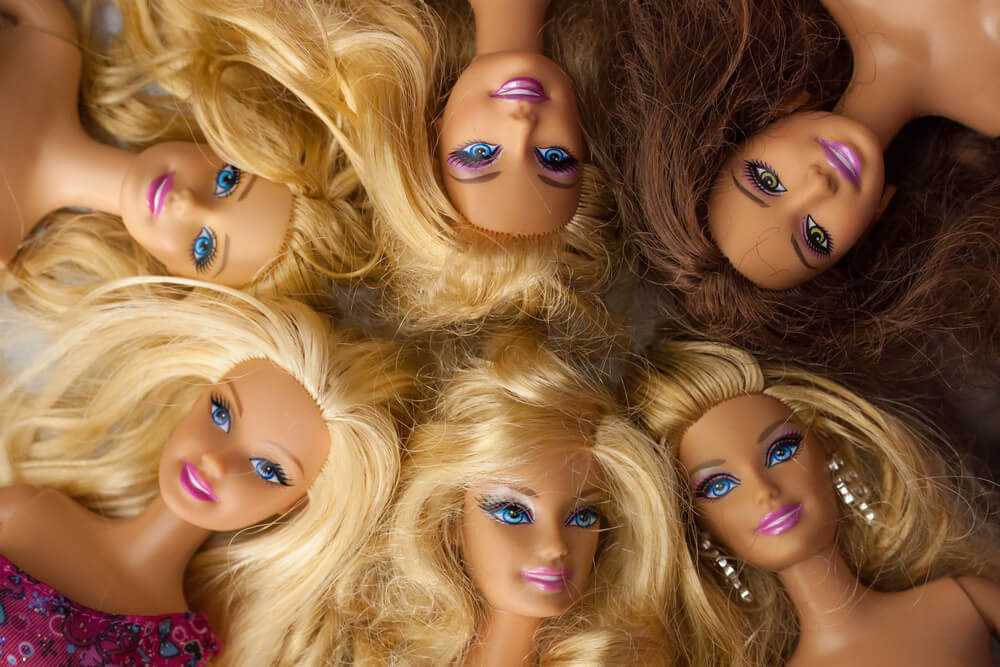
Saudi Arabia’s religious police declared Barbie in 2003 a threat to morality, saying her revealing clothes and Western lifestyle were unsuitable. Dolls were seized from shops.
The ban helped create space for Fulla, a doll designed for the Middle Eastern market that wore modest clothing and carried a prayer mat. Fulla became a bestseller across the region.
For many girls in the Middle East, the doll they grew up with was a direct response to Barbie being pulled from shelves. Iran also campaigned against Barbie in the following years.
Furby and the NSA
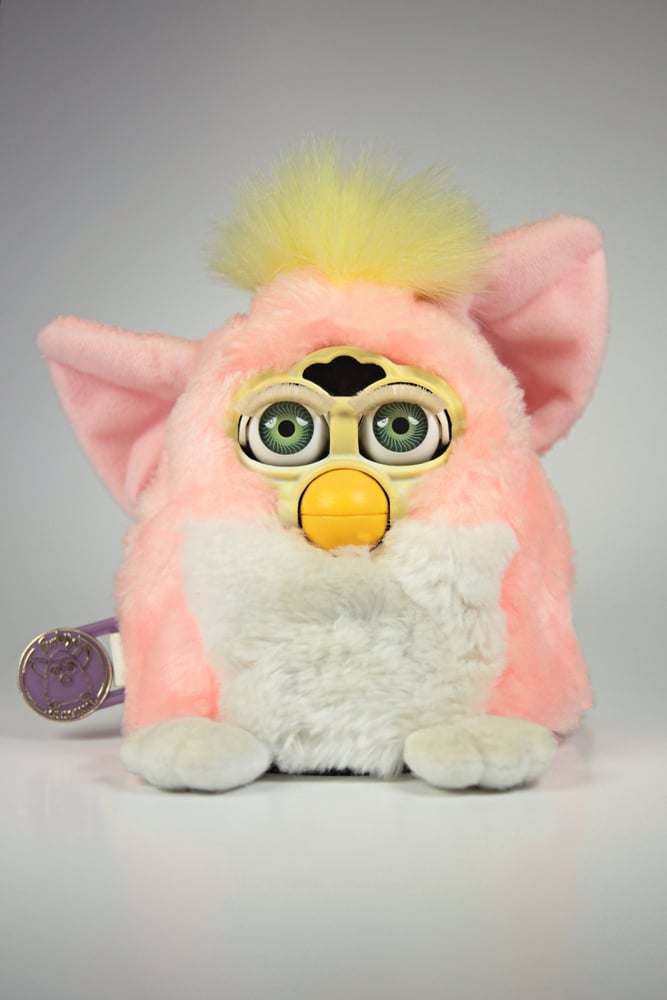
America’s National Security Agency banned Furbies in January 1999 from its headquarters at Fort Meade, Maryland, over concerns that the toys could record and repeat classified conversations. The Furby could not actually record anything.
It was designed to seem as though it was learning language from its owners, but it simply revealed preset words over time. The toy’s maker, Tiger Electronics, said so publicly.
The episode became a well-known example of fear outrunning technology. Employees who already owned one were told to leave it at home, and a cute owl-like toy briefly became a matter of national security.
Thomas the Tank Engine and Lead Paint
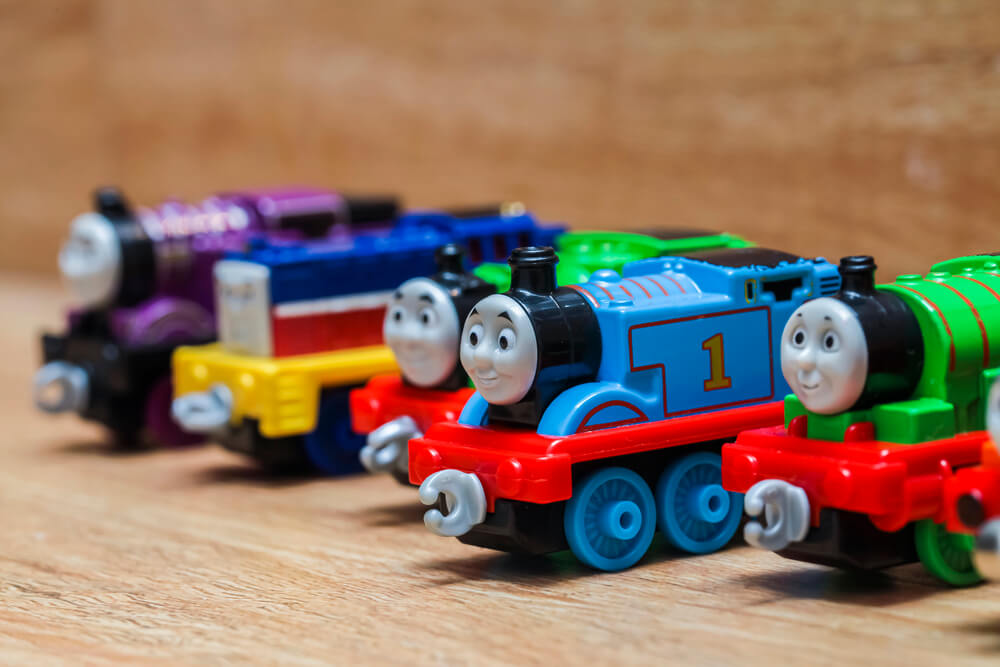
RC2 Corporation recalled about 1.5 million Thomas and Friends wooden railway toys in June 2007 because some had been painted with lead-based paint at a factory in China. The recall shocked parents because the brand had a reputation for quality.
It was part of a wave of recalls that summer involving toys made in China, including Mattel products. The crisis helped lead to the Consumer Product Safety Improvement Act of 2008, which tightened limits on lead in children’s products.
Parents began asking where toys were made in a way they had not before.
CSI Fingerprint Examination Kit
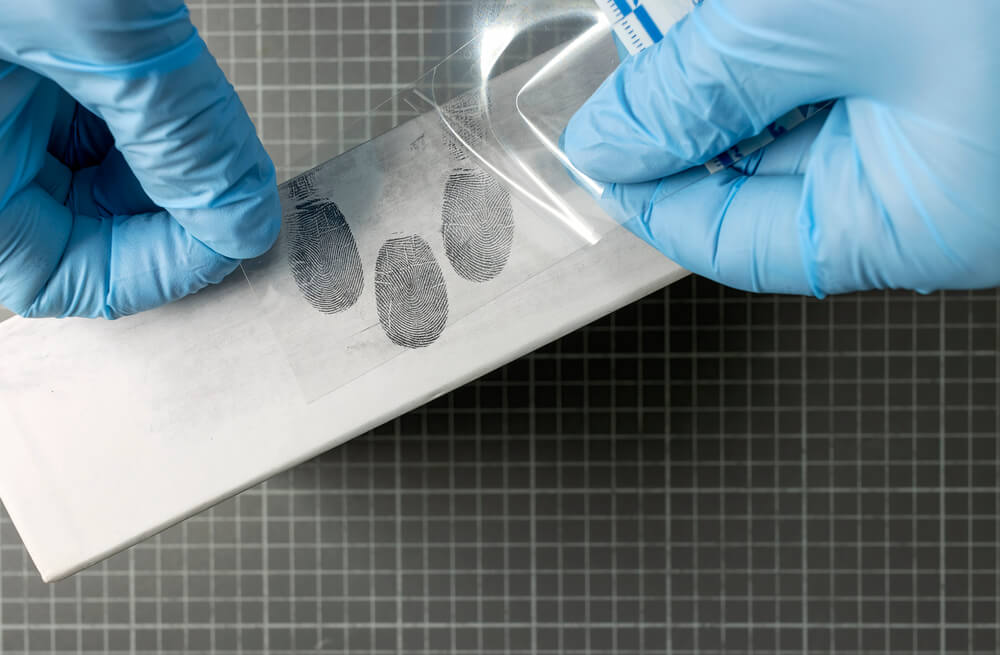
A consumer group found asbestos in the fingerprint powder of a children’s CSI crime scene kit sold in the United States in 2007. The kit was made by Planet Toys under license from the CBS television series.
The asbestos appeared to come from contaminated talc used in the powder. Planet Toys pulled the product from sale.
The finding came from independent laboratory tests commissioned by the group, not from routine regulatory checks. A toy designed to teach children forensic science became a lesson in the importance of testing ingredients.
Hoverboards of 2015
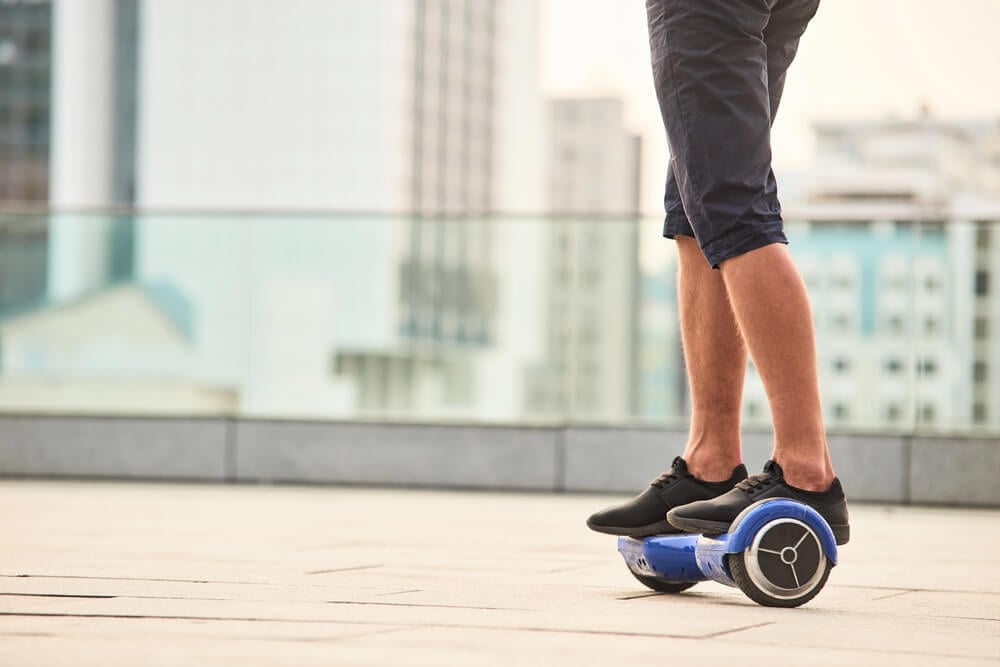
Self-balancing scooters, widely known as hoverboards, became a massive holiday gift in 2015. Some began catching fire while charging or in use because of faulty lithium-ion batteries.
Amazon and other retailers pulled many models from sale, and airlines banned them from flights. In early 2016 the CPSC said it considered hoverboards unsafe unless they met a new safety standard.
In July 2016 more than 500,000 were recalled. The episode reshaped safety rules for battery-powered toys and made the UL 2272 certification label something parents learned to look for.
Cheap versions from unknown makers were the worst offenders.
Galoob Game Genie
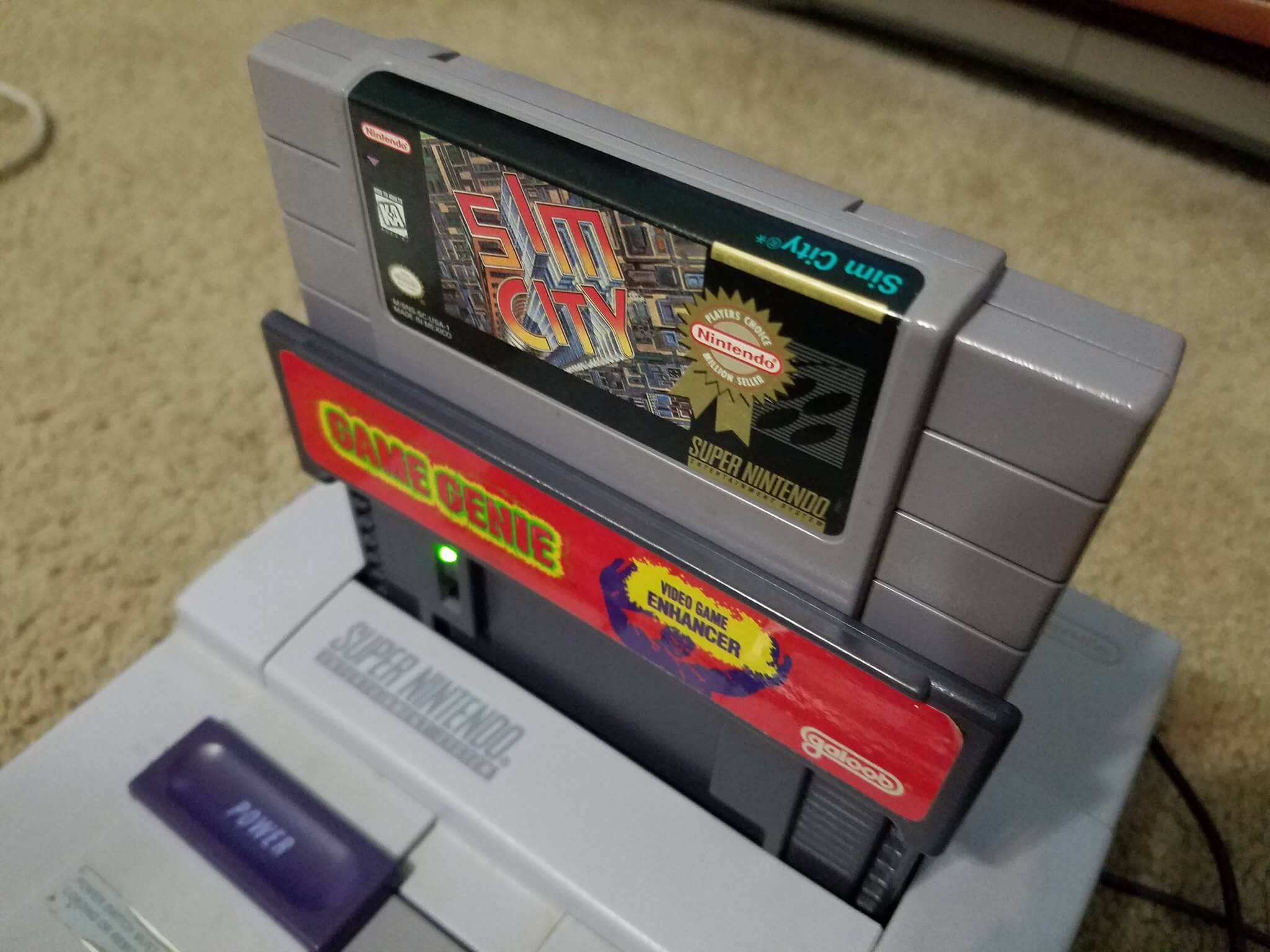
Galoob’s Game Genie was a cartridge that plugged into a Nintendo console and let players alter games by entering codes, giving infinite lives or other advantages. Nintendo sued, arguing that the device created unauthorized derivative works of its games.
A court injunction kept the Game Genie off American shelves for about a year while the case continued. Galoob eventually won, and the device went on sale in the United States in 1991.
The case became an important precedent for later legal fights over game modifications.
Water Beads Aimed at Children
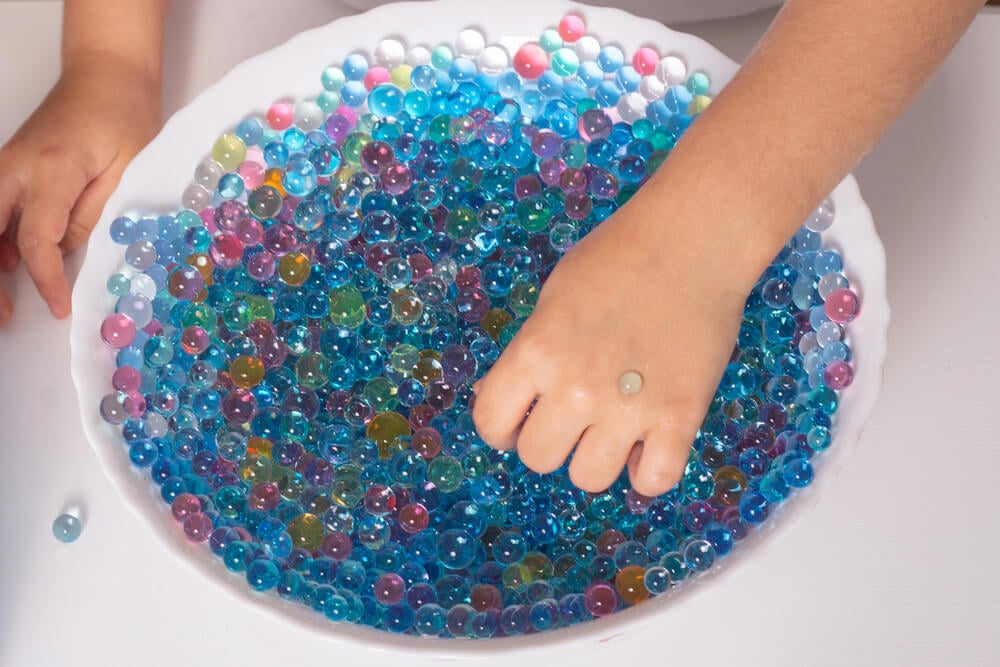
Water beads are tiny polymer pellets that swell dramatically when soaked, and they were sold as sensory toys for children. If swallowed, they can expand inside the body and cause dangerous blockages.
In 2023 Buffalo Games recalled about 52,000 water bead activity kits after the death of a 10-month-old child. Target stopped selling water beads marketed to children that same year.
Safety advocates and lawmakers pushed for a broader ban, pointing to thousands of emergency room visits. The beads are also hard to spot on X-rays, which makes diagnosis difficult when a child becomes ill.
Soft PVC Teething Toys in Europe
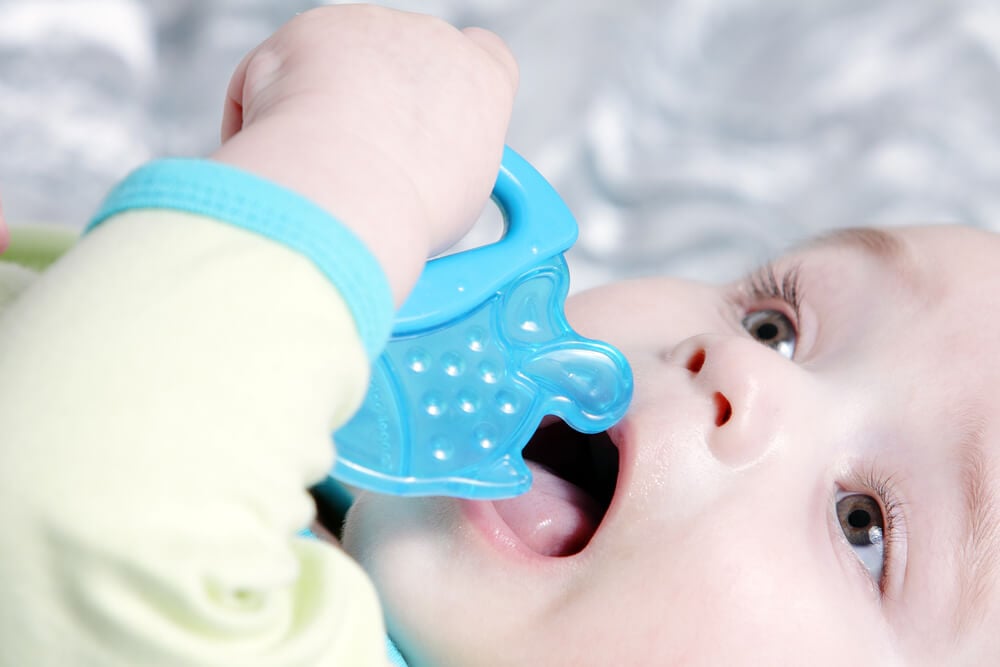
The European Union adopted an emergency ban in 1999 on phthalates in soft PVC toys designed to be put in the mouths of children under three. Phthalates were used to make the plastic soft, but they could leach out as children chewed.
The ban was renewed repeatedly and made permanent in 2005. The United States later restricted several phthalates in children’s toys under the 2008 Consumer Product Safety Improvement Act.
Teething rings and squeeze toys that were ordinary one year were illegal the next, and manufacturers switched to other plastics.
Monopoly Under Communism
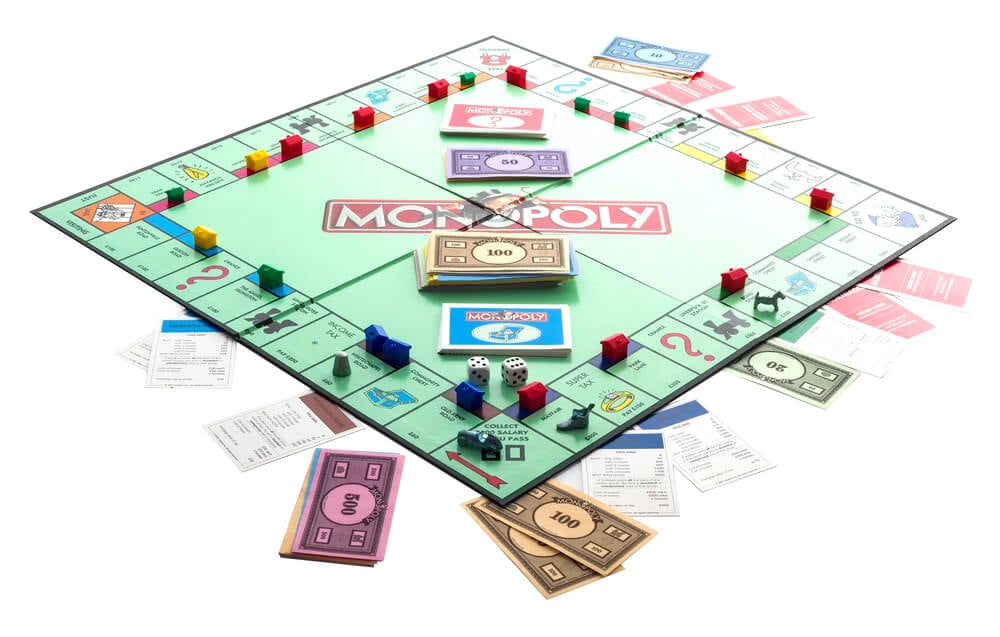
Monopoly, with its celebration of property and rent, was not welcome in the Soviet Union and was banned there for decades. After the 1959 revolution in Cuba, Fidel Castro’s government reportedly ordered all Monopoly sets destroyed.
Hasbro later produced a version for the Russian market after the Soviet collapse. In Cuba the game remained difficult to find for many years.
A board game about getting rich and bankrupting opponents made an easy target for governments that opposed private property. Ironically, the game grew out of an earlier design meant to criticize landlords.
Squishies in Denmark
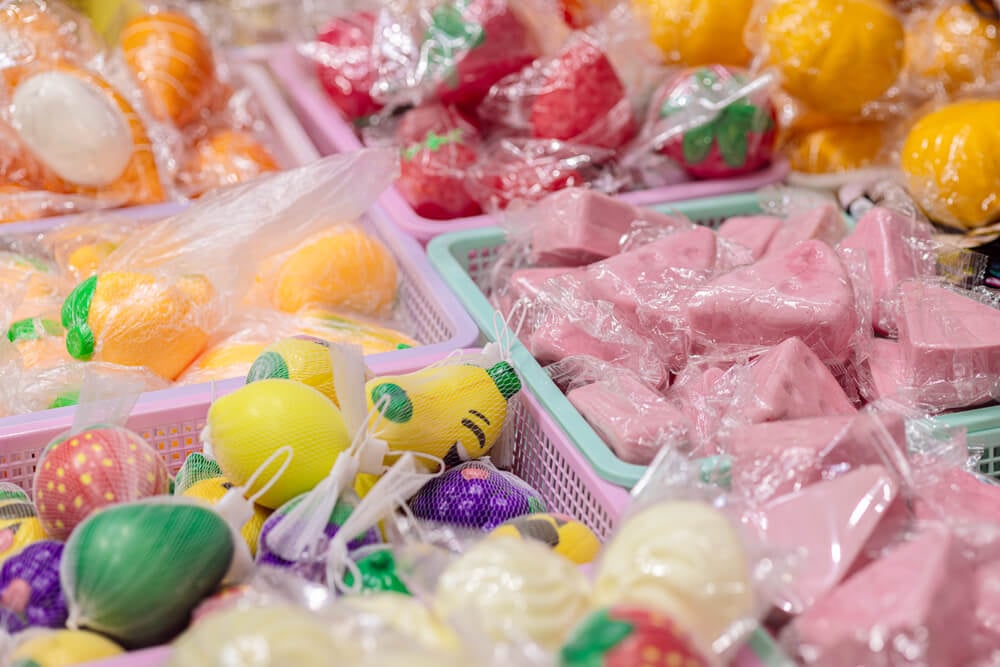
Squishies are soft foam toys shaped like food, animals or cartoon characters that slowly return to shape after being squeezed. In 2018 the Danish Environmental Protection Agency tested 12 popular squishies and found that they released harmful chemicals, including dimethylformamide.
The agency asked retailers to remove them from sale. Several countries later investigated similar products.
The agency warned that children who played with them closely for long periods faced the greatest exposure. A toy whose appeal was its softness turned out to be giving off chemicals children were breathing in.
Oreo Fun Barbie of 1997
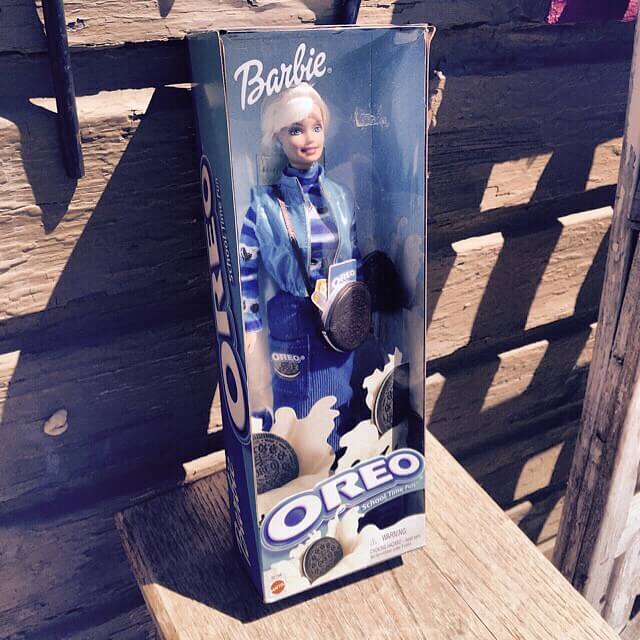
Mattel released Oreo Fun Barbie in 1997, a collaboration with Nabisco, in both white and Black versions. Critics pointed out that Oreo was used as a racial slur for Black people perceived as acting white.
Mattel withdrew the doll. The unsold dolls became collectibles, and the episode is often cited as an example of a corporate branding decision that did not consider how a product would be read.
It has become a case study in marketing classes about how a harmless intention can collide with a painful word.
Wham-O Water Wiggle
Wham-O’s Water Wiggle attached to a garden hose, and water pressure made a plastic head on the end whip around unpredictably while children dodged the spray. Wham-O sold about 2.5 million over 17 years.
In 1978, after a four-year-old boy drowned when the exposed nozzle of a dismantled Water Wiggle lodged in his mouth, Wham-O stopped sales and recalled the toy in cooperation with the CPSC. A simple backyard toy showed how quickly water pressure and small bodies could become a lethal combination.
It had sold for about 3.50 dollars.
Breaking Bad Action Figures
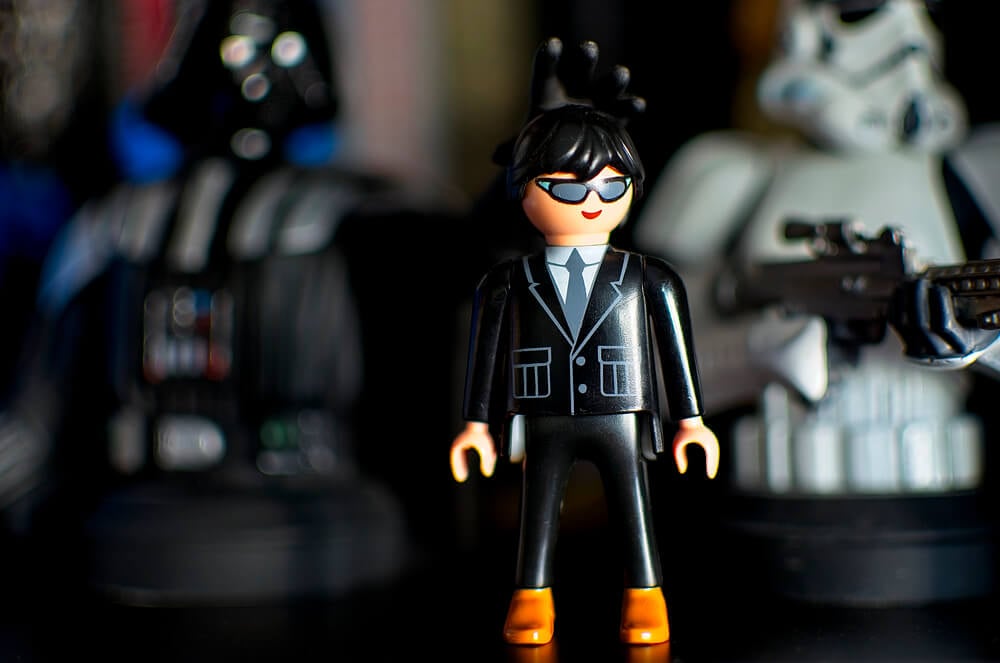
Toys R Us sold action figures in 2014 based on the television series Breaking Bad, including a figure of Walter White with a bag of fake cash and a figure with a bag of fake methamphetamine. A Florida mother launched a petition arguing the figures glamorized drugs, and it gathered thousands of signatures.
Toys R Us pulled the figures from its shelves. Bryan Cranston, who played Walter White, mocked the decision on social media.
The figures had been intended for adult collectors, and they sold out quickly elsewhere once the controversy made headlines.
Baby Walkers in Canada
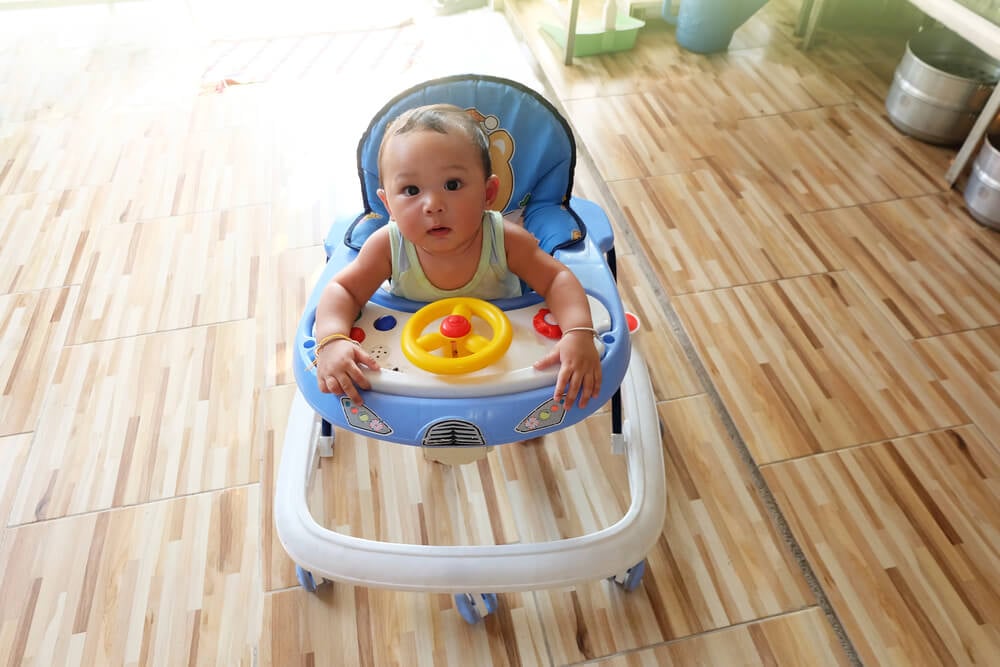
Canada became the first country to ban the sale, import and advertising of baby walkers, in 2004. Health authorities had documented serious head injuries and other harm when infants in walkers tumbled down stairs.
Anyone selling a walker, even secondhand at a garage sale, could face heavy fines. The United States chose to strengthen safety standards instead, requiring walkers to be wider than a standard doorway or to stop at the edge of a step.
The Canadian ban remains one of the strictest regulations on any children’s product. Stationary activity centers, which do not roll, became the common replacement in Canadian homes.
Liquid-Filled Stretch Yo-Yos
Around 2003, stretchy yo-yos filled with liquid became a playground craze, sold cheaply at convenience stores and fairs. Children swung them by a long elastic cord, which could wrap around the neck.
France banned them, and several other countries restricted or removed them from sale. The CPSC reviewed complaints but declined to order a recall, advising parents to supervise children instead.
Some also raised concerns about the chemicals in the liquid filling. The difference in responses showed how differently governments weigh the same risk, and the craze faded almost as quickly as it arrived.
Kinder Surprise in the United States
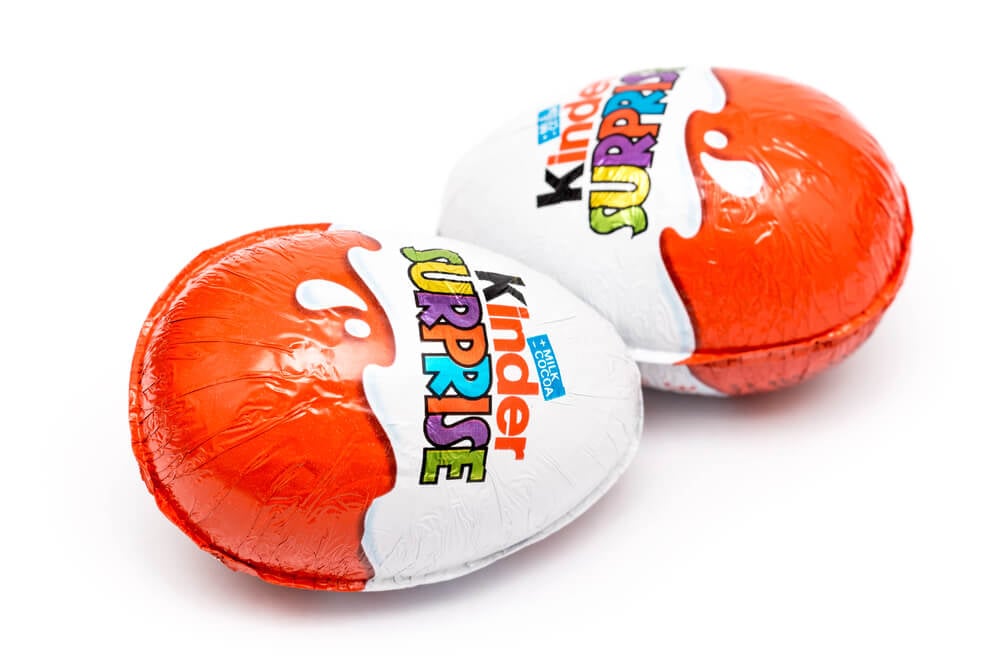
Kinder Surprise eggs, chocolate shells with a small toy inside a plastic capsule, are sold in dozens of countries. In the United States they are banned under the Federal Food, Drug, and Cosmetic Act of 1938, which prohibits non-nutritive objects embedded in food.
Border officials have seized eggs from travelers returning from Canada and Europe. The maker introduced Kinder Joy, in which the toy is sealed in a separate half, to the US market in 2017.
The original egg still cannot be sold there, which makes it a common souvenir smuggled home.
Original Little People Figures
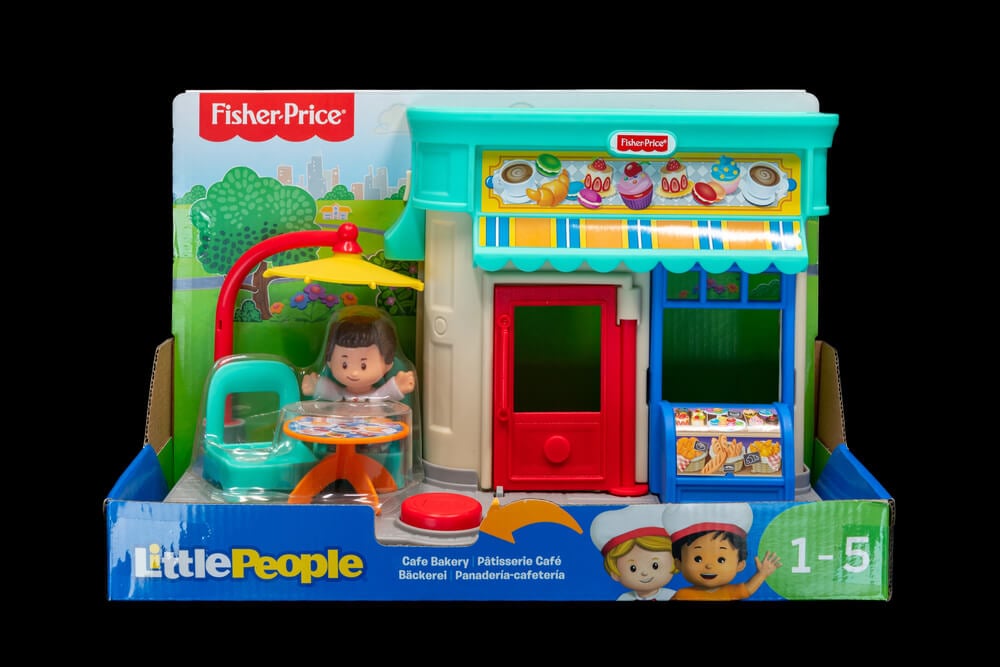
Fisher-Price’s Little People figures were originally small, peg-shaped wooden and later plastic figures that fit into play sets. Safety advocates warned that they were small enough to become choking hazards.
In 1991 Fisher-Price redesigned them to be larger and wider, and the chunkier figures sold today descend from that change. The original small figures were taken out of production and became collectibles.
Collectors look for the early wooden figures and the matching farm, school and airport play sets. Adults who grew up with the originals often remember them as tiny, which they were.
Playthings on Trial
The toys here fell into two groups. Most were pulled because they hurt children in ways designers never anticipated, whether through magnets, chemicals, sharp edges or powerful springs.
Each recall pushed safety standards forward, often after a tragedy. The modern toy aisle is safer because of those failures.
The other group was banned for ideas, not injuries. Dolls, card games and board games were pulled because governments disliked what they represented.
Those bans said more about the adults involved than about the toys themselves. A toy can carry a lot of meaning for something built to be played with.
More from Go2Tutors!

- The Romanov Crown Jewels and Their Tragic Fate
- 13 Historical Mysteries That Science Still Can’t Solve
- Famous Hoaxes That Fooled the World for Years
- 15 Child Stars with Tragic Adult Lives
- 16 Famous Jewelry Pieces in History
Like Go2Tutors’s content? Follow us on MSN.