World’s Highest Paid Politicians
Running a country sounds like one of the most important jobs anyone could have. The decisions made by presidents, prime ministers, and other leaders affect millions of people every single day.
But the paychecks these leaders take home vary wildly from country to country. Some earn modest salaries that barely cover living expenses in expensive cities, while others collect millions annually.
Understanding what world leaders actually earn reveals interesting patterns about how different countries value public service, compensate their officials, and think about government work.
Singapore Prime Minister Lawrence Wong
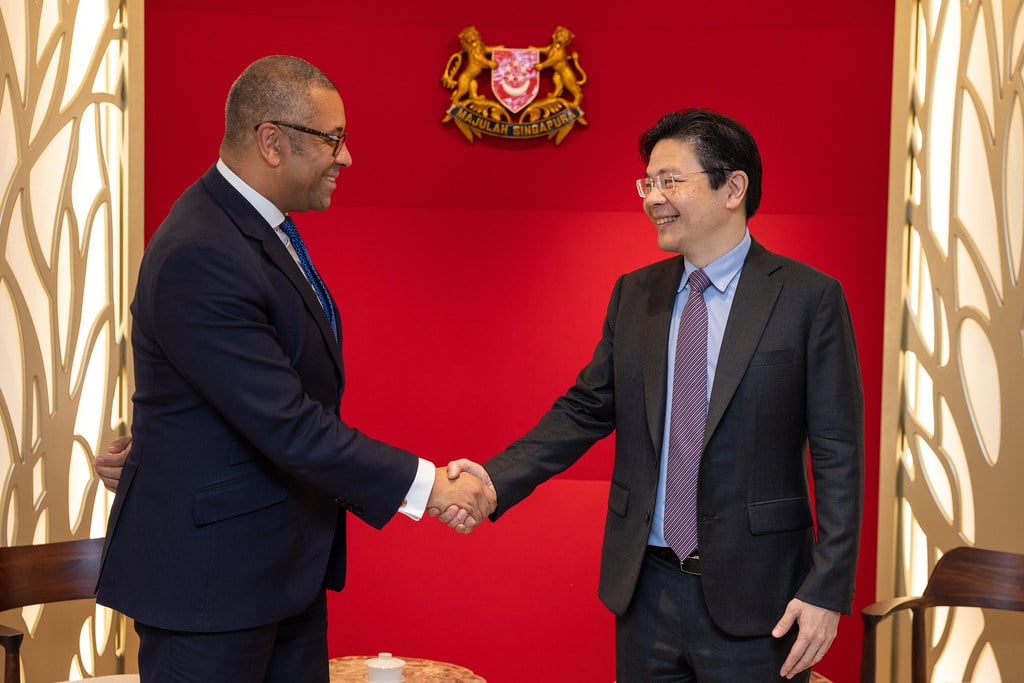
Singapore’s leader takes home the largest government salary on the planet. Prime Minister Lawrence Wong earns around $1.7 million per year, a figure that dwarfs what other heads of government receive.
Singapore designed this pay structure deliberately, believing that competitive salaries attract top talent from the private sector and reduce the temptation for corruption. The salary gets calculated based on what high-earning professionals in Singapore make, specifically benchmarked against the median income of the top 1,000 wage earners in the city-state.
Critics argue the amount seems excessive for public service, while supporters point to Singapore’s exceptional governance and low corruption rates as proof the system works.
Swiss President Karin Keller-Sutter
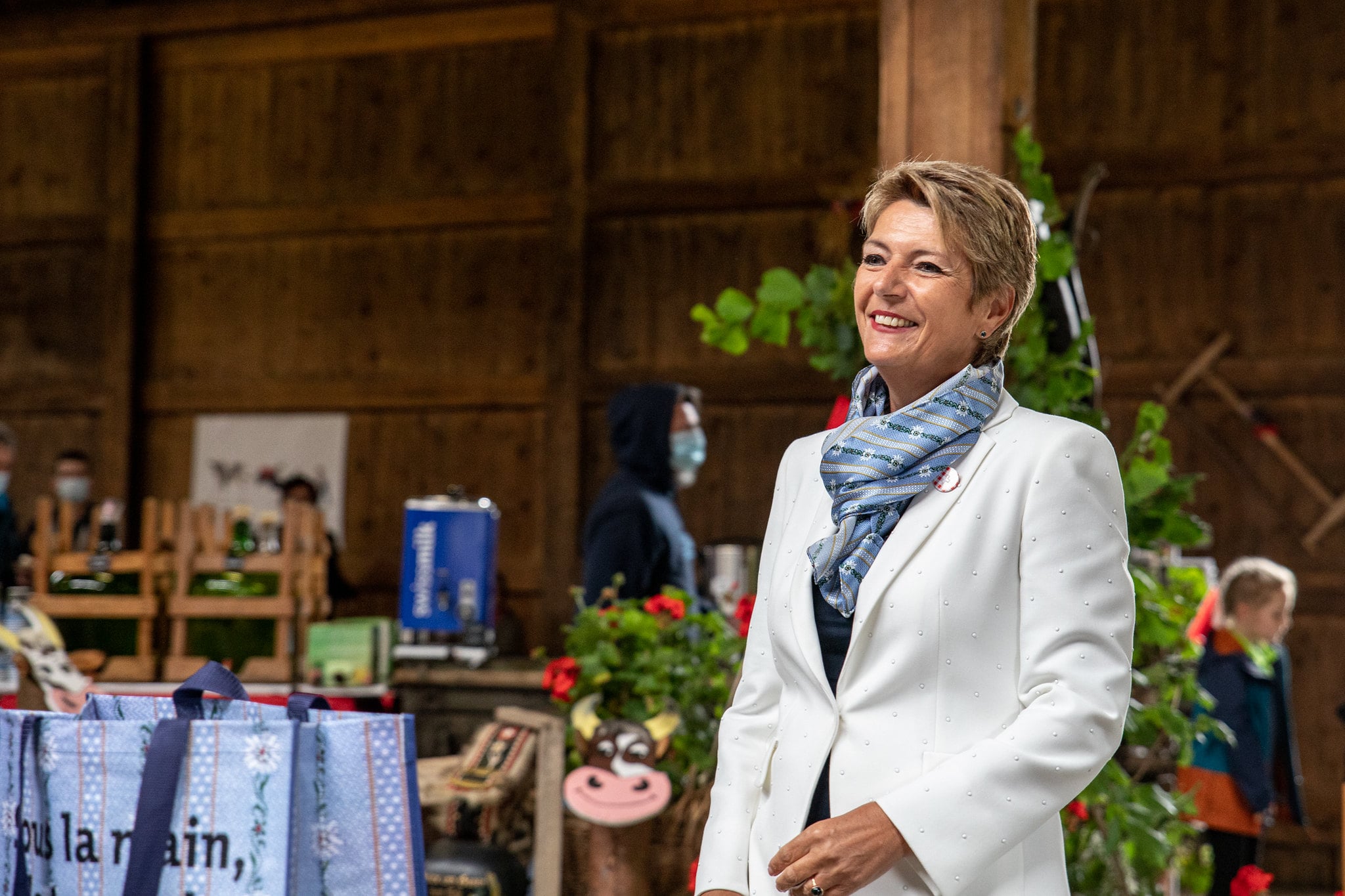
Switzerland’s rotating presidency means a different person leads the country each year, selected from the seven-member Federal Council. President Karin Keller-Sutter earns roughly $600,000 annually in 2025.
The Swiss system spreads executive power among multiple people rather than concentrating it in one individual, and the president’s role functions more as first among equals than as an all-powerful executive. This salary reflects Switzerland’s high cost of living and the country’s general approach to compensating public officials fairly without going overboard.
The rotating system also means no single person builds a power base or becomes too comfortable in the top position.
German Chancellor Friedrich Merz
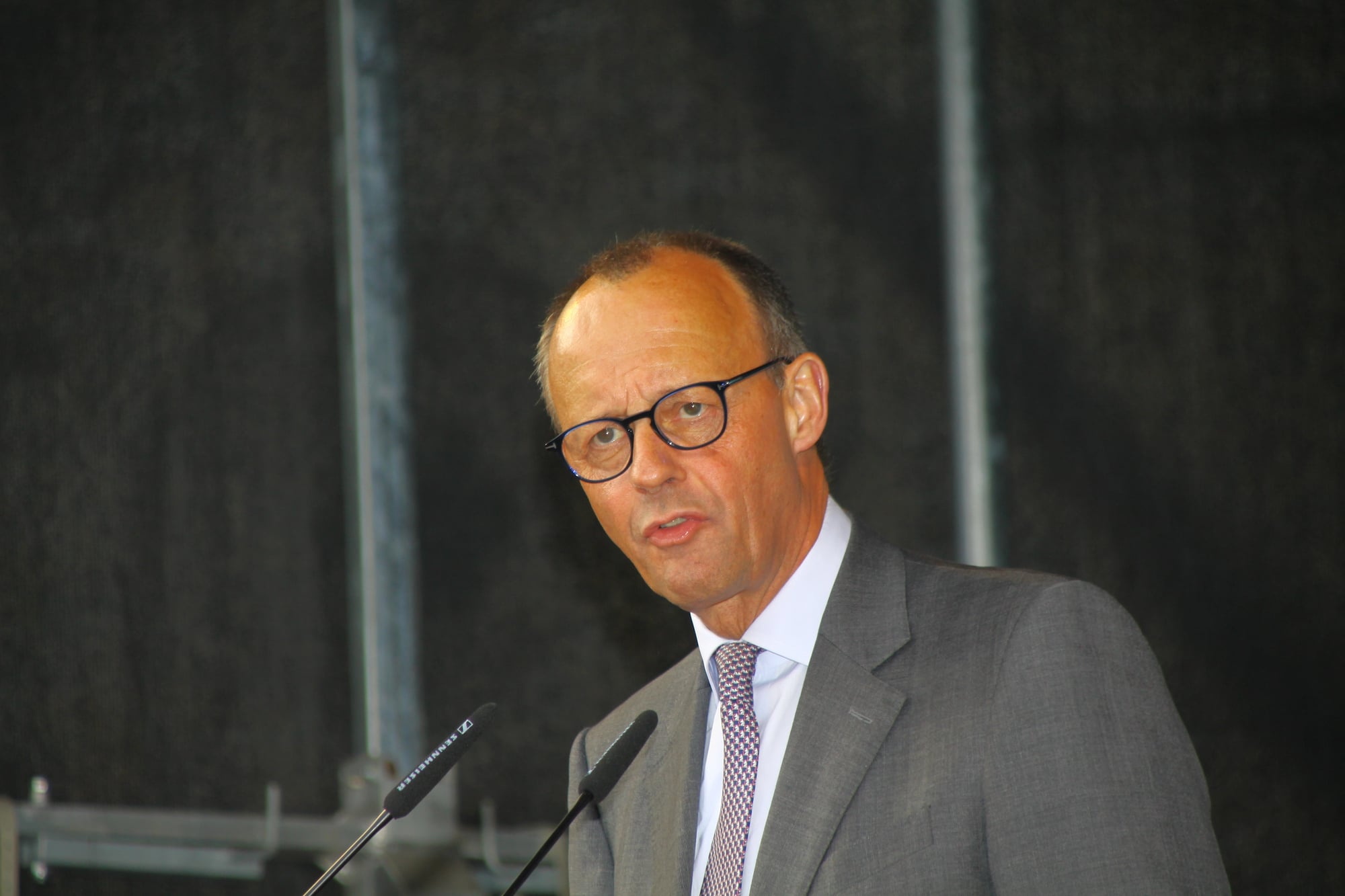
Germany’s new chancellor earns around $417,000 per year. Friedrich Merz took office in early 2025 after his party won the February elections, replacing Olaf Scholz who held the same position.
The German chancellor’s salary sits in the middle range compared to other wealthy European nations. Germany balances paying enough to attract qualified leaders while not creating too large a gap between government officials and average workers.
The amount includes a base salary plus allowances for official duties, though it pales in comparison to what top executives in German corporations earn. This gap sometimes makes it harder for political parties to recruit business leaders into government roles.
Australian Prime Minister Anthony Albanese
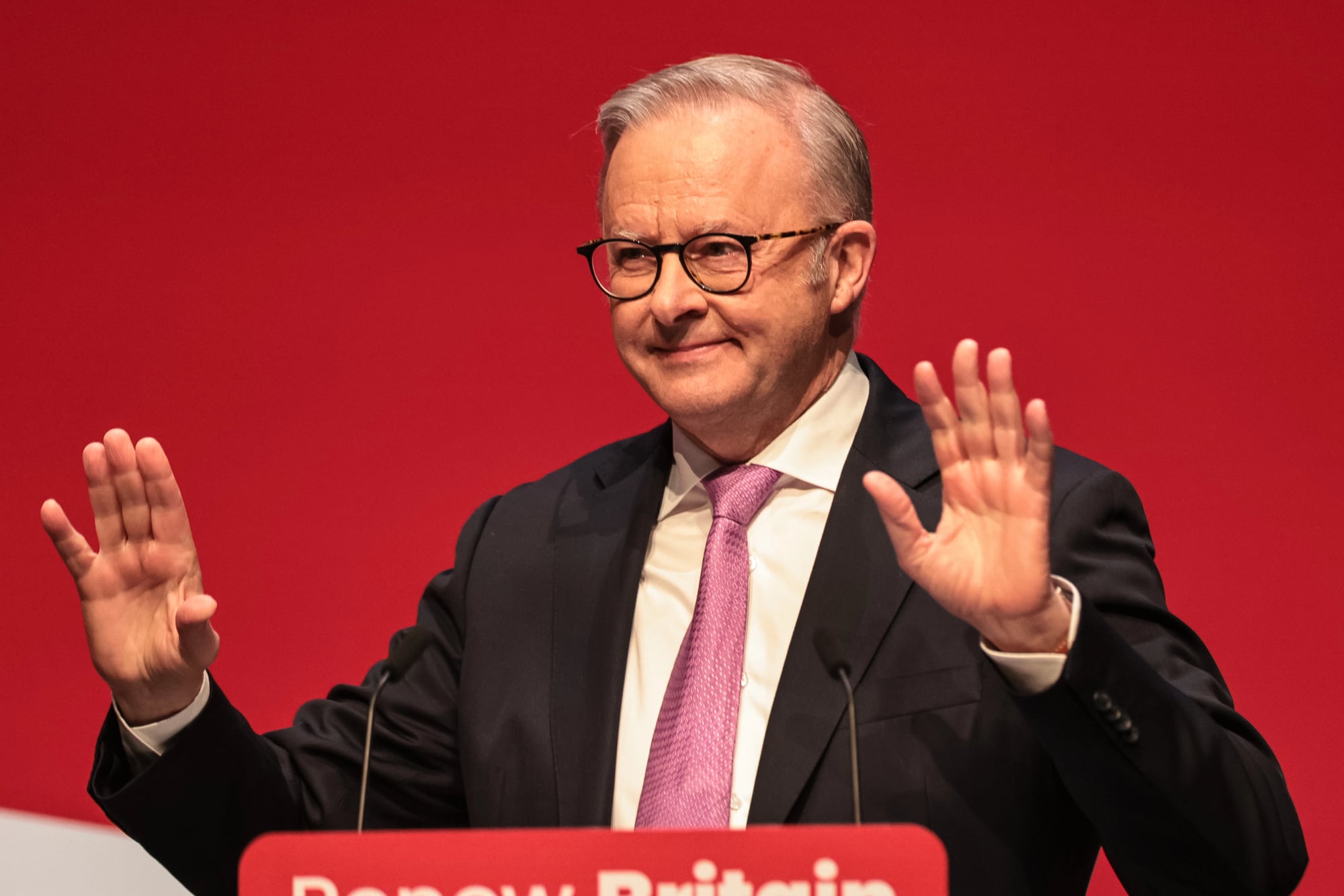
Australia’s leader brings in approximately $400,000 annually, though exchange rate fluctuations mean the US dollar equivalent changes throughout the year. Prime Minister Albanese’s salary briefly exceeded the US president’s in 2024 when currency values shifted favorably.
Australia sets parliamentary salaries through an independent tribunal to avoid politicians directly voting on their own pay increases, a system designed to maintain public trust. The relatively high salary reflects Australia’s strong economy and high cost of living in cities like Sydney and Canberra.
Members of Parliament earn substantially less than the prime minister, creating a clear hierarchy in compensation that mirrors the difference in responsibilities.
US President Donald Trump
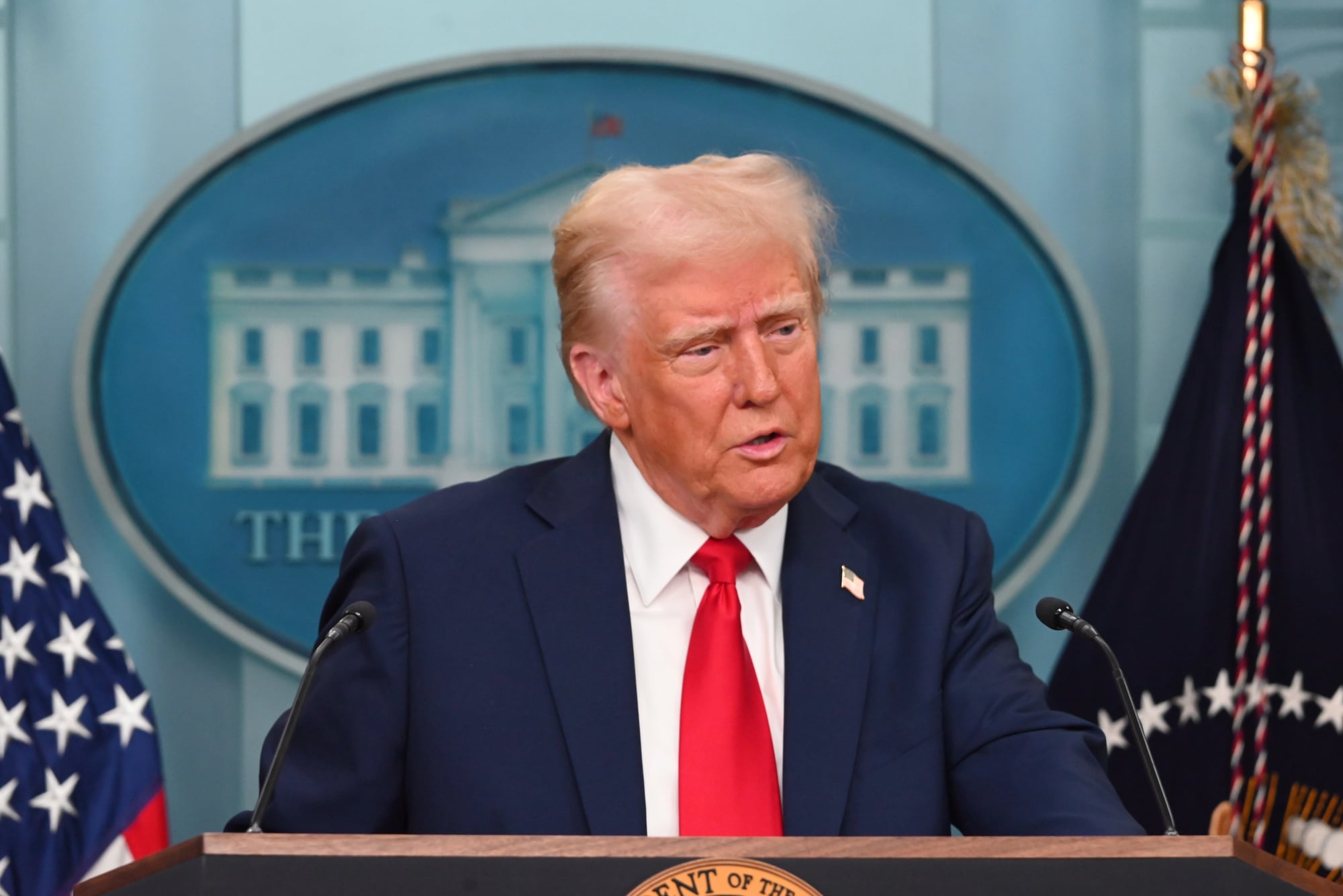
The American president earns exactly $400,000 per year, an amount that hasn’t changed since 2001. President Trump, like some wealthy politicians before him, pledged to donate his salary to various government departments and causes.
The $400,000 figure represents a significant jump from the $200,000 presidents earned before 2001, when Congress finally approved a raise that had been debated for years. The president also receives a $50,000 annual expense account, a $100,000 travel account, and a $19,000 entertainment budget.
While $400,000 sounds like a lot, it’s a fraction of what Trump earned in his business career, and far less than what many corporate CEOs take home. The relatively modest presidential salary reflects American ambivalence about paying public officials too much.
Hong Kong Chief Executive John Lee
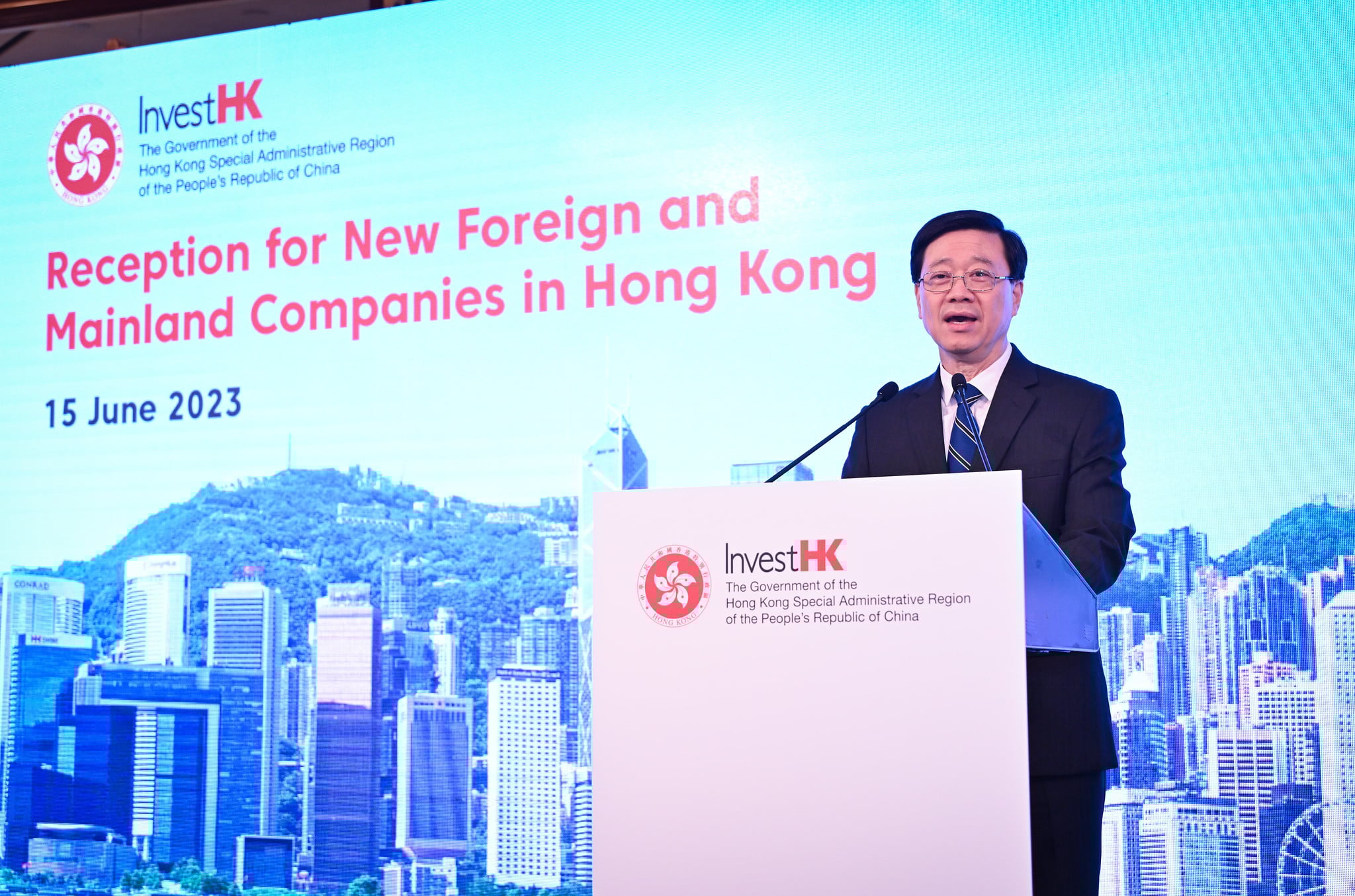
Hong Kong’s top official pulls in around $640,000 to $695,000 annually, making him one of the highest-paid government leaders globally. Chief Executive John Lee’s monthly salary exceeds $50,000, putting his compensation far above most international counterparts.
Hong Kong follows a similar philosophy to Singapore, believing high salaries prevent corruption and attract capable administrators. The chief executive position replaced the British governor role when Hong Kong transitioned from British to Chinese control in 1997.
Critics note that the generous salary hasn’t prevented political controversies or public dissatisfaction with the government’s handling of various issues. The high pay also creates awkward optics when many Hong Kong residents struggle with housing costs and income inequality.
Austrian Chancellor
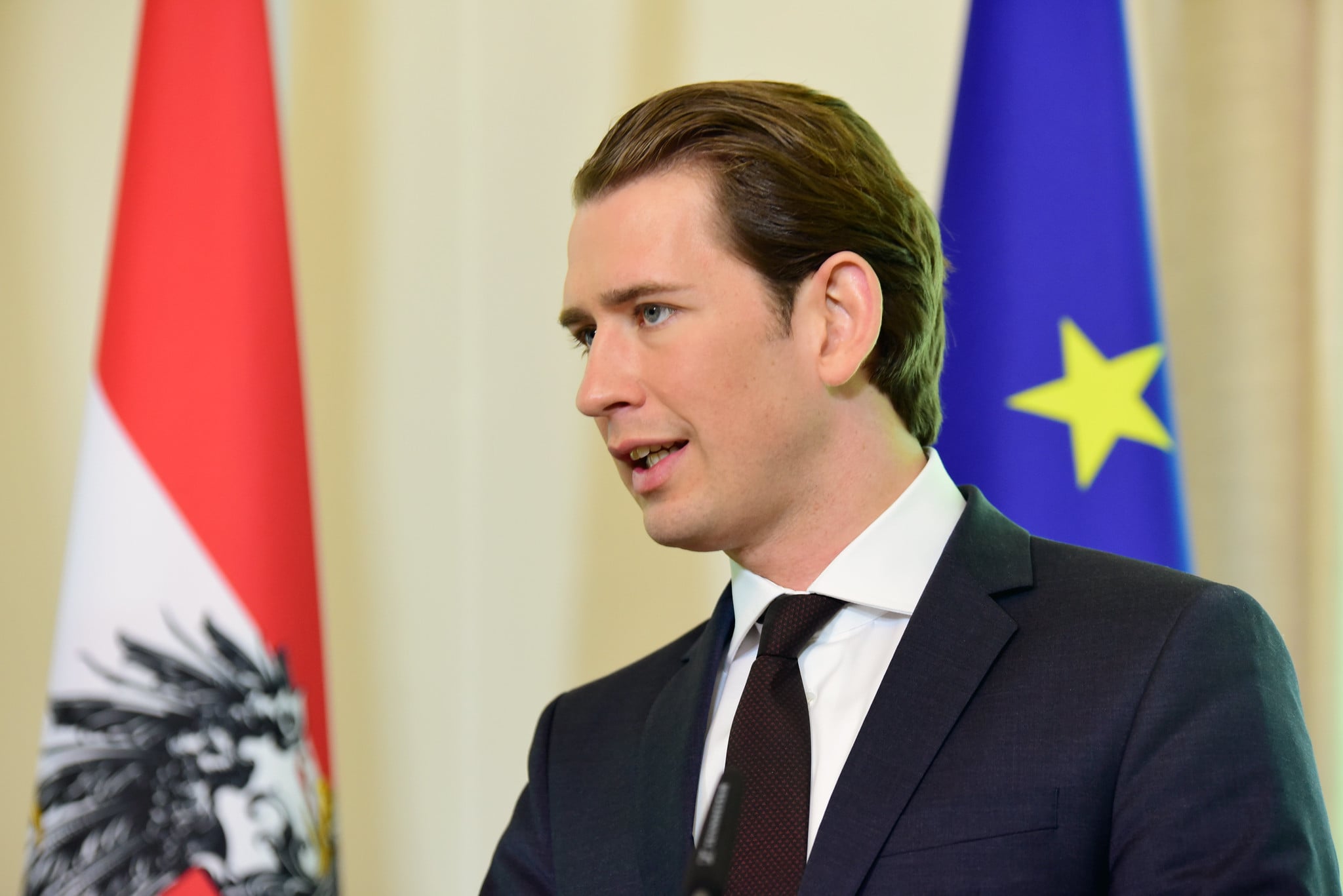
Austria’s head of government earns roughly $350,000 to $400,000 per year depending on current exchange rates. The position recently changed hands, with different leaders serving as interim and permanent chancellors during political transitions.
Austrian officials receive solid compensation that reflects the country’s wealth and high standard of living. The salary puts Austrian leadership compensation in the upper tier of European nations, though still below Switzerland and Germany in absolute terms.
Austria’s coalition government system means the chancellor must constantly negotiate with partner parties, arguably making the job more complex than in countries with stronger executive authority.
Belgian Prime Minister
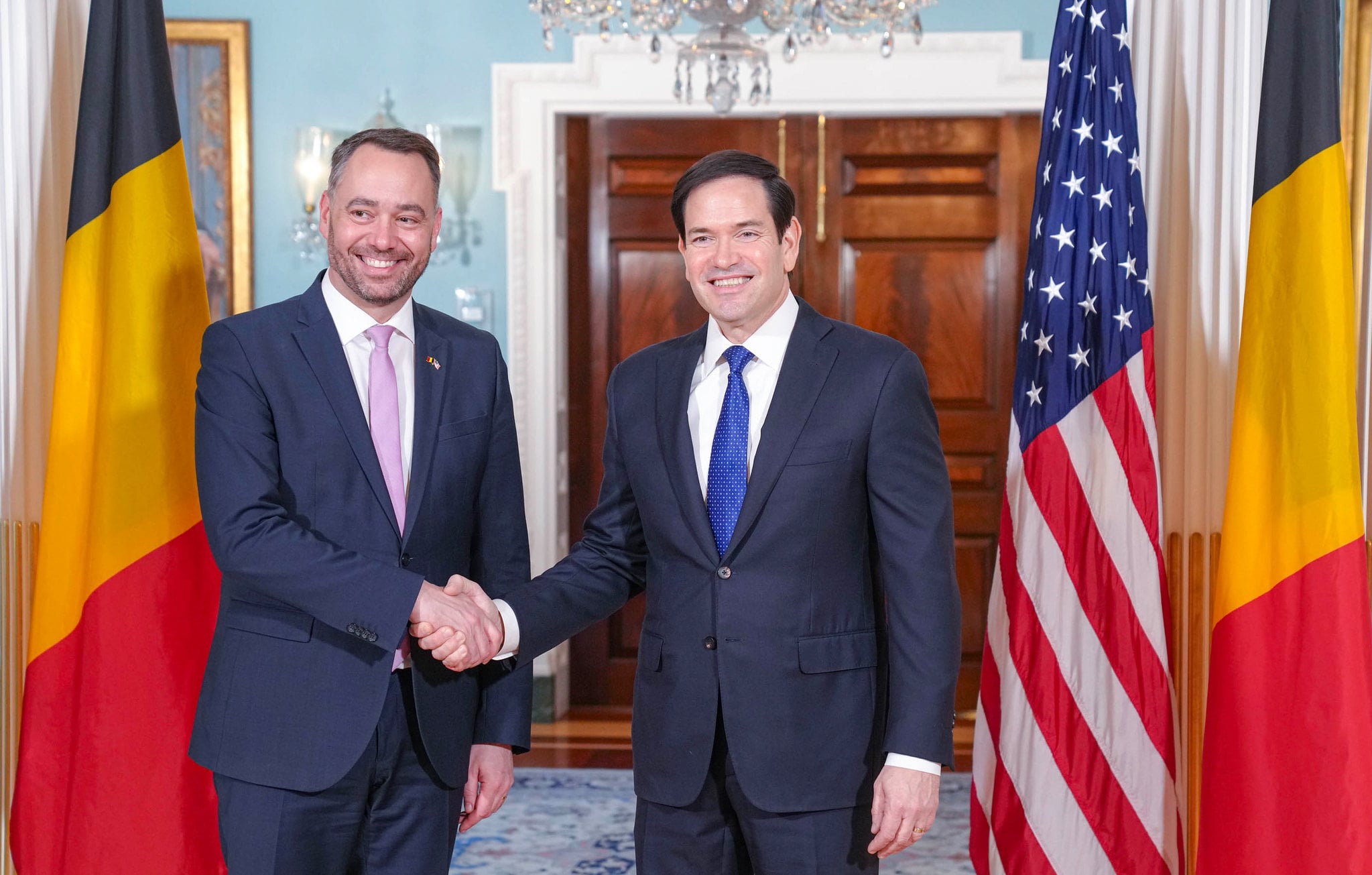
Belgium’s prime minister takes home approximately $340,000 to $370,000 annually. The leader of this small but wealthy nation earns a salary that reflects Belgium’s position as host to major European Union institutions and its high cost of living, particularly in Brussels.
Belgian politics involves constant balancing between French-speaking and Dutch-speaking communities, adding complexity to the prime minister’s role. The compensation tries to attract talented politicians willing to navigate Belgium’s notoriously complicated political system.
Belgium has experienced periods without a functioning government lasting many months, during which the prime minister serves in a caretaker capacity at the same salary level.
Canadian Prime Minister Justin Trudeau
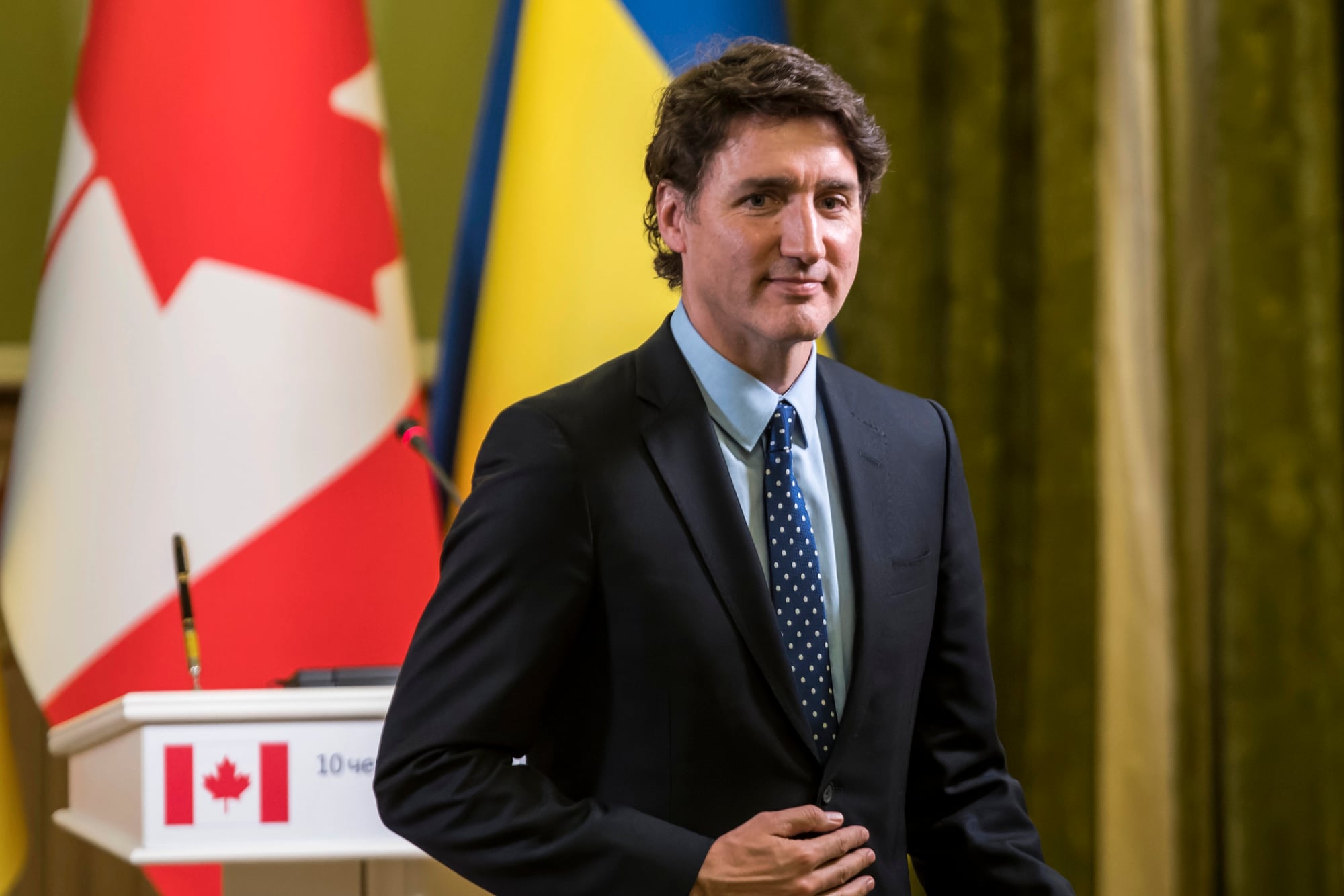
Canada’s prime minister earns around $379,000 per year when converting from Canadian dollars. Justin Trudeau has held the position since 2015, though his government faced challenges in recent years.
The salary gets set by an independent commission to avoid politicians directly voting on their own pay. Canadian prime ministers also receive substantial benefits including official residences, security details, and travel allowances.
The compensation reflects Canada’s size, economic strength, and the demands of leading a geographically massive nation with diverse regions and interests. Members of Parliament earn considerably less, with the prime minister’s salary representing the top of the governmental pay scale.
New Zealand Prime Minister Christopher Luxon
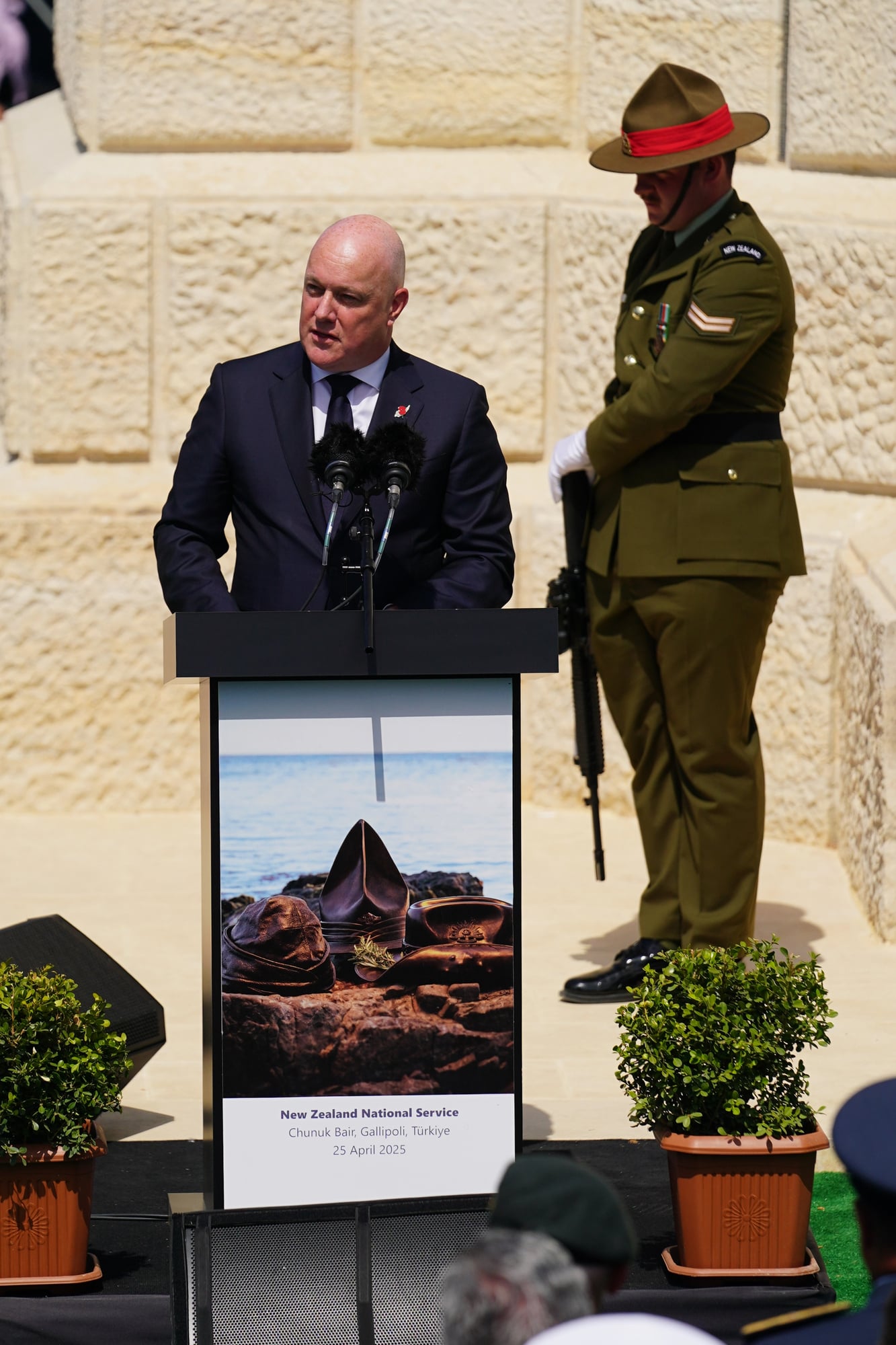
New Zealand’s leader takes home roughly $470,000 per year in local currency, translating to around $280,000 to $320,000 US dollars depending on exchange rates. Prime Minister Luxon came from a business background before entering politics, where he previously earned substantially more as an airline executive.
The relatively high salary by global standards reflects New Zealand’s approach to compensating leaders fairly while acknowledging the country’s geographic isolation and the challenges of governing island nations in the Pacific. New Zealand politicians generally enjoy good relationships with constituents compared to many other democracies, possibly because the small population makes leaders more accessible and accountable.
Luxembourg Prime Minister
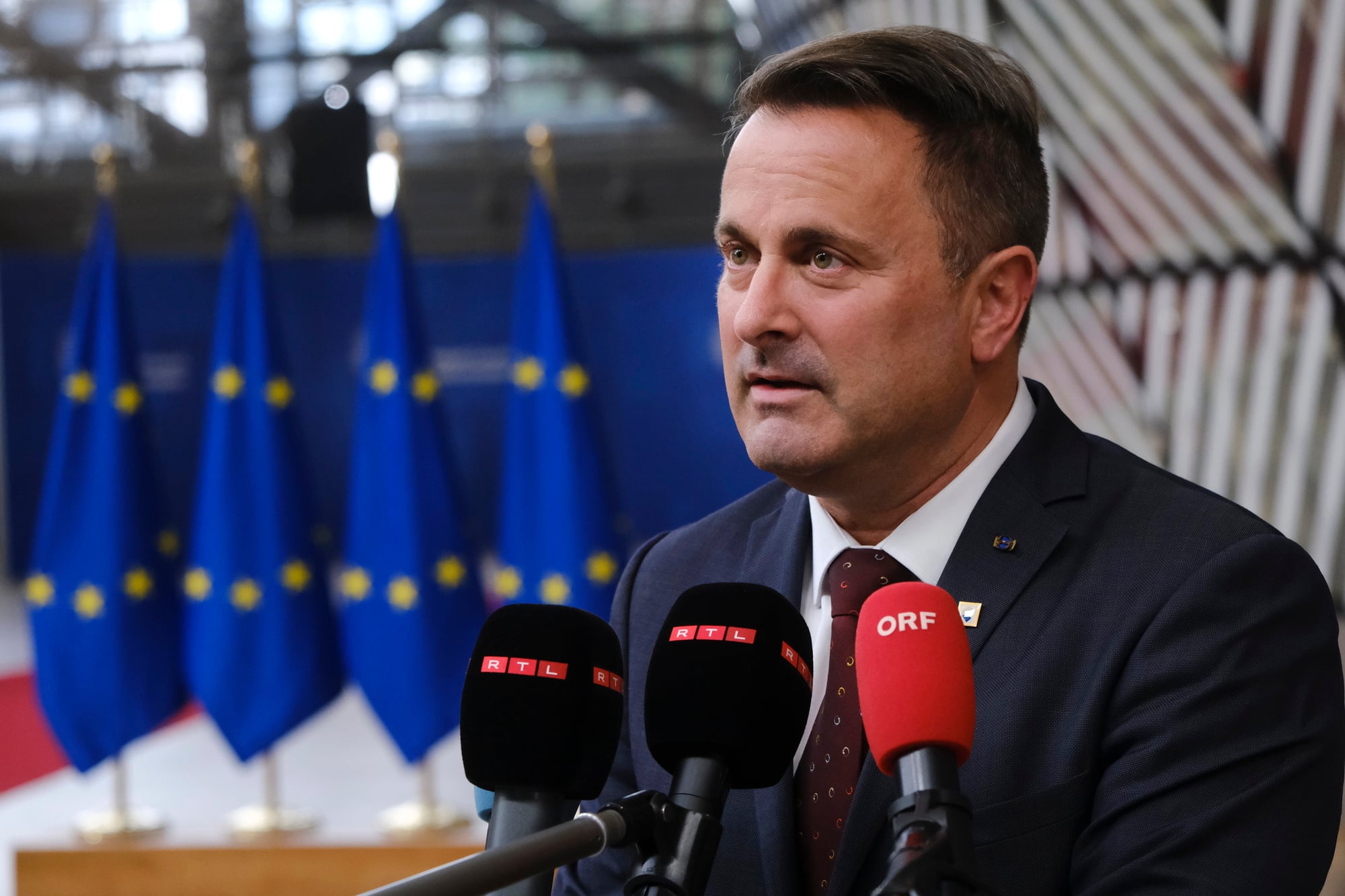
Luxembourg’s tiny but extremely wealthy nation pays its prime minister around $278,000 to $320,000 annually. As one of the world’s richest countries per capita, Luxembourg compensates government officials well without the salaries seeming excessive relative to the general population’s wealth.
The prime minister leads a country with fewer than 650,000 residents but hosts numerous international financial institutions and European Union agencies. The work involves extensive international diplomacy despite the small domestic population.
Luxembourg’s government stability and low corruption create an environment where generous official salaries don’t trigger public backlash.
Danish Prime Minister Mette Frederiksen
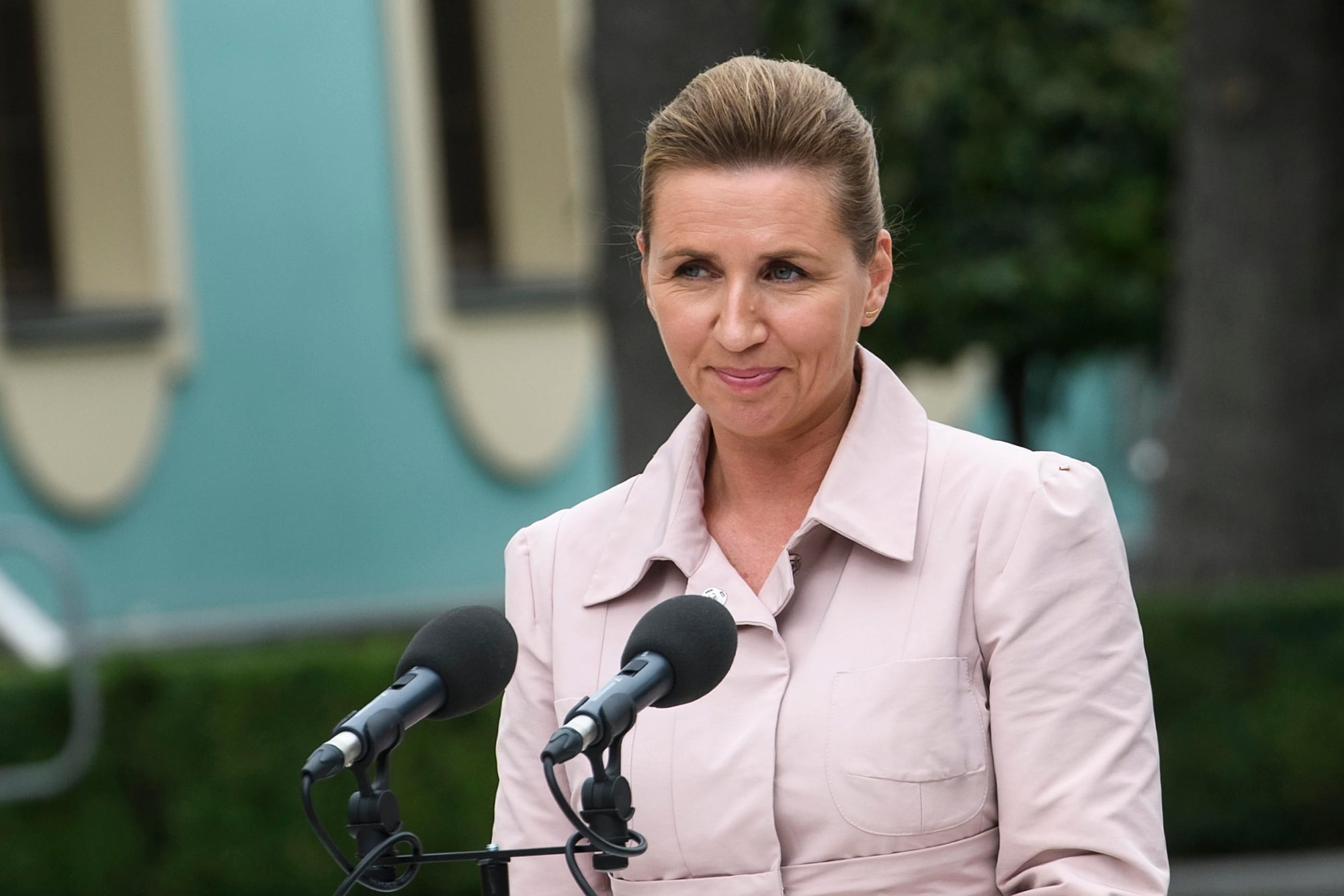
Denmark’s leader earns approximately $300,000 per year, a solid salary that nonetheless remains moderate compared to what Danish private sector executives earn. Prime Minister Frederiksen has served since 2019, leading a Social Democratic government.
Denmark’s approach to official compensation reflects the country’s broader philosophy about income equality and reasonable pay differences between workers and executives. Danish politicians generally earn enough to live comfortably in expensive Copenhagen but not so much that they lose touch with average citizens’ financial realities.
The transparency around official salaries helps maintain public trust in government.
Norwegian Prime Minister Jonas Gahr Støre
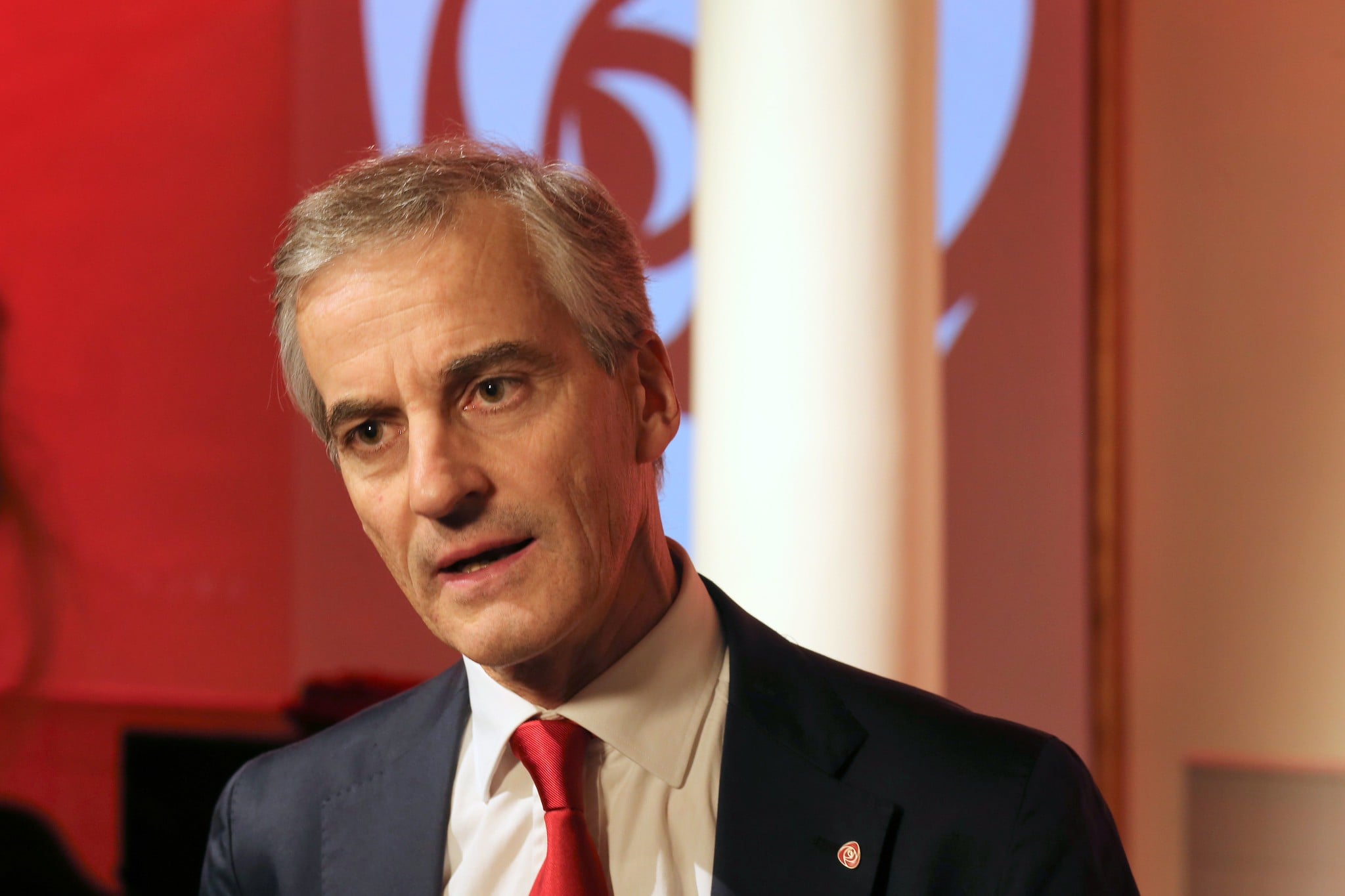
Norway pays its prime minister roughly $280,000 to $300,000 annually. Despite sitting on massive oil wealth through the Government Pension Fund, Norway maintains relatively modest salaries for political leaders.
Prime Minister Støre leads a country that consistently ranks high in quality of life measures, suggesting that moderate official salaries don’t prevent effective governance. Norwegian politicians benefit from the same social safety net as all citizens, including universal healthcare and strong pension systems, reducing the pressure to earn top-tier salaries.
The country’s egalitarian culture means extremely high political salaries would likely trigger public criticism.
Israeli Prime Minister Benjamin Netanyahu
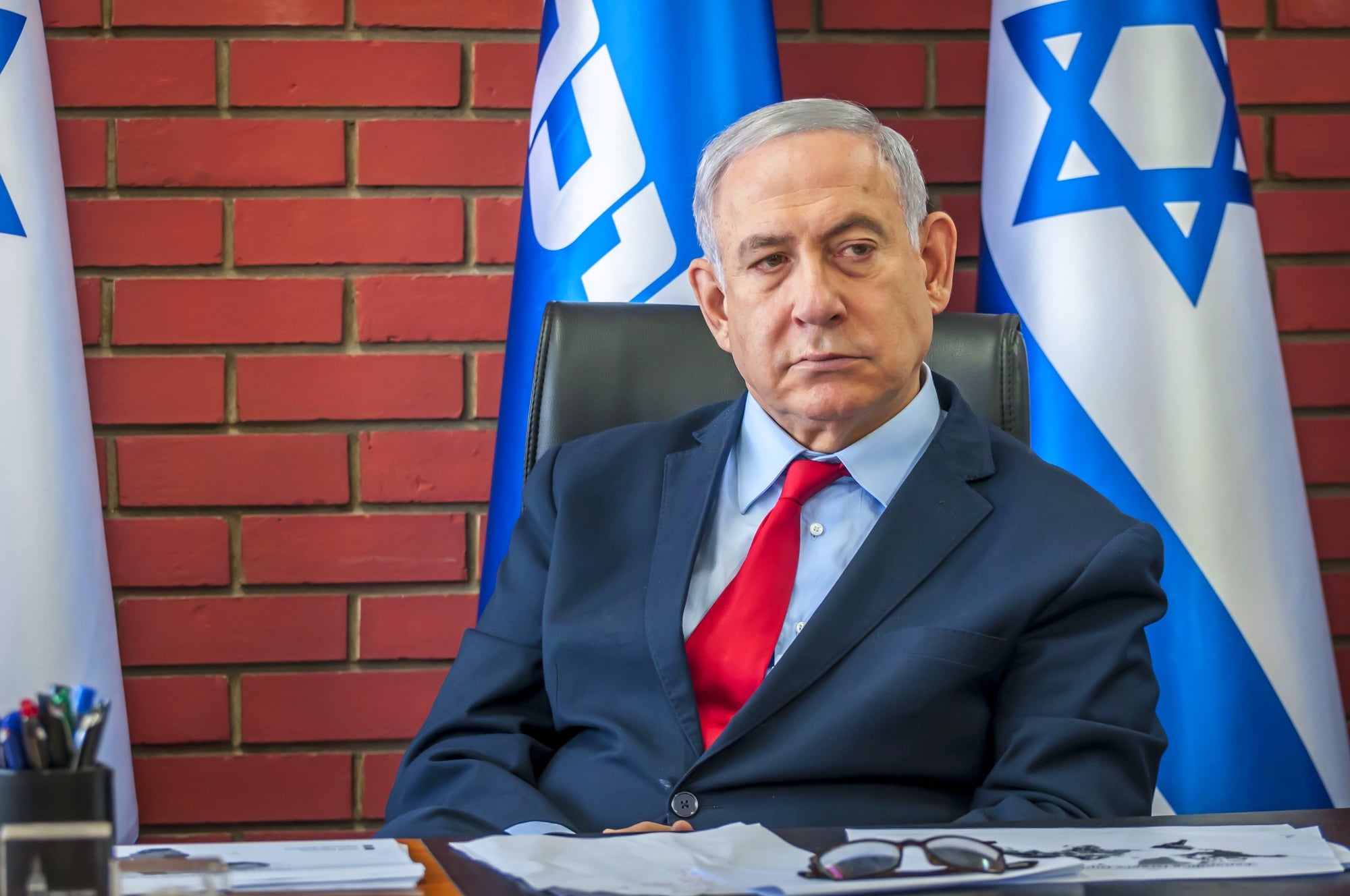
Israel’s long-serving leader earns around $170,000 to $200,000 per year, a relatively modest sum compared to other developed nations. Prime Minister Netanyahu has held office for many years total across different terms, making him one of the longest-serving leaders in Israeli history.
The salary reflects Israel’s status as a developed nation with a strong economy, though it trails compensation in Western Europe and North America. Israeli prime ministers face unique security challenges and political pressures that arguably make the job more difficult than in more stable regions.
The relatively moderate salary means most prime ministers earn substantially more from other sources before or after their government service.
Japanese Prime Minister Shigeru Ishiba
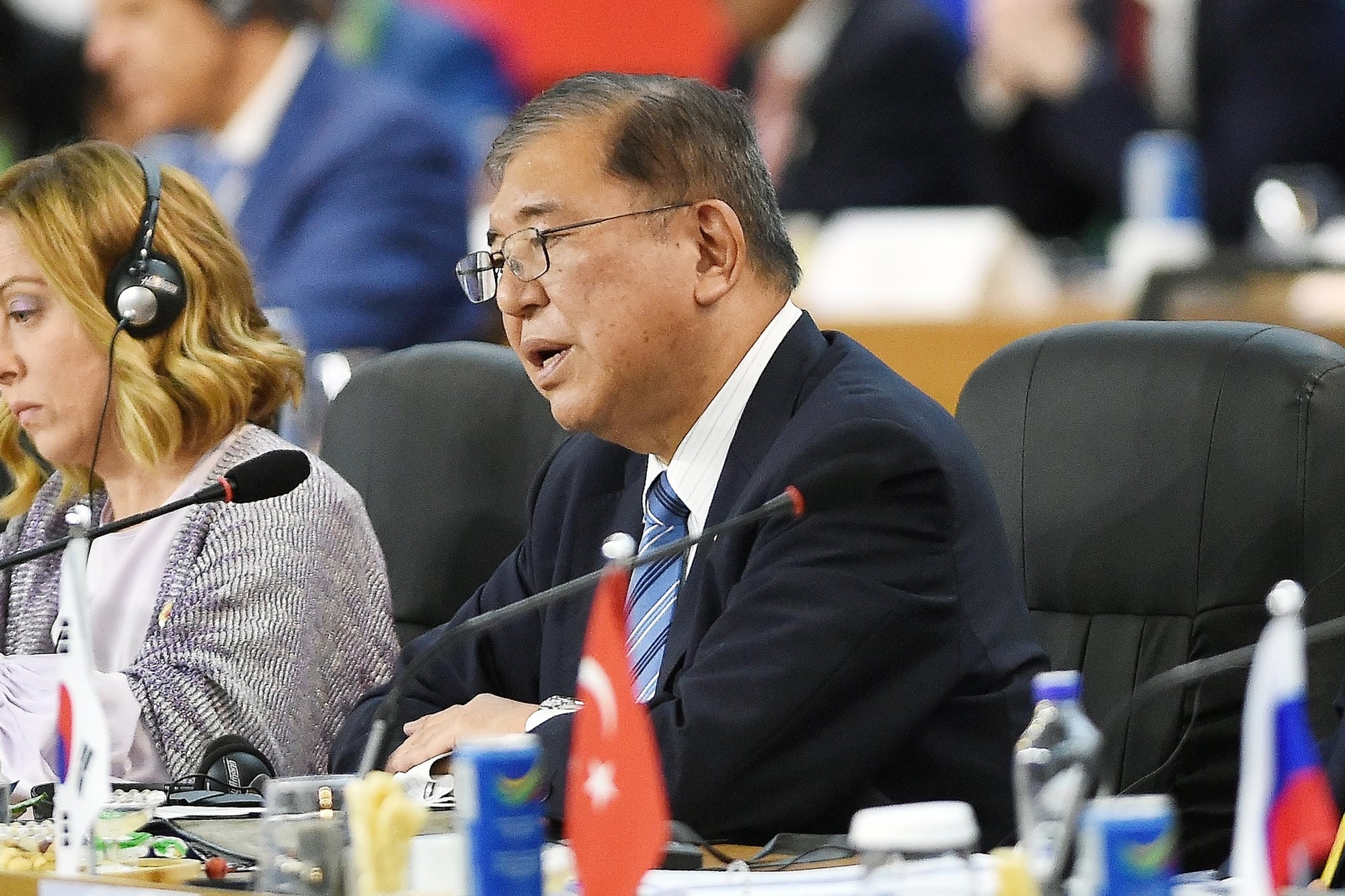
Japan’s leader takes home roughly $200,000 to $240,000 annually. Prime Minister Ishiba recently took office, leading a country with the world’s third-largest economy.
Japanese political culture emphasizes public service and modesty, making extremely high official salaries culturally inappropriate. The compensation remains comfortable by most standards but pales compared to what Japanese corporate executives earn.
Japan’s parliamentary system means the prime minister must maintain coalition support to remain in power, adding complexity and uncertainty to the role. The salary structure also includes various allowances and benefits beyond the base pay.
French President Emmanuel Macron
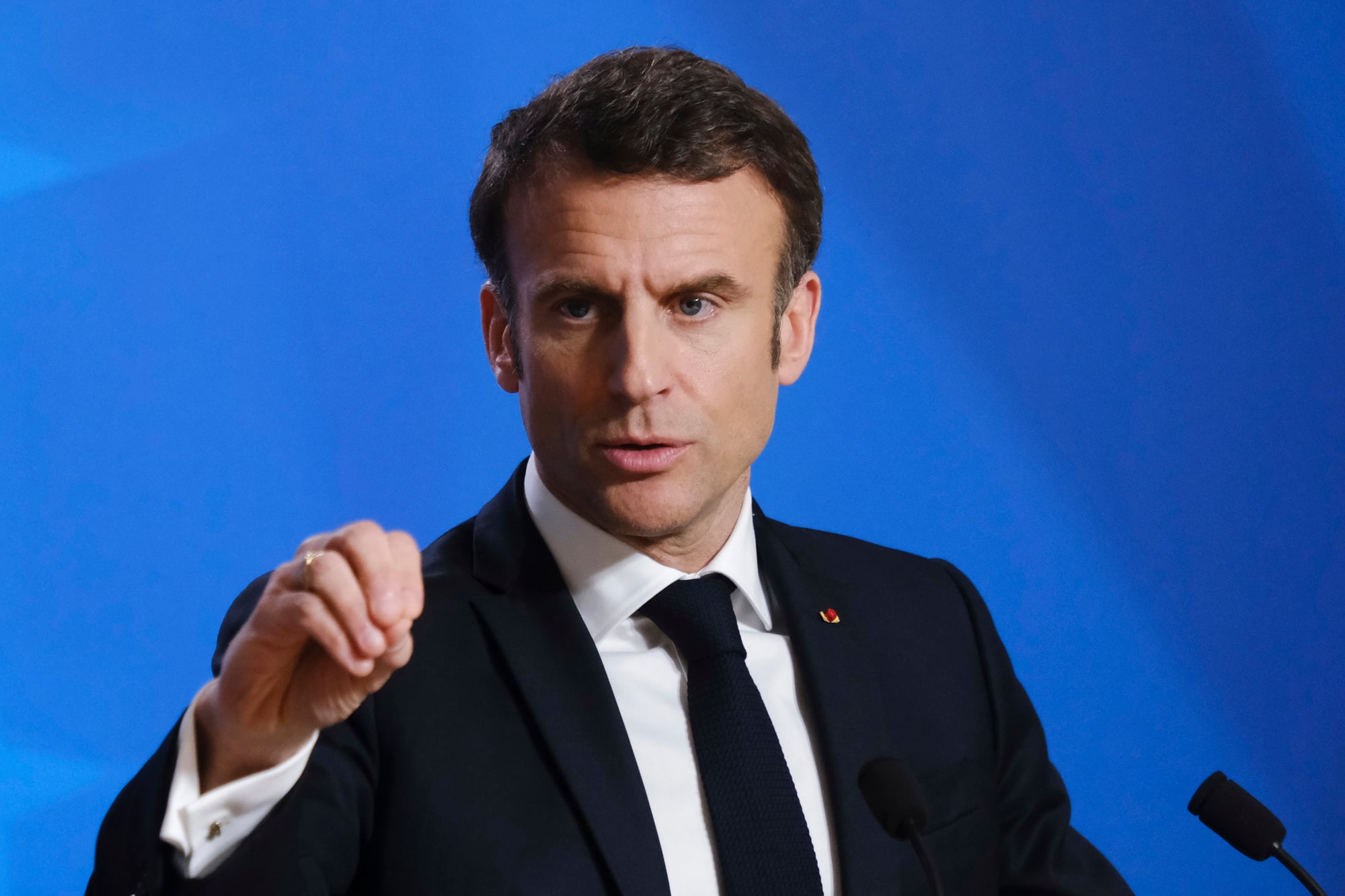
France pays its president around $194,000 per year, surprisingly modest for leading one of Europe’s largest economies. President Macron came from a banking background where he previously earned far more than his current government salary.
The French presidency combines ceremonial head of state duties with substantial executive powers, arguably making it one of the more powerful positions in European politics. French political culture includes a complex relationship with wealth and public service, where leaders are expected to serve the public good without excessive personal enrichment.
The Élysée Palace provides official residence and substantial benefits beyond the base salary, reducing the financial pressure on the position.
Keir Starmer British Prime Minister
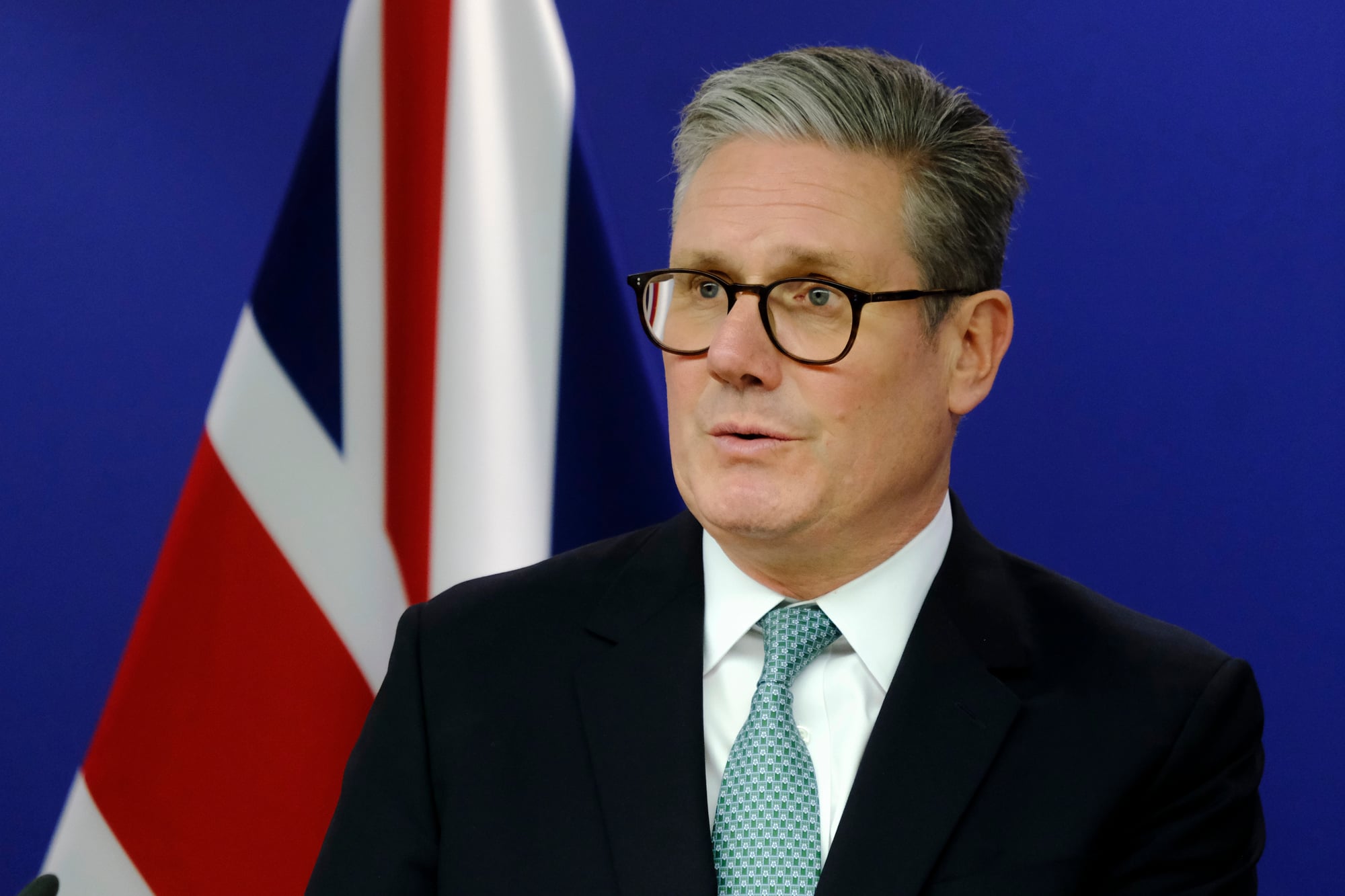
Every year, the UK gives about two hundred thirty-five thousand dollars to its top leader. From a well-known house on Downing Street, Mr Starmer runs an economy that ranks among the biggest worldwide.
For quite some time, pay for politicians barely moved until fresh changes accounted for rising prices. This amount shows Britain’s weight on the world stage but still fits the national habit of quiet, modest wages for public roles.
Fewer dollars fill MPs’ pockets, setting them apart clearly. Getting around is easier for the prime minister, who moves with protection, rides in government vehicles, and uses countryside homes – on top of what shows up on paychecks.
South Korea’s President Yoon Suk Yeol
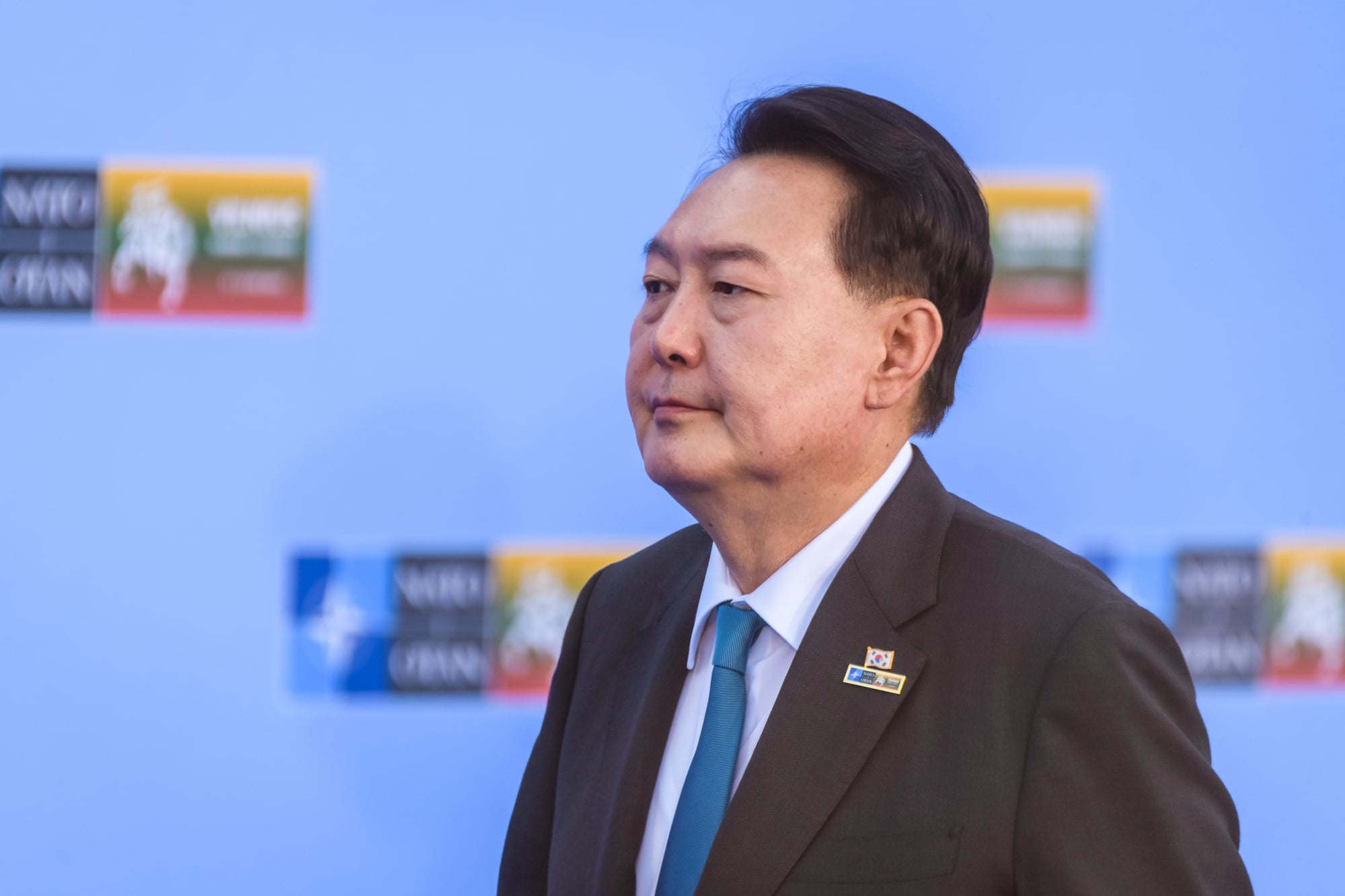
About two hundred thousand dollars each year goes to South Korea’s president, sometimes stretching near two hundred thirty thousand. Ruling from Seoul, President Yoon manages a thriving democracy where innovation drives growth, yet threats linger due to the divided peninsula.
This pay level mirrors how far the country has climbed economically, standing now among advanced global nations. Leaders take office for one stretch of five years only – no second chances – which keeps authority in check even if it limits lasting influence at the highest level.
Money isn’t lavished here; comfort exists within boundaries that match values favoring humility over showiness in leadership roles.
Pay Shows What Matters
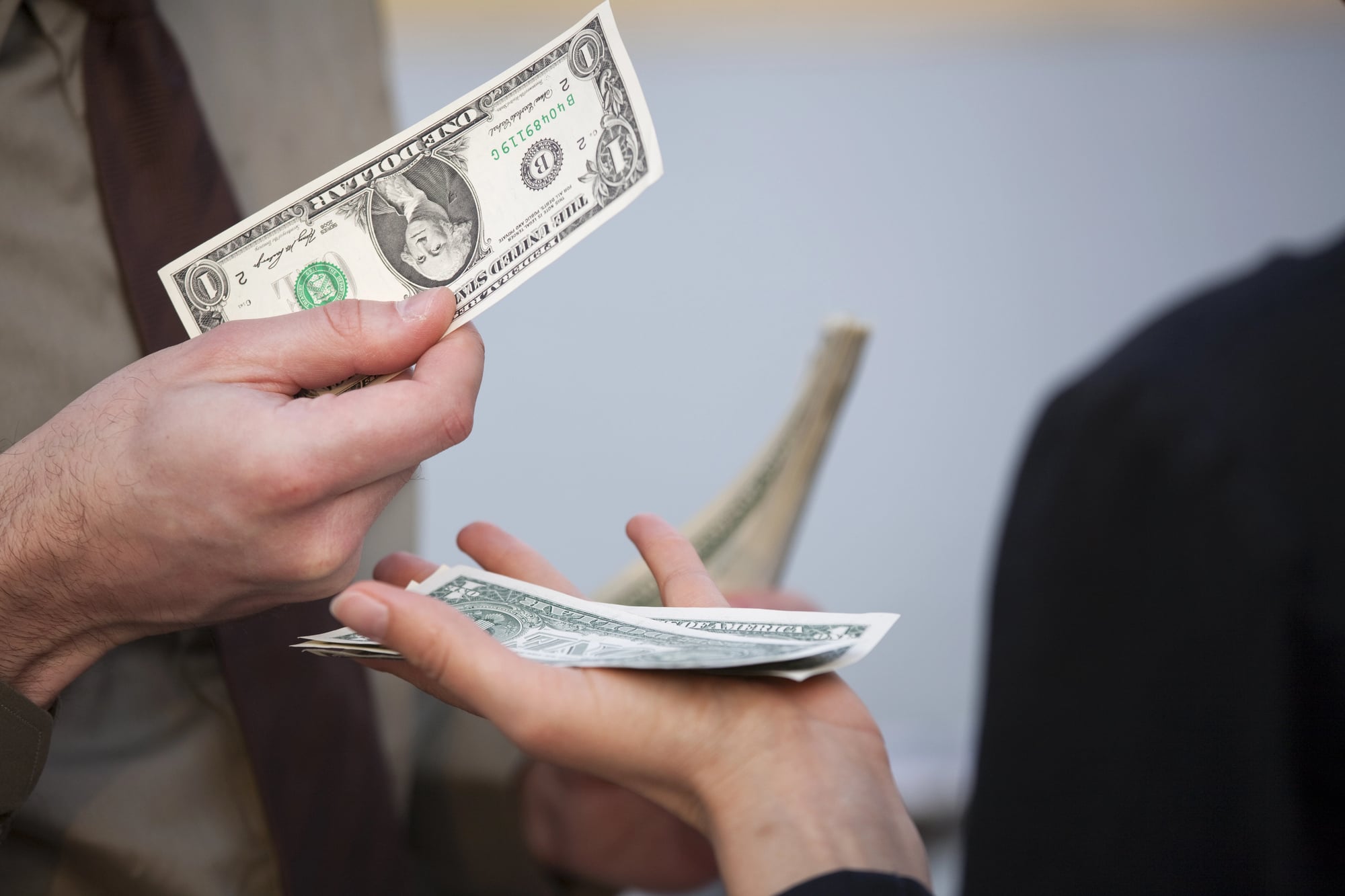
What a leader earns tells you where a country puts its trust. Not money, but choices speak louder – like how high pay aims to block dishonesty in some places, yet low wages still work fine elsewhere.
One powerful office has not changed its paycheck since the early two hundreds, stuck by debate instead of rising costs. In certain cases, earnings get given away or were already massive long before power came near.
Actual figures fade when seen beside deeper beliefs: respect, duty, fairness – or something else entirely.
More from Go2Tutors!

- The Romanov Crown Jewels and Their Tragic Fate
- 13 Historical Mysteries That Science Still Can’t Solve
- Famous Hoaxes That Fooled the World for Years
- 15 Child Stars with Tragic Adult Lives
- 16 Famous Jewelry Pieces in History
Like Go2Tutors’s content? Follow us on MSN.



