25 Candy Bars From Childhood That Vanished From Stores
Every generation has a candy bar it swears was better than anything sold today, and the maddening part is that nobody can check anymore. Wrappers change, companies merge, and recipes quietly disappear between one Halloween and the next.
Some of these bars were short-lived experiments. Others lasted decades before a trademark fight, a factory fire or a corporate spreadsheet ended the run.
Marathon Bar and Its Printed Ruler
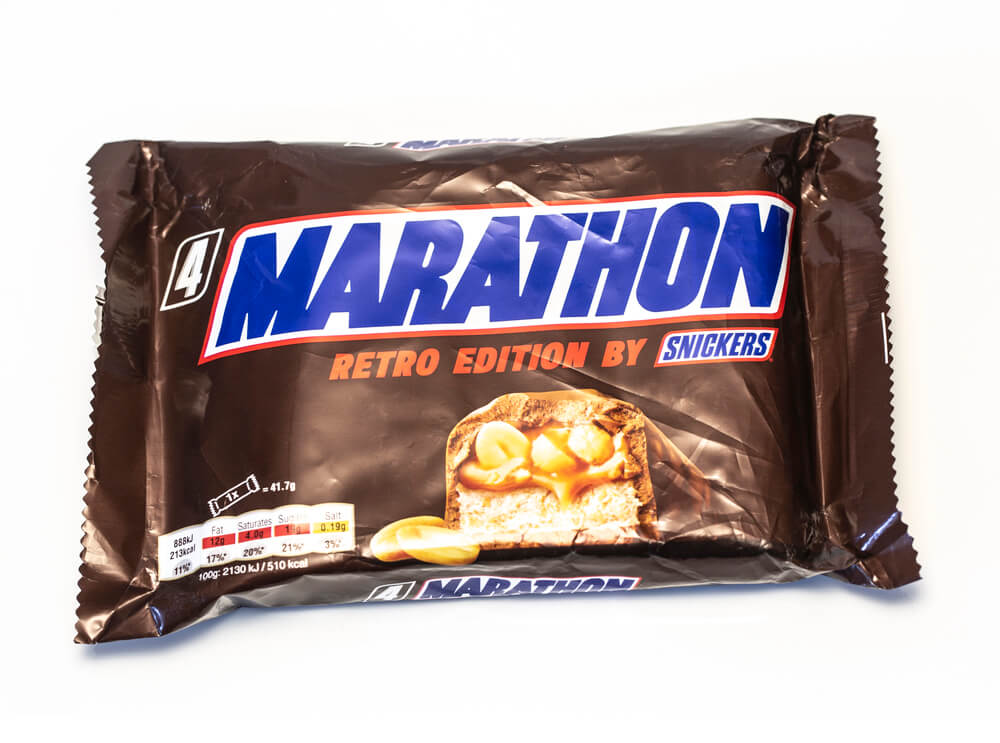
From 1973 to 1981, Mars sold the Marathon bar in the United States, and it was built for endurance. The bar was a long braid of chewy caramel covered in chocolate, roughly eight inches from end to end, and the back of the wrapper was printed with a ruler so kids could prove it.
Eating one took patience and a strong jaw. Sales never matched the novelty, and Mars pulled it after less than a decade.
The name lived on in Britain for years as the local label for Snickers, which confused American travelers until the switch to the global name in 1990.
Forever Yours and Its Dark Nougat
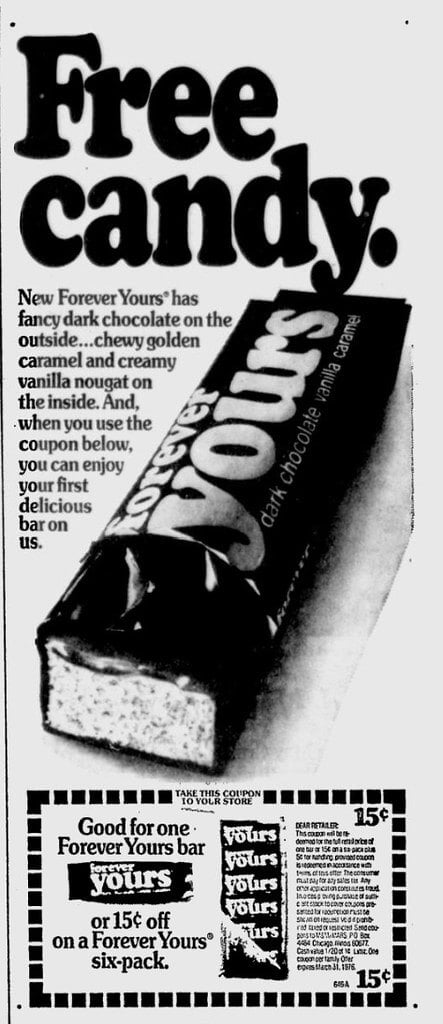
Forever Yours was a Mars bar introduced in 1936 with vanilla nougat and caramel covered in dark chocolate, a moodier sibling of the Milky Way. It disappeared in 1979, and fans wrote letters asking for it for years afterward.
Mars eventually brought back a similar recipe under the Milky Way name, first as Milky Way Dark and later as Milky Way Midnight. The flavor may be close, but the romantic original name never returned to the candy aisle.
Collectors of vintage wrappers still hunt for the old Forever Yours packaging, which carried a script logo that looked more like a valentine than a candy bar.
Milky Way II and the Diet Candy Experiment
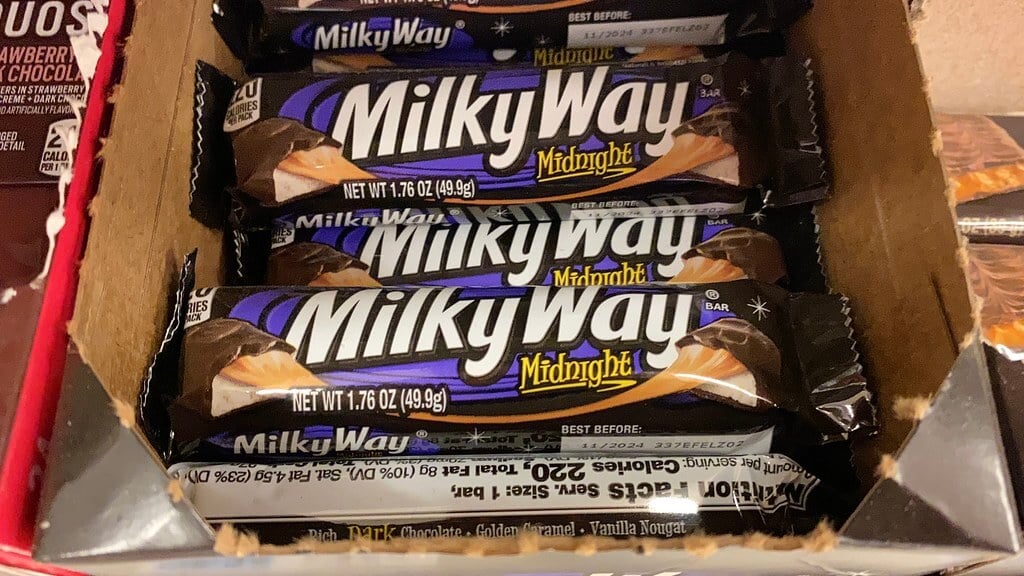
Mars tried to sell a lighter candy bar in the late 1980s with Milky Way II, which promised fewer calories than the original. The idea reflected the era’s fascination with anything labeled light, from beer to potato chips.
Shoppers were not persuaded that a candy bar needed to be a diet food, and the reformulated taste did not help. The product faded within a few years.
Its short life showed how hard it is to sell a treat as a health product. Today most people have never heard of it, though those who bought one remember a noticeably thinner experience.
PB Max and Its Cookie Base
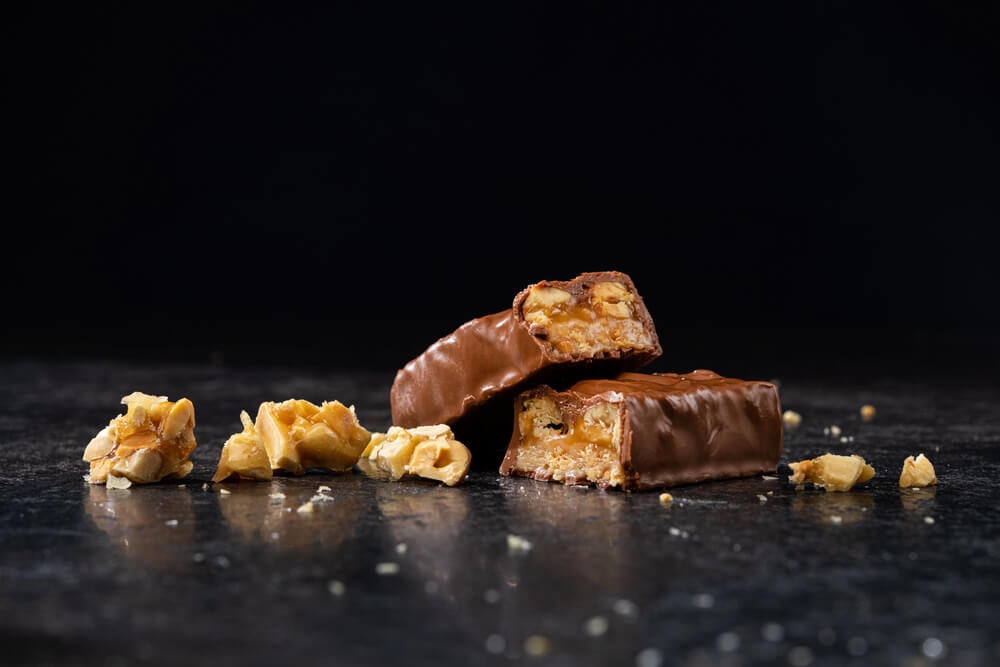
PB Max arrived from Mars in 1989, stacking a thick layer of creamy peanut butter on a square oat cookie and coating the entire thing in milk chocolate. Sales were strong right away, and the bar reportedly brought in about 50 million dollars in its first couple of years.
It was still discontinued by 2004, a decision that fans have never understood. A long-running rumor claims the Mars family simply disliked peanut butter, though the company never confirmed it.
Petitions and social media campaigns to bring PB Max back surface every few years, and it remains among the most missed bars of its generation.
Summit Cookie Bar That Melted Too Fast
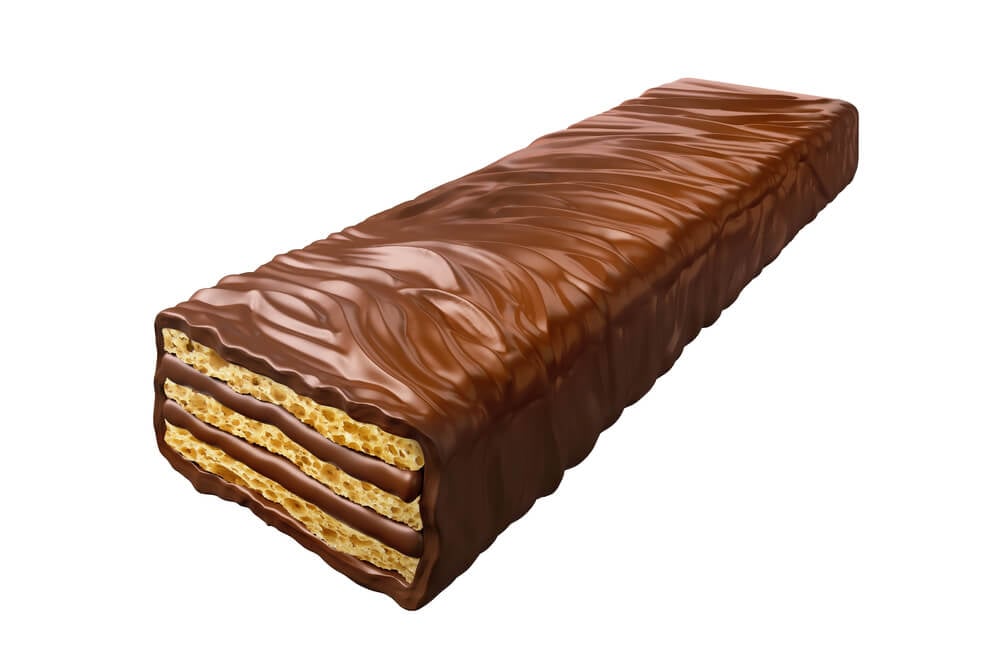
Mars released the Summit bar in 1977 as two wafer cookie sticks topped with peanuts and covered in milk chocolate, sold as a light, crunchy alternative to chewy bars. The trouble was heat.
Summit bars were notorious for melting in pockets, in lunch boxes and even on store shelves, leaving customers with a sticky mess. Mars reworked it in the early 1980s with more chocolate, but the new version still softened too easily.
By the mid-1980s the bar was gone. People who remember it often compare the crunch to a Kit Kat with peanuts, and describe the melting problem in the same breath.
Bar None and the Chocolate Beastie
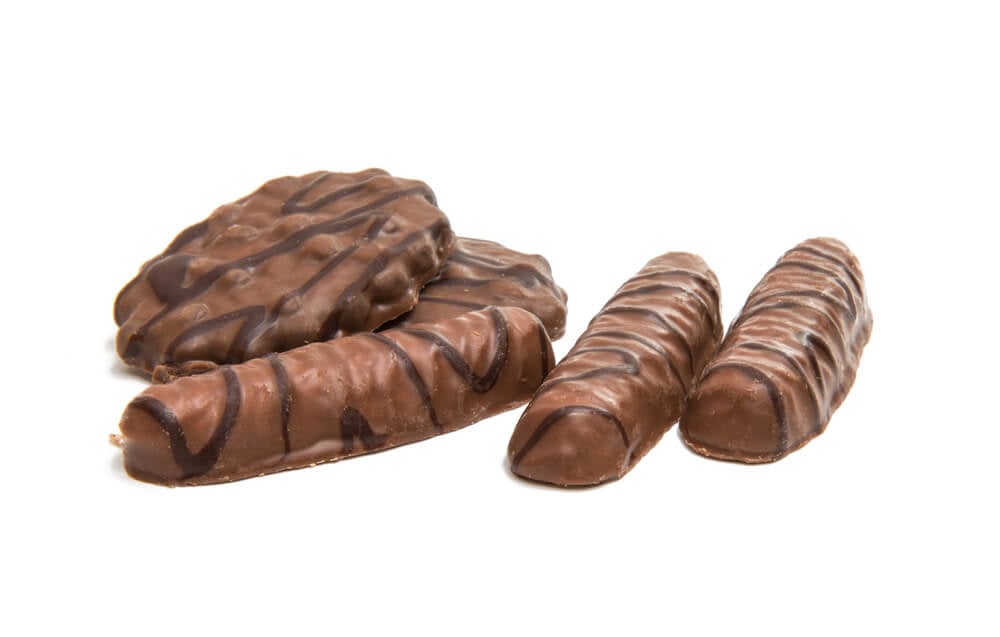
Hershey launched Bar None nationally in 1987, layering chocolate wafers and chocolate cream under crushed peanuts and a milk chocolate coating. Its television ads promised to tame the chocolate beastie, a line that stuck with viewers long after the bar changed.
In 1992 Hershey added caramel and split it into two sticks, and many loyal buyers felt the magic was lost. The bar was discontinued in 1997.
A company called Iconic Candy revived the name in 2019, but longtime fans point out that the revival is not quite the bar they remember from the original run.
Alpine White With Almonds
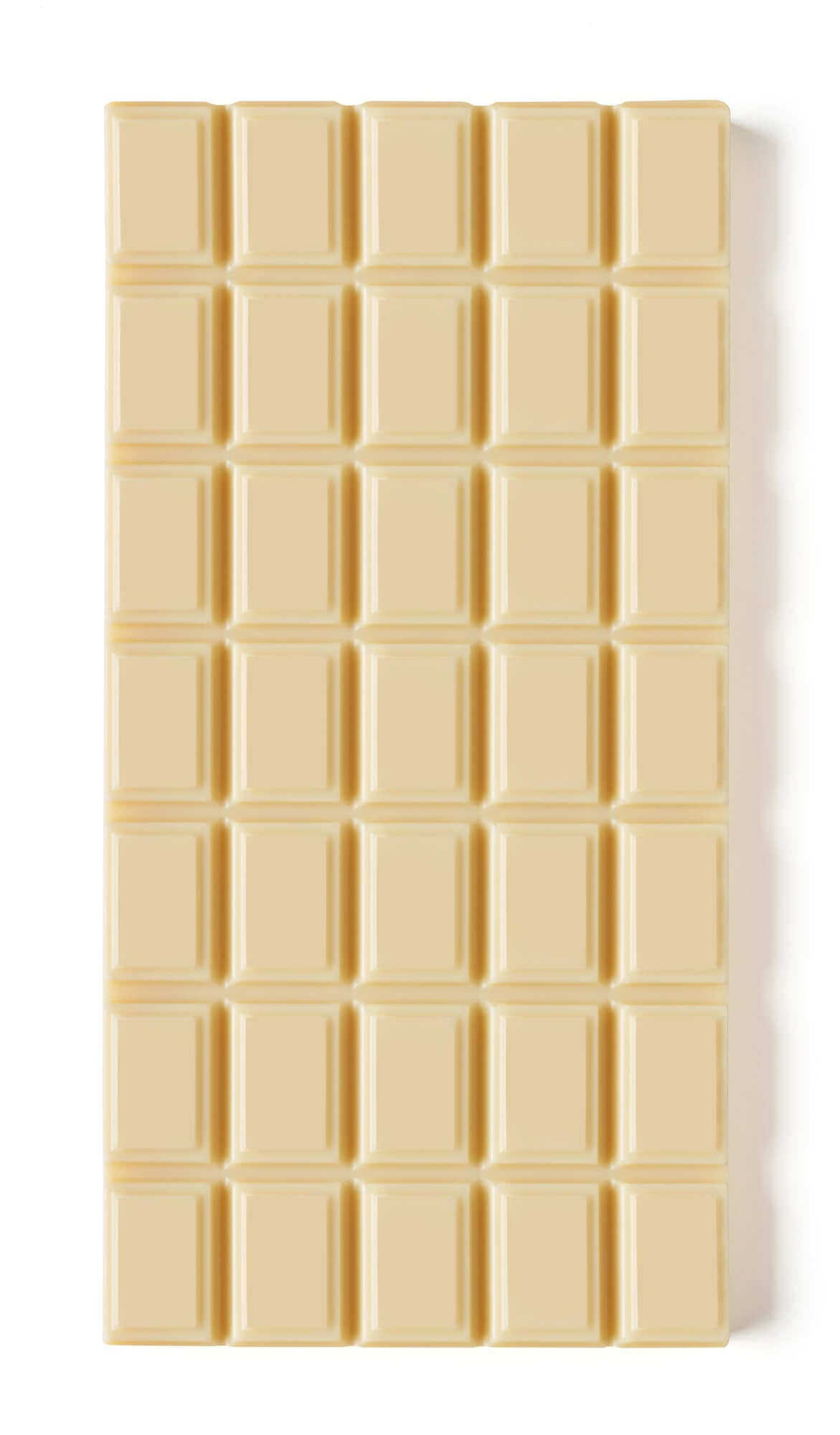
Nestle introduced Alpine White in the mid-1980s, a bar of white chocolate studded with almonds, marketed as an elegant European-style treat. The commercials were dreamy and slow, full of snowy mountains and graceful skaters, which made the bar feel grown-up to kids who bought it anyway.
White chocolate was still a novelty in American candy aisles, and Alpine White helped introduce it to a mass audience. The bar disappeared around 1993 without a clear public explanation.
Online petitions and fan pages still call for its return, and the mountain-themed wrapper appears regularly in nostalgia roundups.
Choco’Lite and Its Air Bubbles
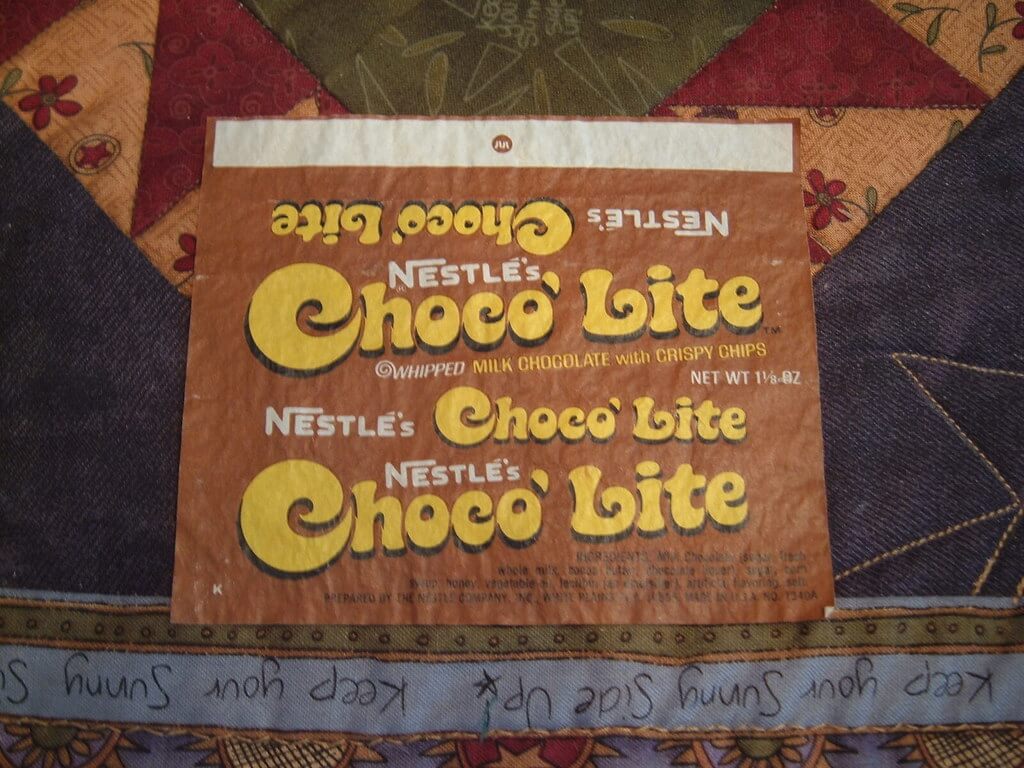
Nestle launched Choco’Lite in 1972, riding the decade’s craze for anything light. The bar was made from aerated milk chocolate filled with tiny air pockets and crunchy chocolate chips, which made it feel lighter than a standard bar.
It was sold first in parts of New England and the Midwest before spreading more widely. Sources disagree on exactly when it vanished, but it was gone by the 1980s.
Candy fans often compare it to the British Aero bar, though Choco’Lite’s crispy bits gave it a texture of its own. Recreations have appeared online for years, none officially endorsed.
Seven Up Bar With Seven Fillings
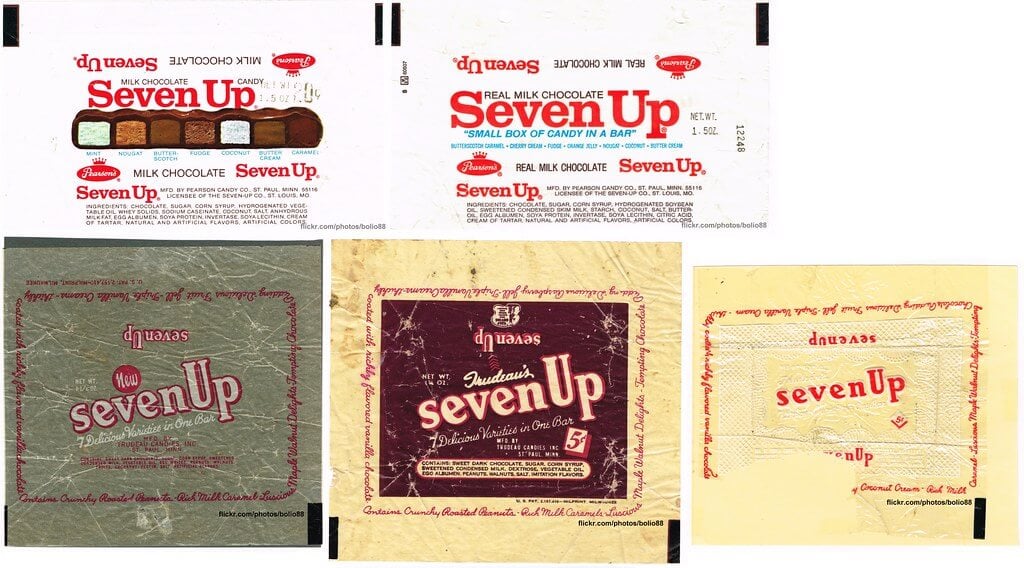
Pearson’s Candy Company of Minnesota made the Seven Up bar from the 1930s until 1979, and each bar was divided into seven chocolate pillows, each holding a different filling. Common fillings included coconut, butterscotch, caramel, fudge, buttercream, cherry cream and orange jelly, though the lineup changed over the years.
Eating one was like working through a small box of assorted chocolates. The bar ended amid rising costs and trouble over the name, which overlapped with the 7 Up soft drink.
Necco’s Sky Bar, with four fillings, is the closest survivor, but fans say it does not match the original variety.
Caravelle From Peter Paul
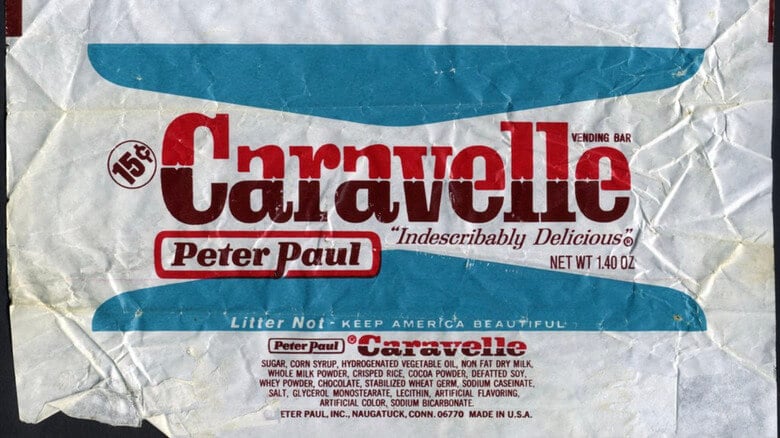
Peter Paul introduced the Caravelle in 1965, pairing caramel and crisped rice in milk chocolate to compete with Nestle’s 100 Grand. Many who remember it insist it was the better of the two, with a softer caramel and a thinner, crunchier profile.
The bar’s fortunes changed after Cadbury acquired Peter Paul in 1978, and the Caravelle was eventually dropped from the lineup. Its name, borrowed from a type of small sailing ship, appeared on a wrapper with a swooping design that looked sleek for its time.
Collectors of candy packaging still seek out the old wrappers.
The American Mars Bar With Almonds
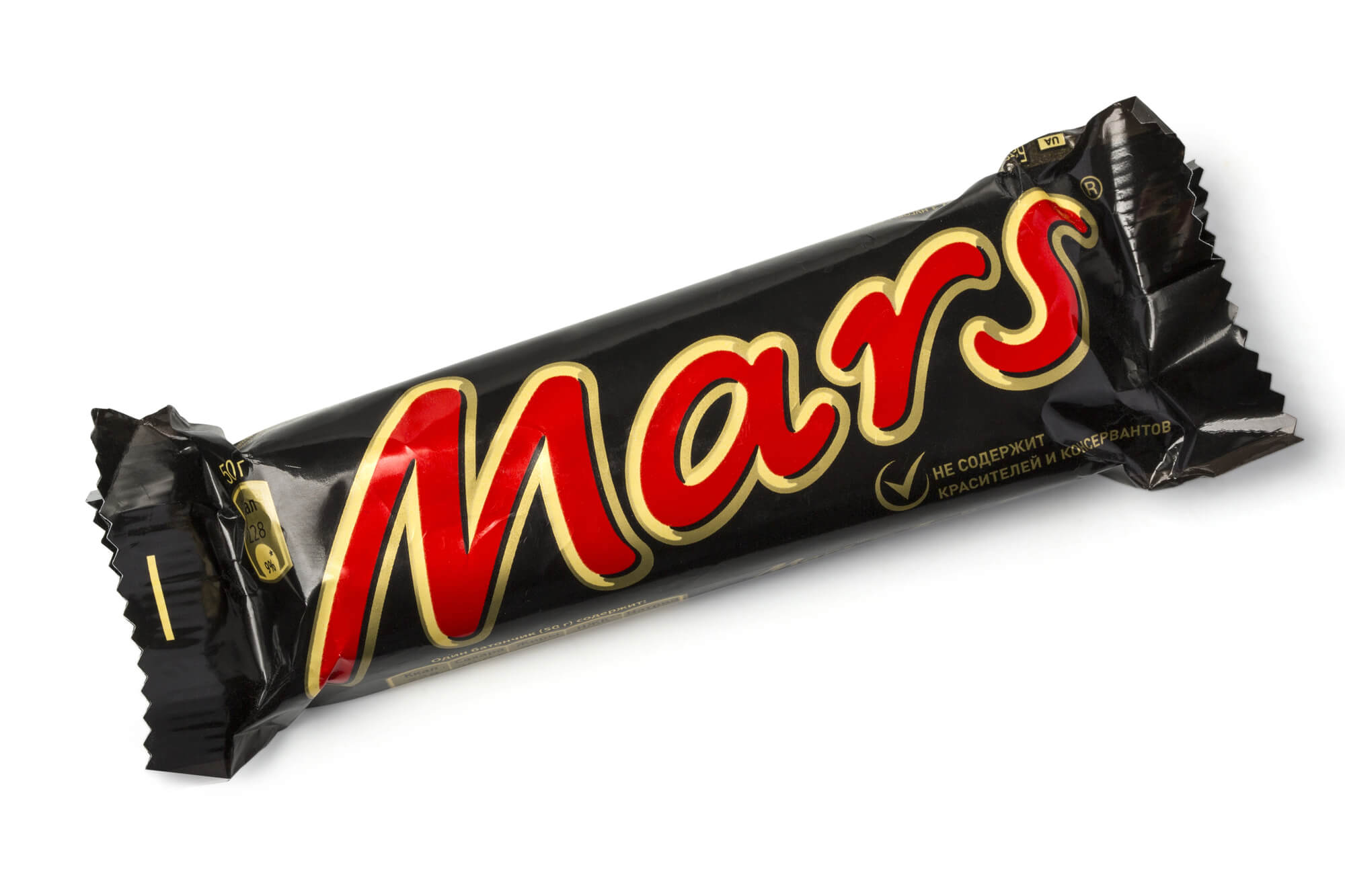
For decades the Mars bar sold in the United States was not the caramel-heavy bar known in Britain. The American version paired nougat and toasted almonds with milk chocolate, and it had a loyal following among adults and kids alike.
Mars renamed it Snickers Almond in 2002, which erased the old name from American shelves. A brief comeback of the Mars bar name around 2010 did not last.
Travelers remain confused when they buy a Mars bar abroad and find something completely different, and fans of the almond version still argue that the rename changed the taste too.
Krackel in Full Size
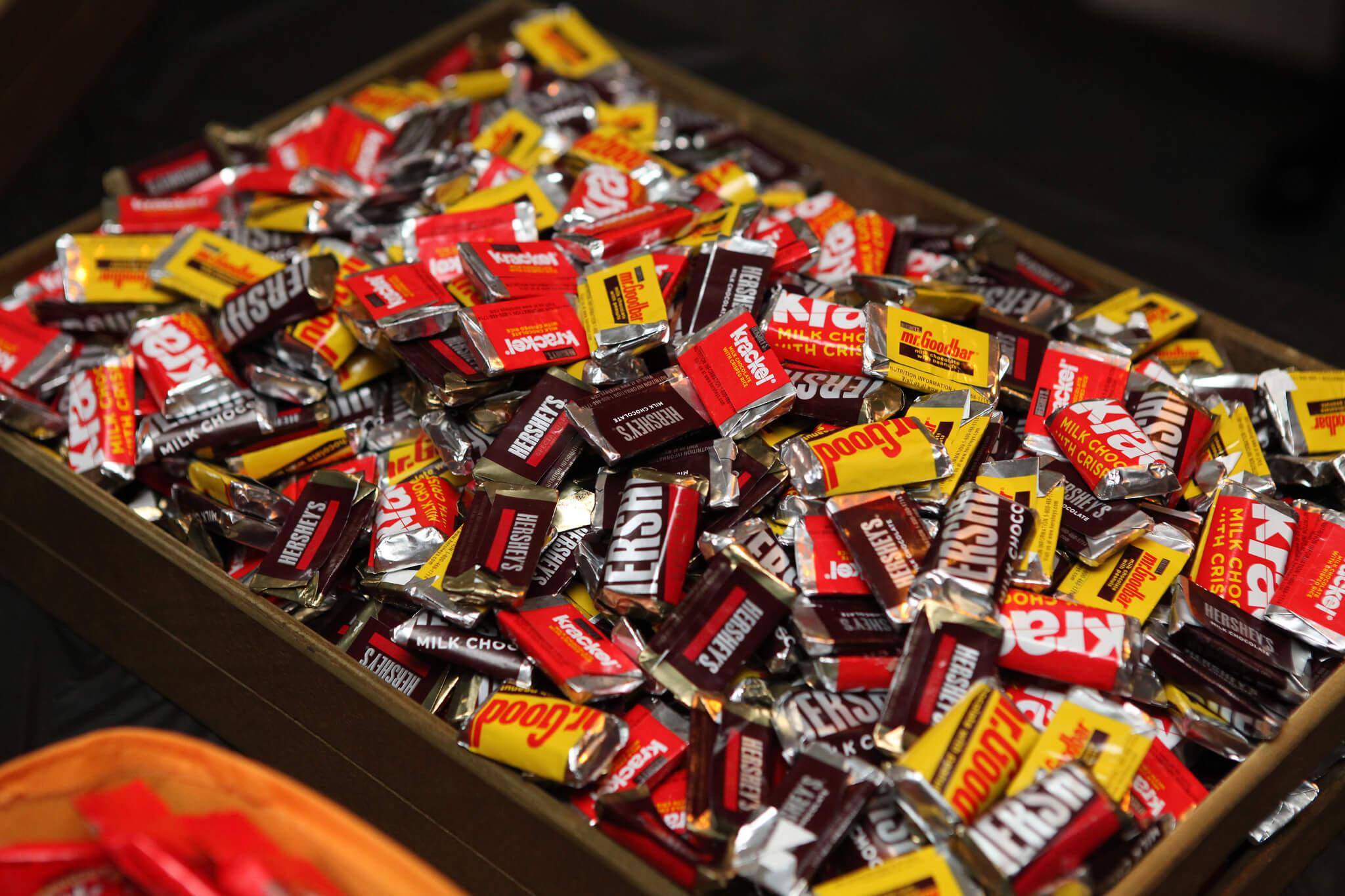
Krackel first appeared in 1938, and after wartime changes the bar settled into its familiar mix of milk chocolate and crisped rice. For decades it sold as a standard full-size candy bar with a red wrapper.
Hershey stopped making the full-size version in 1997 and kept Krackel only as one of the four bars in its Miniatures assortment. A full-size comeback in 2014 briefly put it back on shelves in three sizes, but it vanished again within about a year.
Today most kids know Krackel only as the small square they dig out of a bag of mixed miniatures.
Chicken Dinner, Which Contained No Chicken
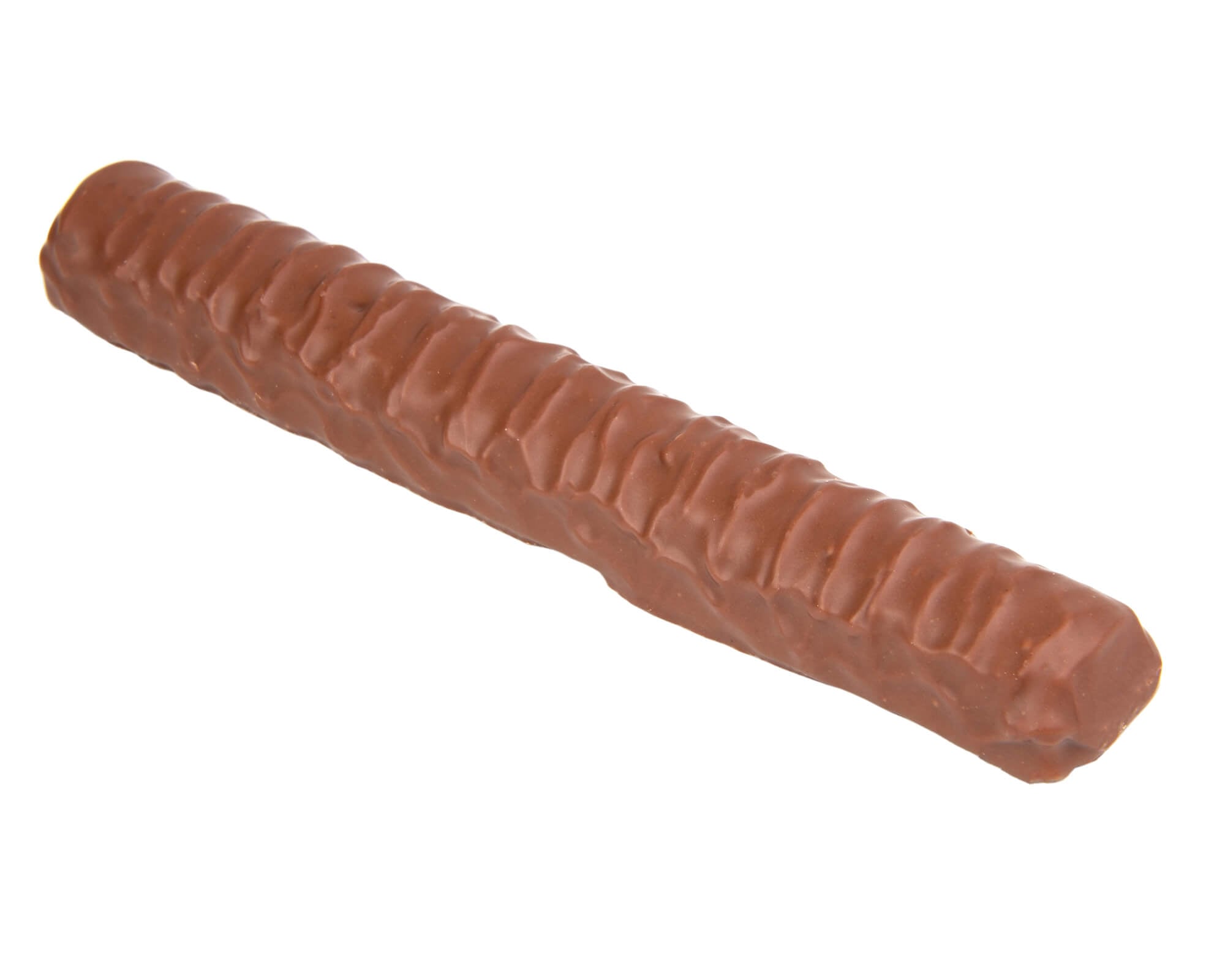
Milwaukee’s Sperry Candy Company introduced the Chicken Dinner bar in 1923, and despite the name it was a chocolate-covered nut roll with no poultry anywhere near it. The name was meant to suggest a hearty, filling meal during an era when a chicken dinner signaled prosperity.
Sperry promoted it hard, handing out thousands of free samples during a 1926 campaign. After Pearson’s bought Sperry in 1962, the bar was dropped.
Vintage wrappers have become favorites among collectors of odd advertising, and the name still makes people do a double take.
Denver Sandwich, Neither From Denver Nor a Sandwich
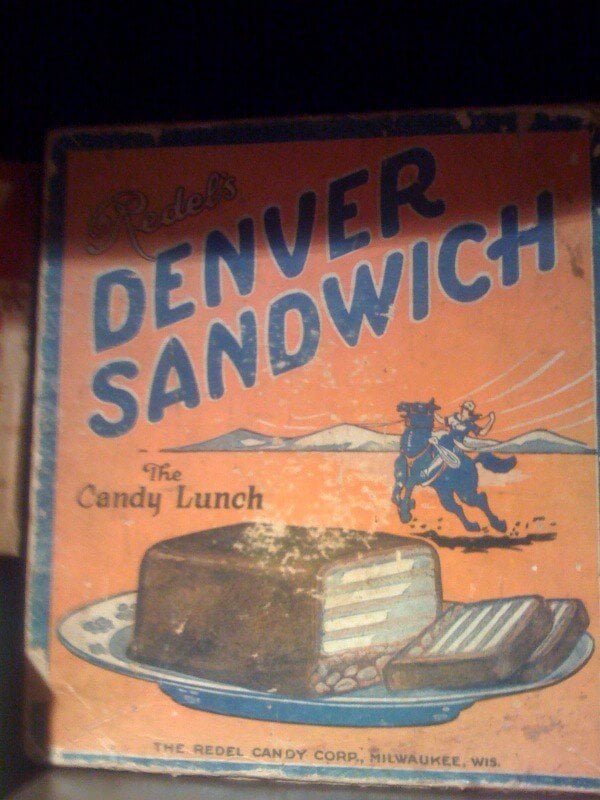
Sperry Candy Company also made the Denver Sandwich, a chocolate and peanut bar produced from the 1920s. The name borrowed from the Denver sandwich served at diners, an egg sandwich with ham, peppers and onion, which added to the confusion.
The candy was an inexpensive treat sold for a dime for much of its life. Like the Chicken Dinner, it fell out of production after Pearson’s acquired Sperry in 1962 and streamlined the lineup.
The bar has since become a trivia answer about misleading candy names, alongside other bars whose labels promised meals they never delivered.
Three Musketeers in Three Flavors
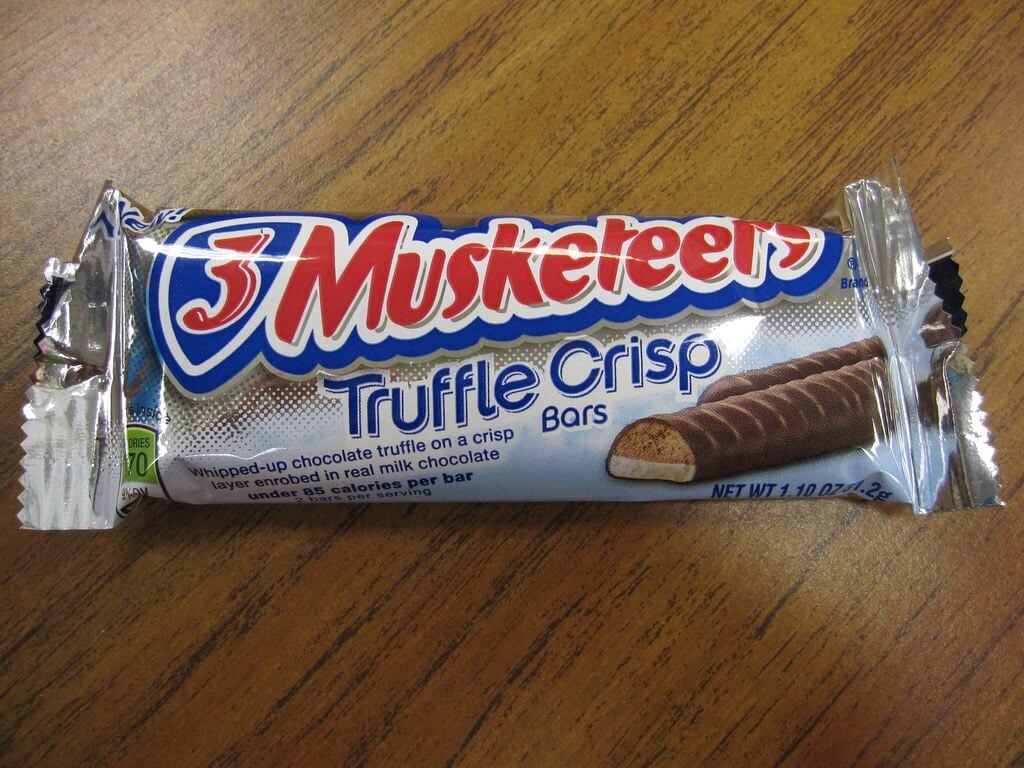
The Three Musketeers bar lives up to its name less than most people realize. When Mars introduced it in 1932, each package held three pieces in three flavors: chocolate, vanilla and strawberry.
Wartime ingredient shortages pushed the company to simplify, and by 1945 the bar was all chocolate. The single bar that remains has kept the name, even though the three-flavor packaging that inspired it is long gone.
The original version is known today mostly through old advertisements, which show the trio of nougat pieces lined up like the swordsmen on the wrapper.
Big Block Bars From Hershey
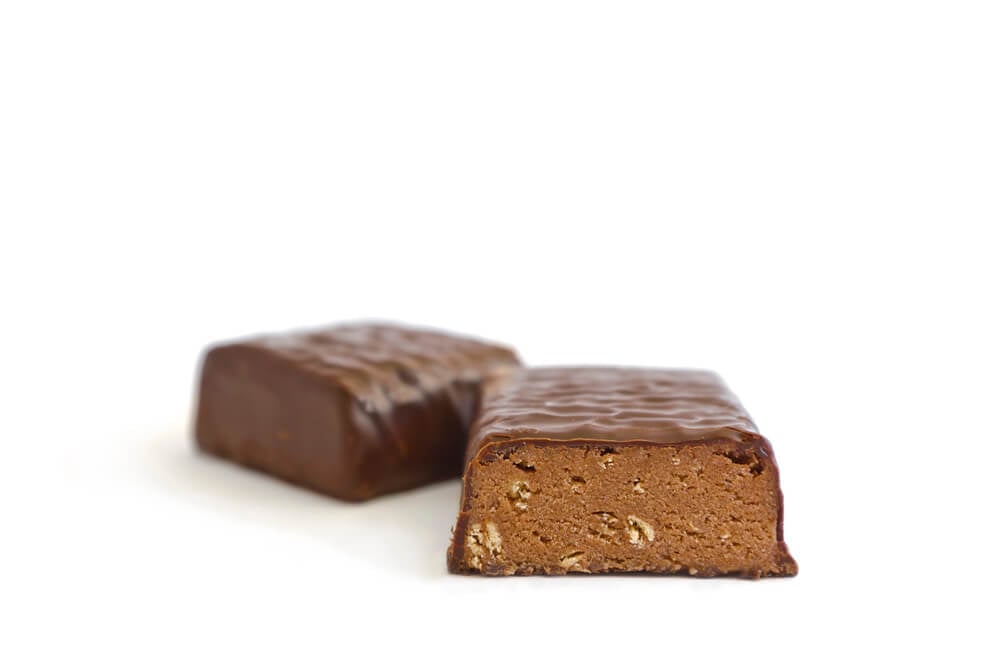
Big Block arrived in January 1980, a thicker, chunkier Hershey chocolate bar sold in varieties that included plain milk chocolate and versions with nuts. The selling point was heft, a generous slab that looked bigger than rival bars on the rack.
For kids with limited allowance money, a Big Block felt like the best value on the rack. The line faded from stores over the following years as Hershey shifted its focus to other products and sizes.
The bold block lettering on the wrapper remains familiar to people who grew up in the early 1980s, even if the bar itself does not.
Grand Slam From Hershey
Hershey launched the Grand Slam bar in March 1985, a crunchy center of peanuts and caramel covered in Hershey chocolate. The bar leaned hard into a sports theme, and its commercials joked about sluggers who loved the name and gridiron players who did not.
It never reached true nationwide success. Hershey’s own archive lists it as discontinued in September 1987, barely two years after launch.
Because its run was so short, the Grand Slam is one of the more obscure bars on this list, remembered mainly by people who happened to live in test markets or collected wrappers.
Reggie Bar and the Opening Day Toss
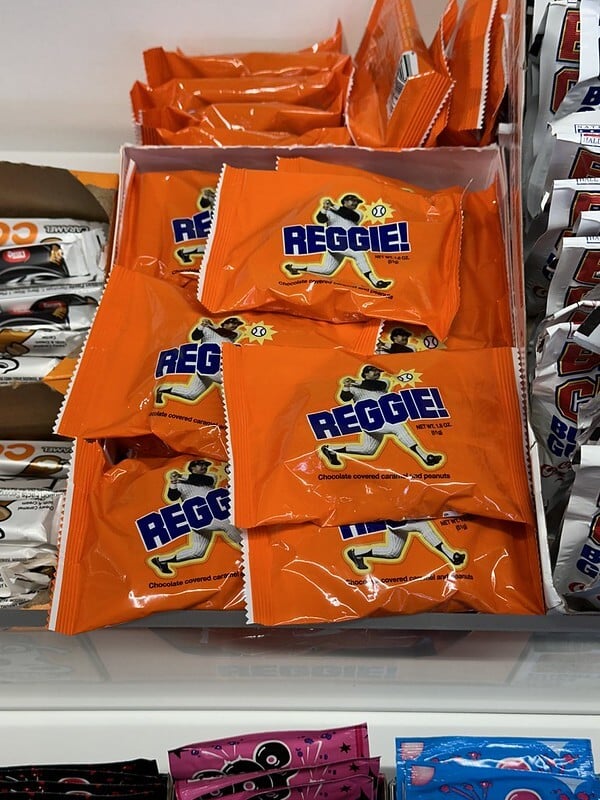
Named for New York Yankees slugger Reggie Jackson, the Reggie bar was a round patty of caramel and peanuts covered in chocolate, introduced in 1978. At the Yankees’ home opener that April, fans received free bars at the gate, and when Jackson hit a home run, thousands of them flew onto the field in celebration.
The stunt became part of the team’s lore. The bar itself faded by the early 1980s and made a brief comeback in the 1990s before disappearing again.
Few candy bars can claim to have caused a delay of game.
PowerHouse From Peter Paul
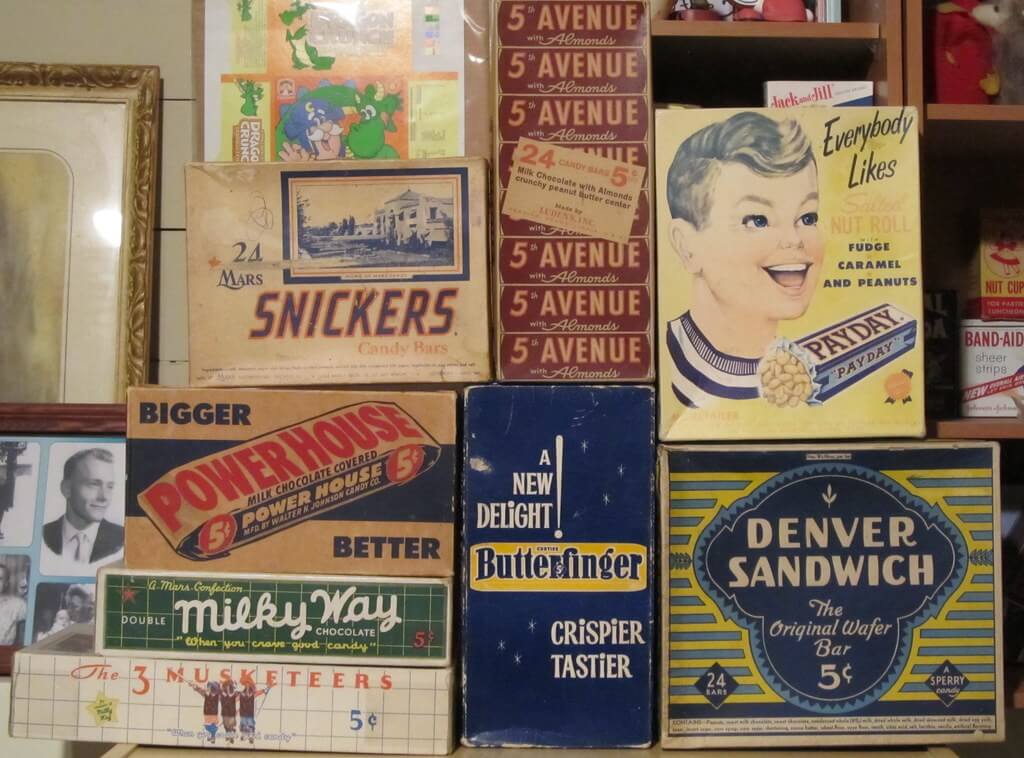
Peter Paul’s PowerHouse was a hefty bar of chocolate, caramel, peanuts and fudge, marketed for decades as a filling, energy-packed treat. Its branding leaned on strength, making it something of an ancestor to today’s protein bars, though it contained plenty of sugar.
PowerHouse competed directly with bars like Snickers and Baby Ruth. Sources disagree about its launch date, placing it anywhere from the 1950s to the late 1960s, but it was phased out by the mid-1980s after changes in ownership at Peter Paul.
People who remember it often recall the heavy weight in the hand before they recall the taste.
No Jelly From Peter Paul
Peter Paul made a candy bar called No Jelly in the 1970s, a milk chocolate bar filled with peanut butter and crisped rice. The name was a joke about the missing half of a peanut butter and jelly sandwich, but shoppers apparently found it too cryptic.
The company later changed the wrapper to read Peanut Butter With No Jelly, spelling out what was inside. The bar still did not last.
It is remembered today mostly by candy historians and wrapper collectors, who cite it as proof that a clever name can confuse more customers than it attracts.
Milk Shake Bar From Hollywood Brands
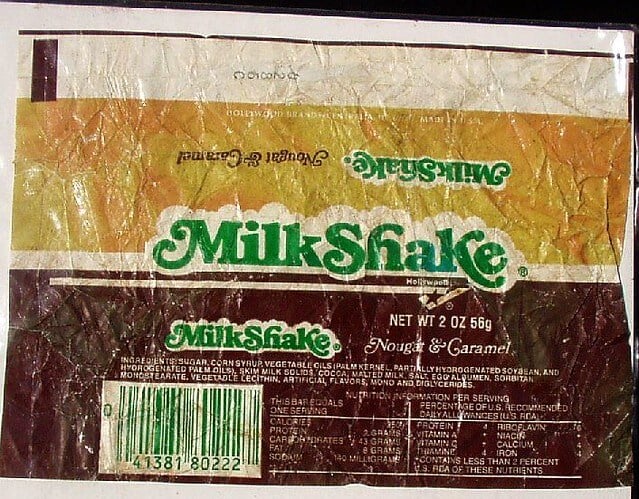
The Hollywood Candy Company created the Milk Shake bar in the late 1920s, a malted nougat topped with caramel and coated in chocolate, meant to taste like a malted milkshake. Some stores sold it frozen in summer, which turned it into an icy treat.
The bar remained on shelves for decades, until the plant that made it burned in 1980. The brands passed to Leaf in 1988 and then to Hershey in 1996, which kept Zero and PayDay but let the Milk Shake bar go.
Fans of vintage candy still call it one of the great malted bars ever made.
Butterfinger Buzz and Its Caffeine
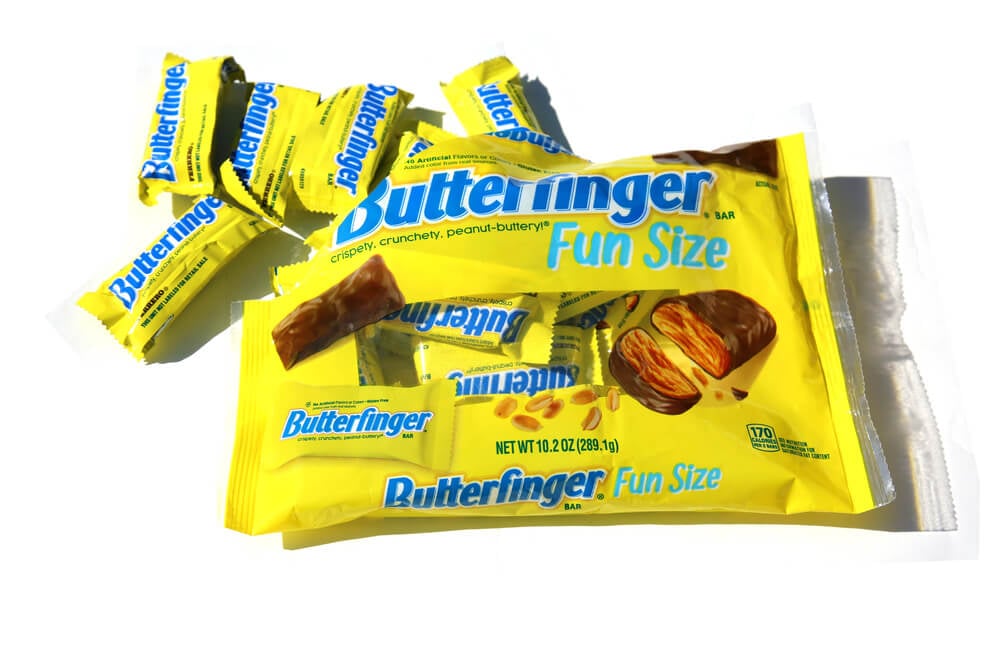
Nestle released Butterfinger Buzz in 2009, a version of the crispy peanut butter bar with added caffeine, marketed to teenagers and young adults who wanted a jolt with their candy. Each bar reportedly carried about as much caffeine as a cup of coffee.
The idea drew criticism from parents and health advocates, who questioned selling caffeinated candy in the same aisle as children’s treats. The product did not last long.
It is often cited as an example of how the candy industry tested caffeine products before public pushback made the category unpopular.
Kudos Granola Bars
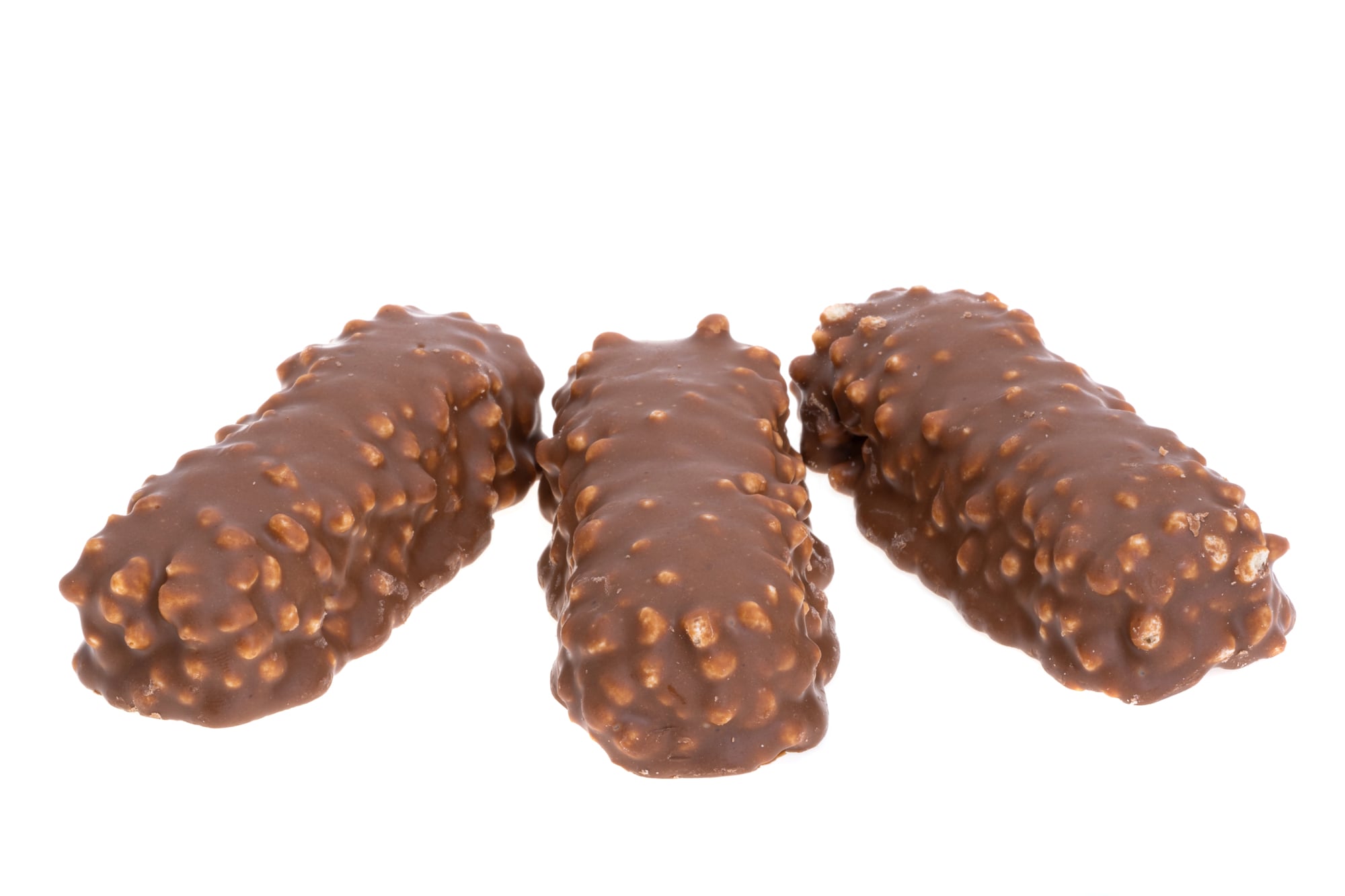
Kudos granola bars arrived from Mars in 1986, loaded with chocolate chips, candy-coated chocolates and other sweet bits, then partly dipped in chocolate. They were marketed as a lunch box snack that parents might accept as healthier than a candy bar, which was a generous interpretation.
The bars sat in the cereal and snack aisles rather than the candy rack, which helped the pitch. Mars phased the line out around 2017 after three decades on shelves.
Adults who grew up in the 1980s and 1990s still remember the crunchy base and the melted chocolate that stuck to fingers.
Nestle’s Hundred Thousand Dollar Bar
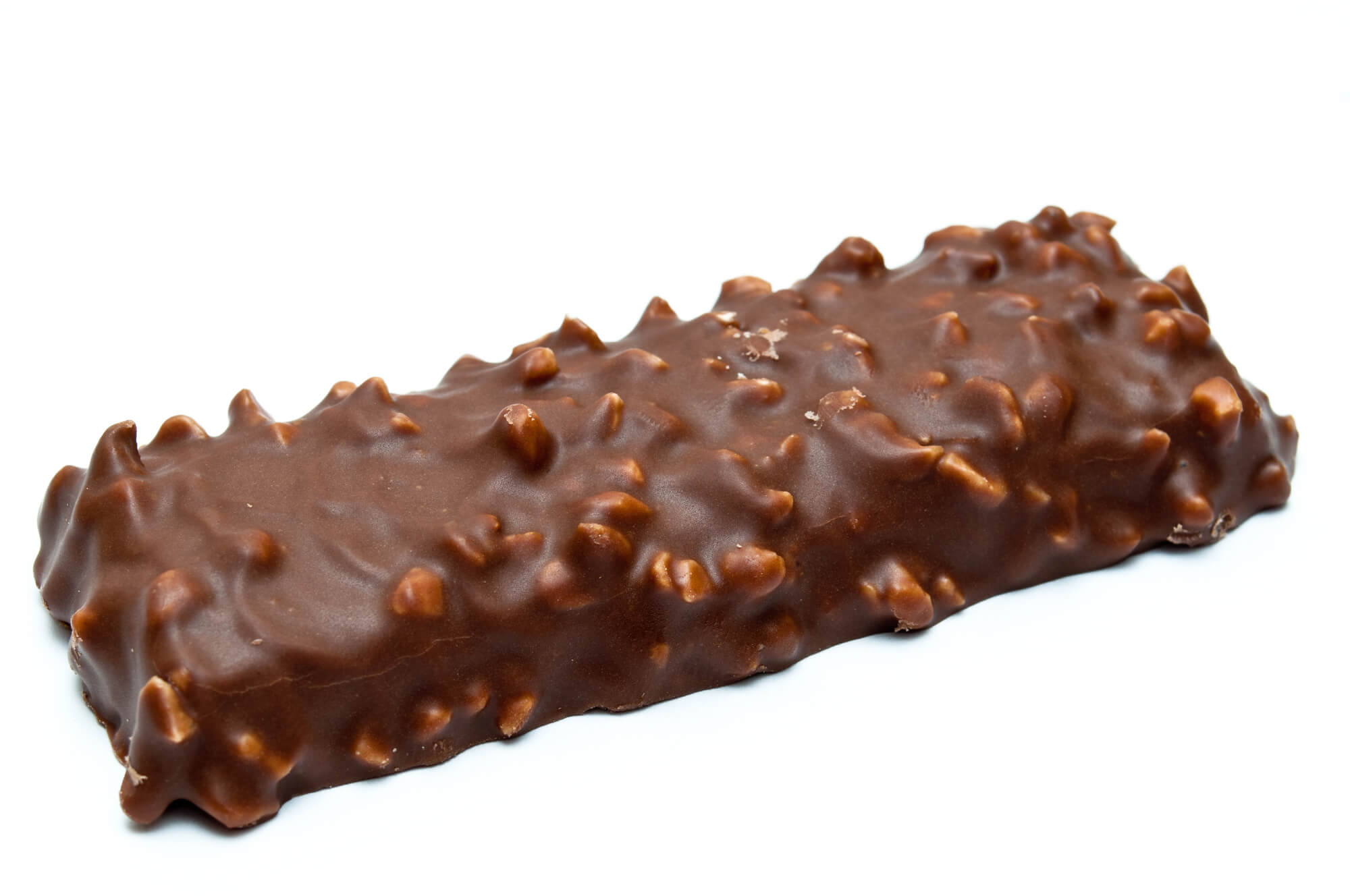
Nestle’s chewy bar of caramel and crisped rice in milk chocolate was originally sold as the 100,000 Dollar Bar, a name that sounded like a fortune for the price of a candy bar. In 1985 the company shortened it to 100 Grand, which is how the bar is still sold today.
The candy stayed, but the original name vanished, taking with it a small piece of mid-century pop culture. Some people remember playground jokes about eating a fortune for pocket change.
Old wrappers with the full dollar amount printed on them turn up in collections of vintage packaging, a reminder of how the bar was first pitched.
Hershey’s S’mores Bar
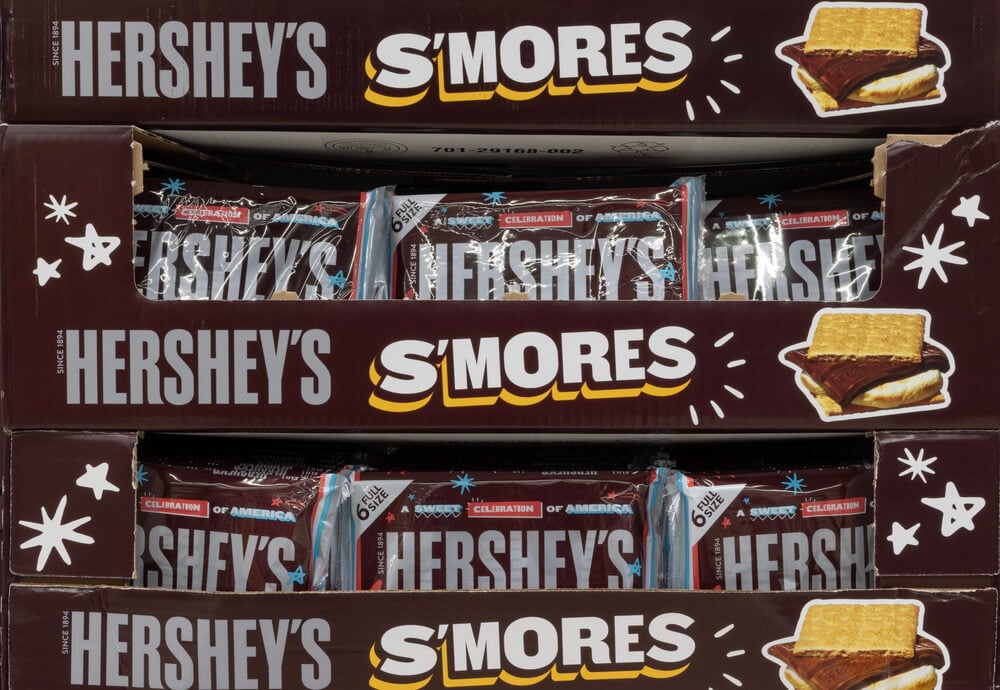
A S’mores candy bar joined Hershey’s lineup in November 2003, combining milk chocolate, marshmallow and graham cracker in a single bar meant to mimic the campfire treat. The layers were soft and sweet, and the bar gave kids a way to enjoy s’mores without matches or sticks.
It was discontinued in November 2012 according to Hershey’s archive, after nearly a decade on shelves. The combination has since returned in limited-edition products from several companies, but none has matched the original bar for fans who grew up with it.
Many still call it one of Hershey’s best ideas.
Wrappers Remember What Factories Forget
Most of these bars did not fail because nobody liked them. They ended because of melting chocolate, trademark conflicts, mergers, factory fires and corporate priorities that had little to do with taste.
A bar can be beloved and still lose its place on the shelf. Childhood memory tends to preserve the wrapper, the price and the place it was bought more clearly than the flavor itself.
That is why so many revivals disappoint, because the original experience cannot be manufactured again. The missing bar becomes a stand-in for a time, and that is harder to recreate than any recipe
More from Go2Tutors!

- The Romanov Crown Jewels and Their Tragic Fate
- 13 Historical Mysteries That Science Still Can’t Solve
- Famous Hoaxes That Fooled the World for Years
- 15 Child Stars with Tragic Adult Lives
- 16 Famous Jewelry Pieces in History
Like Go2Tutors’s content? Follow us on MSN.