14 Times a Competitor’s Downfall Created an Entire Industry
In the business world, one company’s misfortune often becomes another’s opportunity. Throughout history, we’ve seen countless examples of entrepreneurs who spotted weaknesses in established players and transformed those gaps into thriving industries of their own.
These disruptors didn’t just create new products—they fundamentally changed how entire markets operate. Here is a list of 14 remarkable instances where a competitor’s failure or oversight led to the birth of something much bigger than anyone anticipated.
Netflix Transformed Blockbuster’s Late Fees into Streaming

When Reed Hastings reportedly incurred a $40 late fee from Blockbuster for a DVD rental, he began envisioning a different model. Netflix initially offered DVD-by-mail with no late fees, directly addressing Blockbuster’s most criticized pain point.
Blockbuster famously declined to purchase Netflix for $50 million in 2000, failing to recognize the threat. This oversight eventually led to Blockbuster’s bankruptcy while Netflix pioneered the streaming revolution that has forever changed how we consume entertainment.
Amazon Fills the Gaps Left by Traditional Bookstores
Traditional bookstores had limited shelf space and inventory, creating an opportunity Jeff Bezos couldn’t ignore. He recognized that physical bookstores could only stock their most popular titles, leaving customers hunting for niche books disappointed.
Amazon started as “Earth’s biggest bookstore” before expanding into the everything store we know today. The company’s willingness to operate on razor-thin margins while building infrastructure devastated competitors who couldn’t adapt quickly enough to the e-commerce model.
Uber Capitalized on Taxi Industry Complacency

The taxi industry remained largely unchanged for decades, with limited innovation and growing customer frustration. Uber identified multiple pain points: difficult hailing, unpredictable wait times, payment hassles, and inconsistent service quality.
By creating a simple app that solved these problems while providing transparency about drivers and costs, Uber built a ride-sharing empire. The taxi industry’s slow response and regulatory protection gave Uber the runway it needed to establish itself as a transportation powerhouse.
Toyota Seized American Automakers’ Fuel Efficiency Gap
When the 1970s oil crisis hit America, domestic automakers were caught flat-footed with their gas-guzzling vehicles. Toyota and other Japanese manufacturers had already been developing smaller, more fuel-efficient cars that suddenly became extremely attractive to American consumers.
Detroit’s refusal to take these competitors seriously allowed Toyota to establish a foothold that eventually led to them becoming one of the world’s largest automakers. This market shift fundamentally changed American driving preferences for decades to come.
Southwest Airlines Created a New Model from Major Carriers’ Complexity
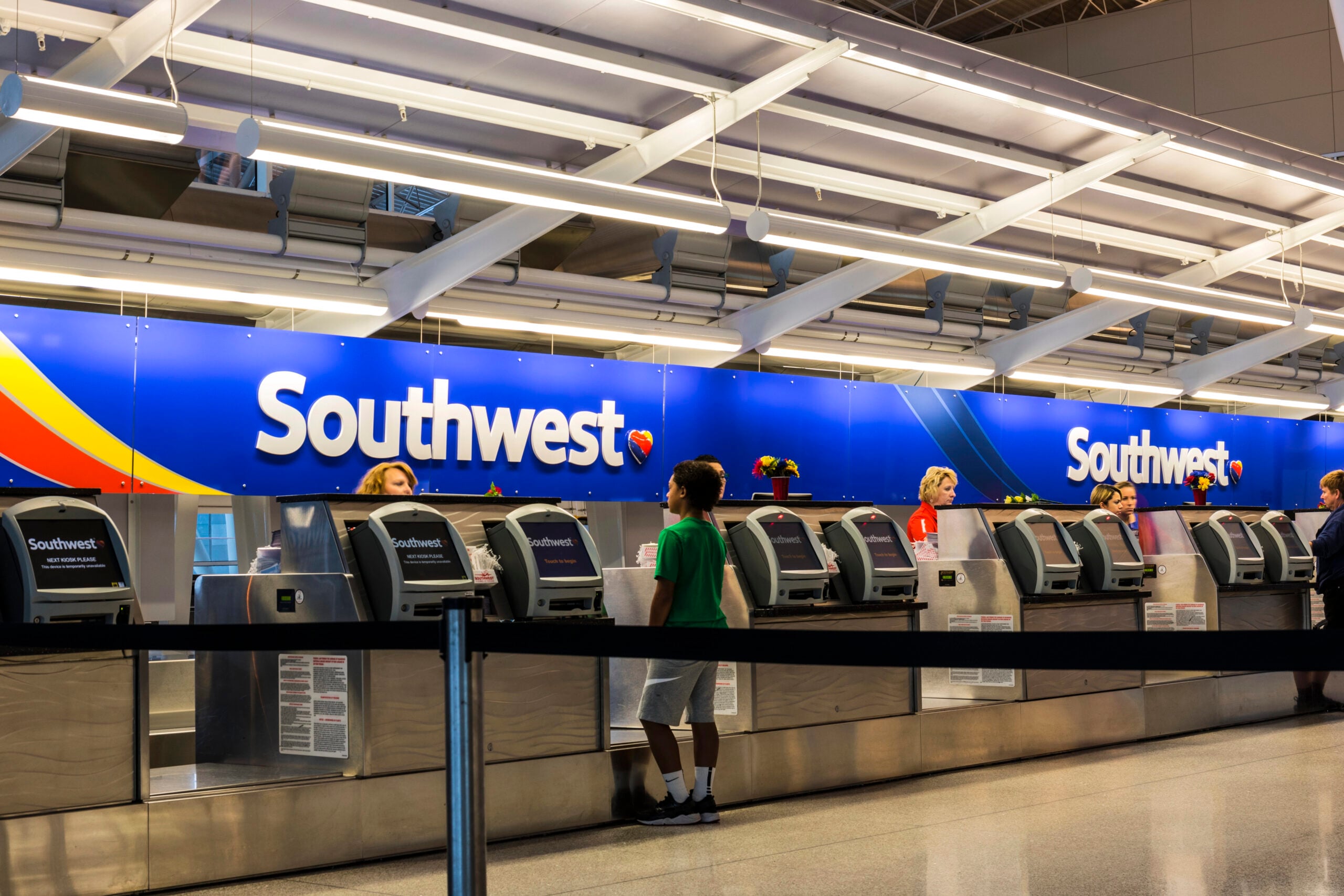
Traditional airlines built complex hub-and-spoke systems with multiple aircraft types and complicated pricing structures. Southwest Airlines founder Herb Kelleher saw opportunity in simplicity: one aircraft type (Boeing 737s), point-to-point routes, and straightforward pricing.
The major carriers dismissed Southwest as a regional curiosity in its early days. Their oversight allowed Southwest to build a loyal customer base by delivering reliability and value while the majors struggled with operational inefficiencies and mounting costs.
Google Outmaneuvered Early Search Engines’ Poor Results
AltaVista, Yahoo, Excite, and other early search engines had progressively complex user interfaces with a lot of advertisements and erroneous results. By ranking pages according to their relationships with other websites, Larry Page and Sergey Brin’s PageRank algorithm produced noticeably better search results.
Because the established players overlooked the significance of result quality, Google was able to take the lead. Google was able to create an advertising empire that revolutionized the whole digital environment, thanks to this one advantage.
Airbnb Identified Hotel Industry’s Pricing and Authenticity Weaknesses
The hotel industry offered standardized experiences at standardized prices, leaving travelers seeking authenticity or affordability with few options. Airbnb founders Brian Chesky and Joe Gebbia initially offered air mattresses in their apartment during a conference when local hotels were fully booked.
The hotel industry dismissed these accommodations as inferior alternatives rather than a legitimate threat. This underestimation gave Airbnb time to build a platform that forever changed how people think about travel accommodations.
Facebook Supplanted MySpace by Focusing on Real Identity

MySpace dominated early social media but allowed users to create any identity they wanted, leading to a chaotic, often inauthentic experience. Mark Zuckerberg built Facebook on the principle of real identity, creating a more trusted environment for connecting with actual friends and family.
MySpace’s failure to recognize the importance of authentic connections allowed Facebook to rapidly overtake it. This shift toward real identity fundamentally reshaped how social networks operate and how we present ourselves online.
Apple’s iPhone Exploited Mobile Leaders’ Hardware Focus
Nokia, BlackBerry, and Motorola dominated the mobile phone industry by focusing primarily on hardware features and durability. Steve Jobs recognized that smartphones needed to be more than communication devices—they needed to be portable computers with intuitive interfaces.
The established leaders dismissed touchscreens as impractical and underestimated consumers’ desire for internet-connected devices. Their myopia gave Apple the opening to create the modern smartphone era, fundamentally changing our relationship with technology.
Spotify Fills the Gap Left by Music Industry’s Piracy Battle
Rather than developing strong legal alternatives, the music industry spent years battling digital piracy through litigation. Daniel Ek saw that people desired better experiences than piracy and access to large music libraries at reasonable costs.
At first, record labels prioritized physical media and digital downloads above streaming methods. Because they were unwilling to change, Spotify was able to become the leading music streaming service and build a new paradigm for music consumption and delivery.
Tesla Addressed Traditional Automakers’ Electric Vehicle Hesitation
Established car manufacturers treated electric vehicles as compliance cars with limited range and uninspiring designs. Elon Musk positioned Tesla as a premium brand that makes electric vehicles that are desirable without compromise.
Legacy automakers repeatedly dismissed Tesla as a niche player that would never achieve significant production volumes. Their skepticism gave Tesla time to build its brand, technology, and charging infrastructure while traditional manufacturers fell years behind in the electric revolution.
Zoom Simplified Video Conferencing When Competitors Made It Complex

Existing video conferencing solutions required downloads, plugins, and complicated setup processes that frustrated users. Zoom founder Eric Yuan, who previously worked at Webex, built a solution focused on one thing: making video meetings easy to join with a single click.
Established players like Skype, Webex, and GoToMeeting failed to prioritize simplicity and reliability. Their oversight allowed Zoom to become the verb for video conferencing, particularly when the pandemic made remote communication essential.
Dollar Shave Club Disrupted Gillette’s Premium Pricing Model
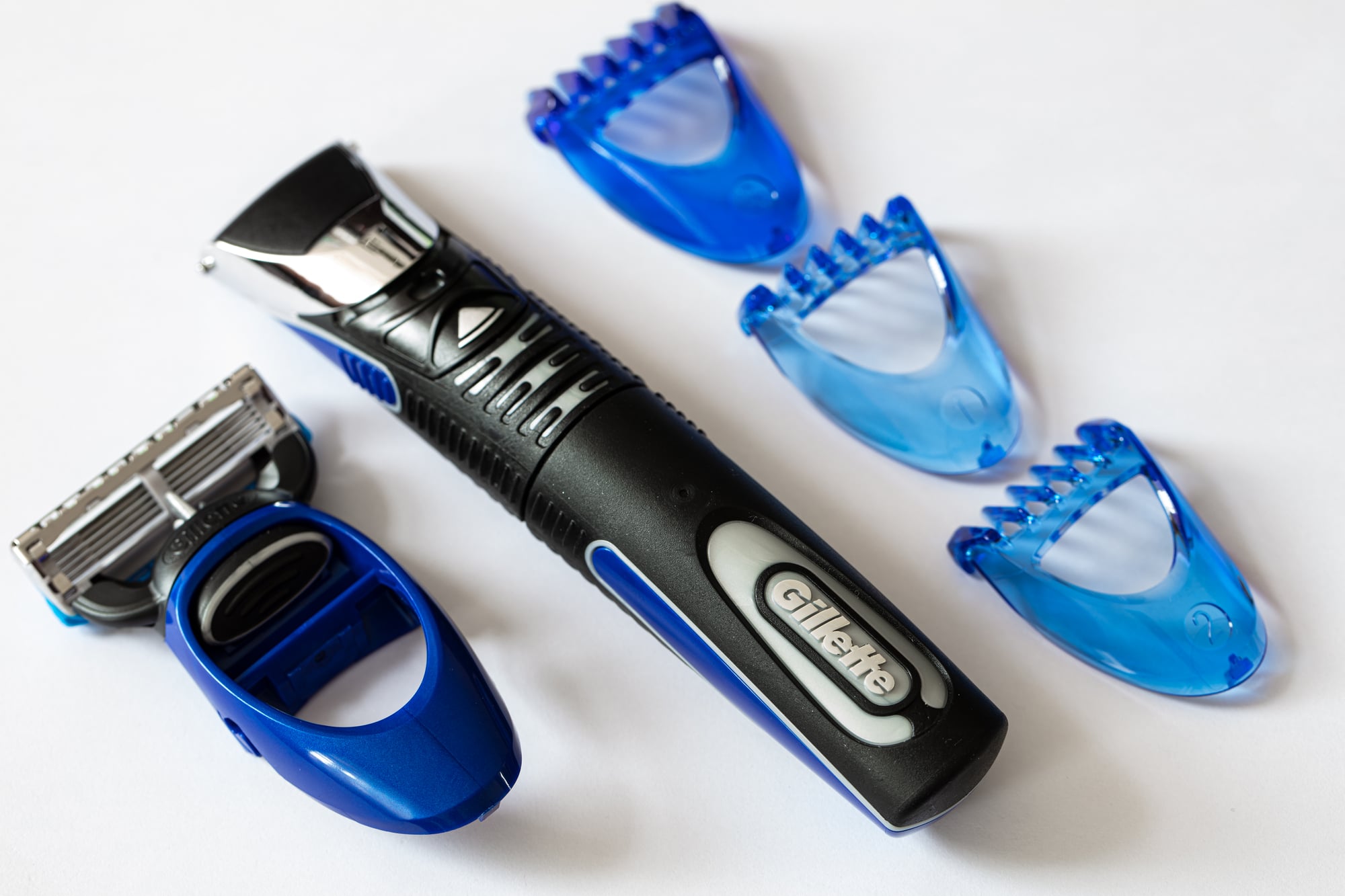
Gillette dominated the razor market with expensive products and constant “innovations” that pushed prices higher. Michael Dubin recognized that many men felt razors were overpriced and created a subscription model delivering quality razors at affordable prices.
Gillette dismissed the subscription upstart as catering to a small segment of price-sensitive customers. This underestimation gave Dollar Shave Club time to build a brand that Unilever eventually acquired for $1 billion, forever changing how personal care products are marketed and sold.
Warby Parker Exploited Luxottica’s Eyewear Monopoly
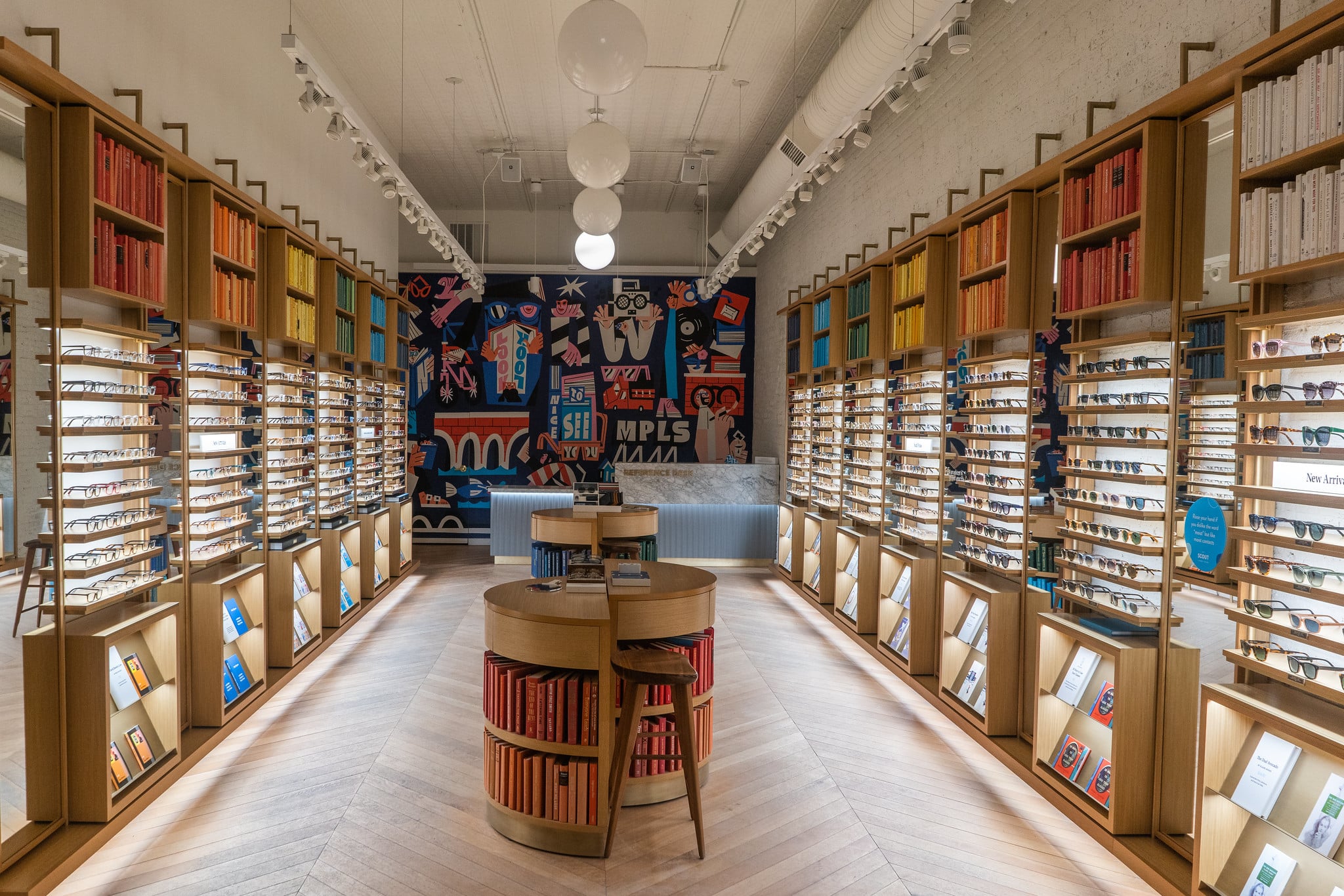
The eyewear industry was dominated by Luxottica, which controlled both manufacturing and retail, keeping prices artificially high. Warby Parker’s founders realized they could design fashionable glasses, sell them directly to consumers, and still charge far less than traditional retailers.
Established players considered online eyewear sales impossible since people needed to try frames on. This assumption gave Warby Parker time to develop its home try-on program and build a brand that revolutionized how eyewear is sold.
The Innovation Cycle Continues

Despite how permanent it may appear at the time, history demonstrates that market supremacy is frequently fleeting. The market leaders of today were the upstarts of yesterday, and the disruptors of the future are already spotting flaws in the giants of today.
By continuously challenging their own presumptions and seeking out methods to disrupt themselves before others do it for them, the most prosperous businesses preserve their place in the market.
“Why does it have to be this way?” was the initial question posed by someone in every industry revolution on this list. These businesses not only identified market gaps but also developed completely new paradigms that increased opportunities for all by questioning accepted wisdom and addressing the blind spots of rivals.
More from Go2Tutors!

- The Romanov Crown Jewels and Their Tragic Fate
- 13 Historical Mysteries That Science Still Can’t Solve
- Famous Hoaxes That Fooled the World for Years
- 15 Child Stars with Tragic Adult Lives
- 16 Famous Jewelry Pieces in History
Like Go2Tutors’s content? Follow us on MSN.



