The Largest Castles That Exist
When people think about castles, they often picture tall towers and stone walls from fairy tales. But the real castles that still stand today are far more impressive than any storybook version.
These massive fortresses weren’t just homes for royalty. They were entire cities within walls, built to protect thousands of people during times of war and peace.
Some of these castles are so huge that walking through them takes an entire day, and their walls stretch for miles across the landscape. Let’s explore some of these giant fortresses that prove history built bigger than most people realize.
Prague Castle
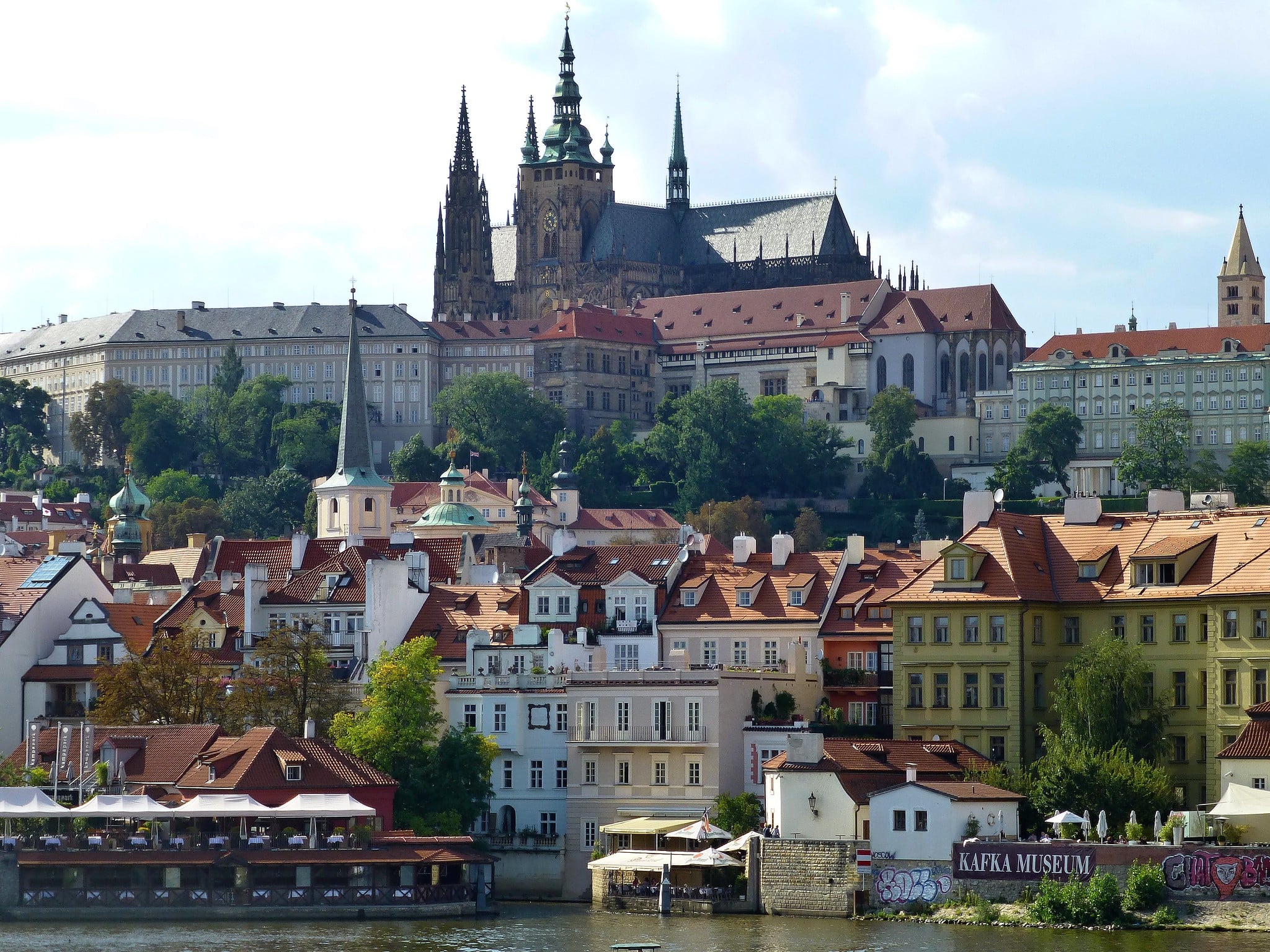
Prague Castle holds the record as the largest ancient castle complex in the world according to the Guinness Book of World Records. This fortress covers roughly 750,000 square feet and has been standing since the 9th century.
The castle isn’t just one building but a collection of palaces, churches, gardens, and defense towers all connected within massive walls. Czech kings, Holy Roman Emperors, and presidents have all called this place home over the centuries.
Walking through Prague Castle feels like stepping through different time periods because each ruler added their own buildings and styles. Today, it still serves as the official office of the Czech president, making it one of the few ancient castles still used for government work.
Malbork Castle
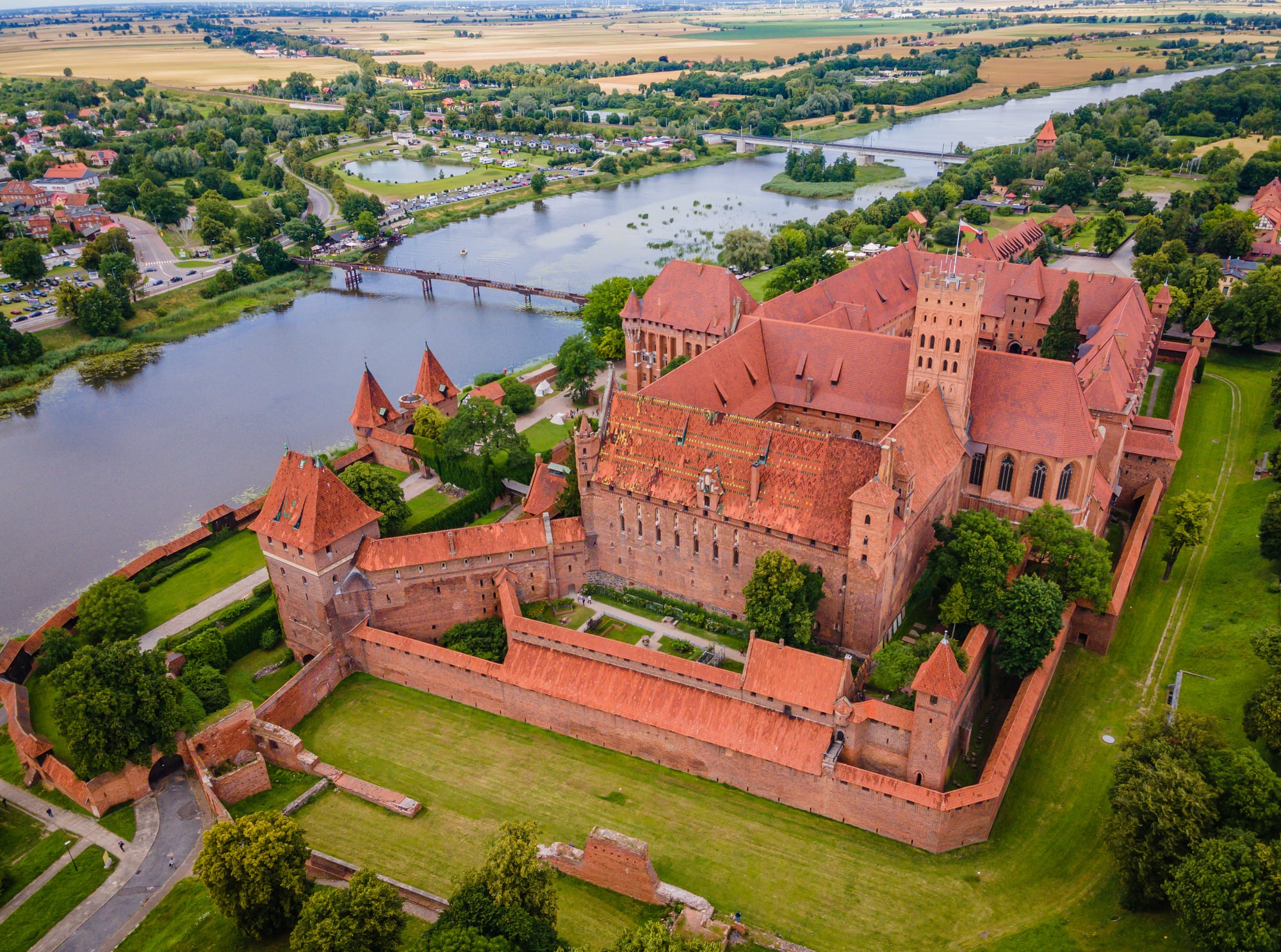
Malbork Castle in Poland was built by the Teutonic Knights in the 13th century and remains the largest brick castle ever constructed. The fortress covers over 52 acres and used more than 230 million bricks in its construction.
This wasn’t just a military base but a complete medieval city with its own brewery, hospital, and agricultural systems. The castle sits on the Nogat River, which provided both defense and a trade route for the knights who controlled it.
During World War II, the castle suffered significant damage but has since been restored to show visitors what medieval power looked like. The sheer amount of brickwork in this structure still amazes architects today.
Windsor Castle
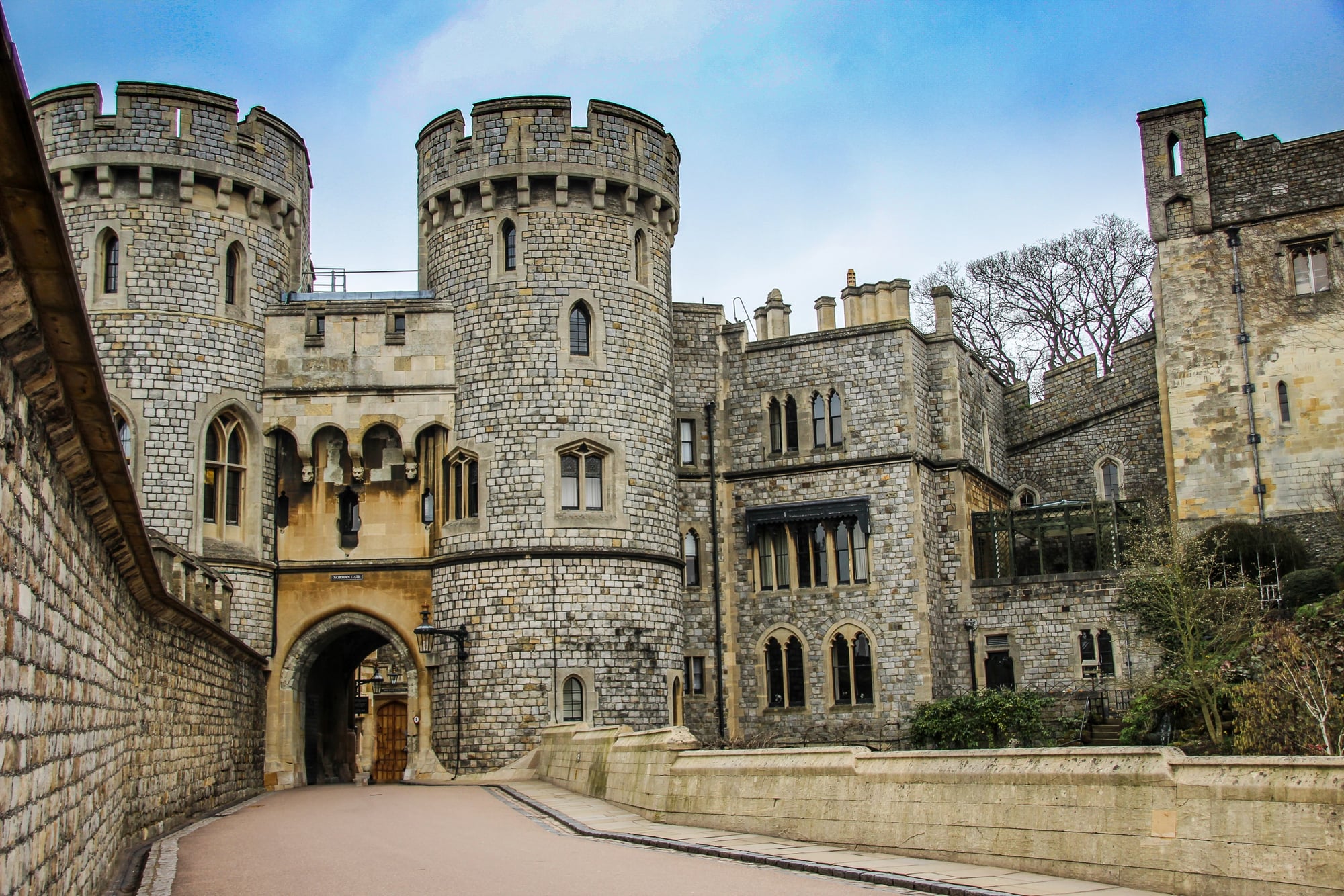
Windsor Castle has been home to British royalty for over 900 years and remains the largest occupied castle in the world. The castle covers about 13 acres within its walls and contains nearly 1,000 rooms.
Queen Elizabeth II spent many weekends here, and the current royal family still uses it regularly for state occasions and private time. The castle’s Round Tower stands as a landmark visible for miles around the English countryside.
Unlike many castles that became museums, Windsor remains a working royal residence where the Changing of the Guard still happens for tourists. Parts of the castle are open to visitors when the royal family isn’t in residence, showing off centuries of royal history and art collections.
Hohensalzburg Fortress
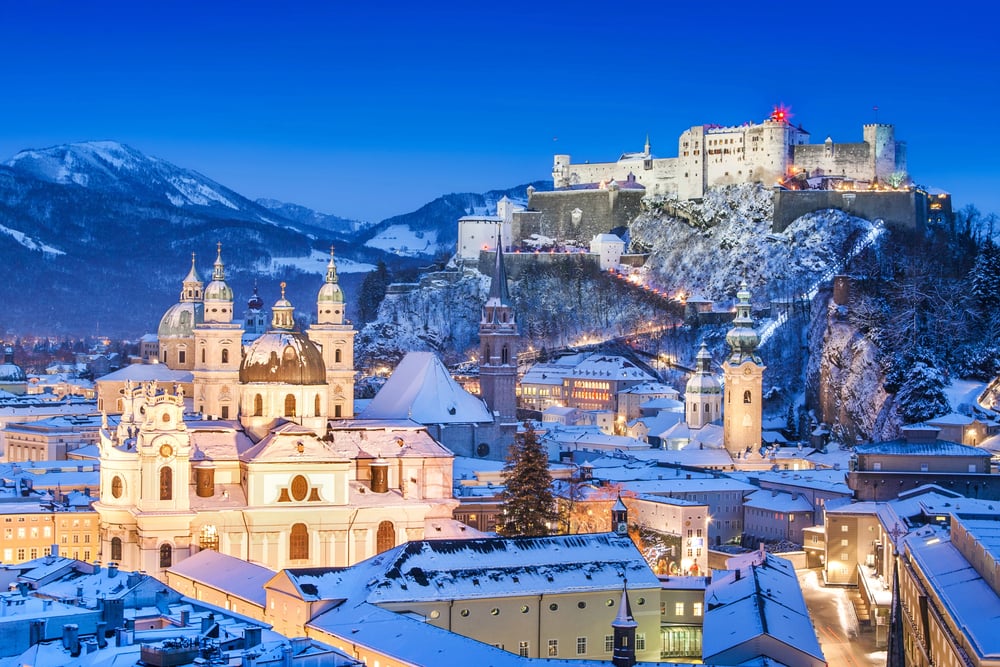
Hohensalzburg Fortress sits on a hill overlooking the Austrian city of Salzburg and covers about 250,000 square feet. Built in 1077, this fortress never fell to enemy forces despite numerous sieges over the centuries.
The fortress contains museums, viewing platforms, and rooms that show how medieval nobility lived in relative comfort. A funicular railway now takes visitors up the steep hill, but soldiers once had to climb on foot while carrying weapons and supplies.
The fortress offers views that stretch across the Alps and into Germany on clear days. Its white walls and red roofs have become as much a symbol of Salzburg as Mozart, who was born in the city below.
Buda Castle
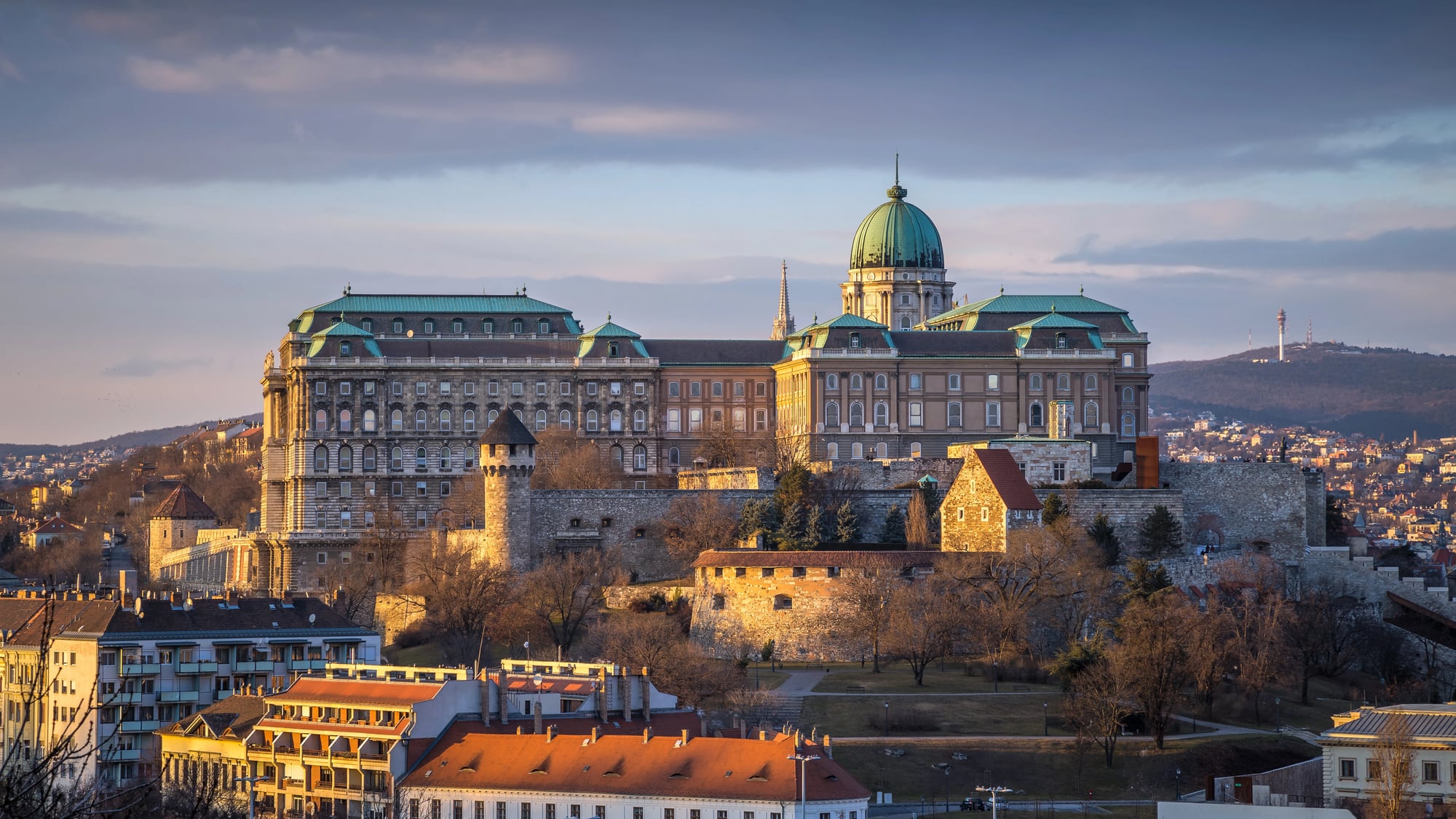
Buda Castle dominates the skyline of Budapest, Hungary, and covers the entire southern tip of Castle Hill. The palace complex has been destroyed and rebuilt several times throughout history, with the current structure dating mostly from the 18th century.
The castle now houses the Hungarian National Gallery and the Budapest History Museum within its walls. During World War II, the castle became the last stronghold of German and Hungarian forces, resulting in massive damage to the structure.
Restoration work continued for decades after the war, bringing back the palace’s former appearance. The castle hill itself is a UNESCO World Heritage site because of its historical importance to the region.
Citadel of Aleppo
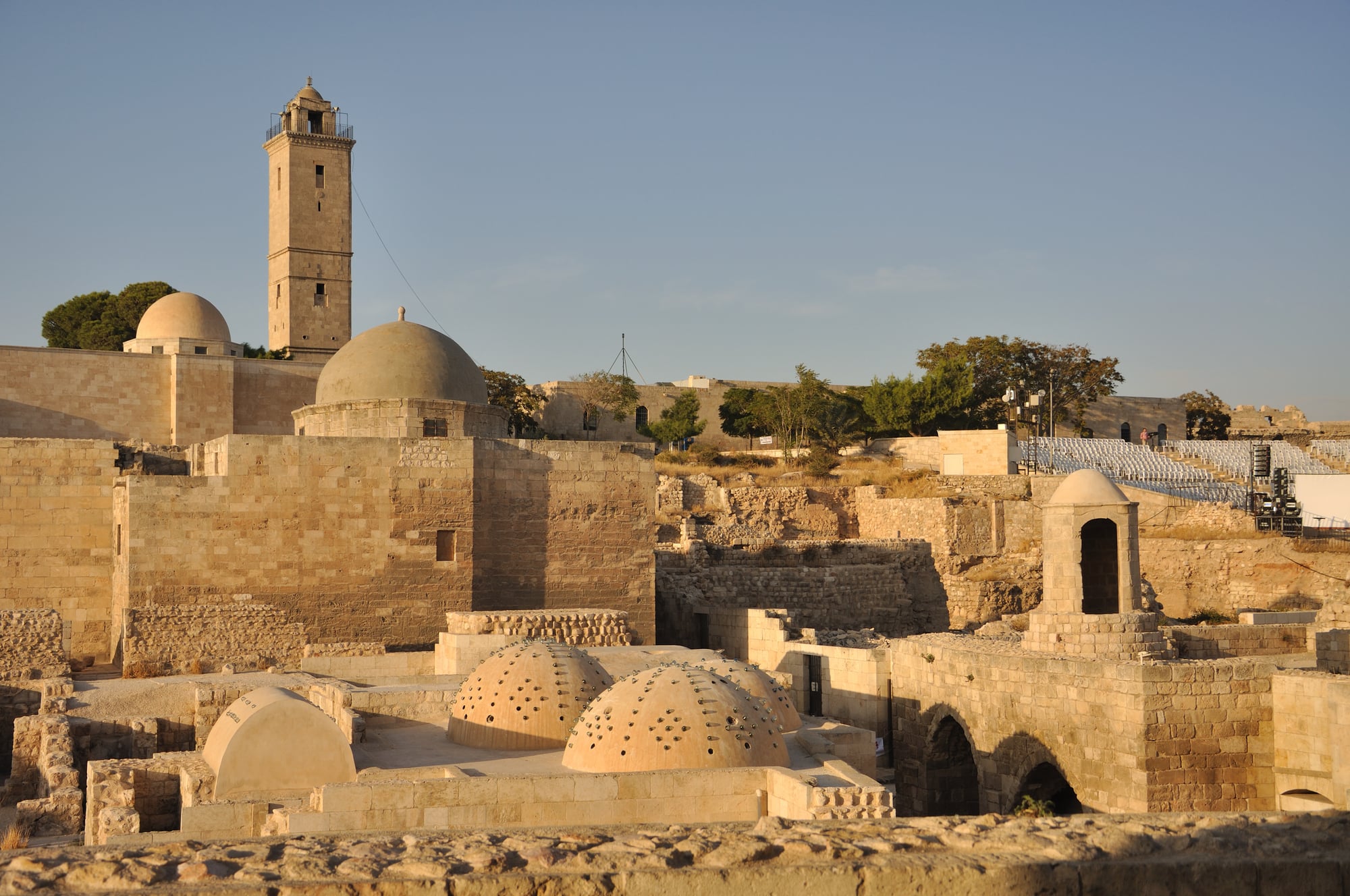
The Citadel of Aleppo in Syria stands as one of the oldest and largest castles in the world, with evidence of use dating back over 5,000 years. The fortress sits on a hill that rises about 165 feet above the city around it, giving defenders a clear view of approaching armies.
The current structure was mostly built during the 12th and 13th centuries by various Islamic rulers. A massive entrance bridge leads up to the main gate, which features clever defensive designs meant to slow down attackers.
Unfortunately, the Syrian civil war damaged parts of this ancient fortress, though efforts to preserve what remains continue. The citadel shows how the same strategic location attracted builders and warriors across millennia.
Edinburgh Castle
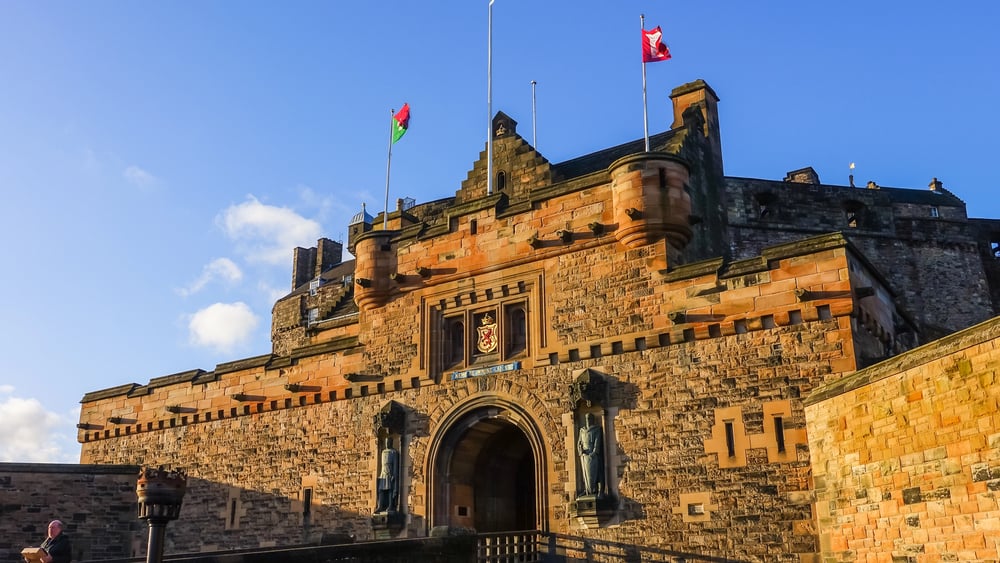
Edinburgh Castle sits on top of an extinct volcano in the heart of Scotland’s capital city and has dominated the landscape for centuries. The castle rock has been occupied since at least the Iron Age, making it one of the longest continuously inhabited sites in Scotland.
The fortress played a central role in Scottish history, changing hands between Scottish and English forces numerous times. Inside the walls, visitors can see the Scottish Crown Jewels, ancient prisons, and military museums.
The castle still functions as a military garrison, continuing its defensive tradition into modern times. Every year at midnight on New Year’s Eve, a gun fires from the castle walls to mark the moment.
Mehrangarh Fort
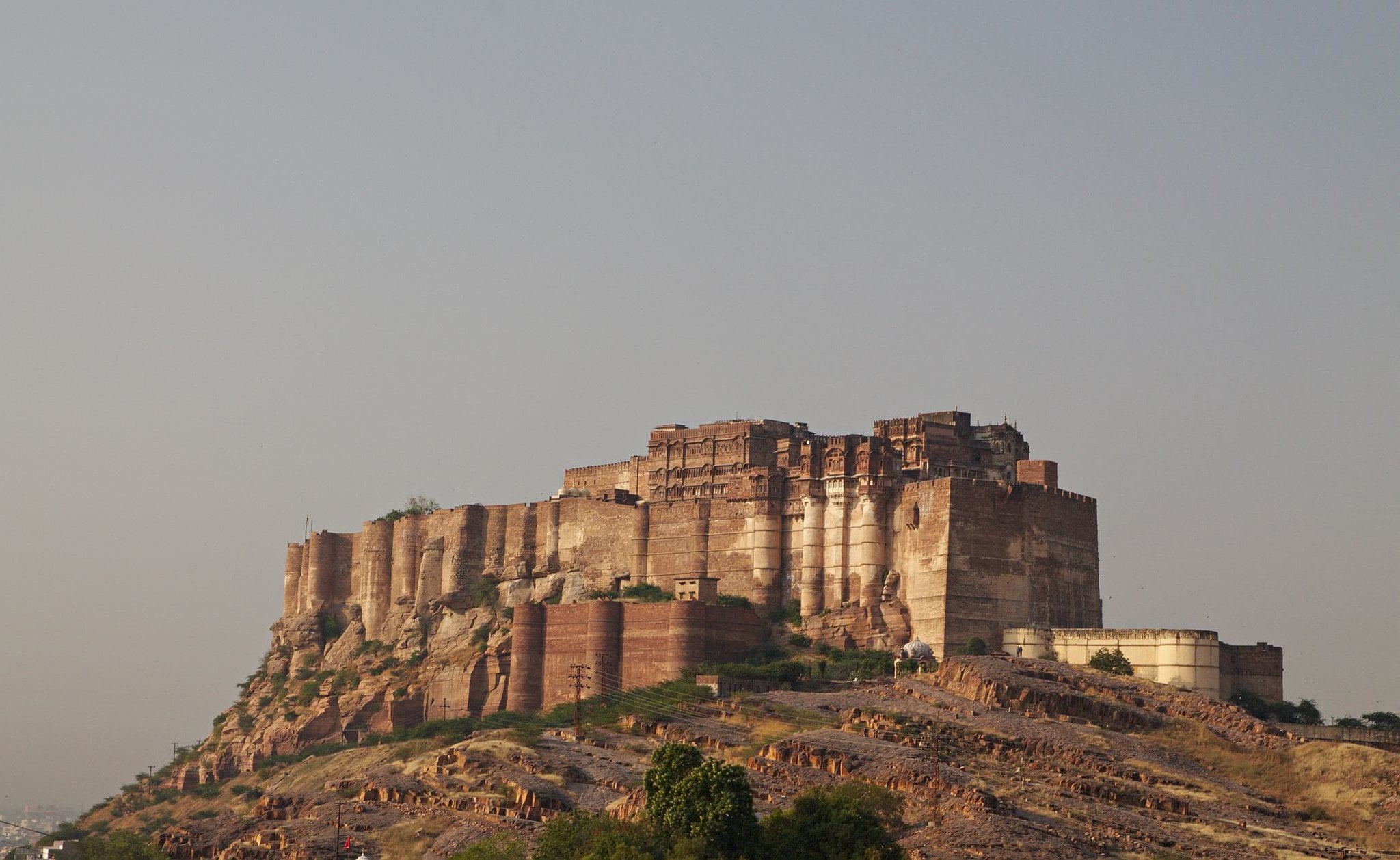
Mehrangarh Fort rises 400 feet above the city of Jodhpur in India and features walls that reach 120 feet high in some places. Built in 1459, the fort contains palaces with intricate carvings, courtyards, and museums displaying royal artifacts.
The fort’s massive walls protected rulers of the Marwar region from invaders for centuries. Several gates leading into the fort still show marks from cannonballs fired during historical battles.
The fort offers breathtaking views of the blue-painted houses of Jodhpur spread out below. Despite its age, the fort remains remarkably well-preserved and shows visitors the wealth and power of Indian maharajas.
Château de Chambord
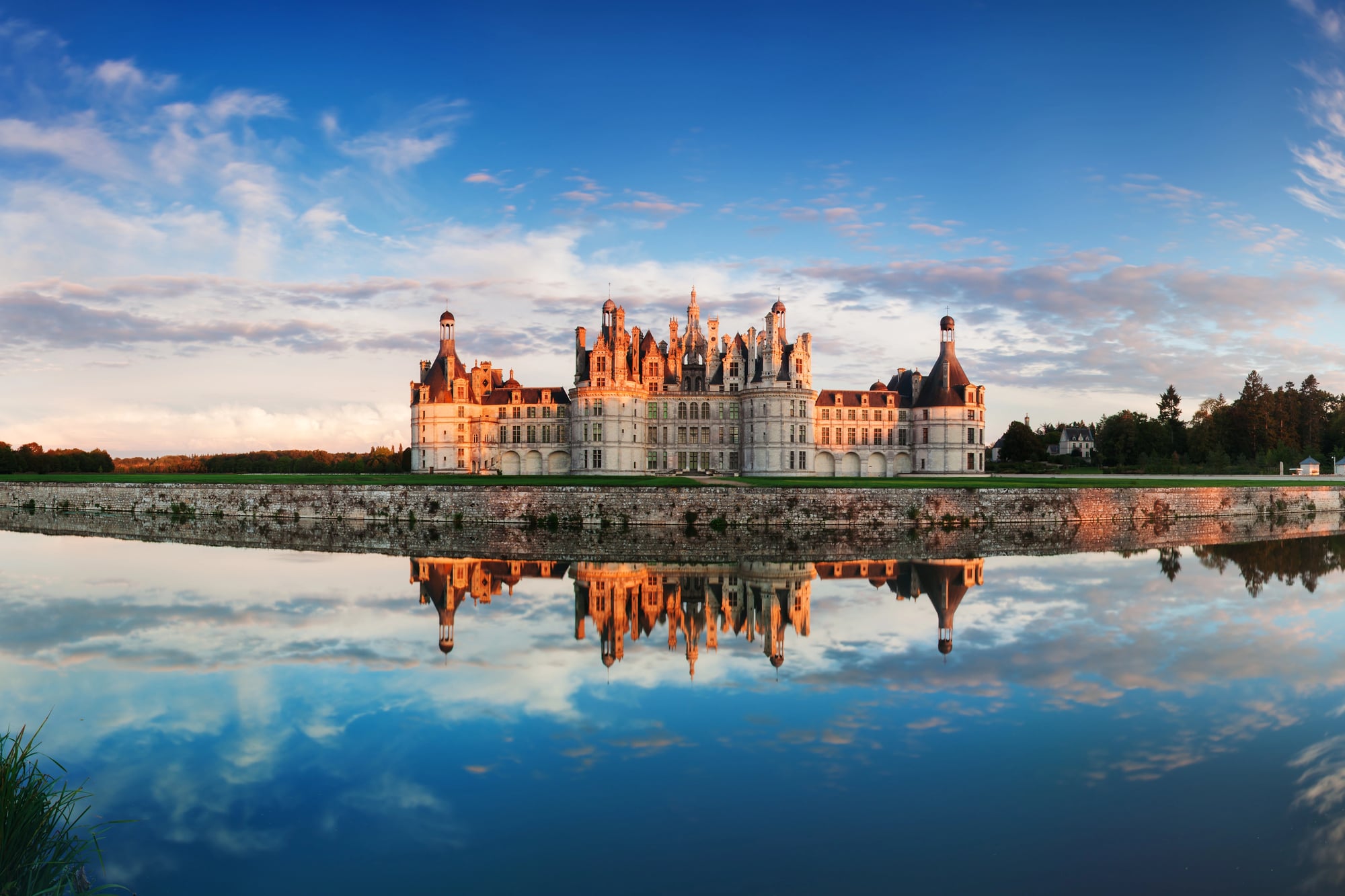
Château de Chambord in France breaks the pattern of military fortresses by being a castle built mostly for showing off. King Francis I commissioned this massive Renaissance palace in the 16th century as a hunting lodge, though it contains 440 rooms, 282 fireplaces, and 84 staircases.
The castle’s famous double-helix staircase might have been designed by Leonardo da Vinci, allowing people to go up and down without meeting. The château sits in a huge forest park surrounded by walls stretching for 20 miles, creating one of the largest enclosed parks in Europe.
French kings rarely stayed here for long, making this enormous castle more about prestige than practicality. Today, it stands as a UNESCO World Heritage site and one of the most recognizable châteaux in the Loire Valley.
Himeji Castle
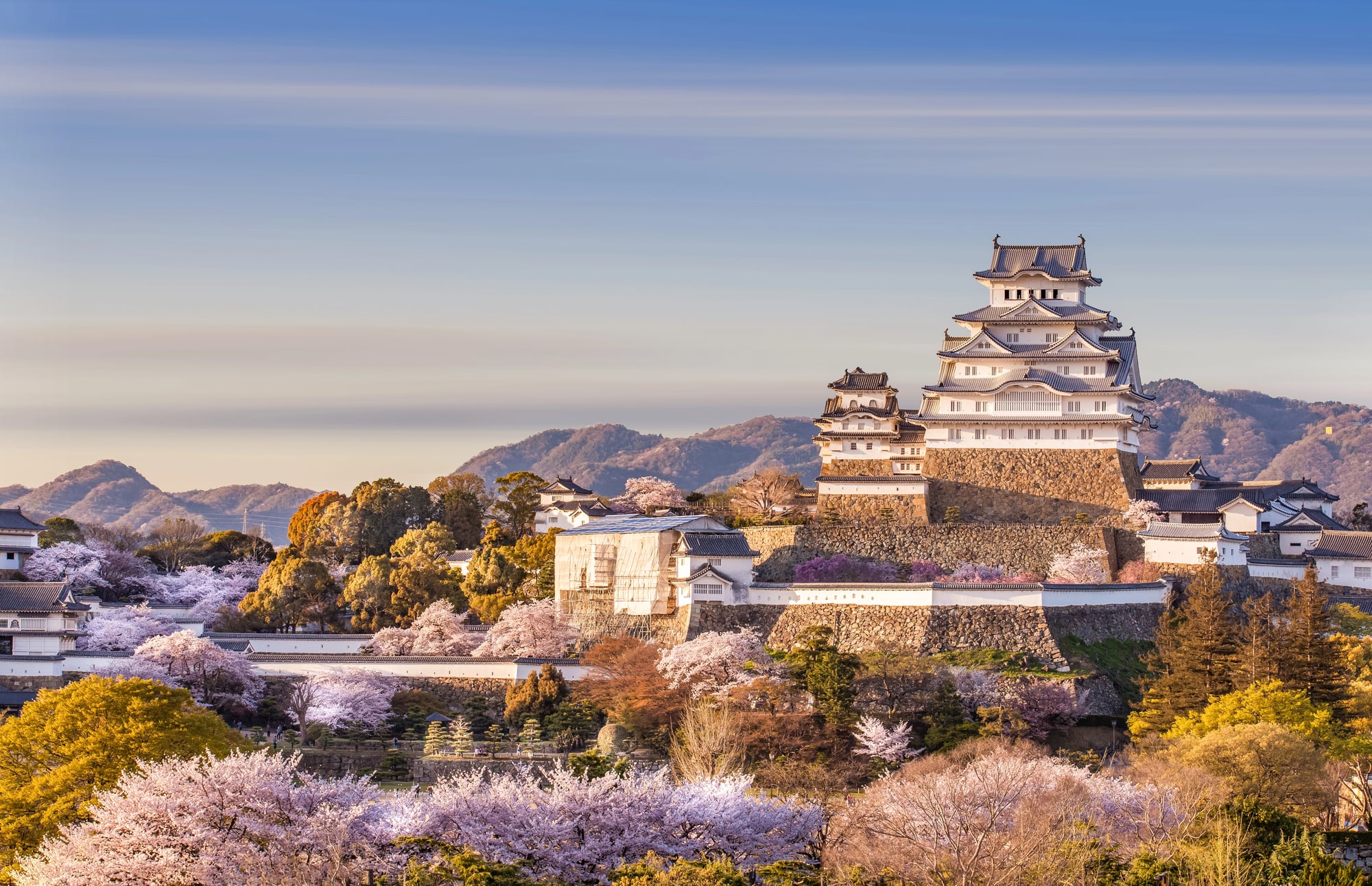
Himeji Castle in Japan earned the nickname ‘White Heron Castle’ because its white walls resemble a bird taking flight. This castle complex contains 83 buildings connected by gates, walls, and winding paths designed to confuse invaders.
Built in the 14th century and expanded in the 17th century, the castle never faced a major battle despite its impressive defenses. The main keep stands seven stories tall, though it appears to have only five stories from the outside.
Unlike many wooden Japanese castles that burned down over the centuries, Himeji survived fires, wars, and even the atomic bombing of nearby Hiroshima. The castle represents the peak of Japanese castle design and remains one of the best-preserved feudal castles in the country.
Castillo de Coca
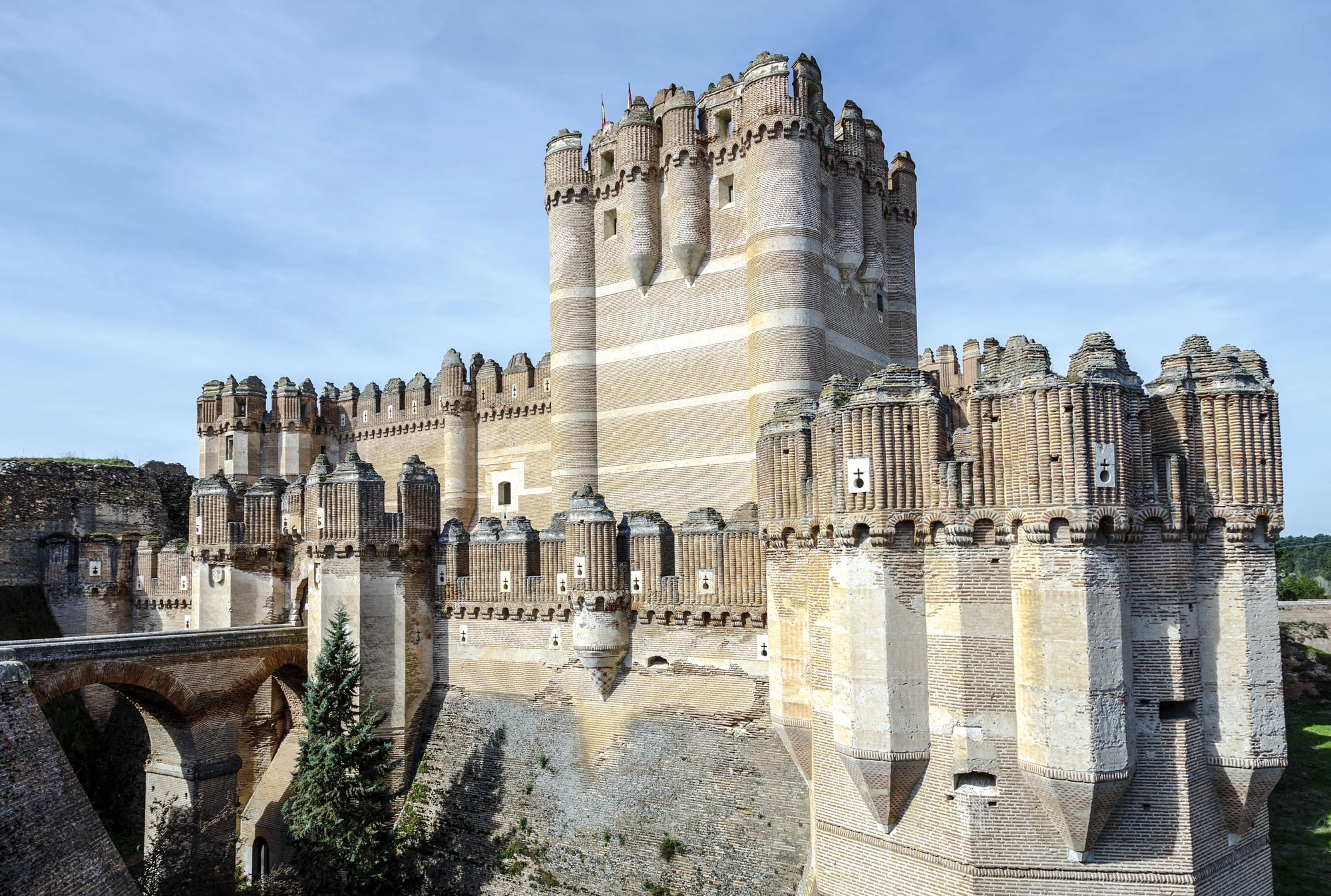
Castillo de Coca in Spain represents a unique style of castle built from brick rather than stone. Constructed in the 15th century, this fortress shows Mudéjar architectural style, blending Christian and Islamic design elements.
The castle rises from flat ground without a hill for defense, relying instead on a moat and thick walls. Its towers and battlements create a profile that looks almost too perfect, like something from a model or painting.
The castle changed hands several times throughout Spanish history and even served as a prison for nobles. Today, it stands as one of the finest examples of Spanish military architecture from the medieval period.
Spišský Hrad
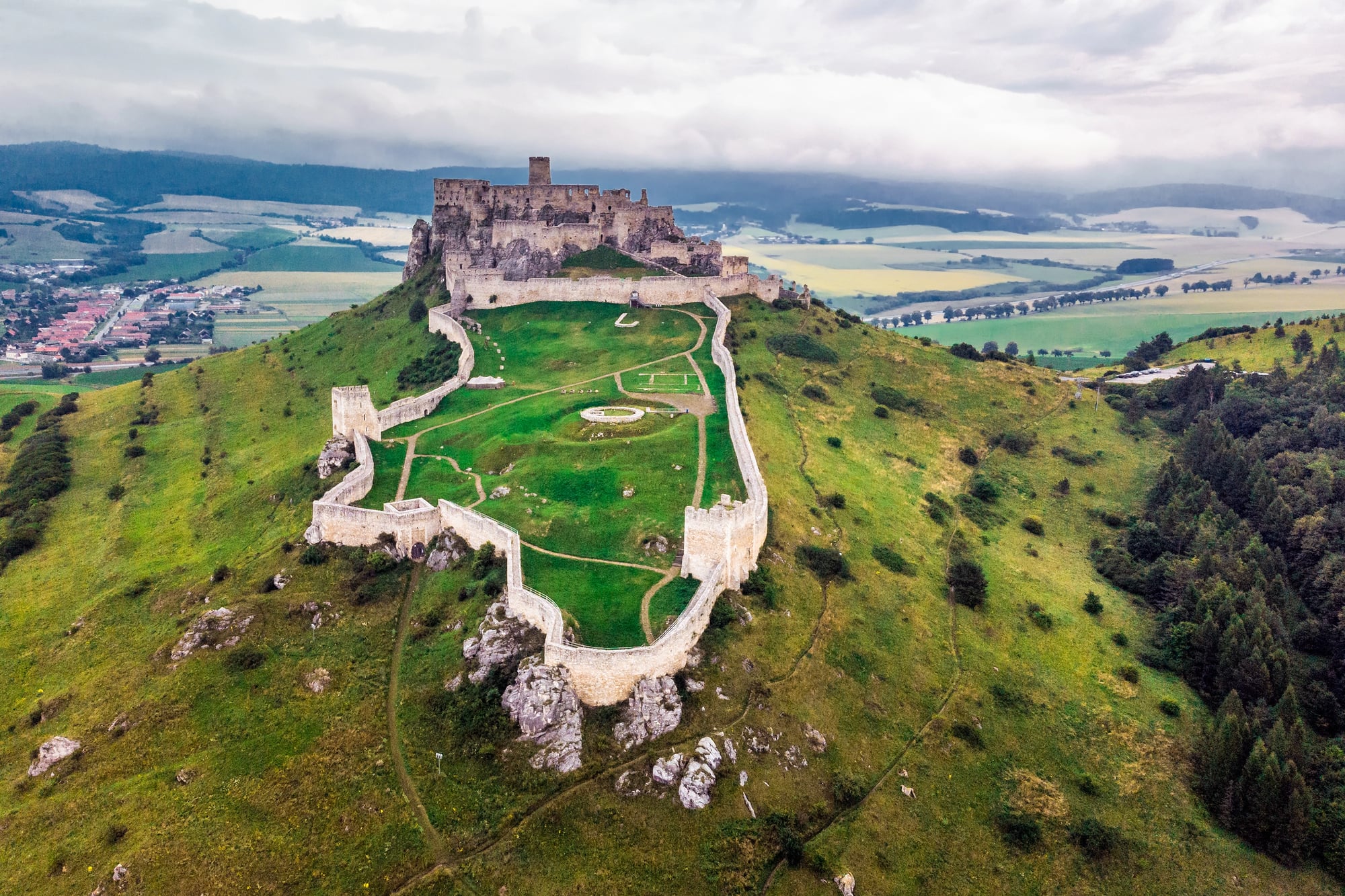
Spišský Hrad in Slovakia covers more than 100,000 square feet and ranks among the largest castle complexes in Central Europe. Built in the 12th century on a hilltop, this fortress controlled important trade routes through the region.
The castle contains a Romanesque palace, Gothic structures, and later additions that show how castle design changed over centuries. A fire in the 18th century left the castle in ruins, but restoration work has made parts accessible to visitors.
The castle’s location provides views across the surrounding countryside that explain why builders chose this spot. Its size and historical importance earned it a place on the UNESCO World Heritage list along with nearby historic towns.
Burghausen Castle
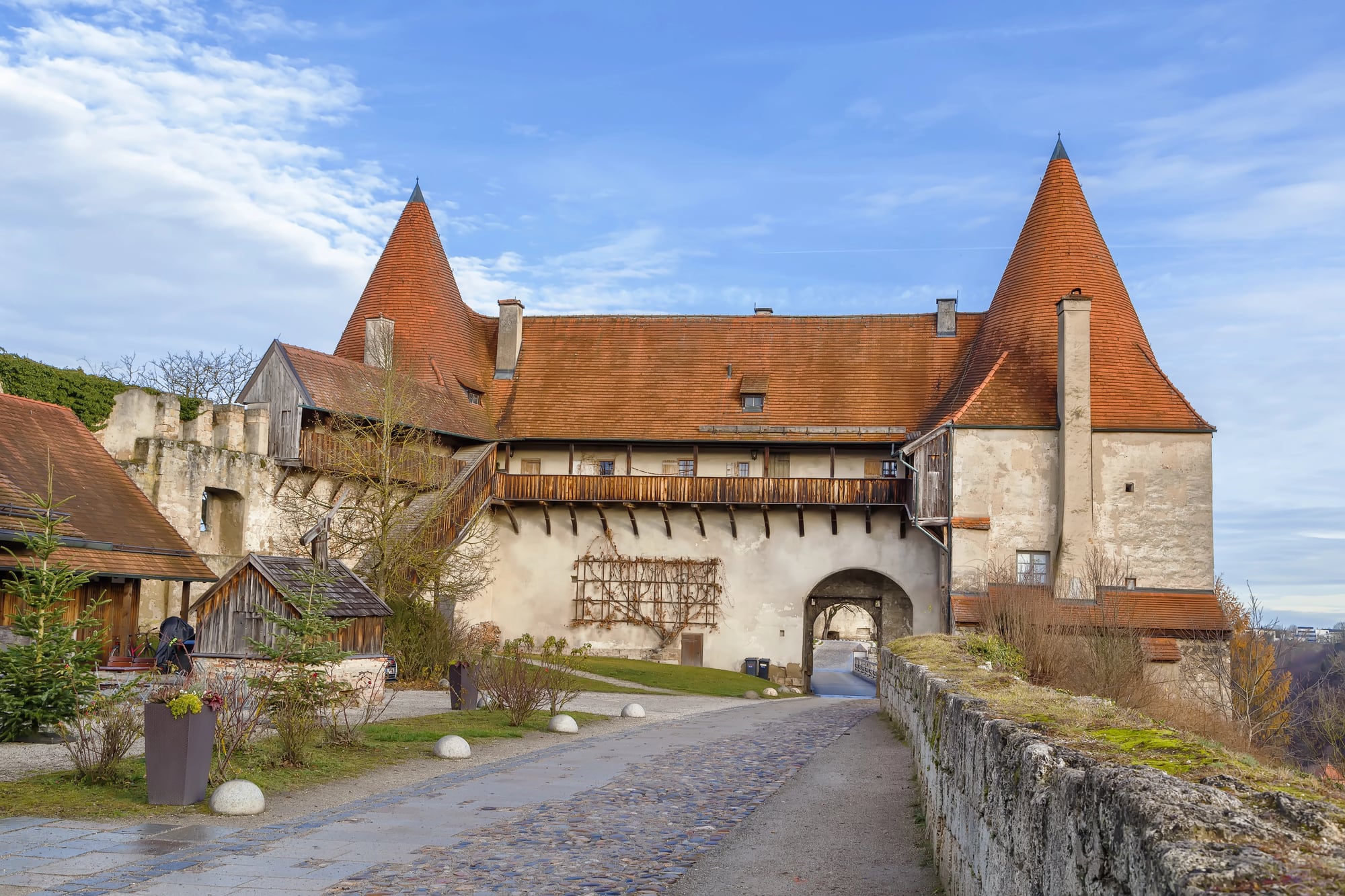
Burghausen Castle stretches along a ridge for more than 3,300 feet, making it the longest castle complex in Europe. Located in Bavaria, Germany, this fortress developed over several centuries as rulers added more sections and defenses.
Six courtyards separate different parts of the castle, each with its own defensive walls and gates. The castle sits above the Salzach River, which forms the border between Germany and Austria.
Walking from one end of the castle to the other takes considerable time because of its unusual length. Parts of the castle now house museums, while other sections contain government offices and homes, keeping this ancient fortress in active use.
Forbidden City
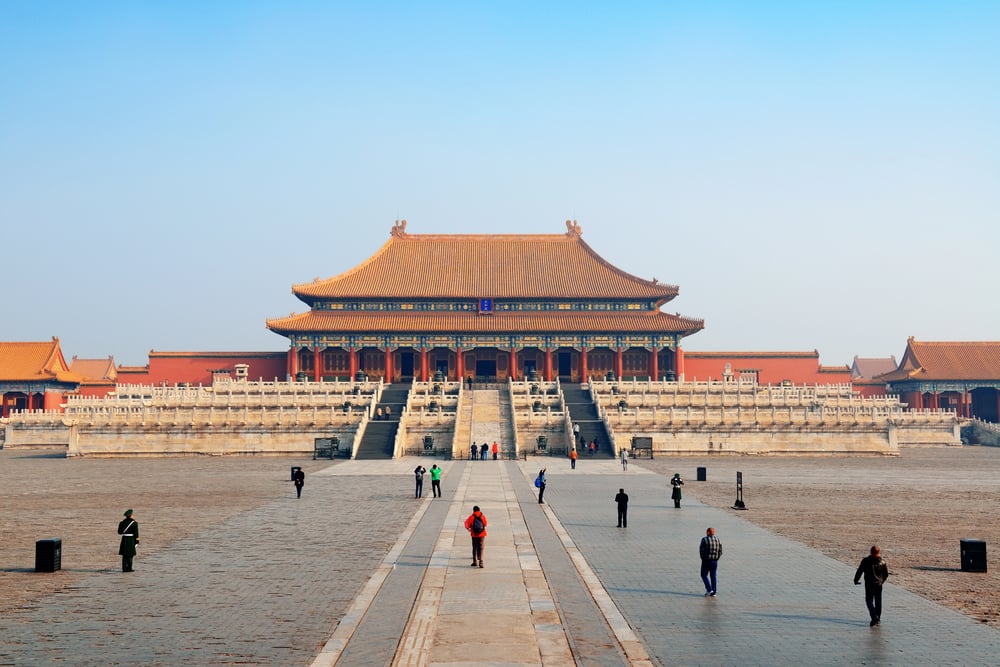
The Forbidden City in Beijing, China, served as the imperial palace for nearly 500 years and covers 180 acres within its walls. This vast complex contains 980 buildings with more than 8,000 rooms, making it one of the largest palace complexes ever constructed.
Built in the early 15th century, the Forbidden City was home to emperors of the Ming and Qing dynasties. Common people were forbidden from entering, giving the palace its name.
The palace follows precise geometric layouts based on ancient Chinese beliefs about balance and harmony. Today, it functions as the Palace Museum and receives millions of visitors who walk through its countless courtyards and halls.
Caerphilly Castle
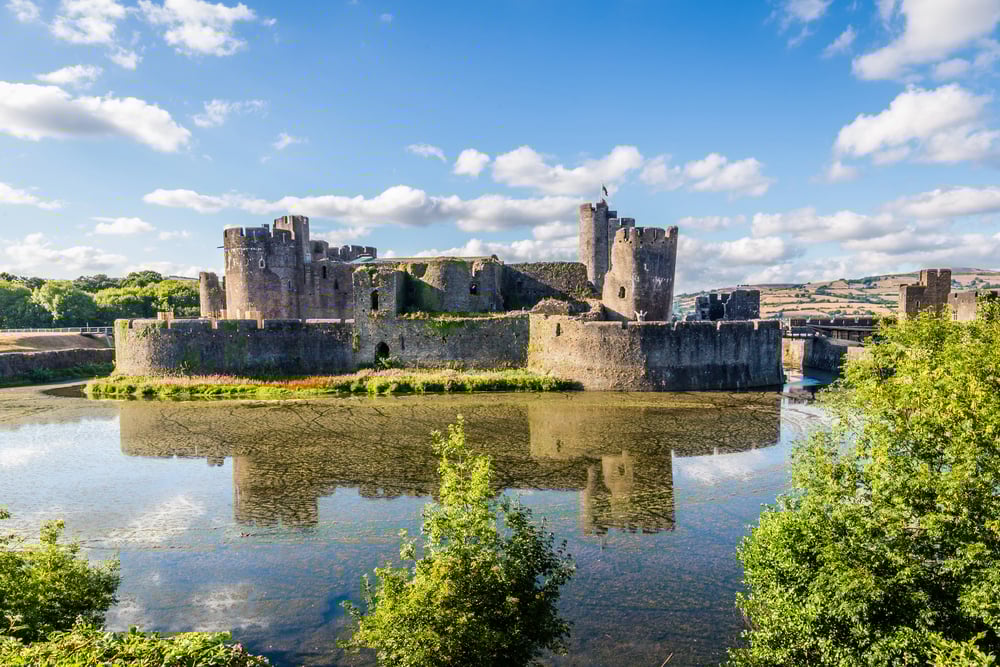
Caerphilly Castle in Wales spans around 30 acres – its medieval water defences are among the most sophisticated in Britain. Constructed during the 1200s, it stands on a man-made island formed by blocking nearby streams, flooded into moats.
Huge stone walls along with fortified towers were built tough enough to resist powerful siege engines back then. A single tower tilts more than Italy’s Leaning Tower; war damage from the 1640s left it crooked ever since.
The castle was huge – so big it kept control over the area for hundreds of years. Fixing it up during the 1900s gave it back its old look, like filling in the moats that used to block attackers.
Matsumoto Castle
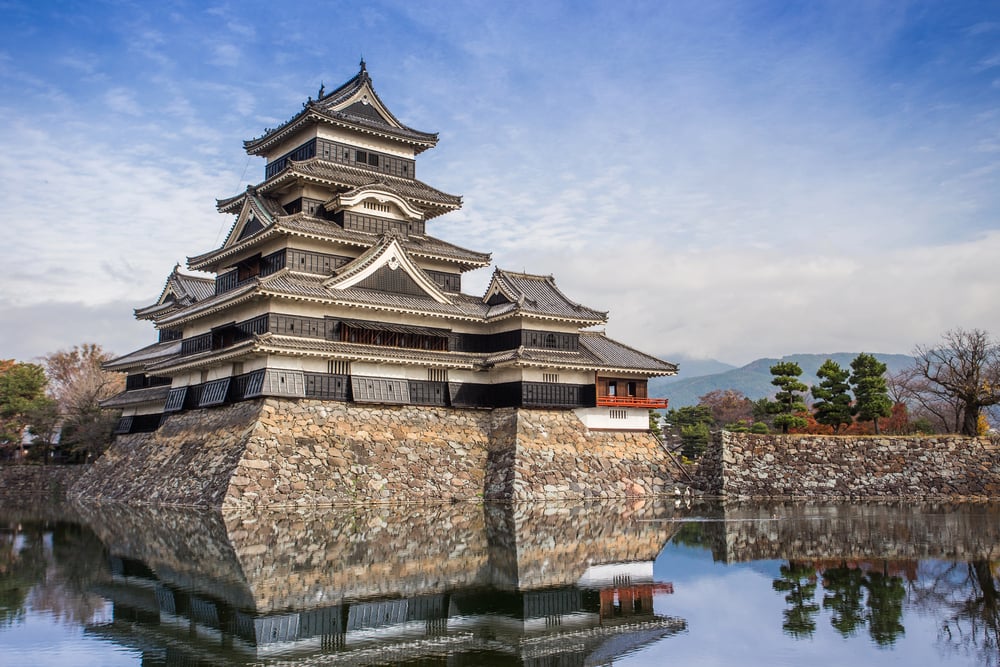
Matsumoto Castle in Japan is among the best-preserved flatland fortresses, crafted where hills don’t help defense. Its black-and-white keep hails from the late 1500s – quite different compared to other well-known Japanese strongholds.
Inside the central tower, six levels hide extra rooms foes couldn’t spot just by looking. A broad water-filled ditch wraps around it, mirroring the stone walls so vividly folks fly across continents for photos.
Matsumoto’s keep still uses real timber, while plenty of other Japanese fortresses got rebuilt using concrete. Locals chipped in cash back then, which helped dodge demolition when most castles were being torn down after the Meiji shift.
Warwick Castle
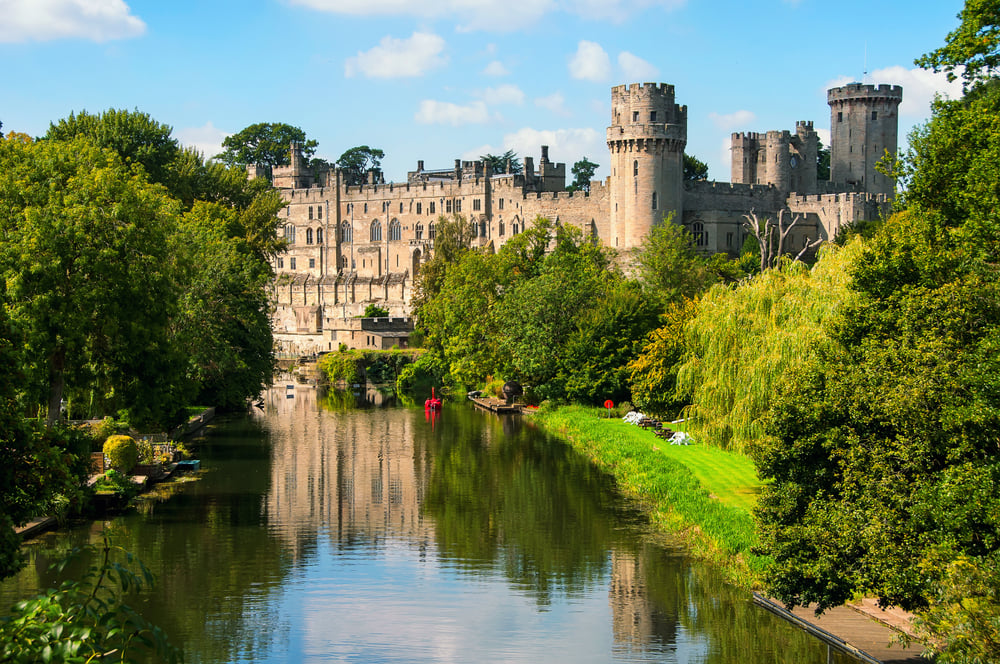
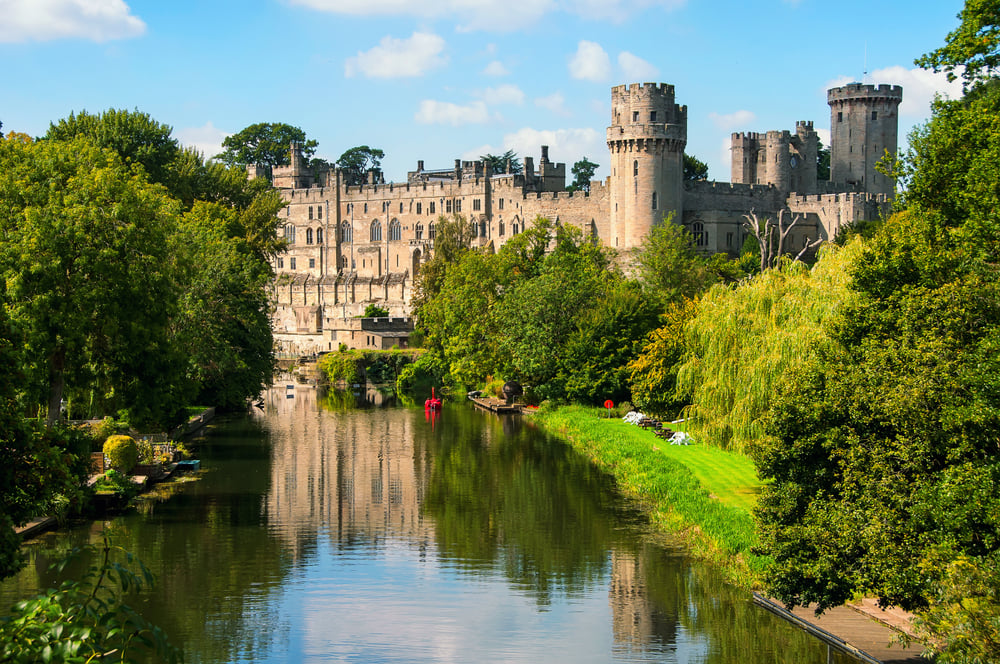
Warwick Castle sits by the River Avon in England – built back in 1068 after William the Conqueror gave the order. Over time, it shifted from a timber stronghold into a heavy stone structure bit by bit.
With its turrets, dark cells below ground, and large central room, you can spot almost ten centuries of design shifts. It was involved in big clashes like the Wars of the Roses and later the English Civil War until it turned into a place visitors check out today.
Victorian-era homeowners built fancy private suites – proof of how strongholds slowly turned into comfy residences. These days, dressed-up performers revive olden-day vibes inside the stone walls while hands-on shows reveal exactly what it took to fire a trebuchet.
Krak des Chevaliers
Krak des Chevaliers in Syria was a stronghold for Crusaders, still counted among the most intact medieval forts on Earth. Constructed during the 1100s, it once housed roughly 2,000 troops at full capacity.
It’s got double layers of fortifications – walls, watchtowers, plus a deep ditch hewn straight out of stone. Though Muslim armies took control later, they did so by deal rather than force following an extended blockade, which showed just how tough the place really was.
The fortress sits high on a ridge, giving guards a clear view across nearby valleys as well as key paths for traders. Even after taking hits during latest fights, it still reveals how smart old-time war design could be.
Where old stones quietly tell stories
Those huge castles show us a side of history folks often overlook. Kings, warriors, or laborers who raised these strongholds planned for safety and strength far into the future.
Moving around inside today links you straight to souls who once laughed, battled, or fell there. That countless forts survived ages of battles, flames, or tremors proves how skilled old-time craftsmen really were.
Every fortress shares unique tales in rock – tales still powerful now like when the final peak got built.
More from Go2Tutors!

- The Romanov Crown Jewels and Their Tragic Fate
- 13 Historical Mysteries That Science Still Can’t Solve
- Famous Hoaxes That Fooled the World for Years
- 15 Child Stars with Tragic Adult Lives
- 16 Famous Jewelry Pieces in History
Like Go2Tutors’s content? Follow us on MSN.



