27 School Traditions From the ’80s Kids Today Never Experience
School in the 1980s ran on paper, chalk and a surprising amount of trust. Kids walked the neighborhood selling candy, passed secret notes by hand and learned about national tragedies from a television wheeled in on a cart.
Most of these rituals did not end with a single decision. They faded one budget cut, safety rule and software update at a time, until a generation of students grew up without ever knowing they existed.
Presidential Physical Fitness Test
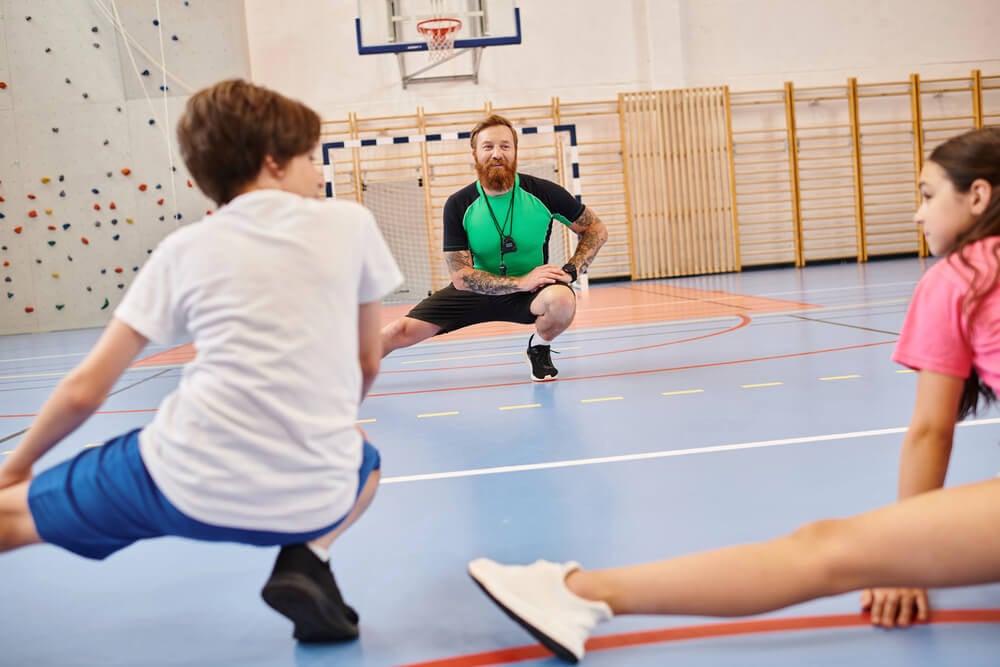
Every fall and spring, gym classes lined up for the Presidential Physical Fitness Test, a battery of pull-ups, sit-ups, the shuttle run, the sit-and-reach and a timed mile. Students who scored at or above the 85th percentile in every event earned the Presidential Physical Fitness Award, a patch that some kids sewed onto jackets.
Everyone else learned exactly where they ranked, often in front of classmates. The program was replaced during the 2012 to 2013 school year by the Presidential Youth Fitness Program, which uses FitnessGram and measures students against health targets instead of national rankings.
Plenty of adults still remember the flexed-arm hang with real dread.
Climbing the Gym Rope
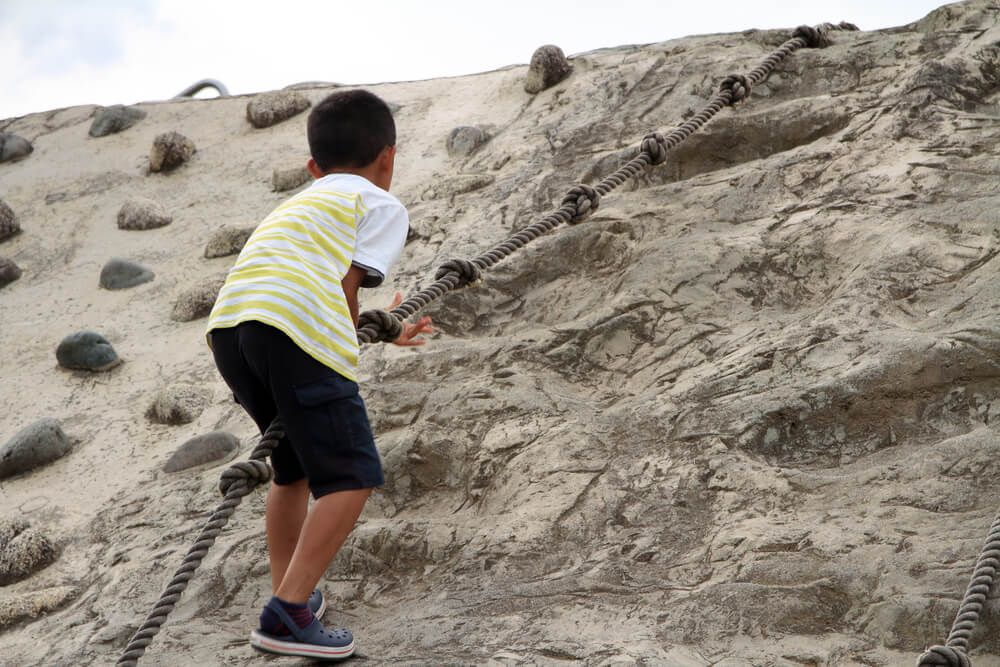
A thick rope hanging from the gymnasium ceiling was standard equipment in 1980s schools, and climbing it to touch the top was a rite of passage. Some kids scrambled up in seconds while others dangled a few feet above the mat as the class watched.
Rope burns on the palms and inner legs were common, and falls were not unusual. As liability concerns grew and physical education shifted toward lifelong fitness, many districts took the ropes down or stopped requiring the climb.
In plenty of older gyms, the metal ceiling bracket is the only evidence left behind.
Square Dancing in Gym Class
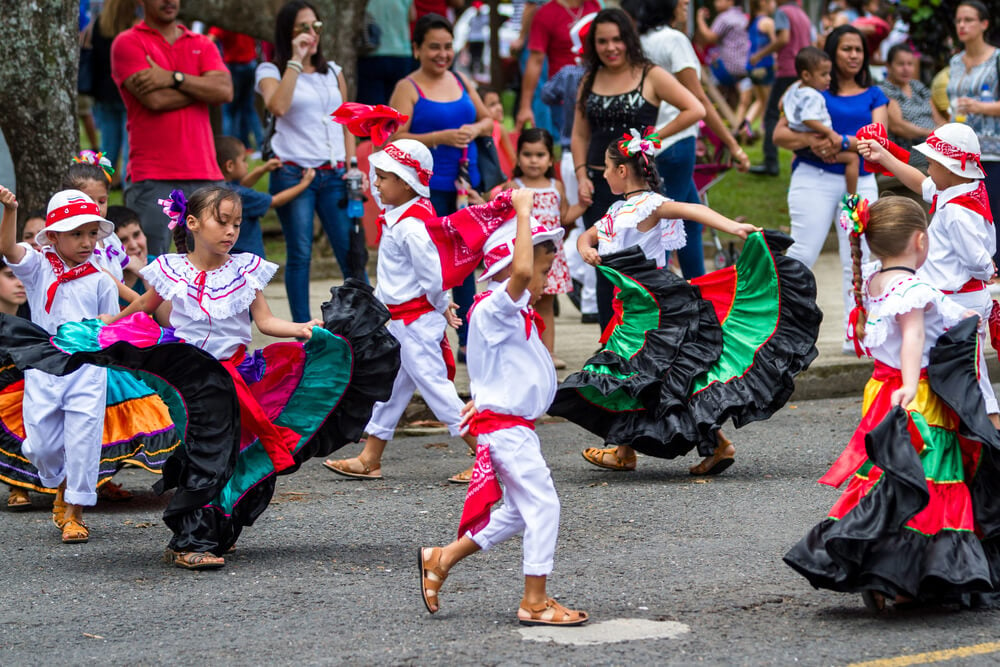
Many 1980s physical education programs included a square dancing unit, complete with a record player, a scratchy caller album and instructions to bow to a partner. Students learned the promenade, the do-si-do and allemande left while trying not to make eye contact with the person across the square.
The unit was meant to teach coordination, rhythm and manners at the same time. Several states have named square dancing their official state dance, which helped keep it in curriculum guides.
Most schools have since swapped it for other activities, so the awkward hand-holding now lives mainly in memory.
Weekly Reader in the Classroom

Weekly Reader was a small classroom newspaper delivered to American schools beginning in 1928, and for decades it was many children’s first exposure to current events. Teachers passed out the issues, and students read stories about science, animals, elections and holidays, then answered questions on the back page.
The publication also ran a presidential election poll among students that was often reported in the national press. Weekly Reader was folded into Scholastic News in 2012, ending its long run under its own name.
For many adults, the smell of its newsprint is tied to Friday afternoons.
Threading the 16mm Projector
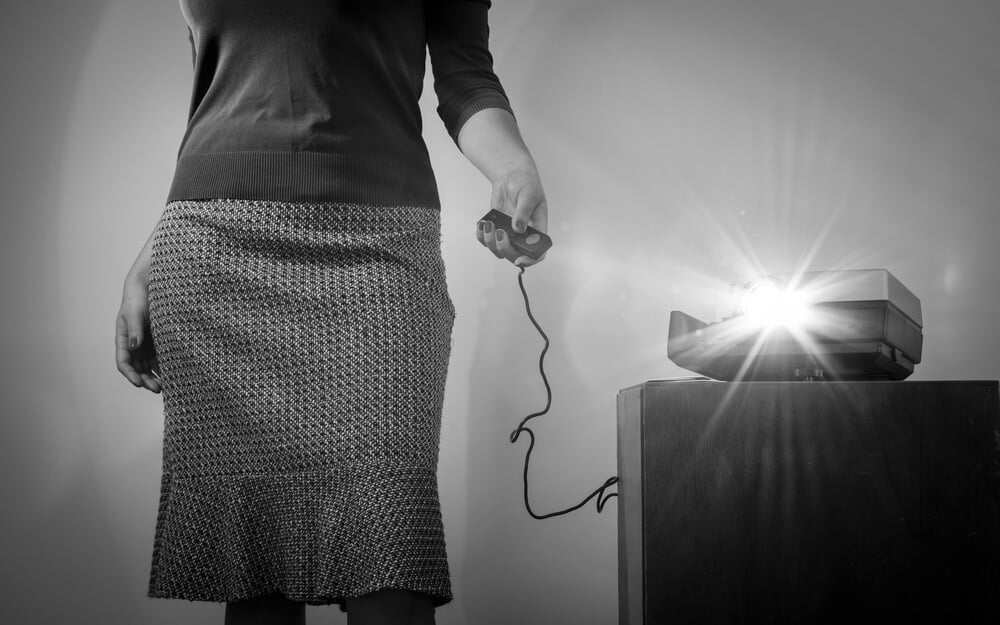
Every 1980s classroom seemed to have one student trusted to run the 16mm film projector, usually a member of the audiovisual club. Threading the film through the sprockets and gate took skill, and a mistake meant a flapping reel or a scorched frame in the middle of a science film.
When the film ended, the loose end slapped around the spinning reel until someone shut it off. Rewinding was a job of its own.
Videotape and then digital files ended the role, along with the small prestige of being the kid who knew how the machine worked.
Oregon Trail in the Computer Lab

The Oregon Trail, published by the Minnesota Educational Computing Consortium, reached schools on Apple II computers in the mid-1980s, and a trip to the computer lab often meant playing it. Students outfitted a wagon, bought oxen and supplies, forded rivers and hunted for food, then watched their party succumb to dysentery, typhoid or snakebite.
The game was meant to teach history and resource management, and it did, though kids mostly remember naming party members after classmates. Computer labs with rows of beige machines and floppy disks have since given way to tablets and laptops.
Watching the Challenger Launch on TV

On January 28, 1986, classrooms across the country wheeled in televisions to watch the space shuttle Challenger lift off with Christa McAuliffe, a New Hampshire social studies teacher chosen for NASA’s Teacher in Space project. She was scheduled to teach lessons from orbit, and schools had prepared lesson plans around the mission.
The shuttle broke apart 73 seconds after launch, and many students watched it happen live. Teachers who had planned a celebration suddenly had to explain a national tragedy.
For a generation of students, the event became a shared memory tied directly to the classroom.
Listening to the Radio for Snow Days
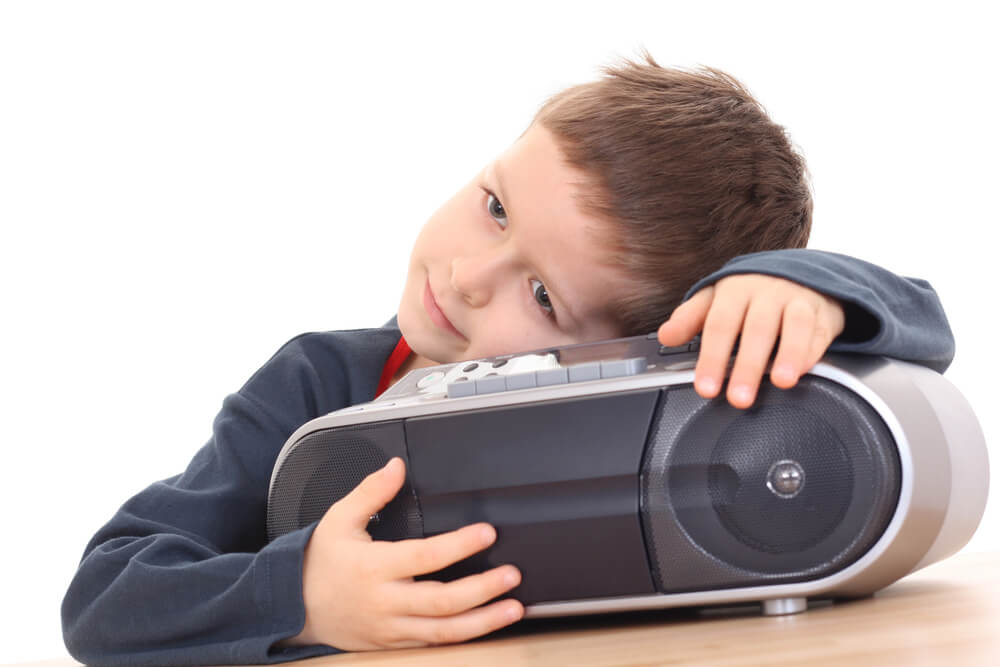
On winter mornings in the 1980s, families gathered around the kitchen radio to hear the announcer read a long list of school closings, usually in alphabetical order. Kids waited in pajamas through dozens of district names, hoping to hear their own before the bus came.
Television stations ran the list along the bottom of the screen, which was no faster. Today districts send text messages and emails the night before, and many have replaced snow days with remote learning days, a change that became common after 2020.
The suspense of the alphabetical countdown is gone.
Printed Class Directories and Phone Trees

Schools and parent groups once printed directories listing every family’s address and home phone number, and classrooms organized phone trees so news could pass from house to house. A child who forgot the homework assignment simply called a classmate from the kitchen phone, often speaking to a parent first.
Directories also made it easy to find someone’s house for a birthday party. Privacy rules, opt-out forms and school messaging apps have replaced the printed lists.
The phone trees disappeared along with the landlines they depended on, and few students now call a classmate’s home.
Slam Books Passed Between Desks

A slam book was a spiral notebook filled with questions, one per page, such as favorite song, favorite teacher and current crush. Students signed a numbered list in front and then answered each question using their number, which provided a thin layer of anonymity.
The books circulated through classrooms and hallways, and the answers were not always kind, which is where the name came from. Teachers confiscated them regularly, and some schools banned them outright.
Social media eventually took over the same function, with far wider reach and none of the notebook’s physical limits.
Folded Notes Passed by Hand

Before texting, secret messages traveled across the classroom on notebook paper folded into tight triangles, squares with pull tabs or other elaborate shapes. The folding was part of the art, and some patterns were designed to be hard to open quickly if a teacher intercepted them.
Notes passed through several hands before reaching the recipient, which meant that everyone along the route knew something was going on. Getting caught could mean having the note read aloud to the class.
Phones have replaced the paper, and the art of the fold has largely disappeared along with it.
Pen Pals Overseas

Many 1980s classrooms paired students with pen pals in other states or countries, and letters crossed the ocean on thin airmail paper with colorful stamps. Waiting weeks for a reply was part of the experience.
Students traded photos, stickers, postcards and small souvenirs, and some friendships lasted into adulthood. The exchanges taught geography and letter writing in a way textbooks could not.
Email, video calls and social media made international contact instant, and the handwritten letter with a foreign postmark became rare. The occasional classroom program that remains usually runs on screens.
Garbage Pail Kids Trading

Topps released Garbage Pail Kids trading cards in 1985 as a gross-out parody of the Cabbage Patch Kids dolls, and they quickly became the most traded items on the playground. Each sticker card featured a grotesque character with a punning name, and kids swapped duplicates with intense focus.
Many schools banned the cards, calling them disruptive and tasteless, which only made them more desirable. The maker of Cabbage Patch Kids sued, and Topps adjusted the artwork.
Trading still happens today among collectors, but the sight of an entire class hiding cards from a teacher belongs to the 1980s.
Just Say No Clubs

First Lady Nancy Reagan’s Just Say No campaign took off in the early 1980s after a schoolgirl asked her what to do if someone offered drugs. Schools formed Just Say No clubs, held rallies and handed out pledge cards, T-shirts and pencils printed with the slogan.
The D.A.R.E. program, founded in Los Angeles in 1983, brought police officers into classrooms to teach resistance skills. Research later questioned the effectiveness of those programs, and schools shifted toward other approaches to drug education.
The clubs faded, though the slogan remains instantly recognizable.
The Push to Learn the Metric System
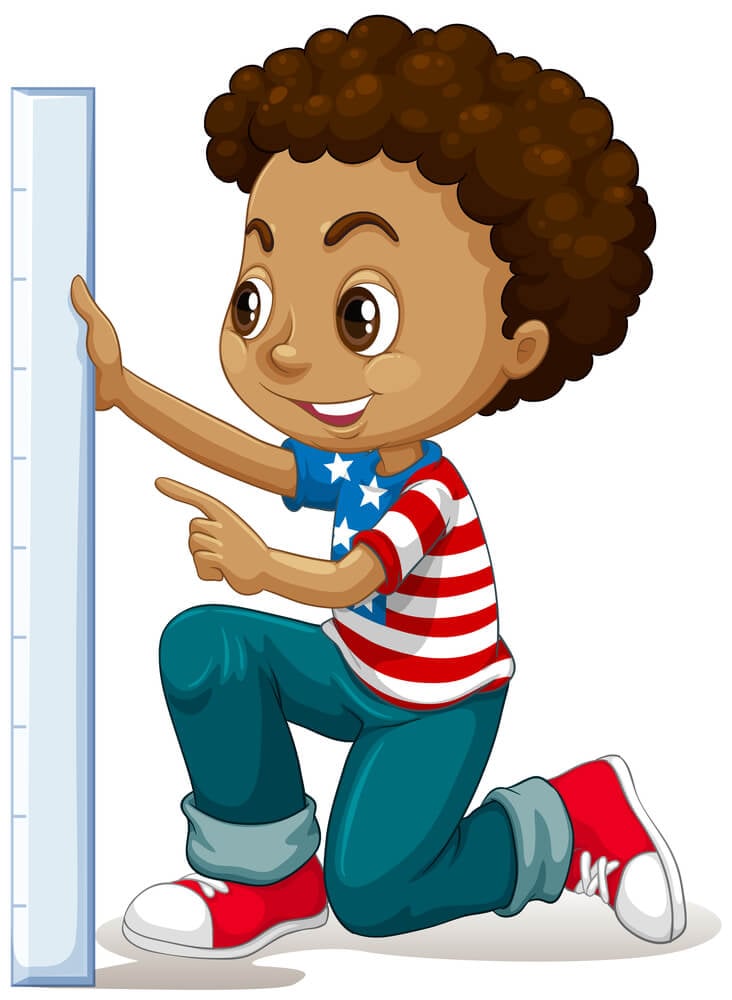
The Metric Conversion Act of 1975 encouraged a voluntary shift to metric units, and schools taught liters, grams and meters with posters and worksheets in anticipation of a national change. Some highway signs even displayed kilometers.
The public resisted, and the U.S. Metric Board created to oversee the transition was abolished in 1982. Students learned conversion charts for a switch that never came.
Science classes still use metric units, but the broad effort to prepare everyday Americans for a metric future faded along with the posters that once lined classroom walls.
Cursive Handwriting Grades

In the 1980s, cursive was a core subject with its own grade on the report card, practiced daily on lined paper with dotted midlines. Students traced loops and connected letters following styles such as Zaner-Bloser or D’Nealian, and a model alphabet ran above the chalkboard.
The Common Core standards adopted by most states after 2010 did not require cursive, and many schools cut or reduced it. Several states have since restored cursive requirements, but daily handwriting drills and penmanship grades are far less common.
Many students today print their signatures or type almost everything.
Laser Background School Photos

School picture day in the 1980s meant choosing a backdrop, and the most memorable were the laser backgrounds, streaks of neon light across a dark field. Photographers handed every student a small plastic comb in line, a free gift that made last-minute touch-ups possible.
Parents ordered packages with wallet-size prints to trade with friends and relatives. The laser look is now a retro novelty, and digital photography has made retakes and editing easy.
Students today get more options and polished results, but they rarely receive the comb or the dramatic neon glow.
Half-Day Kindergarten
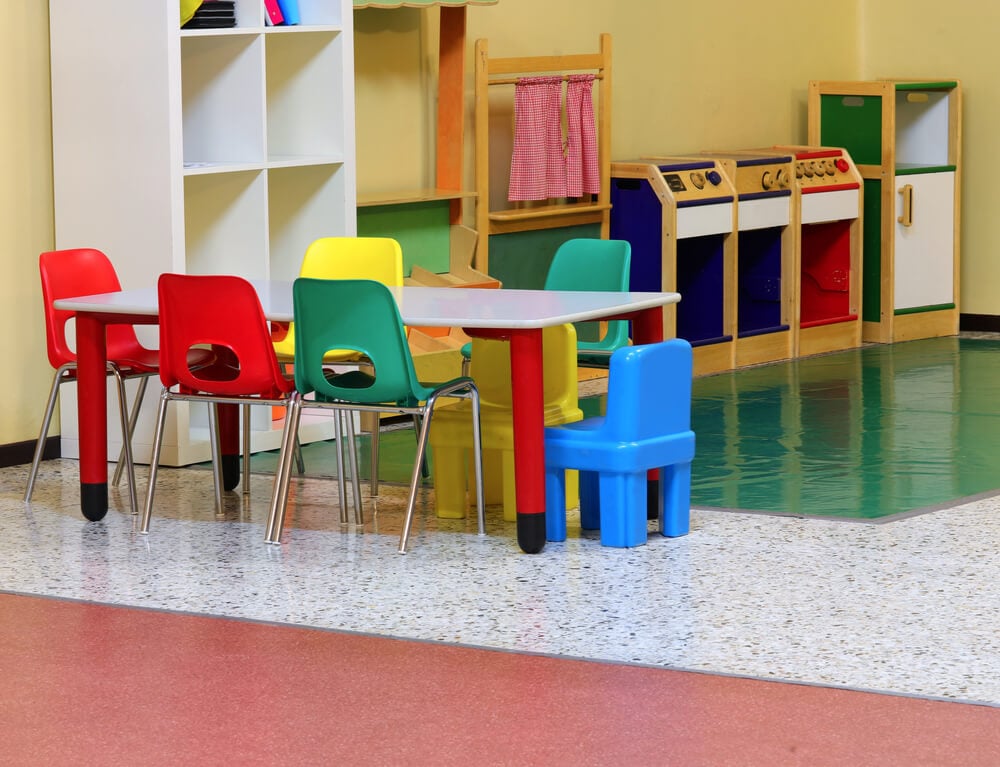
For many 1980s kids, kindergarten lasted only a morning or an afternoon, with nap mats, milk, snacks and plenty of play. The short schedule gave young children a gentle introduction to school.
Full-day kindergarten was the exception in much of the country, but by the 2010s the balance had flipped, and most kindergartners now attend for the entire school day. Academic expectations also grew, with more reading and math packed into the year.
The half-day schedule, with its early dismissal and afternoon at home, has become an unfamiliar idea for many families.
Typing Class on Electric Typewriters

High school typing class meant rows of electric typewriters, often IBM Selectrics, and a teacher calling out drills while students practiced the home row without looking at the keys. Speed tests measured words per minute, and errors required correction tape or fluid.
The class was seen as practical preparation for office work and college papers. Keyboarding moved to computers in the late 1980s and 1990s, and today students often learn it informally on laptops.
The clatter of a full classroom of typewriters is a sound most students will never hear.
Home Economics for Cooking and Sewing
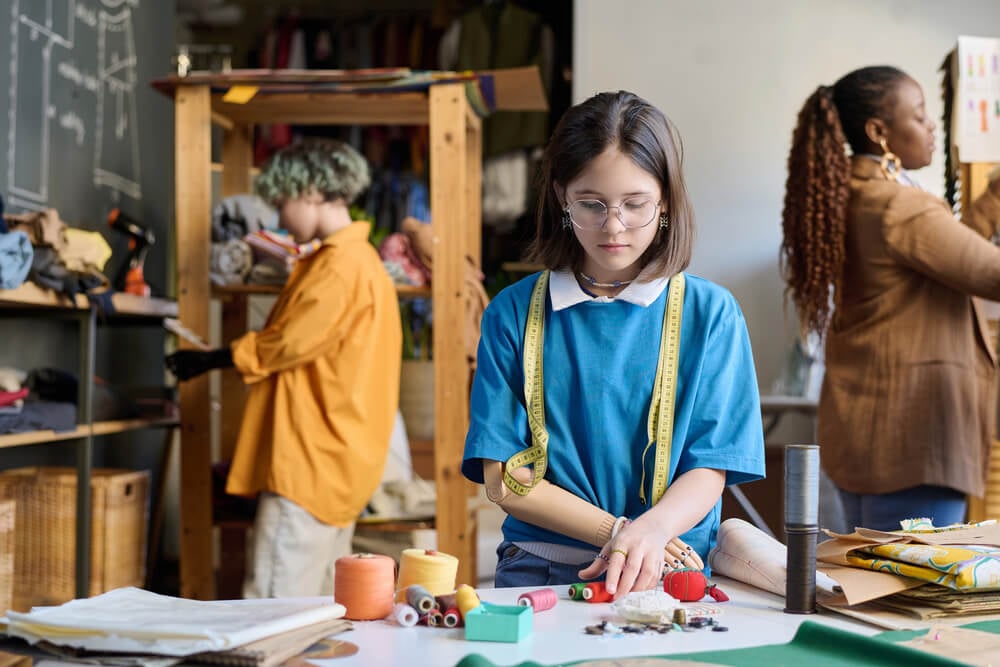
Home economics classes taught cooking, sewing, budgeting and household management, and many 1980s schools required a semester for all students. Kids baked muffins, sewed pillows or aprons and learned to balance a checkbook.
The national professional group renamed itself the American Association of Family and Consumer Sciences in 1994, and many school programs followed with new names. Some districts cut the classes entirely as academic requirements expanded.
The remaining courses often focus on nutrition and careers, and the classroom sewing machines are becoming harder to find.
Shop Class and the Birdhouse
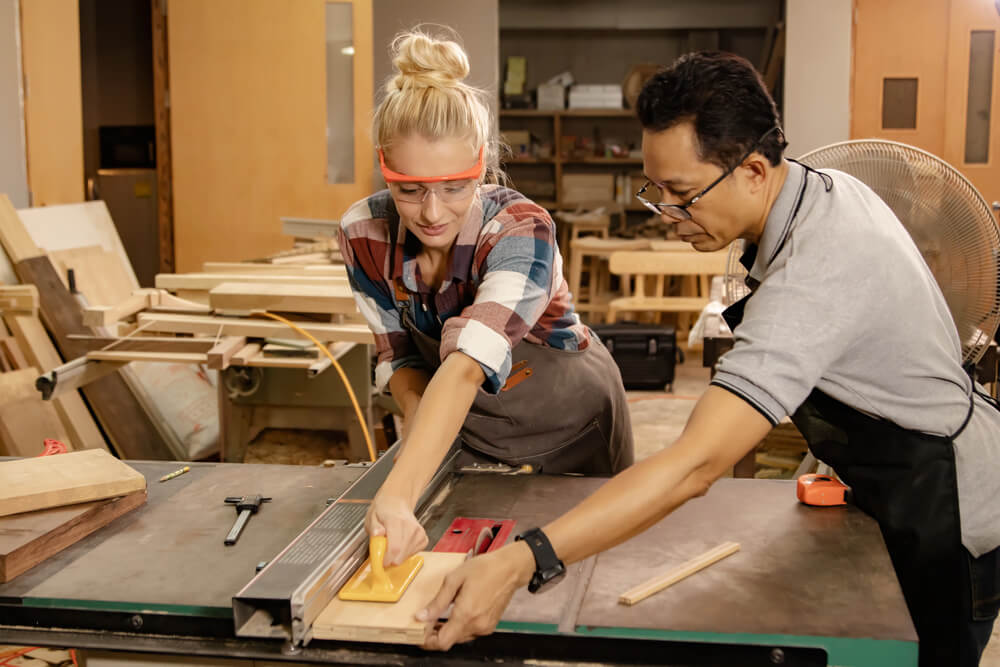
Industrial arts, better known as shop class, taught woodworking, metalworking and drafting, and a birdhouse or a cutting board was the traditional first project. Students used table saws, lathes and drill presses under careful supervision.
Many schools reduced shop programs as funding tightened and emphasis shifted toward college preparation and testing. Some districts have since revived hands-on learning under career and technical education or maker-space programs.
The traditional shop with sawdust, clamps and a teacher who demanded safety goggles has become much less common, and many of the old machines were sold at auction when programs closed.
Driver’s Ed With Scare Films

In the 1980s, many high schools offered driver’s education, with classroom lessons, simulators and time behind the wheel with a teacher holding an extra brake. Students also watched graphic films showing the results of crashes, such as the California Highway Patrol’s Red Asphalt series.
Many districts cut driver’s ed as budgets tightened, pushing families toward private driving schools. Red Asphalt, first produced in the 1960s, went through several versions and became a grim rite of passage for California teens.
The shock films have since become a piece of cultural history. For many teenagers today, learning to drive happens outside school entirely.
Paper Lunch Tickets

Many 1980s cafeterias ran on paper lunch tickets or punch cards, bought weekly or monthly and handed to a cashier at the end of the line. Some systems used different colors for paid, reduced-price and free meals, which made it easy for classmates to know who qualified.
Schools later replaced the tickets with ID cards, PIN pads and online accounts, partly to protect student privacy. The switch sped up lines and reduced lost tickets.
For many adults, the sound of a punch card snipping is as familiar as the smell of the cafeteria.
Carrying the Report Card Home

Report cards once arrived on card stock in a manila envelope, and students had to carry them home, get a parent’s signature and return them. The walk home with a bad grade tucked in a backpack was its own kind of suspense.
Some report cards included handwritten teacher comments and conduct marks for effort and behavior. Today most grades appear in online portals that parents can check any time, which removes the dramatic reveal.
Many schools still send printed copies, but the signed envelope ritual has largely disappeared.
Metal Merry-Go-Rounds and Tall Slides
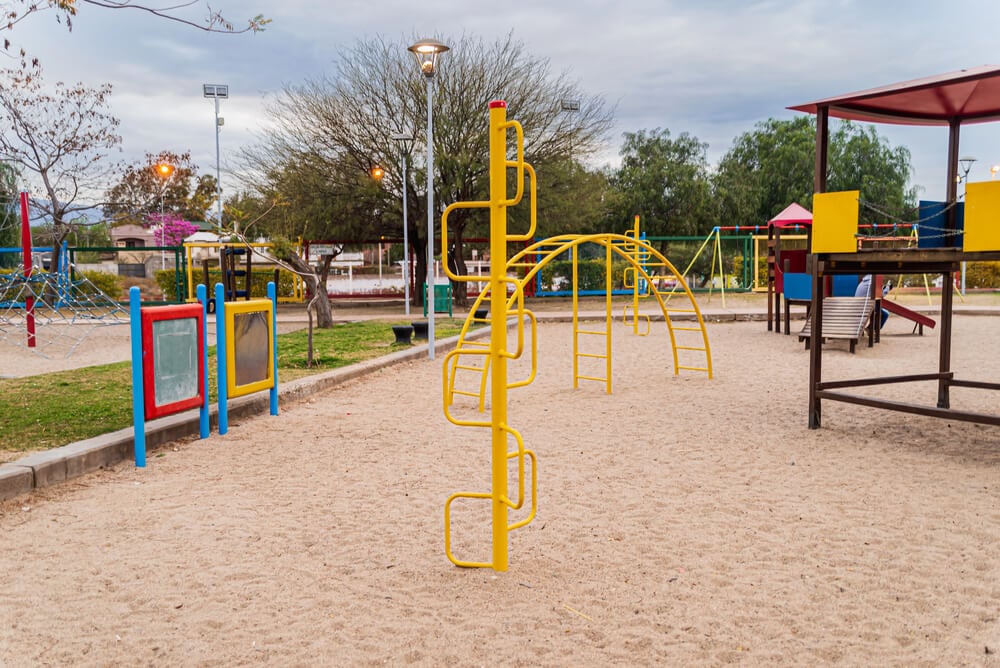
Playgrounds of the 1980s often featured heavy metal merry-go-rounds, towering slides, steep jungle gyms and seesaws, usually set over asphalt or packed dirt. Kids spun the merry-go-round as fast as possible and hung on, which led to plenty of scrapes and some broken bones.
The Consumer Product Safety Commission published its first playground safety handbook in 1981, and later guidelines and lawsuits pushed schools toward lower, safer equipment and softer surfacing. Many of the old structures were removed.
Today’s playgrounds are designed with injury prevention in mind.
Red Rover on the Playground

Red Rover was a recess game in which two lines of kids linked hands and called a player from the other side to run over and try to break through. If the runner broke the chain, a player returned to the runner’s team.
If not, the runner joined the other side. The game was fun and physical, but it also caused sprained wrists and broken arms.
Many schools banned it along with other rough recess games. The chant is still known, but many children today have never played it at school.
Selling Candy Door to Door

Fundraisers in the 1980s often sent kids through their neighborhoods with boxes of candy bars from companies such as World’s Finest Chocolate, a longtime supplier of school fundraisers. Children rang doorbells alone or in small groups, collected cash and returned the money in envelopes.
Prizes for top sellers, from radios to bicycles, encouraged fierce competition, and many kids ate a few bars from the box before the money was due. Safety concerns and changing habits shifted fundraising to online sales and parent networks.
Many schools still sell candy, but the image of a child knocking on doors alone has become far less common.
Childhood Without an Archive
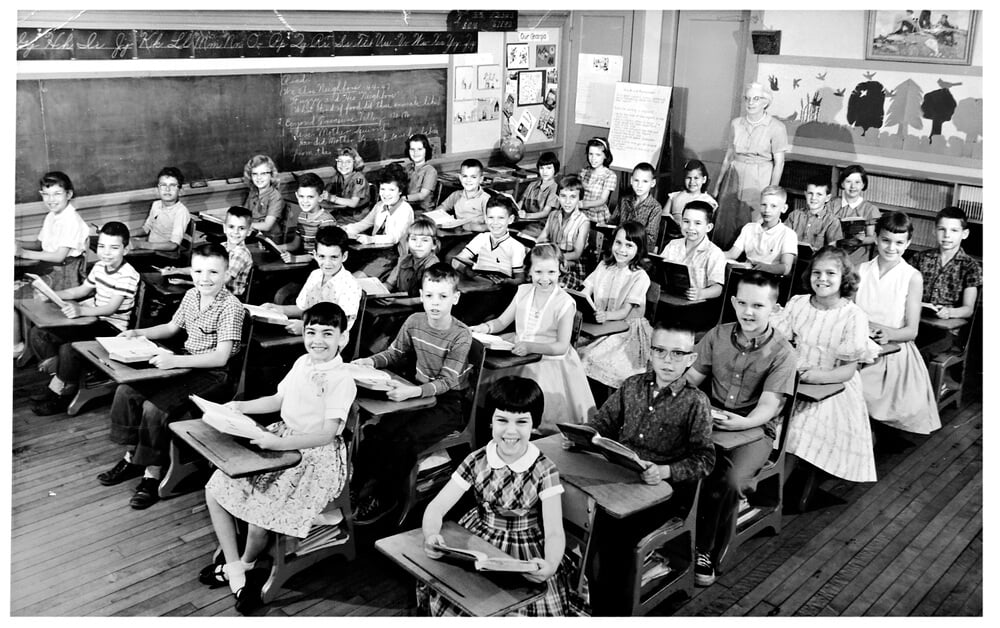
These traditions were rarely photographed or recorded, so they live mostly in memory and occasional school yearbooks. A generation carried folded notes and signed report cards without imagining that anyone would miss them.
What looked ordinary at the time now seems like evidence of a different world. Kids today have safer playgrounds, better data and faster communication.
They also experience childhood through screens that save everything. The 1980s version was messier and more forgettable, which may be exactly why it feels so vivid to those who lived it.
More from Go2Tutors!

- The Romanov Crown Jewels and Their Tragic Fate
- 13 Historical Mysteries That Science Still Can’t Solve
- Famous Hoaxes That Fooled the World for Years
- 15 Child Stars with Tragic Adult Lives
- 16 Famous Jewelry Pieces in History
Like Go2Tutors’s content? Follow us on MSN.