27 Flags That Were Outlawed by the Nations That Once Flew Them
Flags tell stories, and sometimes those stories become too heavy for a nation to carry. Throughout history, countries have turned their backs on their own symbols — not through conquest or revolution, but through deliberate choice.
These banners once flew with official blessing over government buildings, battlefields, and ceremonies. Then something changed.
A shift in values, a reckoning with the past, or simply the recognition that what once seemed proud had become shameful. The flags on this list weren’t just retired or redesigned.
They were actively banned by the very governments that once elevated them. Each prohibition tells us something about how nations see themselves, how they want to be seen, and what they’re willing to leave behind.
Confederate Battle Flag

The stars and bars became a symbol of rebellion, then resistance, then something darker entirely. Multiple southern states that once flew Confederate flags have since banned them from official use.
South Carolina removed it from the statehouse in 2015. Mississippi redesigned their state flag in 2020 to eliminate Confederate imagery.
Virginia, Alabama, and others followed suit with various restrictions on government display.
Imperial German War Ensign
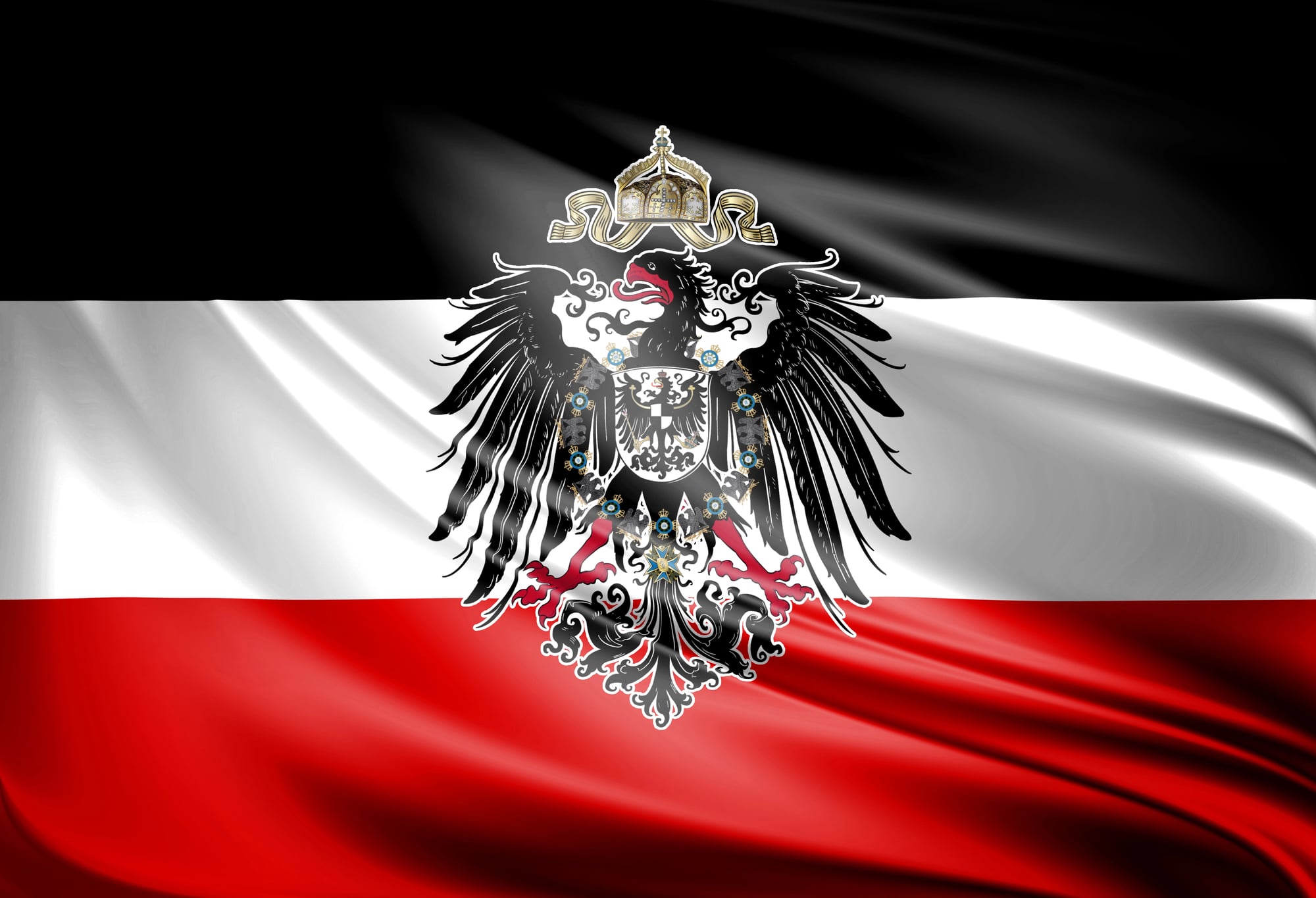
Germany outlawed the black-white-red naval flag of the Kaiser’s era after World War II. The flag had been adopted by Nazi Germany as an official symbol alongside the swastika, making it doubly problematic.
Today, displaying it publicly can result in fines or imprisonment under German laws against extremist symbols.
Apartheid-Era South African Flag
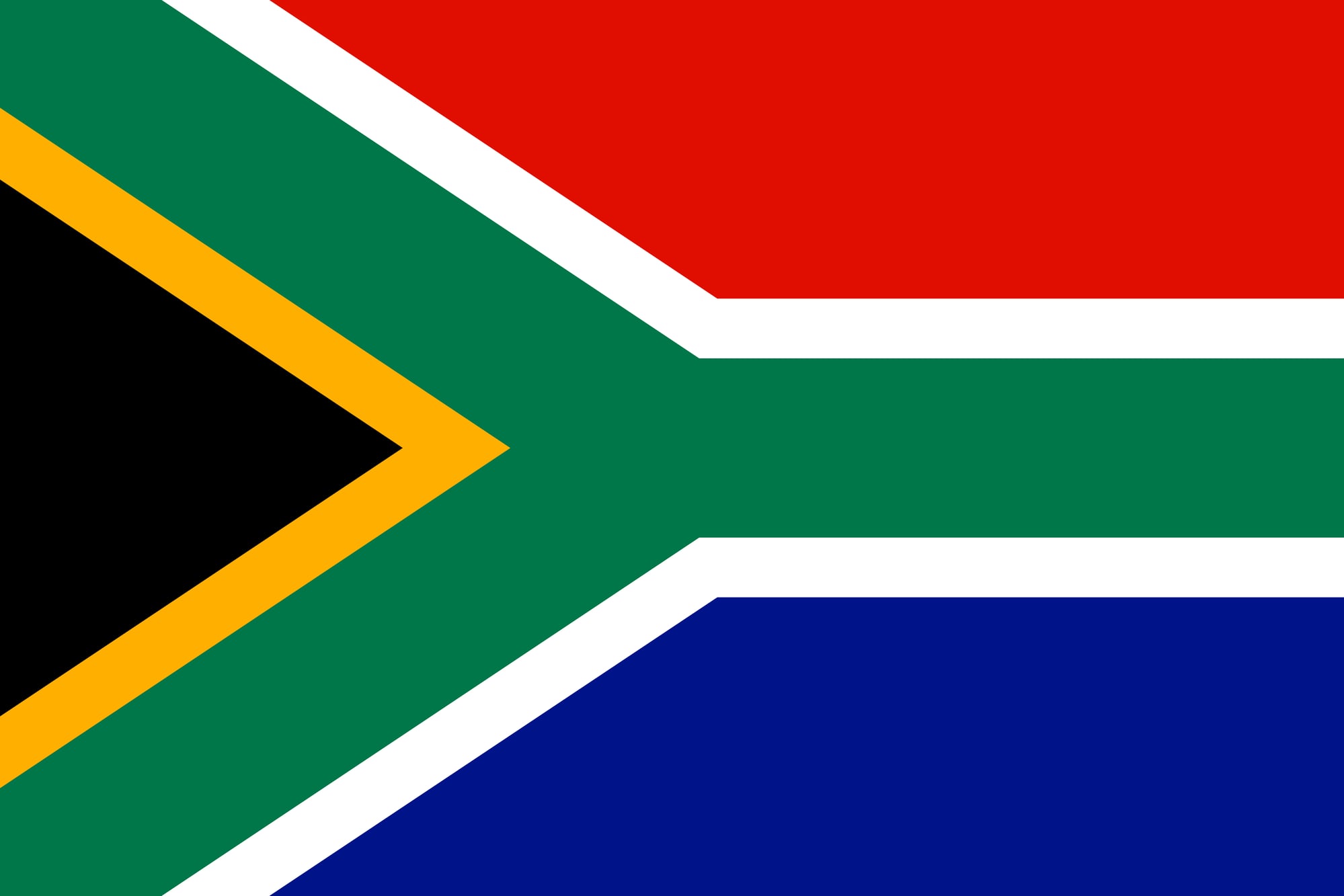
South Africa replaced its flag in 1994 after the end of apartheid. The flag featuring orange, white, and blue horizontal stripes had been adopted in 1928 and used throughout the apartheid era, becoming synonymous with racial oppression.
The new rainbow flag replaced it, and the old one was prohibited from official display.
Rwandan Flag With “R”
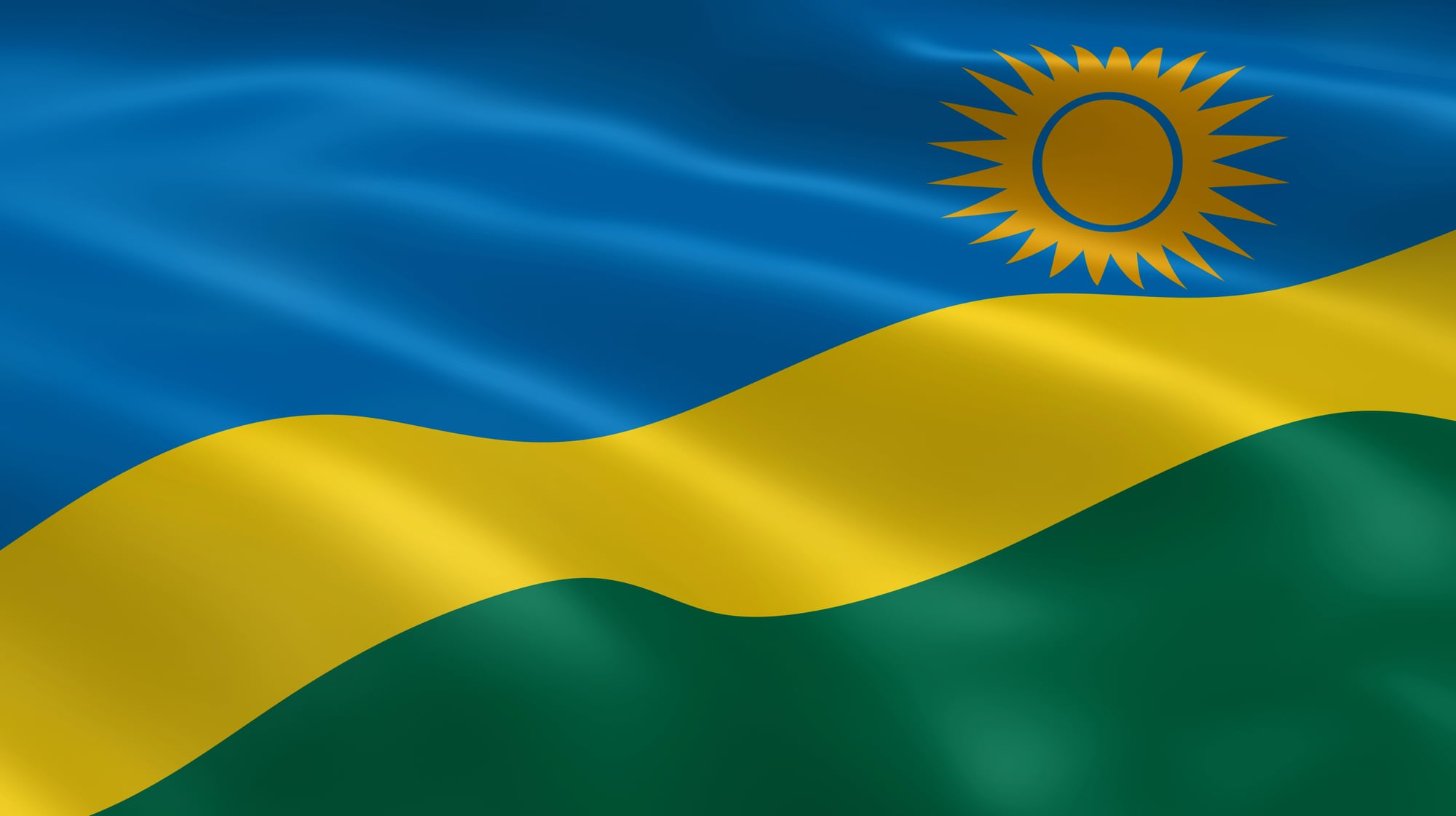
Rwanda prohibited its pre-1994 flag after the genocide, though the reasoning runs deeper than most people realize (the flag itself hadn’t directly incited violence, but it represented a government structure that enabled it). And yet the new flag adopted in 2001 was meant to completely break from the past.
So the old green, yellow, and red flag with the large “R” became not just obsolete but forbidden — which tells you something about how completely Rwanda wanted to reinvent itself.
Franco’s Spanish State Flag
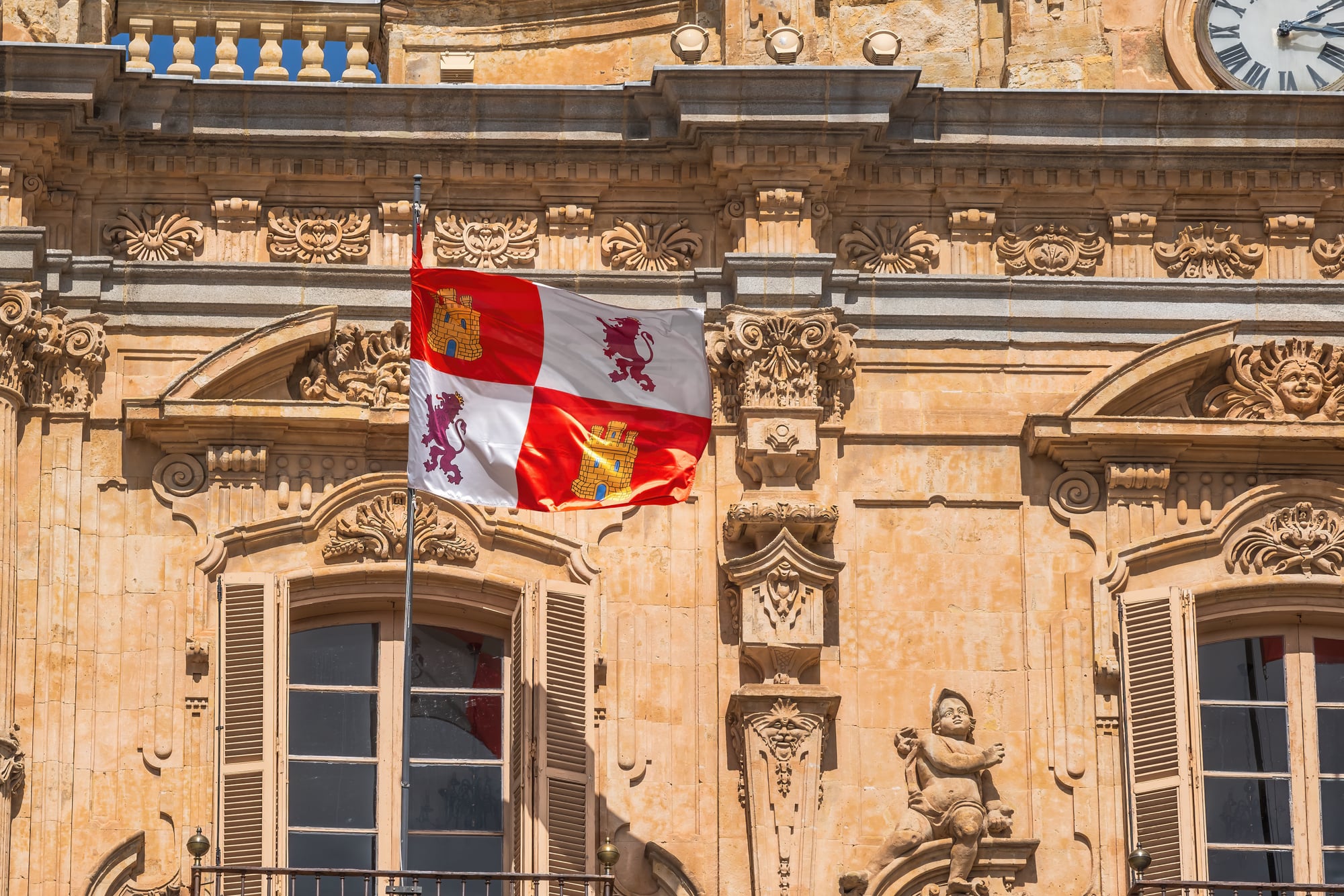
Spain outlawed the flags used during Francisco Franco’s dictatorship after his death in 1975. The eagle symbol and various fascist emblems were banned from official use.
Regional flags that had been suppressed under Franco were restored, while his symbols became criminal to display in public buildings. The transition wasn’t immediate — like most reckonings with authoritarian pasts, it happened in stages.
First the symbols disappeared quietly, then officially, then with legal consequences for anyone stubborn enough to keep flying them.
Rhodesian Flag
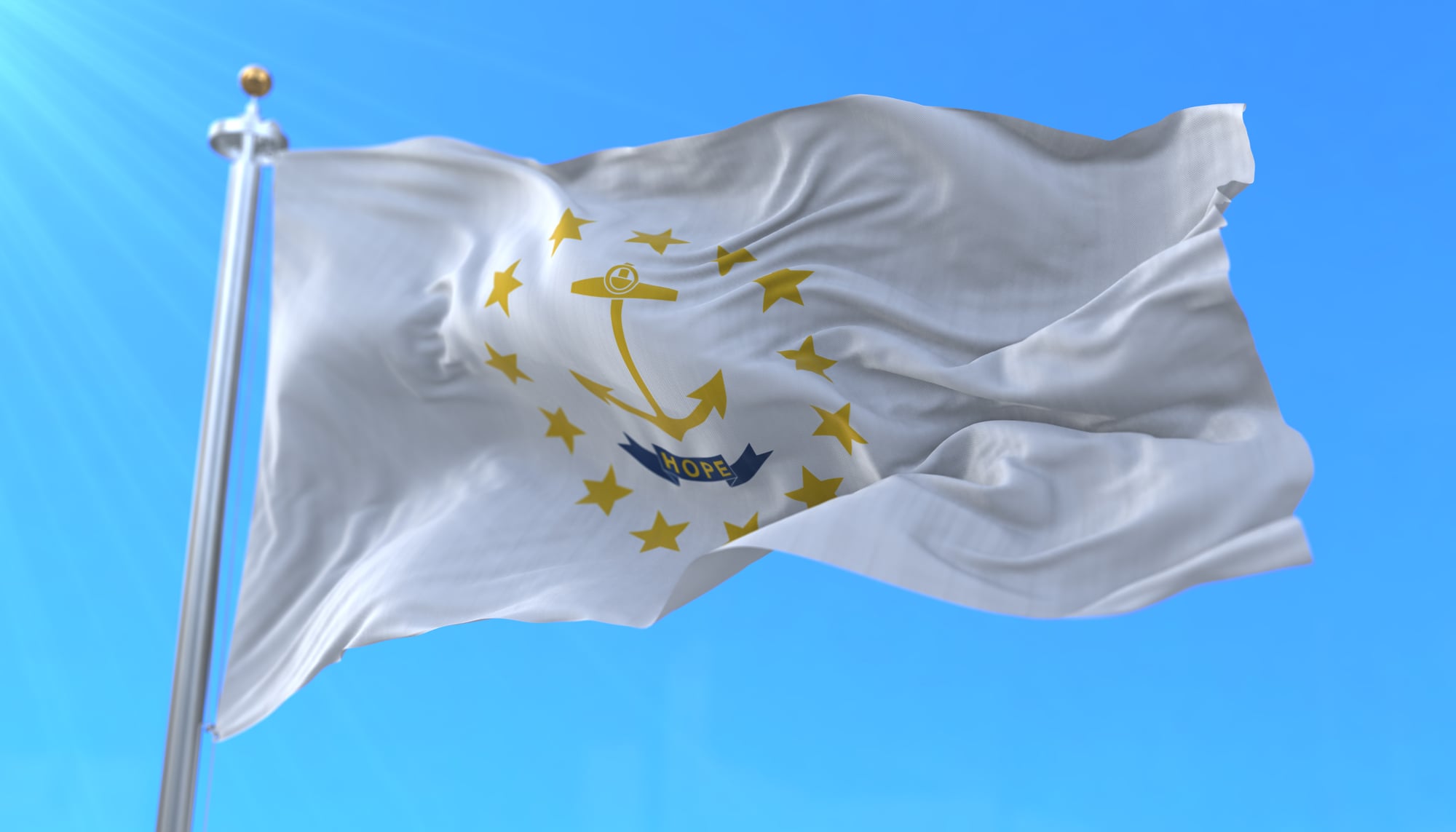
Zimbabwe banned the flag of Rhodesia after independence in 1980. The green and white stripes with the British coat of arms represented the unrecognized white-minority government that had declared independence from Britain.
Display of Rhodesian symbols became illegal under the new majority rule government. The flag sits in a strange category: illegal in the country it once represented, but never officially recognized by most of the world anyway.
Double rejection, you might say.
East German Flag
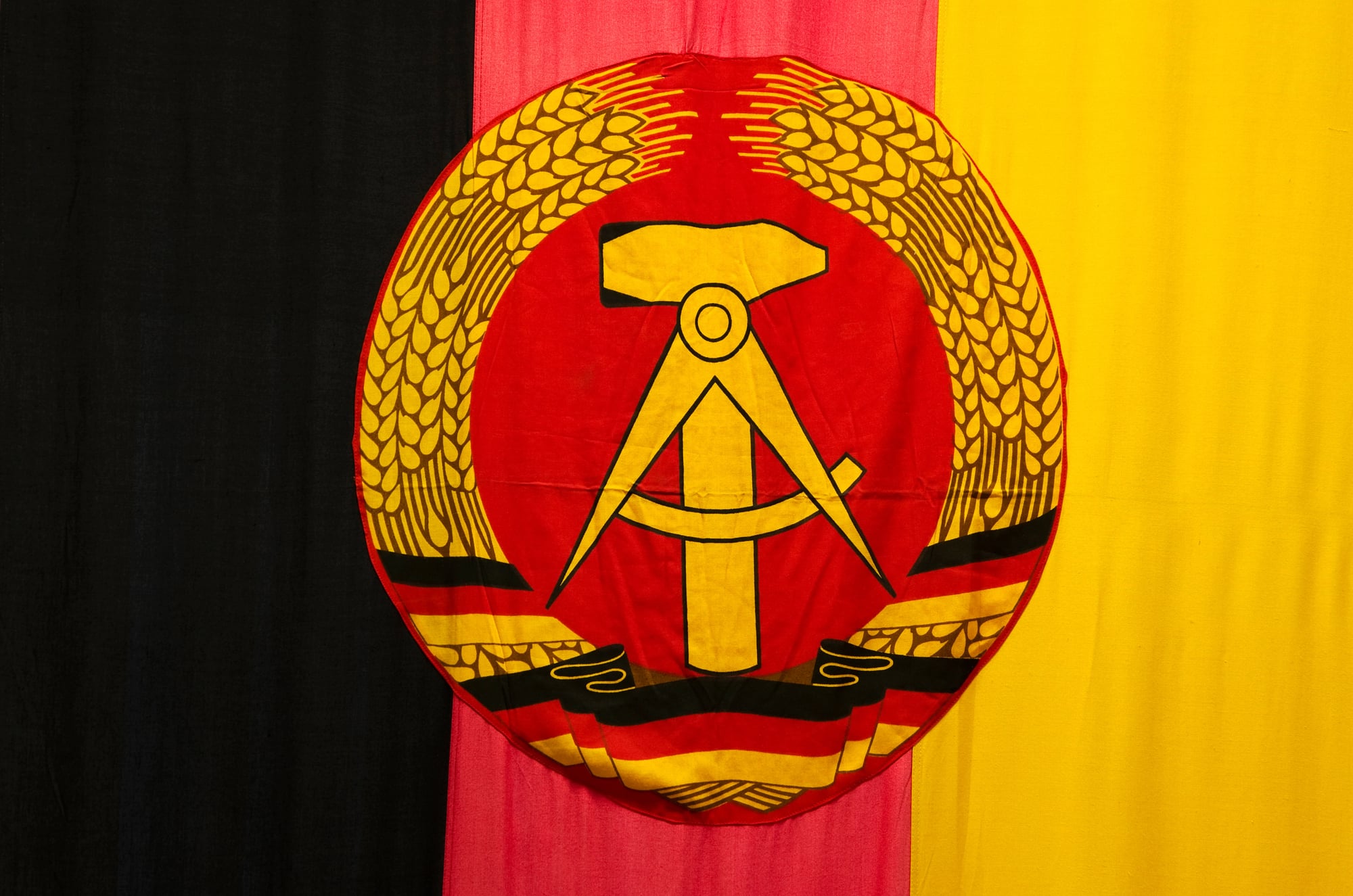
East Germany’s hammer, compass, and wreath flag was banned after German reunification in 1990. The symbol of communist rule became prohibited in official contexts throughout the unified nation.
Some eastern German municipalities had continued flying it briefly after the fall of the Berlin Wall, but federal law quickly ended that practice.
Qing Dynasty Flag
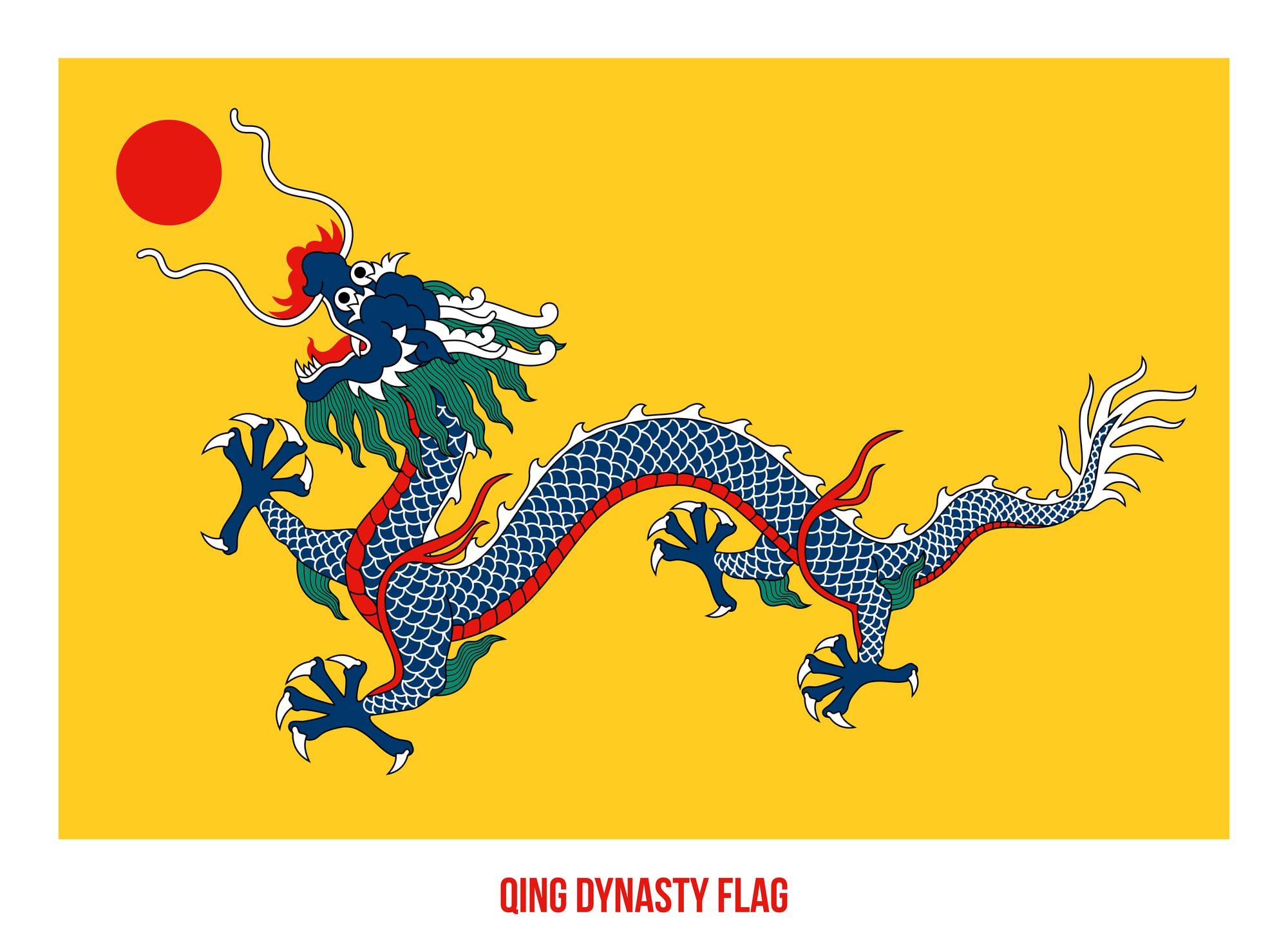
China outlawed the yellow dragon flag of the Qing Dynasty after the 1911 revolution, but the story gets more complicated when you follow it through the decades that followed — the Republic of China used various flags, then the People’s Republic adopted the red banner with five stars, and today displaying Qing symbols is restricted not just for historical reasons but political ones. And China has a way of making political restrictions stick.
So the dragon flag that once flew over the Forbidden City is now forbidden itself, though you’ll still see it in historical films where context makes it safe. The irony cuts both ways: a dynasty that ruled for nearly three centuries erased by the government that replaced it, which was itself replaced by a government that’s even more thorough about controlling symbols.
Imperial Russian Flag
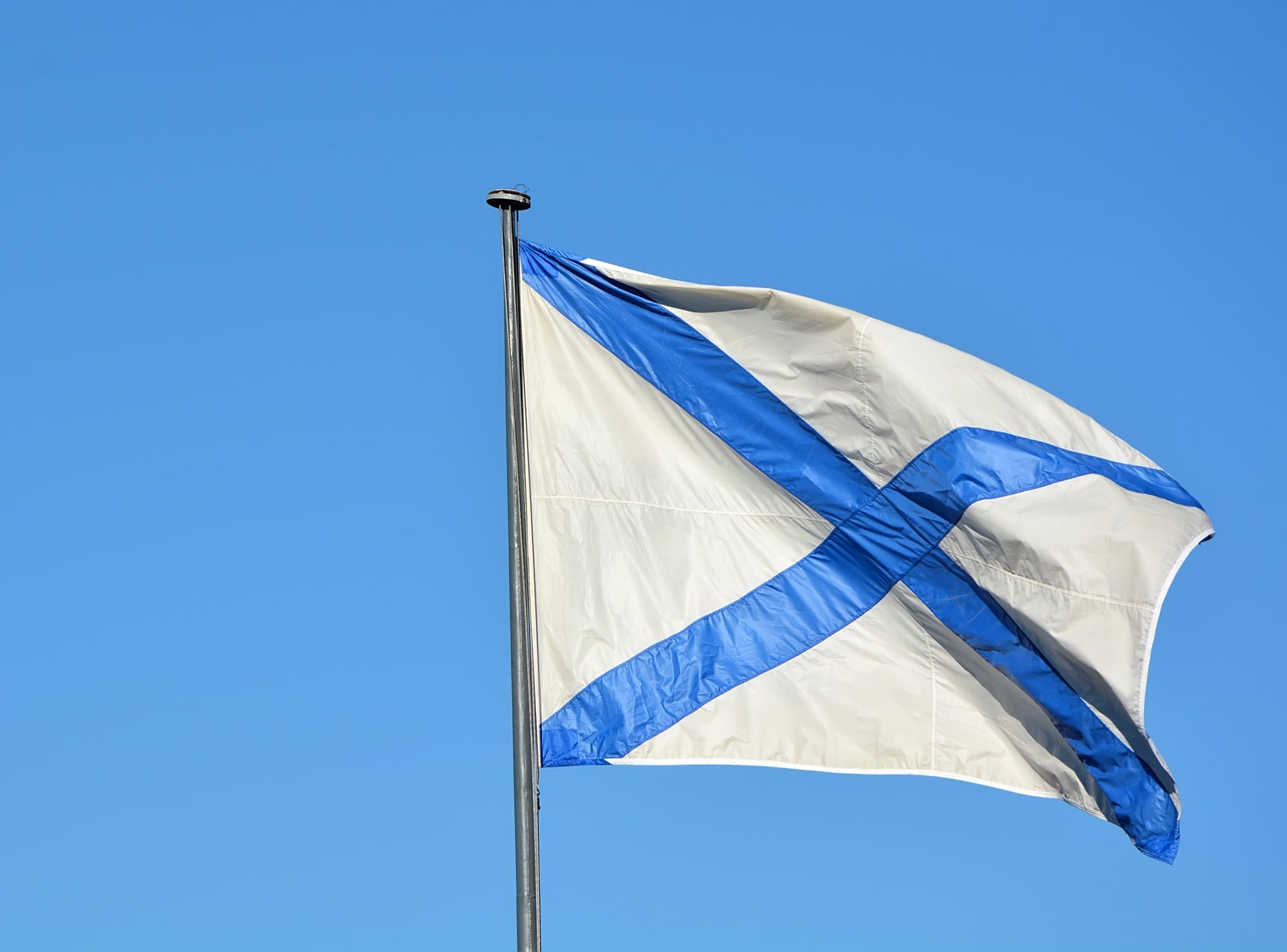
The Russian tricolor was banned during the Soviet era from 1922 to 1991. The white, blue, and red flag of the tsars was considered a symbol of the old regime and capitalism.
Only the red flag with hammer and sickle could be flown officially. The tricolor returned after the Soviet collapse, but Soviet symbols became restricted in turn.
Vichy French State Flag
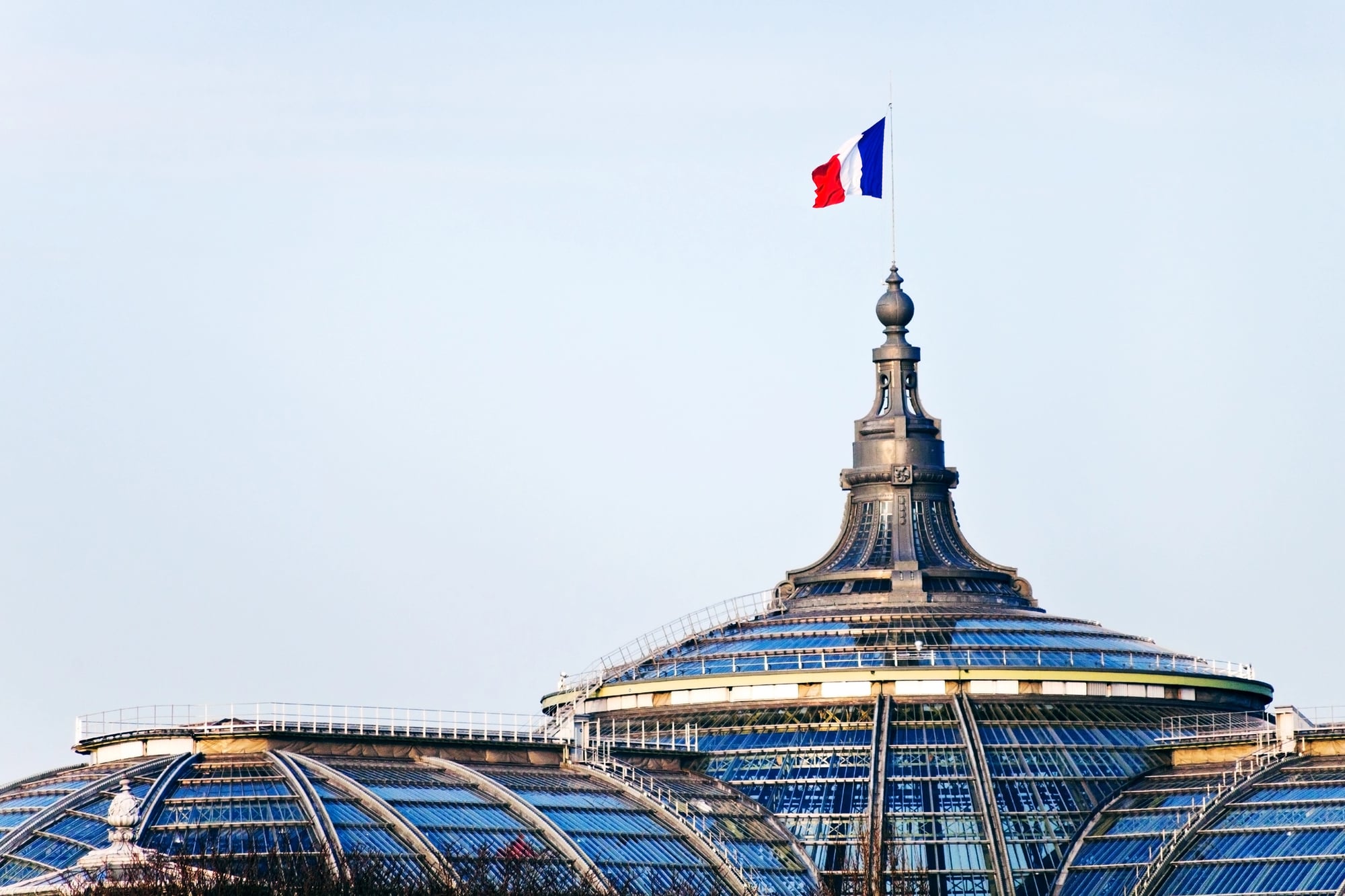
France banned the flags and symbols used by the collaborationist Vichy regime during World War II. The “État Français” emblems and Marshal Pétain’s personal symbols were prohibited after liberation.
Display of Vichy insignia remains illegal under French laws against Nazi collaboration symbols.
Kingdom of Italy Flag
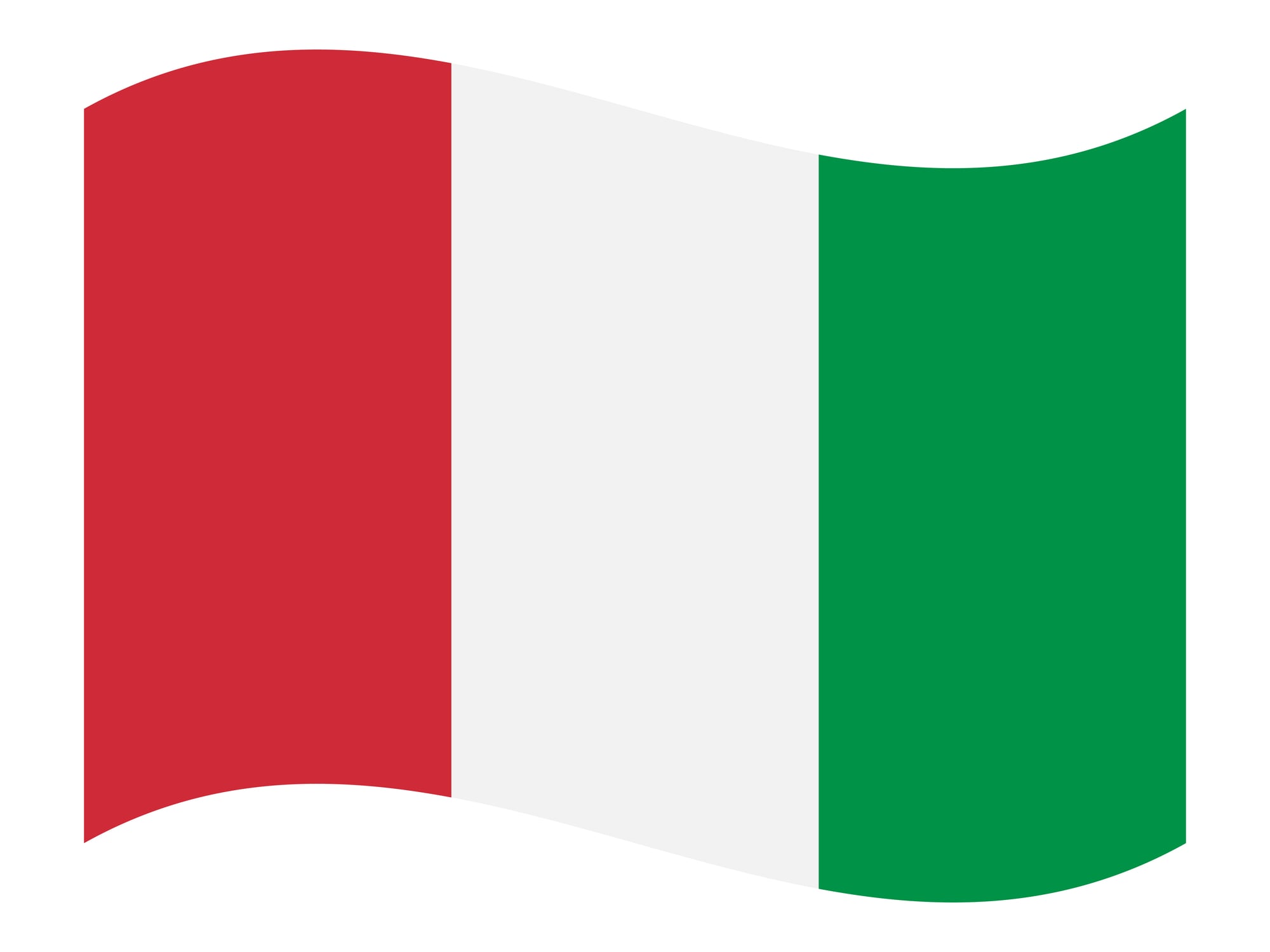
Italy outlawed the royal coat of arms version of its tricolor after becoming a republic in 1946. The savoy dynasty symbols were removed from official flags and banned from government use.
The plain green, white, and red tricolor was retained, but monarchist symbols became prohibited. The vote to abolish the monarchy was close — 54% to 46% — which meant roughly half the country watched their flag become illegal overnight.
Hungarian Arrow Cross Flag
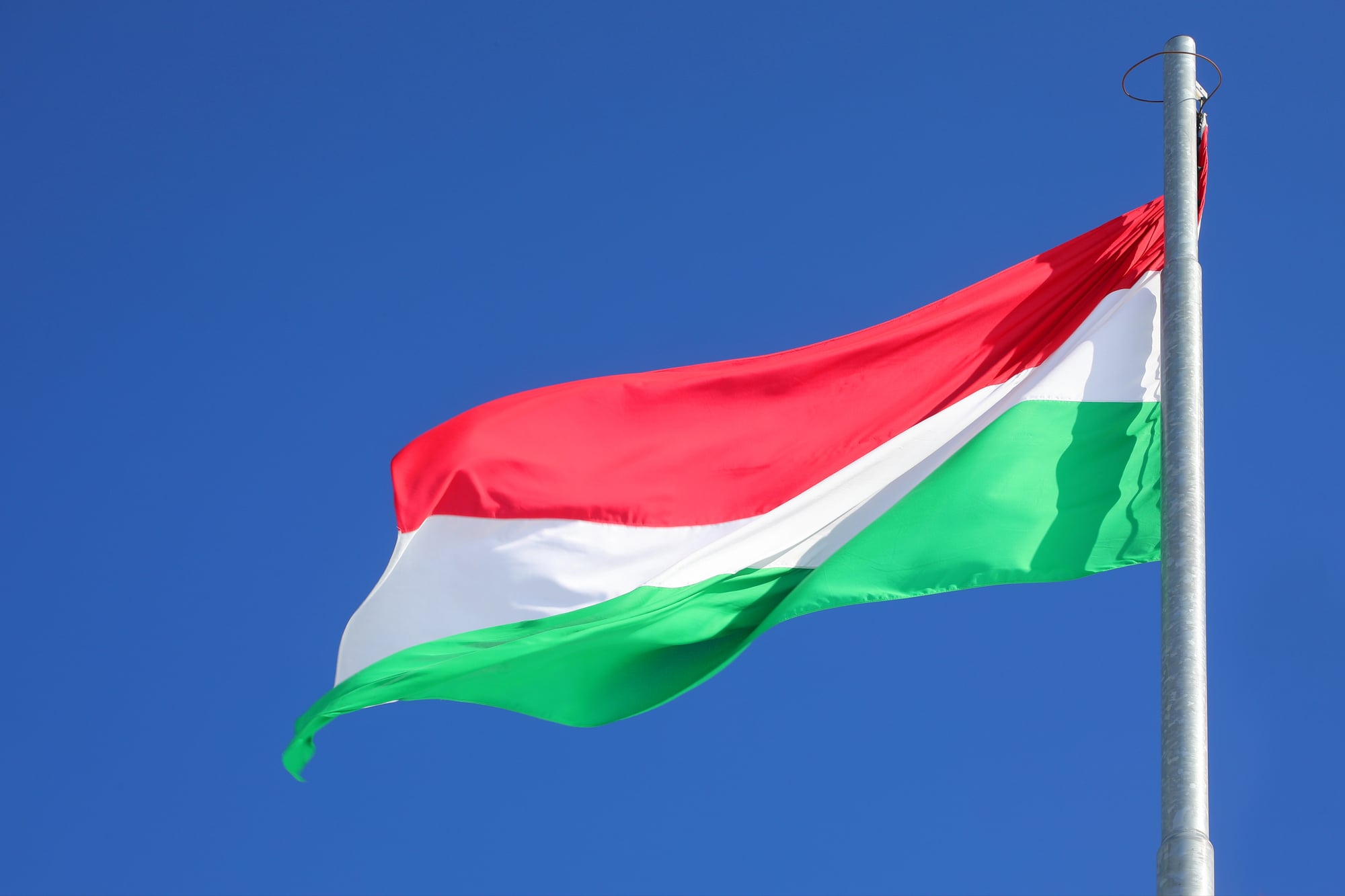
Hungary banned the flag of the Arrow Cross Party after World War II. The fascist symbol that briefly ruled Hungary in 1944-45 was prohibited along with other Nazi-aligned emblems.
Modern Hungary maintains strict laws against displaying Arrow Cross symbols, with violations carrying serious penalties.
Romanian Communist Flag
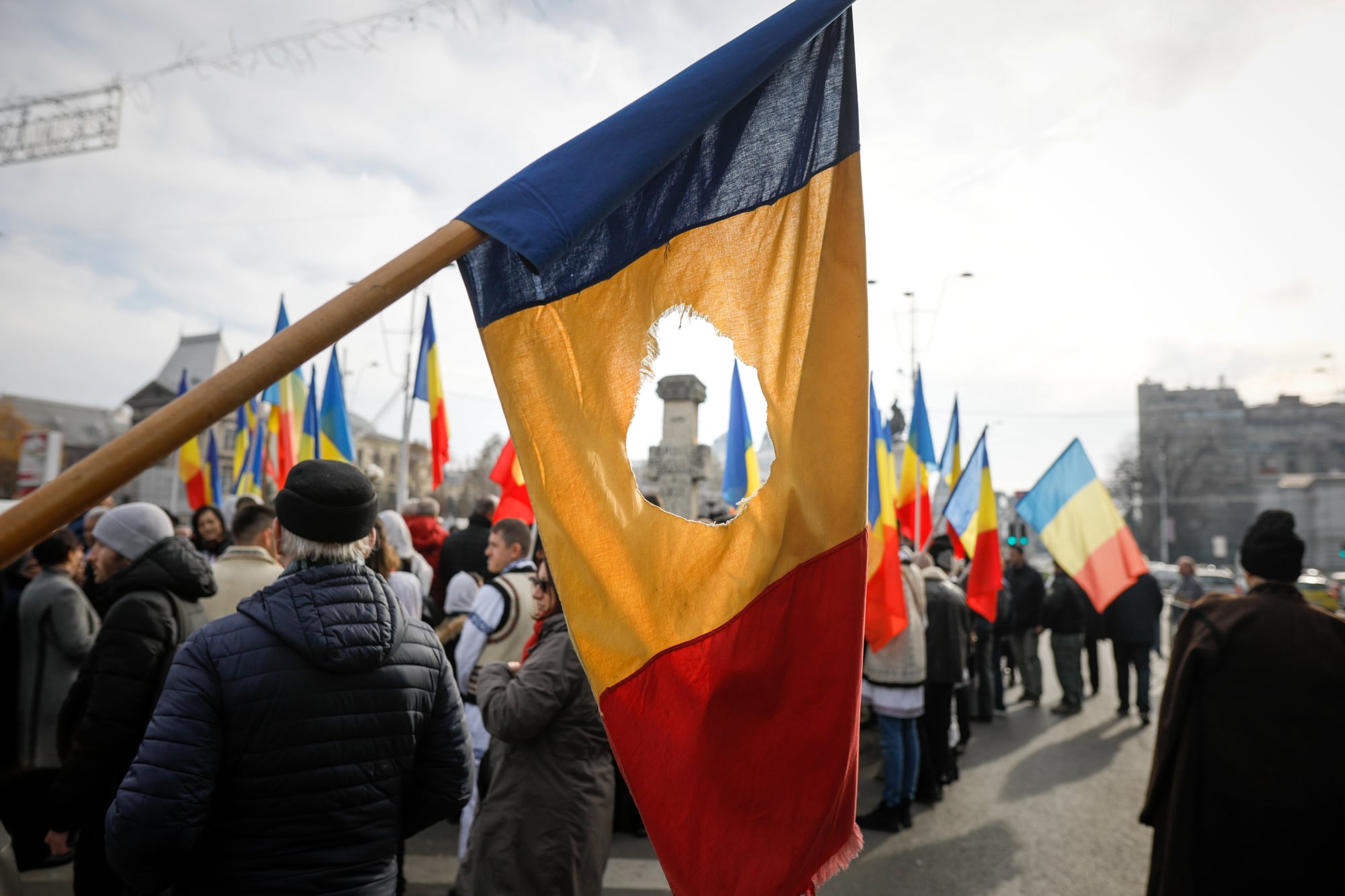
Romania outlawed the communist-era flag after the 1989 revolution, though the transition created one of history’s more dramatic flag moments (revolutionaries literally cut the communist coat of arms out of flags, leaving marks in the center). So for a brief period, Romania’s official flag was the tricolor with a ring in it.
The communist symbols became not just obsolete but actively prohibited under post-revolution laws.
Yugoslav Federal Flag
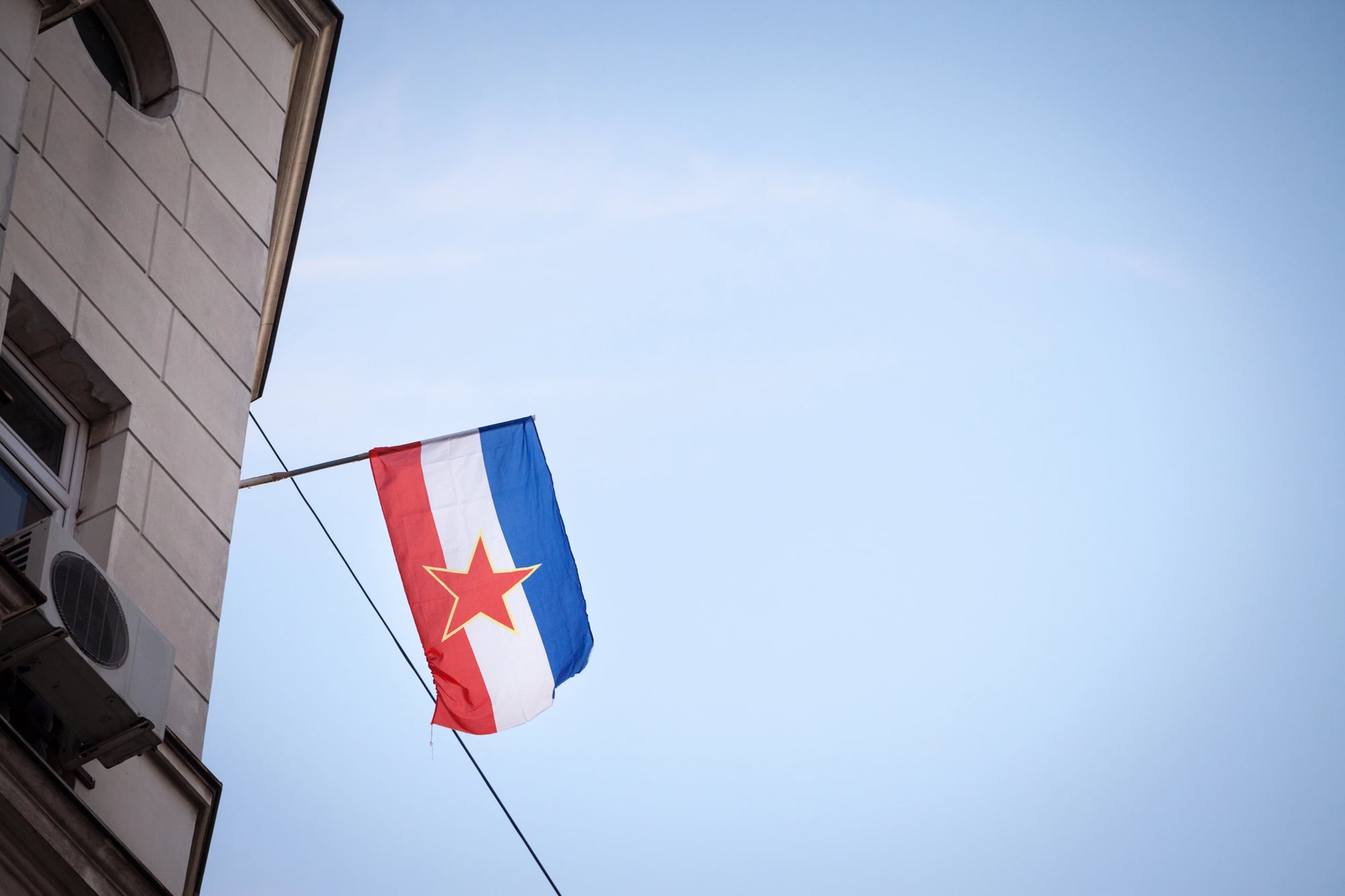
The former Yugoslavia banned its own federal flag as the country dissolved in the 1990s. The red, white, and blue horizontal stripes with the red star became prohibited in successor states.
Serbia, Croatia, Bosnia, and others adopted new flags and banned Yugoslav symbols, though enforcement varies by country. Each successor state approached the ban differently — some were strict, others mostly ignored people who kept Yugoslav flags in their homes.
Politics determines which symbols sting enough to prosecute.
Czechoslovak Flag
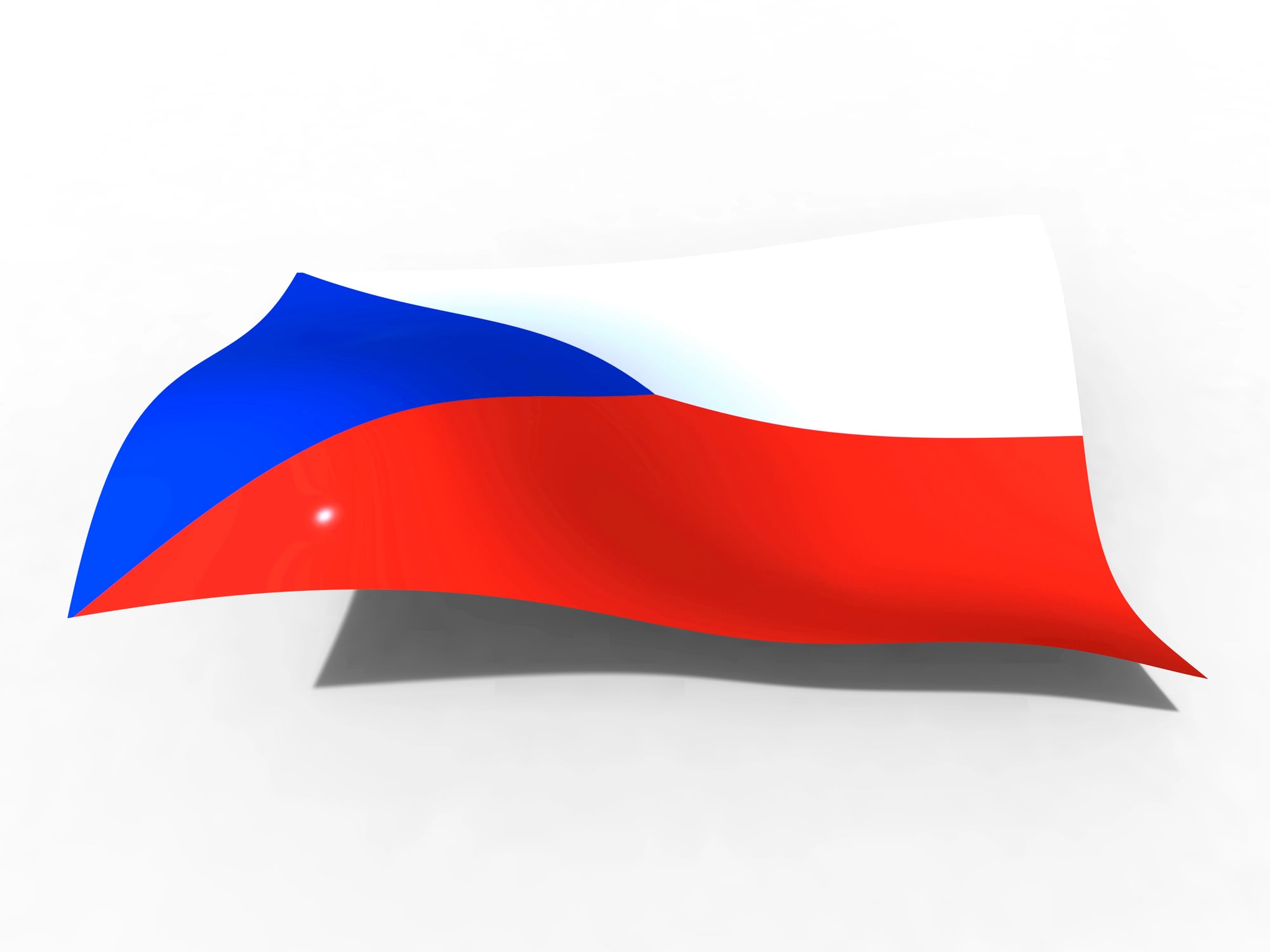
Czechoslovakia banned its own flag when it split into the Czech Republic and Slovakia in 1993. The red, white, and blue design with a triangle was prohibited from official use by either successor state.
Both countries adopted new flags, though the Czech Republic later modified the ban for historical contexts.
Portuguese Estado Novo Flag

Portugal prohibited flags and symbols from the Estado Novo dictatorship after the Carnation Revolution in 1974. António Salazar’s regime emblems were banned from official display.
The new democratic government made it illegal to fly the authoritarian symbols that had represented Portugal for nearly five decades.
Greek Military Junta Flag
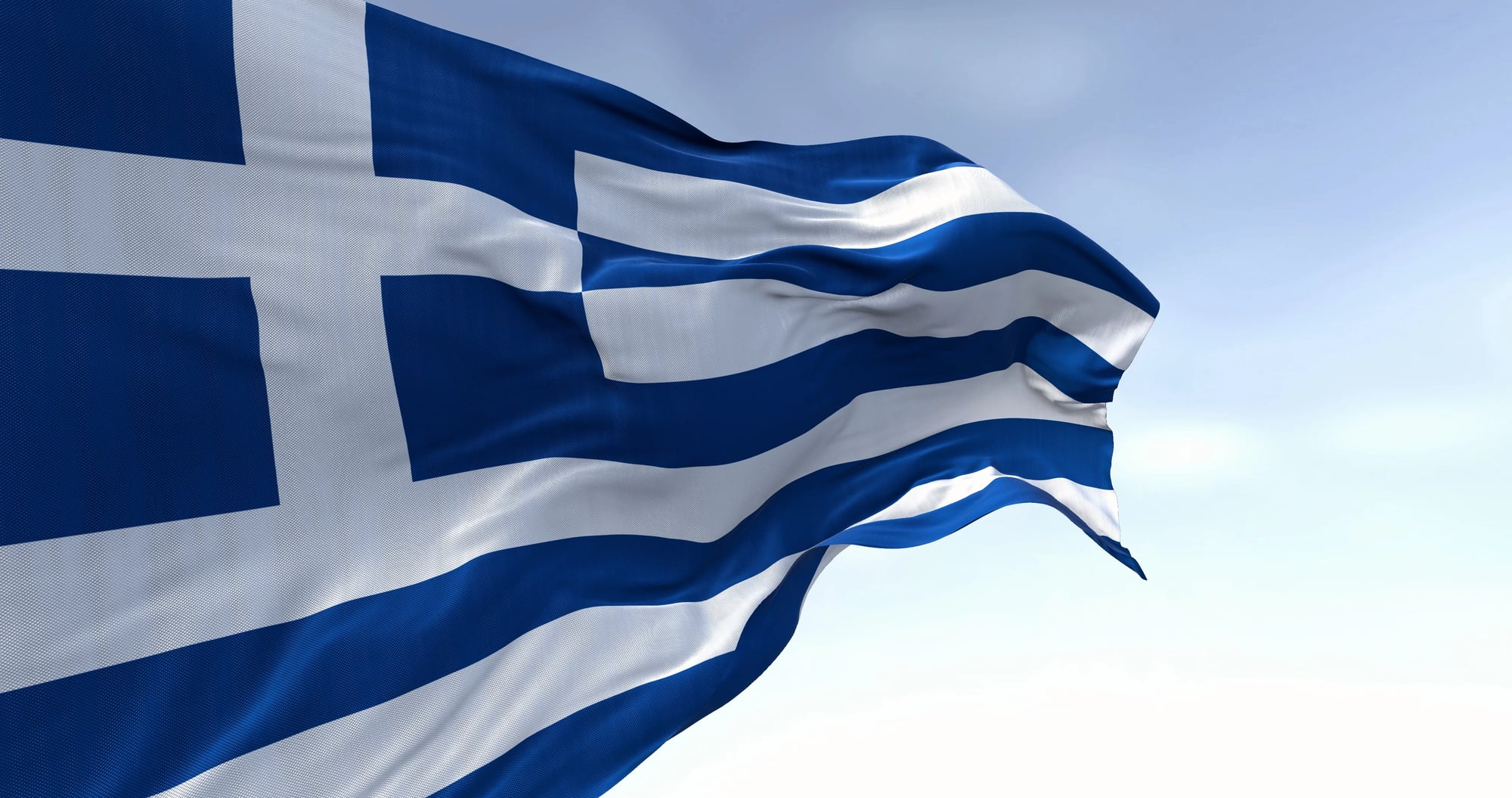
Greece outlawed the flags used during the military junta period from 1967-1974, though the actual changes were more subtle than most flag bans (the junta had used modified versions of existing Greek symbols rather than creating entirely new ones). But specific military and phoenix emblems from that era became prohibited after democracy returned.
So Greece banned not its whole flag, but particular versions of it that carried too much baggage.
Brazilian Empire Flag
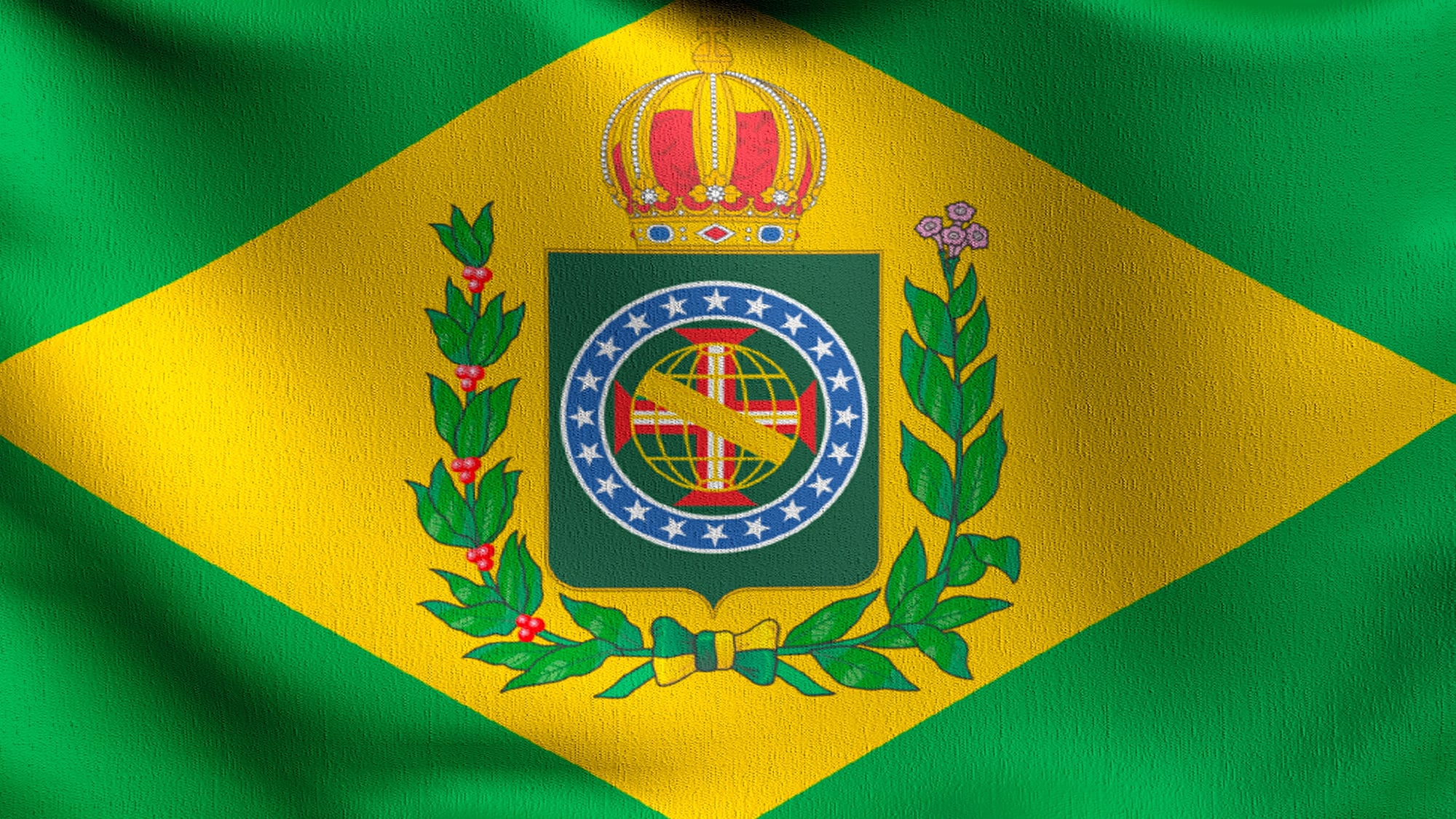
Brazil banned the imperial flag after the republic was established in 1889. The green field with the imperial coat of arms and crown was prohibited from official use.
The new republican flag with the celestial sphere replaced it, and monarchist symbols became illegal to display on government buildings. The empire fell without a war — just a quiet coup that sent the emperor into exile and the old flag into prohibition.
Ottoman Empire Flag

Turkey outlawed Ottoman symbols when Mustafa Kemal Atatürk founded the modern republic in 1923. Various imperial emblems and calligraphy were banned as part of sweeping secular reforms.
The crescent and star design was retained but stripped of Ottoman religious and imperial context, with old versions prohibited.
Ethiopian Imperial Flag
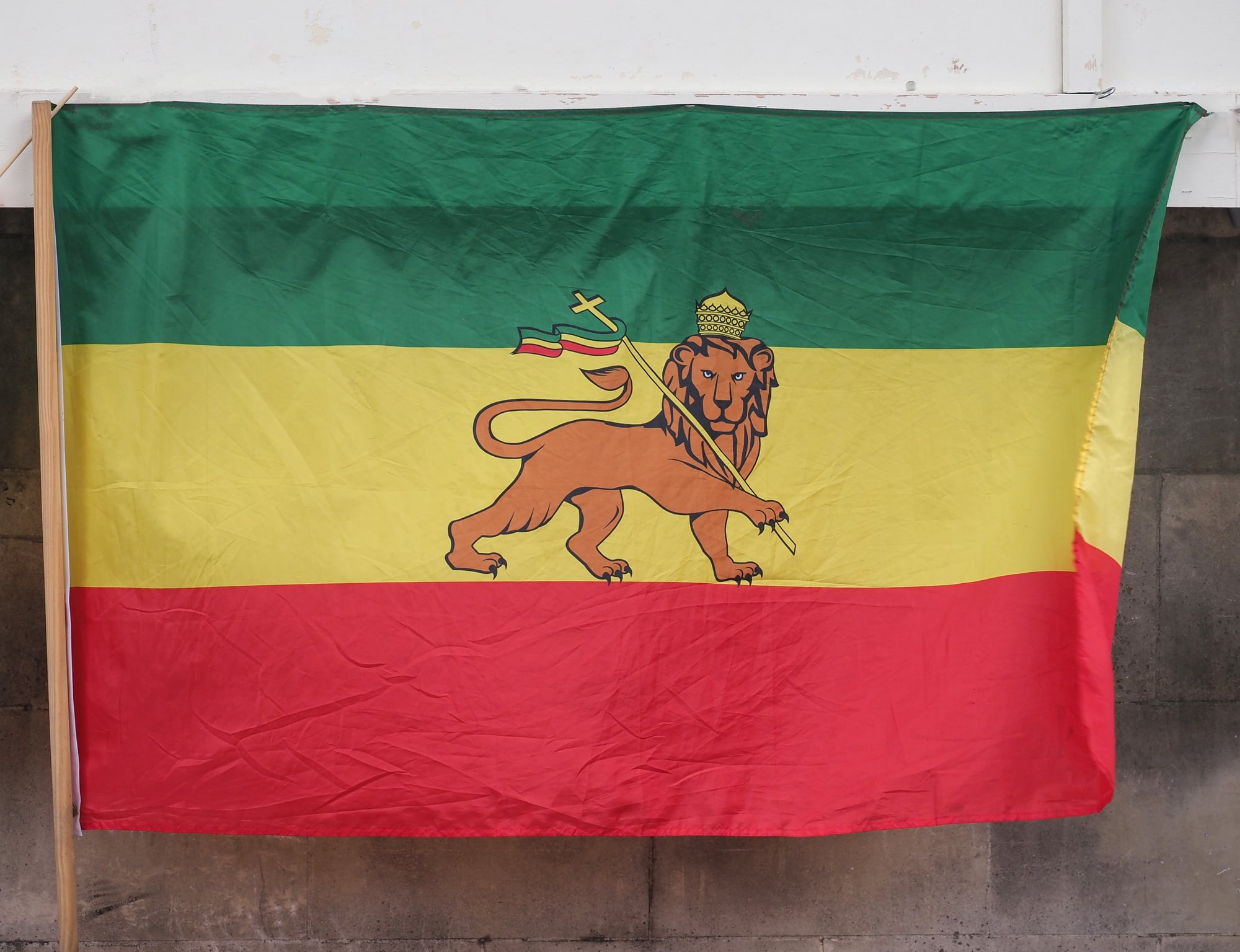
Ethiopia banned the imperial flag with the Lion of Judah after the Derg military government took power in 1974. The symbol of Haile Selassie’s reign was prohibited along with other monarchist emblems.
Later government changes brought new flags, but the imperial symbols remained banned through multiple regime changes.
Iranian Imperial Flag

Iran outlawed the Pahlavi dynasty flag after the Islamic Revolution in 1979. The lion and sun symbol was banned and replaced with Islamic emblems.
Displaying the shah’s flag became illegal under the new theocratic government, with violations treated as political crimes rather than simple flag code infractions.
Afghan Monarchy Flag
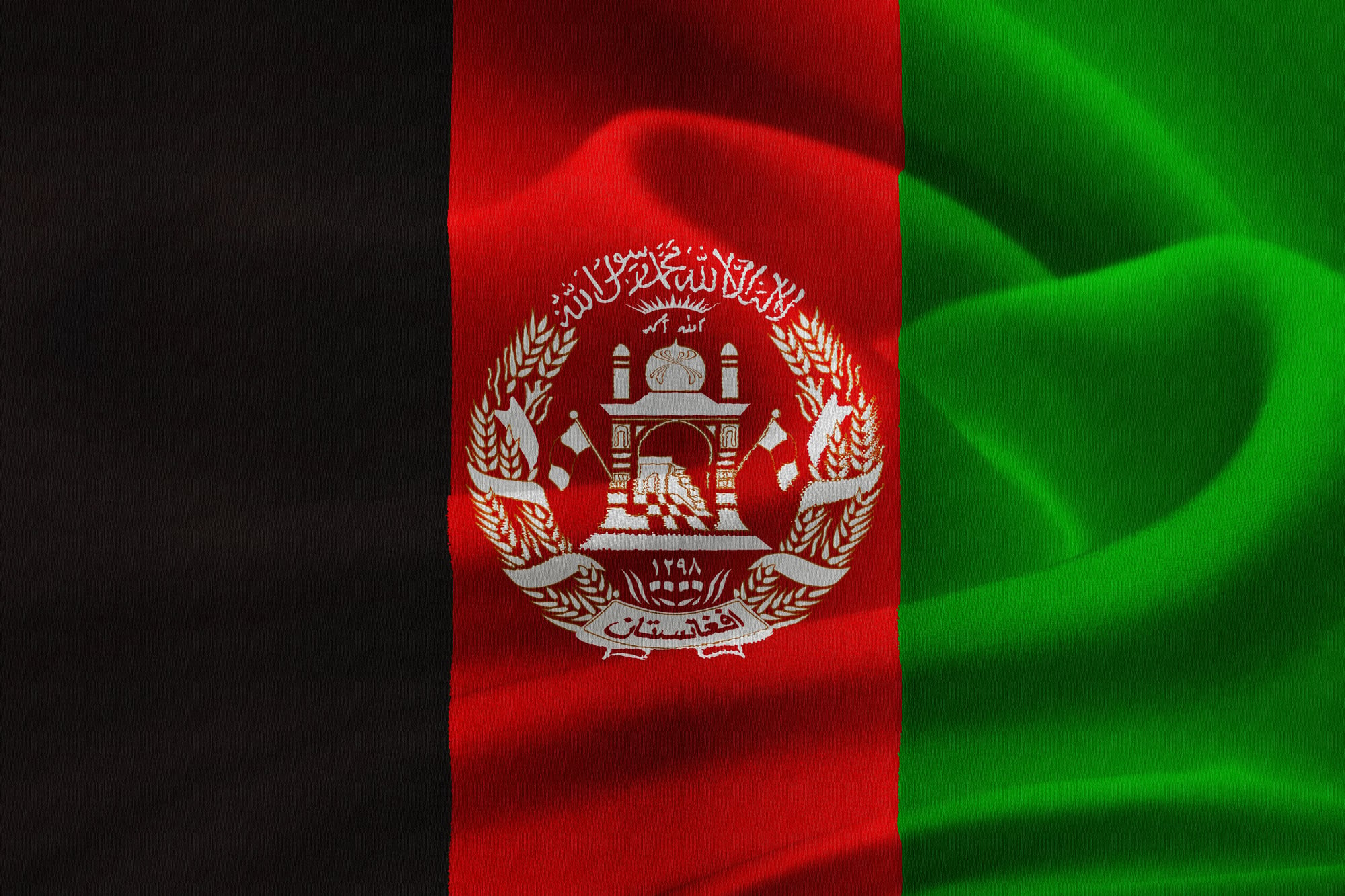
Afghanistan has banned multiple versions of its own flag as governments changed. The monarchy flag was prohibited after the 1973 coup, then successive regimes banned their predecessors’ symbols.
The Taliban banned previous flags during their rule, then were banned in turn, creating a complex web of prohibited Afghan symbols. The country has changed flags more than almost any nation in modern history, leaving a trail of banned symbols behind each government.
Cambodian Khmer Republic Flag
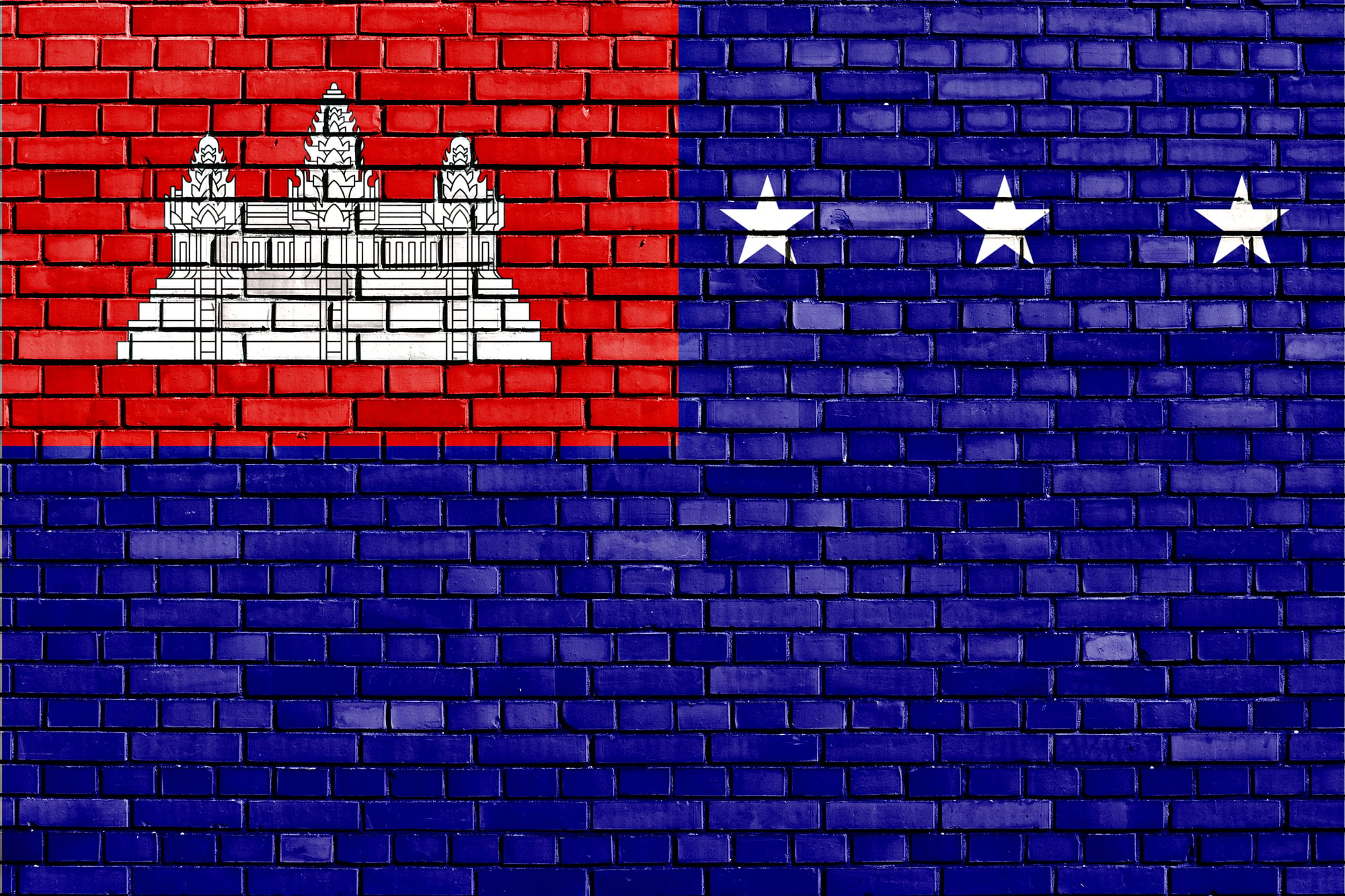
Cambodia banned the Khmer Republic flag after various regime changes in the 1970s and 1980s. The Lon Nol government flag was prohibited by subsequent rulers, including the Khmer Rouge and Vietnamese-backed governments.
Multiple Cambodian flags have been banned by successor regimes over five decades of political upheaval.
Central African Empire Flag
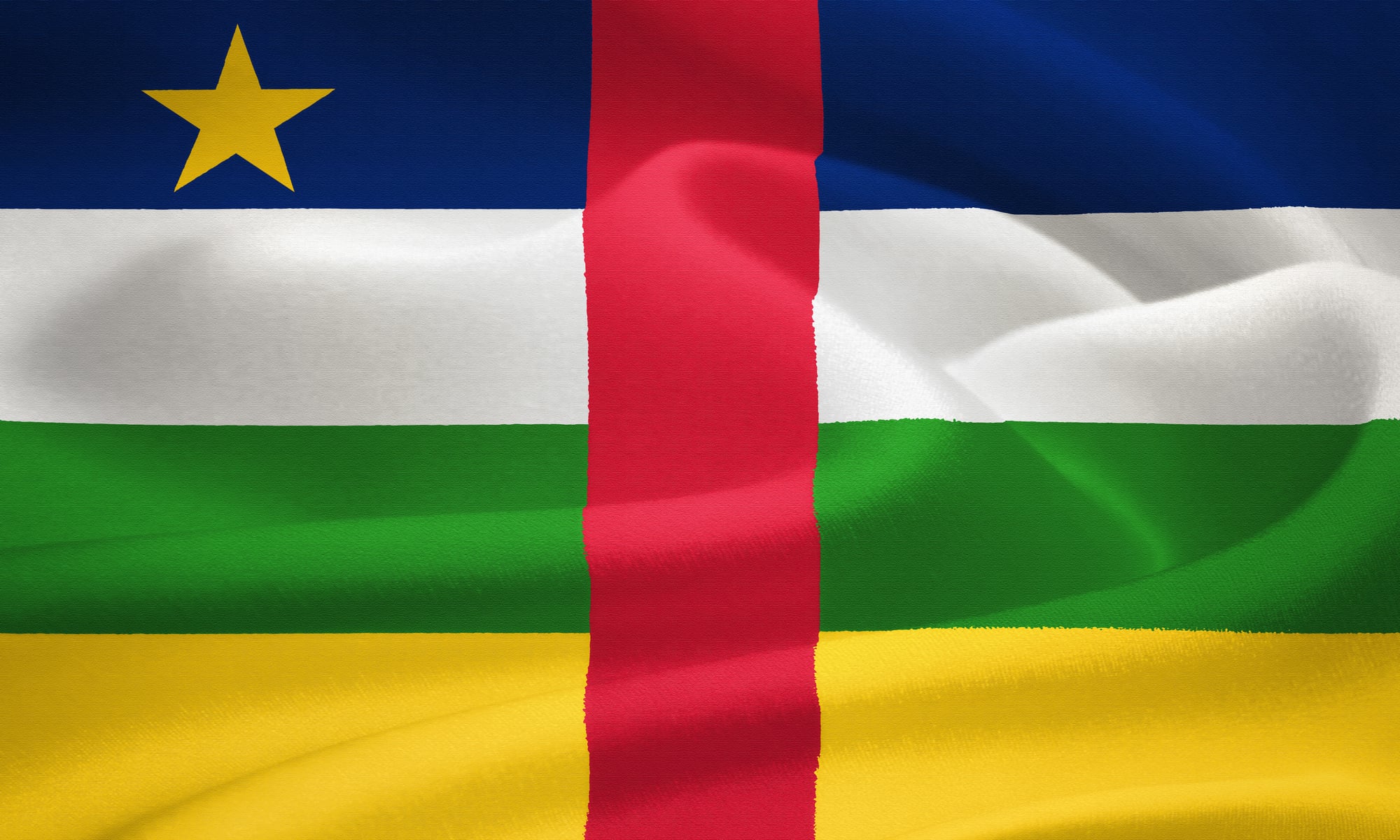
The Central African Republic outlawed the imperial flag used during Jean-Bédel Bokassa’s brief empire from 1976-1979. The eagle and crown symbols were banned after Bokassa’s overthrow.
The republic flag was restored and imperial symbols prohibited, though Bokassa had actually used modified versions of existing designs rather than creating entirely new ones.
Burmese Socialist Republic Flag
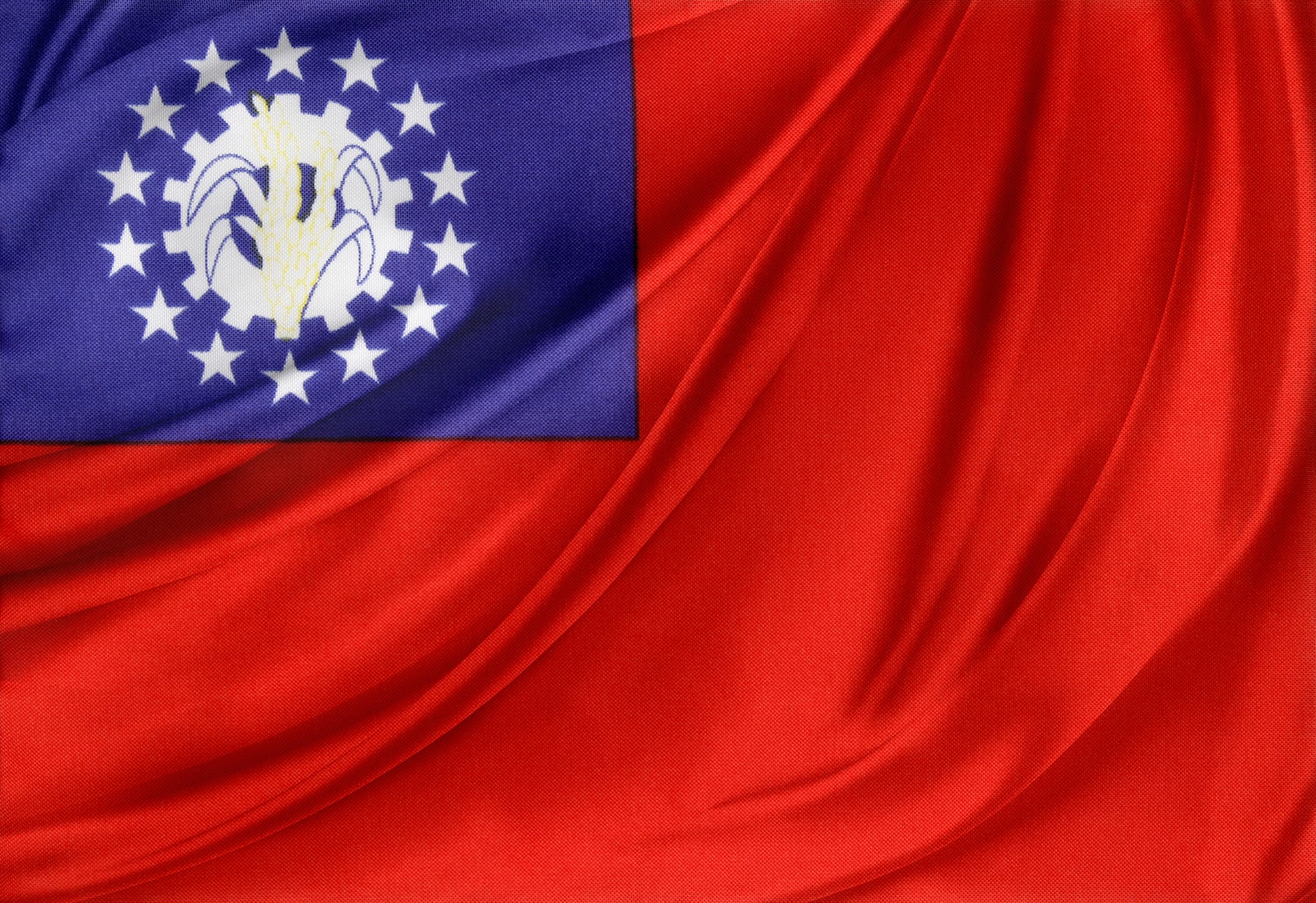
Myanmar banned the socialist-era flag when the military government changed the country’s name from Burma to Myanmar in 1989. The gear, rice, and star design was replaced with a new horizontal tricolor.
The socialist flag that had flown since 1974 became illegal to display in official contexts.
Democratic Kampuchea Flag
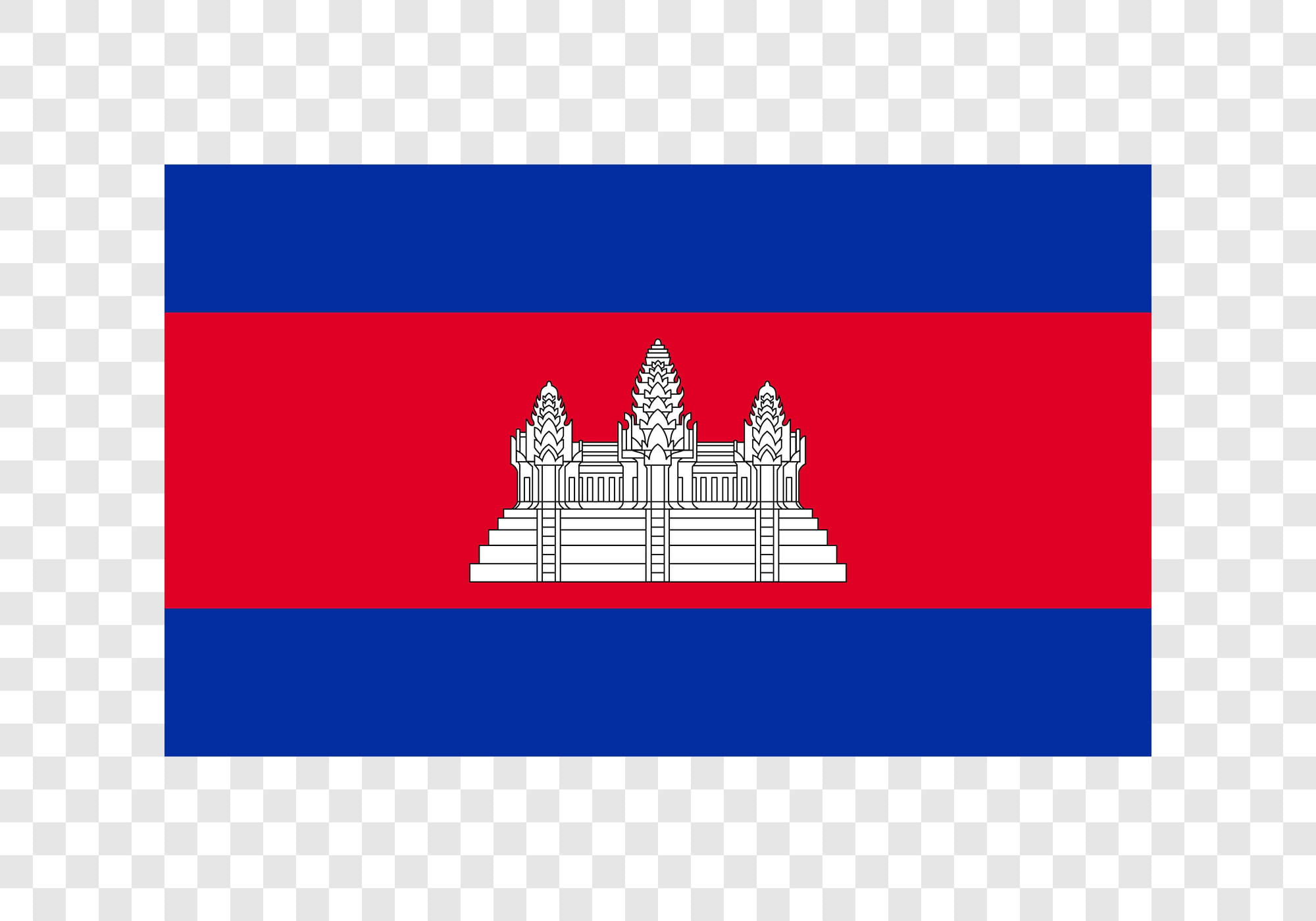
Cambodia outlawed the Khmer Rouge flag after Vietnamese forces ended their rule in 1979. The simple red design with Angkor Wat had represented one of history’s most brutal regimes.
Display of Khmer Rouge symbols became prohibited under subsequent governments, though the flag itself looked deceptively peaceful. That’s the unsettling thing about some banned flags — divorced from context, they don’t look particularly threatening.
Manchukuo Flag
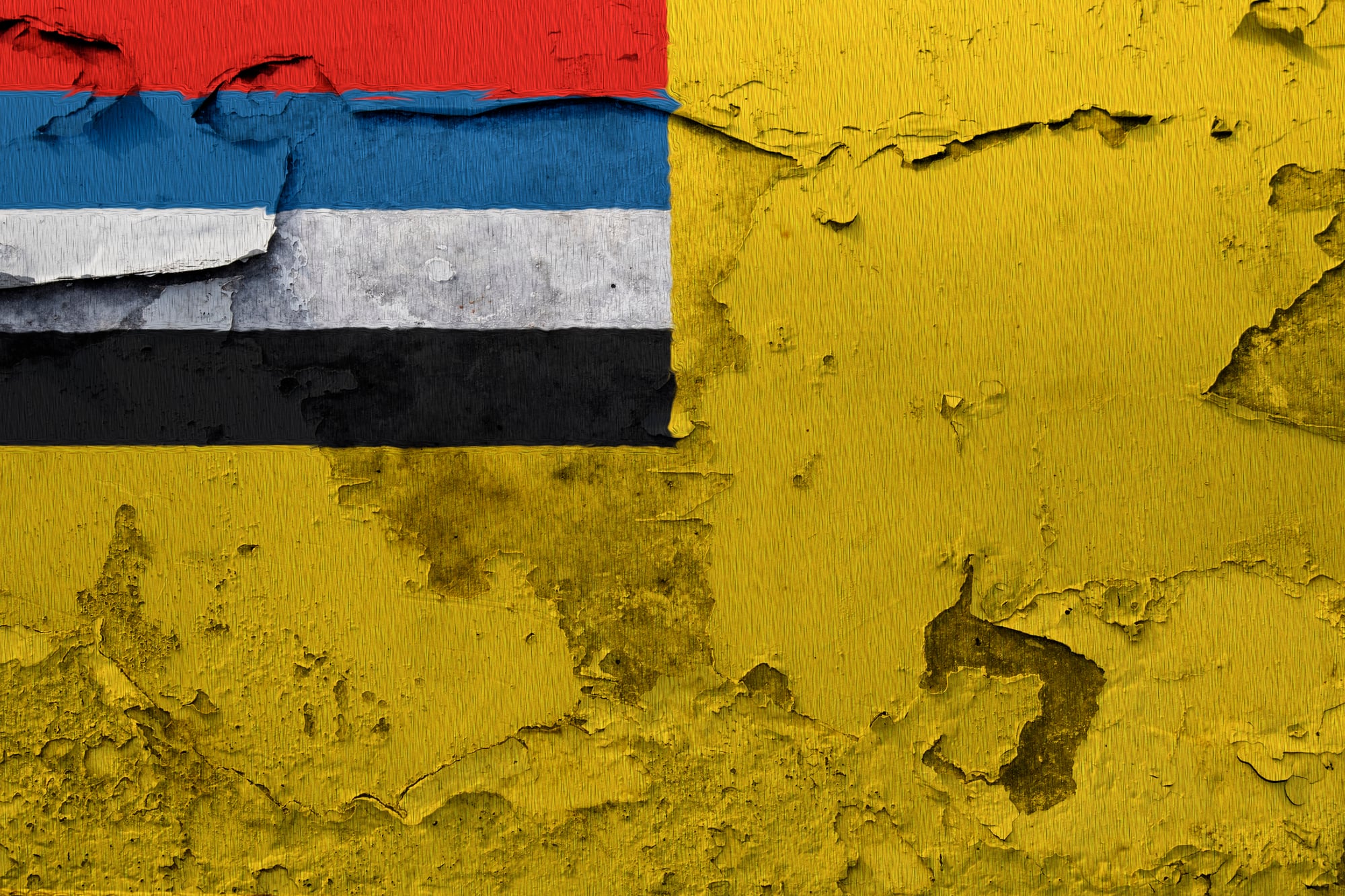
The puppet state of Manchukuo’s flag was banned by China after Japan’s defeat in 1945. The yellow field with colored stripes had represented Japanese occupation of Manchuria.
Chinese authorities prohibited display of the flag along with other symbols of collaboration and foreign occupation.
Where Symbols Go To Die

These twenty-seven flags represent more than design changes or political transitions. They’re evidence that nations can reject their own past when that past becomes unbearable.
Some bans happened quickly, in the heat of revolution or liberation. Others took decades, waiting for societies to find the courage to confront what they’d once celebrated.
The pattern repeats across continents and centuries: a symbol rises, serves its purpose, then crosses some invisible line into shame. What’s remarkable isn’t that these flags were banned, but that the countries found the strength to ban them.
It takes a particular kind of national maturity to look at your own symbol and decide it no longer deserves to fly.
More from Go2Tutors!

- The Romanov Crown Jewels and Their Tragic Fate
- 13 Historical Mysteries That Science Still Can’t Solve
- Famous Hoaxes That Fooled the World for Years
- 15 Child Stars with Tragic Adult Lives
- 16 Famous Jewelry Pieces in History
Like Go2Tutors’s content? Follow us on MSN.



