30 Old Comic Books Hiding in Basements Worth Money
In late 2024, three brothers clearing out their late mother’s California home found a box of comics she had always claimed was valuable. Nobody had quite believed her.
One of those books sold a year later for 9.12 million dollars. Most basement boxes hold nothing like that, but plenty hold something.
The difference between a pile of old paper and a real payday usually comes down to one issue number, one first appearance, and how well the cardboard box kept out the damp.
Action Comics No. 1 and the First Superman
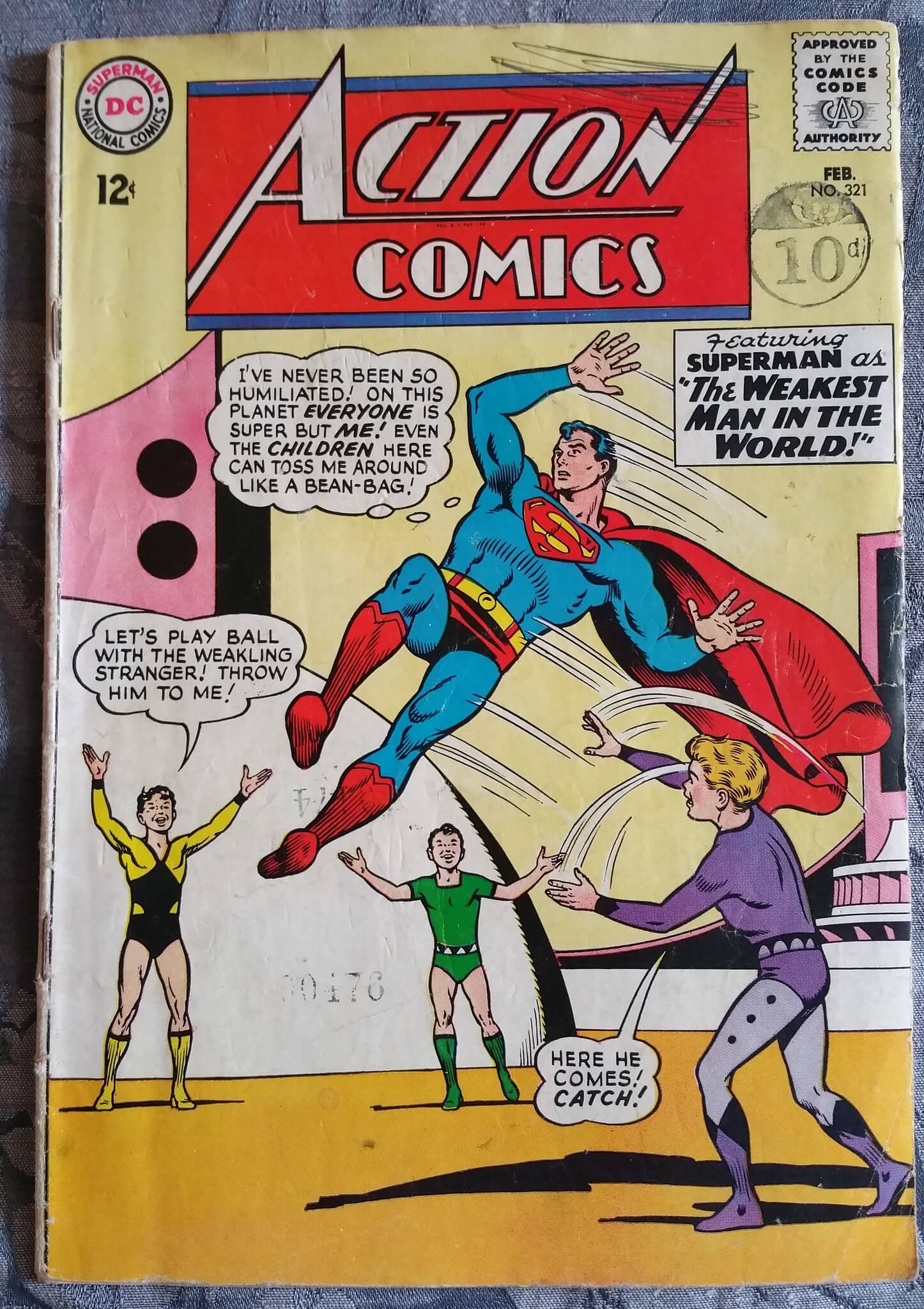
Published with a 1938 cover date and a ten cent price, Action Comics No. 1 introduced Superman and effectively launched the superhero genre. Estimates put the surviving copies at around 100, which makes every one a documented event.
In April 2024 a copy graded 8.5 from the Kansas City pedigree brought 6 million dollars at Heritage, a record at the time. Even badly worn copies with missing pieces have brought six figures.
Restoration, tape, and trimmed edges matter enormously, and professional grading is the first step before any sale is discussed.
Superman No. 1 From 1939
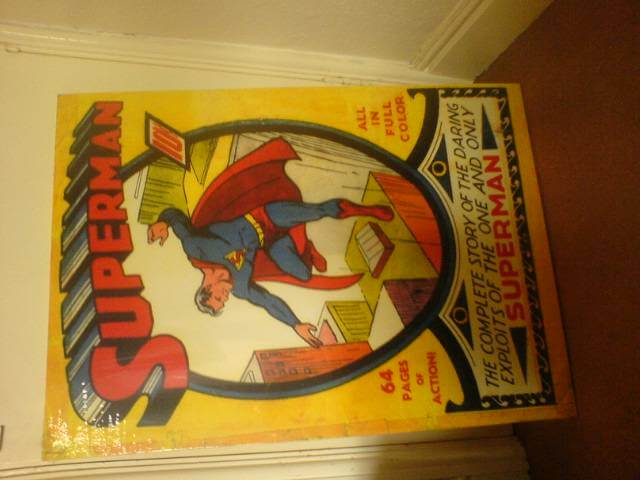
Superman’s first solo title reprinted his origin and added new stories, and it sold in huge numbers during a paper-hungry era. That popularity means most copies were read to pieces or pulped in wartime scrap drives.
The copy found in a California attic by three brothers graded 9.0 and brought 9.12 million dollars at Heritage in November 2025, the highest price ever paid for a comic book. Their mother’s box had been protected by nothing more than old newspapers.
Lower grade copies still reach well into six figures, provided there is no restoration.
Detective Comics No. 27 and the Arrival of Batman
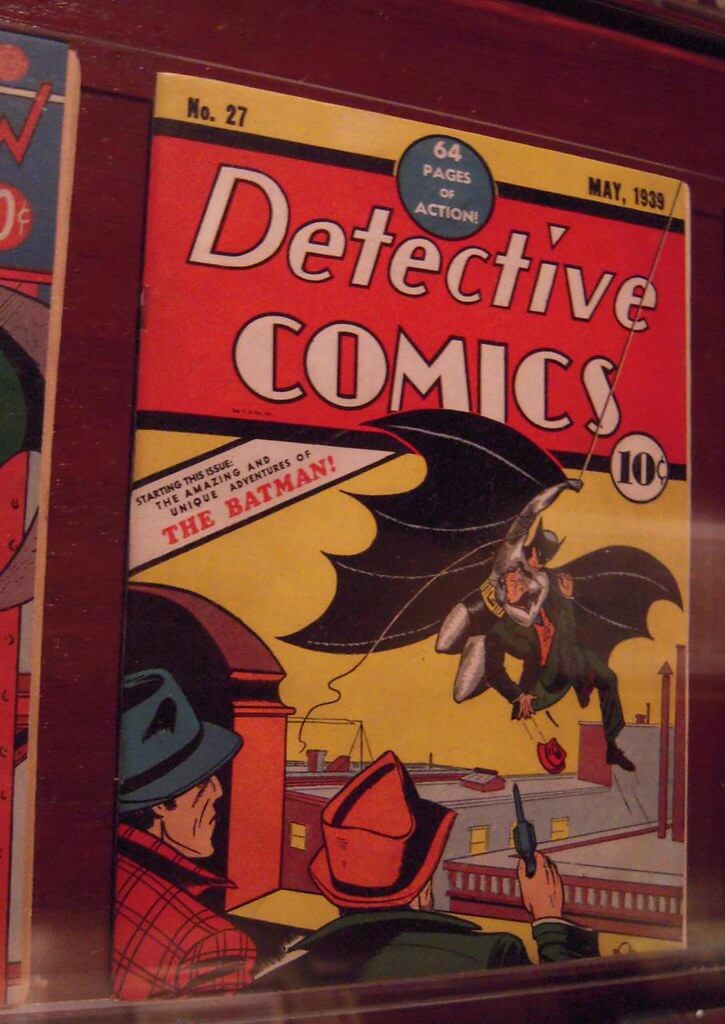
Batman debuted in Detective Comics No. 27, cover dated May 1939, in a short story drawn by Bob Kane with uncredited writing by Bill Finger. Only a small number of copies survive, and high-grade examples sit among the most valuable comics in existence.
A copy with a detached cover, heavy creasing, or water staining from decades in a basement still counts as a major find. Buyers look closely for color touch and restoration, which can cut value in half.
Even a heavily worn example has brought well into six figures at auction.
Batman No. 1 From Spring 1940
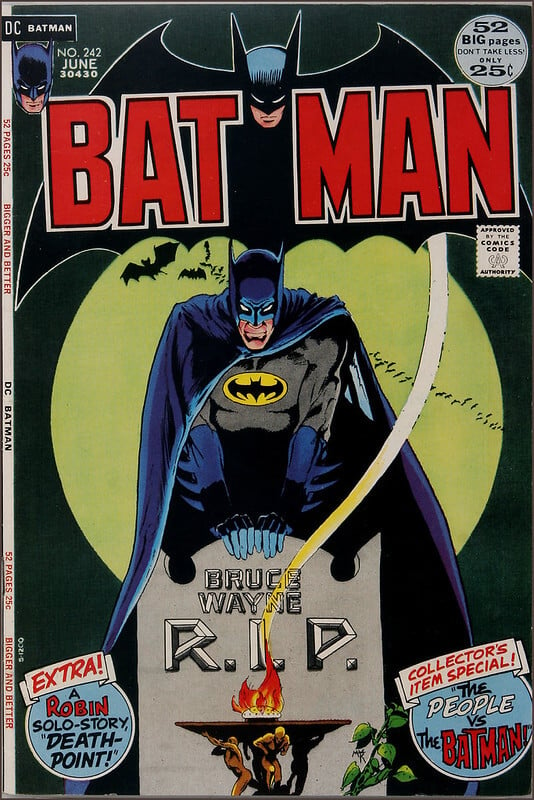
Batman’s first solo issue arrived in 1940 and introduced two lasting villains, the Joker and Catwoman, then called the Cat, in a single book. That combination makes it one of the most important Golden Age issues after the major first appearances.
Copies turn up more often than Detective No. 27, but they still surface rarely. High-grade examples have brought seven figures in recent years.
A typical worn copy with spine splits, brittle pages, or a detached centerfold still brings tens of thousands of dollars, so any family box holding one deserves immediate professional attention.
Marvel Comics No. 1 From Timely
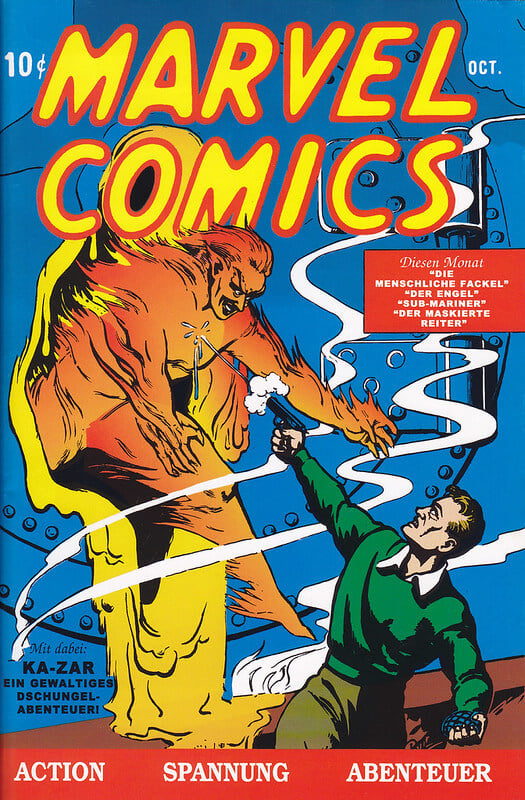
Timely Publications, the company that became Marvel, released Marvel Comics No. 1 in 1939 with the Human Torch on the cover and the first appearance of Namor inside. Timely printed a second run with an overprinted November date, and collectors track both versions.
A top copy passed 1 million dollars at auction in 2019. Brown or brittle interior pages, a common problem for books stored in humid basements, reduce grades fast.
Mid-grade copies still bring six figures. This is the origin point for an entire publishing empire, and buyers treat it that way.
Captain America Comics No. 1 and a Famous Punch
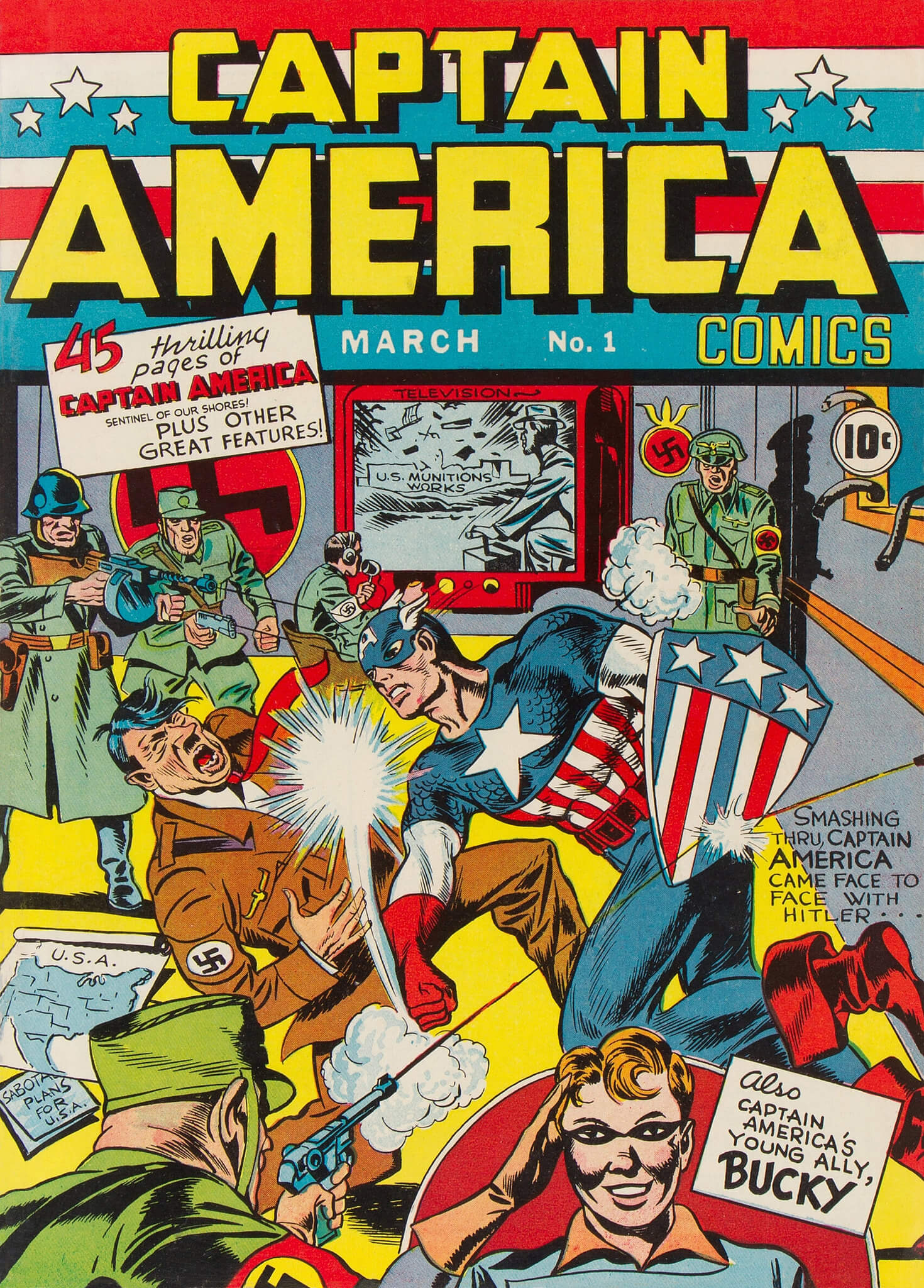
Captain America Comics No. 1 hit newsstands months before the United States entered the Second World War, with a cover showing the hero punching Adolf Hitler. Joe Simon and Jack Kirby created the character, and the cover alone made it a flashpoint in 1941.
The book sold strongly, but paper drives consumed countless copies. Low-grade examples have brought tens of thousands of dollars, and high grades reach much further.
Cover tears, missing corners, and restoration to the famous image are what collectors scrutinize most closely before bidding.
All Star Comics No. 8 and the First Wonder Woman
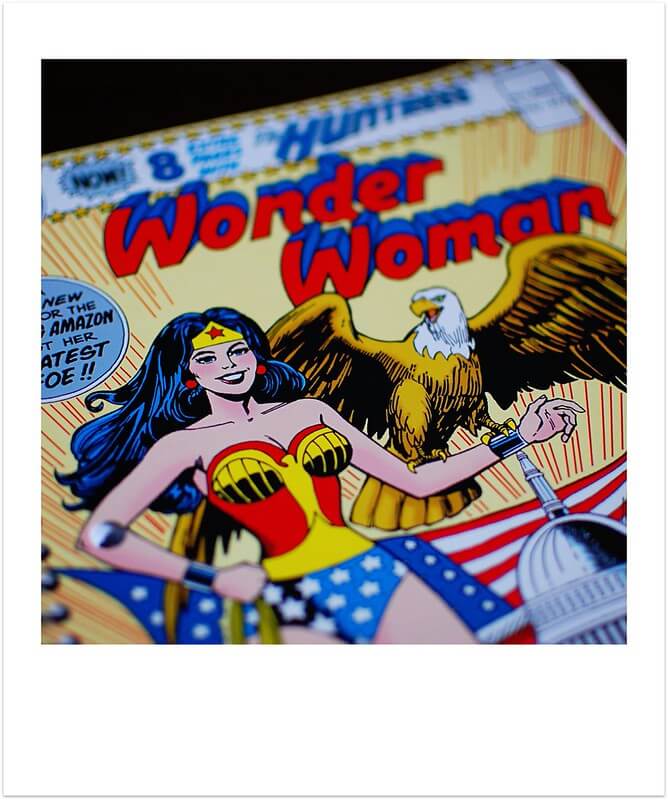
Wonder Woman made her debut as a short backup story in All Star Comics No. 8, cover dated December 1941 to January 1942. William Moulton Marston, the psychologist credited with work on an early lie detector, wrote the character.
Because Wonder Woman appears only in a nine page insert, many sellers do not realize what they hold. Collectors know, and even beaten copies have brought five figures.
The cover features the Justice Society, which sometimes hides the key content inside. Loose pages, water damage, and restoration all weigh heavily on value.
Whiz Comics No. 2 and the First Captain Marvel

Fawcett’s Whiz Comics No. 2, dated February 1940, carried the first appearance of Captain Marvel, the character later known on screen as Shazam. For a time in the 1940s his comics outsold Superman’s, which led to a long copyright lawsuit from National Comics.
There was no issue numbered one on newsstands, which confuses sellers who expect a first issue to carry that number. Worn copies have brought 20,000 dollars and more.
Spine roll, stains, and brittle edges lower value, and restored copies bring far less than unrestored ones.
Four Color No. 9 and Donald Duck Finds Pirate Gold

Dell’s Four Color No. 9, published in 1942, contains Donald Duck Finds Pirate Gold, the first Donald Duck comic book story drawn by Carl Barks with Jack Hannah. Barks went on to create Scrooge McDuck and became one of the most admired artists in the medium.
Because it looks like a children’s cartoon book, it often escapes the attention given to superhero titles. Copies in modest condition have brought well over 1,000 dollars, and nice examples bring much more.
Coloring, stains, and missing covers are frequent problems with kids’ books from the war years.
Showcase No. 4 and the Silver Age Flash

Showcase No. 4, from 1956, introduced Barry Allen as a new Flash and is widely treated as the opening of the Silver Age of comics. Its success prompted DC to revive other Golden Age heroes in updated forms.
The cover shows the Flash running out of a strip of film, a design many dealers recognize instantly. Mid-grade copies have brought tens of thousands of dollars.
Faded cover colors, creases through the running figure, and water damage from storage can cut the value dramatically. Unrestored copies always bring a strong premium.
Brave and the Bold No. 28 and the Justice League
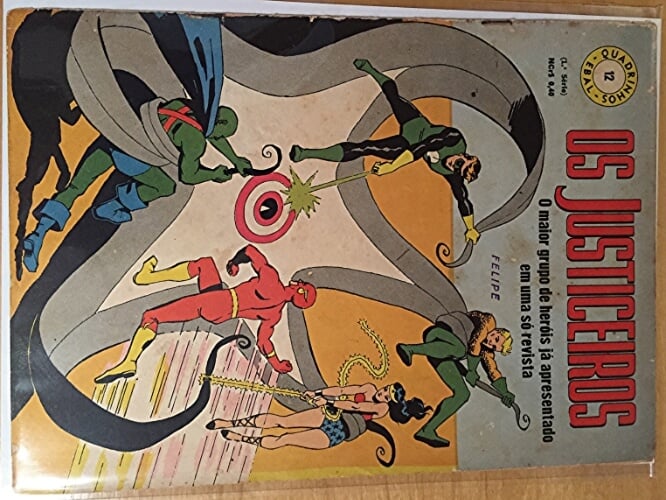
DC first assembled the Justice League of America in Brave and the Bold No. 28, cover dated March 1960, battling a giant starfish named Starro. The team combined Superman, Batman, Wonder Woman, the Flash, Green Lantern, Aquaman, and the Martian Manhunter in one title.
Its success is often credited with pushing Marvel toward its own superhero team. Mid-grade copies have brought five figures.
Spine stress, a rolled spine from being read folded over, and yellowing pages are the usual problems that affect the grade. A clean, flat copy stands out immediately in any stack from that era.
Fantastic Four No. 1 From November 1961
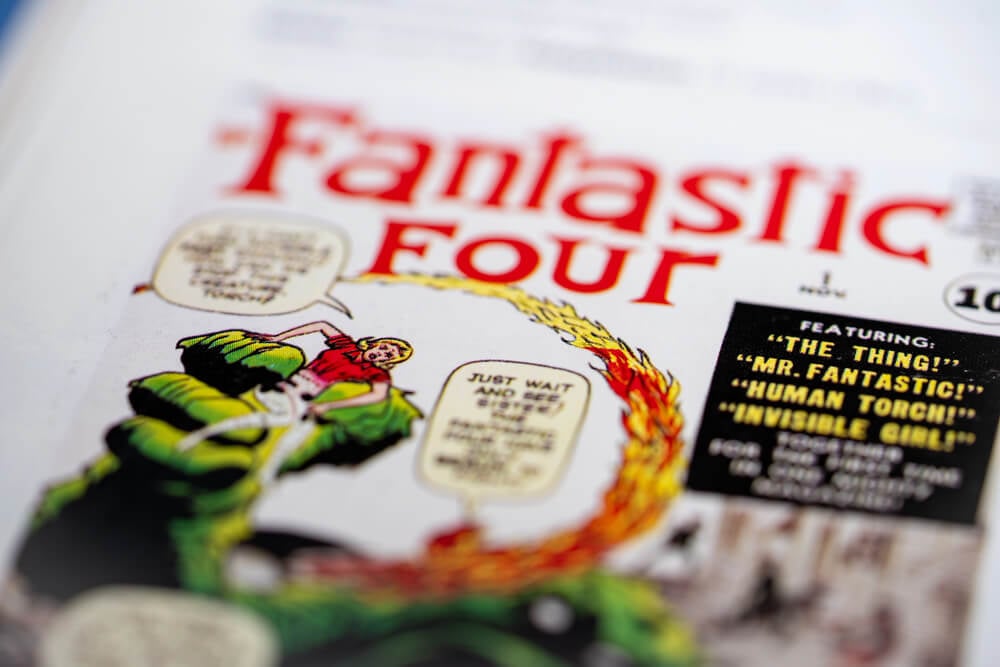
Stan Lee and Jack Kirby’s Fantastic Four No. 1 marked the beginning of the modern Marvel era, with a team that argued, worried about rent, and fought among themselves. That new tone changed superhero comics for good.
Copies from 1961 were read hard by kids, and higher grades are genuinely scarce. Even a mid-grade example has brought 20,000 dollars or more, and top copies reach six figures and beyond.
Detached covers, chipping along the edges, and restoration are the flaws graders look for first. Later facsimile reprints circulate too, so buyers confirm they are holding a 1961 original.
Amazing Fantasy No. 15 and the First Spider-Man
Amazing Fantasy was a failing anthology when its fifteenth and final issue, dated August 1962, introduced Peter Parker as Spider-Man. The series ended, and the character was given his own title months later.
A copy graded 9.6 brought 3.6 million dollars at Heritage in September 2021. Lower grades are far more common, but even worn examples bring five figures.
The cover’s white areas show every stain and fingerprint, so storage damage is especially visible. Restored copies trade well below unrestored ones.
Few comics have such a direct line from newsstand flop to cultural giant.
Amazing Spider-Man No. 1 From 1963
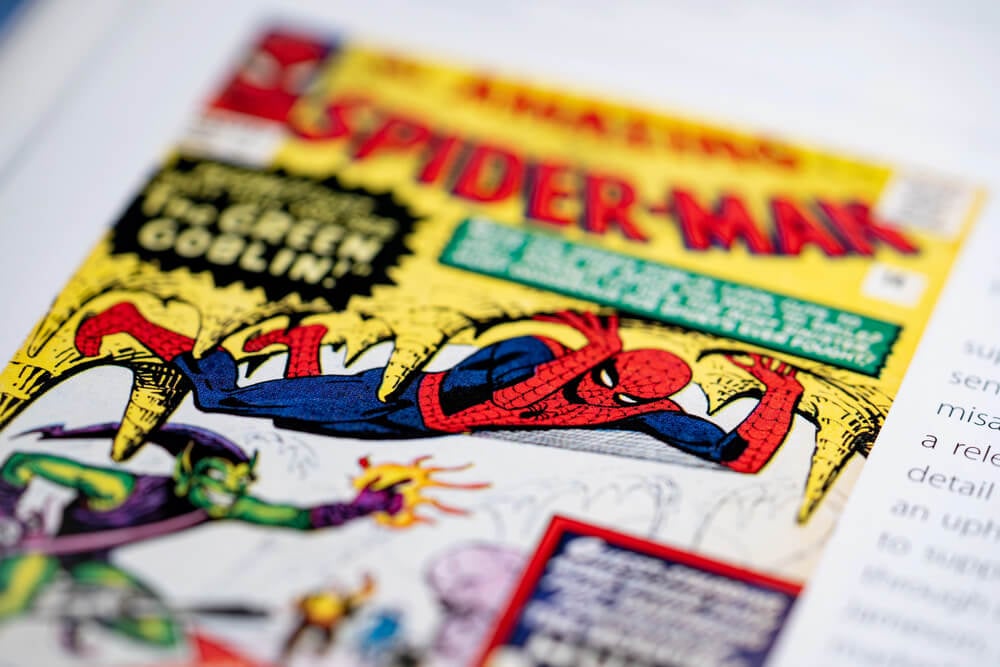
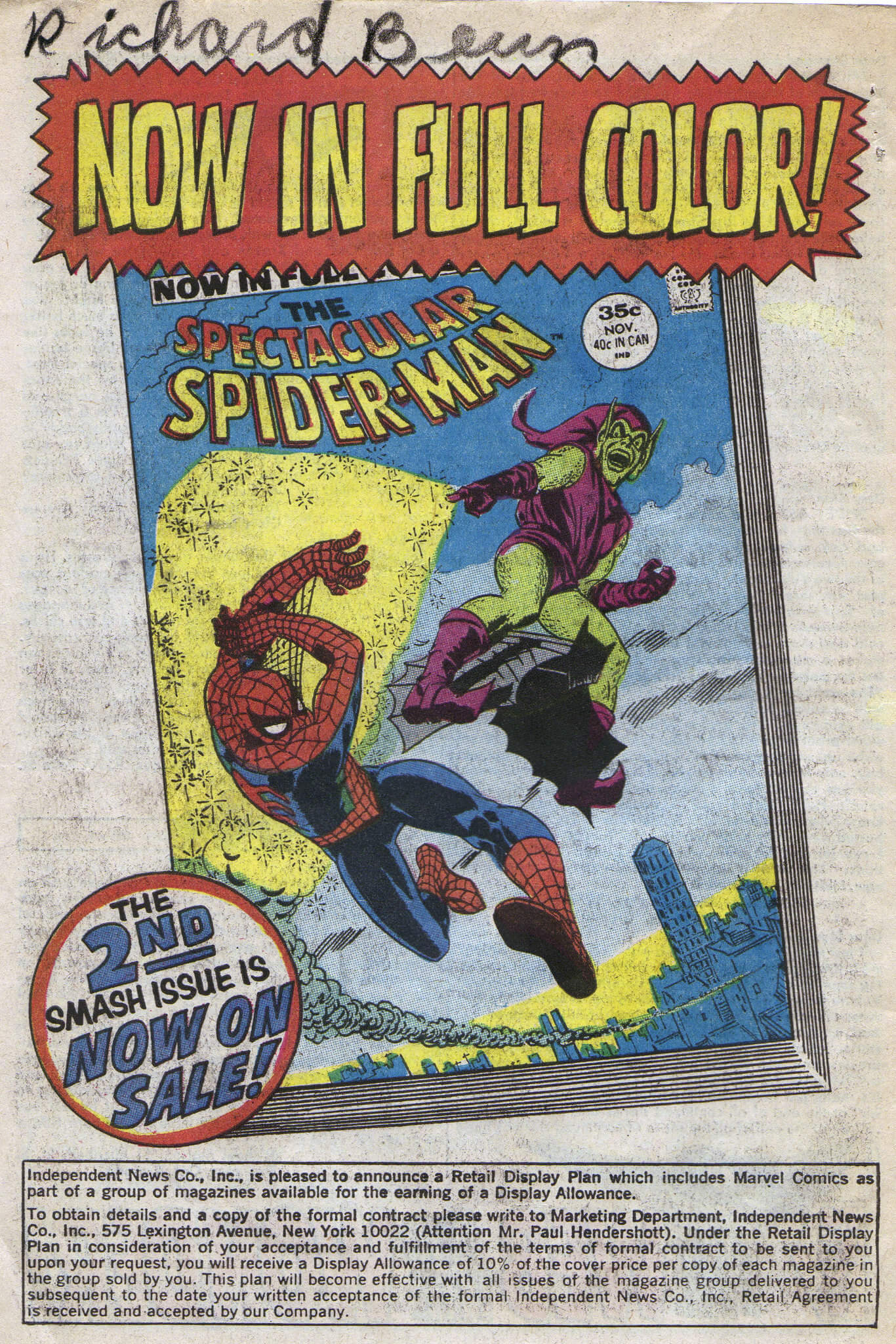
Spider-Man’s first solo issue, cover dated March 1963, included a crossover with the Fantastic Four and the debut of the Chameleon. It sold far better than Amazing Fantasy ever did.
That wider print run means more copies survive, but sharp ones remain uncommon because readers treated the book roughly. Mid-grade copies have brought 20,000 dollars and more.
Moisture warping, which is common in basement storage, can drop the grade quickly. Collectors also check for missing Marvel corner boxes, which some kids clipped out for mail-in offers, a small cut that ruins the grade.
Amazing Spider-Man No. 129 and the First Punisher
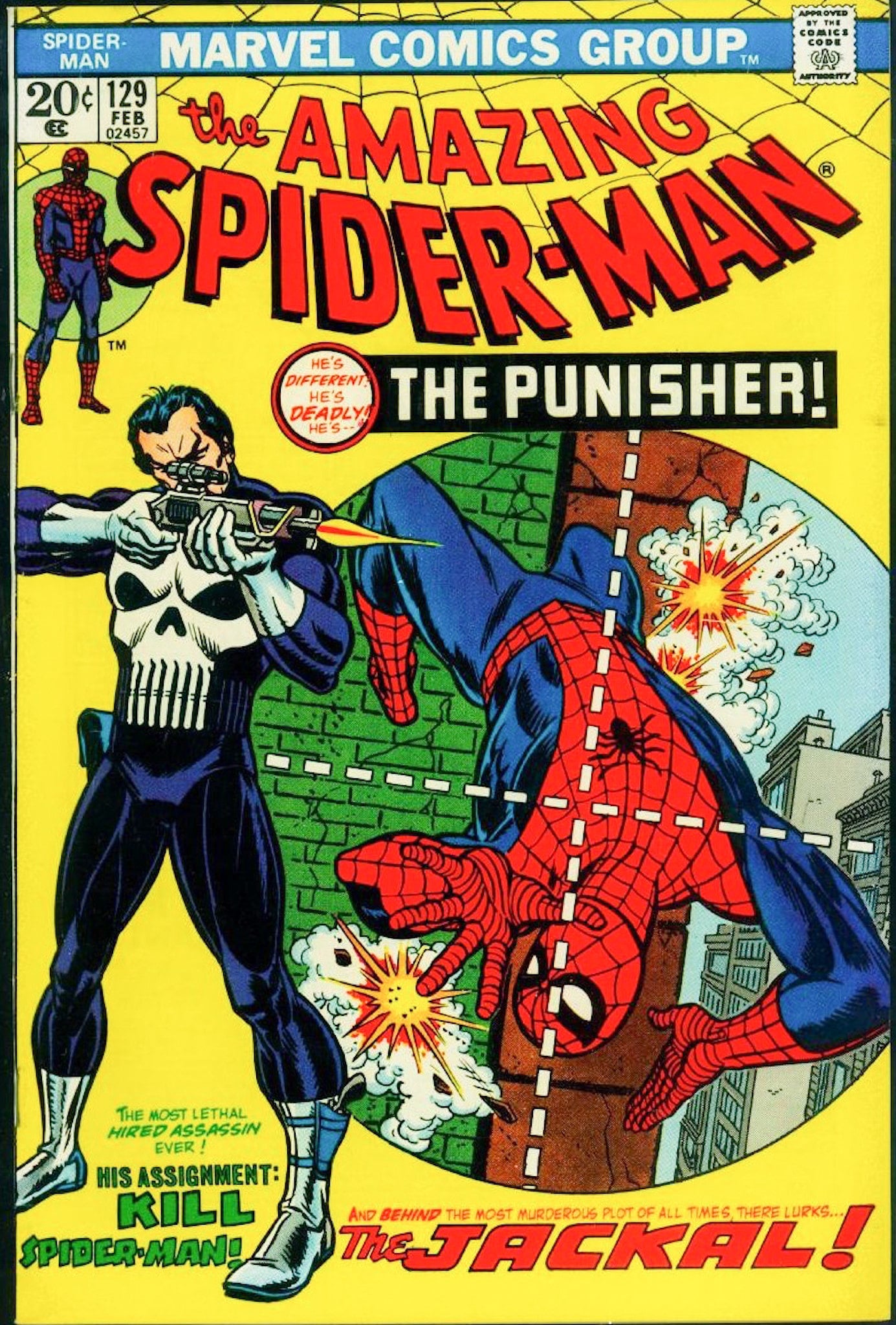
The Punisher first appeared as a hired gun in Amazing Spider-Man No. 129, dated February 1974. He was intended as a one-off villain but became one of Marvel’s most successful antiheroes.
Because 1970s comics were printed in large numbers, copies surface often in basements and attics. Condition decides almost everything here.
A worn copy brings a few hundred dollars, while a high-grade example has brought several thousand. Spine ticks, color-breaking creases, and water damage separate the two outcomes in most cases.
A careful look under bright light usually tells the story within seconds.
Incredible Hulk No. 1 From 1962
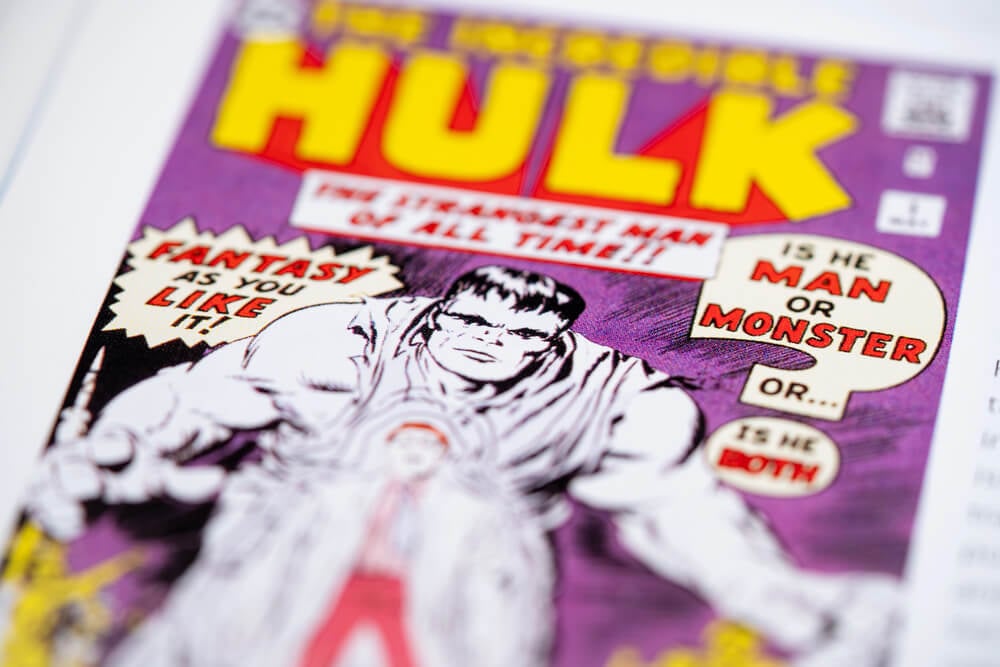
Bruce Banner’s alter ego first appeared in May 1962, colored gray on the cover before printing problems pushed Marvel to switch him to green. His original series lasted only six issues before cancellation.
That short run and the heavy handling of the period make high-grade copies scarce. Mid-grade examples have brought tens of thousands of dollars, and top copies reach seven figures.
Gray covers show wear and staining clearly, so condition problems are easy to spot. Any restoration drops value sharply compared with an unrestored copy.
Early readers rarely guessed the monster would outlive his first cancellation by decades.
Incredible Hulk No. 181 and the First Wolverine
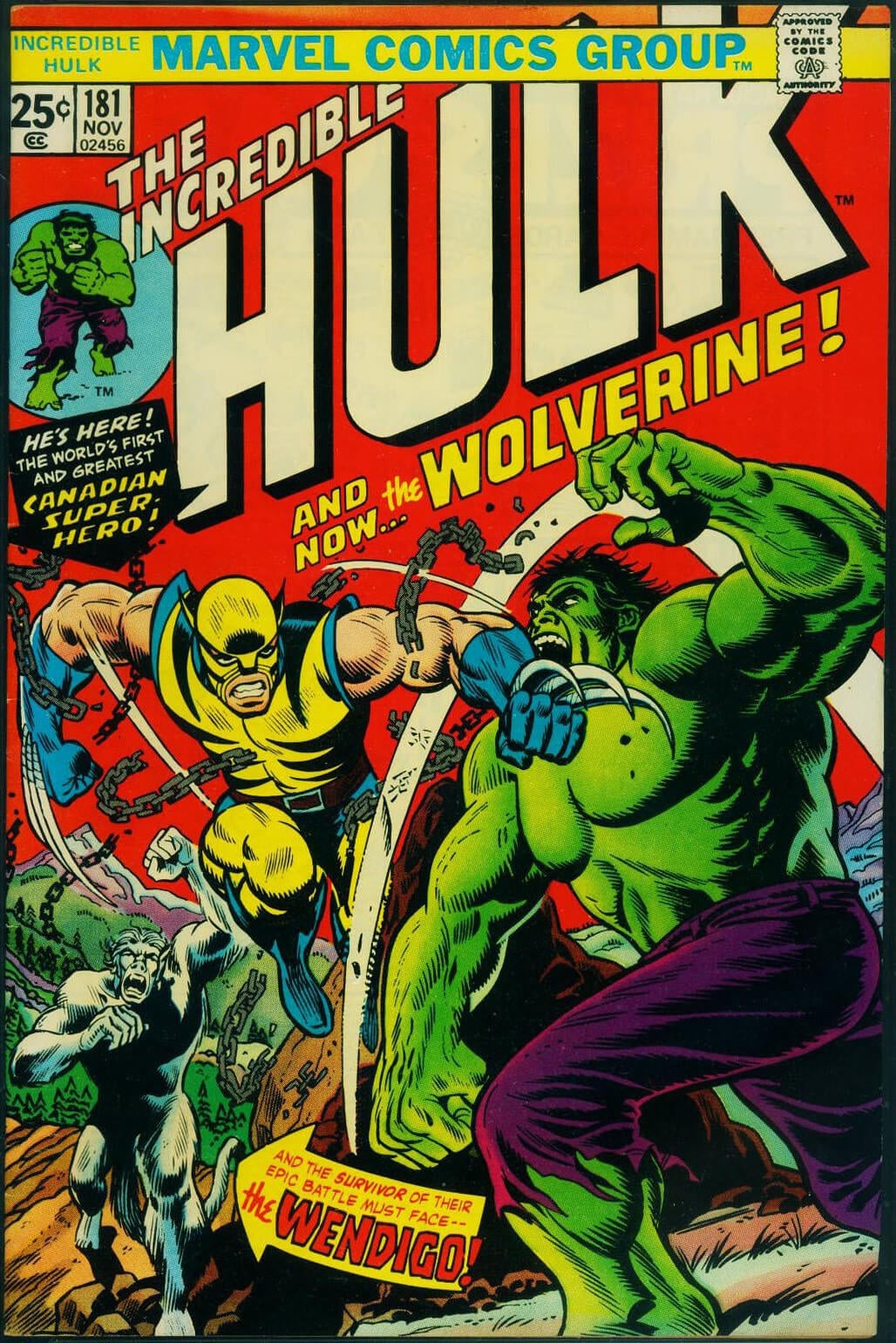
Wolverine made his first full appearance in Incredible Hulk No. 181, dated November 1974, fighting both the Hulk and the Wendigo. At the time he was a minor Canadian government agent with no clear future.
Many copies survived because 1970s print runs were large, but kids clipped the Marvel Value Stamp from inside. A missing stamp page reduces value sharply.
Mid-grade copies have brought 1,000 to 3,000 dollars, while top examples bring tens of thousands. Collectors also watch for cover creasing along the claws, which falls right where a fold usually lands.
Giant-Size X-Men No. 1 From 1975
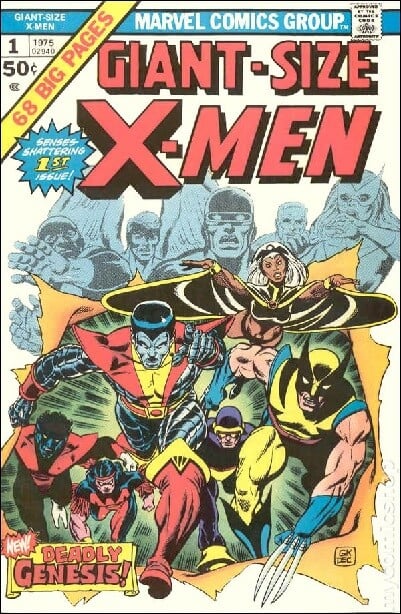
This double-sized 1975 issue relaunched the X-Men with a new international team including Storm, Colossus, and Nightcrawler. It also brought Wolverine into the X-Men for the first time.
The title had been reduced to reprints before this issue, so its success changed Marvel’s fortunes. Copies are not scarce, but high grades are.
Mid-grade examples have brought anywhere from a few hundred dollars into four figures. The oversized format tends to show spine wear and corner damage, which pull grades down quickly.
Books stored upright in a box often develop a telltale curl along the bottom edge as well.
Tales of Suspense No. 39 and the First Iron Man
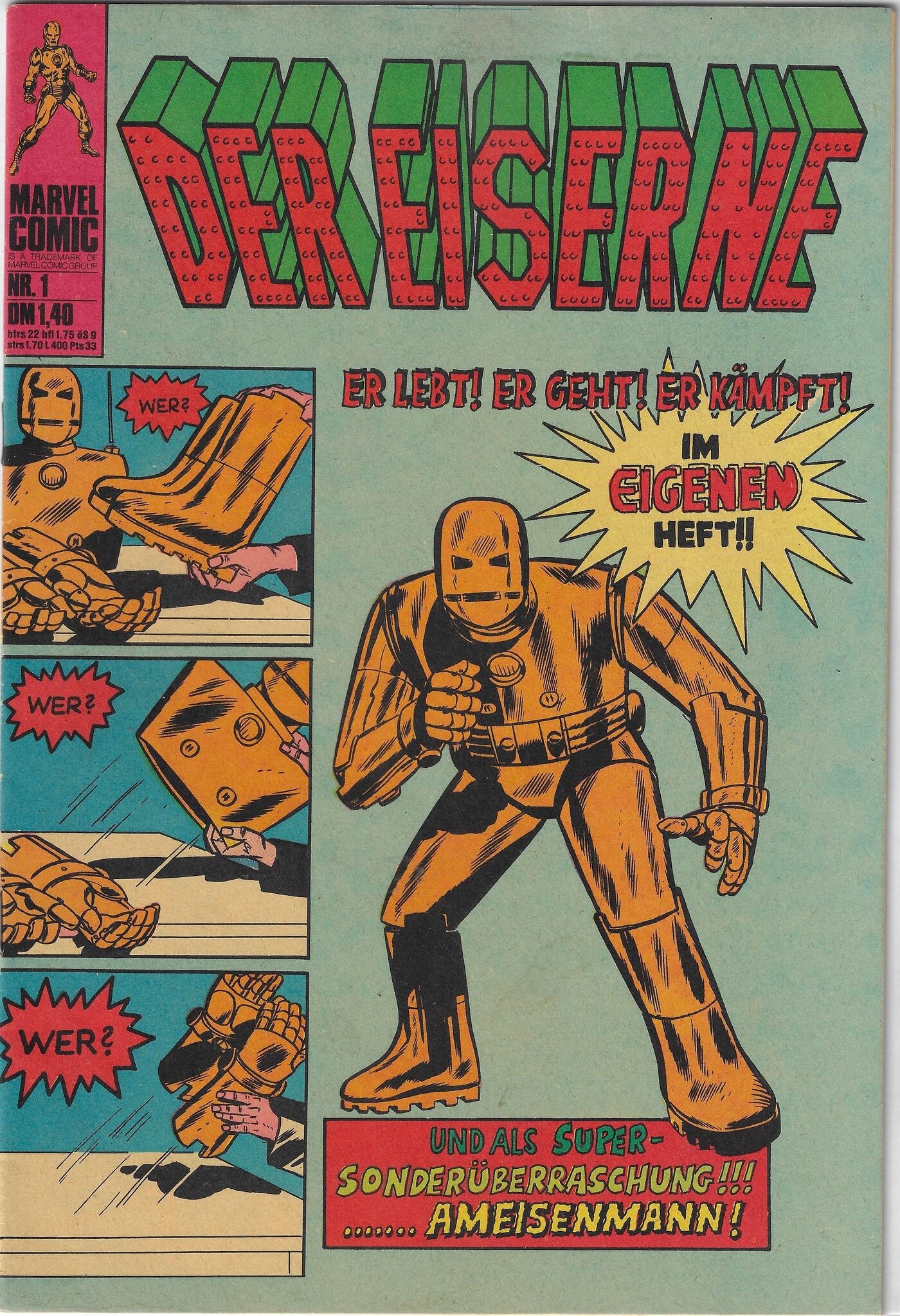
Iron Man first appeared in Tales of Suspense No. 39, dated March 1963, wearing a bulky gray armor suit very different from the later red and gold look. Tony Stark’s origin as an arms maker captured in a war zone set up the character’s lasting themes.
Like other early Marvel keys, high-grade copies are scarce. Mid-grade examples have brought five figures.
The gray armor on the cover highlights color fading and staining, and a book with its cover detached or restored brings far less than a clean, complete one.
X-Men No. 1 From September 1963
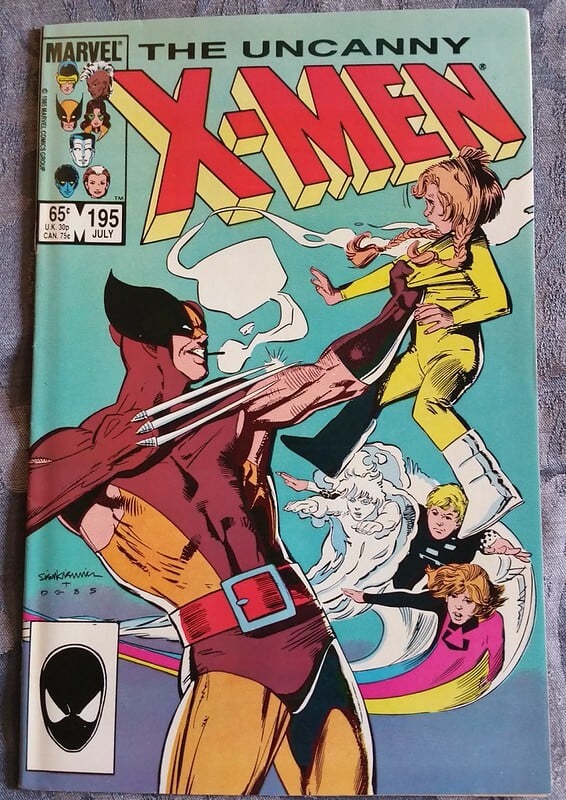
The original X-Men debuted in 1963 with Cyclops, Marvel Girl, Beast, Angel, and Iceman, along with Magneto as the first villain. The series struggled for years before becoming a sales powerhouse in the 1980s.
Early readers did not treat it as special, so many copies were worn out. Mid-grade copies have brought 10,000 dollars and more, with high grades reaching far higher.
Water staining, cover tears, and spine splits are frequent, and the difference between a readable copy and a sharp one can be tens of thousands of dollars.
Strange Tales No. 110 and Doctor Strange
Doctor Strange first appeared in a short five page story in Strange Tales No. 110, dated July 1963, created by Steve Ditko with Stan Lee. The cover features the Human Torch and the Thing, so the key content is hidden inside.
That makes this issue easy to underestimate at a yard sale. Mid-grade copies have brought several thousand dollars, and high grades reach well into five figures.
Brittle pages, color breaks along the spine, and water stains lower the grade significantly. Sellers who only glance at the cover routinely underprice it, which is exactly why it rewards a closer look.
Fantastic Four No. 48 and the Coming of Galactus
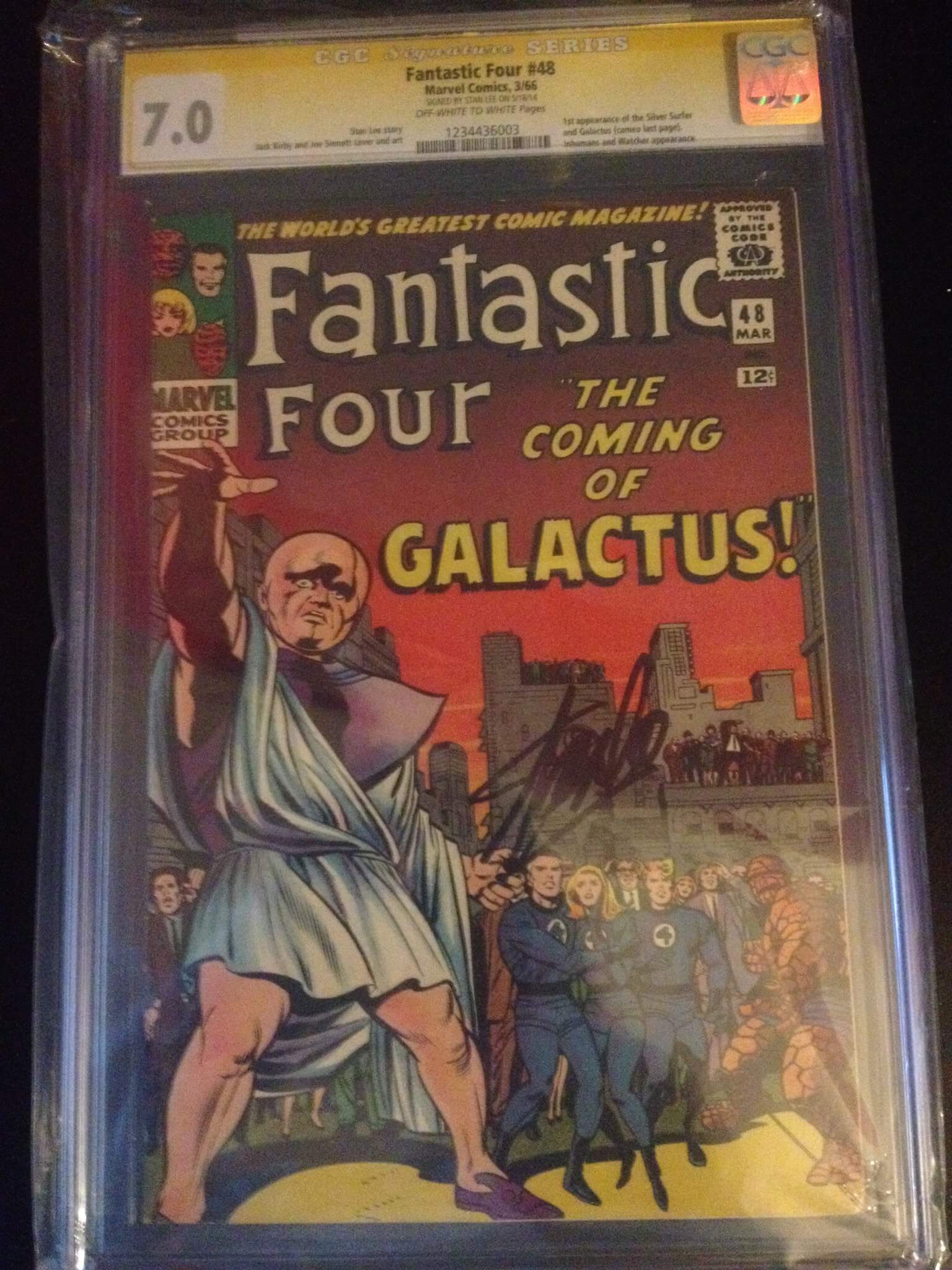
Lee and Kirby opened the Galactus trilogy in Fantastic Four No. 48, dated March 1966, which also introduced the Silver Surfer as the planet-eater’s herald. Many fans consider the three issue arc one of the best stories Lee and Kirby produced.
The issue sold well, so it turns up regularly in collections from that era. Mid-grade copies bring 1,000 dollars or more, and top examples bring far more.
Spine wear and creasing through the cover art matter, and restoration lowers value even on otherwise attractive copies. The Surfer’s later popularity keeps demand for this issue steady year after year.
House of Secrets No. 92 and the First Swamp Thing

A standalone horror story in House of Secrets No. 92, dated July 1971, introduced a character later developed into Swamp Thing. The cover by Bernie Wrightson, shown against a dark green background, is one of the most admired of the Bronze Age.
Dark covers show wear, scuffs, and color breaks clearly, which makes high-grade copies uncommon. Mid-grade examples have brought 1,000 to 3,000 dollars.
Horror titles of the period were often read and passed around, so tears and missing pieces are common problems. Film and television adaptations have kept interest in the character alive for decades.
Iron Man No. 55 and the First Thanos
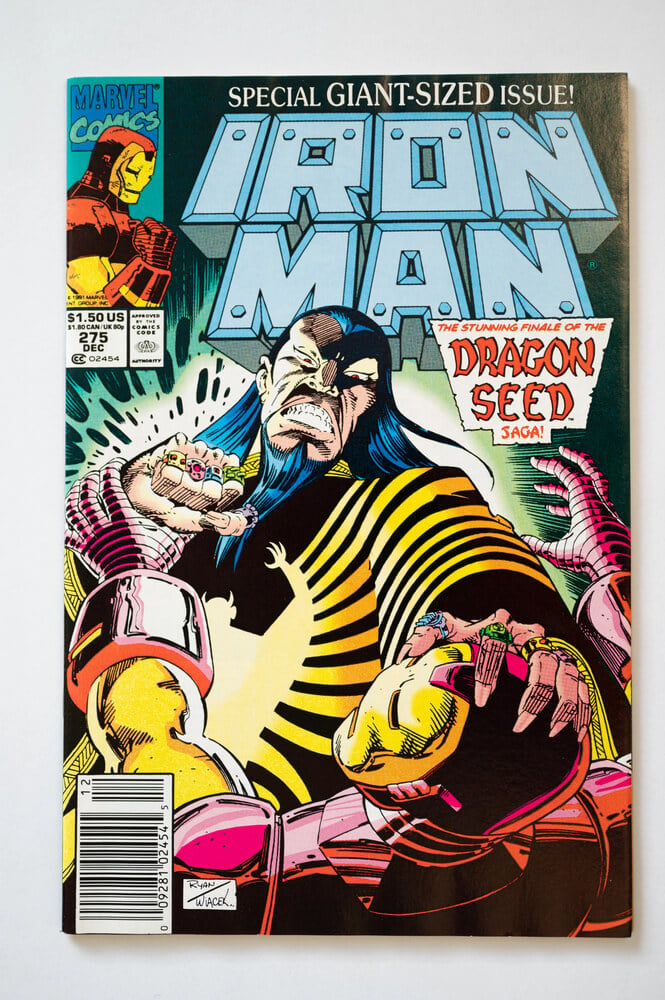
Jim Starlin introduced Thanos in Iron Man No. 55, dated February 1973. The character was a cosmic villain in a minor title, and nobody guessed he would later anchor the most profitable film franchise in history.
Copies in modest condition have brought several hundred dollars, and high grades bring several thousand. Starlin’s crowded cover makes creases and color breaks easy to miss.
Buyers check carefully for chips along the edges and loose staples. Rust around those staples, common in damp storage, also shows up in grading notes and trims the final price.
Marvel Spotlight No. 5 and the First Ghost Rider
Johnny Blaze, the first Marvel hero to carry the Ghost Rider name, debuted in Marvel Spotlight No. 5, dated August 1972. The flaming skull on a motorcycle appealed strongly to readers of the period.
Its dark cover shows wear badly, which makes high-grade copies uncommon. Mid-grade copies have brought 1,000 dollars and more, and high grades bring several times that.
A slightly faded or creased cover can move a copy down several grades. Unrestored copies with good color always bring more.
Film adaptations in the 2000s pushed prices up, and they have held reasonably well since.
Star Wars No. 1 With the 35 Cent Price Test

Marvel’s 1977 Star Wars adaptation sold enormously, but a small number of copies were printed with a 35 cent cover price as part of a pricing test in limited markets. Those variants are rare, and they look almost identical to the common 30 cent copies.
The price box in the upper left corner is the only difference most people notice. Mid-grade variants have brought thousands of dollars, while high grades bring far more.
Ordinary 30 cent copies sell for modest sums. Condition and the price box together determine what a copy brings.
Cerebus No. 1 From 1977
Dave Sim self-published Cerebus No. 1 in December 1977 with a print run commonly cited at 2,000 copies. The series ran for 300 issues and helped define independent comics.
A well-known counterfeit exists, identifiable by differences in the inside cover and paper stock. Genuine copies in solid condition have brought 1,000 dollars and more.
Graded copies from reputable services help settle the authenticity question. Tears, creases, and staining affect the price just as they do for any other comic.
An aardvark in a barbarian parody hardly looked like an investment in 1977.
Teenage Mutant Ninja Turtles No. 1 From 1984
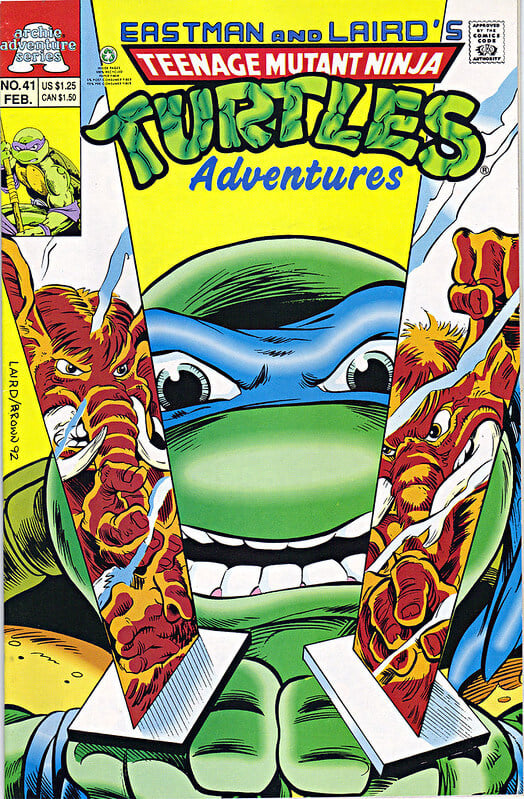
Kevin Eastman and Peter Laird self-published the first Teenage Mutant Ninja Turtles comic in 1984 with a print run of about 3,000 copies. They advertised it in the Comics Buyer’s Guide.
The black and white oversized book looks nothing like the cartoons that followed, which leads many to dismiss it. First printings have brought thousands of dollars, and high grades bring five figures.
Later printings are worth far less. Staining, corner creases, and spine wear on the thin covers affect value strongly.
Few self-published books have ever turned into a merchandise empire of that size.
New Mutants No. 98 and the First Deadpool
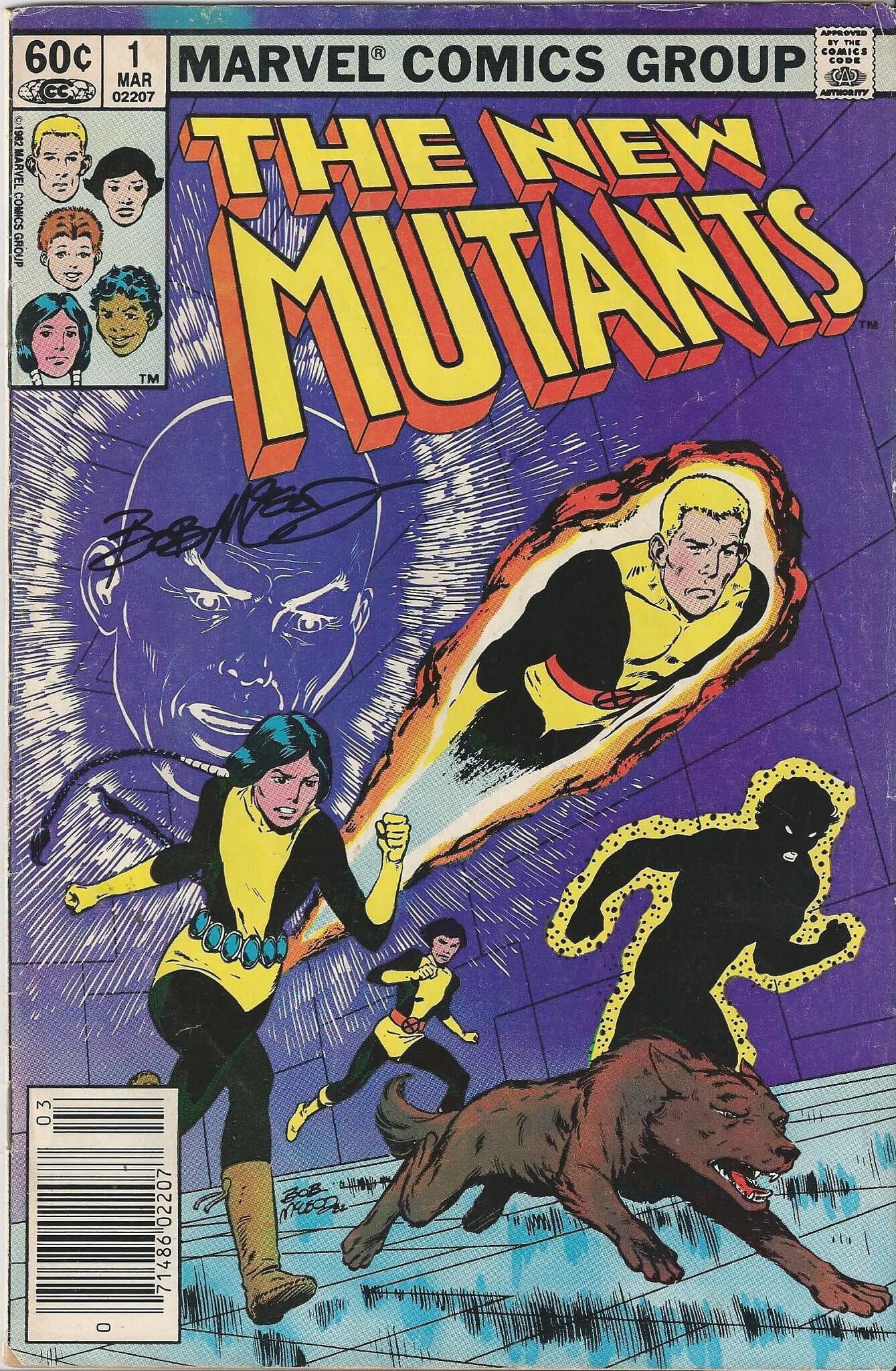
Deadpool first appeared in New Mutants No. 98, dated February 1991, created by Rob Liefeld and Fabian Nicieza. The 1990s speculator boom produced large print runs, so the book turns up constantly.
Raw copies in average condition sell for a couple hundred dollars. The real money sits at the top of the grading scale, where a 9.8 has brought several thousand dollars.
Small spine ticks and corner dings, often invisible to casual sellers, drop copies below that top grade quickly. That gap between a 9.6 and a 9.8 is where most of the money lives.
Batman Adventures No. 12 and the First Comic Book Harley Quinn

Harley Quinn was created for Batman: The Animated Series, and her first comic book appearance came in Batman Adventures No. 12 in September 1993. Because it was a tie-in aimed at younger readers, it was printed in modest numbers and was not saved carefully.
Prices climbed sharply as the character’s popularity grew. Raw copies have brought several hundred dollars, and high-grade examples bring thousands.
The white cover shows handling wear and staining clearly, so condition plays an outsized role in the final figure. Plenty of copies were bought for children and read until the staples loosened.
Newsprint Never Knew It Was Valuable
Every book on this list was printed to be read, traded, and thrown away. The copies that survived did so by accident, tucked under newspapers, sealed in boxes, or forgotten in basements that stayed just dry enough.
Their value comes from that accident as much as from the characters on the covers. That makes storage the quiet hero of comic collecting.
A leaky basement or a rolled-up stack can turn a fortune into scrap in a single season. Anyone inheriting a box of old comics should keep them flat, dry, and away from light, and then call someone who grades them for a living.
More from Go2Tutors!

- The Romanov Crown Jewels and Their Tragic Fate
- 13 Historical Mysteries That Science Still Can’t Solve
- Famous Hoaxes That Fooled the World for Years
- 15 Child Stars with Tragic Adult Lives
- 16 Famous Jewelry Pieces in History
Like Go2Tutors’s content? Follow us on MSN.