28 MLB Cards From the ’80s and ’90s Worth Real Money
Somewhere in a closet, a shoebox of rubber-banded cards has been waiting since the Reagan years. Most of what sits inside is worth less than the rubber bands.
Card companies printed in staggering quantities during this stretch, and collectors still call it the junk wax era for good reason. A small group of cards escaped that fate.
Scarcity, famous printing mistakes, fragile finishes and a handful of Hall of Fame careers pushed certain pieces of cardboard into four, five and even six-figure sales. The catch is almost always the same, and it comes down to corners.
Rickey Henderson’s 1980 Topps Rookie
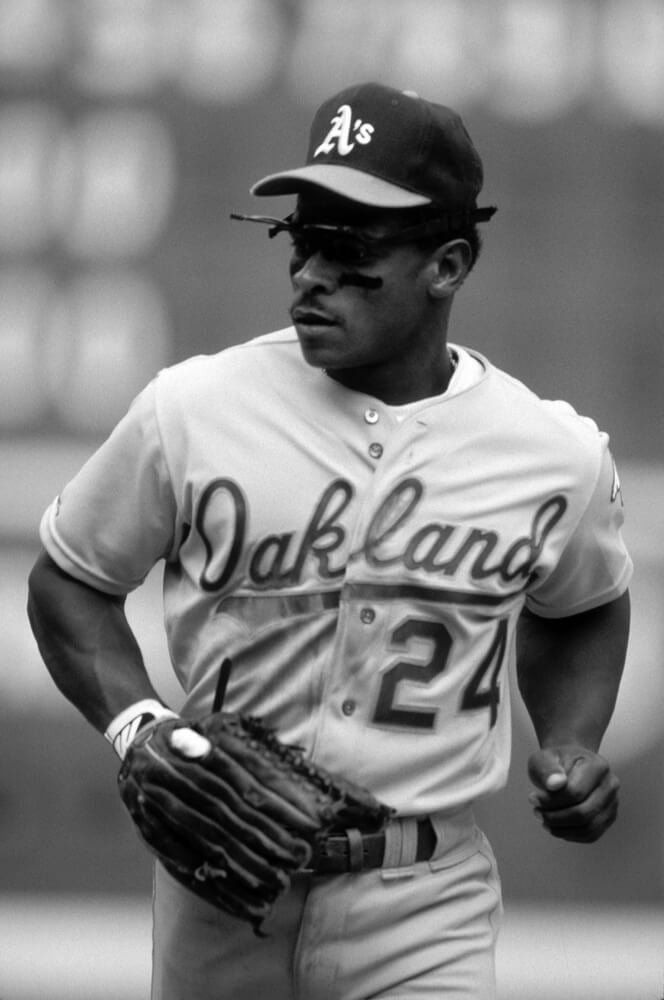
Rickey Henderson’s rookie is card 482 in the 1980 Topps set, and it is the one Hall of Fame rookie that set has to offer. PSA has graded more than 30,000 copies, yet only about two dozen have earned a Gem Mint 10.
That scarcity at the top explains the gulf between an ordinary graded copy worth a few hundred dollars and a perfect one. In January 2026 a PSA 10 sold at Goldin for 183,000 dollars, a record for the card.
The 1980 Topps run is known for centering and print quality problems, so even a slight tilt on the front knocks a copy out of the top tier.
Cal Ripken Jr.’s 1982 Topps Traded Card
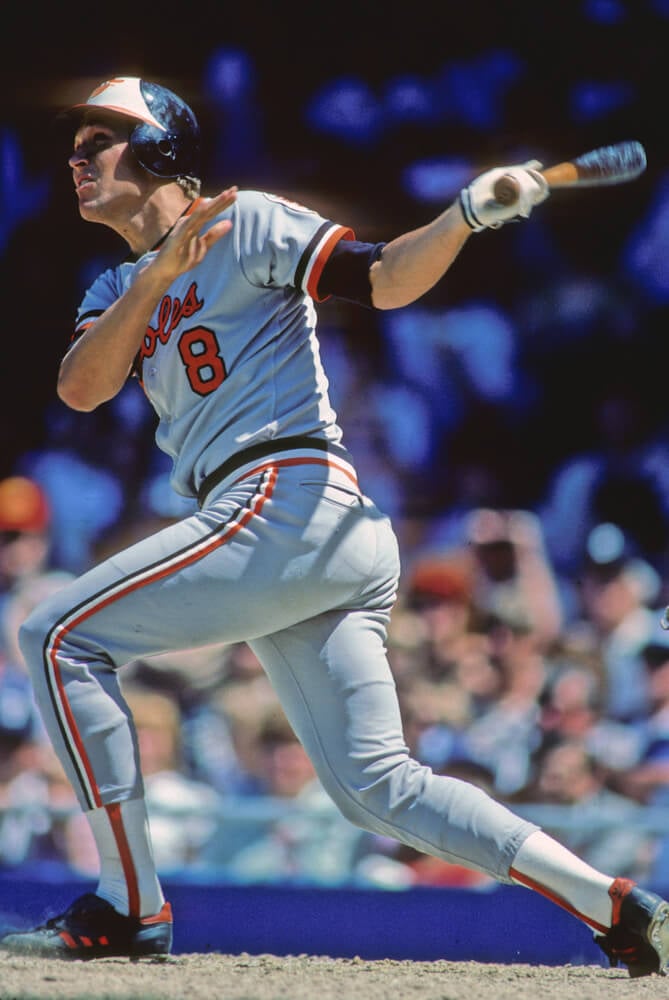
Topps sold its Traded sets as complete boxed sets through hobby dealers, so far fewer copies circulated than the regular issue. Card 98T is the most recognized rookie of Cal Ripken Jr., the Orioles shortstop who later played 2,632 consecutive games.
PSA 10 sales in 2026 have landed between roughly 7,000 and 9,500 dollars, while PSA 9 copies sit near 400 dollars. Ungraded copies with clean edges trade around 150 dollars.
The drop between grades is steep, which means centering and corner wear matter more on this card than on almost anything else from the decade.
Tony Gwynn’s 1983 Topps Rookie
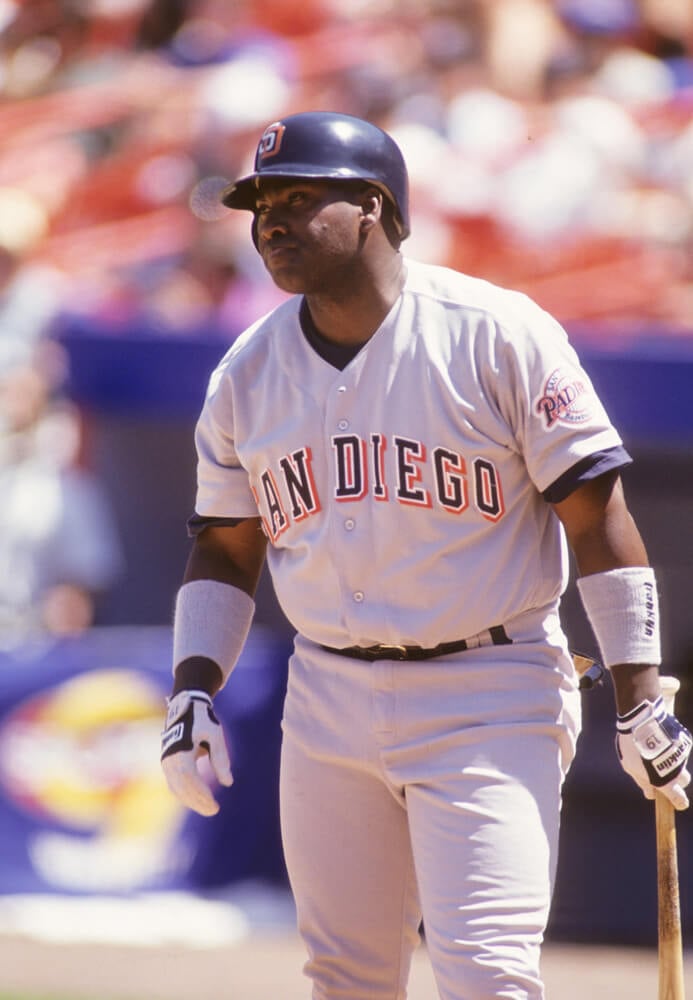
Tony Gwynn won eight batting titles, and his 1983 Topps rookie carries card number 482, the same number Rickey Henderson’s rookie held three years earlier. It is the most graded card in the 1983 issue, with more than 37,000 copies through PSA.
Only about 2 percent reach Gem Mint, which is why a PSA 10 sells for roughly 6,750 to 7,250 dollars while an ungraded copy changes hands for under 20 dollars. Miscut borders and fuzzy corners are the usual culprits.
A family collection with a sharp, well-centered Gwynn inside deserves a closer look before anything gets sold.
Wade Boggs’s 1983 Topps Rookie
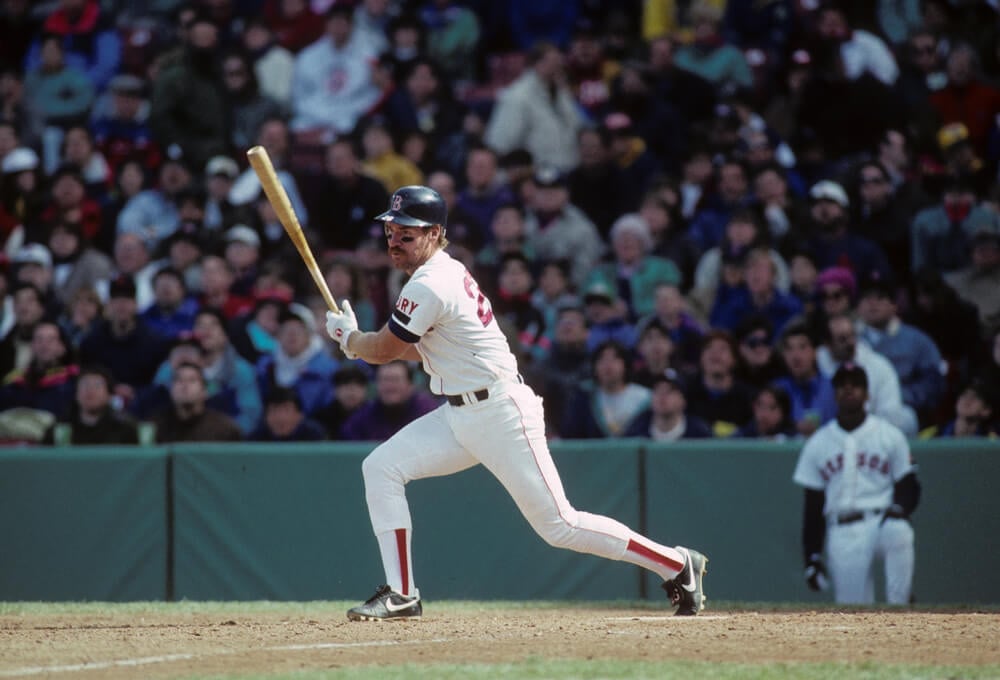
Wade Boggs hit .349 in 104 games as a rookie in 1982, then won the first of his five American League batting titles in 1983 with a .361 average. His Topps rookie, card 498, has always trailed Gwynn’s on price, though not by much.
A PSA 10 sold for 3,650 dollars in April 2026, and price guides place the card near 4,250 dollars at the top grade. Fewer than 2 percent of submitted copies earn that mark.
A PSA 9 drops below 200 dollars, a reminder that a single rough corner separates a nice card from a serious one.
Ryne Sandberg’s 1983 Topps Rookie
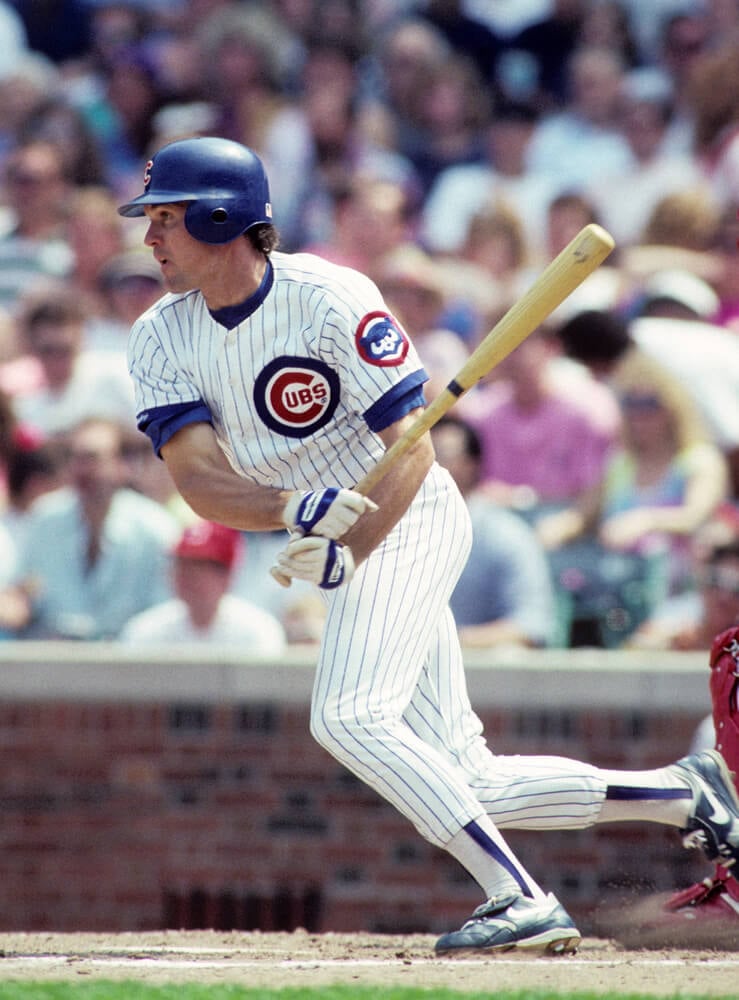
The Cubs acquired Ryne Sandberg from the Phillies in early 1982 as a secondary piece of a trade for Ivan DeJesus, and he repaid them with nine Gold Gloves and a Hall of Fame plaque. His 1983 Topps rookie, card 83, completes the set’s famous rookie trio.
A PSA 10 sold for about 1,630 dollars in April 2026, and guides value it between 2,000 and 2,400 dollars. Ungraded copies sit near 15 dollars.
That steep climb from raw to gem shows how much of this card’s value lives in sharp corners and a clean, even border.
Darryl Strawberry’s 1983 Topps Traded Rookie
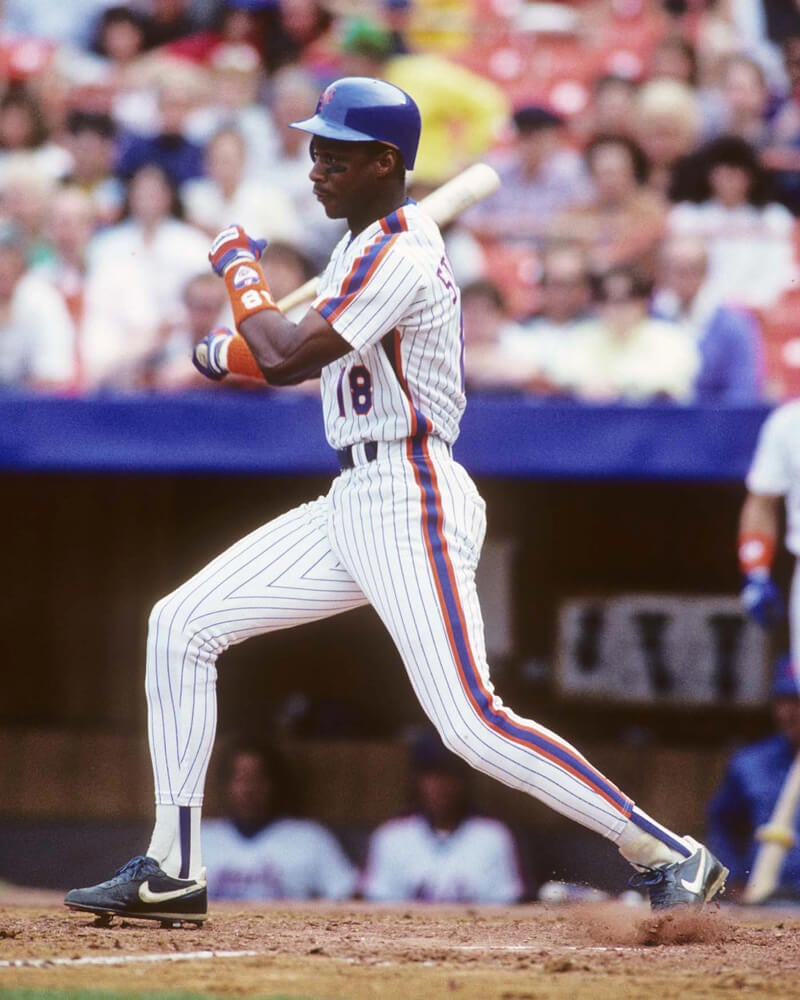
Darryl Strawberry was the first overall pick of the 1980 draft, and his 1983 Topps Traded card, 108T, became one of the famous cards of the decade after the Mets slugger won Rookie of the Year. Like other Traded issues, it came only in boxed sets, which kept supply limited.
The frenzy cooled as his career unraveled, but the card still carries weight with collectors of the era. Recent PSA 10 sales average around 750 dollars, while a well-worn PSA 4 sits near 40 dollars.
Clean corners are what keep this one in real-money territory.
Don Mattingly’s 1984 Donruss Rookie
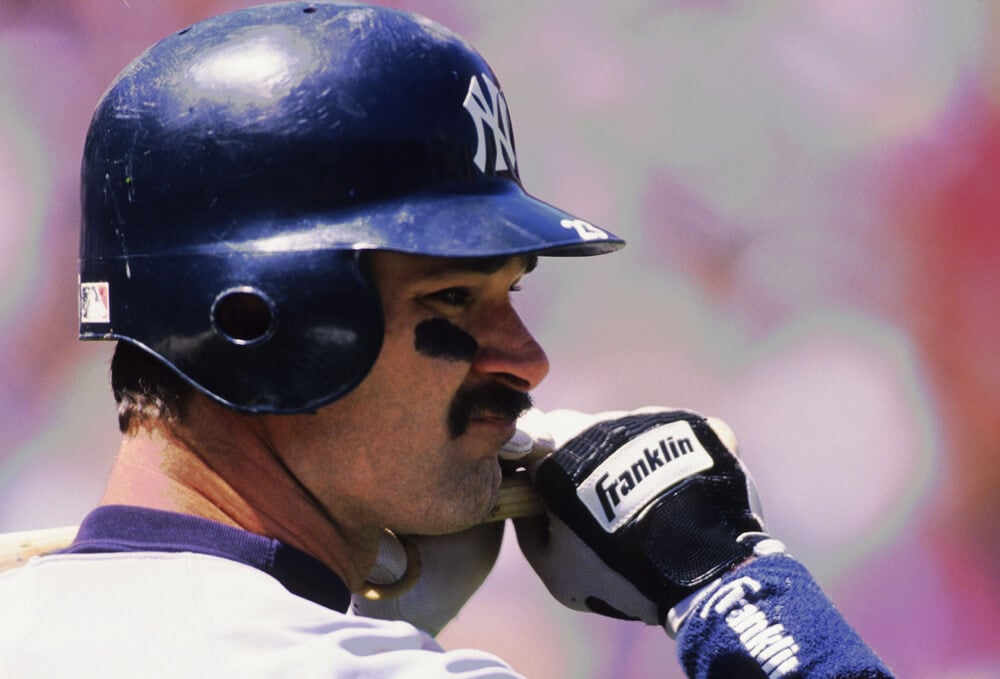
Donruss printed a shorter run of its 1984 set than the mass-produced issues that followed, and Don Mattingly’s card 248 became the rookie that powered the mid-1980s card boom. Mattingly led the American League with 207 hits and a .343 average that season, then won the 1985 MVP award.
More than 14,900 copies have been graded by PSA, and only about 2.3 percent made Gem Mint. PSA 10 sales reached roughly 8,000 dollars in August 2026.
Centering is the main enemy here, and an off-center copy in otherwise perfect shape loses most of its value.
Roger Clemens in 1984 Fleer Update
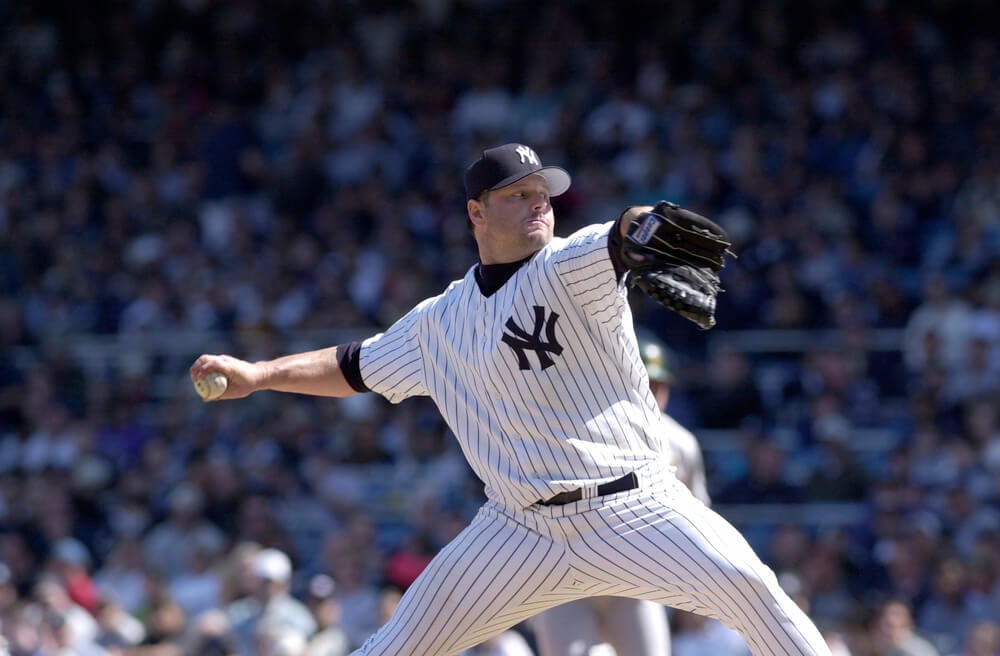
Fleer’s 1984 Update series reached collectors as complete boxed sets sold through hobby dealers, not in packs at the corner drugstore. That limited release makes card U-27 the scarce true rookie of Roger Clemens, who went on to win seven Cy Young Awards.
PSA values the card at 2,000 dollars and up in Gem Mint, and at roughly 425 dollars in PSA 9. Ungraded singles and complete sets surface at card shows regularly.
Sets kept sealed or untouched bring the strongest prices, since years of shuffling through binders wear down edges fast.
Kirby Puckett in 1984 Fleer Update
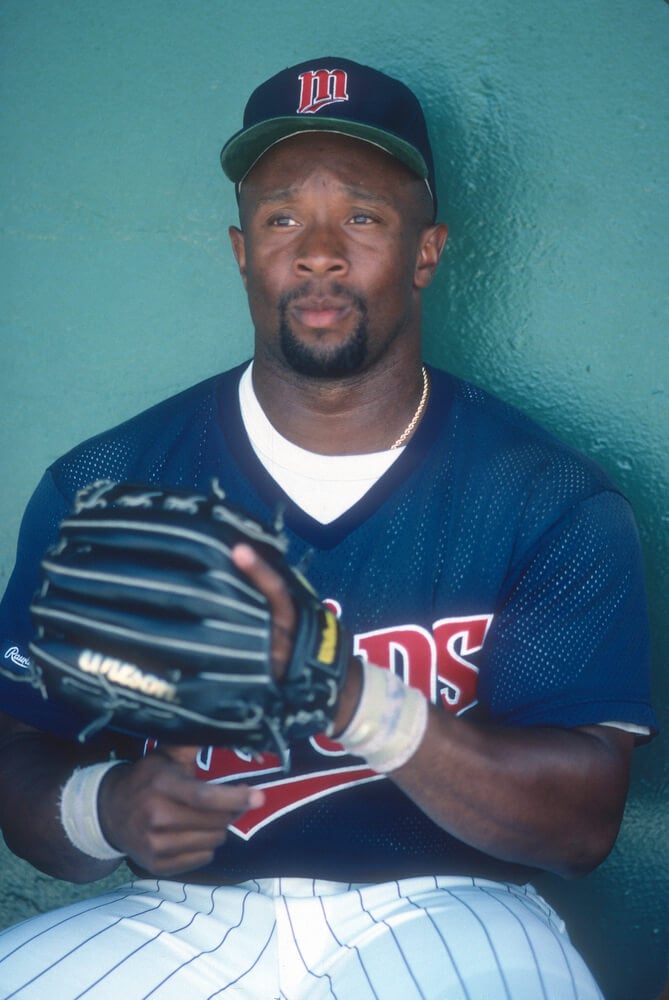
Kirby Puckett’s card U-93 sits in the same scarce 1984 Fleer Update set that holds the Clemens rookie. Puckett spent 12 seasons with the Twins, won two World Series titles and reached Cooperstown in 2001 after glaucoma cut his career short.
PSA’s guide puts a Gem Mint 10 near 1,000 dollars, with PSA 9 copies around 315 dollars. His more common 1985 Topps rookie sells for a fraction of that.
The Update card’s white borders show every nick and smudge, so buyers pay a clear premium for copies with crisp edges.
Mark McGwire’s 1985 Topps Olympic Rookie
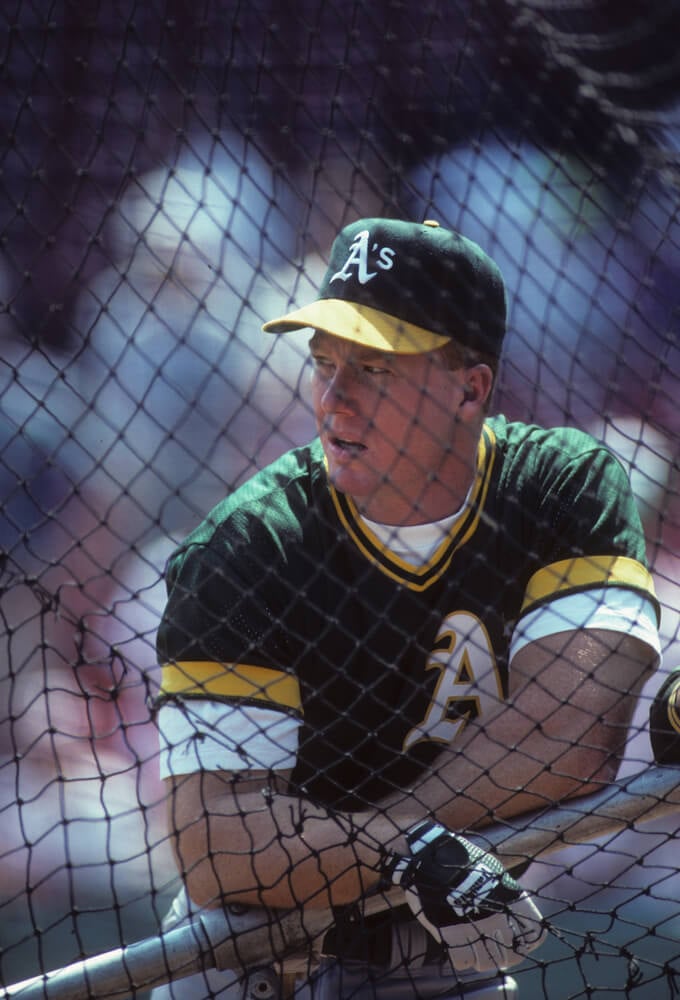
Mark McGwire’s first Topps card, number 401, shows him in a 1984 U.S. Olympic team uniform rather than Oakland green. The 1998 home run chase sent it soaring, and it has cooled since, yet it remains a cornerstone of the decade.
Only about 0.6 percent of graded copies earn a PSA 10, and those generally sell for 700 to 1,800 dollars. A PSA 9 falls to roughly 200 dollars.
Print defects and dull gloss are common on 1985 Topps, so a sharp, clean copy is rarer than the huge print run suggests.
Jose Canseco’s 1986 Donruss Rated Rookie
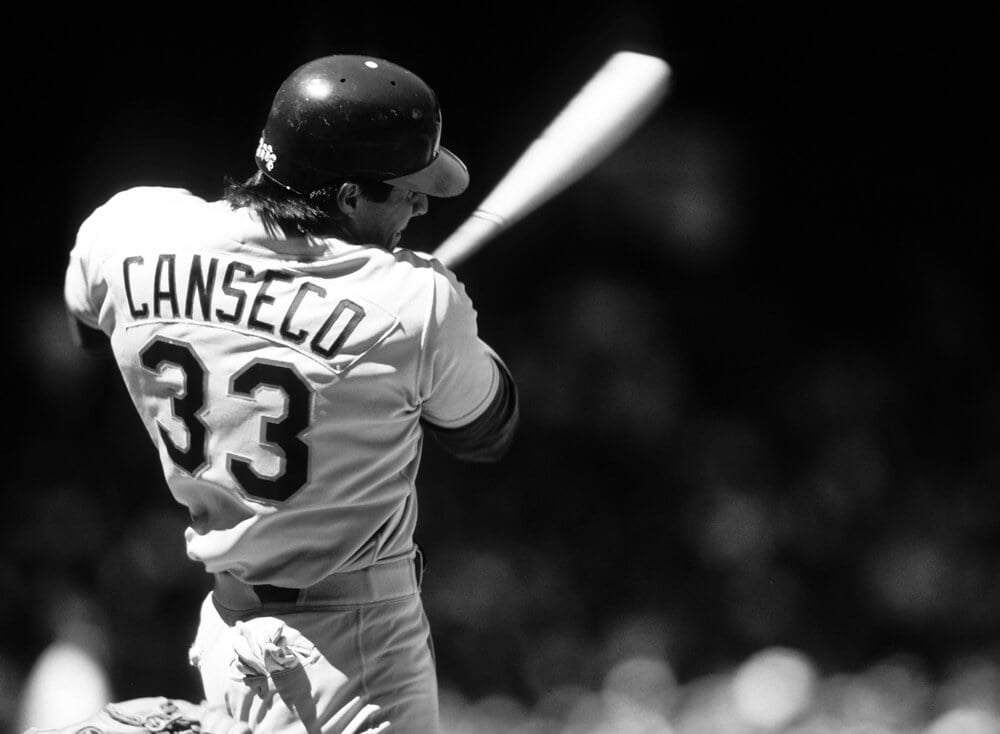
Card 39 in 1986 Donruss carries the blue Rated Rookie logo and a young Jose Canseco, two years before he became the first player to reach 40 home runs and 40 stolen bases in one season. It was the card every collector wanted in the late 1980s.
PSA 10 copies have recently sold between roughly 800 and 1,000 dollars, while raw copies trade near 15 dollars. The 1986 Donruss design uses dark blue borders that chip at the slightest touch.
That fragility holds the Gem Mint rate near 7 percent, so edge wear decides which copies carry real value.
Bo Jackson’s 1986 Topps Traded Rookie
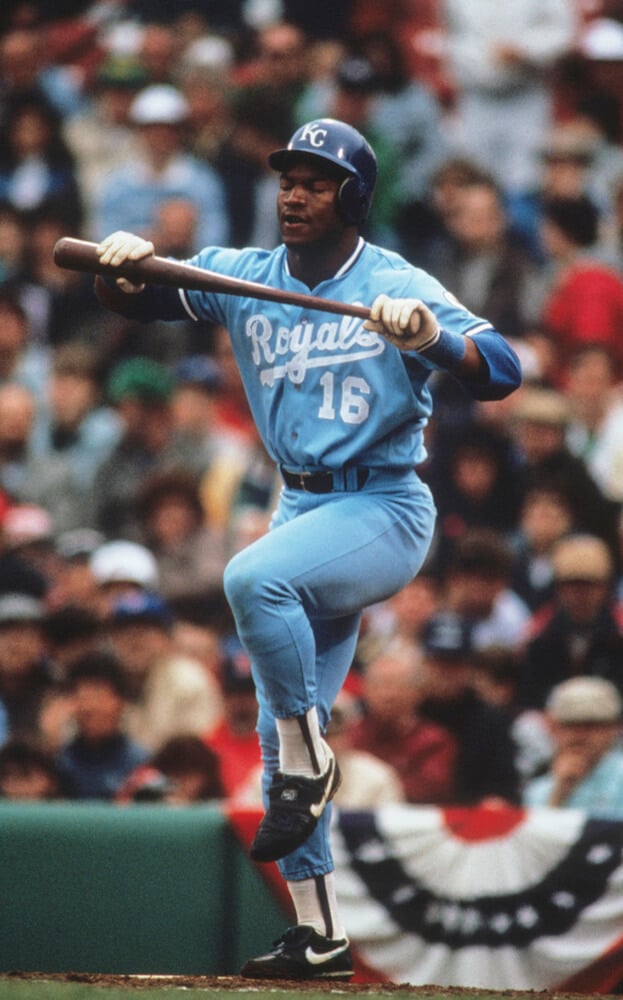
Bo Jackson won the Heisman Trophy at Auburn, signed with the Kansas City Royals, and later spent his off-seasons as a running back for the Los Angeles Raiders. His 1986 Topps Traded card, 50T, is the key rookie from that two-sport run.
Ungraded copies still sell for around 10 dollars, yet PSA 10 examples have recently traded between about 1,500 and 2,200 dollars. The glossy Tiffany version is far scarcer, and a PSA 10 of it sold for 30,000 dollars in May 2021.
Every one of those prices depends on razor-sharp corners and even borders.
Barry Bonds in 1986 Topps Traded Tiffany
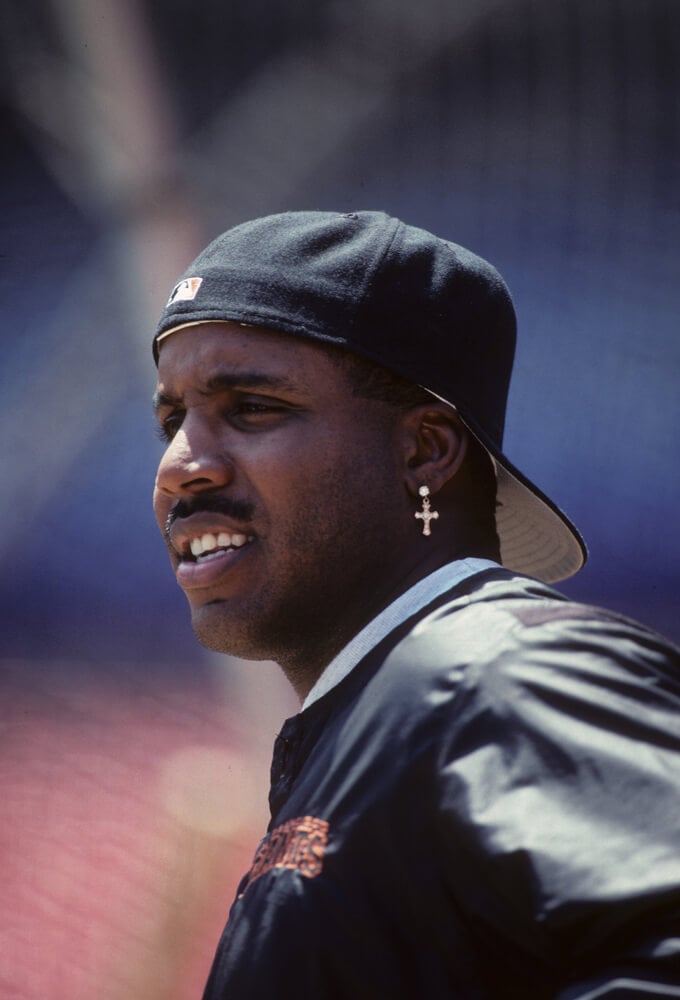
Topps produced limited Tiffany editions of its sets during the 1980s, printed on bright white stock with a high-gloss finish and sold only as boxed sets. Barry Bonds’s card 11T from the 1986 Traded Tiffany set is the chase version of his rookie.
A PSA 10 sold for 14,030 dollars at Heritage in October 2025, and recent sales have run between about 13,000 and 15,000 dollars. The standard Traded version sells for roughly 850 to 950 dollars in the same grade.
Tiffany cards are easy to confuse with regular issues, so the glossy finish matters as much as condition.
Greg Maddux’s 1987 Donruss Rated Rookie
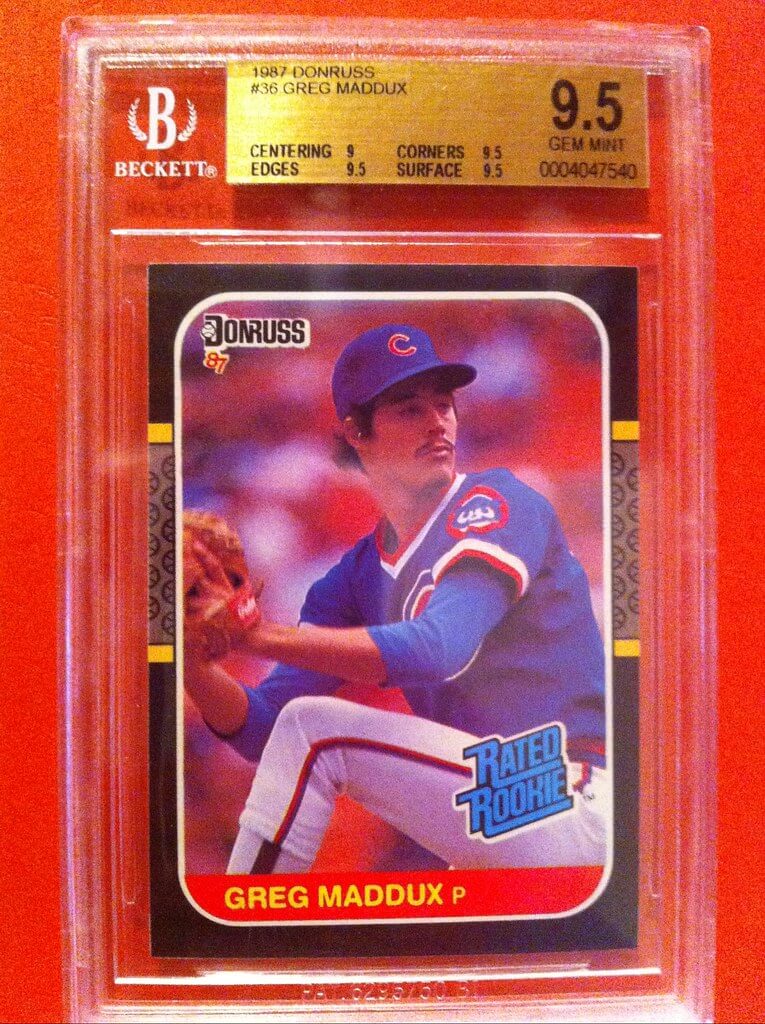
Greg Maddux won 355 games and four straight Cy Young Awards from 1992 to 1995, and his 1987 Donruss card 36 is his best-known rookie. The 1987 Donruss design wraps each card in black borders, and black borders reveal every chip.
That is why a PSA 10 sells for roughly 450 to 600 dollars while raw copies go for under 10 dollars. The Canadian 1987 Leaf version looks nearly identical but is scarcer, with PSA 10 examples valued near 1,250 dollars.
The logo on the front is the fastest way to tell the two apart.
Ken Griffey Jr.’s 1989 Upper Deck Rookie
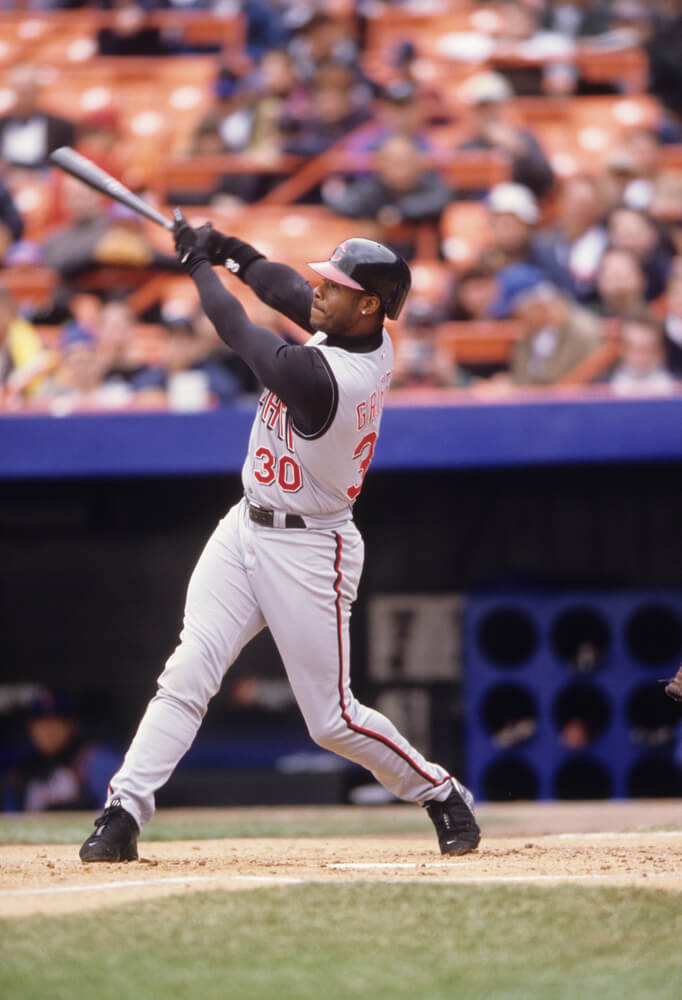
Upper Deck launched its first set in 1989 with white stock, sharp photography and an anti-counterfeiting hologram on the back, then placed a 19-year-old Ken Griffey Jr. at card number 1. Griffey went on to hit 630 home runs, and the card became the face of the era.
PSA 10 copies generally sell for 1,500 to 3,000 dollars, and fewer than 4 percent of submissions earn that grade. Counterfeits exist, so a genuine hologram matters.
Surface scratches and soft corners drag most copies down to PSA 8 or 9 territory, where prices fall to a few hundred dollars.
Gary Sheffield’s 1989 Upper Deck Upside-Down Error

Gary Sheffield’s 1989 Upper Deck rookie, card 13, comes in two versions, and the difference is two tiny letters. On the error copies, the SS position designation on the front is printed upside down, a mistake Upper Deck later corrected.
A PSA 10 of the standard card sells for about 25 to 35 dollars, while the upside-down version has brought roughly 400 to 600 dollars at the same grade. Sheffield finished his career with 509 home runs, which keeps demand steady.
Condition still rules, and a scuffed error copy sells for a small slice of a clean one.
Randy Johnson’s 1989 Upper Deck Star Rookie
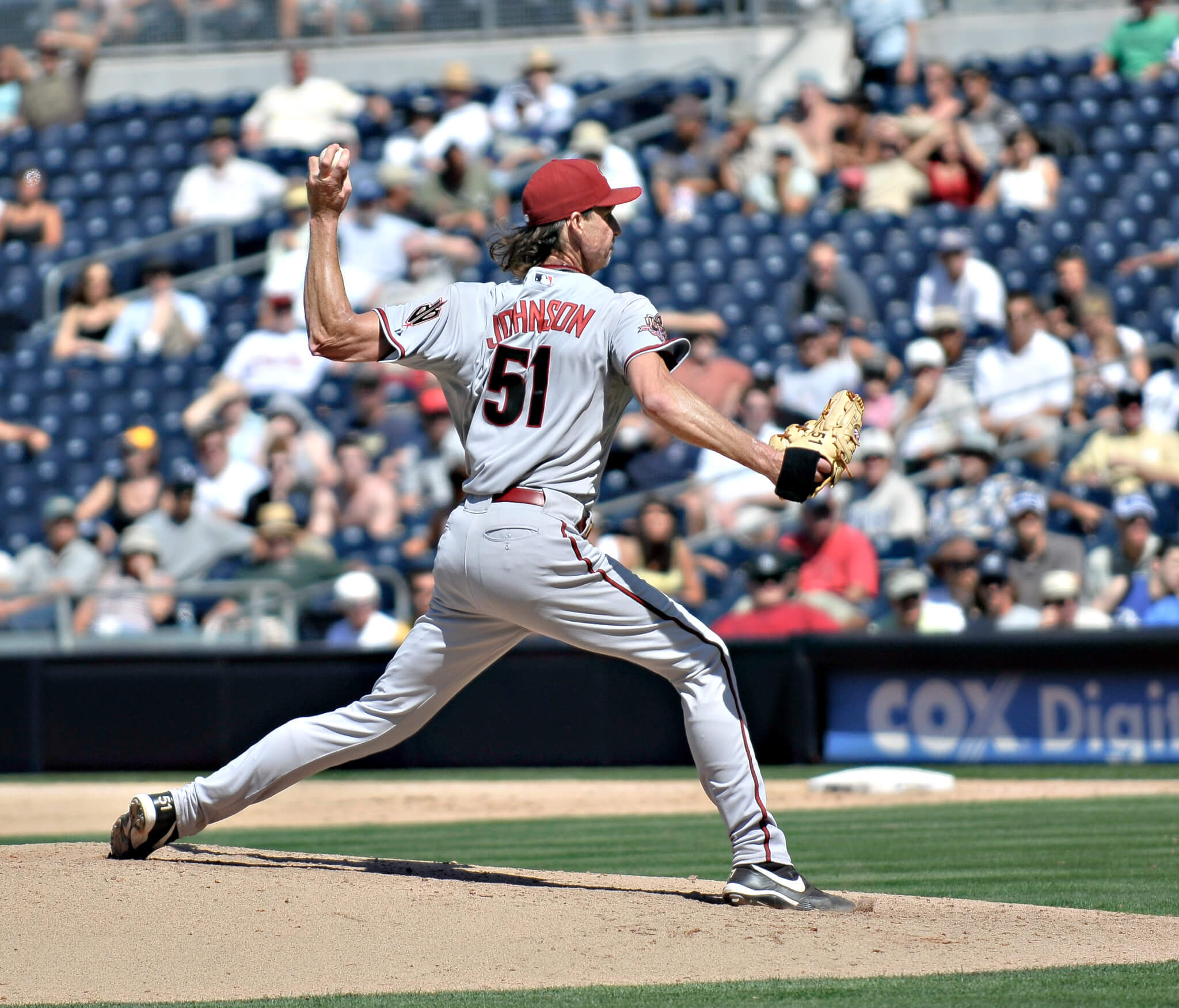
Randy Johnson stood 6 feet 10 inches, won five Cy Young Awards and threw a perfect game at 40, yet his rookie cards stayed cheap for decades. His 1989 Upper Deck Star Rookie, card 25, sold for under 25 dollars in PSA 10 for years.
Recent Gem Mint sales in 2026 have climbed to around 220 to 250 dollars. The scarcer 1989 Topps Traded Tiffany card, 57T, is valued near 1,000 dollars in PSA 10.
Condition decides everything here, since more than 5,500 PSA 10 copies of the Upper Deck card already exist and anything less than perfect sells for pocket change.
Bill Ripken’s 1989 Fleer Bat Knob Error
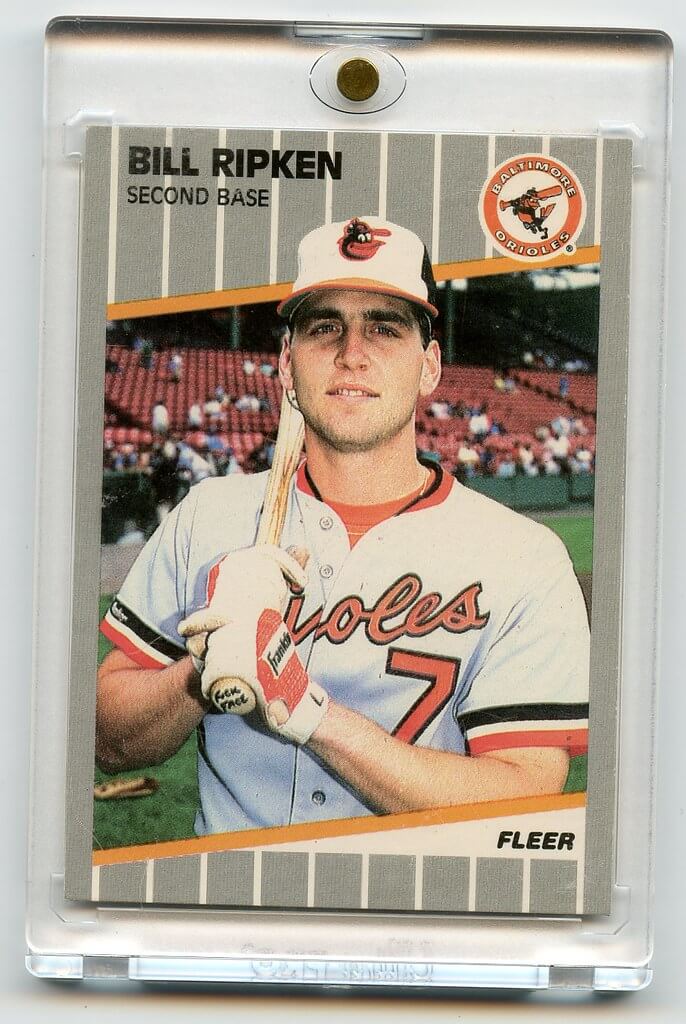
Bill Ripken’s 1989 Fleer card, 616, went out with an obscenity written on the knob of his bat, and Fleer scrambled to cover it. The result is a family of variations: the original uncensored card, a black box, black scribbles, whiteout and white scribbles.
The original sells for about 1,200 to 1,300 dollars in PSA 10, while the two white versions are the scarce ones, valued near 7,000 to 8,000 dollars at that grade. Decades later, Ripken admitted he wrote the phrase himself.
Only a few hundred copies of each white version have been graded, so condition swings those prices hard.
Frank Thomas’s 1990 Topps No Name on Front

A printing flaw left a small number of 1990 Topps Frank Thomas rookies, card 414, without his name on the front. The regular version is worth very little.
The error is another story entirely. A PSA 10 sold for 170,400 dollars in 2022, and a PSA 8 brought 14,800 dollars in August 2025.
The blank space where the name should be is the only tell, and fakes have circulated, so authentication matters. Even midgrade copies sell well, but corner wear and print spots cut into the price quickly on a card that already looks plain.
Chipper Jones’s 1991 Topps Desert Shield
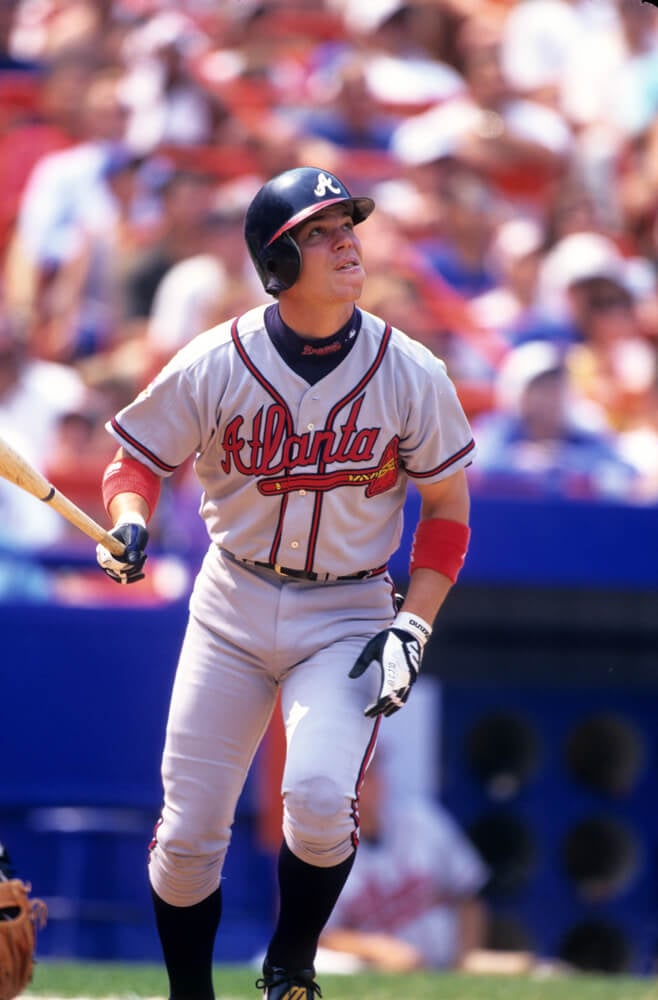
In 1991 Topps shipped special copies of its base set to U.S. troops during the Gulf War, each marked with a gold foil Desert Shield emblem on the front. A Topps memo from December 1990 put production at just 500 cases.
The top card in the set is the rookie of Chipper Jones, card 333, showing the Braves’ first overall pick of the 1990 draft. A PSA 10 sold for 13,315 dollars in 2018, the highest public sale at that point.
Cards carried to the Middle East took real punishment, so dinged corners and chipped edges are the norm and clean copies are scarce.
Michael Jordan’s 1991 Upper Deck Short Print
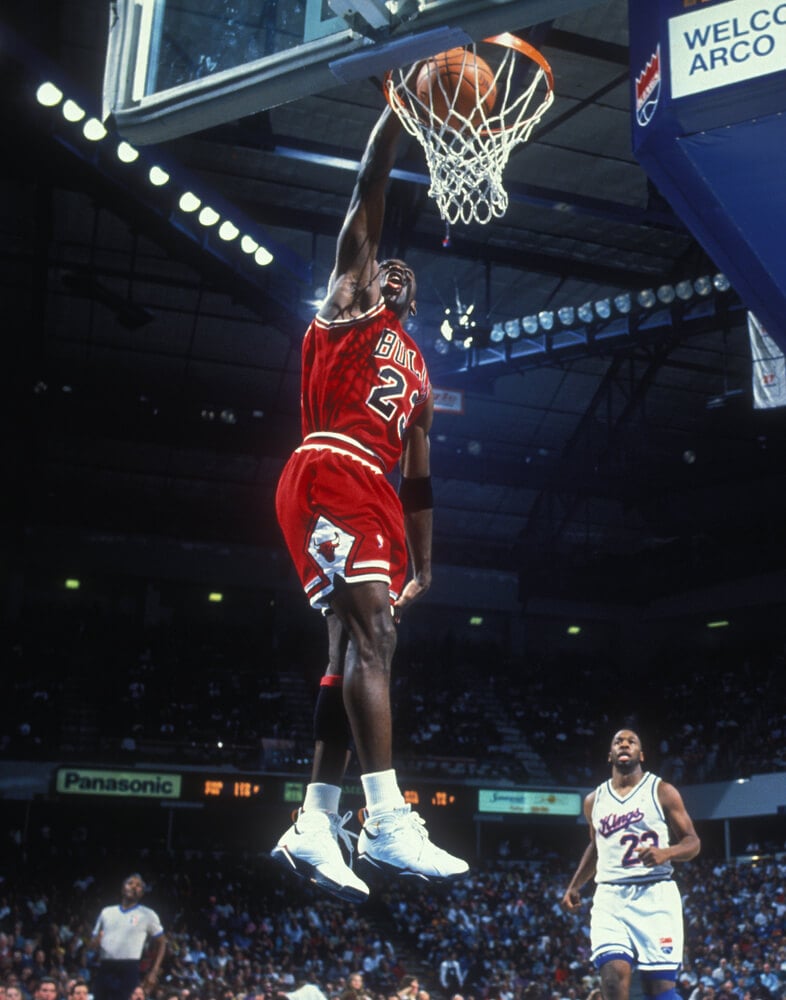
On July 25, 1990, Michael Jordan took batting practice with the White Sox at Comiskey Park and hit two home runs. Upper Deck used that moment for card SP1 in its 1991 set, years before Jordan signed with the organization in 1994.
Ungraded copies still sell for 10 to 20 dollars, but PSA 10 examples have traded around 1,300 to 1,700 dollars through 2026. More than 37,000 copies have been graded, and only about 8.5 percent landed a Gem Mint grade.
Surface scratches and off-center fronts account for most of the rest.
Mariano Rivera’s 1992 Bowman Rookie
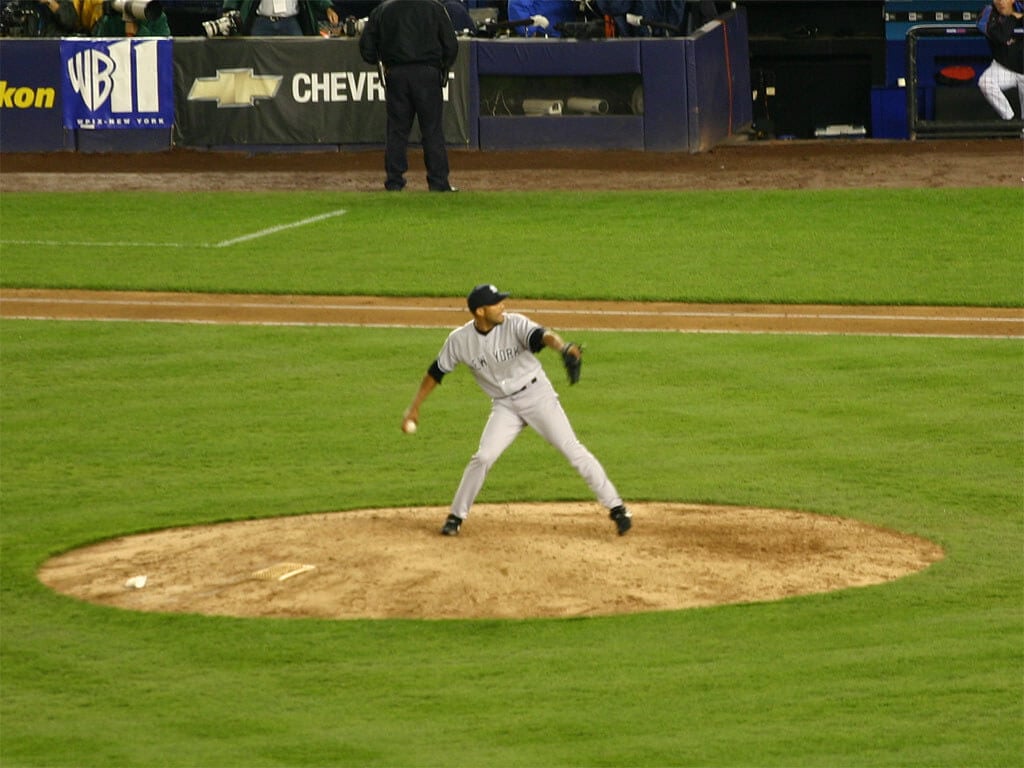
Mariano Rivera became the first unanimous Hall of Fame selection in 2019, and his 1992 Bowman card, 302, is the rookie collectors chase. Rivera was an unheralded minor league pitcher when the set came out, long before he saved 652 games for the Yankees.
PSA 10 copies sell for about 550 to 750 dollars, with ungraded copies near 70 dollars. Roughly 16 percent of submissions earn the top grade, which keeps prices steady rather than explosive.
Scuffed surfaces and soft corners pull many copies down into the PSA 8 range, where values drop close to raw prices.
Mike Piazza’s 1992 Fleer Update Rookie
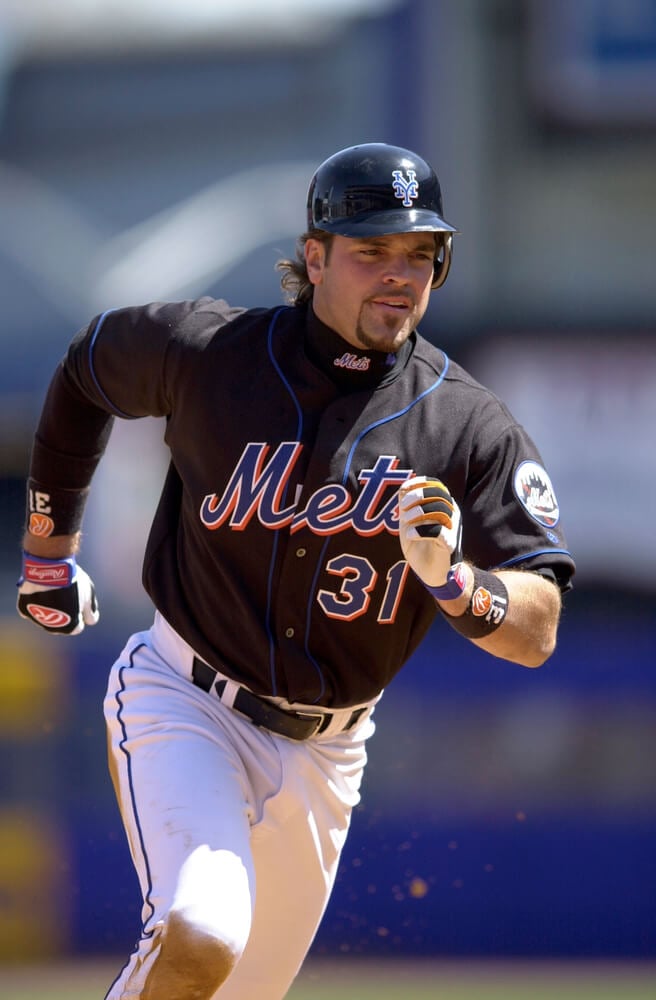
The Dodgers drafted Mike Piazza in the 62nd round in 1988, partly as a favor to family friend Tommy Lasorda, and he retired as one of the greatest hitting catchers ever. His 1992 Fleer Update card, U-92, came in a boxed set with limited distribution and is widely considered his key rookie.
PSA 10 copies have recently sold between about 325 and 500 dollars, and the PSA 10 population sat under 800 in late 2023. Ungraded copies trade around 100 dollars.
Centering and edge wear decide which end of that range a copy lands on.
Derek Jeter’s 1993 SP Foil Rookie
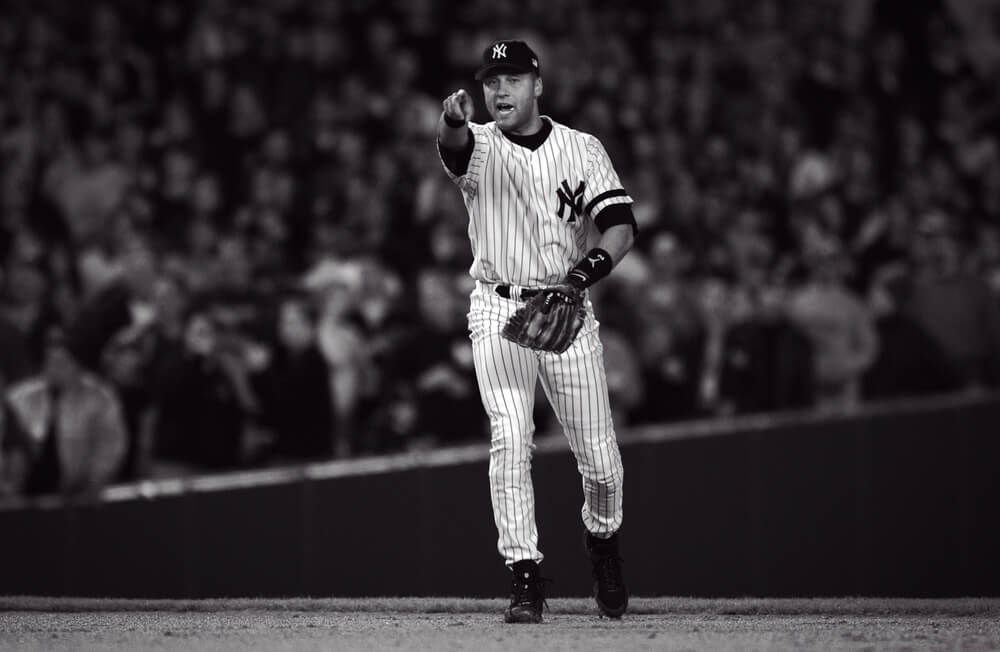
Upper Deck’s 1993 SP set wrapped its fronts in foil, and that foil chips, creases and scratches at the lightest touch. Derek Jeter’s rookie, card 279, became the defining card of the 1990s partly because of it.
Only 22 of more than 26,400 copies graded by PSA have earned a 10. One of those sold for 280,600 dollars at Heritage in March 2026.
A clean PSA 8 still brings several hundred dollars, while chipped copies sell for far less. The edges tell the story, and most copies show visible wear along the foil border.
Nolan Ryan’s 1993 Finest Refractor
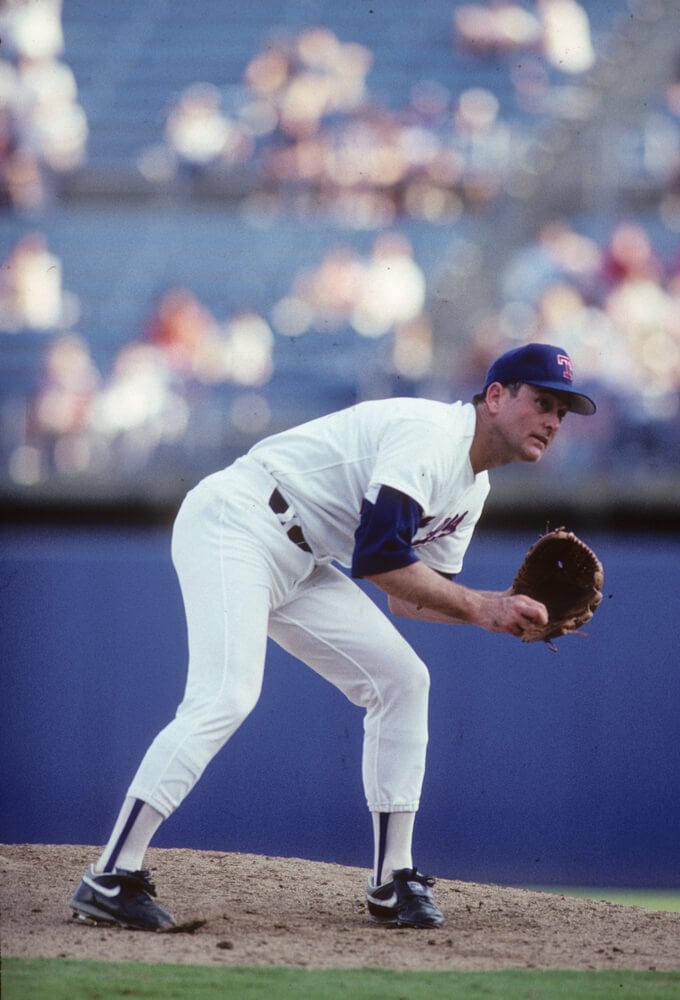
Topps introduced the refractor with its 1993 Finest set, a rainbow-sheen parallel of the chromium base cards. The company produced just 4,000 cases of 1993 Finest, and only about 200 refractors exist for each player.
Nolan Ryan’s refractor holds the set’s record sale at 34,800 dollars for a PSA 10. A Ken Griffey Jr. refractor in PSA 10 topped 18,000 dollars in 2023.
The chromium surface shows scratches and print lines easily, and clean refractors are hard to find, so grade drives nearly every price in this set.
Alex Rodriguez’s 1994 SP Rookie
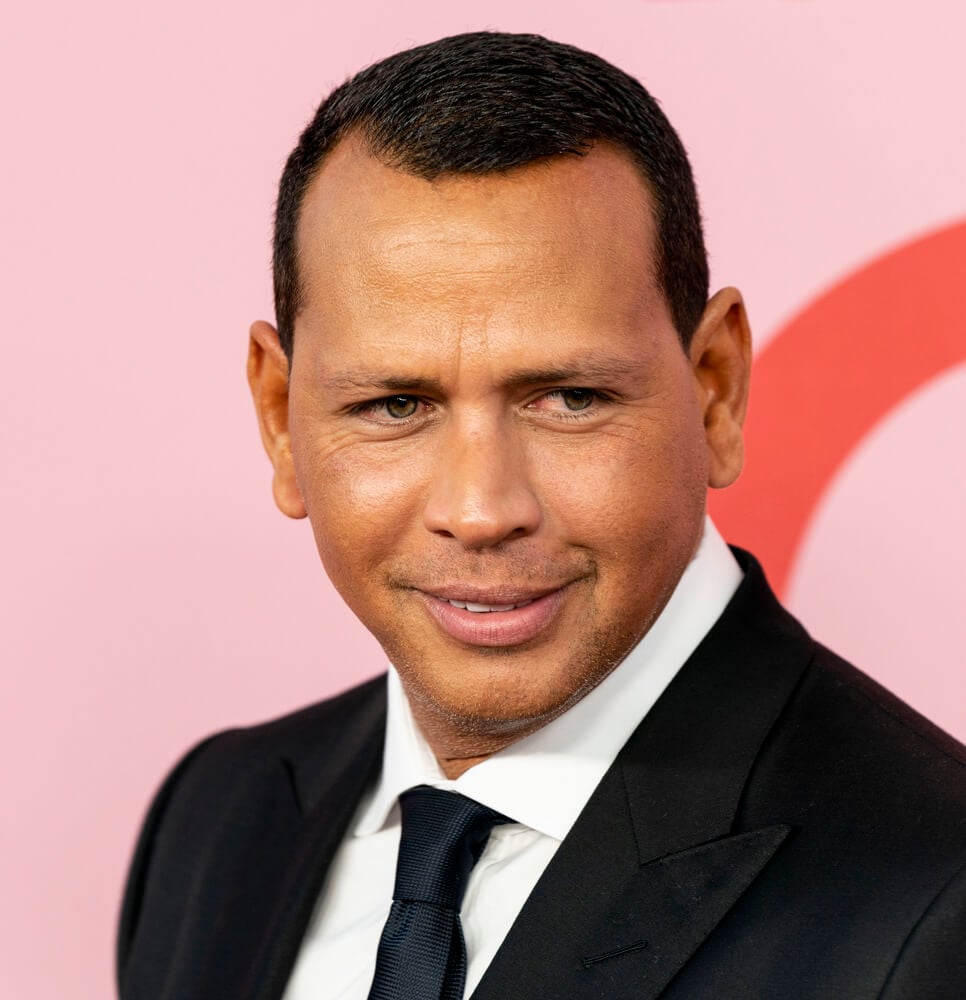
Upper Deck’s SP brand used the same fragile foil in 1994, and the Alex Rodriguez rookie, card 15, inherited the Jeter problem. PSA has graded more than 18,000 copies and awarded a 10 to only 60.
Gem Mint examples are valued around 11,000 dollars. A die-cut parallel sold for just under 120,000 dollars in PSA 10 during the 2021 boom.
Rodriguez’s numbers are huge and his reputation is complicated, but collectors still treat this as the key rookie of the mid-1990s. Chipping on the foil front sets the price of almost every copy.
Select Certified Mirror Gold Parallels
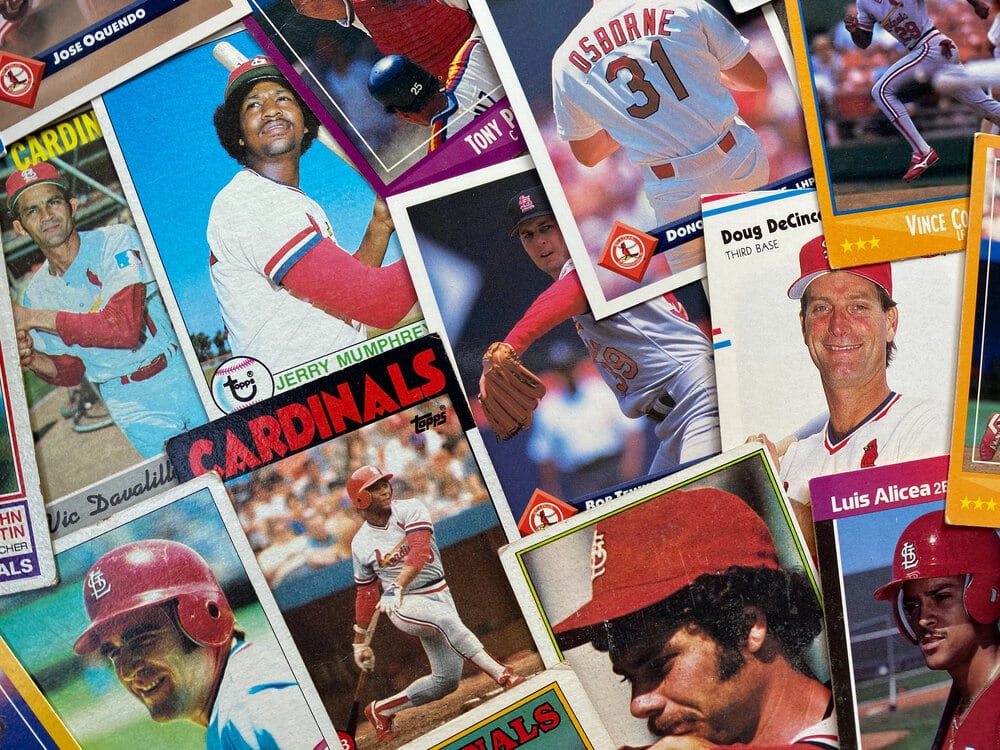
Pinnacle’s 1996 Select Certified set offered six tiers of parallels, and the Mirror Gold tier was the rarest, with only 30 copies of each card. That tiny print run turned an ordinary star card into a serious find.
Derek Jeter’s Mirror Gold, card 100, sold for 202,102 dollars in 2019 and brought 288,000 dollars in 2023, the highest price for any 1990s insert. Cal Ripken Jr.’s Mirror Gold has topped 7,000 dollars in PSA 10.
The delicate gold surface makes high grades rare, and even a small scratch lowers a copy’s price sharply.
Roy Halladay’s 1997 Bowman Chrome Rookie
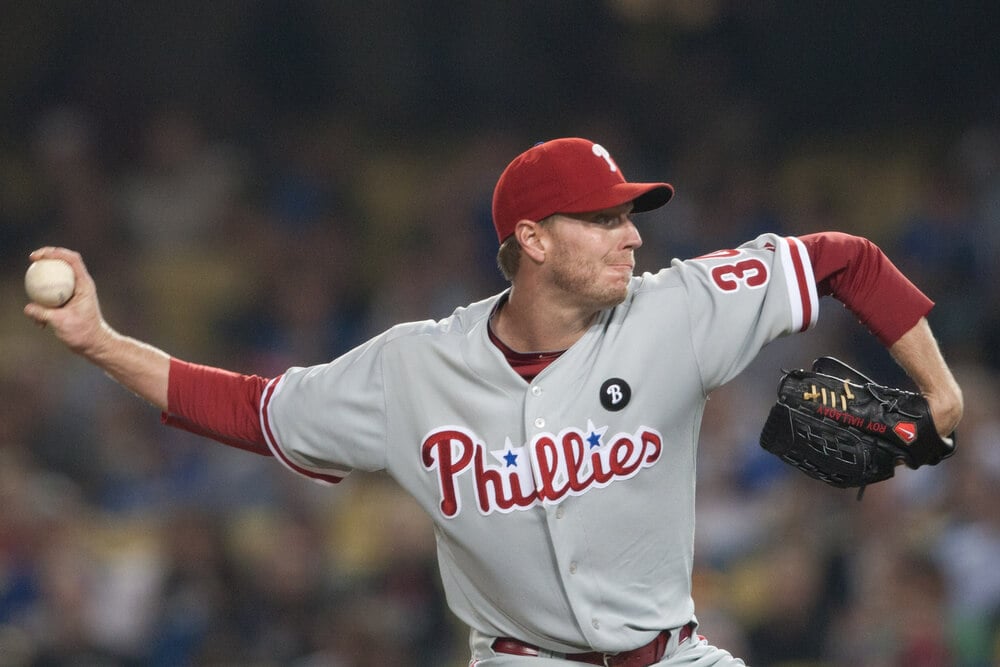
Roy Halladay threw a perfect game and a postseason no-hitter in 2010, and he entered the Hall of Fame in 2019. His 1997 Bowman Chrome card, 212, is his best-known rookie.
PSA 10 copies of the base card sell for roughly 500 to 725 dollars. The set also includes refractor and International versions, the latter printed over a flag background, and the International Refractor has sold for 250 to 400 dollars ungraded.
Chrome surfaces show scratches and print lines easily, so a clean, well-centered copy earns a real premium over a worn one.
Condition Was Always the Real Rookie
Most of these cards came from sets printed in enormous numbers, and most surviving copies are still worth pocket change. The money sits in a thin slice at the top, where centering, corners, edges and surfaces all line up.
A Gwynn rookie that sells for 15 dollars and one that sells for 7,000 dollars came off the same press run. That makes the old shoebox worth a careful look rather than a quick dump at a yard sale.
Scarce parallels, famous mistakes and fragile foil produced the biggest prices, but grading turned condition into a number buyers could trust. The childhood habit of sliding cards into plastic pages instead of bicycle spokes is what finally paid off.
More from Go2Tutors!

- The Romanov Crown Jewels and Their Tragic Fate
- 13 Historical Mysteries That Science Still Can’t Solve
- Famous Hoaxes That Fooled the World for Years
- 15 Child Stars with Tragic Adult Lives
- 16 Famous Jewelry Pieces in History
Like Go2Tutors’s content? Follow us on MSN.



