Towns With Extremely Long Names
Some towns have names so long that road signs can barely fit them. These aren’t just random collections of letters thrown together for fun.
Many of these lengthy place names tell stories about the land, honor historical figures, or preserve ancient languages that packed entire sentences into single words. The longest town names in the world can have dozens of letters, and the people who live there have gotten creative about dealing with them in everyday life.
Let’s look at some places where saying the town name requires taking a breath midway through.
Llanfairpwllgwyngyllgogerychwyrndrobwllllantysiliogogogoch

This Welsh village holds the record for the longest official place name in Europe at 58 letters. The name translates to ‘St Mary’s Church in the hollow of the white hazel near a rapid whirlpool and the Church of St. Tysilio near the red cave.’
Local residents just call it Llanfairpwll or Llanfair PG to save time. The town deliberately adopted this extremely long name in the 1860s as a publicity stunt to attract tourists, and it worked better than anyone expected.
Today, the train station sign is a major photo opportunity, and the town has built a whole tourism industry around having an unpronounceable name.
Taumatawhakatangihangakoauauotamateaturipukakapikimaungahoronukupokaiwhenuakitanatahu
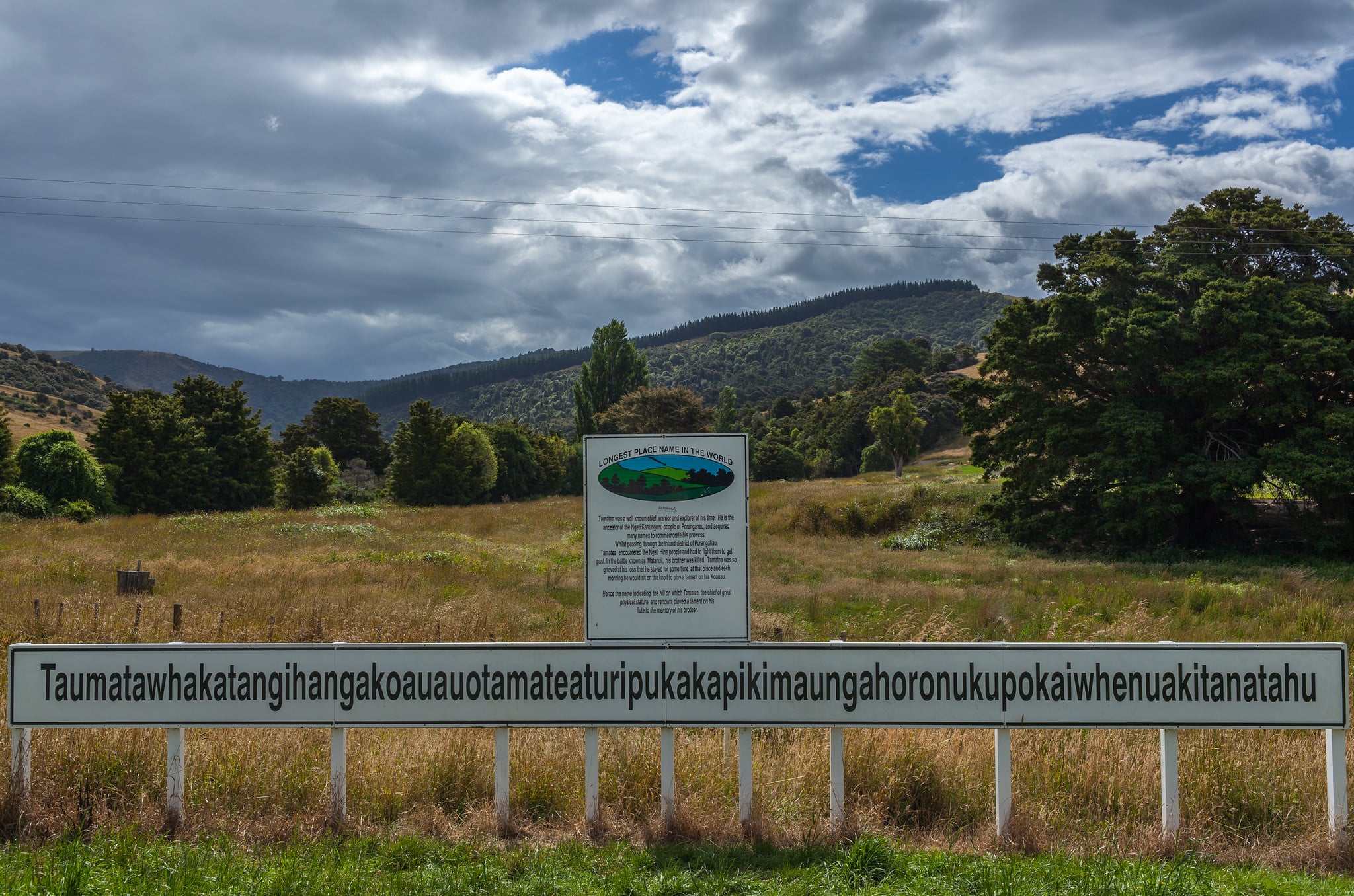
This New Zealand hill has a Maori name stretching to 85 letters, making it the longest place name in the world. The name roughly translates to ‘The summit where Tamatea, the man with the big knees, the slider, climber of mountains, the land-swallower who travelled about, played his nose flute to his loved one.’
Local people call it Taumata for short because nobody has time for all that. The name tells an entire legend in one word, which is common in Maori naming traditions.
Road signs in the area just say ‘Taumata Hill’ because fitting the full name would require a billboard.
Chargoggagoggmanchauggagoggchaubunagungamaugg
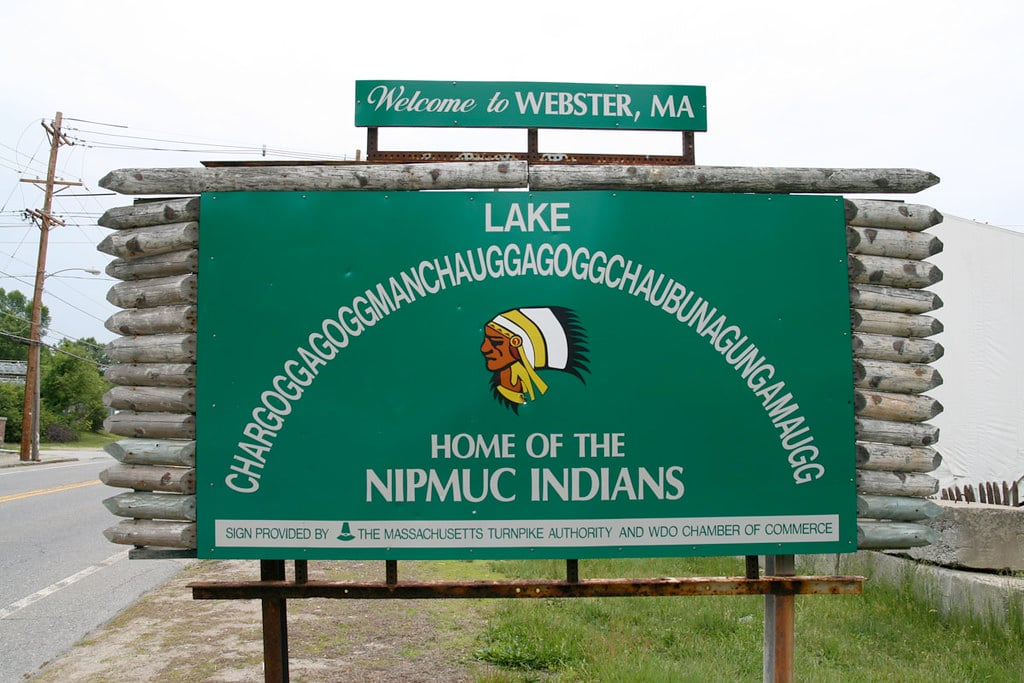
This Massachusetts lake has a name that comes from the Nipmuc language and contains 45 letters. The popular translation ‘You fish on your side, I fish on my side, nobody fish in the middle’ is actually a humorous invention from the 1920s.
The real meaning is closer to ‘Fishing Place at the Boundaries’ or ‘Neutral Meeting Grounds.’ Most locals call it Lake Webster after the nearby town, which saves everyone a lot of trouble.
The lake’s absurdly long name appears on some maps and souvenirs, but even native residents rarely attempt to say the whole thing.
Tweebuffelsmeteenskootmorsdoodgeskietfontein
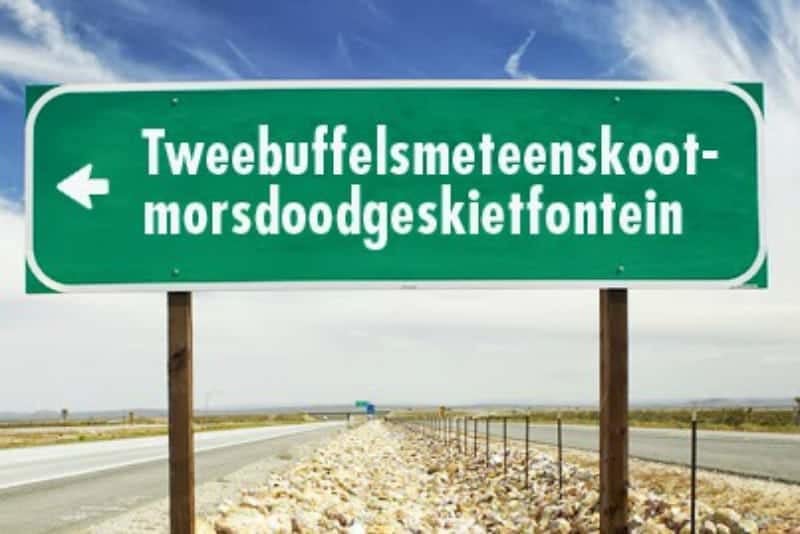
This South African farm has a name that translates to ‘The spring where two buffaloes were shot dead with a single bullet.’ The name commemorates an impressive hunting achievement from the 1800s.
It contains 44 letters and is one of the longest place names in Africa. Afrikaans tends to create long compound words by stringing multiple words together without spaces, which is how you end up with names like this.
The farm is privately owned, so most people will never need to write this name on an envelope, which is probably for the best.
Gorsafawddacha’idraigodanheddogleddollônpenrhynareurdraethceredigion

This Welsh railway station name was created in 2007 specifically to beat Llanfairpwll’s record within Wales. It translates to ‘The Mawddach station and its dragon teeth at the Northern Penrhyn Road on the golden beach of Cardigan Bay.’
The name never became official, though, because it was just a temporary installation for a television program. Welsh language structure allows for these incredibly long compound words that would normally be multiple words in English.
The stunt shows how communities take pride in their linguistic traditions, even when those traditions create comically long place names.
Krung Thep Mahanakhon Amon Rattanakosin Mahinthara Ayuthaya Mahadilok Phop Noppharat Ratchathani Burirom Udomratchaniwet Mahasathan Amon Piman Awatan Sathit Sakkathattiya Witsanukam Prasit
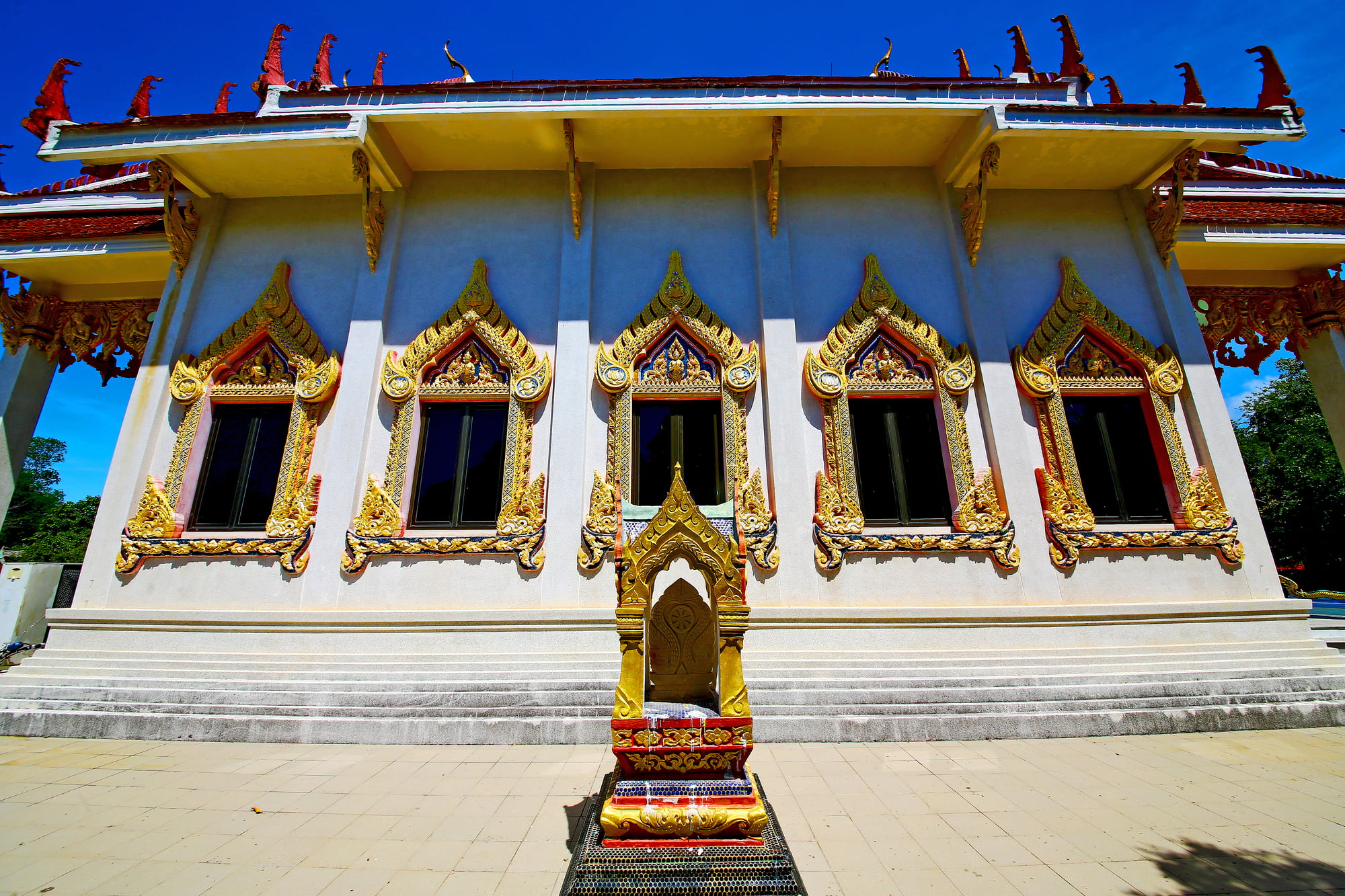
Bangkok’s full ceremonial name is actually this 168-letter monster that translates to ‘City of angels, great city of immortals, magnificent city of the nine gems, seat of the king, city of royal palaces, home of gods incarnate, erected by Vishvakarman at Indra’s behest.’ Literally nobody uses this full name except for very formal government ceremonies.
The name appears in the Guinness Book of World Records as the world’s longest place name. Thai citizens simply call their capital Krung Thep, which means ‘City of Angels.’
The lengthy ceremonial name reflects the city’s importance in Thai history and Buddhist tradition.
Äteritsiputeritsipuolilautatsijänkä
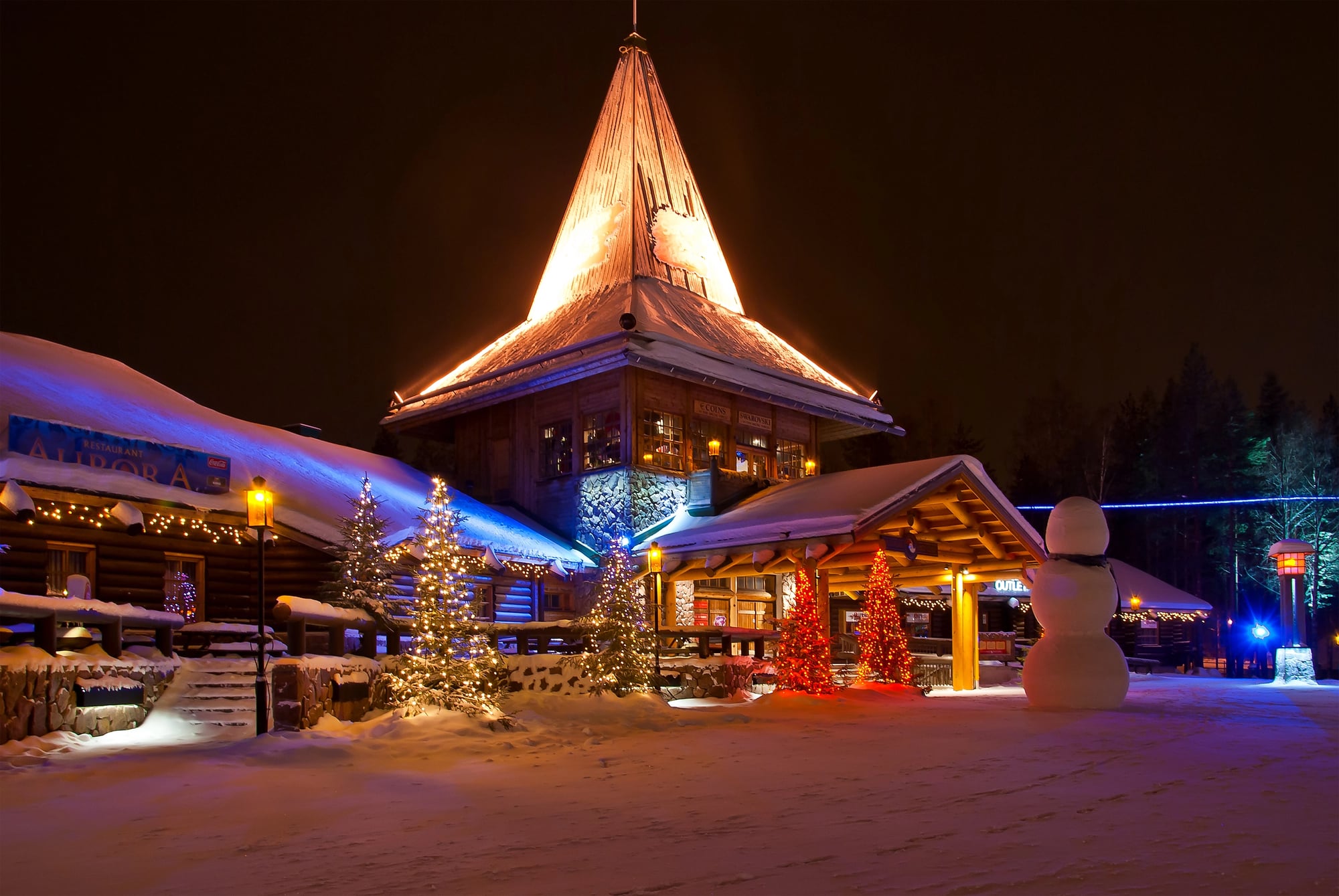
This Finnish swamp has a 35-letter name that doesn’t translate to much of anything meaningful. It’s located in Lapland and roughly refers to a ‘virgin maiden’s shallow water area on a plank.’
Finnish, like many Nordic languages, builds long compound words by jamming shorter words together. The name is more about the sound and linguistic structure than conveying important information.
Very few people have any reason to visit this remote swamp, which means even fewer people need to say or write its name.
Pekwachnamaykoskwaskwaypinwanik Lake
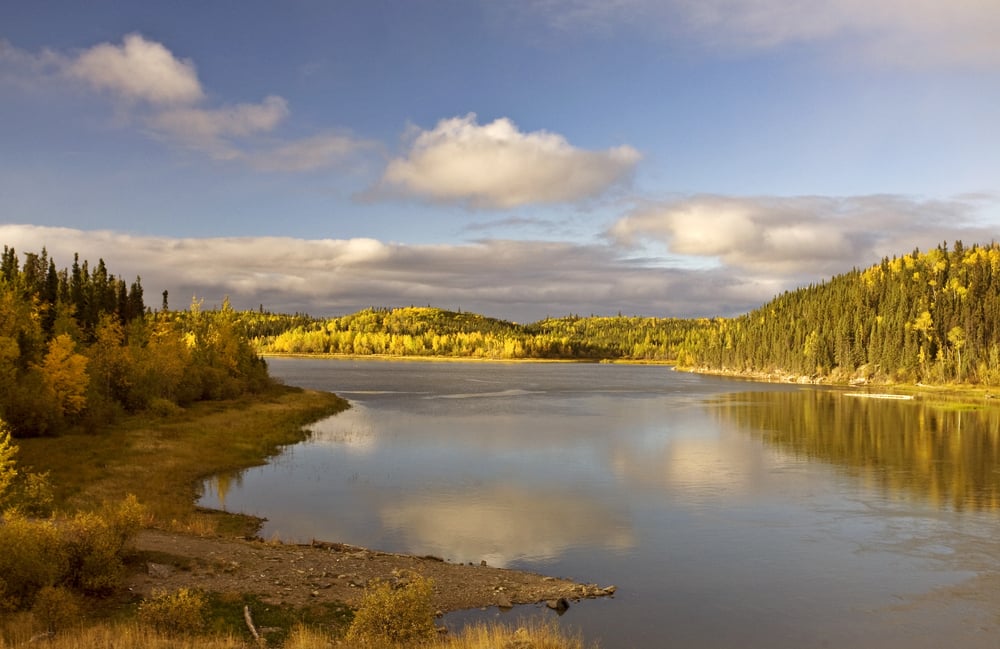
This Manitoba lake has a Cree name containing 31 letters. The name translates to ‘where the wild trout are caught by fishing with hooks.’
Indigenous North American languages often create descriptive names that tell you exactly what to expect at a location. The lake sits in a remote area where fishing traditions go back thousands of years.
Modern maps sometimes shorten indigenous names for convenience, but this one has maintained its full traditional form.
Nunningalaaluttua
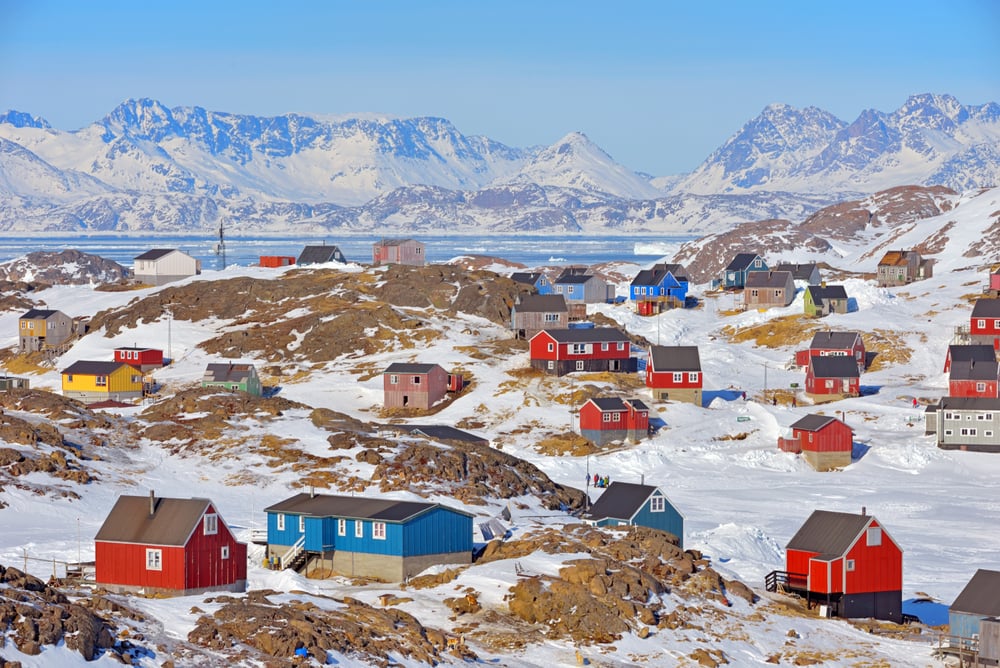
This village in Greenland has a 14-letter name that might not seem super long compared to others on this list. However, Greenlandic names can be deceptively complex because the language works differently from European languages.
The name relates to a hunting area or place where people used to hunt. In a region where many settlements have short Danish names, the traditional Greenlandic names stand out for preserving the island’s indigenous culture.
Bovenendvankeelafsnysleegte
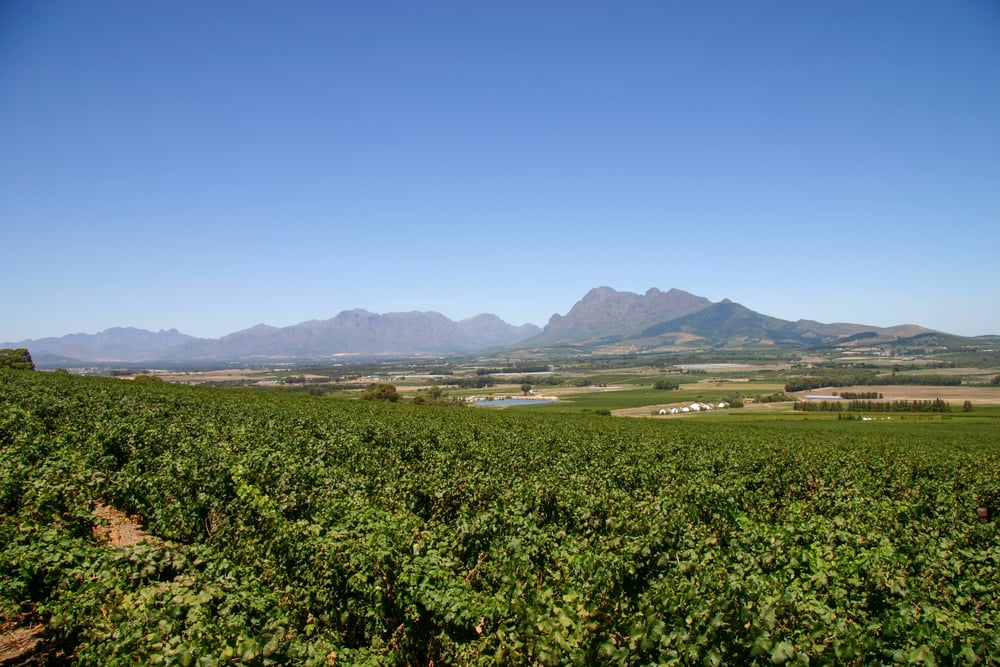
This South African farm name translates to ‘Upper end of throat cut valley,’ which sounds pretty ominous. The 27-letter name likely refers to some historical event where livestock had to be slaughtered.
Afrikaans farm names often describe geographical features or memorable events, creating these elaborate compound words. Like many rural African place names, outsiders rarely need to use it, so the length mainly affects the people who actually live there and have to write it on official documents.
Venkatanarasimharajuvaripeta
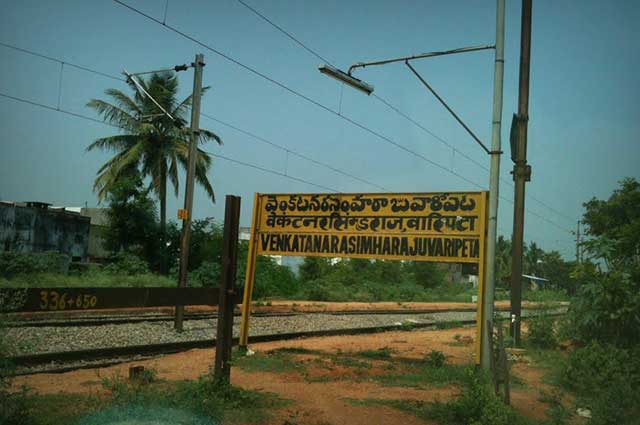
This Indian village in Andhra Pradesh has a 28-letter name that honors a local landowner or deity. South Indian place names frequently combine multiple elements including titles, locations, and honorifics.
The name demonstrates how different languages create length in different ways compared to European compound words. Residents probably use a shortened version in daily conversation, as is common throughout India with lengthy place names.
Mamungkukumpurangkuntjunya Hill
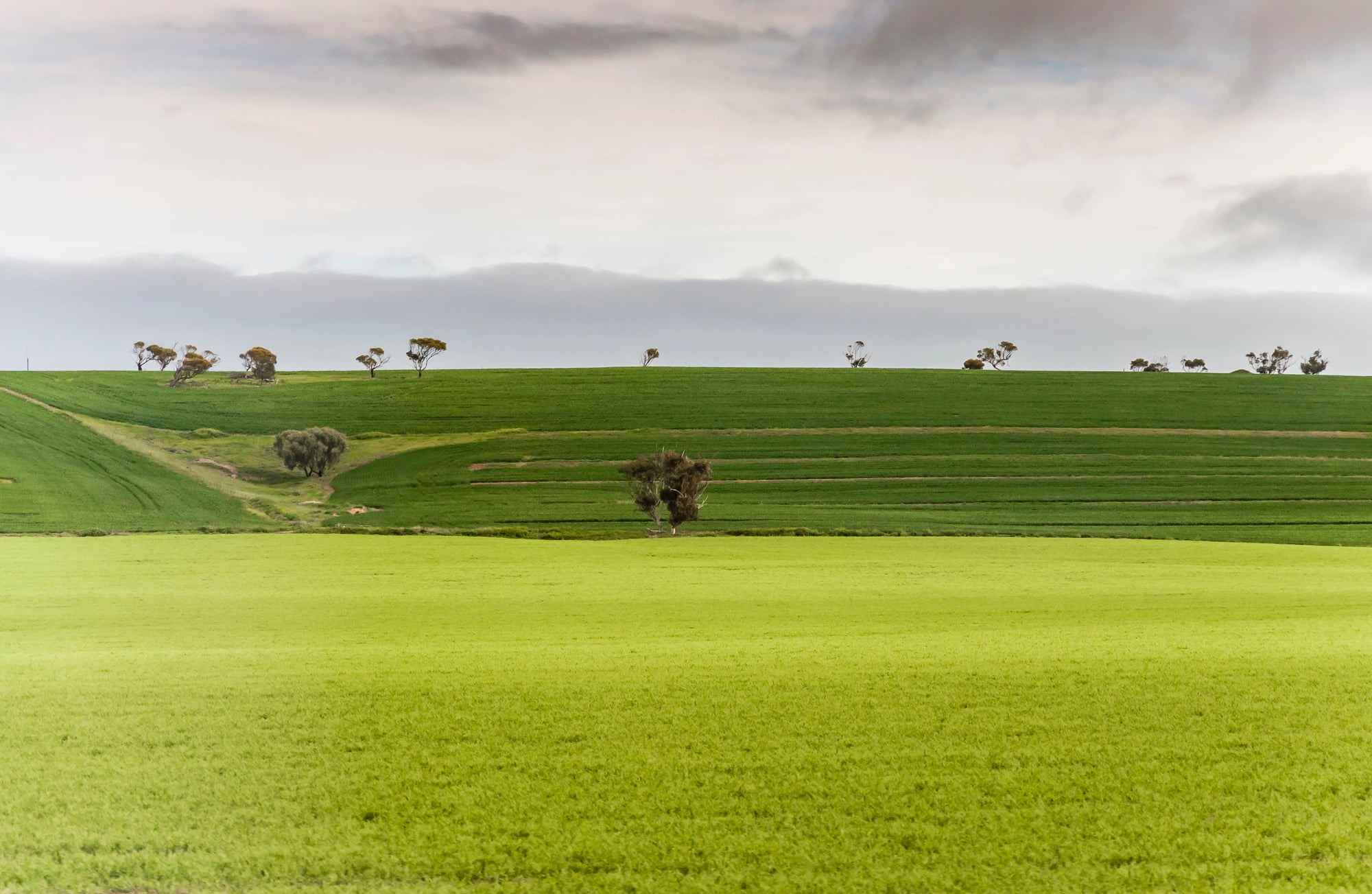
This South Australian hill has a 26-letter indigenous name from the Pitjantjatjara language. The name relates to the hill’s significance in local Aboriginal culture and traditions.
Australia has thousands of indigenous place names, many of which are quite long because they encode detailed information about the landscape. The hill is located in a remote desert area where few people live, but the name has been officially recognized to honor traditional landowners.
Cottonshopeburnfoot
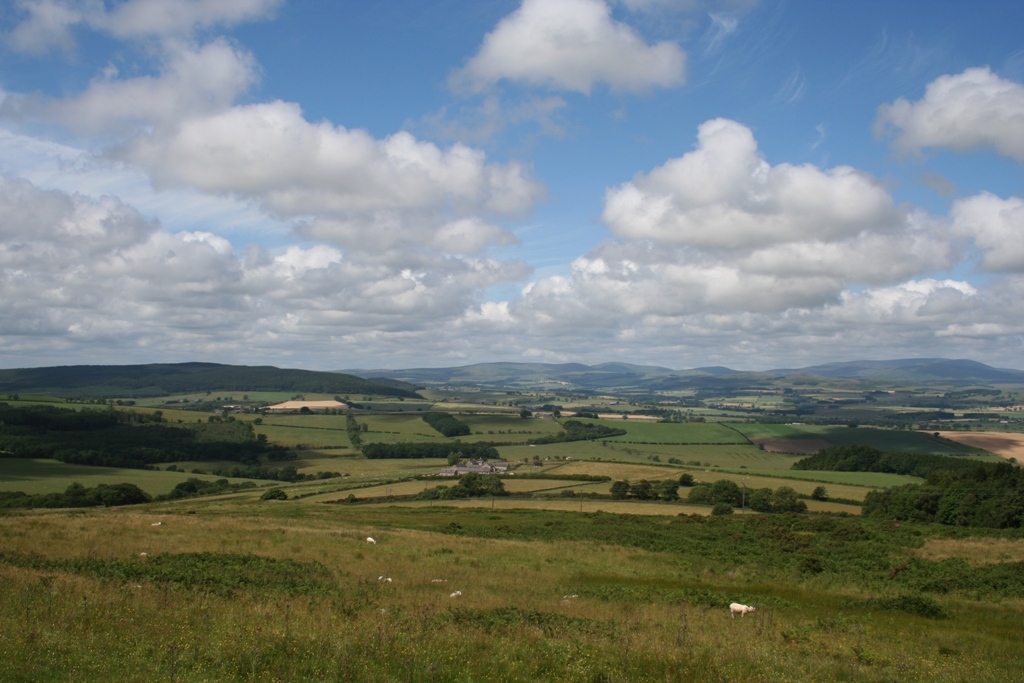
This English hamlet has a relatively modest 19 letters but represents how British place names can pile up descriptive elements. The name likely combines ‘cotton’ (possibly a family name), ‘hope’ (a valley), ‘burn’ (a stream), and ‘foot’ (the bottom of something).
English place names often layer different historical linguistic influences from Celtic, Anglo-Saxon, Norse, and Norman sources. The result can be these concatenated names that tell a geographical story.
Bullaufdenschiessbrettenangeschlageenheitenberg
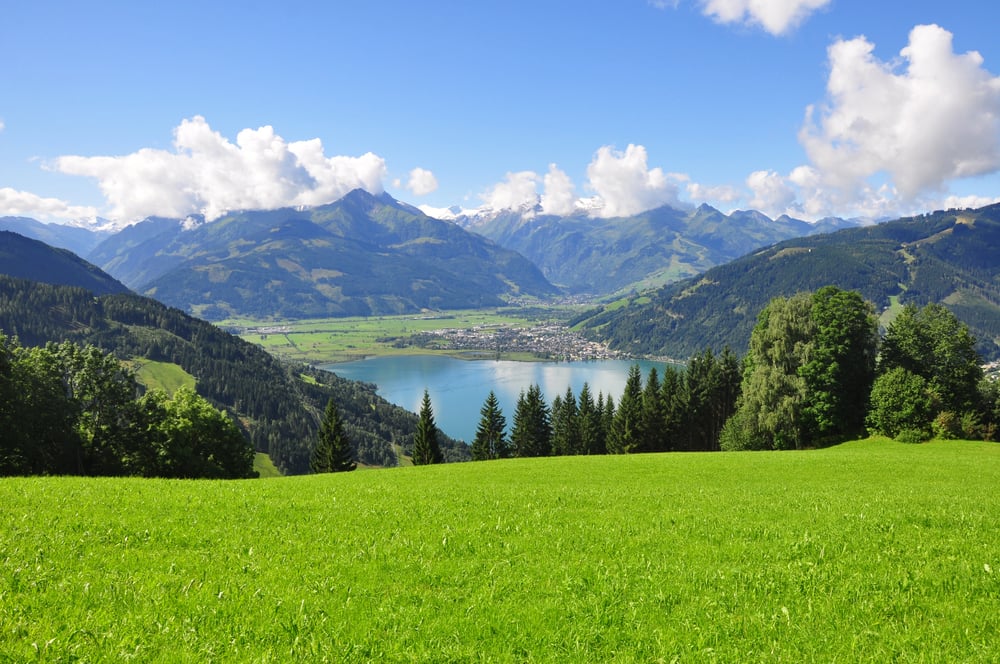
This Austrian mountain name supposedly translates to ‘The mountain of the bull pinned on the shooting target for slaughter.’ The 52-letter name is disputed and might be more of a folk invention than an official designation.
German and Austrian toponymy allows for these theoretically unlimited compound words. Whether this particular name is real or exaggerated, it represents how German-speaking regions can create extraordinarily long place names through their grammatical rules.
Muckanaghederdauhaulia
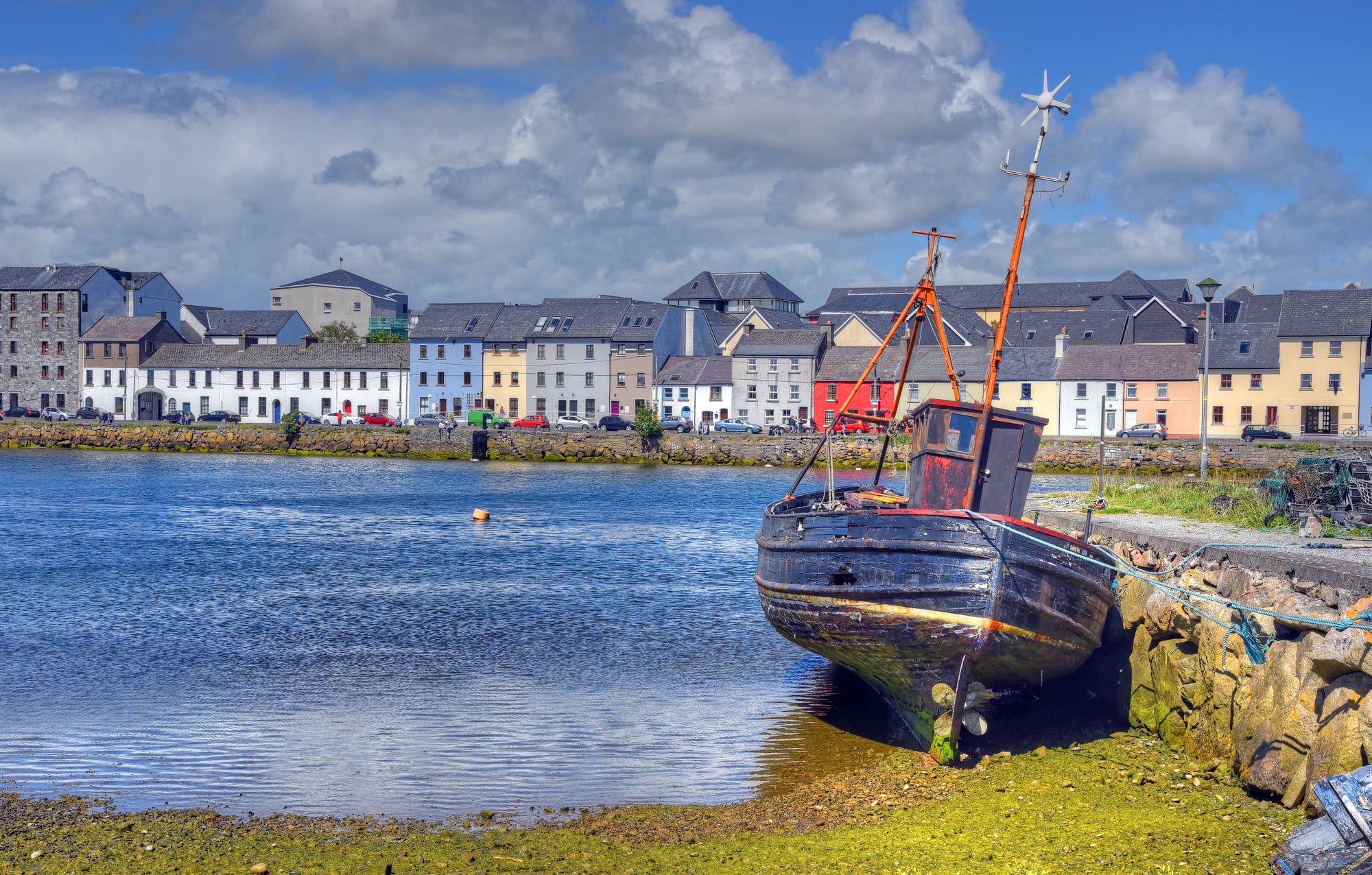
This Irish townland in County Galway has a 22-letter name from the Irish language. The name roughly translates to ‘pig-marsh between two seas’ or ‘pig-marsh between two salt waters.’
Irish place names frequently reference animals, geographical features, and historical uses of the land. The anglicized spelling often makes Irish names look longer and more complicated than they would be in their original Gaelic form.
Where names become landmarks themselves
Long place names have become tourist attractions in their own right, drawing visitors who want photos with impossible-to-pronounce signs. Many of these names preserve linguistic traditions from languages that build meaning through compound words rather than separate terms.
Local residents universally adopt shorter nicknames for daily use while maintaining pride in their town’s official lengthy designation. The longest names remind us that places aren’t just dots on a map but stories compressed into words that can stretch across entire signs.
More from Go2Tutors!

- The Romanov Crown Jewels and Their Tragic Fate
- 13 Historical Mysteries That Science Still Can’t Solve
- Famous Hoaxes That Fooled the World for Years
- 15 Child Stars with Tragic Adult Lives
- 16 Famous Jewelry Pieces in History
Like Go2Tutors’s content? Follow us on MSN.



