25 Paperback Novels Worth Real Money
Paperbacks were built to be cheap, read once and left on a bus seat. The glue cracked, the pages browned, and the covers curled in back pockets across the country.
That is exactly why the right ones are now expensive. A first printing of a book that debuted as a paperback original, with no hardcover edition ahead of it, is the true first edition, and the survivors in clean condition are scarce enough to draw serious money from collectors.
Penguin Number Two, A Farewell to Arms
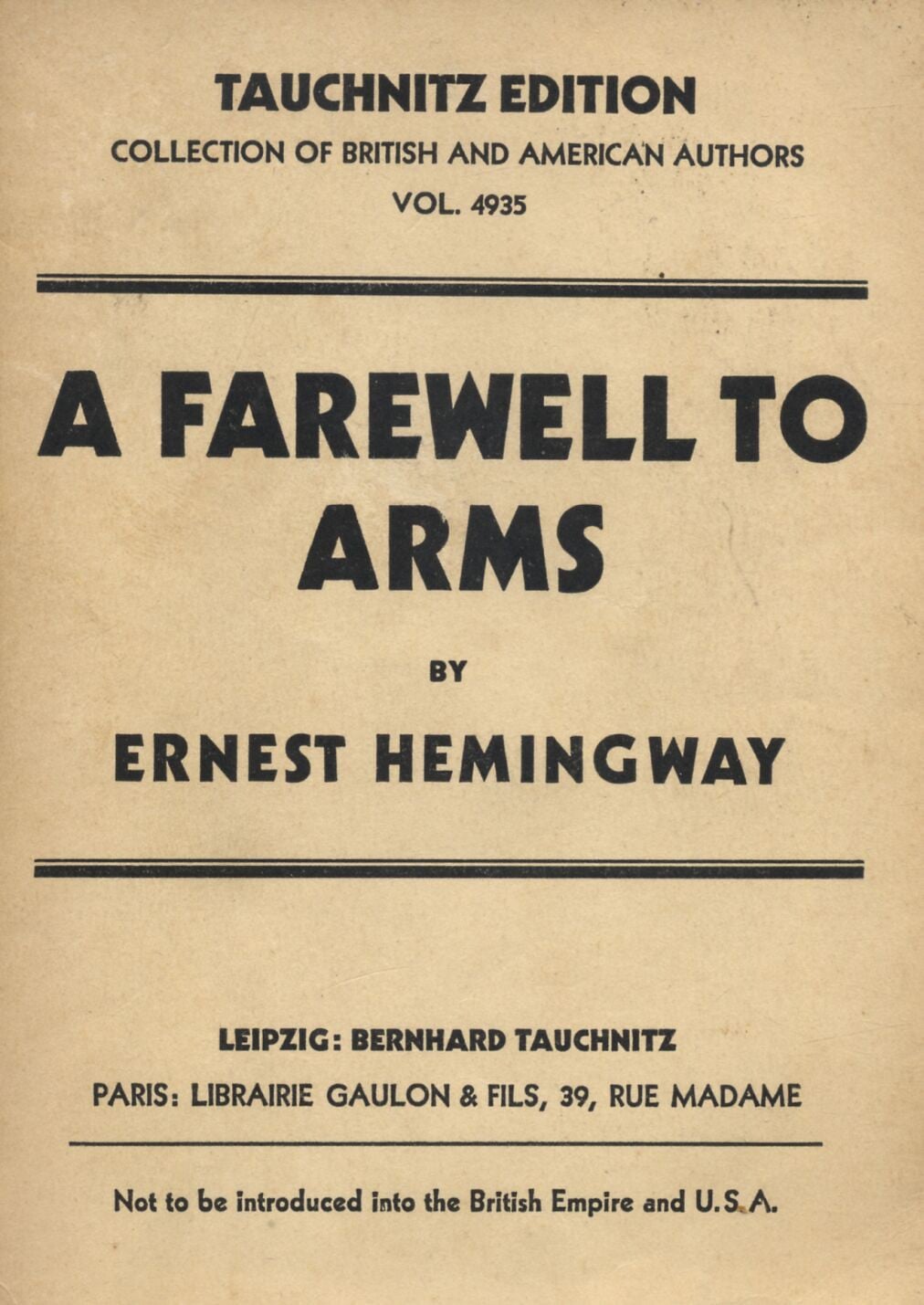
Allen Lane launched Penguin Books in Britain in 1935 with ten titles priced at sixpence, and Ernest Hemingway’s A Farewell to Arms was number two. The color-coded covers, orange for fiction, set the look of British paperbacks for decades.
A single first-printing copy in its original dust wrapper is worth a few hundred dollars, while a complete set of the first ten Penguins in wrappers runs into the thousands. Most surviving copies have lost the fragile wrapper, and sunned spines are common.
Ownership inscriptions lower value less than tears and missing pieces.
Pocket Books Number One, Lost Horizon
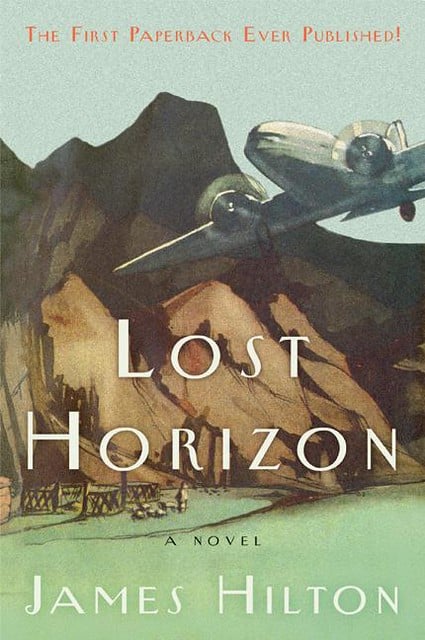
Pocket Books opened the American mass-market paperback business in 1939, and James Hilton’s Lost Horizon was its first numbered title, selling for 25 cents. The company had tested the idea with a small run of The Good Earth before the launch.
First-printing copies of Lost Horizon are worth roughly 100 to 500 dollars depending on condition, with the printing statement on the copyright page confirming the edition. Collectors look for crisp spines and bright cover art.
Chipped edges and browned pages are common in books this old, and repaired spines cut the price sharply.
William Burroughs’s Junkie as William Lee
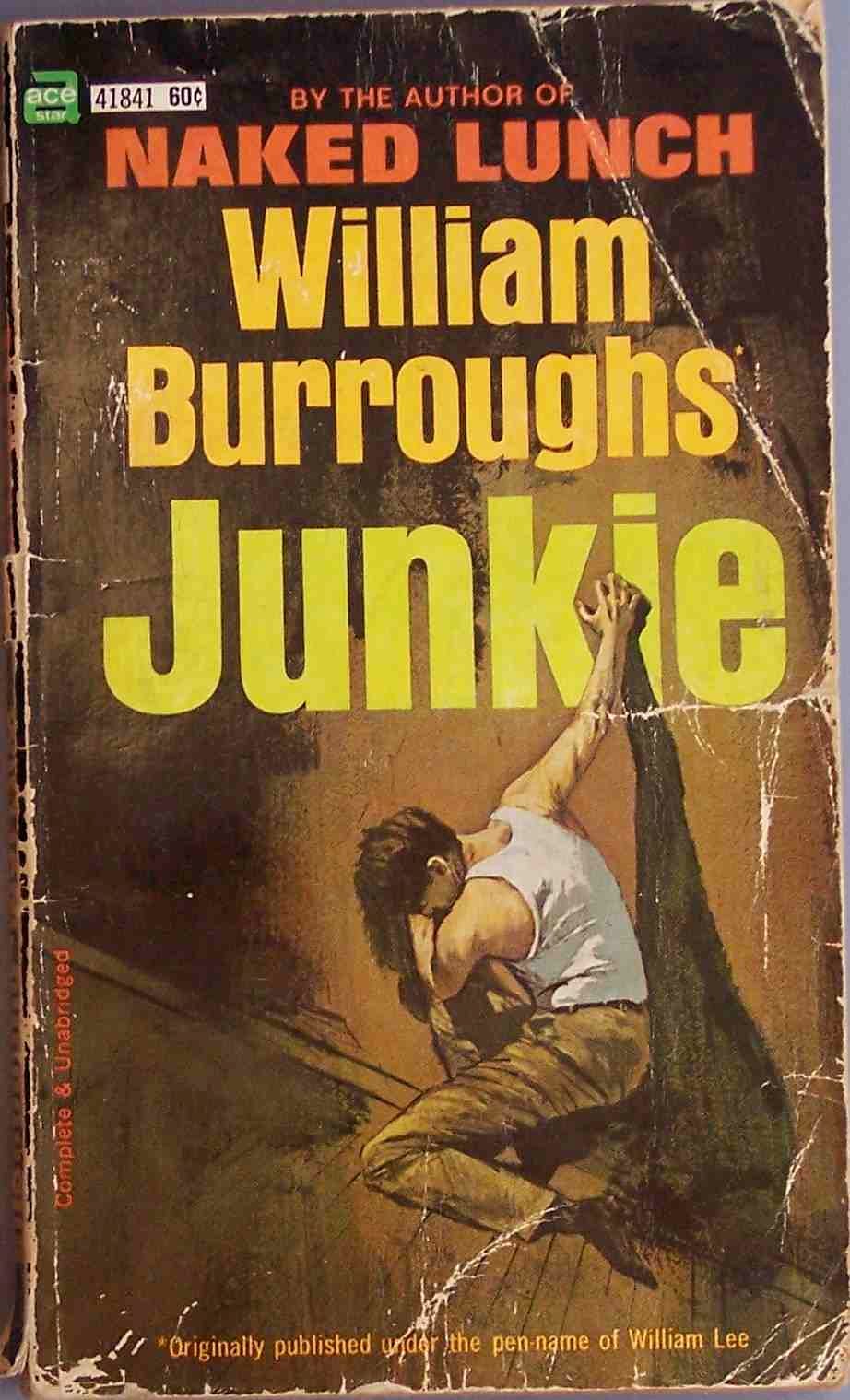
William S. Burroughs published his first book in 1953 under the pen name William Lee, as half of Ace Double D-15, bound back to back with a nonfiction title called Narcotic Agent. The novel draws on his own life with addiction, and Ace sold it as lurid pulp.
It became one of the most sought-after paperbacks in American literature. Copies run from several hundred dollars to well into four figures in fine condition.
Many were read hard and discarded, and spine creases, tears and browned pages lower value significantly.
Jim Thompson’s The Killer Inside Me
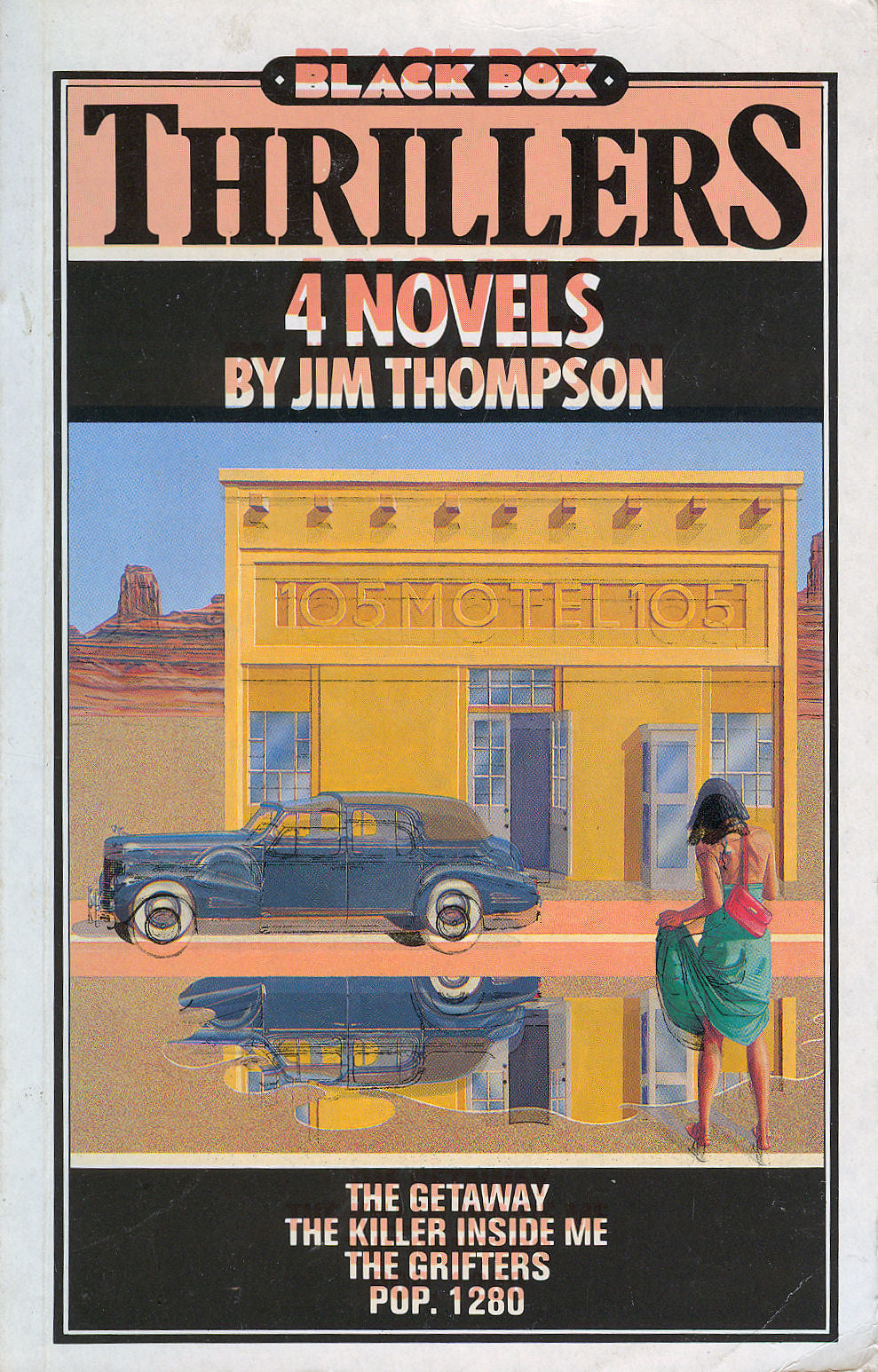
Lion Books published Jim Thompson’s The Killer Inside Me in 1952 as a paperback original, and it is now regarded as a landmark of American crime fiction. The narrator is a small-town Texas deputy whose friendly surface hides something much darker.
First printings are worth several hundred dollars and more in strong condition. Lion paperbacks used cheap paper that browns and flakes, so bright copies are scarce.
Collectors check the cover for creases and the spine for rolling, and the price climbs steeply for copies with little wear.
Jim Thompson’s Pop. 1280

Gold Medal published Pop. 1280 in 1964 as a paperback original, and it has become one of Thompson’s most admired novels, a dark comedy about a sheriff in a tiny Southern town. First printings are worth 50 to 200 dollars, with the best copies going higher.
The novel was adapted into a French film, Coup de Torchon, in 1981, which helped build its reputation abroad. Gold Medal paperbacks were printed in large numbers, so condition drives value more than rarity, and copies with bright covers and tight spines sell fastest.
Kurt Vonnegut’s The Sirens of Titan
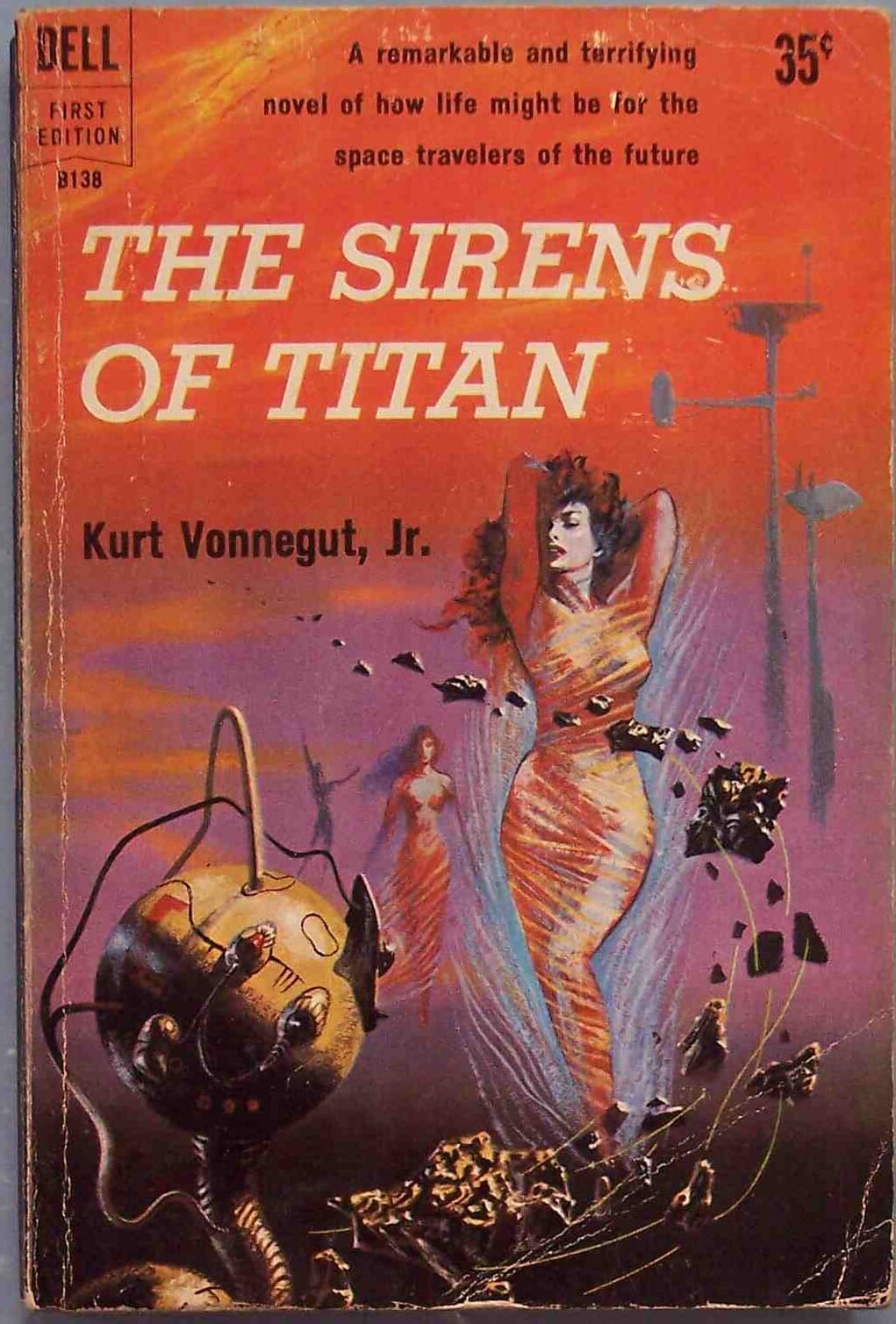
Dell published The Sirens of Titan in 1959 as a paperback original, and the book was a finalist for the Hugo Award the following year. It was Vonnegut’s second novel, written before he became famous.
First printings are worth a few hundred dollars in good condition, and more when bright and tight. The cover art dates the book and is easy to identify.
Spine creases, browning and edge wear are common. Vonnegut collectors often seek his paperback originals together, since his early career ran through cheap editions.
Kurt Vonnegut’s Mother Night
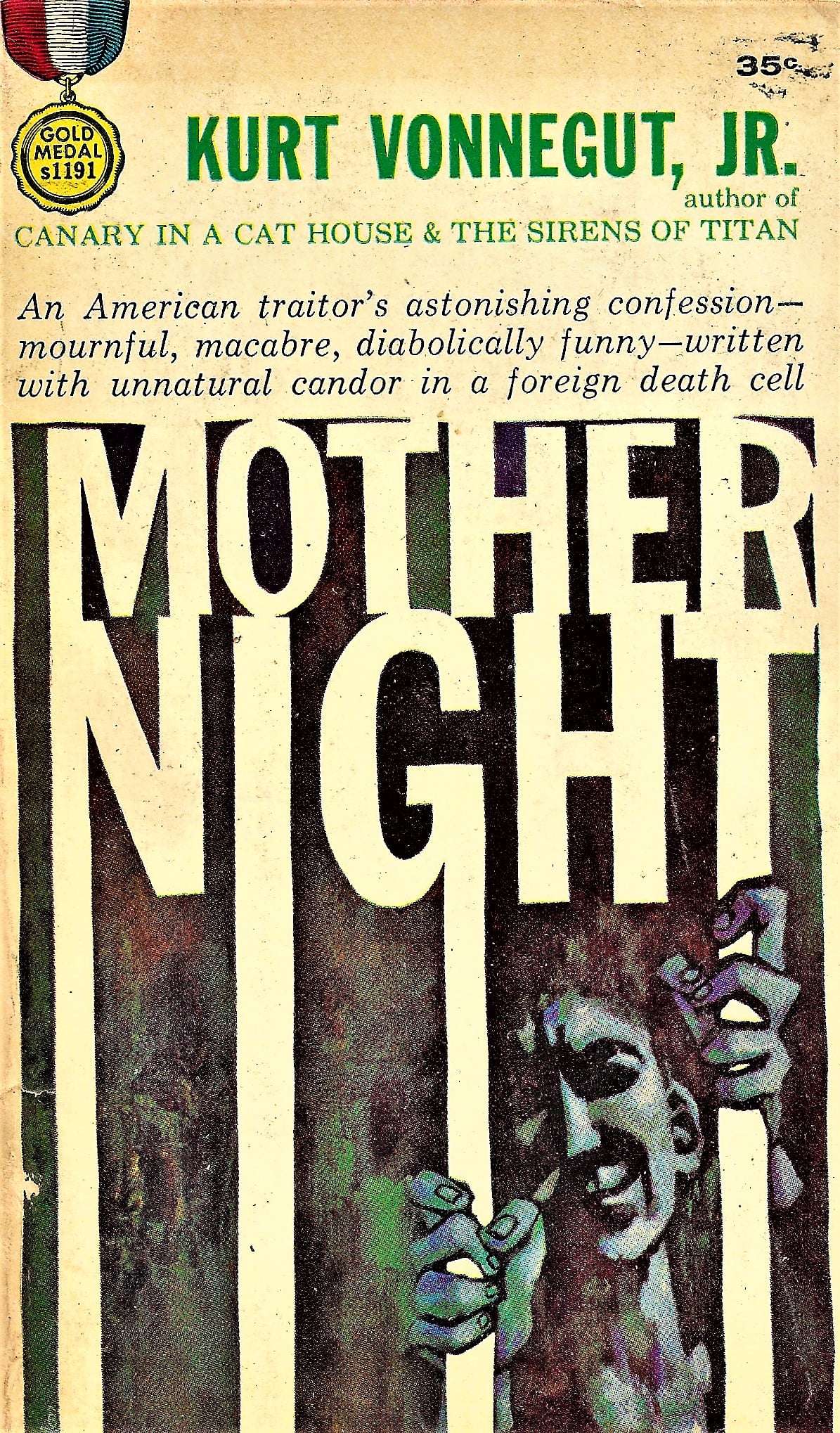
Gold Medal published Mother Night in 1961 as a paperback original, a novel about an American spy who poses as a Nazi radio propagandist and cannot escape the role. When Harper and Row reissued it in hardcover in 1966, Vonnegut added an introduction stating the moral outright, that people are what they pretend to be.
First printings are worth roughly 100 to 300 dollars. Fine copies are hard to find, since Gold Medal used cheap paper that browns quickly.
Collectors confirm the original cover price and printing line, and spine rolls or creases lower value.
Richard Stark’s The Hunter

Donald Westlake published The Hunter in 1962 under the name Richard Stark, introducing Parker, a professional thief with no first name and no interest in anyone’s approval. Pocket Books issued it as a paperback original, and the Parker series ran for more than four decades.
First printings are worth several hundred dollars in good condition. The novel was filmed as Point Blank in 1967 and again as Payback in 1999.
Copies with bright covers and minimal spine creasing bring the highest prices from crime fiction collectors, who treat it as a genre cornerstone.
Ace’s Unauthorized Lord of the Rings
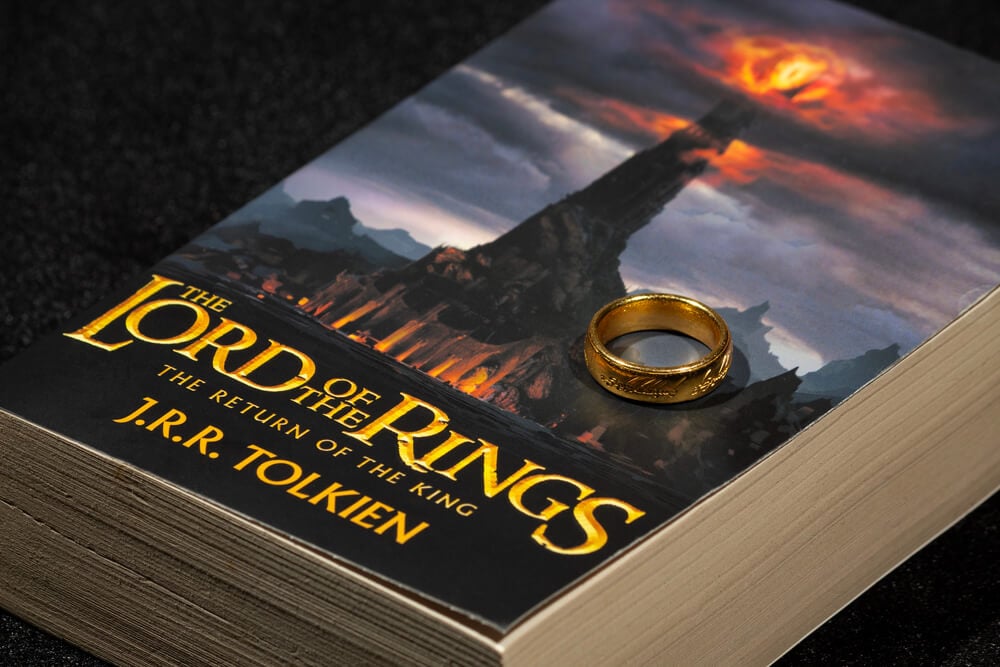
In 1965 Ace Books published the three volumes of The Lord of the Rings in paperback without Tolkien’s permission, exploiting a copyright gap in the United States. Tolkien responded by revising the text for an authorized edition and asking readers to buy only that version.
The Ace volumes, numbered A-4, A-5 and A-6, sold well, and first printings of the set are worth a few hundred dollars. Condition matters, and the covers by Jack Gaughan are distinctive.
Spine creases and browning lower value, and complete sets in matching condition are preferred.
Ursula K. Le Guin’s Rocannon’s World
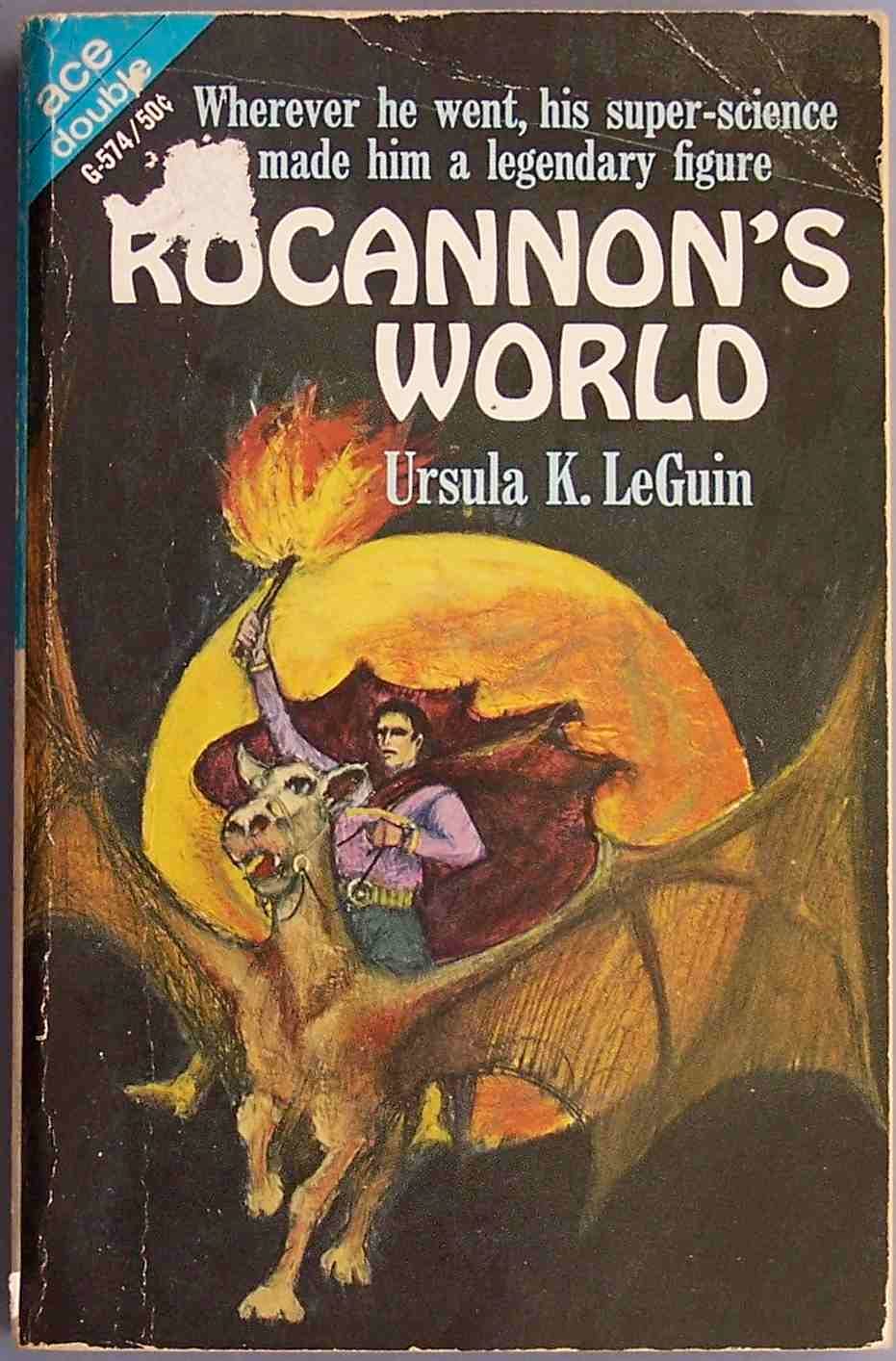
Ursula K. Le Guin’s first novel, Rocannon’s World, appeared in 1966 as half of Ace Double G-574, bound upside down against Avram Davidson’s The Kar-Chee Reign. The book opened the Hainish universe that later produced her most admired work.
First printings are worth roughly 100 to 300 dollars, with fine copies going higher. The Ace Double format means two front covers, and both need to be in good shape for top value.
Spine creases and browned pages are common, and collectors prize the book as the first step of her long career.
Ursula K. Le Guin’s The Left Hand of Darkness
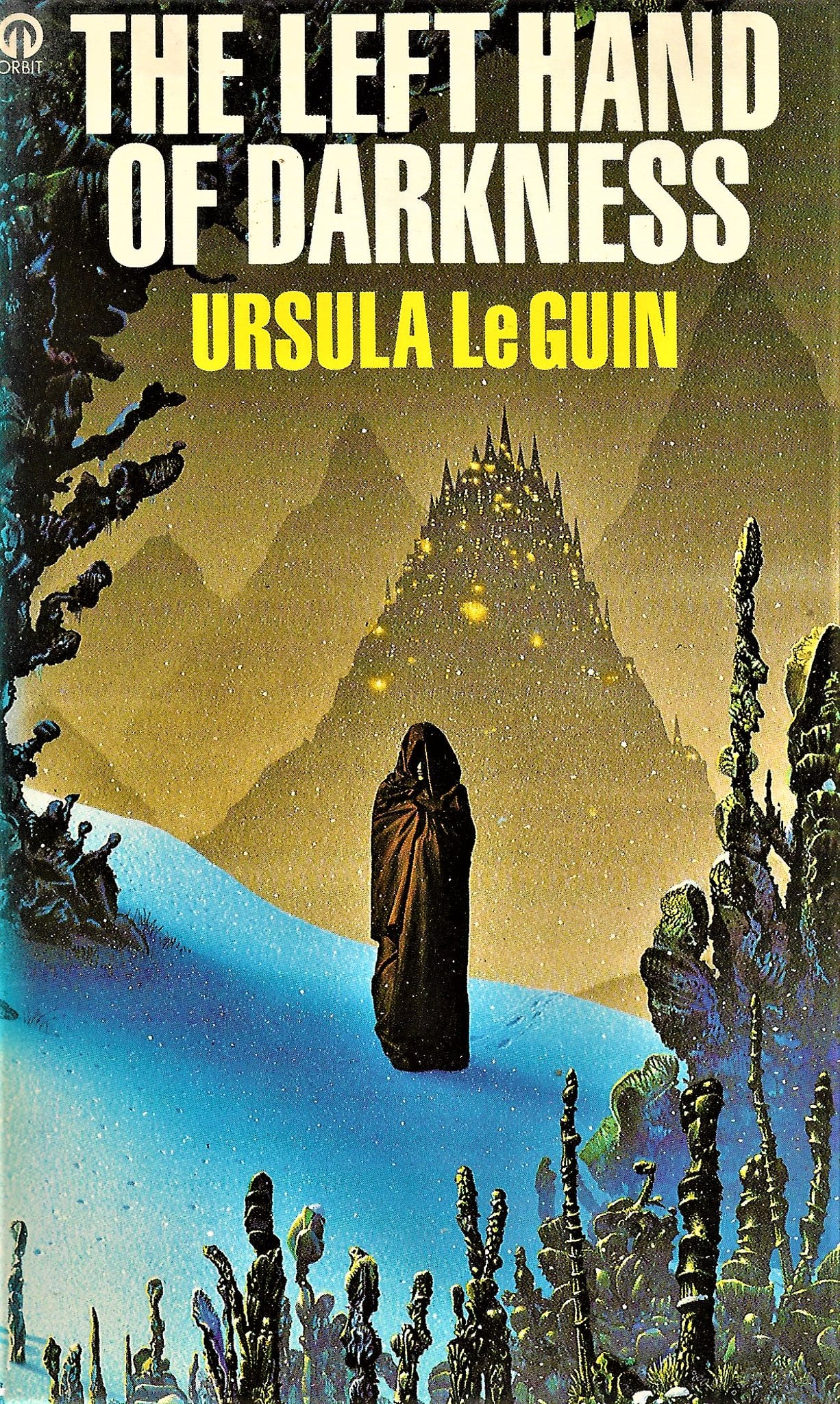
Ace published The Left Hand of Darkness in 1969 as a paperback original in its Ace Science Fiction Specials line, edited by Terry Carr, and it went on to win both the Hugo and Nebula awards. The novel explores a planet whose people have no fixed gender, a premise that still anchors university reading lists.
First printings are worth several hundred dollars in good condition, and signed copies are worth much more. Bright covers and minimal creasing are scarce.
The printing statement and cover price confirm the edition, since later Ace printings look nearly identical.
Samuel R. Delany’s Babel-17
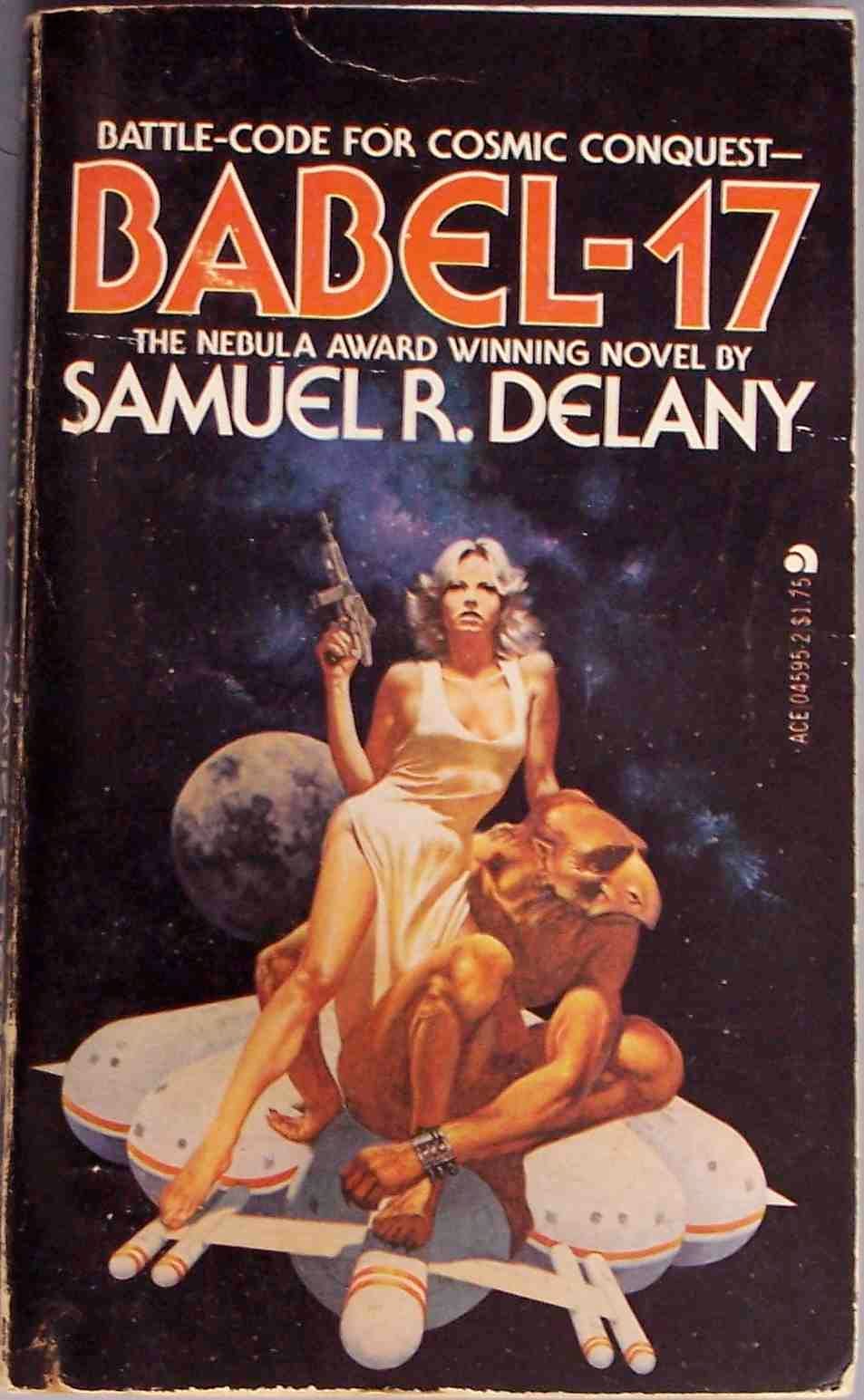
Ace published Babel-17 in 1966 as a paperback original, and it shared the Nebula Award for best novel with Daniel Keyes’s Flowers for Algernon. The book follows a poet and linguist decoding an enemy language that turns out to work as a weapon on the mind of anyone who learns it.
Delany was in his early twenties when he wrote it. First printings are worth roughly 50 to 200 dollars.
Collectors value his early Ace work as a group, and spine creases, browning and edge chips all reduce the price of a copy.
Dean Koontz’s Star Quest

Dean Koontz’s first novel, Star Quest, appeared in 1968 as half of an Ace Double, bound with Emil Petaja’s Doom of the Green Planet. Koontz later became one of the best-selling novelists alive, and his early science fiction paperbacks, most of which he has never allowed back into print, draw steady demand.
First printings of Star Quest are worth roughly 100 to 400 dollars. The Ace Double format means both covers need to be clean.
Spine creases and browning lower value, and signed copies bring a significant premium.
Samuel R. Delany’s Dhalgren
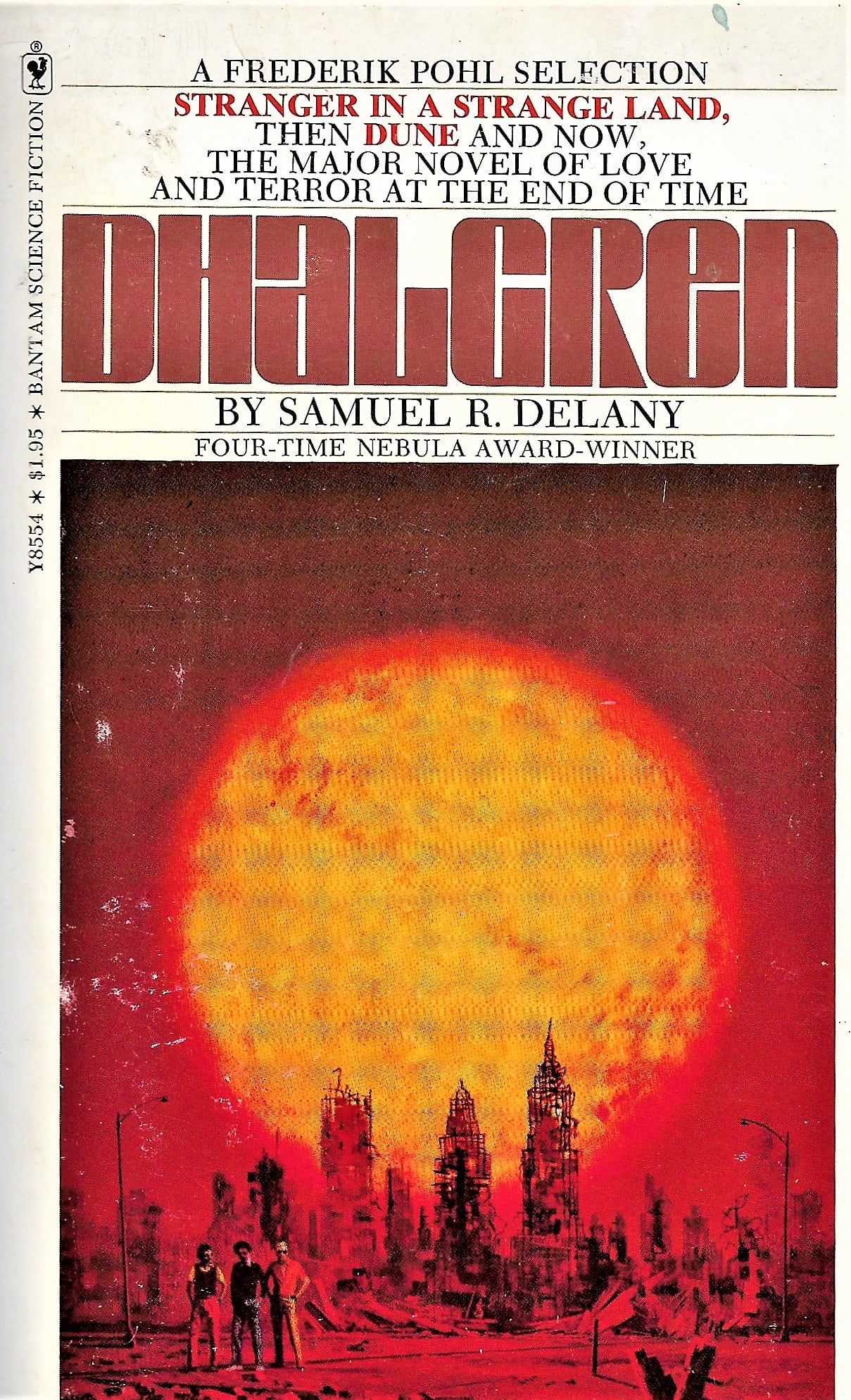
Bantam published Dhalgren in 1975 as a paperback original, a sprawling novel set in a ruined American city where time and geography refuse to behave. Despite its reputation as difficult, it sold hundreds of thousands of copies in its first years.
First printings are worth roughly 50 to 150 dollars, with fine copies going higher. The book runs to more than 800 pages, so spine creasing is almost universal and a flat, uncreased spine is the main thing buyers pay for.
Browned pages and loose bindings lower value further.
Stephen King’s Rage as Richard Bachman

Stephen King published Rage in 1977 as a Signet paperback original under the pen name Richard Bachman, and he later let the novel go out of print because of its subject matter. It has never been reissued on its own, which makes the original paperback the only practical way to own it.
First printings are worth thousands of dollars in near fine condition, and signed copies have been offered for far more. The copyright page reads First Printing, September, 1977, with a full number line.
Spine creases and edge wear lower value.
Stephen King’s The Long Walk

Signet published The Long Walk in 1979 as a paperback original under the Bachman name. The novel follows a grueling walking contest in a dystopian America, and King wrote an early draft while in college, before Carrie was published.
First printings are worth several hundred dollars in good condition, with fine copies going higher. The copyright page reads First Signet Printing, July, 1979.
The Bachman identity was not publicly revealed until 1985, so early readers had no idea who wrote it. Spine creases and browning lower value.
Douglas Adams’s Hitchhiker’s Guide to the Galaxy
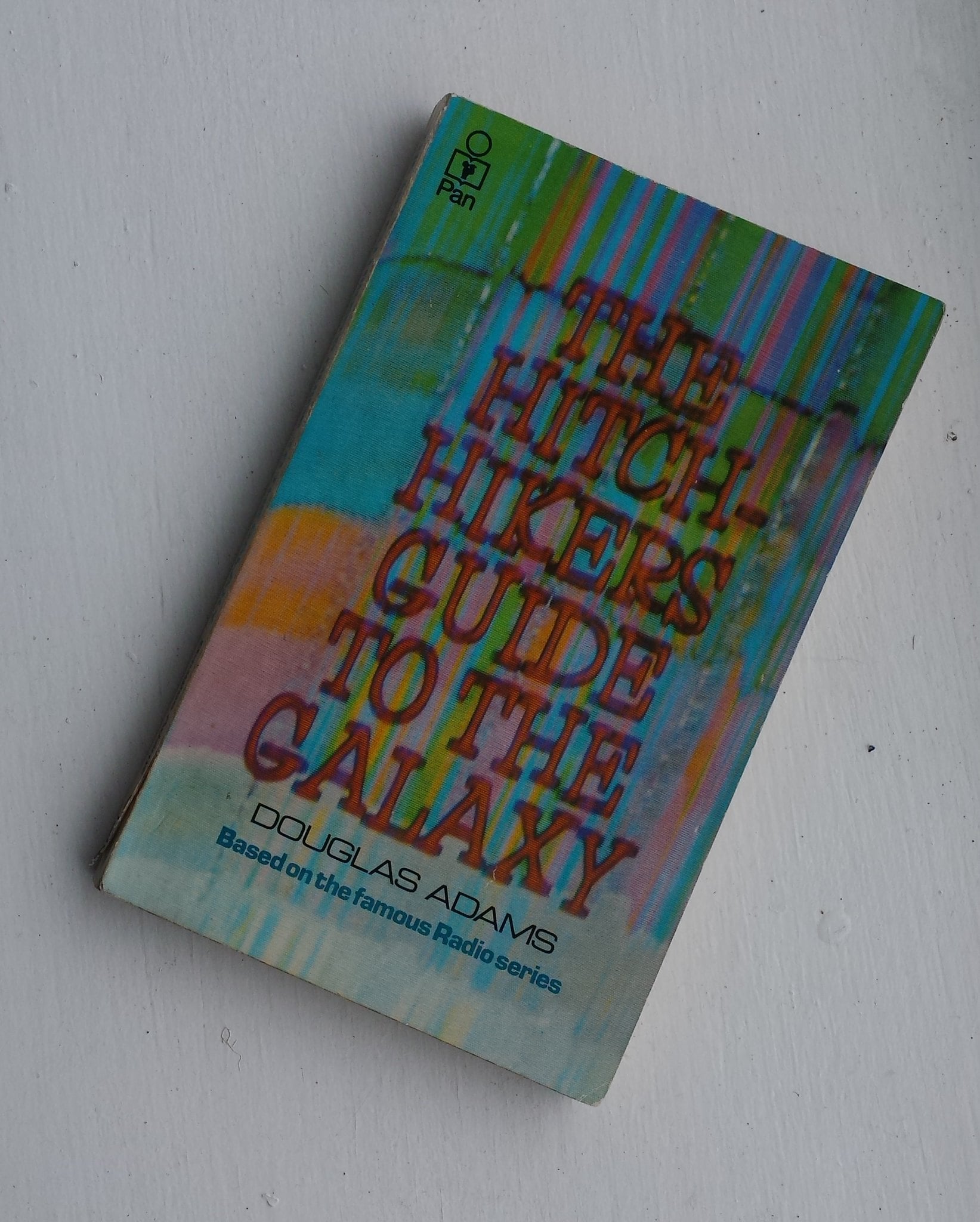
Pan Books published The Hitchhiker’s Guide to the Galaxy in October 1979, following the success of the BBC radio series, and a hardcover edition was published first in Britain in May 1979. A hardcover edition followed later in a much smaller run.
First printings of the Pan paperback are worth several hundred dollars in good condition, with fine copies and signed examples going well beyond that. The book sold enormously, so first printings get lost among later ones, and the copyright page is the only reliable guide.
Spine creases and yellowed pages are the usual problems.
William Gibson’s Neuromancer
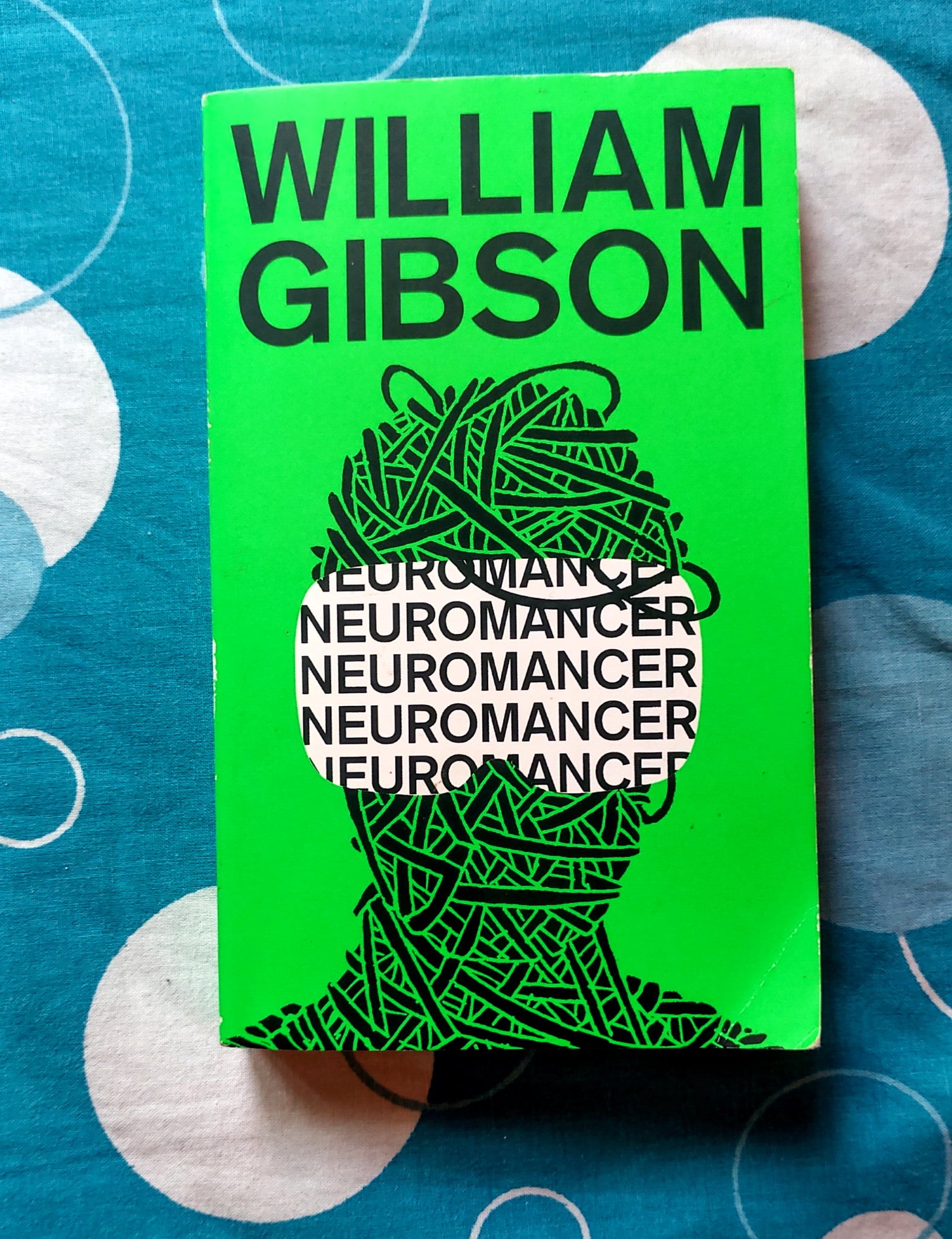
Ace published Neuromancer in 1984 as a paperback original, and it won the Hugo, the Nebula and a third major science fiction prize in the same year, an unprecedented sweep for a debut. The novel helped define cyberpunk and pushed the word cyberspace into everyday language.
First printings are worth several hundred dollars and can pass a thousand in fine condition. The original cover price was 2.95 dollars, and the printing statement confirms the edition.
Many copies were read to pieces, so bright, tight copies are scarce.
Harry Potter and the Philosopher’s Stone in Paperback
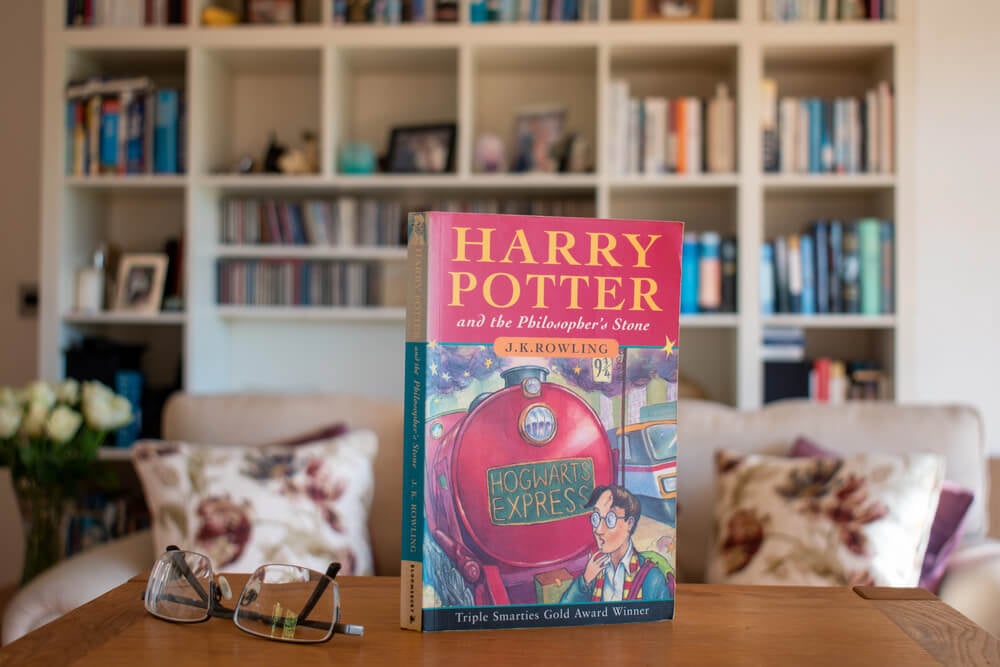
Bloomsbury published Harry Potter and the Philosopher’s Stone on June 26, 1997, printing 500 hardcovers and 5,150 paperbacks on the same day. The paperback first printing has the same textual points as the hardcover, including the number line from 10 to 1, the phrase 1 wand repeated on the equipment list and a misspelling of Philosopher on the back cover.
A first-printing paperback sold for 6,375 pounds at Bonhams in 2023, and dealers ask more for bright copies. Wear, creases and fading lower value, and ex-library copies sell for less.
Harlan Ellison’s Web of the City

Harlan Ellison’s first novel appeared in 1958 from Pyramid Books under the title Rumble, a juvenile delinquent story drawn from time he spent running with a Brooklyn street gang to research it. Ellison hated the title, and later editions restored his preferred name, Web of the City.
First printings of Rumble are worth roughly 100 to 300 dollars, with fine copies going higher. The lurid cover art is part of the appeal.
Browning, creased spines and edge chips are common, and signed copies from Ellison, who was generous with signatures at conventions, add a premium.
Richard Matheson’s I Am Legend
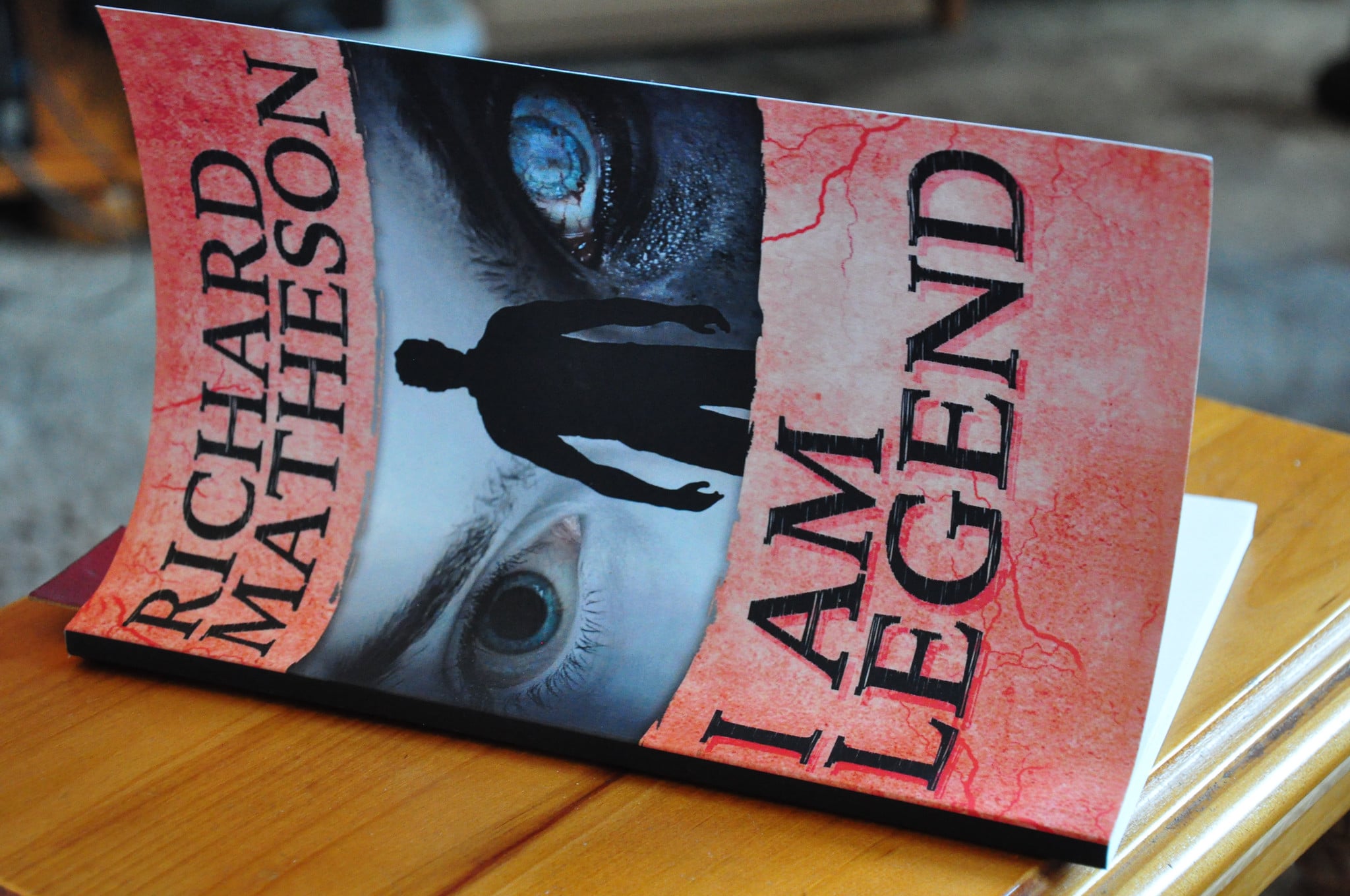
Gold Medal published I Am Legend in 1954 as a paperback original, and the story of the last man alive in a world of vampires has since been filmed several times. The novel is often credited as a direct influence on modern zombie fiction.
First printings are worth several hundred dollars in good condition, with fine copies going higher. The printing is identified by the Gold Medal number and cover price.
Gold Medal paper browns quickly, and spine rolls and creases are common. Copies with bright covers are the ones collectors want.
Jack Kerouac’s Maggie Cassidy

Avon published Maggie Cassidy in 1959 as a paperback original, a novel based on Kerouac’s high school romance in Lowell, Massachusetts. It appeared during the peak of his fame after On the Road, and Avon marketed it with a spicy cover that had little to do with the gentle story inside.
First printings are worth roughly 50 to 200 dollars, with fine copies going higher. Kerouac collectors seek his paperback originals together.
Spine creases, browned pages and edge wear are common, and the cover should be bright.
Michael Crichton’s Odds On as John Lange

Michael Crichton wrote his first novel, Odds On, while studying at Harvard Medical School, and Signet published it in 1966 under the pen name John Lange. The book is a heist thriller set in a Spanish resort hotel, where the robbers use a computer to plan the job, an early hint of the technology themes that later made Jurassic Park a phenomenon.
First printings are worth roughly 100 to 300 dollars, with fine copies going higher. Crichton wrote several Lange novels to pay tuition, and collectors seek the set.
Spine creases and browning lower value.
Ed McBain’s Cop Hater

Perma Books published Cop Hater in 1956 as a paperback original, launching the 87th Precinct series under the name Ed McBain, a pseudonym of Evan Hunter, who had already written The Blackboard Jungle. The series ran for nearly 50 years and helped define the police procedural for novels and television alike.
First printings are worth roughly 100 to 400 dollars, with fine copies going higher. Perma Books used cheap paper that browns, and spine creases are common.
Collectors often chase the first three 87th Precinct titles together, all of which debuted in paperback.
John D. MacDonald’s The Brass Cupcake

The Brass Cupcake appeared from Gold Medal in 1950 as a paperback original, John D. MacDonald’s first novel and an early sign of the publisher’s bet on original crime fiction rather than reprints. MacDonald later created the Florida salvage consultant Travis McGee and became one of the most popular mystery writers of his era.
First printings are worth roughly 100 to 300 dollars, with fine copies going higher. The paper browns quickly and spines crease at the slightest pressure.
Collectors pay the most for bright covers with sharp corners and no reading creases.
Paper Built to Be Thrown Away

Every book on this list was printed on cheap stock, sold for pennies and expected to fall apart. The survivors are valuable precisely because almost nobody kept them clean.
A paperback original is the first edition, and in many cases the only first edition that exists.
Collectors pay for condition above all. A tight spine, bright cover and white pages can multiply the value of a first printing, while creases and browning cut it sharply.
The books that seemed disposable turned out to be the rarest of all.
More from Go2Tutors!

- The Romanov Crown Jewels and Their Tragic Fate
- 13 Historical Mysteries That Science Still Can’t Solve
- Famous Hoaxes That Fooled the World for Years
- 15 Child Stars with Tragic Adult Lives
- 16 Famous Jewelry Pieces in History
Like Go2Tutors’s content? Follow us on MSN.