15 Card Games That Require More Skill Than Most People Think
Most folks assume card games are just about luck and killing time during family visits. Wrong. Many of these games pack serious strategic depth that’d give seasoned chess players a run for their money. The real complexity only shows up once you get past the basic rules and start thinking several moves ahead.
Here is a list of 15 card games that demand way more skill than most people give them credit for.
Bridge
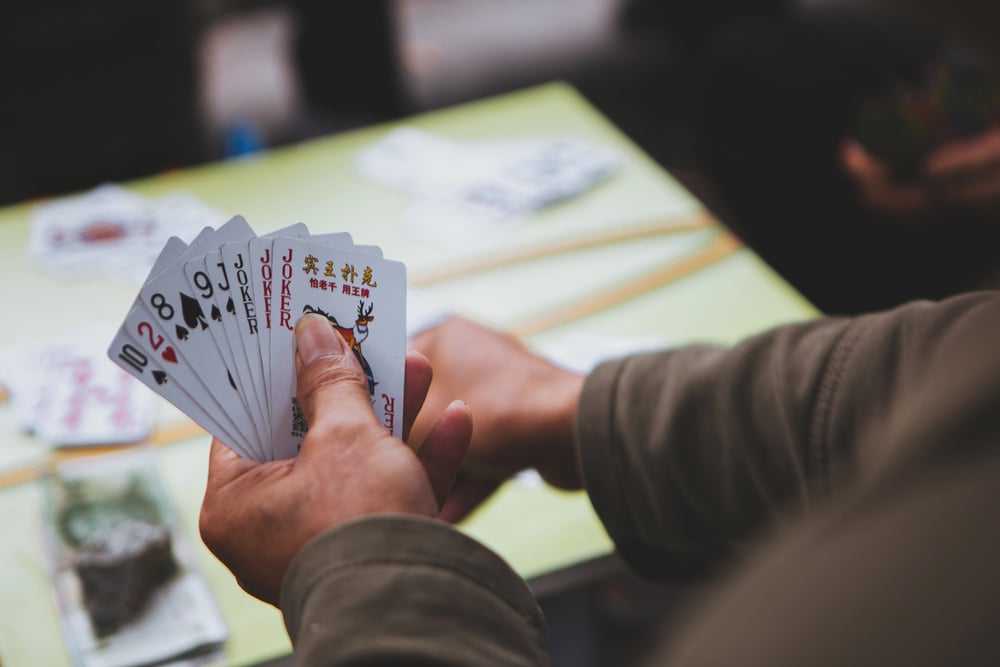
Bridge operates like a four-way mental chess match where partnerships communicate through a secret language of bids and plays. You’re tracking 52 cards while calculating odds and reading opponents’ intentions — all simultaneously.
The bidding alone involves signals so complex that top players spend decades perfecting their systems.
Poker
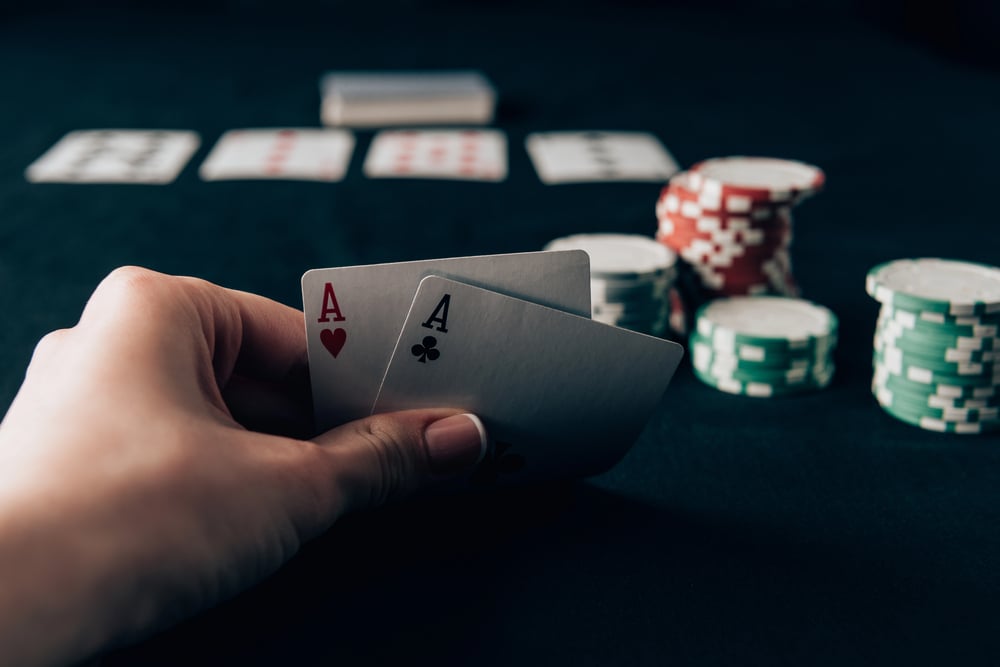
Sure, luck matters in individual hands, but poker’s fundamentally about skill when you zoom out. Professional players don’t just get lucky for years on end; they master pot odds, positional play, and psychological warfare.
Reading opponents becomes as important as the cards themselves.
Like Go2Tutors’s content? Follow us on MSN.
Spades
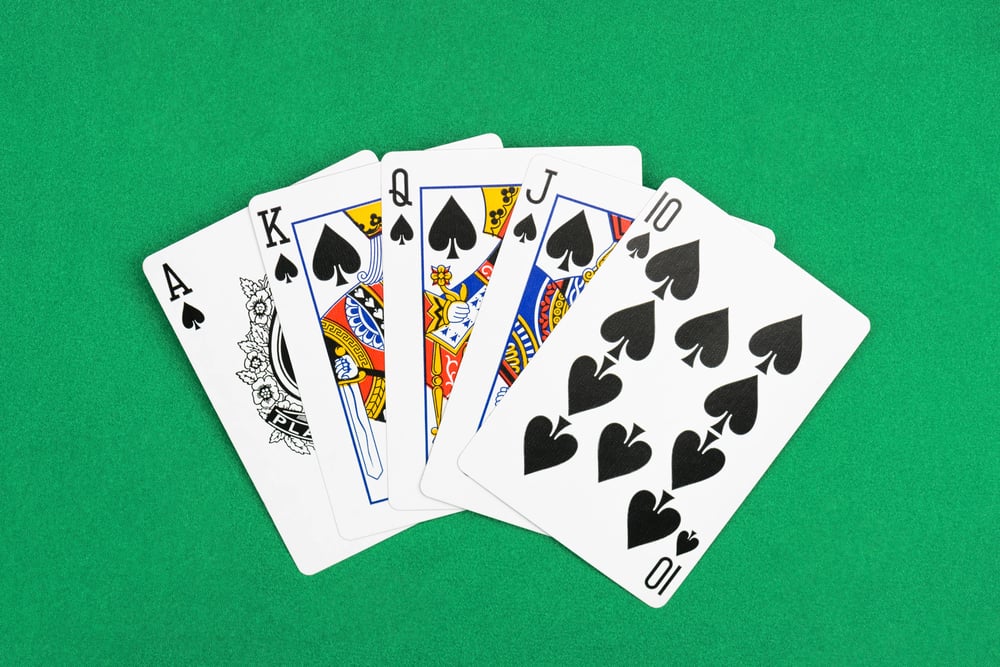
Precise bid estimation separates good Spades players from weekend warriors. Partners must communicate legally through their card choices while managing tricks to hit their bid exactly — not one over.
Miss your target and the penalty can torpedo your entire game.
Hearts
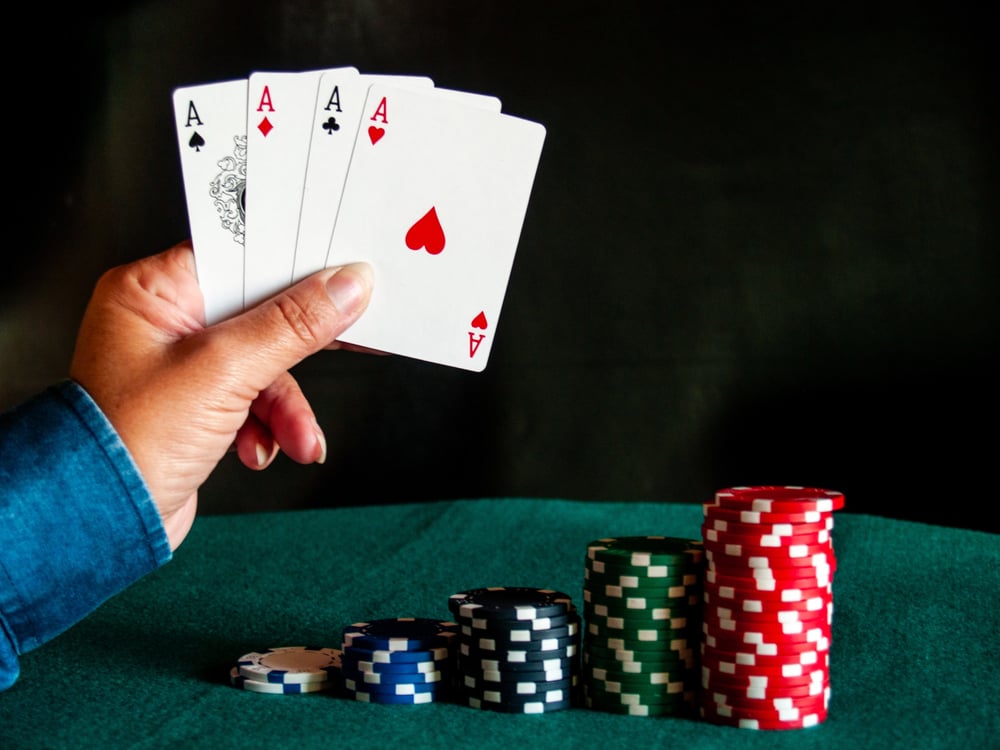
This isn’t about avoiding hearts; it’s about controlling when you take them. Players track every dangerous card while managing the delicate balance between taking tricks for control and dodging penalty points.
Timing your queen of spades take or attempting to shoot the moon requires nerves and calculation.
Whist
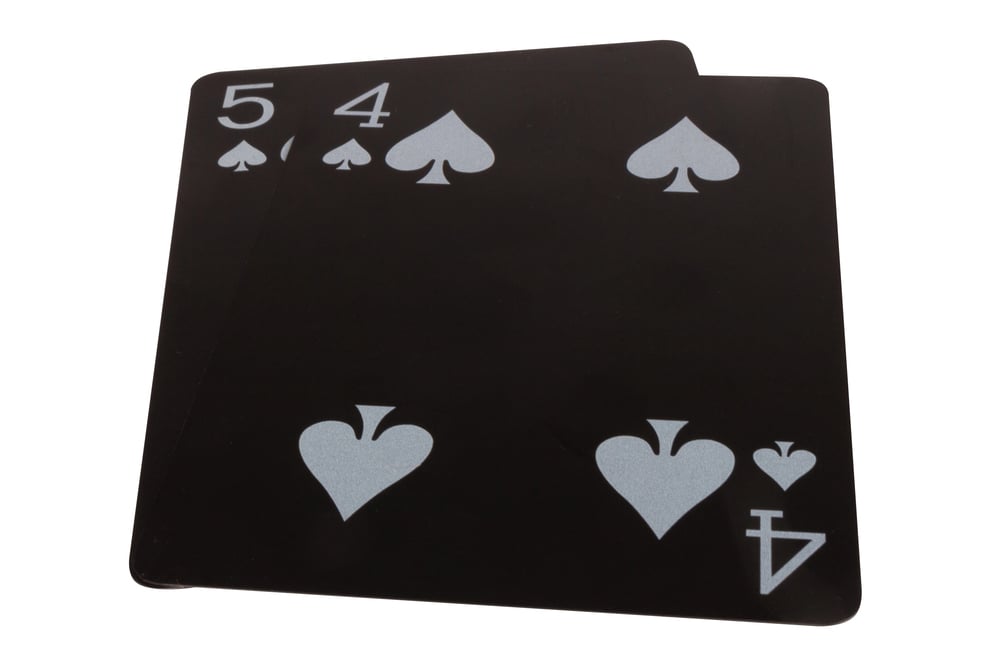
Think of Whist as Bridge’s demanding grandfather — no dummy hand to help you out. Everything depends on deducing opponents’ holdings through logical reasoning and memory.
You’re essentially solving a 52-card puzzle while your opponents actively try to mislead you.
Like Go2Tutors’s content? Follow us on MSN.
Pinochle

Two different games happen simultaneously in Pinochle — melding and trick-taking. Players evaluate hands for point combinations while planning their trick strategy.
The bidding phase demands accurate assessment since overbidding leads to massive point penalties.
Cribbage
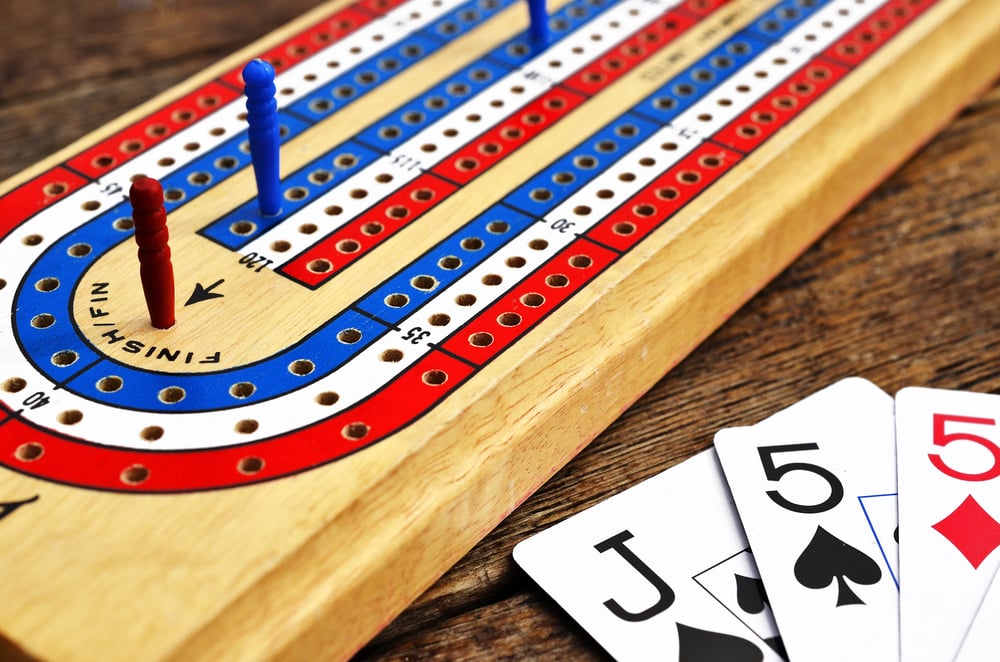
Past the simple arithmetic lies a game of calculated discarding and tactical pegging. You’re constantly weighing whether to keep cards for your hand or risk giving your opponent crib gold.
The pegging round turns into a rapid-fire math battle where blocking opponent combinations matters as much as scoring your own.
Euchre
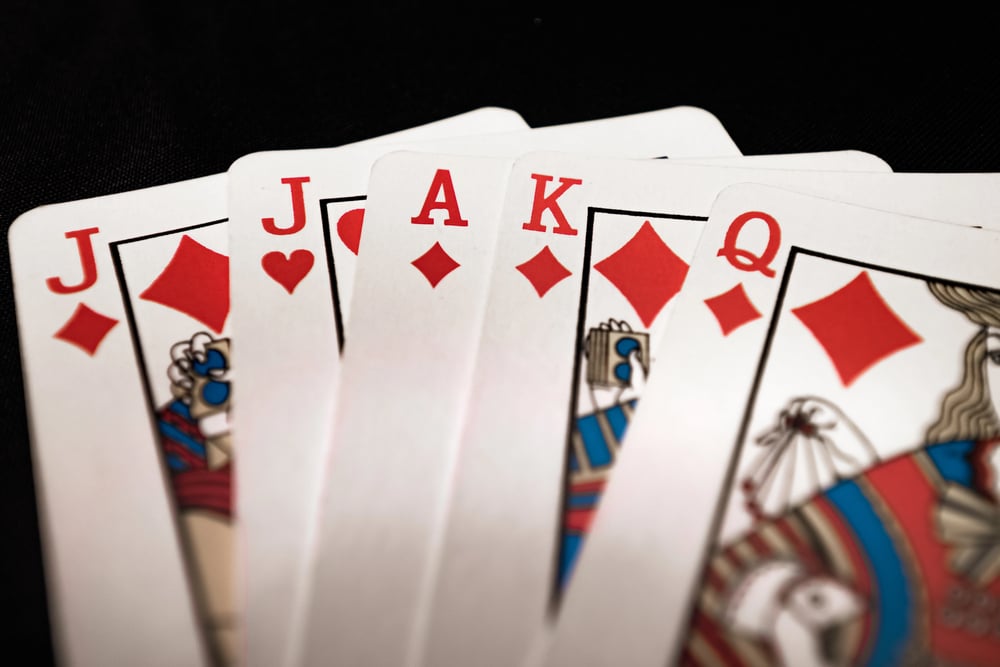
Split-second trump decisions based on incomplete information — that’s Euchre in a nutshell. Players must read their partner’s likely holdings while managing the bower hierarchy.
Card counting becomes essential since knowing trump distribution often determines success.
Like Go2Tutors’s content? Follow us on MSN.
Gin Rummy
Memory and probability merge in Gin Rummy as players track discards to deduce opponent collections. You’re building your own melds while simultaneously blocking theirs.
Every discard sends a signal, yet every keep reveals information about your strategy.
Canasta
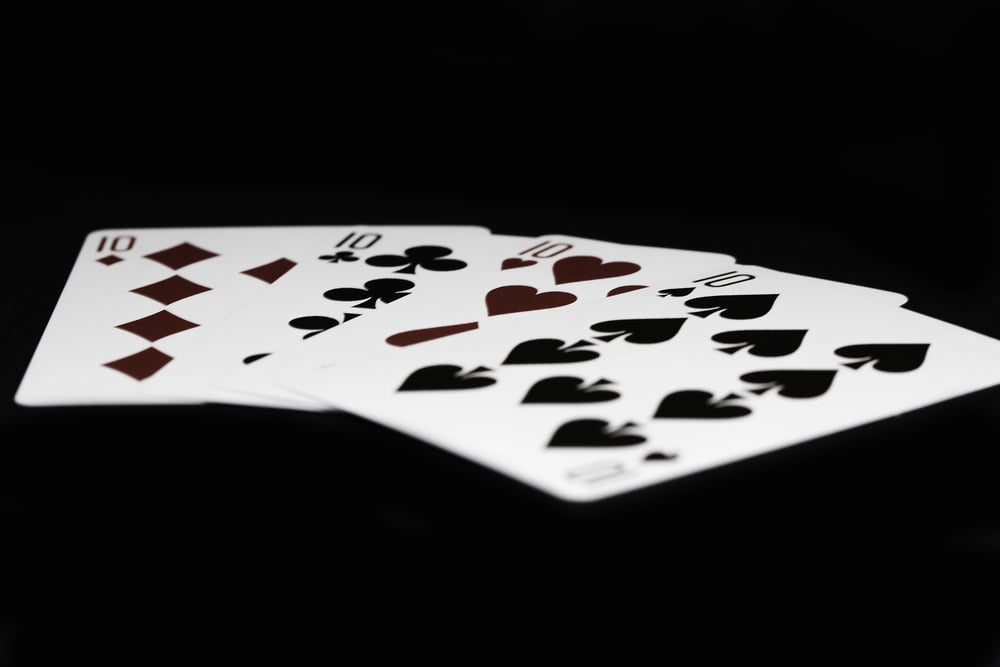
Partnership coordination elevates Canasta beyond simple set collection. Teams must synchronize their melding strategies while managing hand sizes and deciding optimal going-out timing.
Wild card management adds another strategic layer that casual players often miss completely.
Sheepshead
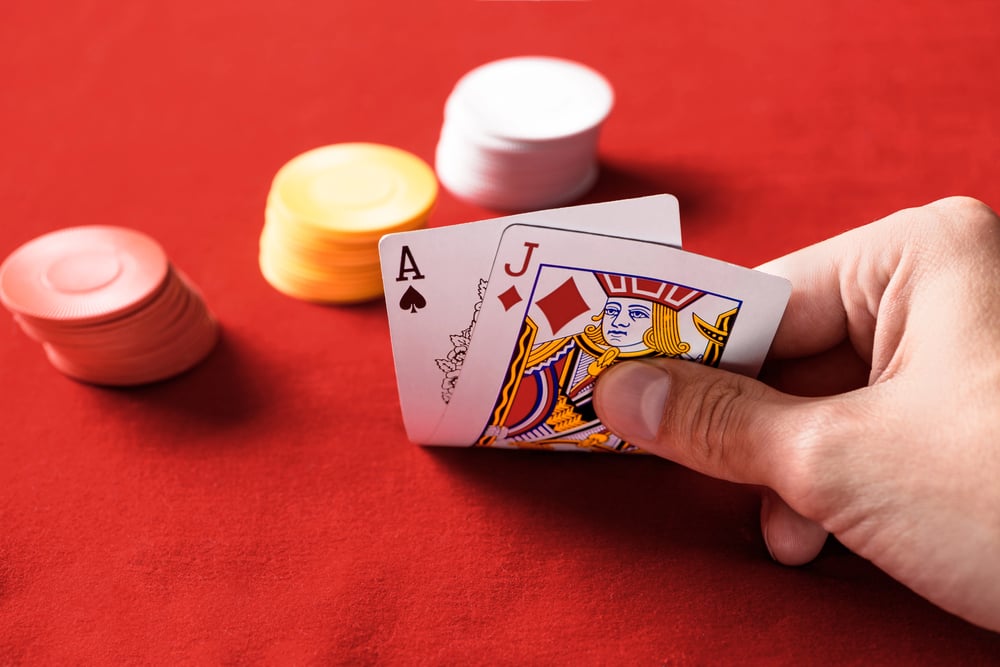
Wisconsin’s beloved game throws players into constantly shifting partnerships based on who holds the jack of diamonds. The picking phase requires quick hand evaluation, though the real skill emerges during play when trump management determines everything.
Partnerships can change mid-hand, demanding flexible thinking.
Like Go2Tutors’s content? Follow us on MSN.
Tarot
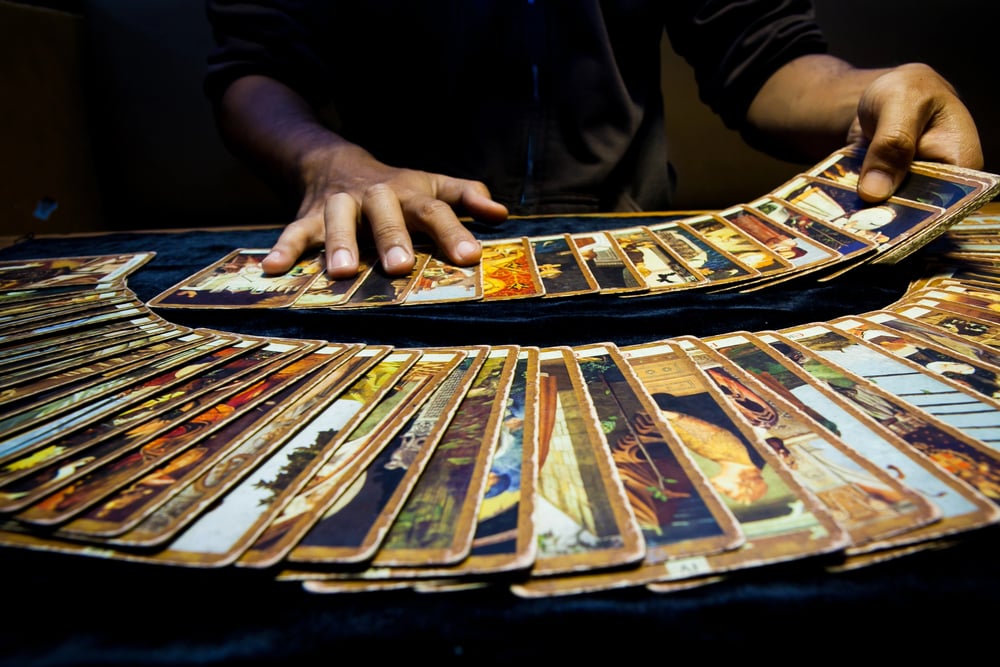
Strip away the mysticism and Tarot reveals itself as a demanding trick-taking game with intricate point calculations. The 78-card deck creates complex possibilities that require both mathematical thinking and strategic planning.
Managing the large hand size while optimizing point potential challenges even experienced players.
German Whist
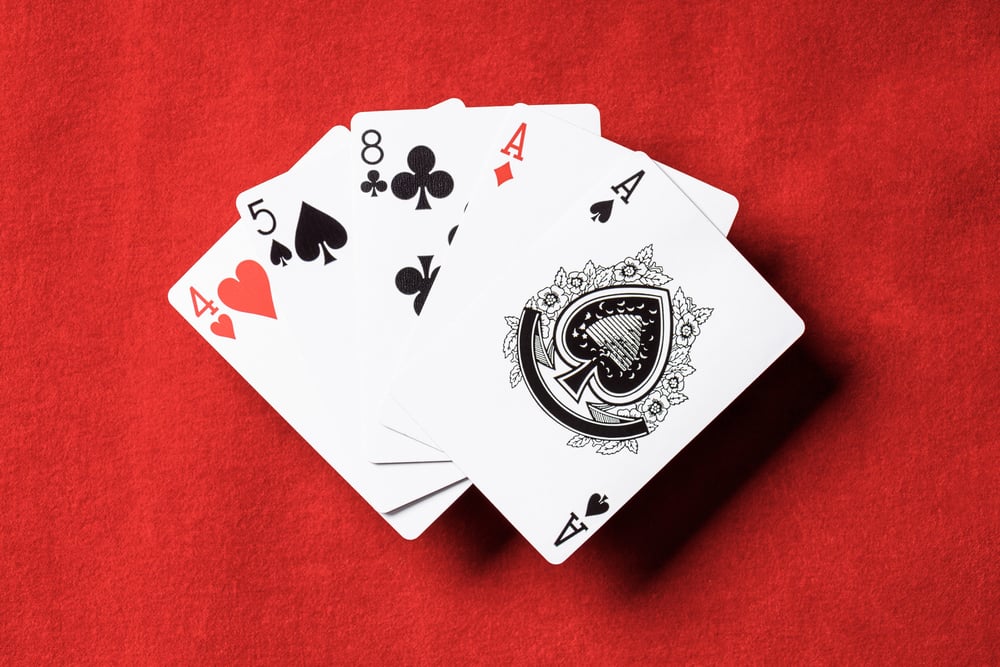
This two-player variant minimizes luck through its brilliant stockpile mechanism. Every decision about winning or losing tricks directly impacts future options since you see the next available card.
Pure skill emerges when chance gets removed from the equation.
Skat
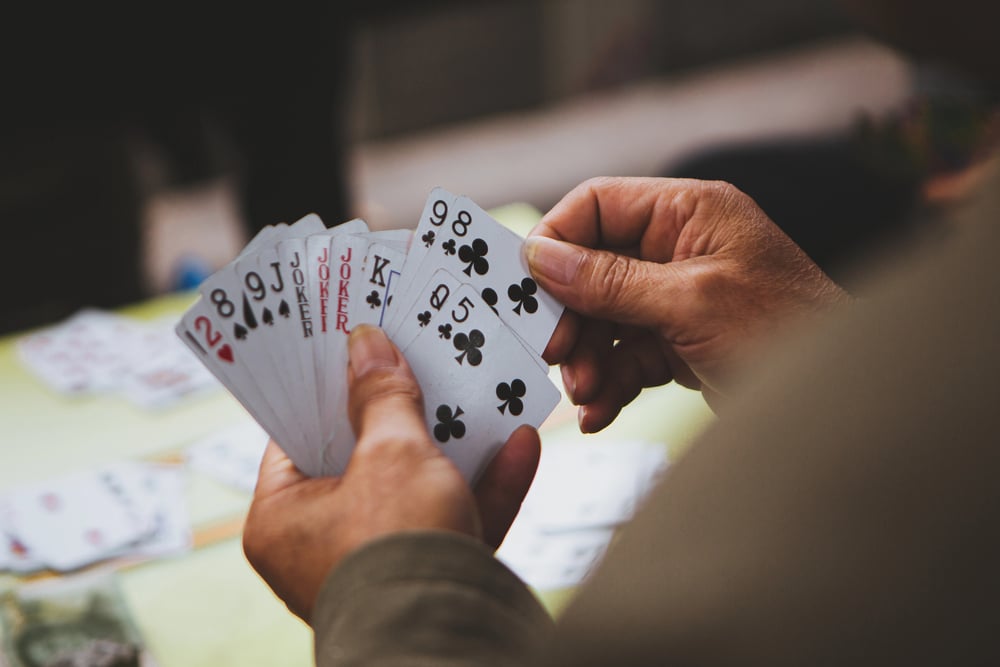
Germany’s national game demands mathematical precision during both bidding and play. The skat (two hidden cards) adds strategic complexity as players decide whether to incorporate them into their hands.
Point calculations require constant mental arithmetic while opponents try to sabotage your declared game.
Like Go2Tutors’s content? Follow us on MSN.
Piquet
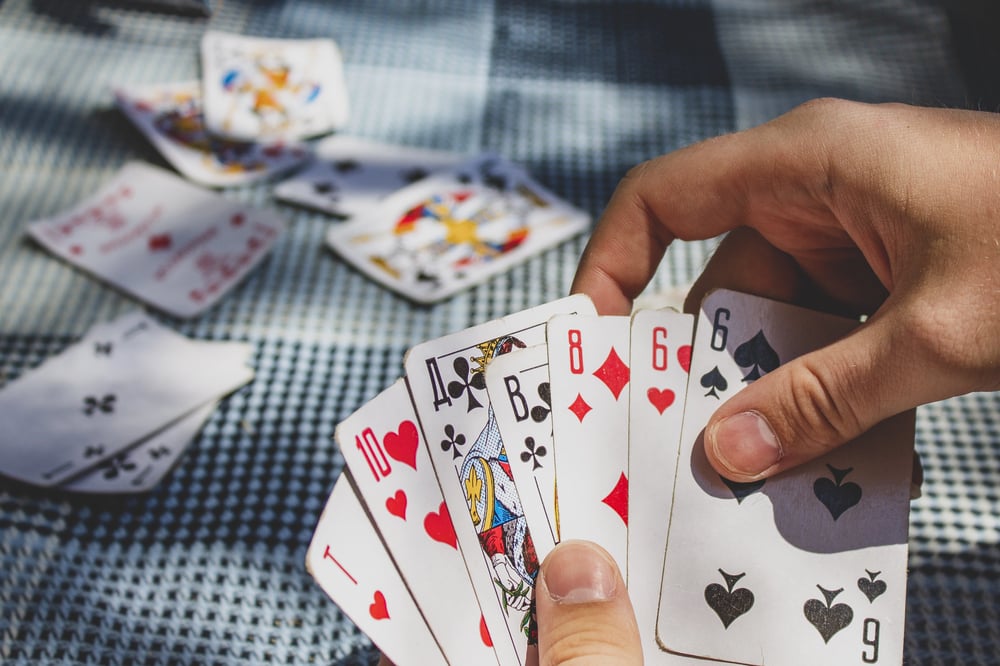
France’s contribution to serious card gaming rewards exceptional memory and calculation abilities. Multiple scoring categories create numerous paths to victory, yet each requires careful hand management.
The 32-card deck means every card matters, and tracking opponent holdings becomes crucial for success.
Timeless Challenges in Modern Times
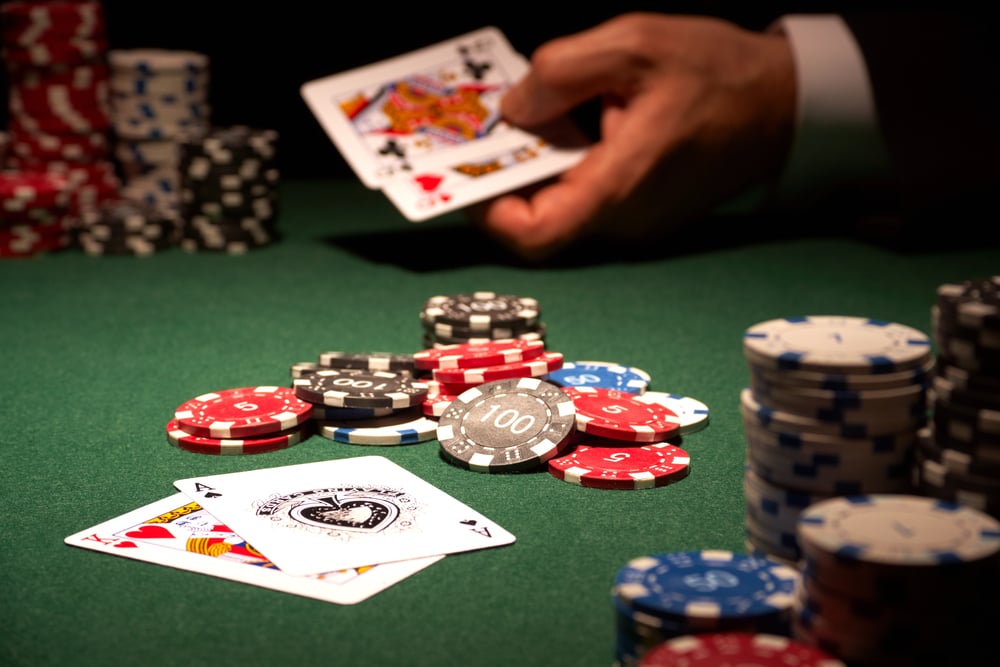
These games prove that intellectual challenge doesn’t require flashy graphics or expensive equipment. Centuries of play have refined their mechanics into elegant systems that reward study and practice.
While modern gaming often emphasizes quick entertainment, these classics continue attracting players who appreciate depth over convenience.
More from Go2Tutors!

- 16 Historical Figures Who Were Nothing Like You Think
- 12 Things Sold in the 80s That Are Now Illegal
- 15 VHS Tapes That Could Be Worth Thousands
- 17 Historical “What Ifs” That Would Have Changed Everything
- 18 TV Shows That Vanished Without a Finale
Like Go2Tutors’s content? Follow us on MSN.



