Rules People Assume Are Scientific But Aren’t
You’ve probably heard them a thousand times. Drink eight glasses of water daily.
Wait an hour after eating before swimming. Feed a cold, starve a fever.
These rules get passed around like scientific facts, repeated so often that questioning them feels almost rebellious. But here’s the thing—many of these so-called rules have little to no scientific backing.
They’re more folklore than fact, cultural habits that somehow earned the authority of science without actually proving themselves in a lab. Understanding which rules actually hold up to scrutiny matters more than you might think.
Following unproven advice can waste your time at best and potentially harm you at worst. Plus, there’s something satisfying about separating truth from tradition, about knowing what’s real versus what people just assume is real.
The Eight Glasses of Water Myth
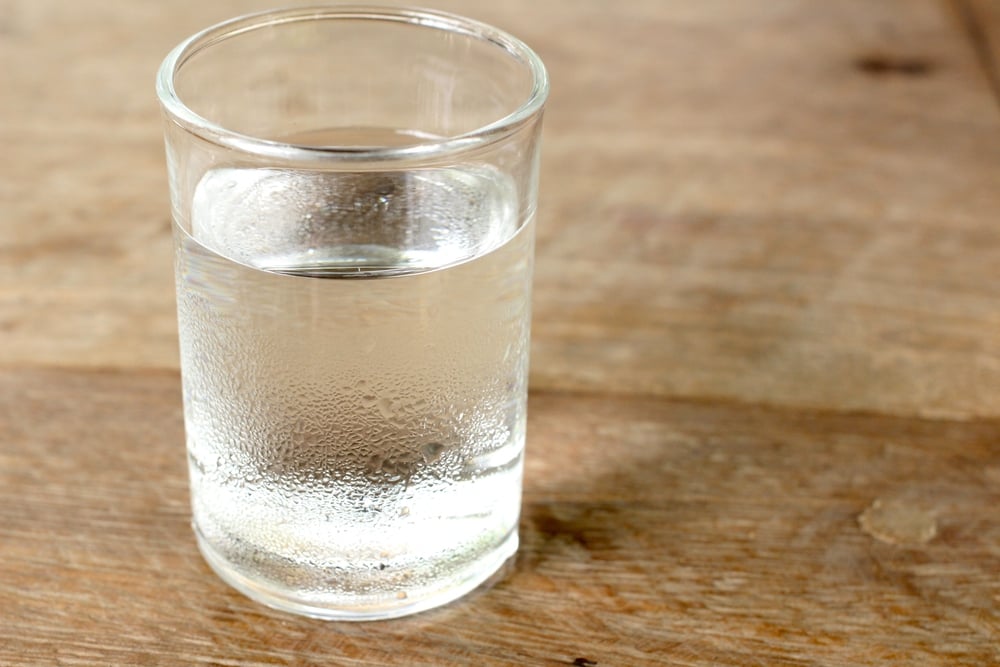
This one’s everywhere. Eight eight-ounce glasses of water per day—it sounds so precise, so official.
Surely someone in a lab coat measured this out, right? Nobody knows where this rule actually came from.
Some trace it back to a 1945 recommendation that suggested people consume about 2.5 liters of fluid daily. But that recommendation included water from food, which nobody mentions when they recite the eight-glasses rule.
Your body gets significant hydration from fruits, vegetables, coffee, tea, and pretty much everything else you consume that contains moisture. Your actual water needs vary wildly based on your size, activity level, climate, and health.
An athlete training in summer heat needs far more water than someone sitting at a desk in air conditioning. Your body has a built-in hydration monitor—it’s called thirst.
If you’re thirsty, drink. If you’re not, you’re probably fine.
Waiting to Swim After Eating

Your parents definitely told you this one. Eat lunch, then wait at least 30 minutes—maybe an hour—before jumping back in the pool.
Otherwise, you’ll get cramps and drown. The reasoning sort of makes sense on the surface.
Digestion redirects blood flow to your stomach, supposedly leaving less blood for your muscles, which could cause cramping. But this oversimplifies how your body actually works.
Your circulatory system doesn’t operate like a zero-sum game where blood has to choose between digestion and muscle function. Competitive swimmers often eat small amounts before races without issue.
Sure, swimming on a completely full stomach might feel uncomfortable, but that’s different from being dangerous. The Red Cross and other safety organizations have largely dropped this advice because there’s no real evidence supporting it.
Shaving Makes Hair Grow Back Thicker

This one persists despite being demonstrably false. Shave your legs, your face, whatever—and supposedly the hair returns darker, coarser, and more aggressive than before.
It doesn’t. When you shave, you cut the hair at the skin’s surface, leaving the blunt end of the shaft.
That blunt end feels stubbly and coarse as it emerges, creating the illusion of thicker hair. But the hair follicle itself hasn’t changed.
The actual thickness, color, and growth rate remain exactly the same. If shaving made hair thicker, every balding man who shaves his head would solve his problem immediately.
Dermatologists have studied this extensively. The appearance might change temporarily, but the biology stays constant.
Reading in Dim Light Damages Your Eyes

Parents and teachers have been warning kids about this forever. Read in bad lighting and you’ll ruin your eyesight, need glasses, strain your eyes permanently.
Eye strain is real. Reading in poor lighting can cause temporary discomfort, fatigue, and difficulty focusing.
But temporary discomfort isn’t the same as permanent damage. Your eyes might feel tired, you might get a headache, but once you rest them, everything returns to normal.
There’s no evidence that dim lighting causes lasting vision problems. The American Academy of Ophthalmology has confirmed this repeatedly.
Your eyes are built to adapt to different lighting conditions. They might work harder in dim light, but working harder doesn’t mean suffering permanent harm.
Cracking Your Knuckles Causes Arthritis

This warning probably made you pause mid-crack at some point. That satisfying pop must be doing something terrible to your joints, right? All that cracking has to add up to arthritis eventually.
The sound comes from gas bubbles in the synovial fluid around your joints. When you crack your knuckles, you’re essentially creating a small vacuum that causes these bubbles to form and pop.
It’s not bone grinding on bone or cartilage breaking down. Several studies have specifically examined this question.
One dedicated researcher even cracked the knuckles on one hand but not the other for decades. No difference in arthritis rates between the two hands.
Habitual knuckle-cracking might cause some hand swelling or reduced grip strength over time, but it doesn’t cause arthritis.
You Lose Most Body Heat Through Your Head

This myth shows up everywhere, especially in winter. Wear a hat or you’ll lose most of your body heat through your head.
Sometimes the claim gets even more specific—you lose 40%, 50%, even 75% of your body heat through your head. Your head represents about 10% of your body’s surface area.
It loses about 10% of your body heat. The myth likely originated from old military studies where subjects wore warm clothing but no hats.
Of course they lost significant heat through their heads—it was the only exposed part. Cover your whole body except your feet and you’ll lose most of your heat through your feet.
Same principle. Your head does have lots of blood vessels close to the skin, which makes it feel cold faster than some other body parts.
But feeling cold and actually losing more heat are different things. Wear a hat because it keeps you comfortable, not because your head is some magical heat-escape portal.
Feed a Cold, Starve a Fever

This saying is so old that nobody remembers where it came from. Some claim it dates back to the 1500s.
The advice varies—some people say feed a cold and starve a fever, others reverse it. Either way, the idea suggests different illnesses require opposite nutritional approaches.
Your body needs energy to fight any infection. Whether you have a cold or a fever, your immune system is working hard, burning calories, mobilizing resources.
Deliberately withholding food doesn’t help this process. In fact, fever typically raises your metabolic rate, meaning your body needs more calories, not fewer.
What matters more than eating is staying hydrated. Both colds and fevers can dehydrate you.
Beyond that, eat if you’re hungry, rest regardless. Your appetite might decrease when you’re sick, which is fine, but intentionally starving yourself based on which type of infection you have has no scientific support.
Sugar Makes Kids Hyperactive

This one seems so obviously true. Give kids candy or cake at a birthday party and watch them bounce off the walls.
The cause and effect appears undeniable. Multiple controlled studies have tested this.
Researchers give kids sugar or a placebo, then observe their behavior. The kids don’t actually act differently based on which substance they received.
But here’s the interesting part—when parents think their children consumed sugar, they rate the children’s behavior as more hyperactive, even when the kids received a placebo. The birthday party chaos probably comes from excitement, other kids, new environments, and late bedtimes rather than the cake itself.
Your brain runs on glucose. Kids’ brains need lots of it because they’re growing.
Sugar provides quick energy, but it doesn’t fundamentally alter behavior the way people assume.
You Need to Detox Regularly

The wellness industry has built an empire on this concept. Juice cleanses, detox teas, special diets—all promising to flush toxins from your body and restore optimal health.
Your liver and kidneys already detox your body. That’s literally what they do, every day, automatically.
They filter waste products, break down substances, and eliminate what you don’t need. Unless you have kidney or liver disease, they handle this job efficiently without any special intervention.
Most detox products don’t specify which toxins they’re supposedly removing. That’s convenient because they’re not actually removing any specific toxins.
Your body maintains its own careful balance. Attempting to override this system with extreme dietary restrictions often does more harm than good.
Eat reasonably well, stay hydrated, and let your organs do their job.
Alcohol Kills Brain Cells

This warning gets trotted out to discourage drinking. Have a few beers and you’re permanently destroying brain cells, making yourself progressively dumber with each sip.
Chronic heavy drinking absolutely damages your brain. But the mechanism isn’t simple cell death.
Alcohol affects the dendrites on neurons—the branches that transmit signals between brain cells. With heavy, prolonged use, these dendrites can become damaged, impairing communication between neurons.
But the neurons themselves remain alive. The brain can recover from this damage if you stop drinking or reduce consumption significantly.
Moderate drinking doesn’t kill brain cells. Excessive drinking harms your brain in real, serious ways, but not by directly assassinating individual cells.
The truth is bad enough without exaggeration.
You Only Use 10% of Your Brain

This myth has serious staying power. It shows up in movies, motivational speeches, and advertisements.
Imagine what you could accomplish if you could access the other 90%! Brain imaging shows that you use virtually all of your brain.
Different regions activate for different tasks, but over the course of a day, you use every part. Even during sleep, significant portions of your brain stay active.
The brain represents about 2% of your body weight but uses about 20% of your energy. Evolution wouldn’t maintain such an expensive organ if 90% of it sat idle.
The myth might have originated from early misunderstandings about glial cells, which support neurons but don’t directly transmit signals. Or maybe it came from people misinterpreting the fact that neurons fire intermittently rather than all at once.
Either way, it’s completely false.
Eating Turkey Makes You Sleepy

Thanksgiving arrives and everyone blames the turkey for their post-meal exhaustion. Turkey contains tryptophan, an amino acid that contributes to sleep-inducing chemicals.
Case closed, right? Turkey has tryptophan, but so does chicken, beef, pork, and many other proteins.
Turkey doesn’t contain unusually high levels. If turkey’s tryptophan knocked you out, you’d feel drowsy after every chicken sandwich.
The real culprit is the massive meal itself. You eat large amounts of carbohydrates along with the turkey.
Carbohydrates trigger insulin release, which helps tryptophan cross the blood-brain barrier. But mainly, you’re just tired because you ate way too much food.
Digesting a huge meal requires significant energy. Your body prioritizes digestion, which makes you feel sluggish.
The turkey is innocent.
Cold Weather Gives You a Cold

Button up or you’ll catch a cold. This advice echoes through childhoods everywhere.
The connection between cold weather and catching colds seems self-evident—it’s even in the name. Viruses cause colds, not temperatures.
Going outside with wet hair or without a jacket doesn’t magically generate viruses. You get sick when you’re exposed to cold viruses, period.
Cold weather does correlate with more colds, but for different reasons. People spend more time indoors in close quarters during winter, making virus transmission easier.
The air inside heated buildings becomes drier, which dries out the mucous membranes in your nose and throat, potentially making you more susceptible to infection. Some viruses also survive better in cold, dry conditions.
But the cold itself isn’t making you sick.
Blood Is Blue Before It Hits Oxygen
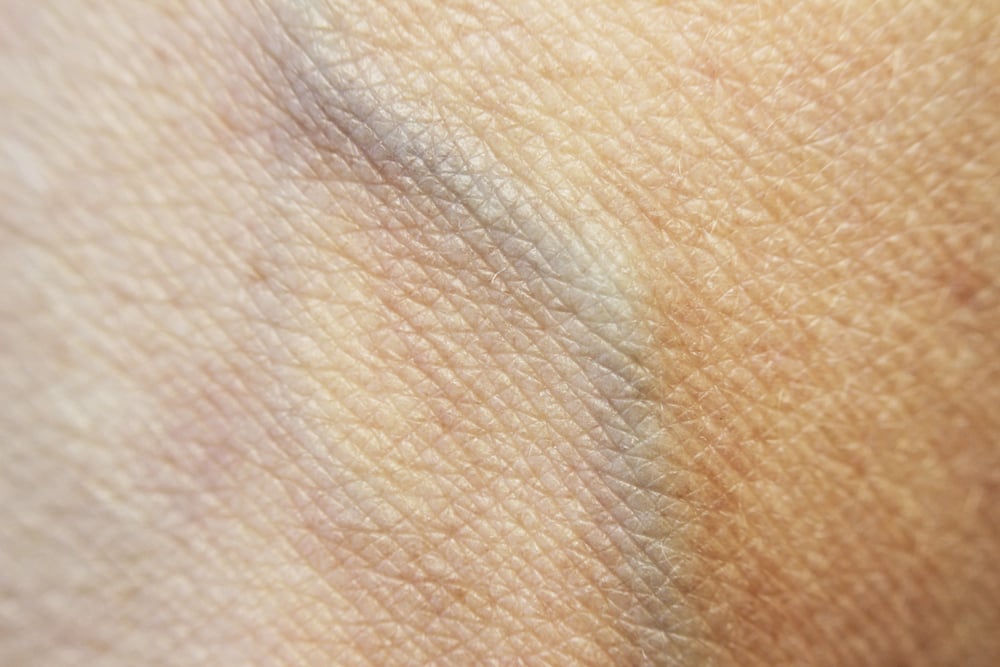
This one persists because it seems to explain why your veins look blue through your skin. Surely the blood must be blue in there, turning red only when exposed to oxygen, right?
Your blood is always red. Oxygenated blood is bright red.
Deoxygenated blood is dark red, almost maroon. It’s never blue.
The blue appearance of veins comes from how light penetrates and reflects off skin. Blue wavelengths scatter differently than red wavelengths when passing through skin tissue, making the veins underneath appear blue even though the blood inside remains red.
Some biology textbooks even show oxygenated blood in red and deoxygenated blood in blue for clarity in diagrams. This helpful visual aid accidentally convinced generations of students that blood actually changes color.
It doesn’t. Cut yourself anywhere and the blood that emerges will be red.
What Gets Passed Down

It sticks around simply because it seems logical at first glance. Trusted folks like parents or teachers repeat it now and then.
One mention leads to another, building weight through sheer frequency. Over time, being common feels the same as being correct.
Truth isn’t always what it appears. Because gut feelings mislead, science steps in.
What looks clear may hide mistakes. Believing a shape is there does not mean it exists.
Testing helps tell fact from fiction. Measuring brings clarity.
Letting go of thoughts that fail keeps understanding honest. Questioning every single thing isn’t required.
Yet if a claim is called science, wondering “What proof supports this?” isn’t doubt for its own sake. That’s simply thinking clearly.
Certain guidelines exist because they’ve been tested thoroughly. Some merely stick around by being repeated often enough.
Spotting which is which lets you choose more wisely how to live and care for yourself.
More from Go2Tutors!

- The Romanov Crown Jewels and Their Tragic Fate
- 13 Historical Mysteries That Science Still Can’t Solve
- Famous Hoaxes That Fooled the World for Years
- 15 Child Stars with Tragic Adult Lives
- 16 Famous Jewelry Pieces in History
Like Go2Tutors’s content? Follow us on MSN.



