33 Back-to-School Supplies Kids Once Needed
The supply list arrived in August, photocopied and slightly crooked, and every family treated it like a legal document. Some items on it were practical, and some seemed to exist only because a teacher had asked for them every year since 1965.
Plenty of those items have vanished from classrooms, replaced by laptops and tablets. Others are still sold in the same packaging, waiting in the aisle each summer.
Trapper Keeper and Its Velcro Flap
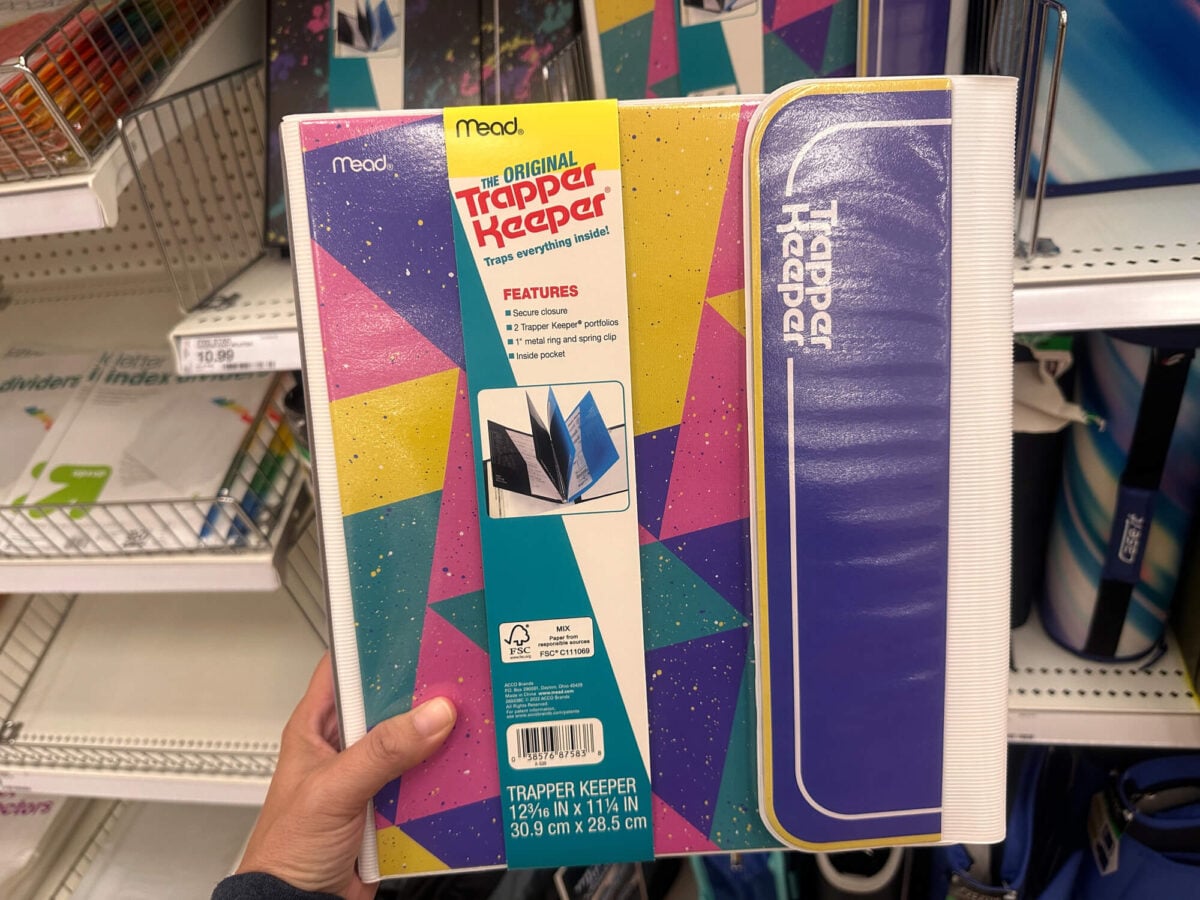
Mead introduced the Trapper Keeper in 1978, and it quickly became the most coveted binder in American schools. E. Bryant Crutchfield, a Mead marketing executive, designed it around folders that trapped loose papers inside a binder that closed with a flap.
The Velcro fastening made a loud ripping noise that some teachers came to dread. Covers featured sports cars, unicorns, and neon patterns, and choosing the right design felt like a statement.
Mead has reissued the Trapper Keeper several times, often with the original artwork, for adults who remember it.
Pee-Chee Folders and Their Doodles

Pee-Chee folders, peach-colored cardboard portfolios, were introduced in 1943 by the Western Tablet and Stationery Company. Their covers featured drawings of teenagers playing sports, created by illustrator Francis Golden beginning in 1964.
Students added mustaches, speech bubbles, and much worse to the figures. The inside pockets were printed with multiplication tables, weights and measures, and other conversions that were handy during tests.
The folders were cheap, flimsy, and beloved, and they remained a fixture in West Coast schools for decades. A clean Pee-Chee at the end of June was rare.
Big Chief Tablets

The Big Chief tablet, with its red cover showing a Native American chief in a headdress, was the standard writing pad for early grades through much of the 20th century. Its pages were rough, wide-ruled paper that took pencil well but tore easily under an eraser.
The tablets were made in Missouri and sold for pennies. Teachers liked the wide lines for children learning to form letters.
The image on the cover is now widely seen as a stereotype, and the tablets changed owners several times as their popularity faded.
Composition Notebooks
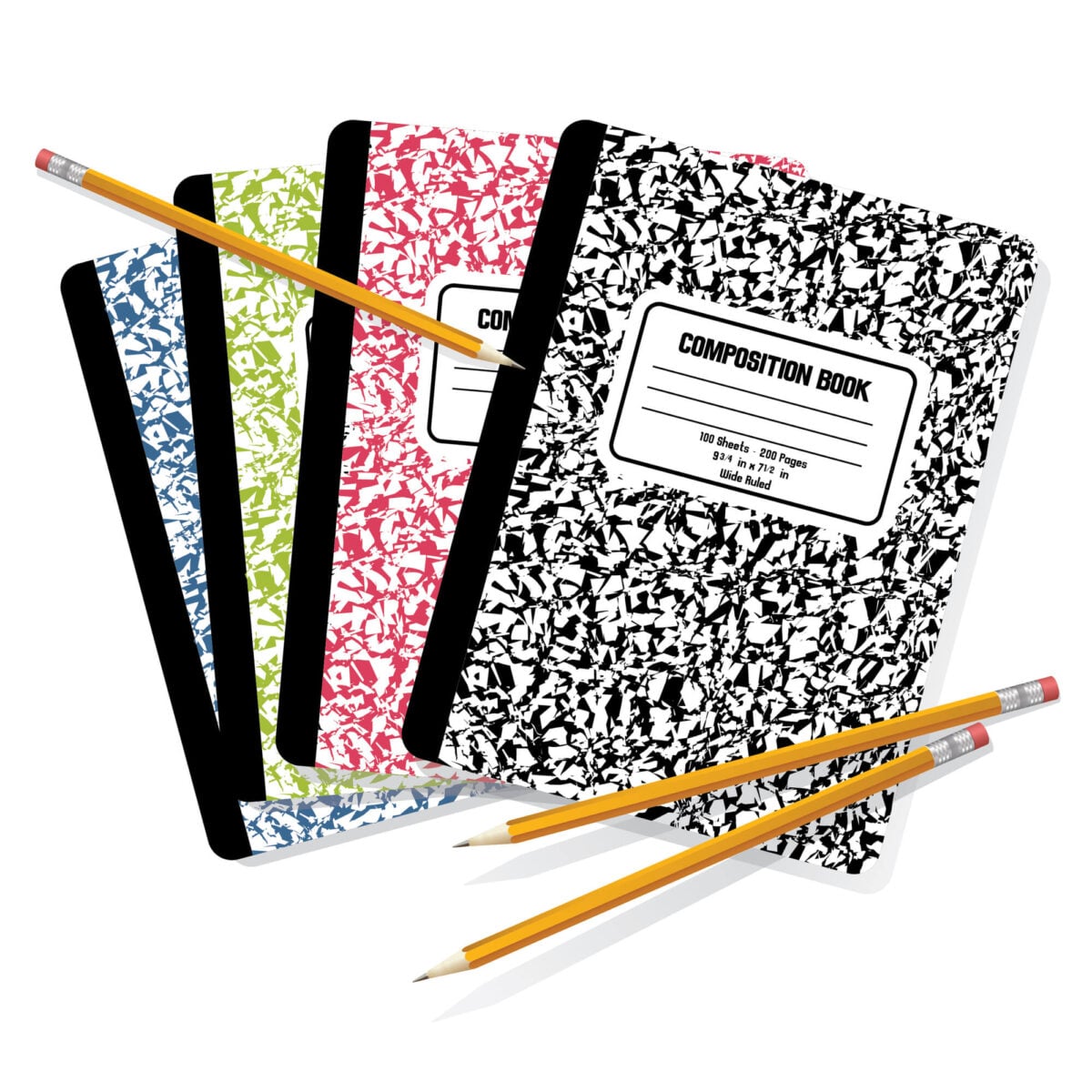
Composition notebooks, with their black and white marbled covers and sewn bindings, have barely changed in a century. The marbled pattern imitated the decorative marbled papers used in bookbinding.
Because the pages could not be torn out cleanly, teachers used them for journals and science logs where every entry needed to stay put. The label on the front had lines for name, subject, and grade.
Scientists and writers still use them, and they remain one of the cheapest items on any supply list. Some teachers collected them weekly and returned them covered in comments.
Crayola 64 With the Built-In Sharpener

Binney and Smith introduced Crayola crayons in 1903 in a box of eight that sold for a nickel. In 1958, the company released the 64-count box with a built-in sharpener in the back, and it became the gold standard for serious young artists.
Kids compared colors like burnt sienna, periwinkle, and cornflower. Owning the big box was a status symbol in any classroom.
The sharpener often clogged with wax shavings, but that never diminished its appeal. Broken crayons were never thrown away, only moved to a coffee can at home.
Kids who received the box always noticed the ones who had only the 24.
Elmer’s Glue and Elmer the Bull
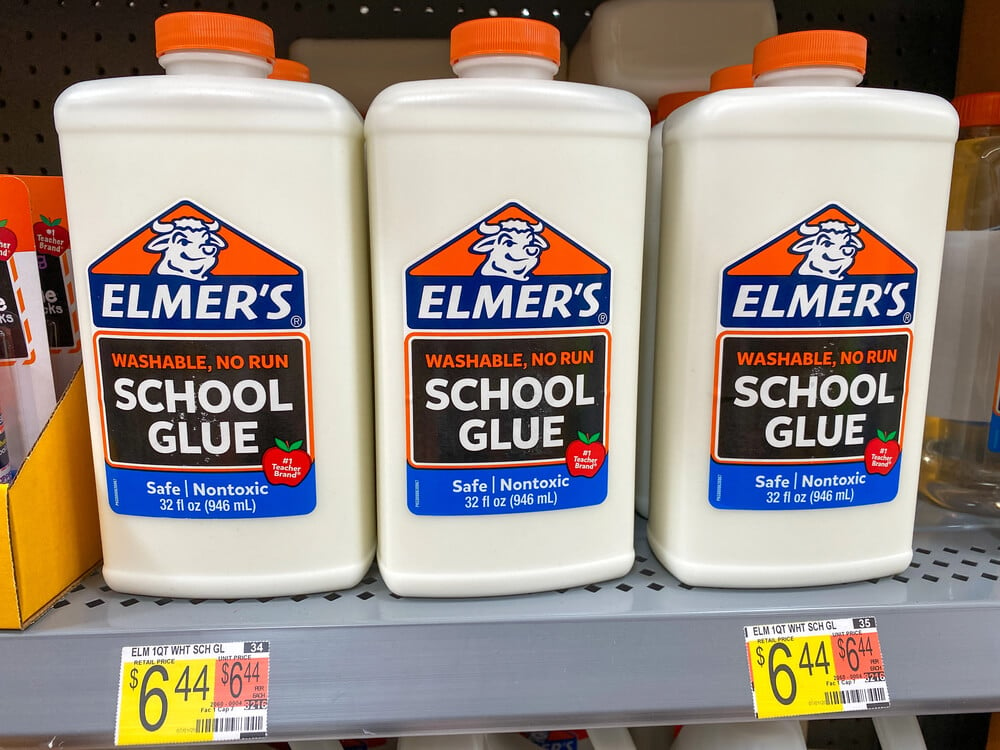
Elmer’s glue came from Borden, the dairy company, whose advertising already featured Elsie the Cow. The white glue was named after Elmer, Elsie’s husband in the company’s cartoon ads, and his face appeared on the bottle.
Borden introduced its white glue shortly after the Second World War. Kids learned that it dried clear and peeled off in satisfying sheets when spread on the palm of the hand.
The orange cap had a slit tip that clogged constantly, and cleaning it with a pin was a regular classroom chore.
Jars of White Paste
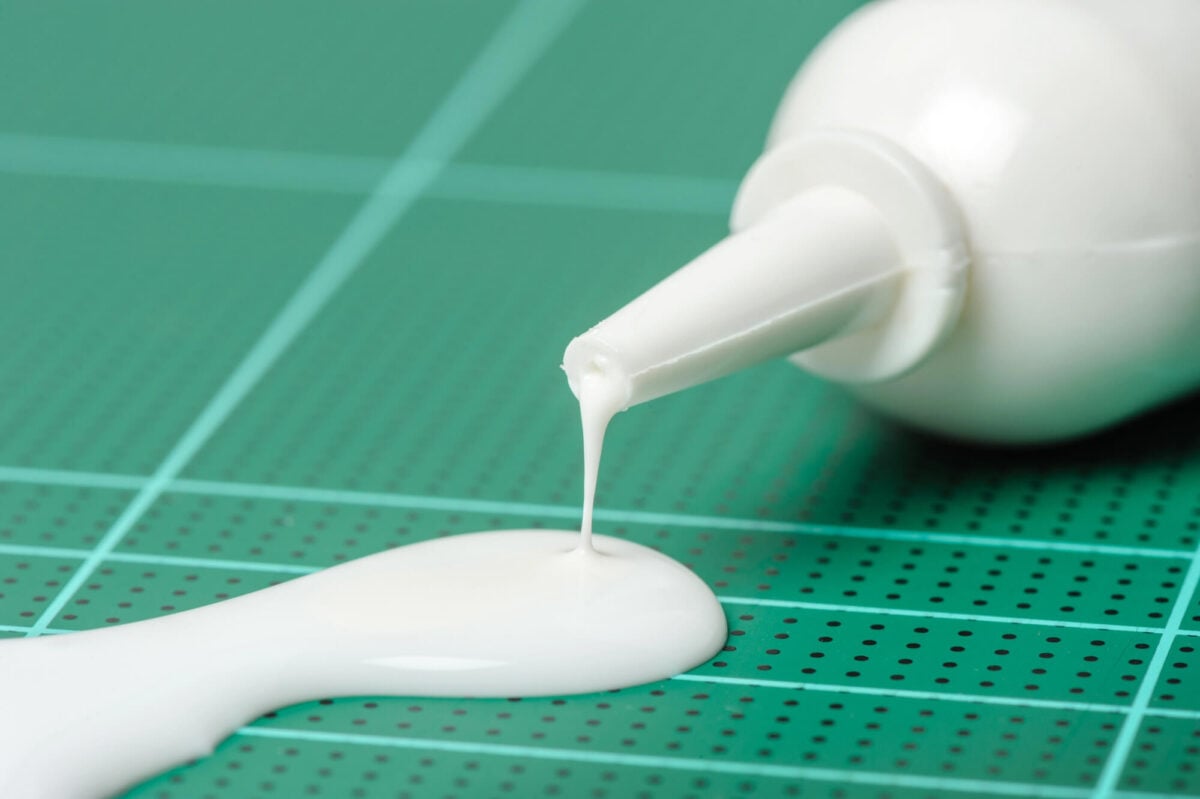
Before squeeze bottles took over, classrooms relied on jars of thick white paste. The jars often came with a small plastic spatula attached to the lid for spreading.
The paste smelled faintly of mint or almonds, depending on the brand, and some children could not resist tasting it. It was nontoxic, made mostly of starch and water.
The phrase eating paste became a playground insult, and it survives as shorthand for someone who was not paying attention in school. Most kids learned the taste firsthand at least once, whatever they later claimed.
Pink Pearl Erasers
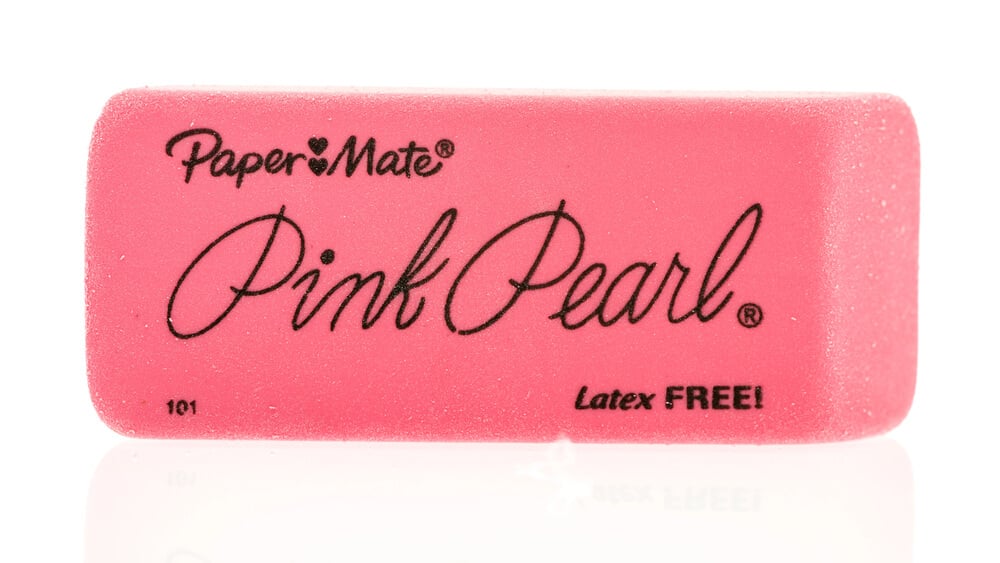
Eberhard Faber introduced the Pink Pearl eraser in 1916, and its soft, rounded shape made it the standard classroom eraser. The rubber was gentle on paper and left pink crumbs across every desk.
Kids used them to erase mistakes, then used them as small projectiles when the teacher turned away. The eraser’s slanted ends were designed for detail work.
Sanford later acquired the brand, and it remains one of the most recognizable erasers in the country. Dragging one too hard across a page could rub straight through it.
Every desk seemed to have one worn down to a nub by spring.
Dixon Ticonderoga Pencils
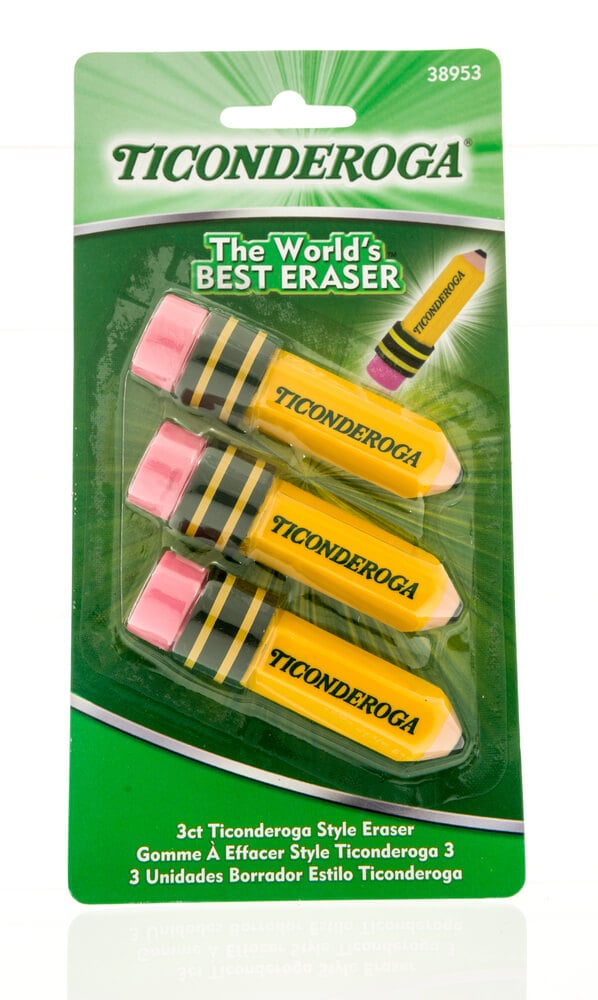
The yellow Dixon Ticonderoga pencil with its green and yellow metal band was the standard number two pencil for standardized tests. The brand took its name from Fort Ticonderoga in New York, and it dates to the early 20th century.
Teachers insisted on number two lead because the scanning machines for tests read that darkness best. Sharpening a new box in the first week of school filled the room with the smell of cedar.
Many students chewed the ends down to the ferrule by winter.
Eraser Mate Pens
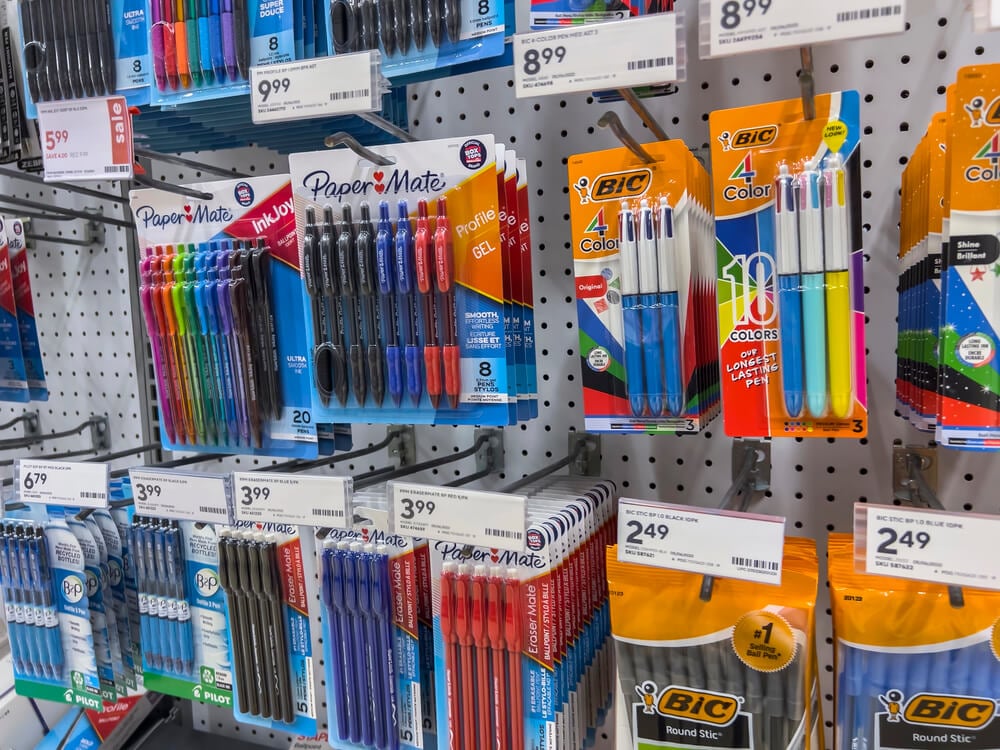
Paper Mate introduced the Eraser Mate in 1979, promising ink that could be erased like pencil. The ink stayed erasable for a while after writing but gradually set, so mistakes had to be fixed quickly.
Students loved the idea, since many teachers required ink for homework but made no allowances for mistakes. The erasers on the end often smeared more than they erased.
Still, the pen became a hit, and it remains on the market today in updated form. Blue was by far the most common color on supply lists.
Bic Four-Color Pens
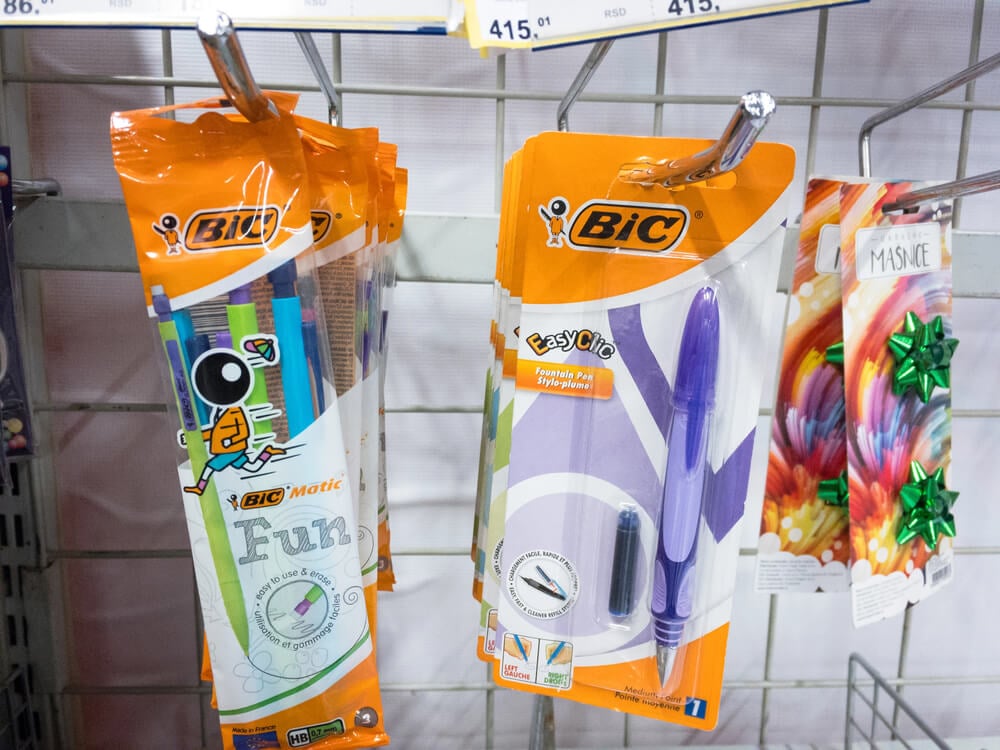
Bic introduced the four-color pen in 1970, with blue, black, red, and green ink cartridges in one thick barrel. Each color had its own slider at the top, and pushing one down retracted any other.
Kids tried to push all four at once, which usually jammed the mechanism. Teachers used the red for grading, and students used the green for notes that felt special.
The pen was chunky and noisy, and clicking it during class drove teachers to distraction. Many adults still keep one in a desk drawer.
Mr. Sketch Scented Markers

Mr. Sketch scented markers, introduced in 1965, gave each color a smell. Licorice black, cherry red, blueberry blue, and mint green were among the classics.
Kids smelled the markers more than they drew with them, and ink on the nose was a common side effect. The markers were water-based and washable, which made them popular with teachers and parents.
They are still sold today, and the scents have barely changed in half a century. The packaging warned against sniffing too closely, a warning children ignored.
Teachers sometimes rewarded good behavior with a turn using the full set.
Texas Instruments Graphing Calculators
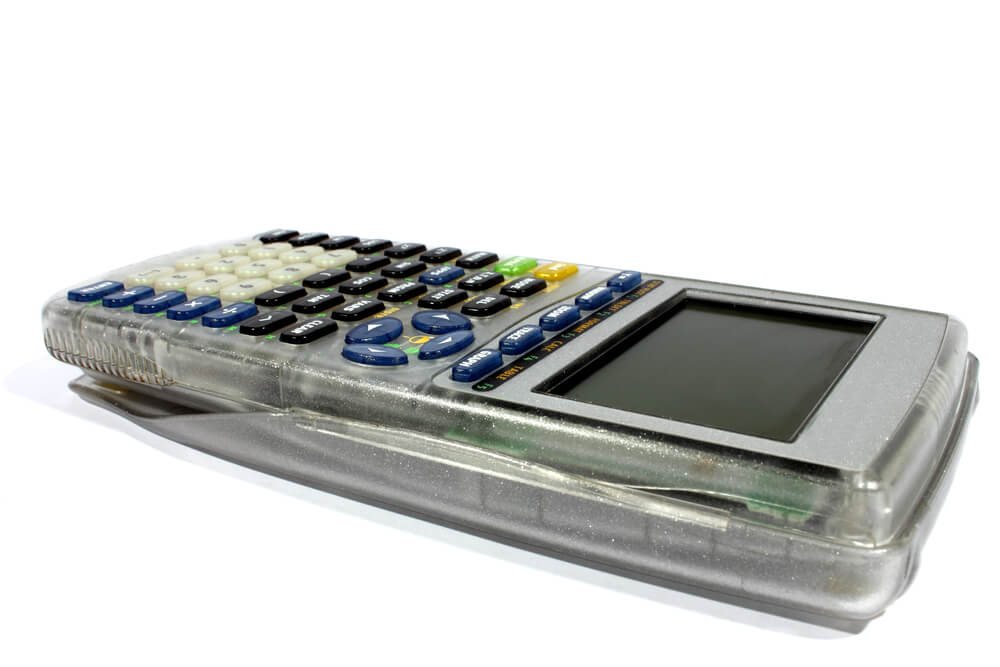
Texas Instruments released the TI-81 graphing calculator in 1990, and algebra and trigonometry classes began requiring one. The TI-83, introduced in 1996, became the standard for high school math.
The calculators cost around 100 dollars, which made them one of the most expensive items on any supply list. Students coded simple games into them during boring lessons.
The TI-84 line still dominates classrooms, and the prices have barely dropped in decades. Some math teachers kept a classroom set for students who could not afford their own.
Losing one was a small family crisis. Rules about clearing the memory before exams became standard practice.
Slide Rules in Math Class
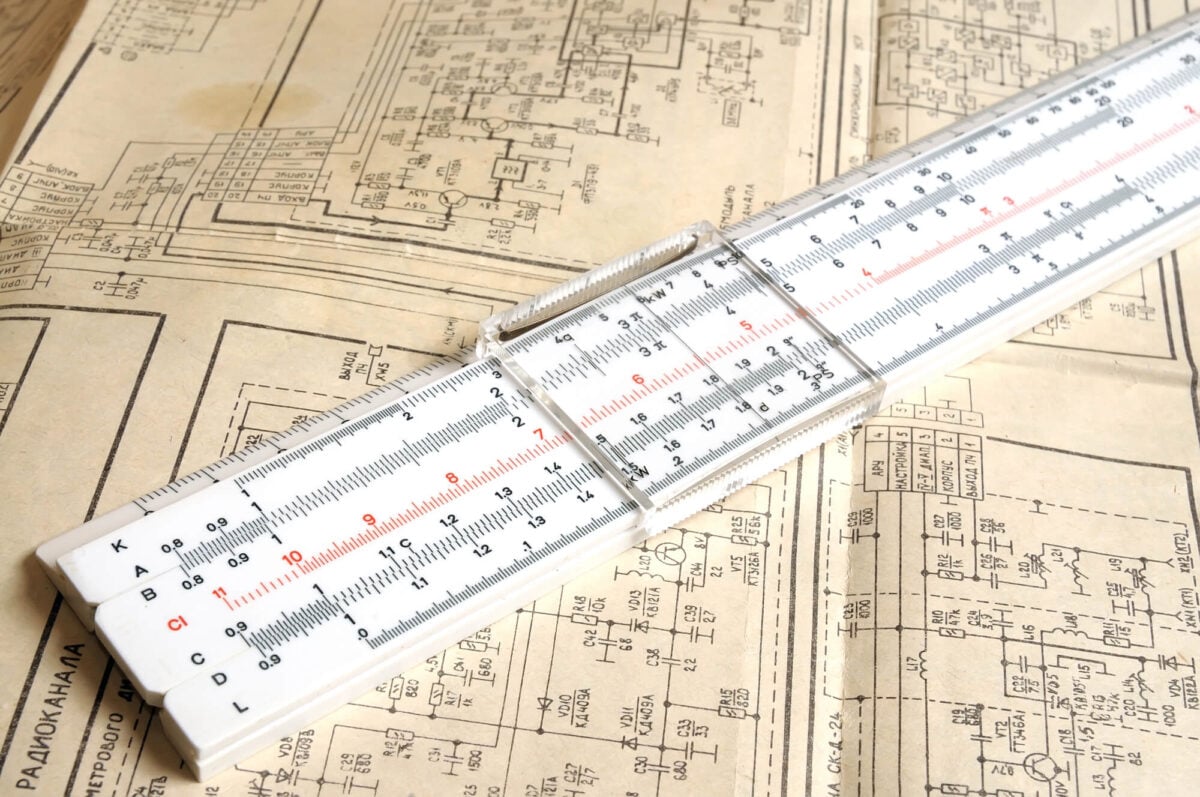
Before electronic calculators, high school and college students learning advanced math and science used slide rules. The tool used logarithmic scales on sliding strips to multiply and divide quickly.
Engineers carried them in belt holsters, and the Apollo astronauts had them aboard. The arrival of affordable pocket calculators in the early 1970s made slide rules obsolete within a few years.
Today, collectors and hobbyists keep the skill alive, and some engineering schools display them as relics. Learning to read one required patience with small tick marks and a steady hand.
Metal Lunch Boxes With Thermoses
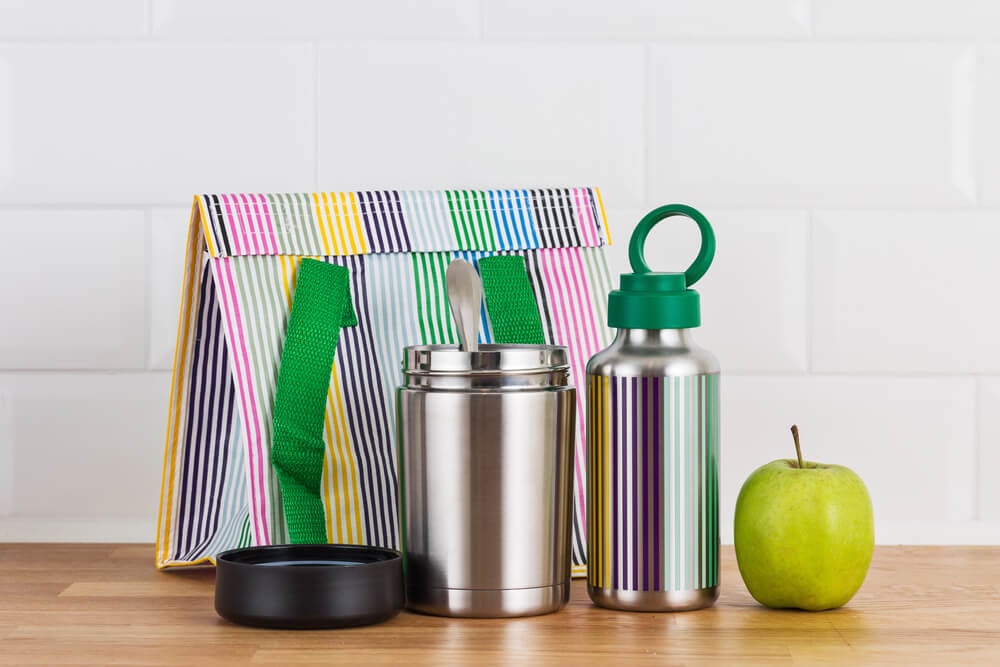
Aladdin Industries released a Hopalong Cassidy lunch box in 1950, and it is often credited with launching the era of metal lunch boxes decorated with television and movie characters. Kids chose boxes featuring The Beatles, Star Wars, and The Dukes of Hazzard.
Each came with a matching vacuum bottle that usually broke by October. Metal boxes faded in the mid-1980s as plastic took over, partly because of concerns about their use in playground fights.
Collectors value the old boxes, with prices depending heavily on condition.
Glass-Lined Vacuum Bottles

Thermos as a brand dates to a German company founded in 1904, and the name became the generic word for any vacuum bottle. The early bottles had glass liners that shattered when dropped, which happened often in school.
A rattling sound inside meant the liner had broken and the milk or soup inside was ruined. Parents learned to buy spares.
Stainless steel liners eventually replaced the glass, but the rattling bottle remains a common childhood memory. Kids learned to shake the bottle gently before lunch to check whether it had survived the bus ride.
A broken one meant a trip to the cafeteria line.
Paper Bag Book Covers

Schools required textbooks to be covered, and the standard material was a brown paper grocery bag. Students cut the bag, folded it around the book, and taped it into place.
The covers protected the books from wear, since the same textbook might be used for years. Kids decorated the covers with drawings, band names, and the names of crushes.
Stretchy fabric covers eventually replaced paper bags, though some schools still ask families to cover books today. Folding the corners neatly took practice, and parents often did the job at the kitchen table.
Wide-Ruled and College-Ruled Paper

Loose-leaf notebook paper came in two main types, wide-ruled for younger students and college-ruled for older ones. The lines on college-ruled paper were closer together, which let students fit more notes on each page.
Switching to college-ruled paper in middle school felt like a step toward adulthood. Supply lists specified the type, and buying the wrong one meant a return trip to the store.
The paper came in packs of several hundred sheets and ran out by spring. Kids who ran out borrowed sheets from friends and promised to pay them back.
Gummed Reinforcement Rings
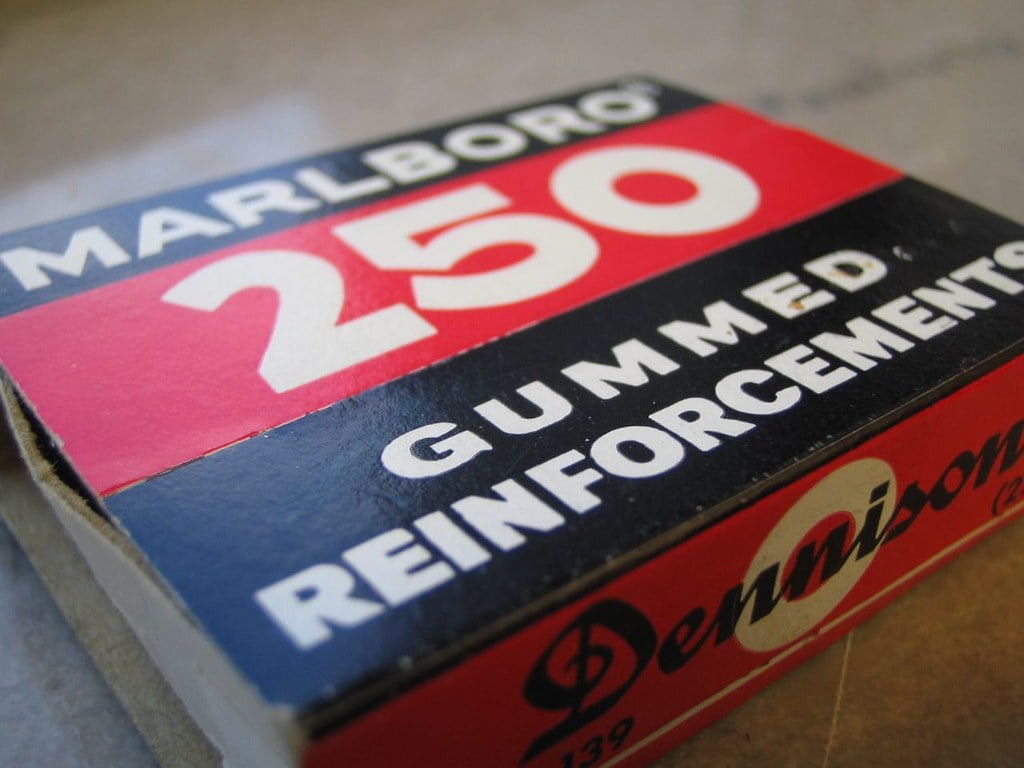
Paper reinforcement rings were small adhesive circles used to strengthen the punched edges of loose-leaf paper. Early versions had to be licked to stick, and later ones came on peel-off sheets.
When a page tore from a binder, a reinforcement ring fixed it. Kids stuck them everywhere, on desks, notebooks, and each other.
The rings came in white and later in bright colors, and they remain one of the quirkiest items on older supply lists. The glue on the older versions tasted faintly bitter.
Teachers kept boxes of them in desk drawers for emergencies.
Lisa Frank Folders

Lisa Frank founded her company in Tucson, Arizona, in 1979, and her designs featured rainbow leopards, dolphins, pandas, and unicorns in neon colors. Folders, stickers, and notebooks with her artwork became a coveted item for many elementary students in the ’80s and ’90s.
The designs were bright to the point of being almost blinding. Kids traded stickers and collected entire sets of folders.
The brand has since been revived as a nostalgic favorite for adults. A documentary about the company was released in 2024.
Its bright animals remain instantly recognizable to anyone who grew up with them.
Zaner-Bloser Handwriting Paper

Zaner-Bloser, founded in Columbus, Ohio, in 1888, developed a handwriting method used in schools across the country. Its practice paper had solid top and bottom lines with a dotted midline, guiding children to form letters at the right height.
Students practiced print and then cursive, copying letters from charts above the chalkboard. The paper was often thin, and pencils poked through it easily.
Many schools have since dropped cursive, but the dotted-line paper remains in early grades. Report cards once graded penmanship as a separate subject.
Boxes of Tissues
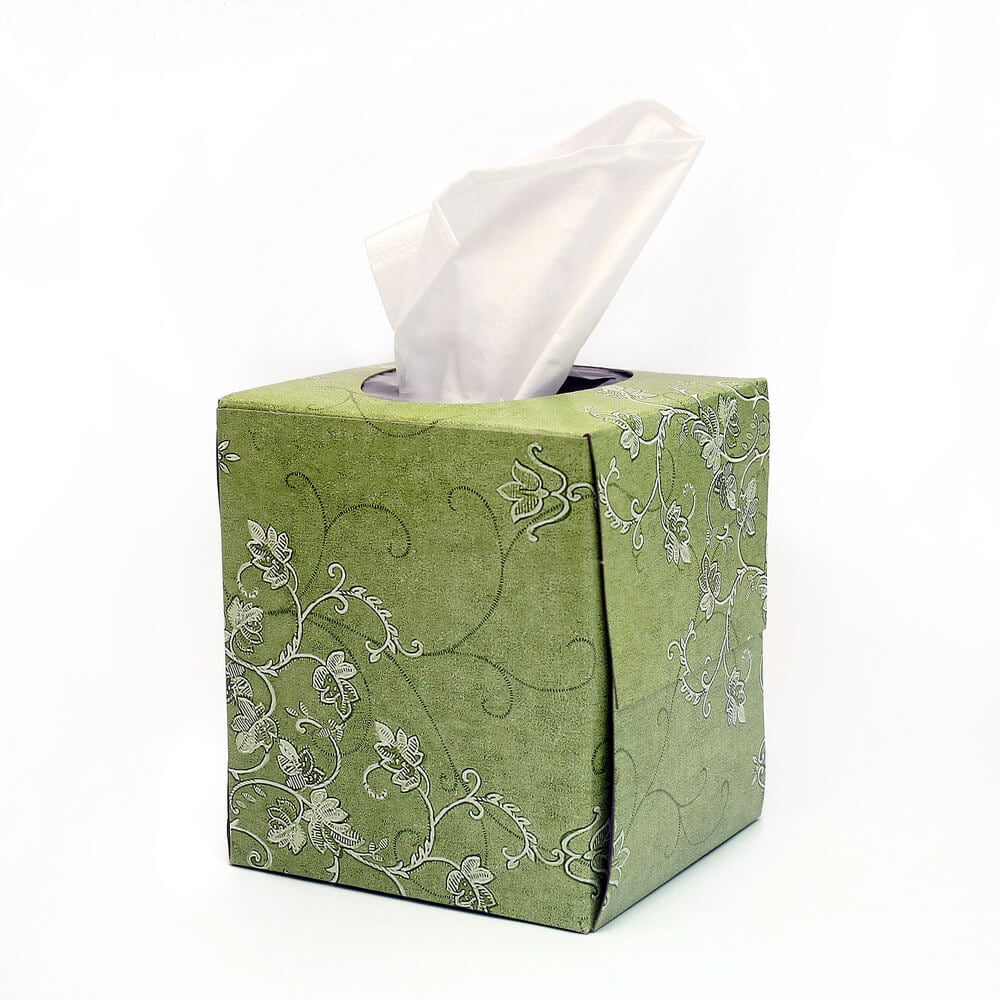
Supply lists often asked every family to send a box of tissues, which went into a shared classroom stockpile. Teachers used them all year for runny noses, spills, and occasional tears.
The request seemed odd to parents until they realized how quickly a class of children goes through tissues. Some teachers asked for paper towels or hand sanitizer instead.
The tissue box remains a staple of supply lists today. Classrooms went through a remarkable number of them during cold and flu season, and a teacher often ran out by February.
The request became so standard that stores stacked tissues next to notebooks and pencils in August. Some families sent two boxes to be safe.
Fiskars Orange-Handled Scissors
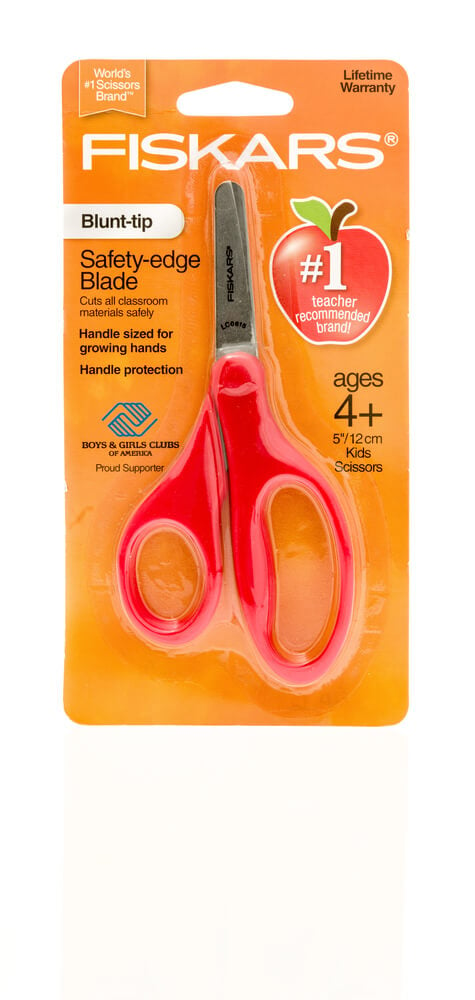
Fiskars, a Finnish company founded in 1649, introduced its orange-handled scissors in 1967. The color was originally an accident, the result of leftover plastic at the factory, but it became the brand’s signature.
Children’s versions had blunt tips for safety. Left-handed students often struggled with standard scissors, and some supply lists specified left-handed models.
The bright handles made the scissors easy to find in a crowded supply box. The company is one of the oldest businesses in the world still operating.
Its scissors were reliable enough that many families still have a pair from decades ago, and they are often found in kitchen drawers rather than school supplies. Adults buy them for crafts today.
Rubber Cement and Its Brush
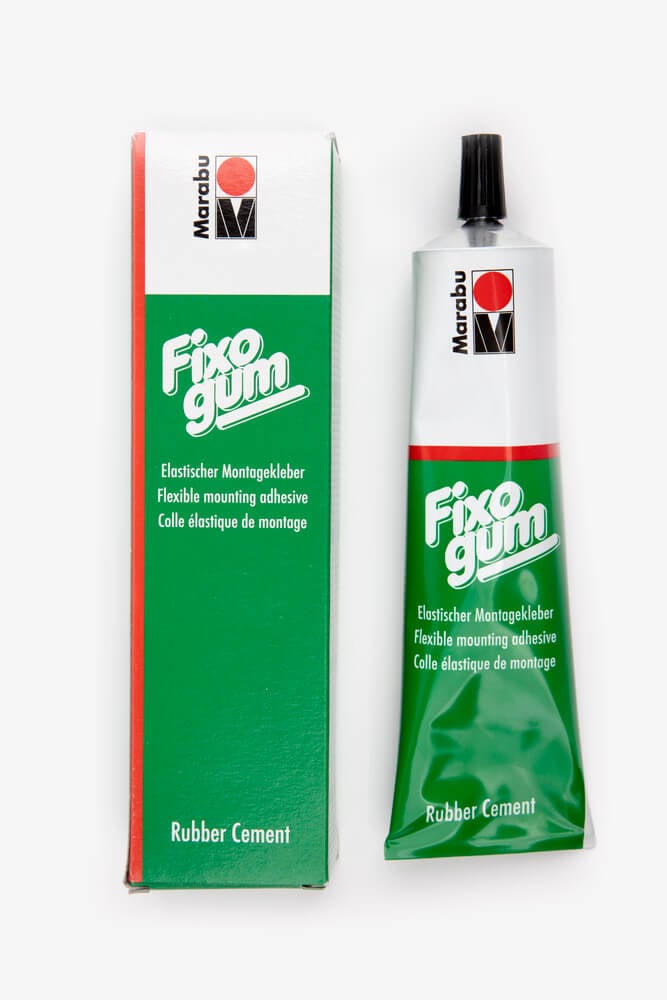
Rubber cement came in a small glass or metal jar with a brush attached to the lid. It was used for art projects and mounting paper, since it allowed pieces to be repositioned before drying.
Kids rolled dried cement into small rubbery lumps. The smell was strong, and teachers often kept the jars on a high shelf.
Rubber cement remains in art supply stores, though it has largely disappeared from elementary classrooms. The cement was also flammable, which made teachers even more careful with it.
The lid brush was usually gummed up after a few uses.
JanSport Backpacks
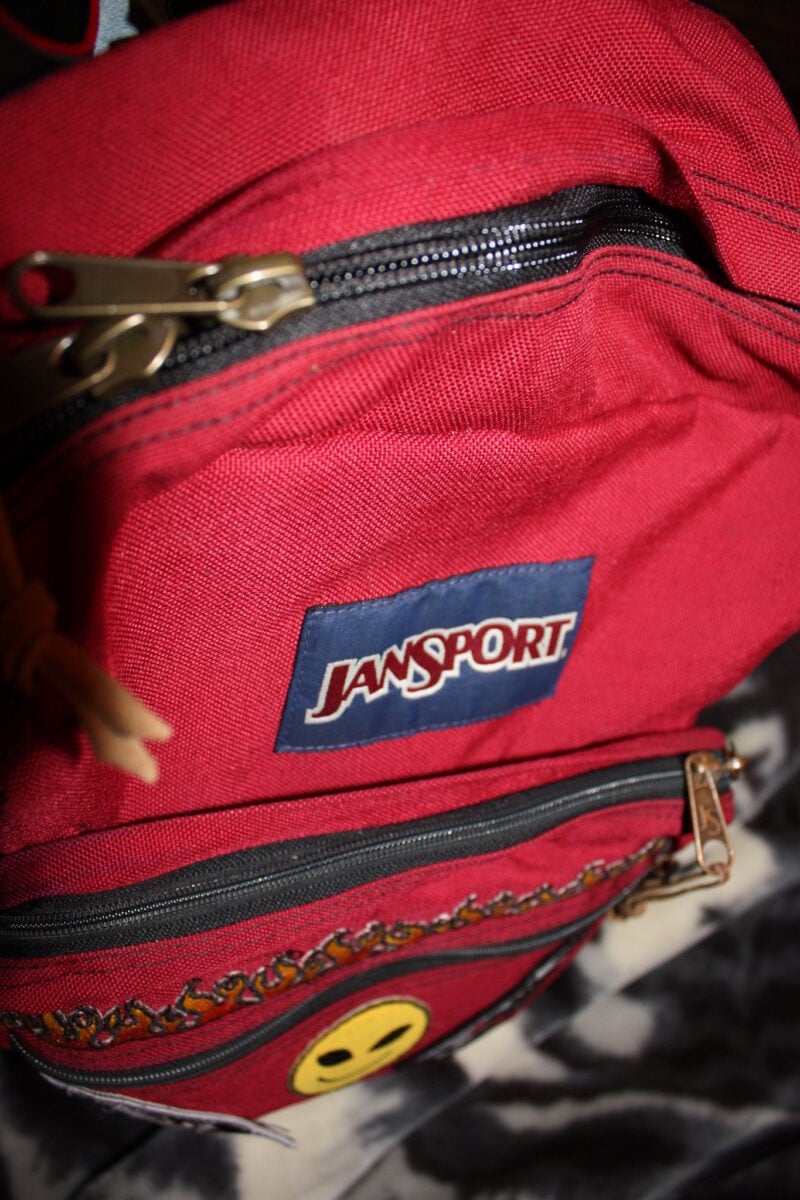
JanSport was founded in Seattle in 1967, named after co-founder Jan Lewis, and it offered a lifetime warranty that made its backpacks a smart purchase. By the ’80s, a JanSport was the standard school bag, carried on one shoulder by anyone trying to look cool.
The brand’s suede bottom panel was a signature feature. Parents appreciated that a damaged bag could be sent back for repair.
Many adults still own the same JanSport they carried in high school. The bags came in every color, and kids wrote on them with markers.
Leather Book Straps
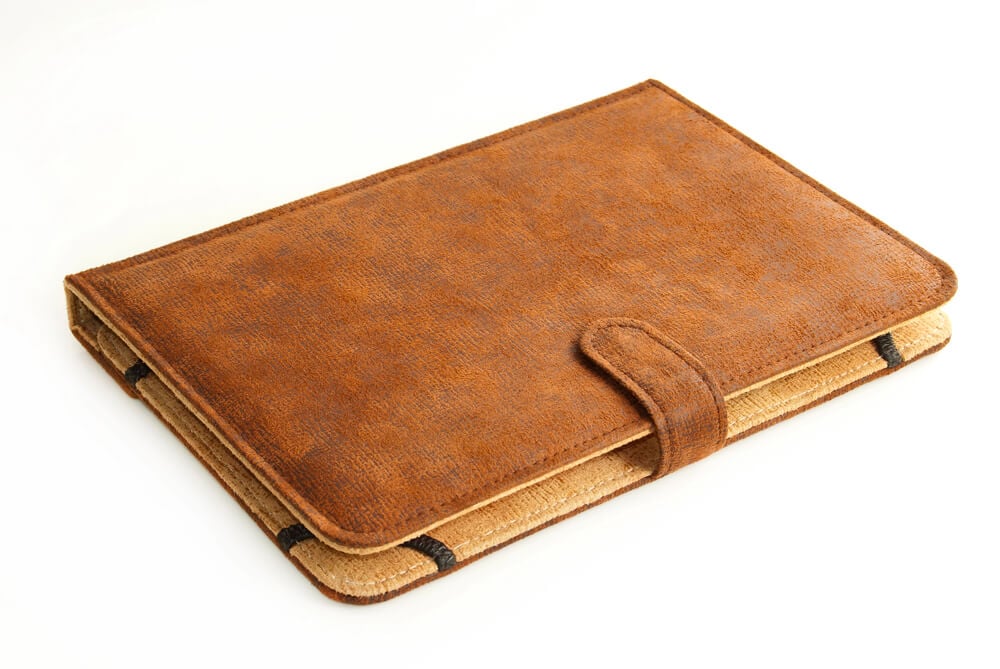
Before backpacks, students carried their books with a leather or canvas strap that buckled around a stack. The strap had a handle so the books could be swung over a shoulder.
The design was simple but worked only for a few books at a time. Book straps faded in the ’70s as nylon backpacks took over.
They remain a symbol of an earlier era of schooling, often shown in illustrations of children walking to one-room schoolhouses. The strap also made it easy to swing books at a sibling.
A worn strap could be passed down through several children.
Gel Pens in Every Color
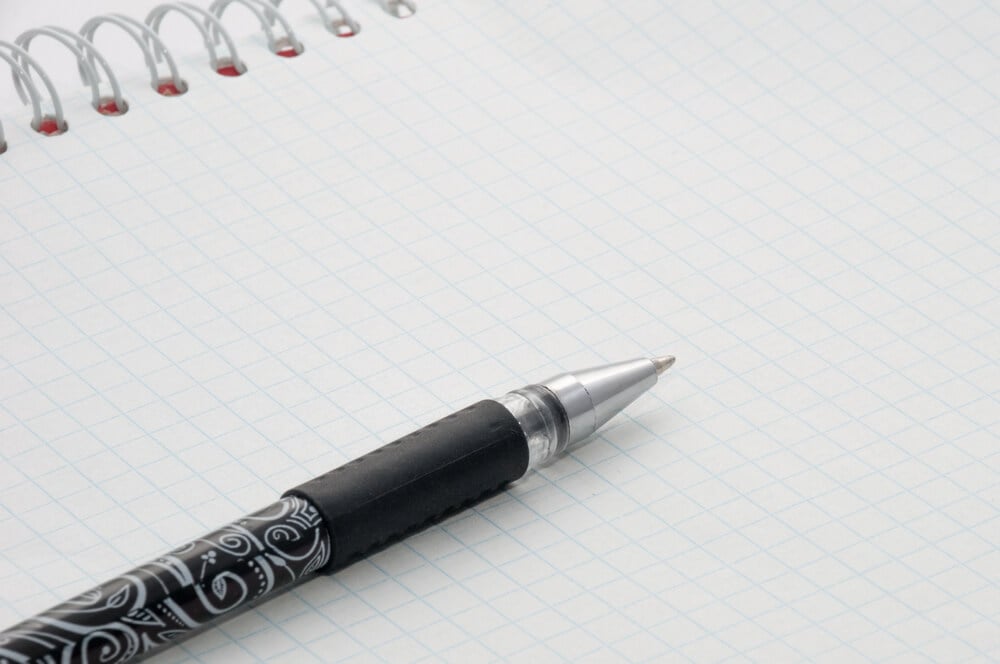
Sakura introduced gel ink in 1984, and its Gelly Roll pens became a craze in the late ’90s. The pens came in metallic, glitter, and neon colors that showed up on black paper.
Kids filled notebooks with doodles and wrote notes in every shade. Some teachers banned them because the colors were hard to read.
The pens remain popular today with adult coloring books and journaling. Note passing reached new heights, with messages written in silver on dark paper and folded into intricate shapes.
The pens often ran out quickly, and kids bought multipacks to keep up. The ink sometimes smeared if the paper was touched too soon.
Compass and Protractor Sets
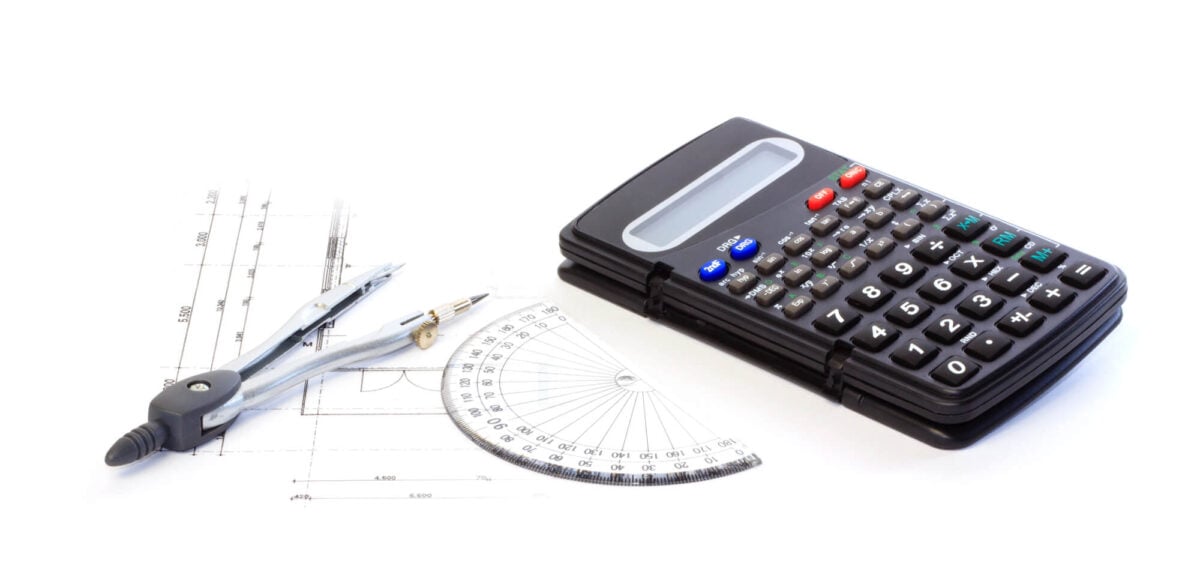
Geometry classes required a compass and protractor, often sold together in a small tin or plastic case. The compass had a sharp point that doubled as a desk carving tool.
The protractor, a clear plastic half circle marked in degrees, was used to measure and draw angles. Teachers warned students about the compass point, with limited success.
The sets are still sold, though geometry software has replaced them in many classes. Drawing perfect circles was satisfying, even when the math was confusing.
Some sets also included a small triangle and a pencil stub.
Floppy Disks for Computer Class
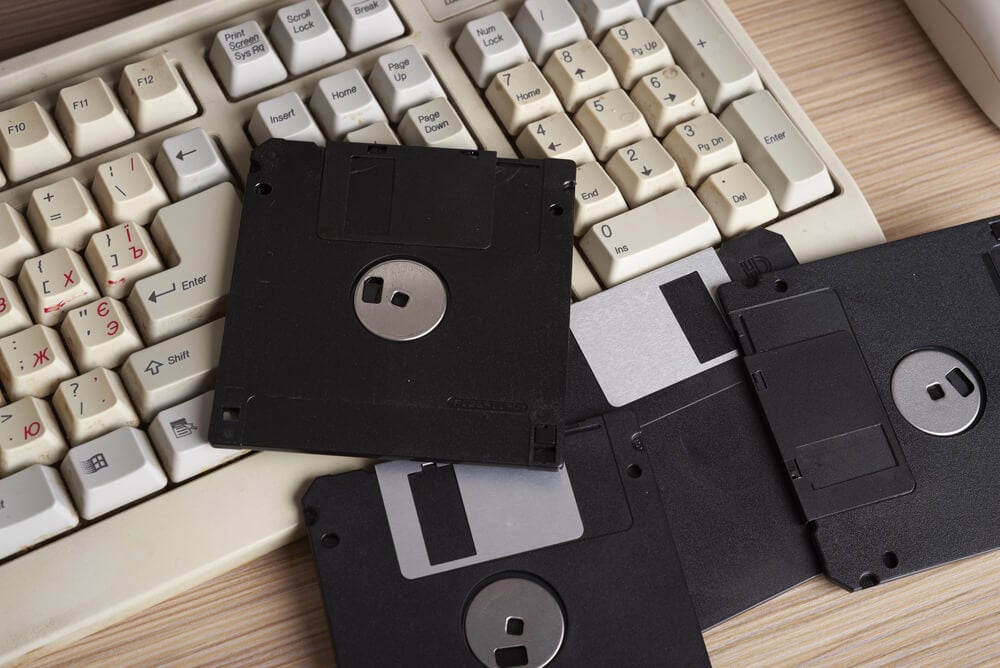
In the late ’80s and ’90s, students saved their work on 3.5-inch floppy disks, which held 1.44 megabytes of data. Computer classes required students to bring their own disks, often labeled with names and class periods.
The disks were fragile and prone to errors, and losing a disk meant losing a project. Kids learned to make backup copies.
The save icon in many programs still shows a floppy disk, even though most students have never used one. The metal shutter on the disk slid back and forth, and kids played with it constantly.
Wooden Rulers With Metal Edges
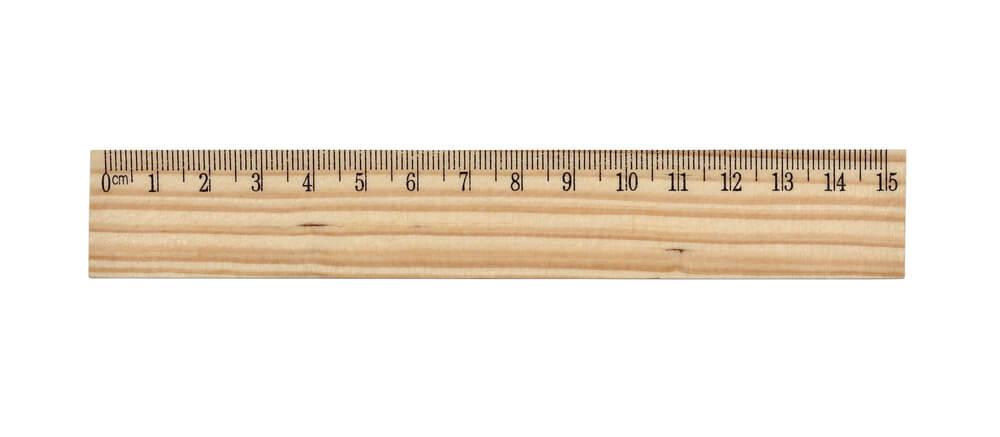
The standard classroom ruler was a 12-inch strip of wood with a thin metal edge for drawing straight lines. It had inches on one side and centimeters on the other.
Rulers doubled as swords in hallway duels, and many had broken ends by the end of the year. The metal edge also made them useful for cutting paper.
Plastic rulers eventually replaced wood, though the wooden version remains on some supply lists. Kids also used them to measure growth on door frames at home.
Teachers sometimes tapped them on desks to get attention.
Plastic Pencil Boxes
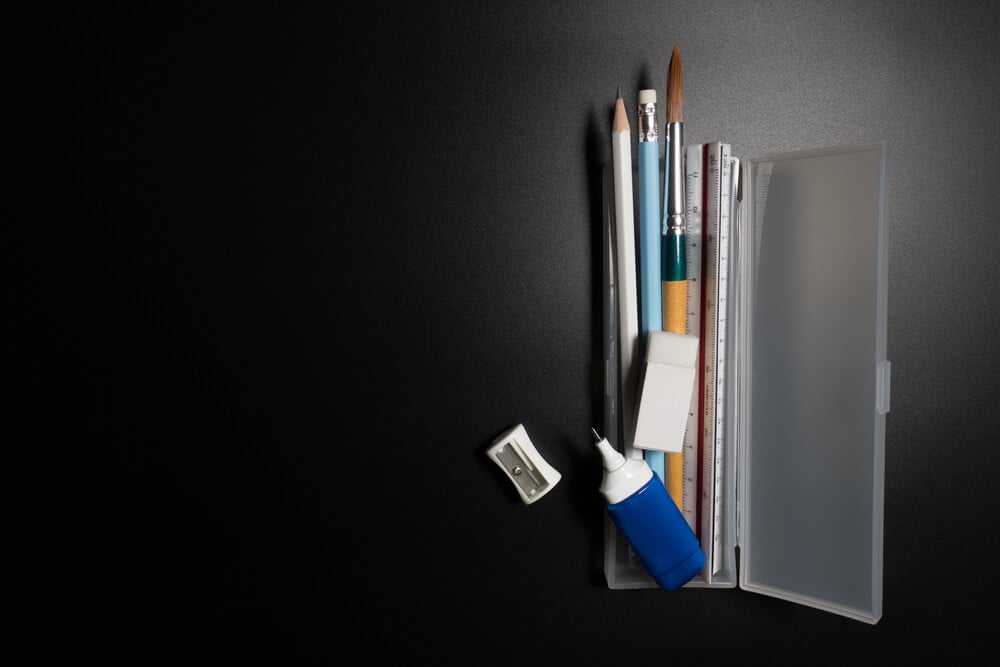
A plastic pencil box with a snap lid held crayons, pencils, erasers, and glue sticks. The boxes came in bright colors and often had a tray or divider inside.
Kids took great pride in organizing them in the first week of school, only to see them fall into chaos by October. The snap lid made a satisfying click.
The boxes remain common today, though they now often feature cartoon characters and zippers. Many children kept the box long after school ended, using it for crayons or trinkets.
It became a small treasure chest.
Index Cards for Reports

Index cards, usually 3 by 5 inches, were required for research papers and speeches. Students wrote one fact or quote per card, then shuffled them to organize their thoughts.
Teachers checked the cards as proof that students had done their research. The cards were also used for flash cards and vocabulary drills.
Library card catalogs used the same format, which gave the cards an official feel. Most students bought a pack of 100 and used only a few, leaving the rest in a drawer.
The cards turned up for years as grocery lists and phone message notes. They remain cheap and easy to find.
Mechanical Pencils
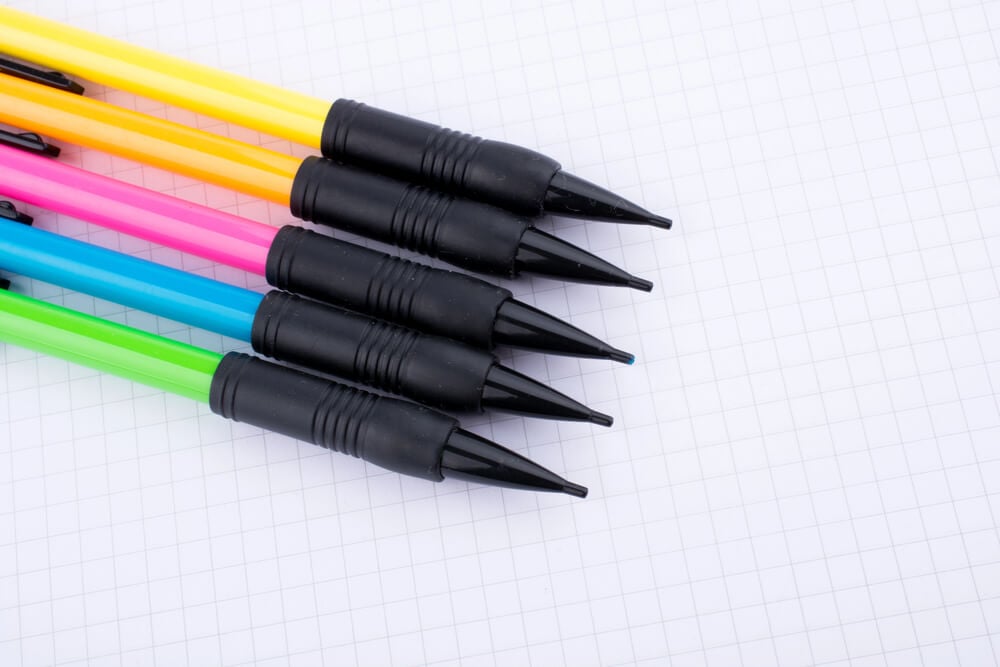
Mechanical pencils became common in schools in the ’70s and ’80s, with brands like Pentel making slim models with fine lead. They never needed sharpening, which made them popular with students.
Teachers sometimes preferred wooden pencils for standardized tests, since the thin lead broke easily. Kids clicked the top constantly, sometimes pushing out too much lead.
The pencils remain popular, especially with high school and college students. Refill leads came in small plastic tubes that were easy to lose.
Kids who owned one of the nicer models often guarded it closely. Some traded them like prized possessions.
Supply Lists as Time Capsules
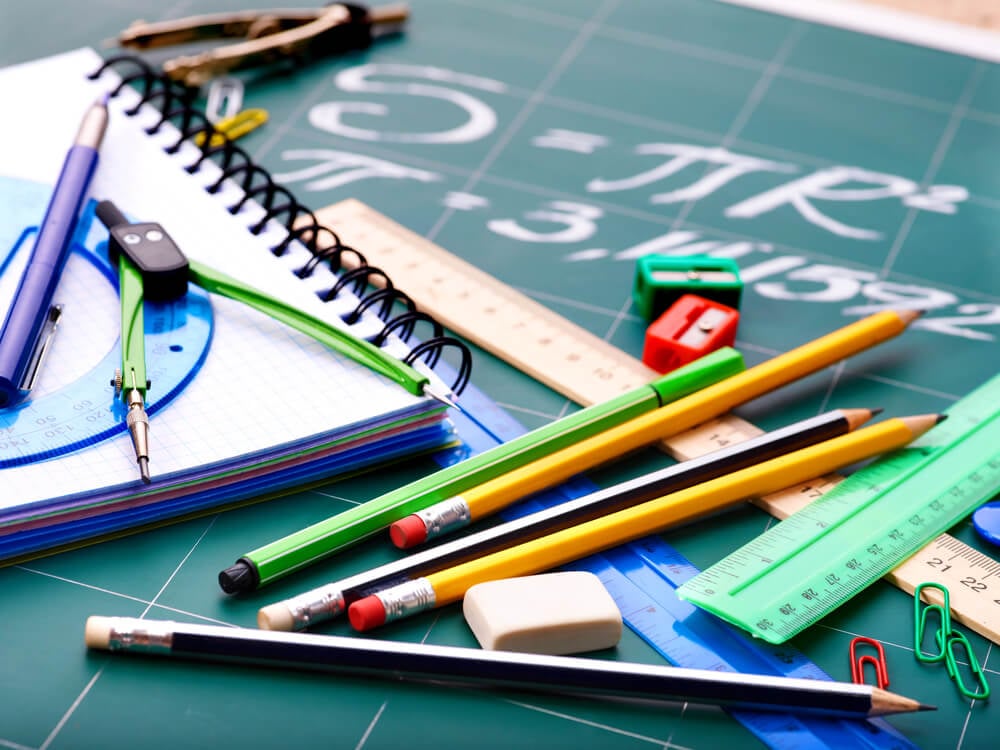
A supply list is a snapshot of how a classroom worked in a given year. The items reflect the technology of the moment, the priorities of teachers, and the budgets of families.
Looking back, the list shows what children were expected to do with their hands.
Many of these items have disappeared, and others have changed only slightly. The ritual of shopping for them, with a crumpled list in hand, remains familiar.
Every generation has its own version of the perfect pencil box.
More from Go2Tutors!

- The Romanov Crown Jewels and Their Tragic Fate
- 13 Historical Mysteries That Science Still Can’t Solve
- Famous Hoaxes That Fooled the World for Years
- 15 Child Stars with Tragic Adult Lives
- 16 Famous Jewelry Pieces in History
Like Go2Tutors’s content? Follow us on MSN.