Facts About the Invention of Popular Board Games
Board games have been bringing families and friends together for generations, but most of us have no idea where these beloved classics actually came from. Behind every game night favorite is a fascinating origin story, and some of these tales are stranger than anything you’d find on the game board itself.
From desperate hospital wards to wartime blackouts, the creation stories behind our most popular board games reveal a lot about human creativity and perseverance. Here is a list of 15 facts about the invention of popular board games that will change how you see your next game night.
Monopoly Started as an Anti-Capitalist Protest
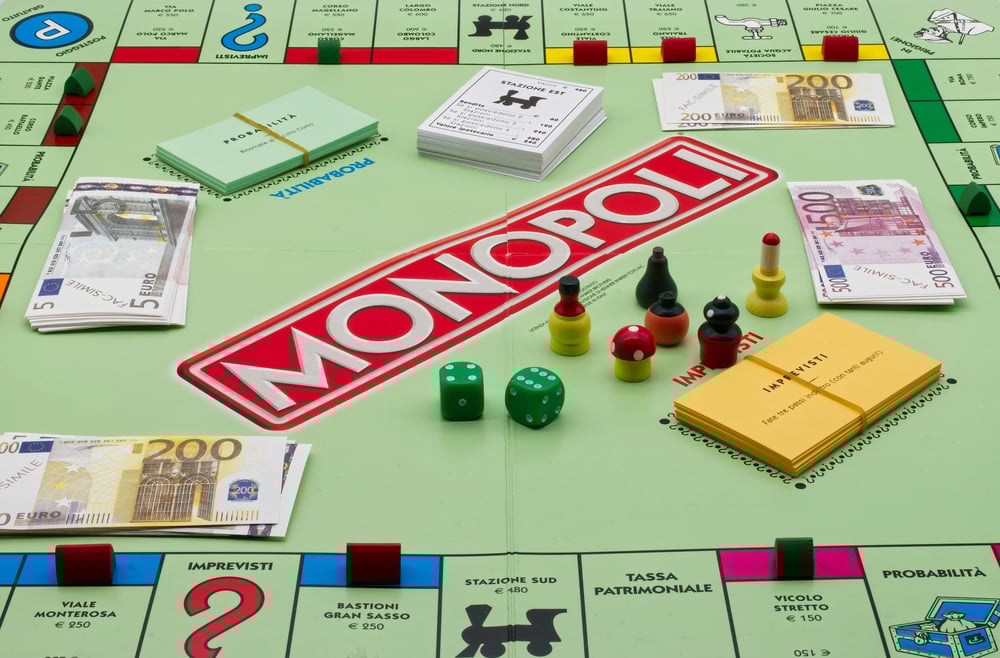
The game we know as Monopoly has a twisted history that its original creator would probably hate. Elizabeth Magie invented The Landlord’s Game back in 1903, and she designed it to show how unfair land monopolies were.
The game was supposed to teach people about the evils of capitalism, not celebrate getting rich. Ironically, when Charles Darrow popularized a modified version during the Great Depression and sold it to Parker Brothers in 1935, it became all about accumulating wealth.
Magie received just $500 for her original patent, while Monopoly went on to become one of the bestselling board games of all time.
Scrabble Was Born from Unemployment
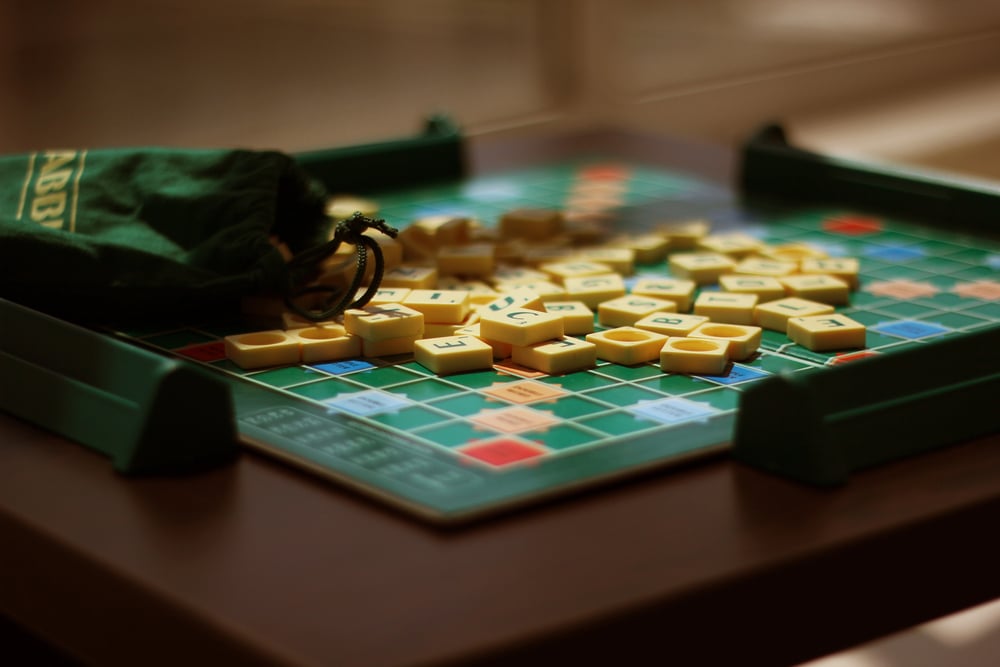
Alfred Mosher Butts found himself out of work during the Great Depression in 1938, and rather than sit around feeling sorry for himself, he decided to invent something. The unemployed architect studied the front page of the New York Times to figure out which letters appeared most often in English, then created a word game he first called Lexiko around 1931, later revising it to Criss-Crosswords in 1938.
Years of rejection followed until entrepreneur James Brunot saw the potential, renamed it Scrabble in 1948, and started manufacturing games in a converted schoolhouse. By the mid-1950s, millions of sets had been sold, proving that sometimes the best ideas come from having nothing else to do.
Clue Was Created During Air Raid Blackouts
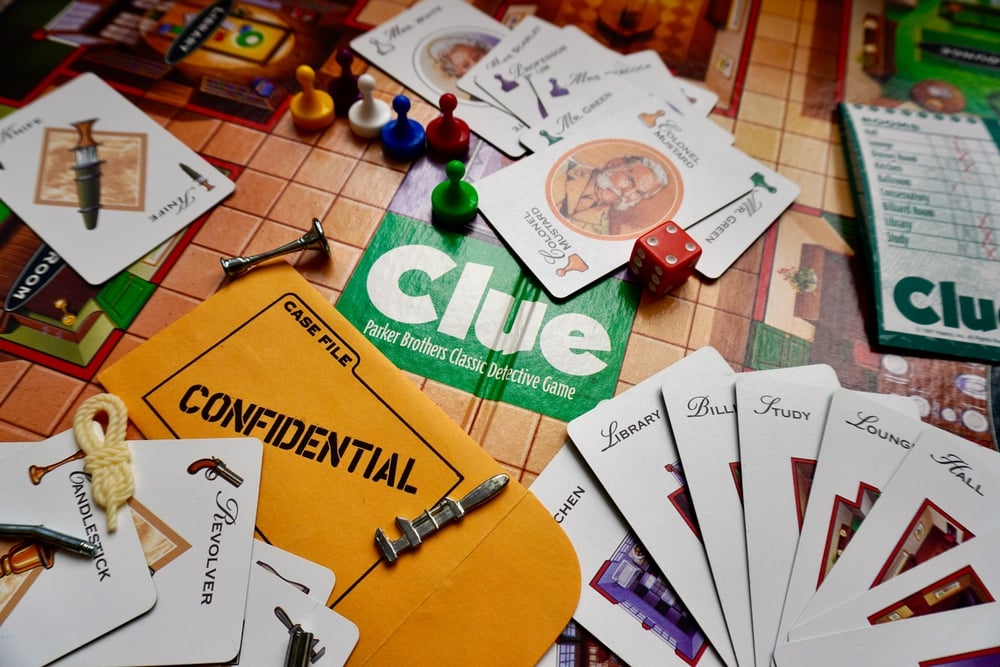
Anthony Pratt was stuck in his Birmingham home during World War II while German bombs rained down on the city, and he needed something to pass the time during those long, dark nights. A musician who’d played at fancy parties where guests enjoyed murder mystery games, Pratt decided to create a board game version with his wife Elva in 1943.
They originally called it Murder, which Waddingtons later renamed Cluedo when they bought it in 1944 and released it in 1949. The game had to wait years to hit shelves because of postwar shortages of materials, but the delay didn’t hurt its success one bit.
Risk Was Invented by an Award-Winning Filmmaker
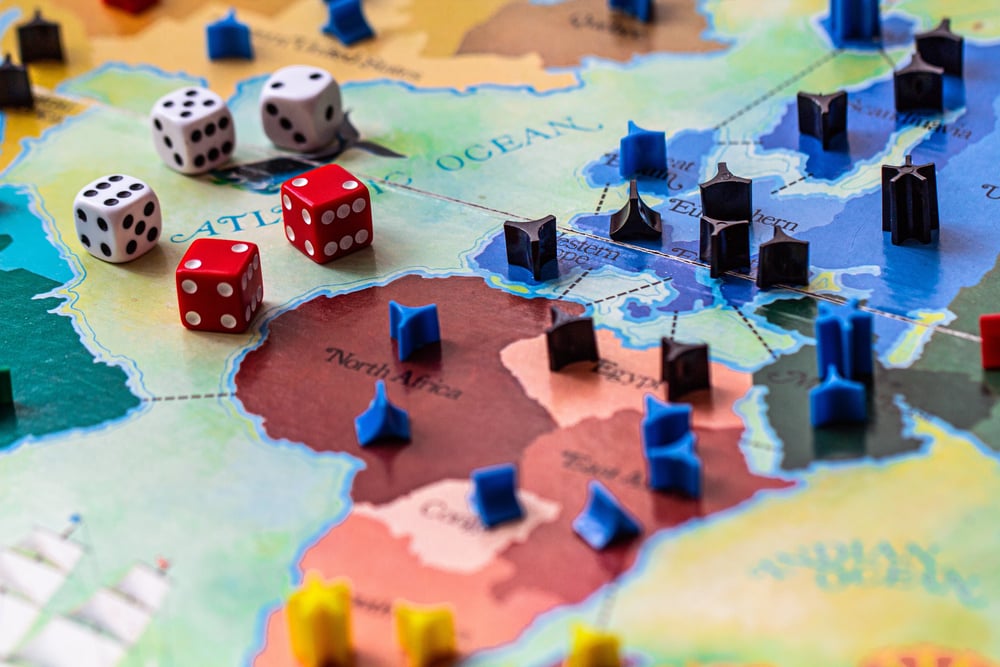
Albert Lamorisse wasn’t your typical game designer. The French filmmaker had already won awards at the Cannes Film Festival for his movie The Red Balloon when he created La Conquête du Monde (The Conquest of the World) in 1957.
Parker Brothers bought the rights in 1959, made some tweaks to speed up gameplay, renamed it Risk, and launched what would become a trailblazing mass-market strategy game. The game sold tens of thousands of copies in its first year, proving that world domination could be fun for the whole family.
Trivial Pursuit Came from a Missing Scrabble Piece
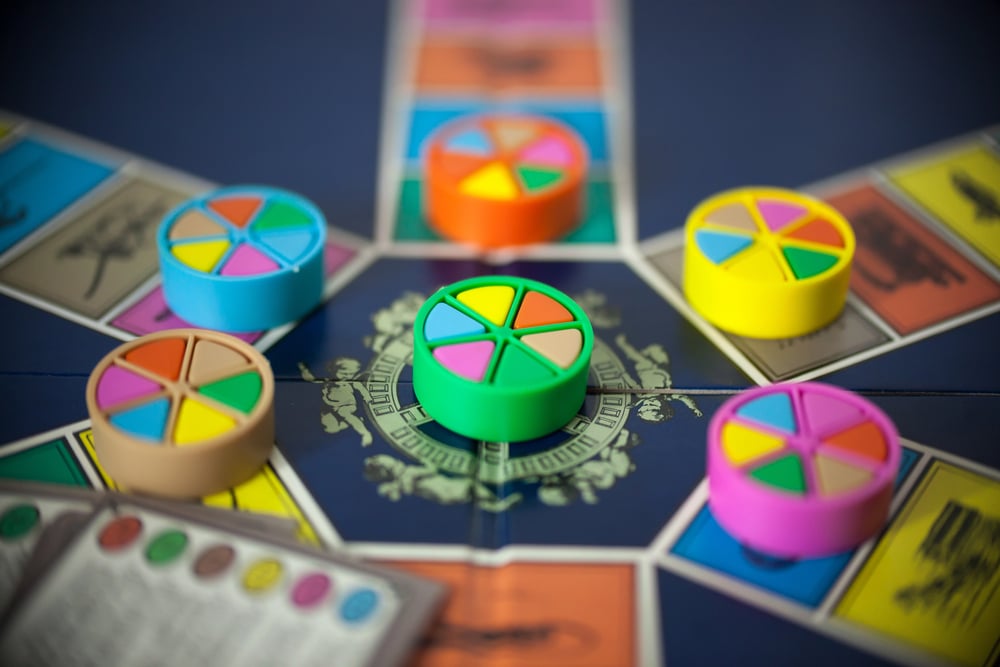
Chris Haney and Scott Abbott were playing Scrabble one December evening in 1979 when they realized some pieces were missing from their set. As they complained about having to buy yet another Scrabble game, they wondered if they could create something equally successful themselves.
A few beers later, they’d sketched out a trivia game with six categories on a napkin. With help from 32 investors who pooled $40,000, they launched Trivial Pursuit in 1981.
By the mid-1980s, it had sold tens of millions of copies and sparked countless dinner party arguments about obscure facts that nobody really needed to know.
Settlers of Catan Was Tested on a Designer’s Family for Four Years
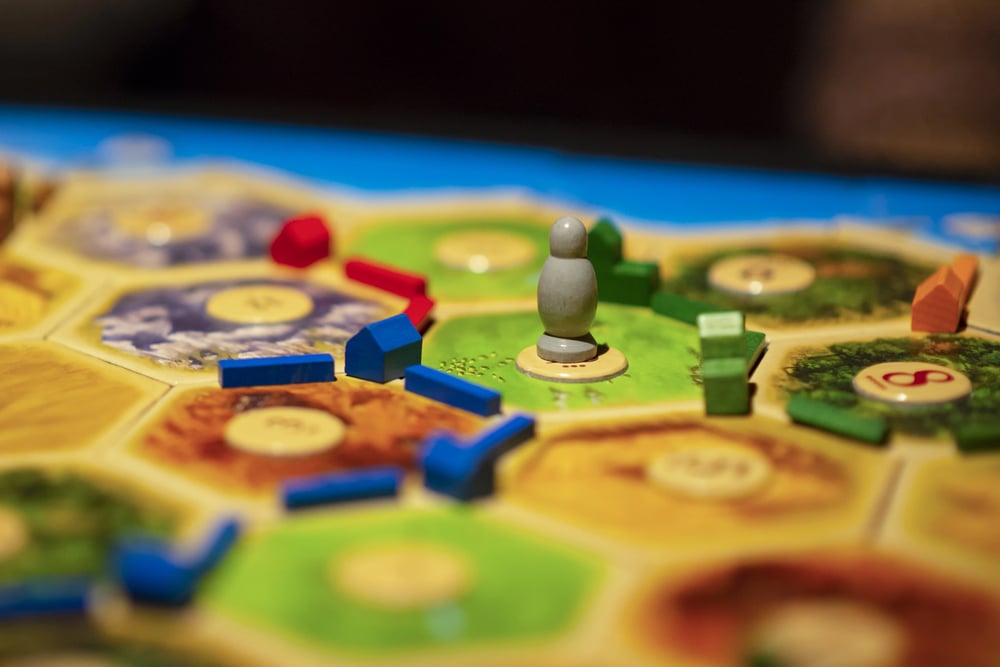
Klaus Teuber, a German dental technician, spent his evenings designing board games while working full-time making dentures. He’d won several prestigious awards before creating The Settlers of Catan in 1995, but this game was different.
Teuber made his wife and kids play version after version for four years, tweaking the hexagonal tiles and trading mechanics until everything clicked. The game’s emphasis on cooperation and trading rather than destruction became revolutionary.
Since its release, Catan has sold over 40 million copies in dozens of languages, turning Teuber into a full-time game designer and changing the board game industry forever.
Twister Was Accused of Being Indecent
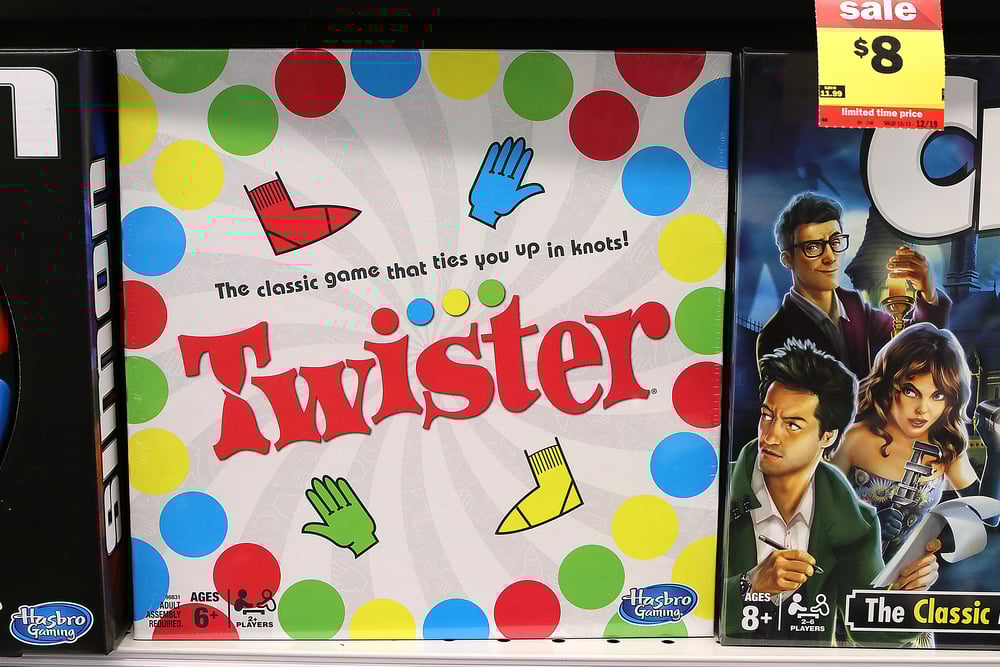
When Reyn Guyer came up with the idea for a game where people’s bodies were the playing pieces in 1964, retailers were horrified. Charles Foley and Neil Rabens helped develop the concept into a game originally called Pretzel, but Milton Bradley executives worried parents would find it inappropriate.
Store owners refused to stock it, calling it too racy for families. The game was about to be pulled from production when Johnny Carson and Eva Gabor played it on The Tonight Show in May 1966, with millions of viewers watching them twist themselves into compromising positions.
Sales exploded overnight, and by 1967, three million copies had been sold.
Operation Was a College Student’s Class Project
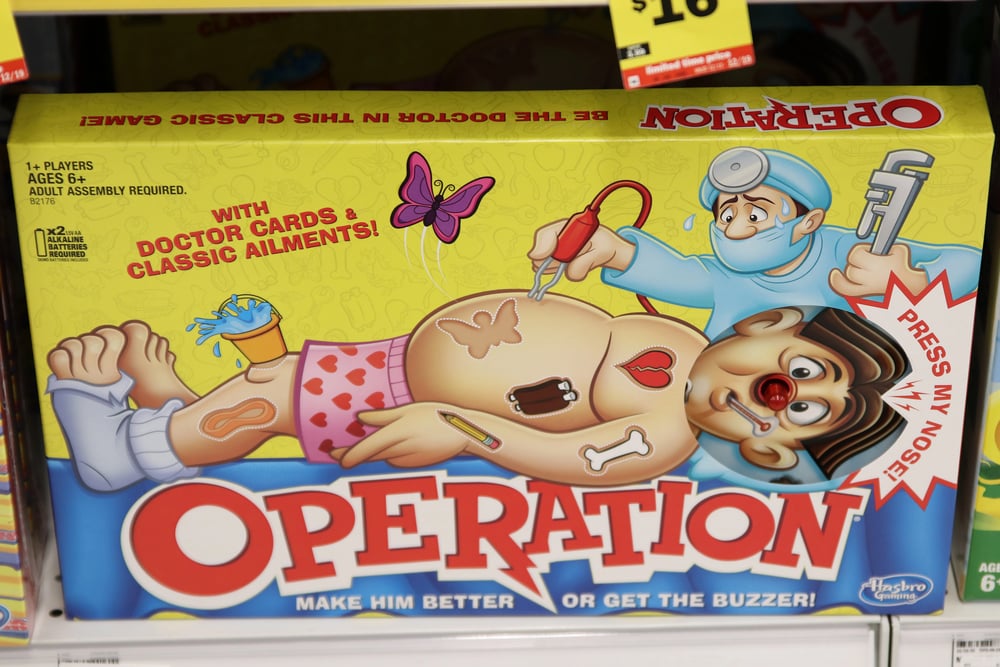
John Spinello was just a college student at the University of Illinois in 1962 when his professor assigned the class to design a game using electronics. He created a metal box with openings and a probe that would buzz if you touched the sides, calling it Death Valley.
His godfather worked at Marvin Glass Associates, so Spinello pitched his A-grade project to them and sold the concept for $500 plus a job promise that never materialized. The company transformed it into Operation with the cartoon patient Cavity Sam, and Milton Bradley released it in 1965.
The game has earned tens of millions of dollars in revenue over the years, while Spinello got nothing beyond that initial payment.
Pictionary Started with the Word Aardvark
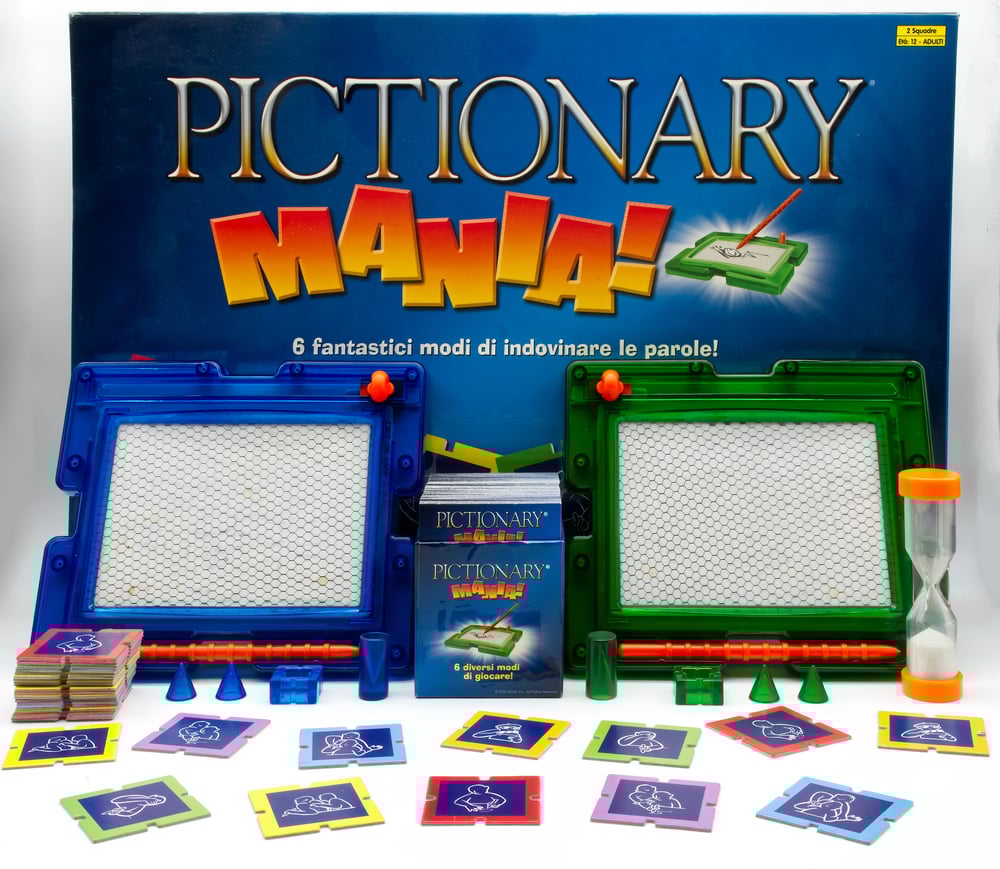
Rob Angel was a 26-year-old waiter in Seattle when he decided to turn a party game he played with friends into something bigger in 1985. Sitting down with his dictionary to create the word list felt overwhelming until he decided to just start with the first word: aardvark.
Angel and his partners hand-assembled the first 1,000 games in his tiny apartment after their printing company couldn’t sort the 500,000 cards they’d ordered. They spent six days sorting cards into shoe boxes borrowed from Nordstrom, surviving on pizza and beer.
By avoiding traditional toy stores and demonstrating the game in bars and department stores, Pictionary became one of the bestselling games ever, eventually sold to Mattel in the early 2000s.
Candy Land Was Designed for Polio Patients
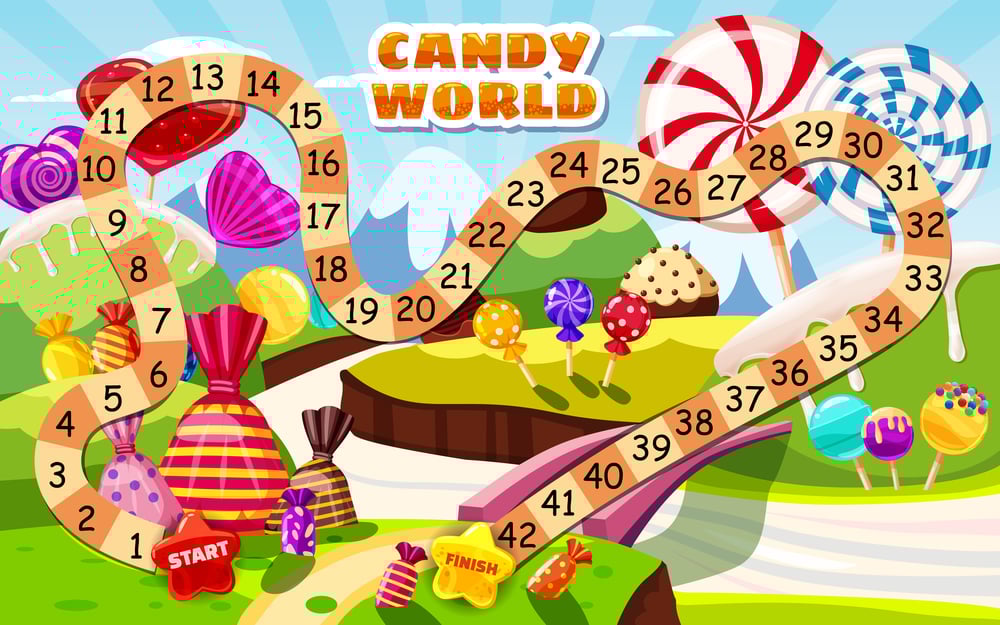
Eleanor Abbott was recovering from polio in a San Diego hospital in 1948, surrounded by sick children who were bored and lonely. The retired schoolteacher wanted to give these kids something to lift their spirits, so she designed a simple game that required no reading or counting skills.
The colorful path through a fantasy land of sweets gave immobilized children a sense of movement and joy. Abbott sent her creation to Milton Bradley, who bought it and released Candy Land in 1949.
The game became Milton Bradley’s bestselling product, but Abbott donated all her royalty income to children’s charities, staying true to her original purpose.
Battleship Dates Back to World War I
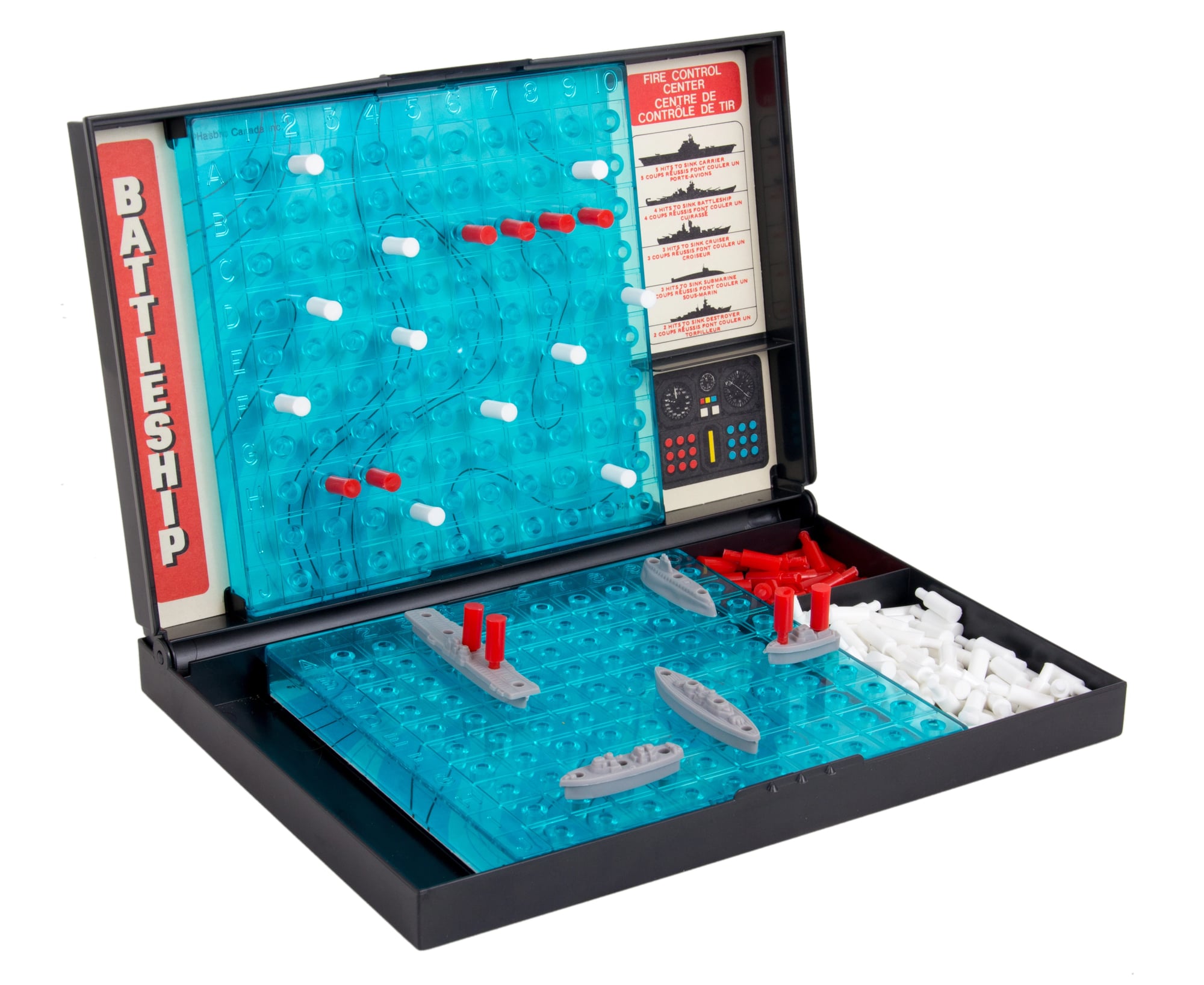
Long before the plastic pegboards and miniature ships, Battleship was just a pencil and paper game that soldiers played during World War I. Various companies published pad-and-pencil versions throughout the 1930s and 1940s with names like Broadsides and Combat.
In 1967, Ed Hutchins at Milton Bradley had the idea to transform the game into a plastic format with pegs and tiny ships on folding boards. The tagline ‘You sank my battleship!’ became so iconic that a 1985 commercial featuring it is still remembered today.
The game has sold over 100 million copies since then, proving that simple guessing games never go out of style.
The Game of Life Saved Milton Bradley’s Business
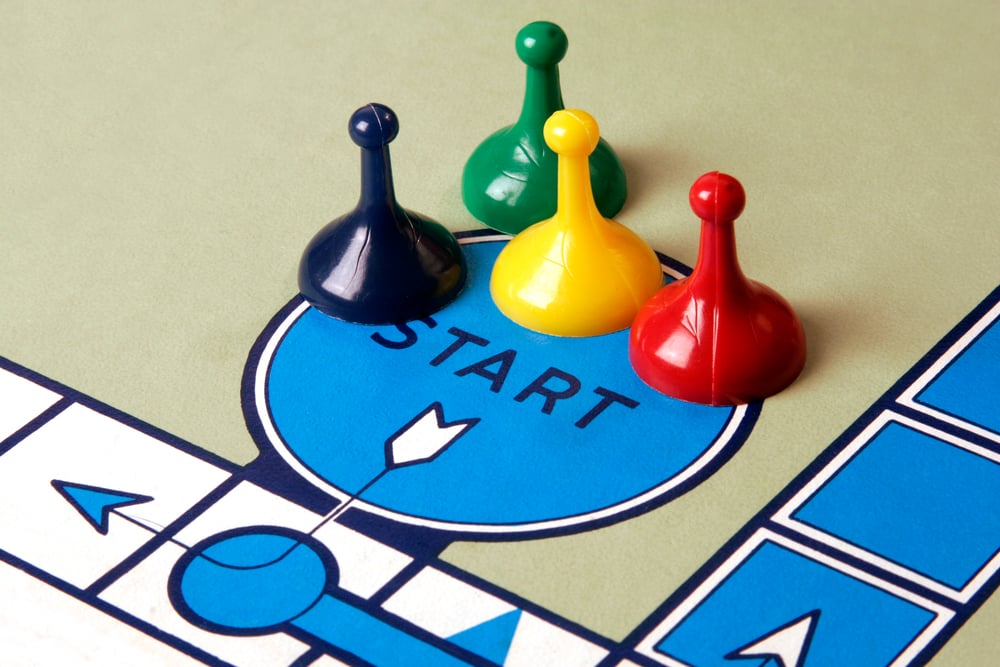
Milton Bradley was a struggling lithographer in 1860 when he made a huge stock of portraits showing presidential candidate Abraham Lincoln clean-shaven. When Lincoln won and promptly grew his famous beard, Bradley’s portraits became worthless overnight.
Desperate for income, he designed The Checkered Game of Life, a secular morality game where players moved from Infancy to Happy Old Age. Unlike other games of the era that featured heavy religious themes, Bradley’s version focused on choices like going to college or ending up in prison.
The game sold 40,000 copies in its first year, launching the Milton Bradley Company that would dominate the toy industry for over a century.
Trivial Pursuit’s First Run Lost Money on Every Game

When Chris Haney and Scott Abbott finally got Trivial Pursuit manufactured in 1981, they discovered they’d made a costly mistake. Each game cost far more to produce than they sold them for to retailers, losing substantial money on every single copy.
The team needed 32 investors to keep the company afloat during those early days. Despite the terrible math, they kept pushing forward because they believed in their product.
By 1983, Canadian stores couldn’t keep the game on shelves, and when Selchow and Righter licensed it for the US market, the game became a cultural phenomenon that made the inventors wealthy beyond their dreams.
Scrabble Rejected for Years Before Finding Success
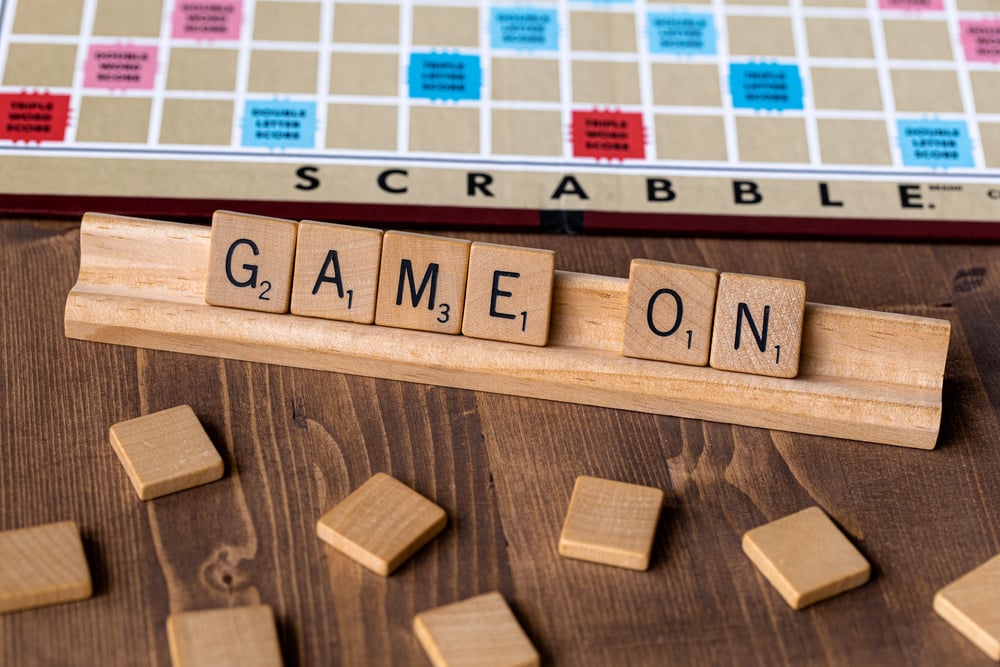
Alfred Butts created his word game in 1938, but absolutely nobody wanted it. He tried pitching it to game companies for over a decade with zero success.
James Brunot finally bought the rights in 1948, renamed it Scrabble, and started making games in his converted schoolhouse, but sales were still slow. Then in the early 1950s, the chairman of Macy’s discovered the game while on vacation and decided to stock it in his stores.
Word of mouth took over from there, and by 1952, Selchow and Righter licensed the game and couldn’t manufacture copies fast enough. Sometimes it takes 14 years for the world to realize something is brilliant.
Monopoly Properties Are Real Atlantic City Streets
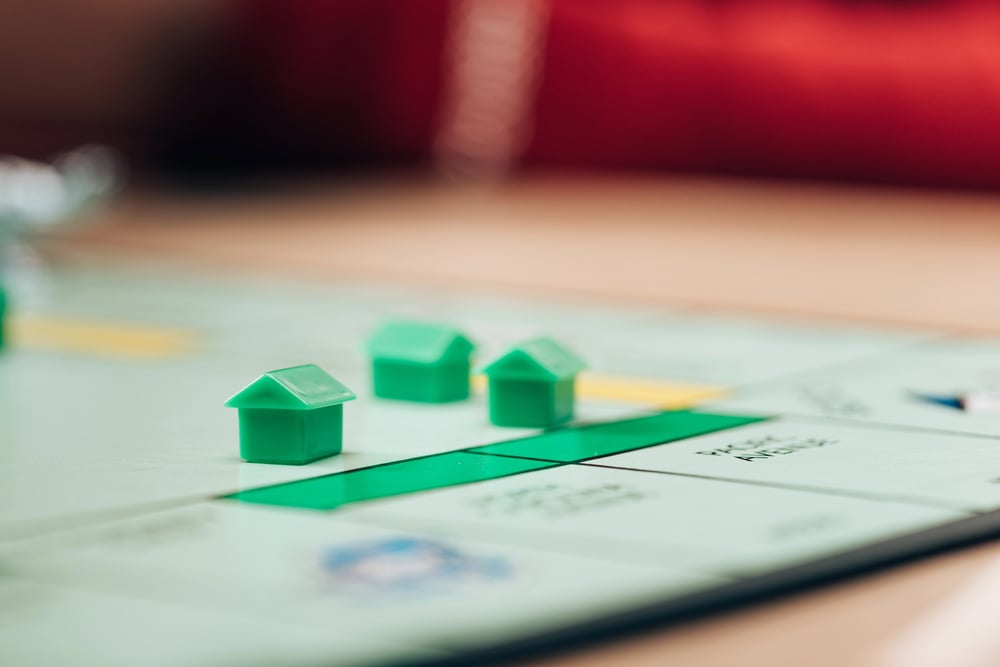
When Charles Darrow adapted The Landlord’s Game into what became Monopoly, he needed to name the properties on the board. Instead of making up fictional locations, he simply used the street names from Atlantic City, New Jersey, where he’d spent time.
Boardwalk and Park Place were real upscale locations, while Baltic and Mediterranean were on the cheaper side of town. When Parker Brothers released the game in 1935, during the height of the Great Depression, it gave broke families a chance to pretend they owned prime real estate.
The game made Darrow rich while most Americans were struggling to survive, which adds an extra layer of irony to its anti-capitalist origins.
From Hospital Wards to Game Night Legends
The stories behind these board games remind us that creativity often comes from unexpected places. Whether it was boredom, unemployment, war, illness, or even a failed business venture, these inventors turned their circumstances into entertainment that has lasted for generations.
Next time you’re arguing over who actually won at Monopoly or celebrating a clever Scrabble word, remember that someone once sat where you are now, imagining something that didn’t exist yet. They took a chance, pushed through rejection, and gave us the games that bring us together.
That’s worth more than all the Monopoly money in the world.
More from Go2Tutors!

- The Romanov Crown Jewels and Their Tragic Fate
- 17 Halloween Costumes Once Considered Taboo
- Famous Hoaxes That Fooled the World for Years
- 15 Child Stars with Tragic Adult Lives
- 16 Famous Jewelry Pieces in History
Like Go2Tutors’s content? Follow us on MSN.