15 species fashion nearly wiped out
Fashion kills. Not just trends, but actual animals.
The fur coat hanging in grandma’s closet? It probably represents dozens of dead creatures. That leather handbag everyone wants for Christmas? Same story. We’ve been so busy looking good that we forgot to ask what died to make it happen.
Some animals got lucky and bounced back. Others didn’t make it at all.
Here is a list of 15 species that fashion nearly wiped out – and some that didn’t survive the experience.
Sea Mink
Gone. Completely gone since the 1890s.
These were like regular minks but bigger, living along the cold Atlantic coast. Trappers loved them because one big pelt meant more money than several small ones. Nobody alive today has ever seen a living sea mink, and nobody ever will again.
Chinchilla
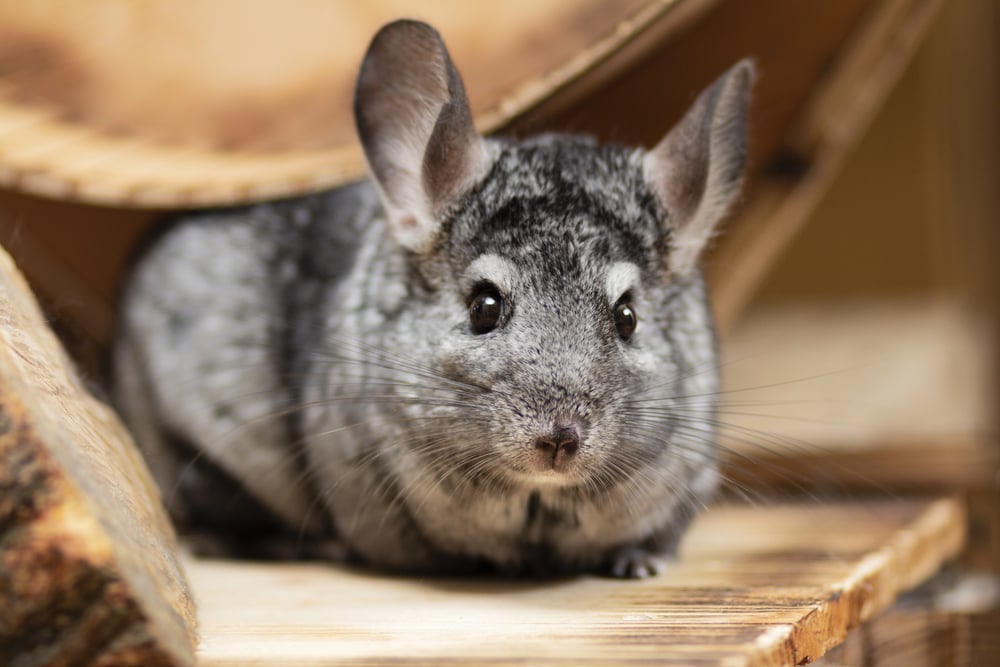
You know that super soft feeling when you touch something ridiculously fluffy? That’s chinchilla fur.
Each hair follicle grows about 60 individual hairs, making it the densest fur on any land animal. South American hunters went nuts for them. One coat needs 100+ chinchillas, so you can guess what happened to wild populations.
Like Go2Tutors’s content? Follow us on MSN.
Snow Leopard
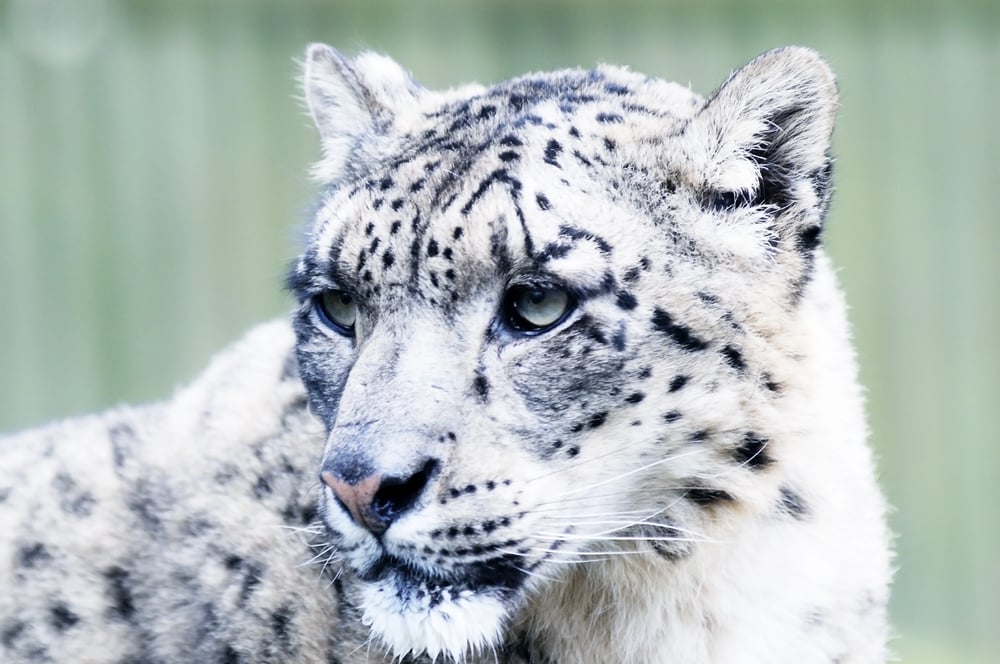
Mountain ghosts. That’s what some people call them because they’re so hard to spot in their rocky homes.
A snow leopard coat sells for around $60,000 on the black market. Think about that number. Six to twelve dead cats for one coat that costs more than most people’s houses. Only about 7,000 are left roaming the mountains.
Saiga Antelope
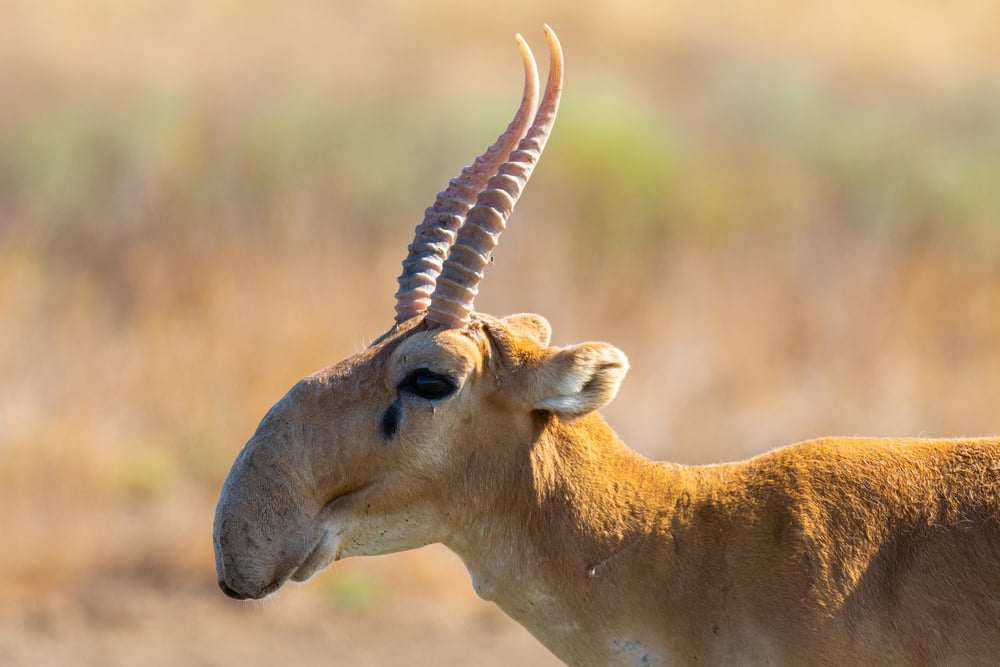
Picture this: an animal with a nose that looks like a tiny elephant trunk, wandering across Asian grasslands in huge herds. They survived ice ages and lived next to mammoths.
Then the 1990s happened. When the Soviet Union fell apart, people got desperate and started hunting everything they could sell. Saiga numbers dropped from 2 million to maybe 100,000 in ten years.
Tibetan Antelope
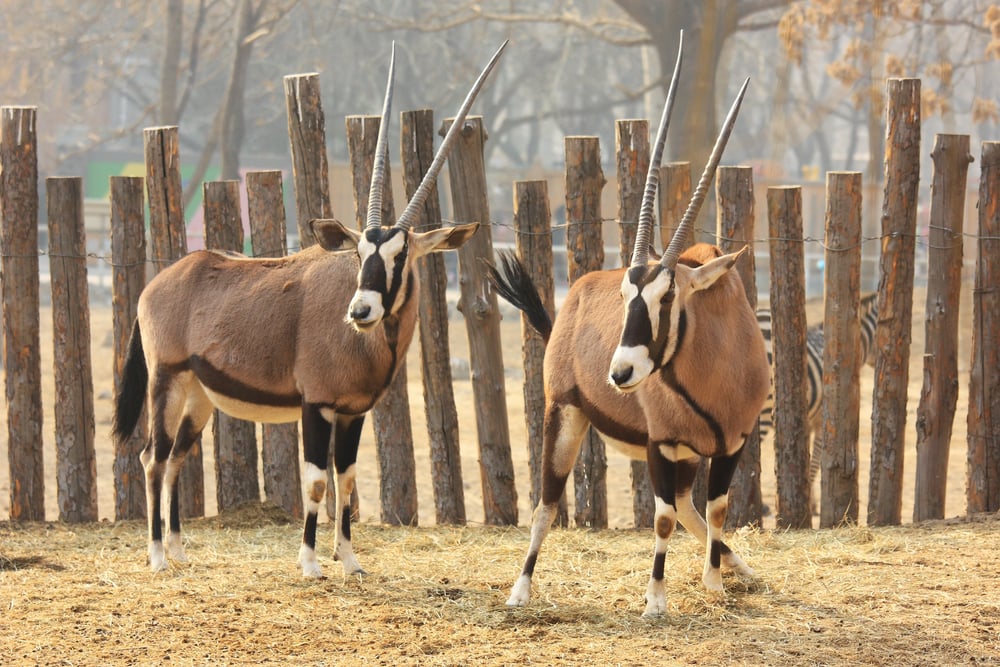
Shahtoosh wool comes from these guys. It’s so fine you can pull an entire shawl through a wedding ring.
Rich people paid crazy money for it – $15,000 for one shawl wasn’t unusual. But here’s the catch: you can’t shear it off like sheep wool. Every piece of shahtoosh means a dead antelope. The population dropped from over a million to around 75,000.
Like Go2Tutors’s content? Follow us on MSN.
European Beaver
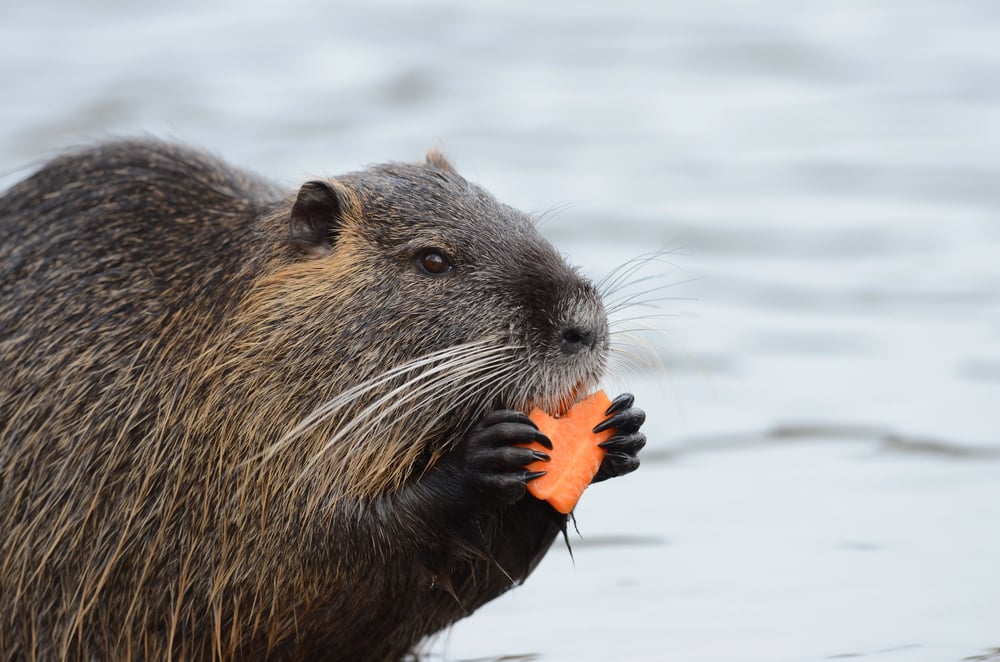
Beaver hats were the iPhone of 17th-century Europe – everyone had to have one. The demand got so intense that Europeans hunted every single beaver on their continent to death.
Not endangered. Not rare. Extinct. Every last one. Then they sailed to North America and started the whole process over there.
Vicuña
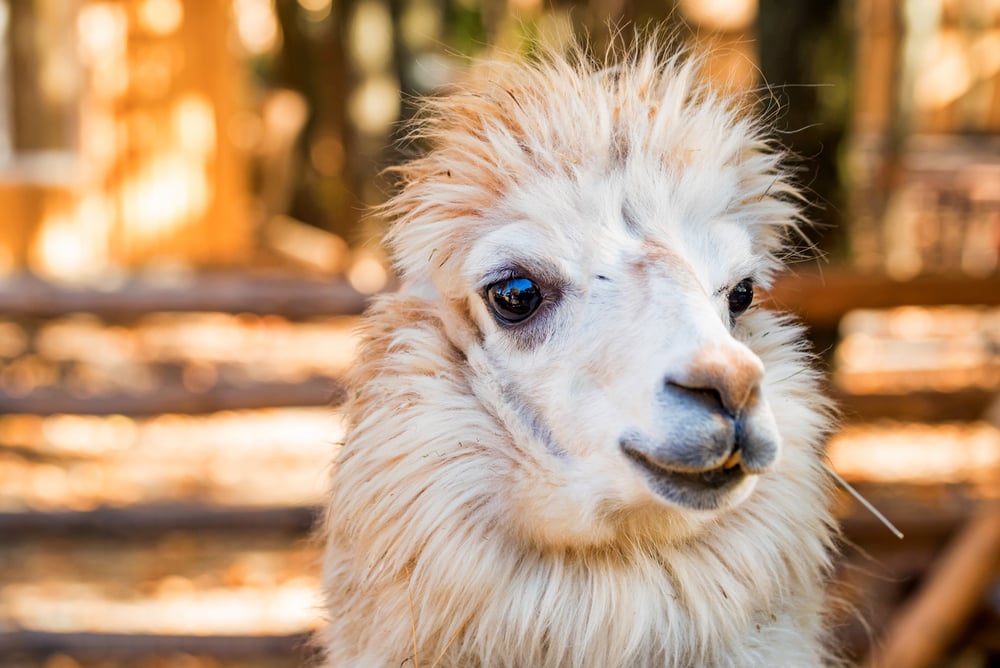
The Incas had these animals figured out. They’d round them up every few years, shear their wool, and let them go.
Sustainable, smart, worked for centuries. Spanish colonizers showed up and decided shooting them was faster. Vicuña wool is still worth about $400 per pound today, but the animals almost didn’t make it through the colonial period.
Karakul Sheep
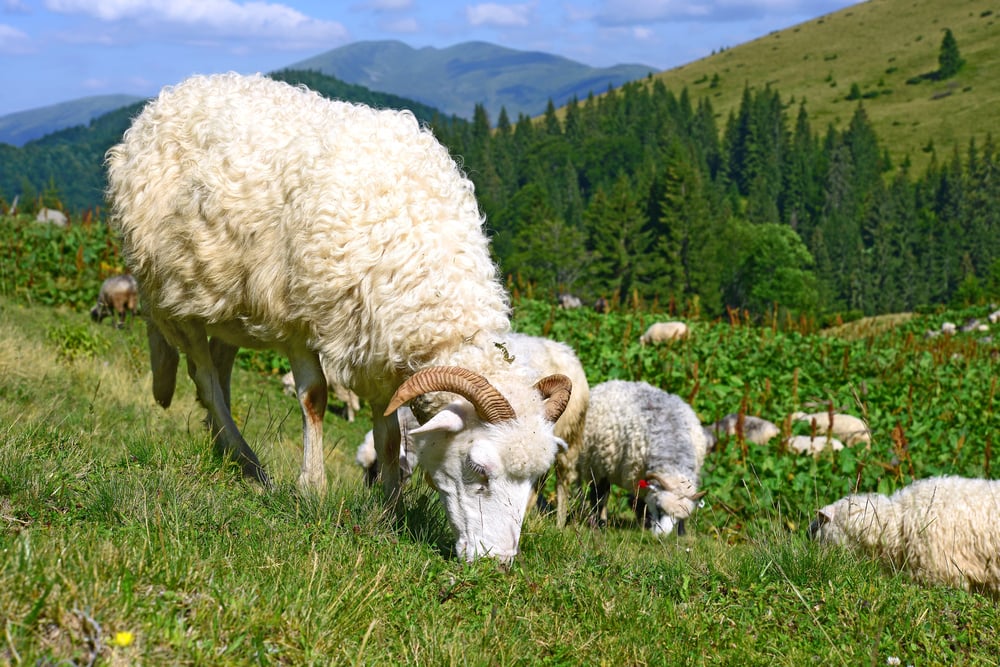
This gets dark fast. Karakul pelts come from baby lambs that are less than three days old.
After day three, their wool starts changing and becomes less valuable. So farmers kill newborns for their tight, curly fleece. It’s made the whole breed endangered because so few lambs live long enough to reproduce.
Like Go2Tutors’s content? Follow us on MSN.
Ermine
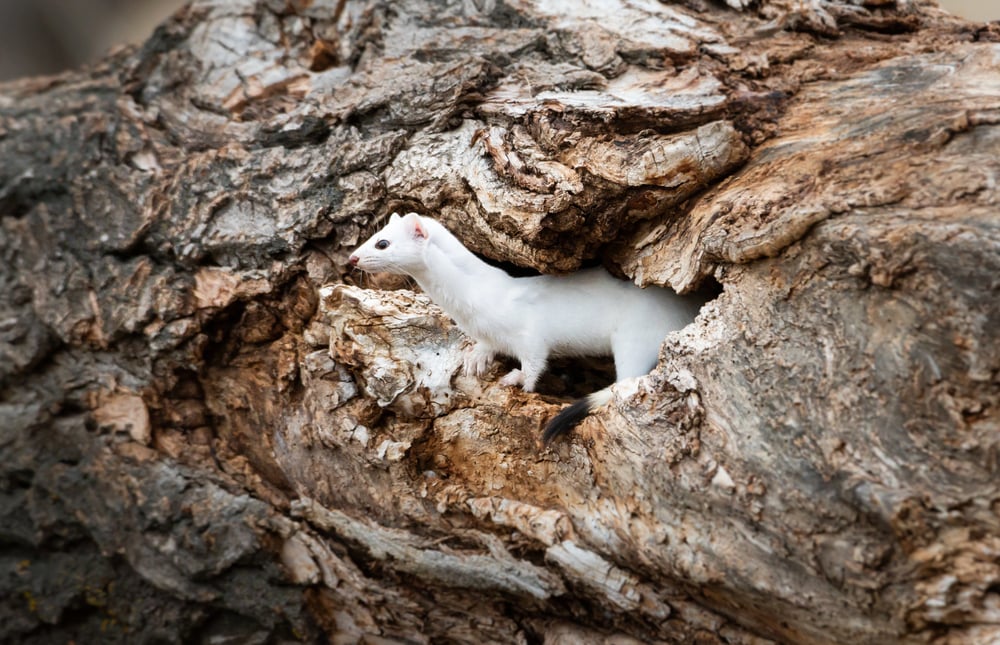
White fur was royalty’s thing back in medieval Europe. Laws actually said only nobles could wear ermine – everyone else would get in trouble.
These little weasels turn pure white in winter, which made perfect royal robes. One fancy guy’s outfit from the 1400s had over 1,000 ermine tails sewn on it. That’s a lot of dead weasels.
American Crocodile
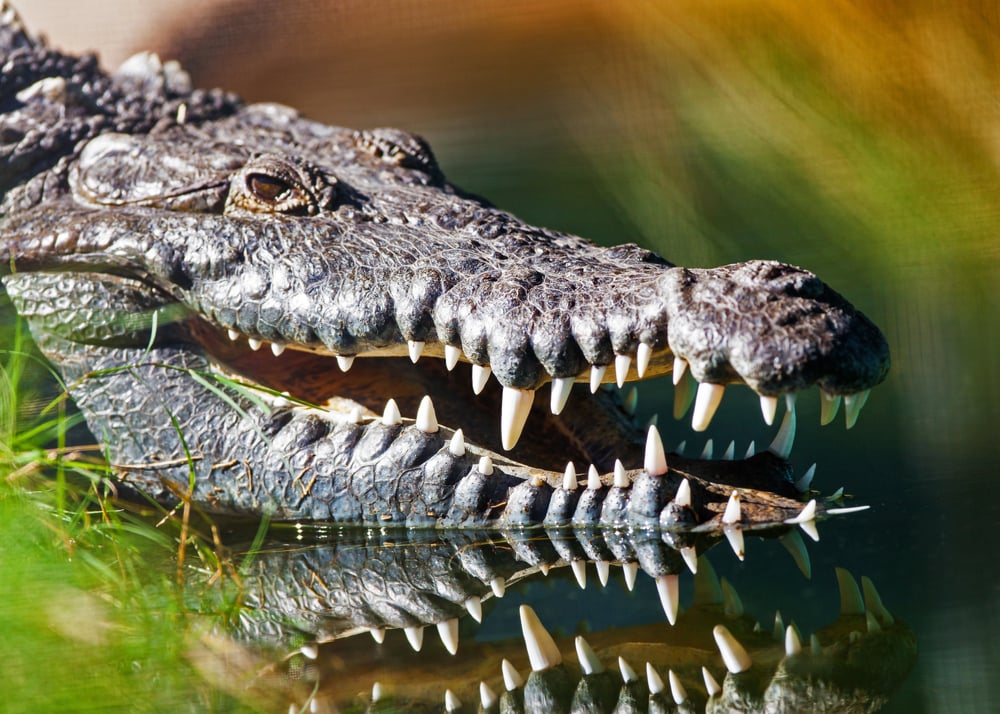
Crocodiles survived whatever killed the dinosaurs 65 million years ago. They almost didn’t survive the purse industry.
These reptiles grow super slowly – it takes years for them to reach adult size. Every handbag or pair of boots represents years of growth that can’t be replaced quickly. Populations crashed from Florida to South America.
Tigers
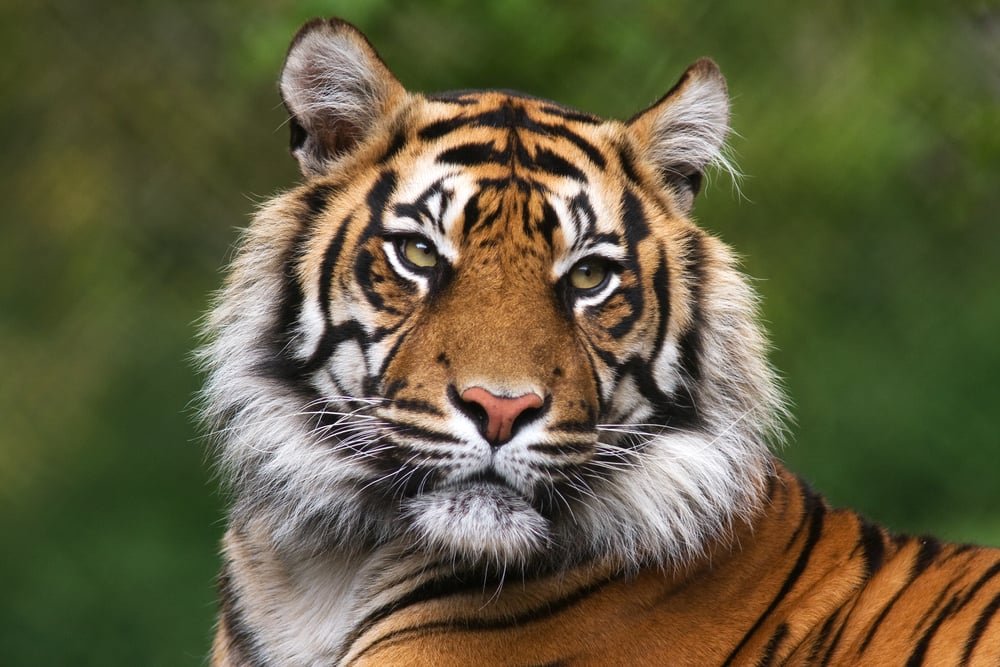
Everyone knows this story. Tigers used to roam across most of Asia.
Now they’re stuck in small patches of forest, hiding from poachers. Some subspecies are already gone forever – Javan tigers, Bali tigers, Caspian tigers. The ones left are constantly looking over their shoulders because tiger skins still sell for big money.
Like Go2Tutors’s content? Follow us on MSN.
Amur Leopard
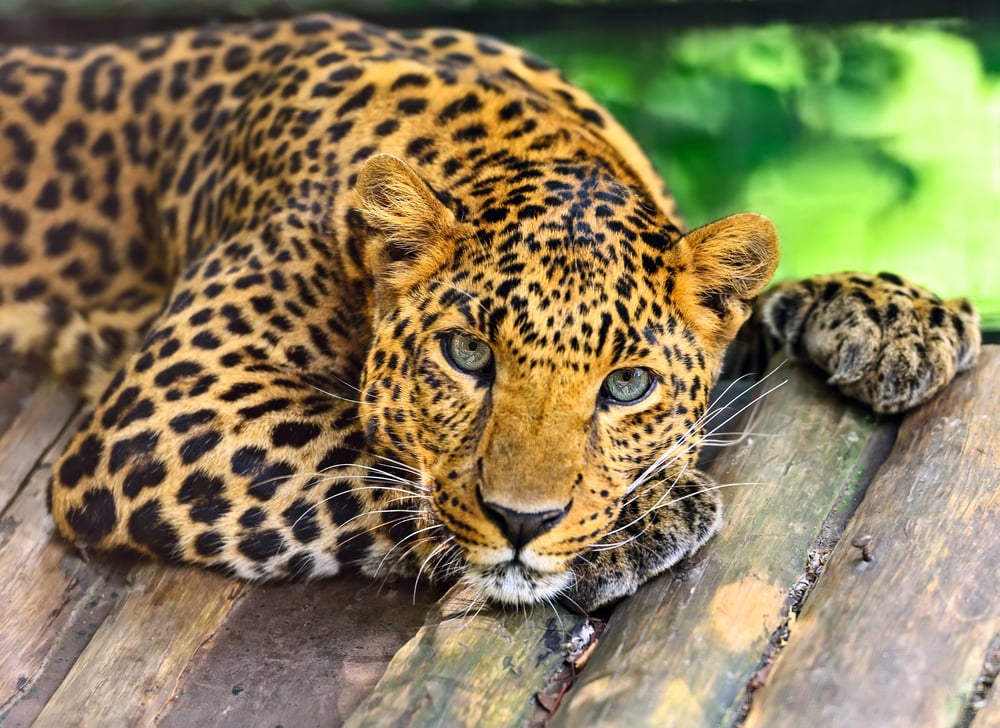
Maybe 100 left. That’s it. You could fit every Amur leopard on Earth in a movie theater.
Their thick spotted coats helped them survive Siberian winters, but those same coats made them targets. They’re so rare now that losing even one is devastating. Scientists worry they might not have enough genetic diversity left to survive.
Falkland Island Fox
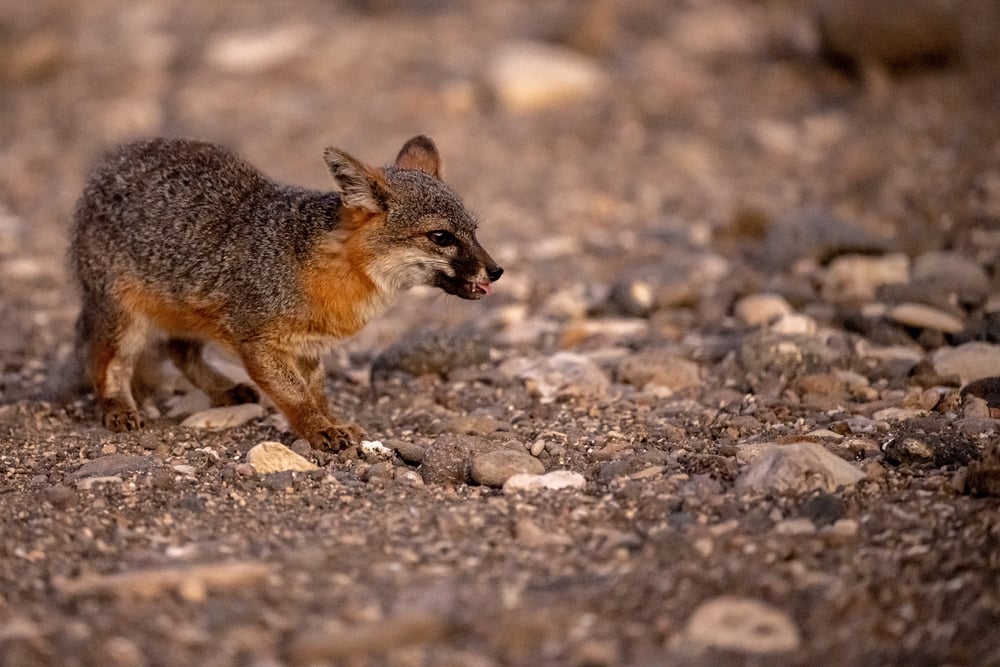
This species is completely gone because they were too friendly. These foxes had never seen humans before fur traders arrived in the 1800s, so they had no fear.
They’d walk right up to people out of curiosity. Made them the easiest hunt ever. The last one died around 1876. Another species fashion erased from Earth forever.
Seals
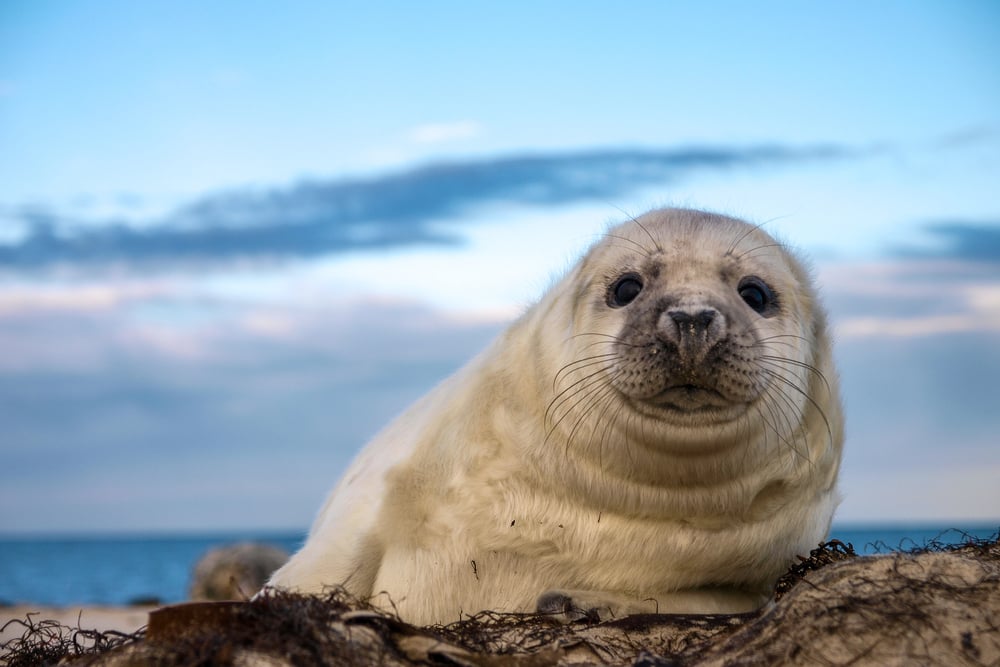
Baby seals getting clubbed became the poster image for anti-fur campaigns. For good reason – hunters were killing thousands of seal pups for their soft white fur.
Adult seals died for their waterproof pelts that made expensive coats. Multiple seal species got hammered by the fur trade before people started pushing back.
Like Go2Tutors’s content? Follow us on MSN.
Mink
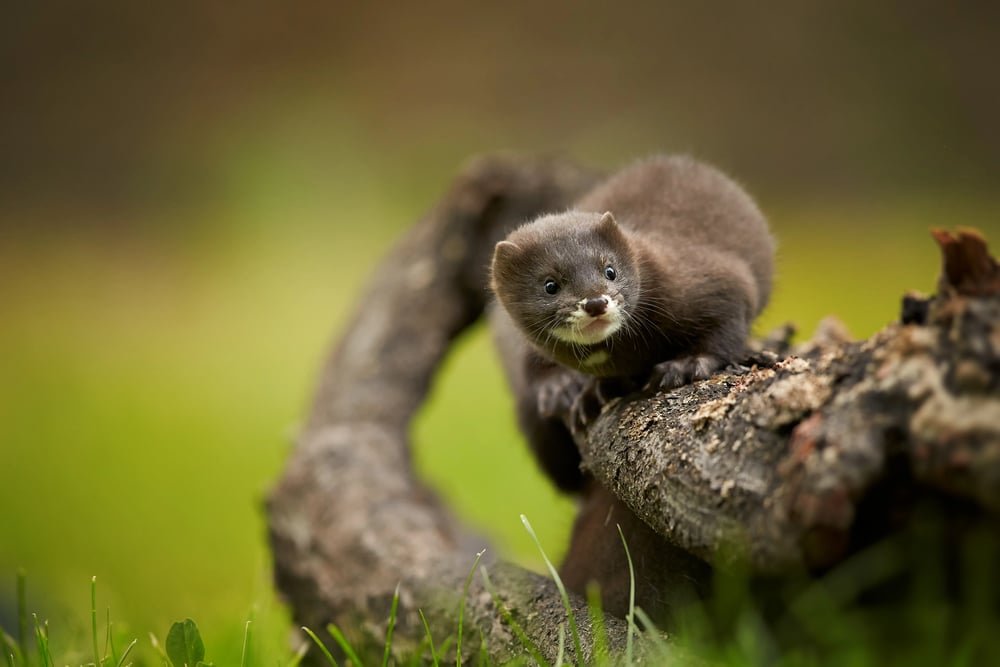
Most minks today live on farms, not in the wild. That happened because wild populations took such a beating from trappers that the fur industry decided farming was easier.
One mink coat needs 60-80 individual animals. These semi-aquatic hunters used to be common in wetlands across North America and Europe. Not anymore.
Still Time to Fix This
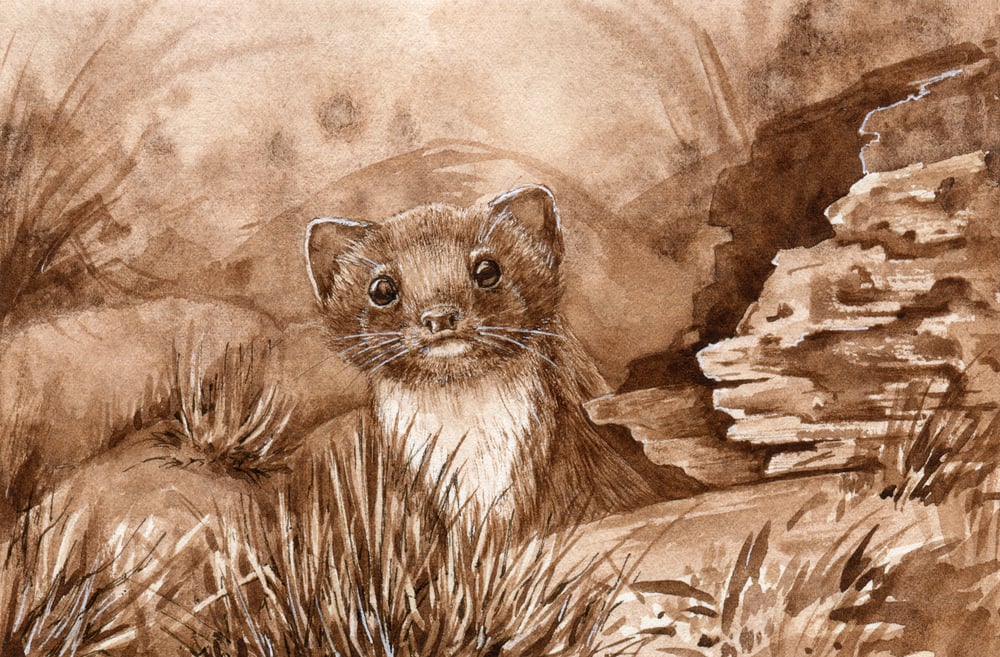
Things are getting better, slowly. Some of these animals are coming back thanks to better laws and people who care more about keeping animals alive than wearing them.
Others are gone forever, which is on us. Every shopping decision we make votes for the kind of world we want – one where animals thrive, or one where they end up as fashion accessories. The species that survived this mess are proof that we can do better when we actually try.
More from Go2Tutors!

- 16 Historical Figures Who Were Nothing Like You Think
- 12 Things Sold in the 80s That Are Now Illegal
- 15 VHS Tapes That Could Be Worth Thousands
- 17 Historical “What Ifs” That Would Have Changed Everything
- 18 TV Shows That Vanished Without a Finale
Like Go2Tutors’s content? Follow us on MSN.