31 Dinner Party Dishes From the ’60s and ’70s
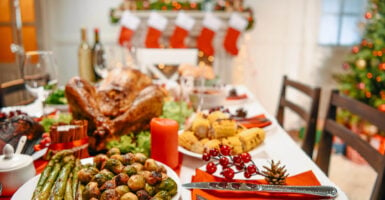
Dinner parties in the 1960s and 1970s were staged productions. Hosts pulled out chafing dishes, fondue pots and molded platters, and the menu was meant to impress as much as to feed anyone.
Many of these recipes came from glossy magazines, television cooks and cookbook boxes that promised sophistication on a suburban budget. A few still appear at restaurants, but most now live in thrift store cookbooks with sauce-stained pages.
Beef Wellington
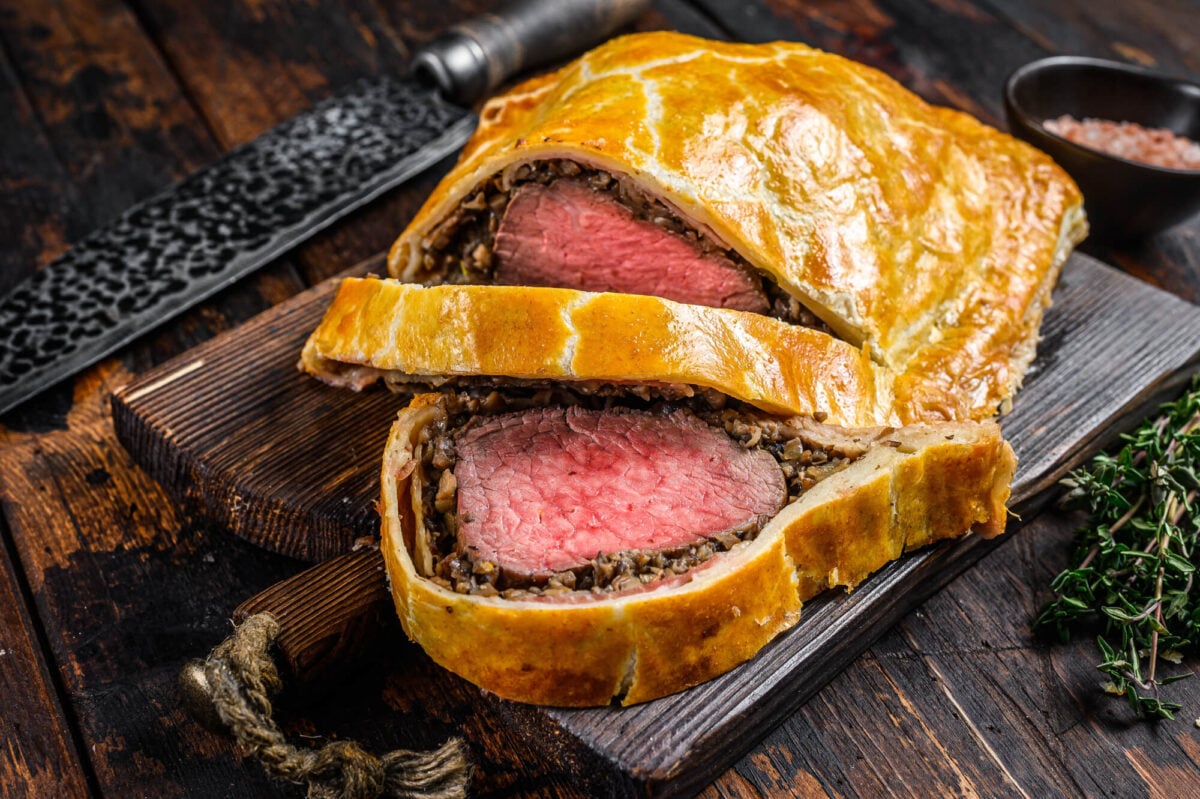
Beef Wellington wrapped a tenderloin in mushroom duxelles and puff pastry, then sent it to the table golden and sliced into thick rounds. The dish was a showpiece for ambitious hosts, because timing the pastry and the beef to finish together took real nerve.
Its link to the Duke of Wellington is often repeated but has never been documented, and food historians still argue over where the name came from. French cookbooks had long described beef baked in a crust.
In American homes of the 1960s, it signaled that the host had spent a very long afternoon in the kitchen.
Beef Stroganoff
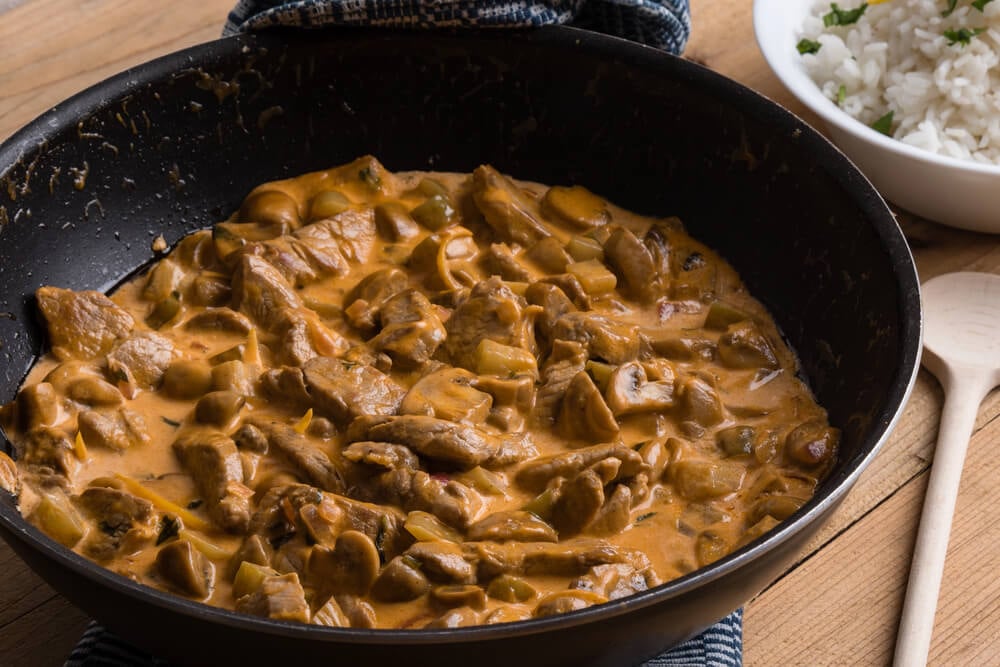
Beef Stroganoff took strips of beef, mushrooms and onions and finished them in a sour cream sauce, usually served over buttered egg noodles. The dish is named for the Stroganov family of Russian nobles, and an early printed recipe appeared in a cookbook by Elena Molokhovets in the 19th century.
By the 1960s, it had become an American dinner party standard that looked continental but relied on supermarket staples. Many versions swapped in canned mushroom soup to save time.
Hosts liked it because it held well in a chafing dish while guests lingered over drinks.
Chicken a la King
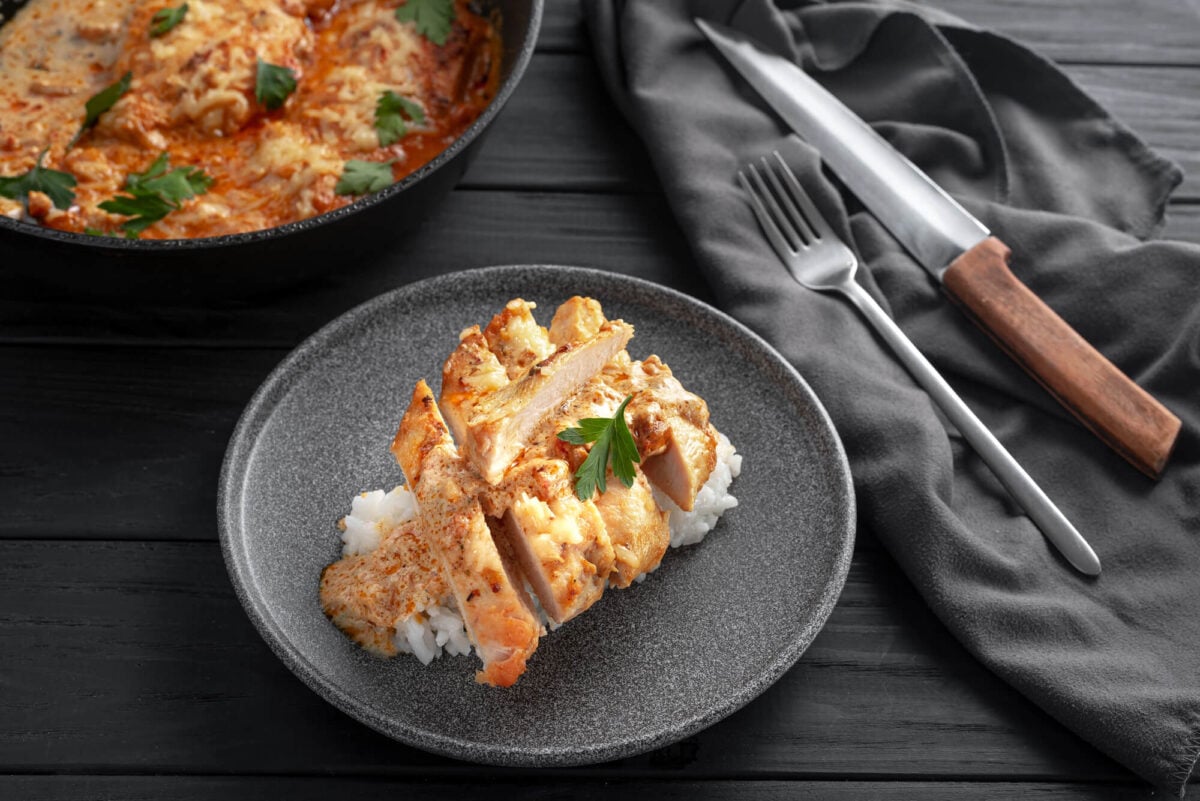
Chicken a la King combined diced chicken, mushrooms and pimentos in a rich cream sauce, typically spooned into pastry shells or over toast points. Several restaurants and hotels have claimed to invent it in the late 1800s, including Delmonico’s in New York, and the true origin remains disputed.
The dish moved from fancy hotel dining rooms into church suppers, weddings and home entertaining. Its pale color and soft texture made it easy to prepare in large batches.
For a generation of hosts, it was the default answer to feeding a crowd something that seemed elegant.
Coq au Vin
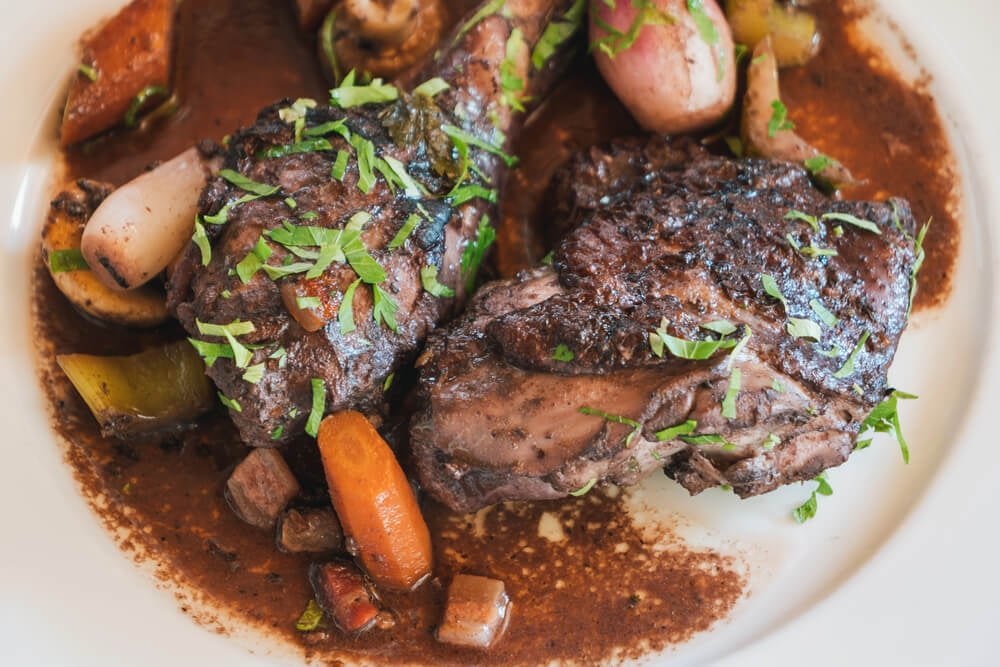
Coq au Vin braised chicken in red wine with mushrooms, pearl onions and bacon, producing a deep purple sauce that tasted of hours on the stove. The French country dish was traditionally made with an older rooster, which needed long cooking to become tender.
American hosts discovered it through Julia Child and a flood of French cookbooks in the 1960s. Serving it announced that the cook had moved past casseroles into something ambitious.
The dish also improved when made a day ahead, which was a major advantage for anyone hosting eight people on a Saturday night.
Boeuf Bourguignon
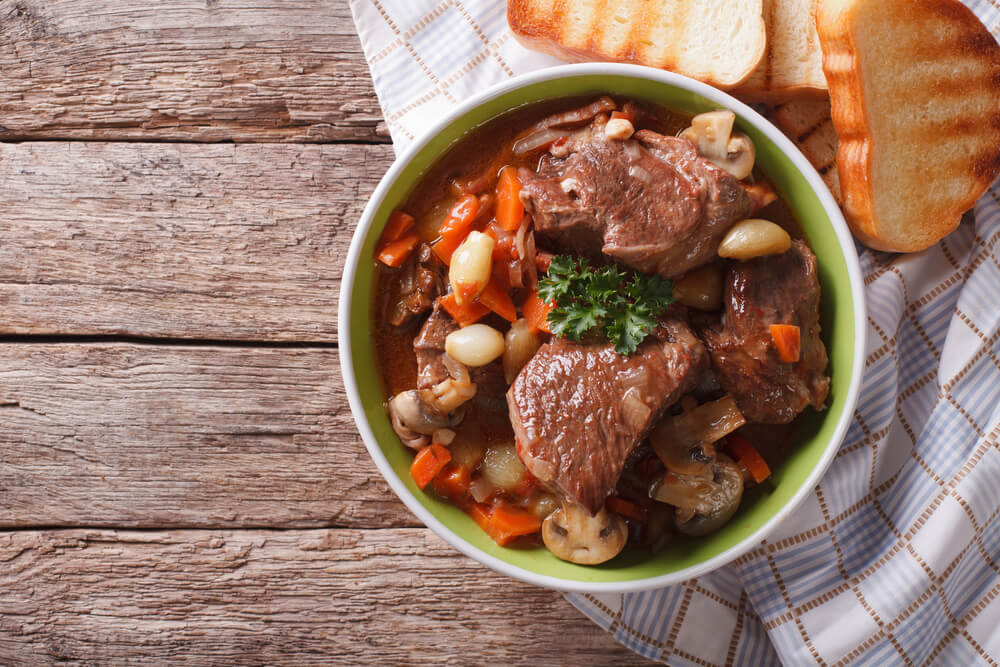
Boeuf Bourguignon, a Burgundy stew of beef braised in red wine with onions and mushrooms, was the dish that introduced many Americans to French cooking. It was the subject of the very first episode of Julia Child’s The French Chef, which aired on WGBH in Boston in February 1963.
Viewers watched her brown the meat in batches and warn against crowding the pan. The recipe was already in Mastering the Art of French Cooking, published in 1961.
Soon after, hosts across the country were serving it in enameled cast iron pots straight from the oven.
Cheese Fondue
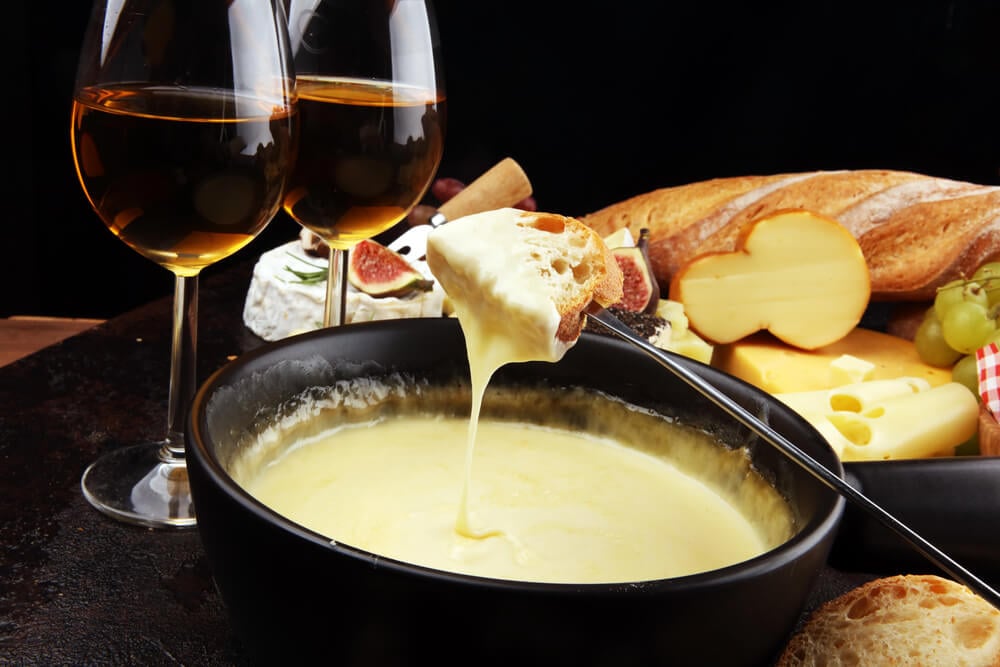
Cheese fondue brought guests together around a single pot of melted Gruyere and Emmental, loosened with white wine and a splash of kirsch. Long-handled forks with colored tips let each guest keep track of a skewer of bread.
The Swiss cheese industry had promoted fondue as a national dish decades earlier, and it caught on in the United States in the 1960s and 1970s. Fondue sets became a standard wedding present, often in bright orange or avocado green.
Swiss tradition held that anyone who dropped bread into the pot owed the table a penalty, usually a round of drinks.
Chocolate Fondue
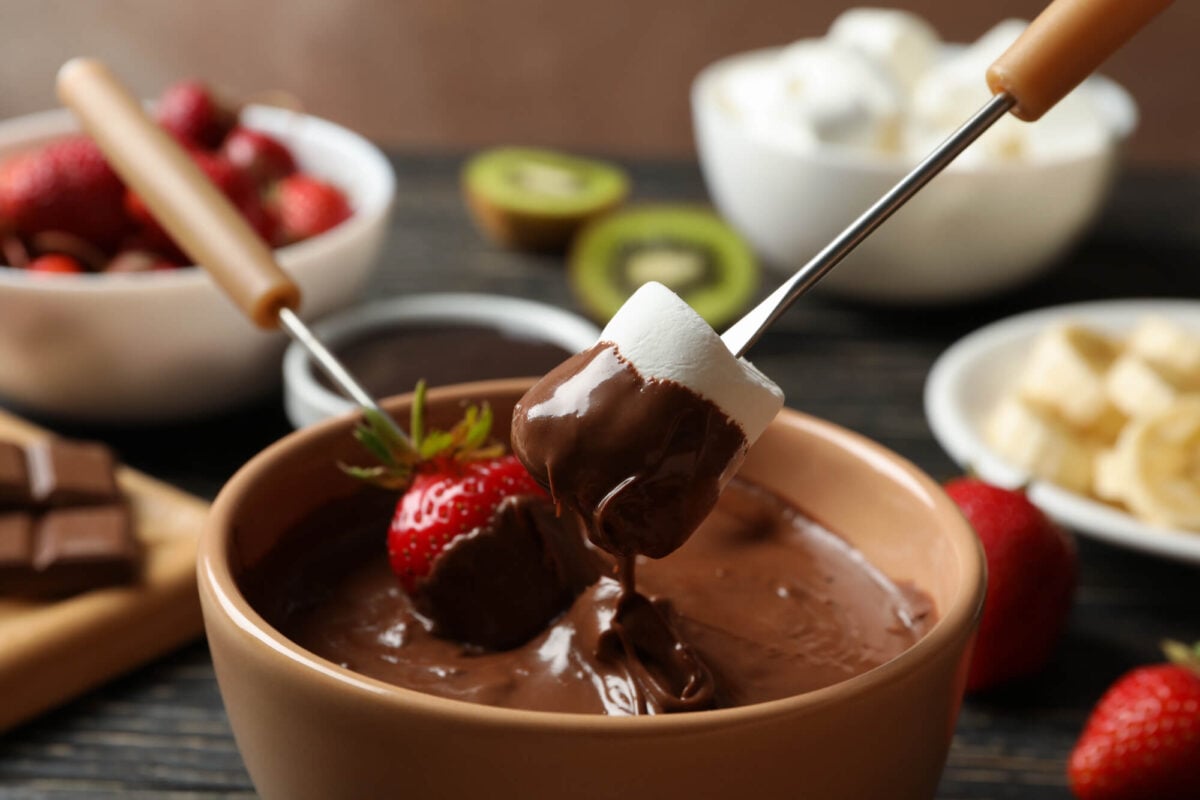
Chocolate fondue is a far younger invention than the cheese version, and it was essentially a marketing idea. Konrad Egli, a Swiss chef working in New York, is credited with creating it in 1964 as part of a promotion for Toblerone chocolate.
Guests dipped strawberries, banana slices, pound cake and marshmallows into the warm pot. The dessert spread quickly because it required almost no skill and delivered plenty of drama.
By the 1970s, many hosts owned one pot for cheese and a smaller one for chocolate, and both were back in the cupboard by the 1980s.
Shrimp Cocktail
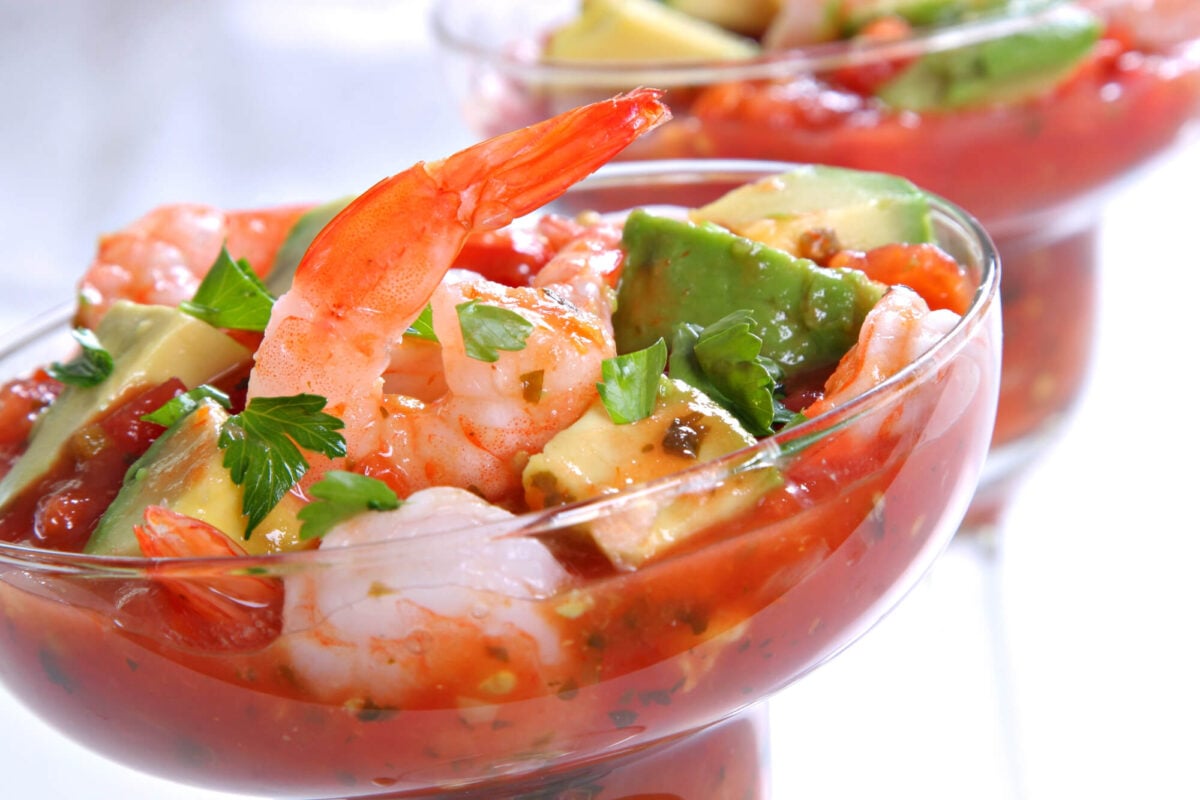
Shrimp cocktail arrived at the table in a stemmed glass, with chilled shrimp hooked over the rim and a pool of red sauce at the bottom. The sauce was little more than ketchup sharpened with horseradish and lemon, but the presentation felt like a steakhouse.
Shrimp were expensive enough in the 1960s to signal generosity. Hosts often served it as the first course before a roast, sometimes on crushed ice in a special two-part glass designed to keep everything cold.
The dish never fully disappeared, though the stemmed glasses now mostly live in thrift stores.
Rumaki
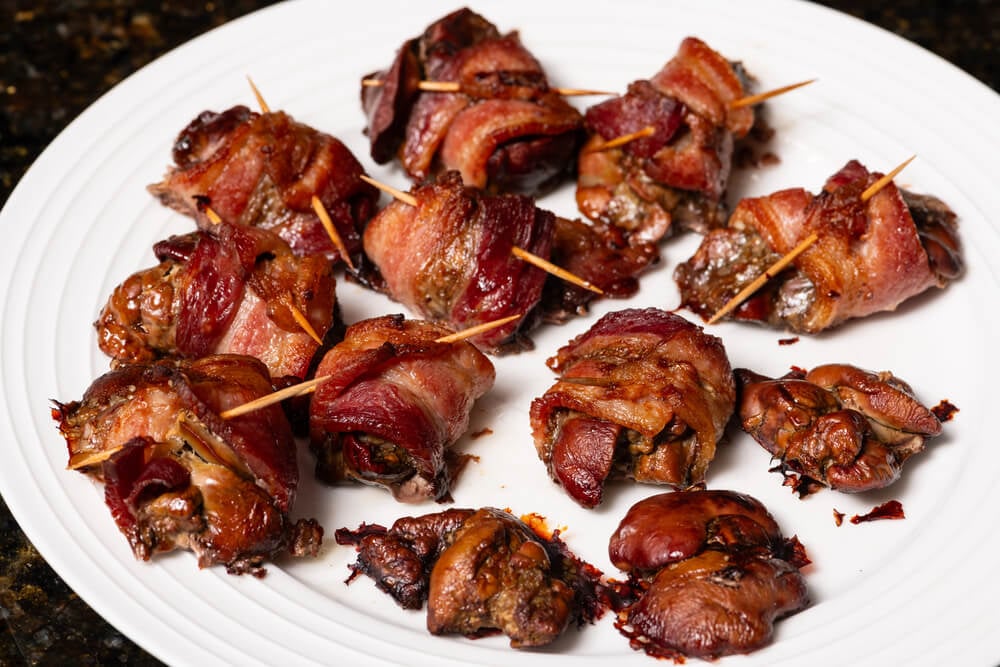
Rumaki wrapped chicken livers and water chestnuts in bacon, marinated them in soy sauce and ginger and broiled them until crisp. The appetizer was a product of the tiki craze, when Polynesian-themed restaurants such as Trader Vic’s and Don the Beachcomber made faux-island food fashionable.
Home cooks copied the idea for cocktail parties, serving rumaki on toothpicks next to rum drinks in carved mugs. The mix of textures made them surprisingly popular even with guests who claimed to dislike liver.
Few modern hosts would think to make them, but vintage party cookbooks almost always include a recipe.
Crab Rangoon
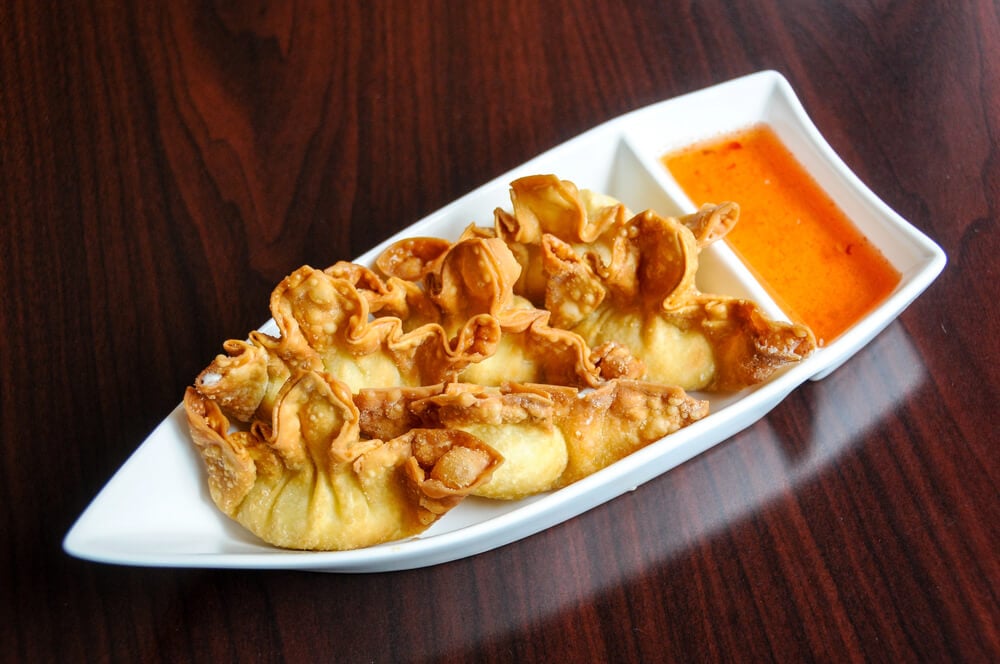
Crab Rangoon filled wonton wrappers with cream cheese and crab, then deep-fried them into crisp little pouches. Despite the name, the dish has no real connection to Burma, since cream cheese was hardly a staple in Southeast Asian cooking.
Crab Rangoon appeared on the menu at Trader Vic’s by the mid-1950s, and the tiki boom carried it into suburban kitchens. Hosts loved it because it could be assembled ahead and fried just before guests arrived.
It later became a fixture of American Chinese takeout, which is where most people encounter it today.
Baked Alaska
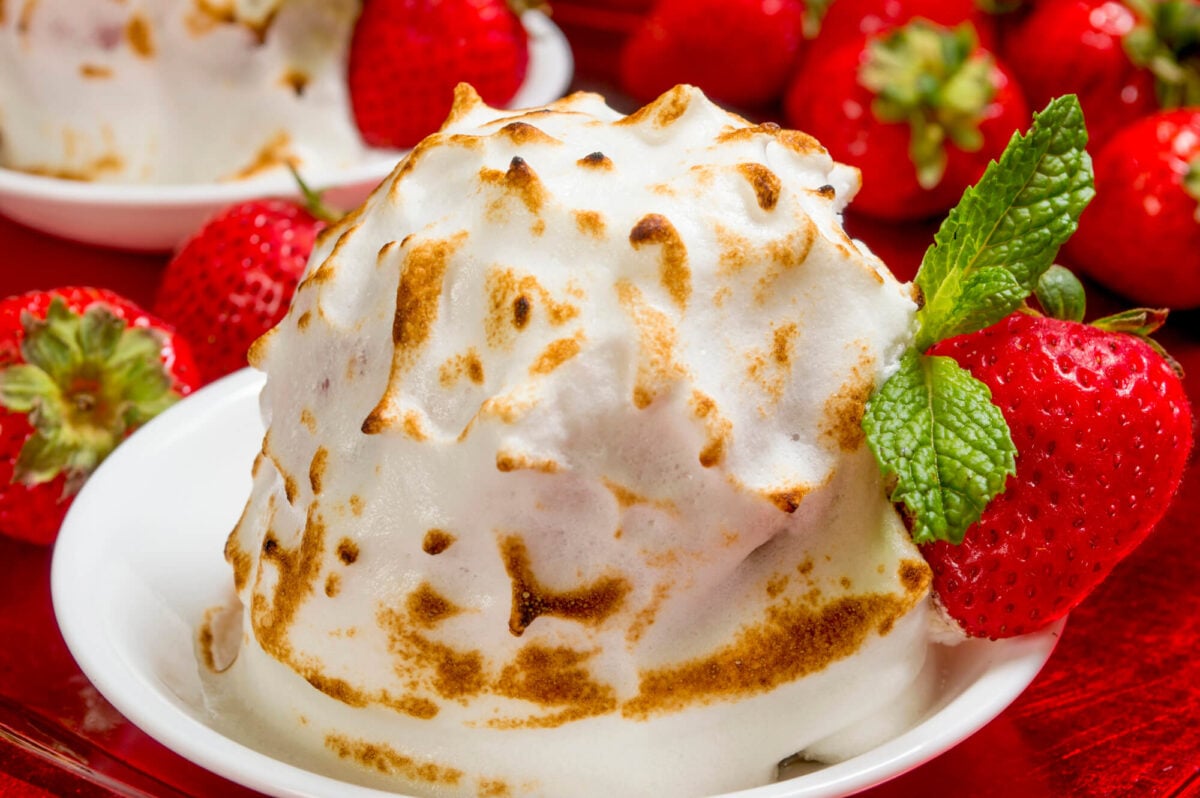
Baked Alaska buried ice cream on a sponge cake base under a thick coat of meringue, then browned the outside in a hot oven without melting the center. The trick relies on the meringue acting as insulation, and guests found the contrast of hot and cold thrilling.
The name is often linked to Delmonico’s in New York and the purchase of Alaska in 1867, though that story is hard to confirm. Some hosts finished the dessert by pouring warm brandy over it and setting it alight at the table.
Few party desserts required as much confidence.
Cherries Jubilee
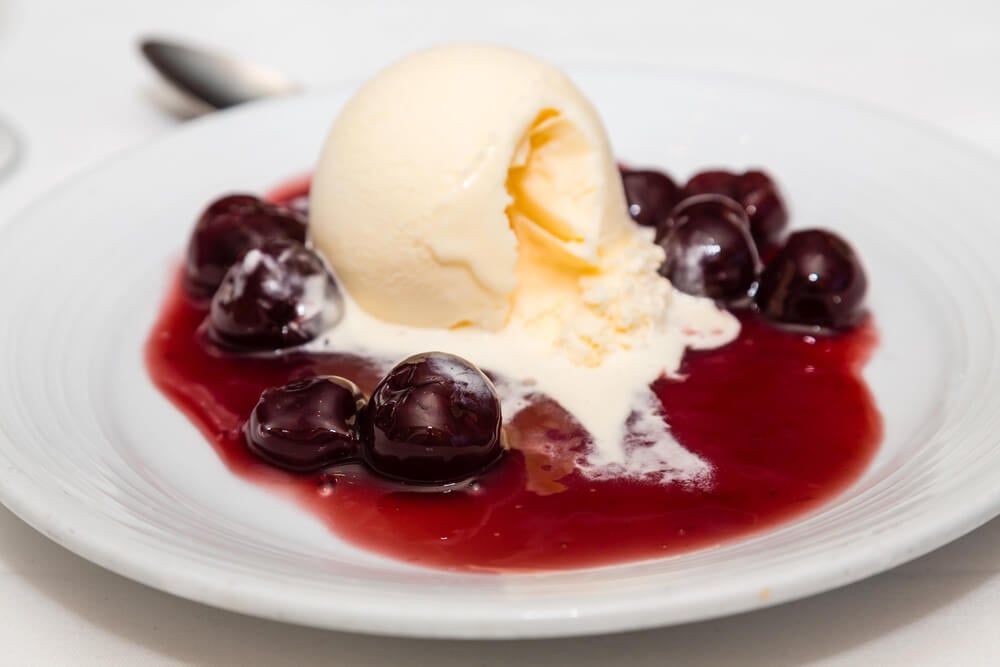
Cherries Jubilee warmed dark cherries in syrup, doused them with brandy or kirsch and set them aflame before spooning them over vanilla ice cream. The dessert is credited to the French chef Auguste Escoffier, who is said to have created it for one of Queen Victoria’s jubilee celebrations.
In the 1960s and 1970s, it became a favorite of hosts who owned a chafing dish and wanted a finale guests would remember. Dimming the lights before lighting the brandy was part of the ritual.
The flames lasted only seconds, but the dessert delivered exactly the showmanship the era prized.
Duck a l’Orange
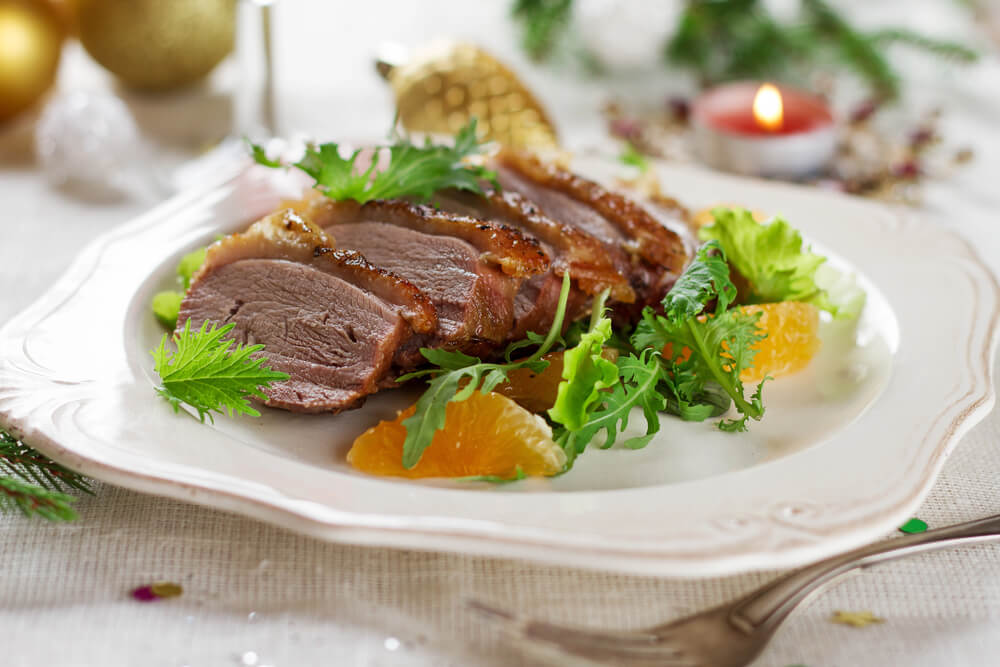
Duck a l’Orange paired a roasted duck with a glossy sauce of orange juice, zest, sugar and stock, often finished with an orange liqueur. The dish had long been a staple of French restaurants, and it became a signature of ambitious American home entertaining in the 1960s.
Duck was harder to cook than chicken because of its thick layer of fat, which had to render slowly for crisp skin. Many hosts considered it the ultimate test of skill.
Its reputation later suffered from years of overly sweet versions in hotel dining rooms, and it gradually fell out of fashion.
Lobster Thermidor
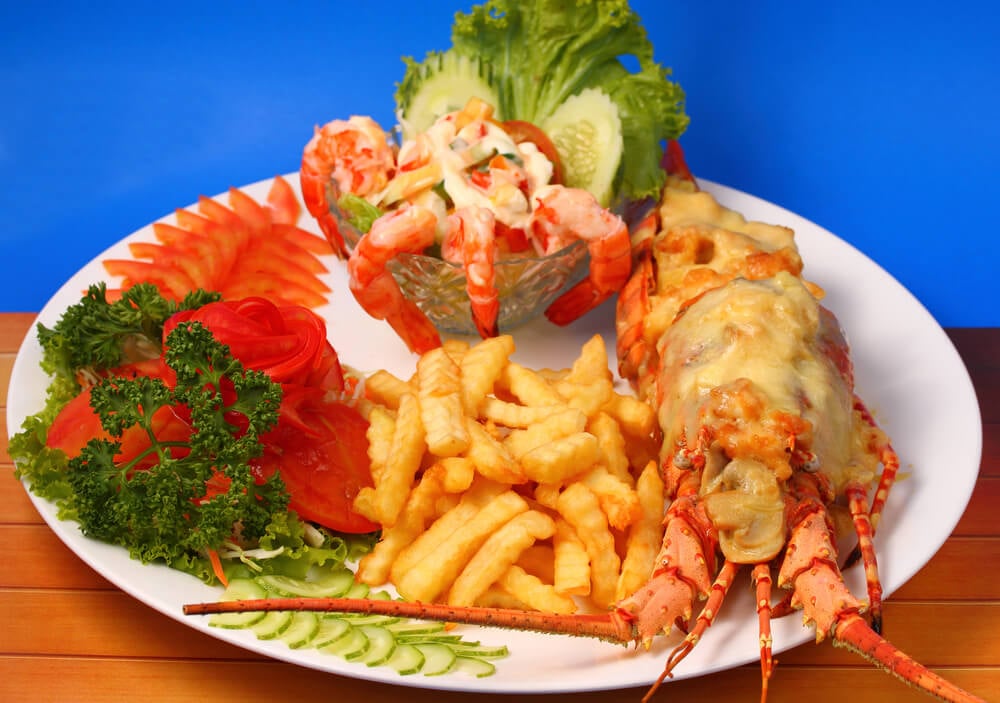
Lobster Thermidor combined lobster meat with a rich sauce of cream, egg yolks, mustard and brandy, stuffed it back into the shell and browned it under a broiler. The dish is traditionally credited to a Paris restaurant in the 1890s, named after a play called Thermidor.
It was expensive and labor-intensive, which made it an ideal way to impress guests at a special dinner. The presentation in the shell looked dramatic on a platter.
By the 1970s, it had become a symbol of old-fashioned luxury, the kind of dish found at country clubs and anniversary dinners.
Butter-Filled Chicken Kiev
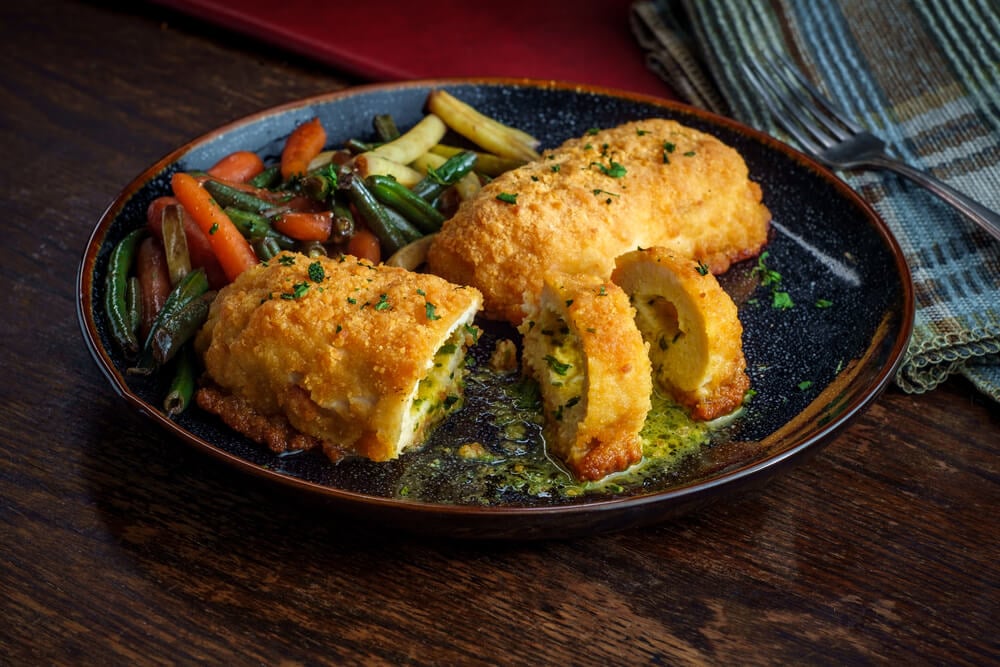
A thin chicken breast rolled around a stick of cold herb butter was the heart of Chicken Kiev, which was breaded and fried until golden. The fun came when a guest cut into it and melted butter spurted onto the plate, sometimes onto a sleeve or a tie.
The dish became popular in the United States after the Second World War, served in restaurants and then at home dinner parties. Getting the butter sealed inside without leaks took practice and a well-chilled filling.
Frozen supermarket versions later made the dish easy, but the surprise remained the entire point, even in the freezer aisle.
Quiche Lorraine
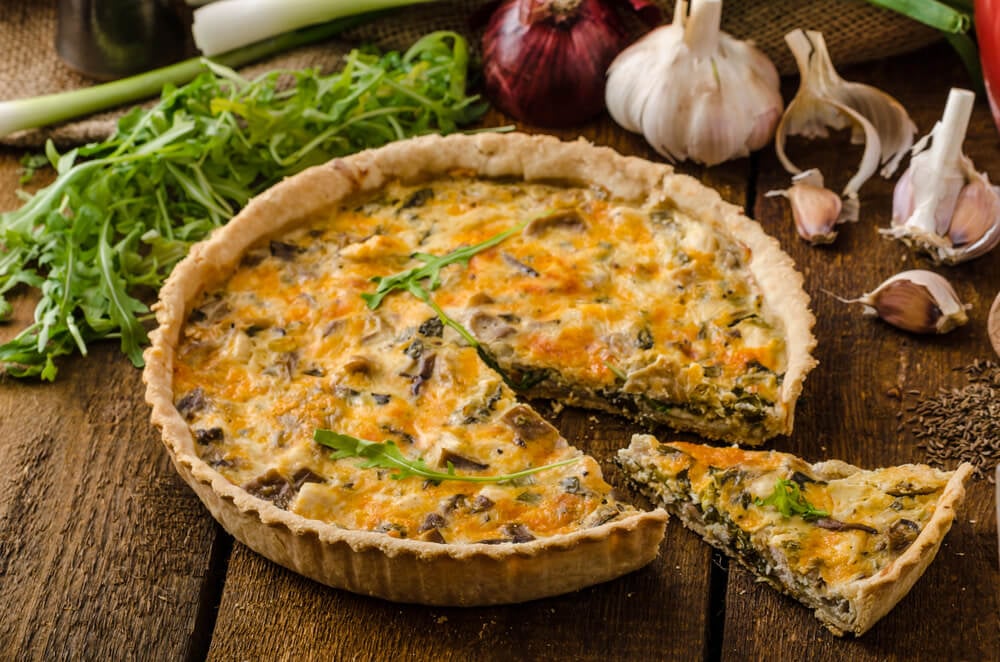
Quiche Lorraine baked eggs, cream and bacon in a pastry crust, often with Swiss cheese added in American versions. The dish from the Lorraine region of France became a fixture of American brunches and luncheons in the 1970s, served warm or at room temperature.
Its popularity grew so large that it became a cultural joke, captured in the 1982 humor book Real Men Don’t Eat Quiche by Bruce Feirstein. Hosts liked quiche because it could be made ahead and sliced for a crowd.
The dish survived the teasing and remains a standard at cafes and bakeries.
California Onion Dip
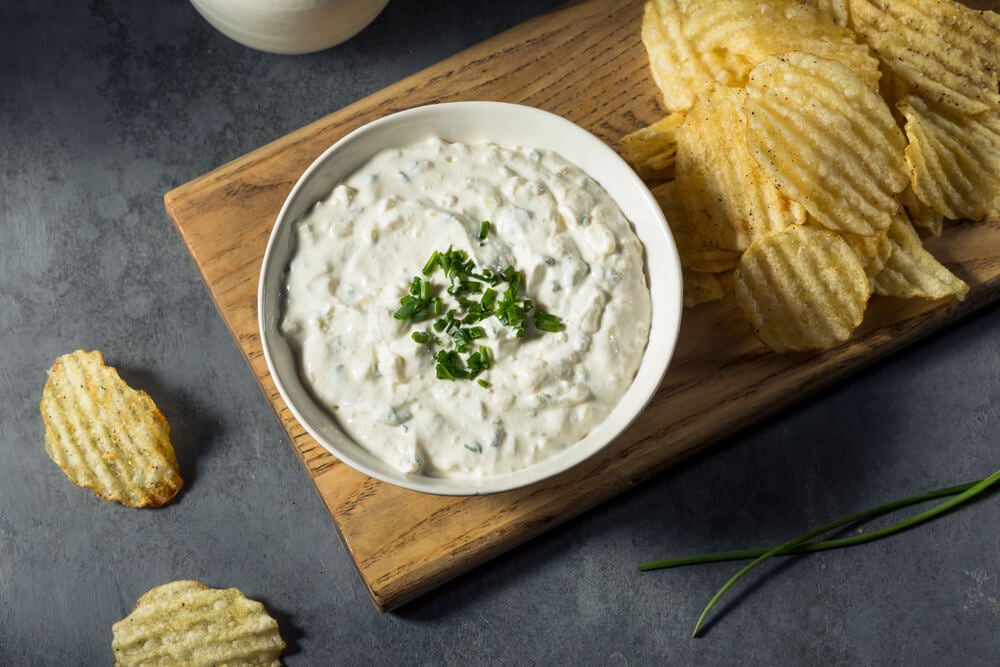
California onion dip was made by stirring a packet of dried onion soup mix into a container of sour cream, then chilling it for an hour. The recipe spread in the 1950s after cooks in Los Angeles discovered the combination, and Lipton soon printed it on its packaging.
By the 1960s, it was a fixture of cocktail parties, served with potato chips or a platter of raw vegetables. The dip required almost no effort and delivered a big, salty flavor.
Its success helped turn packaged soup mixes into all-purpose ingredients for home entertaining.
Salmon Mousse in a Fish Mold
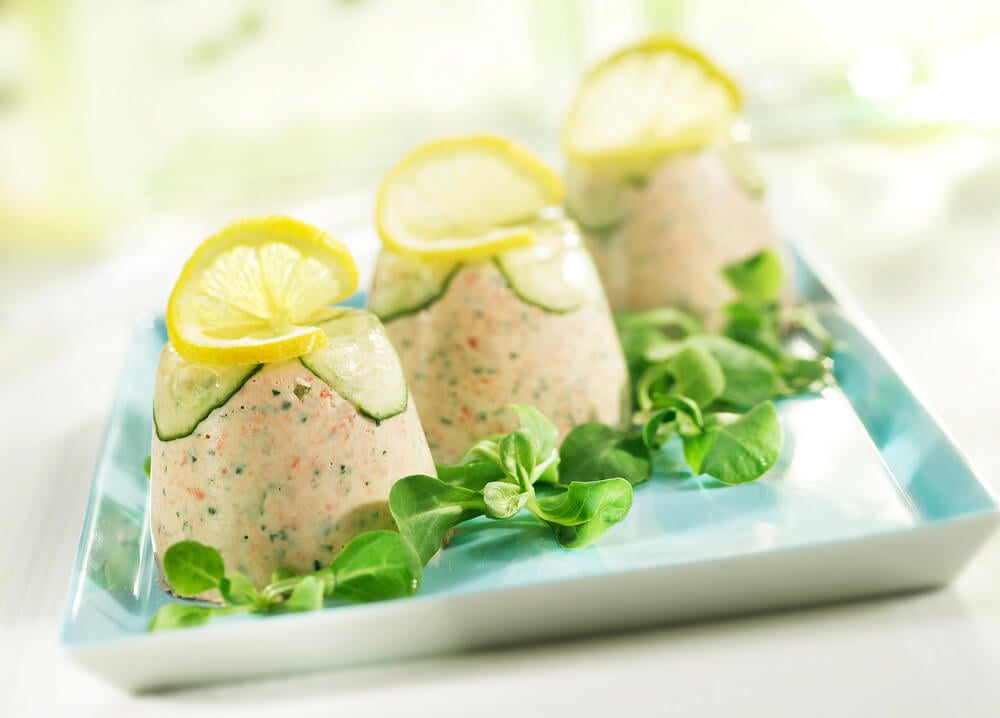
Salmon mousse was made from canned salmon, gelatin, mayonnaise and seasonings, then set in a fish-shaped mold and turned out onto a platter. Hosts decorated the fish with cucumber scales, an olive for an eye and sprigs of parsley.
The mold itself was often a gift or a mail-order purchase, and many kitchens kept one in a cupboard for years. The dish was served with crackers at cocktail parties and buffets.
It reflected an era that loved molded foods, when a jiggling centerpiece could steal the attention from everything else on the table.
Caesar Salad Made Tableside
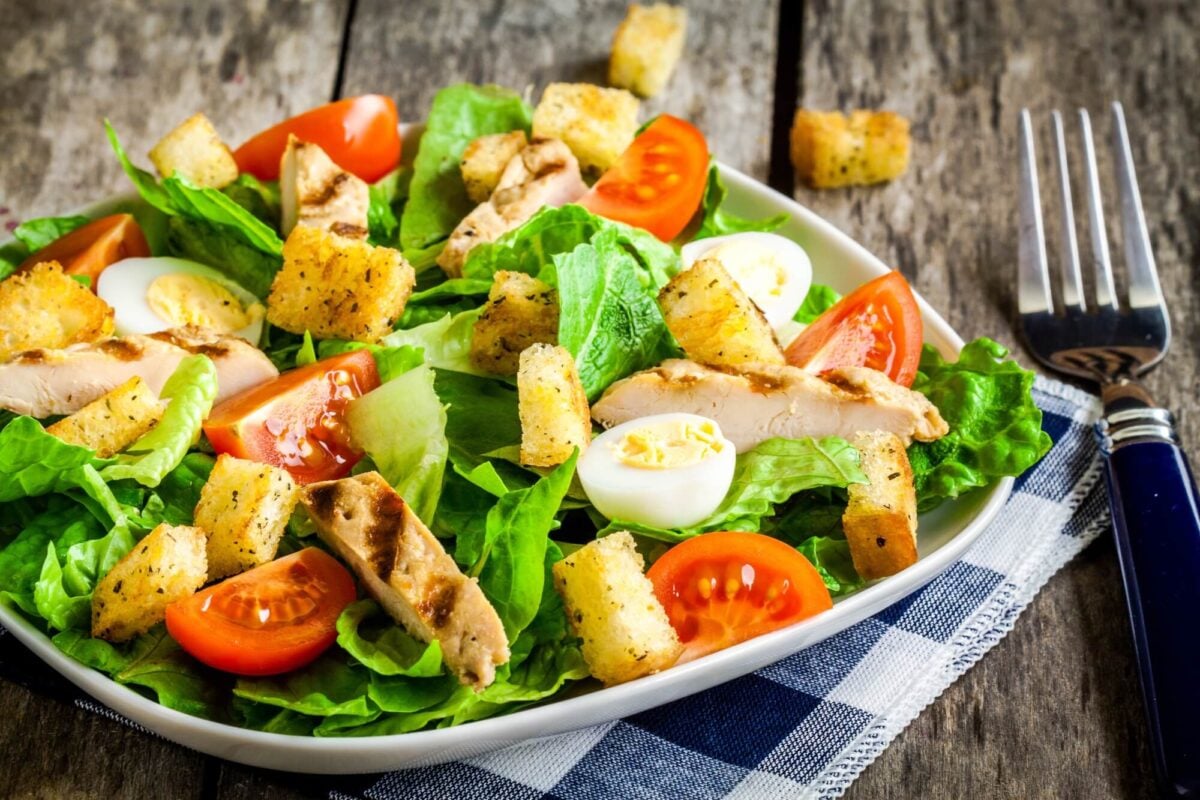
Caesar salad in its showiest form was assembled tableside, with a waiter or host coddling an egg, mashing anchovies and garlic, and tossing romaine in a large wooden bowl. The salad is commonly credited to Caesar Cardini, an Italian immigrant who ran a restaurant in Tijuana, Mexico, in the 1920s.
By the 1960s, tableside Caesar was a hallmark of steakhouses and supper clubs. Ambitious hosts copied the performance at home, using a rolling cart if they had one.
The ritual mattered as much as the salad, since guests enjoyed watching it come together.
Watergate Salad
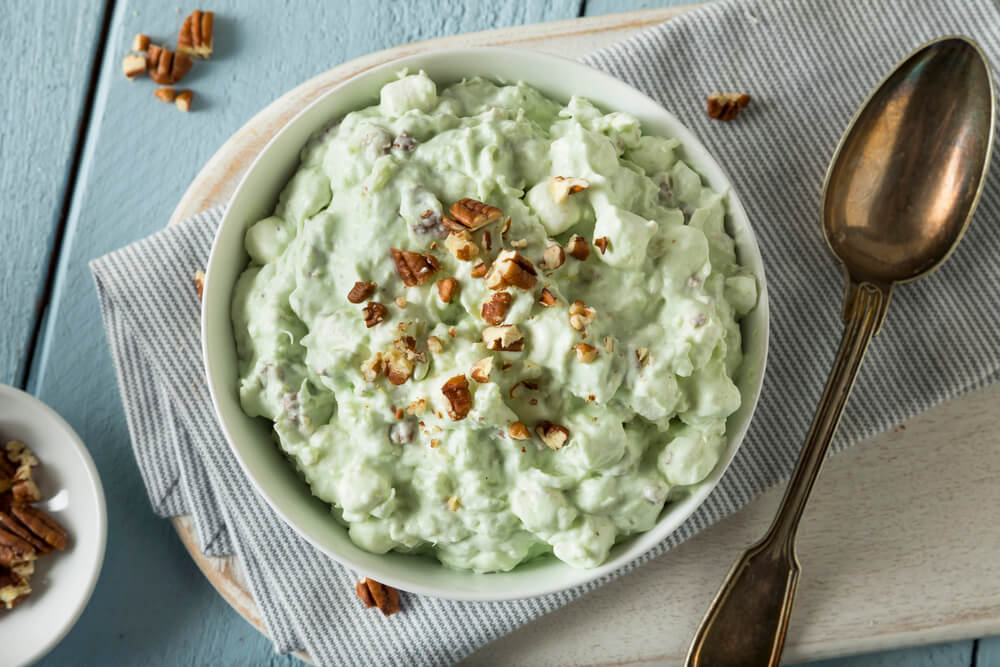
Watergate salad combined instant pistachio pudding, crushed pineapple, whipped topping, marshmallows and nuts into a pale green fluff. Kraft published a version called Pistachio Pineapple Delight after Jell-O pistachio pudding mix appeared in the mid-1970s.
How the dish acquired its political name is unclear, and competing stories involve newspaper recipes and a cake with the same name. The salad became a fixture at potlucks, holiday buffets and family gatherings.
Its bright color made it memorable, and the name ensured it would forever be linked to one of the biggest scandals of the decade.
Pineapple Glazed Ham
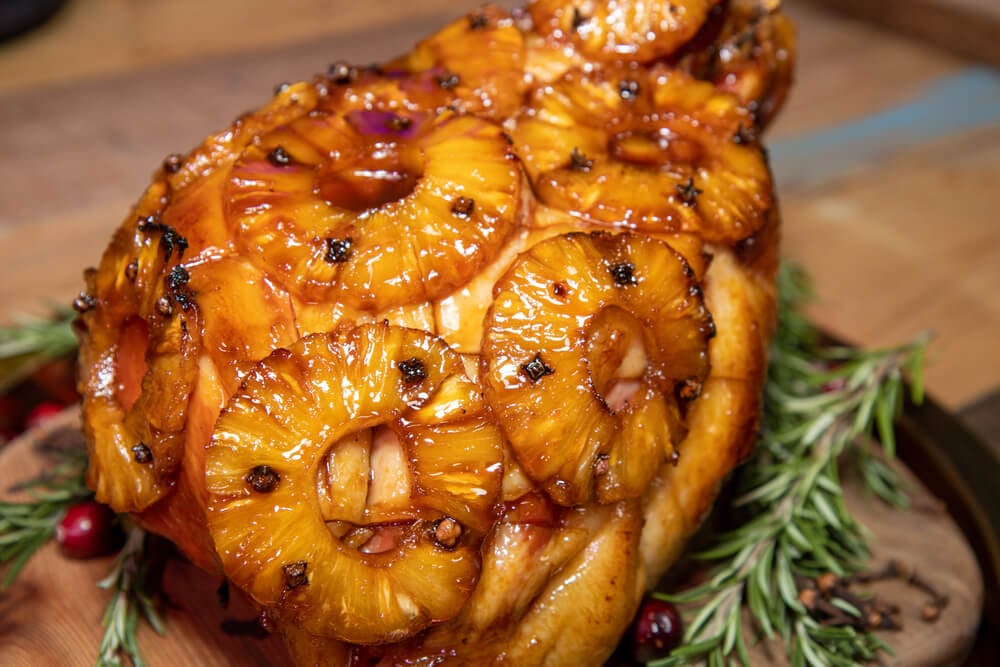
A baked ham scored in a diamond pattern, studded with cloves and covered with pineapple rings and maraschino cherries was the centerpiece of countless holiday dinners. The glaze usually involved brown sugar and pineapple juice, sometimes with mustard.
Canned pineapple rings made the look easy to achieve, and the ham could feed a large group with leftovers to spare. Magazines and food company advertisements spread the image widely.
The dish combined sweet and salty flavors, and the bright colors of the fruit made it look festive in photographs.
Crown Roast of Pork
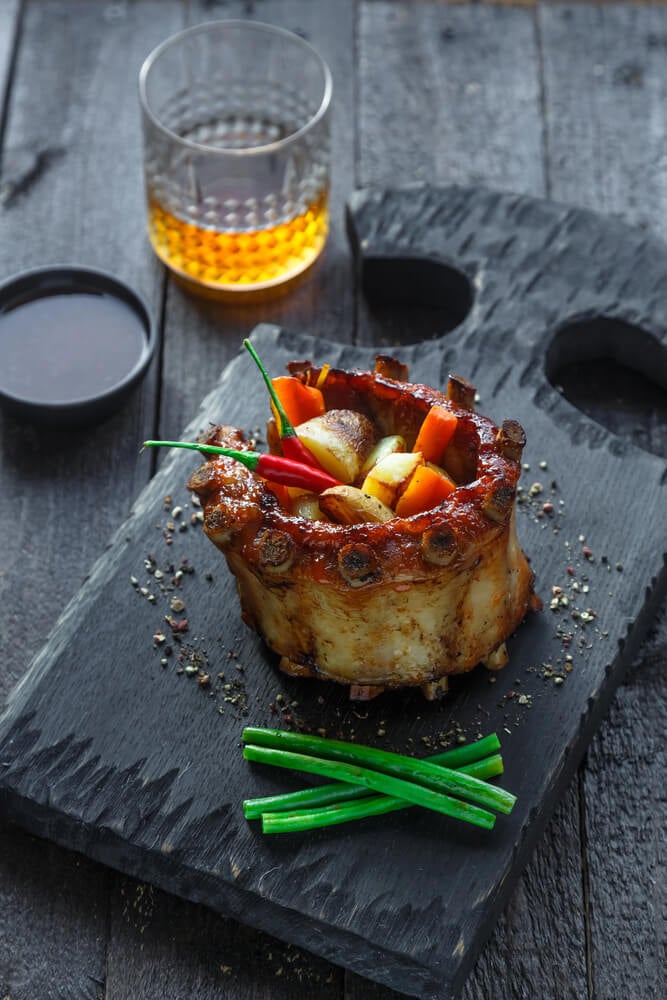
A crown roast of pork was made by tying a rack of rib chops into a circle, bones pointing up, so the roast resembled a crown. Butchers often prepared it to order, and hosts filled the center with stuffing before roasting.
The finishing touch was a set of paper frills placed over the tips of the bones. The dish was expensive and dramatic, and it was typically reserved for holidays or special dinners.
Carving at the table was part of the show, and guests received individual chops with a spoonful of stuffing from the middle.
Oysters Rockefeller
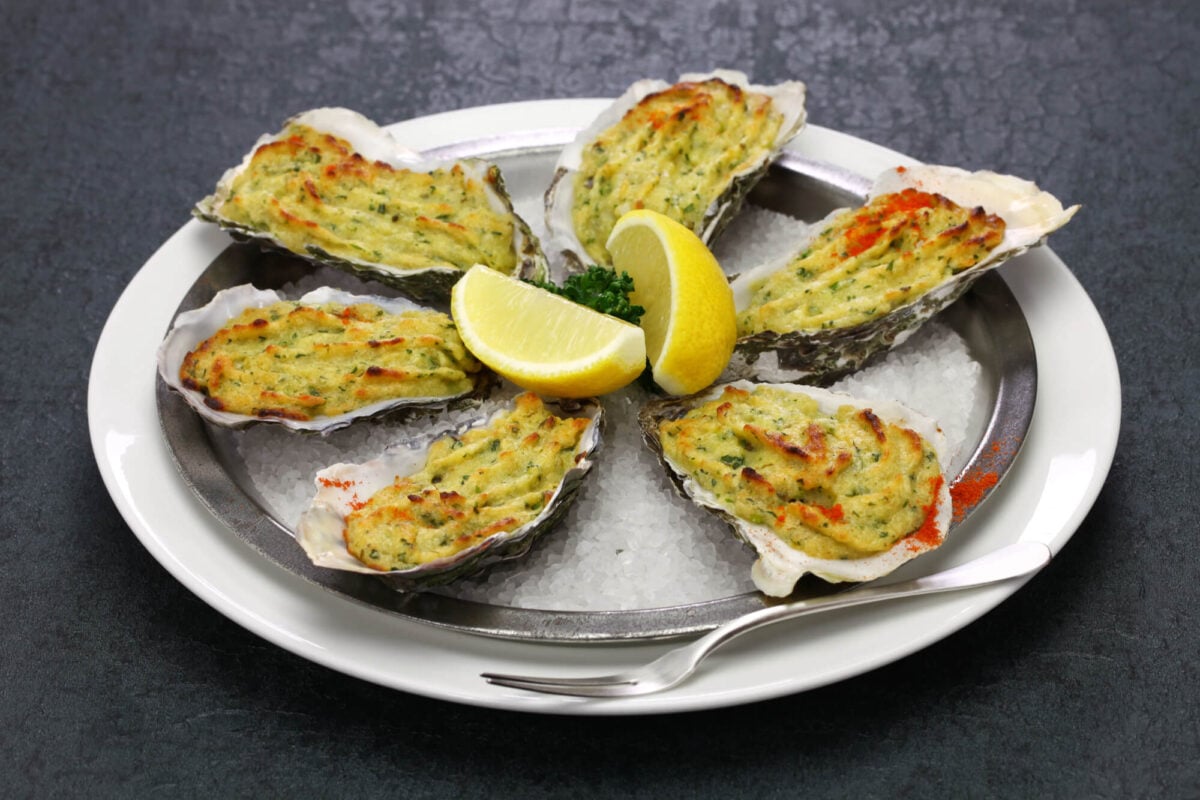
Oysters Rockefeller topped oysters on the half shell with a green sauce of herbs, butter and breadcrumbs, then baked them until bubbling. The dish was created at Antoine’s in New Orleans in 1899 by Jules Alciatore, who named it for the richness of the sauce, a reference to John D. Rockefeller.
The original recipe has been kept secret by the restaurant, and many versions use spinach even though Antoine’s has said the original does not. In the 1960s and 1970s, the dish became a fixture of formal dinners and upscale restaurants.
Vichyssoise
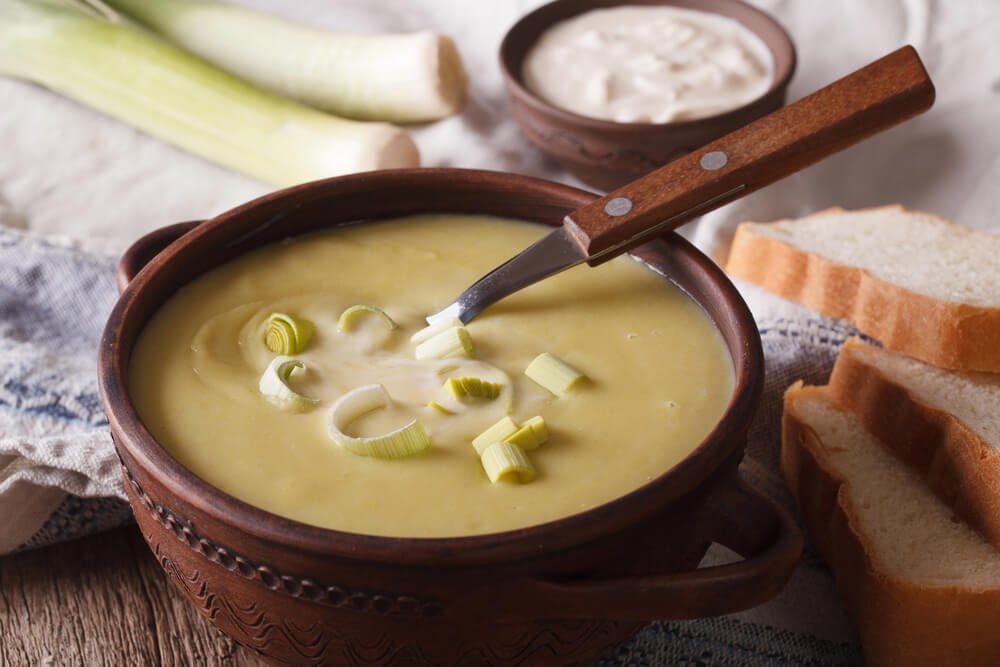
Vichyssoise was a cold, creamy soup of leeks, potatoes, onions and cream, pureed until smooth and served chilled. The soup was created by chef Louis Diat at the Ritz-Carlton in New York in 1917, inspired by the hot potato soup of his childhood in France.
He named it after Vichy, a town near his hometown. By the 1960s, vichyssoise was a staple at elegant dinner parties, particularly in summer.
Guests unfamiliar with it sometimes assumed the soup had gone cold by accident, which gave hosts a chance to explain.
Chicken Cordon Bleu
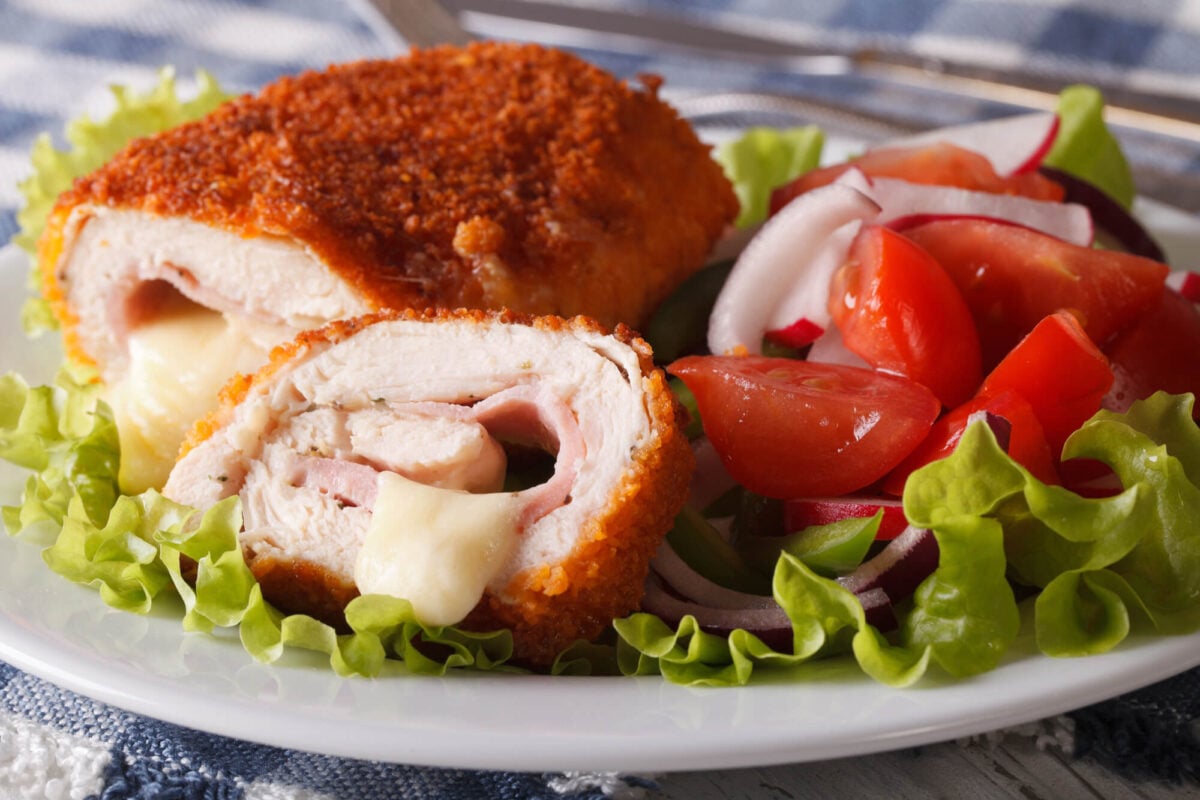
Chicken Cordon Bleu rolled a thin chicken breast around ham and Swiss cheese, then breaded and baked or fried it until the cheese melted inside. The name borrowed the French term cordon bleu, a phrase long associated with excellent cooking.
The dish became a favorite of home cooks and banquet halls in the 1960s and 1970s because it looked fancy but used familiar ingredients. Toothpicks were often required to keep the rolls together, and forgetting to remove them was a common hazard.
The dish later became a frozen food staple.
Chicken Divan
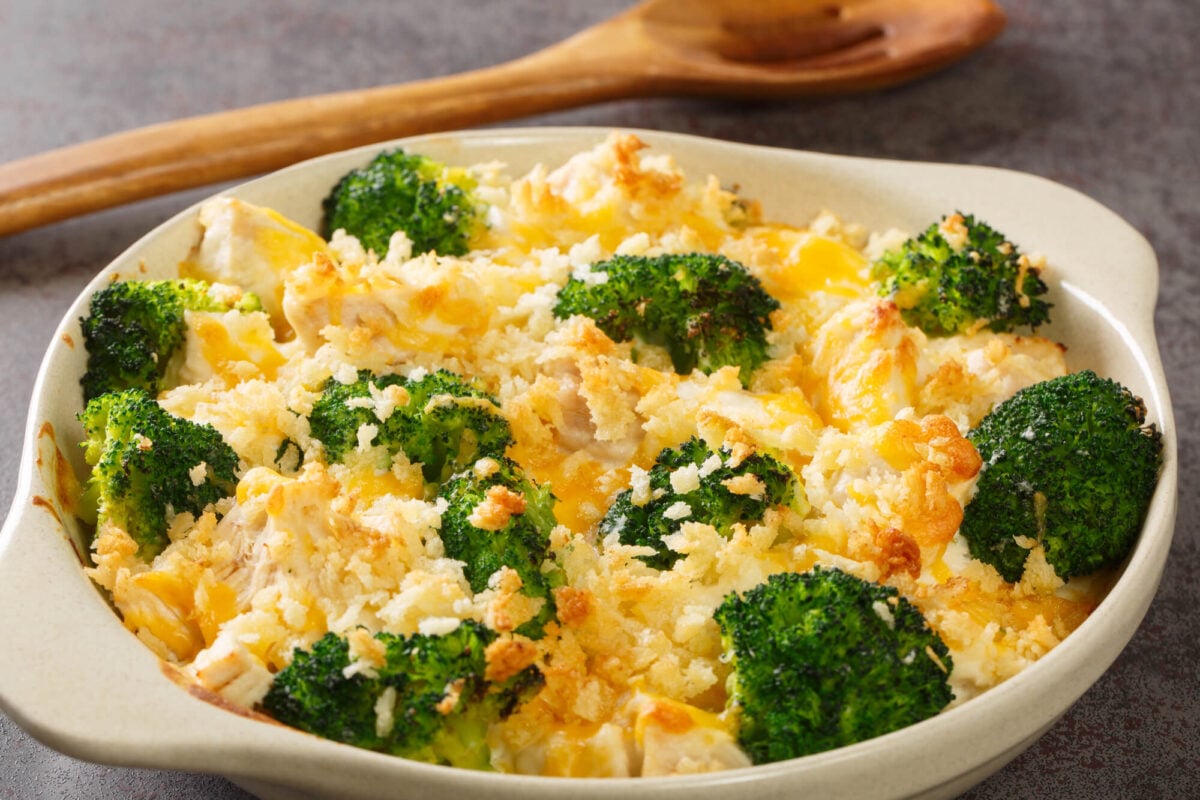
Broccoli and cooked chicken were layered in a casserole dish for Chicken Divan, then covered with a cream sauce and cheese and baked until bubbling. The dish is usually credited to the Divan Parisien restaurant in New York, which served it in the mid-20th century.
Home cooks simplified it with canned soup, turning it into an easy dish for company. The combination of broccoli and chicken felt healthy, while the sauce kept it rich.
By the 1970s, it appeared in many community cookbooks, often with sherry or curry powder added for variety.
Black Forest Cake
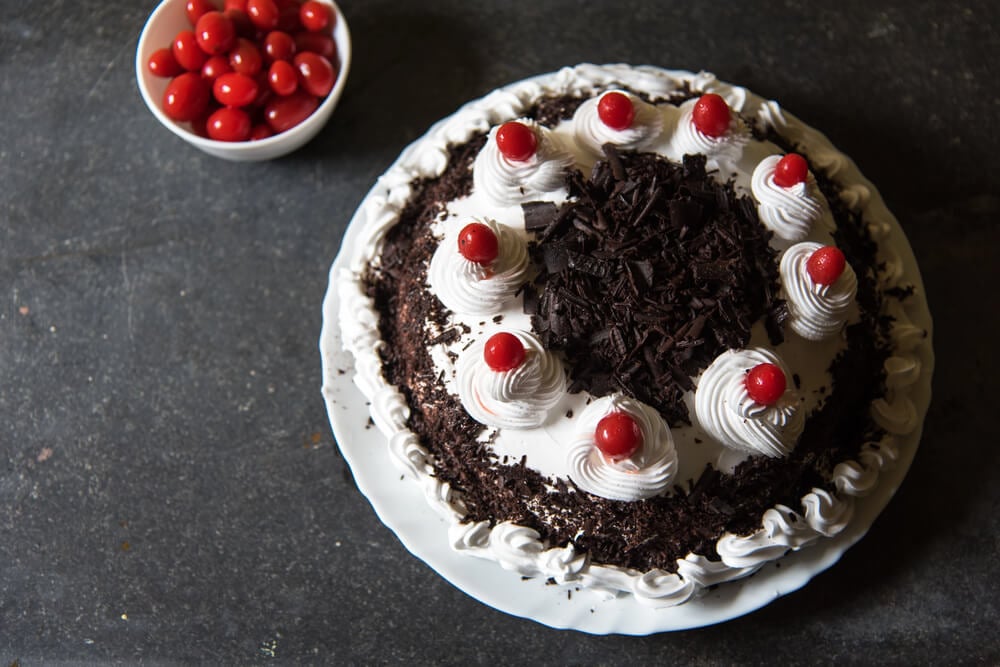
Black Forest cake layered chocolate sponge cake with whipped cream and cherries, and the German original is soaked with kirsch, a cherry brandy. The cake was topped with chocolate shavings and more cherries, making it look impressive on a dessert table.
It became popular in the United States in the 1960s and 1970s, when European desserts signaled sophistication. American versions often skipped the kirsch, which purists considered essential.
In Germany, rules govern what can be sold as Schwarzwalder Kirschtorte, including a requirement that the kirsch flavor be noticeable.
Grasshopper Pie
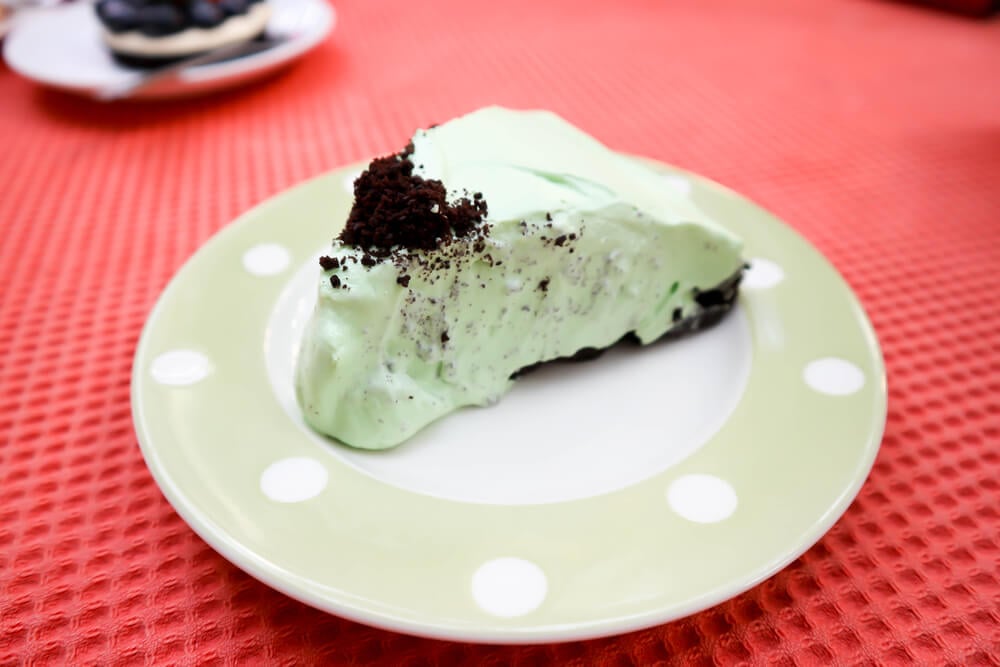
Grasshopper pie filled a chocolate cookie crust with a mint-green mousse flavored with creme de menthe and creme de cacao. The pie borrowed its name and flavors from the grasshopper cocktail, which is credited to Tujague’s restaurant in New Orleans in the early 20th century.
It became a popular dinner party dessert in the 1960s because it could be made ahead and chilled. The bright green color made it look festive, especially around the holidays.
Many versions used marshmallows or whipped cream to set the filling instead of gelatin.
Harvey Wallbanger Cake
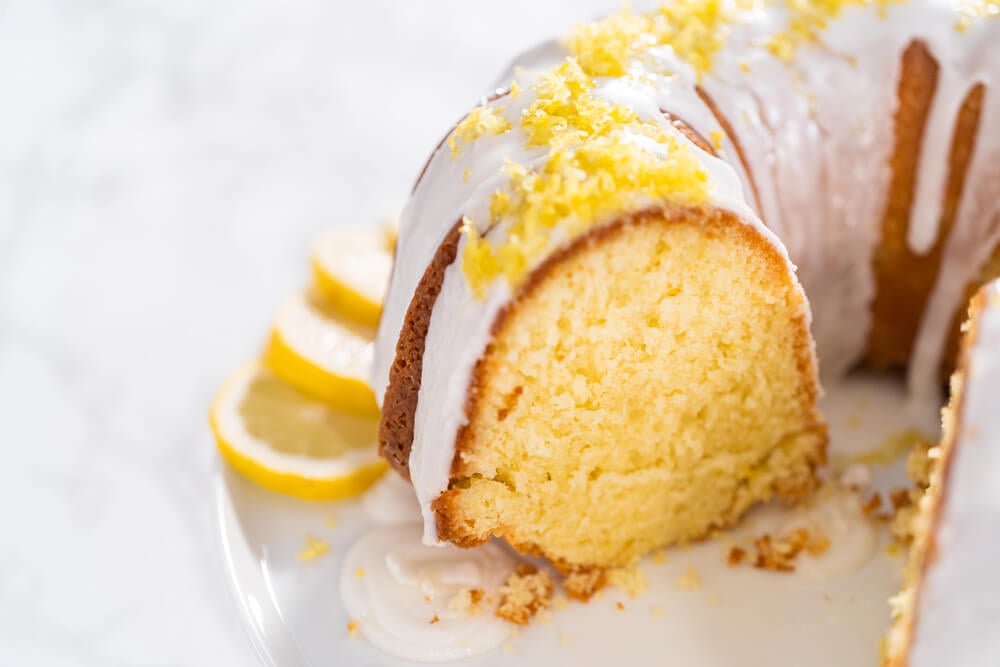
Harvey Wallbanger cake was a Bundt cake made with a yellow cake mix, instant vanilla pudding, orange juice, vodka and Galliano, the Italian herbal liqueur. The cake was inspired by the Harvey Wallbanger cocktail, which became a sensation in the 1970s, helped along by an aggressive marketing campaign for Galliano.
The cake was glazed with a mix of powdered sugar, orange juice and more liqueur. It combined convenience with a touch of adult glamour.
Party guests often asked for the recipe, which usually came from the back of a liquor bottle or a magazine.
Tunnel of Fudge Cake
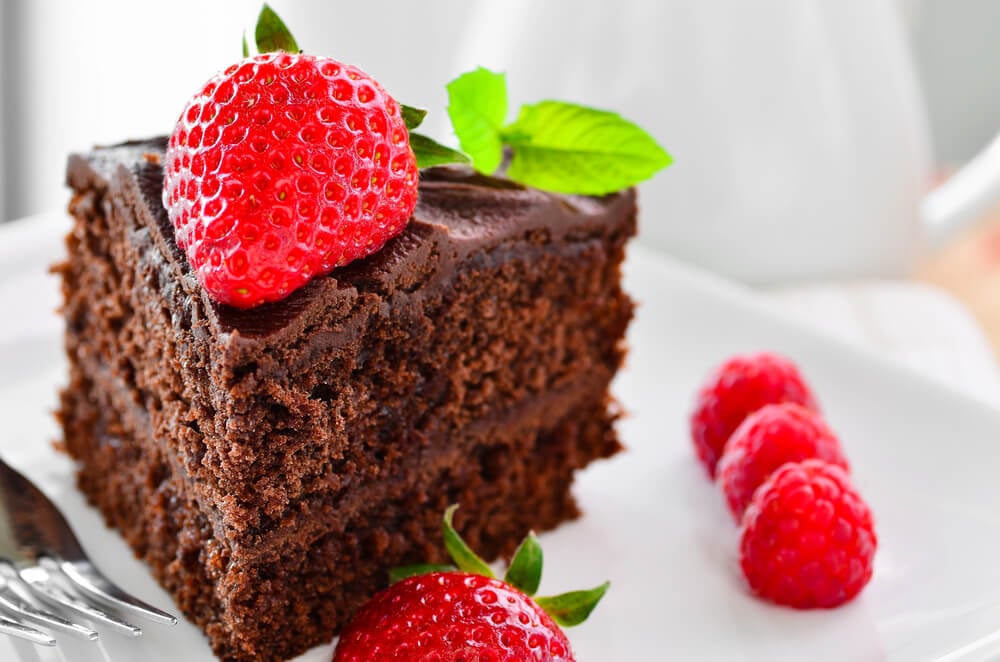
Tunnel of Fudge cake was a chocolate Bundt cake with a gooey fudge center that formed during baking. Ella Rita Helfrich of Houston created the recipe for the 1966 Pillsbury Bake-Off, where it took second place.
The cake became so popular that it drove a surge in demand for Bundt pans made by Nordic Ware in Minnesota. The original recipe used a packaged frosting mix that was later discontinued, so Pillsbury developed a new version.
The cake remains one of the most famous Bake-Off recipes, even though it never won the grand prize.
Pasta Primavera
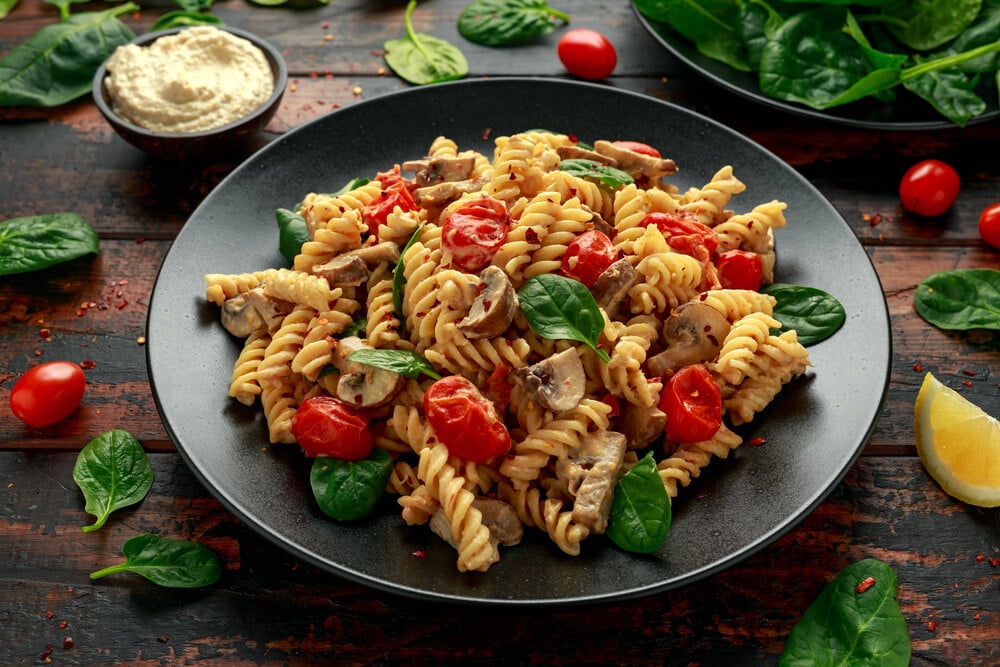
Pasta primavera combined pasta with fresh spring vegetables in a creamy sauce, often with pine nuts and Parmesan. The dish is credited to Le Cirque in New York in the mid-1970s, where owner Sirio Maccioni and his chefs developed it.
It was not on the regular menu at first but was offered to regular customers, and it became famous after the food press wrote about it. The dish helped popularize the idea of light, vegetable-centered pasta.
By the late 1970s, hosts across the country were making their own versions for dinner parties.
Hosting as Performance
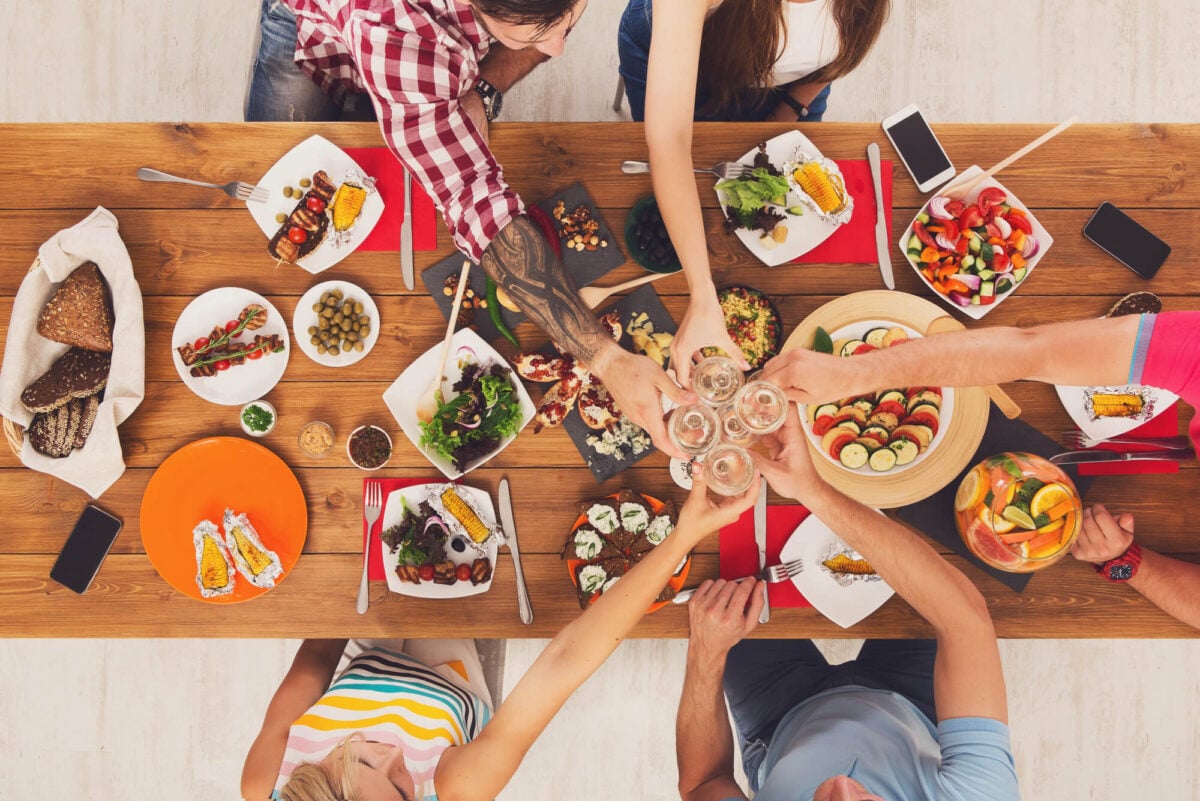
Dinner parties of the 1960s and 1970s treated food as theater. Flames, molds, fondue pots and tableside tossing gave hosts a chance to show off skill and taste.
Guests came for the conversation, but they remembered the moment the brandy caught fire.
Many of these dishes now feel dated, yet they reveal how Americans learned to cook beyond the basics. Television, travel and advertising introduced new flavors, and hosts adapted them with canned soup and cake mix.
Every one of those menus was an attempt to turn a dining room into somewhere special for an evening.
More from Go2Tutors!

- The Romanov Crown Jewels and Their Tragic Fate
- 13 Historical Mysteries That Science Still Can’t Solve
- Famous Hoaxes That Fooled the World for Years
- 15 Child Stars with Tragic Adult Lives
- 16 Famous Jewelry Pieces in History
Like Go2Tutors’s content? Follow us on MSN.