27 Medical Treatments From History That Were Banned Once Doctors Understood the Harm
Medicine moves forward by making mistakes, and some of those mistakes sat on pharmacy shelves for decades. Many were sold with total confidence, endorsed by respected physicians and trusted by patients who had no reason to doubt them.
Then the evidence arrived, sometimes in the form of damaged livers or poisoned children. Regulators pulled the products, rewrote the laws and occasionally invented entire systems of drug safety in response.
Thalidomide for Morning Sickness
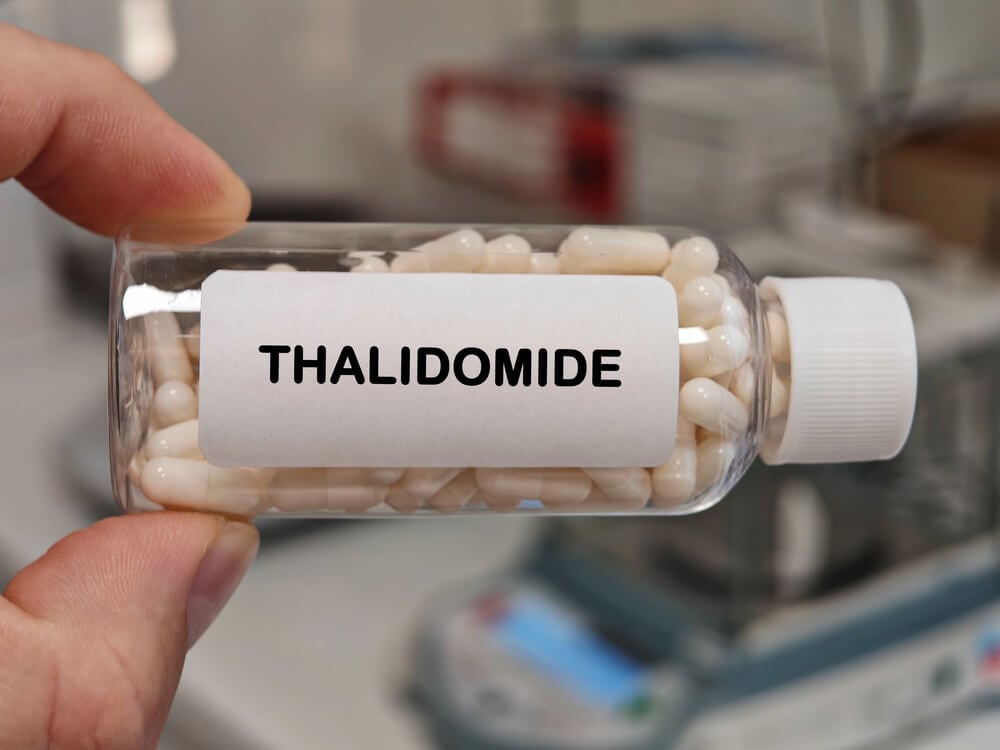
Thalidomide was launched in West Germany in 1957 as a sedative so safe it was sold without a prescription and recommended for pregnant women with morning sickness. By the early 1960s, doctors had linked it to severe birth defects, especially shortened or missing limbs, affecting more than 10,000 children worldwide.
It was withdrawn from most markets in late 1961. In the United States, FDA reviewer Frances Kelsey had refused to approve it, and her caution led directly to stronger drug testing laws in 1962.
Radithor, the Radium Water
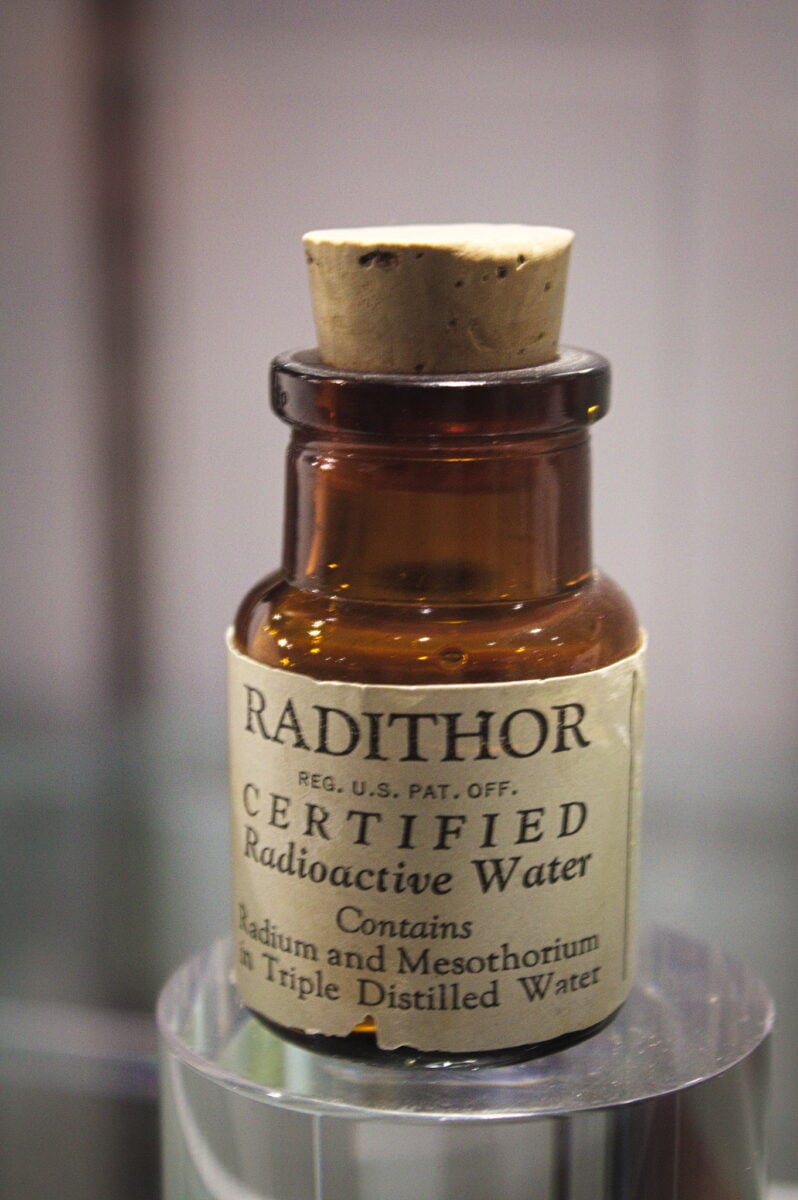
Radithor was bottled water laced with radium, marketed in the 1920s as a cure for everything from fatigue to impotence. Its most famous customer, the wealthy industrialist and amateur golf champion Eben Byers, drank well over a thousand bottles.
By the time he died in 1932, radiation had destroyed parts of his jaw and skull. His death shocked the country, federal regulators moved against the product, and the case helped push through stronger federal oversight of drugs and medical claims.
Heroin as a Cough Suppressant
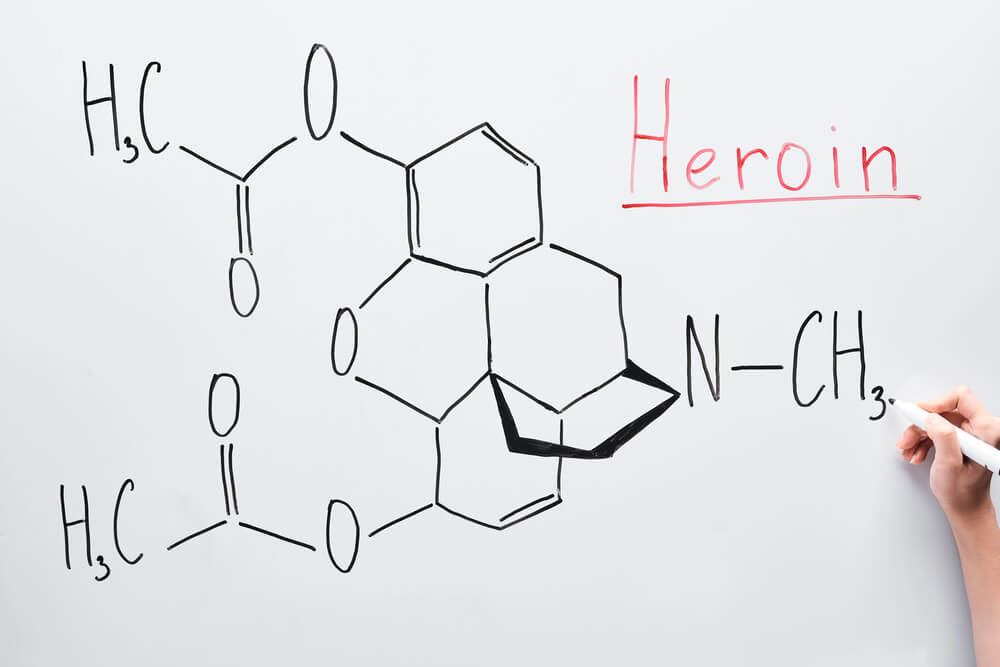
Bayer began selling heroin in 1898 as a cough remedy and a supposedly safer alternative to morphine. It was marketed for adults and children alike and sold widely in pharmacies.
Doctors soon recognized that heroin was even more addictive than the drug it was meant to replace. The Harrison Narcotics Act of 1914 put it under federal control, and in 1924 Congress banned its manufacture in the United States entirely, turning a mainstream medicine into an illegal drug.
Cocaine Toothache Drops for Children
In the 1880s, cocaine was a medical marvel, praised as a local anesthetic and added freely to tonics, lozenges and drops. One product from 1885, sold by a company in Albany, New York, offered cocaine toothache drops for children at 15 cents a package, promising an instant cure.
As cases of addiction and overdose mounted, attitudes shifted sharply. The Harrison Narcotics Act of 1914 ended over-the-counter sales, and cocaine vanished from ordinary household remedies.
Mrs. Winslow’s Soothing Syrup
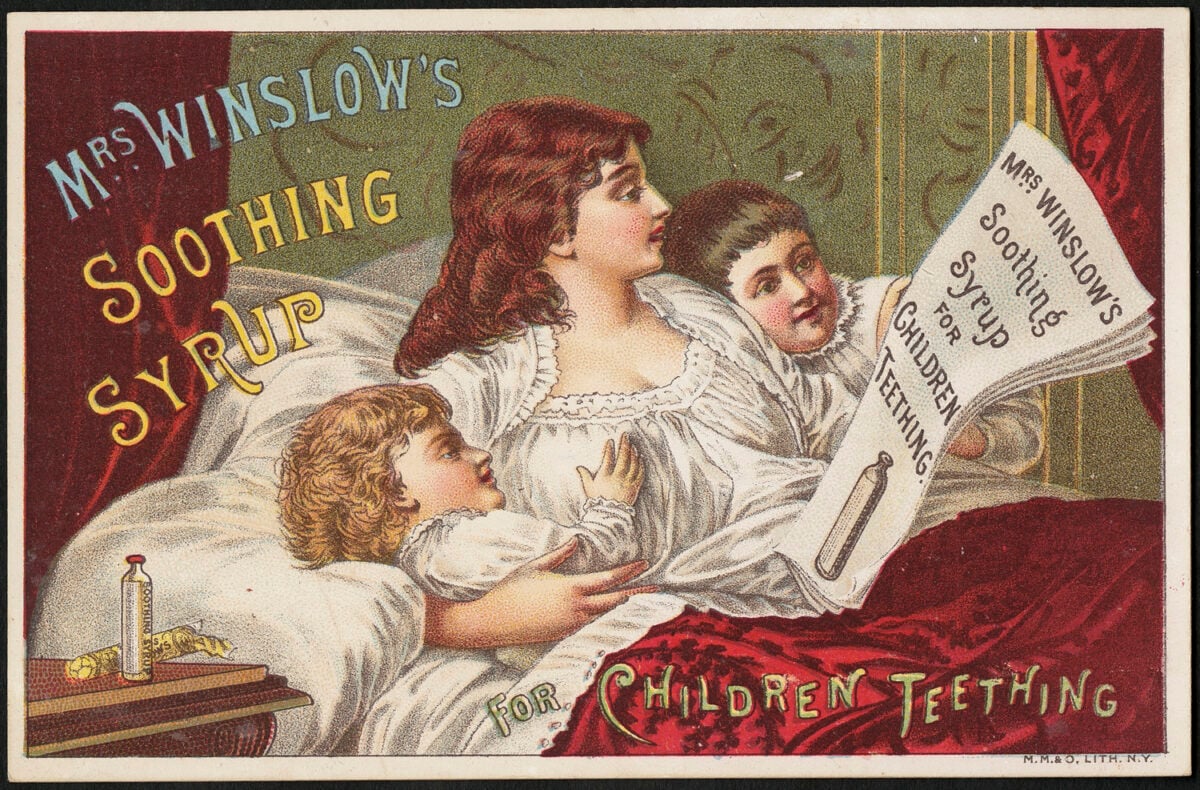
Mrs. Winslow’s Soothing Syrup was sold from the 1840s to calm teething infants, and it certainly did. It contained morphine.
Countless babies became sedated, and some died from overdoses. The American Medical Association branded it a baby killer in a 1911 publication about dangerous patent medicines.
Federal labeling rules after the Pure Food and Drug Act of 1906 forced manufacturers to disclose the drug, and later reforms pushed morphine out of the formula before the product disappeared.
Diethylstilbestrol to Prevent Miscarriage
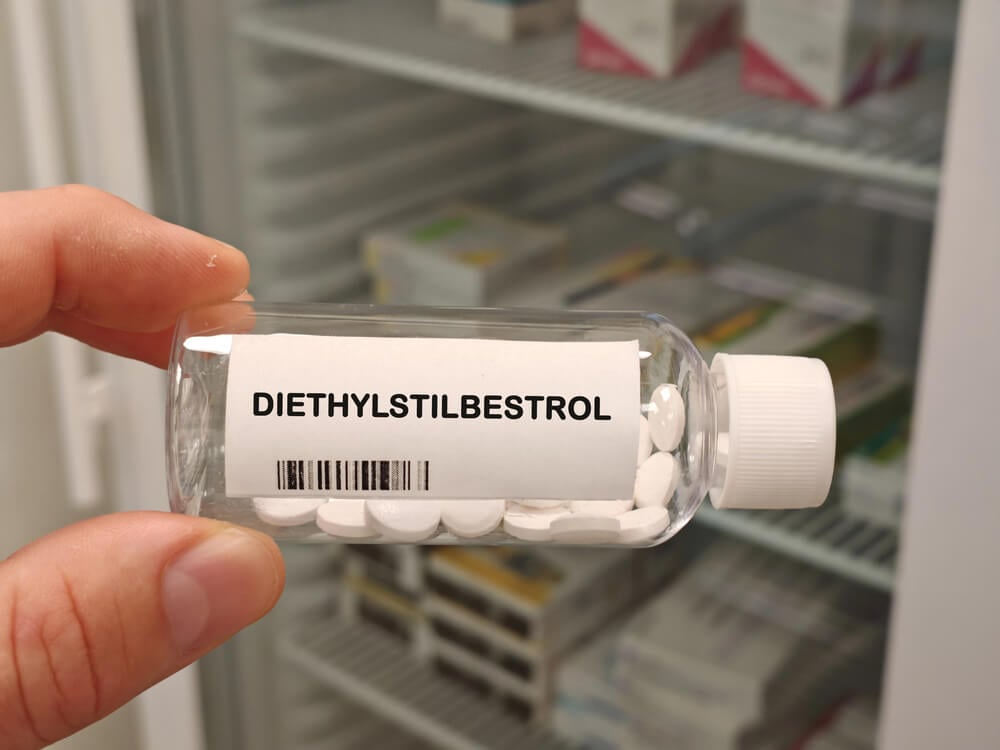
From the 1940s, doctors prescribed diethylstilbestrol, a synthetic estrogen known as DES, to millions of pregnant women in the belief that it prevented miscarriage. Clinical trials in the 1950s showed it did not work, yet prescriptions continued.
In 1971, researchers linked DES to a rare vaginal cancer in the young daughters of women who had taken it. The FDA told doctors to stop prescribing it during pregnancy that year, and the drug’s effects are still studied in a second and third generation.
Elixir Sulfanilamide
In 1937, a Tennessee drug company dissolved the new antibacterial drug sulfanilamide in diethylene glycol, a sweet-tasting solvent closely related to antifreeze, to make a liquid version for patients who struggled with pills. No safety testing was required.
More than 100 people died, many of them children. FDA inspectors tracked down and seized nearly every remaining bottle.
The public outrage led directly to the Federal Food, Drug, and Cosmetic Act of 1938, which required safety evidence before new drugs reached the market.
The Lobotomy

The prefrontal lobotomy won its inventor, Portuguese neurologist Egas Moniz, a Nobel Prize in 1949. In the United States, Walter Freeman popularized a quick version performed with an ice pick-like instrument through the eye socket, operating on thousands of patients.
The results were often catastrophic, leaving people passive, confused or permanently disabled. The Soviet Union banned the procedure in 1950 as contrary to the principles of humanity, and the arrival of antipsychotic drugs soon made it obsolete across much of the world.
Calomel Teething Powders
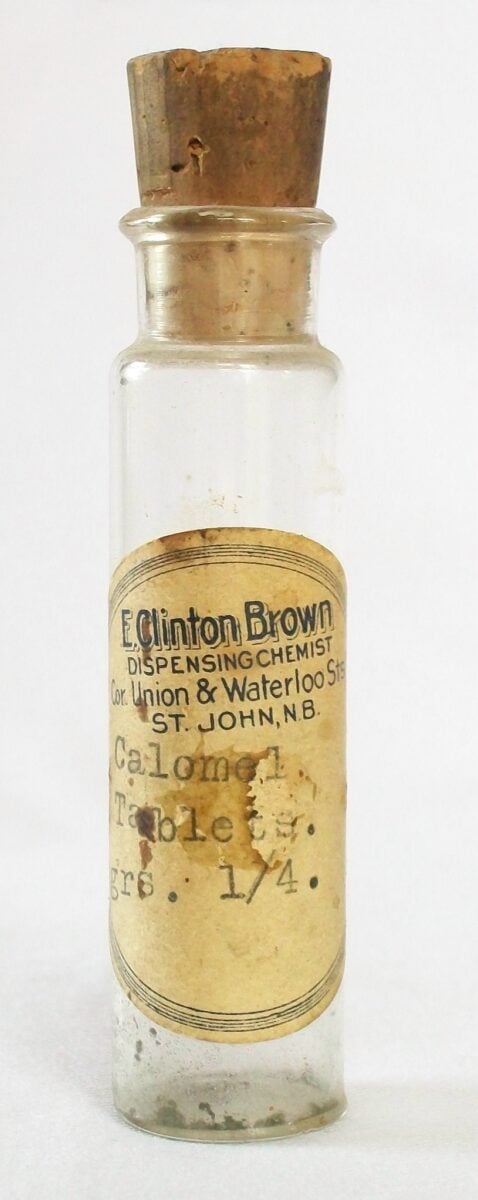
Teething powders containing calomel, a compound of mercury, were a nursery staple in Britain and elsewhere for generations. Doctors puzzled for decades over a mysterious childhood illness called pink disease, which caused pink, painful hands and feet, irritability and sometimes death.
In the 1940s and early 1950s, researchers linked the illness to mercury exposure from these powders. Once they were withdrawn from sale in Britain in the mid-1950s, new cases of pink disease largely disappeared.
Fen-Phen for Weight Loss

The combination of fenfluramine and phentermine, known as fen-phen, became a weight loss sensation in the mid-1990s, with millions of prescriptions written in the United States. In 1997, researchers at the Mayo Clinic reported heart valve damage in patients taking the combination.
The FDA asked manufacturers to withdraw fenfluramine and its close relative dexfenfluramine that September. The lawsuits that followed became among the largest in pharmaceutical history, costing the maker billions of dollars.
Chloroform in Cough Syrup
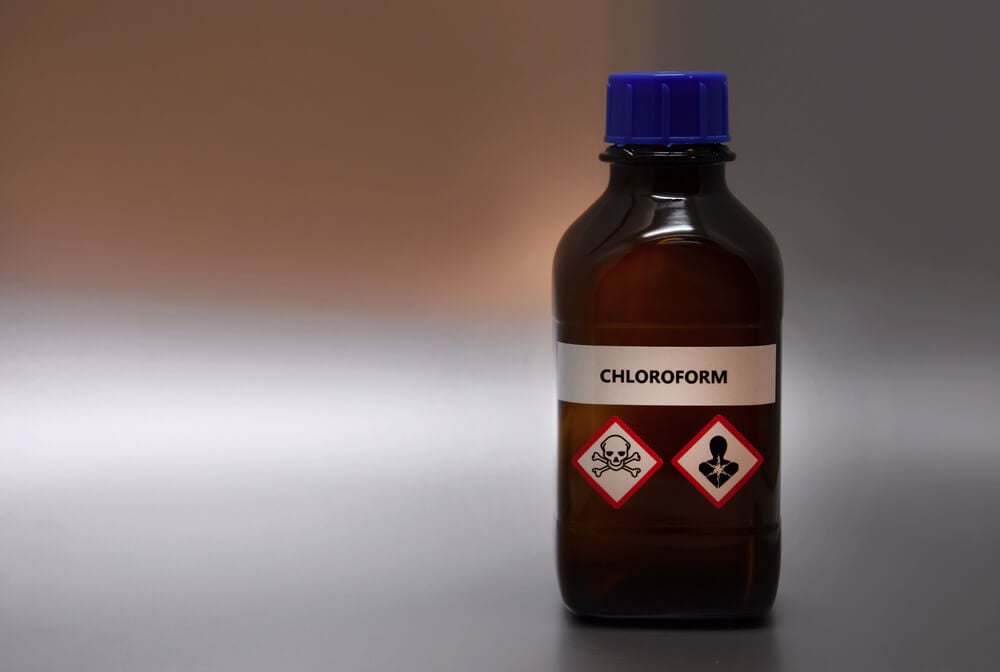
Chloroform was once a respected anesthetic and a common ingredient in cough medicines, liniments and even toothpaste. Over time, doctors recognized that it could damage the heart and liver, and it lost favor as an anesthetic in the early twentieth century.
Studies in the 1970s showing it caused cancer in laboratory animals sealed its fate. The FDA banned chloroform from drug and cosmetic products in 1976, removing it from medicine cabinets across the country.
Hexachlorophene Baby Washes

Hexachlorophene was a powerful antibacterial agent found in soaps, deodorants and hospital scrubs, and many nurseries bathed newborns with it routinely. Studies in the early 1970s showed it could be absorbed through the skin and damage the nervous system.
A tragedy in France in 1972, when a batch of baby talcum powder accidentally contaminated with hexachlorophene killed dozens of infants, underscored the danger. That same year, the FDA restricted it to prescription use, ending its role as an everyday household cleanser.
The Benzedrine Inhaler

Smith, Kline and French introduced the Benzedrine inhaler in 1933 as a decongestant, filled with amphetamine and sold without a prescription. Users quickly discovered they could crack open the inhaler and swallow the soaked paper strip inside to get high.
The practice spread among students, musicians and service members. After years of abuse reports, the FDA made amphetamine inhalers prescription-only in 1959, closing the most popular route to the drug.
Quaaludes as Sleeping Pills
Methaqualone, sold in the United States as Quaalude beginning in 1965, was promoted as a safer alternative to barbiturates for insomnia and anxiety. It became a popular recreational drug during the 1970s, and overdoses and car crashes followed.
Doctors grew wary of prescribing it, and legitimate production was halted. In 1984, the federal government moved methaqualone into its most restrictive drug schedule, declaring that it had no accepted medical use in the country.
John Brinkley’s Goat Gland Surgery

In the 1910s and 1920s, a Kansas man named John Brinkley became rich performing surgeries that implanted goat glands into men as a supposed cure for impotence and fatigue. He promoted his clinic through a powerful radio station and attracted patients from across the country.
Many were harmed and some died. The Kansas medical board revoked his license in 1930, and his broadcasting license was taken away the same year, though he continued his operations for a time from Mexico.
Bromide in Bromo-Seltzer

Bromo-Seltzer, one of America’s best-selling headache and hangover remedies for decades, originally contained sodium bromide as a sedative. Chronic use could lead to bromism, a form of poisoning that caused confusion, hallucinations and skin eruptions, and psychiatric wards once saw a steady stream of such cases.
As doctors connected the symptoms to bromide products, regulators acted. By 1975, bromides had been removed from over-the-counter products, and the famous blue bottle was reformulated without them.
Ephedra Weight Loss Supplements

Ephedra, an herbal extract containing ephedrine, was sold widely in the 1990s and early 2000s in supplements promising weight loss and athletic energy. Because it was classified as a dietary supplement, it reached shelves without the testing required for drugs.
Reports of heart attacks, strokes and deaths accumulated, including the 2003 death of a Baltimore Orioles pitcher during spring training. In 2004, the FDA banned the sale of supplements containing ephedrine alkaloids, its first ban of a supplement ingredient.
Phenacetin Painkillers

Phenacetin was one of the first synthetic pain relievers, introduced in 1887 and widely used in combination headache powders for nearly a century. Heavy long-term use was linked to serious kidney damage and cancer of the urinary tract.
Countries around the world began restricting it in the 1960s and 1970s. The FDA removed phenacetin from the American market in 1983.
Its breakdown product, acetaminophen, turned out to be the safer alternative and remains in medicine cabinets everywhere.
Clioquinol in Japan
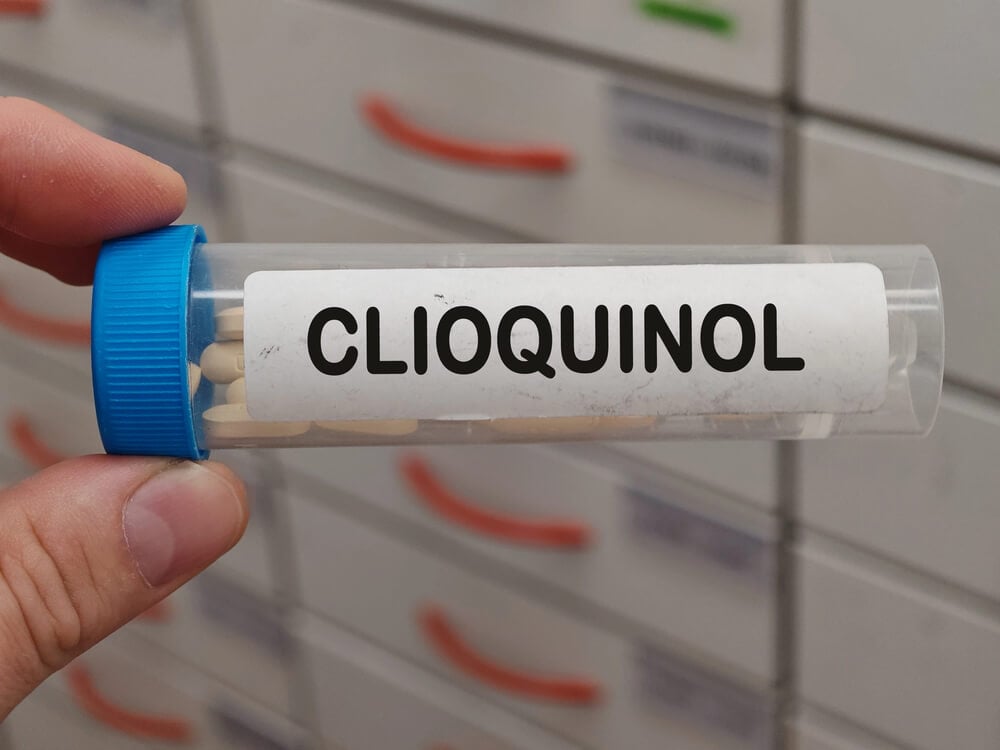
Clioquinol was an antidiarrheal and antiparasitic drug sold widely in Japan in the 1950s and 1960s. Thousands of patients developed a mysterious neurological disease called SMON, which caused numbness, paralysis and blindness.
Researchers eventually traced the epidemic to the drug. Japan banned clioquinol in September 1970, and new cases dropped dramatically.
The episode became one of the largest drug disasters in history and led to major reforms in Japanese pharmaceutical regulation.
Dinitrophenol Diet Pills

Dinitrophenol, known as DNP, was an industrial chemical used in explosives and dyes until researchers at Stanford University found in 1933 that it dramatically raised metabolism. Diet pills containing it spread quickly, and more than 100,000 Americans reportedly tried it in the first year.
Patients developed cataracts, and some literally overheated to death. The Federal Food, Drug, and Cosmetic Act of 1938 gave regulators the power to declare DNP too dangerous for human consumption, and it was removed from sale.
Laetrile for Cancer

Laetrile, derived from apricot pits, was promoted in the 1970s as a natural cure for cancer. It became a political cause, and some states legalized it even though the FDA considered it unproven and dangerous.
Laetrile can release cyanide in the body, and some patients suffered poisoning. A clinical trial sponsored by the National Cancer Institute in 1982 found no benefit.
The FDA barred its interstate shipment, and many desperate patients crossed into Mexico to buy it.
Terfenadine, Better Known as Seldane
Seldane, the brand name for terfenadine, launched in the United States in 1985 as the first antihistamine that did not cause drowsiness, and it became a blockbuster allergy drug. Reports soon emerged of dangerous heart rhythms when patients took it with certain antibiotics, antifungal drugs or even grapefruit juice.
After a safer alternative became available, the FDA moved to remove it, and Seldane was withdrawn from the American market in 1998.
Darvon and Darvocet
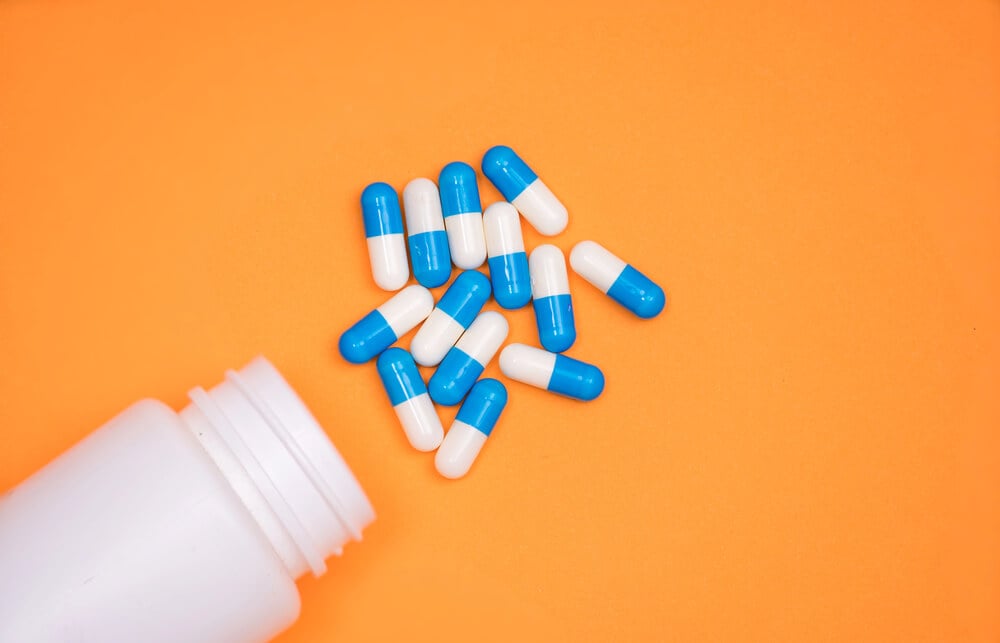
Propoxyphene, sold as Darvon and in combination as Darvocet, was prescribed for mild to moderate pain in the United States for more than fifty years. Doctors and consumer groups warned about overdose risks and poor effectiveness for decades.
New research showed it could cause serious heart rhythm abnormalities even at normal doses. In November 2010, the FDA asked manufacturers to pull propoxyphene from the market, and they complied, ending one of the longest-running prescription painkiller brands.
Vioxx for Arthritis

Merck’s Vioxx, an anti-inflammatory drug for arthritis pain, was approved in 1999 and quickly became one of the most widely prescribed drugs in the world. A major study later showed that long-term use increased the risk of heart attack and stroke.
Merck voluntarily withdrew Vioxx from the global market on September 30, 2004. Estimates of the related cardiac events ran into the tens of thousands, and the resulting litigation cost Merck several billion dollars.
Rezulin for Diabetes

Rezulin, the brand name for troglitazone, was approved in the United States in 1997 as a promising new treatment for type 2 diabetes. Within months, reports of severe liver damage appeared, including cases that required transplants or proved fatal.
Britain pulled it from sale in late 1997, but it remained available in America for more than two years amid debate. The FDA finally requested its withdrawal in March 2000, after dozens of deaths linked to liver failure.
Mercurochrome Antiseptic

Mercurochrome, a red antiseptic that stained countless scraped knees in the twentieth century, contained merbromin, a compound of mercury. For decades, parents painted it on cuts without a second thought.
Concerns about mercury exposure grew over time, and in 1998 the FDA reclassified merbromin as no longer generally recognized as safe and effective. That decision effectively ended its sale as an over-the-counter antiseptic in the United States, though it remained available in other countries.
Baycol, the Statin Pulled in 2001

Baycol, the brand name for cerivastatin, belonged to the popular statin family of drugs that lower LDL levels in the blood and was approved in the United States in 1997. Doctors soon began reporting cases of rhabdomyolysis, a severe breakdown of muscle tissue that can overwhelm the kidneys.
The risk was far higher than with other statins, particularly at high doses or when combined with another lipid drug called gemfibrozil. Bayer withdrew Baycol worldwide in August 2001, after dozens of deaths had been linked to the drug.
Harm Tends to Arrive Late

Almost every treatment on this list was once considered progress. Doctors were not fools, and patients were not gullible.
They were working with the evidence available, and the evidence was often incomplete, slow to arrive or quietly ignored by the companies profiting from sales.
The pattern that emerges is less about villains than about time. Harm often surfaces years after a product becomes popular, and the laws protecting patients today were mostly written in the aftermath of disaster.
Each ban is a reminder that caution is not the enemy of medicine but one of its most valuable tools.
More from Go2Tutors!

- The Romanov Crown Jewels and Their Tragic Fate
- 13 Historical Mysteries That Science Still Can’t Solve
- Famous Hoaxes That Fooled the World for Years
- 15 Child Stars with Tragic Adult Lives
- 16 Famous Jewelry Pieces in History
Like Go2Tutors’s content? Follow us on MSN.