30 Chores Kids Once Did That No Longer Exist
A century ago, a household ran on the labor of everyone in it, including the youngest hands available. Chores weren’t framed as character-building extras; they were the difference between a warm house and a cold one, a fed family and a hungry one.
Most of these tasks vanished not because children got lazier, but because a machine, a utility line, or a delivery truck quietly took over the job. What’s left behind is a strange kind of nostalgia for work nobody actually misses doing.
Churning Butter by Hand
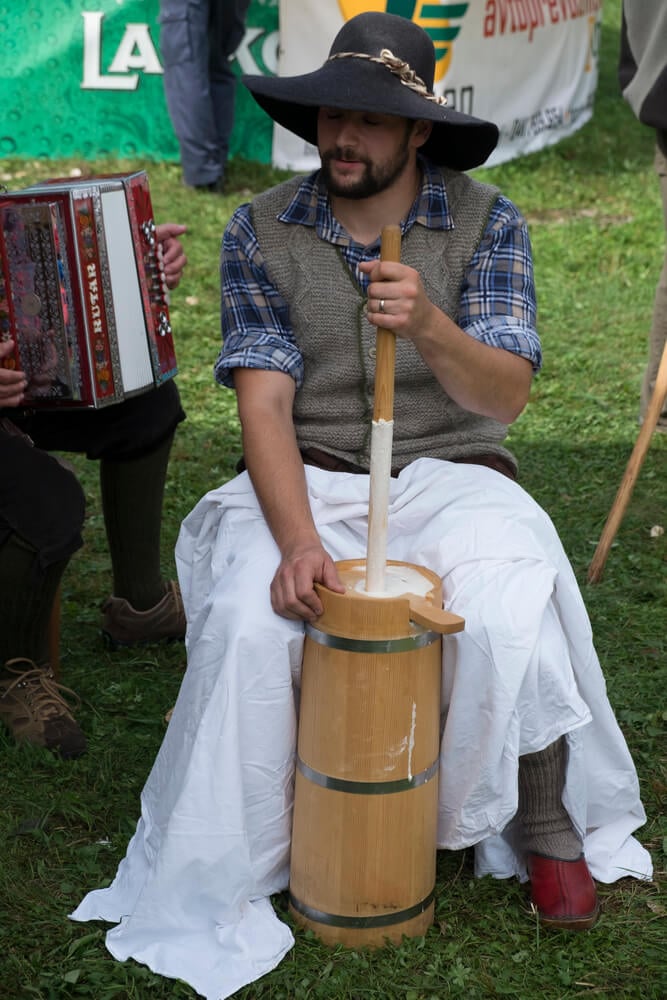
Before electric mixers, turning cream into butter meant standing at a wooden churn and working the dasher up and down for twenty minutes or more. Children were often assigned this task because it required patience rather than strength, and a stopped churn meant no butter for the week.
The job disappeared almost overnight once rural electrification brought powered churns and, eventually, store-bought butter.
Hauling Water From the Pump
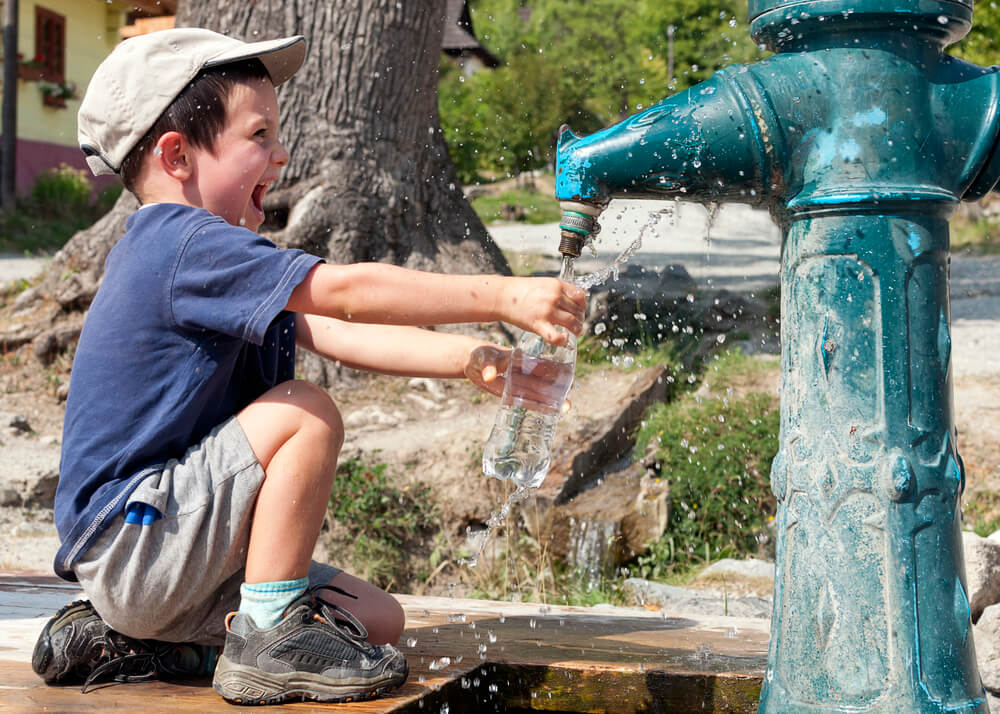
In homes without indoor plumbing, someone had to carry buckets from the outdoor pump or well to the kitchen, and that someone was frequently a child old enough to manage the weight. A single household could require dozens of trips a day for cooking, washing, and drinking water.
Municipal water lines and indoor taps made the daily haul obsolete by the mid-twentieth century in most of the United States.
Feeding Coal Into the Stove
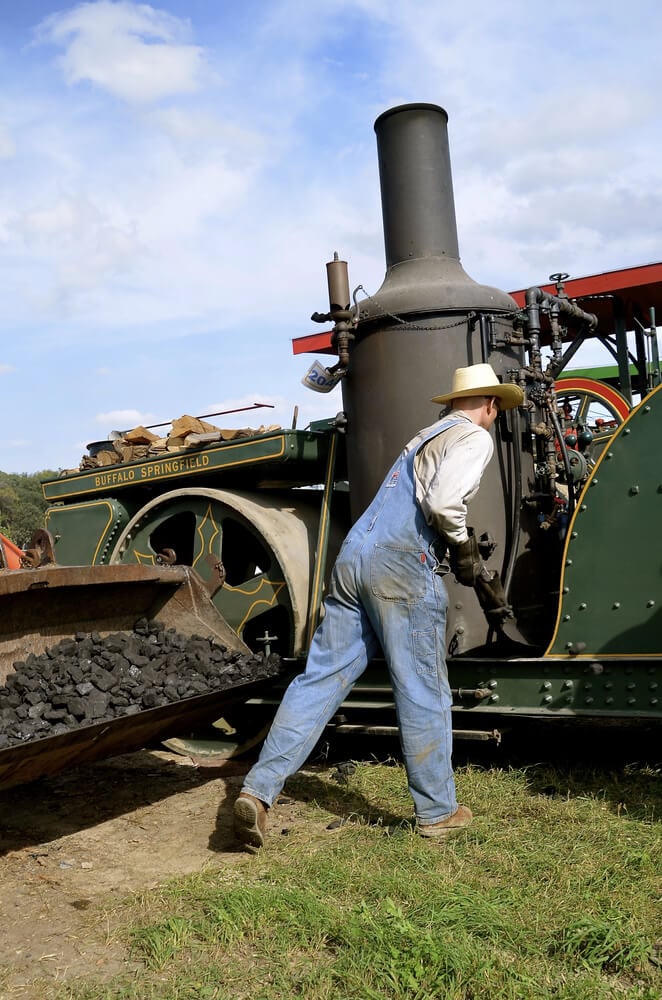
Coal-burning stoves needed regular tending to keep a steady heat, and kids were often responsible for shoveling coal from the bin and feeding the firebox before school. Getting the timing wrong meant a cold breakfast or an overheated kitchen.
Gas and electric ranges phased out the job by the 1950s in most American cities.
Wringing Laundry Through a Mangle
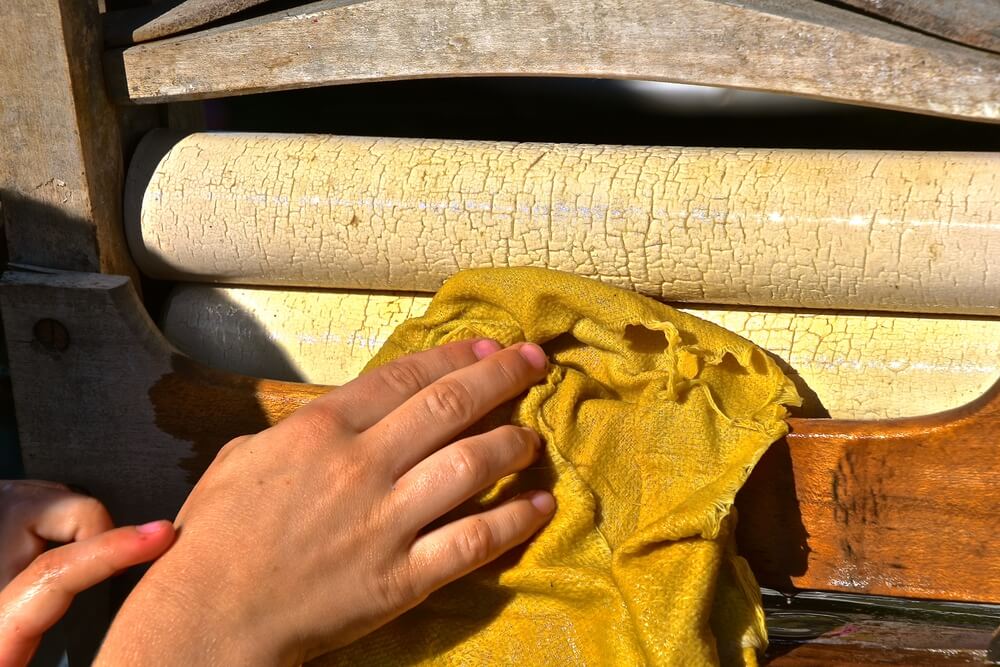
Before spin cycles, wet laundry was fed by hand through a hand-cranked wringer, a two-roller mangle that squeezed out water one item at a time. It was slow, occasionally dangerous work, and older children were often trusted with the crank while a parent guided the fabric.
Automatic washing machines with built-in spin cycles made the mangle a curiosity by the 1960s.
Beating Rugs on the Line
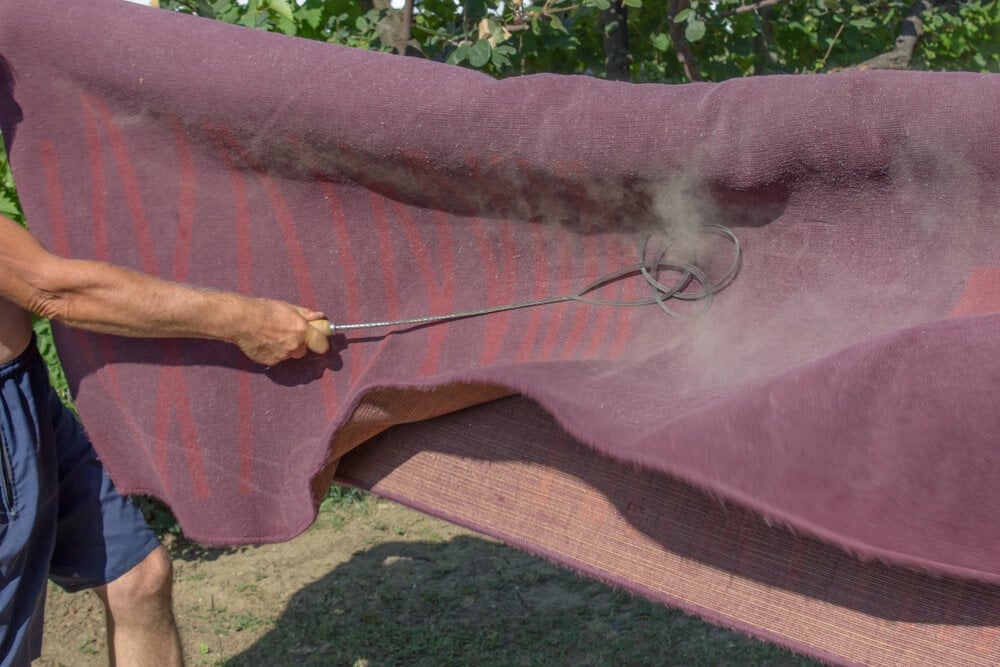
Without vacuum cleaners, area rugs were hauled outside, hung over a line or fence, and beaten with a wire or wicker paddle until the dust stopped clouding out. It was loud, physical work usually handed to kids on a Saturday morning.
The household vacuum cleaner made the rug beater a relic within a generation.
Polishing the Family’s Shoes

Shined shoes were a mark of respectability, and many families assigned one child the weekly task of blacking and buffing everyone’s footwear before church or school. The kit of polish, brush, and cloth sat in a tin by the back door.
Sneakers and lower-maintenance materials gradually made the ritual optional rather than expected.
Delivering the Morning Newspaper
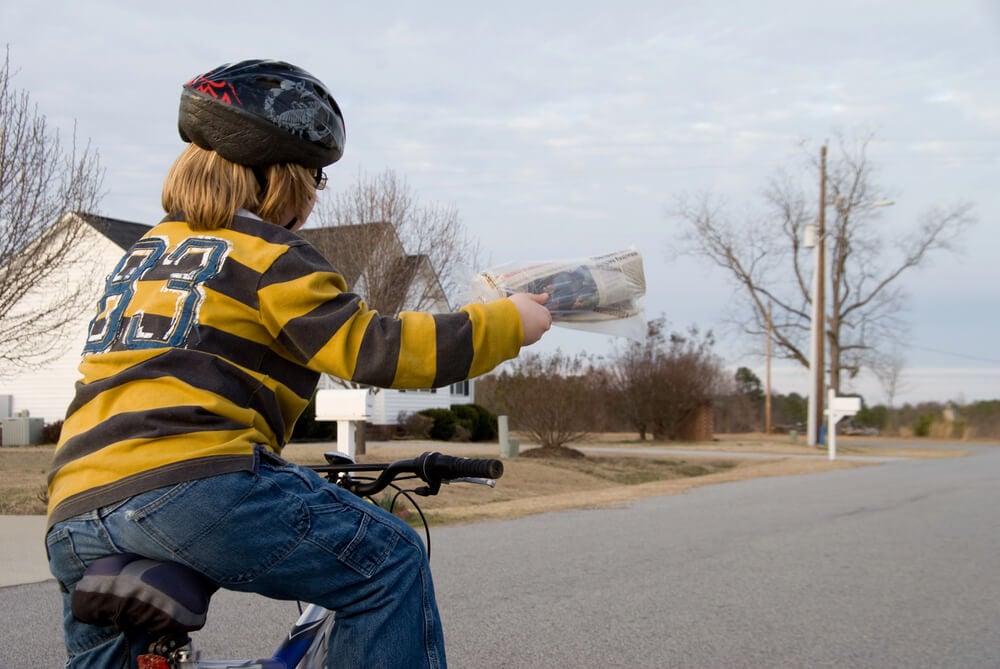
Paper routes were often a child’s first job, requiring a bicycle, a canvas bag, and the discipline to be up before dawn regardless of weather. Some kids managed routes of over a hundred houses and collected subscription payments door to door.
The decline of print circulation and the rise of adult contract carriers largely ended the tradition by the 1990s.
Milking the Cow Before School
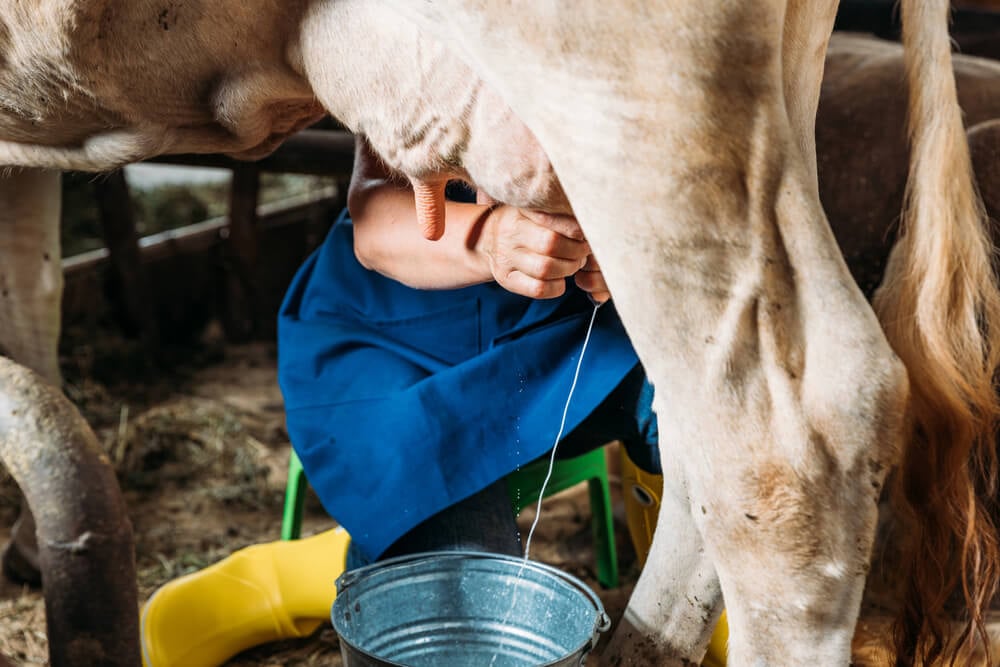
On farms, milking wasn’t optional even when a test was scheduled that day, and children learned to handle the routine early, often before sunrise. A missed milking could cause real discomfort for the animal and a real loss for the family.
Mechanization and the consolidation of dairy farming removed most children from this responsibility.
Gathering Eggs From the Coop

Collecting eggs each morning was considered light enough work for the youngest children in a farm household, though it came with the risk of an irritated hen. The eggs had to be gathered promptly to keep them clean and unbroken.
Commercial egg production moved this task off the family chore list as fewer households kept their own poultry.
Plucking Chickens for Sunday Dinner

Preparing a bird for the table meant scalding, plucking, and cleaning it by hand, a messy job that older children were expected to help with. It taught a direct connection between the animal in the yard and the meal on the plate.
Pre-processed poultry from grocery stores made the skill unnecessary for most families by the mid-1900s.
Darning Socks by Lamplight
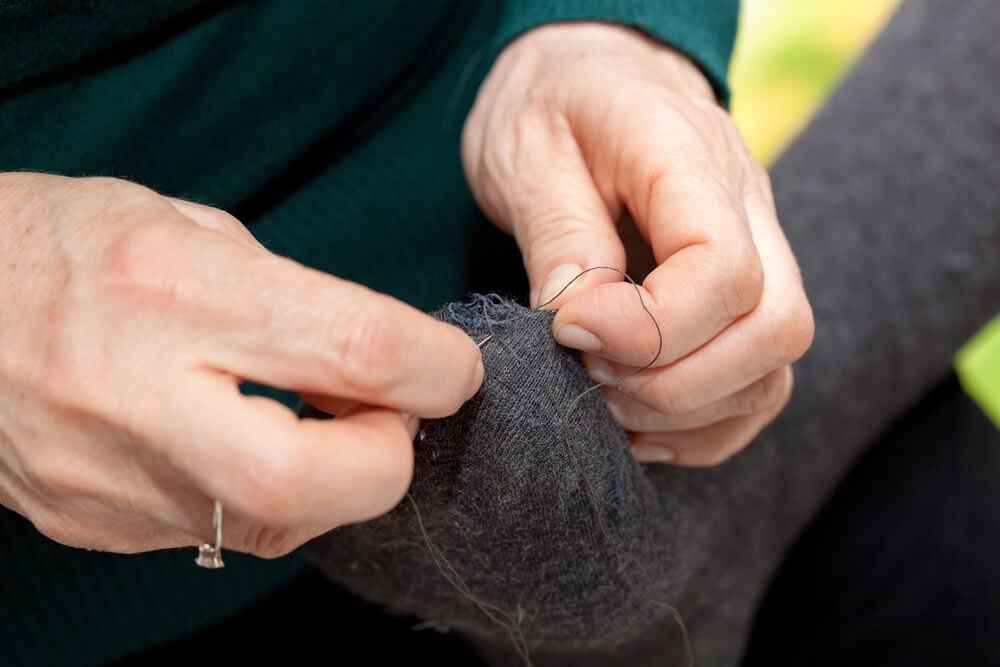
Worn heels and toes in socks were mended rather than discarded, and girls in particular were taught to darn using a wooden egg or mushroom to hold the fabric taut. It was considered a basic skill, practiced most evenings by lamp or candlelight.
Cheap, mass-produced socks eventually made repair less economical than replacement.
Sharpening Pencils With a Knife
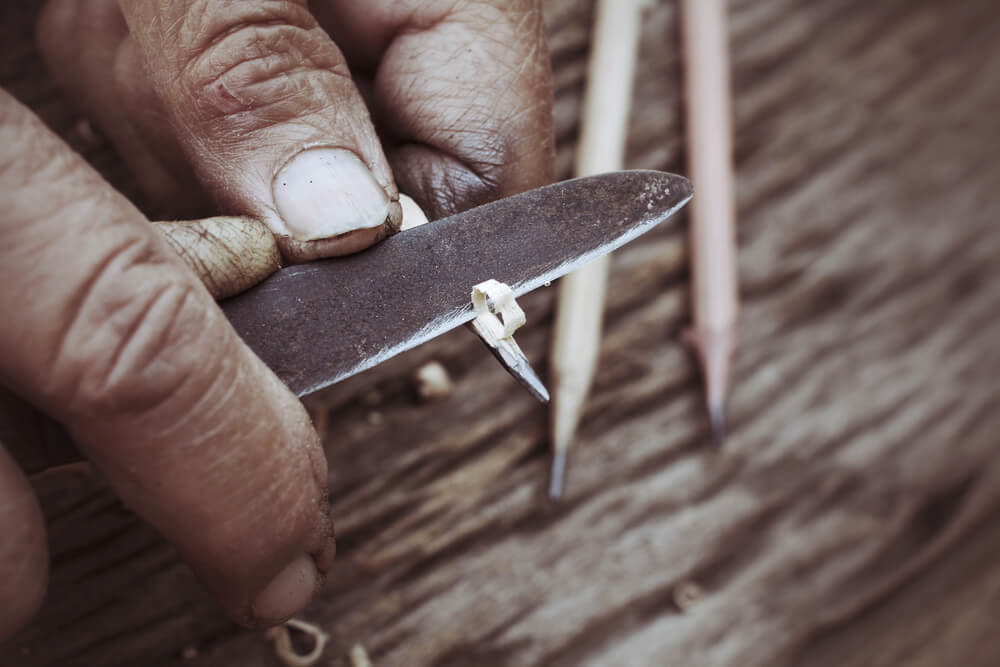
Before mechanical sharpeners were common in every home, children whittled a fine point onto pencils using a pocketknife, a skill parents actively taught rather than discouraged. A dull pencil meant hard-to-read schoolwork, so the task carried real stakes.
Cheap crank and electric sharpeners eliminated the need for knife skills at the kitchen table.
Winding the Clocks Each Morning

Mechanical clocks needed daily winding to keep accurate time, and many households assigned the task to a responsible child as a small mark of trust. Forgetting meant the whole family ran late.
Battery-powered and electric clocks quietly ended the ritual by the mid-twentieth century.
Cranking the Ice Cream Maker
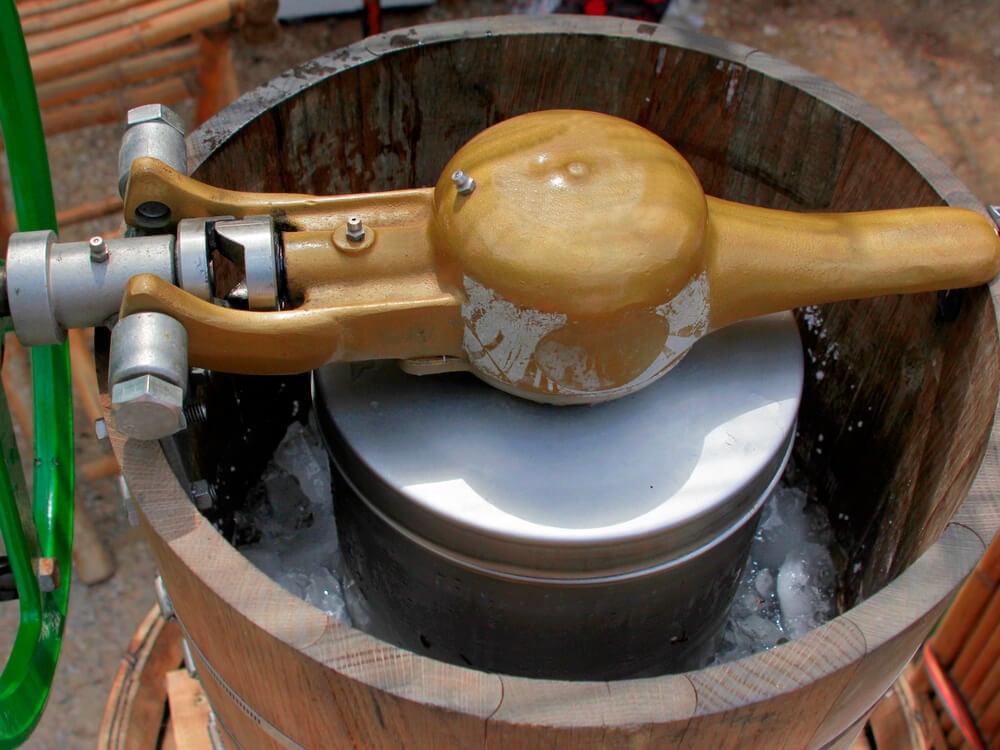
Homemade ice cream required someone to turn a hand crank against a mixture packed in ice and salt for twenty minutes or longer, arm burning by the end. It was often treated as a reward-adjacent chore, since the payoff was dessert.
Electric freezers and store-bought ice cream made the hand crank a novelty item.
Emptying the Ash Pan
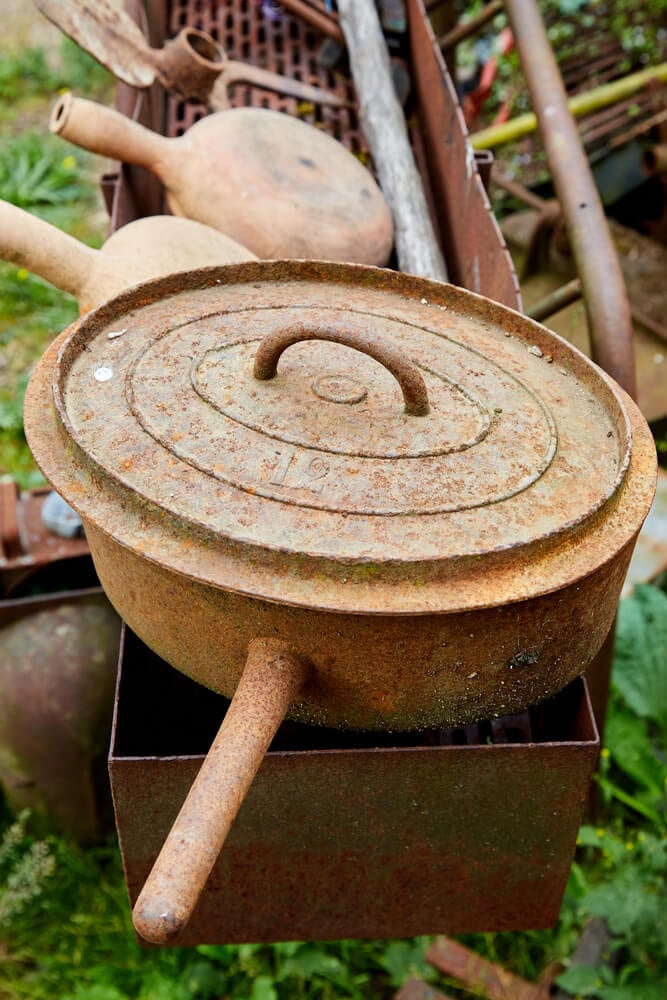
Wood and coal stoves left behind ash that had to be shoveled out and carried away, usually before it could be reused for the next fire. It was dirty, unglamorous work often left to children old enough to handle a shovel safely.
Gas and electric heating removed ash management from daily household life.
Trimming the Kerosene Lamp Wicks

Before electric lighting reached rural homes, lamps needed their wicks trimmed and chimneys wiped clean of soot every day to burn evenly and safely. Children were taught to handle the glass carefully and judge the wick length by eye.
Rural electrification programs in the 1930s and 1940s made the chore disappear within a generation.
Washing Clothes on a Washboard
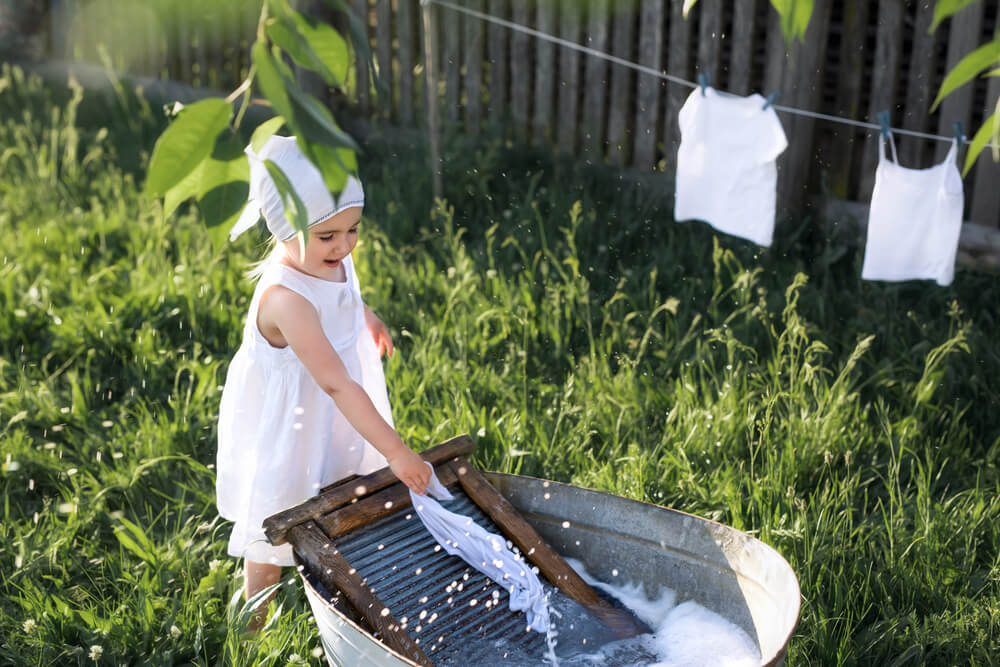
Laundry day meant scrubbing each garment against a corrugated washboard with a bar of soap, a task hard enough on the knuckles that older children were often recruited to help. It could take an entire morning for a single family’s wash.
Electric washing machines made the washboard obsolete for most households by the 1950s.
Hanging Laundry in Winter
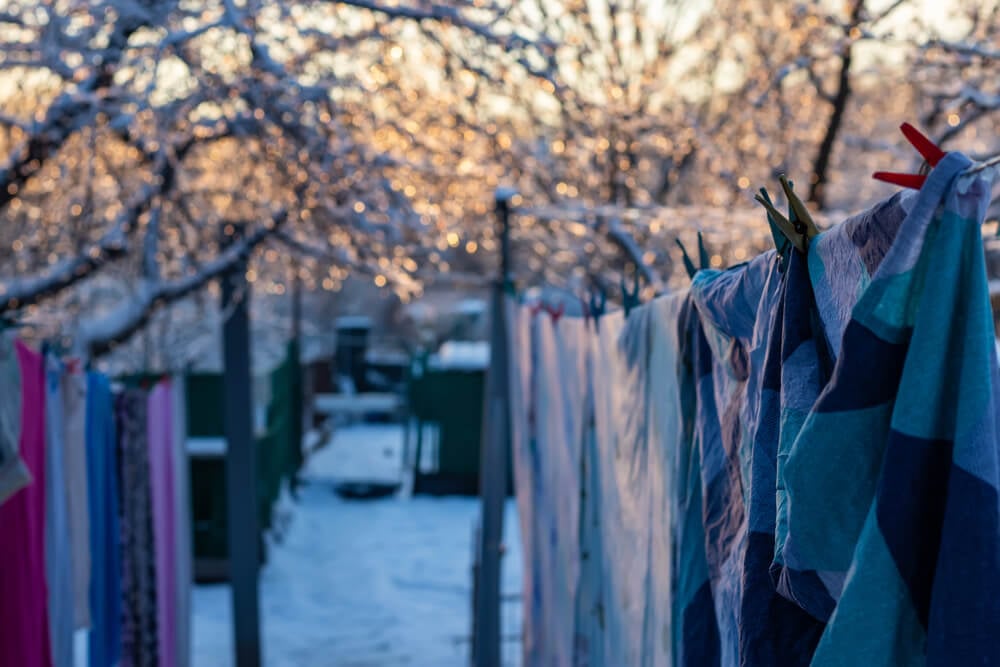
Even in freezing weather, wet laundry went outside on the line to dry, sometimes freezing stiff before it finished drying, and children handled the pinning and unpinning regardless of the temperature. Bringing in stiff, frozen shirts was its own small ordeal.
Home clothes dryers made this seasonal chore unnecessary for anyone with access to one.
Blacking the Cast Iron Stove
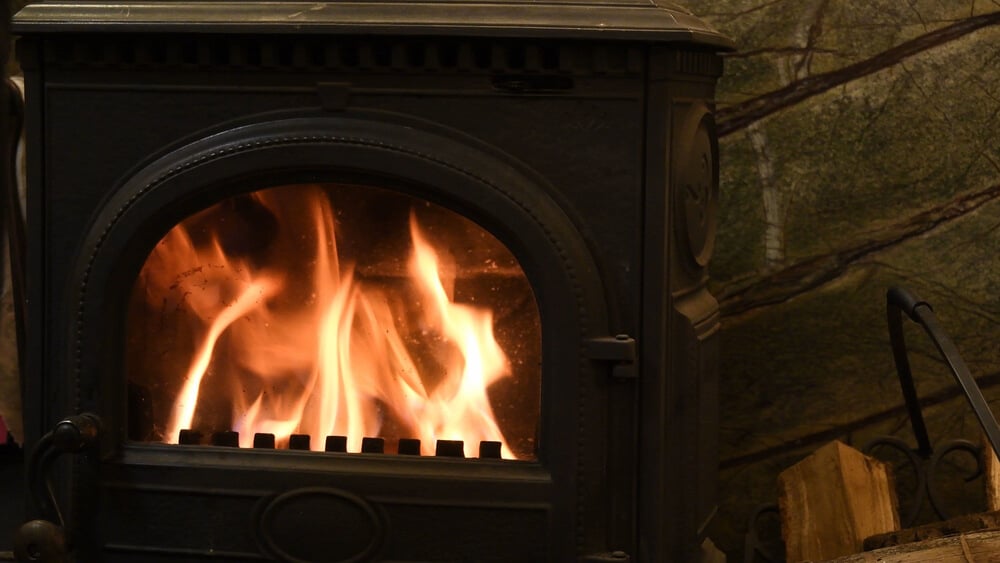
Cast iron stoves needed a regular coat of stove blacking to prevent rust and keep the surface presentable, a greasy job usually assigned to an older child on a set schedule. The polish had to be worked in and buffed out by hand.
Enameled and steel stoves eliminated the need for the ritual by the mid-twentieth century.
Turning the Mattress Monthly

Before modern mattress construction, flipping and rotating the family’s mattresses on a set schedule kept them from sagging unevenly, and it usually took two people, one of them a child, to manage the weight. Skipping the task showed up as a lumpy, uncomfortable bed within weeks.
Improved mattress materials made regular flipping far less necessary.
Fetching Ice From the Icehouse
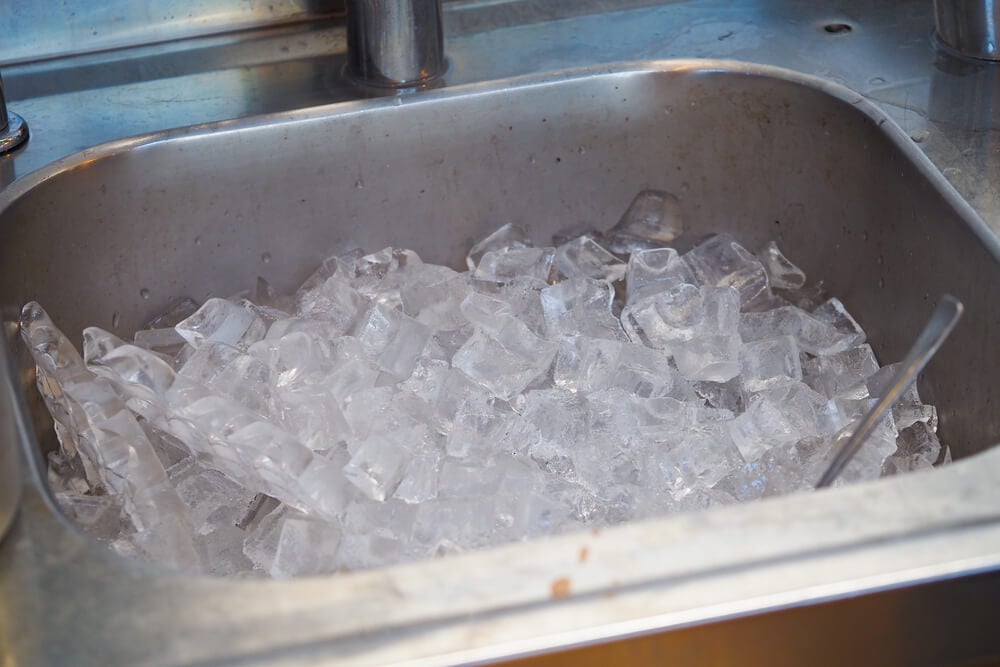
Before refrigerators, keeping food cold meant a regular trip to the icehouse or an ice delivery wagon, and children were often sent to retrieve blocks using tongs sized for smaller hands. The ice had to be hauled home quickly before it began to melt.
Electric refrigeration made the icebox, and the errand that fed it, disappear by the 1950s.
Sorting Coal From Cinders
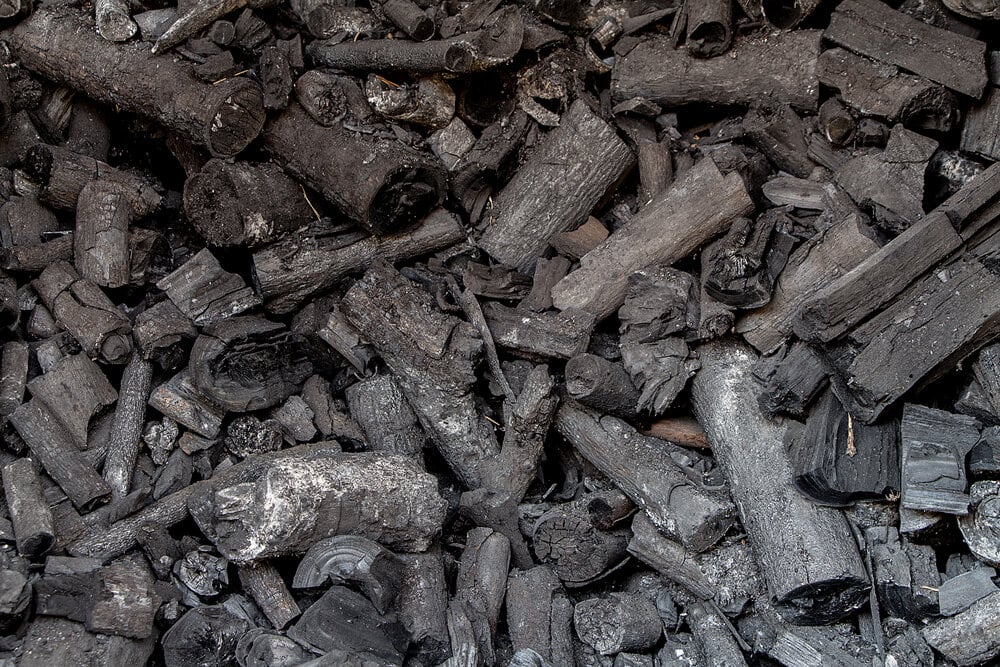
After a coal fire burned down, the leftover cinders were sifted to separate reusable coal fragments from ash, a repetitive task often handed to children as a way to stretch the household’s fuel supply. It saved real money over a winter.
Cheaper, more efficient heating fuels made the sorting unnecessary.
Running Messages for Neighbors

Without telephones in every home, children were regularly sent on foot or bicycle to deliver messages between neighbors, relatives, or the local shop. It was considered a normal part of growing up in a connected neighborhood.
Home telephones, and later mobile phones, made the errand largely disappear.
Collecting Kindling for the Morning Fire
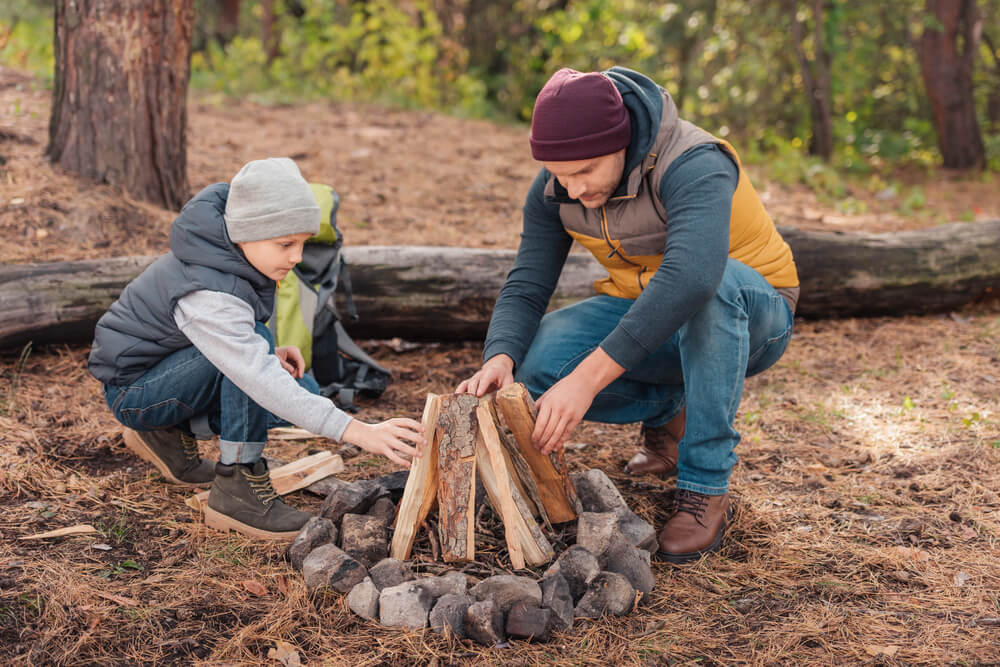
Before a fire could be lit, someone had to gather dry twigs and small wood to get it started, a task usually given to the youngest child capable of walking to the woodline and back. A poor kindling supply meant a slow, smoky start to the day.
Central heating removed the need for a morning fire altogether.
Polishing the Family Silver

Tarnished silverware and serving pieces were cleaned by hand with polish and a soft cloth on a regular schedule, often the job of a child deemed careful enough not to scratch the pieces. It was tedious, smelly work reserved for special occasions and holidays.
Stainless steel flatware and tarnish-resistant finishes made the chore far less common.
Changing the Typewriter Ribbon
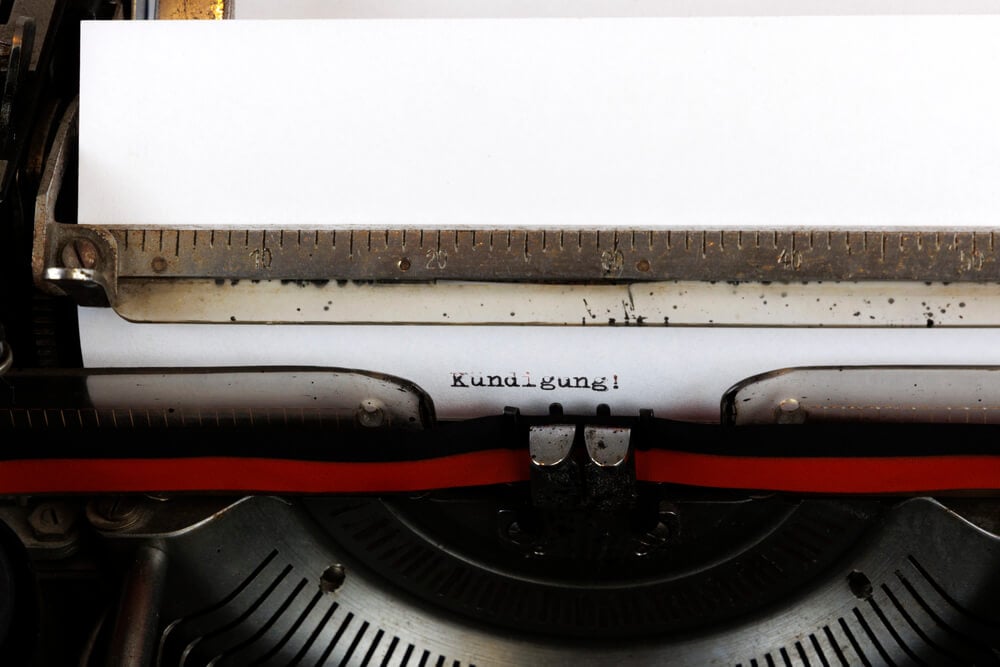
In households with a home typewriter, someone had to replace the ink ribbon when it faded, a fiddly job that stained the fingers and was often delegated to a child with steady hands. Getting it wrong meant faint, unreadable typing.
Personal computers and printers ended the need for ribbon changes entirely.
Sweeping the Front Stoop and Sidewalk
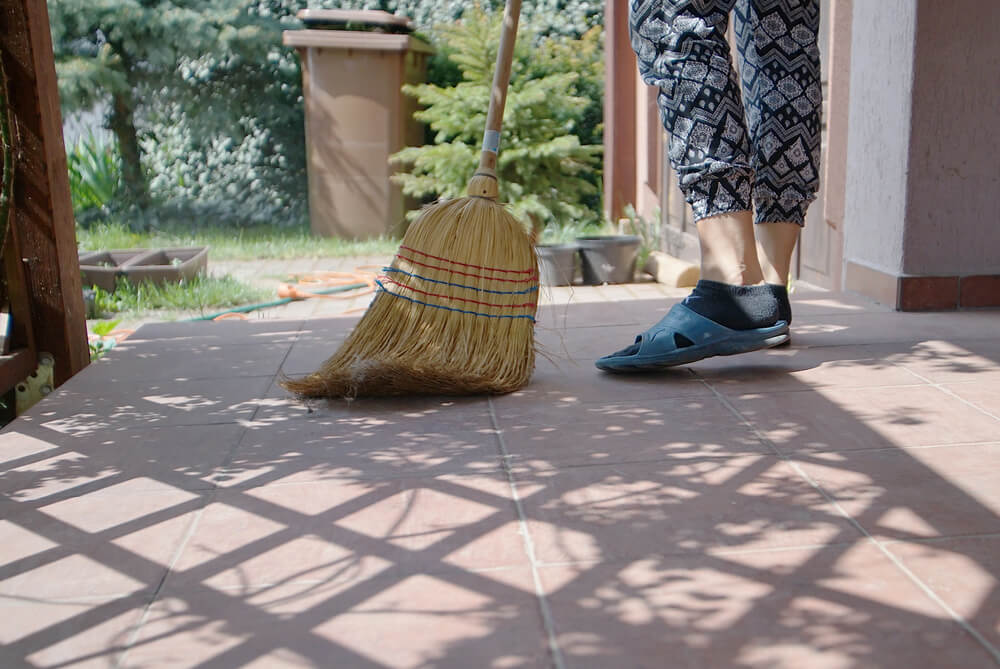
A clean stoop and sidewalk were considered a reflection on the household, and sweeping them each morning was often a young child’s first assigned responsibility. Neighbors noticed if it wasn’t done.
The chore hasn’t vanished everywhere, but it has become far less universal as porch culture has faded.
Filling the Woodbox Before Dark
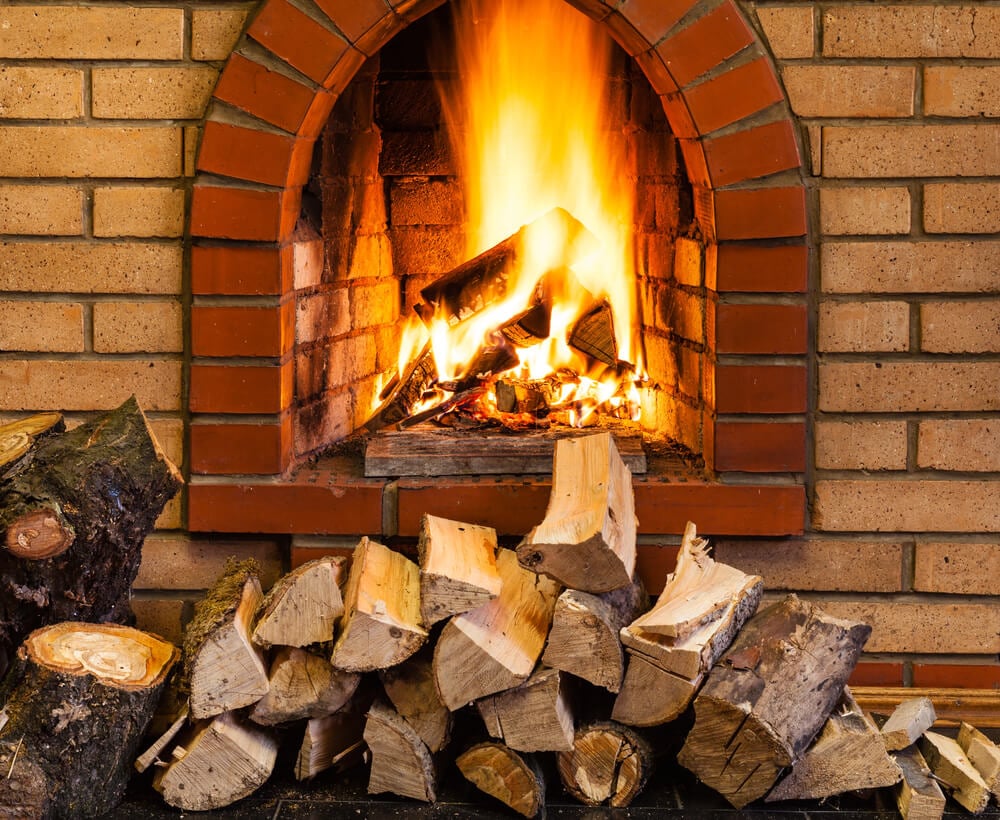
Keeping the woodbox by the stove stocked was a daily task, since running out after dark meant a cold trip to the woodpile in the dark. Children were expected to judge how much wood the household would need overnight.
Central heating systems removed the daily wood-hauling routine from most homes.
Scrubbing the Porch Steps
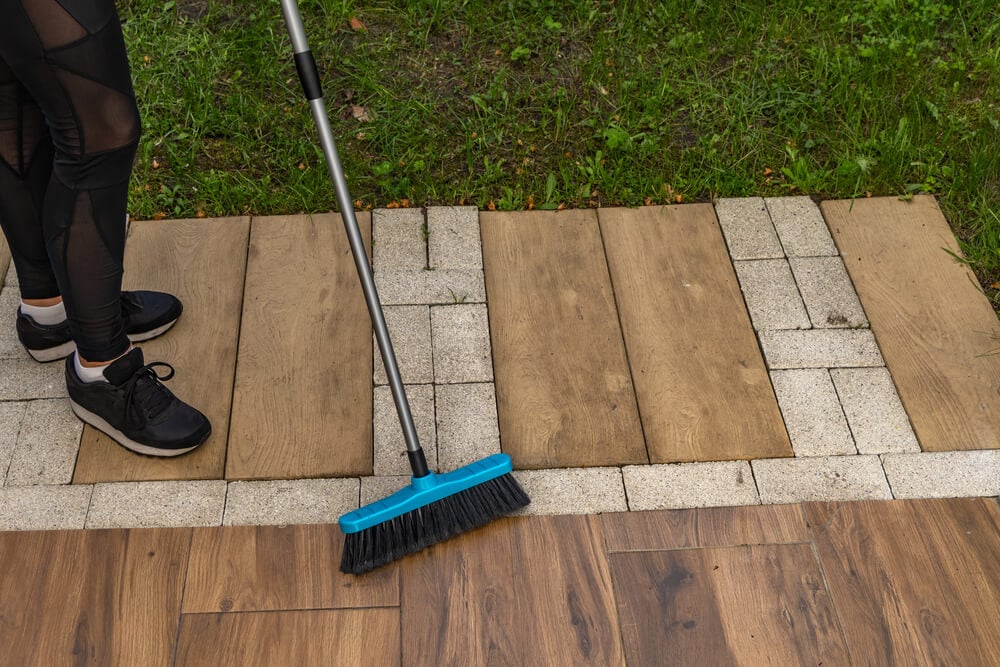
Wooden and stone steps were scrubbed with a brush and bucket on a regular schedule to keep them presentable, a chore that fell to whichever child was old enough to be trusted with the bucket. It was one of the more visible chores, done in view of the whole street.
Changing home exteriors and busier schedules have made the weekly scrub rare today.
Carrying Coal Buckets Upstairs
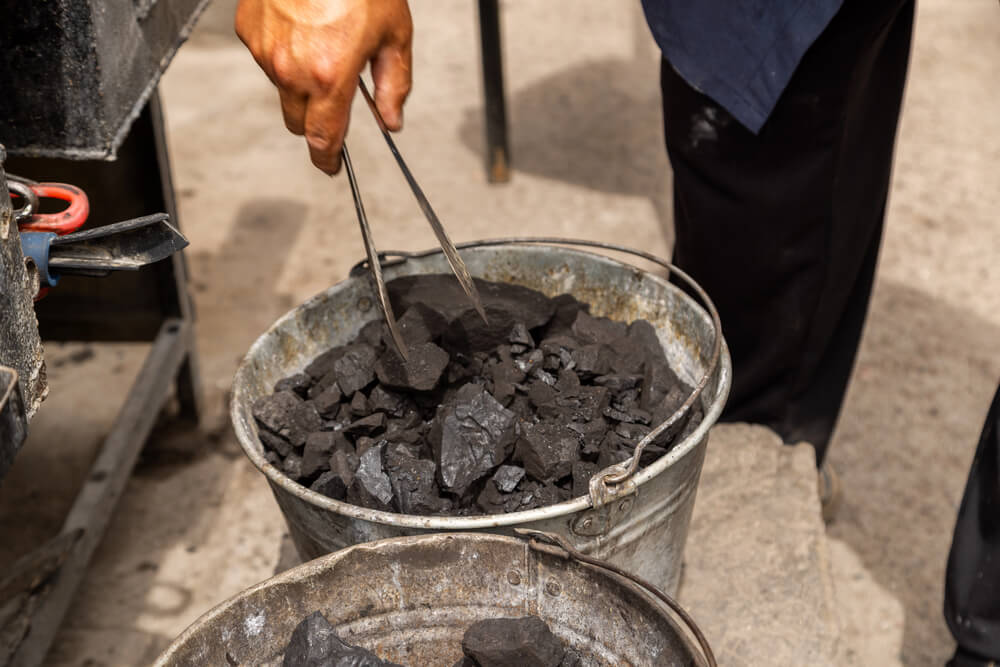
In multi-story homes heated by individual room stoves or fireplaces, coal had to be hauled bucket by bucket up the stairs to keep each room supplied. It was heavy, repetitive work usually split among the household’s older children.
Central heating systems eliminated the need to move fuel room to room.
The Work That Raised Us Without Asking
None of these tasks were designed as lessons, yet each one taught something: patience with the butter churn, timing with the coal stove, responsibility with the family silver. The chores disappeared because the underlying problems they solved got solved by something else, not because anyone decided children needed less to do.
What’s left is a kind of folk memory, passed down more as anecdote than instruction. The next generation will likely look back at whatever chores define this decade with the same mixture of disbelief and grudging respect.
More from Go2Tutors!

- The Romanov Crown Jewels and Their Tragic Fate
- 13 Historical Mysteries That Science Still Can’t Solve
- Famous Hoaxes That Fooled the World for Years
- 15 Child Stars with Tragic Adult Lives
- 16 Famous Jewelry Pieces in History
Like Go2Tutors’s content? Follow us on MSN.