20 Lost Cities Rediscovered by Accident After Being Hidden for Centuries
Plenty of ancient cities were found by scholars who went looking for them with maps, grants and a hunch. Many of the most famous ones were not.
They turned up under farmers’ plows, beneath road crews and at the bottom of wells dug for entirely practical reasons. The pattern is almost comical in hindsight.
A worker strikes stone where there should only be soil, someone important hears about it, and a place missing from memory for centuries suddenly has a name again.
Pompeii Cut Through by a Canal Crew
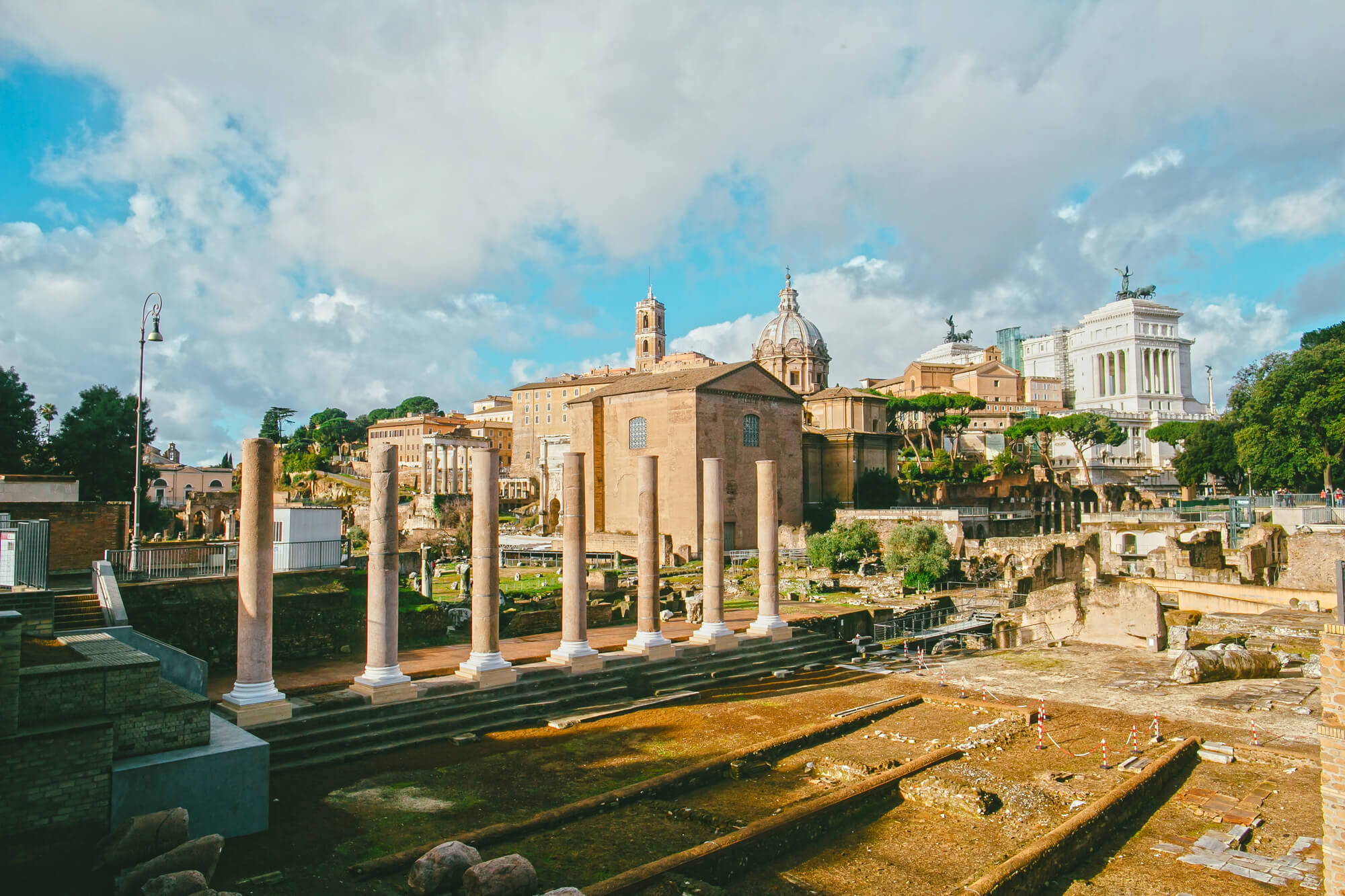
Architect Domenico Fontana supervised the digging of an underground channel in the late 16th century to carry water from the Sarno River, and it passed straight through buried Pompeii. Workers came across walls and inscriptions but nobody realized an entire Roman city lay around them.
Serious digging did not begin until 1748, and even then excavators were unsure which town they had found. The question was settled in 1763, when an inscription naming the town’s public authority was uncovered.
Buried by Vesuvius in AD 79, Pompeii had sat under ash and pumice for about 1,500 years before that canal went through.
Herculaneum Found at the Bottom of a Well
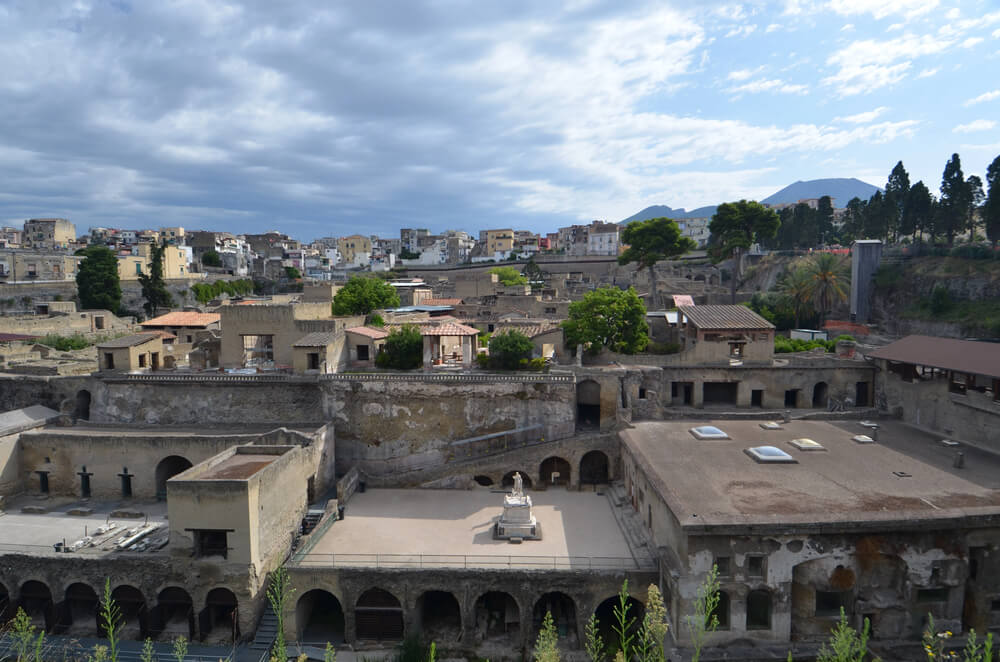
Around 1709, a man digging a well in the town of Resina, near Naples, struck marble. The shaft had landed on the stage of Herculaneum’s ancient theater, buried under a deep layer of volcanic material from the same eruption that destroyed Pompeii.
An Austrian prince serving in Naples, Emmanuel Maurice d’Elboeuf, then had tunnels cut to haul out statues for his villa. Official excavations followed from 1738 under Charles of Bourbon.
Because the city was sealed in hot volcanic mud rather than falling ash, wood, food and even rolls of papyrus survived there in ways rarely seen elsewhere.
Paestum Revealed by a Road Project
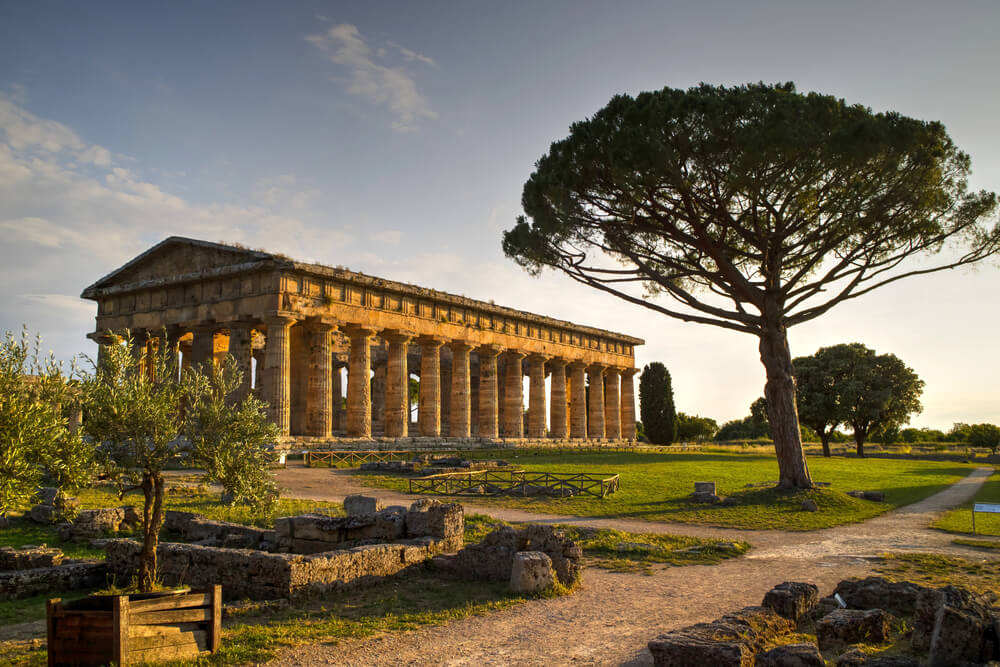
Founded by Greek colonists around 600 BC as Poseidonia, Paestum on the coast south of Naples was gradually abandoned as malaria spread through the surrounding marshes. Its great Doric temples never fully vanished, but the site slipped into obscurity and thick vegetation for centuries.
When Bourbon engineers built a new road through the area in the mid-18th century, the temples came back to wide attention. Artists and travelers, including Piranesi and Goethe, soon made the trip to see them.
The three temples still standing are among the best preserved Greek temples anywhere, including those in Greece itself.
Akrotiri Exposed by Pumice Quarrying
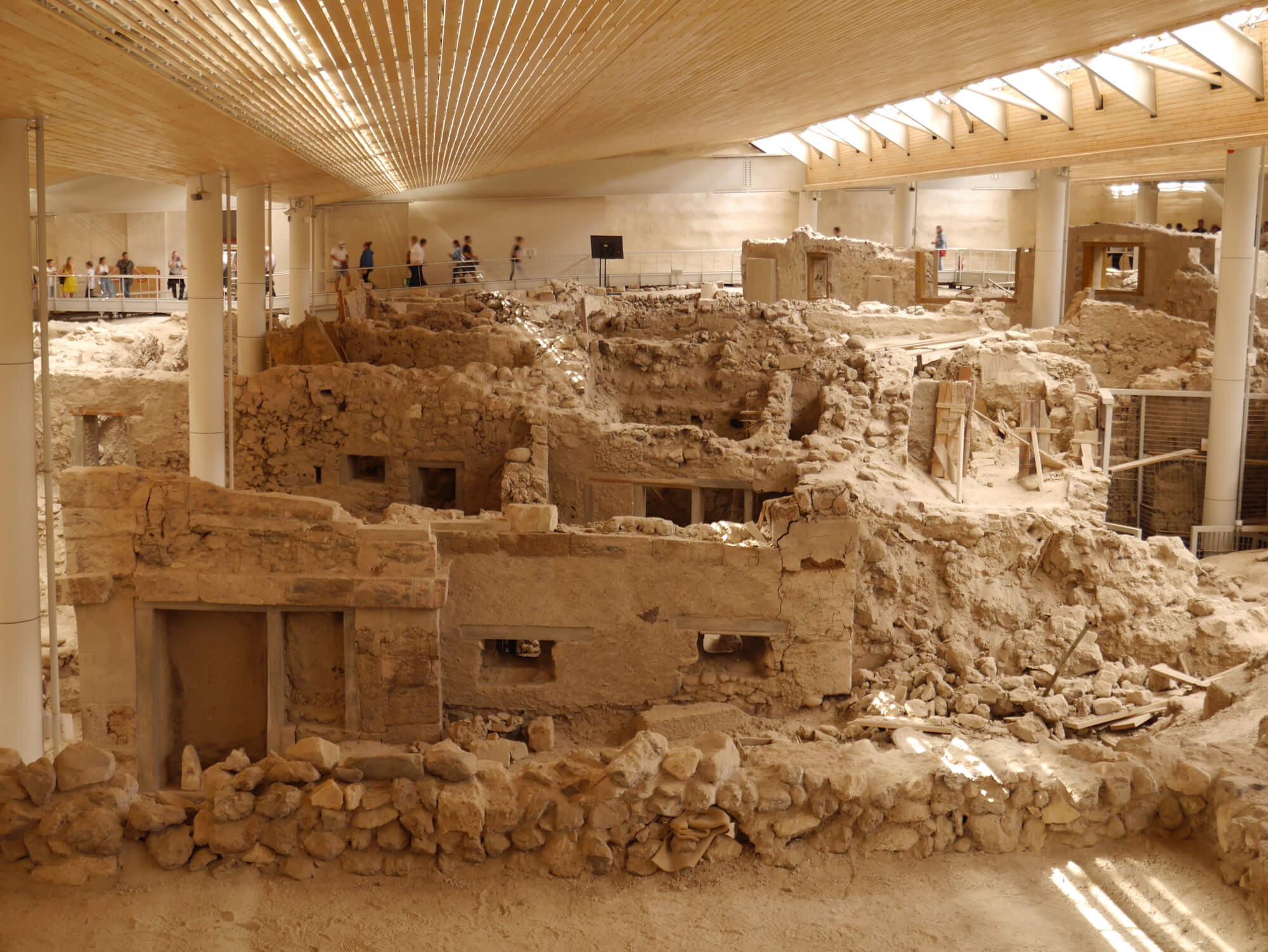
On the Greek island of Santorini, a massive volcanic eruption buried the Bronze Age town of Akrotiri around the middle of the second millennium BC. In the 1860s, quarrymen were digging pumice from the island to supply cement for the Suez Canal, and their work exposed ancient walls.
Some early investigations followed, yet the site mostly waited until archaeologist Spyridon Marinatos began systematic excavation in 1967. He uncovered multistory buildings, drainage systems and vivid wall paintings of boats, monkeys and flowers.
Unlike Pompeii, very few bodies or valuables have been found, suggesting residents had warning and fled in time.
Harappa Carted Away for a Railway
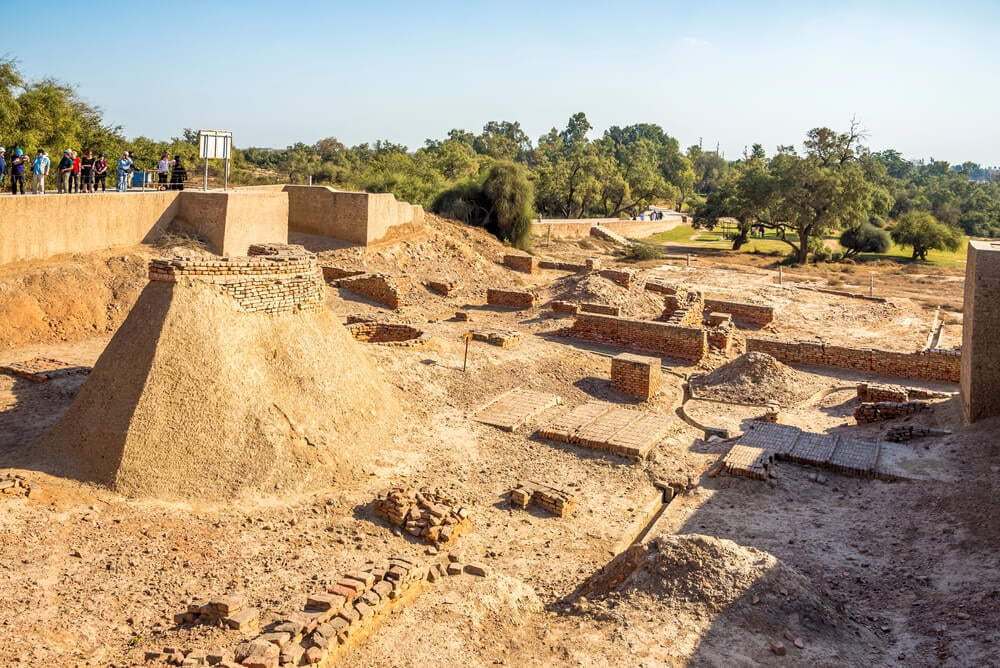
Engineers building a railway between Lahore and Multan in the 1850s needed a firm track bed, and they found the ancient mounds at Harappa to be a convenient source of baked bricks. Large quantities were hauled away before anyone understood what the site was.
Archaeologist Alexander Cunningham did record strange seals with unknown symbols, but their age was not grasped. Only in the 1920s did excavations reveal that Harappa belonged to a major Bronze Age civilization.
Announced to the world in 1924, the Indus Valley Civilization turned out to be as old as early Egypt and Mesopotamia.
Mohenjo-daro Beneath a Buddhist Stupa
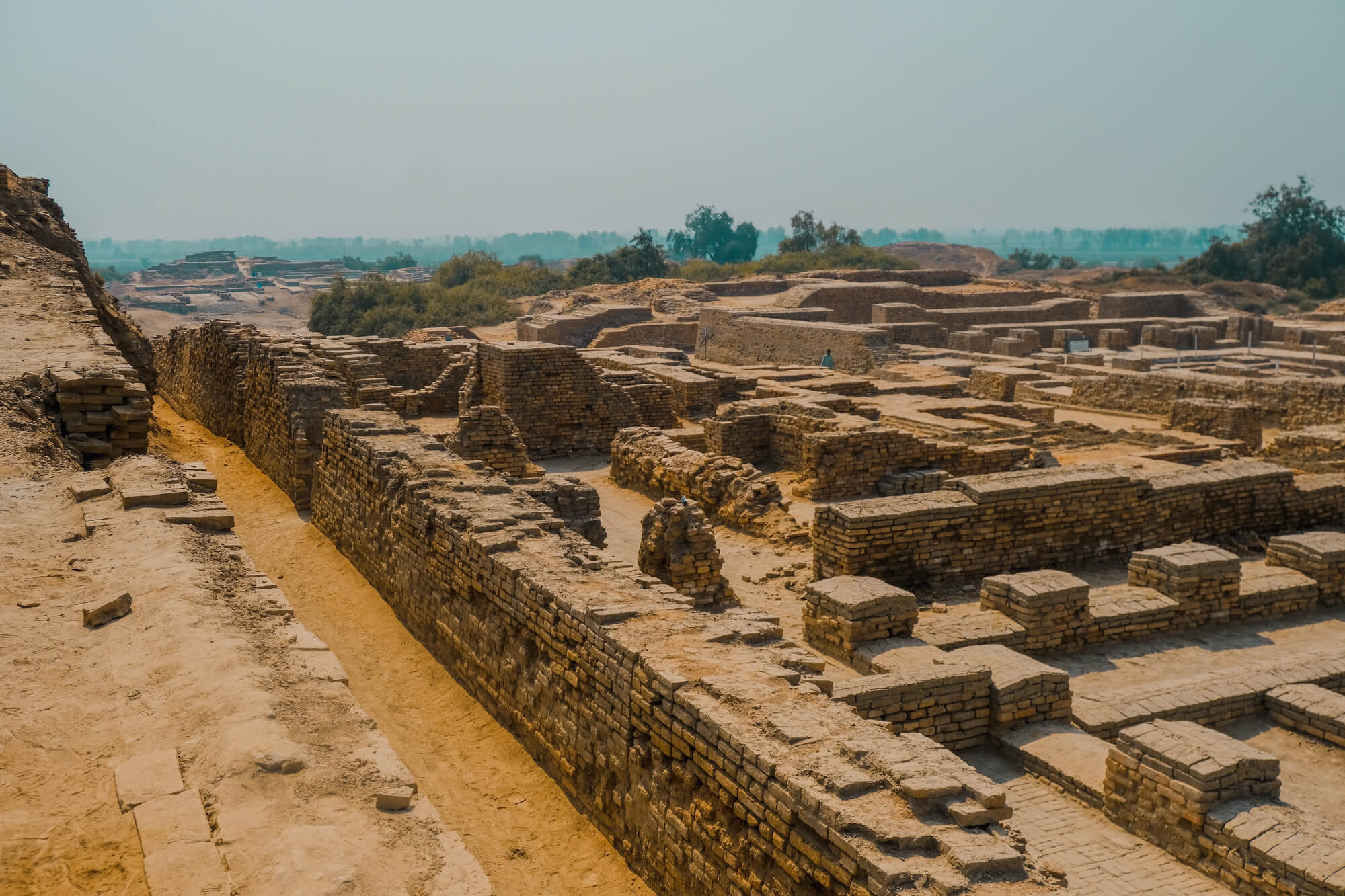
Rakhaldas Banerji of the Archaeological Survey of India came to a mound in Sindh in the early 1920s to investigate a Buddhist stupa built there many centuries after the city had faded. Digging below, he found remains far older than anyone expected.
His finds, combined with those at Harappa hundreds of miles away, revealed that the two sites belonged to the same ancient culture. Mohenjo-daro was later shown to be one of the largest cities of its time, with grid streets, covered drains and the famous Great Bath.
The stupa that brought Banerji there was the least remarkable thing on the mound.
Loulan and the Forgotten Spade
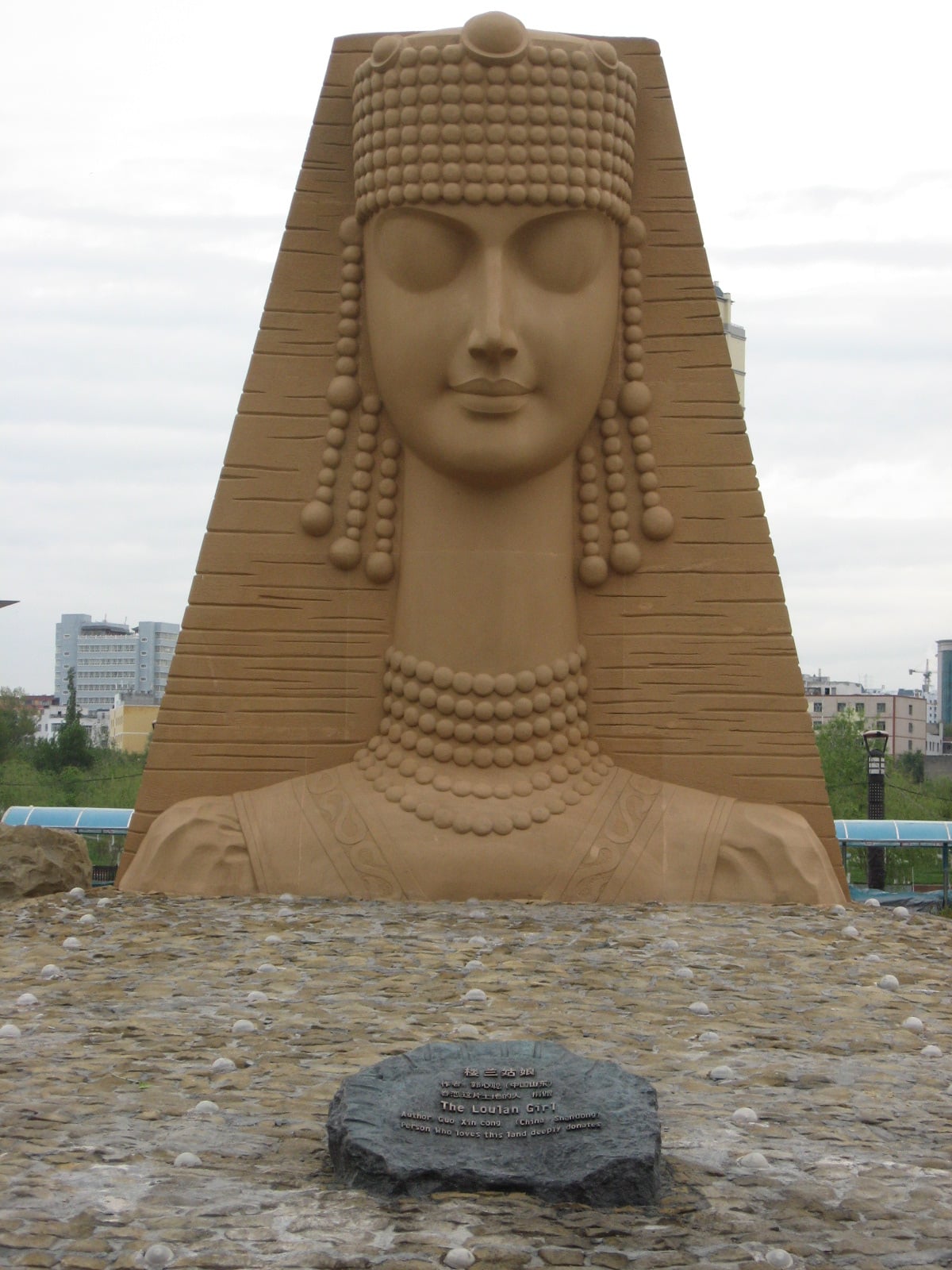
Swedish explorer Sven Hedin was crossing the dry basin near Lop Nur in western China in March 1900 when his team discovered they had left a spade behind. His guide, Ordek, went back to fetch it and, caught in a sandstorm, stumbled across the wooden ruins of buildings.
Hedin returned the following year and excavated the site, which proved to be Loulan, a Silk Road city abandoned in late antiquity. He recovered documents on wood and paper that helped identify it.
A forgotten tool had led to one of the most important finds in Central Asian archaeology.
Ciudad Perdida Found by Looters in Colombia
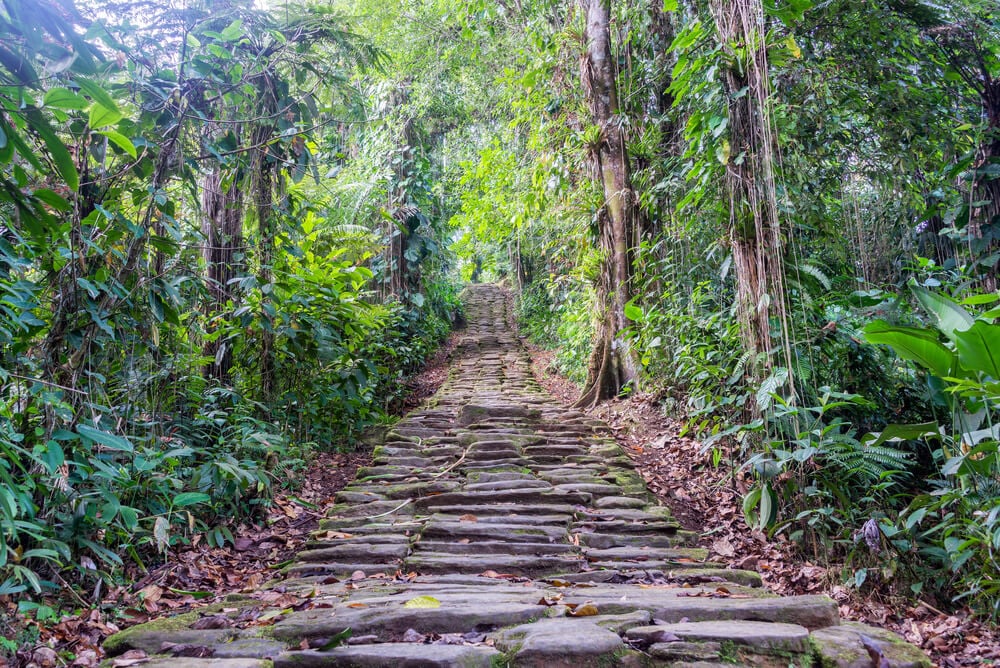
High in the Sierra Nevada de Santa Marta, the city known as Teyuna was built around AD 800, several centuries before Machu Picchu. It was abandoned around the time of the Spanish conquest and swallowed by jungle.
In 1972, treasure hunters in search of gold stumbled onto a long stone staircase leading up to terraces. Word of gold objects reaching the black market alerted authorities, who reached the site in 1976.
Local Indigenous communities had long known of the place, but for the outside world it was a revelation. Visitors today reach it by a multiday trek and roughly 1,200 stone steps.
Cliff Palace Spotted by Cowboys Chasing Cattle
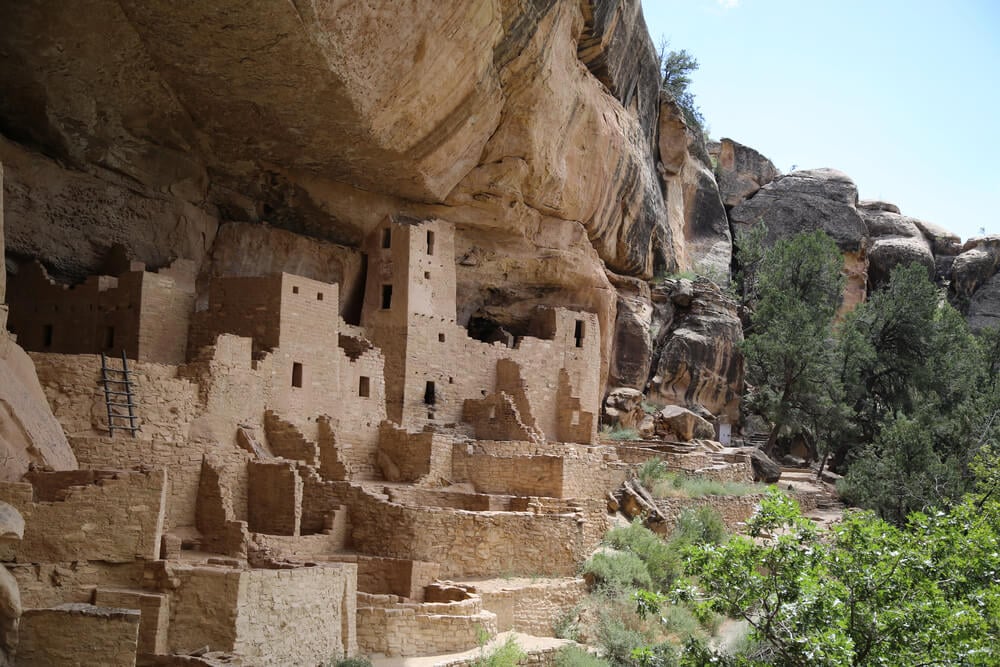
Ranchers Richard Wetherill and Charlie Mason were riding across the mesas of southwestern Colorado looking for stray cattle in December 1888 when they caught sight of a vast stone structure tucked into a canyon alcove. They named it Cliff Palace.
Built by Ancestral Puebloan people, it contained about 150 rooms and was abandoned by around AD 1300. The two men went on to find other dwellings nearby, and their discoveries drew collectors and eventually federal protection.
Mesa Verde became a national park in 1906, partly to stop artifacts from being carried off in bulk.
Skara Brae Uncovered by a Winter Storm
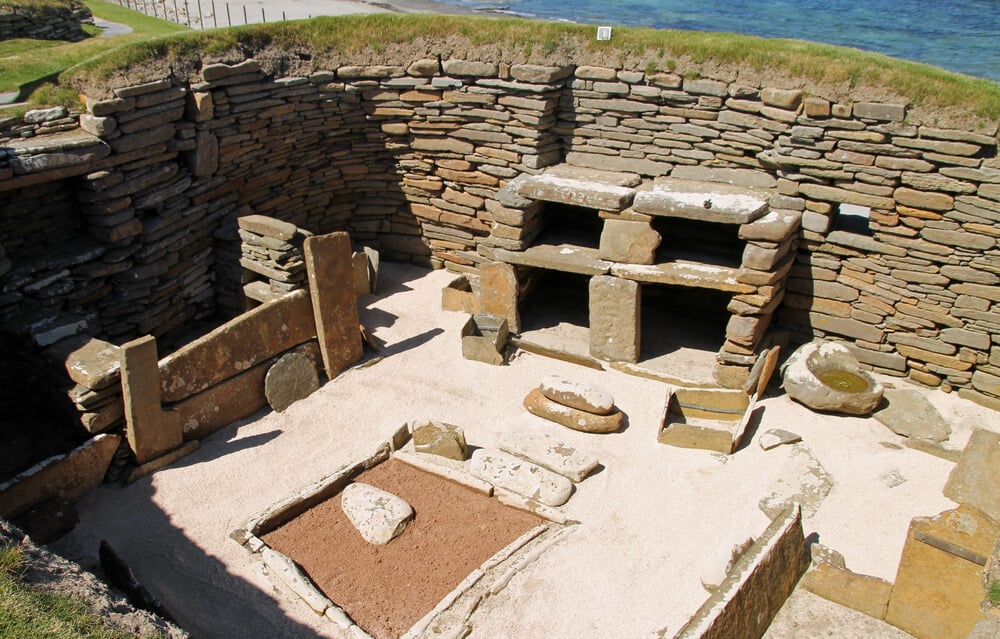
A violent storm in 1850 lashed the Bay of Skaill on Orkney, off the north coast of Scotland, and stripped the grass from a large dune. Underneath lay the stone outlines of a Neolithic settlement, a cluster of houses joined by covered passageways.
Skara Brae was occupied around 5,000 years ago, making it older than Stonehenge and the Great Pyramid of Giza. Because the local stone lacked timber alternatives, residents built even their furniture from flagstones, so beds, shelves and hearths survive in place.
It is a village rather than a city, but few ancient settlements preserve daily life so completely.
Templo Mayor and the Electricians of Mexico City
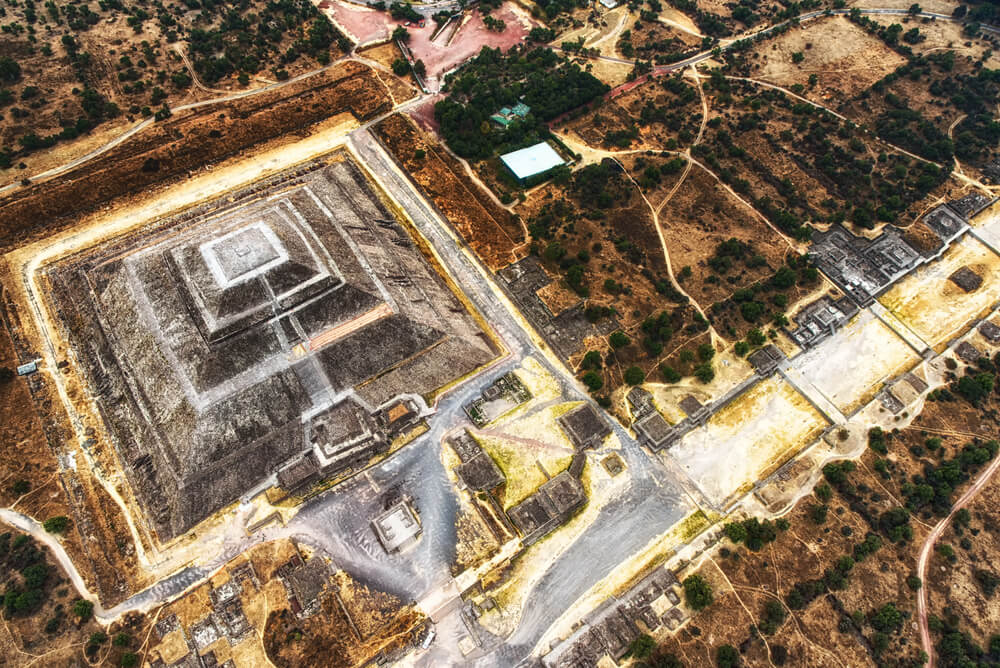
The Aztec capital of Tenochtitlan was demolished by the Spanish and buried under the colonial city that became Mexico City. In February 1978, workers from the city’s electric company were digging in the historic center when they struck a huge carved stone.
It proved to be a monolith depicting the moon goddess Coyolxauhqui, about 3 meters across. The find prompted the government to clear surrounding buildings and launch a major excavation led by archaeologist Eduardo Matos Moctezuma.
Workers uncovered the Templo Mayor, the main temple complex of the Aztec capital, which now sits beside the city’s cathedral.
Sanxingdui Hidden Under a Farm Ditch
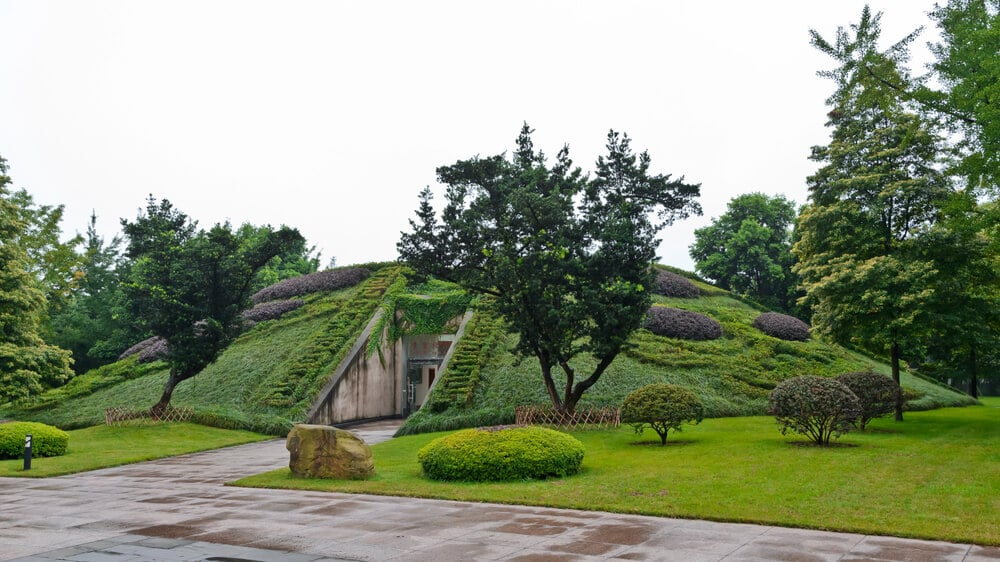
A farmer in Guanghan, in the Sichuan region of southwestern China, was digging an irrigation ditch in 1929 when he found a cache of jade and stone objects. The discovery drew some scholarly attention over the following decades, but the full scale of the site only became clear in 1986.
That year, archaeologists found two pits packed with bronze masks, towering figures and elephant tusks. The bronzes, with bulging eyes and oversized ears, looked unlike anything known from ancient China.
Sanxingdui revealed a sophisticated Bronze Age culture that had been missing from written history entirely.
Egypt’s Lost Golden City Near Luxor
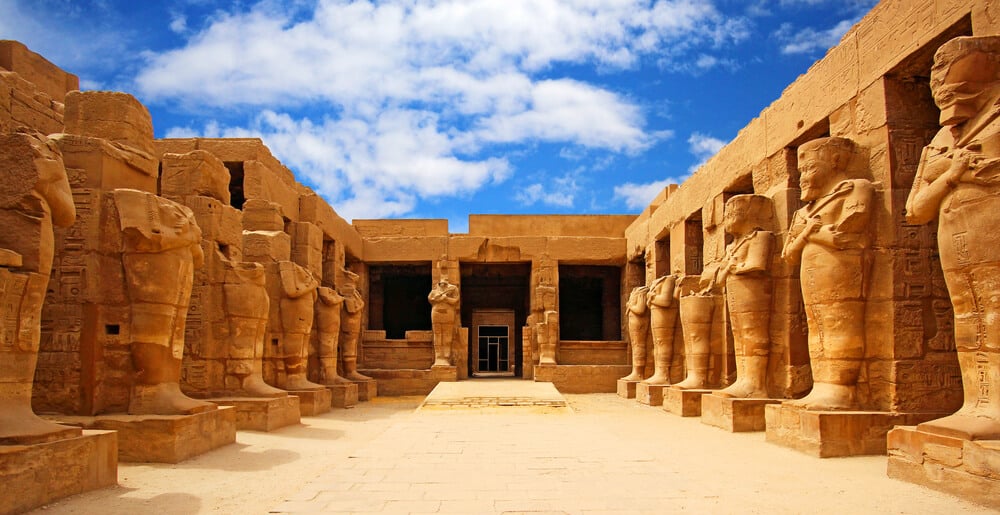
In 2021, archaeologist Zahi Hawass announced that his team had found a large ancient city on the west bank at Luxor while searching for a mortuary temple of Tutankhamun. The settlement dated to the reign of Amenhotep III, roughly 3,400 years ago, and had been buried in sand.
Excavators found streets, bakeries, workshops and jars still holding traces of food. Some mud bricks carried stamps bearing the name of Amenhotep III, which helped date the site.
Hawass described it as the largest ancient city yet found in Egypt, though archaeologists noted that much of it still needed study.
Mapungubwe and the Golden Rhino
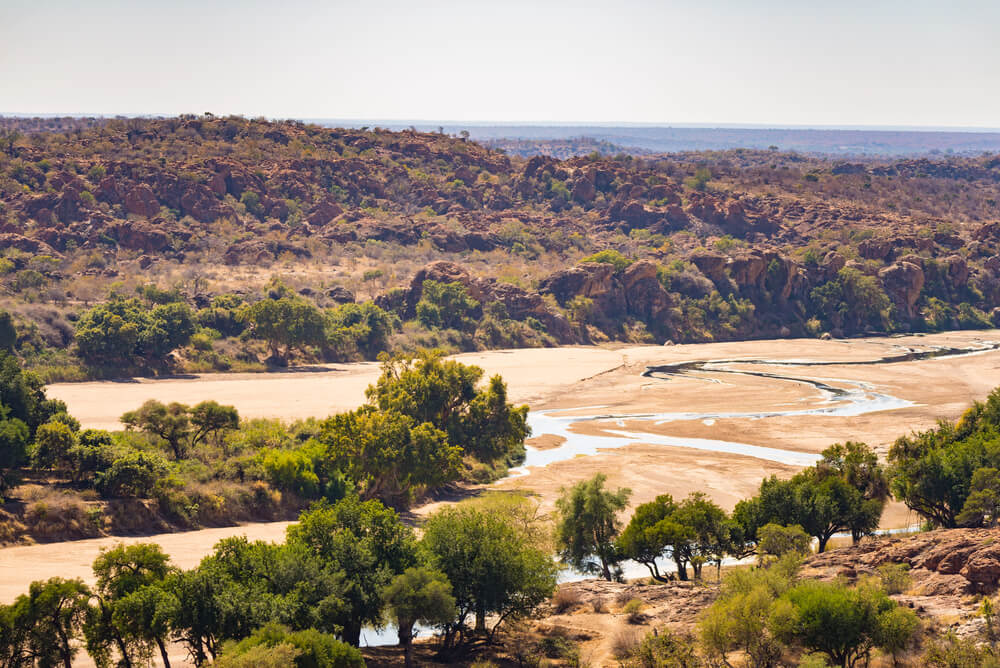
At the end of 1932, a local guide showed a group of white prospectors a path up a steep sandstone hill in the Limpopo valley in northern South Africa, a place local people had long regarded as sacred. At the top, the men found gold beads, bangles and small gold objects in graves.
Among the finds was a tiny rhinoceros made of gold foil over a wooden core. Excavations revealed Mapungubwe as the center of a kingdom that flourished from roughly 1075 to 1220 and traded ivory and gold as far as the Indian Ocean.
The site became a UNESCO World Heritage Site in 2003.
Joya de Ceren and the Bulldozer in El Salvador
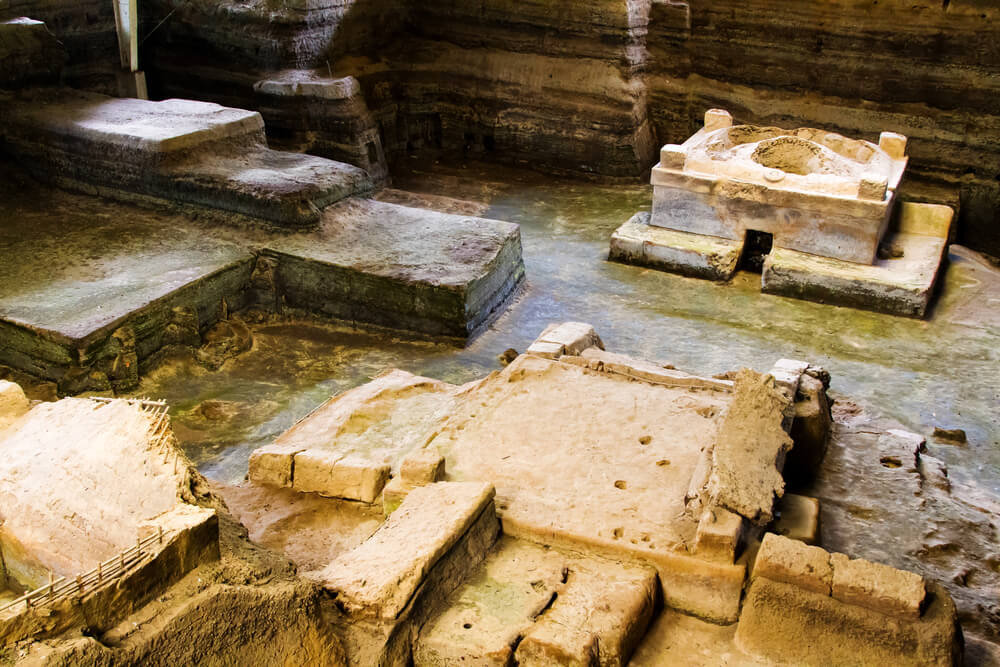
A bulldozer operator leveling ground for grain storage in El Salvador in 1976 exposed the walls of a clay building. Archaeologist Payson Sheets later identified it as part of a Maya farming village buried by a volcanic eruption around AD 600.
Residents had fled quickly, leaving behind pots, tools and even food. Because ash covered everything, excavators found gardens with crop rows and a sweat bath preserved in remarkable detail.
Often called the Pompeii of the Americas, the site offers a rare view of ordinary Maya life rather than temples and royal courts.
Yenikapi and the Harbor of Constantinople

Construction crews in Istanbul began work in 2004 on the Marmaray rail tunnel under the Bosporus and a major station at Yenikapi. Excavations for the station uncovered the Harbor of Theodosius, a busy port of Byzantine Constantinople that had silted up and vanished beneath later neighborhoods.
Archaeologists found dozens of shipwrecks, anchors and cargo. Deeper layers produced traces of settlement thousands of years older than the city itself.
The project was delayed for years while archaeologists worked, but the harbor became one of the largest maritime finds in the Mediterranean region.
Ugarit Found by a Farmer’s Plow
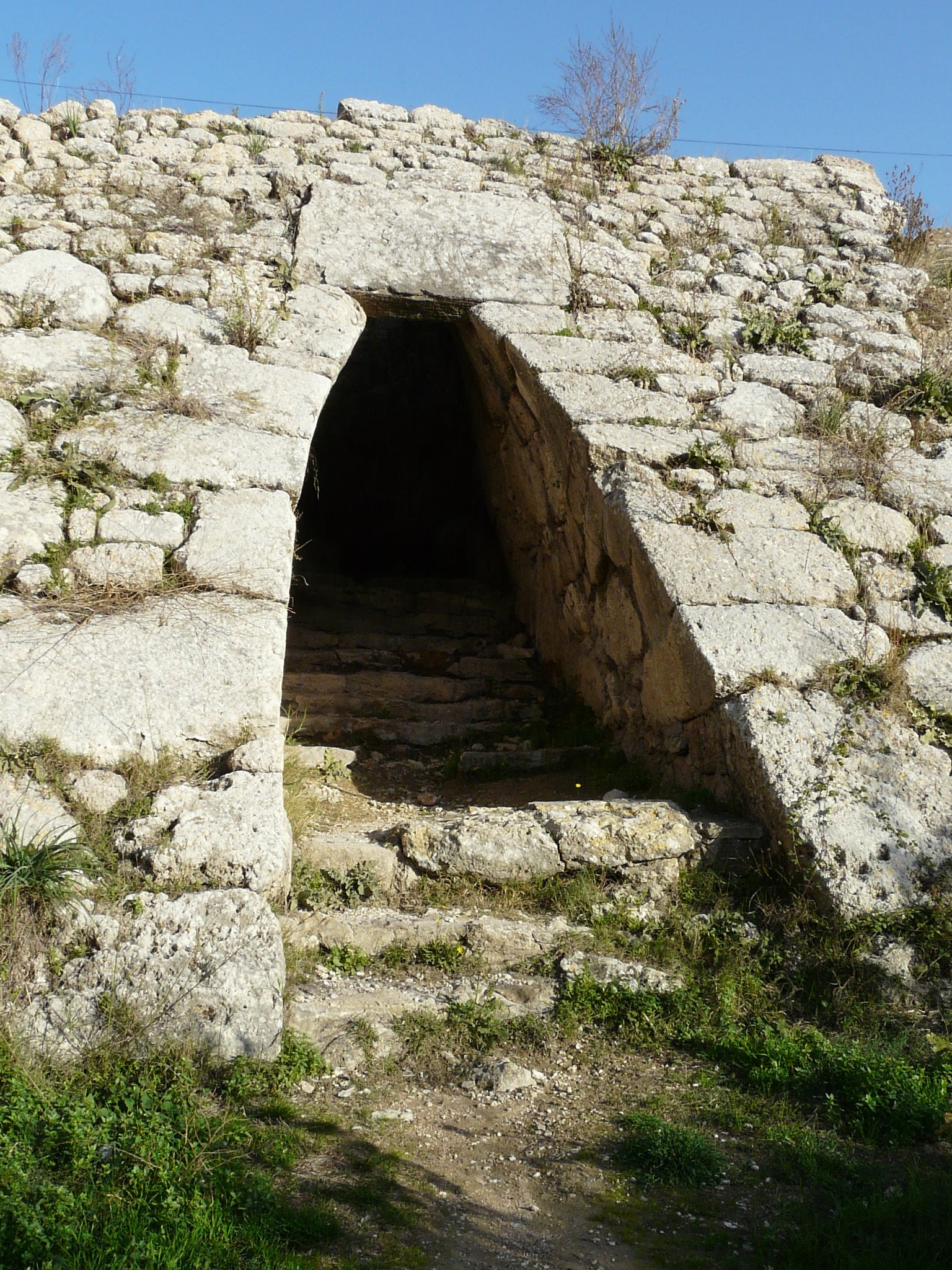
While plowing a field near Ras Shamra on the Syrian coast in 1928, a farmer broke into an ancient tomb. French archaeologist Claude Schaeffer began digging the following year and found the city of Ugarit, a wealthy Bronze Age trading port destroyed around 1185 BC.
Excavators uncovered palaces, temples and archives of clay tablets written in several languages. Among them were texts in a cuneiform alphabet of about 30 signs, one of the earliest alphabets known.
The tablets also transformed scholarly understanding of religion in the ancient eastern Mediterranean.
Ozette Uncovered by Winter Waves
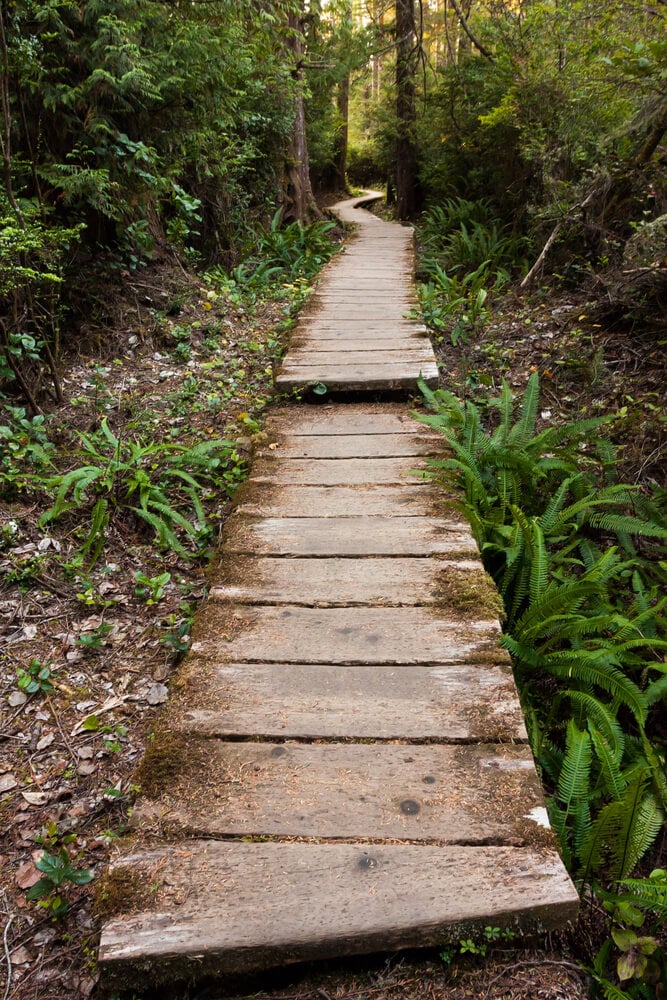
On the Olympic Peninsula of Washington state, part of the Makah village of Ozette was buried by a mudslide several hundred years ago. In 1970, winter storms eroded a coastal bank and exposed wooden objects that had been sealed in wet clay.
Makah leaders and archaeologists from Washington State University then excavated for about a decade. They recovered tens of thousands of objects, including baskets, harpoons and a carved cedar whale fin inlaid with sea otter teeth.
Many are now displayed at the Makah Cultural and Research Center in Neah Bay, managed by the tribe.
Aquae Sulis Beneath the Streets of Bath
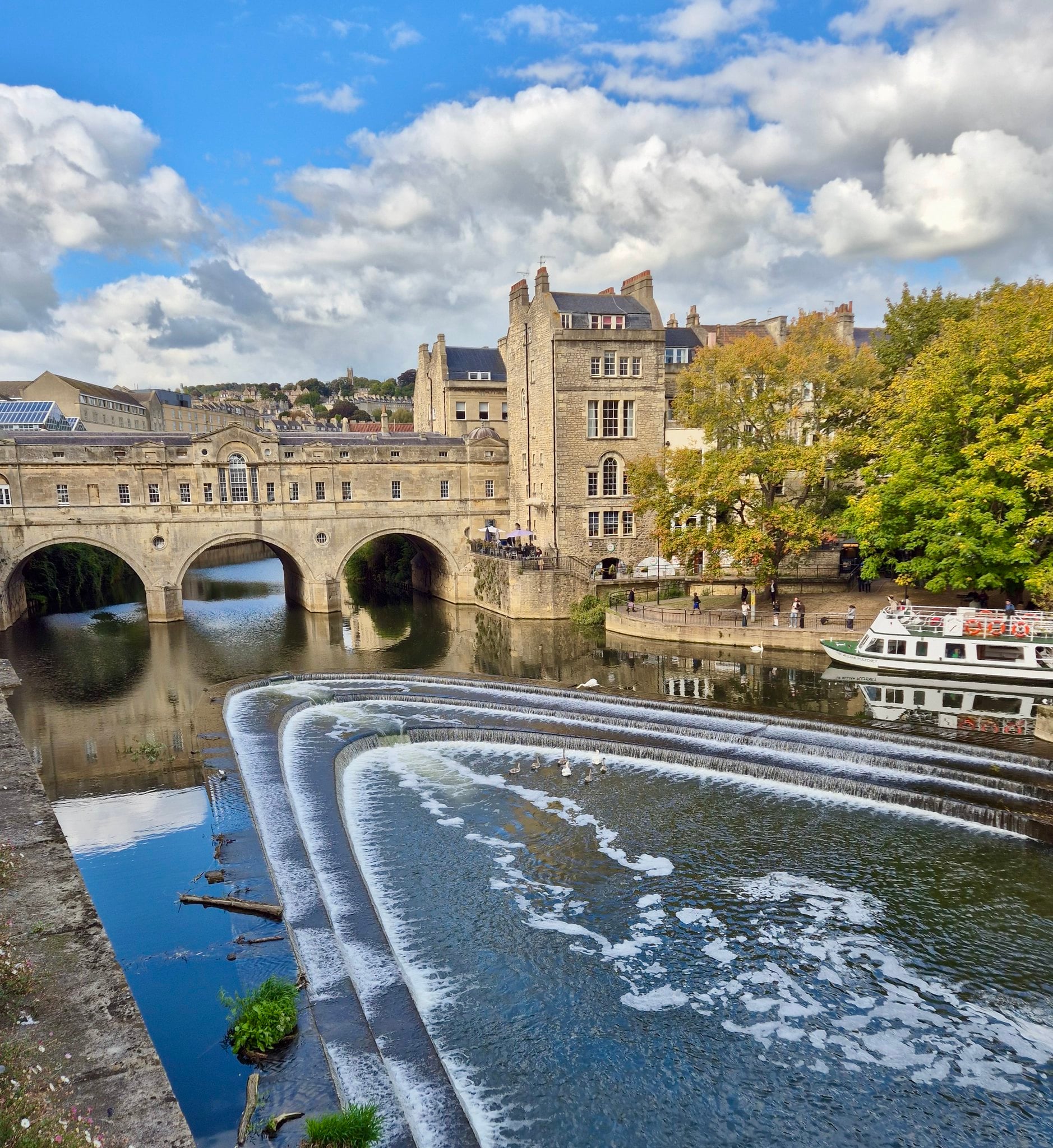
Workmen digging a sewer trench in 1727 on Stall Street in Bath, England, pulled out a gilded bronze head of the goddess Minerva. It had come from the temple of the Roman spa town Aquae Sulis, which lay buried beneath the Georgian city.
Further clues emerged over the following century, but the great Roman bath itself was only uncovered in the late 1870s by city engineer Charles Davis, investigating a leak. The complex is now one of the best preserved Roman bathing sites in northern Europe.
The gilded head is still one of its most treasured objects.
En Esur Under an Israeli Highway
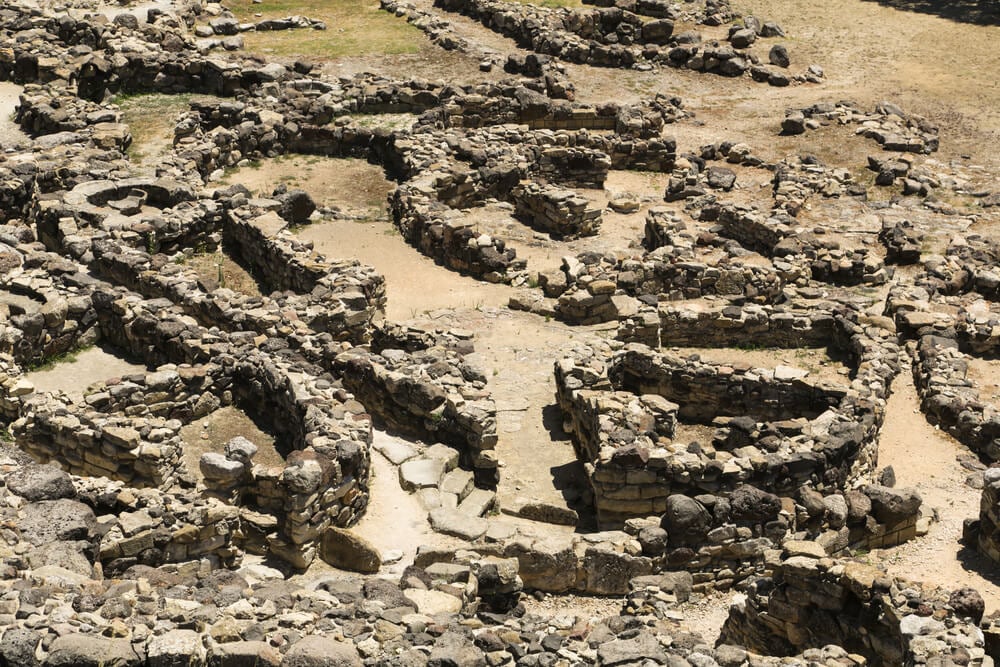
Archaeologists working ahead of a highway interchange near Harish in northern Israel announced in 2019 that they had found a city about 5,000 years old. Known as En Esur, it covered a large area and may have held around 6,000 people, big for its era.
Excavators uncovered streets, homes, public buildings and a ritual temple. The discovery shed light on the early stages of urban life in the region during the Early Bronze Age.
Without the road project, the site might have stayed under farmland for many more centuries.
Shovels Find What Maps Forget
The striking thing about these discoveries is how few came from grand expeditions. Most were stumbled on by people solving practical problems, digging wells, laying rail lines or running cables.
History, it turns out, surfaces wherever someone needs to move dirt.
It also says something humbling about how quickly great places fade. Cities that once held thousands of people were reduced to rumors, place names or nothing at all.
Somewhere, under a road or a farm field, the next one is almost certainly waiting for a routine work order.
More from Go2Tutors!

- The Romanov Crown Jewels and Their Tragic Fate
- 13 Historical Mysteries That Science Still Can’t Solve
- Famous Hoaxes That Fooled the World for Years
- 15 Child Stars with Tragic Adult Lives
- 16 Famous Jewelry Pieces in History
Like Go2Tutors’s content? Follow us on MSN.



