Trendy Beverages Taking Over Cafes Globally
Nowhere feels quite the same since café menus started shifting so fast. Odd labels pop up where basic brews used to be, swapped out without warning.
Bright hues spill across drink descriptions like paint splashed on old chalk. Instead of plain choices, there’s matcha-lavender fizz or turmeric cold foam lurking behind glass counters.
Taste still matters, sure – though now it shares space with how a drink makes you feel, whether it glows under phone lights, or if your gut thanks you later. A cup holds more than liquid these days.
It carries stories, filters, promises. Faster than anyone expected, the change swept through – now every café scrambles to stay in step.
Drifting into view were certain drinks, pulling focus, quietly reshaping how people think about their next pour.
Matcha Lattes

Out of Japan comes a powdered green tea sipping ritual gaining fans among those who watch what they consume. Instead of sharp spikes followed by slumps, matcha delivers alertness that feels steady, while its deep taste fits neatly beside warm milk and sugar.
Some places serve it heated, others chilled, each finished with swirls of froth detailed enough for snapshots. That bright jade shade adds something extra – quiet drama in a glass, impossible to miss when scrolling through photos online.
Dalgona Coffee
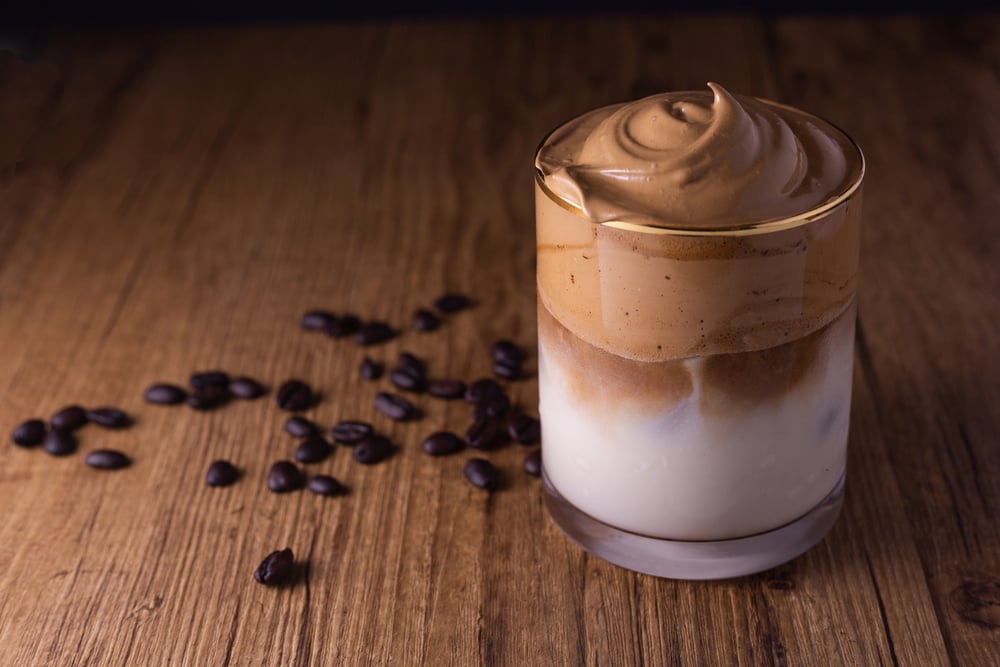
A sudden hit online when everyone stayed indoors, this airy coffee mix stuck around long after. Whipping together instant coffee, sugar, and just-boiled water gives it that light, frothy crown.
Once a kitchen trial, now you’ll spot it on nearly every coffee shop menu. Plopped gently over cold or warm milk, the rich sweetness balances the sharp top layer.
Even with how much effort it takes to beat by hand, folks keep returning for that bold-yet-creamy sip.
Golden Milk Turmeric Lattes
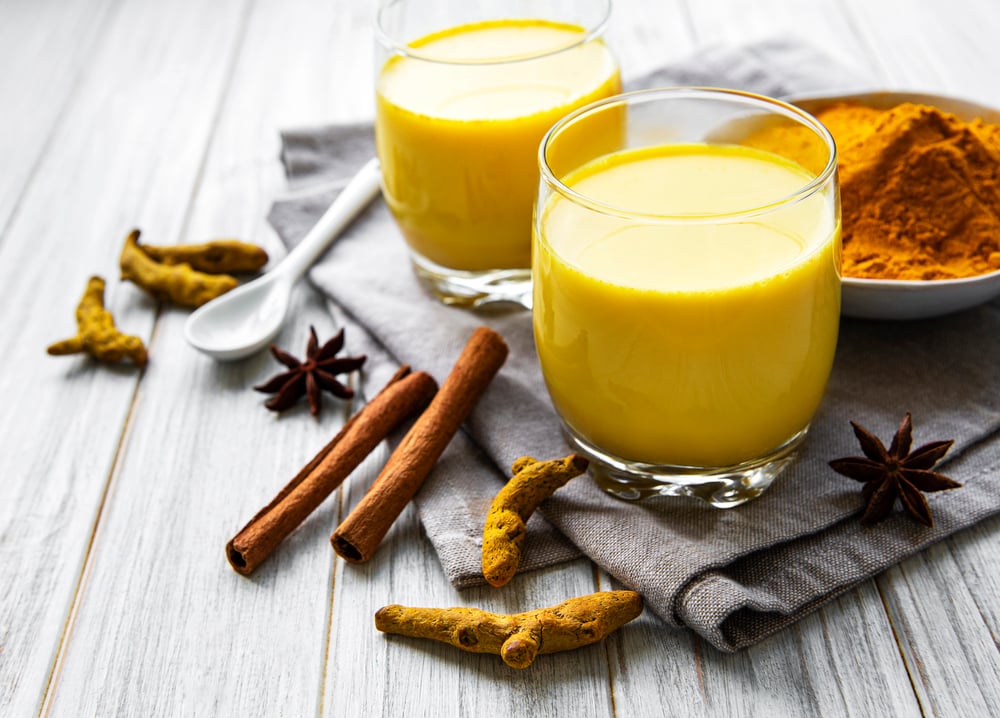
Out of the kitchen drawer it came, tumbling into mugs where golden color meets quiet fame for calming flare-ups inside the body. Mixed with ginger, a dash of cinnamon, a pinch of black pepper, and steamed milk, this brew warms hands and settles thoughts.
Old healing traditions find new life behind café counters, remade with creamy oat milk and slow-drip honey on top. Without a hint of caffeine, it draws in those chasing balance – plus folks just tired of the same old drinks.
What started long ago now sips easily alongside today’s choices.
Nitro Cold Brew

Out at many cafés now, cold brew isn’t just poured – it’s transformed. A dash of nitrogen changes everything, slipping into the liquid under pressure.
Bubbles form, tiny and soft, building a layer on top that floats like mist. Pouring it feels more like serving draft than brewing.
That haze across the surface? It lingers while you sip.
Sweetness rises without syrup or milk playing a part. Some say it tastes fuller, rounder – like coffee softened by time.
People reach for it most when the sun beats down, yet winter mornings see orders too. Mouthfeel matters here; silk wins every time.
Butterfly Pea Flower Tea

Out here among tropical blooms grows a petal that brews something rare to see. Deep indigo at first sip, then touch it with lemon – suddenly shifting toward violet or rose while you watch.
Places where drinks are poured lean into this trick, handing diners citrus wedges just to spark the change on their own. Flavor stays soft, hints of blossom lingering, yet what draws people in isn’t the taste but the quiet magic unfolding under daylight.
A liquid showing off chemistry like art.
Oat Milk Cortados

Faster than any other plant-based option, oat milk took over cafe menus – the cortado turned out to be just right for it. A Spanish classic, this drink mixes espresso with warm milk in even measures, while the subtle sweetness of oats brings creaminess without effort.
Smoothness comes through naturally, so extra sugar stays on the shelf. Most coffee shops now reach for oat milk first when someone skips dairy, since baristas often find it easier to foam than almond or soy versions.
Kombucha On Tap
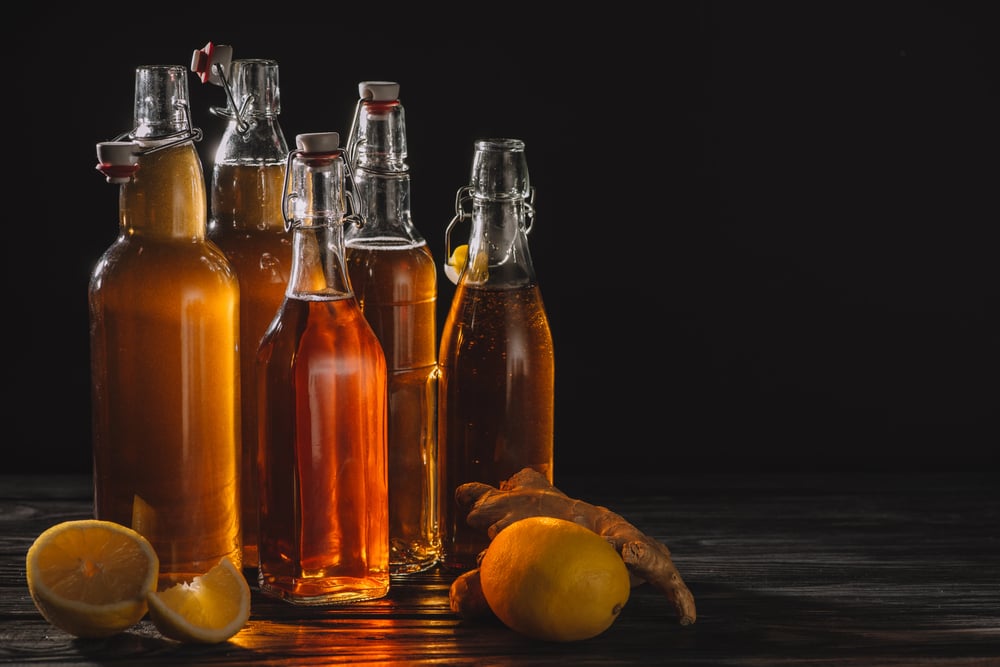
This fermented tea drink has graduated from health food stores to mainstream cafe menus. Kombucha’s tangy, slightly sour flavor profile appeals to people looking for something refreshing without the sugar content of soda.
Cafes now serve it on draft with various flavor options, from ginger-lemon to berry blends. The probiotic benefits give it an added health appeal, though plenty of people just enjoy the fizzy, complex taste that changes with each sip.
Ube Lattes

Purple yam from the Philippines has become an unlikely cafe star. Ube brings a naturally sweet, nutty flavor and a stunning lavender color that makes every drink look like art.
Cafes blend ube powder or paste with espresso and milk to create lattes that taste almost like dessert. The trend started in areas with large Filipino populations but has spread globally as people discover this unique ingredient.
The color alone makes it a social media favorite, but the subtle sweetness keeps customers ordering seconds.
Cascara Tea

Coffee lovers have found a new way to enjoy their favorite plant by brewing the dried fruit that surrounds coffee beans. Cascara produces a light, fruity tea that tastes nothing like coffee but carries hints of hibiscus and cherry.
This drink appeals to sustainability-minded customers since it uses a part of the coffee plant that often goes to waste. Cafes serve it hot or cold, sometimes sparkling, and it has become a gateway beverage for people who want to explore coffee culture beyond the bean itself.
Charcoal Lattes

Activated charcoal has made its way from wellness supplements into cafe drinks, turning lattes an intense black color. Proponents claim it helps with detoxification, though the science remains debatable.
What isn’t debatable is the visual impact of a pitch-black latte sitting next to traditional brown coffee drinks. Cafes typically blend the charcoal with coconut milk and sweeteners to balance the flavor, which on its own is basically neutral.
The trend might be more about aesthetics than health benefits, but it has staying power in certain markets.
Beetroot Lattes

This root vegetable has found an unexpected home in coffee drinks. Beetroot powder creates a vibrant pink or red latte that tastes earthy and slightly sweet.
Cafes market it as a natural energy booster packed with vitamins and minerals. The flavor takes some getting used to for people expecting traditional coffee or tea, but the color and health claims have made it popular among wellness influencers.
Some cafes add cacao or vanilla to soften the vegetable taste, creating a more approachable version for newcomers.
Lavender Honey Lattes
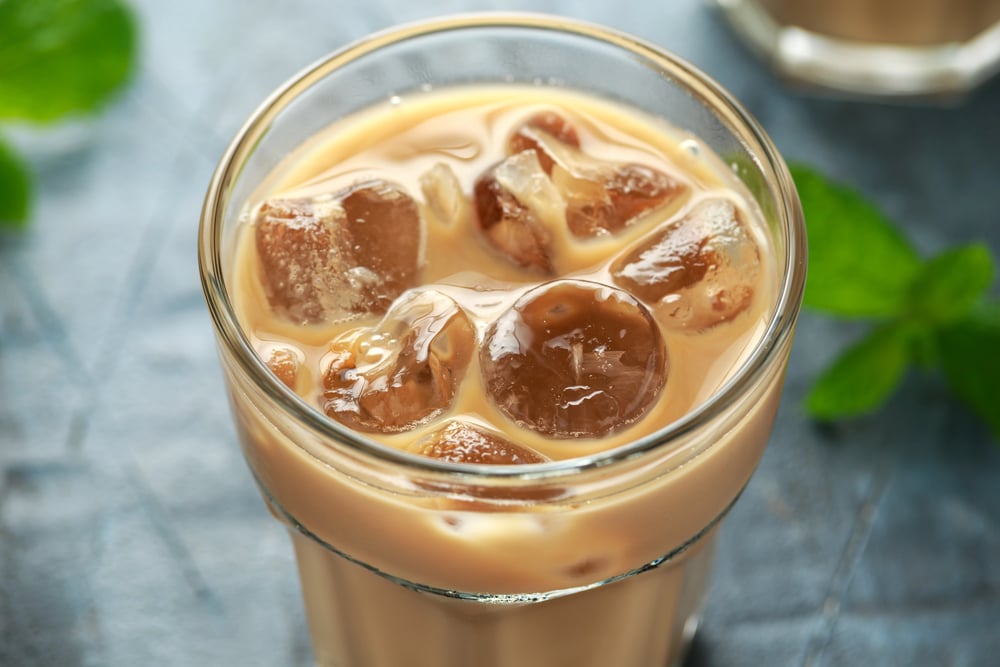
Floral flavors have entered the cafe scene in a big way, and lavender leads the charge. These lattes combine espresso with steamed milk, dried lavender, and honey for a drink that smells like a garden and tastes surprisingly balanced.
The key is using just enough lavender to add fragrance without making the drink taste like soap. Cafes have mastered this ratio, creating a calming beverage that appeals to people looking for a moment of relaxation with their caffeine.
The pale purple color doesn’t hurt the appeal either.
Sparkling Matcha

Someone figured out that adding carbonation to matcha creates an entirely new drinking experience. These fizzy green tea drinks combine matcha with sparkling water, sometimes with added fruit juice or sweeteners.
The bubbles lighten the earthy intensity of matcha and create a refreshing alternative to traditional lattes. Cafes serve them over ice, often garnished with fresh herbs or citrus.
This drink has become a summer hit, offering a way to enjoy matcha’s benefits without the heaviness of milk-based versions.
Horchata Cold Brew

This Mexican rice drink has merged with coffee culture to create something entirely new. Cafes steep cold brew in horchata, creating a sweet, cinnamon-spiced coffee drink with a creamy texture from the rice milk base.
The combination works surprisingly well, with the coffee’s bitterness balancing the horchata’s sweetness. This fusion beverage has gained traction in areas with strong Latin American communities and has spread outward as people discover the flavor combination.
It offers a unique alternative to standard iced coffee drinks.
Rose Cardamom Lattes
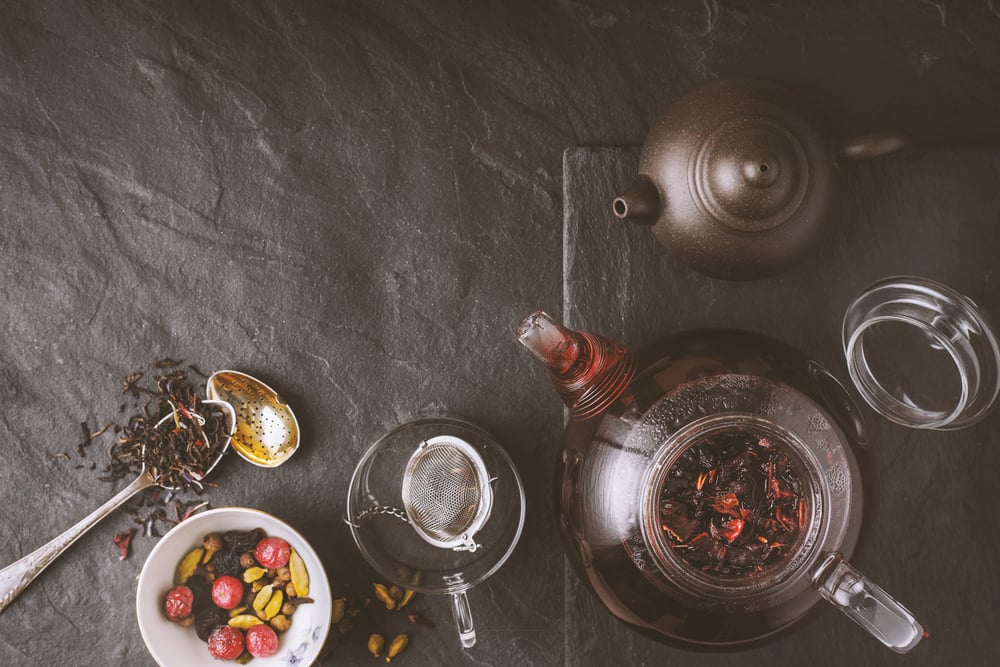
Middle Eastern and Indian spices have influenced modern cafe menus in unexpected ways. These lattes blend cardamom’s warm, aromatic flavor with delicate rose water and steamed milk.
Some versions include espresso while others skip the coffee entirely, focusing on the spice and floral combination. The result is a fragrant, slightly sweet drink that transports taste buds somewhere between a Turkish coffee house and an Indian chai stand.
Cafes often top these with dried rose petals, adding visual appeal to an already exotic beverage.
What Sticks Around

Not every trendy drink that appears on cafe menus will survive the next five years. Some of these beverages will fade as quickly as they arrived, remembered only through old social media posts and nostalgic conversations.
Others have already proven they have staying power by adapting to different markets and finding loyal customer bases. The drinks that succeed long-term offer more than just novelty.
They deliver on taste, provide some perceived benefit whether health-related or experiential, and fit into the daily routines people actually maintain. Cafes will keep experimenting because that’s what keeps customers curious and coming back, but the classics aren’t going anywhere either.
More from Go2Tutors!

- The Romanov Crown Jewels and Their Tragic Fate
- 13 Historical Mysteries That Science Still Can’t Solve
- Famous Hoaxes That Fooled the World for Years
- 15 Child Stars with Tragic Adult Lives
- 16 Famous Jewelry Pieces in History
Like Go2Tutors’s content? Follow us on MSN.