28 After-School Habits Kids Had in the ’80s That Would Shock Parents Today
The final bell rang around three o’clock, and for millions of kids in the 1980s that was the last time an adult would check on them until dinner. Nobody tracked their location, nobody texted to ask where they were, and nobody seemed especially worried about it.
Plenty of those afternoons were harmless. Others involved plywood, fire, open water and a surprising amount of unsupervised cooking.
Letting Themselves Into an Empty House

House keys on shoelaces, worn under the shirt, marked a certain kind of 1980s kid. With more mothers working full time, the latchkey child became common enough that newspapers ran worried features and publishers printed survival guides aimed at elementary students.
Kids walked home, opened the door, called a parent at work to report in, and then had two or three hours to themselves. Many were eight or nine years old.
Today a number of states have guidance on the minimum age for leaving a child home alone, and a few set a specific age, which would have surprised the parents who simply trusted the routine.
Riding Bikes Until the Streetlights Came On

Curfew in the 1980s was not a time on a clock. It was a light on a pole, and when the streetlights flickered on, kids knew it was time to pedal home.
Until then, their range could stretch miles from the house, across busy roads and into neighborhoods their parents had never visited. There was no way to reach them and no expectation of trying.
Researchers who study children’s independent mobility have found that the distance kids are allowed to roam alone has shrunk dramatically across generations, and the streetlight rule belongs to the era just before that contraction.
Building Plywood Ramps for BMX Jumps

A sheet of scrap plywood propped on a cinder block was all it took to turn a driveway into a BMX course. Kids launched Mongoose and Huffy bikes off wobbly homemade ramps, usually wearing sneakers, shorts and no helmet at all.
Crashes were treated as part of the education. Bicycle helmets were rare on children for most of the decade, and helmet laws for young riders mostly arrived in the 1990s or later.
Many states still have no child bike helmet law, but the sight of a helmetless ten-year-old hitting a homemade jump now draws immediate attention from any adult on the block.
Drinking Straight From the Garden Hose

Thirsty kids in the 1980s did not go inside for a glass of water. They grabbed the garden hose, let it run until the hot water in the line cleared out, and drank straight from the nozzle.
It was a summer ritual and an after-school one too. Few people thought about what the hose was made of, but many older garden hoses were never designed to carry drinking water, and some contained lead or other additives.
Modern hoses sold for that purpose are specifically labeled drinking water safe, a phrase that would have meant nothing to a kid in 1985.
Watching Cartoons for Hours With No Adult Around
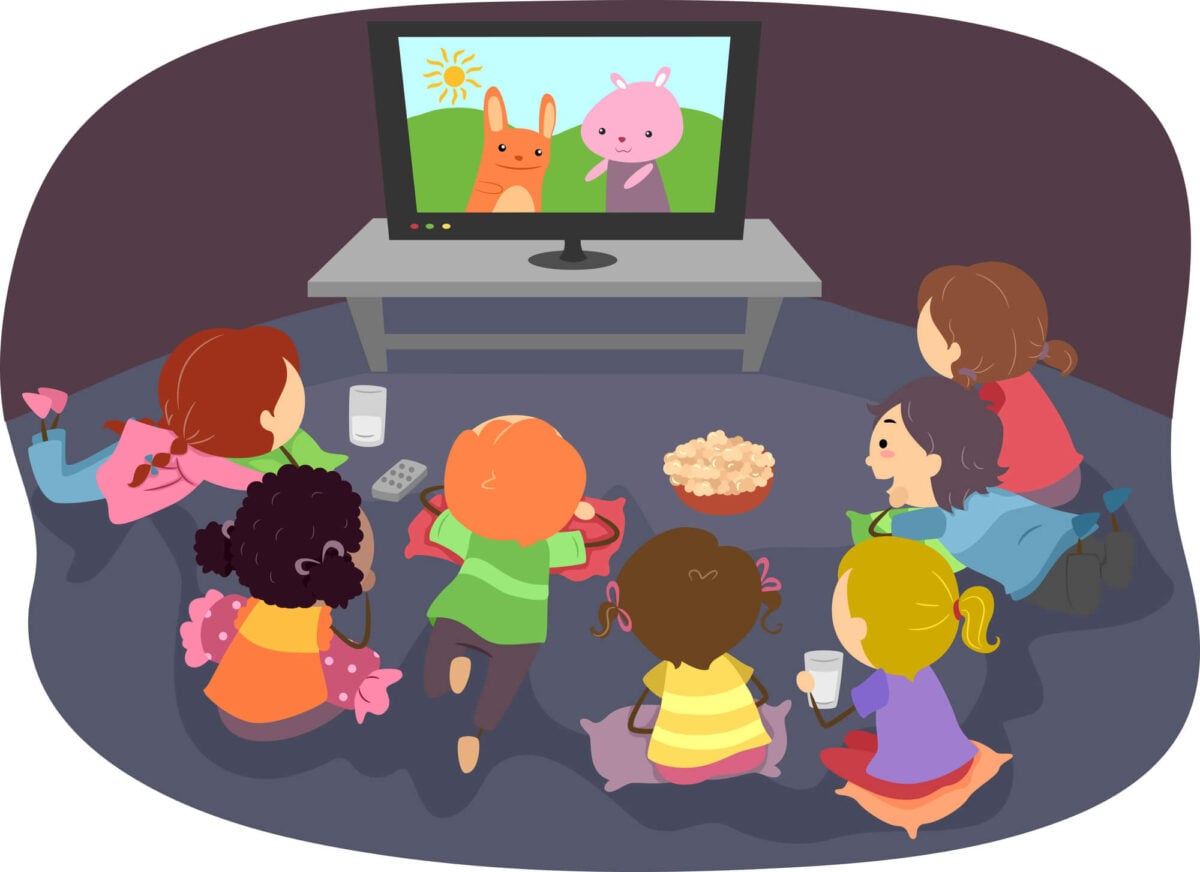
Syndicated cartoons filled the gap between school and dinner, and kids watched them for hours without anyone setting a limit. He-Man and the Masters of the Universe arrived in syndication in 1983, followed by shows like ThunderCats and DuckTales.
Many of those series were built around toy lines, and the commercials between segments sold the same toys again. No parental controls existed on the family set.
Pediatric groups now recommend limits and adult involvement in young children’s screen time, and a kid parked alone in front of three straight hours of toy-driven programming would strike many families today as a problem.
Cooking Dinner on the Stove Alone

Plenty of 1980s kids made their own after-school meals on a gas or electric stove with nobody watching. Boxed macaroni and cheese, instant ramen, grilled cheese and canned soup were the core menu.
Some ten-year-olds regularly got dinner going for the family so it would be ready when parents got home. Microwaves became common in American kitchens during the decade, but the stovetop still did most of the work.
Fire safety groups today point out that cooking is a leading cause of home fires, and many parents keep kids off the burners until well into the teenage years.
Babysitting Younger Siblings at Eleven

Older kids in the 1980s were routinely handed responsibility for younger brothers and sisters for entire afternoons. An eleven-year-old might be in charge of getting a five-year-old off the bus, fed and kept out of trouble until a parent came home.
Neighbors hired kids that age to watch their children too. The American Red Cross babysitting course is designed for students around eleven to fifteen, so the age itself was not always unusual.
What stands out now is how casually the arrangement was made, often without training, a written list of emergency numbers or a phone check-in.
Walking to the Corner Store With a Pocket of Change

Coins earned from chores went straight to the nearest convenience store, often a walk of several blocks along busy streets. Kids bought Slurpees, penny candy, packs of gum and comic books off the spinner rack.
The trip required no adult and no permission beyond a quick shout on the way out the door. Store clerks knew the regulars by face.
Parents today often hesitate to let a child walk alone to a store even a few blocks away, and in some communities a lone nine-year-old on a sidewalk can prompt a call to the authorities.
Running a Paper Route Before and After School
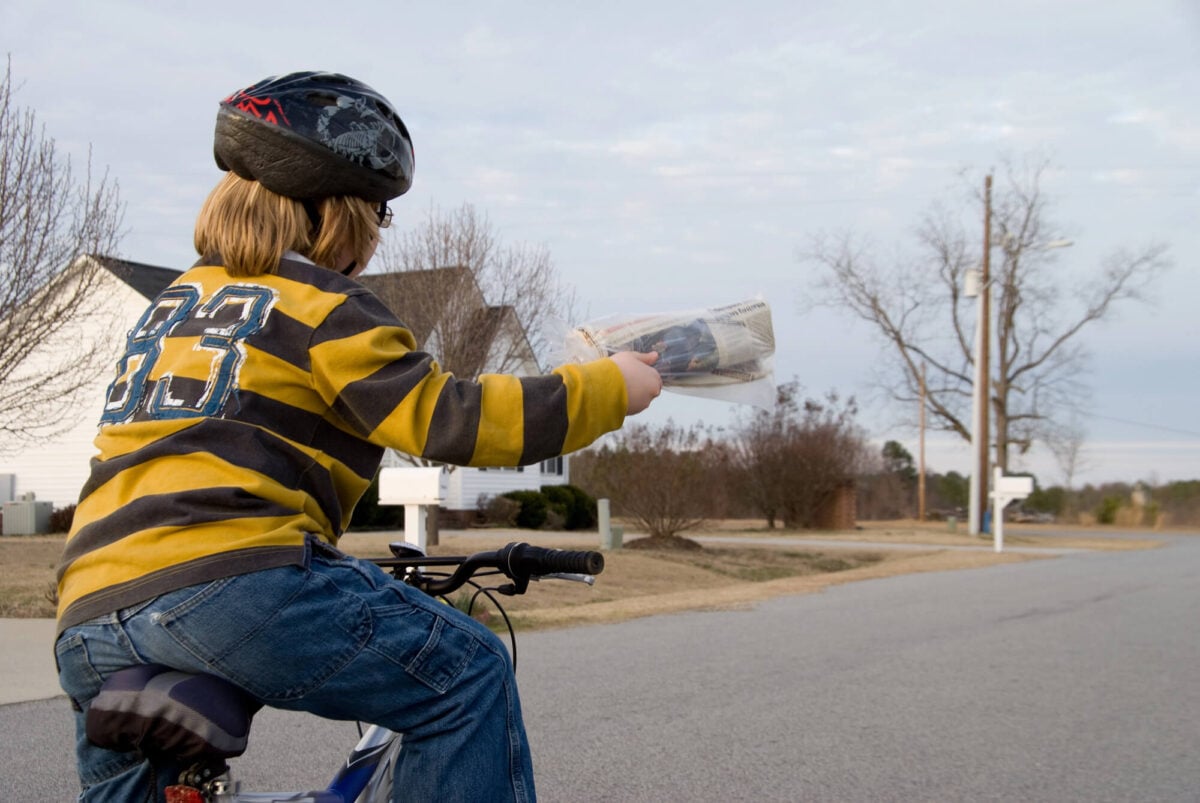
Delivering the local newspaper was one of the classic first jobs for kids as young as ten or eleven. They folded papers, loaded canvas bags onto bike handlebars and rode their routes in the afternoon, then went door to door on collection day asking customers to pay what they owed.
That meant carrying cash through the neighborhood and knocking on strangers’ doors alone. Most papers eventually shifted delivery to adult contractors driving cars, especially as more subscribers moved to morning editions.
The newspaper carrier boy, once a staple of American childhood, is now a rare sight.
Selling Fundraiser Candy Door to Door

School and scout fundraisers sent kids out with boxes of chocolate bars or catalogs of wrapping paper and orders to knock on every door in the neighborhood. World’s Finest Chocolate, which has sold fundraising candy since the 1940s, was a familiar name on those boxes.
Children walked the streets alone after school, rang strangers’ doorbells and handled the cash themselves. The pitch was often memorized word for word.
Many schools now recommend that children sell only to family and friends or with an adult present, and much fundraising has moved online, where a parent can share a link instead.
Exploring Half-Built Houses in New Subdivisions
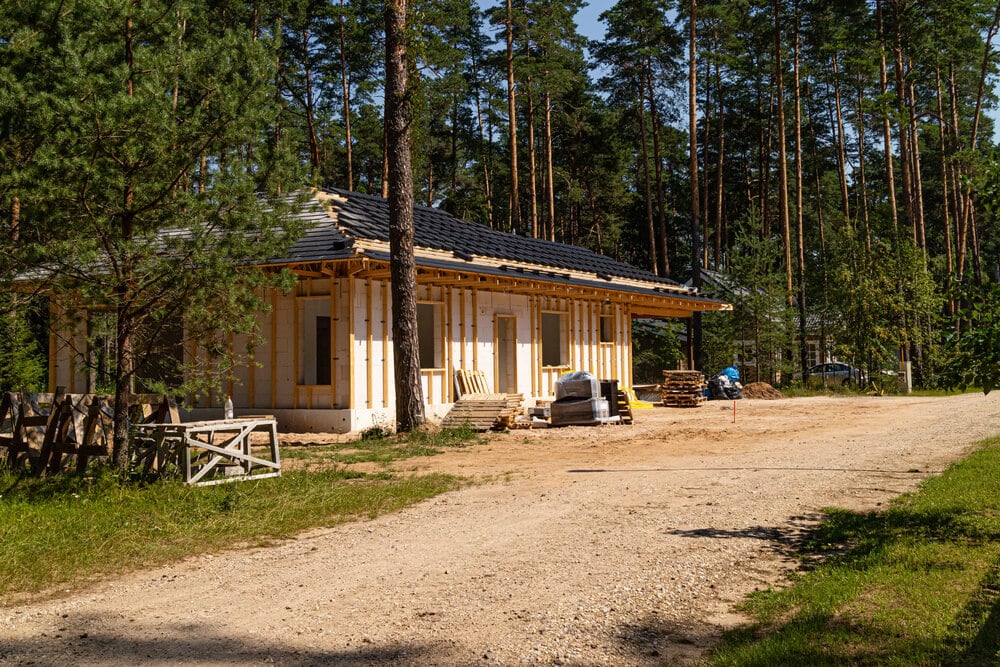
Suburban growth in the 1980s left framed-out houses standing empty on evenings and weekends, and kids treated them like jungle gyms. They climbed open staircases with no railings, walked across second-floor joists, and collected bent nails and scraps of lumber for their own projects.
Dirt mounds became bike trails. Construction sites are among the more dangerous places a child can wander, with open trenches, loose materials and heavy equipment.
Today most builders fence off active sites and post no trespassing signs, and many install cameras, which ends most after-school expeditions before they begin.
Wading Through Creeks and Storm Drains

Drainage ditches, creeks and concrete storm channels drew kids looking for crayfish, frogs and adventure. Some crawled into culverts and pipes that ran beneath roads, exploring as far as their flashlights allowed.
Nobody at home knew exactly where they were. The danger was real, because storm drains can fill with fast-moving water in minutes when rain begins upstream, even under a clear local sky.
Public safety agencies now issue regular warnings to keep children away from drainage channels, and the idea of a child crawling alone into a culvert would alarm most parents immediately.
Bouncing on Trampolines Without Safety Nets

Backyard trampolines in the 1980s were bare metal frames with exposed springs and nothing around the edges but grass or concrete. Kids bounced three or four at a time, attempted flips they had seen on television, and occasionally flew off the side.
The mesh safety enclosures that now surround most home trampolines did not become widespread until the late 1990s. The American Academy of Pediatrics discourages recreational home trampoline use entirely, citing injury data.
A trampoline with no net and a pile of kids doing backflips would today prompt a quick call inside for an adult.
Tossing Lawn Darts Across the Yard

Lawn darts were weighted, pointed projectiles meant to be lobbed underhand toward a plastic ring on the grass. Kids often threw them straight up in the air or at each other instead.
Brands like Jarts were sold as family games for years, even as injuries mounted. After several children died from lawn dart injuries, the Consumer Product Safety Commission banned the sale of lawn darts in the United States in 1988.
Anyone who played with them in the early part of the decade remembers exactly how heavy those steel-tipped darts felt in a small hand.
Playing on Metal Slides Over Asphalt

Neighborhood and school playgrounds of the 1980s featured tall steel slides, metal monkey bars and merry-go-rounds, often set over packed dirt, gravel or asphalt. On a sunny afternoon, a metal slide could get hot enough to burn skin through thin shorts.
Falls from high climbing structures were common and hard. The Consumer Product Safety Commission published its first public playground safety handbook in 1981, and over the following decades playgrounds shifted to plastic equipment, shorter heights and impact-absorbing surfaces like rubber mulch.
Many of the old steel giants were simply torn out.
Riding in the Bed of a Pickup Truck
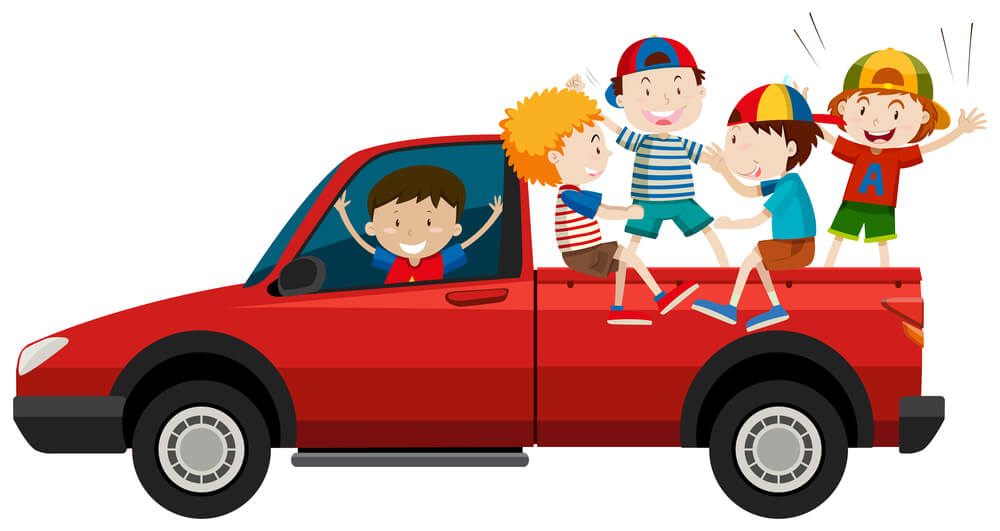
A ride to practice or to a friend’s house in the 1980s might mean climbing into the open bed of a pickup truck and sitting on the wheel wells. Kids loved the wind, the view and the bumps.
Parents and neighbors thought nothing of it. There were no seat belts in the bed, and a sudden stop or rollover could throw passengers onto the road.
Many states now restrict or ban riding in pickup cargo areas, especially for children, and a truck loaded with kids in the back would likely get pulled over in a number of places today.
Knocking on Doors to See if Friends Could Play
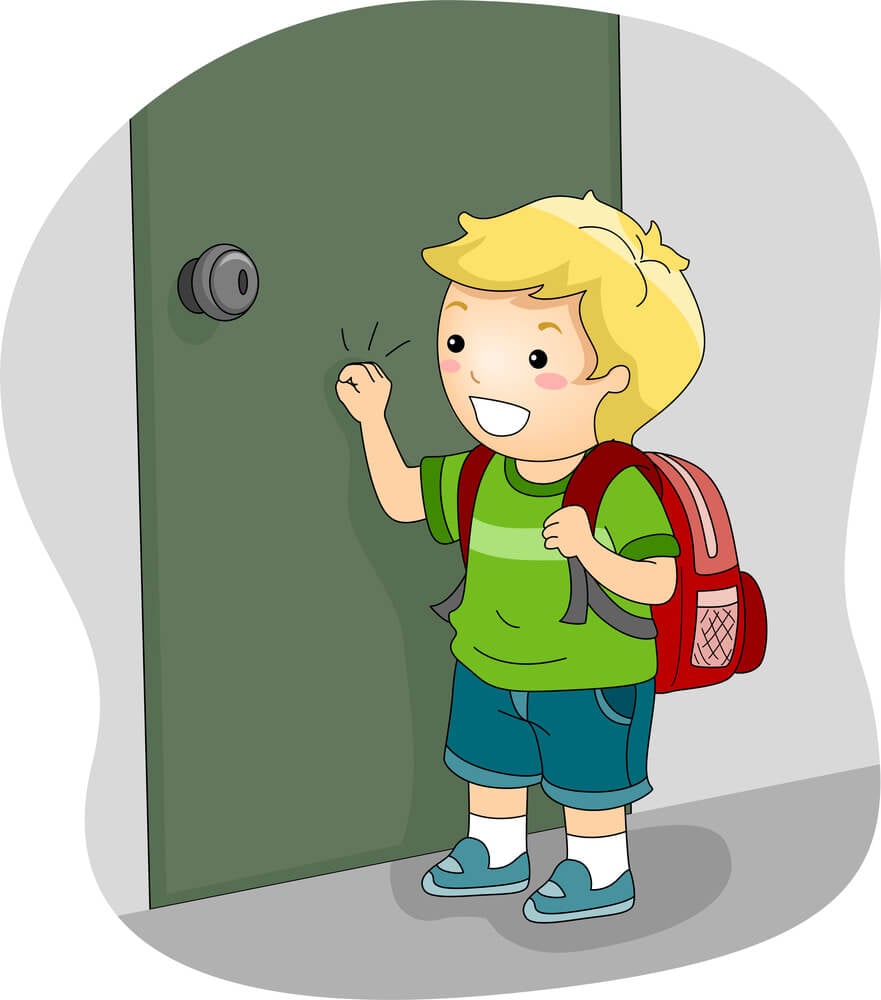
Before texting, the way to find out whether a friend was free was to walk or bike to the house and knock. If nobody answered, kids moved on to the next friend’s house and kept going until they had assembled a group.
Parents answering the door would often call up the stairs without a second thought. This informal system meant kids crossed the neighborhood multiple times an afternoon with nobody knowing their route.
Many families today coordinate playdates by text between adults, and an unannounced knock from a nine-year-old can feel almost jarring.
Making Prank Calls From the Kitchen Phone

Bored kids with a corded phone and a phone book discovered the prank call. They asked stores whether they had Prince Albert in a can or called random numbers to ask if their refrigerator was running.
The prank worked because the person answering had no idea who was calling. Caller ID only became widely available in the early 1990s, and call return features arrived around the same time.
Today almost every call arrives with a name or number attached, and a prank could be traced back to a household in seconds, which has largely ended the tradition.
Burning Leaves With a Magnifying Glass

A magnifying glass on a sunny afternoon became a kid’s first science experiment in heat and light. Children focused sunlight into a tiny bright point to scorch leaves, melt plastic army men or burn their initials into scraps of wood.
Some went further and targeted anthills. Adults occasionally supplied the magnifying glass themselves, calling it educational.
A focused beam of sunlight can reach temperatures high enough to ignite dry paper and grass, and wildfire agencies in some regions warn against the practice during dry seasons, which few kids in 1985 ever considered.
Target Practice With a Daisy BB Gun

The Daisy Red Ryder BB gun was a common gift for kids around ten or eleven, and the 1983 film A Christmas Story only added to its reputation. After school, kids set up soda cans on fence posts and practiced in backyards or empty lots.
Some went hunting for squirrels and birds. The warnings about shooting an eye out were real, since BB guns cause thousands of eye and other injuries every year.
Many cities today regulate where air guns can be fired, and some treat a child openly carrying one as a serious safety concern.
Setting Off Firecrackers and Bottle Rockets

Leftover fireworks from summer holidays tended to resurface on random afternoons. Kids lit firecrackers, bottle rockets and smoke bombs in driveways and fields, sometimes holding them in hand until the last second.
Some launched bottle rockets at each other in mock battles. Fireworks laws vary widely by state, but several states restrict or ban bottle rockets and other aerial consumer fireworks.
Hospital emergency rooms still treat thousands of fireworks injuries each year, many involving children. The sight of a ten-year-old lighting a string of firecrackers alone would today bring neighbors running.
Nailing Together Tree Forts From Scrap Lumber

Every neighborhood seemed to have at least one tree fort, cobbled together from salvaged boards, rusty nails and whatever tools kids could sneak out of the garage. Builders climbed ladders made from slats nailed straight into the trunk and worked high above the ground with hammers and saws.
Floors were often uneven and railings optional. Many of those forts would never pass a basic inspection, and some towns now require permits for treehouses above a certain size.
Modern kits come with engineered brackets and safety guidance, but the kid-built version relied entirely on hope.
Swimming in Ponds and Quarries Without Adults

Local ponds, lakes, rivers and abandoned quarries were summertime and after-school destinations for kids on bikes. Nobody checked water depth or kept a lifeguard on duty.
Rope swings hung over rivers, and older kids dared younger ones to jump from ledges. Quarries in particular hid danger, since their water can be extremely cold and deep, with submerged machinery or rock below the surface.
Many old quarries are now posted with no swimming signs, and water safety experts recommend constant adult supervision for children around open water. The unsupervised quarry trip has become a thing of memory.
Ringing Doorbells and Running for Cover

Ding dong ditch was a simple neighborhood game. Kids crept up to a front door, rang the bell and sprinted to hide behind bushes or cars before anyone answered.
Some added a twist by leaving a paper bag on the step. Avoiding capture was the entire point.
Doorbell cameras have changed the game completely, recording faces, clothing and escape routes in high definition. Clips of kids playing the prank now circulate on social media, and some have led to confrontations with homeowners, turning an old joke into something with much higher stakes.
Getting Dropped Off at the Mall for Hours

The shopping mall was the teenage hangout of the 1980s, and parents often dropped kids off with a few dollars and a pickup time. Groups of twelve-year-olds wandered through record stores, the food court and the arcade for hours without an adult in sight.
Some malls grew so crowded with unsupervised teens that owners later introduced parental escort policies. The Mall of America adopted such a policy in 1996, requiring younger visitors to be accompanied during certain evening hours, and many other malls followed with rules of their own.
Mixing a Full Cup of Sugar Into Kool-Aid

Kids often made their own drinks after school, and unsweetened Kool-Aid packets required adding sugar straight from the canister. The standard instruction called for a full cup of sugar per two quarts of water, and plenty of kids added more for good measure.
They also ate Pixy Stix, Fun Dip and powdered drink mix straight from the packet. Nobody measured daily sugar intake.
Pediatric and heart health groups now recommend that children consume very little added sugar, and a kid pouring a heaping cup into a pitcher would get a very different reaction today.
Walking to and From School Alone
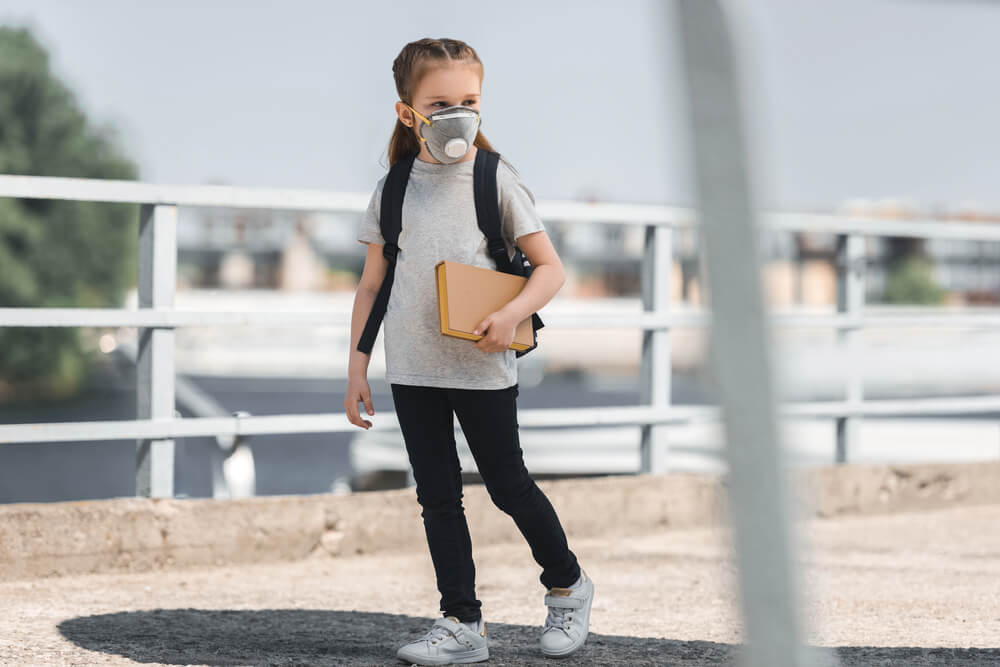
For many children in the 1980s, the trip to and from school happened on foot or by bike, often without an adult. Walking a mile or more was ordinary, and kids formed loose groups along the way.
Federal travel surveys show the shift clearly, with nearly half of American students walking or biking to school in 1969 compared with about 13 percent by 2009. Concerns about traffic, distance and safety drove much of the decline.
Today the school pickup line, stretching around the block with idling cars, has largely replaced the neighborhood walk home.
Mowing Neighbors’ Lawns for Cash
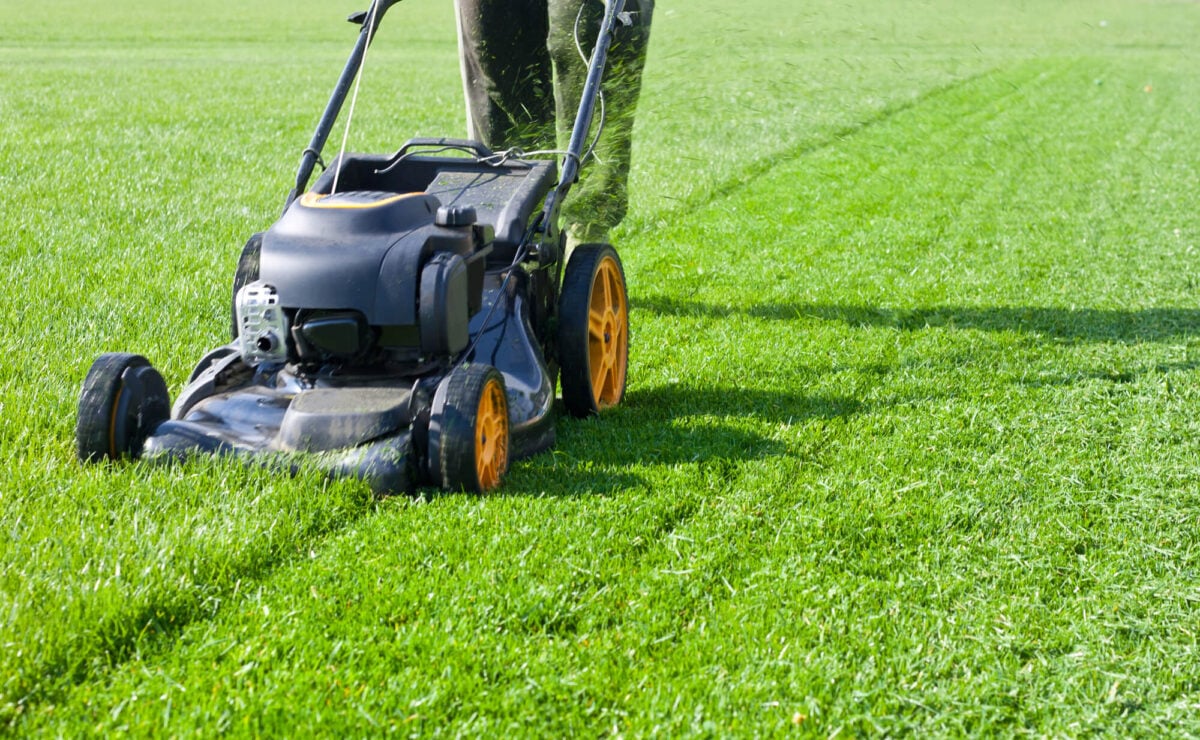
Kids as young as ten pushed gas-powered mowers around their own yards and hired themselves out to neighbors for a few dollars a lawn. Some rode family tractor mowers without much instruction.
It was seen as a way to teach responsibility and earn pocket money. The American Academy of Pediatrics recommends children be at least 12 before operating a walk-behind mower and 16 before using a riding mower.
Mowers send thousands of children to emergency rooms every year in the United States, and a fifth grader running a mowing business would likely draw concern now.
Freedom Measured in Streetlights
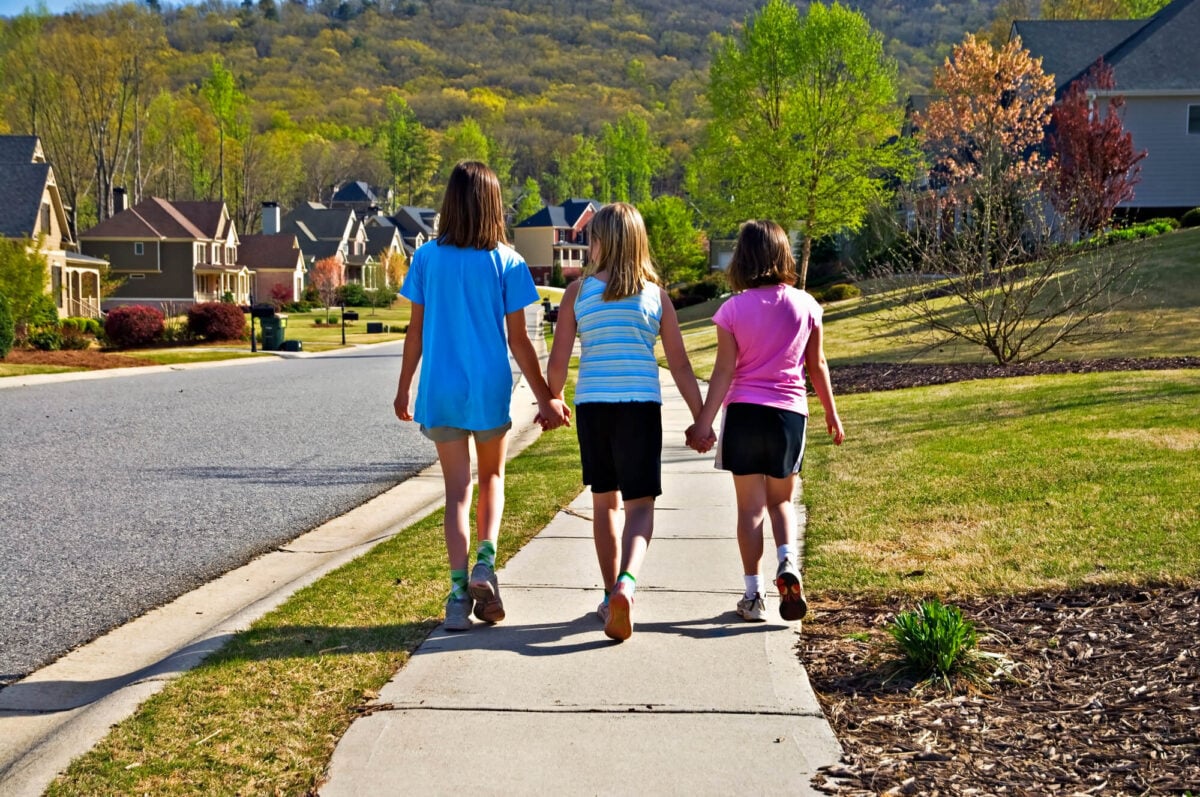
Kids of the 1980s were not braver or tougher than kids today. They were simply given more room and less supervision, partly by choice and partly because working parents had few alternatives.
The results were a mix of independence, scraped knees and a few genuinely dangerous close calls. Parents today have more information about risk and more tools to manage it, from location apps to doorbell cameras.
The tradeoff is that children have fewer afternoons that belong only to them. Somewhere between the latchkey era and the constant check-in, families are still looking for the balance.
More from Go2Tutors!

- The Romanov Crown Jewels and Their Tragic Fate
- 13 Historical Mysteries That Science Still Can’t Solve
- Famous Hoaxes That Fooled the World for Years
- 15 Child Stars with Tragic Adult Lives
- 16 Famous Jewelry Pieces in History
Like Go2Tutors’s content? Follow us on MSN.