31 Historic Photos Taken Moments Before Everything Changed
Most photographs record a moment that turned out to be ordinary. A small number record a moment that only looked ordinary, and the gap between what the camera saw and what happened next is what gives them their weight.
The people in these frames are waving, smiling, reading, boarding, or simply walking. None of them knew what the next minute, hour or day would bring.
The photographers usually did not know either, which is exactly why the pictures feel so unguarded.
Wright Flyer Lifting Off at Kitty Hawk
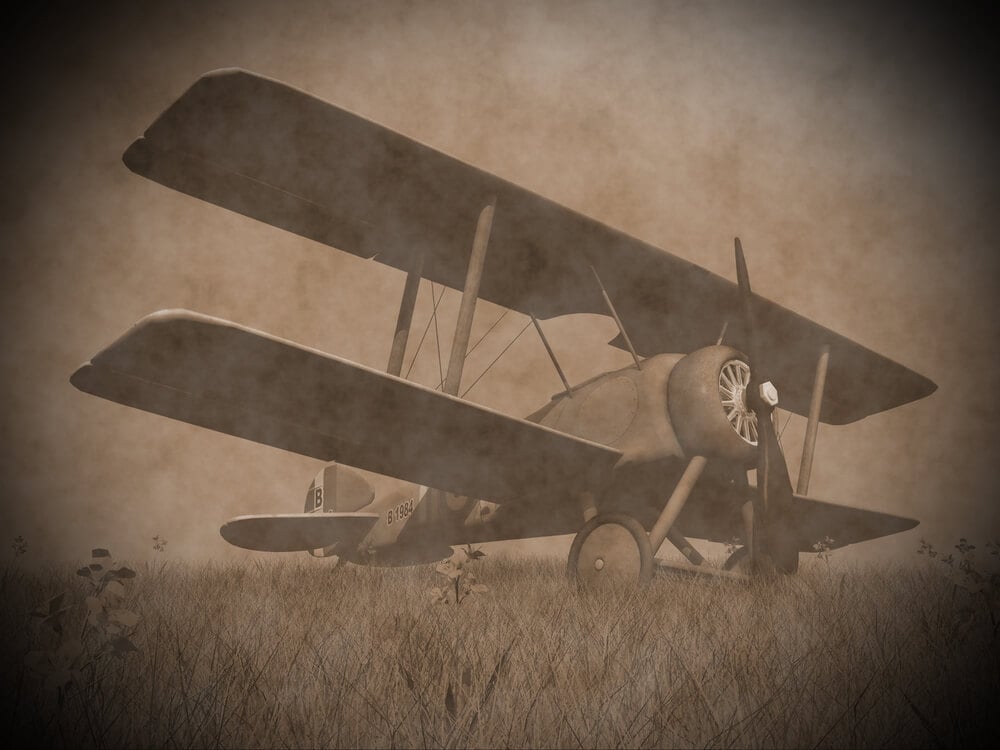
On December 17, 1903, Orville Wright set up a glass-plate camera on a tripod near the launching rail and asked John T. Daniels, a member of the nearby lifesaving station, to squeeze the shutter bulb if anything happened. Daniels had never taken a photograph before.
His single exposure caught the Flyer a few feet off the sand with Wilbur Wright running alongside, frozen mid-stride as if unsure whether to follow. The flight lasted 12 seconds and covered 120 feet.
That accidental masterpiece is still the only photograph of the first powered, controlled airplane flight, and it was taken by a man who had no idea how to use a camera.
Father Browne’s Last Pictures Aboard Titanic
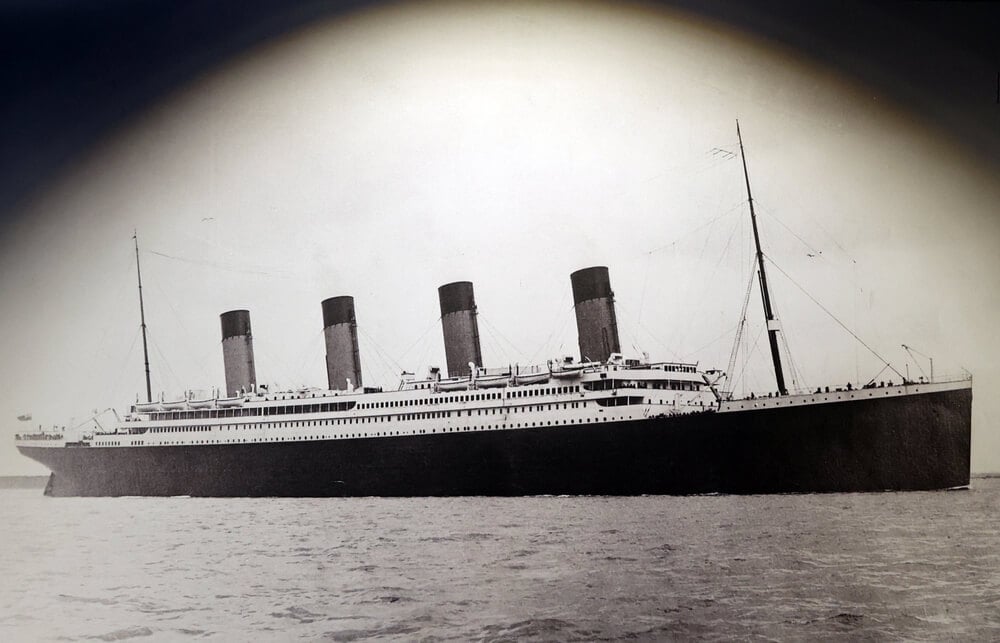
Francis Browne, a young Jesuit, was given a ticket for the first leg of Titanic’s maiden voyage in April 1912, sailing from Southampton to Queenstown in Ireland. He photographed passengers on deck, the gymnasium, the Marconi room and the ship’s officers during the short trip.
An American couple offered to pay for him to continue to New York, and he wired his superior for permission. The reply ordered him off the ship.
His images, taken days before the sinking, became some of the last photographs of the liner and many of the people on board, and his negatives stayed largely unseen until they were rediscovered in 1985.
Lincoln’s Second Inauguration With Booth in the Crowd
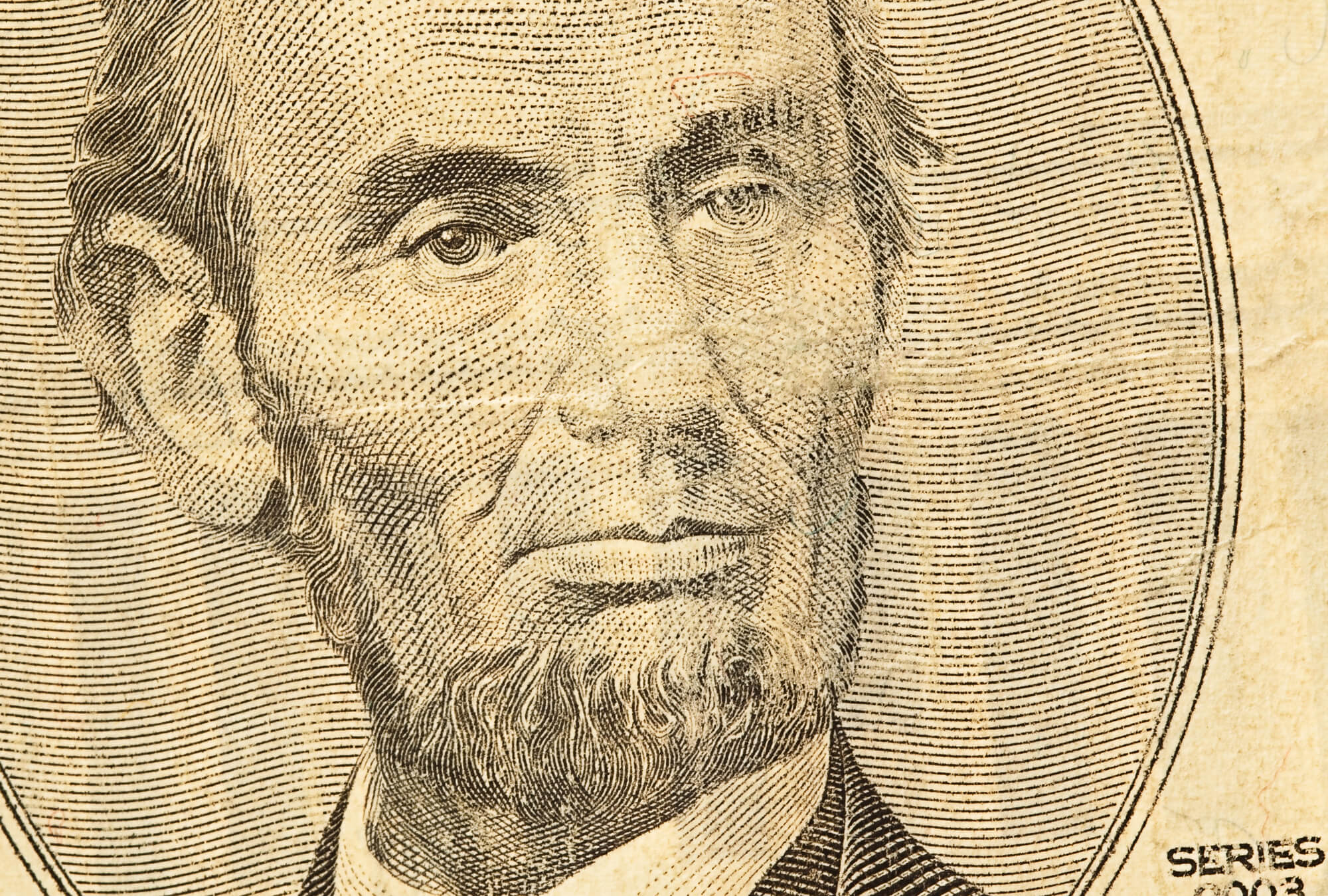
Alexander Gardner photographed Abraham Lincoln delivering his second inaugural address on March 4, 1865, from the east front of the Capitol. The crowd was enormous and the image looks like a routine record of a ceremony.
Decades later, researchers studying the plates identified John Wilkes Booth standing on the balcony above the president, along with several men later tied to the assassination conspiracy. Lincoln was shot while watching a play in Washington just 41 days after the picture was taken.
The photograph captures the president and his killer within the same frame, separated by only a few yards of stone and a few weeks of time.
McKinley Arriving at the Temple of Music
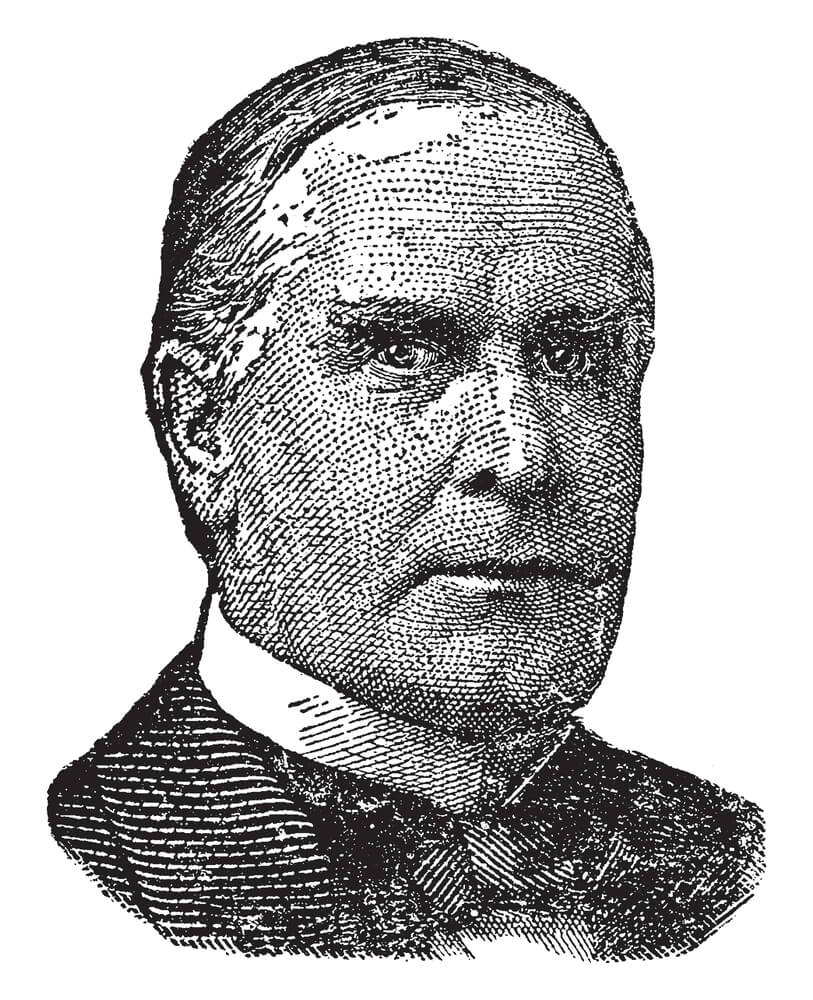
President William McKinley spent September 6, 1901, at the Pan-American Exposition in Buffalo, New York, and photographers followed him through the day. Images show him arriving at the Temple of Music for a public reception line, relaxed and surrounded by officials.
Inside, Leon Czolgosz waited in the line with a revolver wrapped in a handkerchief, and shot the president twice when he reached him. McKinley died eight days later from gangrene around the wound.
The pictures from that afternoon show a president who had been warned about the reception and chose to attend anyway because he enjoyed meeting the public.
Franz Ferdinand Leaving Sarajevo Town Hall
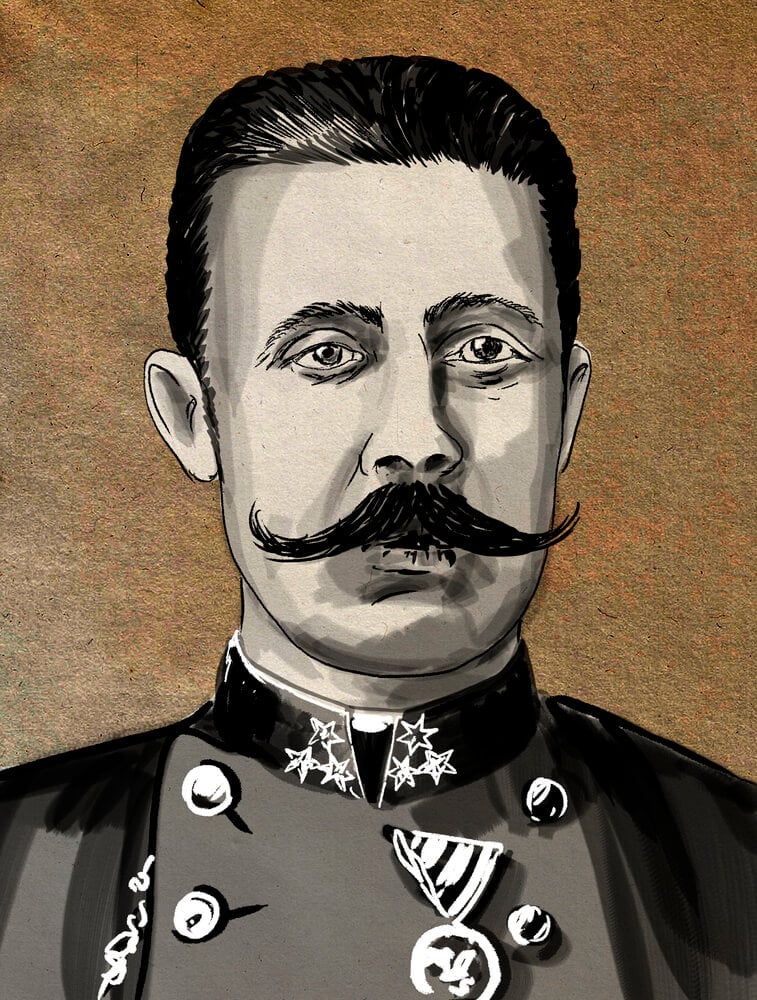
Archduke Franz Ferdinand and his wife Sophie were photographed on June 28, 1914, descending the steps of Sarajevo’s town hall and climbing into an open car. An earlier grenade attack that morning had failed, and the couple insisted on visiting the wounded in hospital.
Their driver took a wrong turn onto Franz Joseph Street, stopped to reverse, and halted almost directly in front of Gavrilo Princip, who had given up and wandered off. Princip fired twice at close range.
The photographs of the couple leaving the building, composed and formal, are among the last taken before the killings that set off the First World War.
Chamberlain Waving the Paper at Heston Aerodrome
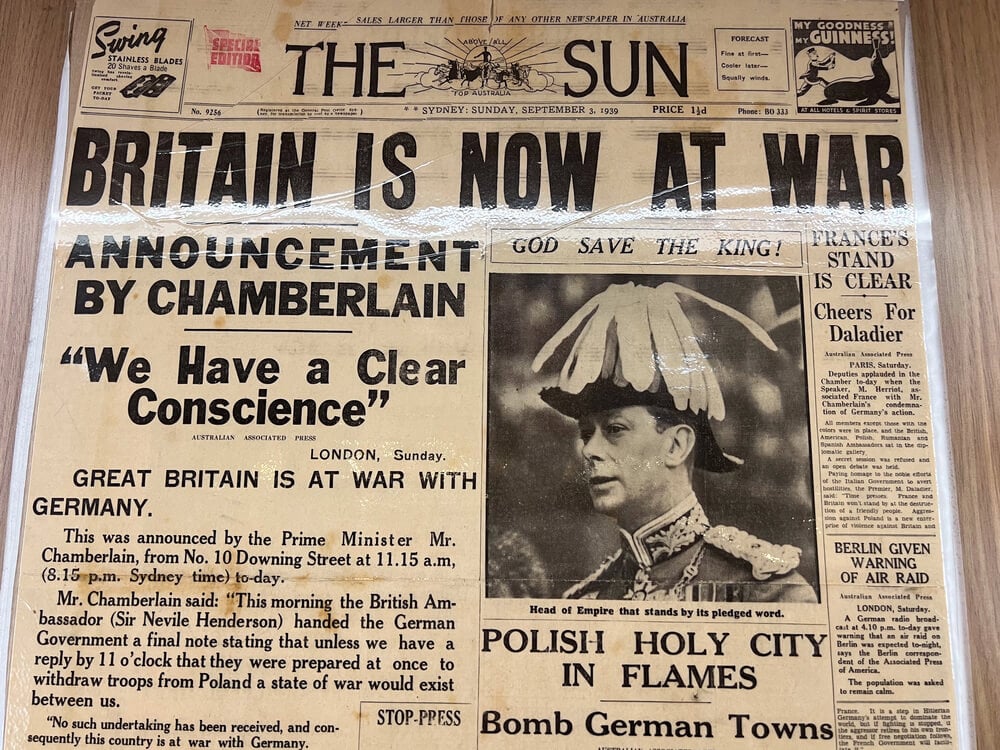
Neville Chamberlain stepped off his plane at Heston Aerodrome near London on September 30, 1938, and held up a sheet of paper bearing his signature and Adolf Hitler’s. Photographers caught him smiling beside the aircraft as he announced that the Munich agreement had secured peace.
That evening he repeated the claim from a window in Downing Street. Germany occupied the rest of Czechoslovakia in March 1939 and invaded Poland that September, and Britain declared war on September 3.
The picture of the prime minister waving that single sheet has become shorthand for misplaced confidence, although it was taken during a moment of genuine national relief.
Lusitania’s Final Departure From New York
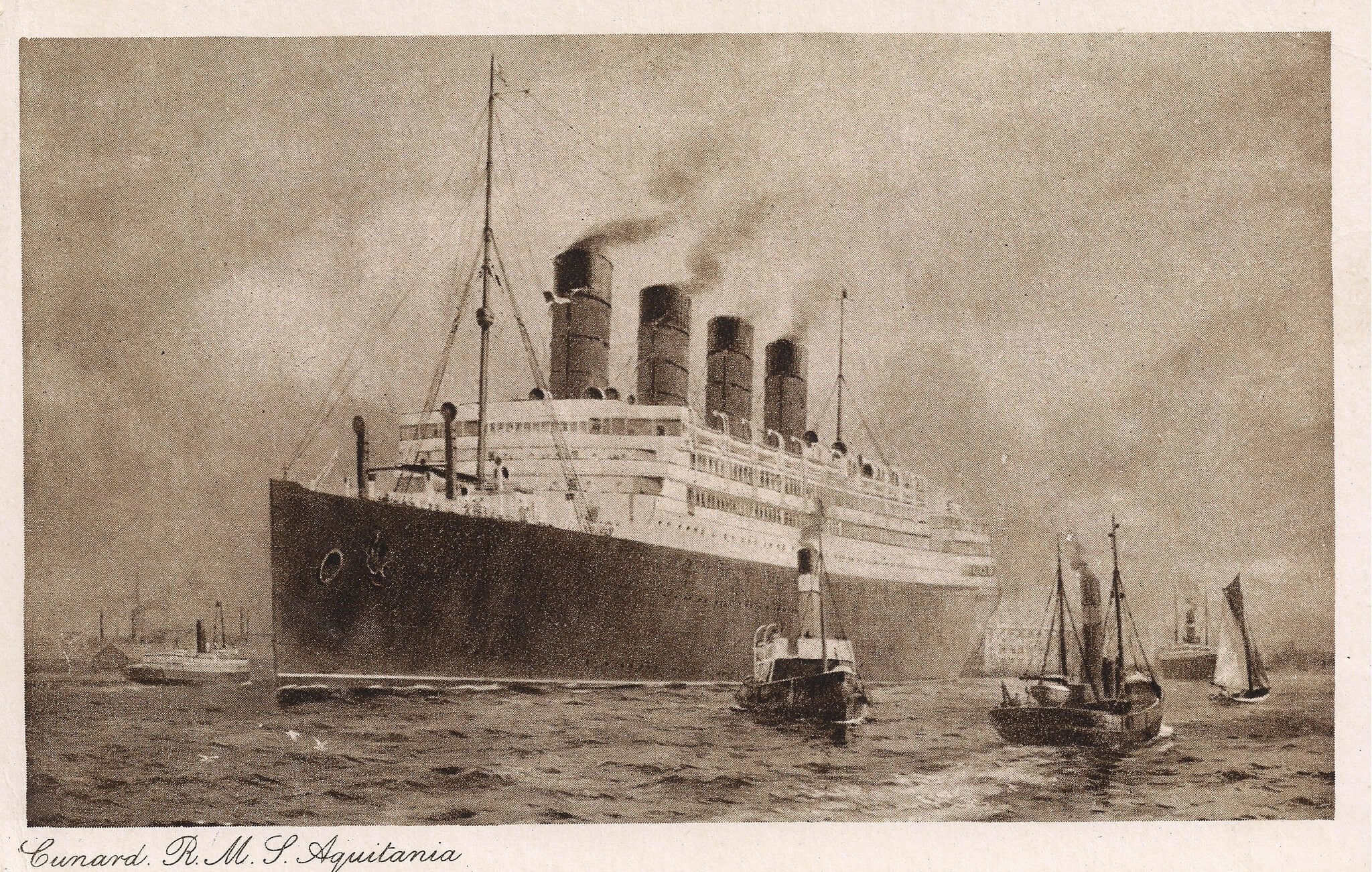
Crowds lined Pier 54 in Manhattan on May 1, 1915, and photographers recorded the Cunard liner Lusitania easing out into the Hudson. That same morning, several New York newspapers carried a notice from the German embassy warning travelers that ships flying the British flag were liable to destruction in the war zone around the British Isles.
Many passengers joked about it. Six days later, a German submarine torpedoed the ship off the Old Head of Kinsale in Ireland, and it sank in about 18 minutes.
Nearly 1,200 people died, including more than 120 Americans, and the departure images show a festive send-off unaware of any real danger.
Mallory and Irvine at the North Col
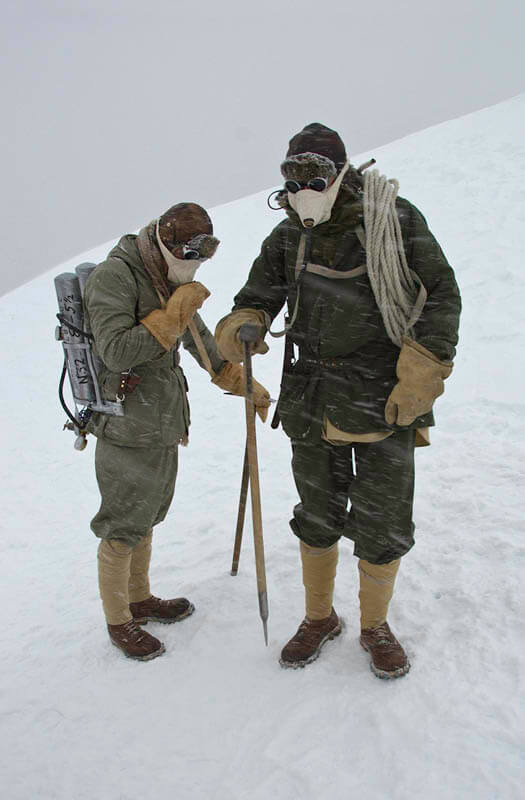
Noel Odell took a photograph on June 6, 1924, showing George Mallory and Andrew Irvine at the North Col camp on Everest, preparing to set off with their oxygen apparatus. It is generally regarded as the last photograph of the pair.
Two days later, Odell glimpsed two figures moving high on the northeast ridge before cloud closed over them, and neither climber returned. Mallory’s body was found in 1999, but whether either man reached the summit remains unresolved.
The camera the expedition carried has never been recovered, which is why that last image from the col carries such unusual weight among mountaineers.
Scott’s Party at the South Pole
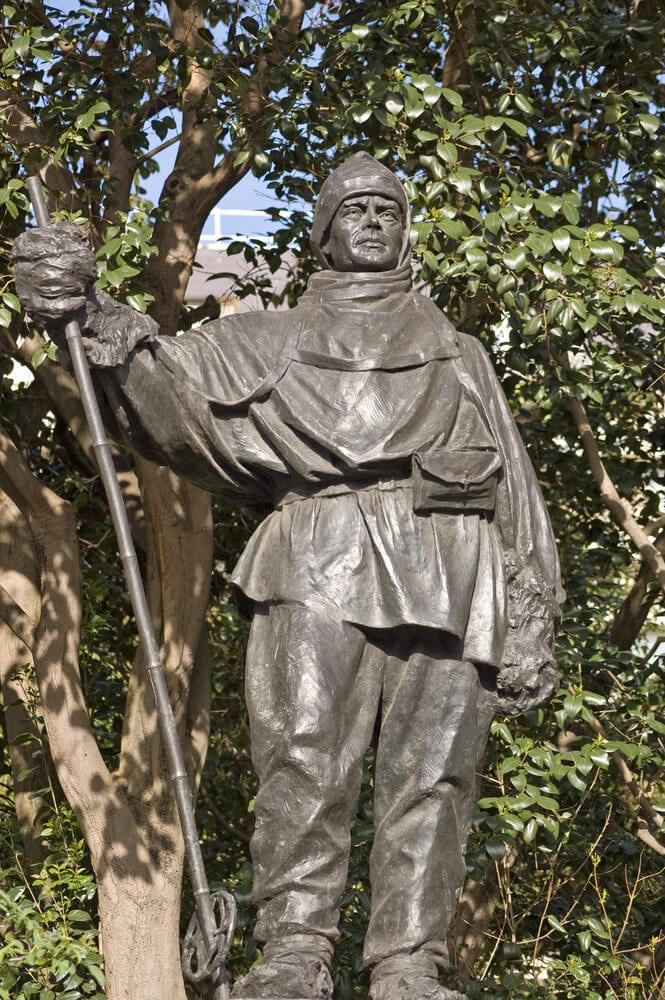
Captain Robert Falcon Scott and his four companions reached the South Pole in January 1912 and found a tent and a Norwegian flag left by Roald Amundsen’s team, which had arrived about five weeks earlier. Henry Bowers set up the camera and triggered it with a string for a group portrait.
The five men stand and sit in heavy furs, faces drawn and unmistakably defeated. None survived the return trek.
Their bodies, diaries and the exposed film were found by a search party that November, and the photograph became one of the most haunting records of polar exploration ever developed.
Lindbergh Leaving Roosevelt Field
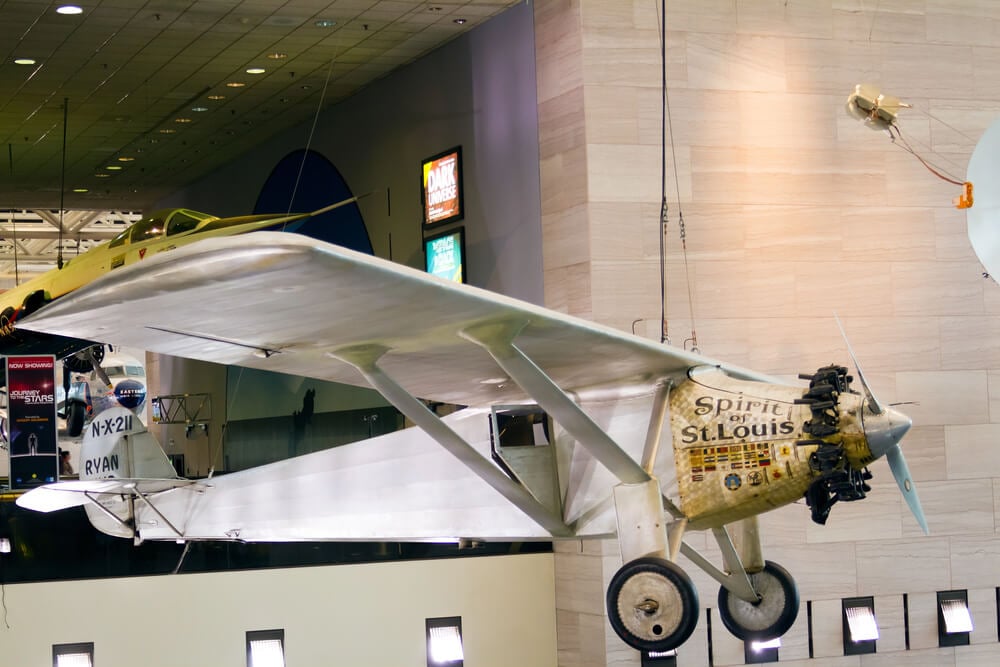
Early on May 20, 1927, the Spirit of St. Louis sat heavy with fuel on a muddy runway at Roosevelt Field on Long Island, and photographers recorded Charles Lindbergh climbing in and the plane lumbering down the strip. Several people watching expected it to crash, because the aircraft barely cleared the telephone wires at the end of the field.
Lindbergh landed at Le Bourget outside Paris about 33 and a half hours later, completing the first solo nonstop flight across the Atlantic. The departure photographs show an unknown airmail pilot, and the arrival turned him into perhaps the most famous man alive.
Busby Babes Lined Up in Belgrade
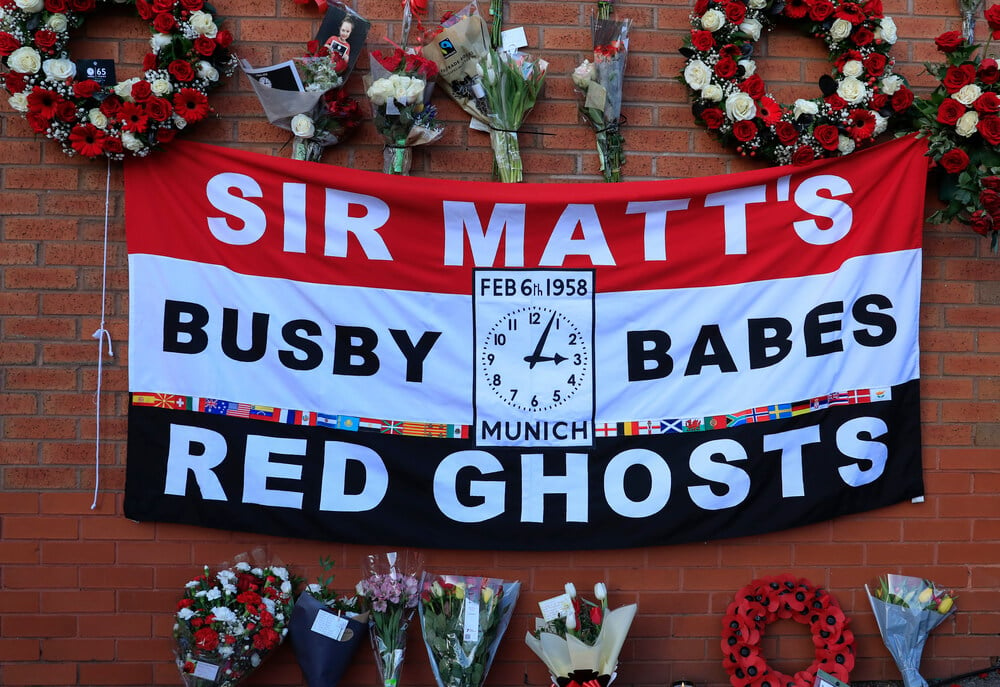
Manchester United’s young soccer team, nicknamed the Busby Babes after manager Matt Busby, posed for a team photograph in Belgrade in February 1958 before a European Cup match against Red Star Belgrade. The game ended in a draw that sent the team into the semifinals.
On the way home, their chartered plane stopped to refuel in Munich and crashed on its third attempt to take off from a slush-covered runway on February 6. Twenty-three people died, including eight players.
That lineup in Belgrade is widely described as the last photograph of the team together, taken the day before the crash.
Kennedy Motorcade on Main Street
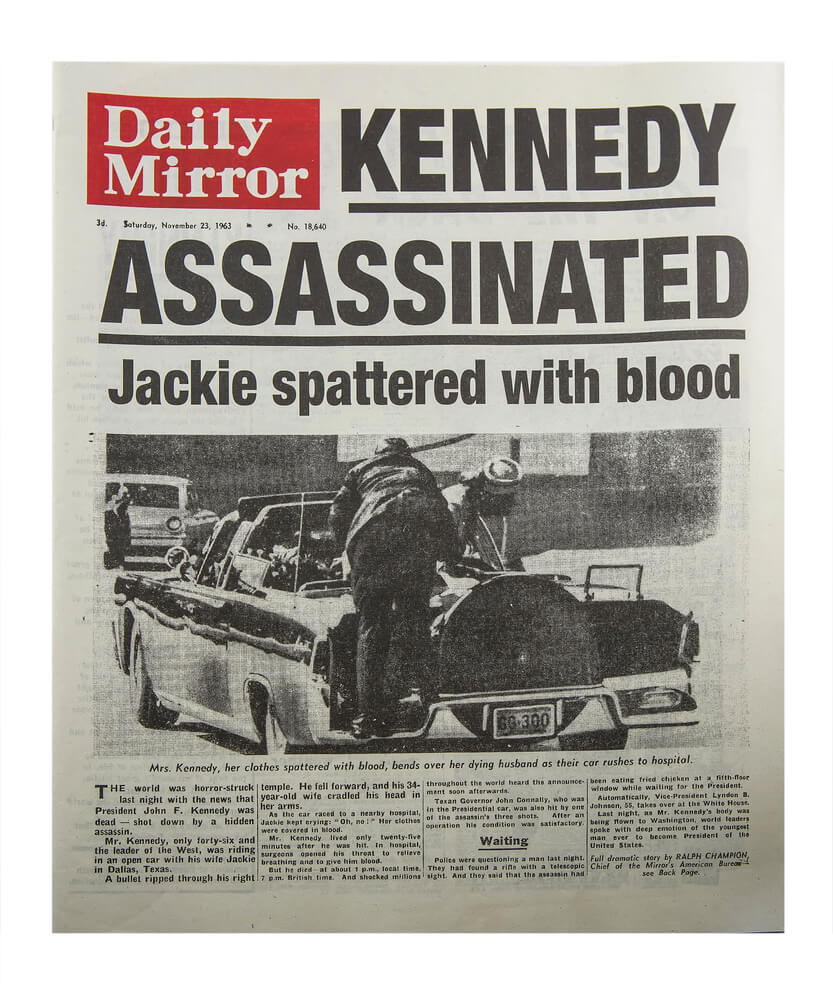
On November 22, 1963, photographers and spectators captured President John F. Kennedy and Jacqueline Kennedy riding in an open Lincoln limousine through downtown Dallas. At Love Field that morning, Mrs. Kennedy had been handed a bouquet of red roses, and the flowers are visible on the seat beside her in many images.
The motorcade turned from Main Street onto Houston and then Elm, passing the Texas School Book Depository shortly after 12:30 in the afternoon. Pictures from the final minutes show crowds waving from the curbs and a president who appears entirely at ease under the Texas sun.
Jack Beers Catching Ruby Mid-Lunge
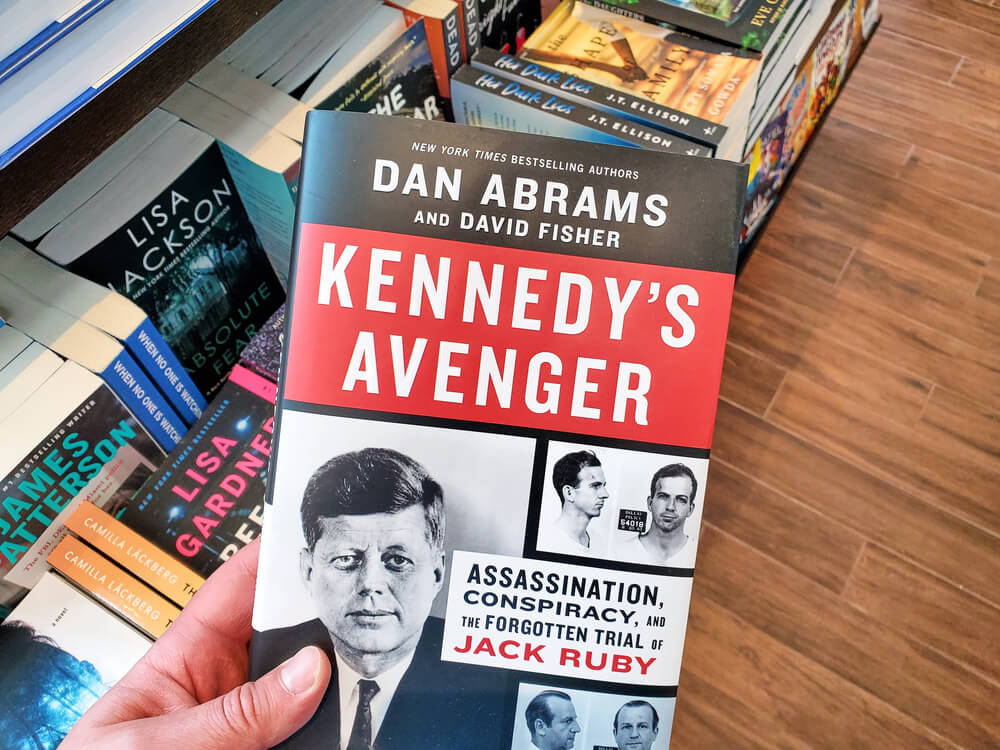
Two days after the Kennedy assassination, Dallas police moved Lee Harvey Oswald through the basement of their headquarters on November 24, 1963. Jack Beers of The Dallas Morning News had his camera focused on the group when a man stepped forward from the crowd of reporters.
His photograph shows Jack Ruby lunging toward Oswald with a revolver in his hand, a fraction of a second before the shot. Bob Jackson of the rival Dallas Times Herald pressed his shutter about six-tenths of a second later and caught Oswald recoiling.
Jackson won the Pulitzer Prize, while Beers had the moment just before it.
Martin Luther King Jr. on the Lorraine Motel Balcony
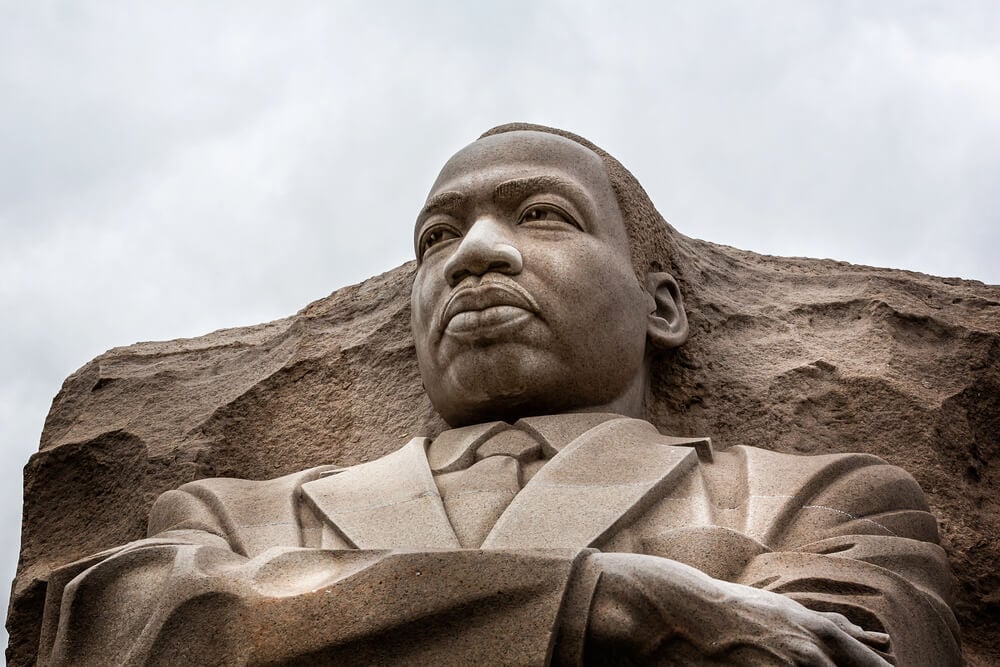
Martin Luther King Jr. was photographed on April 3, 1968, on the second-floor balcony of the Lorraine Motel in Memphis alongside Jesse Jackson, Ralph Abernathy and other aides. He had come to the city to support striking sanitation workers.
That night, at Mason Temple, he delivered a speech in which he said he had been to the mountaintop and might not get to the promised land with his listeners. The next evening, standing on that same balcony outside Room 306, he was shot and killed.
The motel now houses the National Civil Rights Museum.
Robert Kennedy at the Ambassador Hotel Podium
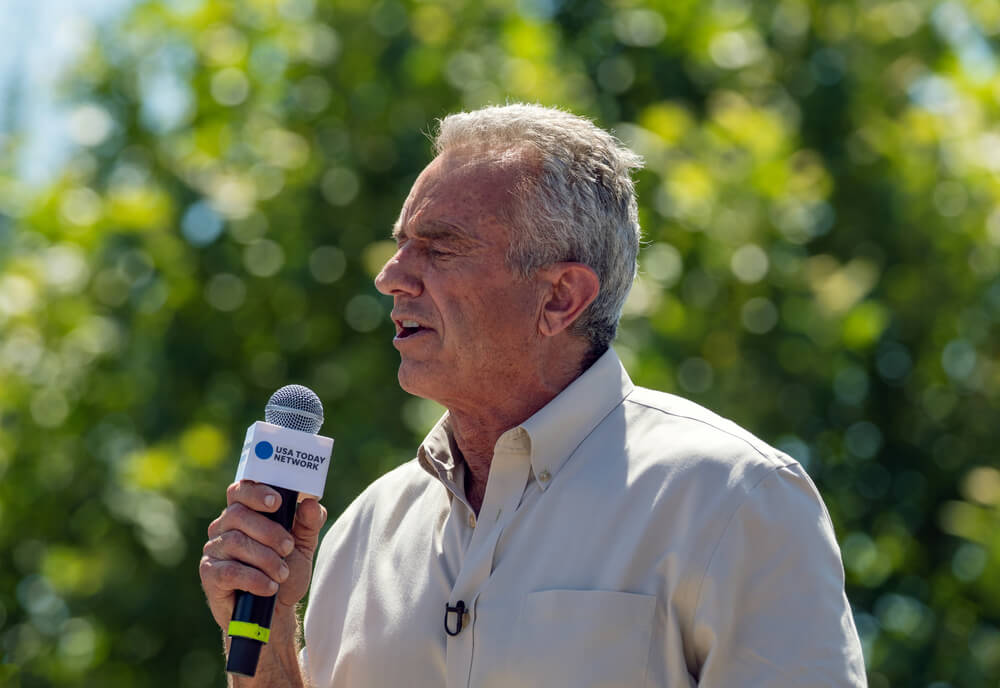
Shortly after midnight on June 5, 1968, Robert F. Kennedy stood before supporters in a packed function room at the Ambassador Hotel in Los Angeles to celebrate winning the California Democratic primary. Photographers captured him smiling and flashing a victory sign from the podium.
Instead of leaving through the crowded room, he was guided through the hotel’s kitchen pantry, where Sirhan Sirhan opened fire. Kennedy died the following day.
The images from the stage, full of streamers, confetti and hope, were taken only minutes before the most searing photographs of 1968.
Enola Gay Crew Before Takeoff on Tinian
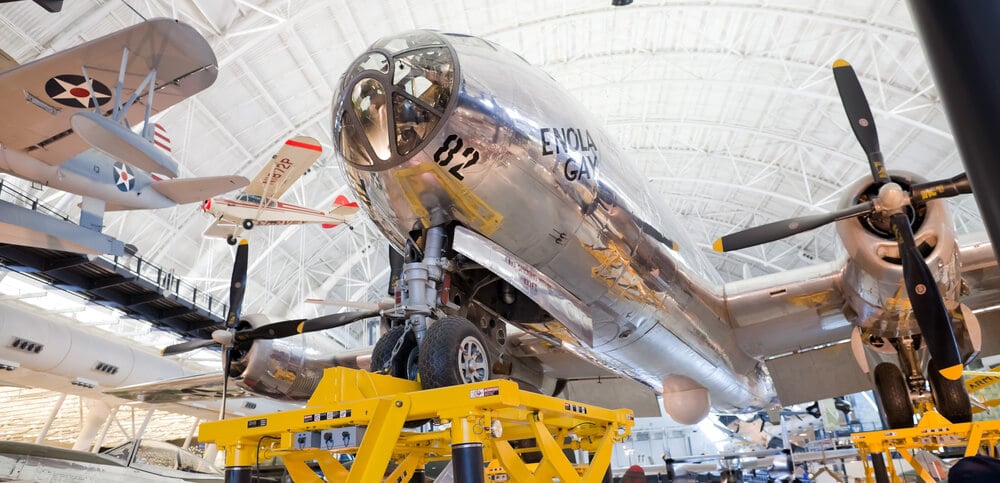
In the early hours of August 6, 1945, photographers on the island of Tinian recorded the crew of the B-29 Enola Gay before their mission. The most familiar image shows Colonel Paul Tibbets leaning out of the cockpit window and waving, just before takeoff at about 2:45 in the morning.
He had named the aircraft after his mother. Roughly six hours later, the plane dropped the atomic bomb over Hiroshima, killing tens of thousands of people instantly.
The takeoff photographs have the look of routine military publicity, which is part of why they remain so unsettling to study.
Beatles at Tittenhurst Park
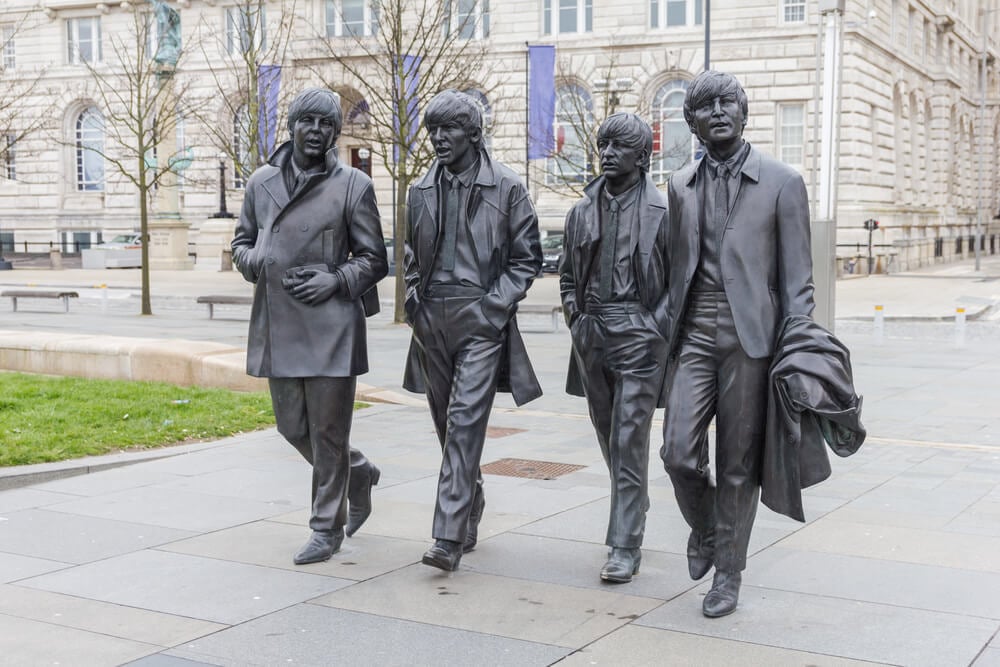
John Lennon, Paul McCartney, George Harrison and Ringo Starr gathered on August 22, 1969, at Tittenhurst Park, the country house Lennon had recently bought near Ascot in England, for a photo session. The pictures show the four of them wandering the grounds, posing near outbuildings and standing among the trees, looking tired but relaxed.
It turned out to be the final photo shoot of all four Beatles together. Within weeks Lennon privately told the others he was leaving, and the split became public the following April.
Some of those frames were later used on the cover of the Hey Jude compilation album.
Mount St. Helens From Bear Meadow
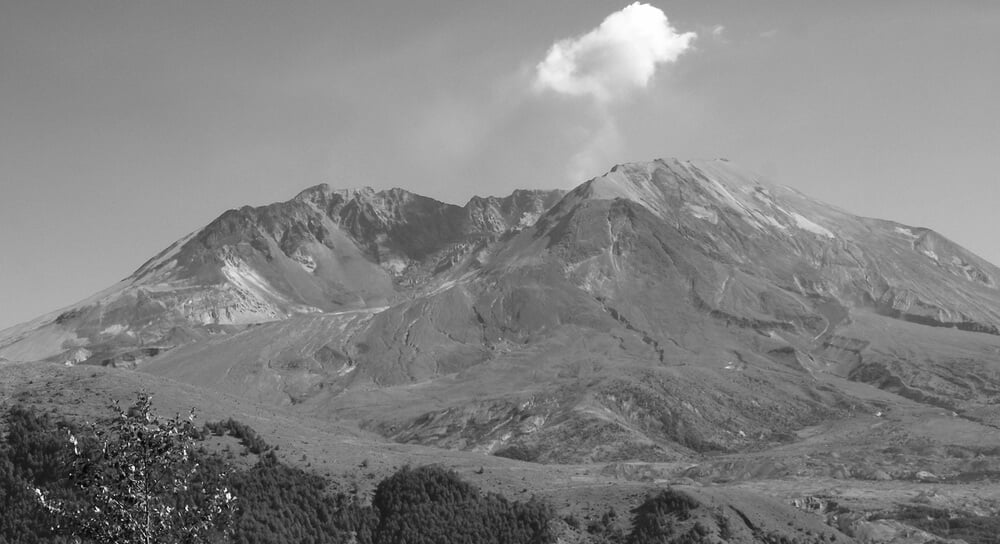
Gary Rosenquist was camping on the morning of May 18, 1980, at Bear Meadow, about 11 miles northeast of Mount St. Helens, when the north flank of the volcano began to slide away. He had his camera ready and shot a rapid sequence showing the landslide and the lateral blast bursting out of the mountain.
Scientists later used his frames to reconstruct the timing of the collapse. The eruption killed 57 people, including volcanologist David Johnston and lodge owner Harry Truman, who had refused to leave.
Rosenquist’s group fled in their cars as the ash cloud approached.
Tacoma Narrows Bridge Twisting Before the Fall
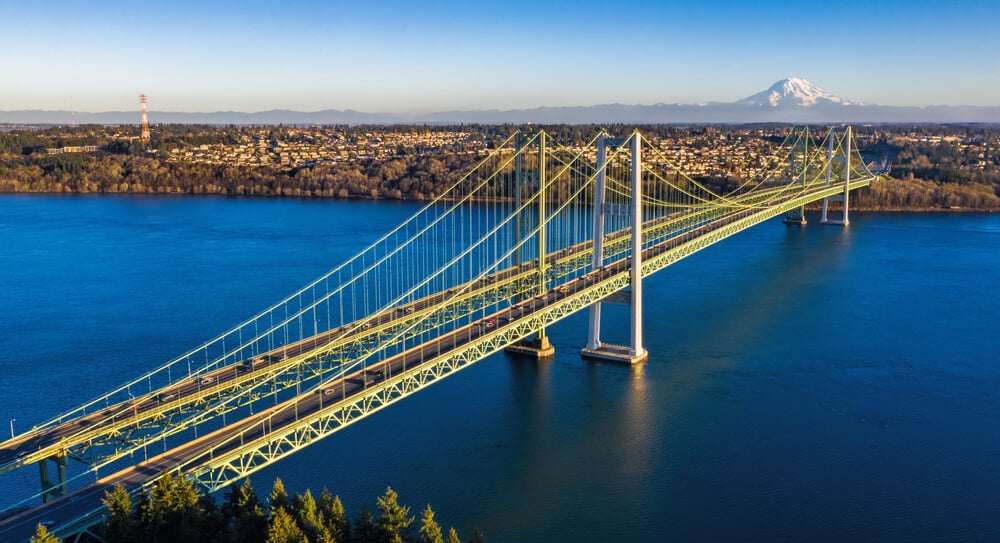
The first Tacoma Narrows Bridge in Washington opened in July 1940 and was nicknamed Galloping Gertie because its deck rose and fell in moderate wind. On November 7, 1940, a steady wind set the span twisting violently, and photographers and a film crew recorded the deck corkscrewing for about an hour.
Newspaper editor Leonard Coatsworth abandoned his car on the bridge and crawled to safety, leaving behind his daughter’s cocker spaniel, Tubby, who became the only fatality. The photographs taken just before the center span dropped into Puget Sound reshaped the way engineers think about wind and suspension bridges.
Lennon Signing an Album Outside the Dakota
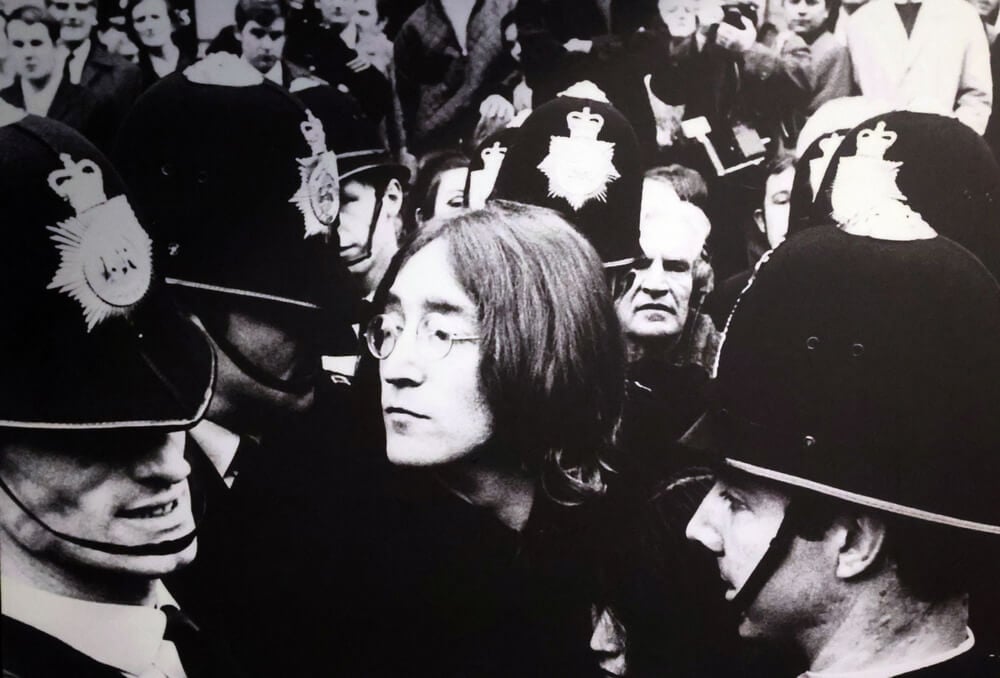
In the late afternoon of December 8, 1980, amateur photographer Paul Goresh took a picture outside the Dakota apartment building in New York showing John Lennon signing a copy of Double Fantasy for a fan. The fan was Mark David Chapman.
Lennon went off to a recording session, and when he returned that night, Chapman shot him in the archway of the building. Goresh’s photograph, taken just a few hours earlier, shows the killer standing close enough to touch the musician.
Lennon was 40 years old, and Double Fantasy had been released only three weeks before the shooting.
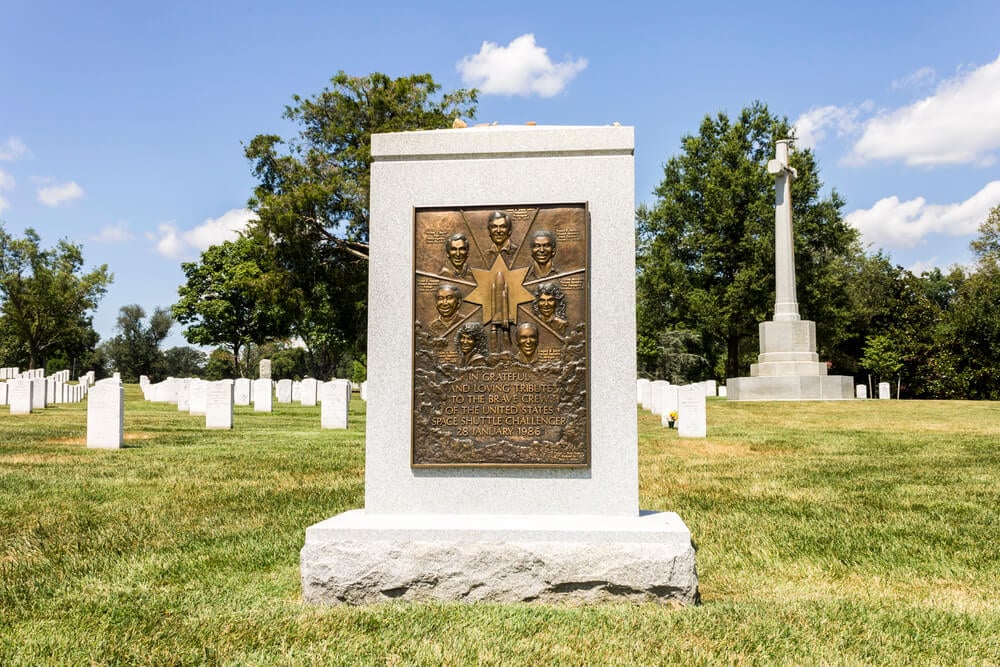
Challenger Rising From Pad 39B
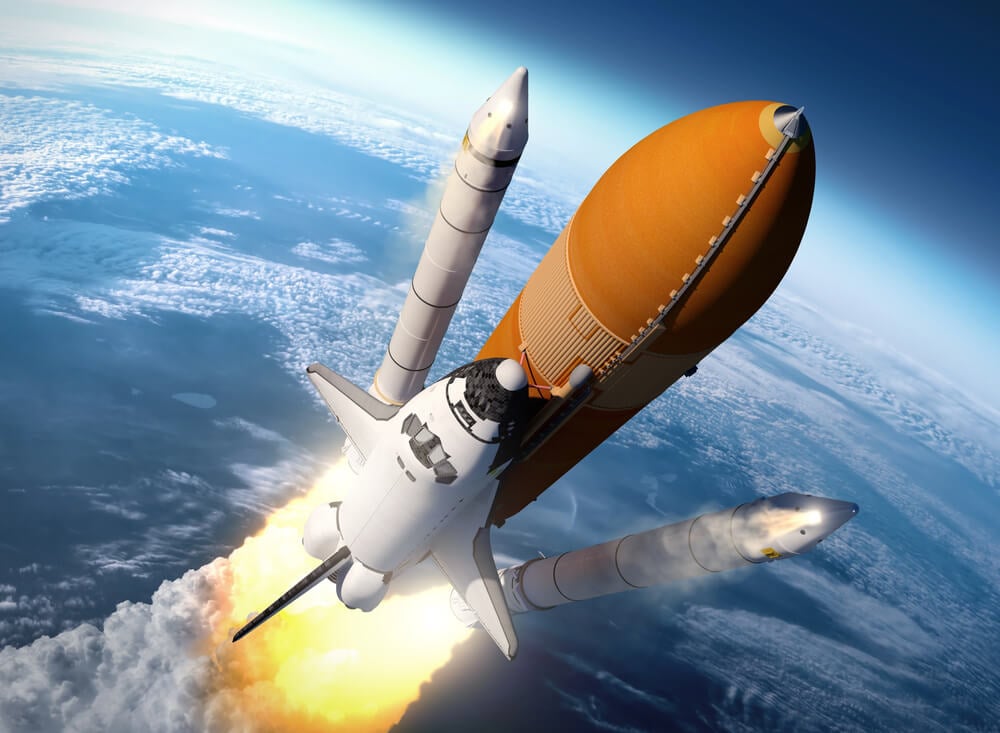
The space shuttle Challenger lifted off on January 28, 1986, from Kennedy Space Center in Florida after an unusually cold night that left icicles hanging from the launch structure. Photographers and a large crowd, including the parents of crew member and schoolteacher Christa McAuliffe, recorded a clean-looking ascent.
About 73 seconds after liftoff, the vehicle broke apart over the Atlantic, killing all seven astronauts. Later analysis traced the failure to an O-ring seal in a solid rocket booster that had stiffened in the cold.
Photographs from the first minute show a flawless launch that turned out to be anything but.
Schabowski Reading the Note in East Berlin

East German official Gunter Schabowski held a televised press conference in East Berlin on the evening of November 9, 1989, and read from a note about new travel rules. Asked when the rules took effect, he shuffled his papers and said, as far as he knew, immediately.
He had not been told the change was meant to begin the next day with orderly procedures. Photographs show him leaning over the paper at the table, looking uncertain.
Within hours, crowds gathered at the checkpoints, the guards gave way, and the Berlin Wall was effectively open by midnight.
Rabin Singing at the Tel Aviv Peace Rally
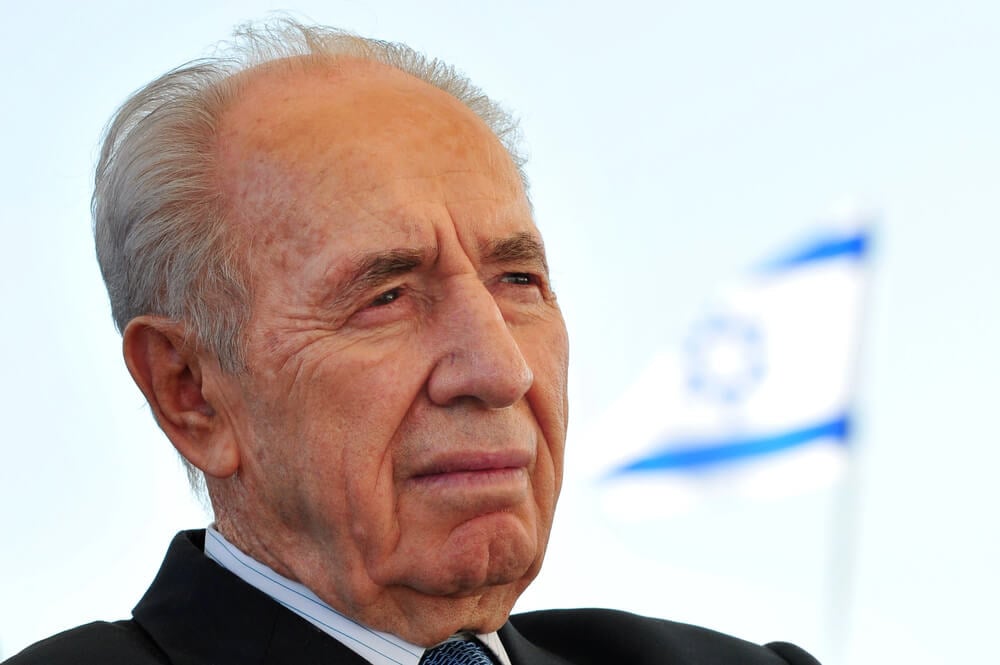
Israeli Prime Minister Yitzhak Rabin attended a large peace rally in the Kings of Israel Square in Tel Aviv on November 4, 1995. Photographers captured him on stage singing Shir LaShalom, the Song for Peace, with others, a rare public display from a man known for his reserve.
He folded the lyric sheet and put it in his jacket pocket. Minutes later, walking to his car, he was shot by Yigal Amir, an Israeli extremist who opposed the Oslo peace process.
The lyric sheet was found in his pocket, stained with his blood, and the square now bears his name.
Diana Leaving the Ritz in Paris
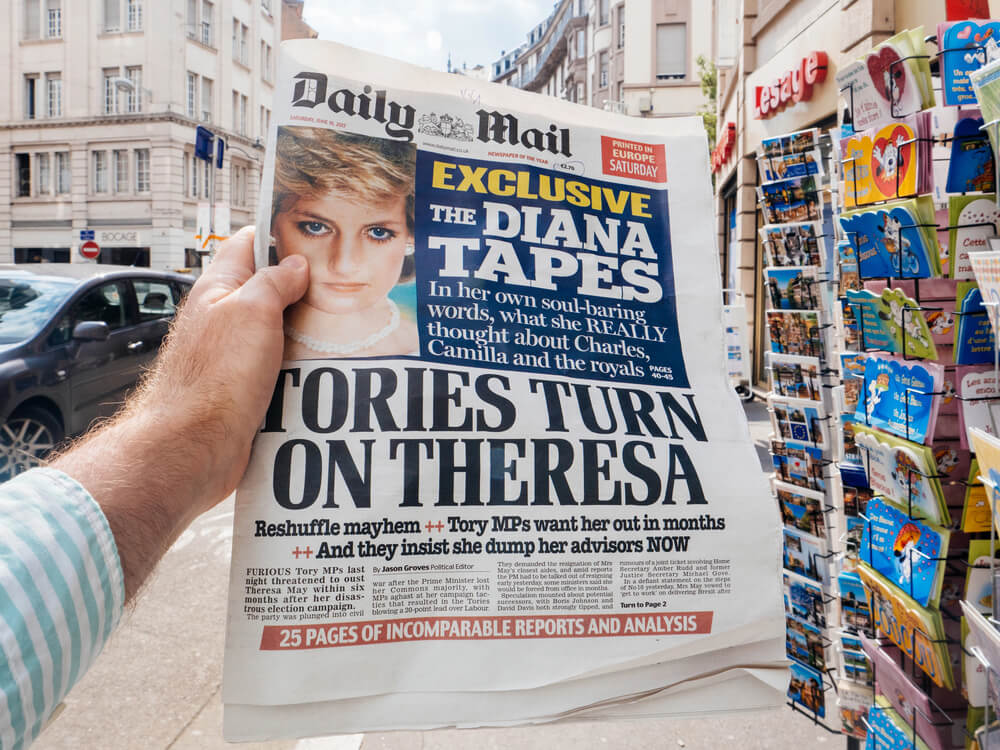
Shortly after midnight on August 31, 1997, photographers outside the rear entrance of the Ritz Hotel in Paris captured images of Princess Diana and Dodi Fayed in the back of a black Mercedes, with bodyguard Trevor Rees-Jones in the front passenger seat. Security cameras inside the hotel also recorded them leaving.
The car, driven by Henri Paul, sped along the Seine pursued by paparazzi and crashed in the Pont de l’Alma tunnel minutes later. Rees-Jones was the only survivor.
Those last pictures fed years of debate about the press, and the photographers themselves became part of the investigation.
Bush Hearing the News in a Florida Classroom
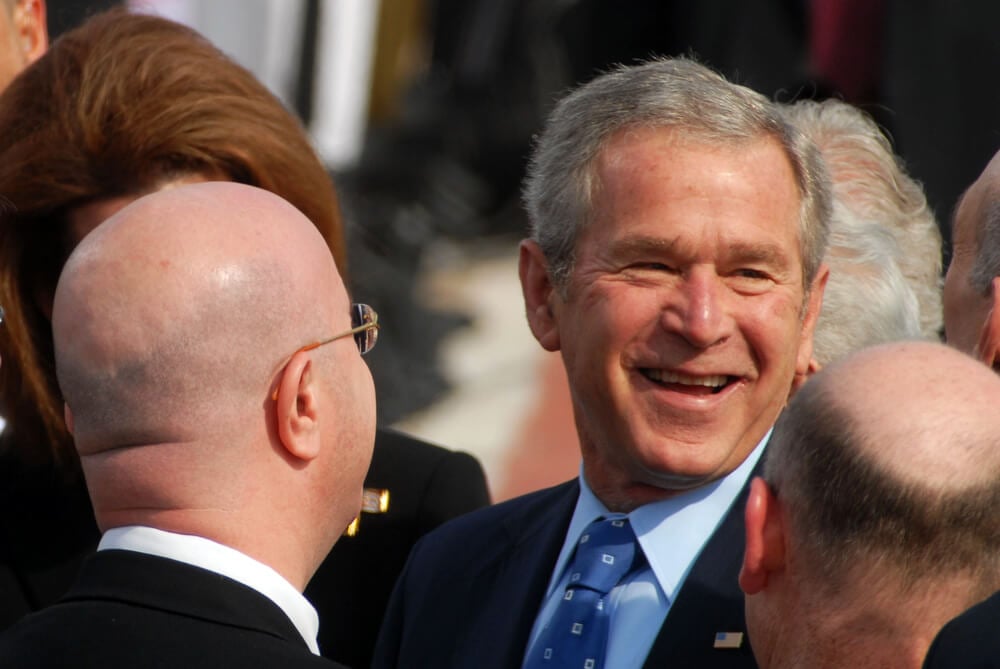
President George W. Bush was sitting on the morning of September 11, 2001, in front of a second-grade class at Emma E. Booker Elementary School in Sarasota, Florida, listening to children read a story called The Pet Goat. At about 9:05, chief of staff Andrew Card leaned down and whispered that a second plane had hit the World Trade Center and that the country was under attack.
Photographs capture the instant of the whisper and the president’s blank expression afterward. He stayed in his seat for several more minutes, a decision debated for years after.
Columbia Crew Floating in Orbit
During the STS-107 mission in January 2003, the seven astronauts aboard the space shuttle Columbia posed for a group photograph, floating toward the camera in their red and blue shirts. On February 1, 2003, Columbia broke apart over Texas during reentry, killing everyone on board.
Damage from a piece of foam insulation that struck the left wing at launch had allowed superheated gas inside. The group portrait survived because it was on a roll of unprocessed film that searchers later recovered from the debris.
NASA developed it afterward, producing a picture of smiling people who had no idea of the danger.
Tourists Walking Out on an Empty Seabed

On December 26, 2004, a magnitude 9.1 earthquake off Sumatra sent tsunami waves across the Indian Ocean. On beaches in Thailand, the sea first drew back dramatically, and photographs show tourists wandering out across the exposed sand, curious about stranded fish and boats.
Some images show a white line of water on the horizon behind them. On Mai Khao Beach in Phuket, a 10-year-old British girl named Tilly Smith recognized the warning signs from a geography lesson and alerted her parents, helping clear the beach.
Across the region, more than 225,000 people were killed.
Bhutto Waving Through the Sunroof
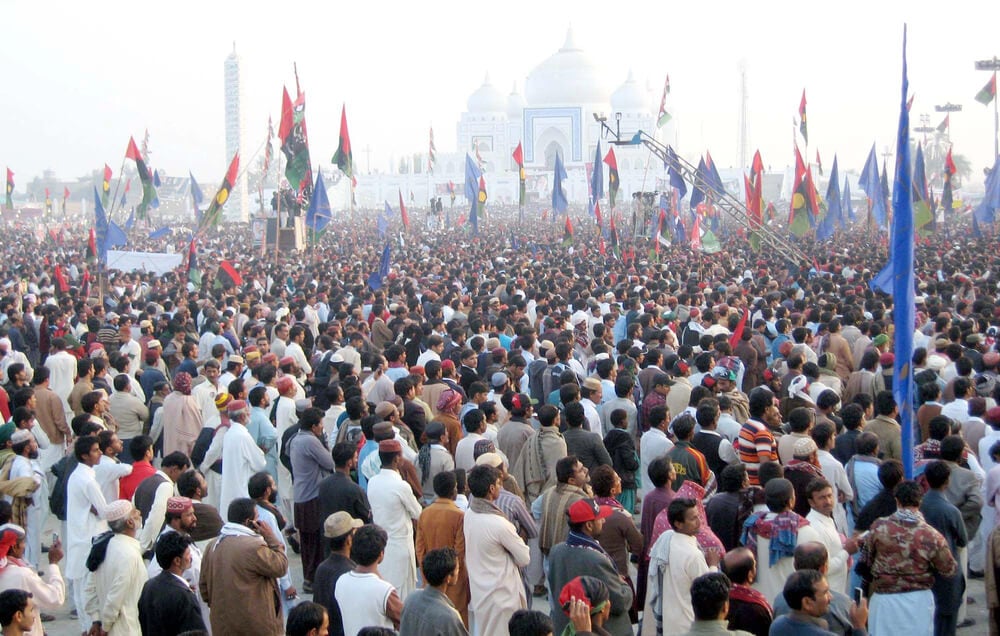
Benazir Bhutto, twice prime minister of Pakistan, addressed a rally at Liaquat Bagh in Rawalpindi on December 27, 2007, ahead of national elections. As her armored vehicle pulled away, she stood up through the sunroof to wave at supporters, and photographers, including John Moore of Getty Images, captured the scene.
Seconds later, a gunman fired at her and an attacker detonated explosives near the vehicle. Bhutto died later that day.
Moore’s photographs show her smiling amid the crowd moments before the attack, and his later frames record the chaos that followed.
Sadat in the Reviewing Stand
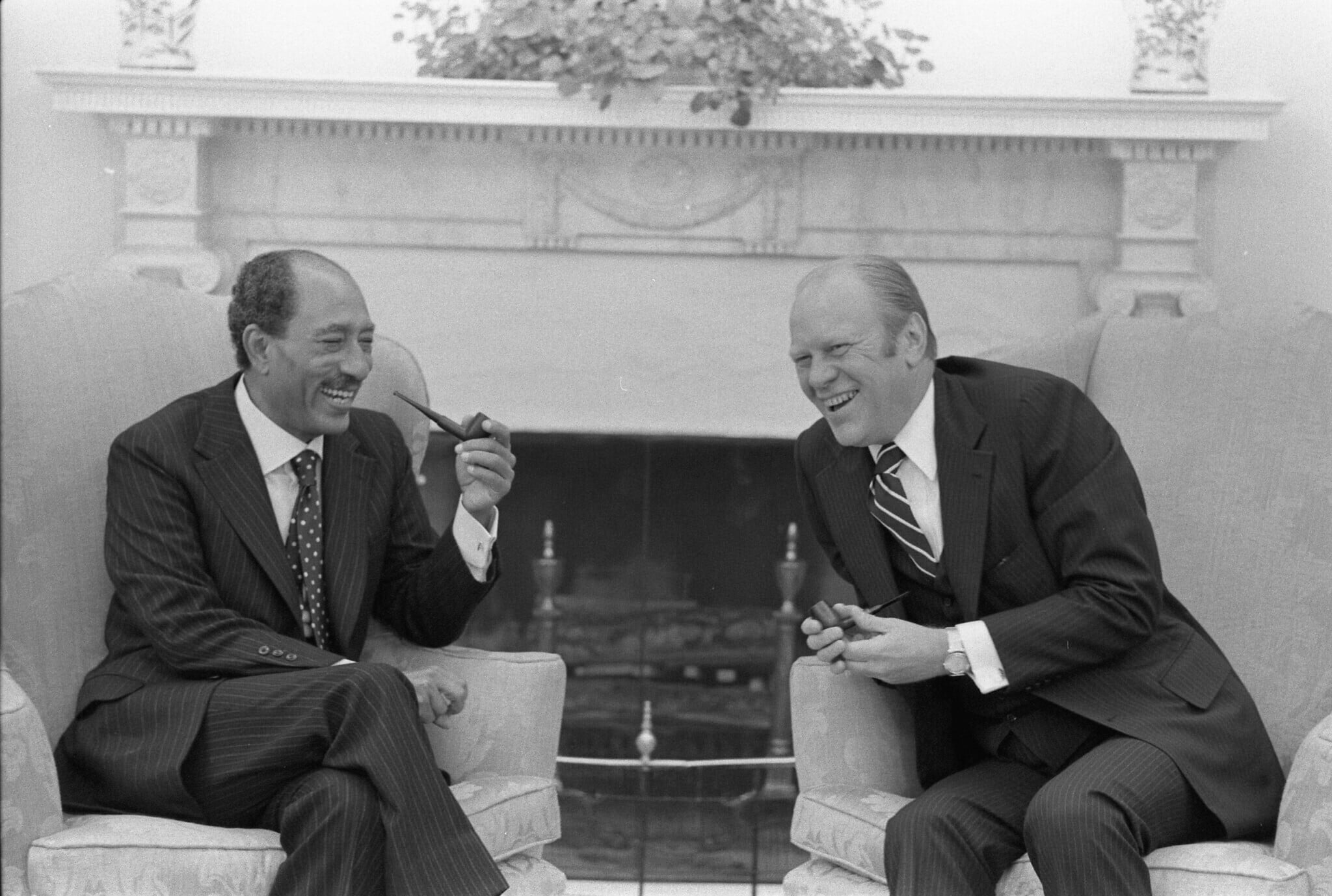
Egyptian President Anwar Sadat sat in a reviewing stand on October 6, 1981, in Cairo watching a military parade marking the anniversary of the 1973 crossing of the Suez Canal. Photographs show him in his dress uniform, applauding as jets flew overhead.
A truck in the parade stopped in front of the stand, and a group of soldiers led by Lieutenant Khalid Islambouli jumped out and opened fire with rifles and grenades. Sadat was killed, along with several others.
He had signed the peace treaty with Israel in 1979, and his calm pose in the stand is almost unbearable to look at now.
Earhart and Noonan at Lae
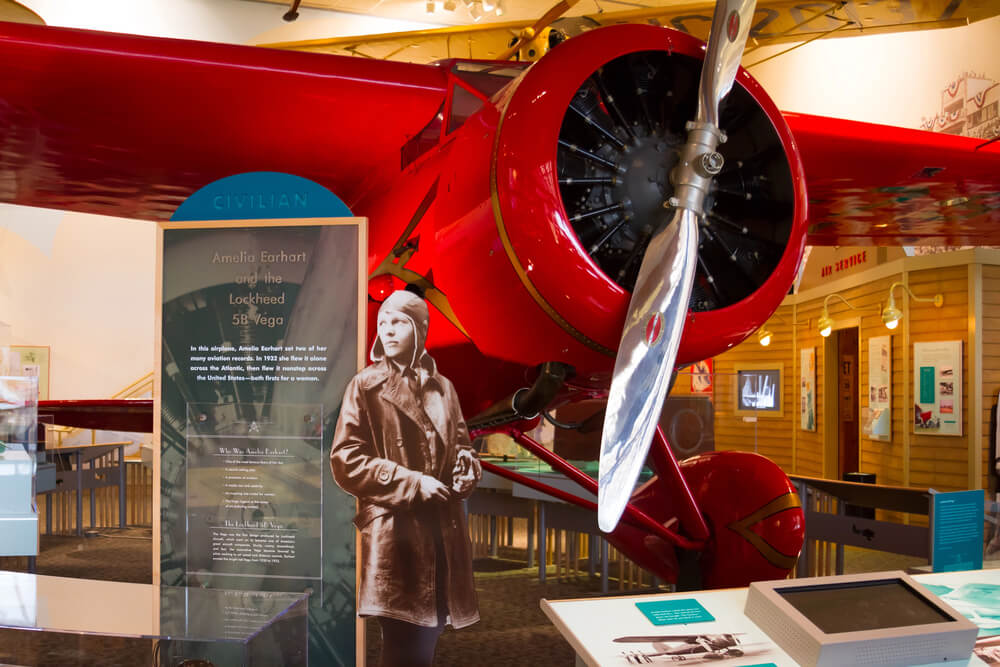
In early July 1937, Amelia Earhart and navigator Fred Noonan were photographed at Lae, New Guinea, beside their twin-engine Lockheed Electra 10E. They had flown around most of the world and were preparing for the longest and most difficult leg, about 2,500 miles across the Pacific to tiny Howland Island.
They left Lae on July 2. Radio operators on the Coast Guard cutter Itasca heard Earhart’s last transmissions saying they were running low on fuel and could not find the island.
No confirmed trace of the plane has ever been found, and the Lae pictures are among the last of them.
Hindenburg Approaching the Mooring Mast
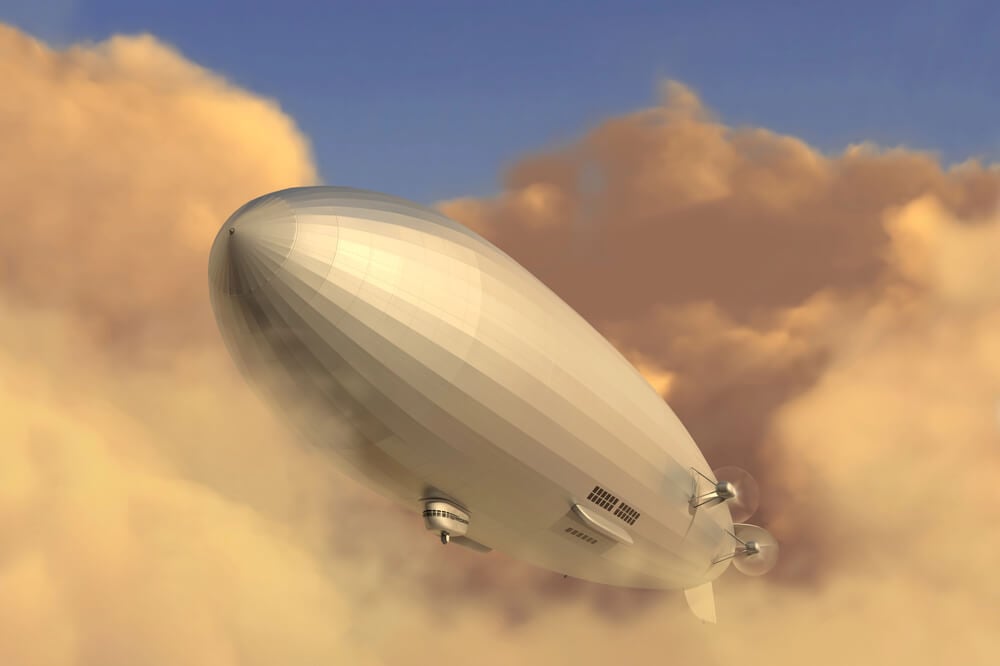
The German airship Hindenburg arrived at Naval Air Station Lakehurst in New Jersey on May 6, 1937, after a delay caused by thunderstorms. Because transatlantic landings were still newsworthy, newsreel crews and press photographers were already in position, and their pictures show the enormous silver hull drifting toward the mooring mast.
At about 7:25 in the evening, fire broke out near the tail and consumed the ship in roughly half a minute. Thirty-six people died.
The disaster became one of the most photographed of its era simply because cameras had been waiting for an ordinary arrival.
Ordinary Light Before the Turn
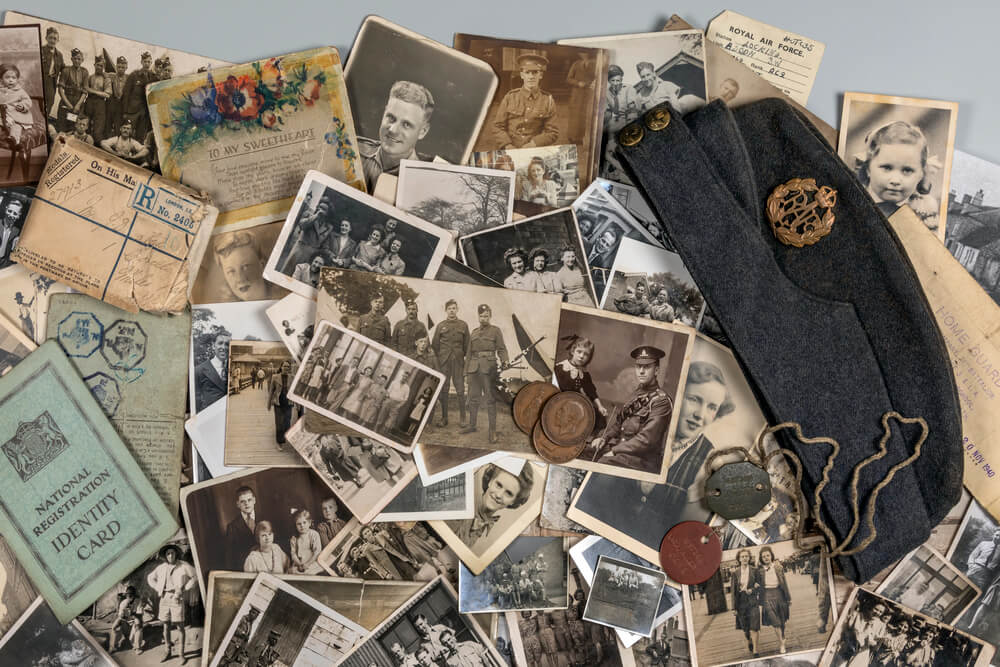
These photographs share a strange quality. The light is normal, the faces are relaxed, and nothing in the frame warns of what is coming.
That is precisely why they are so hard to look away from. History tends to be told through its dramatic moments, but these images preserve the minute before the drama.
They are reminders that catastrophe and upheaval rarely announce themselves. For most people in these frames, it was simply another day, right up until it was not.
More from Go2Tutors!

- The Romanov Crown Jewels and Their Tragic Fate
- 13 Historical Mysteries That Science Still Can’t Solve
- Famous Hoaxes That Fooled the World for Years
- 15 Child Stars with Tragic Adult Lives
- 16 Famous Jewelry Pieces in History
Like Go2Tutors’s content? Follow us on MSN.