30 Childhood Collections Worth Money Today
Kids collect with total seriousness. Cards get sorted by team, stamps get hinged into albums and toy cars get lined up by color, all with a focus most adults never manage at work.
Decades later, those collections often sit in shoeboxes, binders and basements. Most are worth more in memories than money, but certain items inside them have turned into real assets, and the difference usually comes down to rarity, condition and whether the original packaging survived.
Vintage Sports Cards From Topps and Bowman
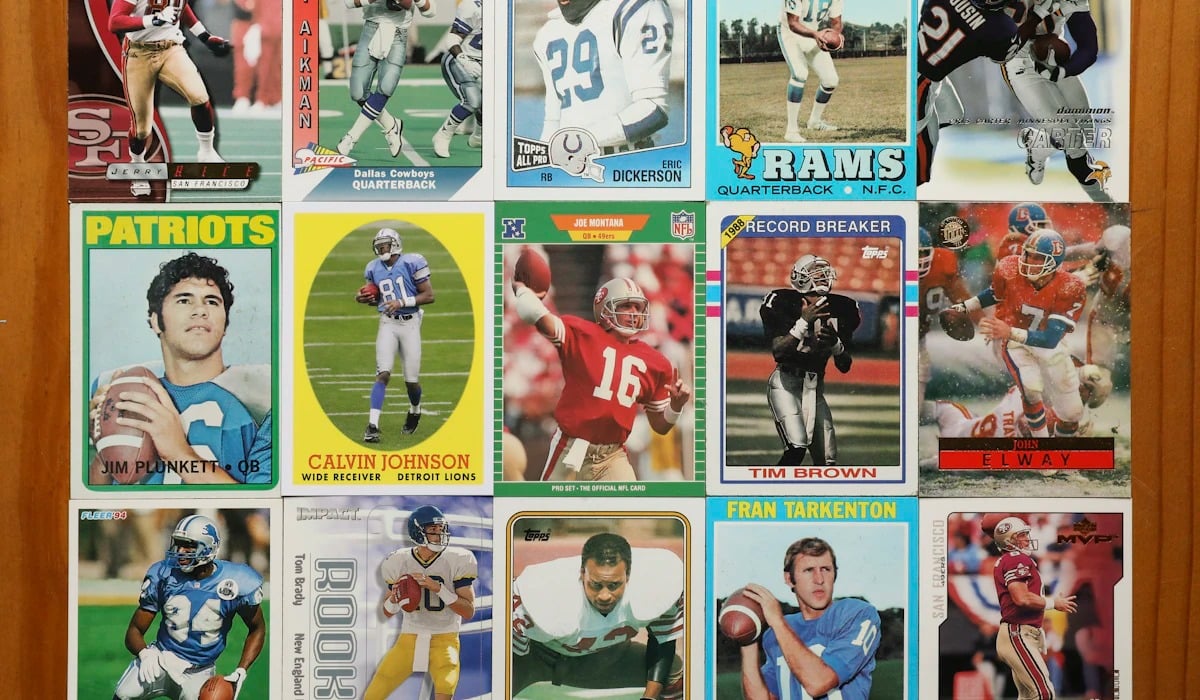
Topps and Bowman printed sports cards by the million in the 1950s and 1960s, and kids flipped them, clipped them to bicycle spokes and stored them with rubber bands. That rough treatment is exactly why clean examples are scarce today.
A 1952 Topps Mickey Mantle graded near mint sold for about 12.6 million dollars in 2022, a record for a sports card at the time. Most common cards from the era sell for a few dollars, while stars in good shape often bring hundreds or thousands.
Creases, soft corners, off-center printing and tack marks from bulletin boards cut values sharply, so grading matters enormously.
First Edition Pokemon Base Set Cards
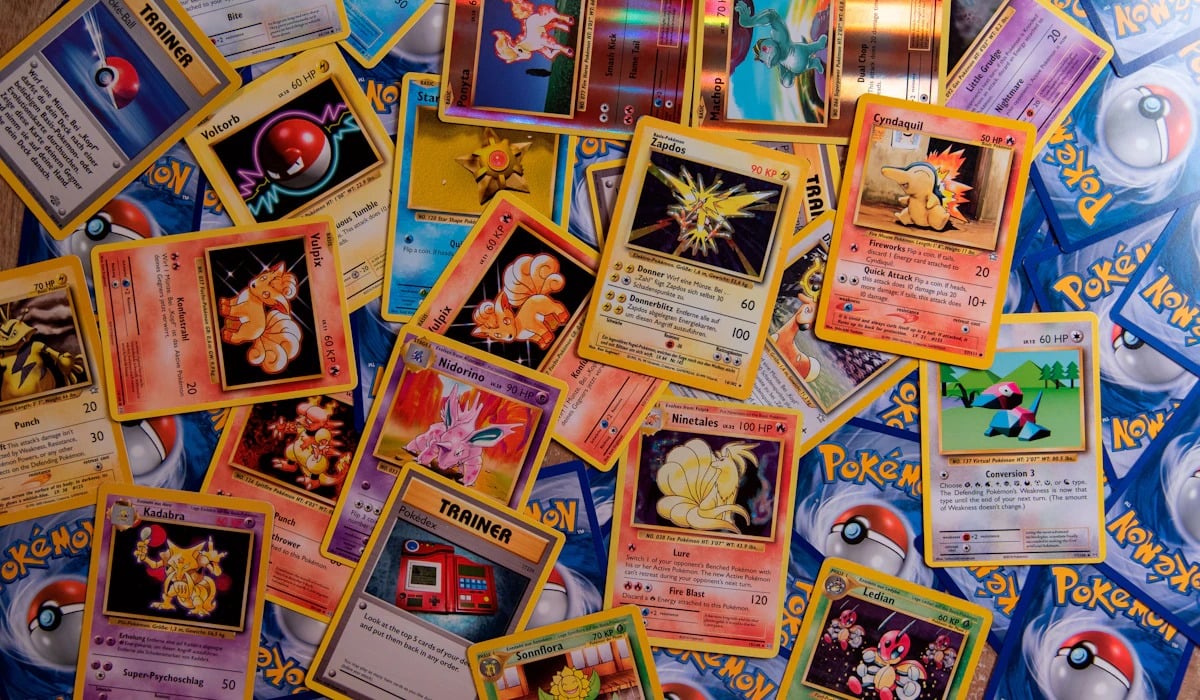
Wizards of the Coast released the Pokemon trading card game in the United States in 1999, and the first print run carried a small black First Edition stamp on the left side of the card. That stamp separates ordinary cards from the most valuable ones.
First edition holographic Charizard cards in gem mint condition have sold for hundreds of thousands of dollars, while unlimited versions of the same card bring far less. Collectors also chase shadowless cards, an early printing without a drop shadow on the art box.
Whitening on the edges, surface scratches and bends reduce value, and professional grading has become standard.
Magic: The Gathering Alpha Cards
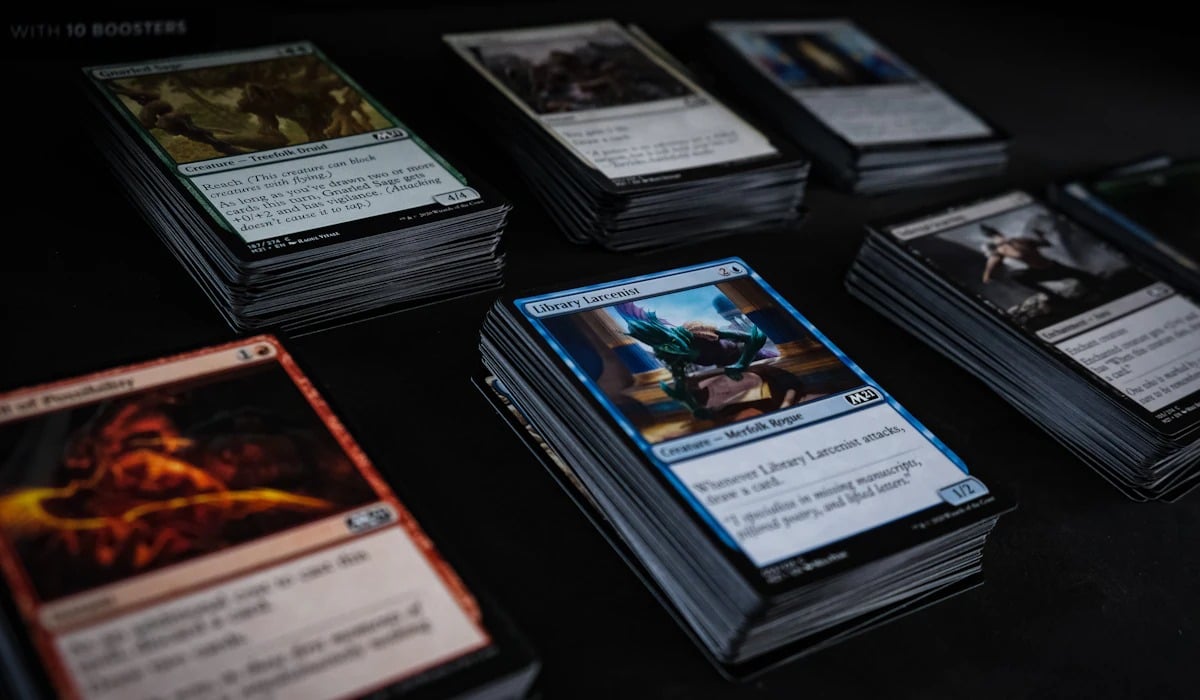
Richard Garfield designed Magic: The Gathering, and Wizards of the Coast released the first set, now called Alpha, in 1993. The Alpha printing was small, and its cards have noticeably rounded corners, which helps collectors identify them.
The most famous card, Black Lotus, has sold for hundreds of thousands of dollars in top condition, and the other so-called Power Nine cards bring large sums too. Most cards from later sets sell cheaply, so collectors focus on Alpha, Beta and certain rare cards.
Shuffling wear, edge damage and creases lower value, and counterfeits make grading essential for expensive cards.
Golden and Silver Age Comic Books
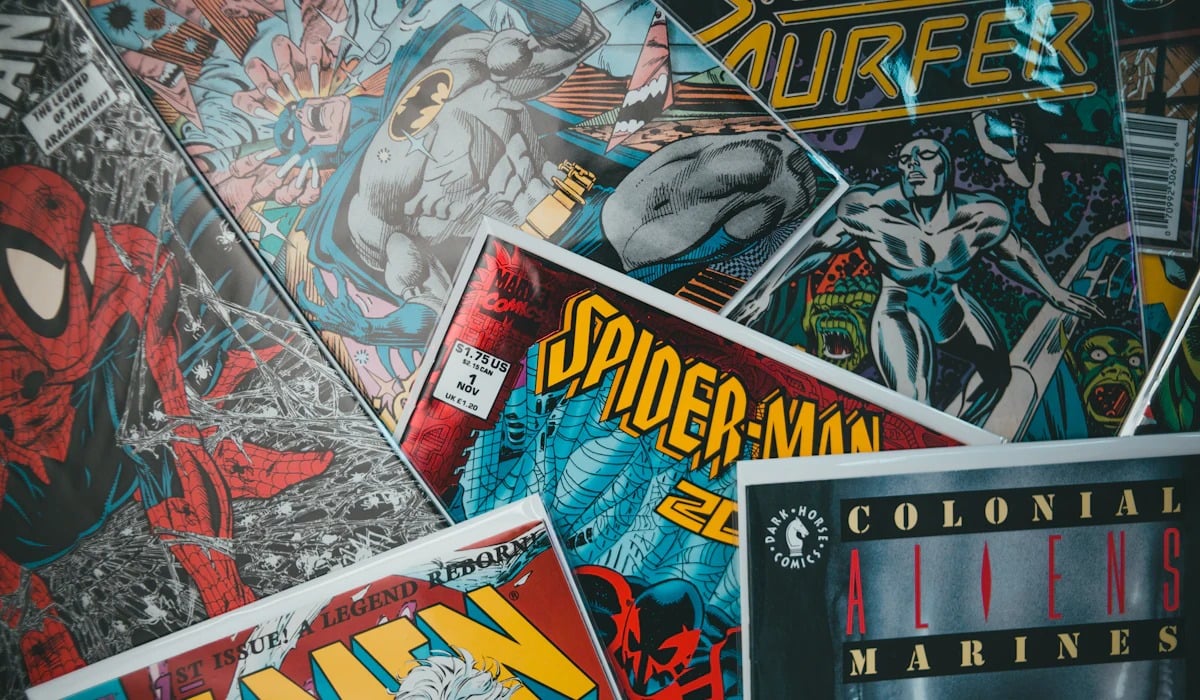
Comic books from the Golden Age, beginning in the late 1930s, and the Silver Age, beginning in the mid-1950s, are among the most valuable childhood collectibles. Action Comics number 1, which introduced Superman in 1938, has sold for several million dollars, and Amazing Fantasy number 15, the first appearance of Spider-Man in 1962, has also reached the millions in top grades.
Most comics from the same era sell for far less, but key first appearances and early issues of major characters draw serious money. Torn covers, missing pages, water damage and rolled spines lower value, and grading by CGC is common.
Stamp Albums With Classic Errors
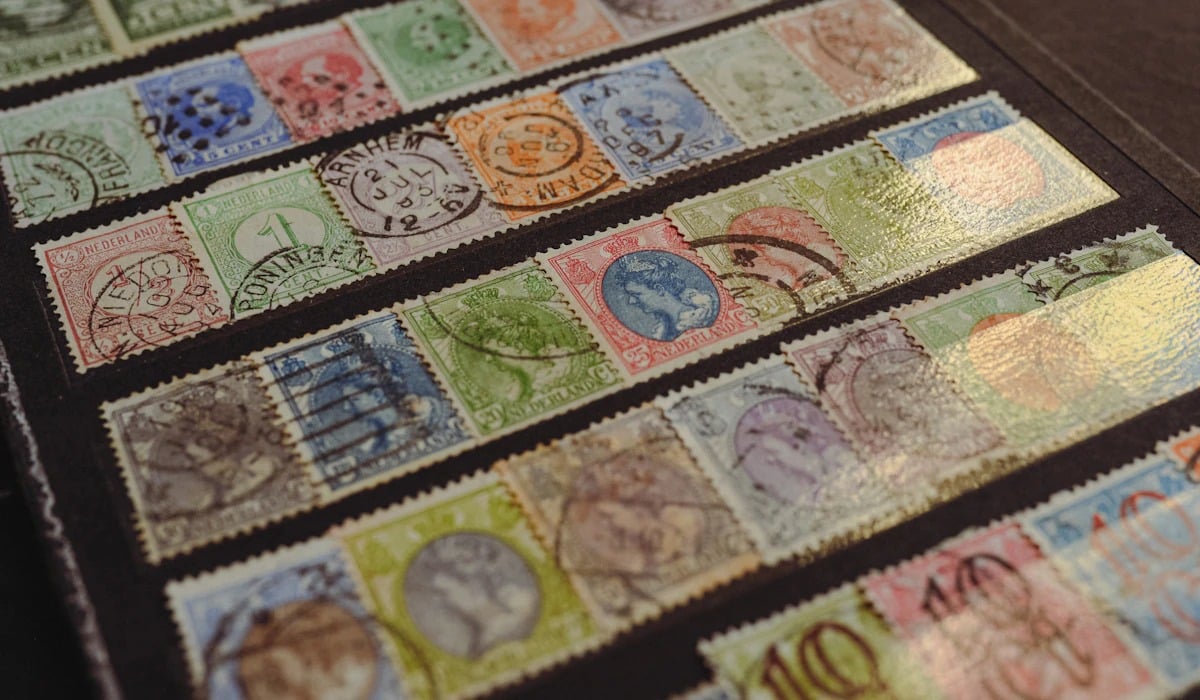
Stamp collecting was a common childhood hobby for much of the 20th century, and many albums still sit in closets. Most collections are worth relatively little, since common stamps were printed in vast numbers.
Errors and rarities are the exception. The Inverted Jenny, a 1918 airmail stamp printed with the Curtiss biplane upside down, was discovered in a single sheet of 100, and individual examples have sold for around 2 million dollars.
Collectors also look for early American issues and unused stamps with intact gum. Hinge marks, thin spots, tears and toning all reduce value.
Wheat Pennies and Key Date Coins
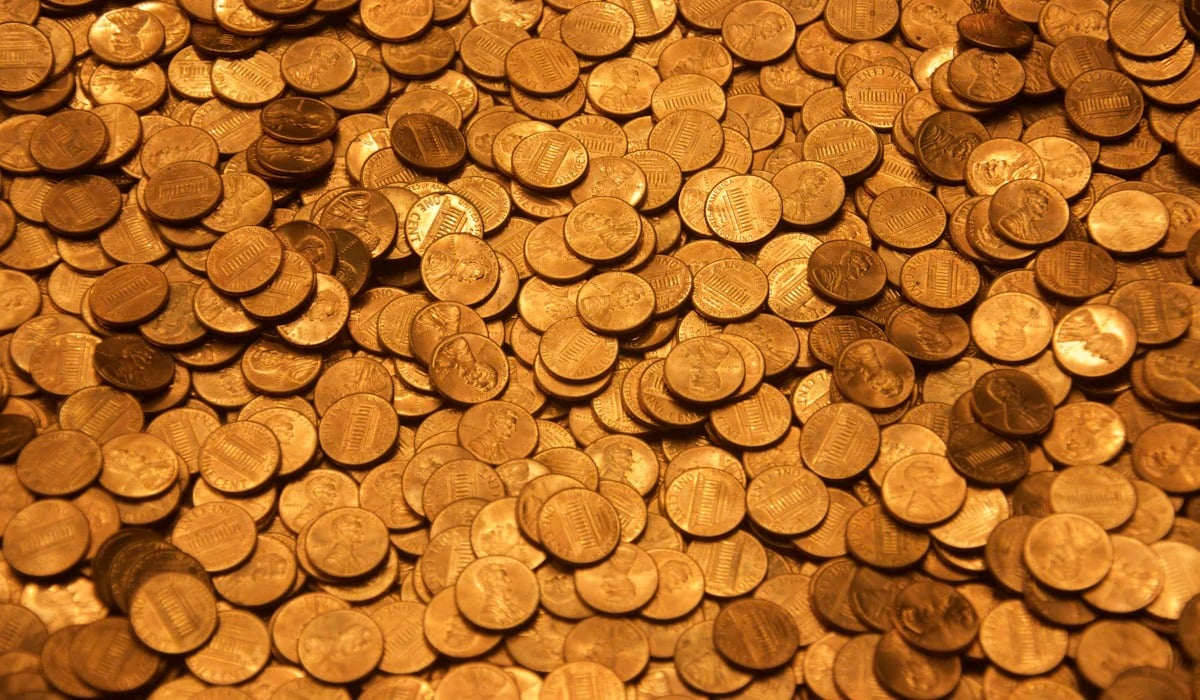
Lincoln wheat cents, minted from 1909 to 1958, filled many children’s coin folders. Most are worth only a few cents above face value, but key dates change the picture.
The 1909-S VDB, struck in San Francisco with the designer’s initials on the reverse, often sells for hundreds to thousands of dollars depending on grade. The 1955 doubled die cent, with clearly doubled lettering, is another prize.
Collectors check dates, mint marks and wear on Lincoln’s features. Cleaning, scratches and corrosion lower value dramatically, and cleaned coins are a common disappointment for sellers.
Hot Wheels Redlines
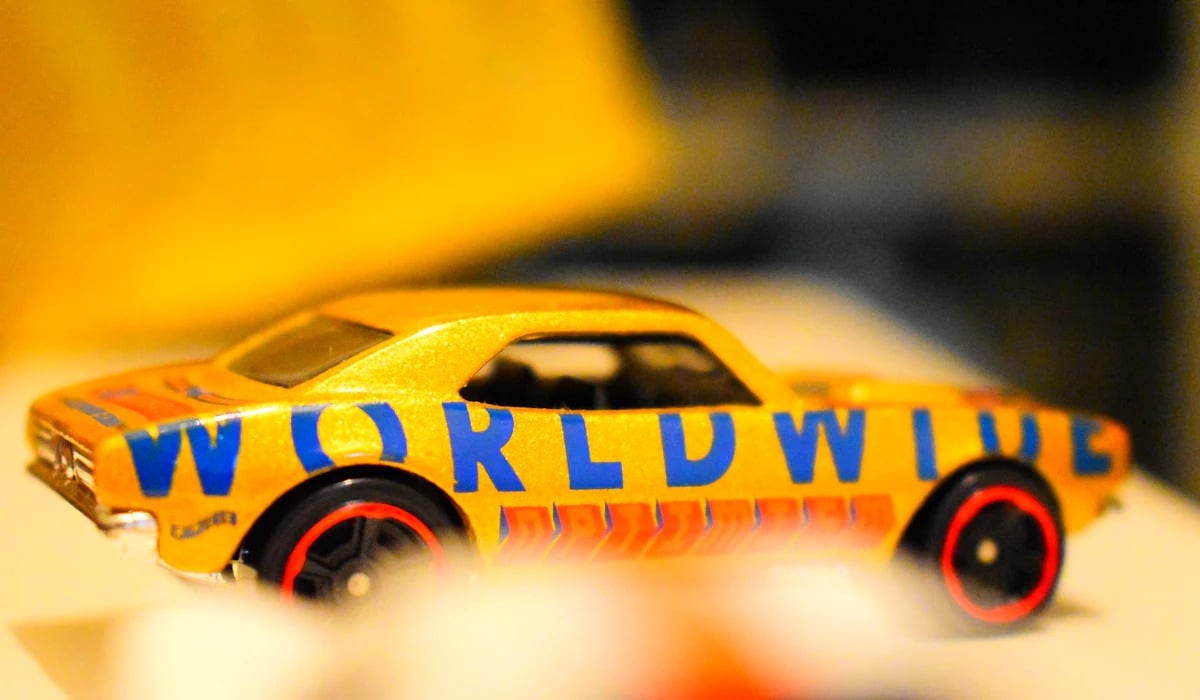
Mattel introduced Hot Wheels in 1968, and the cars from that year through 1977 are called Redlines because of the red stripe on their tires. Early cars featured Spectraflame paint, a translucent candy finish that made them stand out on store shelves.
Common Redlines in decent shape often sell for about 20 to 100 dollars, while rare colors and models bring hundreds or more. A pink prototype of the rear-loading Beach Bomb Volkswagen bus is among the most valuable Hot Wheels ever, reportedly selling for six figures.
Paint chips, broken axles and missing collector buttons reduce value.
Lesney Matchbox Cars
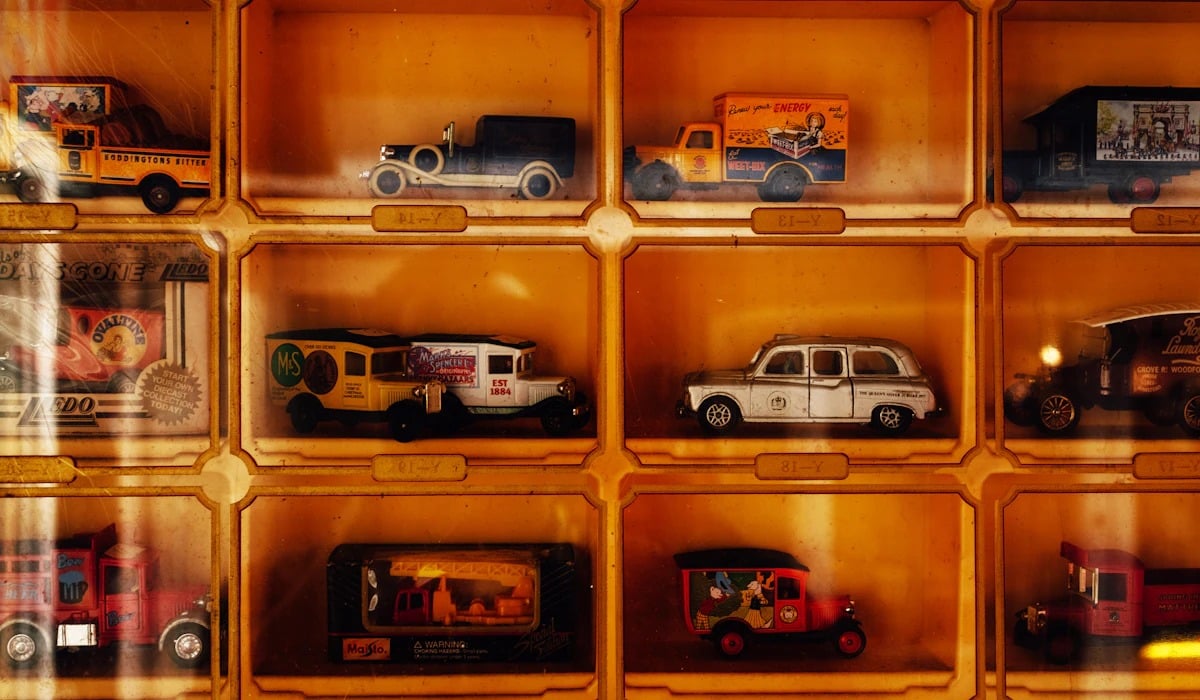
Lesney Products, founded in England by Leslie and Rodney Smith, launched the Matchbox line in 1953 with tiny die-cast vehicles sold in boxes designed to look like matchboxes. Jack Odell, a partner in the firm, is credited with the idea after making a small model for his daughter.
Lesney-era cars, made until the early 1980s, are the ones collectors want. Boxed examples often sell for about 20 to 200 dollars, with rare color variations and early models bringing more.
Collectors check the box condition closely. Chipped paint, worn wheels and missing boxes lower value considerably.
Akro Agate and Christensen Agate Marbles
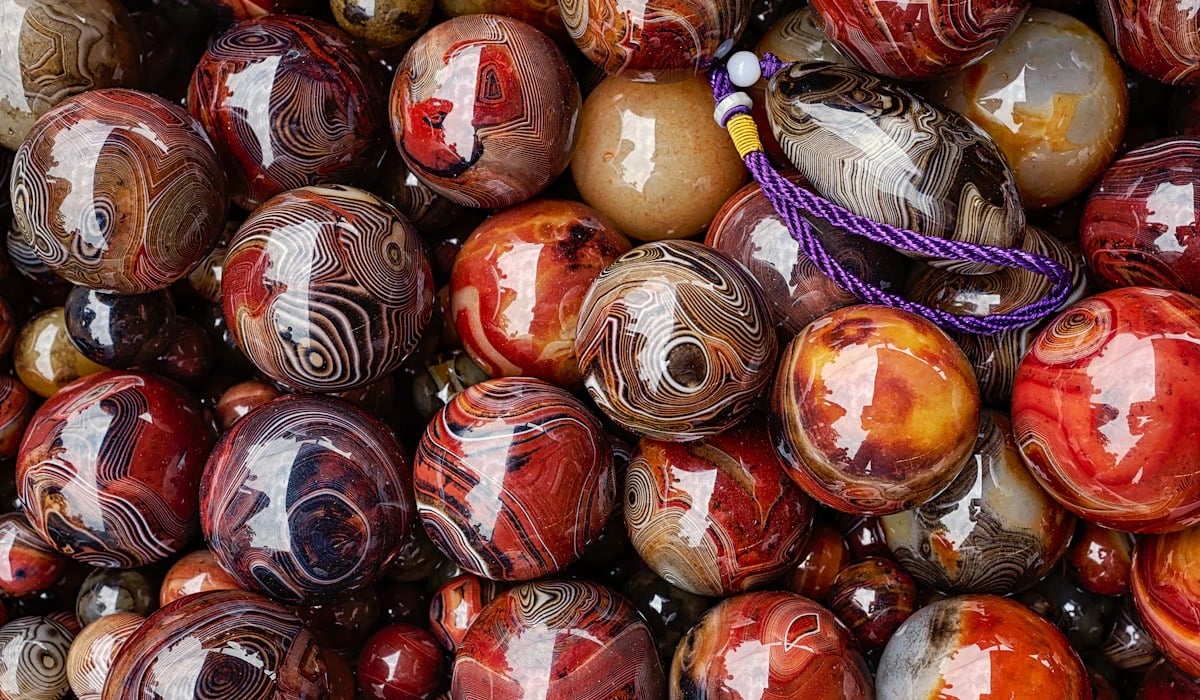
Marbles were a schoolyard currency for generations, and many collections still sit in jars and cloth bags. Most machine-made marbles sell for little, but certain makers and types are prized.
Christensen Agate of Cambridge, Ohio, made marbles with bright, flame-like swirls in the 1920s, and its rarer colors can sell for hundreds of dollars. Akro Agate of Clarksburg, West Virginia, made marbles and boxed sets that collectors seek out.
German handmade swirls from the 1800s, with their twisted cores, often bring more. Chips, cracks and cloudy surfaces from play wear reduce value significantly.
Vintage Kenner Star Wars Figures
Kenner released Star Wars action figures beginning in 1978, after selling an Early Bird certificate package for the 1977 holiday season because the toys were not ready. Figures from the original trilogy, made through 1985, remain highly collectible.
The vinyl cape Jawa, an early version quickly replaced with a cloth cape, is one of the most famous rarities, and authentic examples often sell for hundreds to thousands of dollars. Loose figures in good shape often sell for about 10 to 50 dollars, while carded examples bring far more.
Missing weapons, loose limbs and reproduction accessories lower value.
Early Barbie Dolls
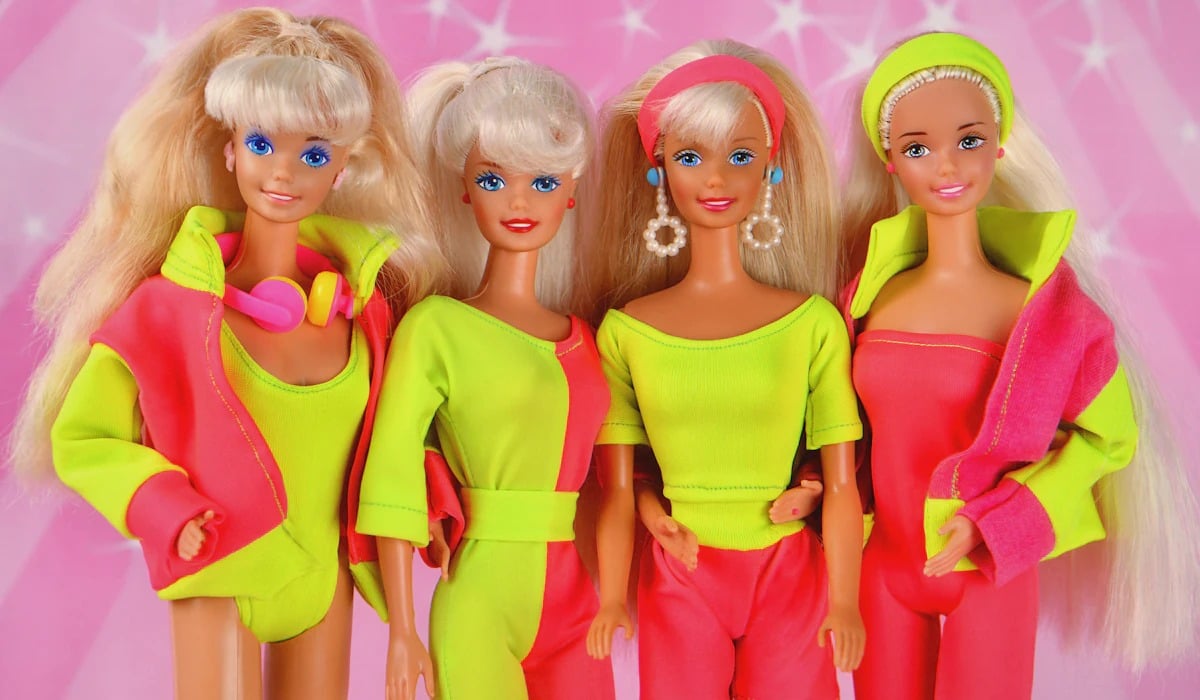
Mattel introduced Barbie in 1959, and the first dolls, known as Number 1 Barbies, are identified by details like their arched eyebrows, pale skin tone and copper tubes in their feet that fit onto a stand. Early Barbies from the first few years are highly prized.
Number 1 Barbies in good condition often sell for several thousand dollars, with boxed examples reaching much higher. Later dolls from the 1960s are more common but still collectible.
Collectors check for original swimsuits and accessories. Green ear discoloration from earrings, cut hair, and fading lower value considerably.
Garbage Pail Kids Cards
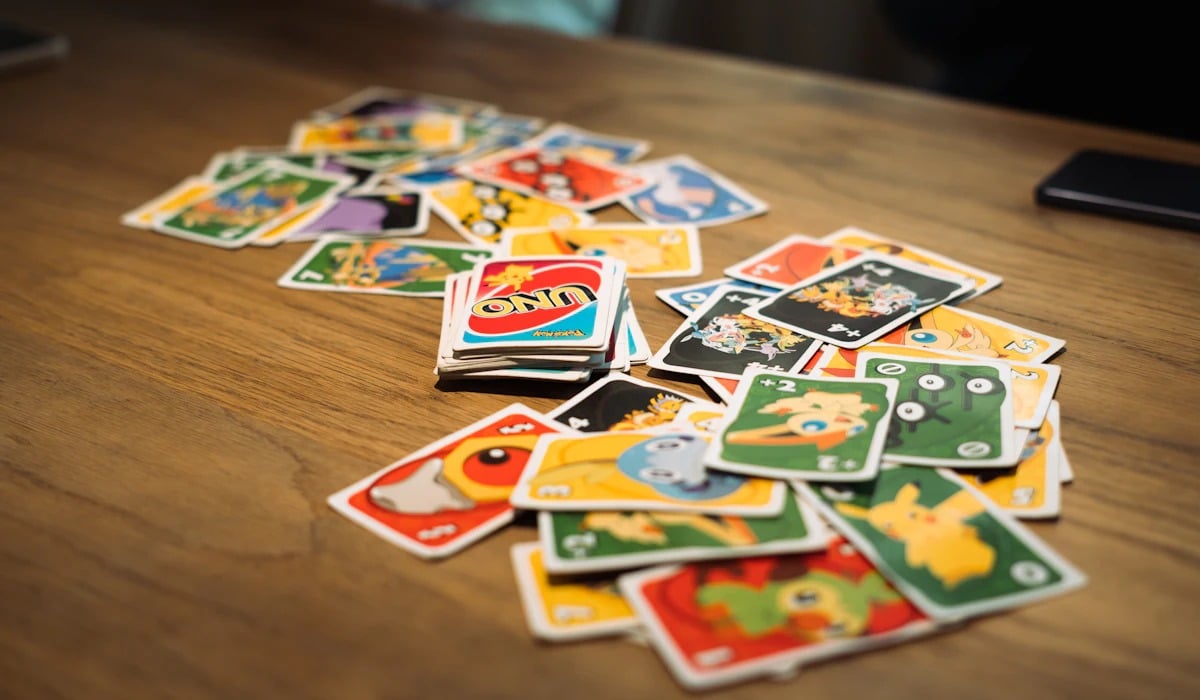
Topps launched Garbage Pail Kids in 1985 as a gross-out parody of Cabbage Patch Kids dolls, and the sticker cards became a playground craze that some schools banned. The first series, with characters like Adam Bomb, is the most sought after.
Rare variations and early cards in high grades often sell for hundreds to thousands of dollars, while most common cards bring a few dollars. Collectors check for centering, sharp corners and unpeeled stickers.
Peeled backs, creases and stains reduce value, and professional grading has become common for valuable cards.
Topps Wacky Packages Stickers
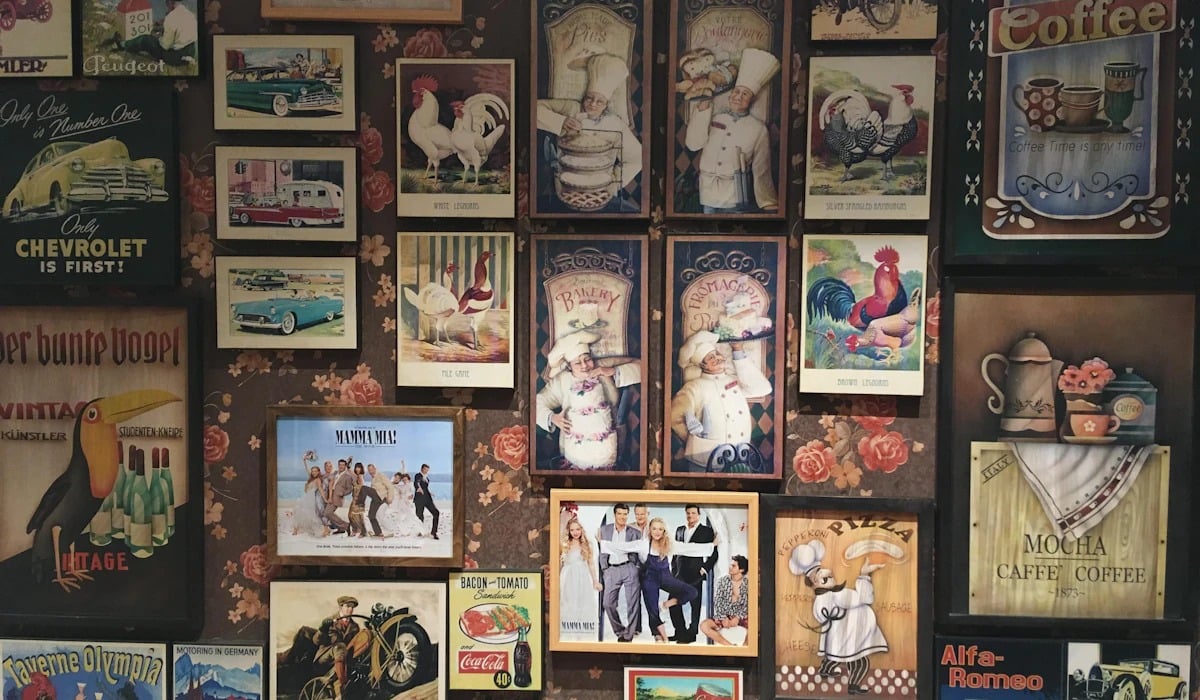
Topps launched Wacky Packages in 1967, stickers that parodied grocery store brands with names like Crust toothpaste and Cheapios cereal. Art Spiegelman, who later won a Pulitzer Prize for the graphic novel Maus, worked on the series.
The first series, printed as die-cut stickers, is the most collectible, and individual stickers often sell for dozens to hundreds of dollars. Later series from the 1970s are more common.
Collectors check for unpeeled stickers and crisp colors. Stickers stuck to notebooks, lockers or lunch boxes rarely survive in sellable condition, and fading lowers value.
Pez Dispensers Without Feet
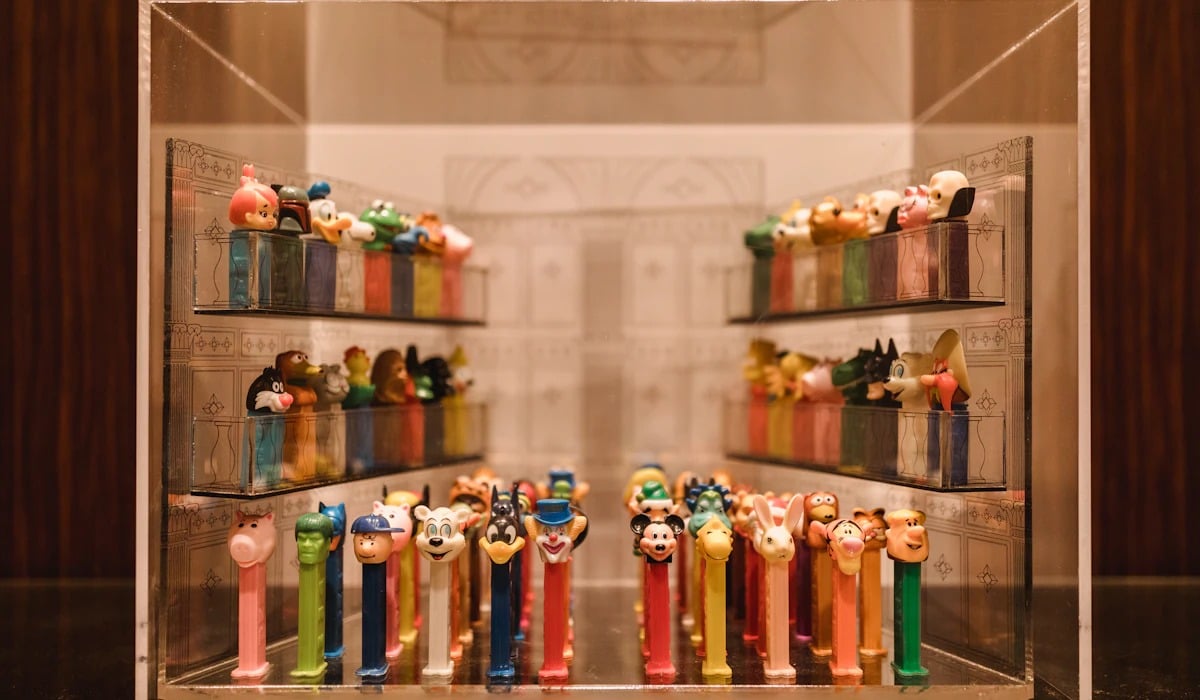
Pez began in Austria in 1927 as a peppermint breath mint, and the company later added character heads to its dispensers to appeal to children. Dispensers made before the late 1980s had no plastic feet on the base, and collectors use that detail to identify older pieces.
Footless dispensers often sell for about 20 to 100 dollars, while rare characters and variations bring hundreds or more. Collectors check for broken springs, cracked stems and missing parts.
Chewed heads and faded colors lower value, and dispensers still on their original cards command a premium.
Breyer Model Horses
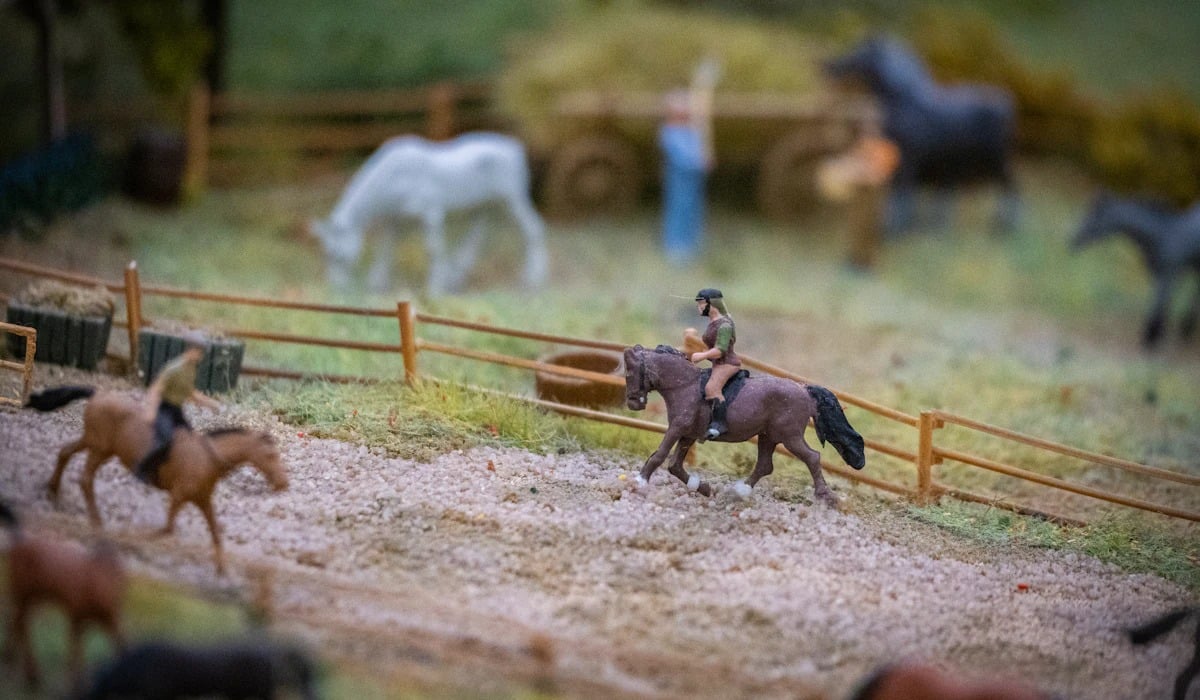
The Breyer Molding Company of Chicago made its first horse, a Western Horse, around 1950 as part of a clock made for Mastercrafters. The horse proved more popular than the clock, and Breyer began selling horses on their own.
Breyer models became a fixture in many childhood bedrooms, and collectors still gather at events like BreyerFest. Early models from the 1950s and 1960s often sell for about 50 to 300 dollars, while rare test colors and limited editions bring much more.
Rubs on the paint, broken legs and repaired ears reduce value.
Schleich Smurf Figurines
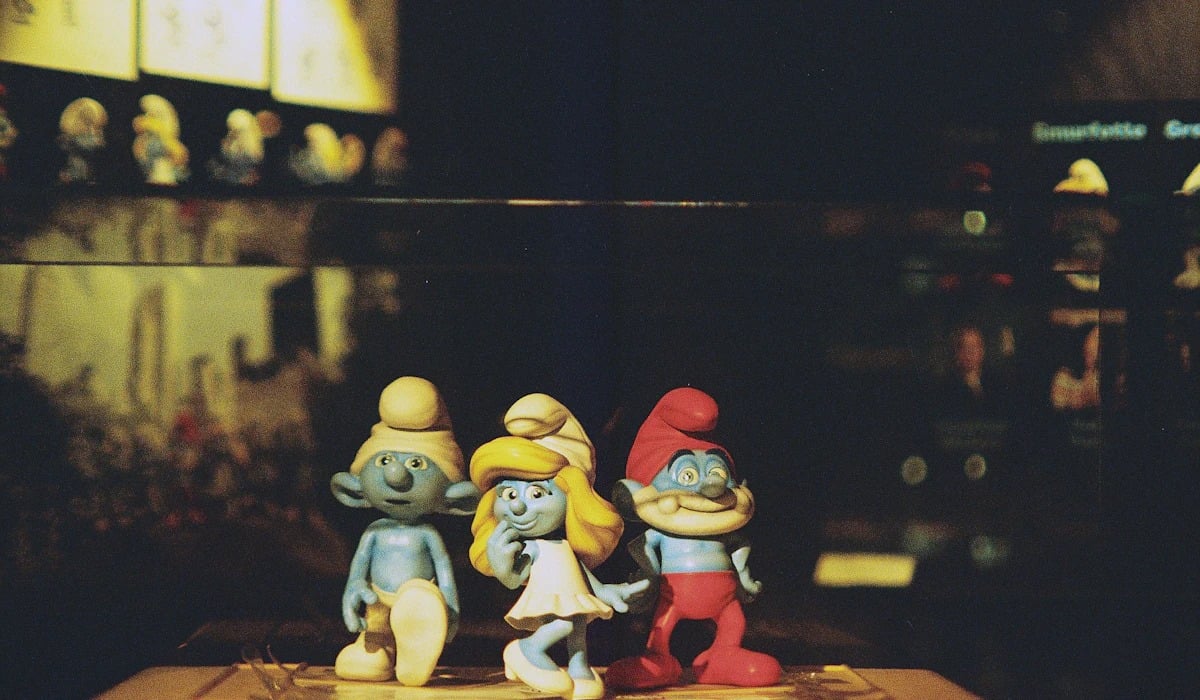
Belgian artist Peyo created the Smurfs in 1958, and the German company Schleich began producing small painted Smurf figures in the following decade. The figures became a collecting craze in the 1970s and 1980s, and many families have bags of them.
Most Smurfs sell for a few dollars each, but rare variations, early figures and promotional pieces can bring much more. Collectors check markings on the feet, which include the maker and year.
Worn paint, chewed hats and broken pieces reduce value, and complete sets with original accessories draw stronger interest.
Strawberry Shortcake Dolls
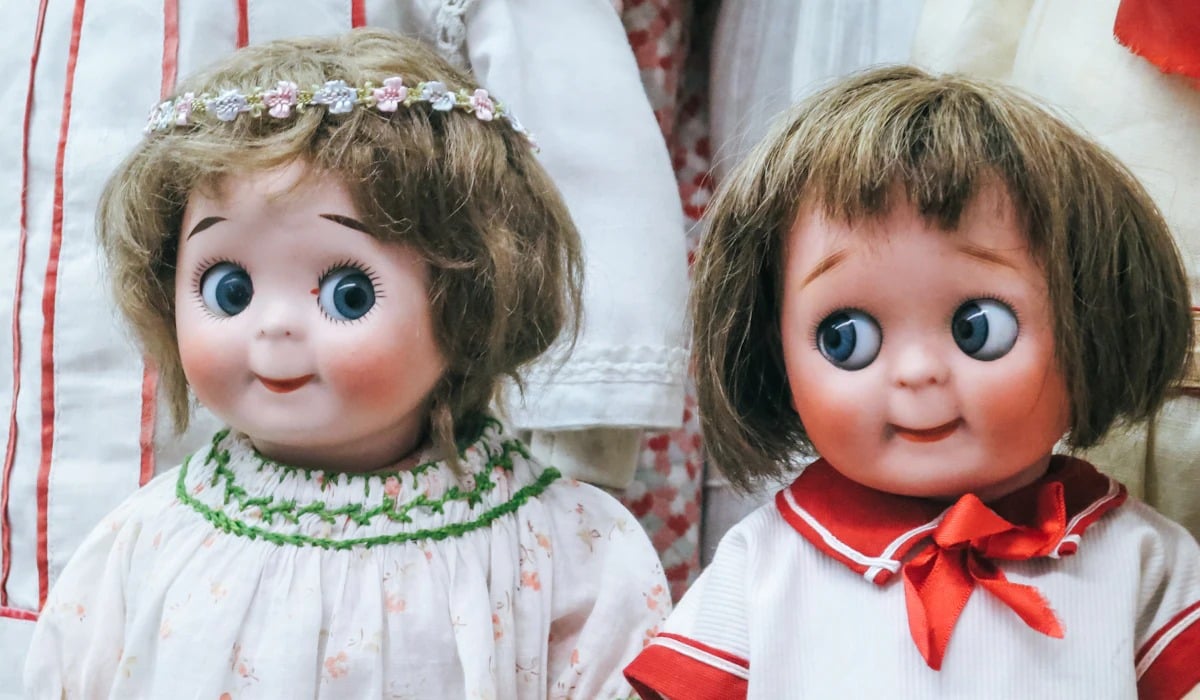
American Greetings created Strawberry Shortcake as a greeting card character around 1980, and Kenner produced dolls that smelled like strawberries, blueberries and other fruits. The dolls and their pets became a major early 1980s collecting trend.
Many original dolls sell for about 10 to 50 dollars, while rare characters, playsets and dolls in original packaging bring more. Collectors check for the original scent, which fades over time, along with hats and accessories.
Missing hats, cut hair and stains reduce value, and complete sets remain the most desirable.
Cabbage Patch Kids Signed by Xavier Roberts

Xavier Roberts, a young Georgia art student, created hand-stitched soft sculpture dolls called Little People in the late 1970s and offered them for adoption at Babyland General Hospital in Cleveland, Georgia. Coleco began mass producing the dolls as Cabbage Patch Kids in 1982, and the 1983 holiday season brought shoving matches in store aisles across the country.
Early handmade dolls signed by Roberts often sell for hundreds to thousands of dollars, while ordinary Coleco dolls usually bring about 20 to 50 dollars. Collectors check the signature on the doll’s backside and look for the adoption papers and birth certificate.
Stains, cut yarn hair and missing papers lower value.
Metal Lunch Boxes
Aladdin Industries released a Hopalong Cassidy lunch box in 1950, and lithographed metal boxes featuring TV cowboys, cartoon families and astronauts soon became a back-to-school ritual. Aladdin and its rival Thermos produced hundreds of designs before concerns about metal boxes as playground weapons helped push makers toward vinyl and plastic.
Boxes from the 1950s and 1960s often sell for about 100 to 1,000 dollars with their matching bottles, while the dome-shaped Jetsons box from the early 1960s regularly brings more. Collectors check for rust, dents and paint loss along the edges.
A missing thermos or worn, scratched graphics reduce value considerably.
View-Master Reels and Viewers
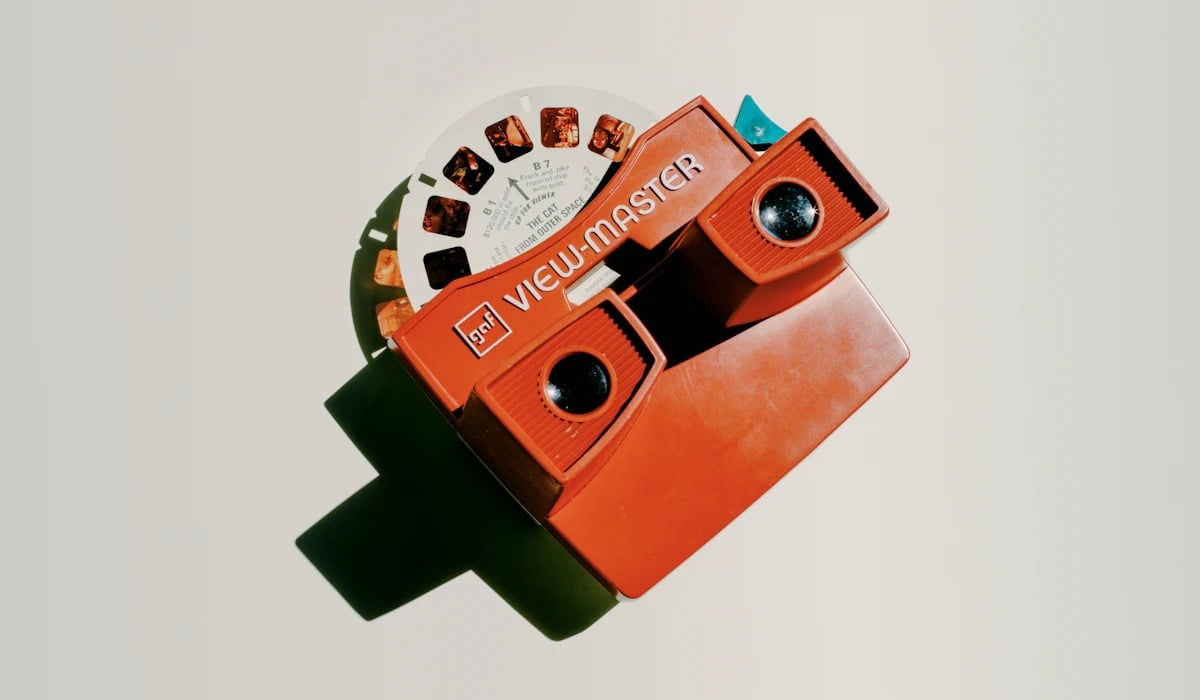
Sawyer’s introduced View-Master at the 1939 New York World’s Fair, based on a design by William Gruber, a German-born photographer and organ maker living in Portland, Oregon. The first reels were sold as scenic souvenirs, but the stereo viewer soon became a children’s staple, with cartoon stories, fairy tales and TV shows in glowing 3D.
Most reels sell for about 5 to 30 dollars, while early Sawyer’s sets, rare titles and complete packets with their booklets bring more. Collectors hold reels to the light to check for scratches and color fading.
Cracked viewers, bent reels and missing booklets reduce value.
Lisa Frank and 1980s Sticker Albums
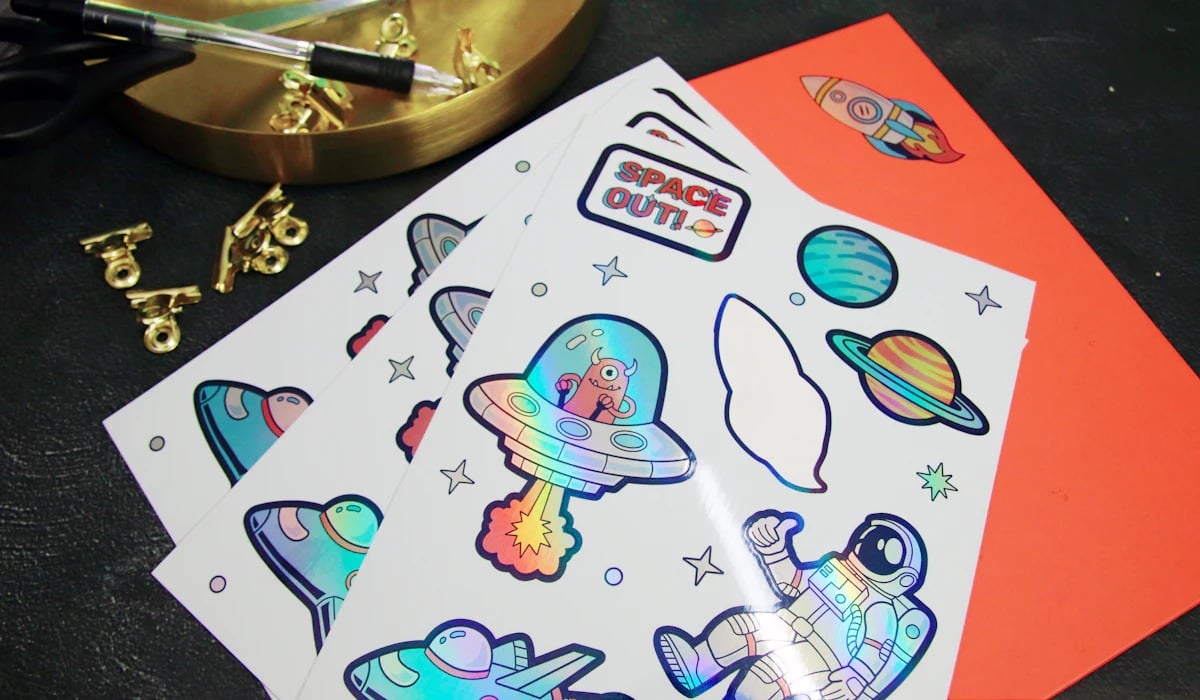
Sticker albums packed with scratch-and-sniff, puffy, fuzzy and prismatic stickers were a defining childhood hobby of the 1980s, and trading among friends was half the fun. Lisa Frank, based in Tucson, Arizona, built a brand around rainbow leopards, dolphins and unicorns, while Mrs.
Grossman’s and Sandylion were other popular names. Complete albums often sell for about 50 to 300 dollars, with rare individual stickers bringing more on their own.
Collectors look for unpeeled stickers, glossy backing pages and scents that still work. Stickers that were peeled and restuck, sun fading and torn album pages all lower what a collection brings.
Little Golden Books First Printings
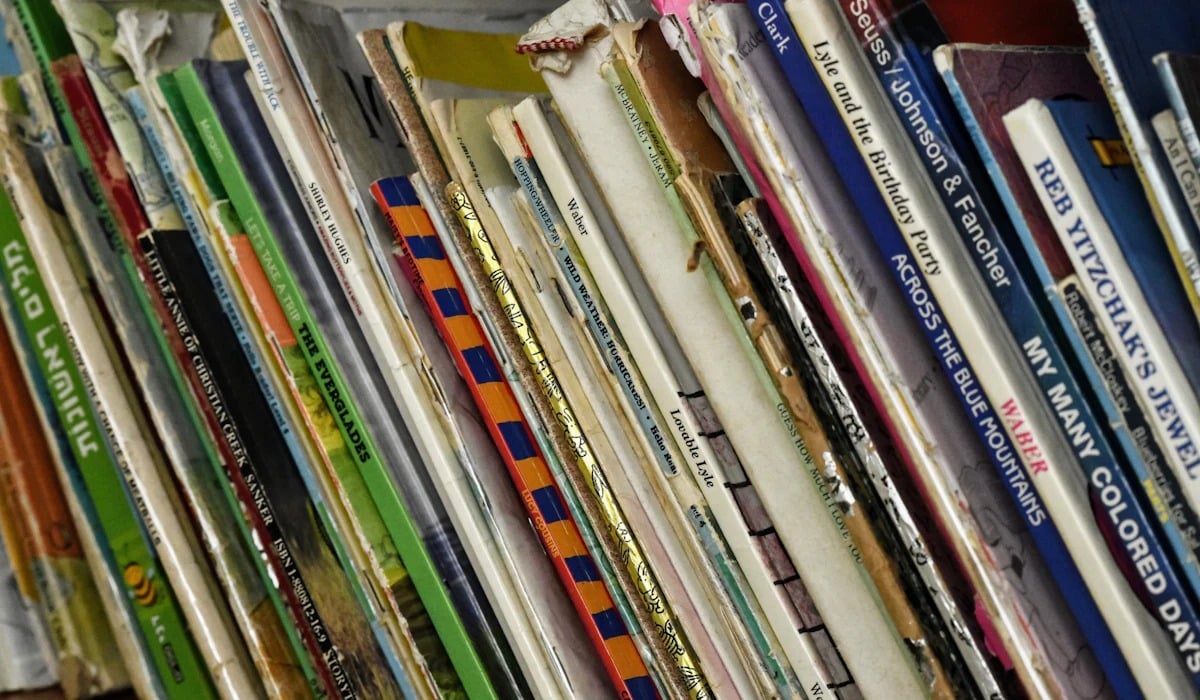
Simon and Schuster launched Little Golden Books in 1942 at 25 cents each, putting colorful, well-illustrated children’s books within reach of ordinary families. The Poky Little Puppy, one of the original 12 titles, became one of the best-selling children’s books in American history.
First printings are the most collectible, and many early editions can be identified by printing codes or a letter A on the last page. Values typically range from about 20 to 200 dollars, with early books still wearing their original dust jackets bringing more.
Collectors check spines and pages closely. Crayon scribbles, torn spines and missing pages lower value.
Nancy Drew and Hardy Boys First Editions
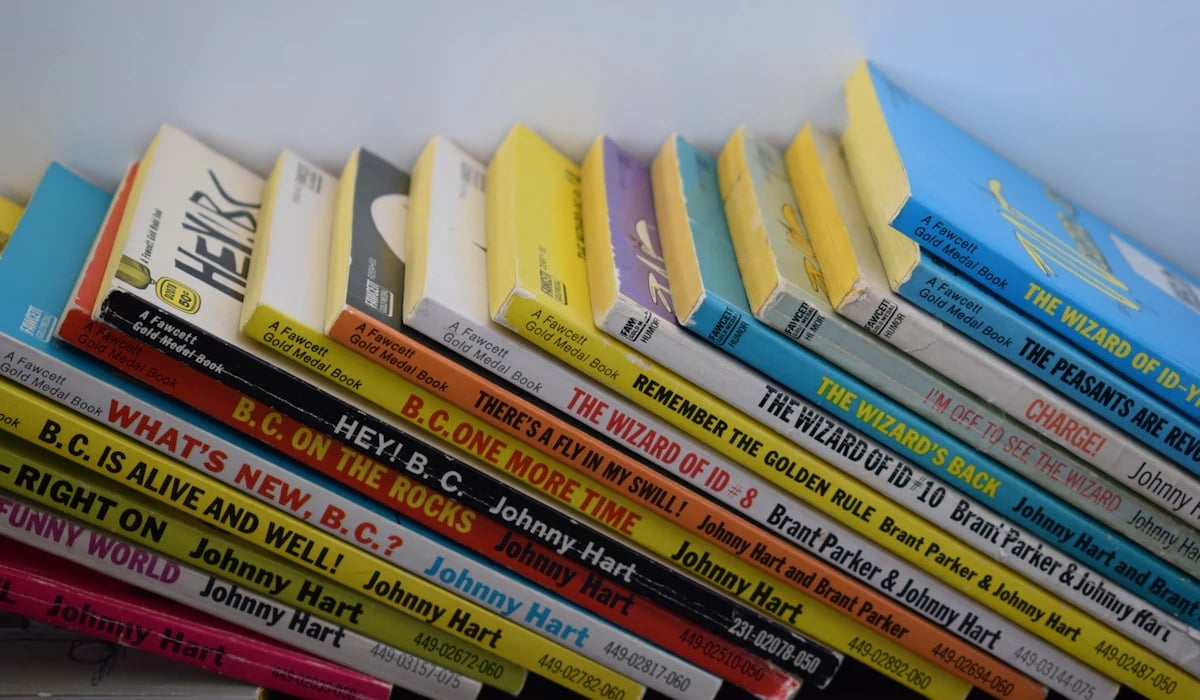
The Stratemeyer Syndicate created the Hardy Boys in 1927 and Nancy Drew in 1930, with the books written by ghostwriters under the pen names Franklin W. Dixon and Carolyn Keene.
Mildred Wirt Benson wrote many of the early Nancy Drew mysteries. First editions with their original dust jackets are highly prized, and early titles like The Secret of the Old Clock can sell for thousands of dollars in good jackets.
Later printings and the familiar yellow-spined picture covers usually sell for much less. Collectors check first edition points carefully.
Torn jackets, faded spines and writing inside reduce value.
Hess Toy Trucks
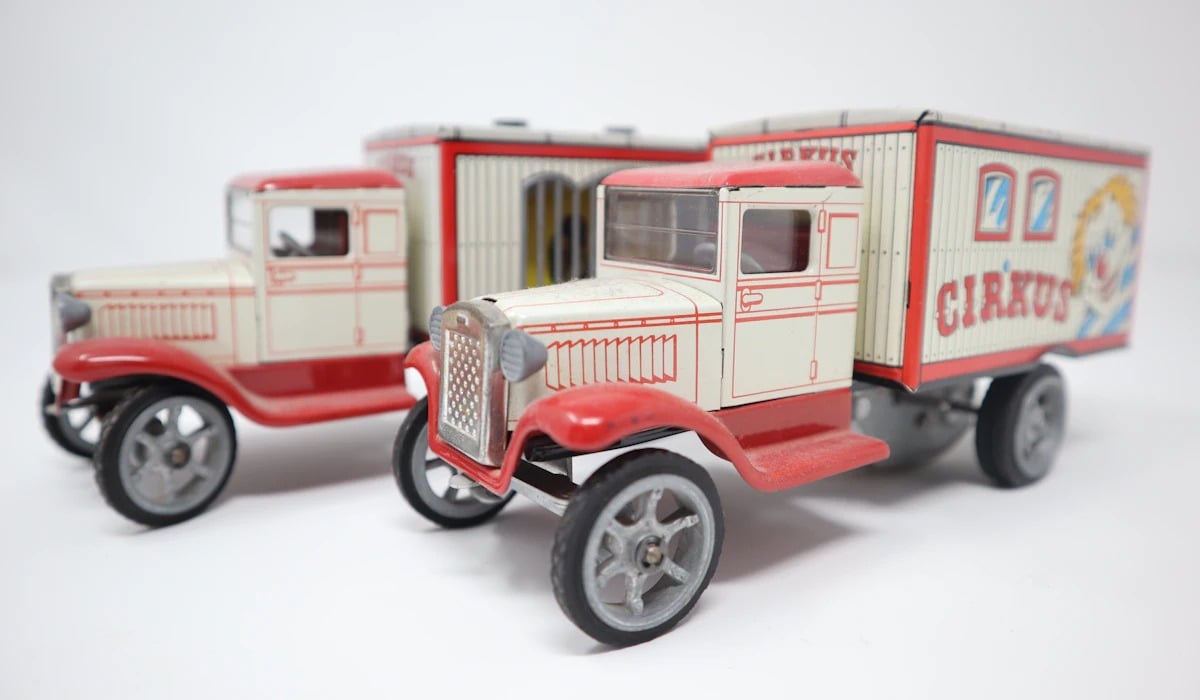
Hess, the gasoline company, began selling toy trucks at its stations in 1964, and the annual holiday release turned into a tradition that families lined up for each year. The first truck, a tanker trailer with working lights, is among the most valuable, often selling for several hundred dollars and sometimes more than 1,000 dollars in its original box.
Later trucks typically sell for much less, especially those from the 1990s and beyond when production grew. Collectors check that the lights and sounds work and that the box is complete with inserts.
Corroded battery compartments, missing parts and damaged boxes reduce value.
Transformers Generation 1 Toys
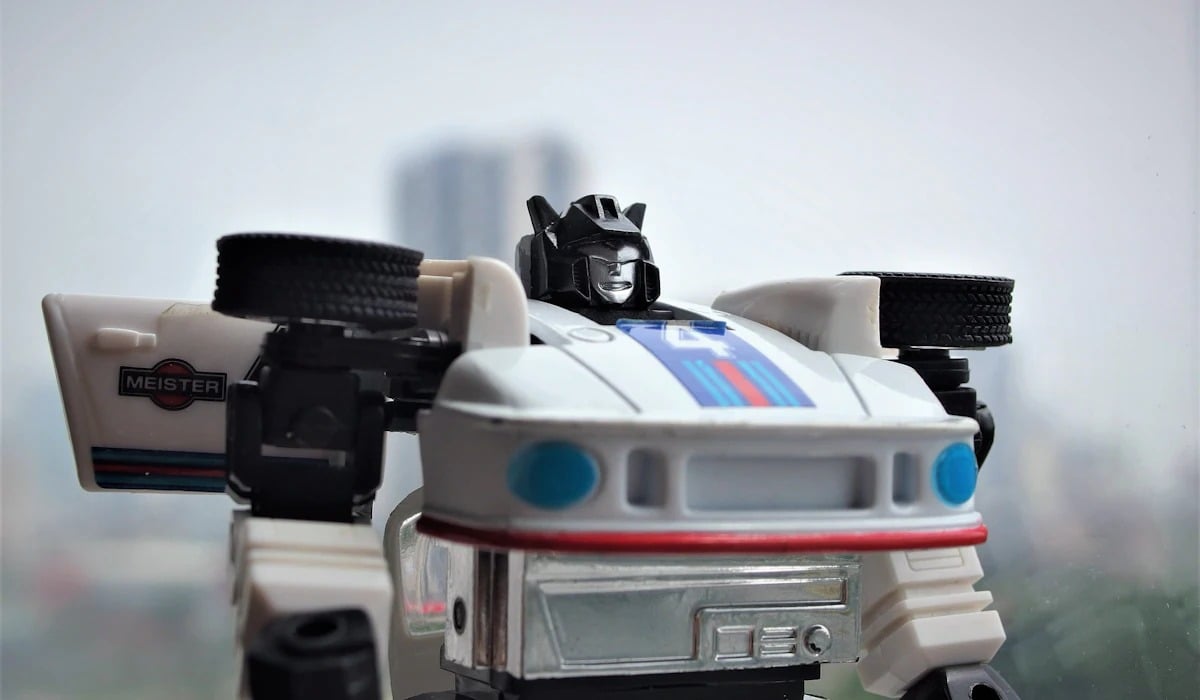
Hasbro launched Transformers in 1984, using toy molds originally developed by Takara in Japan and building a storyline and cartoon around them. The first generation, known to collectors as G1, included Optimus Prime, Megatron, Soundwave and Bumblebee.
Loose figures often sell for about 10 to 50 dollars, while complete examples with every weapon, instruction sheet and tech spec card bring more, and sealed boxed figures can reach thousands. Collectors check for loose joints, broken tabs and chrome wear.
Missing accessories are the most common problem, since tiny guns and fists vanished quickly in real play.
Masters of the Universe Figures
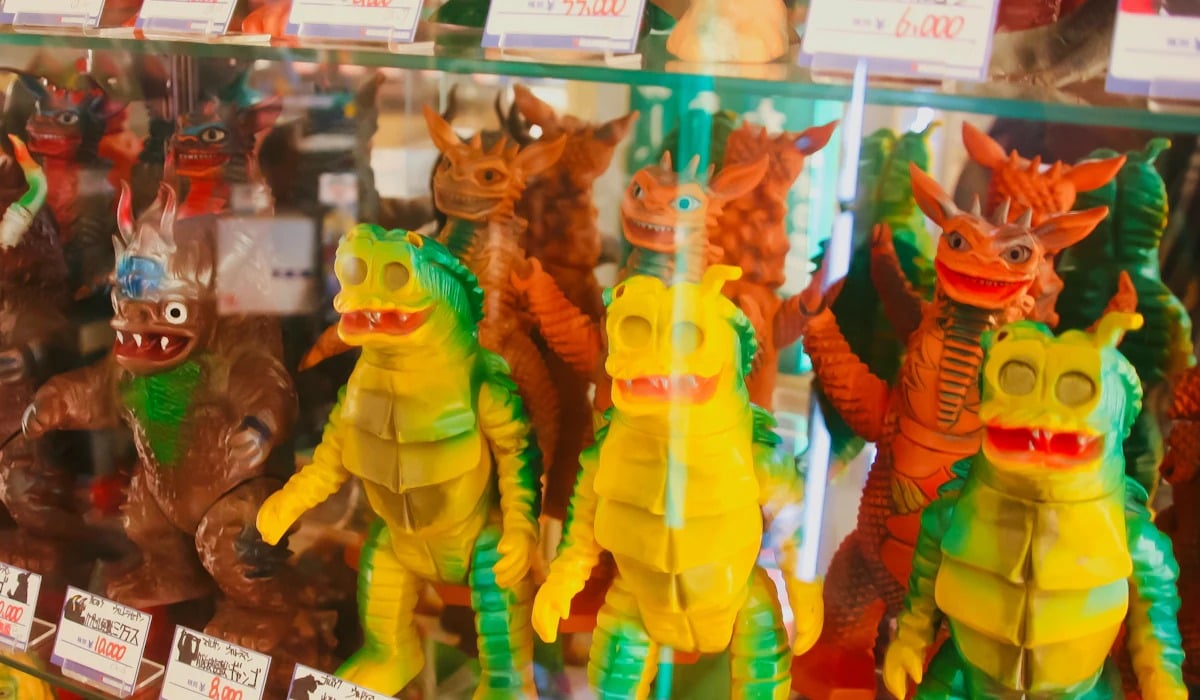
Mattel launched Masters of the Universe in 1982, with He-Man, Skeletor and the fortress Castle Grayskull leading a line backed by a popular cartoon. The muscular figures, with their twist-action waists, became a 1980s staple, and the line grew to include vehicles, creatures and playsets like Snake Mountain.
Loose figures often sell for about 20 to 60 dollars, while carded examples bring hundreds or more depending on the character and card back. Collectors check for original weapons, armor and cloth details.
Broken thumbs, loose legs and missing accessories reduce value, and complete playsets with their small parts are increasingly scarce.
Lionel Toy Trains
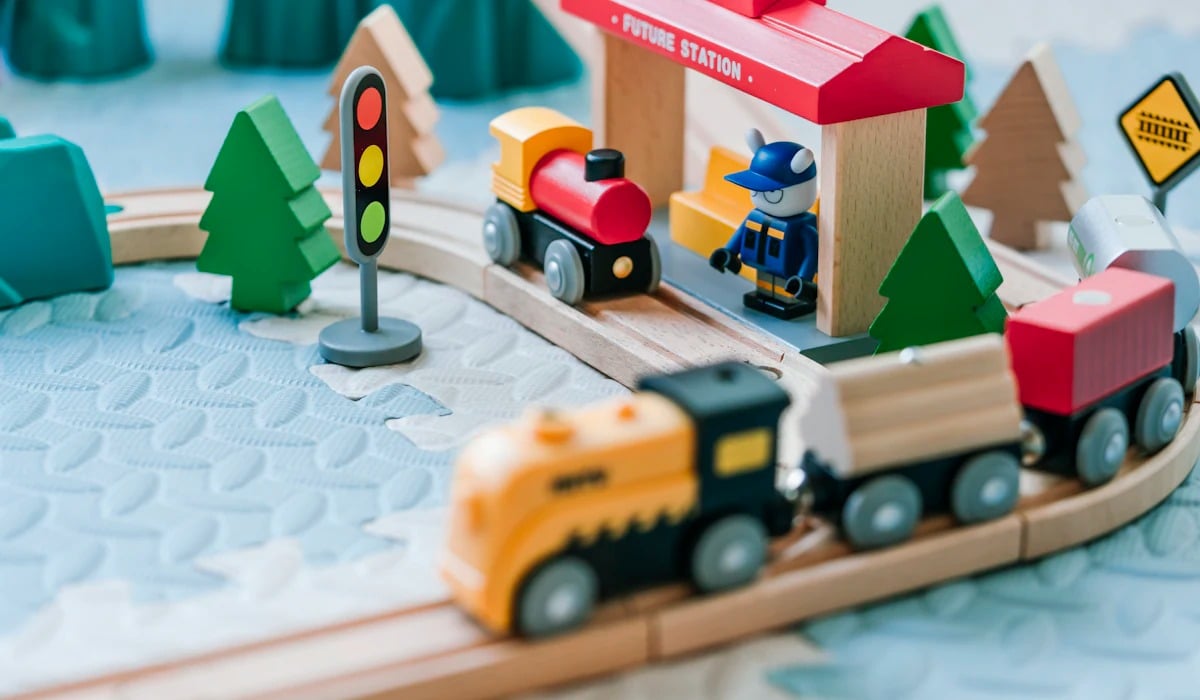
Joshua Lionel Cowen founded Lionel in New York in 1900, and its electric toy trains became a holiday tradition circling Christmas trees for generations. Postwar trains from the late 1940s and 1950s are especially popular, including the Santa Fe diesel locomotives in red and silver.
Complete sets often sell for hundreds to thousands of dollars, with prewar standard gauge trains and rare sets bringing more. Collectors check for original boxes, working motors and smoke units.
Rust, missing parts, chipped paint and replaced pieces reduce value, and sets with their original transformers and track draw stronger interest.
Steiff Teddy Bears
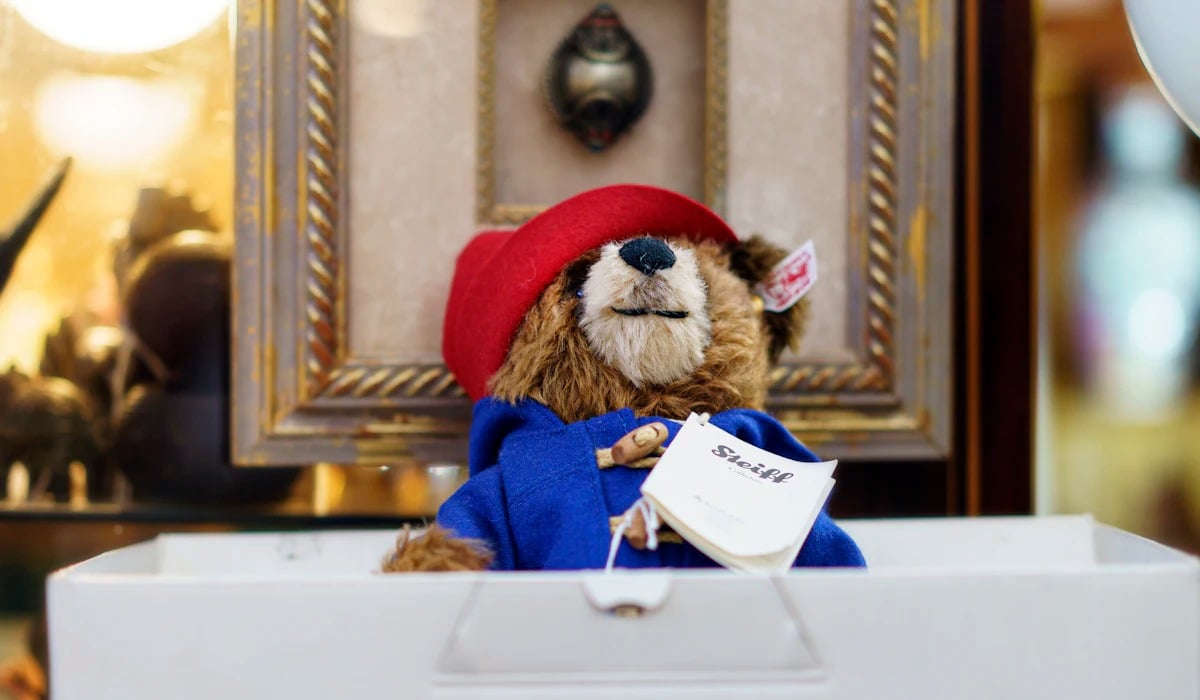
Margarete Steiff founded her toy company in Giengen, Germany, in the 1880s, and her nephew Richard Steiff designed one of the earliest jointed teddy bears in 1902. Steiff bears carry the company’s trademark button in the ear, introduced in 1904, and the style of that button helps date them.
Early bears from the first decades often sell for thousands of dollars, with rare colors and sizes bringing more. Later Steiff bears and animals are more common but still collectible.
Collectors check for the button, tags and original fur. Bald patches, moth damage and replaced pads reduce value.
Cracker Jack Prizes
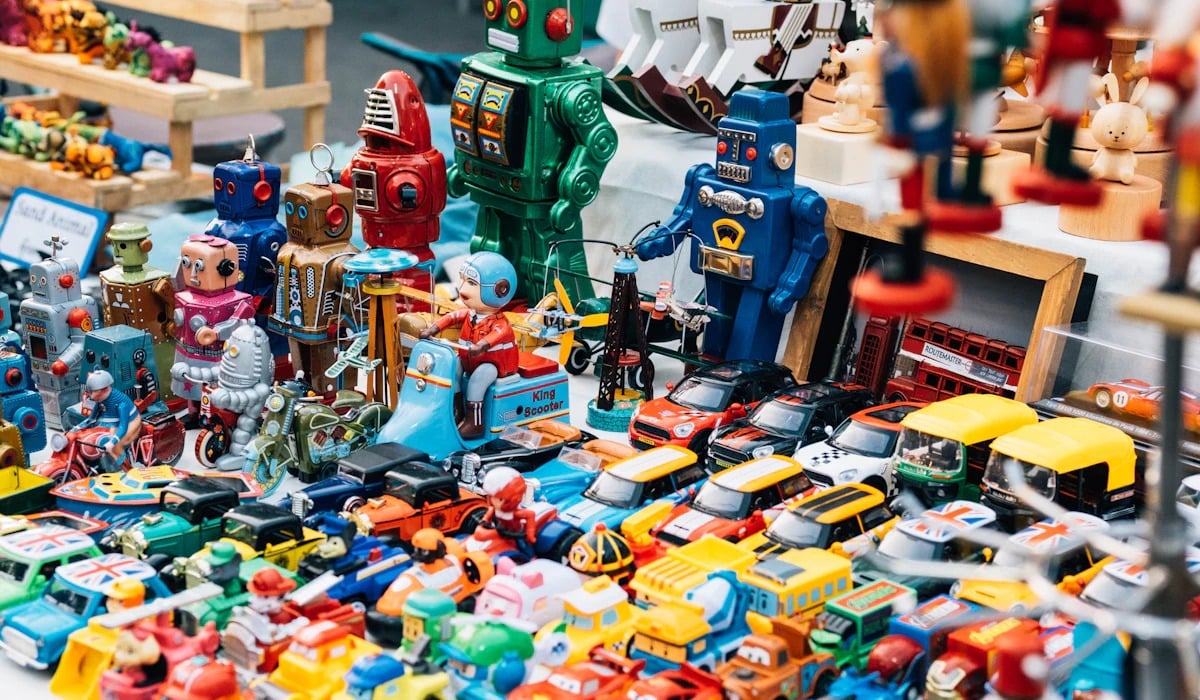
Cracker Jack began putting prizes inside its boxes in 1912, and kids dug through the caramel corn for decades to find tiny toys. Early prizes were made of tin, paper, celluloid and cast metal, including whistles, spinning tops, miniature books and small figures.
Many were lost or thrown away, which makes early examples scarce today. Early tin and celluloid prizes often sell for about 10 to 100 dollars, with rare pieces bringing more.
Collectors check for the Cracker Jack name, since many similar prizes were made for other brands. Rust, bends and broken parts reduce value.
Picture Sleeve 45 RPM Singles
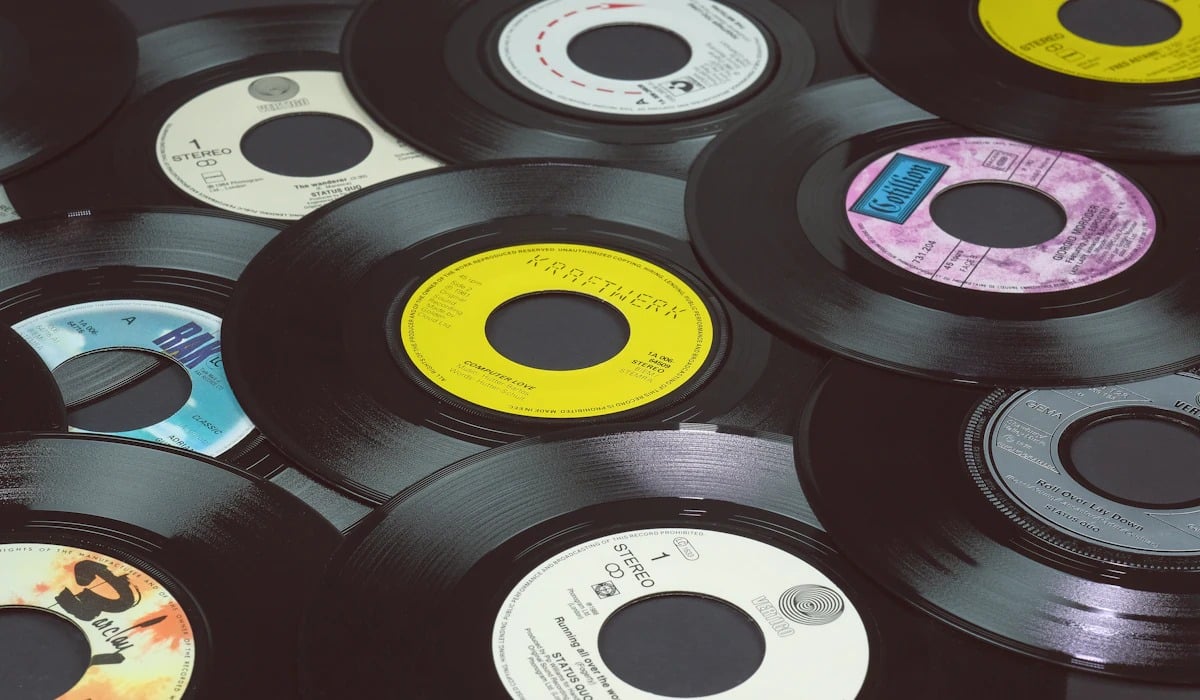
Teenagers in the 1950s and 1960s bought 45 RPM singles by the stack, and many of the records came in printed picture sleeves featuring the artist. Kids often tossed the sleeves or wrote on them, which is why clean examples are scarce.
Rare sleeves for early rock and pop singles can sell for hundreds of dollars or more, sometimes worth more than the record itself. Early Beatles singles on the Vee-Jay and Swan labels attract strong interest from collectors.
Ring wear, seam splits, tape and names written in ink lower value, and the record inside still matters too.
Shoeboxes Under Every Bed
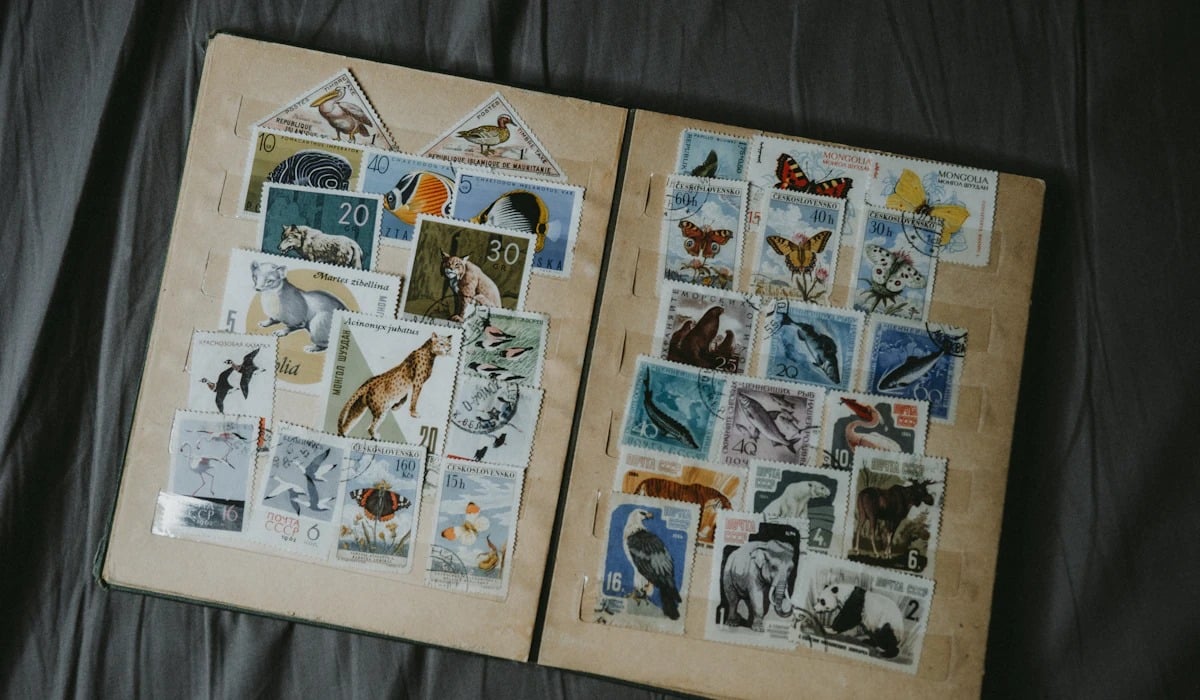
Childhood collections survive because kids care about them with a seriousness adults rarely match. Cards get sorted, stamps get mounted and toy cars get lined up just so.
That devotion is what kept so many of these things from the trash.
Value, though, arrives decades later and on its own terms. A collection is usually worth far less as a pile than its best few pieces are on their own.
The real work is finding those few, protecting their condition and resisting the urge to clean, trim or repair anything before an expert takes a look.
More from Go2Tutors!

- The Romanov Crown Jewels and Their Tragic Fate
- 13 Historical Mysteries That Science Still Can’t Solve
- Famous Hoaxes That Fooled the World for Years
- 15 Child Stars with Tragic Adult Lives
- 16 Famous Jewelry Pieces in History
Like Go2Tutors’s content? Follow us on MSN.