33 Photographs Taken Moments Before Disaster Struck That Historians Still Study Today
A photograph taken before a catastrophe carries a weight no one intended. The people in it are smiling, working or simply waiting, with no idea that the next hour will change everything.
Historians return to these images again and again, searching for warning signs, overlooked details or simply a last look at lives about to be interrupted. Some solved mysteries, while others deepened them.
Officers of the Franklin Expedition in 1845
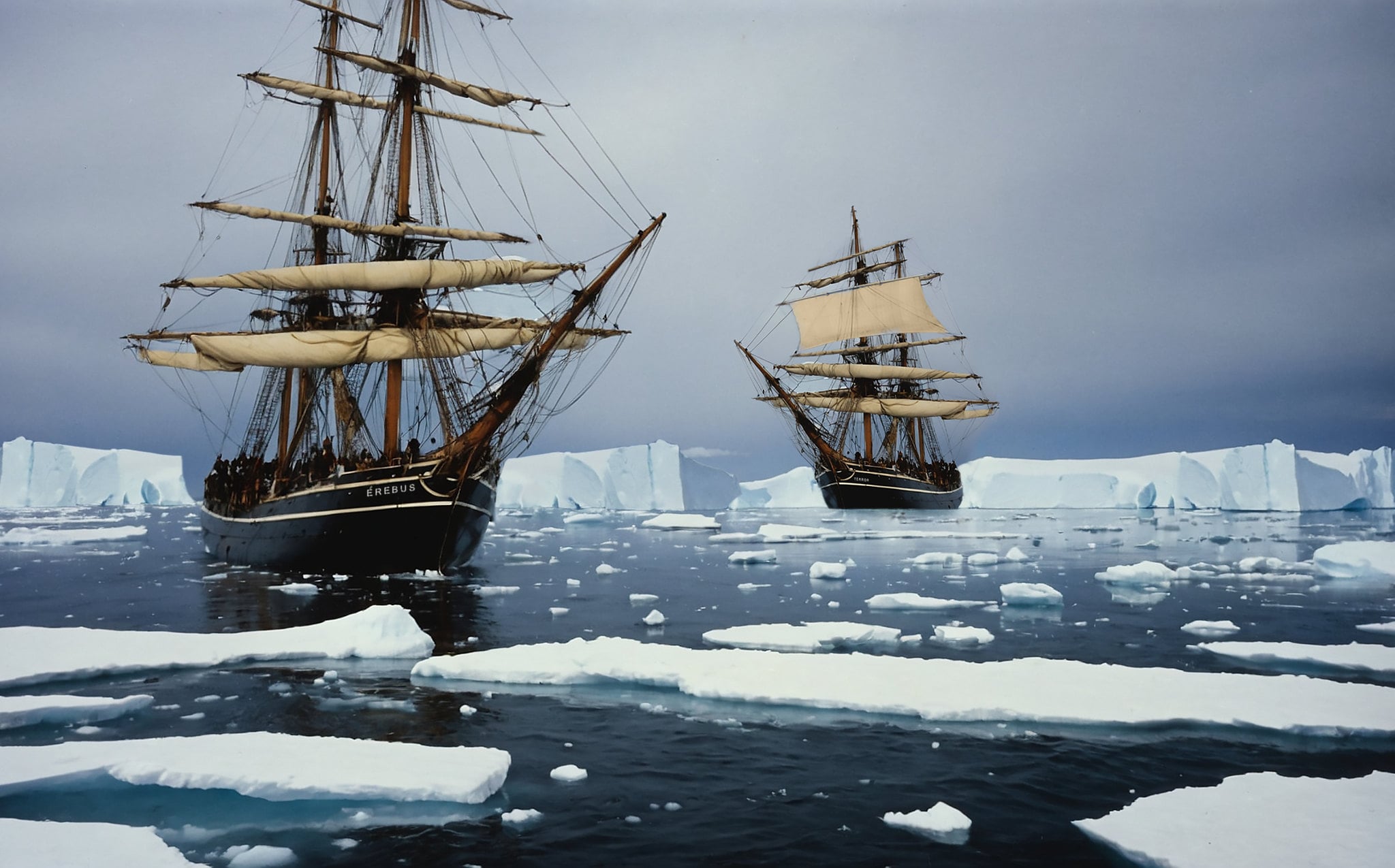
In May 1845, just before sailing from England in search of the Northwest Passage, officers of Sir John Franklin’s expedition sat for daguerreotype portraits, among the earliest photographs of polar explorers. Franklin himself posed in his dress uniform.
None of the 129 men aboard HMS Erebus and HMS Terror ever returned, and searchers pieced together their fate from scattered graves and notes for decades. The wrecks of both ships were finally located in the Canadian Arctic in 2014 and 2016.
An Ash Plume Rising Over Krakatoa
+++
DepositPhotos
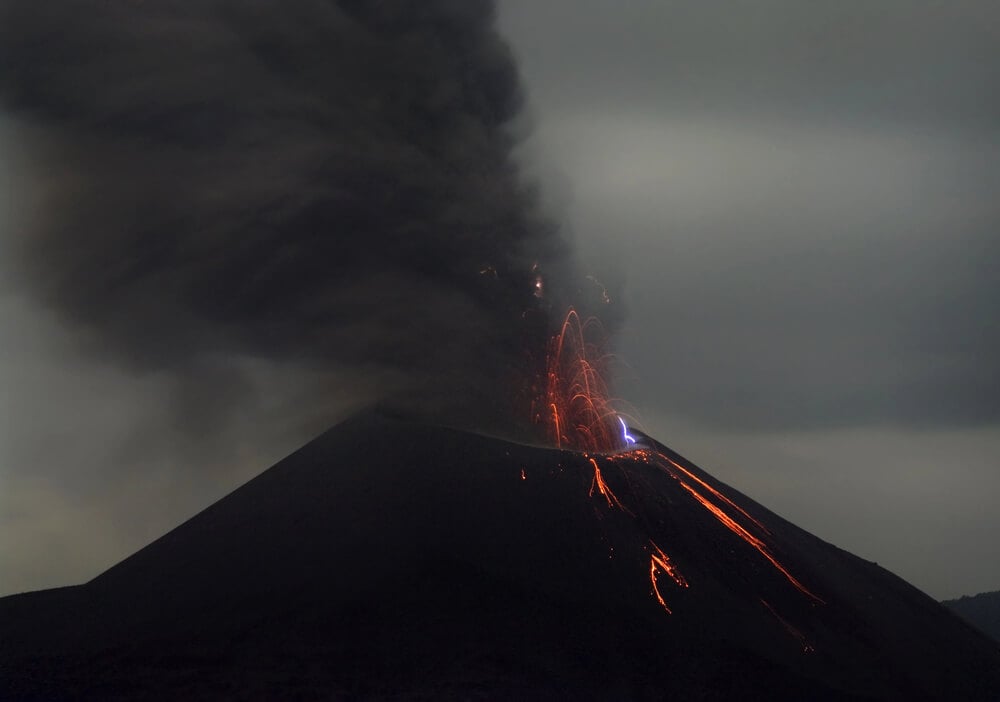
Krakatoa, a volcanic island between Java and Sumatra, appears in a photograph taken in May 1883 sending a plume of ash into the sky during an early phase of activity. Curious visitors even sailed out to look.
The eruption that followed in late August 1883 was among the most violent in recorded history, generating tsunamis that killed more than 36,000 people. The blast was heard thousands of miles away, and volcanologists still study the early image as a record of the warning phase.
USS Maine Anchored in Havana Harbor
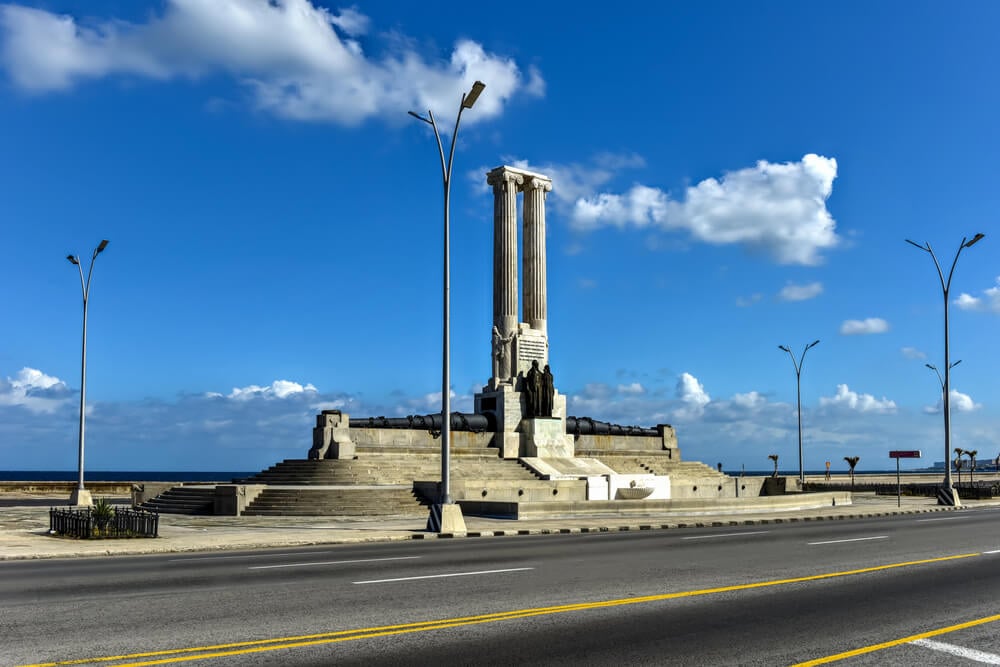
Arriving in Havana in January 1898, the American battleship USS Maine was officially on a friendly visit during rising tensions between Spain and Cuban rebels. Photographs show the gleaming warship riding calmly at anchor.
On the night of February 15, 1898, a massive explosion tore through the ship, killing more than 250 sailors. American newspapers blamed Spain, and the cry to remember the Maine helped push the country into war, although later investigations suggested an internal coal bunker fire may have caused the blast.
Scott’s Party at the South Pole
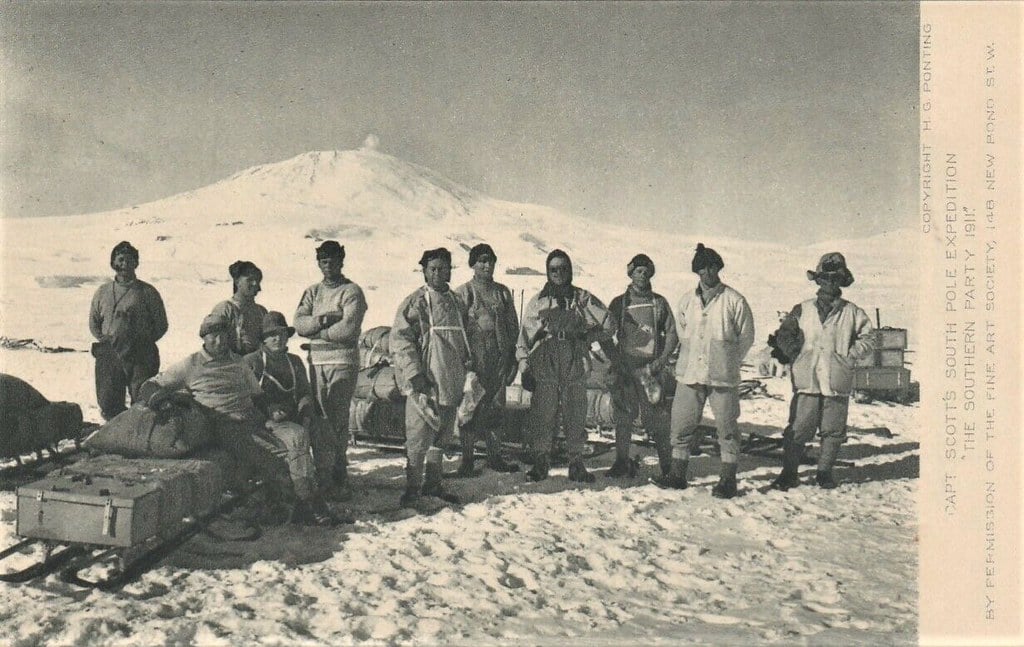
Henry Bowers pulled a string on January 18, 1912, to trigger a camera and capture Robert Falcon Scott and his four companions at the South Pole. Their faces show exhaustion and disappointment, because they had discovered that Roald Amundsen’s Norwegian team had arrived five weeks earlier.
All five men died on the trek home. A search party found the tent, the bodies and the undeveloped film that November, and the photograph became one of the most haunting images of polar exploration.
Father Browne’s Last Look at Titanic
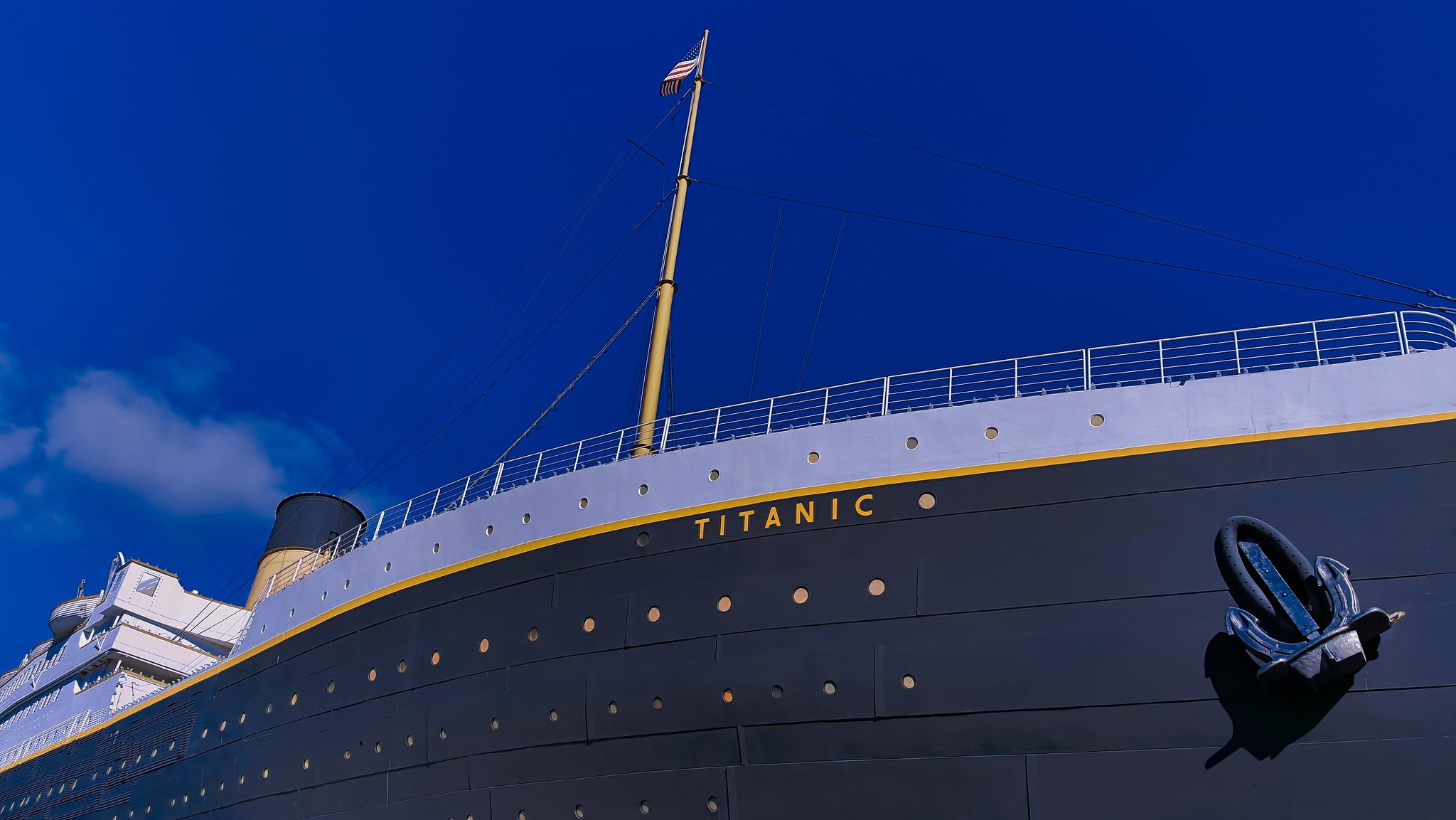
Francis Browne, a young Jesuit, received a ticket for the first leg of Titanic’s maiden voyage in April 1912 and photographed life aboard, including passengers on deck and the gymnasium. A wealthy American couple offered to pay for him to continue to New York, but his superior ordered him to leave the ship at Queenstown, Ireland.
His photographs include some of the last images of Captain Edward Smith and of the ship itself steaming away. Days later, more than 1,500 people died when Titanic sank.
Franz Ferdinand Leaving Sarajevo Town Hall
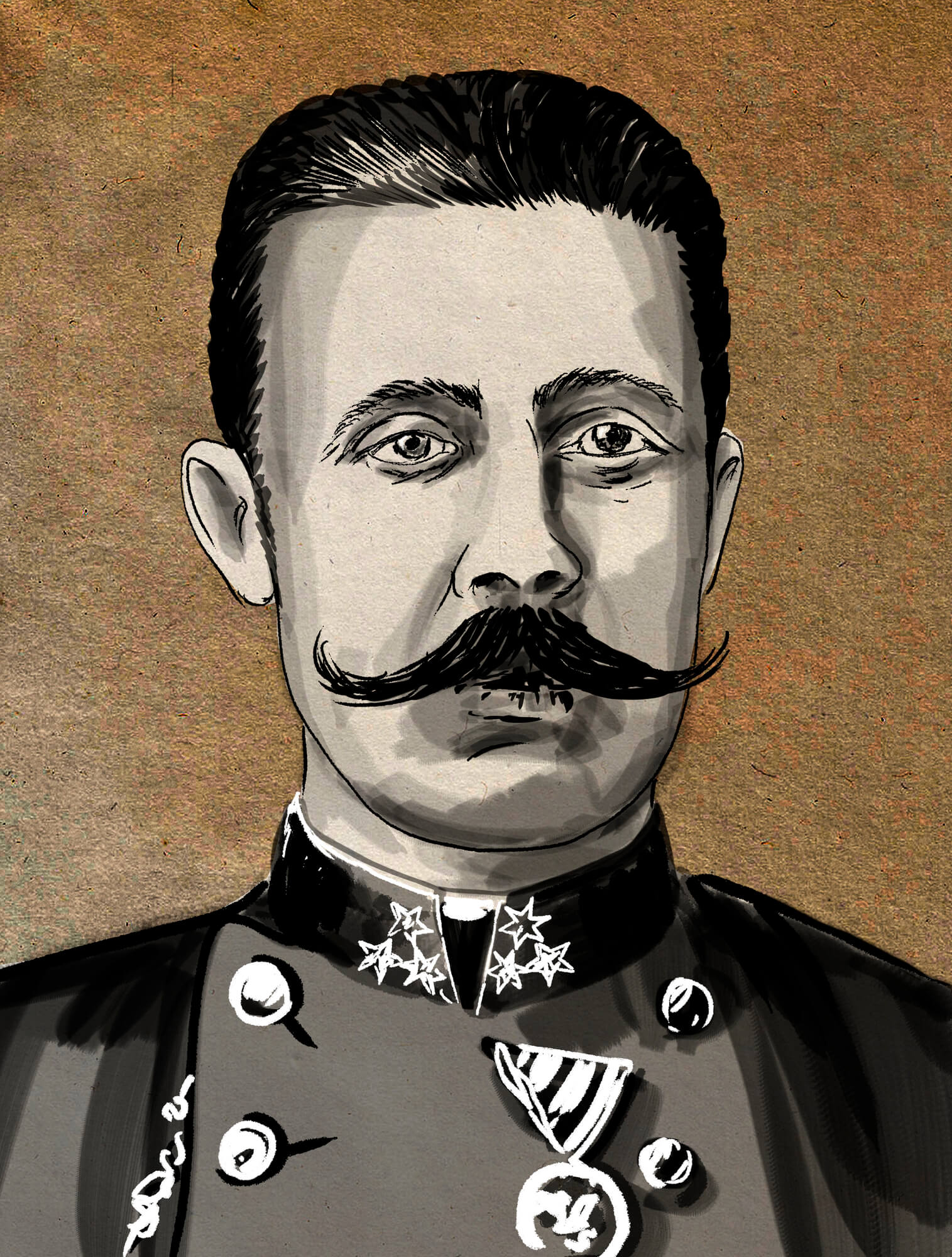
On June 28, 1914, photographers captured Archduke Franz Ferdinand and his wife Sophie walking out of Sarajevo’s town hall toward their open car. Earlier that morning, a bomb had been thrown at their motorcade and missed.
Minutes after the photographs were taken, their driver made a wrong turn and stopped near Gavrilo Princip, who shot both of them dead. The assassination set off the chain of events that led to the First World War, making these ordinary snapshots among the most consequential ever taken.
Lusitania Steaming Out of New York
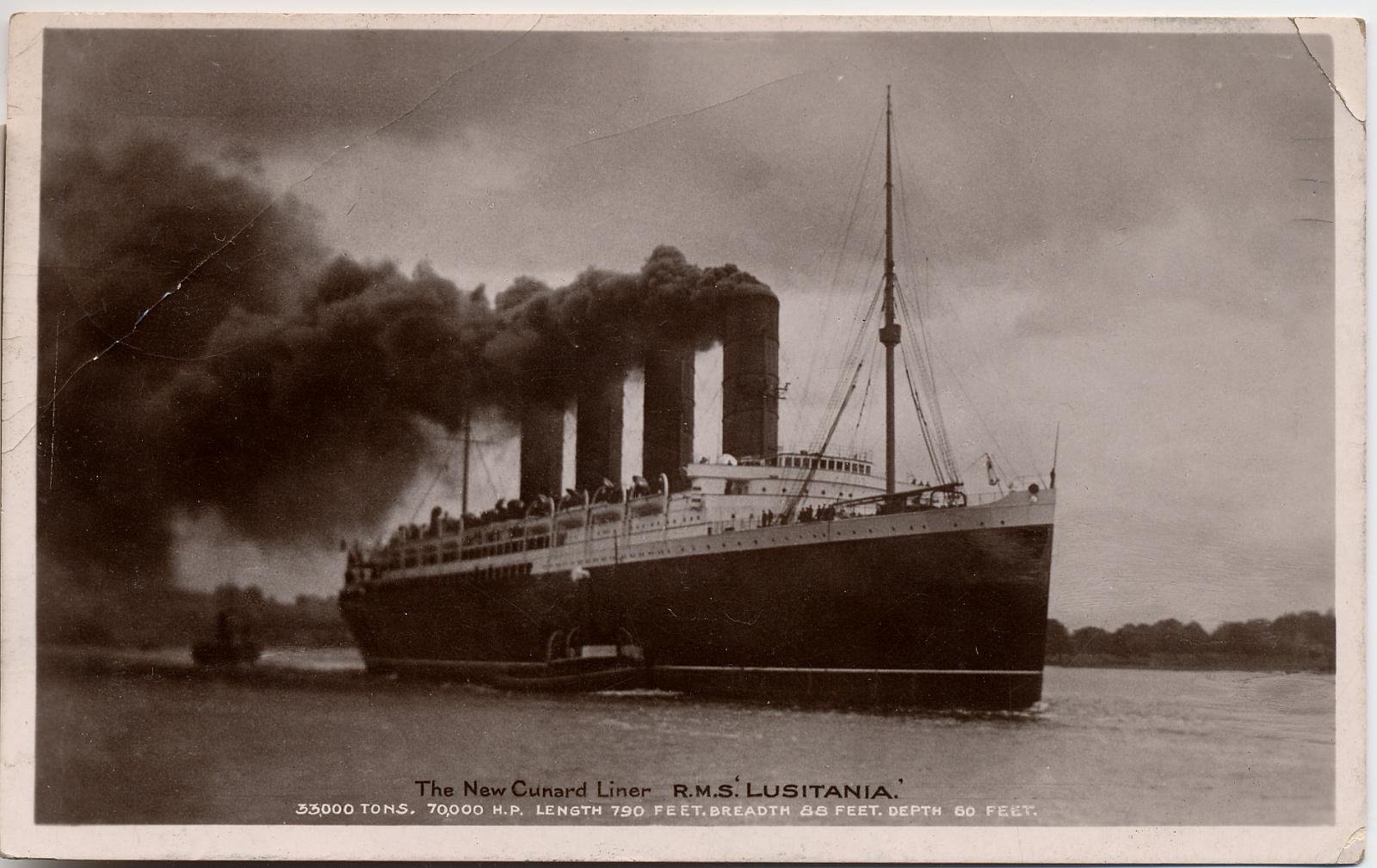
Crowds photographed the Cunard liner Lusitania on May 1, 1915, as it departed New York for Liverpool, despite a notice from the German embassy warning travelers that ships entering the war zone around Britain could be destroyed. Many passengers dismissed the danger because the liner was so fast.
Six days later, a German submarine torpedoed the ship off the coast of Ireland, and it sank in about 18 minutes. Nearly 1,200 people died, including 128 Americans, turning public opinion in the United States sharply against Germany.
Mallory and Irvine Leaving the North Col
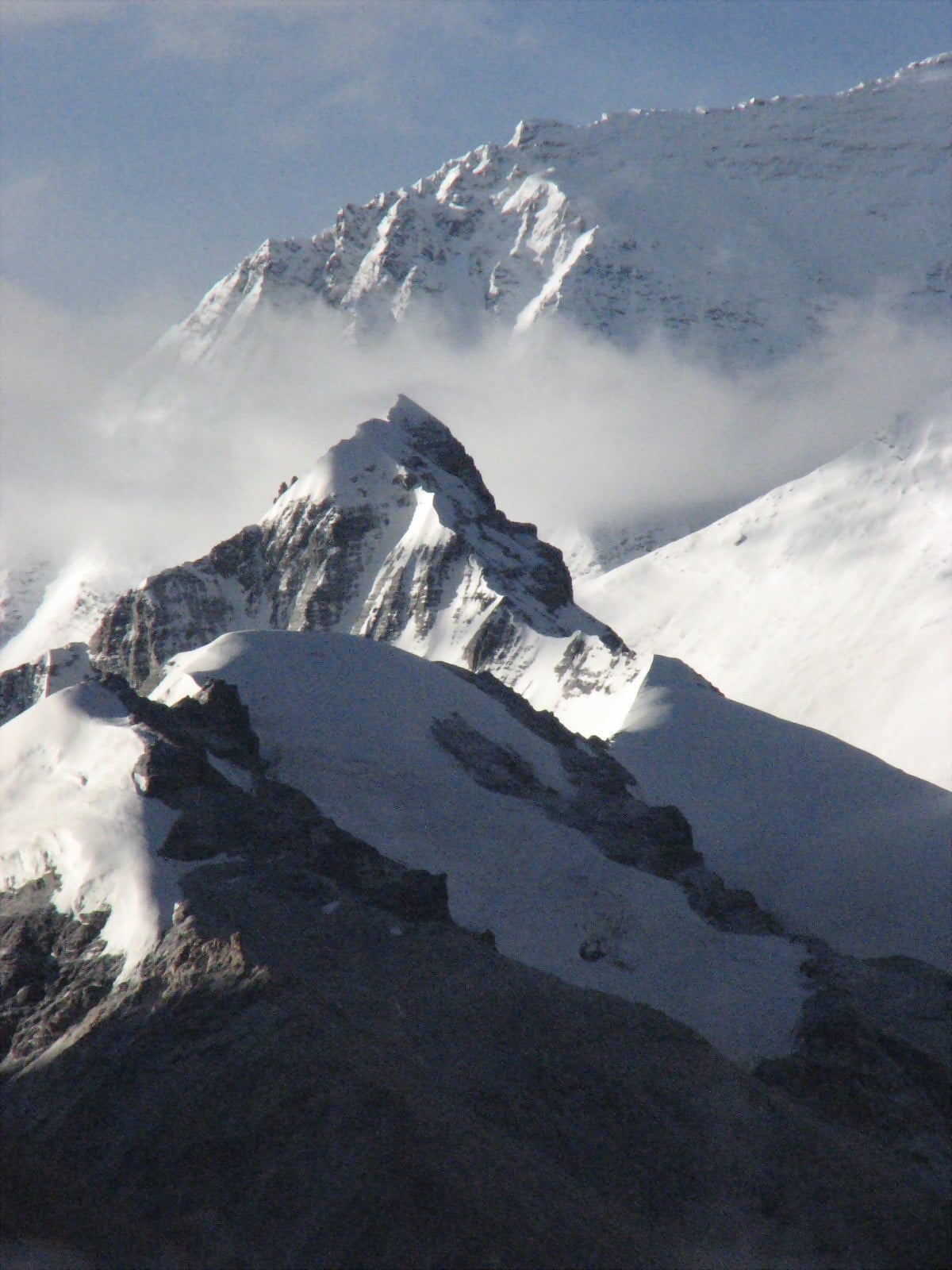
Fellow climber Noel Odell photographed George Mallory and Andrew Irvine at their camp on the North Col of Mount Everest on June 6, 1924, as they prepared to set out for the summit. Two days later, Odell glimpsed two figures high on the ridge before clouds closed in.
Neither man was seen alive again. Mallory’s body was found in 1999, but whether either climber reached the top decades before Edmund Hillary and Tenzing Norgay remains one of mountaineering’s great mysteries.
Airship R101 at the Cardington Mast
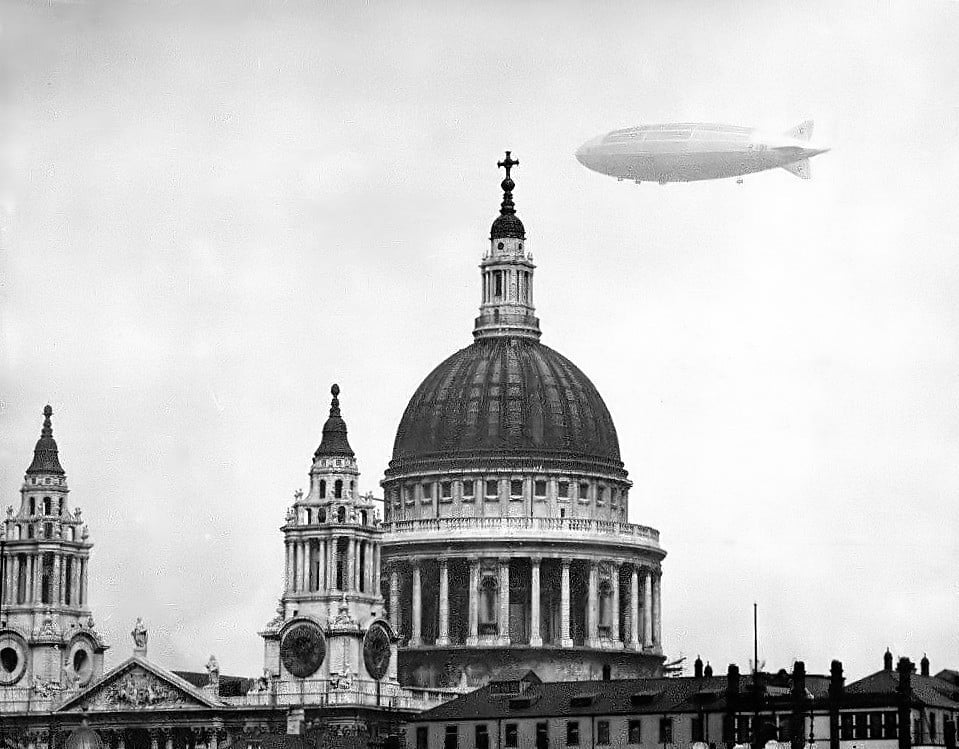
The British airship R101 was the largest flying craft in the world when it was photographed moored at its tower at Cardington in England in early October 1930. It was about to carry the Secretary of State for Air on a showpiece voyage to India.
Engineers had raised concerns about its weight and gas bags, but the flight went ahead in bad weather on October 4. Early the next morning, the airship crashed and burned near Beauvais in France, killing 48 of the 54 people aboard.
Dust Storm Bearing Down on Stratford, Texas
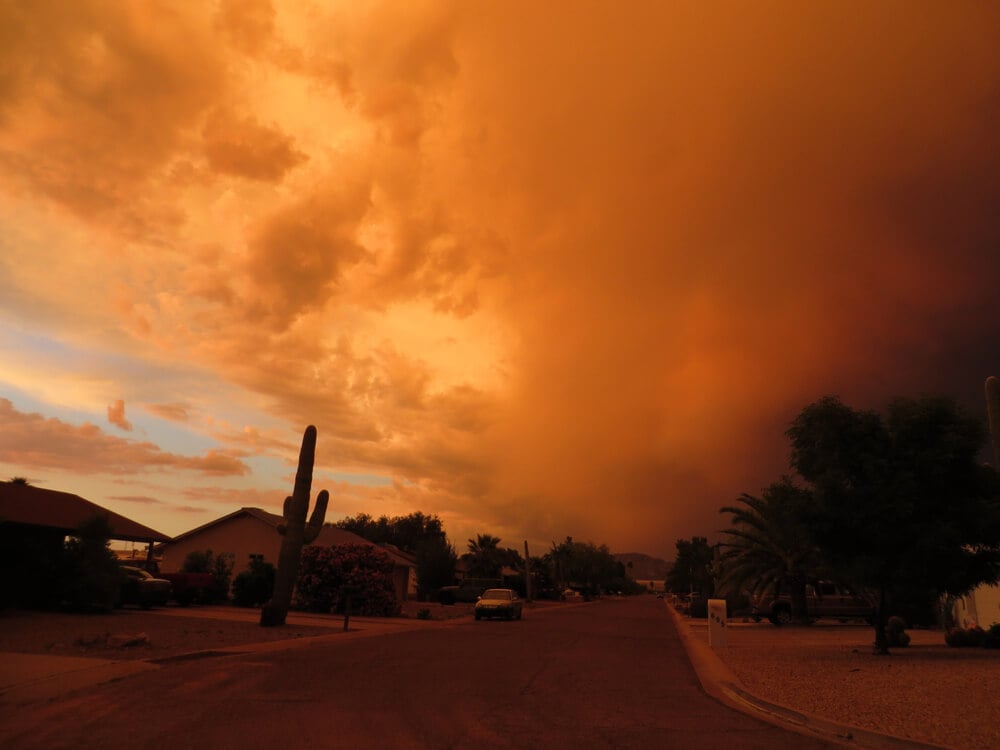
Stratford, Texas, looks tiny in a photograph taken on April 18, 1935, as a towering black cloud of dust rolls toward the town, dwarfing the buildings in its path. Such storms were so common during the Dust Bowl years that residents learned to seal windows with wet rags and tie cloths over their faces.
Just days earlier, the storm known as Black Sunday had turned day into night across the southern Plains. The image remains one of the defining pictures of the era.
Hindenburg Gliding Over Manhattan
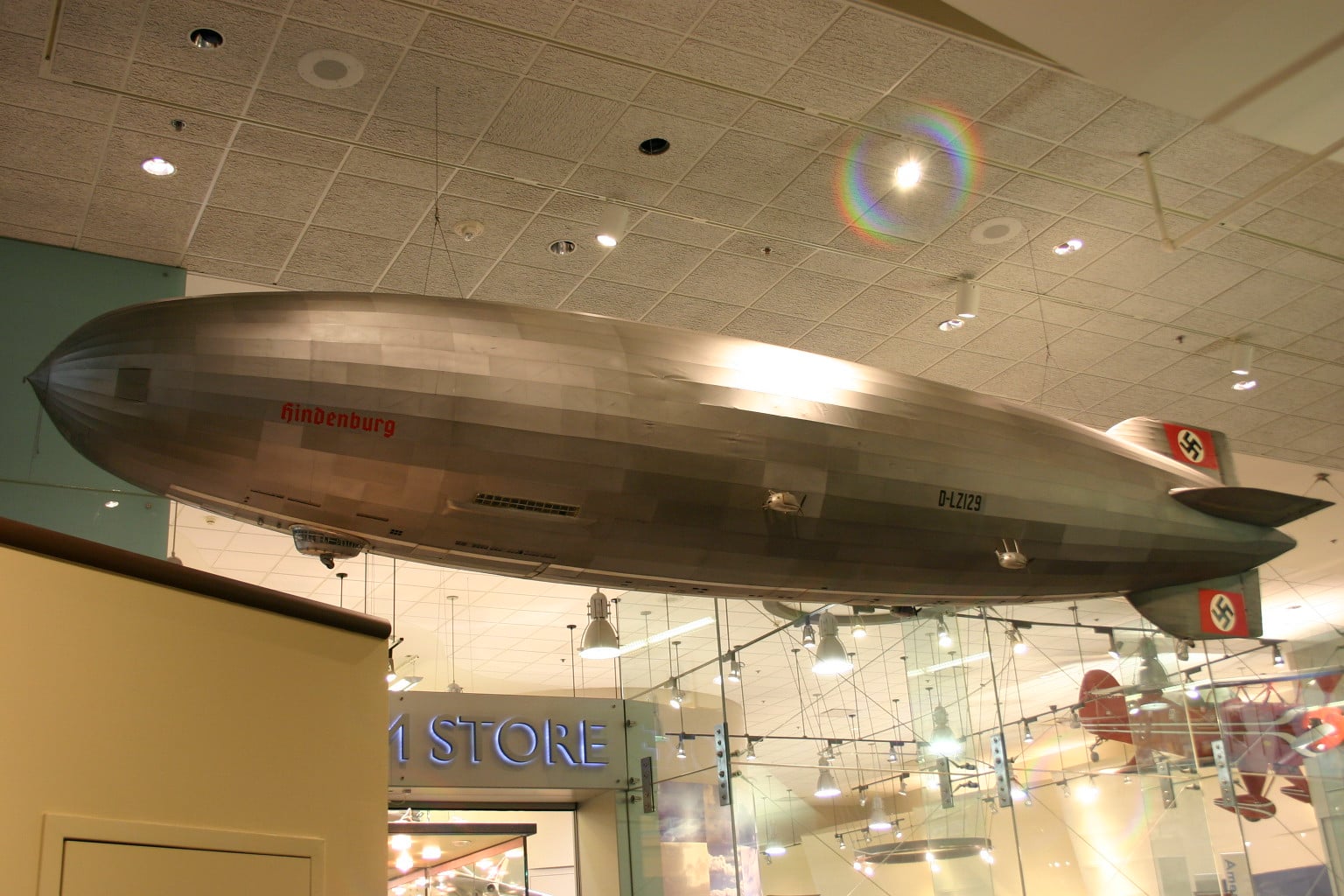
Germany’s airship Hindenburg drifted over Manhattan on the afternoon of May 6, 1937, on its way to Lakehurst, New Jersey, and photographers captured its enormous silver hull passing near the Empire State Building. Office workers leaned from windows to watch.
Hours later, as it approached the mooring mast at Lakehurst, the hydrogen-filled airship caught fire and was destroyed in less than a minute. Thirty-six people died, and newsreel footage of the flames effectively ended the age of passenger airships.
Amelia Earhart at Lae, New Guinea
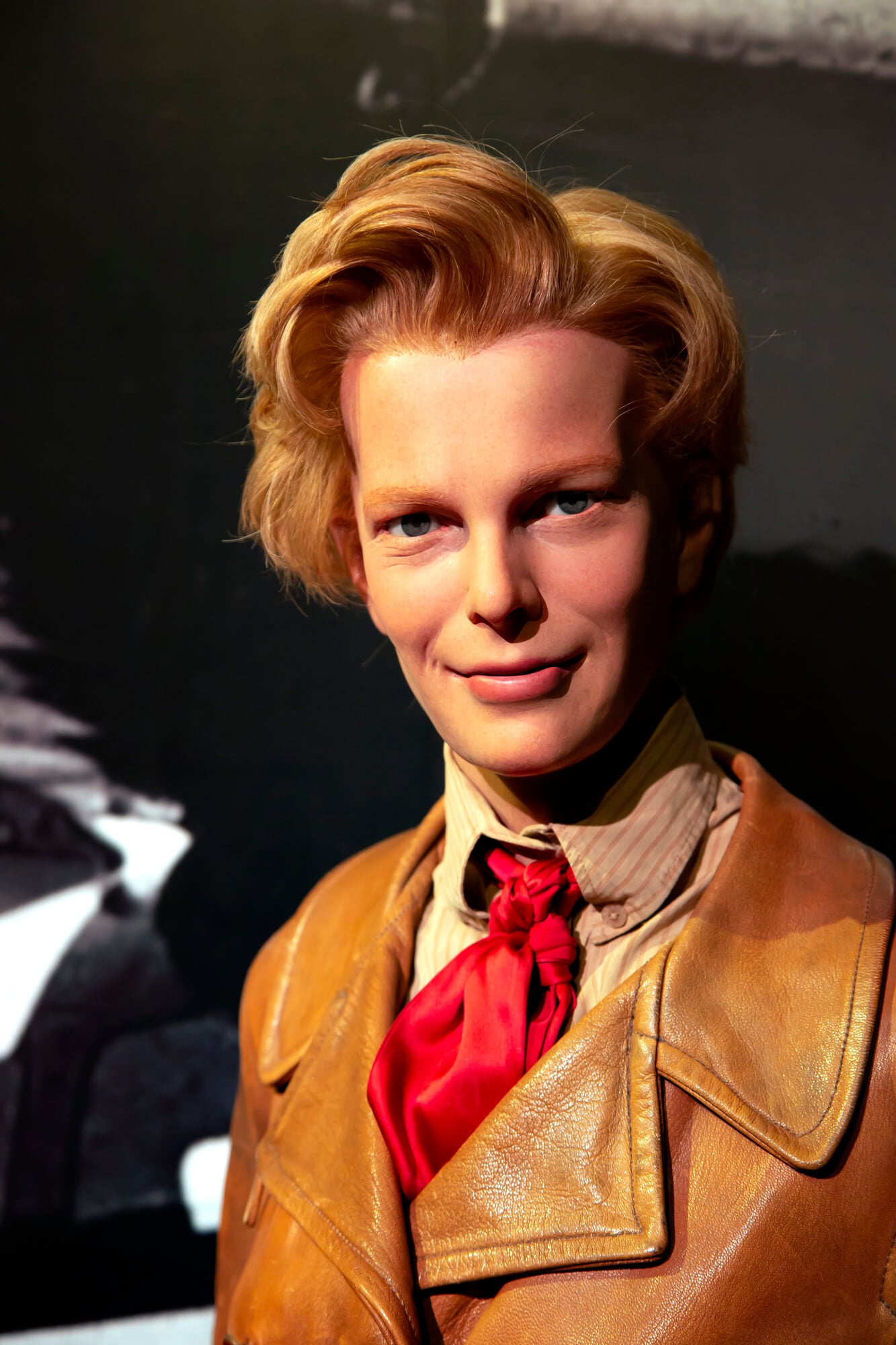
In late June and early July 1937, photographers at Lae, in what was then the Territory of New Guinea, captured Amelia Earhart and her navigator Fred Noonan beside their Lockheed Electra. They were near the end of an attempt to fly around the world at the equator.
On July 2, they took off for tiny Howland Island in the Pacific and vanished. The images are studied closely by researchers searching for the plane, who look for details of equipment, fuel loads and even a patch on the fuselage.
Tacoma Narrows Bridge Twisting in the Wind
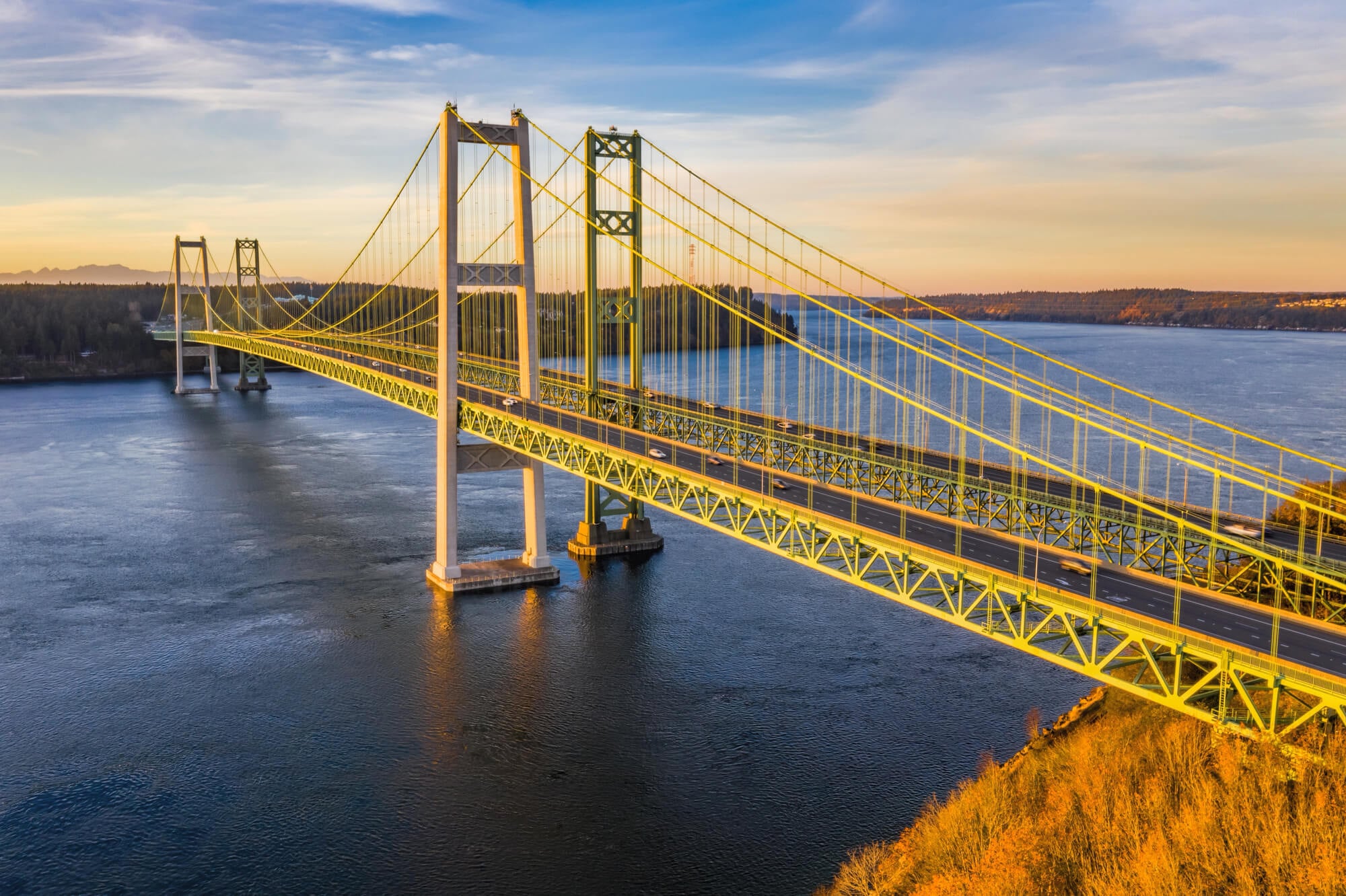
The Tacoma Narrows Bridge in Washington State opened in July 1940, and its tendency to bounce in the wind earned it the nickname Galloping Gertie. On November 7, 1940, moderate winds set the deck twisting violently, and photographers and a film crew recorded the motion for about an hour.
A newspaper editor abandoned his car on the span, leaving behind his daughter’s dog, which died when the bridge collapsed into the water. The footage still appears in engineering classes worldwide.
HMS Hood’s Final Photograph
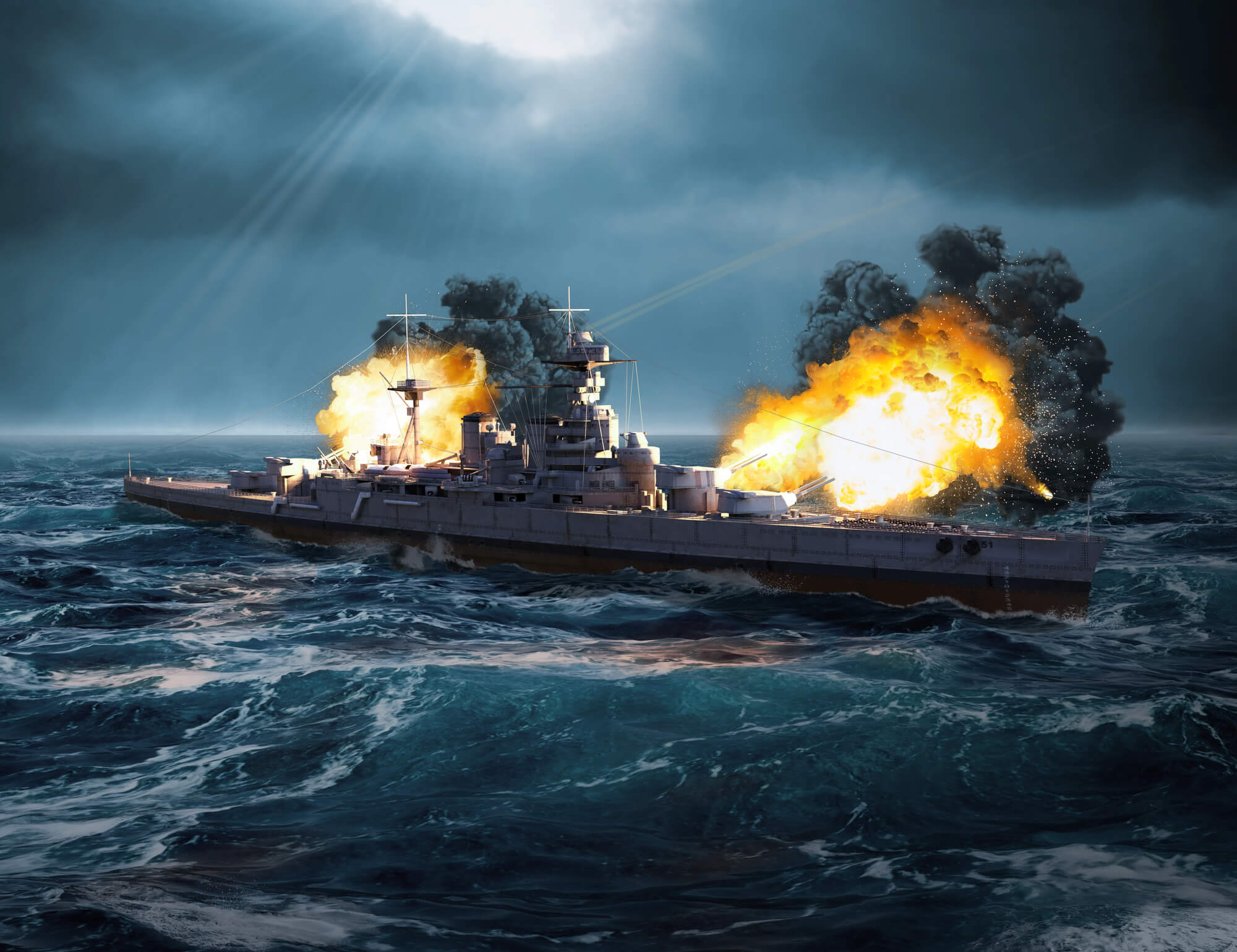
On the morning of May 24, 1941, a photograph taken from the battleship Prince of Wales showed HMS Hood, the pride of the Royal Navy, firing at the German battleship Bismarck in the Denmark Strait. Moments later, a shell from Bismarck struck Hood and triggered a catastrophic explosion in its magazines.
The great ship sank in about three minutes. Only three of the 1,418 men aboard survived, and the loss stunned Britain and set off a massive naval hunt for Bismarck.
A Japanese Pilot’s View of Battleship Row
A photographer aboard a Japanese plane captured Battleship Row on the morning of December 7, 1941, at Pearl Harbor during the first minutes of the attack. The image shows American warships lined up neatly at their moorings, with a torpedo strike just beginning to erupt against USS Oklahoma.
The attack killed more than 2,400 Americans and brought the United States into the Second World War. The photograph was captured after the war, and historians use it to reconstruct the sequence of the opening strike.
USS Indianapolis Leaving Mare Island
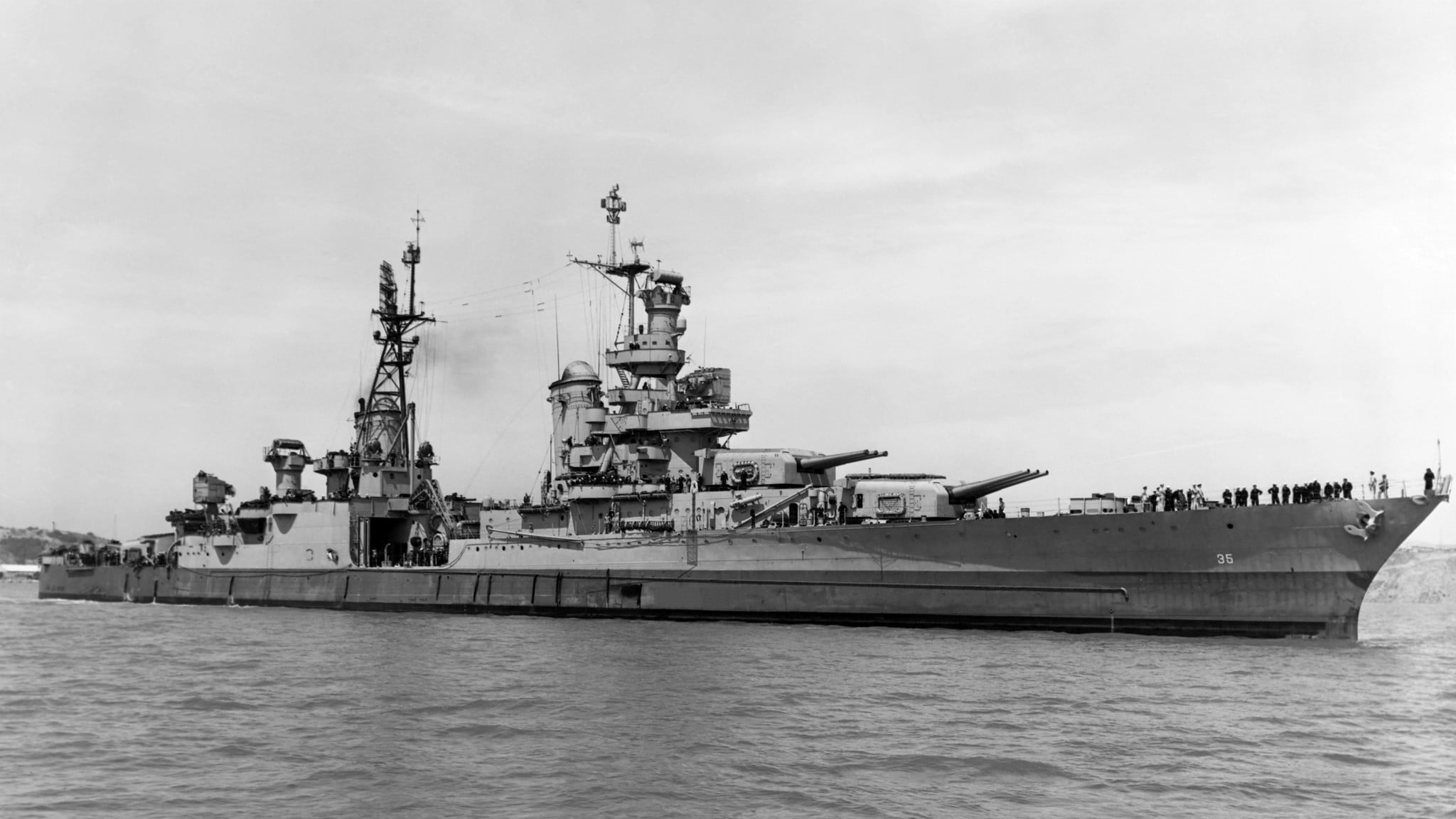
Photographs taken in July 1945 show the heavy cruiser USS Indianapolis off Mare Island, California, after repairs. Days later it made a secret run to deliver components of the atomic bomb to the island of Tinian.
On July 30, 1945, a Japanese submarine torpedoed the ship, and it sank in about 12 minutes. Of nearly 1,200 men aboard, about 900 went into the water, and only 316 survived after days of exposure, dehydration and shark attacks before rescue arrived.
Manchester United’s Last Team Photograph in Belgrade
The young Manchester United team known as the Busby Babes lined up for a photograph in Belgrade on February 5, 1958, before a European Cup match against Red Star. The next day, their plane stopped to refuel in Munich and crashed on its third attempt to take off from a slush-covered runway.
Twenty-three people died, including eight players. Manager Matt Busby survived and rebuilt the club, which won the European Cup ten years later.
Film From the Dyatlov Pass Hikers
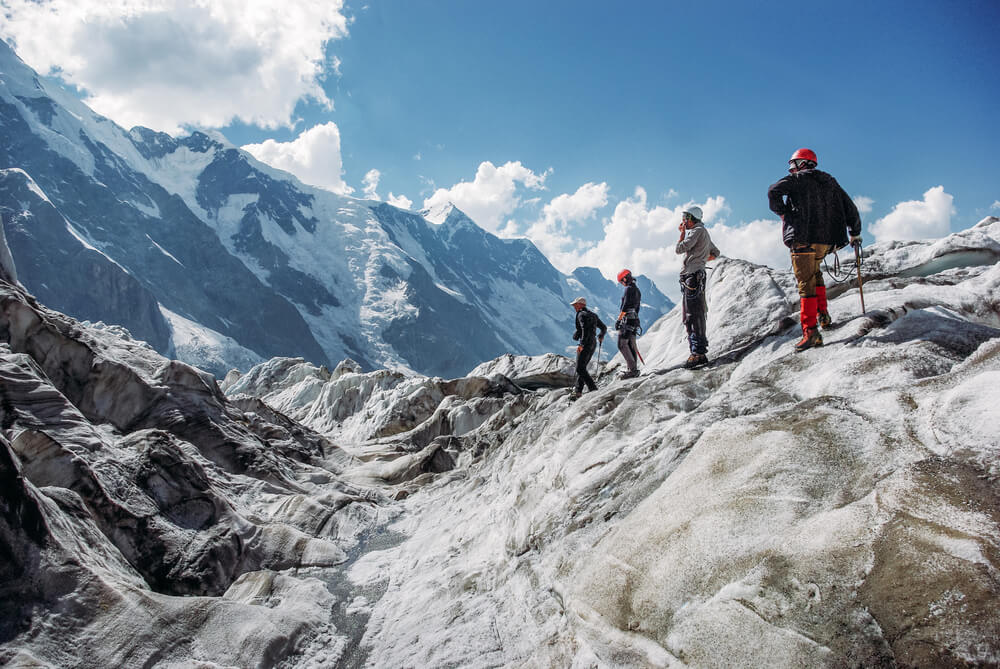
In early 1959, a group of experienced hikers led by Igor Dyatlov set out on a winter trek in the northern Ural Mountains of the Soviet Union. Film recovered from their cameras shows them laughing, pitching tents and posing in the snow.
All nine died in the night of February 1 or 2, after cutting their way out of their tent and fleeing into subzero darkness. A Russian investigation in 2019 concluded that an avalanche was the likely cause, but many still debate the case.
Teton Dam’s Widening Leak
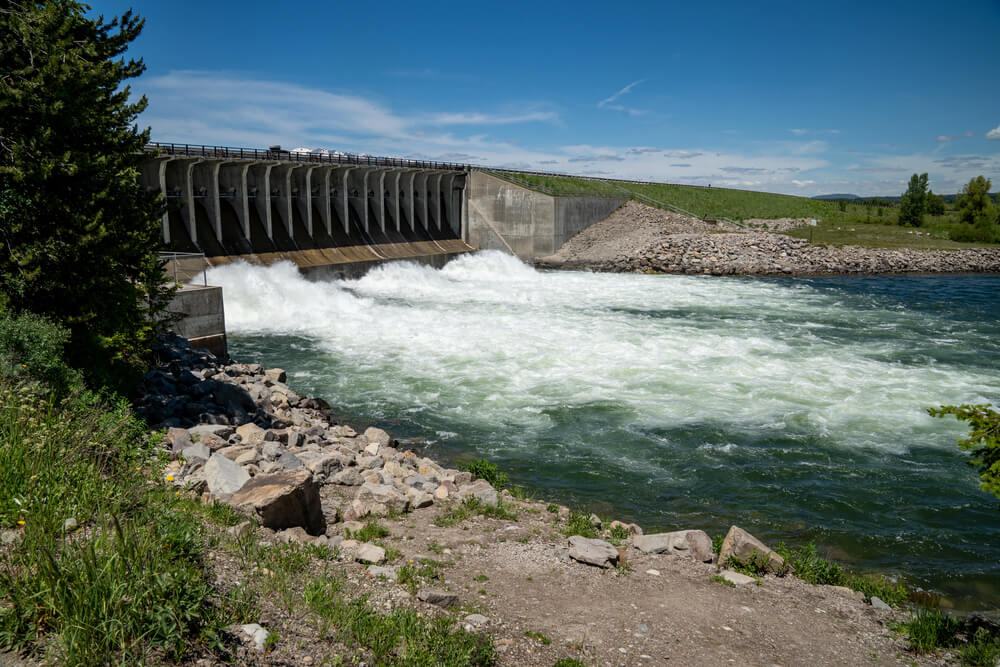
Workers at the new Teton Dam in Idaho noticed muddy water flowing from the face of the earthen structure on the morning of June 5, 1976. Photographers captured the leak widening as bulldozers tried desperately to plug it, and at least one machine was swallowed by the collapsing embankment.
Shortly before noon, the dam failed completely, releasing a wall of water into the valley below. Eleven people died, and the disaster led to major reforms in dam safety across the United States.
Gary Rosenquist’s Mount St. Helens Sequence
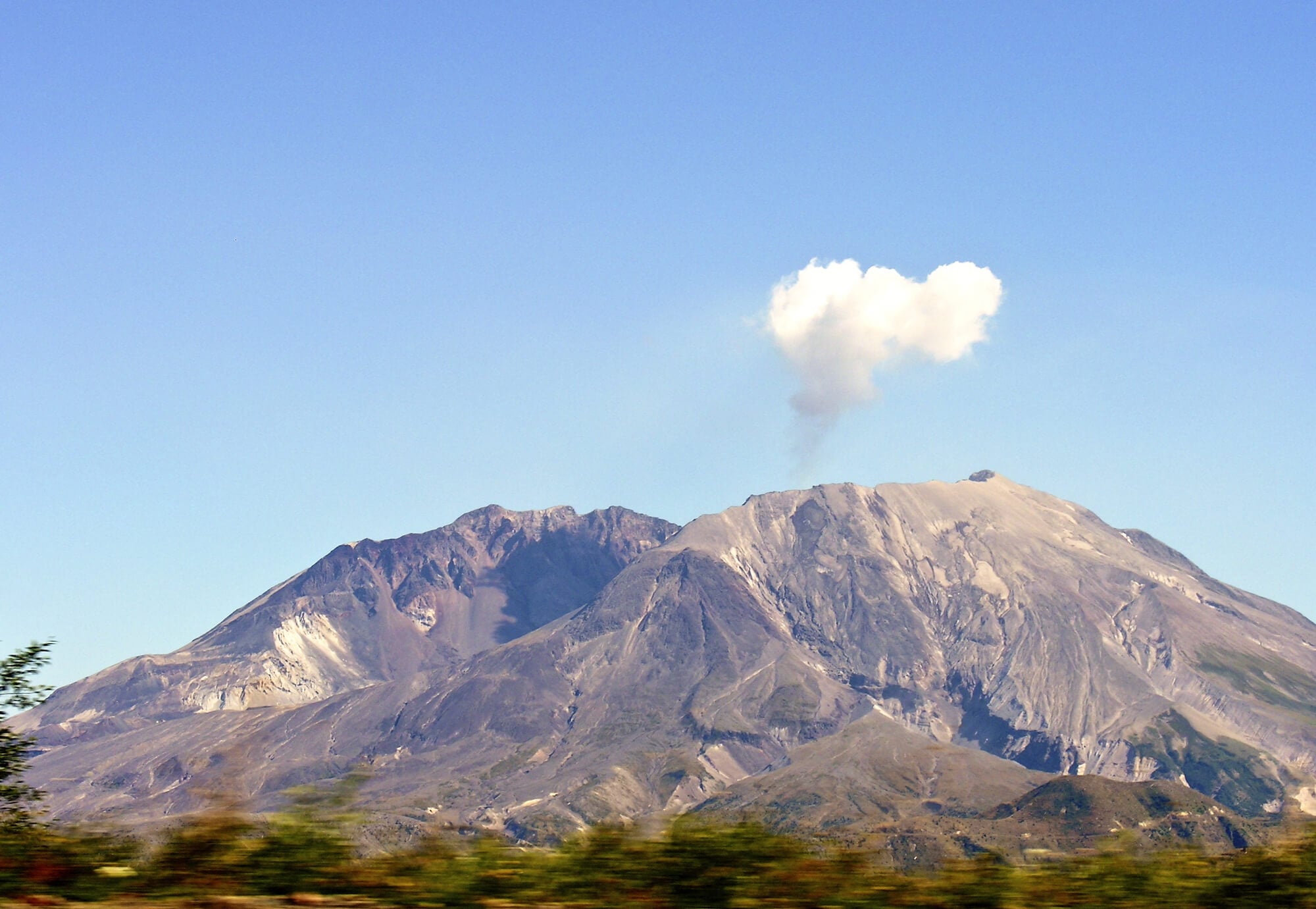
Gary Rosenquist was camping about 11 miles from Mount St. Helens in Washington on the morning of May 18, 1980, when the north face of the volcano began to slide. His rapid sequence of photographs captured the largest landslide in recorded history and the lateral blast bursting from the mountain.
Nearby, photographer Robert Landsburg shot the approaching cloud and then protected his camera with his body before he died. Fifty-seven people were killed, and scientists still use these images to study the eruption.
Ice on Challenger’s Launch Tower
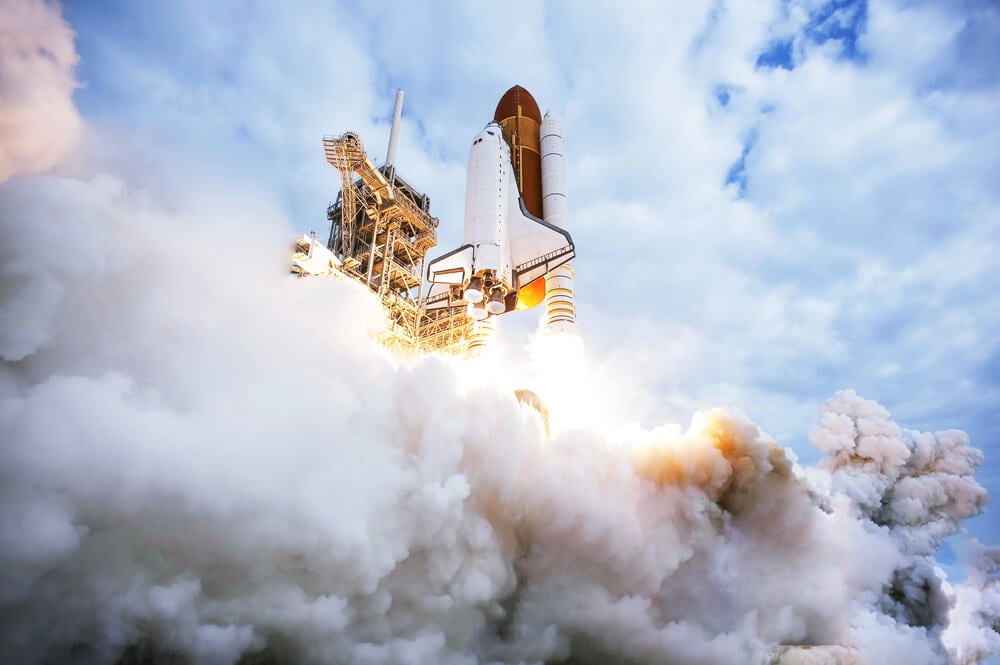
Photographs taken at Kennedy Space Center on the frigid morning of January 28, 1986, showed long icicles hanging from the launch tower beside the space shuttle Challenger. Engineers at a contractor had warned the night before that cold temperatures could stiffen the rubber O-rings sealing the solid rocket boosters.
The launch went ahead, and 73 seconds after liftoff the shuttle broke apart, killing all seven crew members, including teacher Christa McAuliffe. The ice photographs became key evidence in the investigation that followed.
Katia and Maurice Krafft’s Final Images at Unzen
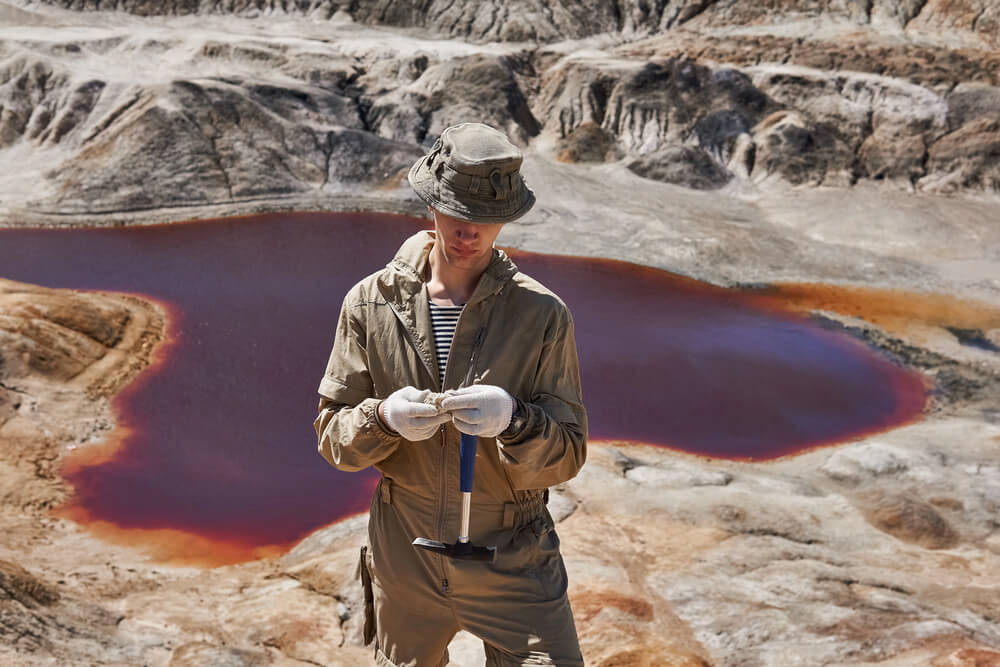
French volcanologists Katia and Maurice Krafft spent decades filming eruptions from dangerously close range, and their footage helped governments understand volcanic hazards. On June 3, 1991, they were filming at Mount Unzen in Japan alongside American geologist Harry Glicken when a pyroclastic flow swept down the mountain.
All three were killed, along with 40 others, including journalists and firefighters. Their final images and the charred camera found at the scene became part of the legacy of two scientists who dedicated their lives to warning others.
Pinatubo’s Eruption Column From Clark Air Base
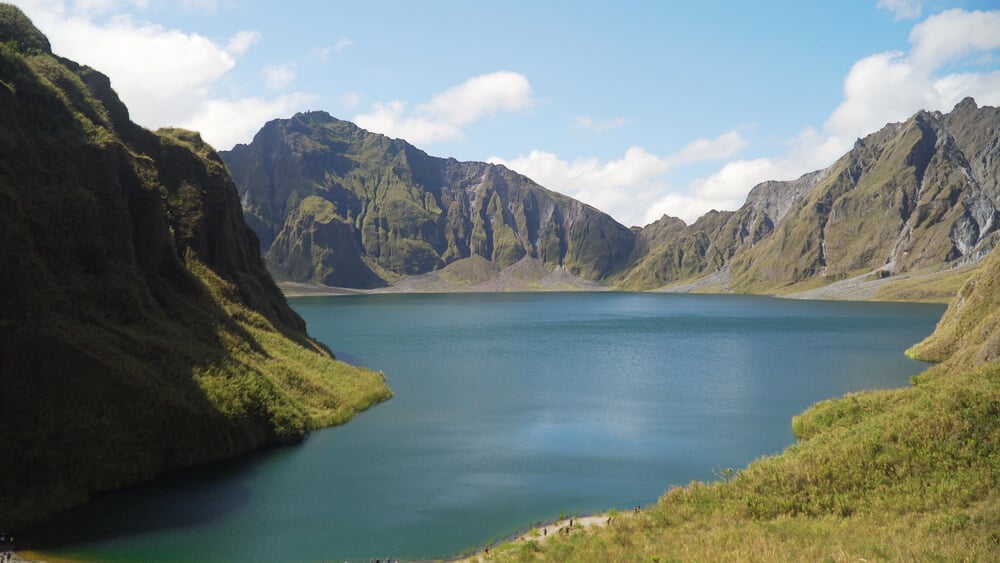
A United States Geological Survey scientist photographed a vast column of ash rising from Mount Pinatubo in the Philippines on June 12, 1991, as seen from Clark Air Base. Scientists had spent weeks monitoring the volcano, and their warnings led to the evacuation of tens of thousands of people and most of the base.
The climactic eruption on June 15 was among the largest of the twentieth century. Hundreds died, but the evacuations are credited with saving many thousands of lives.
A Truck Captured by Security Cameras in Oklahoma City

Security cameras near the Alfred P. Murrah Federal Building in Oklahoma City recorded a yellow rental truck on the morning of April 19, 1995, heading toward the building, according to investigators. Minutes later, a massive bomb inside the truck exploded, killing 168 people, including 19 children in a daycare center.
Timothy McVeigh was arrested the same day on a traffic violation, and a vehicle axle found in the rubble helped investigators trace the truck to him. He was executed in 2001.
Toshihiko Sato’s Photograph of Air France Flight 4590
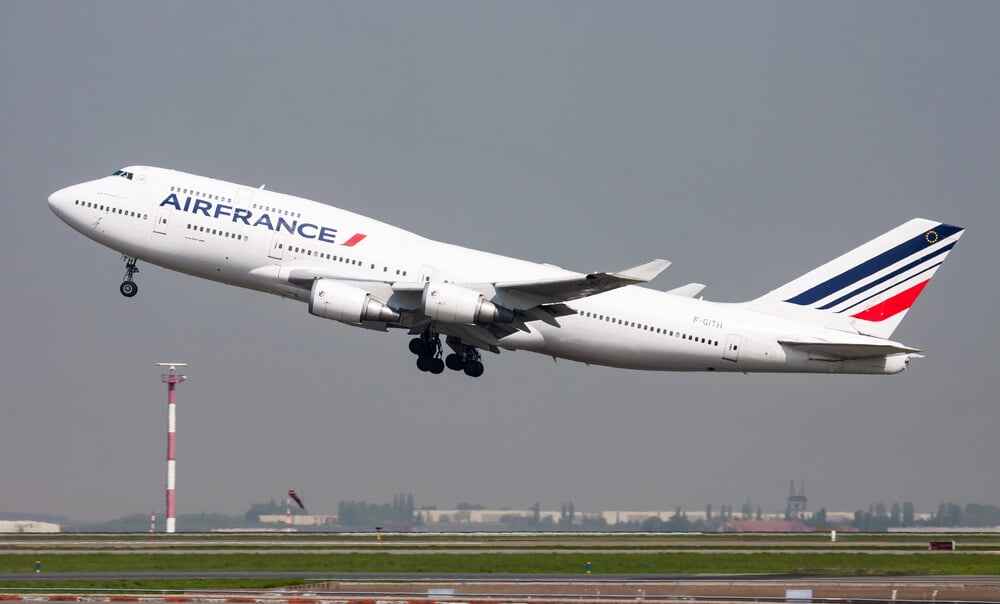
Japanese businessman Toshihiko Sato was aboard a plane waiting on July 25, 2000, on the tarmac at Charles de Gaulle Airport near Paris when he photographed a Concorde taking off with flames trailing from its left wing. A strip of metal left on the runway by another aircraft had burst a tire, sending debris into a fuel tank.
Less than two minutes later, the jet crashed into a hotel, killing 113 people. The image became one of the defining pictures of the Concorde’s decline.
Columbia Seen Through a Telescope
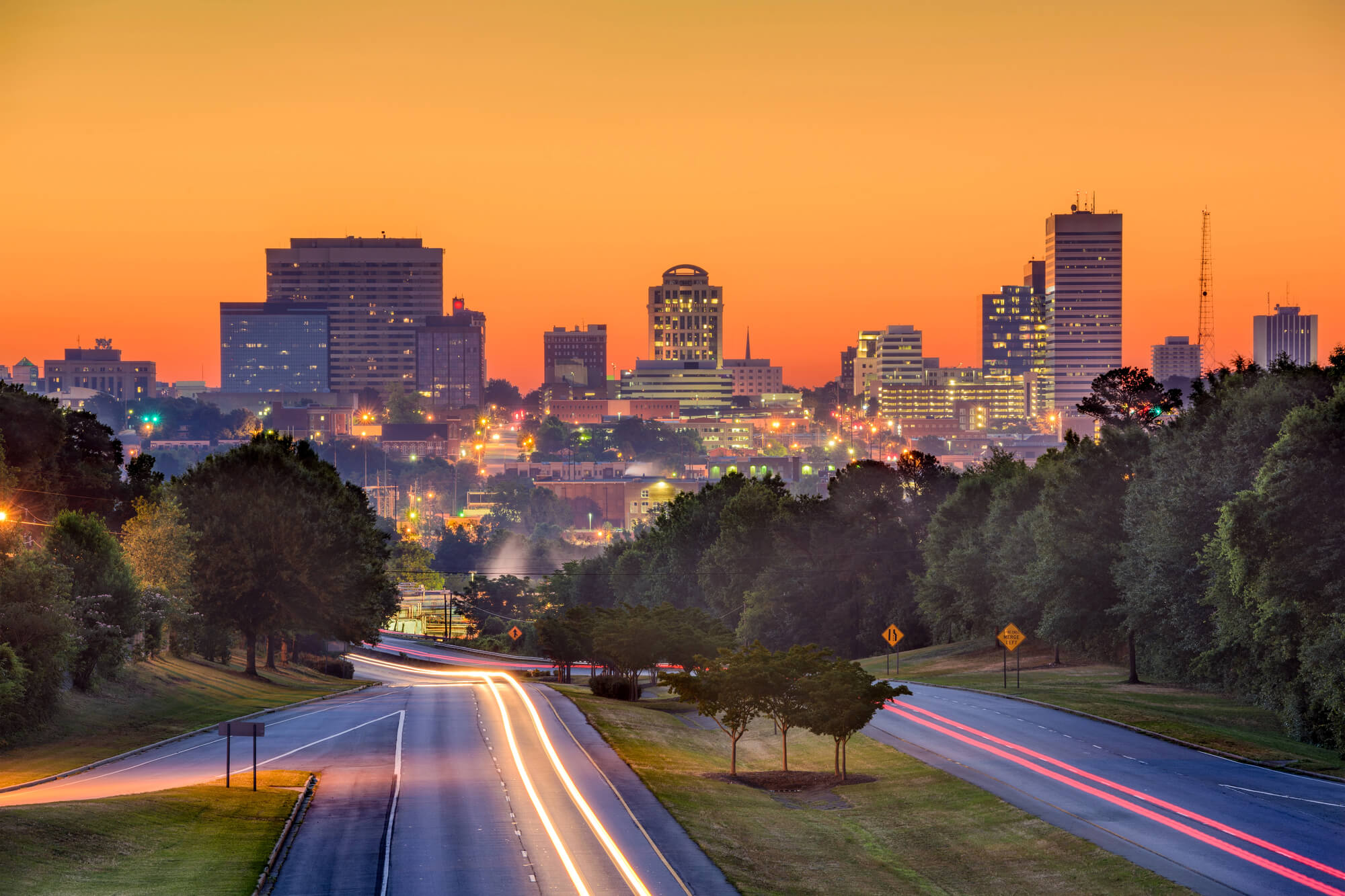
As the space shuttle Columbia descended through the atmosphere on February 1, 2003, a telescope at Kirtland Air Force Base in New Mexico captured an image of the orbiter showing an irregularity along its left wing. Moments later, the shuttle broke apart over Texas, killing all seven astronauts.
Investigators determined that a piece of foam insulation had struck the wing during launch 16 days earlier, damaging its heat shield. The image became part of the evidence reviewed by the accident board.
Tourists on a Suddenly Empty Seabed
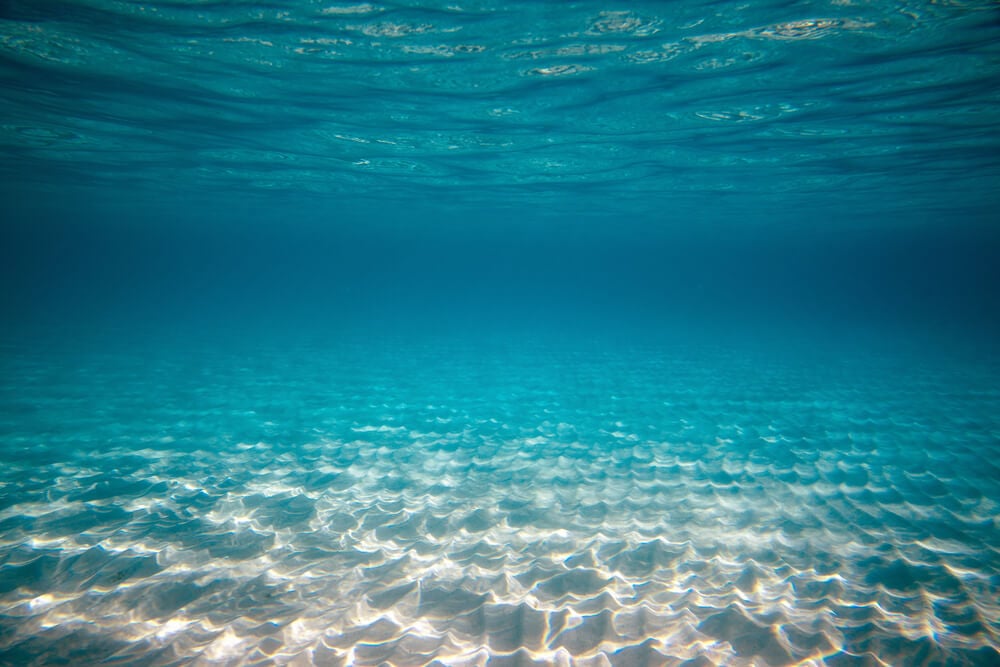
On December 26, 2004, tourists on beaches in Thailand photographed a strange sight as the sea suddenly pulled back, exposing wide stretches of sand, rocks and stranded fish. Some wandered out to look.
Within minutes, the tsunami generated by a massive earthquake off Sumatra swept ashore. Across the Indian Ocean, more than 220,000 people died.
The images are now used in education campaigns teaching people that a rapidly receding sea is a warning to run immediately for high ground.
Tsunami Approaching Fukushima Daiichi
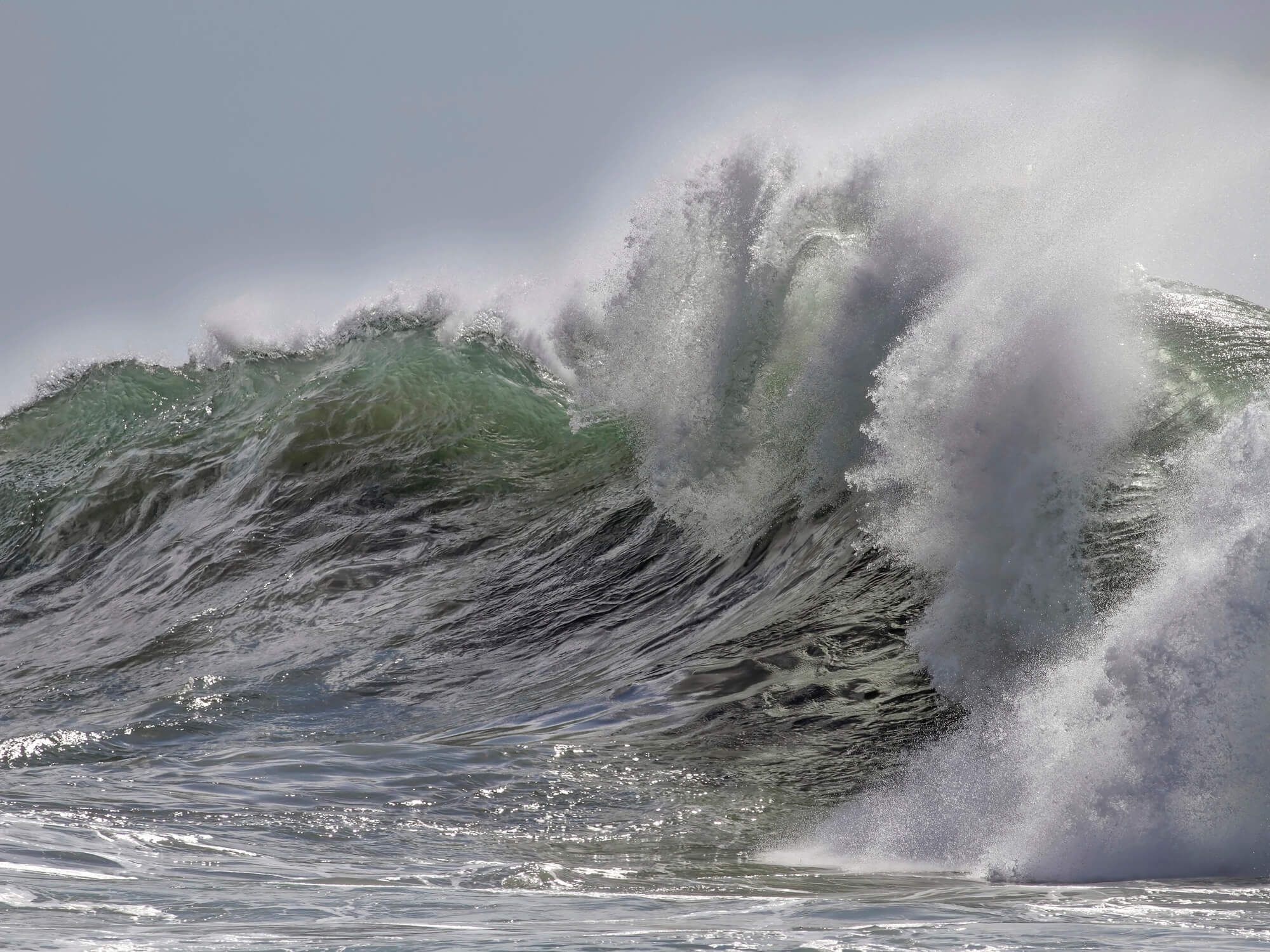
Less than an hour after a magnitude 9.0 earthquake struck off Japan’s northeast coast on March 11, 2011, workers at the Fukushima Daiichi nuclear plant photographed the tsunami rushing toward the facility. The power company later released the images, which show waves overtopping the seawall and swirling around buildings.
The flooding knocked out backup power for cooling systems, leading to meltdowns in three reactors. It was the worst nuclear accident since Chernobyl, and more than 100,000 residents were evacuated.
Crowds at the Boston Marathon Finish Line
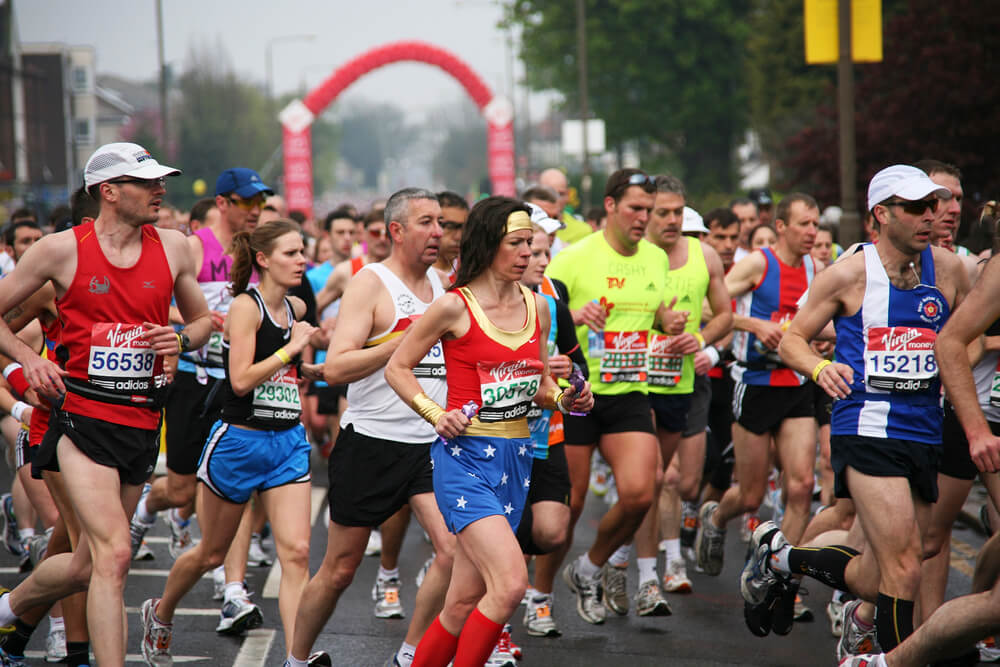
Spectators and news photographers captured the festive scene near the finish line of the Boston Marathon on Boylston Street on April 15, 2013. After the explosions of two homemade bombs killed three people and injured hundreds, investigators combed through thousands of photographs and videos submitted by the public.
Images taken shortly before the blasts helped identify brothers Tamerlan and Dzhokhar Tsarnaev, whose pictures the FBI released three days later. The case showed how crowdsourced photography could transform a criminal investigation.
Hikers on Mount Ontake
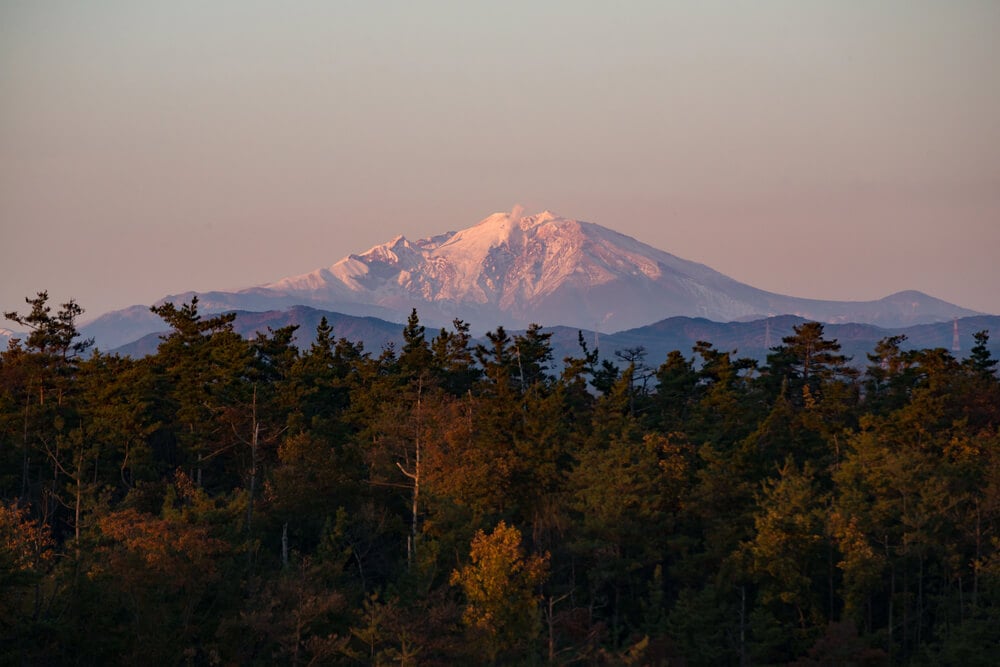
Dozens of hikers were near the summit of Mount Ontake in central Japan on a clear Saturday in September 2014, at the peak of autumn color season. Photographs taken by climbers show a gray ash cloud suddenly rising and rolling toward them.
The steam-driven eruption gave almost no warning signs, and falling rocks and ash killed 63 people counted as dead or missing. It was the deadliest volcanic disaster in Japan in decades and prompted major changes to monitoring and shelters.
Tourists in the Crater of Whakaari
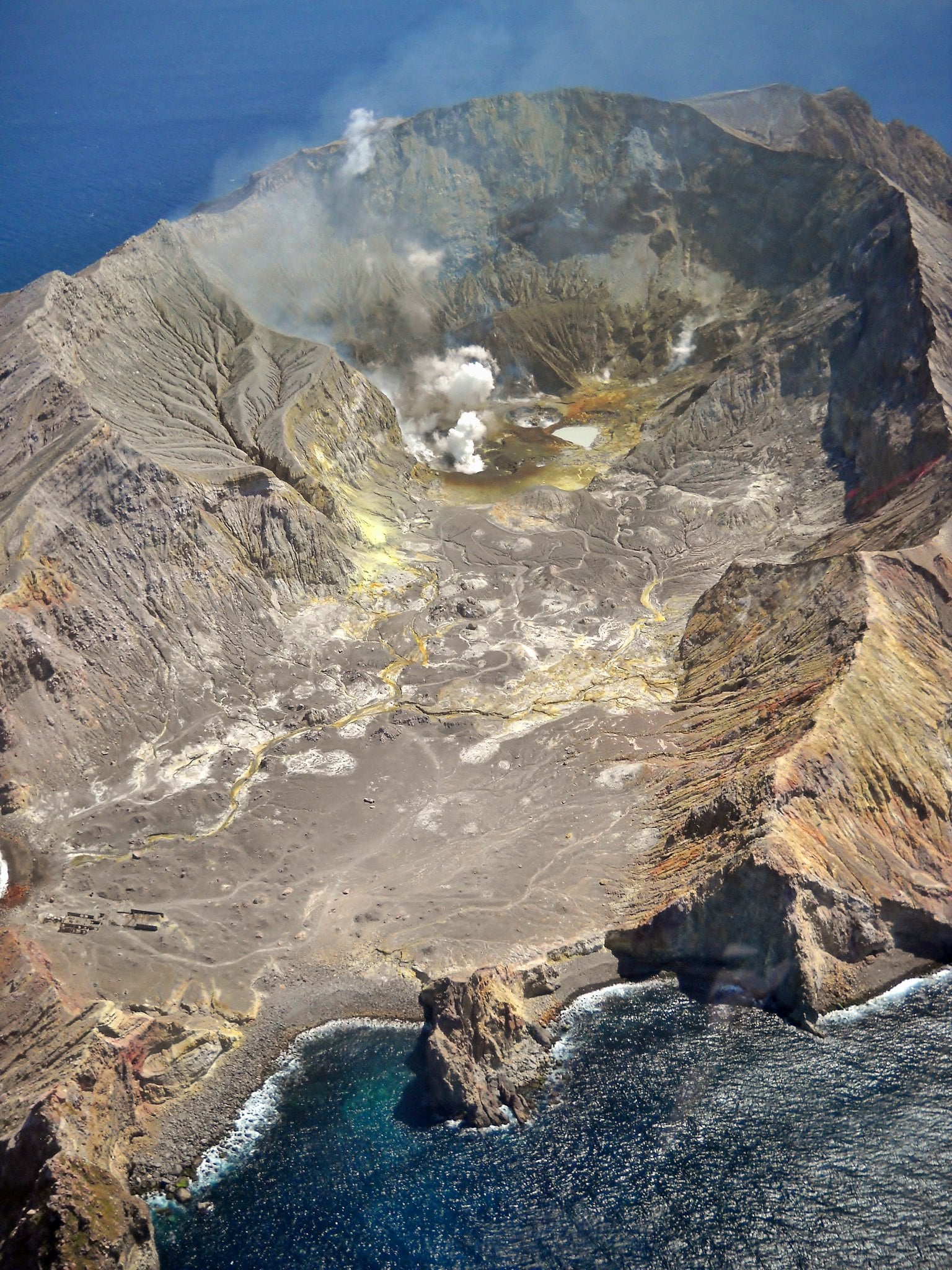
A crater camera and visitors’ own photographs showed a tour group walking inside the crater of Whakaari, also called White Island, off the coast of New Zealand on December 9, 2019. Minutes after one boat departed, the volcano erupted, engulfing the people still on the island.
Twenty-two people died and many others suffered severe burns. A tourist on the departing boat photographed the eruption cloud, and the disaster led to prosecutions over the safety of tours to the active volcano.
Beirut’s Burning Port Warehouse
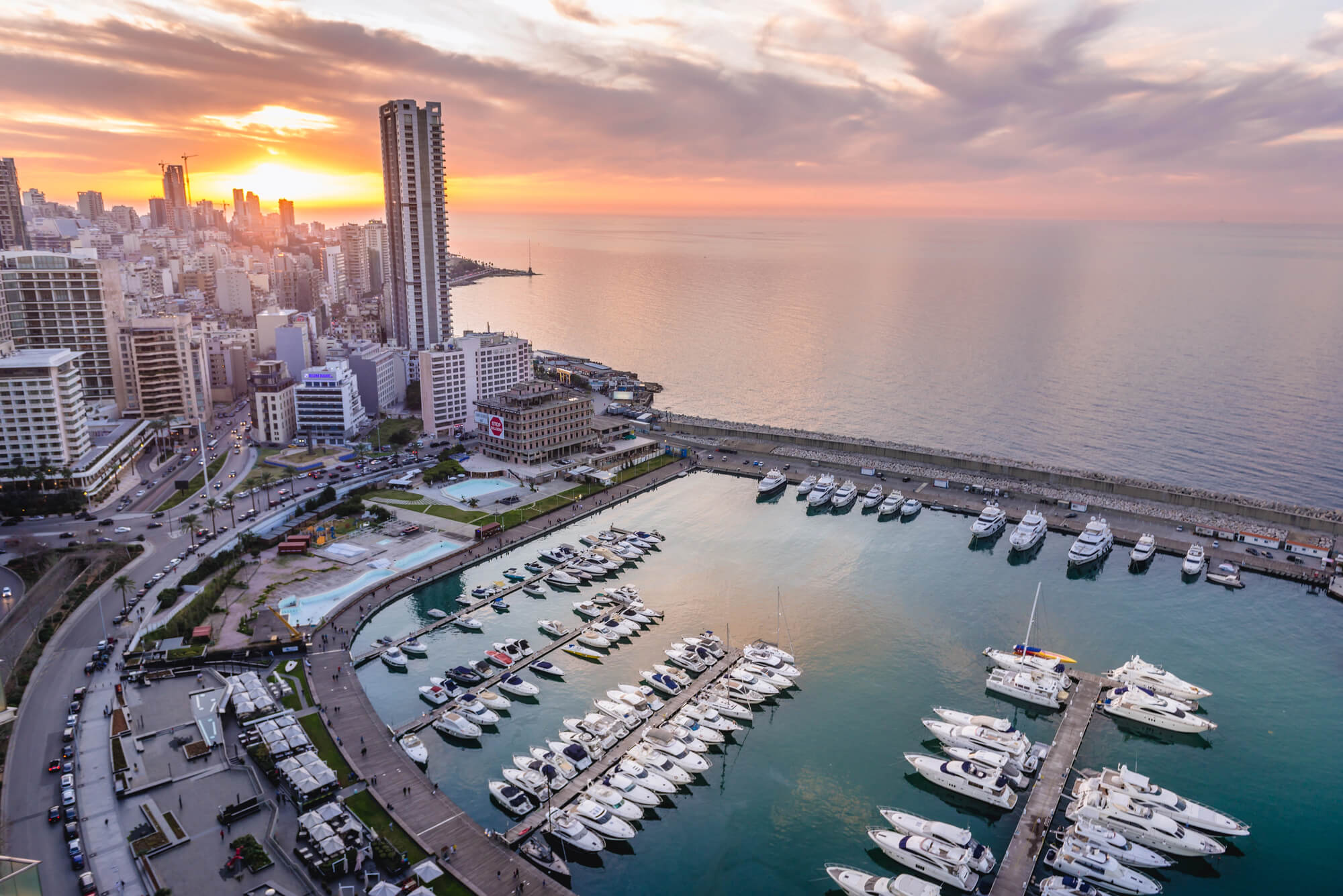
Residents of Beirut filmed and photographed a fire burning in a warehouse at the city’s port on August 4, 2020, with smoke punctuated by small flashes of exploding fireworks. Many gathered at windows to watch.
Stored inside were about 2,750 tons of ammonium nitrate that had sat there for years. The chemicals detonated in one of the largest non-nuclear explosions ever recorded, killing more than 200 people, injuring thousands and devastating much of the city.
A Flooded Garage at Champlain Towers South
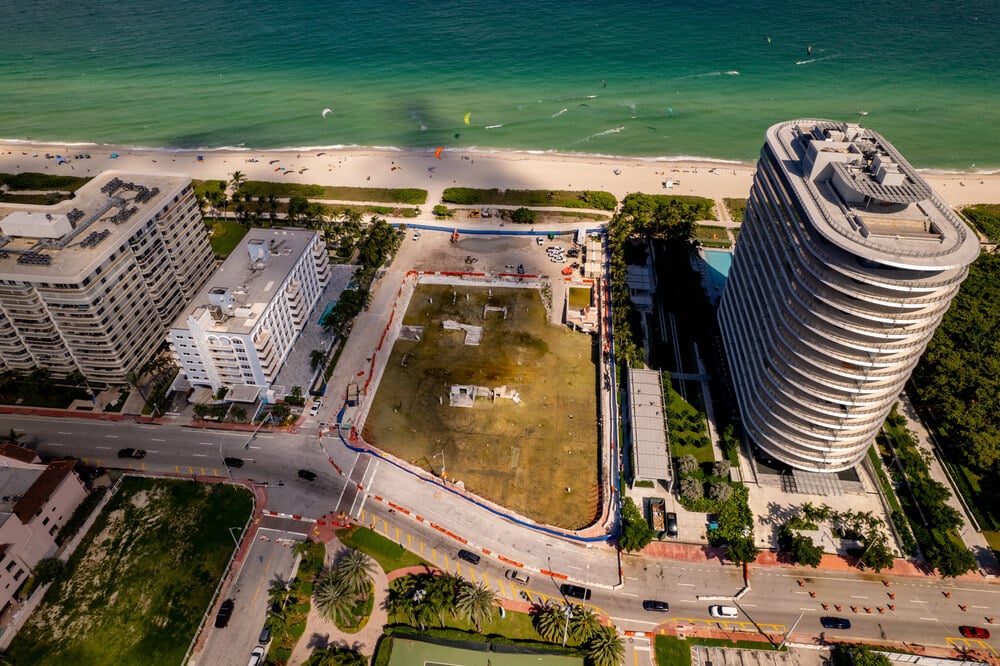
Days before the collapse of Champlain Towers South in Surfside, Florida, a pool contractor visiting the building took photographs of standing water and cracked concrete in the parking garage beneath the pool deck. Engineers had warned of major structural damage years earlier, but repairs had been delayed.
Shortly after 1 a.m. on June 24, 2021, much of the 12-story condominium came crashing down, killing 98 people. The photographs became central evidence for investigators examining how the collapse began.
Frozen Seconds, Endless Questions
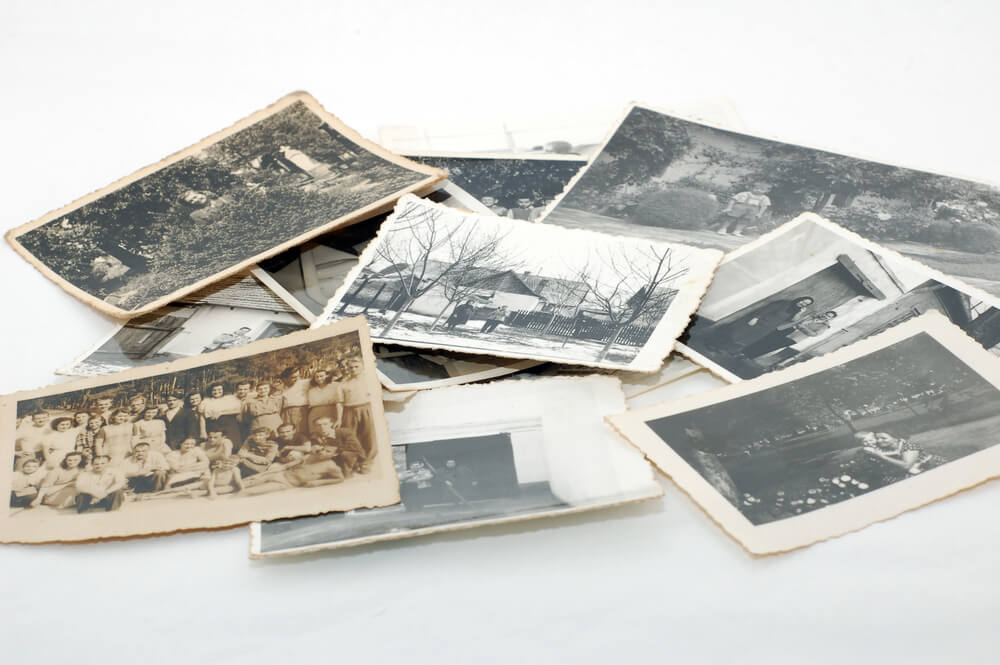
Photographs taken before a disaster are rarely dramatic in themselves. They show a ship at anchor, a team posing in overcoats or icicles on a tower, and only hindsight turns them into evidence.
That shift is what makes them so powerful. Investigators use them to find causes, and families use them to remember faces.
Engineers, scientists and emergency planners use them to spot the warnings that were missed. Each image is a reminder that the calm moment before a catastrophe usually contains the clues to it.
More from Go2Tutors!

- The Romanov Crown Jewels and Their Tragic Fate
- 13 Historical Mysteries That Science Still Can’t Solve
- Famous Hoaxes That Fooled the World for Years
- 15 Child Stars with Tragic Adult Lives
- 16 Famous Jewelry Pieces in History
Like Go2Tutors’s content? Follow us on MSN.