15 Countries with Borders That Have Fascinating Stories
Maps might appear as simple lines dividing one nation from another, but beneath these seemingly straightforward boundaries lie tales of adventure, negotiation, and sometimes pure chance. These borders tell stories of human ambition, historical quirks, and diplomatic creativity that continue to shape our world today.
Let’s explore some of the most fascinating border stories that demonstrate how complex drawing lines on a map can truly be.
Spain and Portugal’s Singing Border
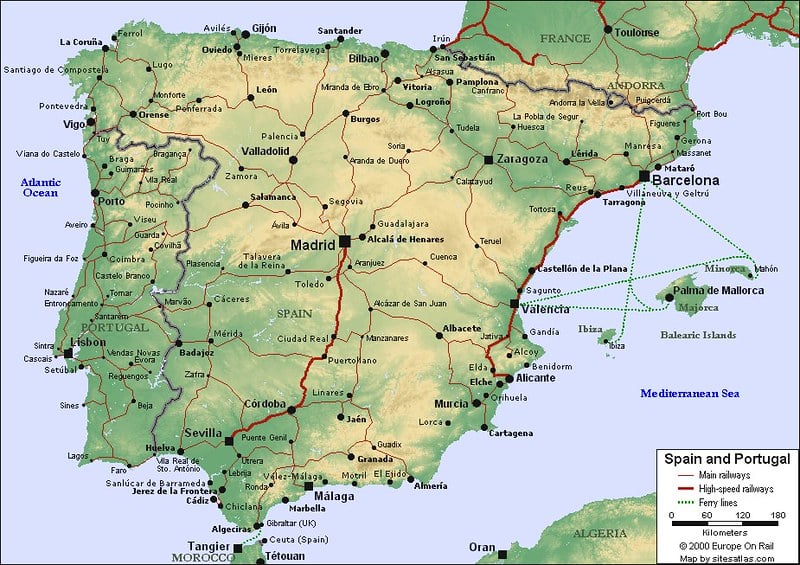
The border between these Iberian neighbors follows the melody of an ancient folk song in one region. Local shepherds used traditional songs to navigate and mark territory, and when officials finally drew official boundaries, they followed these musical pathways.
Today, some border markers still correspond to points mentioned in these pastoral tunes, creating a border you could theoretically sing your way across.
Netherlands and Belgium’s Library Border
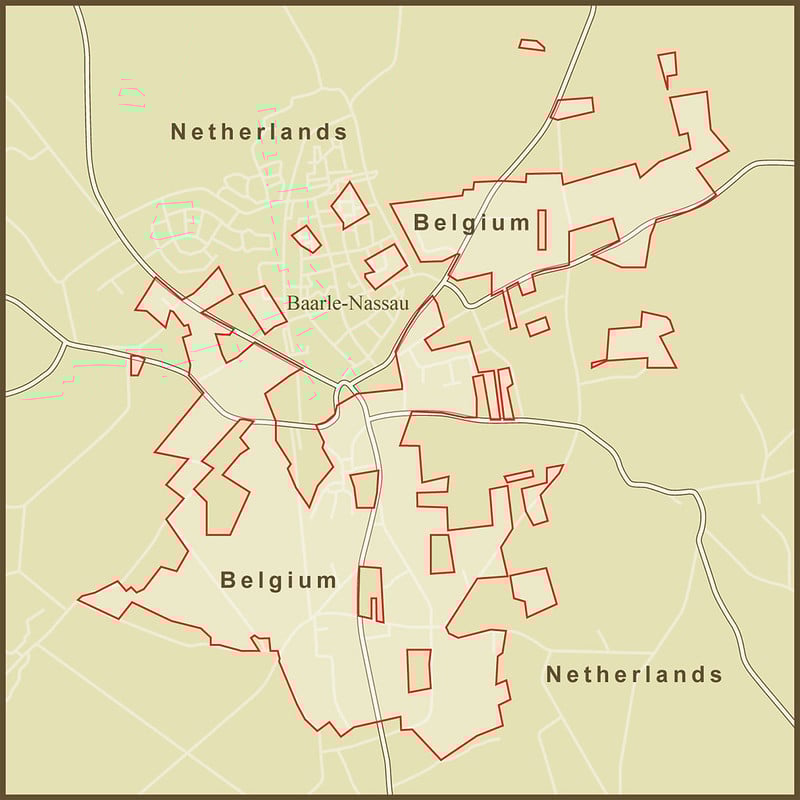
In one remarkable spot, an international border runs straight through a library reading room. The building straddles both countries, and readers can choose which nation they’d like to sit in while enjoying their books.
Even more intriguingly, the café serves coffee according to both Belgian and Dutch customs, depending on which side of the room you’re seated.
India and Bangladesh’s Former Enclaves
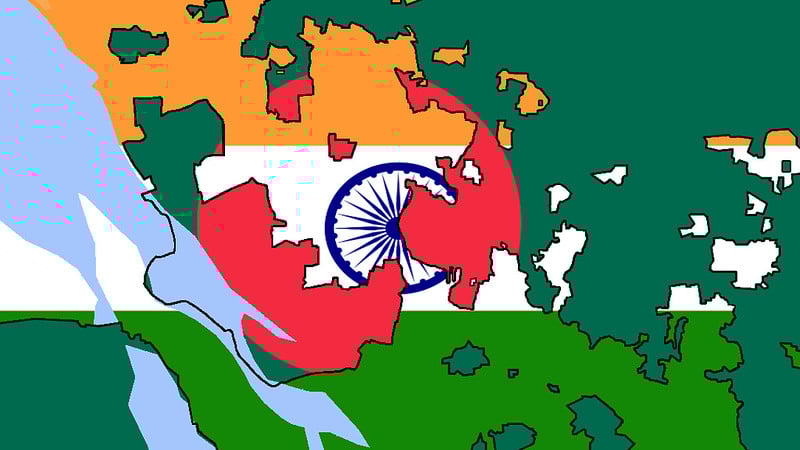
Until recently, these two nations shared one of the world’s most complex border arrangements. Tiny pieces of each country were completely surrounded by the other, creating enclaves within enclaves.
Some residents had to cross multiple international borders just to reach their farmland. A historic 2015 agreement finally simplified these boundaries, bringing relief to thousands of people.
Norway and Sweden’s Moose Problem
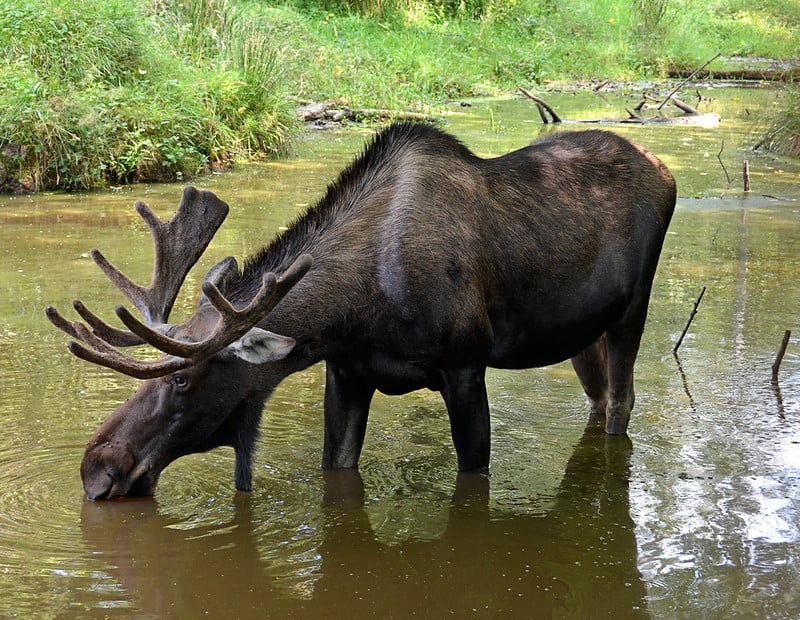
These Scandinavian neighbors maintain a unique border clearing through dense forest – not just for visibility, but because moose frequently cross between countries. The clearing helps track wildlife migration and prevents the spread of disease, creating an unintended animal superhighway that benefits both nations’ ecosystems.
Canada and United States’ Peace Park
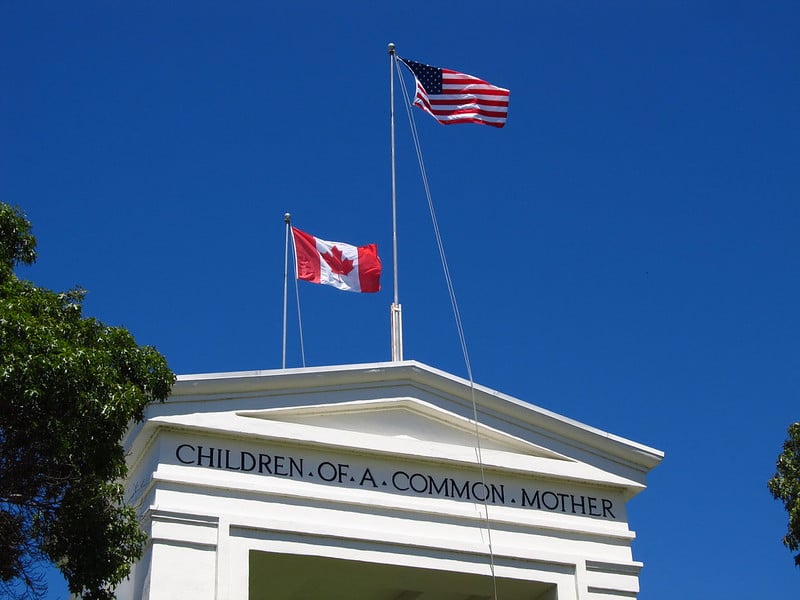
Waterton-Glacier International Peace Park spans the border between Alberta and Montana, creating the world’s first international peace park. Mountain goats and grizzly bears ignore the boundary completely, demonstrating how nature often disregards human-drawn lines.
Rangers from both countries work together to protect this shared wilderness.
China and Nepal’s Moving Mountain
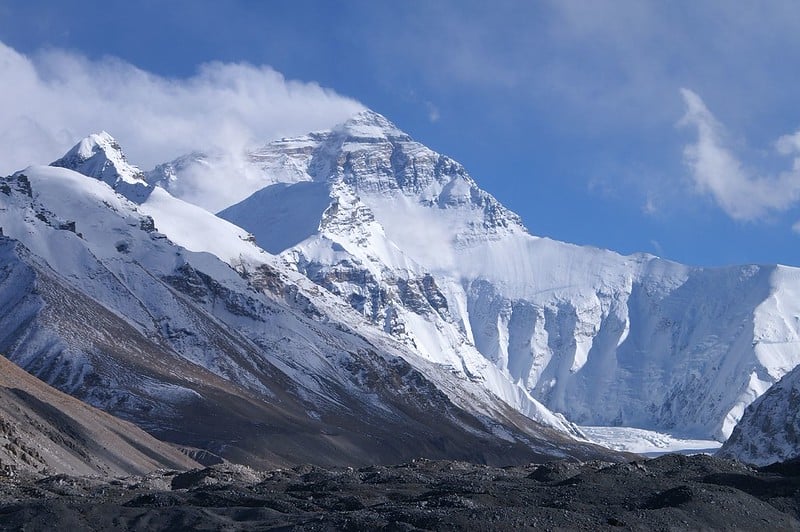
Mount Everest’s peak marks the border between these nations, but there’s a catch – the mountain is moving. Tectonic activity shifts the peak slightly northeast each year, technically giving China a few extra millimeters of territory annually.
Both countries maintain a diplomatic agreement about the border despite this geological wanderlust.
Namibia and Botswana’s River That Vanished
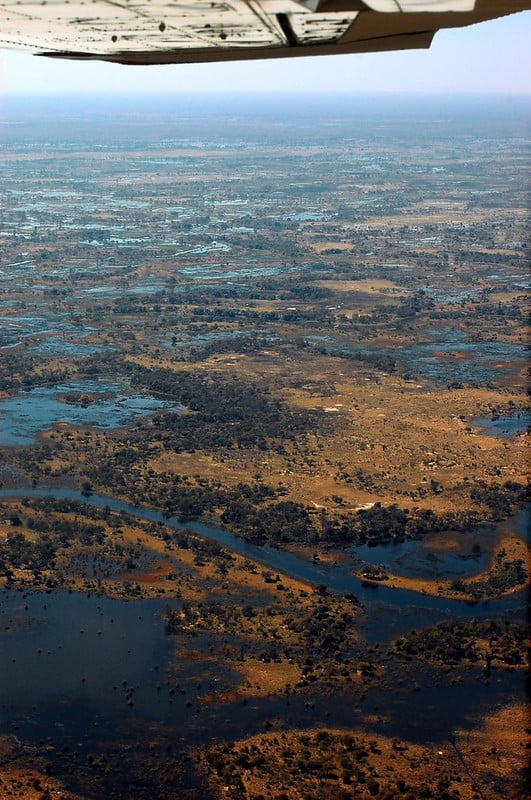
When European powers drew the border along the Chobe River, they didn’t account for its seasonal nature. During dry periods, the riverbed completely disappears, creating confusion about the exact boundary location.
Today, both nations have agreed to share the region’s resources regardless of the river’s presence or absence.
Poland and Ukraine’s Ecosystem Division
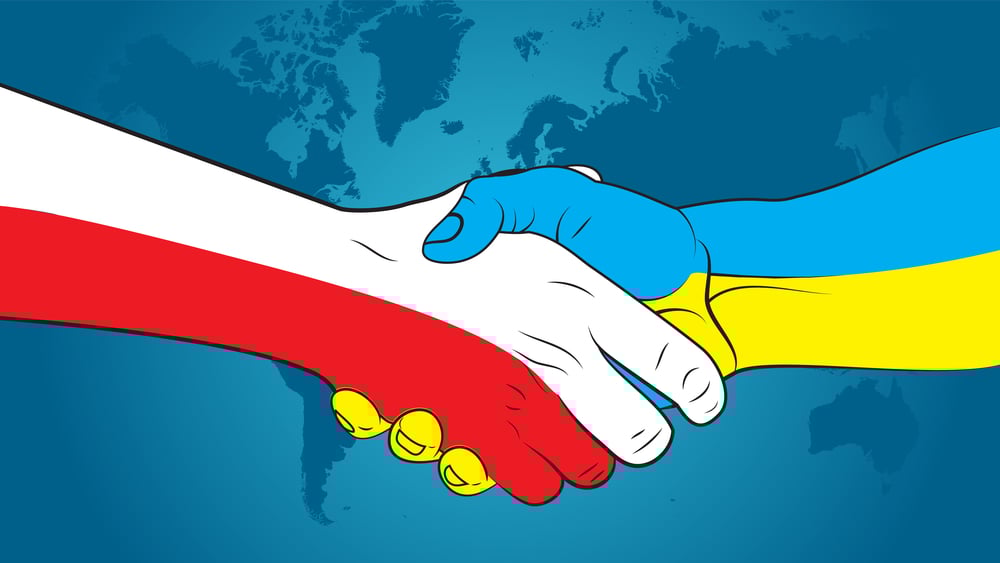
The border between these countries accidentally created one of Europe’s most fascinating natural experiments. Different agricultural policies on each side led to visibly distinct ecosystems developing over time, creating a visible line in satellite photos where forest management practices change.
Vatican City and Italy’s Holy Border
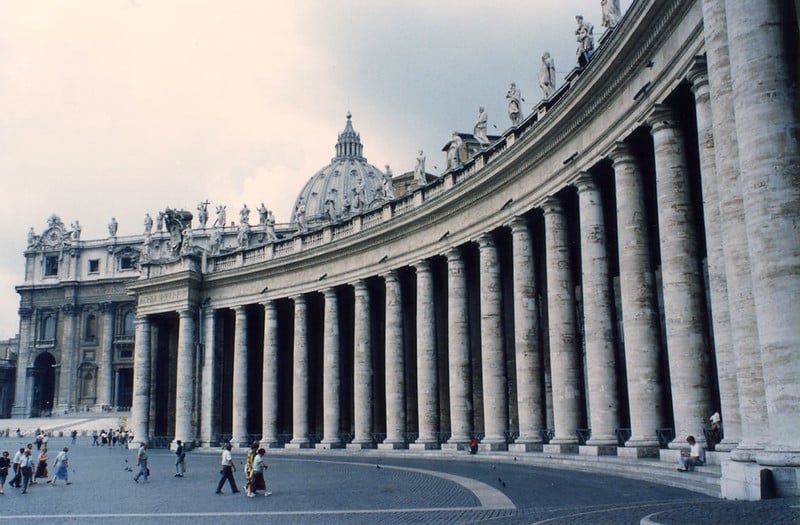
The world’s smallest country maintains a border that runs through the middle of St. Peter’s Square. This means visitors often cross an international boundary without realizing it, making it possible to stand in two nations at once while admiring the basilica.
The border’s design ensures the square remains accessible to all while preserving Vatican sovereignty.
Morocco and Spain’s Time-Zone Towns
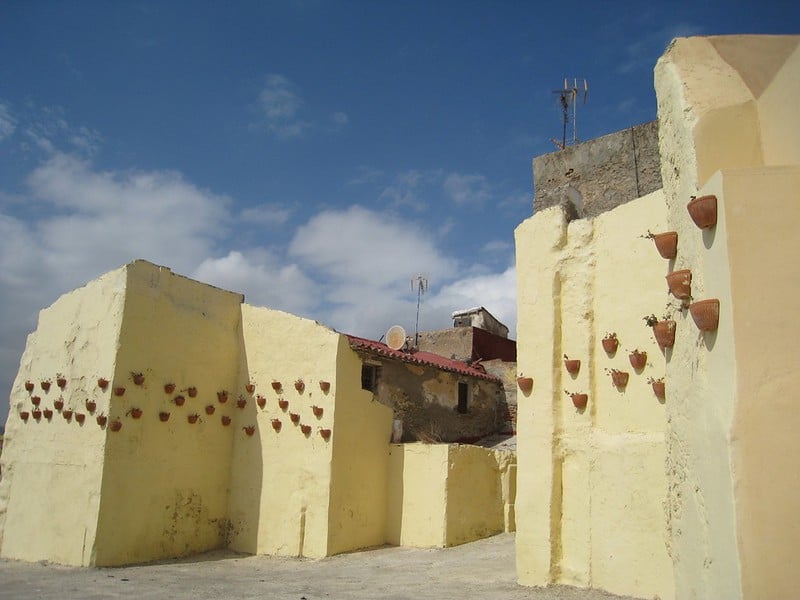
Two Spanish cities on the North African coast, Ceuta and Melilla, create unique time zone bubbles within Morocco. Residents frequently cross between time zones for daily activities, creating communities that live their lives between two different hours of the day.
Australia and Papua New Guinea’s Torres Strait
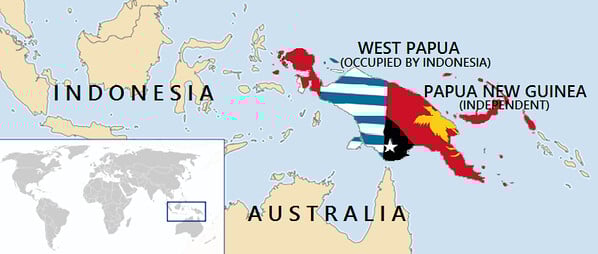
This maritime border acknowledges traditional fishing rights of indigenous peoples, allowing certain communities to cross freely for traditional practices. The arrangement demonstrates how modern borders can accommodate ancient cultural patterns rather than disrupting them.
Russia and the United States’ Island Hours
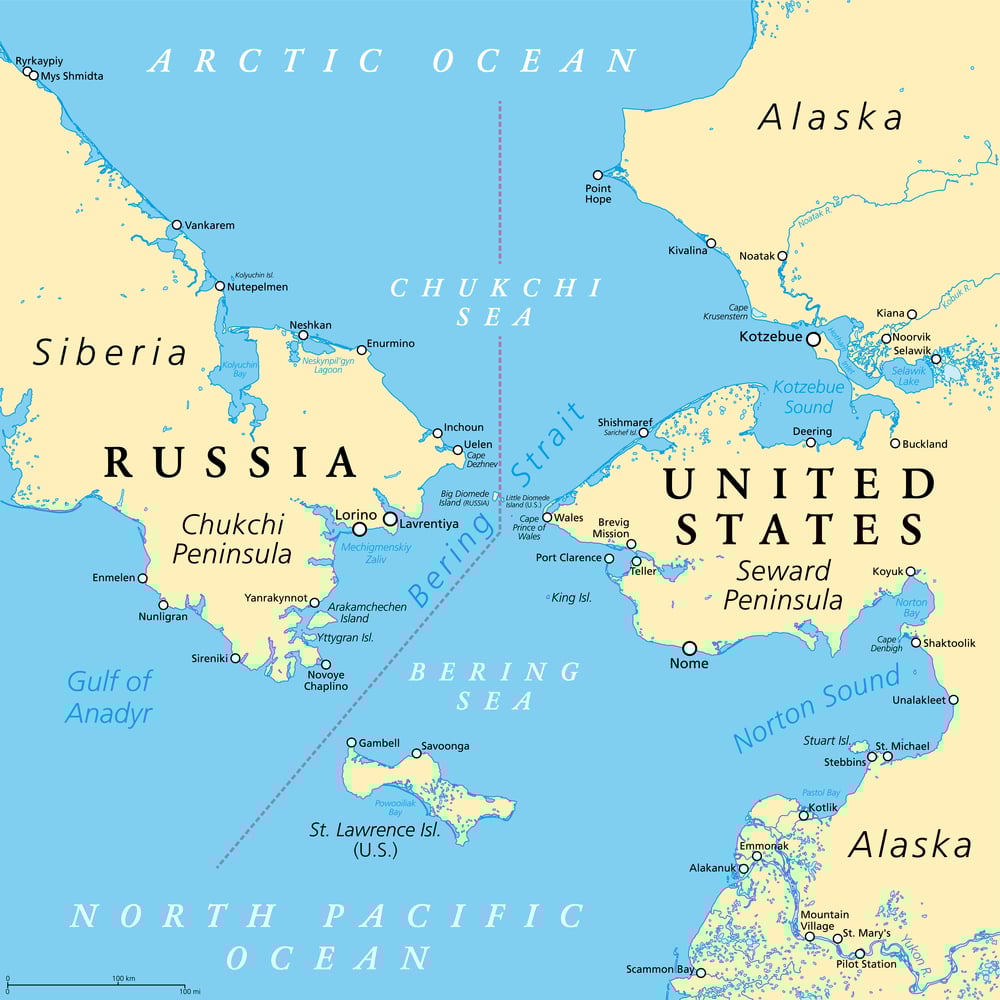
The border between Alaska’s Little Diomede and Russia’s Big Diomede islands crosses the International Date Line, creating a time difference of nearly 24 hours between places that are only about two miles apart. During winter, it’s theoretically possible to walk across the frozen strait from “today” into “tomorrow.”
Zambia and Zimbabwe’s Shared Spray
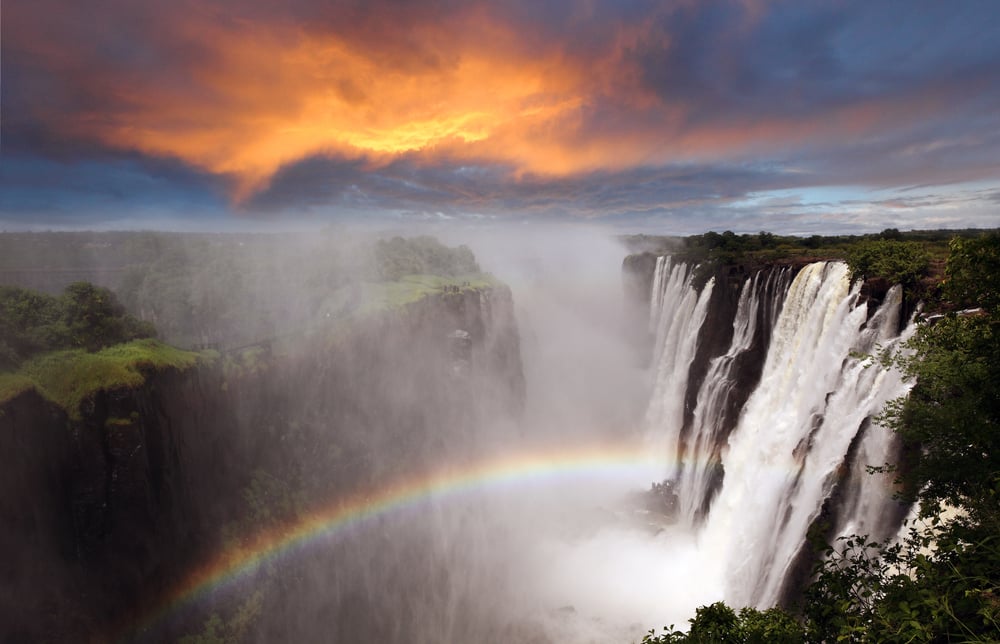
Victoria Falls spans the border between these nations, creating one of nature’s most spectacular boundary markers. The waterfall’s spray can be seen from miles away, serving as a magnificent natural border post that draws visitors from around the world to witness its power from both countries.
France and Italy’s Moving Mountain
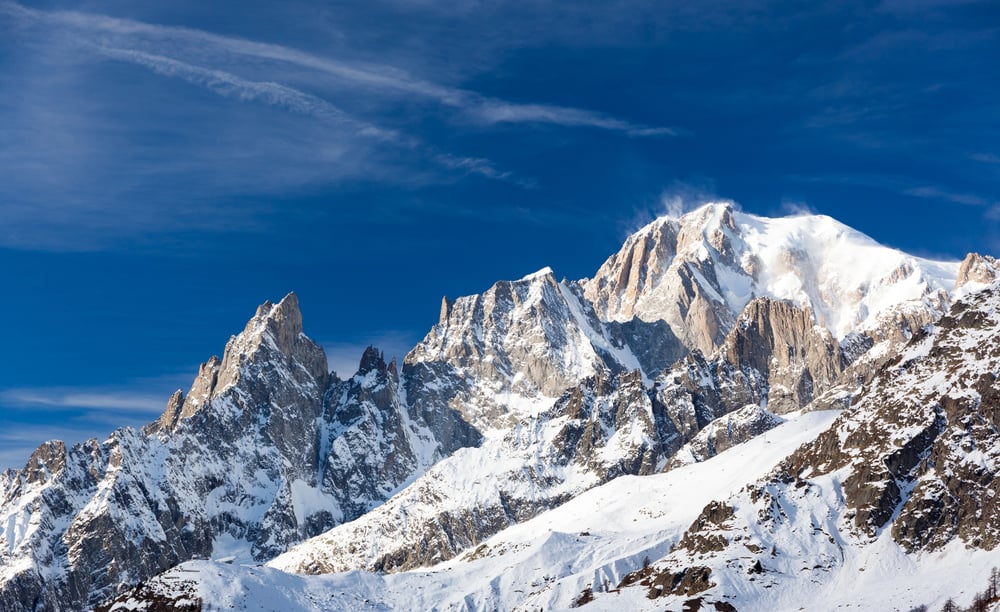
The border near Mont Blanc shifts slightly as glacial movements change the mountain’s peak. Rather than constantly revising treaties, both nations have agreed to a “floating border” that moves with the natural changes in the landscape, demonstrating how modern diplomacy can adapt to environmental realities.
Dominican Republic and Haiti’s Market Memory
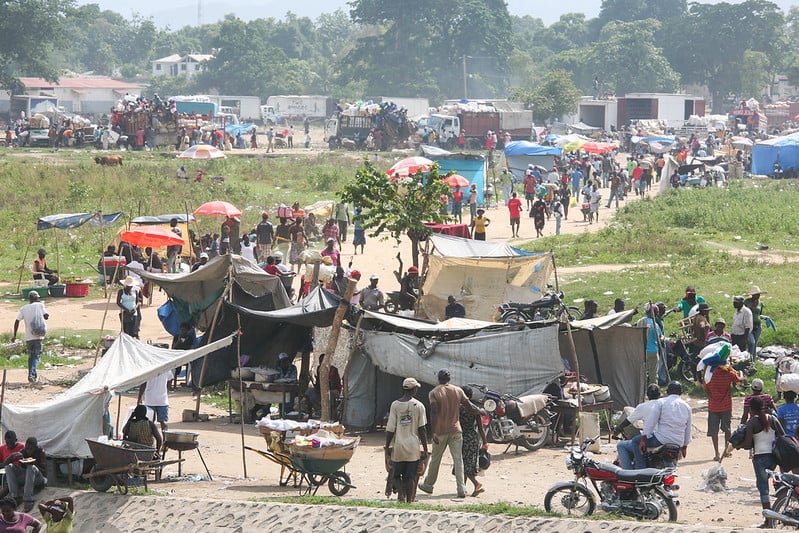
A bi-national market along the border operates on specific days, continuing a centuries-old tradition of cross-border trade. When open, the strict border controls relax slightly to allow vendors and shoppers to maintain cultural and economic ties that predate the modern boundary.
The Living Nature of Lines on Maps

These fascinating border stories remind us that boundaries are more than just lines on paper – they’re dynamic interfaces where cultures meet, nature adapts, and human ingenuity finds ways to bridge divides. While borders define nations, these examples show how communities often transcend these artificial boundaries, creating unique spaces where different worlds meet and blend.
In an age of increasing globalization, these unusual borders demonstrate that creativity and cooperation can transform simple boundaries into bridges between peoples and cultures.
More from Go2Tutors!

- The Romanov Crown Jewels and Their Tragic Fate
- 13 Historical Mysteries That Science Still Can’t Solve
- Famous Hoaxes That Fooled the World for Years
- 15 Child Stars with Tragic Adult Lives
- 16 Famous Jewelry Pieces in History
Like Go2Tutors’s content? Follow us on MSN.



