26 Pieces of Autographed Sports Gear Sitting Forgotten in Closets
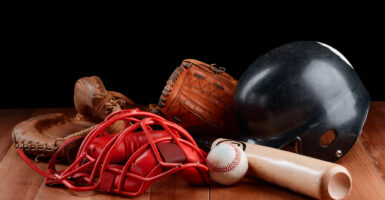
Somewhere behind the winter coats sits a bat, a helmet or a jersey with a scrawled name across it. It was a gift, a lucky find at a card show, or the result of a long wait outside a stadium gate decades ago.
Those items can be worth real money now, or almost nothing. The difference usually comes down to who signed it, whether anyone can prove they did, and how kindly the years in that closet have treated the ink.
Team-Signed Bats
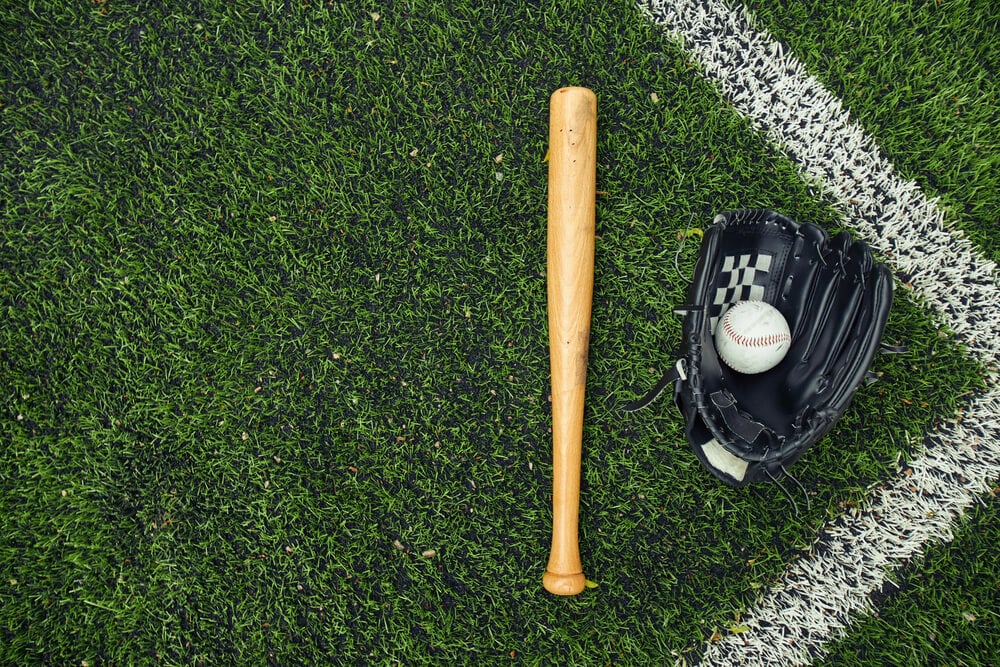
Louisville Slugger has made bats since 1884, when a young woodworker named Bud Hillerich turned one for a struggling hitter, and team-signed bats became a popular souvenir decades later. These bats carry signatures from most of a roster, often collected at spring training or through team charity drives.
Value depends heavily on the year and the stars included, since a championship roster with Hall of Famers can bring several thousand dollars. Most team bats from ordinary seasons sell for a few hundred dollars.
Fading ink, scuffs on the barrel and signatures from bench players crowding out the stars all pull prices down.
Game-Used Bats With the Scars to Prove It
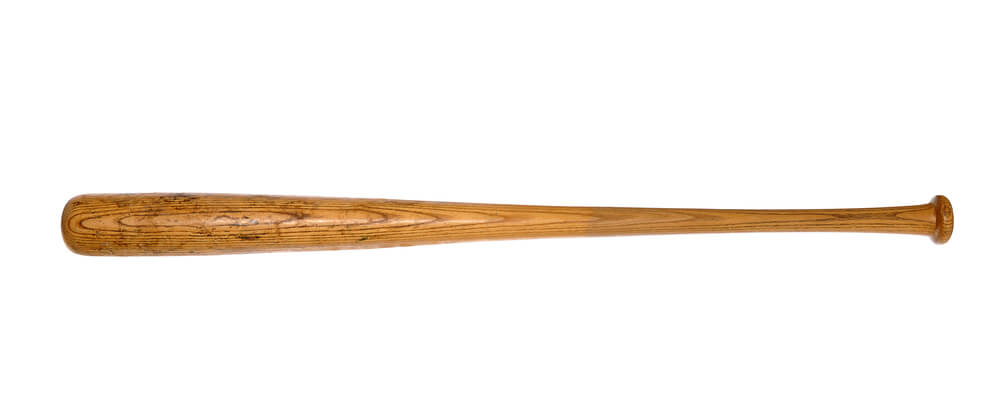
A bat actually used in a major league game shows clues that collectors read like a fingerprint. Seam impressions on the barrel, pine tar, cleat marks and handle tape all tell the story.
Authenticators compare the bat’s model number and markings with factory shipping records kept by manufacturers like Hillerich and Bradsby. A signed, game-used bat from a star player can be worth thousands or far more.
The same bat without documentation is worth much less. Cracked bats are often still collectible, since a crack can be evidence of real use rather than damage.
Fielding Gloves Signed on the Palm
Rawlings, Wilson and other makers produced fielding gloves that players signed on the leather palm or thumb. Leather absorbs ink unevenly, so signatures can blur, fade or soak into the grain over decades.
That makes condition especially important. A clean, bold signature from a Hall of Famer on a glove in good shape typically sells for a few hundred to several thousand dollars.
Store models signed at public events are more common than gloves the player actually used. Game-used gloves are rare and usually require strong documentation, including photographs or letters from team equipment managers.
Batting Helmets From the Dugout

Batting helmets signed by players became popular collectibles as plastic shells offered a smooth surface for paint pens. Full-size authentic helmets are worth more than replica or souvenir versions, and game-used helmets with team-issued markings sit at the top.
Signatures on glossy plastic can rub off easily with handling, and sunlight fades them faster than on paper. Collectors check for scratches, peeling decals and cracked shells.
Values typically run from about 100 dollars for a common player’s replica to several thousand for a star’s game-used helmet with proper documentation.
Game-Used Bases
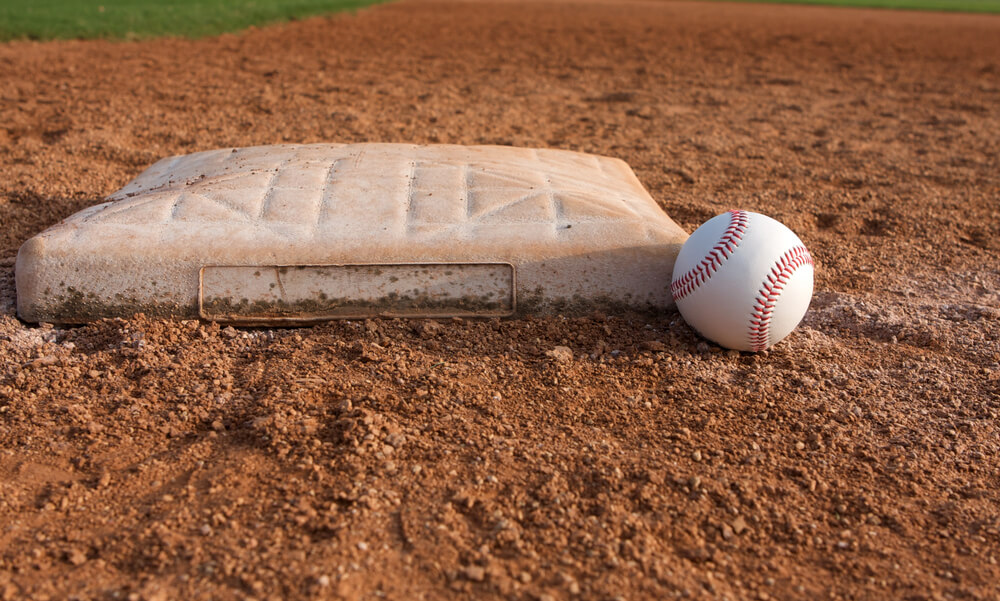
Bases pulled from the field after a game have become a surprisingly active collectible category. The league’s authentication program, launched in 2001, applies tamper-evident holograms to items like bases, pitching rubbers and lineup cards, and the program’s records let buyers check where an item came from.
Some bases are signed by players who stole them or scored on them. Values depend on the game, since a base from a milestone event or a World Series game is worth far more than one from an ordinary midseason contest.
Dirt stains are expected and even welcome, but tears or missing hologram stickers hurt value.
Replica Jerseys Signed at Events
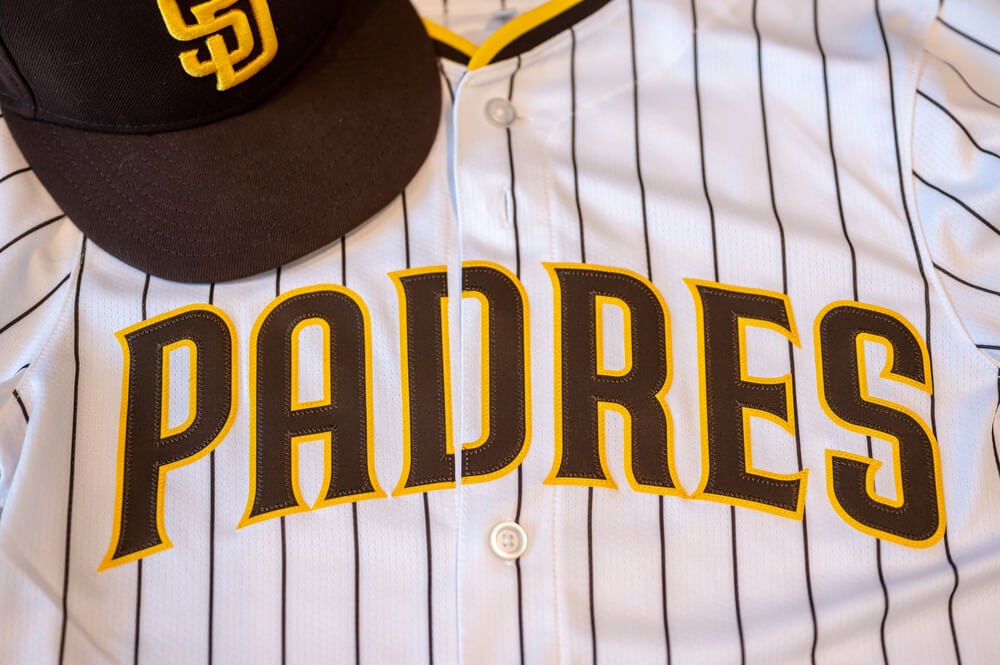
Replica jerseys, the kind sold in team stores, are the most common signed apparel in closets. Players often sign them at fan events, charity dinners and paid autograph sessions.
The jersey itself adds little value, so the price depends almost entirely on the signature and its authentication. A signed replica from a current star often sells for a few hundred dollars, while signatures from retired legends can bring more.
Yellowing fabric, smudged ink and stretched or faded numbers all reduce value. Framed jerseys can hide damage, so buyers often ask to see the back of the frame.
Game-Worn Jerseys
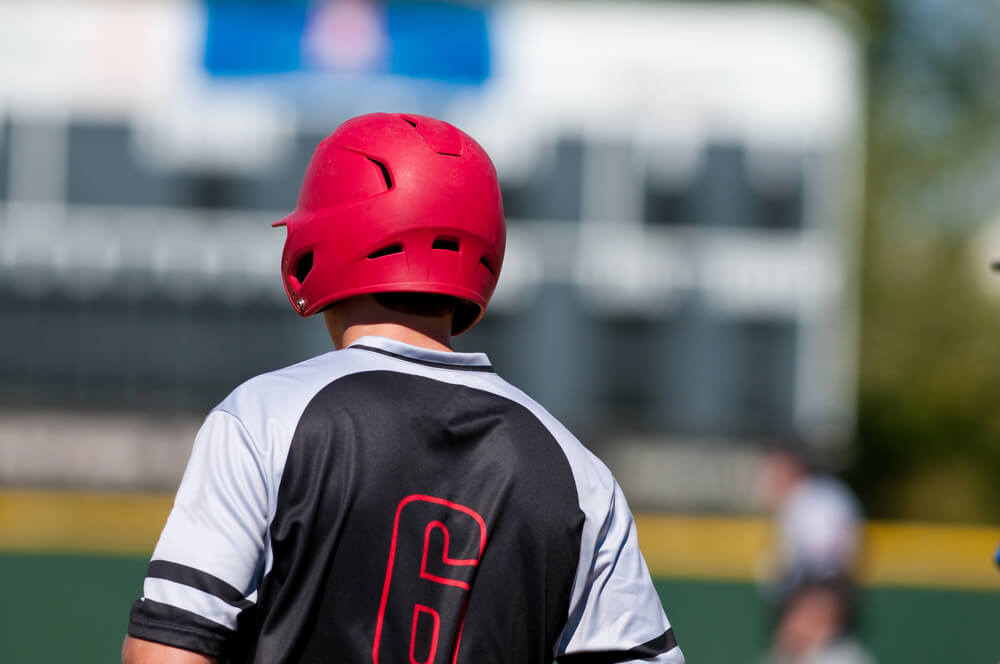
A jersey worn in an actual game is a completely different item from a replica. Collectors look for team-issued tags, size markings, alterations and repairs, and signs of real use like stains or loose stitching.
Photo-matching services compare the jersey’s unique details with game photographs to confirm when it was worn. A signed game-worn jersey from a star player can be worth tens of thousands of dollars or more.
Without strong documentation, the same jersey is hard to sell. Washing a game-worn jersey can destroy evidence that buyers rely on, so owners are told to leave it alone.
Throwback Jerseys From the Early 2000s
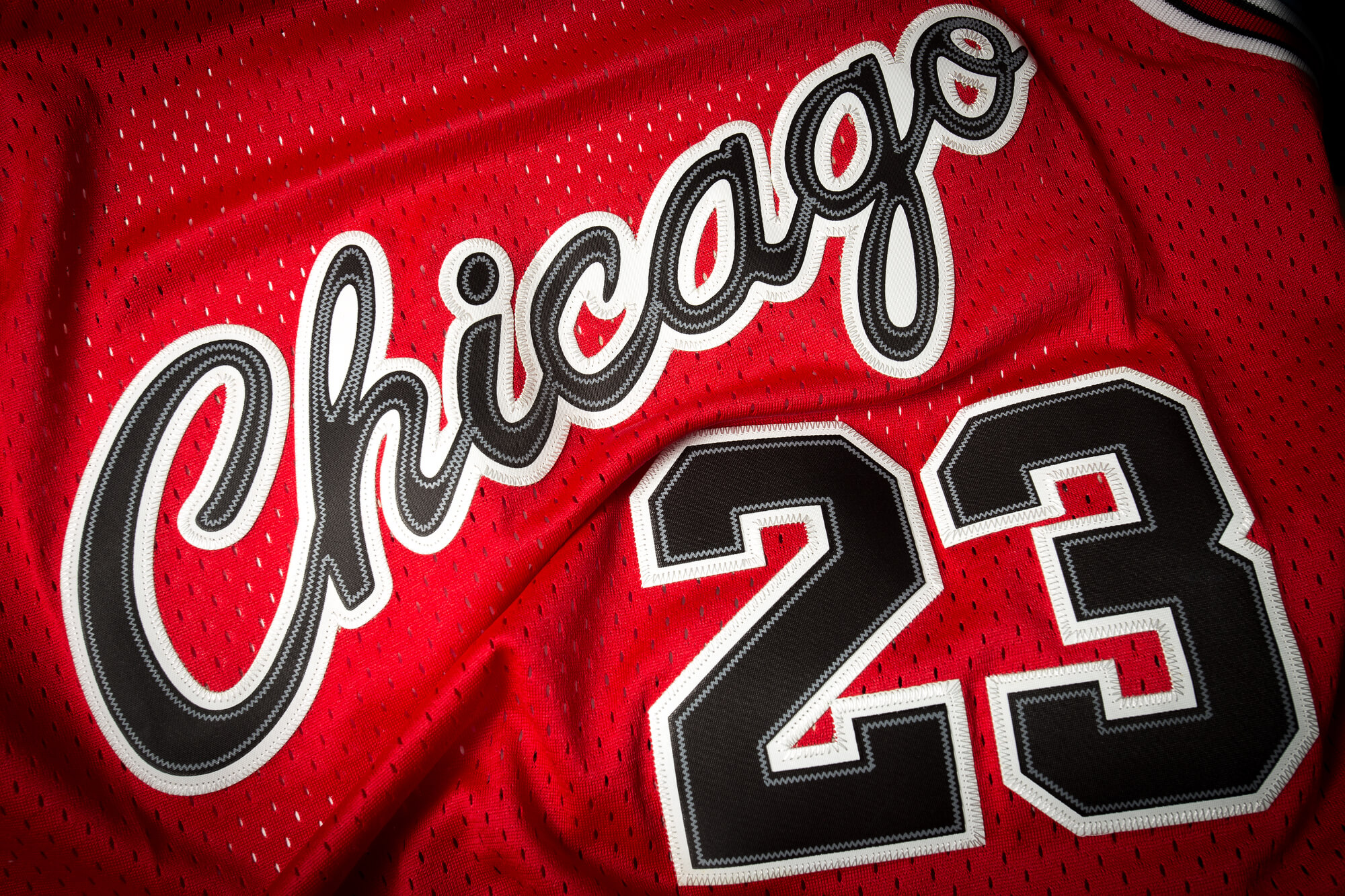
Mitchell and Ness, a Philadelphia company, helped spark a throwback jersey craze in the early 2000s by reproducing classic uniforms from past decades. Hip-hop artists wore them in music videos, and retired players signed them at shows and events.
Many of those signed throwbacks now sit in closets. Values depend on the signer and the condition of the fabric, which can fade and pill over time.
A signed throwback from a Hall of Famer typically sells for a few hundred dollars. Missing tags or obvious wear reduce value.
These jerseys also carry nostalgia for the early 2000s themselves.
Signed Caps
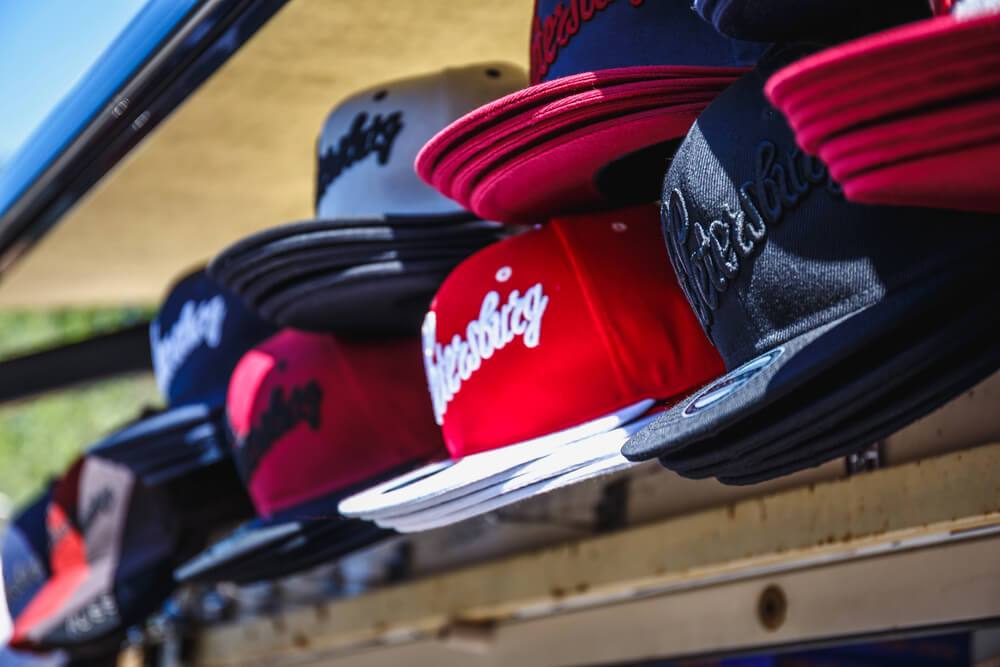
Players sign caps on the brim or the crown, and caps are one of the most affordable autographed items. New Era’s 59FIFTY fitted cap, introduced in 1954, is the classic on-field style.
Ink on fabric can seep into the weave or fade, especially on darker colors. Values usually run from about 50 dollars for common players to several hundred for stars.
Game-worn caps, with sweat stains and team equipment tags, are worth considerably more. Caps stored in damp closets can develop mildew, which damages both the fabric and the signature.
NFL Mini Helmets
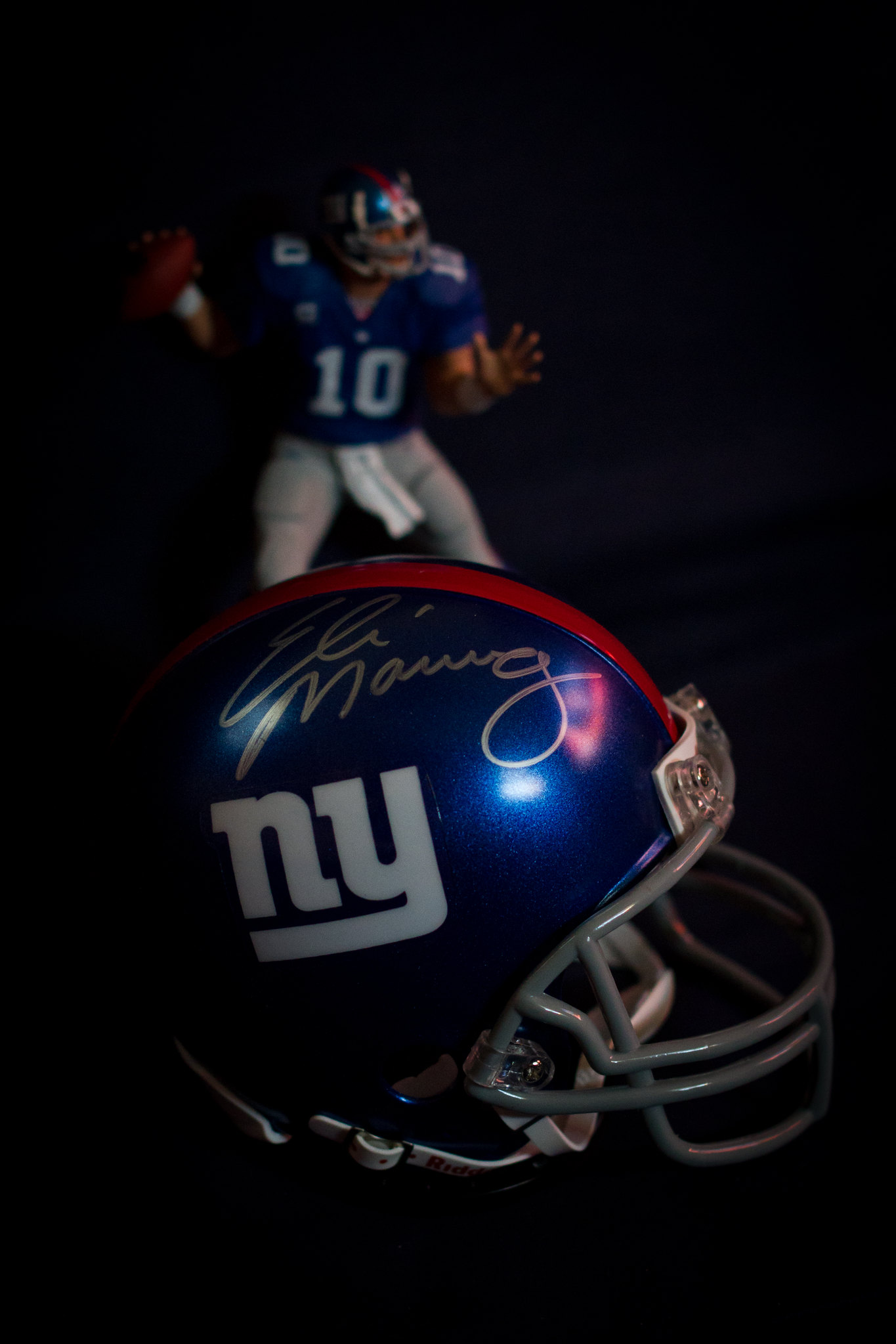
Riddell, which has made protective headgear for decades, produces scaled-down mini helmets that are among the most popular signed items in the NFL. They are small enough to display easily and cheap enough for players to sign at events.
Ink on the glossy shell is vulnerable to smudging and fading. Values typically run from about 50 dollars for common players to several hundred for top stars.
Minis signed by multiple players, especially from championship teams, can bring more. Cracked facemasks, scratched shells and peeling decals lower prices noticeably.
Full-Size Authentic Helmets
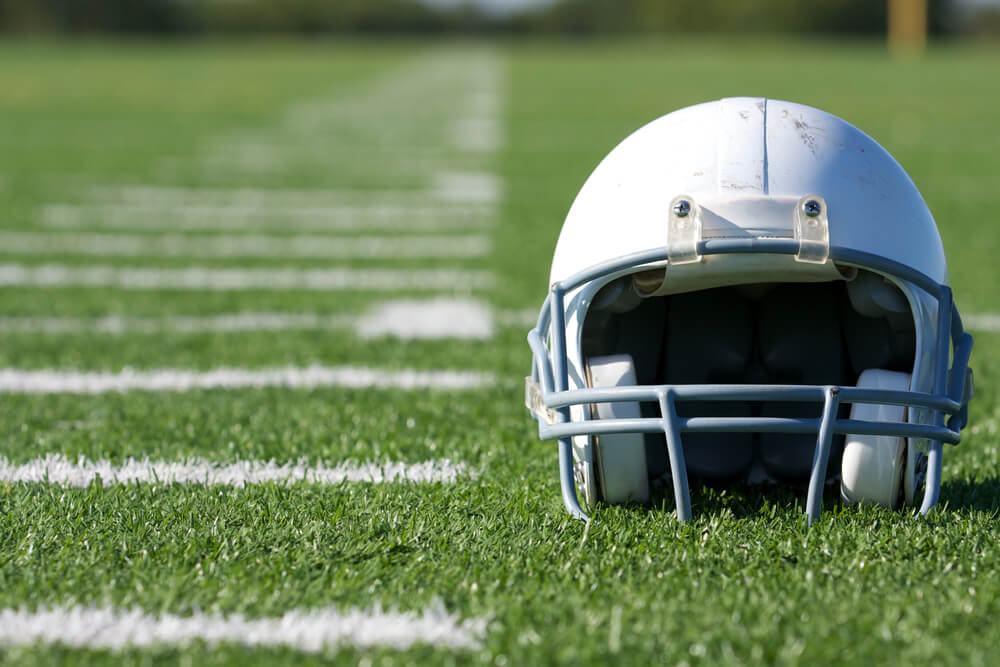
Full-size authentic helmets, built to the same specifications as the ones worn on the field, are a major step up from minis. Signed authentic helmets from star quarterbacks and Hall of Famers often sell for 1,000 dollars or more.
The large shell gives room for inscriptions like statistics or championship years, which can add value. Sunlight is the enemy, since UV exposure fades signatures on the shell.
Collectors store them in UV-protective cases. Scratches, yellowed visors and damage to the facemask all reduce value, and any sign of tampering with the original decals raises concerns.
Game-Worn Cleats
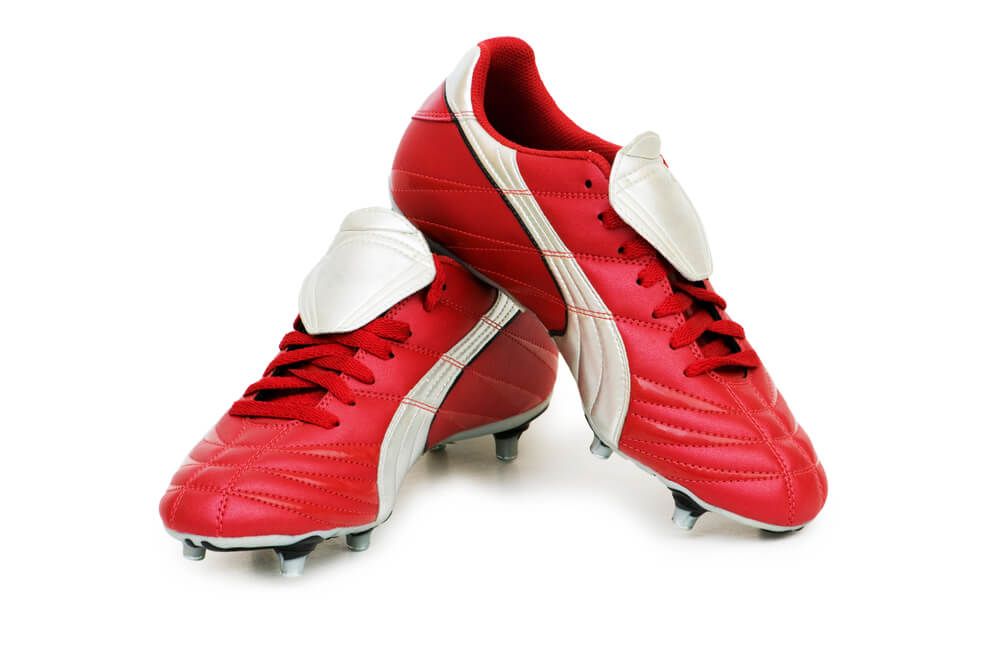
Cleats worn in a game and then signed are prized by collectors who want gear with real history. Dirt, turf stains and worn studs are signs of genuine use and are generally left untouched.
Players sometimes sign and inscribe the date and opponent, which adds context and value. Signed game-worn cleats from star players can sell for thousands of dollars.
Without documentation, buyers are skeptical. Cleats that were simply signed at an event, without being worn, are worth much less.
Leather that has dried and cracked in a closet can lower value even on well-documented pairs.
Signed Sneakers From the Court
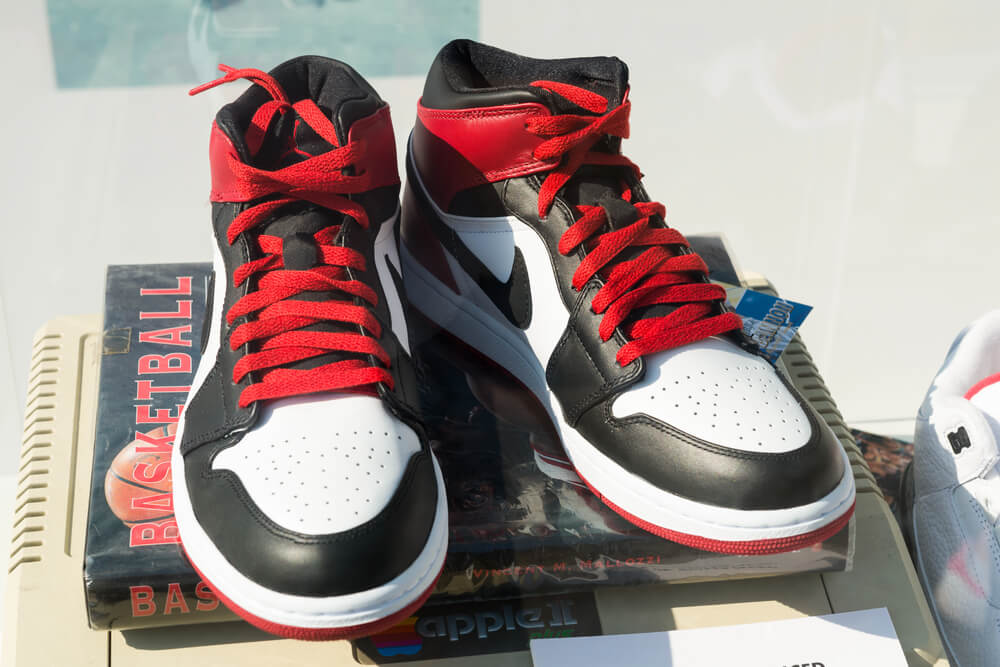
Nike’s Air Jordan 1, released in 1985, turned court shoes into collectibles. Signed sneakers from NBA stars now sell for wide ranges, depending on whether they were worn in a game.
Game-worn and signed shoes from legends have sold at auction for six or even seven figures. Retail pairs signed at events are far more common and usually sell for a few hundred to a few thousand dollars.
Yellowed soles, cracked leather and crumbling midsoles are common problems for older pairs. Original boxes add value, especially for sneakers from the 1980s and 1990s.
Hockey Sticks Signed on the Blade

Hockey players usually sign sticks on the blade or the shaft, and wooden sticks from earlier decades are especially collectible. Wayne Gretzky’s signed sticks are among the most sought-after, though forgeries are common.
Game-used sticks show tape, wear on the blade and sometimes cracks. Signed team sticks, carrying signatures from an entire roster, are popular souvenirs from championship seasons.
Values range from about 100 dollars for common players to several thousand for stars with documentation. Warping, missing tape or faded signatures reduce value, and a stick that has been stored leaning in a damp corner often shows all three.
Official Game Pucks
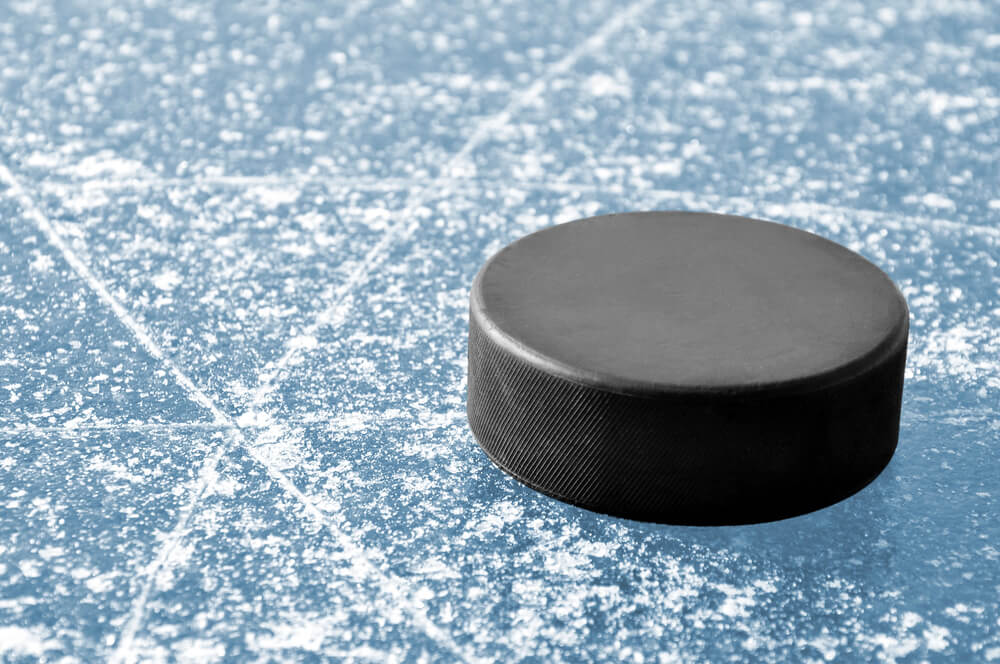
Pucks are one of the most popular hockey autographs because they are cheap and easy to display. Players sign them with silver or white paint pens, since ink does not show up on black rubber.
Official game pucks carry league logos and are worth more than souvenir versions. Game-used pucks from milestone moments, like a player’s first goal, can be worth significantly more with documentation.
Most signed pucks sell for about 30 to 200 dollars. Paint can chip or rub off, so pucks stored loose in a drawer are often worth much less than those kept in cubes.
Goalie Masks
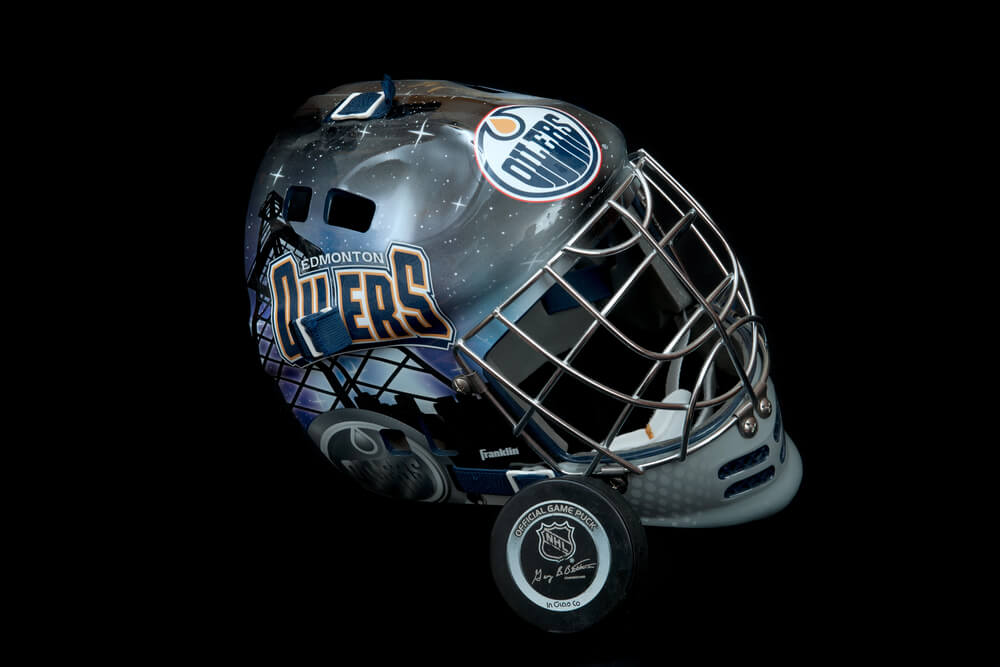
Jacques Plante became the first NHL goaltender to wear a mask regularly in 1959, and masks have since become canvases for elaborate paint jobs. Signed replica masks are common souvenirs, while game-worn masks are rare and valuable.
The artwork itself contributes to value, especially when created by well-known mask painters. Signed replicas typically sell for a few hundred dollars.
Game-worn masks from star goalies can bring tens of thousands. Scratches and chips are expected on game-worn masks, but cracks or missing straps reduce value on replicas.
Boxing Gloves

Everlast and other makers produced the gloves that fighters signed for decades. Muhammad Ali signed thousands of gloves, and his signature changed over time as Parkinson’s disease affected his hand.
Authenticators study those changes carefully, which helps date and verify signatures. Signed gloves from champions typically sell for a few hundred to several thousand dollars.
Fight-worn gloves are far more valuable but extremely rare. Leather that has cracked, ink that has smeared, and gloves stored in damp places all reduce value.
Matching pairs are worth more than single gloves.
Golf Pin Flags

Golf flags, especially those from major championships, are popular signed items. Souvenir pin flags from the Masters at Augusta National, printed with the tournament year, are among the most recognized.
Winners sign them, and flags from milestone years, like Tiger Woods’s first Masters win in 1997, carry extra appeal. Values range widely.
A flag signed by a single champion often sells for a few hundred to a few thousand dollars, while flags signed by multiple champions can bring more. Fabric can yellow and ink can fade, so framed flags stored out of direct sunlight hold their value best.
Golf Clubs and Putters

Signed golf clubs, particularly drivers and putters, are less common than flags but still collectible. Tour-issued clubs, made for professional players, carry extra appeal because they were built to specific specifications.
Signatures usually appear on the club head or shaft, where they can rub off with handling. Game-used clubs from major winners can be worth thousands with documentation.
Retail clubs signed at events are typically worth a few hundred dollars. Scratches, worn grips and faded signatures reduce value.
Many signed clubs end up in garages and attics after the original owner stops playing.
Wooden Tennis Rackets

Wooden tennis rackets from the 1970s and 1980s, signed by players like Bjorn Borg, Chris Evert and John McEnroe, have become popular collectibles. Borg famously used Donnay rackets, while Evert and McEnroe used other brands.
The shift to graphite and composite rackets in the 1980s made wooden frames feel like relics. Signatures usually appear on the frame or strings.
Values typically range from about 100 dollars to over 1,000 for stars. Warped frames, broken strings and fading signatures reduce value.
Original presses, the wooden clamps used to prevent warping, add appeal.
Racing Helmets

Signed racing helmets, often replica versions made by Bell Helmets and other manufacturers, are popular among motorsport fans. Bell was founded in 1954 and became one of the best-known names in racing safety.
Drivers like Dale Earnhardt and Jeff Gordon signed countless replicas. Full-size replicas typically sell for a few hundred to a few thousand dollars, depending on the driver.
Race-worn helmets are much rarer and more valuable. Scratched visors, faded paint and signatures that rub off with handling all lower value.
Original boxes and display cases add appeal.
Satin Team Jackets
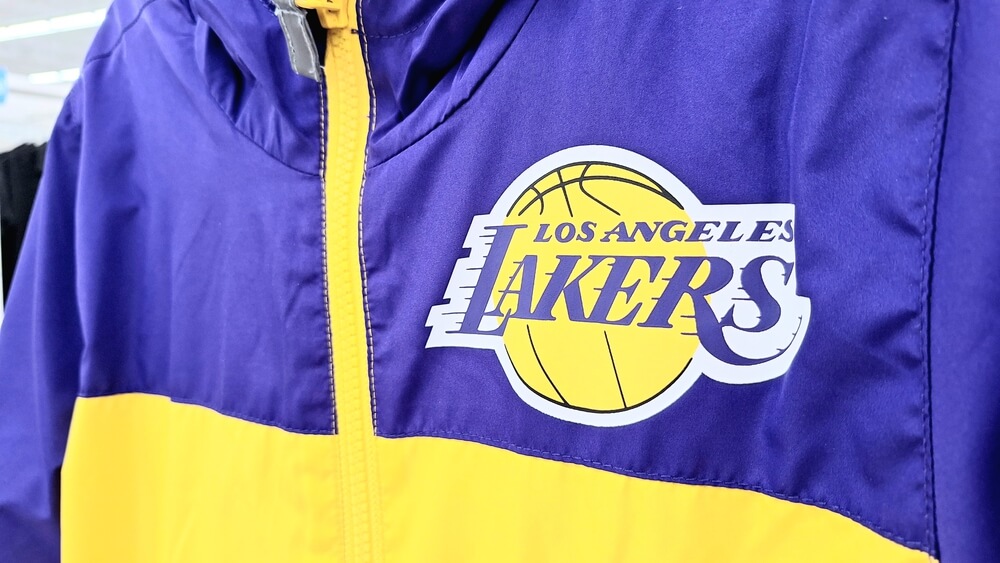
Satin team jackets were a staple of the 1980s and early 1990s, and many were signed by players at events or through team promotions. They are lightweight, shiny and instantly recognizable as products of that era.
Signatures on satin can fade quickly and sometimes seep into the fabric. Values depend heavily on the signer and the condition.
Common signed jackets sell for about 100 to 300 dollars, while those signed by stars can bring more. Torn linings, broken zippers and stains reduce value.
Nostalgia for the era keeps demand steady.
Skateboard Decks
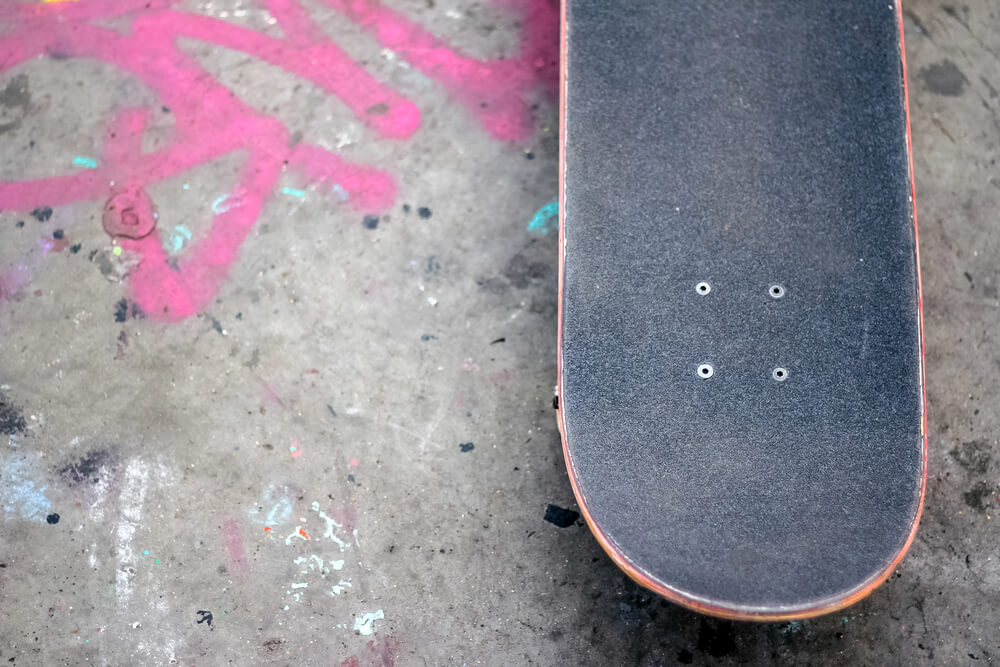
Tony Hawk’s 900, the two-and-a-half-turn aerial he landed at the 1999 X Games, helped turn skateboarding into a mainstream sport. Signed decks from Hawk and other pros became popular collectibles.
Unridden decks, still clean and bright, are worth more than decks with scratches and wear from actual use. Signed decks from top skaters typically sell for about 100 to 500 dollars.
Decks used in competition, with documentation, can bring more. Warped wood, chipped edges and faded graphics lower value, and stickers on the deck can obscure the artwork collectors want to see.
Wristbands and Headbands

Game-worn wristbands and headbands are among the least expensive game-used items, but they still attract collectors. Players sometimes signed them after games or tossed them into crowds.
Sweat stains and wear are expected signs of authenticity. Values typically run from about 25 to 200 dollars, depending on the player and documentation.
Items from stars like Michael Jordan can bring considerably more. Fabric can deteriorate over time, and signatures on cotton blur easily.
These small items often sit forgotten in drawers because they seem too minor to matter.
Replica Championship Belts
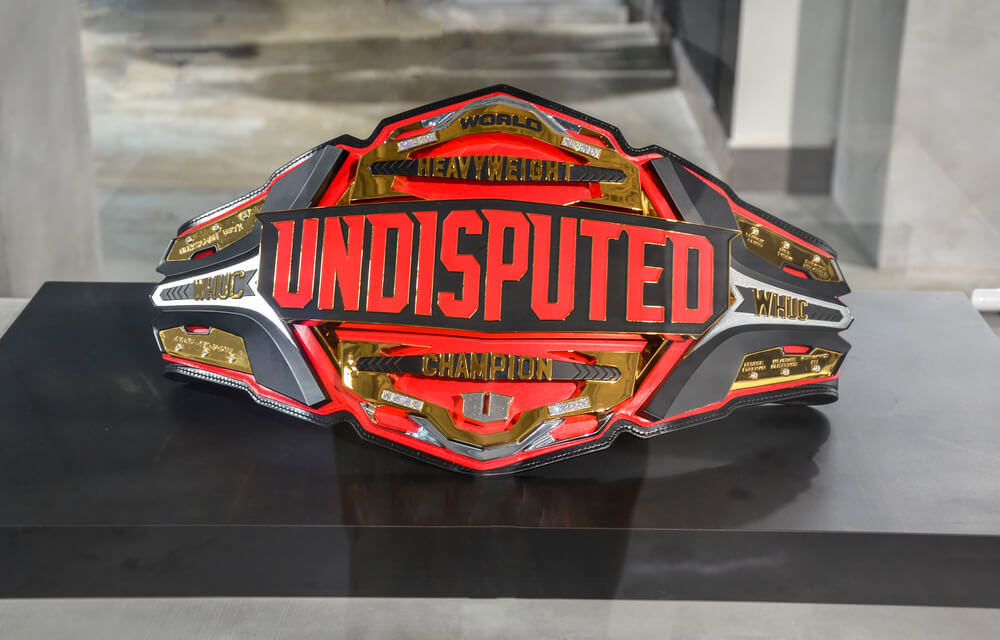
Replica championship belts, sold to wrestling and boxing fans, often carry signatures from stars who held the real titles. The belts are heavy, with metal plates mounted on leather or vinyl straps.
Signatures usually appear on the strap or plate, where they can rub off with handling. Values depend on the signer and the belt’s quality.
Signed replicas typically sell for a few hundred dollars, while belts signed by multiple champions can bring more. Tarnished plates, cracked straps and faded signatures reduce value.
Display cases help preserve both the belt and the ink.
Anything With a Certificate From the 1990s

Certificates of authenticity from the 1990s deserve special scrutiny. Operation Bullpen, an FBI investigation announced in 2000, broke up a nationwide forgery ring, and investigators said experts estimated that 50 to 90 percent of autographed memorabilia on the market was fake.
Some of the companies that issued certificates during that era were involved in the fraud. Today, most serious buyers want authentication from established third-party services like PSA/DNA, JSA or Beckett.
Items with only an old certificate from a defunct company often need fresh authentication before they can sell for meaningful money.
Signatures and the Proof Behind Them

A signature is only as valuable as the story attached to it. A bat signed in front of a child at spring training and a bat signed by a forger in a back room can look nearly identical.
What separates them is documentation, provenance and the judgment of an experienced authenticator. That is why so many closet finds turn out to be worth less than hoped, and why a few turn out to be worth far more.
The item itself matters, but the paperwork and the memories behind it matter just as much. Families who remember where and when something was signed hold a piece of evidence no certificate can replace.
More from Go2Tutors!

- The Romanov Crown Jewels and Their Tragic Fate
- 13 Historical Mysteries That Science Still Can’t Solve
- Famous Hoaxes That Fooled the World for Years
- 15 Child Stars with Tragic Adult Lives
- 16 Famous Jewelry Pieces in History
Like Go2Tutors’s content? Follow us on MSN.