16 Fascinating Stories Behind The Mount Rushmore Faces
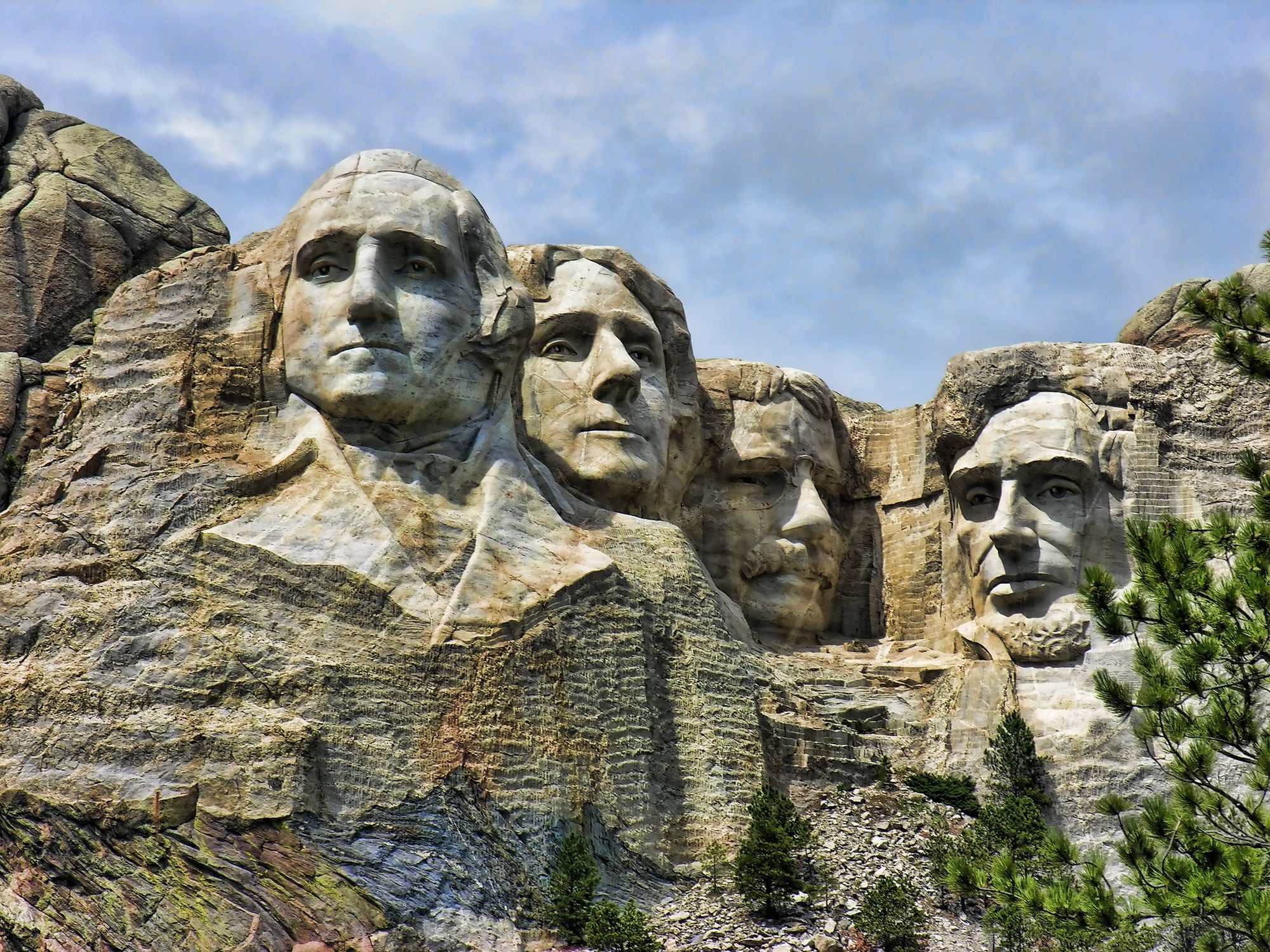
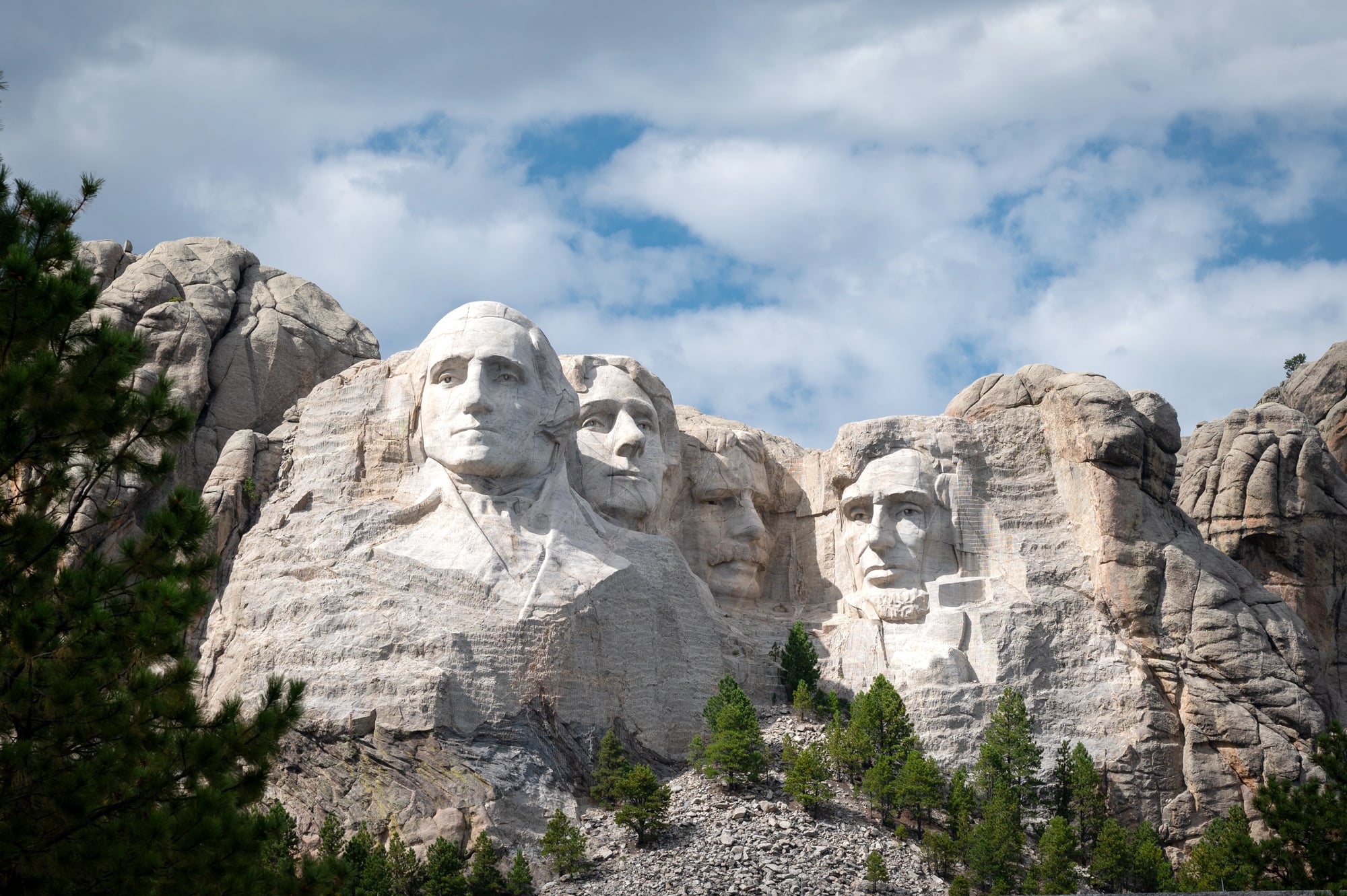
Standing in the Black Hills of South Dakota, Mount Rushmore represents more than carved stone—it’s four American presidents frozen in granite, each carrying stories that stretch far beyond what most visitors know. The monument took 14 years to complete and cost nearly a million dollars, but the real fascination lies in the human details behind those 60-foot faces.
Each president was chosen for a specific reason, and each brought complications that sculptor Gutzon Borglum never anticipated. From Washington’s troubled teeth to Lincoln’s depression, from Roosevelt’s blind eye to Jefferson’s relocated position on the mountain, these stories reveal the messy, human side of American leadership.
Washington’s Dental Struggles
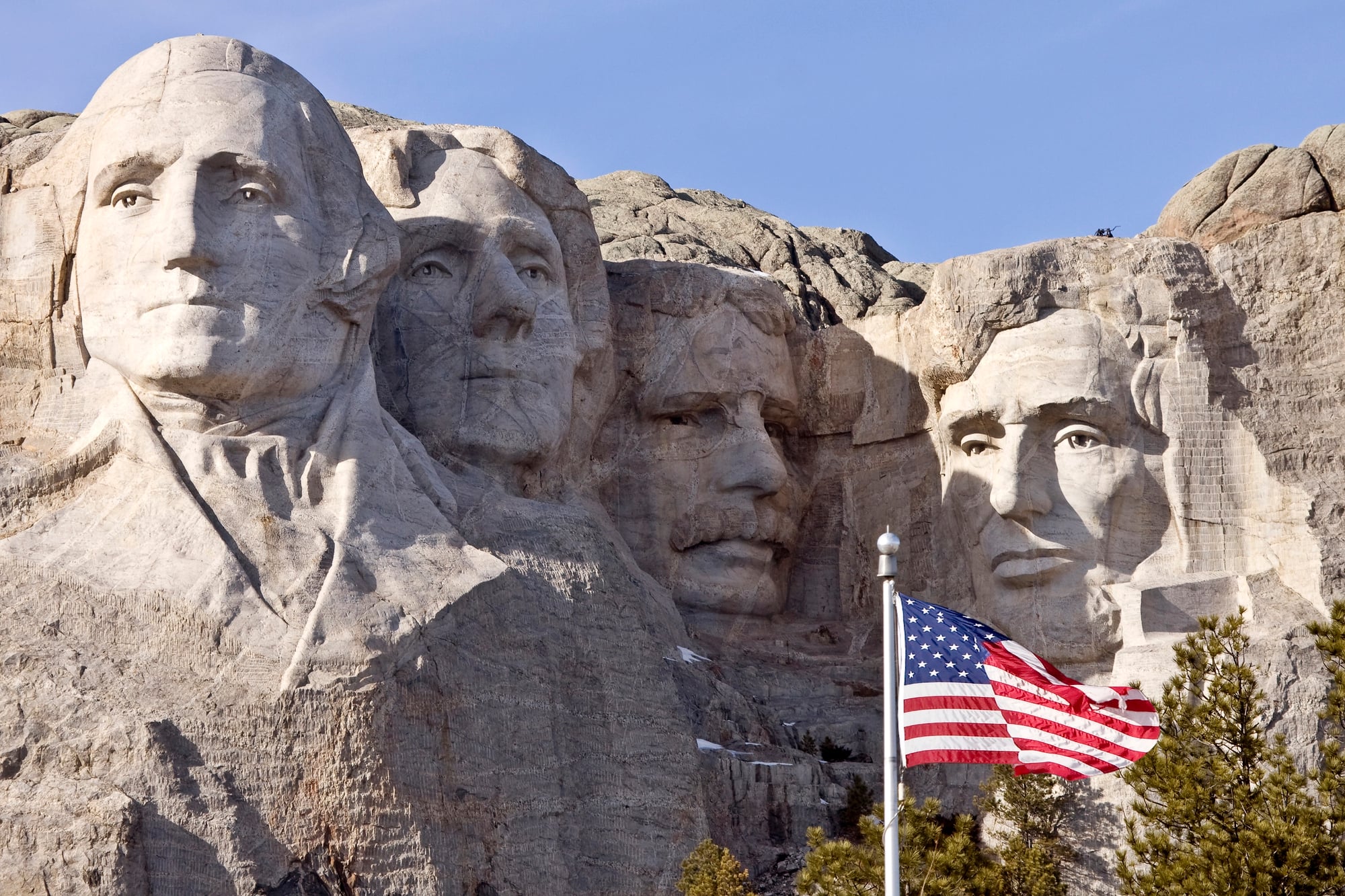
Washington spent most of his adult life in dental agony, and it showed in ways that would have horrified modern image consultants. His famous stoic expression—the one that translates so well to granite—was partly the result of poorly fitting dentures that bulged against his lower lip and cheek.
The teeth weren’t wooden, as folklore suggests, but a disturbing combination of ivory, gold, lead, and teeth pulled from other humans (including those he purchased from his own enslaved workers). His dentures caused him to speak with a lisp and made eating in public a careful, calculated affair. So when Borglum was deciding how to capture Washington’s essence in stone, that tight-lipped, controlled expression wasn’t just presidential dignity—it was decades of physical discomfort becoming the face of American leadership.
Jefferson’s Mountain Move
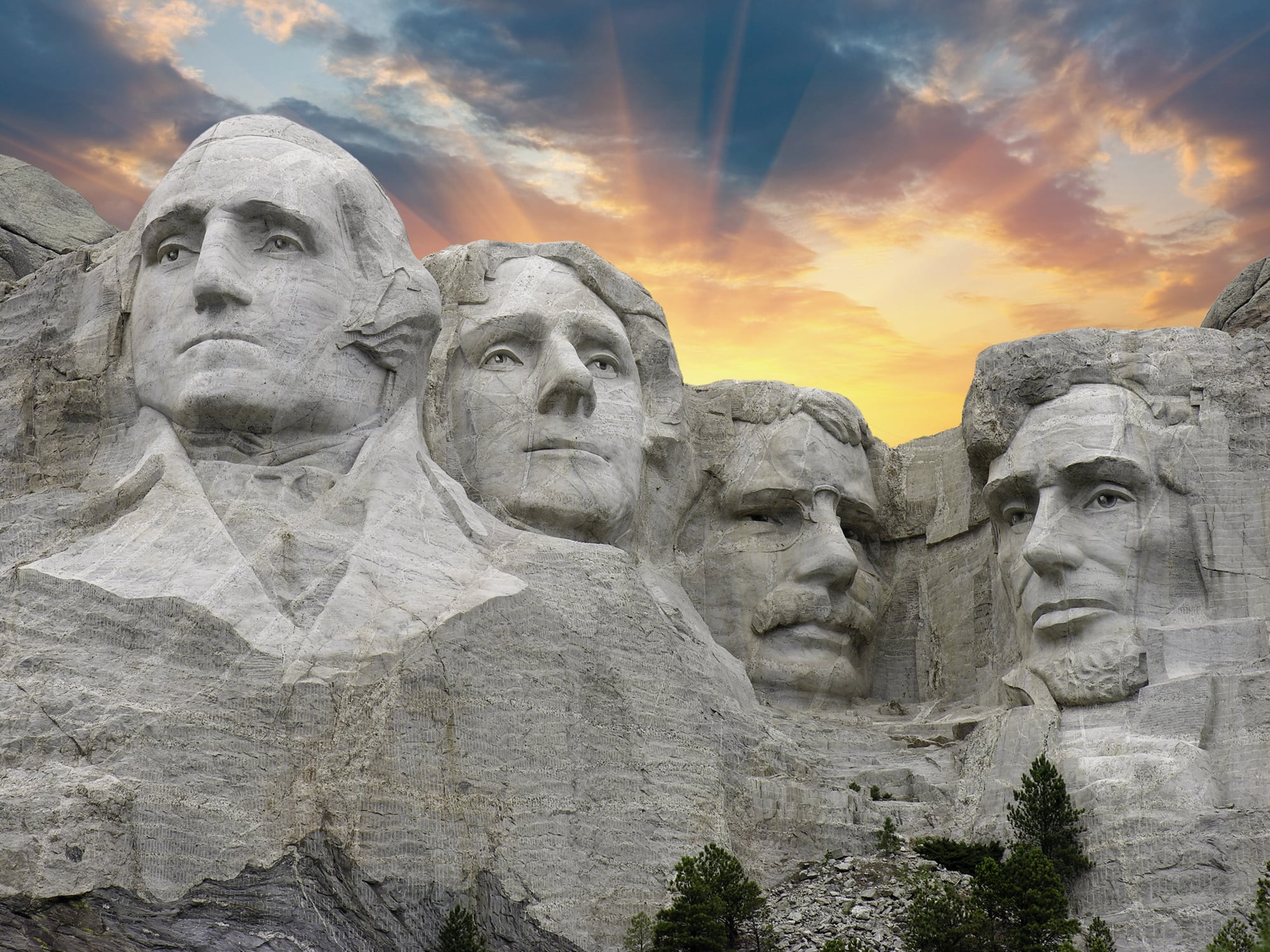
Jefferson’s face wasn’t supposed to be where it sits today, and the change nearly derailed the entire project before it began (which would have been a disaster, considering Congress had already committed the money and Borglum’s reputation hung in the balance). The original plan positioned Jefferson to Washington’s right, and workers spent two years blasting and carving before discovering the rock was too unstable and fractured to hold the detail work that Jefferson’s refined features would require.
Rather than abandon the third president entirely—an unthinkable political catastrophe—Borglum ordered the partially carved face dynamited off the mountain and started over on Washington’s left side. And yet the relocated Jefferson ended up in the most technically challenging position on the monument, carved deeper into the mountain than any other face, which somehow made the final result more dramatic than the original plan would have achieved.
Lincoln’s Battle With Depression
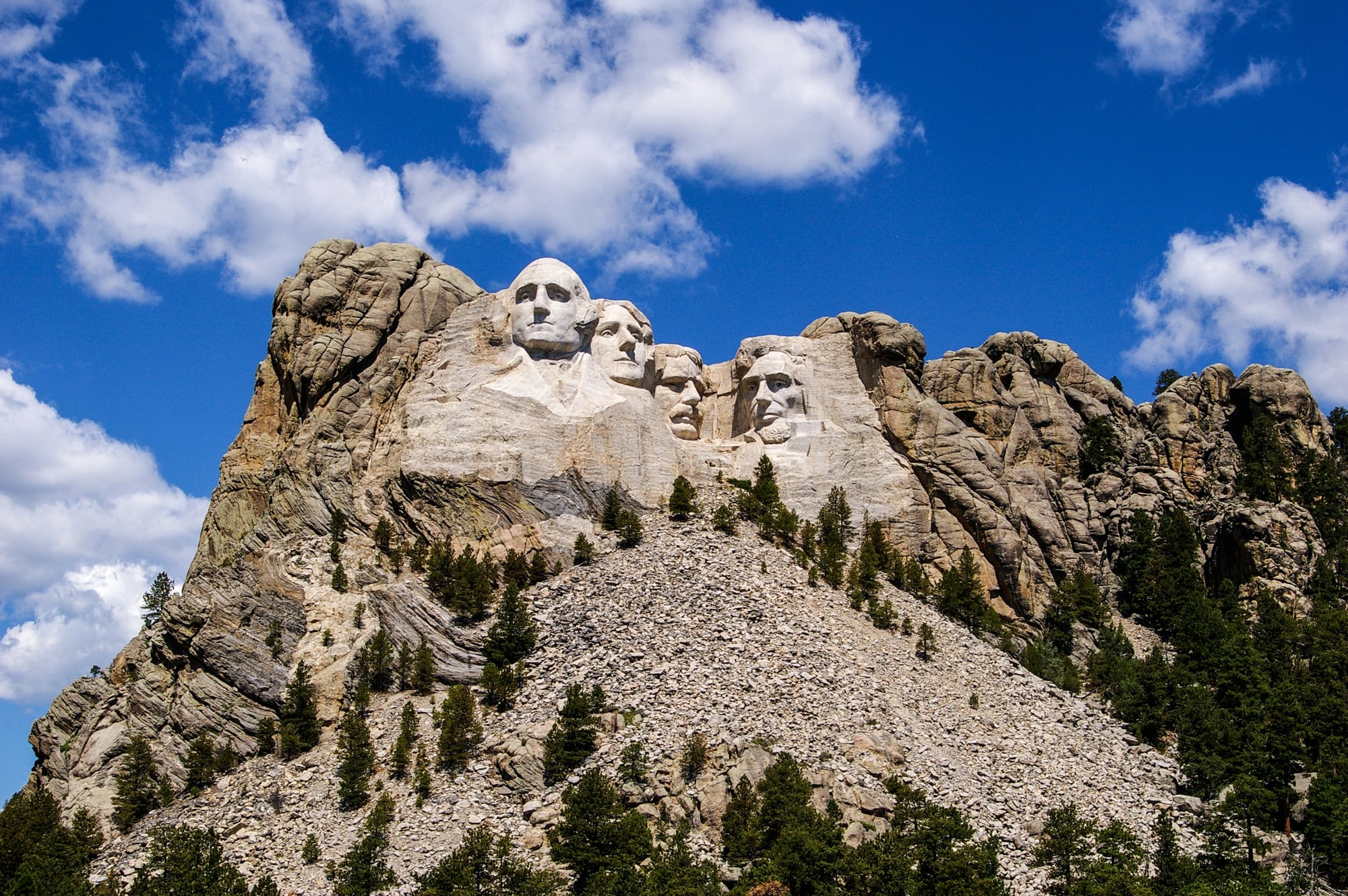
Lincoln’s melancholy runs through American history like a fault line, and Borglum understood that any honest portrayal had to acknowledge the weight that president carried. The sixteenth president suffered what we now recognize as clinical depression, experiencing periods so dark that friends worried about his stability and political enemies whispered about his fitness for office.
His law partner once described Lincoln’s sadness as something that “dripped from him as he walked,” and photographs from his presidency show the toll that leading a divided nation took on his features. Borglum spent months studying Lincoln’s face, trying to capture both the strength that held the Union together and the sorrow that came from sending hundreds of thousands of men to their deaths. The result shows Lincoln gazing slightly downward—the only president on the mountain not looking straight ahead—as if the weight of those decisions still rests on his stone shoulders.
Roosevelt’s Hidden Blindness
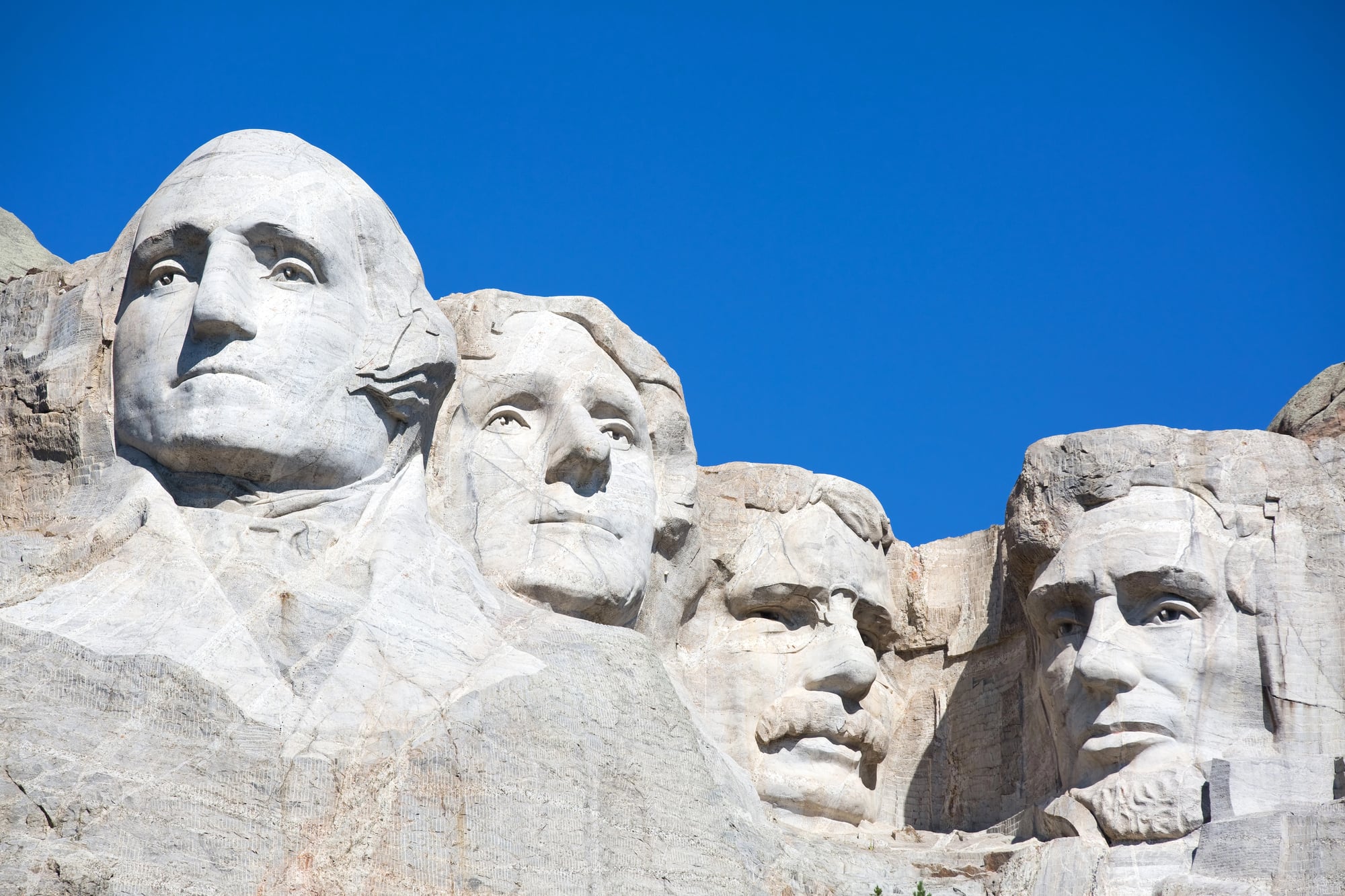
Roosevelt lost sight in his left eye during a White House boxing match in 1904, but kept the injury secret for the rest of his political career because admitting physical weakness would have undermined everything he represented. The man who preached the strenuous life and charged up San Juan Hill couldn’t afford to appear vulnerable, so he compensated by positioning himself carefully during photographs and public appearances, always ensuring his good eye faced the camera and the crowd.
Borglum knew about the injury—few details about his subjects escaped his research—but chose to carve Roosevelt looking slightly left, the blind eye turned away from viewers. It’s a subtle accommodation that preserves the illusion of perfect presidential vigor while acknowledging a very human frailty.
Borglum’s Artistic Obsessions
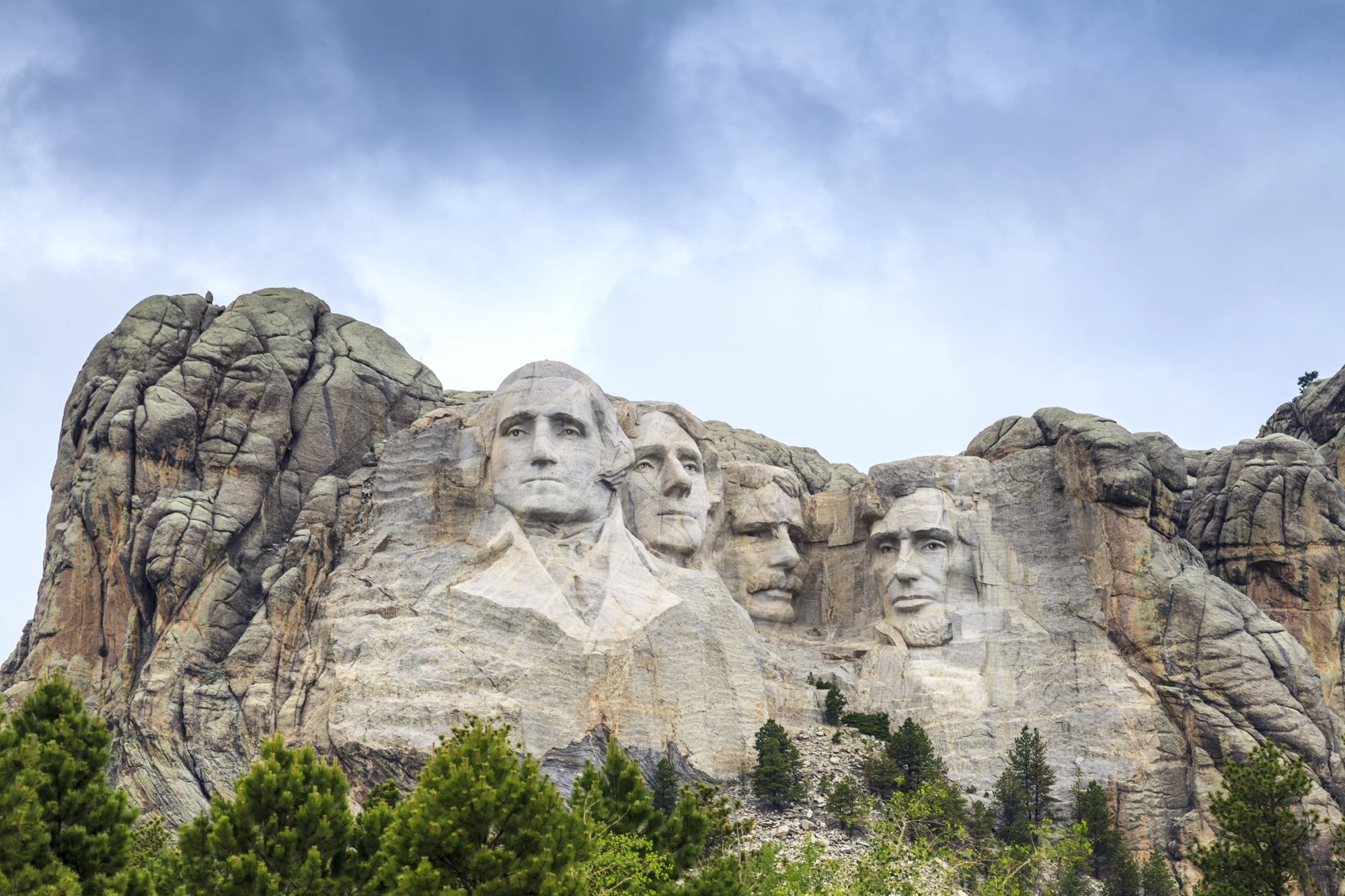
The sculptor approached Mount Rushmore like a man possessed, and his obsessions shaped every detail of the monument in ways that still surprise visitors today. He insisted on carving the faces 60 feet tall because anything smaller would lack the dramatic impact he wanted, but he also planned to include the presidents’ bodies down to their waists—a plan that would have required another decade of work and several million more dollars.
Borglum’s perfectionism bordered on the pathological. He would study photographs and paintings for hours, measuring facial proportions and angles, then climb the mountain to check his carvers’ progress with a jeweler’s loupe. When workers deviated from his specifications by even inches, he ordered them to blast away months of careful work and start over. His son later said that Borglum treated the mountain like a canvas that happened to weigh several million tons.
The Powder Monkey System
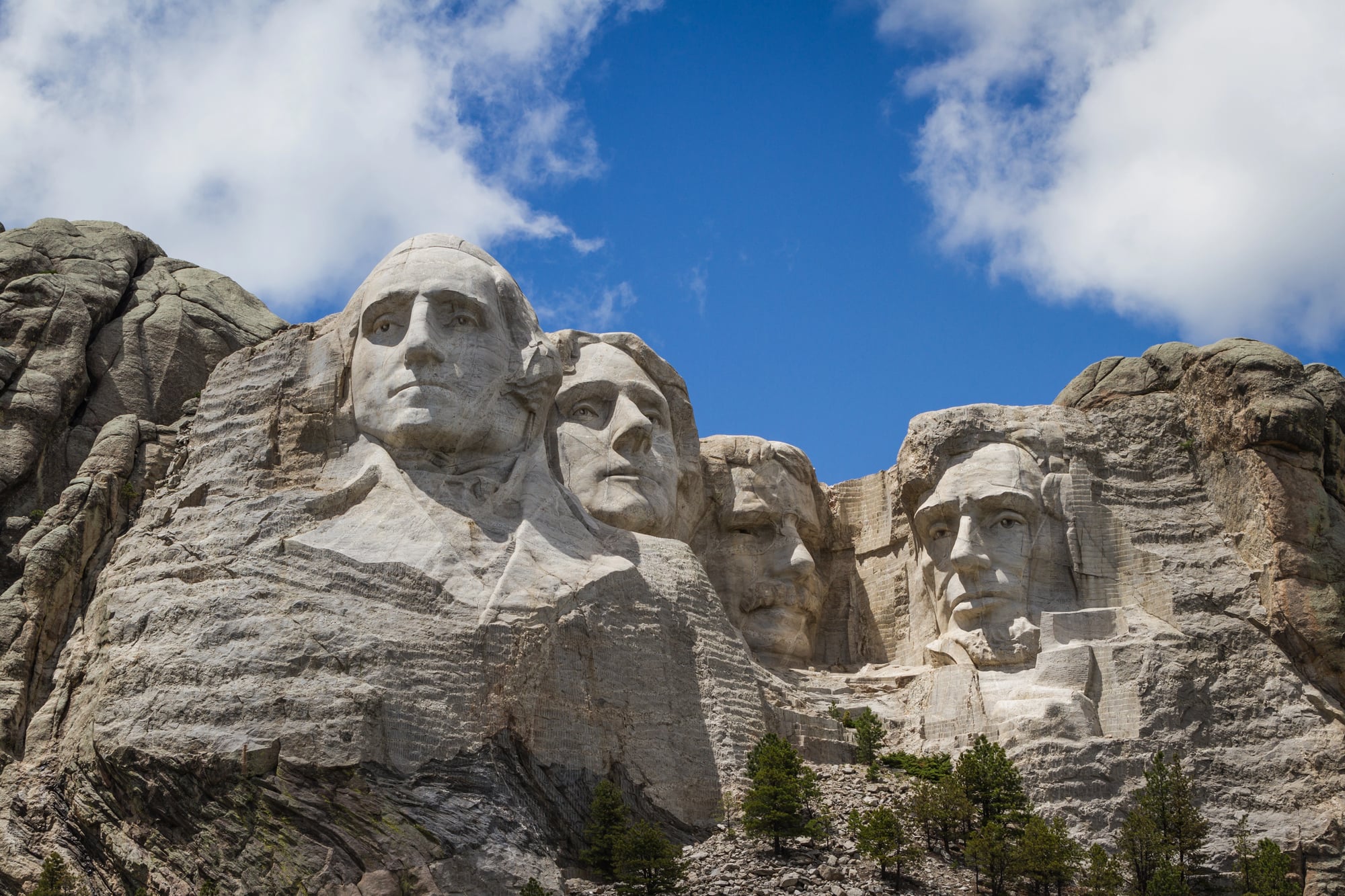
Carving Mount Rushmore required a workforce willing to dangle from ropes 500 feet above the ground while handling dynamite, and the men who took these jobs developed their own culture and language that mixed mining terminology with gallows humor (because what else do you do when your office is a cliff face and your tools include explosives). They called themselves “powder monkeys,” borrowed from naval terminology, and they developed techniques that had never been tried before on such a scale.
Each morning, workers would strap themselves into leather harnesses and ride a primitive tramway to the top of the mountain, then rappel down to their assigned sections of presidential face. The work required both the precision of a jeweler and the nerve of a stunt performer—one misplaced charge could destroy months of careful carving, while a equipment failure could kill a worker instantly. But the pay was steady during the Depression, and the men took pride in creating something that would outlast them by centuries, even if most visitors would never know their names.
Washington’s Crack Problem
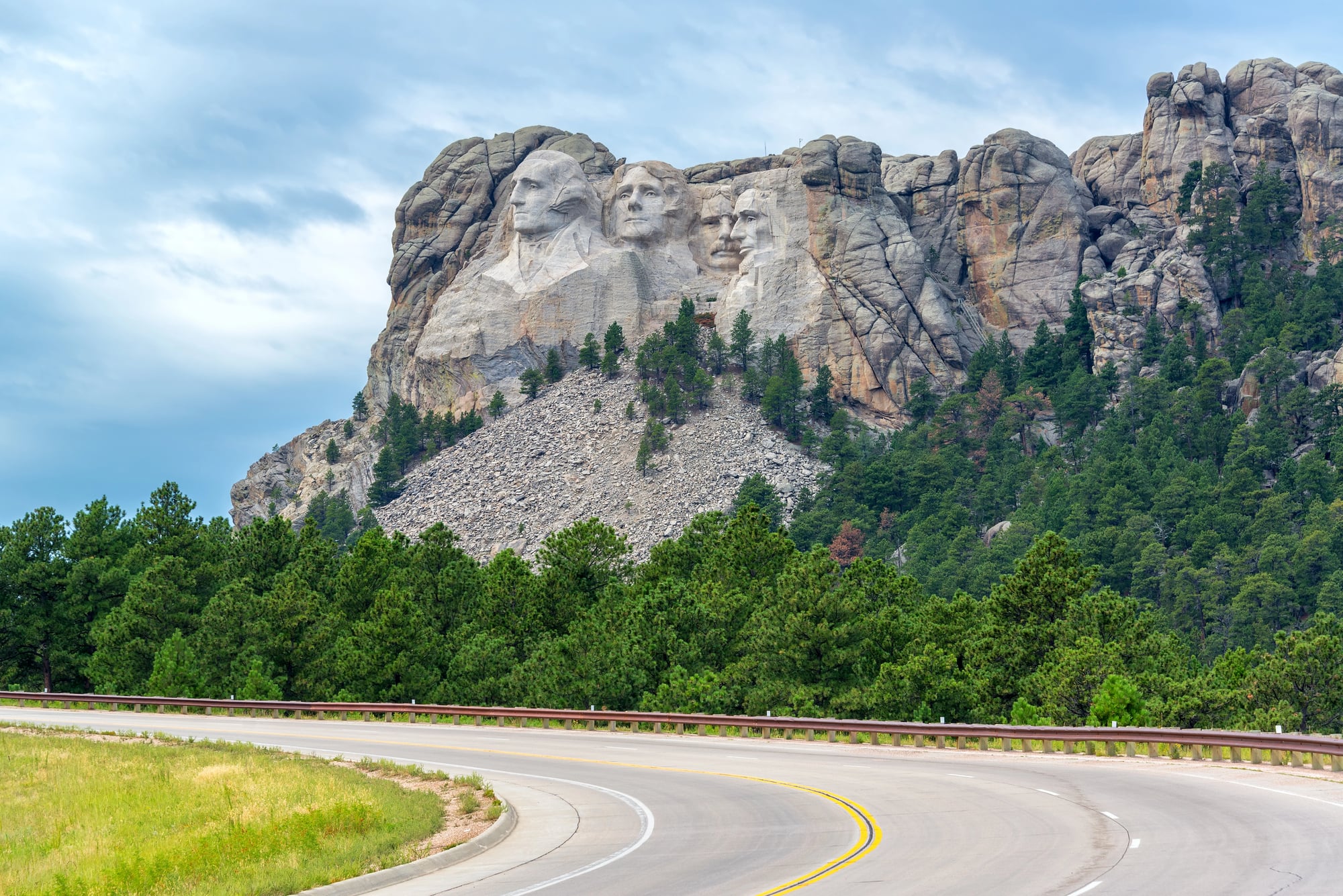
The first president’s forehead developed a crack during carving that threatened to split his face in half, and fixing it required engineering solutions that Borglum had to invent as the crisis unfolded. The crack appeared along a natural seam in the granite, following a line that would have run from Washington’s hairline down through his right eye—essentially destroying the most recognizable face on the monument.
Rather than abandon years of work, Borglum ordered his crew to drill dozens of pits along the crack and fill them with a mixture of granite dust, white lead, and linseed oil. The repair held, but it required constant monitoring and occasional touch-ups that continue today.
Jefferson’s Presidential Paradoxes
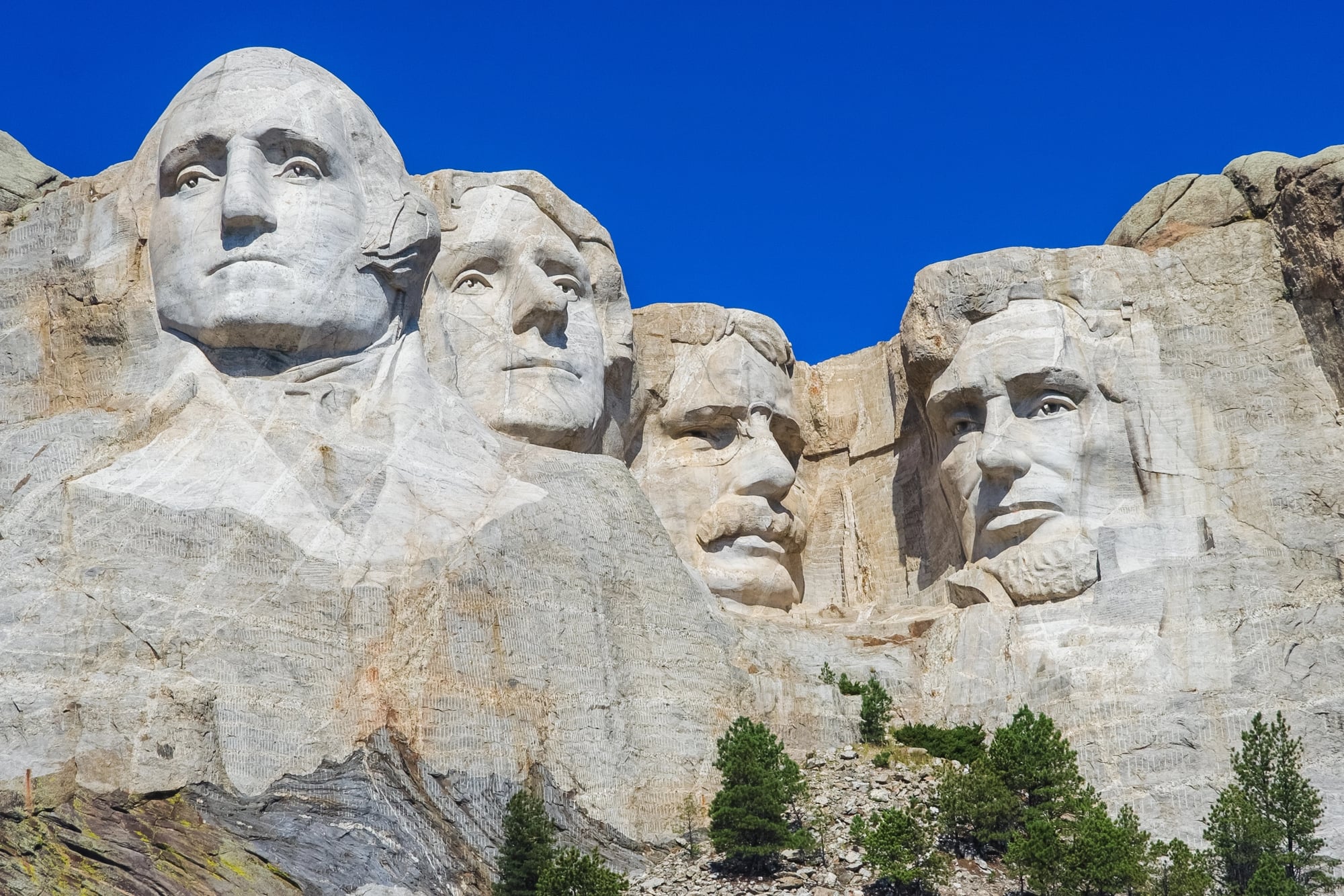
The author of the Declaration of Independence presents the most complex moral contradictions of the four presidents on the mountain, and Borglum struggled with how to honor a man whose ideals exceeded his personal behavior in ways that still make Americans uncomfortable. Jefferson wrote that all men are created equal while owning more than 600 enslaved people throughout his lifetime, preached limited government while making the Louisiana Purchase without constitutional authority, and championed individual liberty while having a decades-long relationship with Sally Hemings, a woman who could not legally consent because she was his property.
Borglum chose to emphasize Jefferson’s intellectual achievements—positioning him as the scholar among the four presidents, with features that suggest contemplation and wisdom. But the contradictions remain embedded in the stone, just as they remain embedded in American history.
Lincoln’s Wartime Decisions
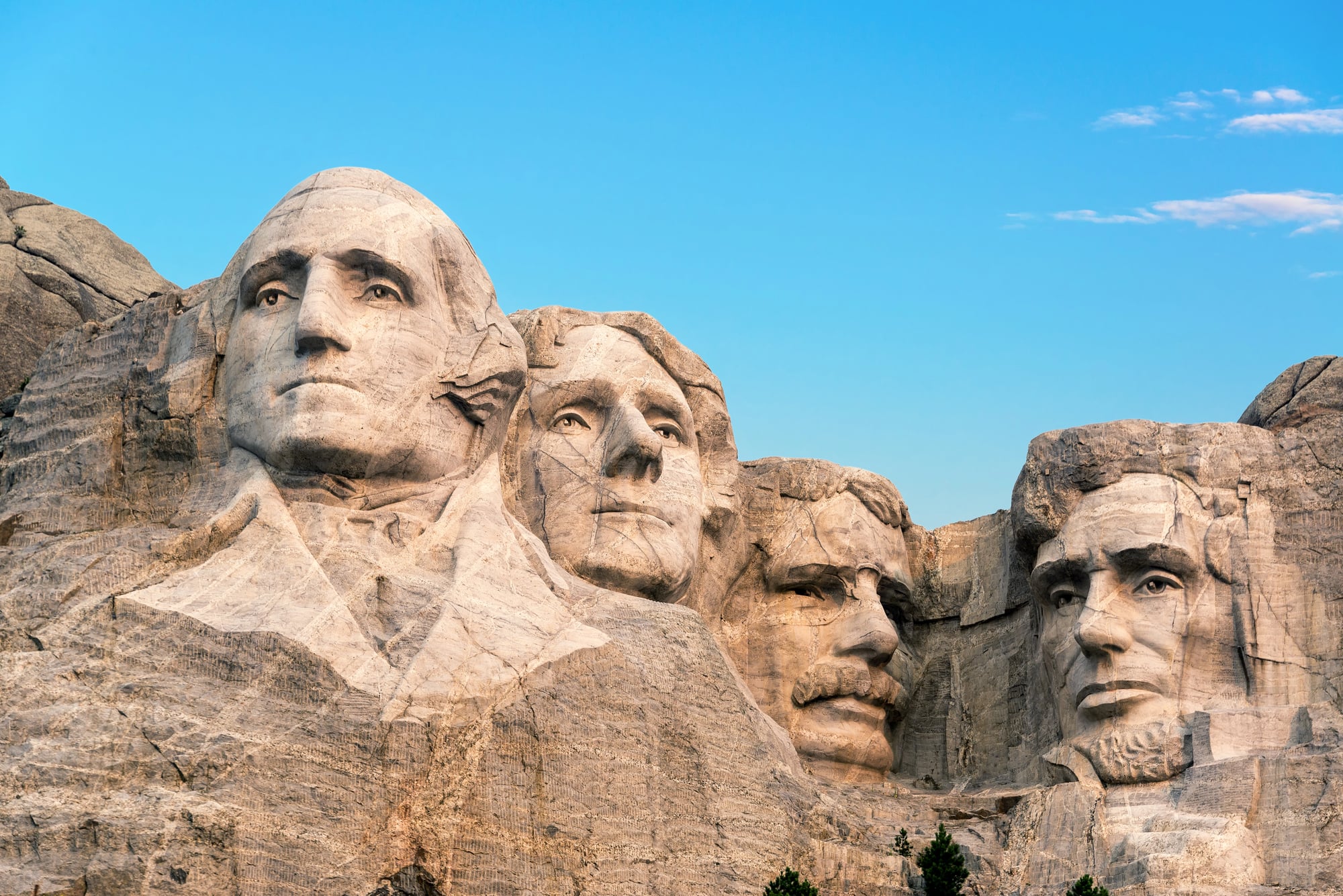
The Great Emancipator’s path to freeing enslaved people was far more calculated and politically complex than most Americans realize, and Borglum’s research revealed a president who made moral compromises that would have destroyed a less skilled politician (though Lincoln himself often wondered whether his careful maneuvering made him complicit in extending the very system he eventually dismantled). Lincoln initially insisted the war was about preserving the Union, not ending slavery, because he needed to keep border states from joining the Confederacy and maintain support from Northern Democrats who opposed abolition.
The Emancipation Proclamation freed enslaved people only in rebellious states—a legal technicality that left slavery intact in areas under Union control. Lincoln privately admitted the proclamation was as much a military strategy as a moral statement, designed to encourage enslaved people in Confederate territory to escape and join Union forces. And yet this calculated approach ultimately achieved what pure moral argument had failed to accomplish for decades: the complete abolition of slavery in America. Borglum carved Lincoln’s face with subtle lines around the eyes, suggesting the toll that such morally complex decisions took on a man who genuinely believed slavery was wrong but understood that political purity might preserve the institution he sought to destroy.
Roosevelt’s Trust-Busting Theater
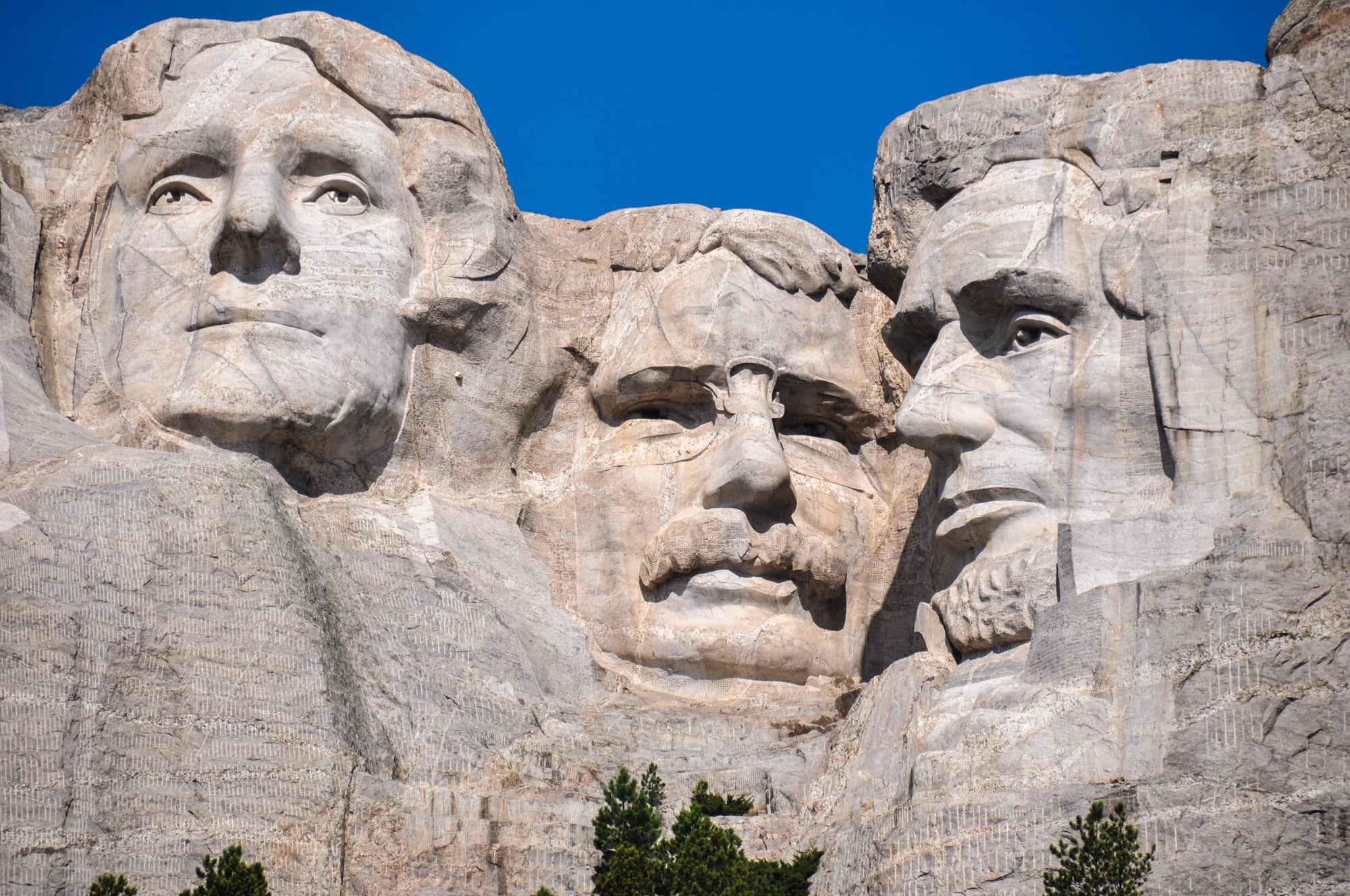
The youngest president brought a flair for political drama that transformed the office in ways that still influence how modern presidents interact with the public, and his approach to “trust-busting” reveals a politician who understood that perception often matters more than policy details. Roosevelt filed 44 antitrust lawsuits during his presidency, earning a reputation as a champion of the common man against corporate power, but his choices of which companies to prosecute were carefully calculated for maximum political impact rather than economic necessity.
He went after highly visible targets like the Northern Securities Company and Standard Oil while maintaining friendly relationships with business leaders who supported his broader agenda. Roosevelt understood that a few high-profile victories could create the impression of comprehensive reform without actually dismantling the corporate structure that had made America wealthy. Borglum carved Roosevelt with a slight smile—the only president on the mountain who appears genuinely pleased—because TR genuinely enjoyed the political game in ways that his more serious colleagues found unseemly.
The Original Fifth Face
Borglum planned to include a fifth president on Mount Rushmore, and his choice reveals assumptions about American greatness that feel distinctly uncomfortable nearly a century later. He wanted to add Woodrow Wilson, arguing that the 28th president deserved recognition for leading America through World War I and creating the League of Nations, but the selection reflected Borglum’s belief that military leadership and international involvement were the highest expressions of presidential achievement.
Wilson also happened to be a Southern Democrat who had resegregated federal offices, praised the Ku Klux Klan, and screened “The Birth of a Nation” at the White House—details that Borglum either overlooked or considered irrelevant to Wilson’s historical significance. Funding constraints ultimately prevented the fifth face, but the near-miss illustrates how monuments reflect the values and blind spots of their creators as much as the achievements of their subjects.
The Unfinished Hall of Records
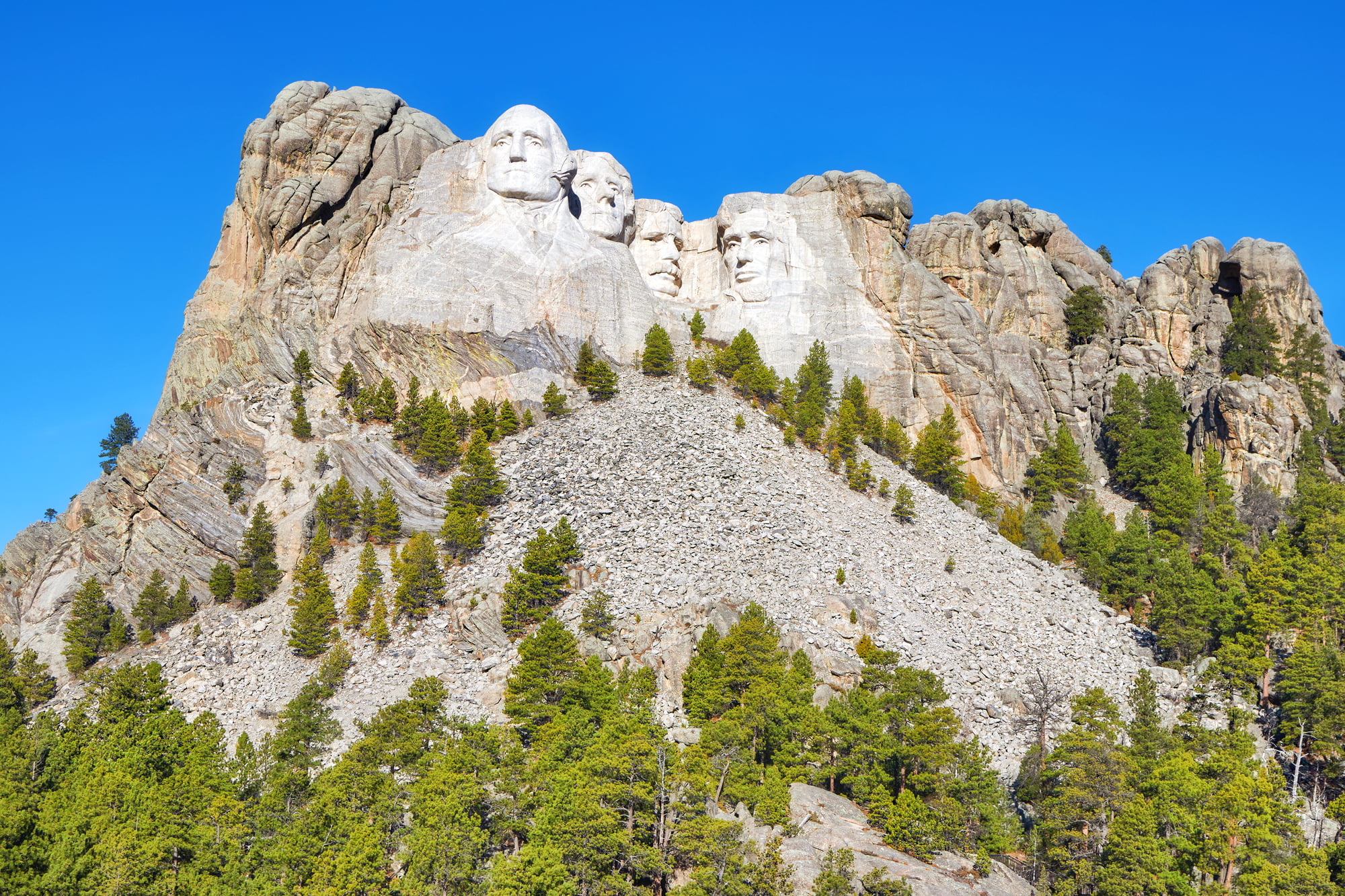
Behind Lincoln’s head, accessible only through a narrow canyon that most visitors never see, lies the entrance to Borglum’s most ambitious and least completed vision: a Hall of Records that would have housed the most important documents in American history (the Constitution, the Declaration of Independence, key Supreme Court decisions) in a repository designed to last thousands of years, carved deep enough into the mountain to survive whatever catastrophes might befall the surface world. The chamber would have been larger than most cathedrals, with granite walls inscribed with the complete text of America’s founding documents and biographical information about each president on the mountain.
Workers blasted 70 feet into the solid rock before funding ran out and Borglum’s death in 1941 effectively ended the project. But the vision reveals the sculptor’s understanding that Mount Rushmore was never just about four presidents—it was about creating a permanent record of American ideals that would outlast the nation itself. The unfinished chamber remains sealed behind a locked gate, holding only darkness and the echo of ambitions too grand for their time.
Borglum’s Previous Controversies
The sculptor came to Mount Rushmore with a reputation already complicated by his involvement with Stone Mountain in Georgia, where he had been commissioned to carve Confederate leaders into the granite before being fired for conflicts with the project’s sponsors—conflicts that revealed both his artistic integrity and his willingness to work with organizations whose values most Americans would find abhorrent. Stone Mountain was funded partly by the Ku Klux Klan, which was experiencing a revival in the 1920s, and while Borglum later claimed he was interested only in the artistic challenge, his correspondence from the period suggests he shared some of the racial attitudes common among white Americans of his generation.
The controversy followed him to South Dakota, where critics questioned whether a sculptor with ties to Confederate memorial projects should be creating a monument to American presidents. Borglum’s response was characteristically blunt: he was an artist, not a politician, and his job was to create something beautiful and permanent, not to satisfy every political faction. The approach served him well at Mount Rushmore, where he managed to avoid the racial controversies that had plagued Stone Mountain, but it also established a pattern of treating art as separate from politics that critics still debate today.
The Dynamite Artist
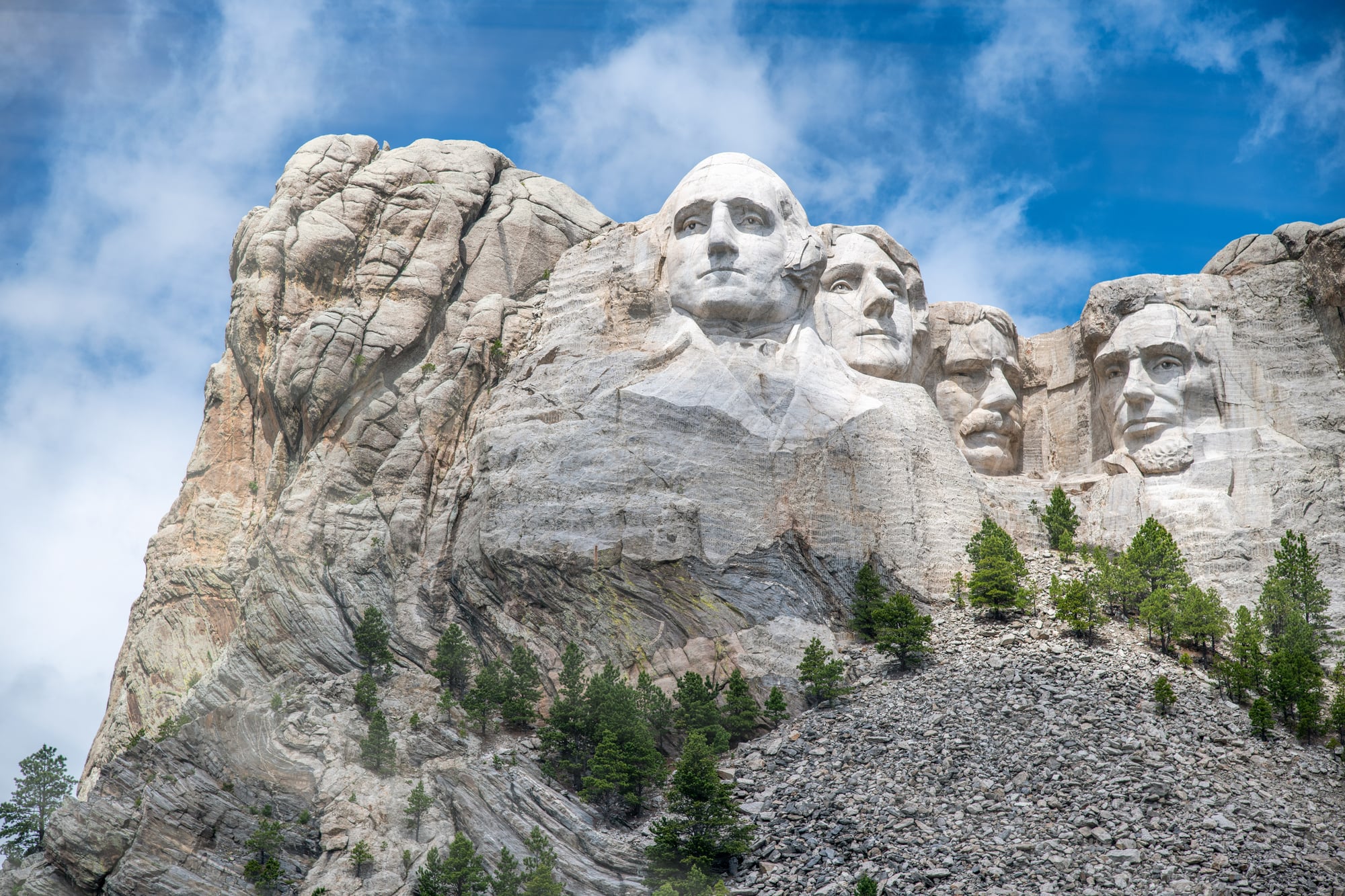
Removing 450,000 tons of granite required techniques that had never been attempted on such a scale, and Borglum had to train his workers to think like sculptors while handling explosives that could destroy months of careful work with a single miscalculated blast. The process began with workers drilling pits in patterns that followed the contours of each president’s face, then filling those pits with dynamite charges calibrated to remove exact amounts of rock—sometimes as little as a few inches at a time.
The technique, called “honeycombing,” required mathematical precision that most quarry workers had never attempted, because removing too much rock meant starting over, while removing too little meant wasted time and money. Borglum would stand on the mountain with a megaphone, directing the placement of each charge and personally approving every blast. Workers said he could visualize the finished faces in the rough granite, calling out instructions that seemed impossible until the smoke cleared and revealed exactly the shape he had predicted.
Jefferson’s Intellectual Legacy
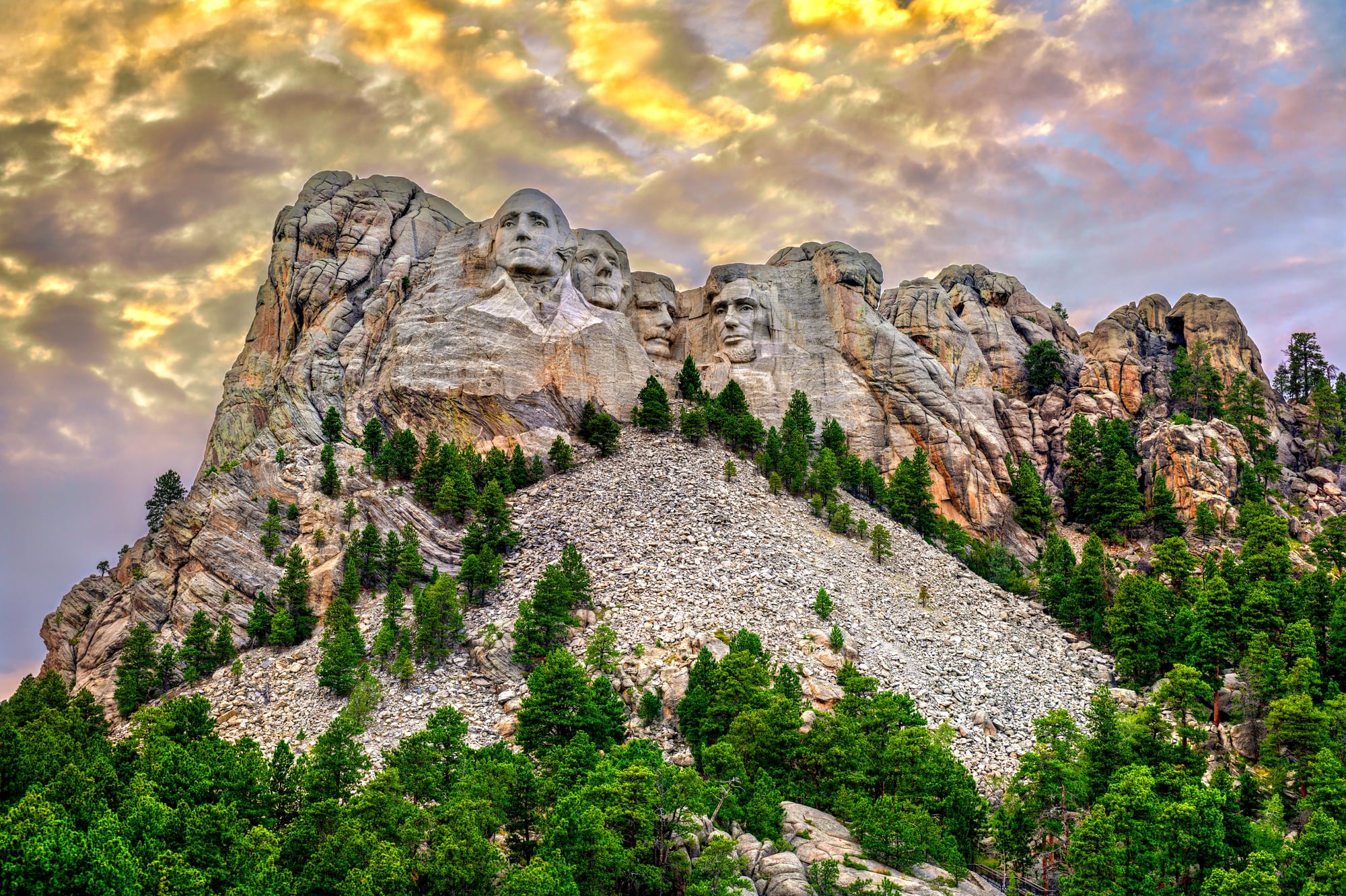
The third president brought more intellectual range to the office than perhaps any of his successors, and his achievements outside politics—architecture, philosophy, science, linguistics—created a standard for presidential learning that no modern politician could match (which raises uncomfortable questions about whether American democracy has become too complex for Renaissance men or whether we’ve simply stopped expecting intellectual curiosity from our leaders). Jefferson designed his own home, founded the University of Virginia, collected one of the largest private libraries in America, spoke six languages, and maintained correspondence with leading European thinkers on subjects ranging from paleontology to political theory.
He also brought moral contradictions that his intellectual achievements couldn’t resolve, and Borglum’s decision to include him on Mount Rushmore reflects a choice to honor intellectual legacy over personal consistency. But Jefferson’s face on the mountain serves as a reminder that American leadership once included expectations of learning and curiosity that extended far beyond political skill, even when that learning coexisted with moral failures that intellectuals should have recognized and rejected.
The Modern Preservation Challenge
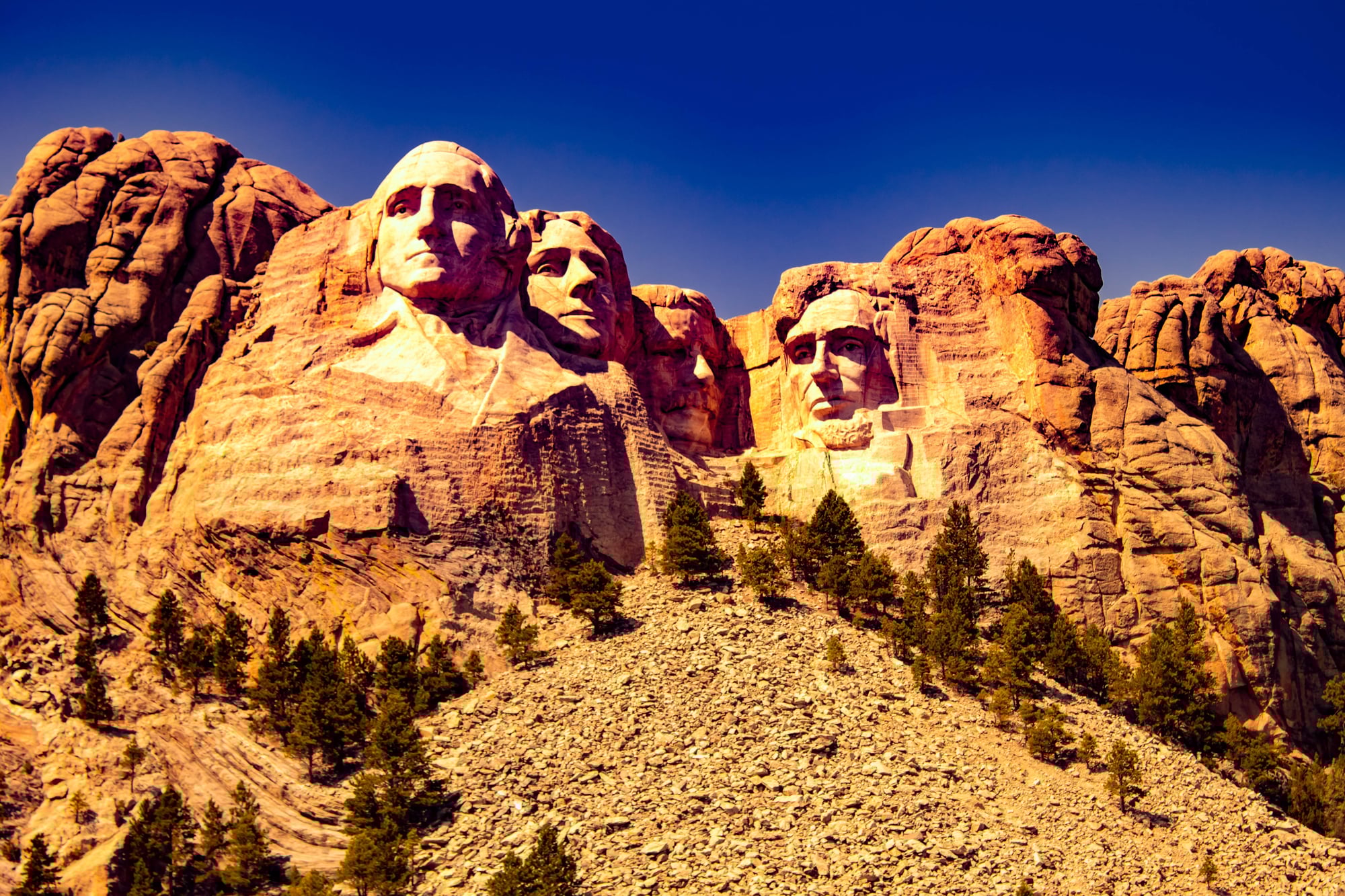
Maintaining four 60-foot presidential faces carved into a granite cliff requires constant vigilance against forces that most people never consider: water infiltration, thermal expansion, and the simple fact that even granite ages when exposed to a century of Black Hills weather. The National Park Service employs a full-time crew of technical rock climbers who rappel down the faces each year to seal cracks, remove loose rock, and apply protective treatments that prevent water from freezing and expanding inside the stone.
The work requires both mountaineering skills and historical sensitivity—each repair must preserve Borglum’s original vision while adapting to technologies and materials that didn’t exist when the monument was carved. Workers use pneumatic tools to remove damaged stone and synthetic compounds to seal cracks, but they must also understand how each president’s face was originally carved and what compromises Borglum made to work with the natural features of the granite. The result is a monument that looks eternal to visitors but requires constant human intervention to survive another century.
Echoes In Stone
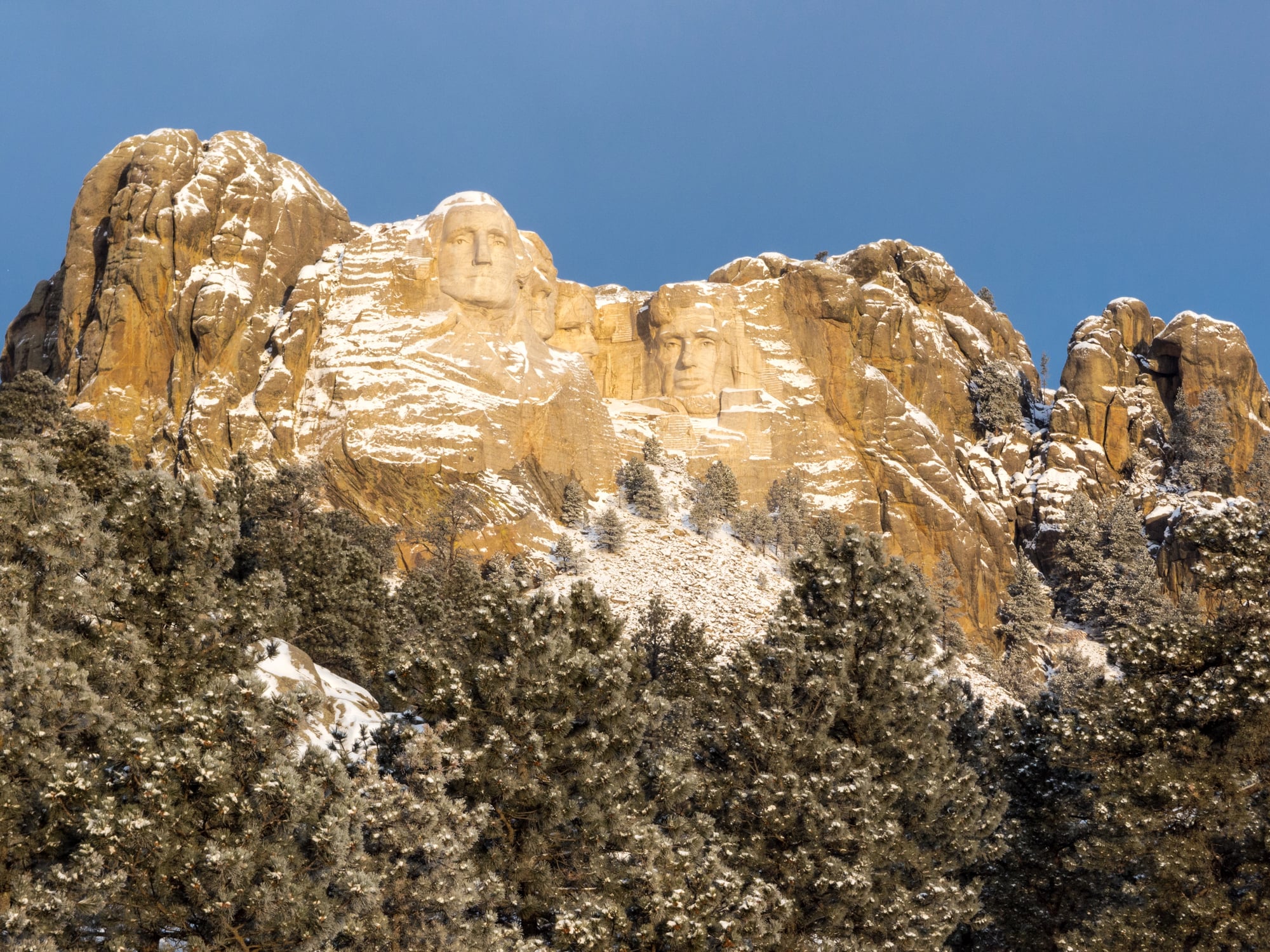
Mount Rushmore succeeds not because it presents perfect presidents, but because it captures something essentially American about the relationship between ideals and reality. Each face represents both achievement and compromise, vision and blindness, leadership and human frailty—contradictions that mirror the nation itself.
The monument endures because Borglum understood that great art doesn’t resolve contradictions; it makes them permanent and forces each generation to confront them anew. Standing before those granite faces, visitors encounter not just four presidents, but the ongoing challenge of American democracy: the gap between what the nation promises and what it delivers, and the persistent hope that the promise might someday be fulfilled.
More from Go2Tutors!

- The Romanov Crown Jewels and Their Tragic Fate
- 13 Historical Mysteries That Science Still Can’t Solve
- Famous Hoaxes That Fooled the World for Years
- 15 Child Stars with Tragic Adult Lives
- 16 Famous Jewelry Pieces in History
Like Go2Tutors’s content? Follow us on MSN.