Species With Parenting Styles Stranger Than Fiction
Nature doesn’t follow parenting books. Some animals abandon their young immediately, while others carry offspring for years.
A few species let their babies eat them alive. Others raise children that aren’t even theirs.
What looks cruel or bizarre often turns out to be the strategy that works best for survival in a specific environment.
Emperor Penguins

Male emperor penguins stand in Antarctic darkness for two months straight without eating. They balance a single egg on their feet, tucked under a fold of skin, while temperatures drop to negative sixty degrees Fahrenheit.
The females leave right after laying the egg, heading to the ocean to feed. During those two months, the males huddle together in groups of thousands, rotating positions so everyone gets a turn in the warmer center.
They lose up to half their body weight. If the egg hatches before the mother returns, the father produces a milky substance from his esophagus to feed the chick.
When the females finally return, they find their mates by sound alone in the massive colony. The parents take turns—one heads to the ocean to eat while the other stays with the chick.
This continues for months until the young penguin can survive on its own.
Surinam Toads

The female Surinam toad grows her babies inside pockets of skin on her back. After mating, the male presses fertilized eggs into the soft skin on her back.
Her skin swells around each egg, forming individual chambers. For the next three to four months, the mother carries dozens of developing tadpoles embedded in her back.
They skip the free-swimming tadpole stage entirely. When they’re ready, fully formed baby toads pop out of her back, one by one. The sight looks disturbing to human eyes.
But this method protects the developing toads from predators that hunt in the water. The mother doesn’t feed them or provide any care beyond her body serving as an incubator.
Once they emerge, the young toads are completely independent.
Cuckoo Birds

Cuckoos lay their eggs in other birds’ nests, then fly away forever. The egg often mimics the host species’ eggs in color and pattern. When the cuckoo chick hatches, it immediately pushes the host’s eggs or chicks out of the nest.
The adoptive parents don’t notice. They feed the oversized intruder even as it grows bigger than them.
A tiny warbler will exhaust itself bringing food to a cuckoo chick three times its size. The imposter calls out constantly, mimicking the sound of multiple hungry chicks.
Some host species have evolved to recognize cuckoo eggs and abandon nests containing them. In response, cuckoos have evolved better mimicry.
This evolutionary arms race has been running for millions of years, with neither side winning conclusively.
Giant Pacific Octopuses

A female giant Pacific octopus lays up to 100,000 eggs, then spends six months guarding them without eating a single meal. She drapes herself over the egg strings, constantly cleaning them and directing water flow to keep them oxygenated.
She waves her arms to prevent debris from settling on the eggs. If a predator approaches, she defends the clutch aggressively. But she never leaves to hunt.
Her body slowly deteriorates as she uses her own tissues for energy. By the time the eggs hatch, she’s dying.
The babies float away as tiny specks in the current, and she dies shortly after, having sacrificed everything. She never sees her offspring grow up.
They navigate the ocean completely alone from the moment they’re born.
Mouthbrooding Cichlids

Certain cichlid fish hold fertilized eggs inside their mouths for weeks. The female scoops up the eggs immediately after laying them.
She doesn’t eat during this entire period, which can last twenty to thirty days depending on water temperature. The eggs hatch inside her mouth, and the fry remain there for additional protection.
When they grow large enough, she finally releases them. But if danger appears, the babies swim back into her mouth for safety.
This continues for several weeks after the initial release. The mother essentially starves herself to protect her young.
Males provide no parental care—their job ends at fertilization. The female does everything alone, sacrificing her own health for the survival of her offspring.
Strawberry Poison Dart Frogs

The mother strawberry poison dart frog carries her tadpoles on her back to small pools of water trapped in plants. She deposits each tadpole in a separate pool—usually in a bromeliad or similar plant.
Then she returns every few days to each location to lay unfertilized eggs for the tadpole to eat. She remembers the location of every single tadpole, sometimes tracking six or more scattered across her territory.
If she forgets one, it starves. The tadpoles are cannibalistic, which is why she keeps them separated.
This routine continues for six to eight weeks until the tadpoles complete metamorphosis. The father provides no help.
The mother invests enormous energy into feeding each offspring individually, making repeated journeys through the rainforest canopy.
Tasmanian Devils

Tasmanian devil mothers give birth to up to thirty babies, each the size of a grain of rice. But she only has four teats in her pouch.
The newborns must crawl from the birth canal to the pouch immediately, and the first four to attach survive. The rest die within hours.
The chosen four remain attached to the teats inside the pouch for about four months. They grow rapidly on rich milk.
When they emerge, they still depend on their mother but start taking solid food. The mother provides care for about ten months total, which is substantial for a marsupial.
But the brutal selection process at birth ensures that only the strongest offspring survive. This harsh culling happens with every litter, and the mother shows no sign of distress over the babies that don’t make it.
Seahorses
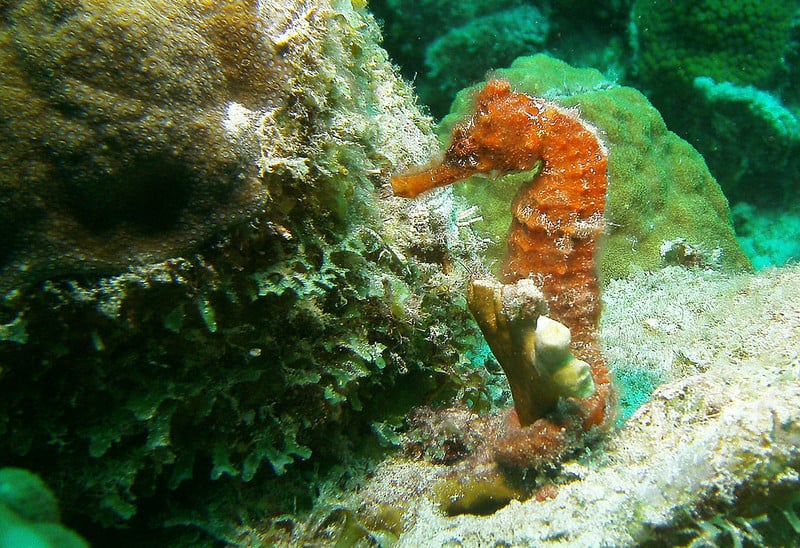
Male seahorses get pregnant. The female deposits her eggs into a pouch on the male’s belly, and he fertilizes them internally.
The eggs embed in the pouch wall, which provides oxygen and nutrients. For two to four weeks, the male carries the developing embryos.
His body swells dramatically as the babies grow. When they’re ready, he goes through labor contractions that can last hours, pumping dozens or even hundreds of tiny seahorses out of his pouch.
After giving birth, he provides no additional care. The babies scatter immediately, facing the ocean alone.
Meanwhile, the female often returns to mate again, and the male accepts another batch of eggs within days. Some seahorse species can have multiple pregnancies in a single breeding season.
African Elephants
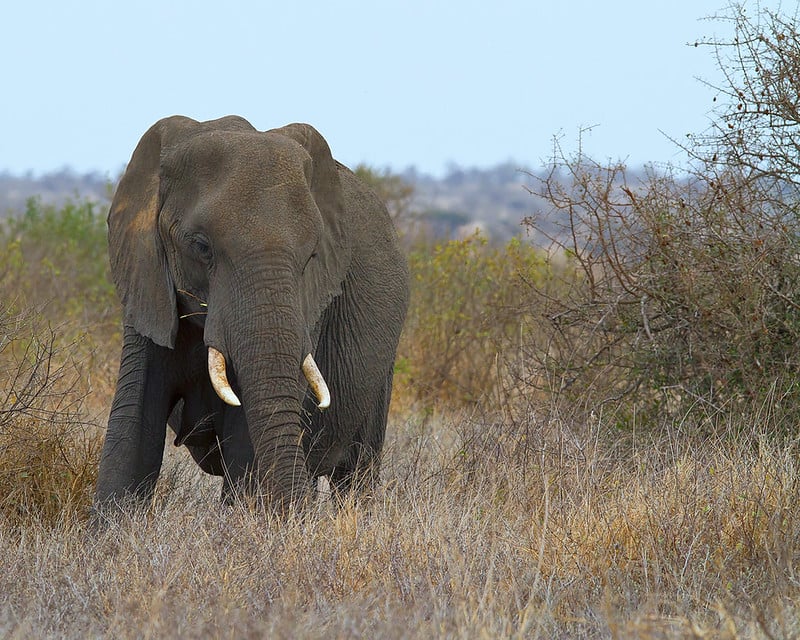
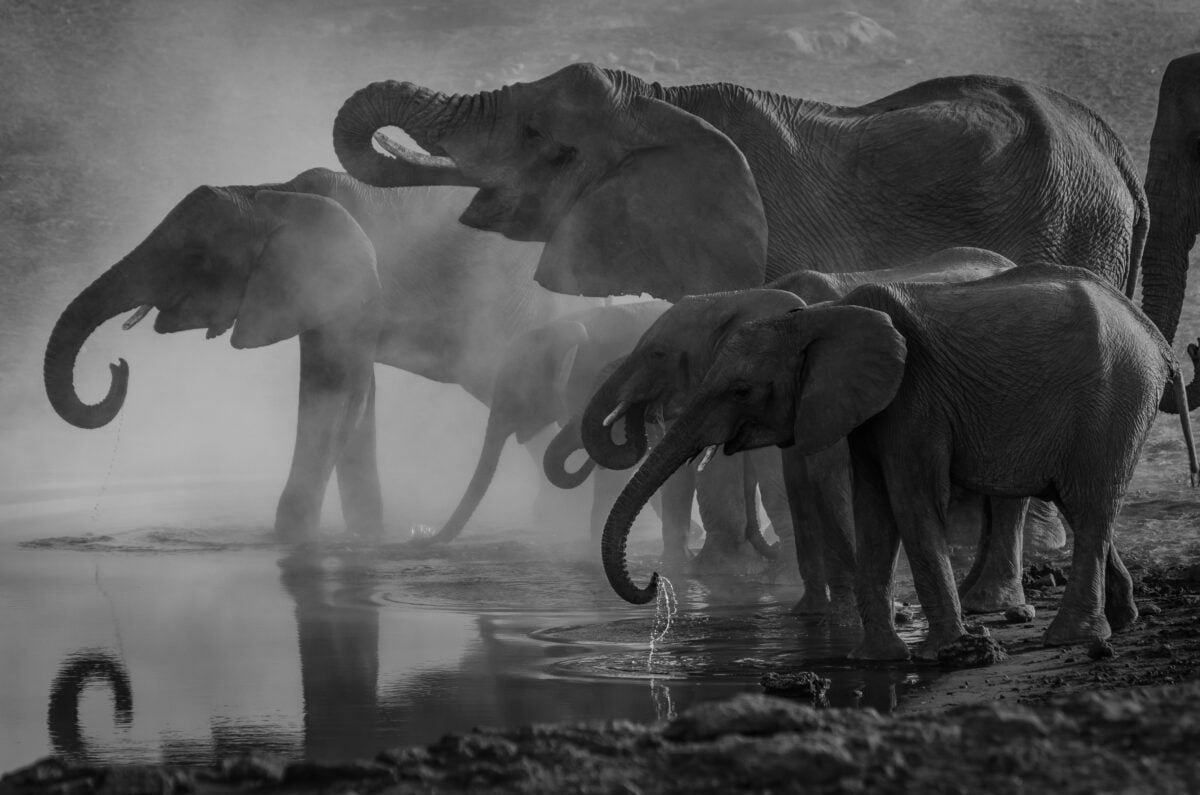
Elephant mothers stay with their offspring for up to sixteen years. The entire herd helps raise each calf, with aunts, sisters, and grandmothers all participating in childcare.
This communal approach means young elephants learn from multiple adults. Calves drink their mother’s milk for three to four years, far longer than most mammals.
Even after weaning, they remain dependent on the herd for protection and knowledge. Elephants teach their young where to find water during droughts, which plants are safe to eat, and how to navigate their territory.
When a calf is born, the herd celebrates vocally and physically. They form a protective circle around the newborn.
If a young elephant dies, the mother and herd show signs of grief, touching the body gently and returning to visit it. This extended childhood requires enormous investment.
Female elephants typically have only four or five calves in their lifetime. But the intensive parenting approach produces intelligent, socially skilled adults who know how to survive in challenging environments.
Sand Tiger Sharks

Inside the mother sand tiger shark, the babies eat each other before they’re born. She develops two uteruses, each containing multiple embryos.
The first embryo to develop teeth in each uterus consumes all its siblings. This intrauterine cannibalism leaves only two sharks—one per uterus—by the time birth occurs.
The survivors spent months eating their brothers and sisters, growing large and strong on the nutrients from the other embryos. The mother provides no care after birth.
The two young sharks are born fully capable of hunting and must survive on their own immediately. This brutal strategy ensures that only the strongest offspring make it into the world, already equipped with predatory instincts they practiced on their own siblings.
Alligators

Female alligators build large nests from vegetation and mud, laying thirty to fifty eggs inside. The temperature of the nest determines the gender of the babies—warmer nests produce males, cooler ones produce females.
She guards the nest aggressively for about sixty-five days, rarely leaving to eat. When the eggs hatch, the babies call from inside the nest.
The mother digs them out carefully, then carries them in her mouth to the water. For the next year, she protects her young from predators, including other alligators who would happily eat the babies.
The hatchlings stay near their mother, and she responds to their distress calls. This level of care is unusual among reptiles, most of which abandon their eggs immediately after laying.
Kangaroos

Kangaroo mothers can pause an embryo’s development if conditions aren’t right. They practice embryonic diapause—keeping a fertilized embryo dormant until their current joey leaves the pouch.
This means they can have three offspring at different stages: one in the womb in stasis, one in the pouch nursing, and one that’s left the pouch but still drinks milk. Each offspring receives different milk formulated for its developmental stage.
The mother produces two types simultaneously from different teats. The older joey drinks higher-fat milk, while the tiny one in the pouch gets colostrum-like milk.
If environmental conditions worsen, the mother can stop the embryo from developing further or even abandon a joey to save herself for future breeding attempts. This flexibility allows kangaroos to thrive in Australia’s unpredictable climate.
Greater Honeyguides

Greater honeyguide chicks are born with sharp hooks on their beaks designed specifically to kill. Like cuckoos, honeyguides lay eggs in other birds’ nests.
When the honeyguide chick hatches, it uses these hooks to stab the host’s chicks to death. The hooks fall off after a few days, once the honeyguide has eliminated the competition.
The host parents then raise the killer as their own, bringing it food constantly. The honeyguide chick grows rapidly, often becoming much larger than its foster parents.
The parent honeyguides provide no care whatsoever. They don’t build nests, incubate eggs, or feed chicks.
They simply locate suitable host nests, lay their eggs, and leave. The entire burden of raising the next generation falls on the unsuspecting foster parents.
When Instinct Writes the Rules
Odd ways of raising kids suddenly click once you look at where they live. When food’s hard to find, what seems like ignoring them turns out smart.
Harsh actions? They help pass on tougher traits. Even love can be about spreading DNA further.
Life isn’t about looking good to people. It’s shaped by what actually helps creatures leave young behind.
That can mean going weeks with no meals while growing a baby. Or allowing brothers and sisters to battle each other inside the womb till only one remains.
Odd tricks? Sure – but some’ve been used nonstop since way before humans showed up.
More from Go2Tutors!

- The Romanov Crown Jewels and Their Tragic Fate
- 13 Historical Mysteries That Science Still Can’t Solve
- Famous Hoaxes That Fooled the World for Years
- 15 Child Stars with Tragic Adult Lives
- 16 Famous Jewelry Pieces in History
Like Go2Tutors’s content? Follow us on MSN.



