27 Retro Sea-Themed Toys Kids Loved Growing Up
Long before most kids ever saw the ocean, they had a version of it in the bathtub, the sandbox or the toy aisle. Plastic submarines dove in kitchen sinks, mermaid dolls swam in wading pools, and comic book ads promised a living undersea kingdom for the price of a stamp.
Some of these toys were brilliant, some were cheap gimmicks, and a few were both. Nearly all of them earned a permanent spot in the memories of the kids who owned them.
Sea-Monkeys From the Back of a Comic Book
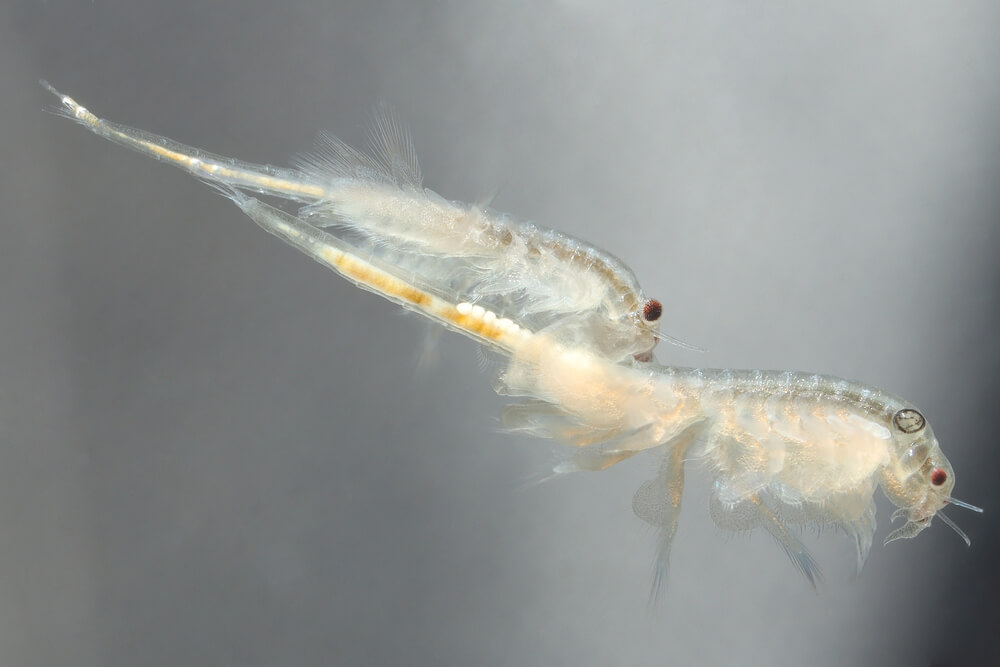
Sea-Monkeys were the invention of Harold von Braunhut, who began selling dried brine shrimp as Instant Life in 1957 and renamed them Sea-Monkeys in 1962. Comic book ads showed a smiling family of crowned, humanlike creatures living in an underwater castle.
What arrived in the mail was a packet of tiny eggs, a packet of food and instructions to wait. The shrimp really did hatch, which made the toy an accidental science lesson for millions of kids.
The disappointment over the missing castle was part of the experience, and the kits are still sold today.
Kellogg’s Baking Powder Submarine
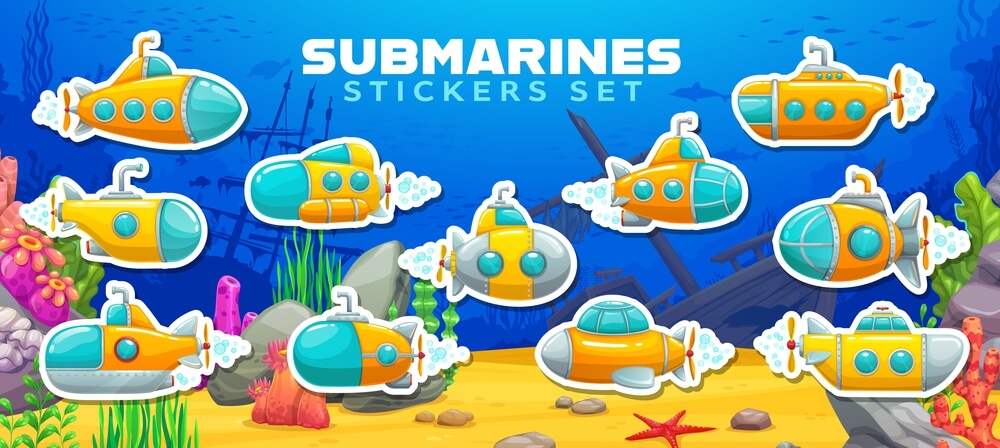
Kellogg’s offered a small plastic submarine as a mail-in premium in 1954, and later a smaller version went straight into cereal boxes. Kids loaded a compartment with baking powder, dropped the sub in a sink or tub, and watched it dive and surface as the gas bubbles built up and escaped.
The toy is often remembered as a baking soda submarine, though baking powder is what actually made it work. Frogmen that ran on the same trick followed.
For a generation of kids, the best part of breakfast was digging to the bottom of the box.
Pop-Pop Boats and Their Candle Engines
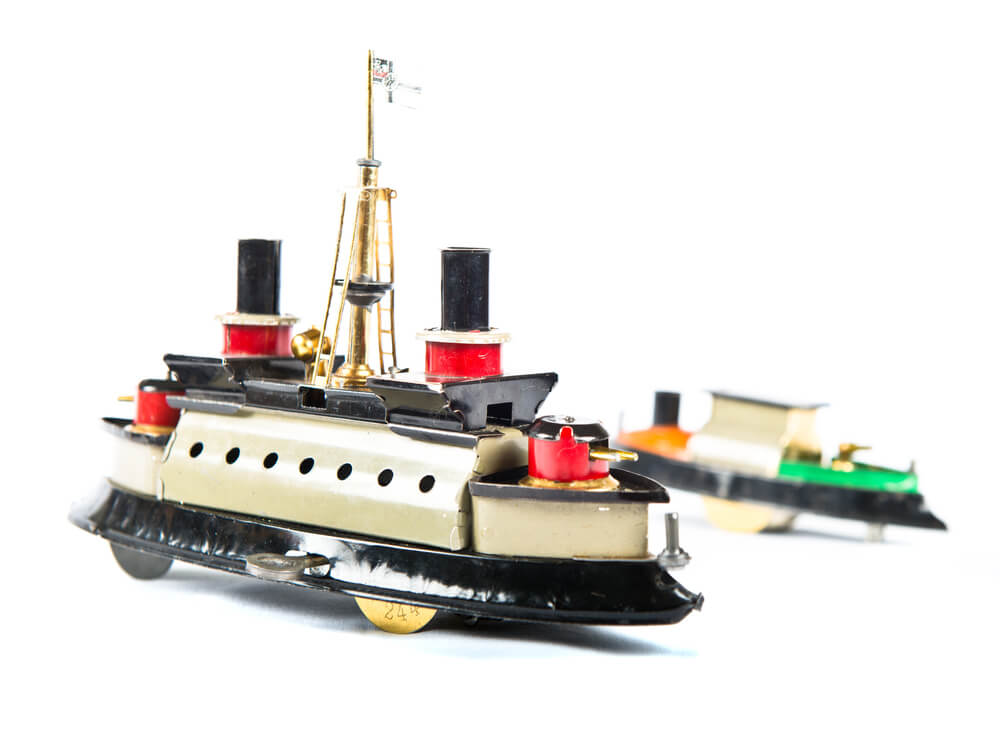
Pop-pop boats were small tin boats powered by a tiny candle or oil burner heating a water-filled boiler under the deck. As the water flashed to steam and pulled back in, the boat chugged forward with the steady popping sound that gave it its name.
Versions of the design were patented in the late 1800s, and toy makers in Europe, Japan and India produced them for decades. Kids raced them in bathtubs, ponds and puddles.
Few toys taught basic physics so cheaply, and modern reproductions still sell to parents who remember the sound.
GI Joe Action Sailor
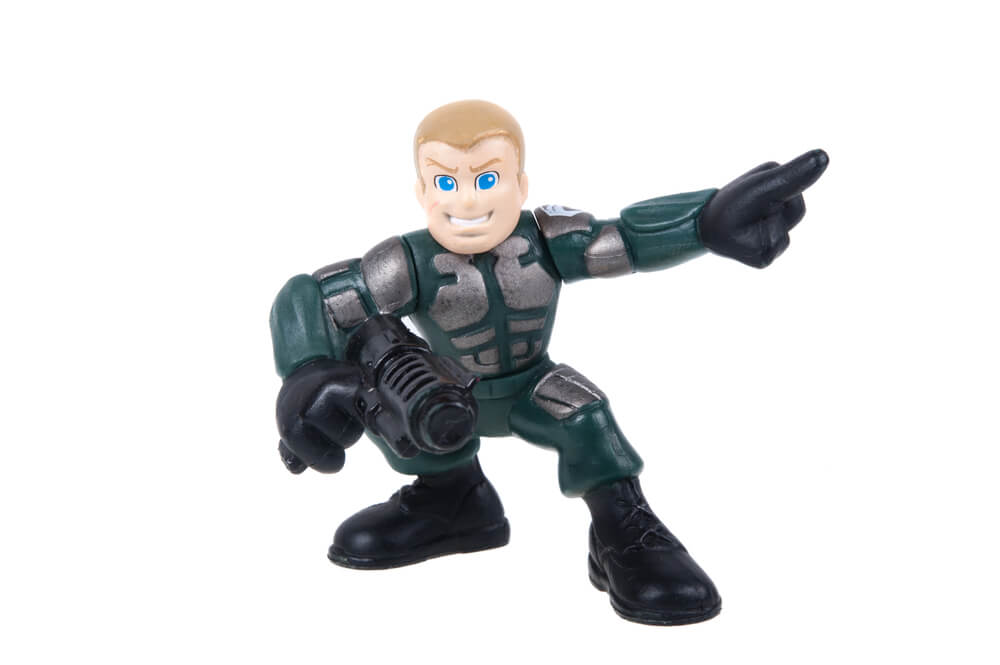
Hasbro’s GI Joe arrived in 1964 as a 12-inch figure in four service branches, and Action Sailor represented the Navy. He came in dress blues or work dungarees, and add-on sets included a frogman suit with flippers and a deep-sea diver outfit with a heavy helmet.
Hasbro called the figure an action figure because boys of that era were not expected to play with dolls. The term stuck permanently.
A complete Action Sailor with original accessories is a serious collectible today, with value depending heavily on missing pieces, wear and whether the box survived.
Mer-Man From Masters of the Universe
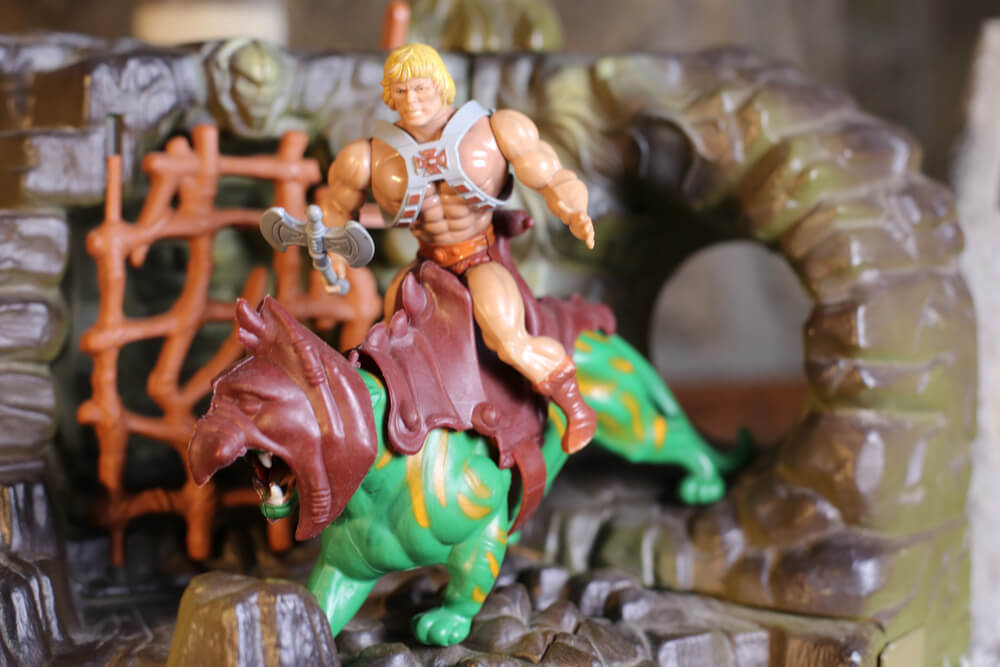
Mer-Man swam into toy stores in 1982 as part of the first wave of Mattel’s Masters of the Universe figures. The green-skinned, fish-faced warrior served Skeletor and was billed as an ocean warlord who could command sea creatures.
His sculpted face was one of the stranger designs in the line, which is exactly why kids loved him. He came with a sword and armor and fit right into the same battles as He-Man.
Loose original figures are common and affordable, while carded examples bring far more depending on card wear and creases.
Mego’s Aquaman Action Figure
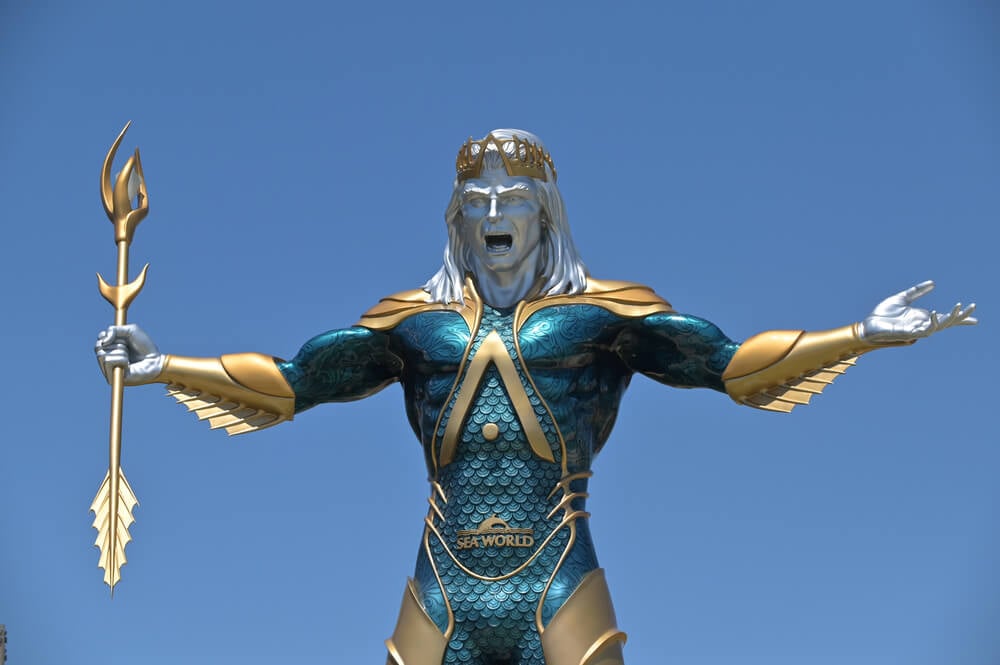
Mego included Aquaman in its World’s Greatest Super Heroes line in the early 1970s, putting the DC Comics sea king on toy shelves at 8 inches tall. He wore an orange fabric shirt and green pants over a jointed body, and kids sent him on missions in sinks and swimming pools.
Aquaman was never the most popular hero in the line, which makes original examples harder to find now. Mego’s cloth-and-plastic style defined a decade of action figures.
Collectors watch closely for faded shirts, loose joints and missing boots before paying up.
Kenner’s Sea Wees Mermaids
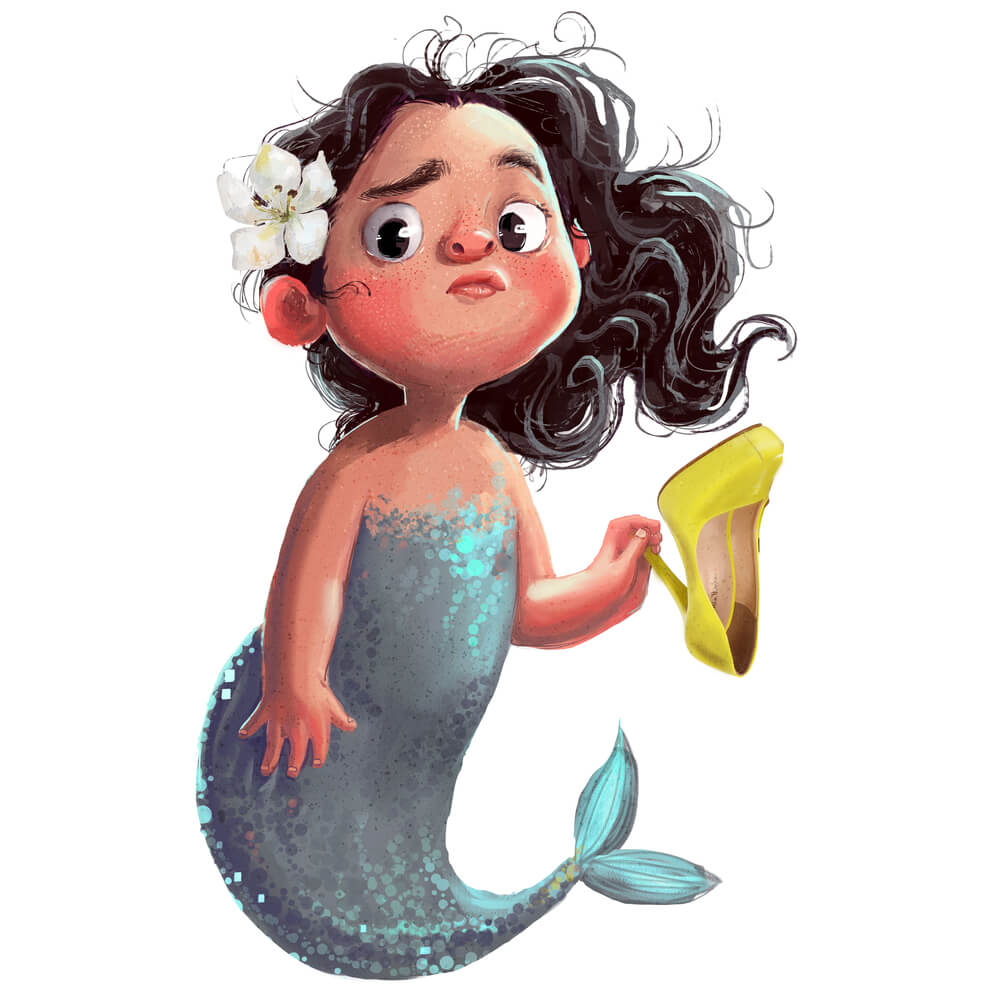
Kenner launched Sea Wees in 1979, a line of small hard plastic mermaid dolls with long rooted hair meant for brushing in and out of water. The first three were Sandy, Coral and Shelly, and each came with a comb and a floating sponge shaped like a lily pad.
Kenner expanded the line over the next several years with mermaid babies, pets, a clamshell carrying case and a lagoon playset. The dolls were tiny and easy to lose, which explains why complete sets are scarce.
Original dolls with their sponge and comb sell well above loose examples.
Mermaid Dolls After Disney’s Little Mermaid
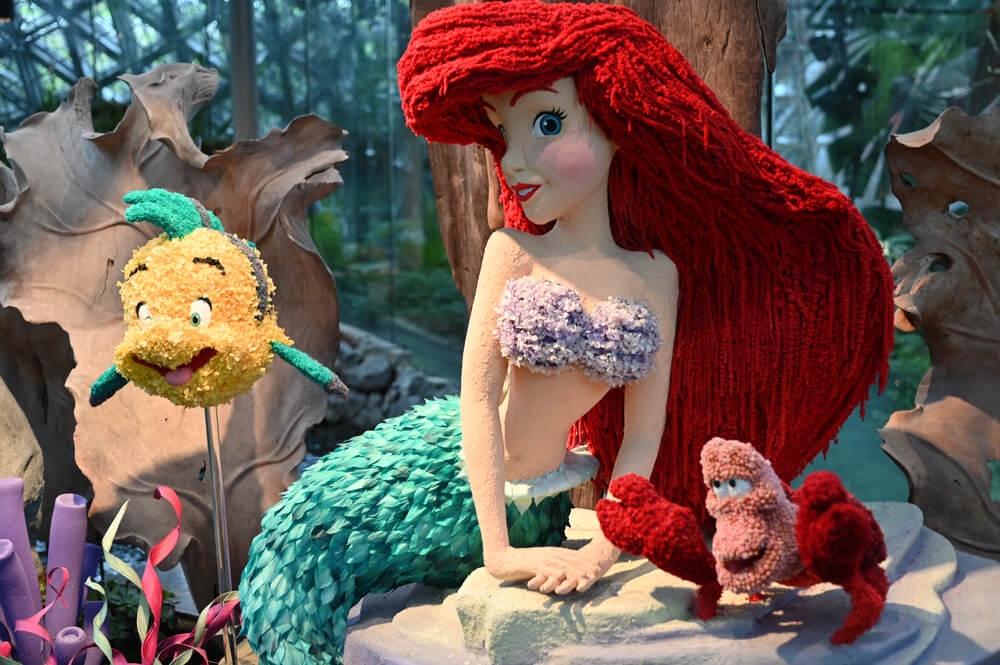
Disney’s The Little Mermaid opened in November 1989, and mermaid toys flooded stores almost immediately afterward. Ariel dolls with red hair and green tails, Flounder plush toys, Sebastian figures and bath sets filled birthday wish lists into the early 1990s.
The film arrived at a moment when Disney animation was about to enter a long hot streak, and the toys rode that wave. Many kids played with Ariel in the bathtub until her hair turned to straw.
Mint boxed dolls from that era are worth far more than the well-loved ones that went swimming.
Ty’s Ocean Beanie Babies
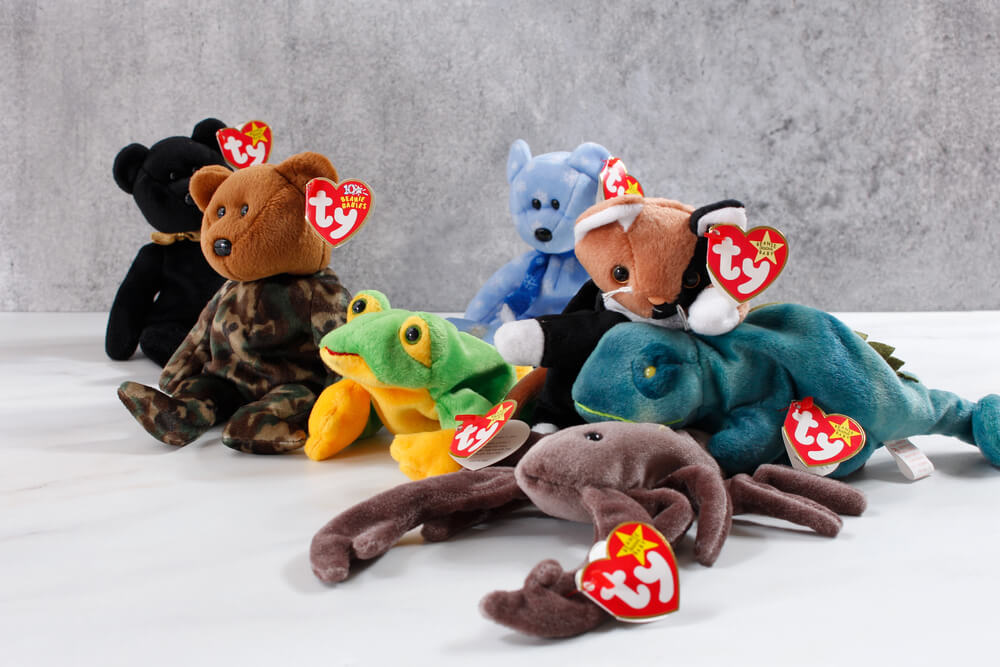
Ty’s earliest Beanie Babies, introduced in the early 1990s, included three sea creatures among the original nine: Flash the dolphin, Splash the whale and Pinchers the lobster. Later releases added Inky the octopus, Goldie the goldfish and a range of other water animals.
Kids collected them in plastic tag protectors, convinced the heart-shaped tag held the key to future riches. Most of those promised fortunes never arrived.
Common ocean Beanies sell for a few dollars, and only rare tag versions in excellent condition bring meaningful money.
Lego Pirates and the Black Seas Barracuda
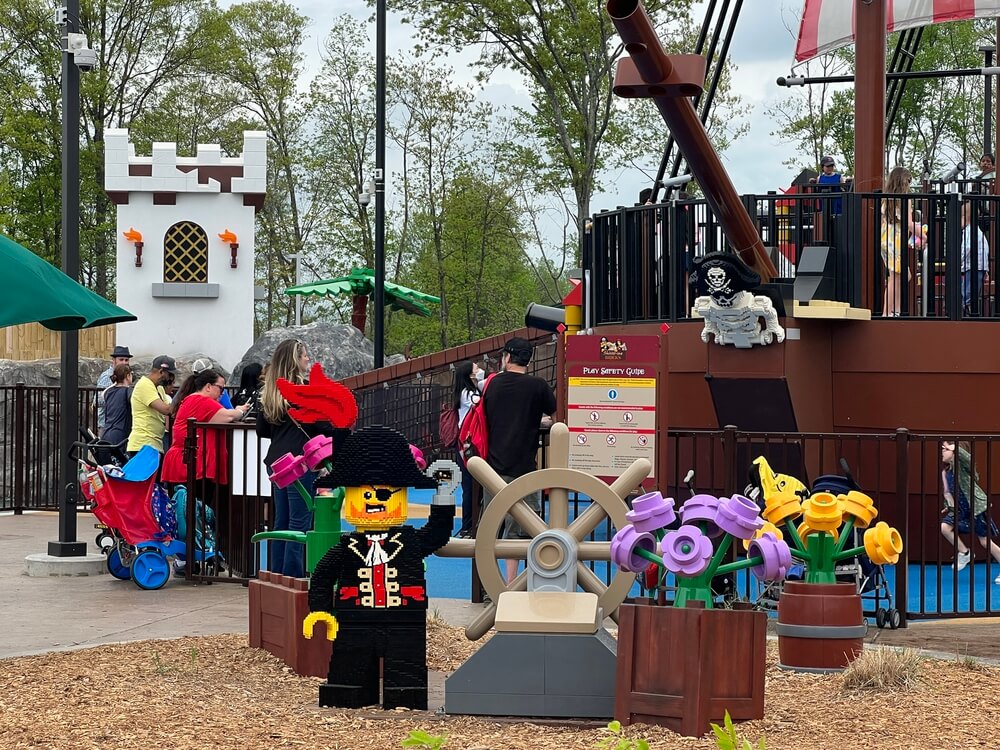
Lego Pirates launched in 1989 and gave the brand some of its most loved sets, led by the Black Seas Barracuda, a large pirate ship with cloth sails. The theme introduced Captain Redbeard and minifigures with new faces, peg legs, hooks and eye patches, a break from the identical smiles of earlier sets.
Soldiers in blue coats guarded island forts against the pirate crews. Kids built and rebuilt the ships for years.
Complete original sets with instructions now sell for hundreds of dollars, while loose parts lots go much cheaper.
Lego Aquazone Under the Sea
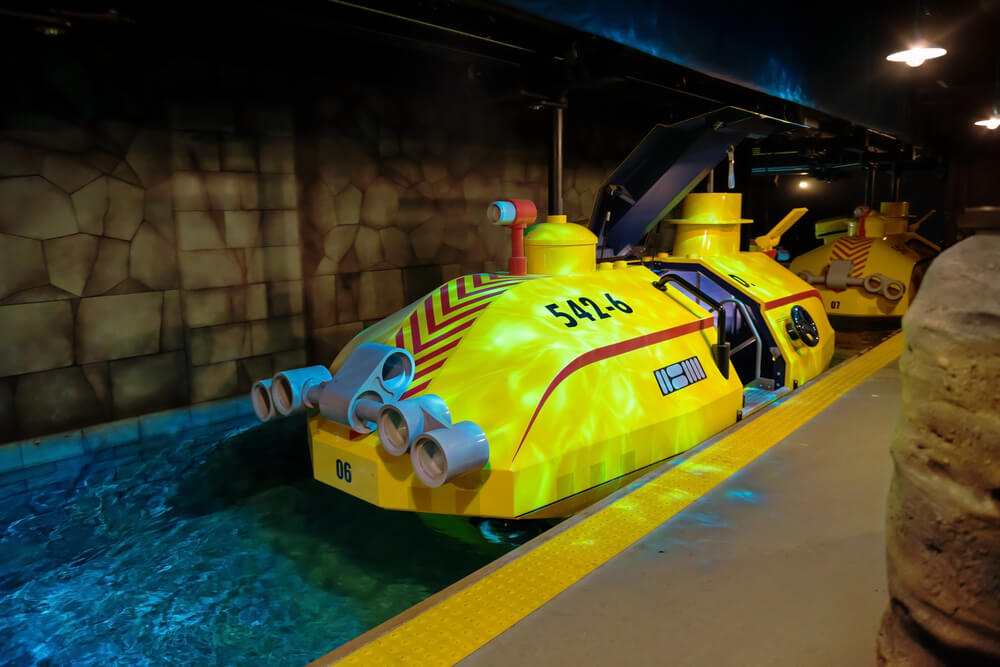
Lego’s Aquazone theme arrived in 1995 and moved the action to the ocean floor, pitting peaceful Aquanauts against crystal-hunting Aquasharks. The sets included bright yellow submarines, transparent domes, robotic claws and divers with helmets and fins.
Later factions such as the Hydronauts and Stingrays kept the theme going through the late 1990s. Aquazone gave kids an excuse to fill the bathtub with Lego.
Adult fans who grew up with the sets now hunt down complete versions, and missing translucent parts are what usually drag the price down.
Playmobil Pirate Ships
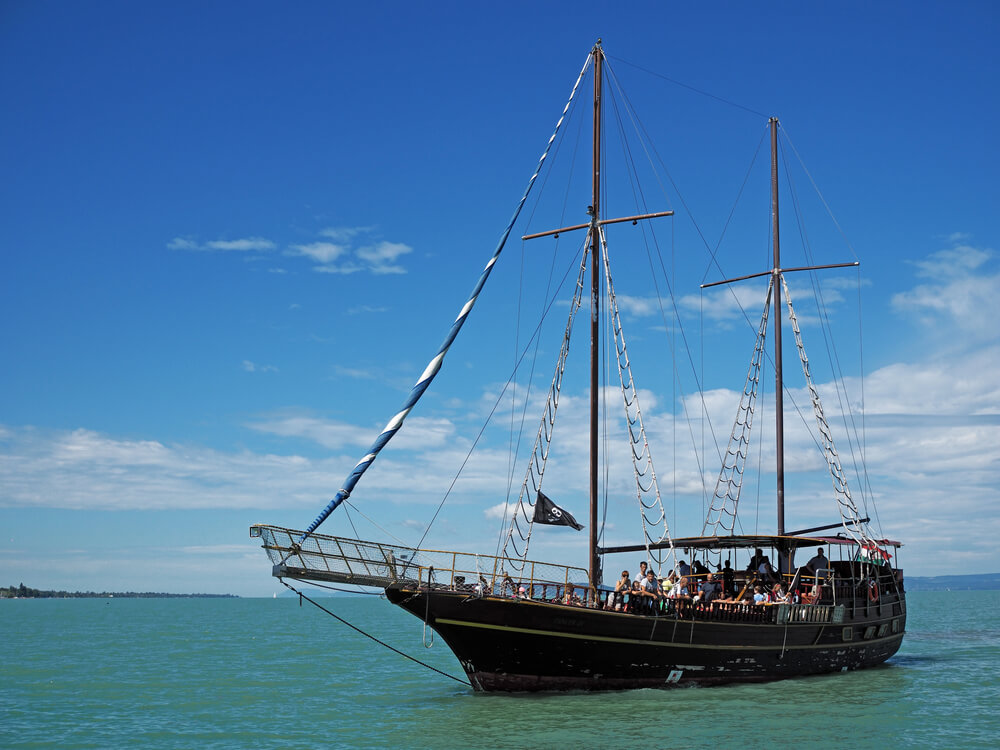
Playmobil launched in Germany in 1974, and pirates joined the lineup by the late 1970s with ships, treasure chests, cannons and crews of figures with molded hats and painted beards. The large pirate ships became centerpieces in playrooms across Europe and North America.
Each figure had the same simple smiling face, yet kids gave them distinct personalities anyway. The ships floated, more or less, which made them a natural bath toy.
Older Playmobil pirate sets that are complete with every tiny cutlass and coin are surprisingly hard to assemble today.
The Game of Jaws
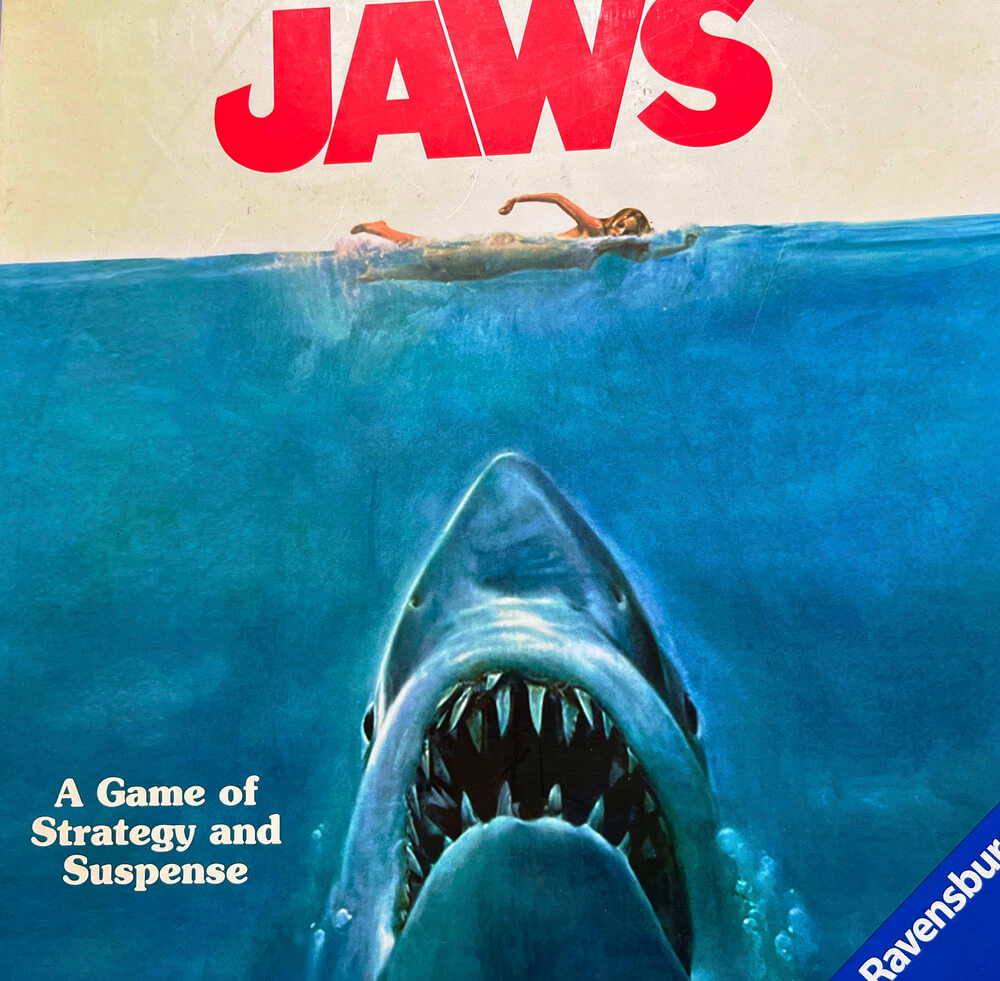
Ideal released The Game of Jaws in 1975, the same summer the Steven Spielberg film terrified beachgoers across the country. Players used a plastic hook to fish junk out of a gaping plastic shark’s mouth, including a boot, a tire and an old bone, while the jaws were set to snap shut at a random moment.
Whoever triggered the bite lost the round. The tension was real enough to make younger players flinch.
Original copies with every piece are collectible today, and the game has been reissued in updated form many times.
Shark Attack Game

Milton Bradley’s Shark Attack came along in the late 1980s, with a battery-powered plastic shark that chewed its way around a circular track of fish. Players moved their fish ahead of the shark, which chomped any fish left in its path.
The game was fast, noisy and simple enough for young kids to play without help. Its clattering motor made it a sleepover favorite.
Working copies with the original fish are less common than kids’ memories suggest, since motors often fail after years in an attic.
Let’s Go Fishin’
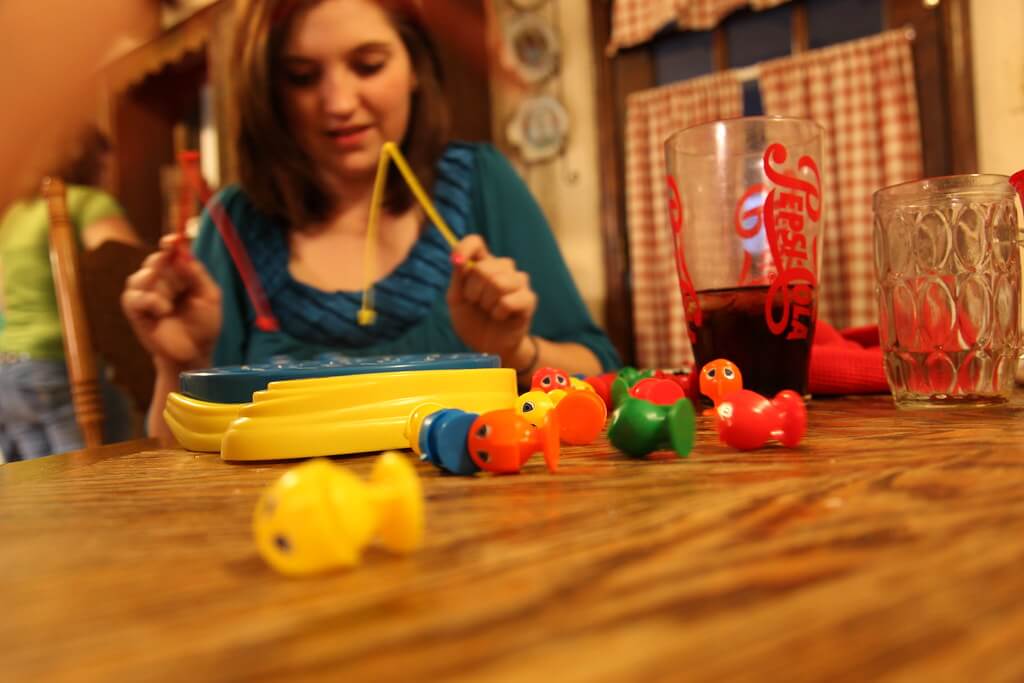
Pressman’s Let’s Go Fishin’ put a battery-powered rotating pond on the kitchen table, with plastic fish that slowly opened and closed their mouths as they turned. Players dangled tiny fishing poles over the edge and tried to hook a fish at the right moment.
The game demanded more patience and hand-eye coordination than kids expected, and arguments over whose fish counted were part of the fun. Many adults remember a version from the 1980s.
Pressman still sells the game, which says a lot about how well the simple idea has held up.
Popeye Windup Toys
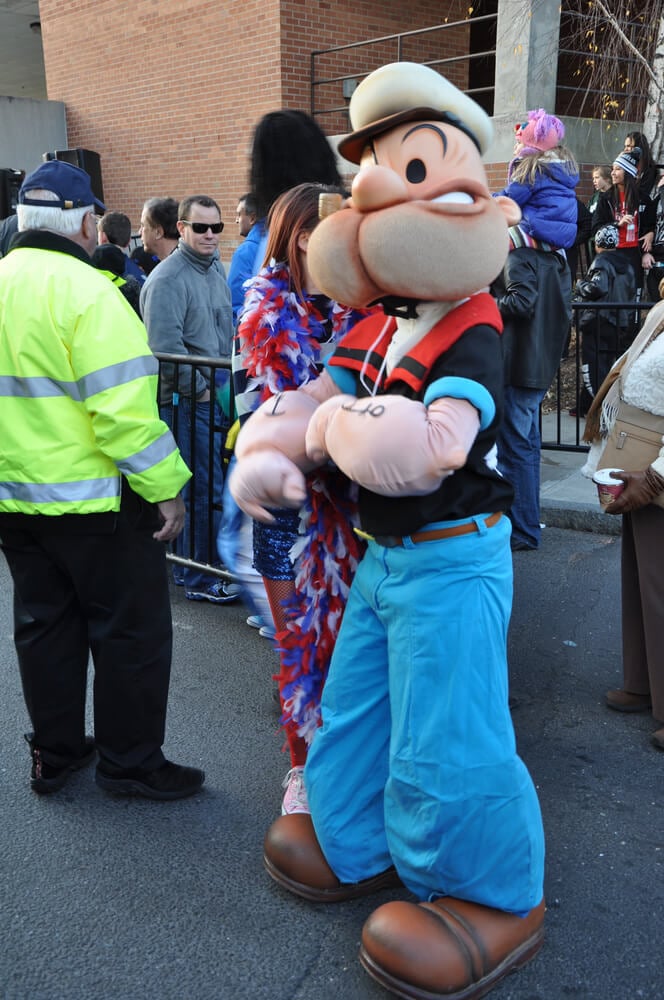
Popeye first appeared in a comic strip in 1929, and toy makers quickly turned the spinach-eating sailor into tin windup toys. Louis Marx and Company and other manufacturers produced Popeye figures that walked, rowed, carried parrot cages or rode in tin boats during the 1930s and after.
Kids wound them with a key and watched them wobble across the floor. The colorful lithographed tin made them cheerful shelf pieces as well.
Original prewar Popeye windups are valuable today, and working springs, bright paint and the original box all matter a great deal to the price.
Corgi’s Yellow Submarine
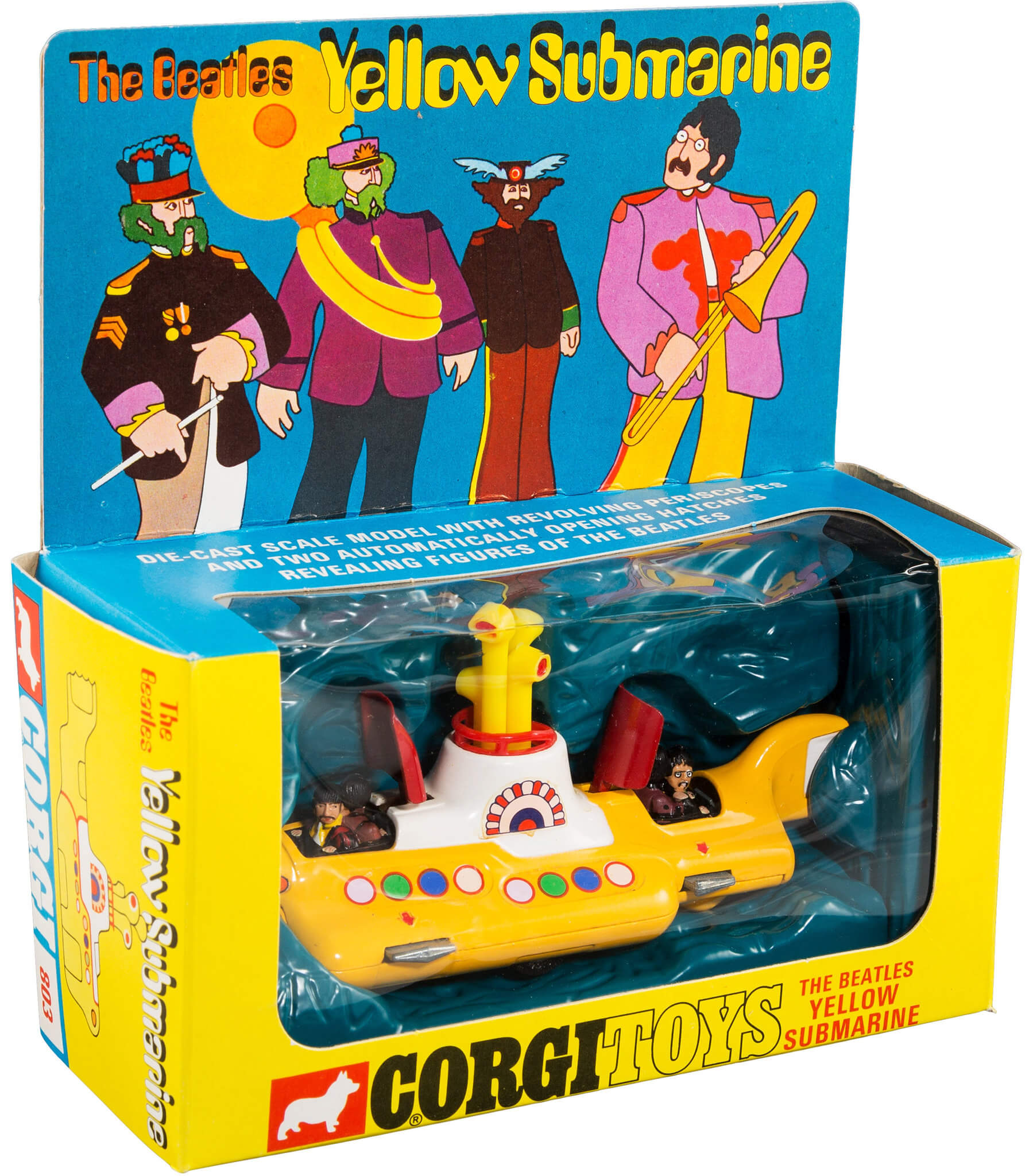
Corgi Toys released a die-cast Yellow Submarine in 1969, tied to the Beatles’ 1968 animated film. The toy had hatches that popped open to reveal tiny Beatles figures inside, and it rolled along on hidden wheels.
It sold strongly and became one of the most famous die-cast toys of the era. Kids who were not Beatles fans wanted it anyway for the bright paint and moving parts.
Original examples with working hatches and all four figures are now prized, and chipped paint or a missing figure lowers value quickly.
Aurora’s Seaview Model Kit
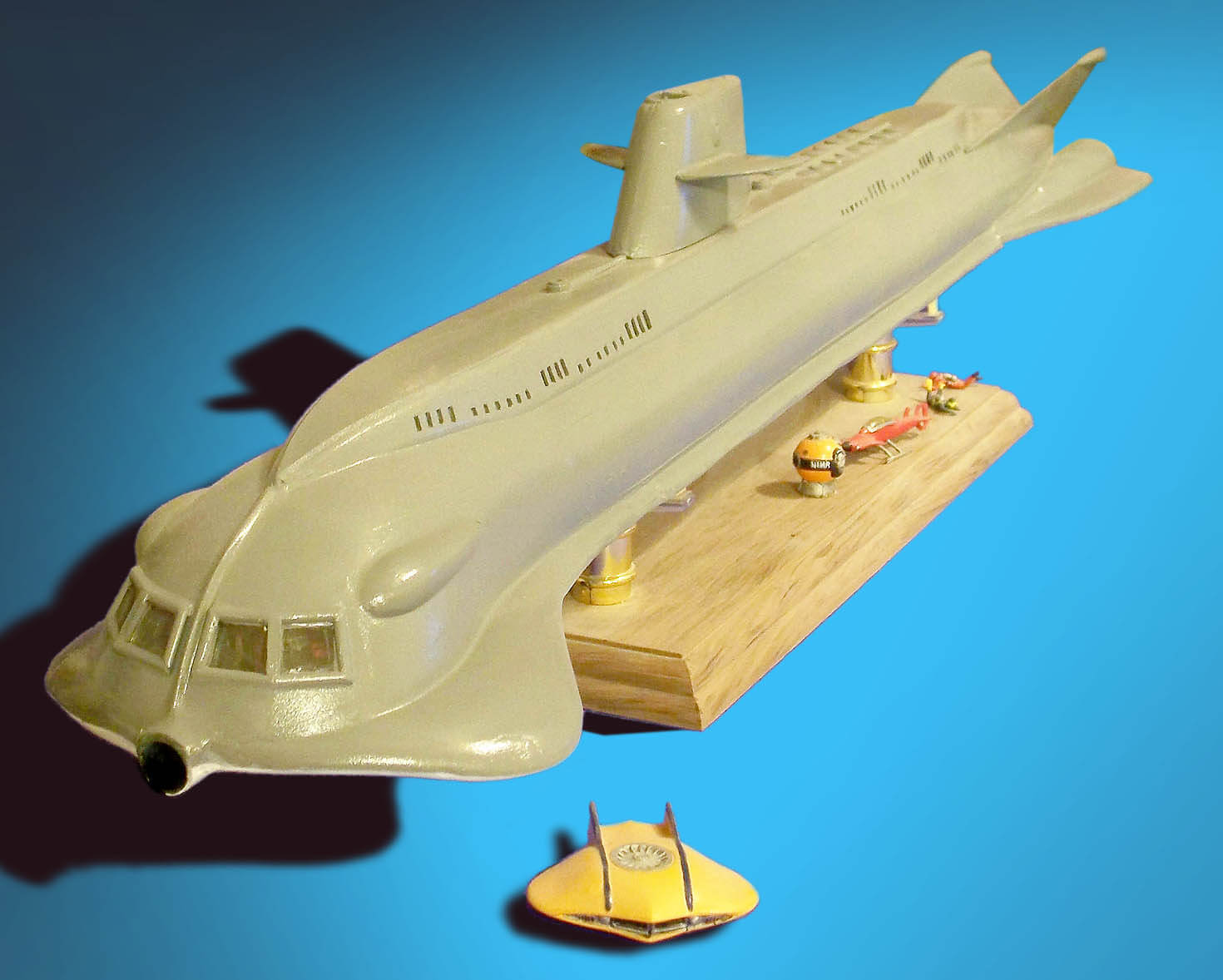
Aurora Plastics produced a model kit of the Seaview, the nuclear submarine from the television series Voyage to the Bottom of the Sea, which ran from 1964 to 1968. Kids glued and painted the sleek hull and its distinctive forward observation windows, then often took the finished model into the bathtub against all advice.
Aurora was the dominant name in hobby kits of the 1960s, producing monsters, cars and TV vehicles. Unbuilt kits in sealed boxes are now worth far more than the cost of the original.
Built models vary widely depending on paint quality and broken parts.
Rubber Ducks and Ernie’s Hit Song
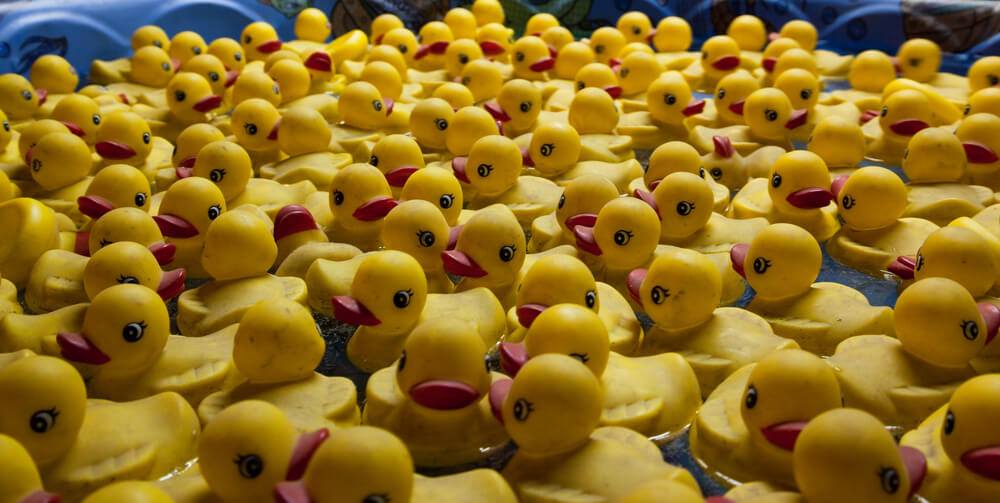
Rubber ducks have floated in bathtubs since the early 20th century, but their cultural moment came in 1970 when Ernie sang Rubber Duckie on Sesame Street. Jim Henson’s performance became a hit single that reached the Billboard Hot 100.
Suddenly the plain yellow squeaker had a theme song and a celebrity friend. Parents bought them by the millions over the following decades.
The rubber duck remains the rare toy that never really left, and vintage versions with original paint have turned into a small collecting niche.
seaQuest DSV Toys
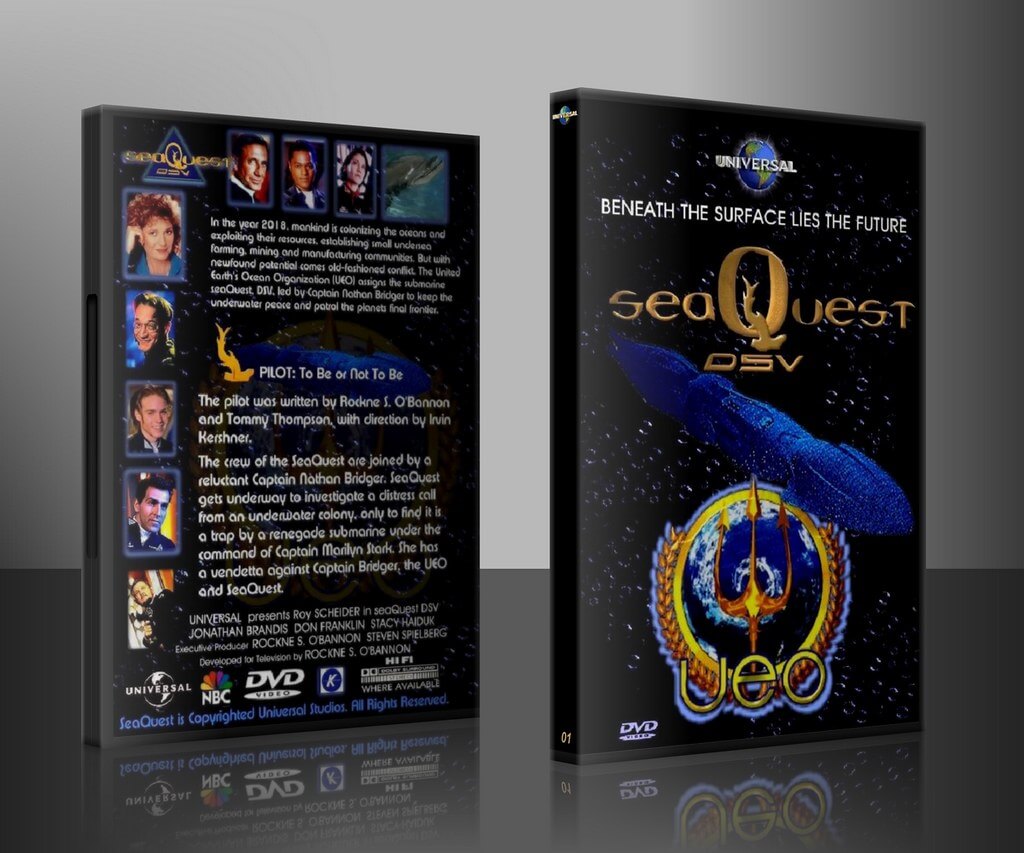
The television series seaQuest DSV premiered in 1993, produced with Steven Spielberg’s company, and Playmates Toys followed with vehicles and action figures. The flagship submarine, smaller subs and a figure of Darwin the dolphin let kids recreate undersea missions from the show.
The series lasted only three seasons, retooled along the way with new cast members and a new title, and the toy line ended up short-lived as well. That brief run makes the toys a cult favorite now.
Collectors look for complete boxed vehicles, which are harder to find than the figures.
Water Ring Toss Games
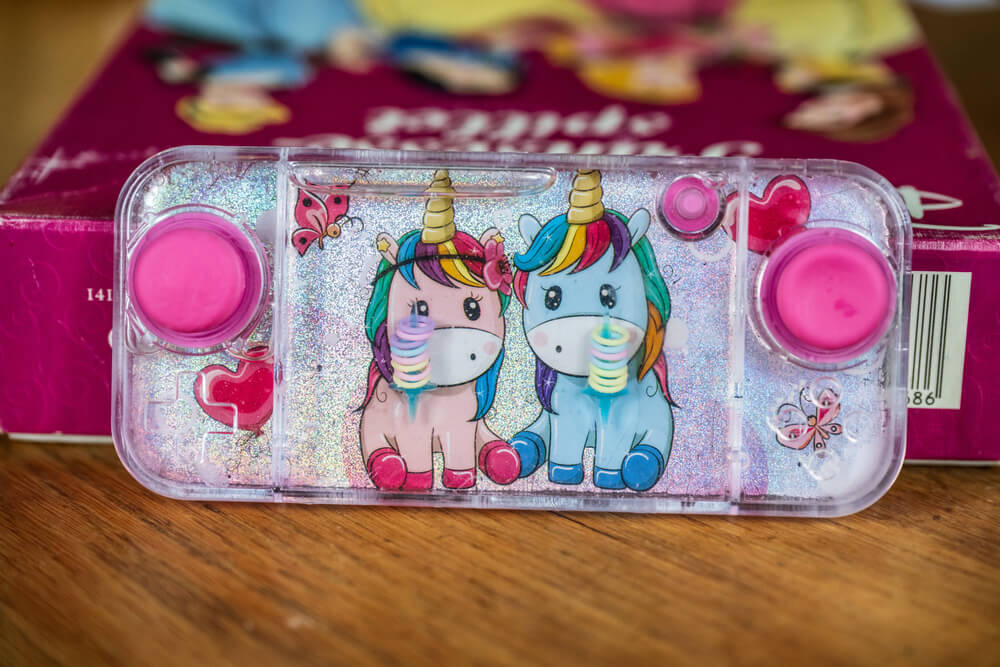
Handheld water games filled with liquid and tiny floating rings were a classic toy of the 1970s and 1980s, and Tomy’s Waterfuls line was one of the best-known versions. Kids pressed a button to push a burst of water that sent the rings swirling, trying to land them on pegs, often shaped like fish, dolphins or sea animals.
The games needed no batteries and held attention for long car rides. They were cheap enough to turn up in party bags and stockings.
Vintage examples that have not leaked or clouded are scarcer than the millions once sold would suggest.
Lithographed Tin Sand Pails
Tin sand pails printed with bright beach scenes, sailboats and sea creatures were a summer staple from the 1930s through the 1960s. Companies such as Ohio Art and J. Chein printed colorful designs directly onto the metal, often with matching shovels.
Kids filled them with sand, shells and seawater, then left them out to rust. Plastic pails eventually replaced tin as safety rules and costs changed.
Collectors now pay real money for well-preserved pails, and rust, dents and faded graphics account for most of the difference in price.
The Morey Boogie Board
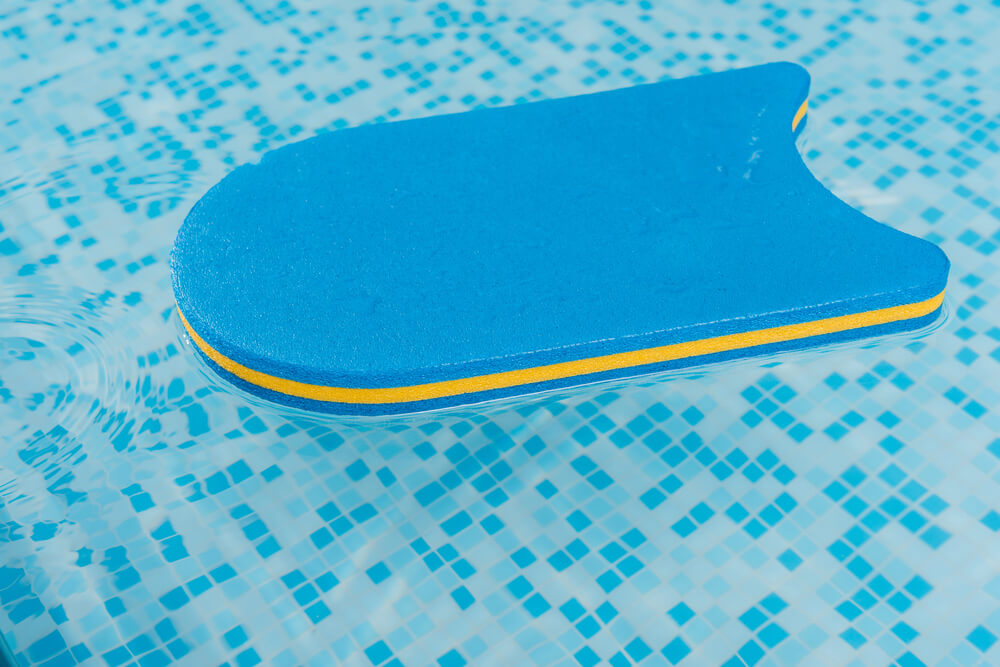
Tom Morey shaped the first boogie board in Hawaii in 1971, cutting a piece of polyethylene foam into a short board that riders could lie on. Kids who could never stand up on a surfboard could catch waves on a boogie board within minutes.
Morey’s design spread to every beach town in the country and turned bodyboarding into its own sport. Inexpensive foam versions became standard beach rental gear.
Early boards with original Morey branding now attract collectors, with condition and dings deciding most of their value.
The Little Tikes Turtle Sandbox
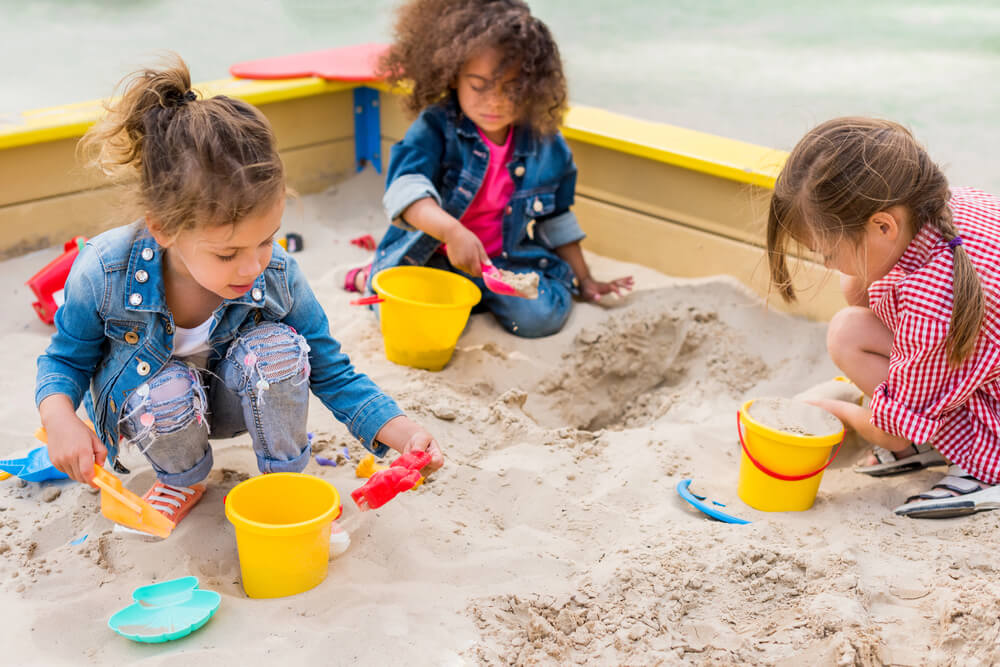
The green plastic turtle sandbox from Little Tikes became a fixture of suburban backyards in the 1980s and 1990s. The shell doubled as a lid that kept rain, leaves and neighborhood cats out of the sand.
Toddlers sat inside the turtle’s body and dug with plastic shovels while parents appreciated how easy it was to clean. The design proved durable enough that many survived through several younger siblings.
Faded original turtles still turn up at yard sales, and the company has kept a version in production for decades.
SeaWorld Shamu Plush
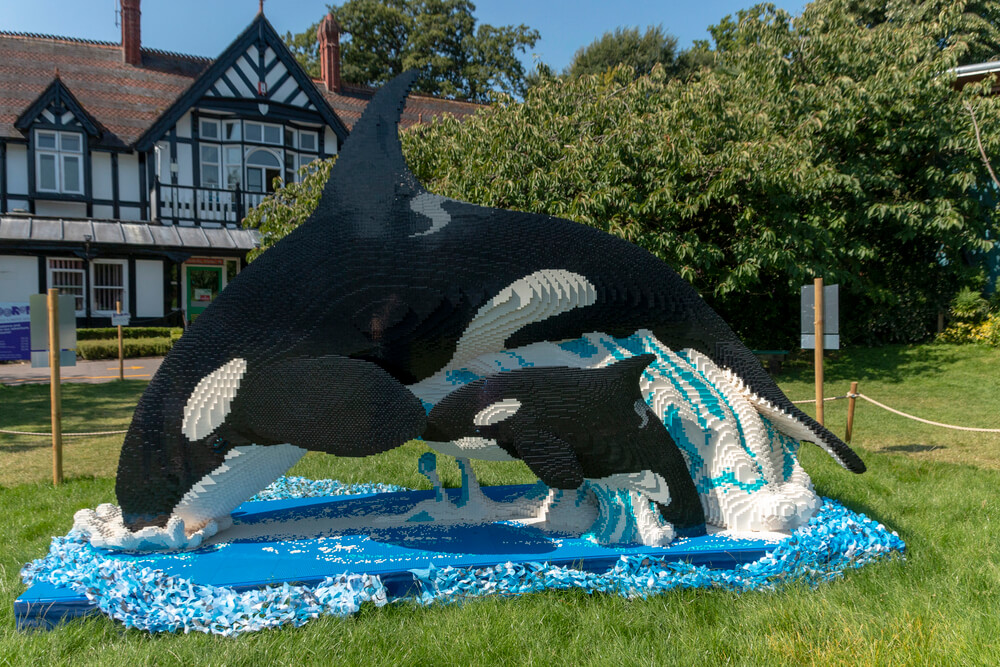
SeaWorld opened in San Diego in 1964, and its orca show made Shamu a household name by the 1970s. Plush Shamu toys in black and white became the souvenir of choice for kids leaving the park, often purchased right after a splash-zone soaking.
Families carried them home on long road trips and propped them on bedroom shelves for years. Attitudes toward captive orcas have shifted considerably since then.
The old plush toys now carry a strong dose of nostalgia, and vintage tags from the 1970s and 1980s add modest value.
Wind-Up Swimming Bath Toys

Wind-up swimming bath toys, shaped like fish, turtles, frogs and divers, paddled across bathtubs with spinning fins or kicking legs. Japanese toy makers produced many of the most popular versions in the 1970s and 1980s, and they turned up in drugstore toy aisles across the country.
A few twists of the key bought about half a minute of splashing. Kids lined several up for bathtub races.
The springs eventually rusted from constant contact with water, which is why working vintage examples are less common than they should be.
Hot Wheels Sharkruiser
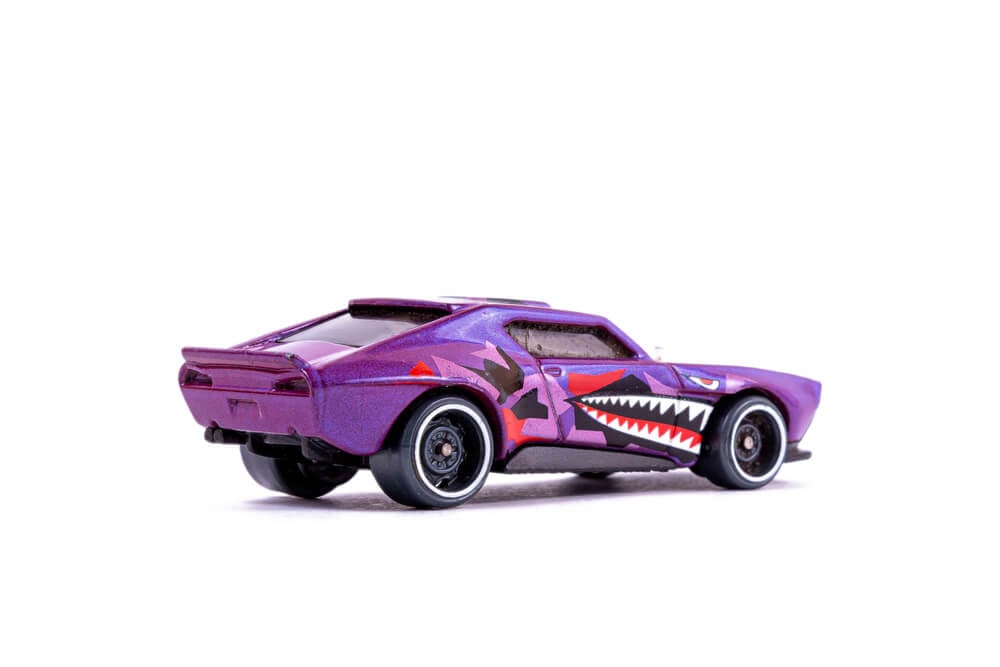
Hot Wheels designer Larry Wood created the Sharkruiser for the 1987 Speed Demons series, a line of hot rods styled after animals. The car is shaped like a gray shark with an exposed engine on its back and rows of teeth along the front.
Kids who grew up in the late 1980s remember it as one of the coolest cars on the orange track. Mattel has reissued the casting many times since.
The design earned its own United States postage stamp in 2018 as part of a set honoring the brand’s 50th anniversary.
Oceans in the Toy Box
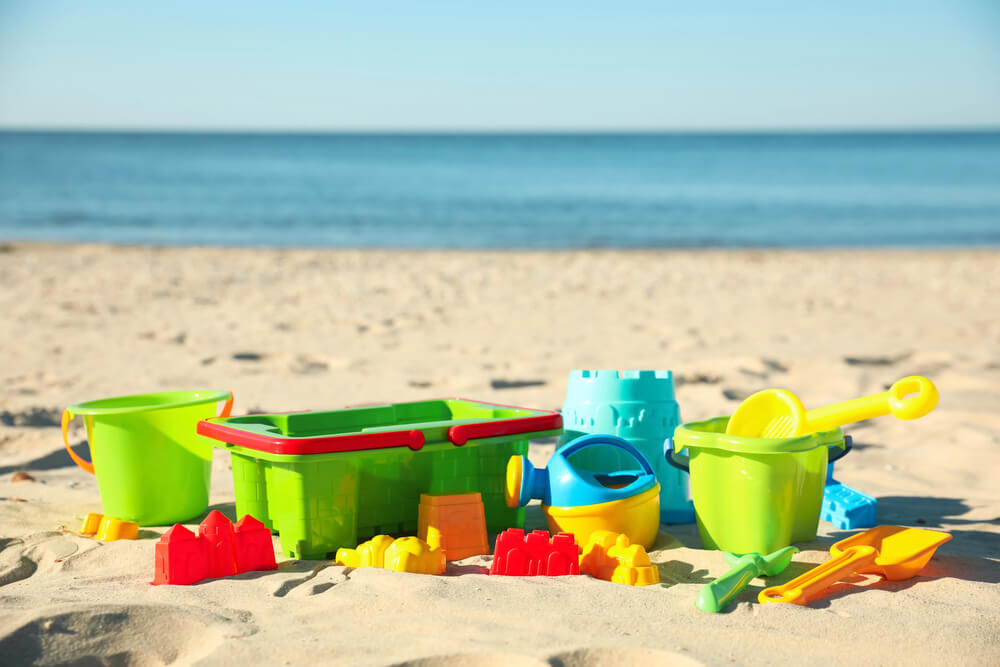
Sea-themed toys worked because the ocean itself felt huge, mysterious and slightly dangerous to kids. A submarine in a sink or a shark that snapped at random brought that mystery down to a manageable size.
Most of these toys asked for very little beyond water and imagination. Many are still made in some form, from Sea-Monkeys to rubber ducks to fishing games with spinning ponds.
The originals now sit on collector shelves, often worth more than anyone who played with them expected. Few of their owners ever saw the deep sea up close, but plenty of them spent hours exploring it in a bathtub.
More from Go2Tutors!

- The Romanov Crown Jewels and Their Tragic Fate
- 13 Historical Mysteries That Science Still Can’t Solve
- Famous Hoaxes That Fooled the World for Years
- 15 Child Stars with Tragic Adult Lives
- 16 Famous Jewelry Pieces in History
Like Go2Tutors’s content? Follow us on MSN.