20 Must-Watch Non-Fiction Biopics
A single viewing is enough for some movies to fade away. Yet others stick around, fed by true stories, decisions people really made, one after another.
Biographical films based on facts belong here, where life feeds the script. When they work well, these stories go beyond just listing what occurred.
They turn dates and details into feelings you can touch. From old times to now, across different countries and movie worlds, these stories feel separate at first glance.
Still, every single one digs into real lives that changed how people see things. Twenty true-life movies stand out – not because everyone talks about them, but because they stick around in your mind later.
What stays is not the drama, not the fame, but moments that actually happened and somehow shift something inside you.
Gandhi (1982)

Richard Attenborough’s portrait of Mahatma Gandhi traces the transformation of an ordinary lawyer into a global symbol of peaceful resistance. The film takes its time, allowing political movements and personal convictions to unfold gradually rather than rushing toward major milestones.
Ben Kingsley’s performance anchors the story with restraint, avoiding grand theatrics in favor of quiet authority. Even so, the film’s scale is undeniable.
From mass protests to moments of solitude, it captures how one individual’s moral stance reshaped a nation. It remains a defining example of how biography and history can coexist on screen.
Lincoln (2012)

Steven Spielberg’s Lincoln narrows its focus to a specific chapter rather than an entire lifetime. The film centers on the political struggle to pass the Thirteenth Amendment, turning the legislative process into gripping drama.
Daniel Day-Lewis brings an understated humanity to a figure often frozen in myth. That said, the film’s strength lies in its patience.
Conversations matter more than spectacle, and moral conviction unfolds through dialogue rather than declarations. It is a reminder that history is often shaped in rooms where no crowds are watching.
The Social Network (2010)

This modern biopic approaches its subject with sharp edges and rapid pacing. Chronicling the creation of Facebook, the film explores ambition, rivalry, and the unintended consequences of innovation.
Jesse Eisenberg’s portrayal captures both brilliance and emotional distance. On the other hand, the film is less interested in technical detail than in human behavior.
It shows how success can isolate as much as it elevates, making it a cautionary tale wrapped in a contemporary origin story.
A Beautiful Mind (2001)

Based on the life of mathematician John Nash, this film blends intellectual achievement with deeply personal struggle. Rather than presenting genius as effortless, it highlights the cost of brilliance when reality becomes unreliable.
Russell Crowe’s performance balances confidence with vulnerability. Still, the story avoids sensationalism.
It focuses on perseverance, relationships, and the long arc of learning to live with uncertainty. The result is a biopic that feels intimate despite its academic setting.
Malcolm X (1992)
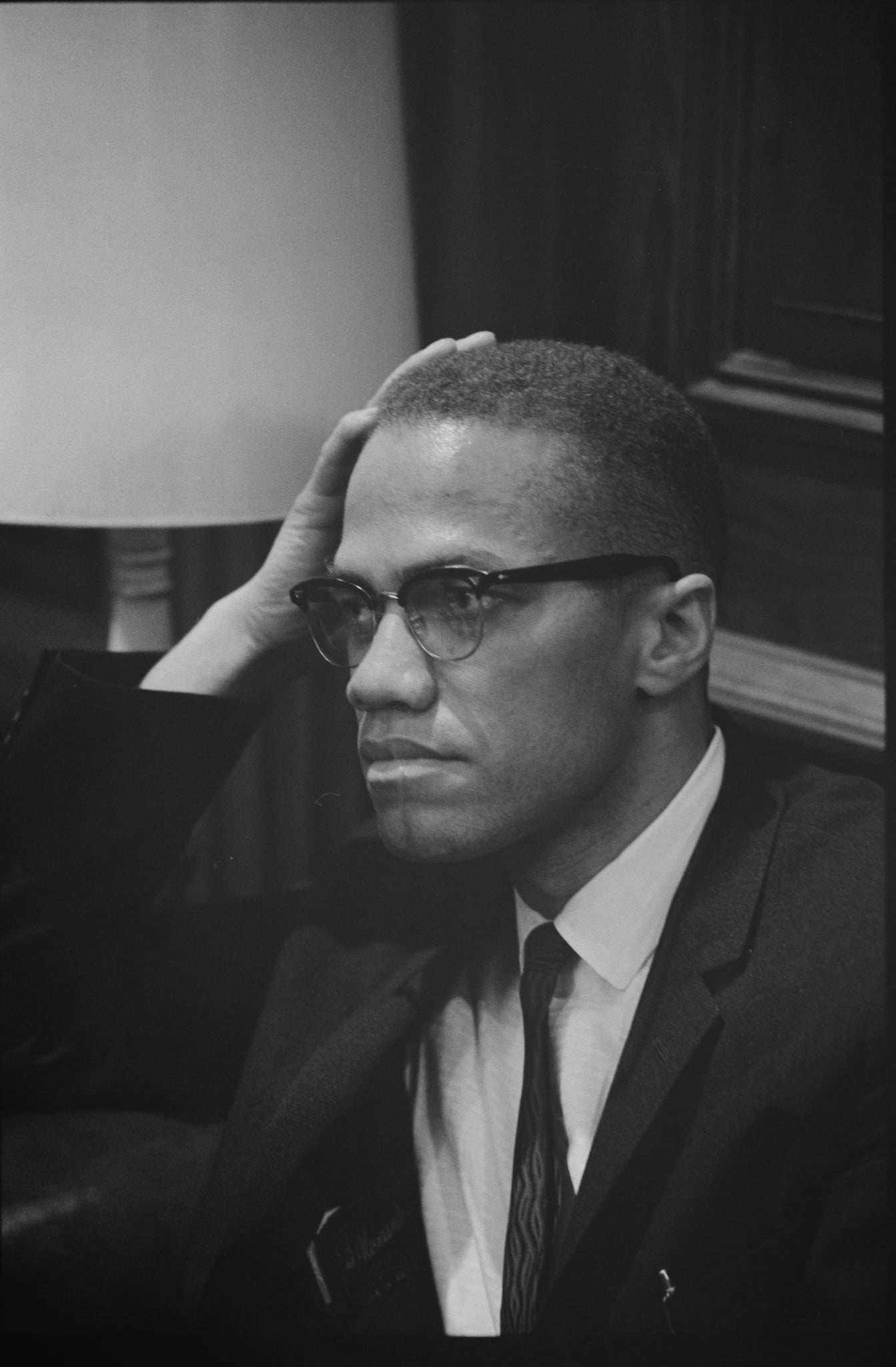
Spike Lee’s expansive film traces Malcolm X’s evolution across multiple phases of his life. Each stage is given room to breathe, showing how belief systems are shaped by experience rather than appearing fully formed.
Denzel Washington delivers a performance that is both commanding and deeply reflective. Even so, the film never treats its subject as static.
It embraces contradiction and growth, allowing viewers to see change as a sign of engagement rather than inconsistency. That complexity is what gives the film its lasting power.
The Theory of Everything (2014)
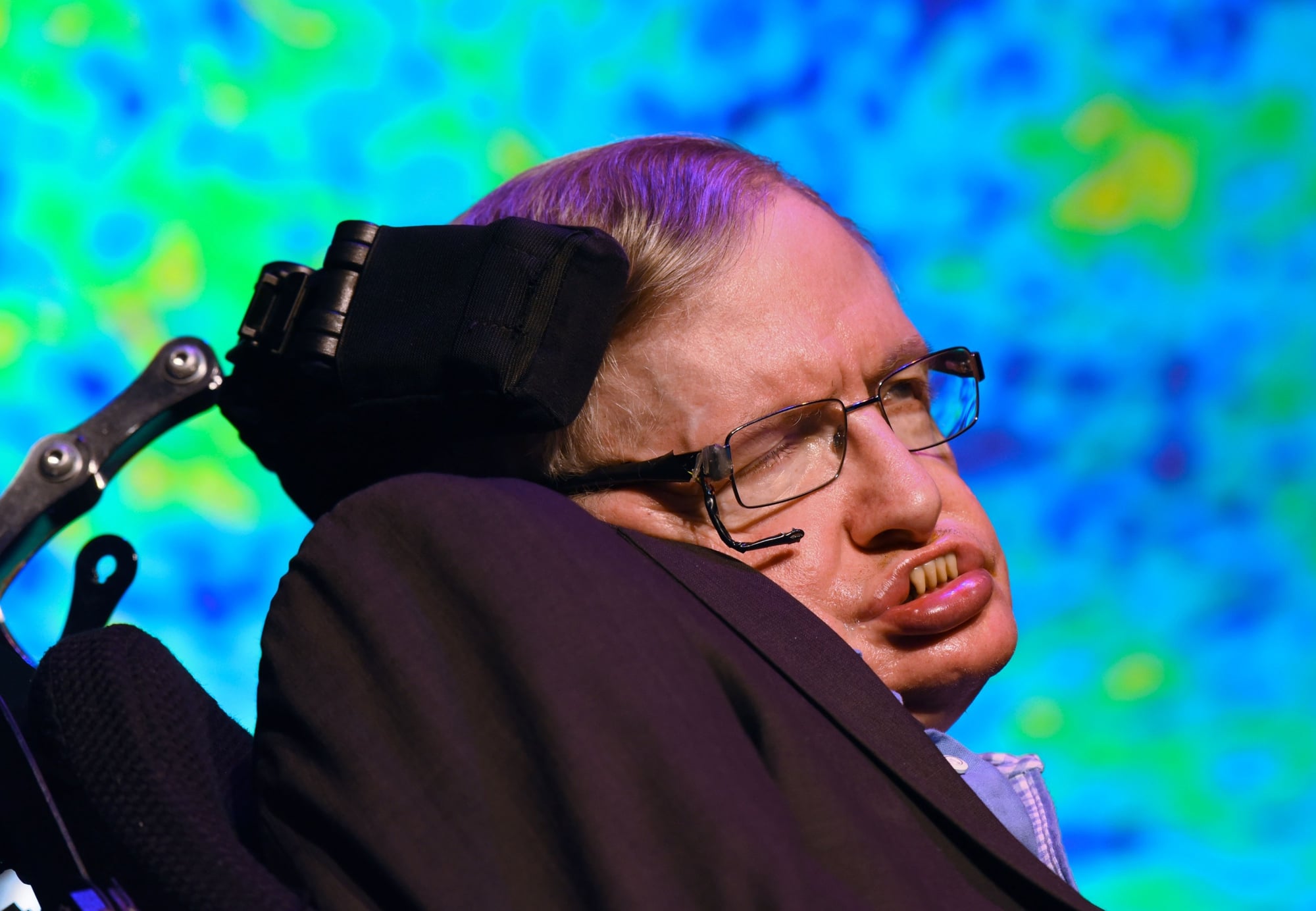
This biopic focuses on physicist Stephen Hawking, but its emotional center lies in his relationships and resilience. Eddie Redmayne portrays physical decline with sensitivity, avoiding caricature while emphasizing dignity.
The scientific breakthroughs are present, but never overwhelming. That said, the film’s strength is its focus on time, not just as a scientific concept but as a human experience.
It captures how ambition, partnership, and acceptance shift as circumstances change.
Walk the Line (2005)

Johnny Cash’s life is presented as a series of contradictions shaped by talent and inner conflict. Joaquin Phoenix’s performance captures the raw edge of a musician driven by both discipline and chaos.
Reese Witherspoon’s portrayal of June Carter adds emotional balance to the story. Still, the film avoids turning music into mere backdrop.
Songs are woven into moments of transformation, showing how creativity often emerges from lived experience rather than polished inspiration.
The Imitation Game (2014)

This film brings attention to Alan Turing’s role in breaking German codes during World War II. Benedict Cumberbatch portrays Turing as brilliant, socially distant, and deeply misunderstood.
The narrative balances intellectual achievement with the cost of being different in a rigid society. Even so, the story is accessible.
Complex ideas are translated through character interaction rather than exposition. It stands as a reminder that some of history’s most important contributions were made quietly and under immense pressure.
Erin Brockovich (2000)

Unlike many biopics centered on public figures, Erin Brockovich tells the story of an ordinary person who refused to look away. Julia Roberts brings grit and warmth to a woman navigating legal systems without formal training.
The film highlights persistence rather than perfection. That said, the story resonates because it feels grounded.
It shows how attention to detail and stubborn empathy can challenge powerful institutions, one document at a time.
Raging Bull (1980)

Martin Scorsese’s portrayal of boxer Jake LaMotta is intentionally uncomfortable. The film refuses to soften its subject, presenting success and self-destruction side by side.
Robert De Niro’s physical transformation underscores the extremes of LaMotta’s personality. On the other hand, the film is less about sport than identity.
It examines how unchecked intensity can erode personal connections, even as public acclaim grows.
Hidden Figures (2016)
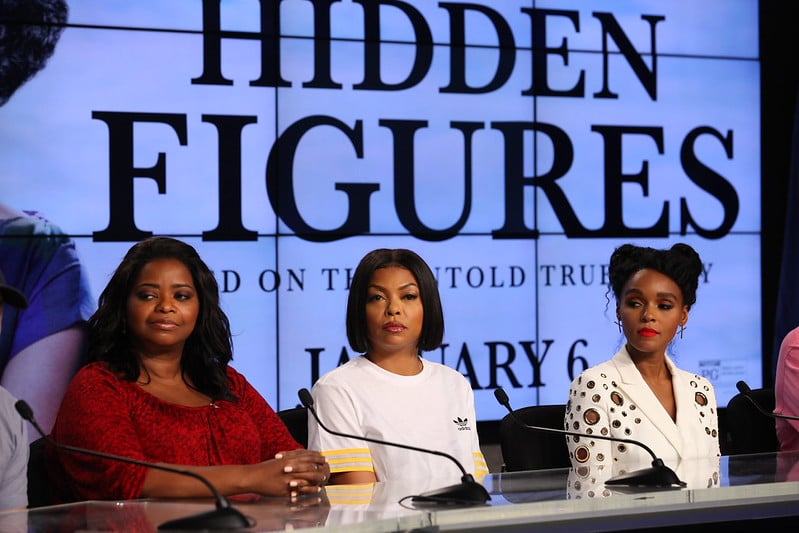
This biopic shines a light on three mathematicians whose work was essential to early space missions. The film balances professional achievement with the everyday barriers faced by its protagonists.
Performances by Taraji P. Henson, Octavia Spencer, and Janelle Monáe bring warmth and humor to the story. Still, the film avoids presenting progress as inevitable.
It shows how advancement often depends on individuals pushing against quiet resistance, not just dramatic opposition.
Ray (2004)

Ray Charles’s life unfolds through music, memory, and personal struggle. Jamie Foxx’s performance captures both charisma and inner turbulence, earning widespread acclaim.
The film uses sound as a storytelling tool rather than a decorative element. That said, the narrative remains focused on growth.
It presents success as something earned through persistence and self-awareness, not sudden discovery.
Selma (2014)

Ava DuVernay’s Selma focuses on a pivotal moment in the civil rights movement rather than attempting a full biography. David Oyelowo portrays Martin Luther King Jr. with nuance, emphasizing strategy alongside conviction.
Even so, the film’s power comes from its immediacy. It connects past events to present conversations without forcing parallels, allowing history to speak for itself.
Capote (2005)

This biopic explores the creation of In Cold Blood through the lens of Truman Capote’s moral struggle. Philip Seymour Hoffman delivers a controlled, haunting performance that captures charm and detachment in equal measure.
Still, the film resists easy judgment. It shows how artistic ambition can blur ethical boundaries, leaving lasting consequences for everyone involved.
Into the Wild (2007)

Based on the life of Christopher McCandless, this film examines idealism taken to its extreme. Emile Hirsch portrays a young man seeking meaning beyond societal expectations.
The story unfolds through landscapes as much as dialogue. That said, the film remains open-ended.
It neither glorifies nor condemns its subject, allowing viewers to grapple with freedom, isolation, and consequence on their own terms.
The Pianist (2002)

Adrien Brody stars as Władysław Szpilman, a musician surviving Warsaw during World War II. The film emphasizes survival through restraint rather than spectacle.
Silence and stillness are used as effectively as sound. Even so, the story never feels distant.
It grounds historical horror in small, human moments that linger long after the credits roll.
Frida (2002)

Frida Kahlo’s life is presented through color, symbolism, and emotional intensity. Salma Hayek brings strength and vulnerability to a woman whose art was inseparable from her experiences.
The film embraces visual experimentation without losing narrative clarity. That said, it avoids reducing Kahlo to an icon.
Instead, it presents her as a working artist navigating pain, politics, and creative ambition.
Spotlight (2015)
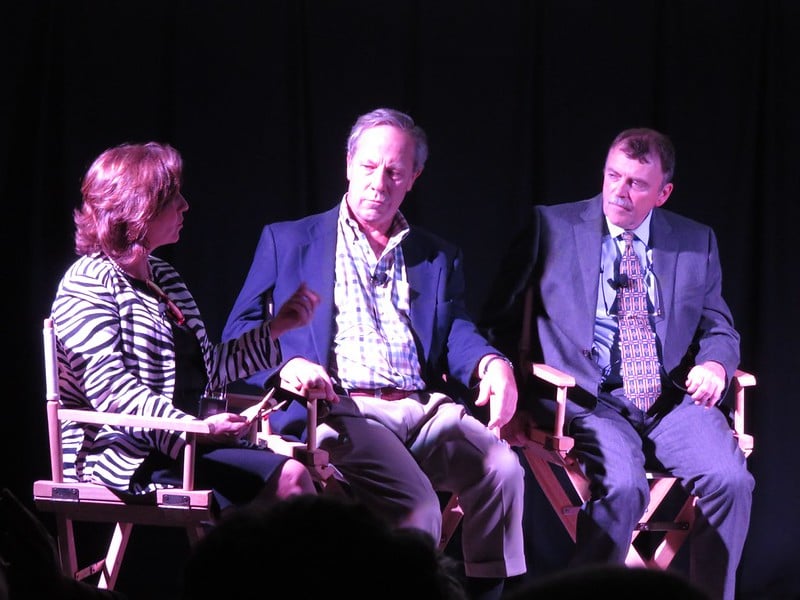
Spotlight tells the story of investigative journalists uncovering systemic abuse within the Catholic Church. The film focuses on process rather than personalities, emphasizing teamwork and persistence.
Performances are deliberately understated. Still, the impact is profound.
By showing how truth emerges through methodical work, the film honors journalism as a public service rather than a dramatic pursuit.
Bohemian Rhapsody (2018)

This biopic traces Freddie Mercury’s rise with Queen, blending performance with personal struggle. Rami Malek captures Mercury’s stage presence while exploring his private insecurities.
The film’s energy mirrors the music that defined a generation. That said, it succeeds most when focusing on collaboration.
It shows how individual brilliance often depends on collective effort.
Oppenheimer (2023)

Christopher Nolan’s portrayal of J. Robert Oppenheimer examines intellect, responsibility, and consequence. The film moves between timelines, reflecting the fragmented nature of memory and accountability.
Cillian Murphy delivers a performance marked by tension and restraint. Even so, the story remains deeply human.
It explores how groundbreaking achievement can carry moral weight that lasts far beyond the moment of discovery.
Why These Stories Endure

What sticks around isn’t always flashy – non-fiction biopics survive by linking old stories to how we see things now. People watch them and remember history happens in choices, trade-offs, quiet bravery – not just dates.
Every movie here turns true events into something clear, yet never oversimplifies what really went down. Even when the movie ends, the tales stick around.
They linger not by giving clear solutions, yet through showing ordinary folks facing wild challenges – moments that quietly echo into now.
More from Go2Tutors!

- The Romanov Crown Jewels and Their Tragic Fate
- 13 Historical Mysteries That Science Still Can’t Solve
- Famous Hoaxes That Fooled the World for Years
- 15 Child Stars with Tragic Adult Lives
- 16 Famous Jewelry Pieces in History
Like Go2Tutors’s content? Follow us on MSN.



