28 Vintage Seafood Recipes Nobody Makes Anymore
Seafood once meant ceremony in American kitchens. Hosts owned real scallop shells for baking, hotels named dishes after their managers, and Friday suppers leaned on a can of salmon or a box of salt cod.
Many of those recipes simply stopped being cooked, and life sped up around them. Some survive on a single restaurant menu in New Orleans or Chicago.
Others live only in spiral-bound church cookbooks, filed between the gelatin salads and the pound cakes.
Lobster Newburg and a Grudge at Delmonico’s
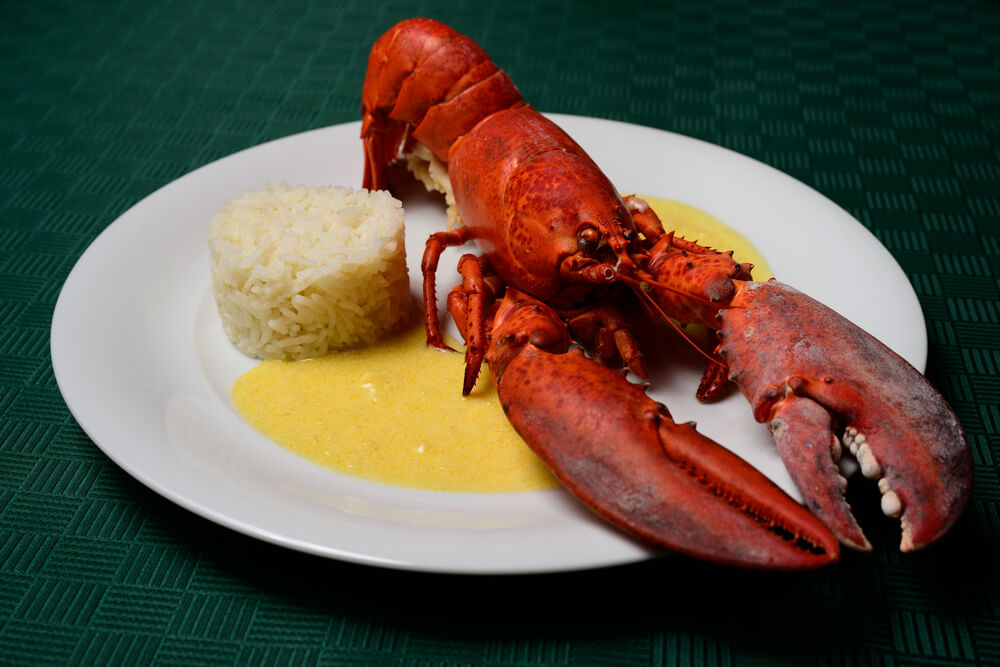
Lobster Newburg came out of Delmonico’s in New York in 1876, when a sea captain named Ben Wenberg showed the kitchen a chafing-dish recipe of lobster, butter, cream, egg yolks and sherry. The restaurant put it on the menu as Lobster a la Wenberg, then reportedly dropped his name after a falling-out and scrambled the letters into Newburg.
For decades the dish meant special occasions, spooned into puff pastry shells or over toast points at wedding receptions and country club dinners. Its richness is exactly what retired it.
Few home cooks now finish a sauce with egg yolks and a long pour of sherry on a weeknight.
Lobster Thermidor, Named for a Play
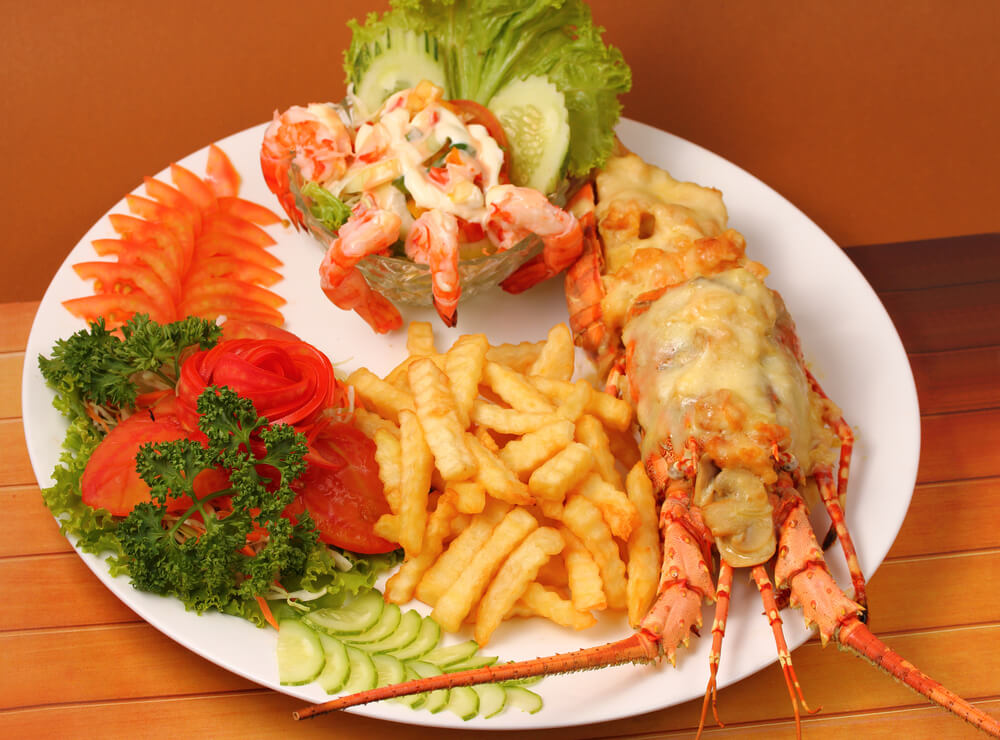
Lobster Thermidor is usually traced to Paris around 1894 onward, where it took its name from Thermidor, a Victorien Sardou play that opened in 1894. Cooked lobster meat was folded into a mustard-sharpened cream sauce, packed back into the shell, topped with cheese and browned under a broiler.
American hotel dining rooms and ocean liners treated it as the height of luxury well into the 1960s. The labor is the problem now.
Splitting, cooking, picking and refilling a lobster shell for a single plate takes more patience than most home kitchens have left, so the dish survives mainly on a handful of old-school menus.
Oysters Rockefeller at Antoine’s
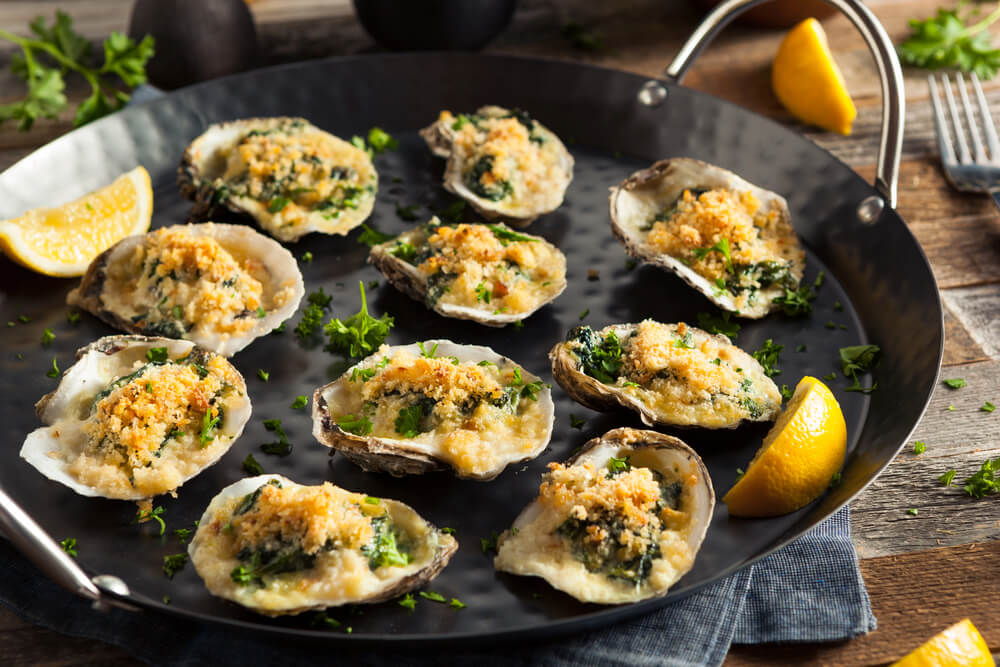
Antoine’s in New Orleans created Oysters Rockefeller in 1899, when Jules Alciatore needed a substitute for French snails that had become hard to get. He topped baked oysters with a bright green puree of herbs and butter and named the dish after John D. Rockefeller, because the sauce was so rich.
The restaurant has never published its original recipe, and it has long said that spinach, the base of most imitations, is not in it. Home versions faded once oysters became expensive.
Shucking a dozen at a time stopped feeling like a casual Sunday project.
Oysters Bienville From the French Quarter
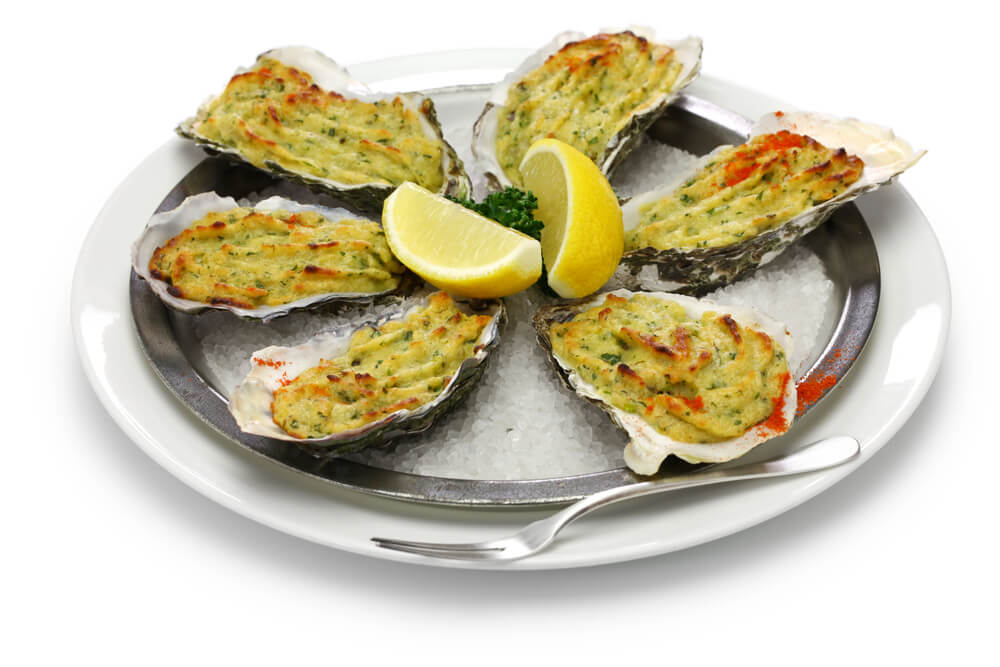
Oysters Bienville took the Rockefeller idea in a different direction, baking oysters on the half shell under a creamy sauce of shrimp, mushrooms, green onion, white wine and breadcrumbs. Most accounts credit Arnaud’s in New Orleans with popularizing it in the 1930s, and it carries the name of Jean-Baptiste Le Moyne de Bienville, who founded the city in 1718.
Cooks along the Gulf Coast once served it at holiday parties on beds of rock salt that held the shells steady. The sauce takes nearly as long as a good gravy.
That explains why it rarely leaves restaurant kitchens today.
Oysters Kirkpatrick in San Francisco
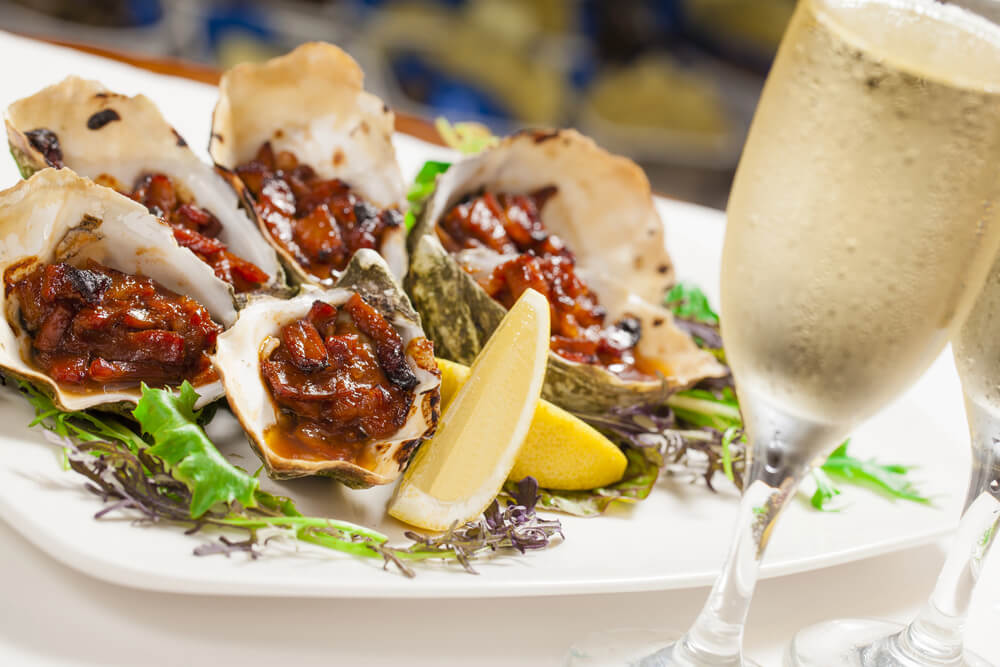
San Francisco’s Palace Hotel answered New Orleans with Oysters Kirkpatrick, named for John C. Kirkpatrick, who managed the hotel around the turn of the 20th century. The recipe is blunt and very American, with oysters baked under ketchup or chili sauce, a strip of bacon and grated Parmesan until everything bubbles.
It was a fixture of steakhouse appetizer lists and cocktail parties through the middle of the century. Modern palates tend to flinch at the ketchup.
That single ingredient has done more to bury the dish than any shortage of oysters ever could.
Clams Casino From Narragansett Pier
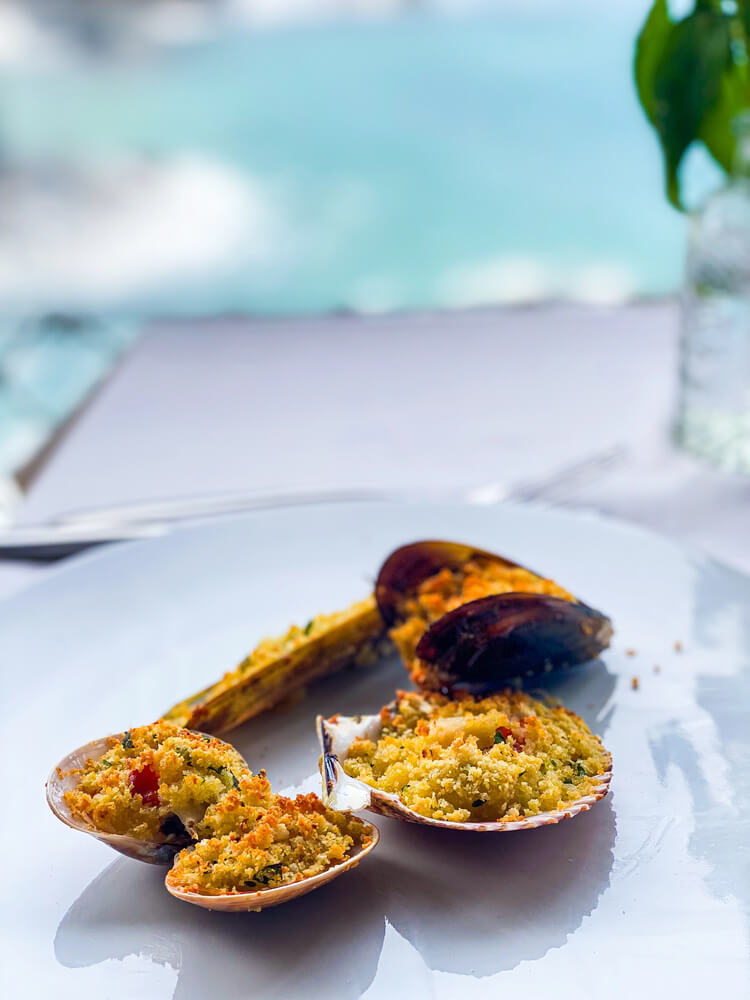
Clams Casino is usually credited to Julius Keller, the maitre d’ at the Casino in Narragansett Pier, Rhode Island, around 1917. A guest asked for something special, and he obliged with littleneck clams topped with bacon, bell pepper, shallot and butter, then broiled until crisp.
The appetizer spread quickly through East Coast supper clubs and stayed on menus for decades. Clams are still plentiful, so the decline is mostly about fashion.
Bacon-topped shellfish now reads as a relic of wood-paneled dining rooms, and home cooks rarely buy clams by the dozen just to broil them.
Shrimp de Jonghe in Chicago
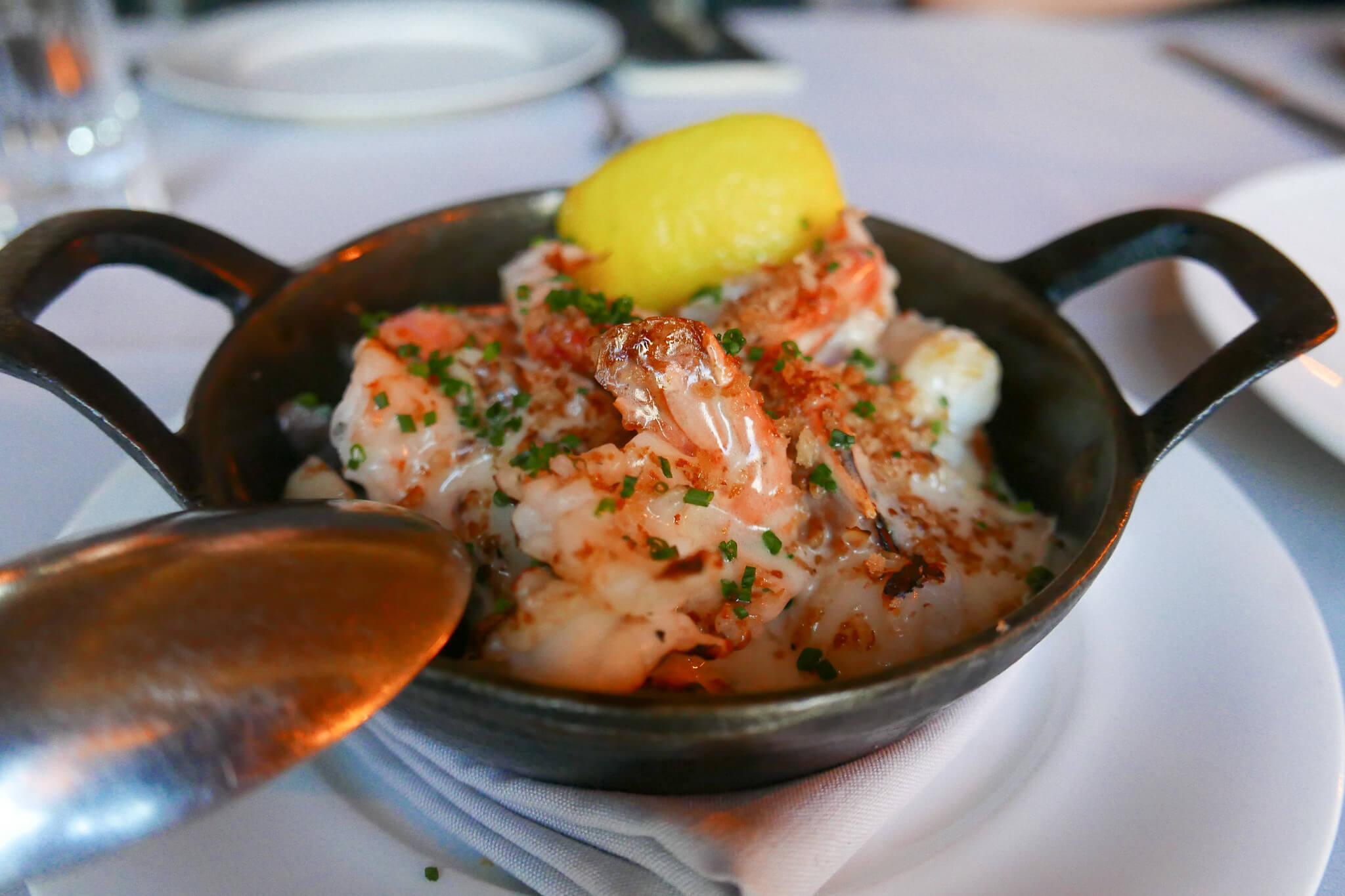
Shrimp de Jonghe belongs to Chicago, traced to De Jonghe’s, a hotel restaurant run by a family of Belgian immigrants around 1900. Peeled shrimp go into a baking dish under a thick blanket of buttered breadcrumbs, garlic, parsley and sherry, then bake until the crumbs turn golden.
It was a staple of Chicago steakhouses and wedding dinners for most of the 20th century and was rarely seen far outside the Midwest. The dish is easy, which makes its disappearance stranger.
It simply fell off the radar once shrimp scampi took over the same role with less butter and no sherry.
Crab Louie on the West Coast
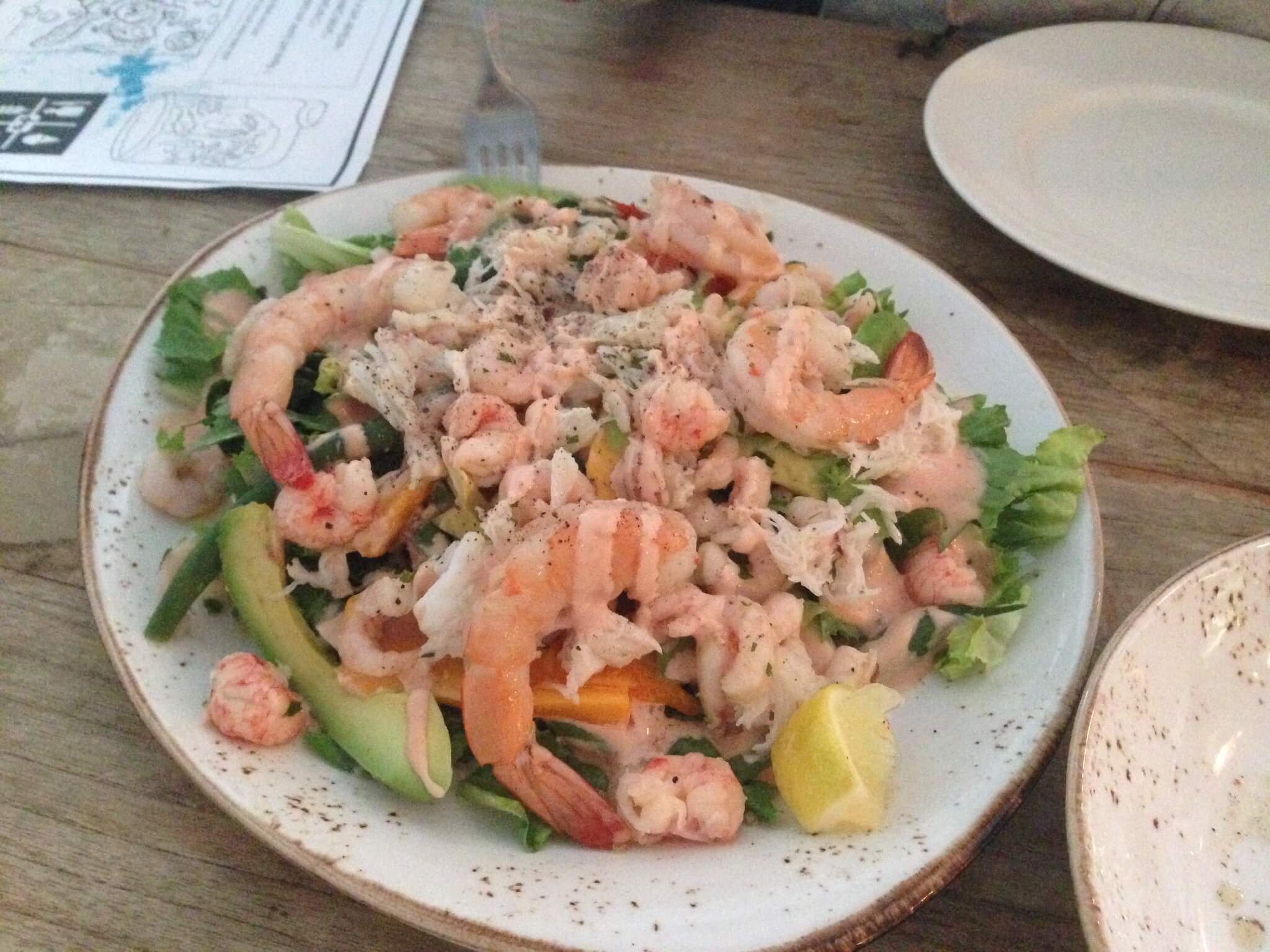
Crab Louie arrived on the Pacific Coast in the early 1900s, and Solari’s in San Francisco and the Davenport Hotel in Spokane are among the places credited with it. Dungeness crab meat sat on iceberg lettuce with hard-boiled egg, tomato and asparagus, all under a pink dressing of mayonnaise and chili sauce.
Writers called it the king of salads, and it served as ladies’ luncheon food for half a century. The salad still turns up on a few seafood menus.
Home cooks moved on, partly because Dungeness crab became pricey and partly because the dressing feels like a cousin of Thousand Island.
Salmon Loaf From the Pantry Shelf
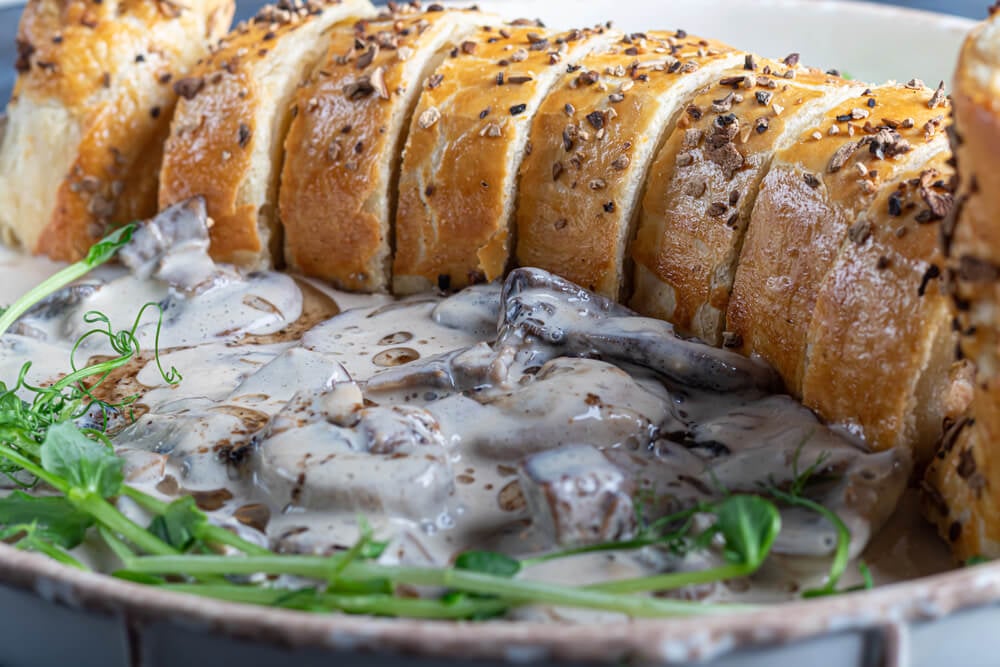
Salmon loaf was a Depression and wartime answer to tight meat budgets, built from canned salmon, cracker crumbs, eggs, milk and onion pressed into a loaf pan and baked. Many recipes called for leaving the soft bones in, since they mashed easily and added calcium.
Cooks often served it with a white sauce dotted with peas or a cucumber sauce on the side. Canned salmon is still cheap and sits on most grocery shelves.
The loaf vanished because meatloaf won the comfort-food contest, and a fish loaf now strikes many diners as an odd idea.
Salmon Croquettes in Southern Kitchens
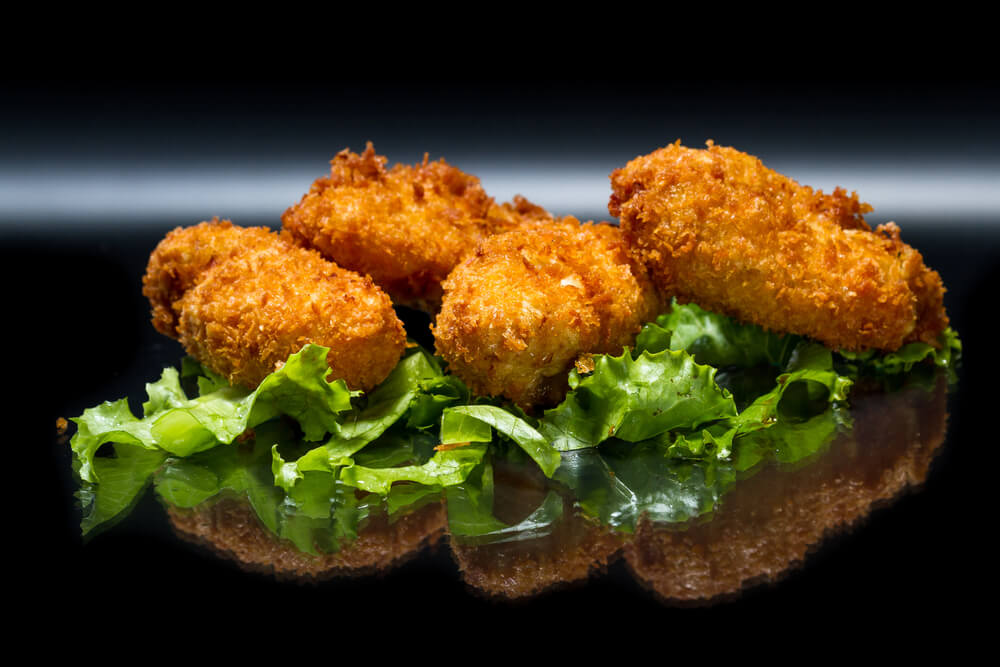
Salmon croquettes, often called salmon patties, were a weeknight staple in Southern and Midwestern homes from the 1930s onward. Cooks drained a can of pink salmon, mixed it with cornmeal or crushed saltines, egg and chopped onion, then pan-fried the patties in a cast-iron skillet.
They showed up next to grits, creamed peas or macaroni and cheese, and many families ate them on Fridays. The recipe hangs on in some households, but it has slipped from regular rotation.
Younger cooks reach for fresh fillets or tuna instead of the canned salmon their grandparents trusted.
Shrimp Wiggle at Chafing Dish Parties
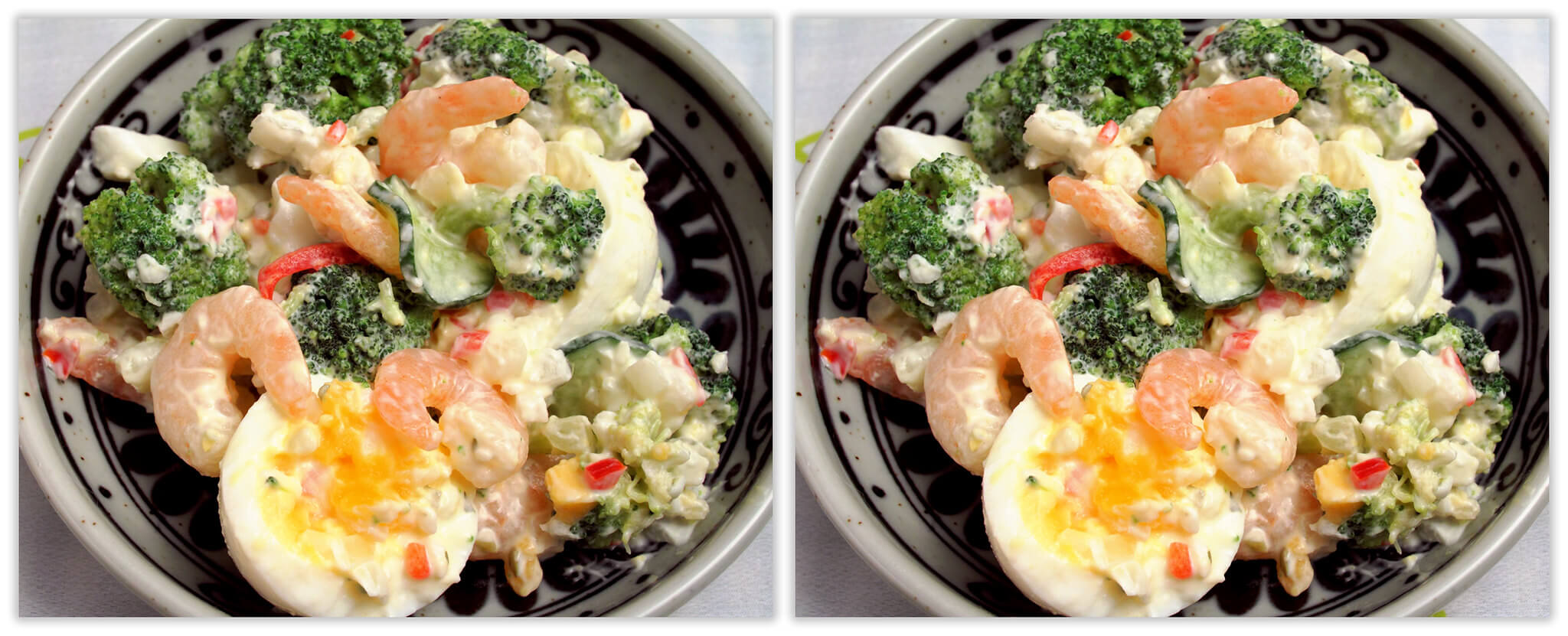
Shrimp wiggle came from the chafing-dish craze of the early 1900s, when college students and young hosts cooked late suppers right at the table. The dish is a quick cream sauce stirred with shrimp and green peas, then spooned over toast or saltine crackers.
Tuna and salmon versions appeared once canned fish became common, and church cookbooks kept the name alive into the 1950s. Nobody seems sure where the word wiggle came from.
The dish faded with the chafing dish itself, which went from parlor centerpiece to a forgotten wedding gift in the back of the closet.
Hangtown Fry From the Gold Rush
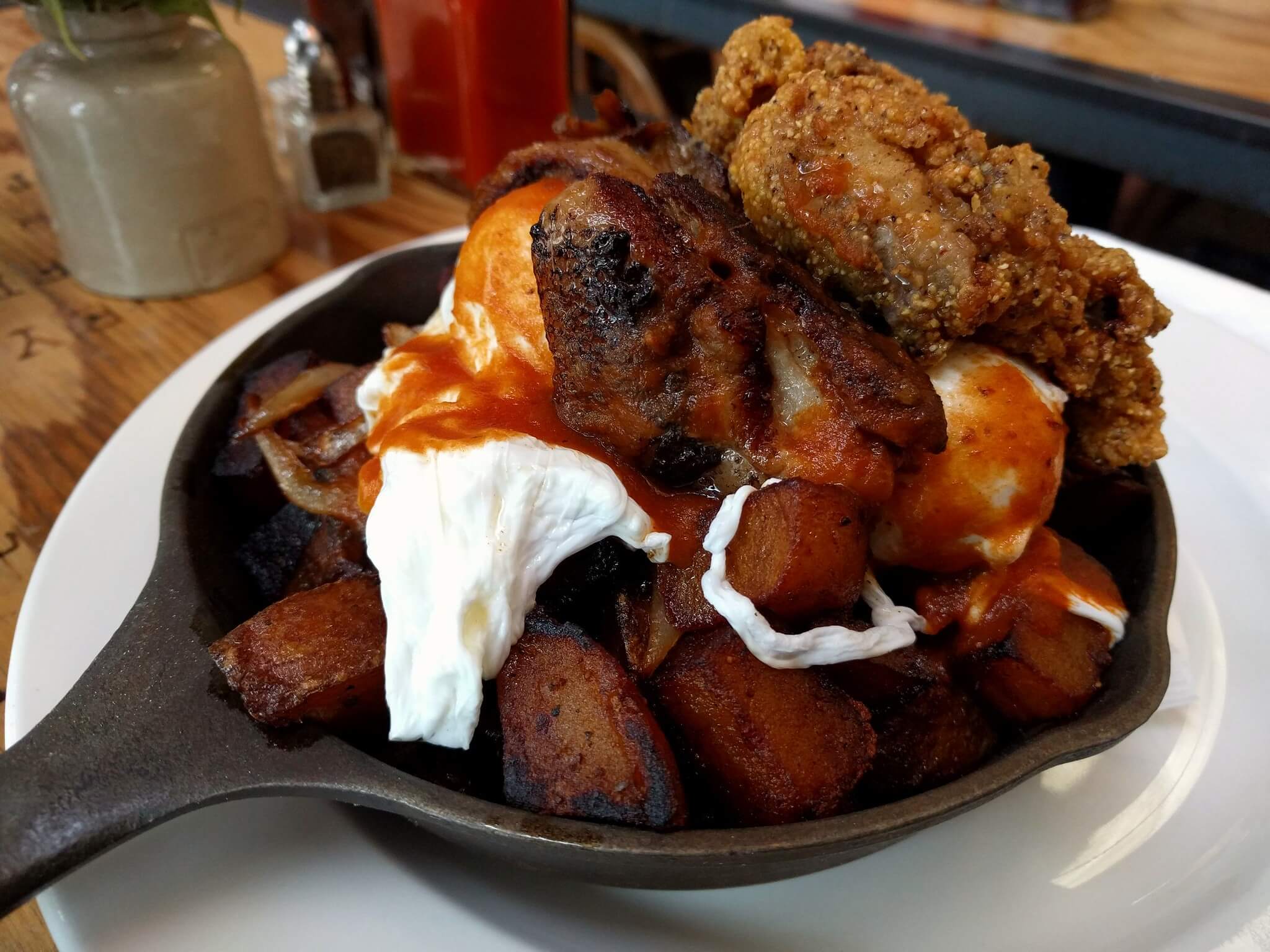
Hangtown Fry comes from Placerville, California, a Gold Rush town once nicknamed Hangtown. Legend holds that a newly rich miner walked into a hotel around 1849 and demanded the most expensive meal possible, so the cook combined oysters, bacon and eggs, the costliest items in camp.
The result is a kind of oyster omelet fried with the bacon. Old San Francisco restaurants kept it on breakfast menus for generations.
Few home cooks now would think to put oysters in breakfast eggs, and the legend has become far better known than the dish.
Oyster Loaf, the New Orleans Peacemaker
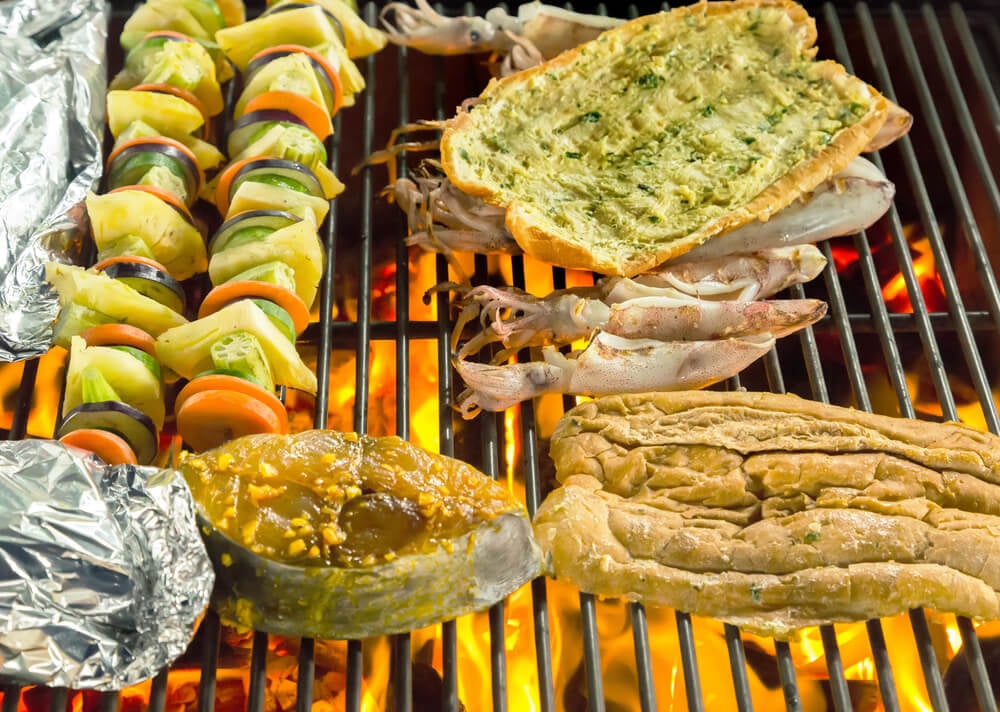
New Orleans husbands once carried home an oyster loaf as an apology after a late night out, which earned the sandwich its French nickname, La Mediatrice, or the peacemaker. The recipe hollows out a loaf of French bread, toasts it with butter and fills it with fried oysters, pickles and a splash of hot sauce.
San Francisco had a similar tradition in the 1800s. The loaf eventually shrank into the modern oyster po’boy, built on split bread instead of a scooped-out loaf with its own lid.
The peacemaker version is now mostly a story told on food tours.
Kedgeree for Breakfast
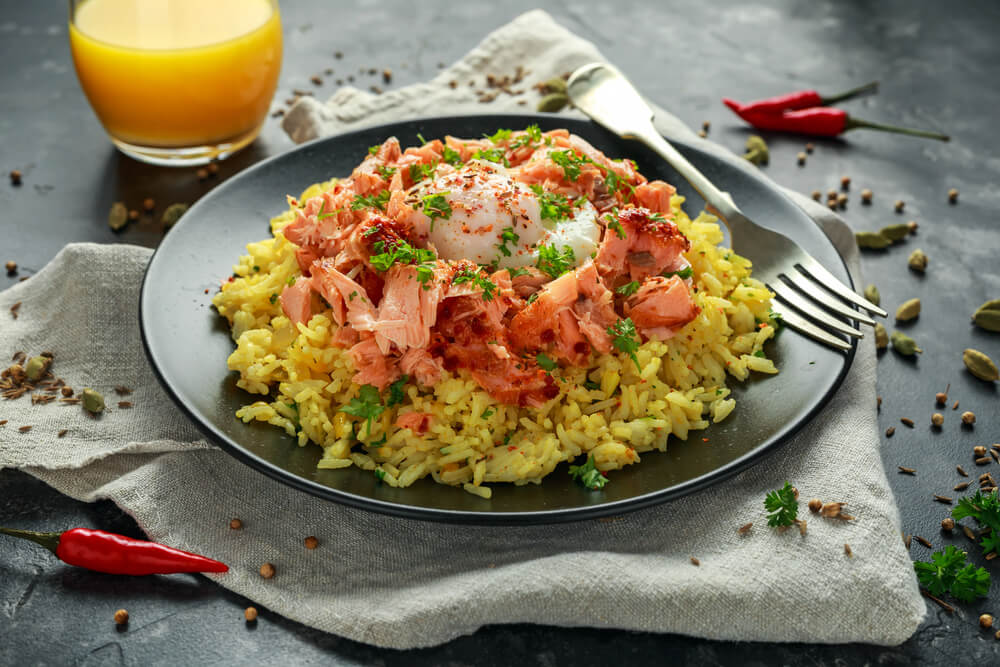
Kedgeree traveled from British India to Victorian breakfast tables, adapted from khichri, a South Asian dish of rice and lentils. The British version swapped the lentils for flaked smoked haddock, hard-boiled eggs, butter, parsley and curry powder.
It was standard fare on country-house sideboards and appeared in American cookbooks of the late 1800s as a thrifty way to use leftover fish. Plenty of people today would balk at curried fish before nine in the morning.
The dish survives in a few British hotels, but in American kitchens it has nearly vanished.
Finnan Haddie in Cream
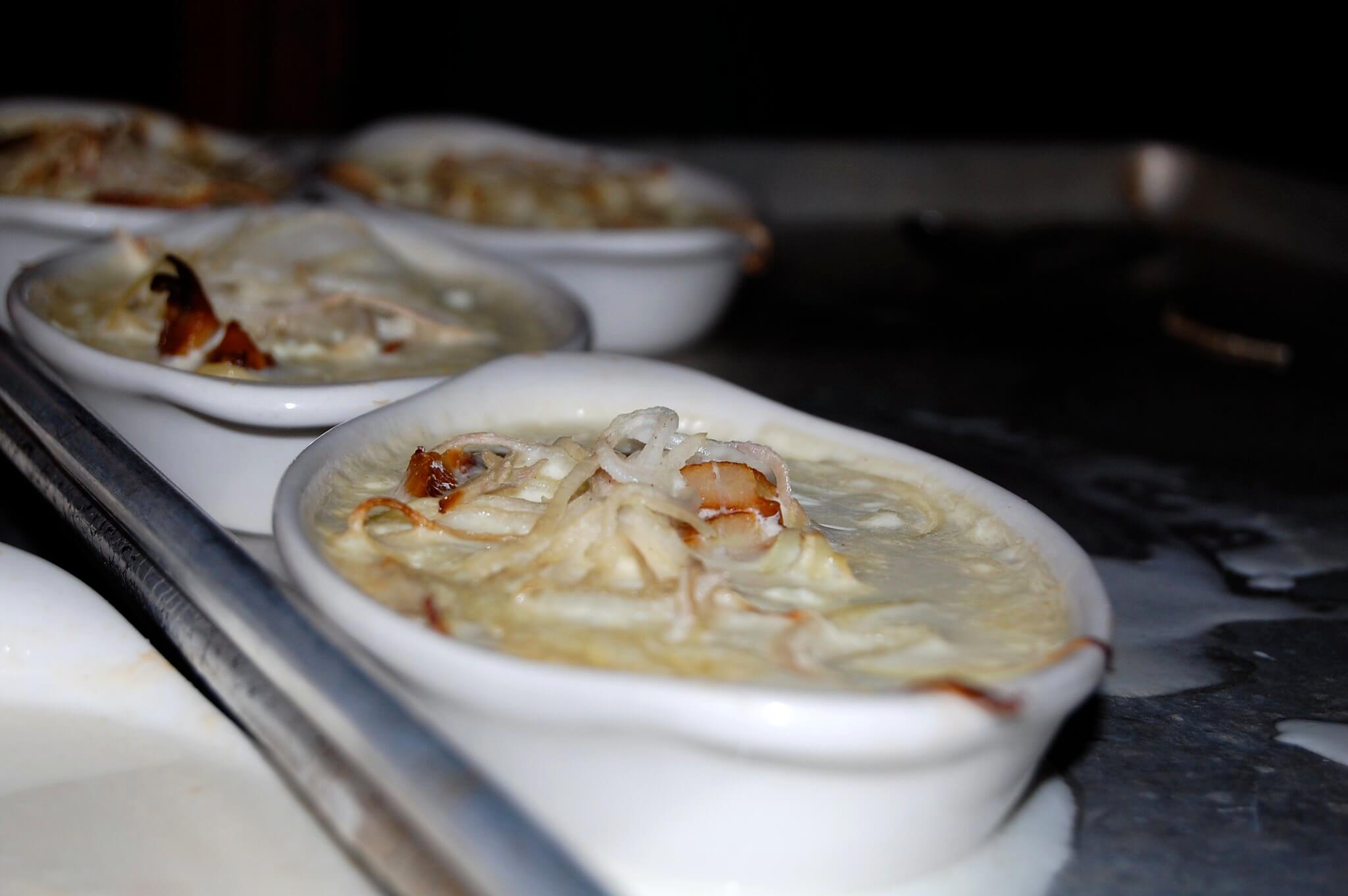
Finnan haddie is cold-smoked haddock named for Findon, a fishing village near Aberdeen, Scotland. New Englanders and Canadians once poached it in milk, flaked it into a cream sauce and served it over toast or boiled potatoes on Fridays.
Boston fish markets sold the golden smoked sides by the pound. The smoky, salty flavor was everyday food for generations of Scottish and Maritime families.
True finnan haddie is difficult to find in an ordinary American grocery store now. Without the fish, the dish quietly disappeared from family tables.
Coquilles Saint-Jacques in Scallop Shells
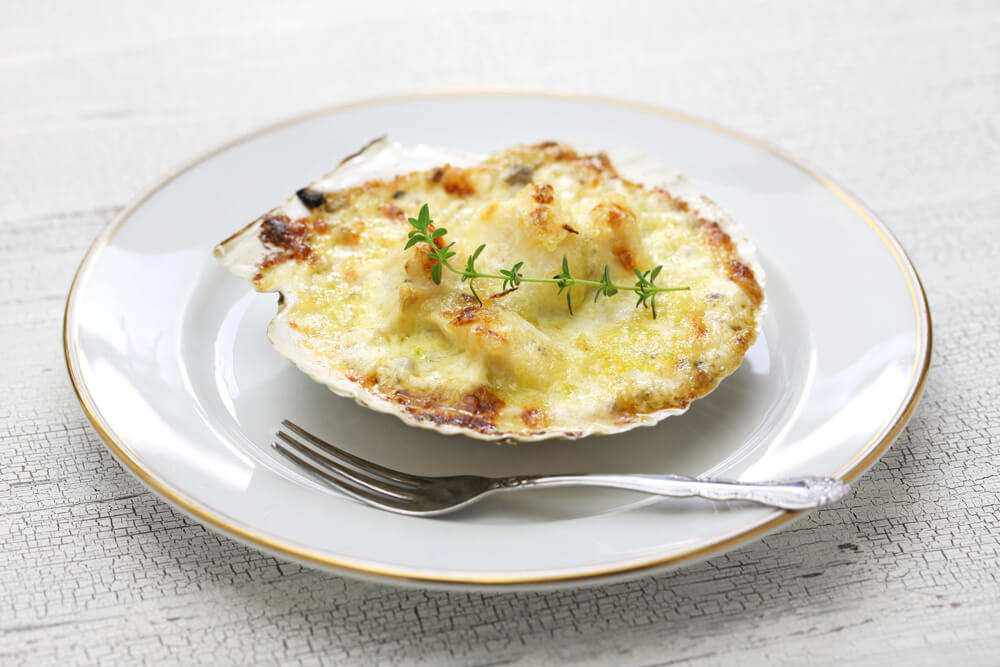
Coquilles Saint-Jacques was the dinner-party showpiece of the 1960s, served in real scallop shells that hosts bought just for the occasion. Sea scallops simmered in white wine with mushrooms and shallots, then went into the shells under a creamy sauce, breadcrumbs and Gruyere before broiling.
Julia Child’s books helped carry it into American suburbs. The French name refers to Saint James, whose pilgrims wore scallop shells on the road to Santiago de Compostela.
Those baking shells now gather dust in kitchen cabinets, and pan-seared scallops have replaced the creamy version almost everywhere.
Crab Imperial on the Chesapeake
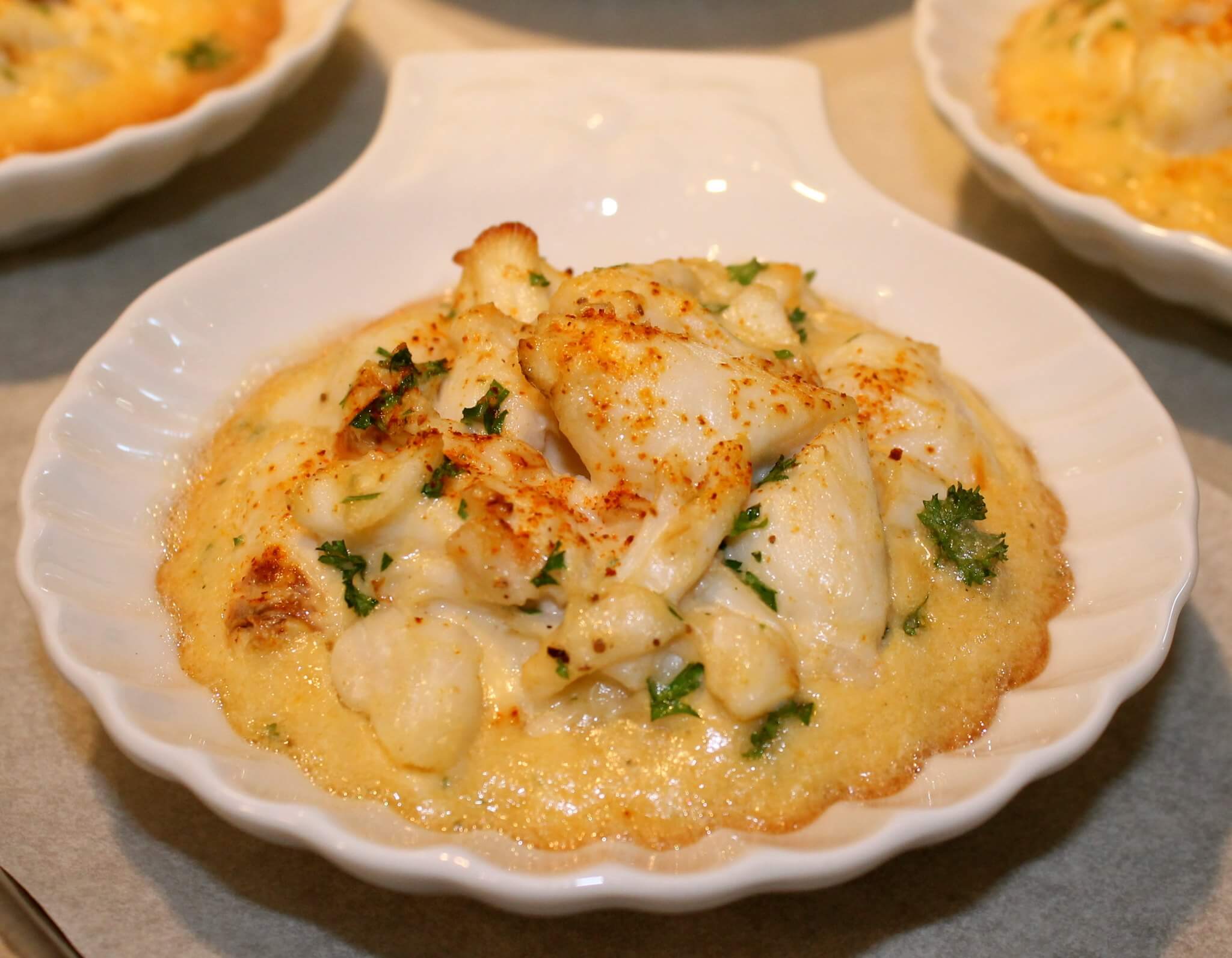
Crab Imperial was Maryland’s special-occasion dish, blending lump blue crab meat with mayonnaise, egg, mustard, Old Bay and diced pimiento, then baking it in a casserole or in cleaned crab shells. Hotels and seafood houses around the Chesapeake Bay served it for decades as the dressier alternative to crab cakes.
A proper portion needs a generous amount of jumbo lump meat and very little filler. That cost is a big reason the dish faded.
Crab cakes stretch the same expensive meat further, and most diners now order them instead.
Deviled Crab From Tampa to Charleston
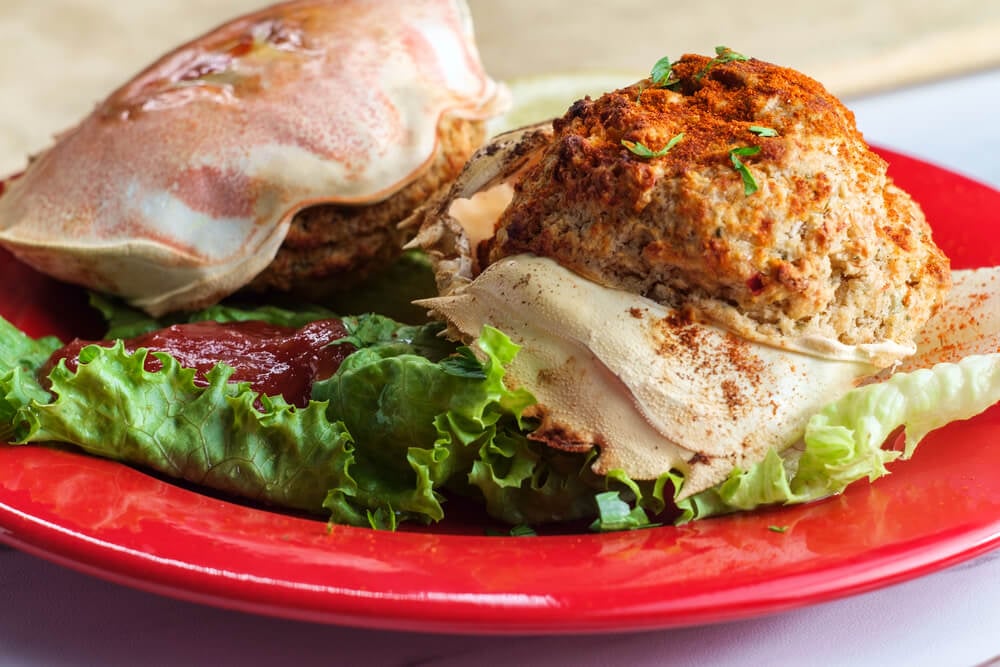
Deviled crab means two different things depending on the town. In Charleston and the Lowcountry, it is spiced crab meat baked in the shell, while in Tampa’s Ybor City it is a crab croquette shaped like a torpedo, rolled in Cuban bread crumbs and fried.
The Tampa version was cheap lunch food for factory workers in the early 1900s, sold from corner bakeries and Cuban cafes by the paper sack. A few spots in both cities still make it.
Elsewhere, the deviled crab has lost the everyday place it once held on Southern tables.
Scalloped Oysters at Thanksgiving
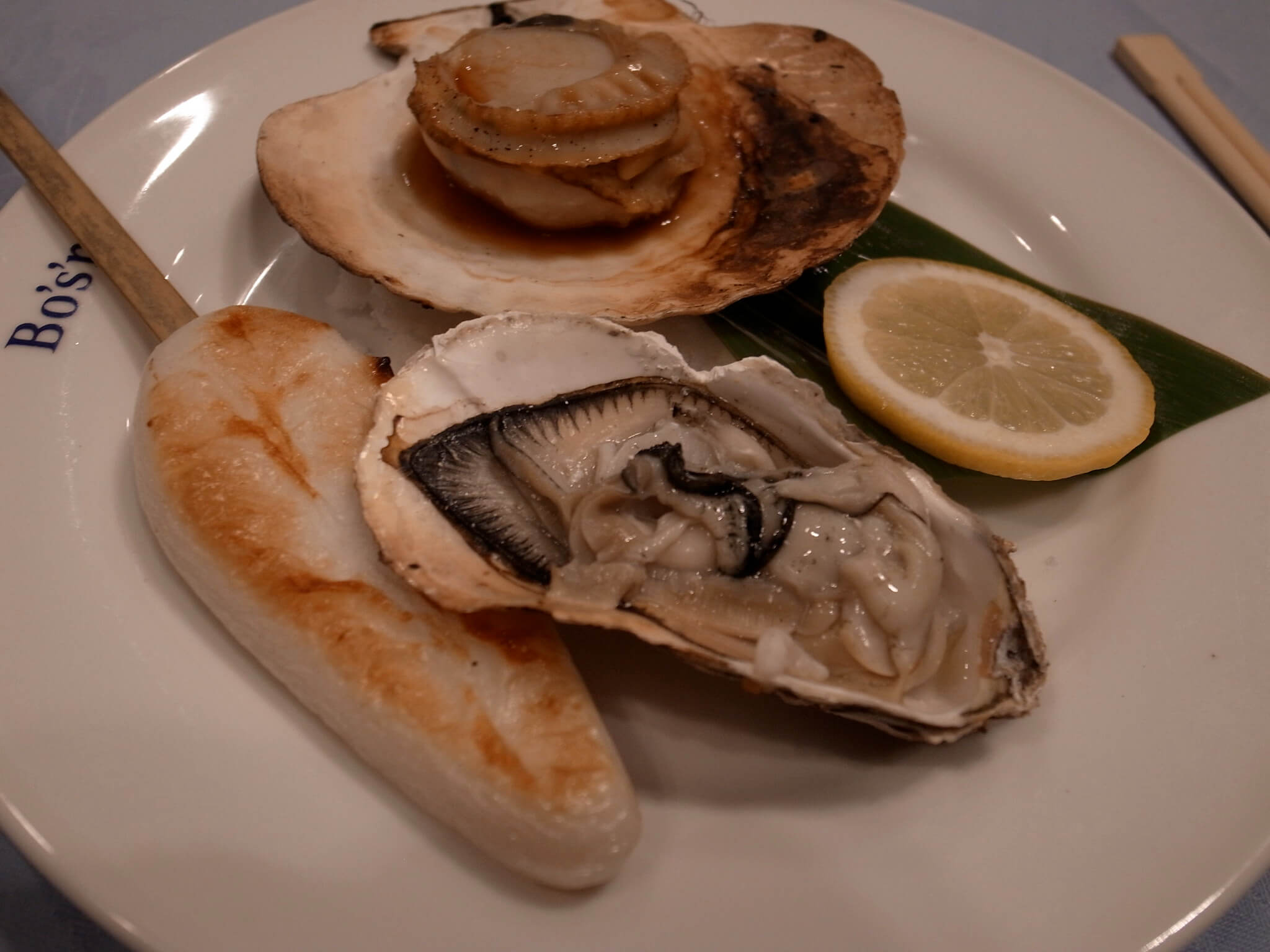
Scalloped oysters were a holiday side dish in New England and the Midwest, layered from shucked oysters, crushed saltines or oyster crackers, melted butter and cream. Iowa and Minnesota families served it next to the turkey for generations, far from any coast, because barrel-shipped and canned oysters reached the Midwest by rail in the 1800s.
The dish is rich and very simple to assemble. It began disappearing as oyster prices climbed.
Younger relatives quietly passed the dish down the table without taking any, and eventually nobody bothered to make it.
Oyster Stew on Christmas Eve
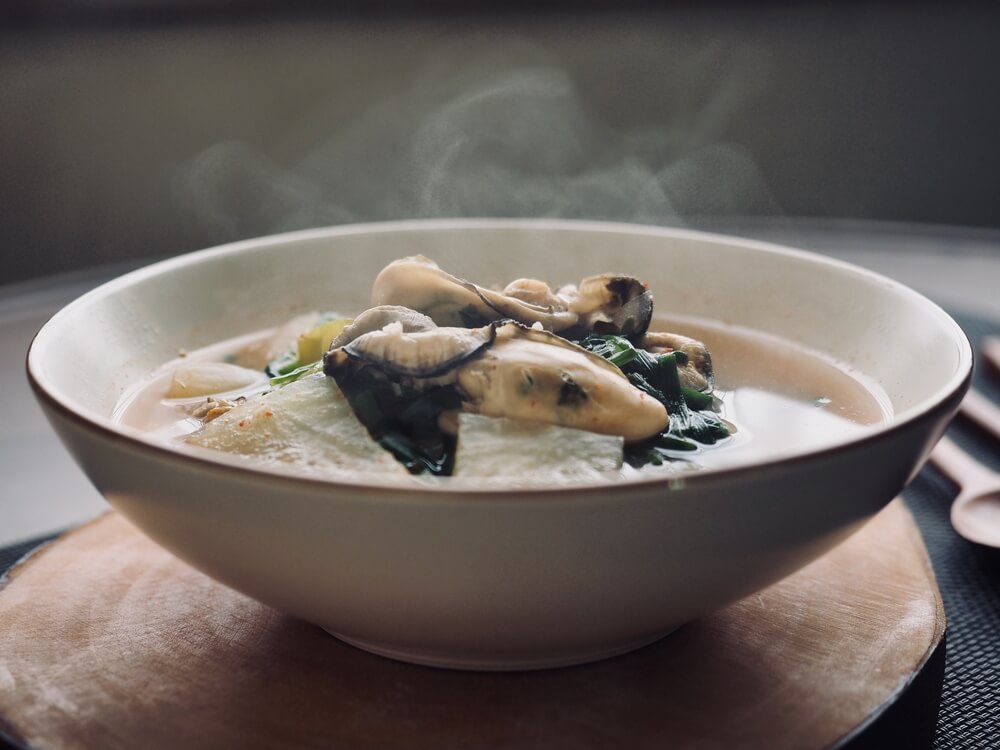
Oyster stew was a Christmas Eve tradition across much of the Midwest and Mid-Atlantic, especially among Catholic families keeping a meatless vigil. The stew is little more than oysters warmed in butter until their edges curl, then milk or cream, salt, pepper and oyster crackers floating on top.
Grocery stores once stocked tubs of shucked oysters every December for exactly this purpose. Many families still make it once a year.
The rest of the calendar it has disappeared, and a growing number of households have dropped the Christmas Eve pot as well.
Codfish Cakes on Friday
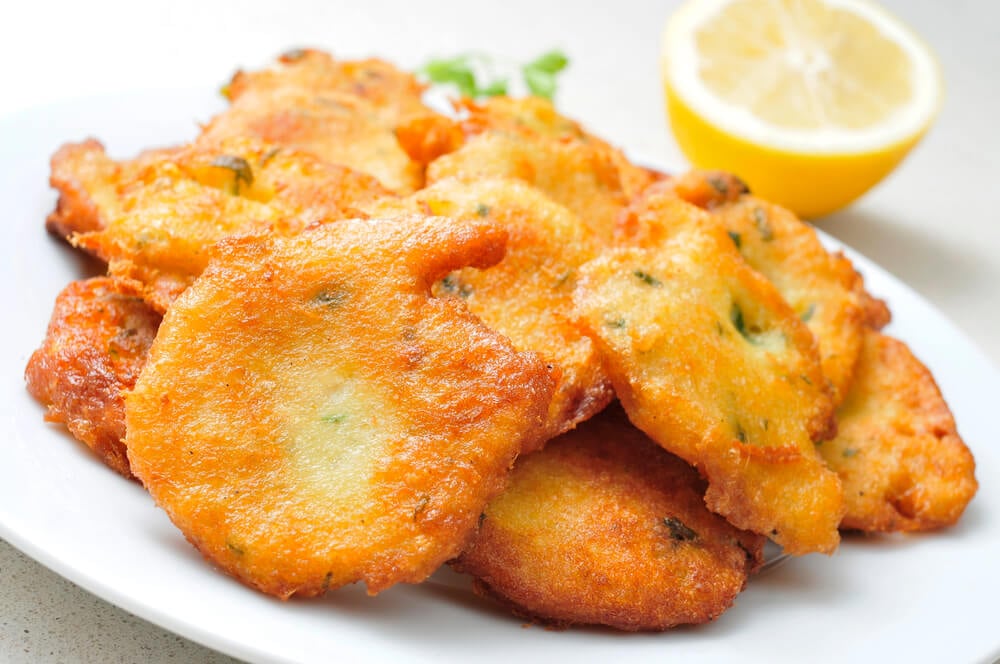
Codfish cakes were New England’s Friday supper, made from salt cod soaked overnight, flaked and mixed with mashed potato and egg, then fried until crusty. Salt cod had been a New England export for centuries, packed in wooden boxes that kept on a shelf without refrigeration.
Families ate the cakes with baked beans or a fried egg, and Portuguese communities in Massachusetts kept a close cousin called bolinhos de bacalhau. Salt cod now costs more than fresh fish in many places.
The overnight soak is enough to put most cooks off.
Salmon Mousse in a Fish Mold
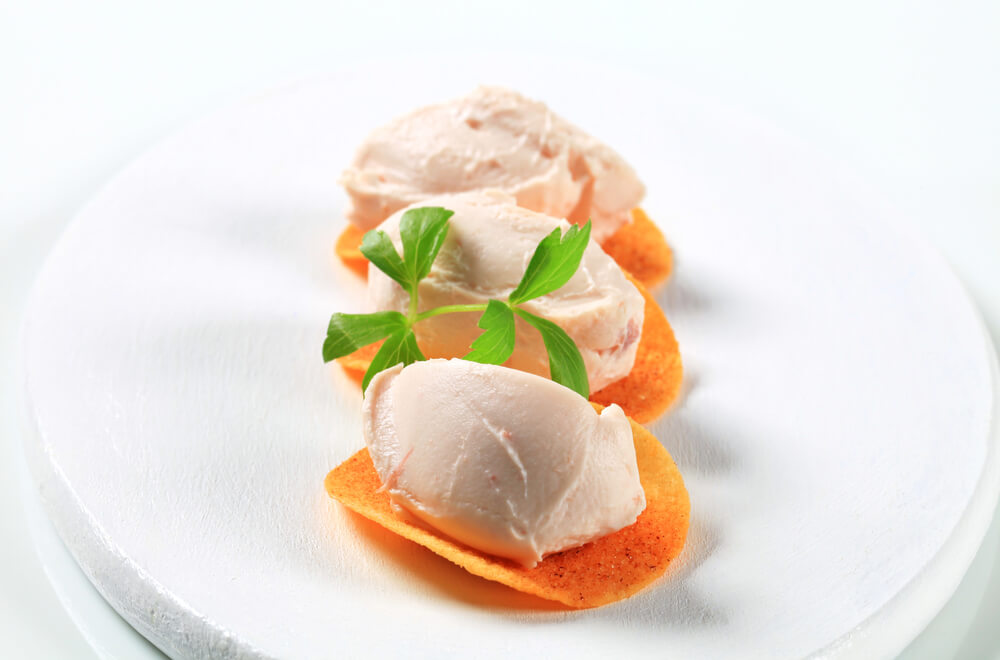
Salmon mousse was the buffet centerpiece of the 1960s and 1970s, whipped from canned or poached salmon, mayonnaise, sour cream, dill and unflavored gelatin, then chilled in a copper or aluminum mold shaped like a fish. Hosts decorated it with olive slices for eyes and thin cucumber rounds for scales.
It sat beside cheese logs and deviled eggs at cocktail parties. Gelatin-set savory food fell out of favor in the 1980s.
Those fish molds now show up at thrift stores and estate sales far more often than they show up holding mousse.
Tomato Aspic With Shrimp
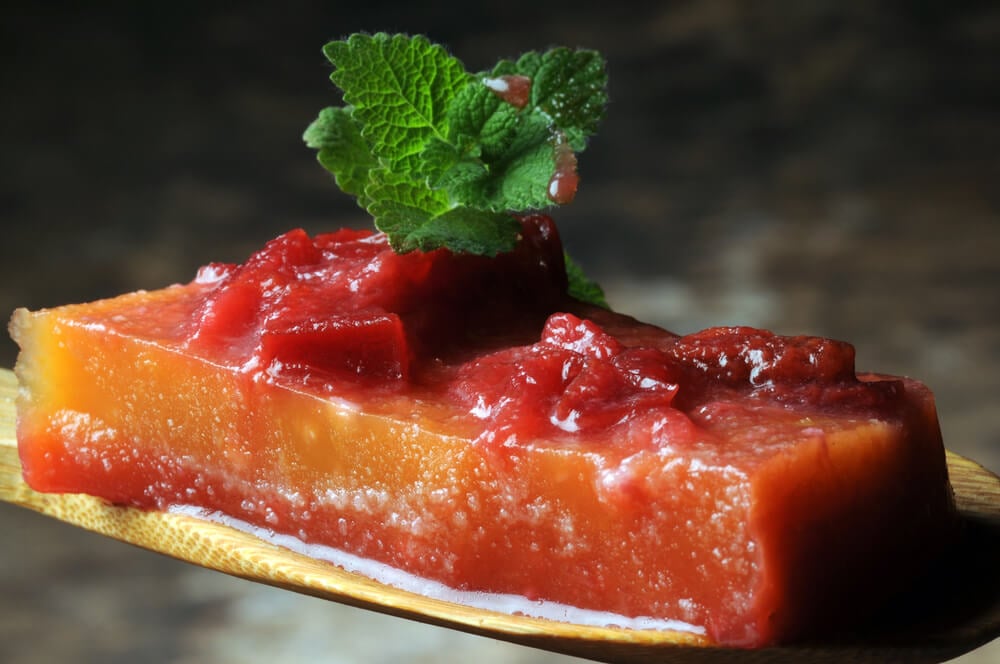
Tomato aspic was a fixture of Southern ladies’ luncheons, and the fancier version set boiled shrimp inside the shimmering red gelatin. Cooks thickened tomato juice with Knox gelatine, seasoned it with celery, onion, lemon and hot sauce, then chilled it in a ring mold and served it on lettuce with a dab of mayonnaise.
Knox began selling powdered gelatine in the 1890s, and its recipe booklets pushed savory molds hard for decades. Charleston and Savannah cooks still make aspic now and then.
Elsewhere, savory gelatin has become a punchline in jokes about midcentury food.
Creamed Tuna on Toast
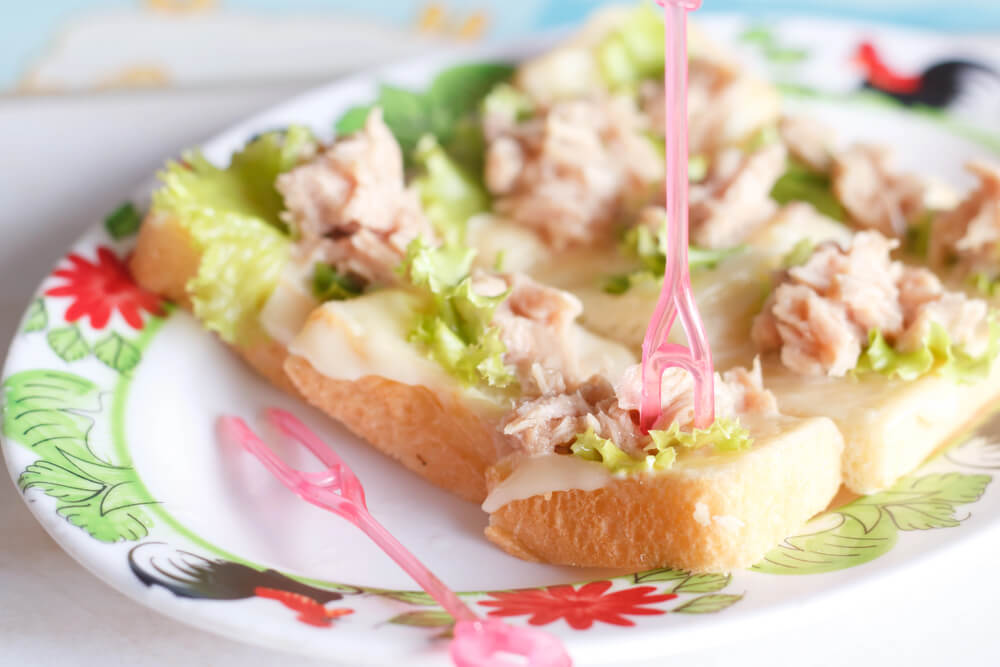
Creamed tuna on toast was the fast, cheap supper of the 1940s and 1950s, a can of tuna stirred into white sauce with peas and sometimes chopped hard-boiled egg, then poured over toast or biscuits. Wartime cookbooks pushed it as a way to stretch protein, and school cafeterias served it under various names.
It was a close cousin of creamed chipped beef. Few dishes ever required less skill.
Tuna is still a pantry staple, but it now goes into sandwiches and salads, and white sauce on toast reads as hospital food to many diners.
Shad Roe With Bacon in Spring
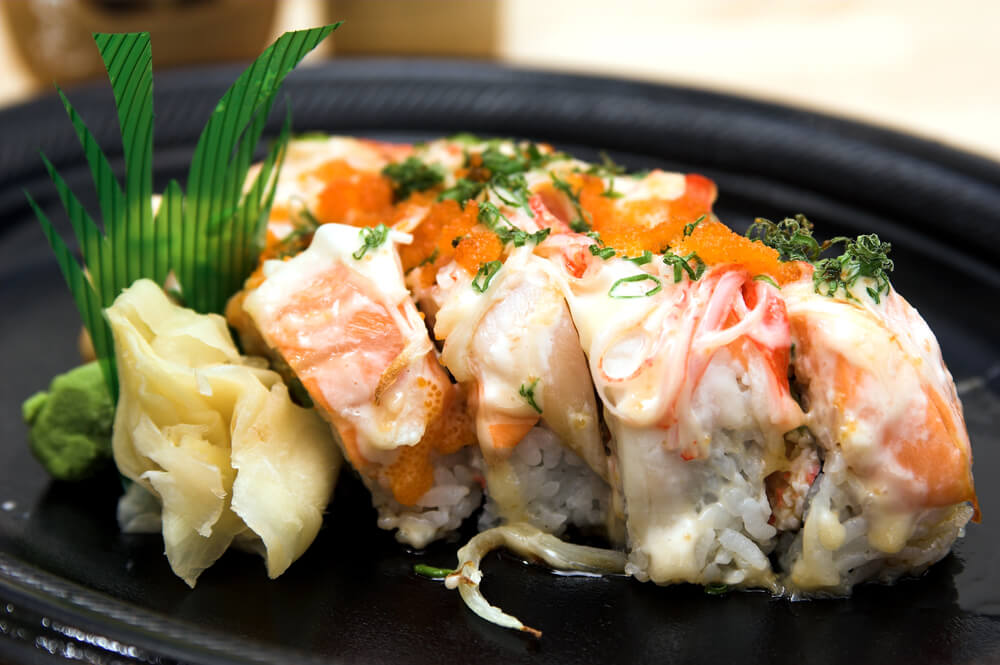
Shad roe marked the arrival of spring along the Atlantic Coast, when American shad swam up the Delaware, Hudson and Connecticut rivers to spawn. The paired roe sacs were pan-fried gently in bacon fat or butter and served with crisp bacon, lemon and sometimes asparagus.
Restaurants in Philadelphia and Washington advertised the first shad roe of the season like a holiday. Shad populations dropped sharply over the 20th century because of dams, pollution and overfishing.
The roe still appears for a few weeks each year at specialty markets, yet most younger diners have never tasted it.
Sole Veronique With Green Grapes
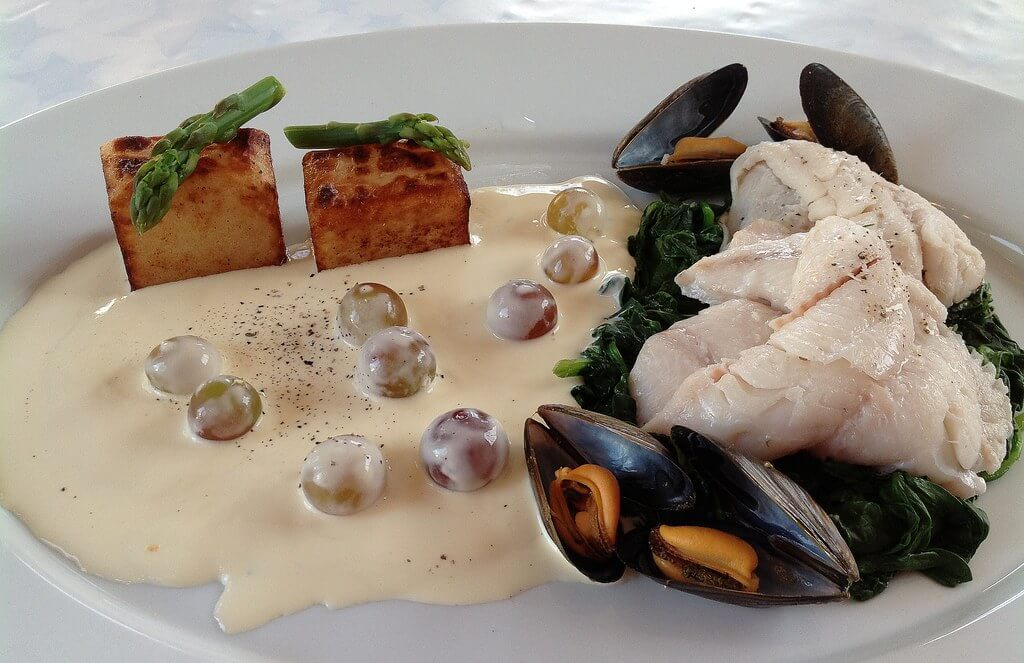
Sole Veronique pairs poached sole fillets with a white wine cream sauce and peeled green grapes, glazed under a broiler. The name is usually linked to Veronique, an 1898 operetta by Andre Messager, and some accounts credit the dish to the Ritz in Paris in its early years.
French-style restaurants in America kept it on menus through the 1960s. The pairing of fish and fruit now seems odd to many diners.
Peeling grapes by hand is fussy work as well, and fewer kitchens are willing to bother.
Kippered Herring at the Breakfast Table
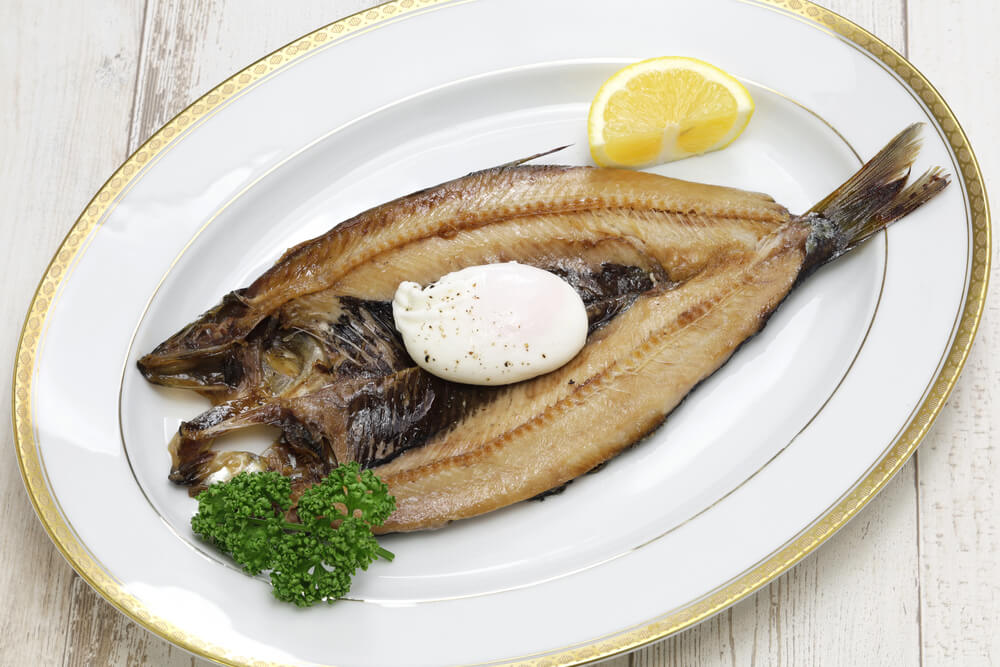
Kippered herring is split, salted and cold-smoked herring, and the method is commonly credited to John Woodger of Seahouses in Northumberland in the 1840s. Kippers became a British breakfast fixture, broiled with butter and served with toast, and American cookbooks carried them in the early 1900s.
Canned kippers sat on grocery shelves alongside sardines and anchovies. The smell was famous enough that cooks joked about opening the windows first.
Most American breakfast tables long ago swapped smoked fish for bacon and eggs, and kippers rarely appear at all.
Sour Cream Shrimp Victoria
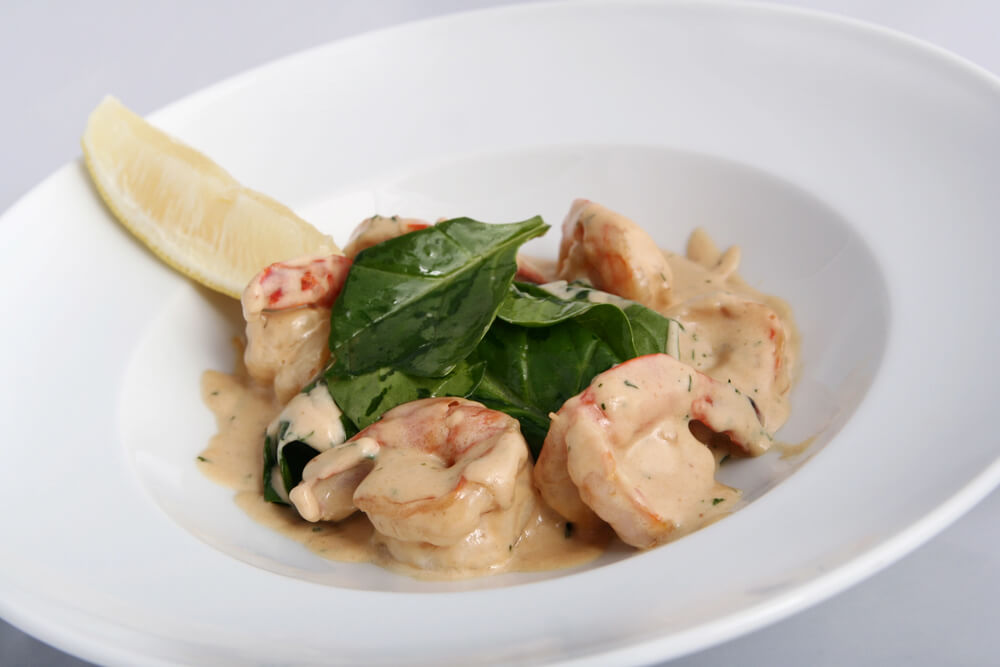
Shrimp Victoria was a cocktail-party and chafing-dish favorite of the 1950s and 1960s, made by sauteing shrimp with onion and mushrooms, then stirring in sour cream and a splash of sherry. Hosts spooned it over rice or into puff pastry shells at buffets.
Community cookbooks from church groups and Junior Leagues printed version after version under the same name. The origin of the name is hard to pin down.
The dish slipped away once sour cream sauces fell out of fashion, and few modern recipe sites carry it now.
Shells Left in the Back Cabinet
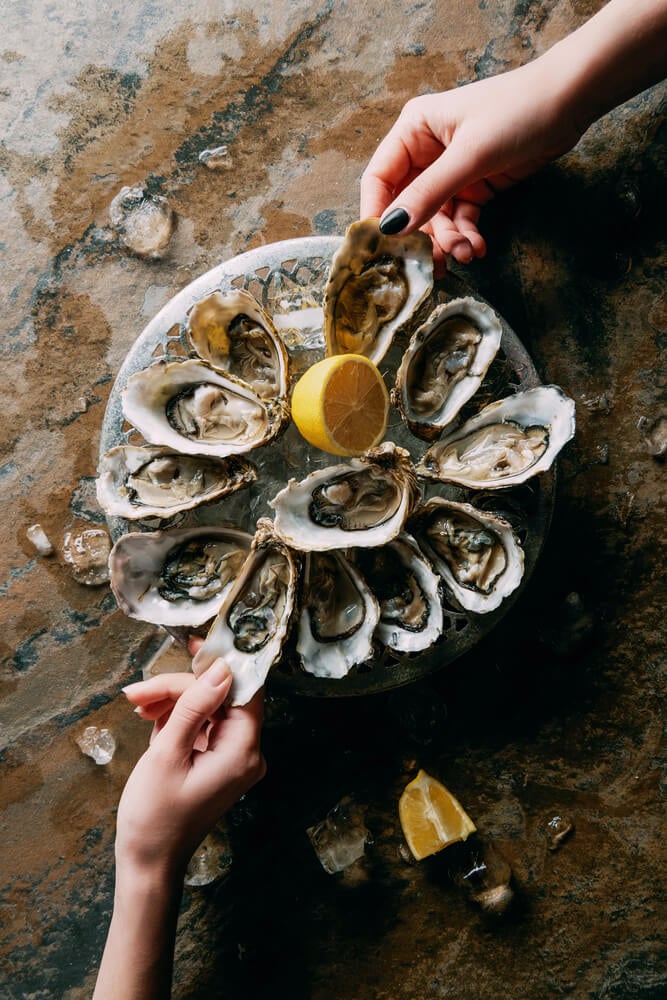
Most of these dishes did not vanish because they tasted bad. They vanished because the seafood got expensive, the techniques took time, or the serving pieces went out of style.
A recipe that needs a shucked dozen, a pour of sherry and a set of baking shells struggles in a kitchen built around thirty-minute dinners. Plenty of these recipes would hold up on a modern table with a little nerve and a good fishmonger.
Lobster Newburg is still delicious, and a proper oyster stew needs only a handful of ingredients. Old church cookbooks and handwritten recipe cards keep the instructions intact.
All that is missing is somebody willing to cook them again.
More from Go2Tutors!

- The Romanov Crown Jewels and Their Tragic Fate
- 13 Historical Mysteries That Science Still Can’t Solve
- Famous Hoaxes That Fooled the World for Years
- 15 Child Stars with Tragic Adult Lives
- 16 Famous Jewelry Pieces in History
Like Go2Tutors’s content? Follow us on MSN.