26 Ocean Explorers Whose Discoveries Changed History
The ocean covers about 71 percent of the planet, and for most of human history it was a barrier rather than a road. Each explorer who crossed it, mapped it or dove into it changed what people believed was possible.
Some sailed for gold, some for science and some simply to see what was out there. Their discoveries redrew maps, rerouted trade and revealed life in places nobody thought life could exist.
Pytheas of Massalia
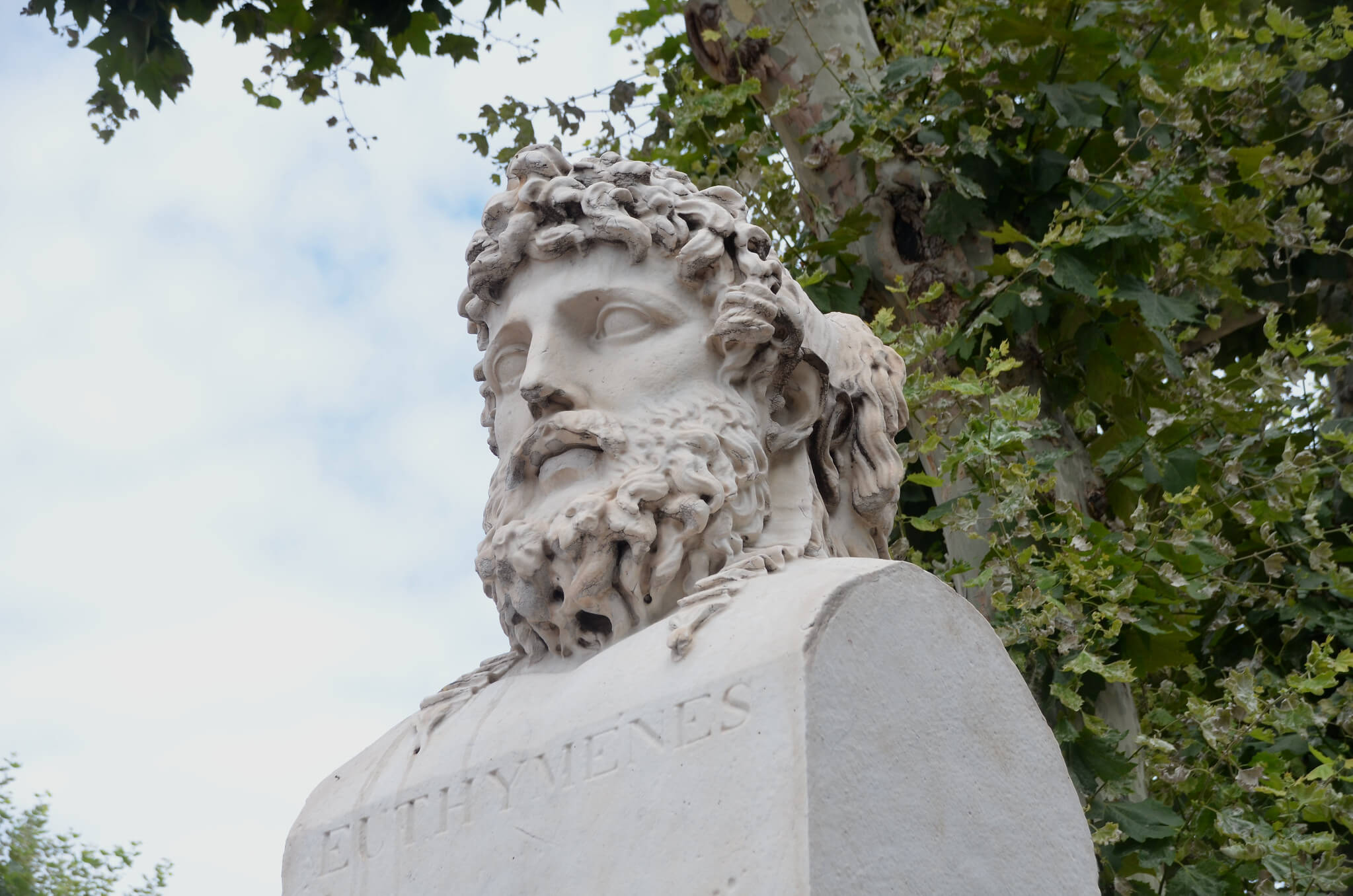
Pytheas was a Greek explorer from the colony of Massalia, now Marseille, who sailed into the North Atlantic around 325 BC. He circled much of Britain, described a distant northern land he called Thule, and wrote about a frozen sea where land, water and air seemed to blend together.
His book, On the Ocean, has been lost, and it survives only in quotations by later writers, many of whom mocked him. He was also among the first to connect the tides to the moon.
Later centuries proved much of what his critics doubted.
Leif Erikson Reaches Vinland
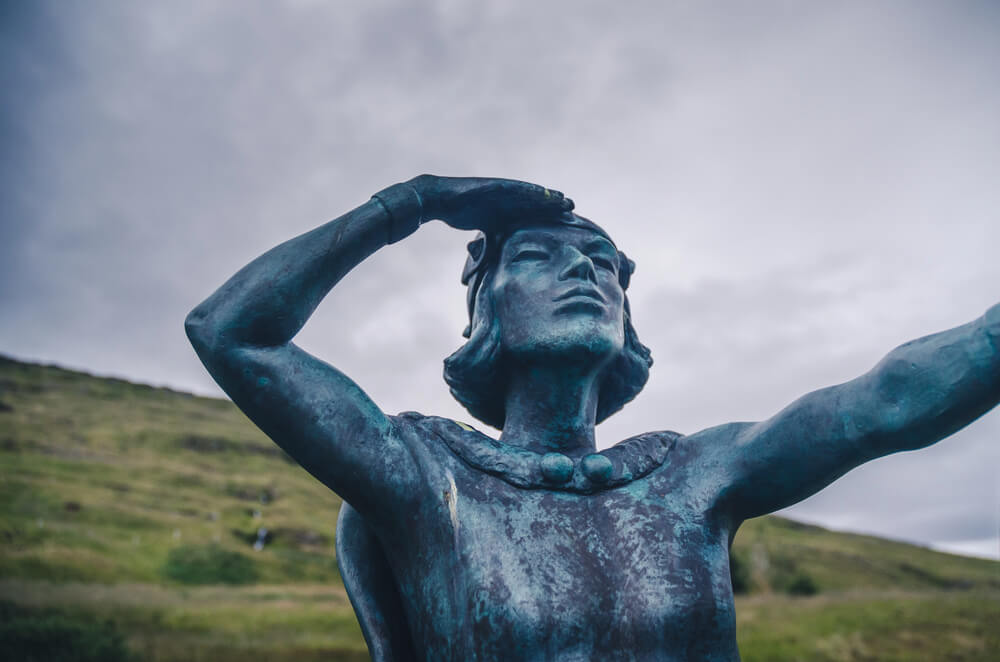
Leif Erikson, son of Erik the Red, sailed from Greenland to North America around the year 1000 and named a stretch of coast Vinland. For centuries the Norse sagas were the only evidence, until Norwegian explorers Helge and Anne Stine Ingstad identified a Norse site at L’Anse aux Meadows in Newfoundland in the 1960s.
A 2021 study of wood cut with metal tools there dated it precisely to the year 1021. That makes the site the earliest confirmed European presence in the Americas.
The Norse arrived nearly five centuries before Columbus.
Zheng He and the Treasure Fleets
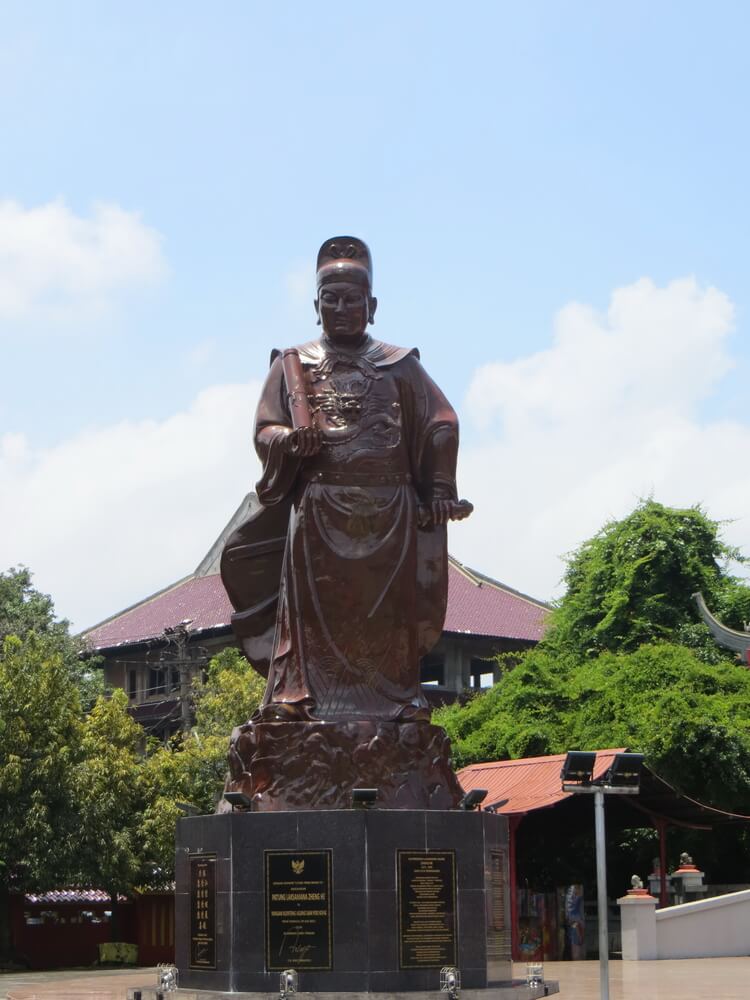
Zheng He commanded seven massive Chinese naval expeditions between 1405 and 1433 under the Ming dynasty, sailing through Southeast Asia, India, the Persian Gulf and the east coast of Africa. His fleets included enormous wooden treasure ships, though historians still debate their exact size.
The voyages carried diplomats, trade goods and gifts, and they brought back exotic animals, including a giraffe presented at the Ming court. China ended the expeditions soon after his death.
The decision turned the country inward just as European exploration was about to accelerate.
Bartolomeu Dias Rounds Africa
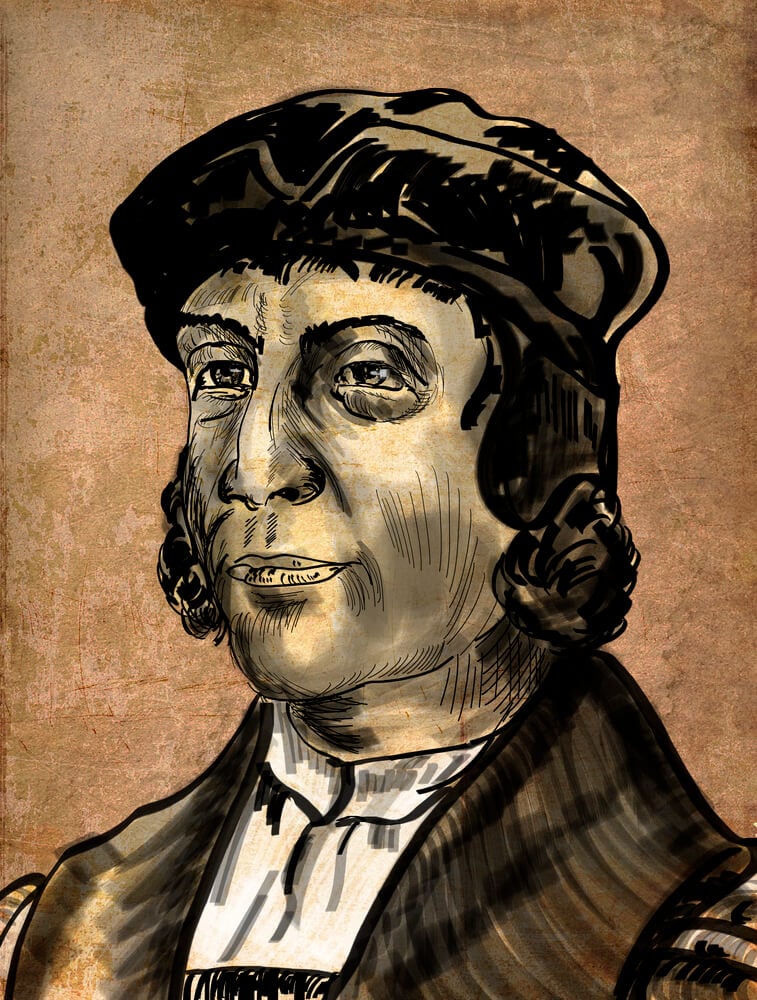
Portuguese navigator Bartolomeu Dias rounded the southern tip of Africa in 1488, proving that ships could sail from the Atlantic into the Indian Ocean. Storms pushed his ships far south, and he passed the cape without even seeing it before turning back east and north.
Dias reportedly named it the Cape of Storms, and the Portuguese king renamed it the Cape of Good Hope for the trade route it promised. His crew forced him to turn home before reaching India.
Dias died in 1500 when his ship sank near the same cape.
Christopher Columbus Crosses the Atlantic
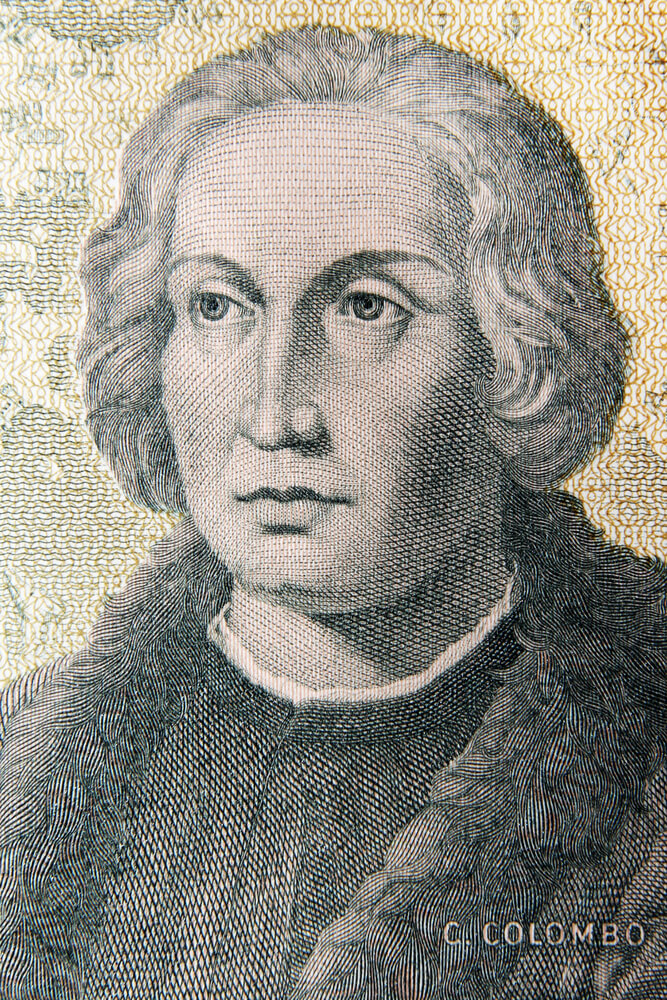
Christopher Columbus sailed from Spain in August 1492 with three ships and reached the Bahamas on October 12. He believed he had arrived in Asia and called the people he met Indians, a mistake that stuck for centuries.
His four voyages opened permanent contact between Europe and the Americas, setting off the Columbian Exchange of crops, animals, people and diseases between hemispheres. The consequences were enormous for both sides, and devastating for Indigenous populations.
Historians still argue over how to remember him, and several American cities have replaced Columbus Day with Indigenous Peoples’ Day. Few voyages in history reshaped the world as much.
Vasco da Gama Reaches India by Sea
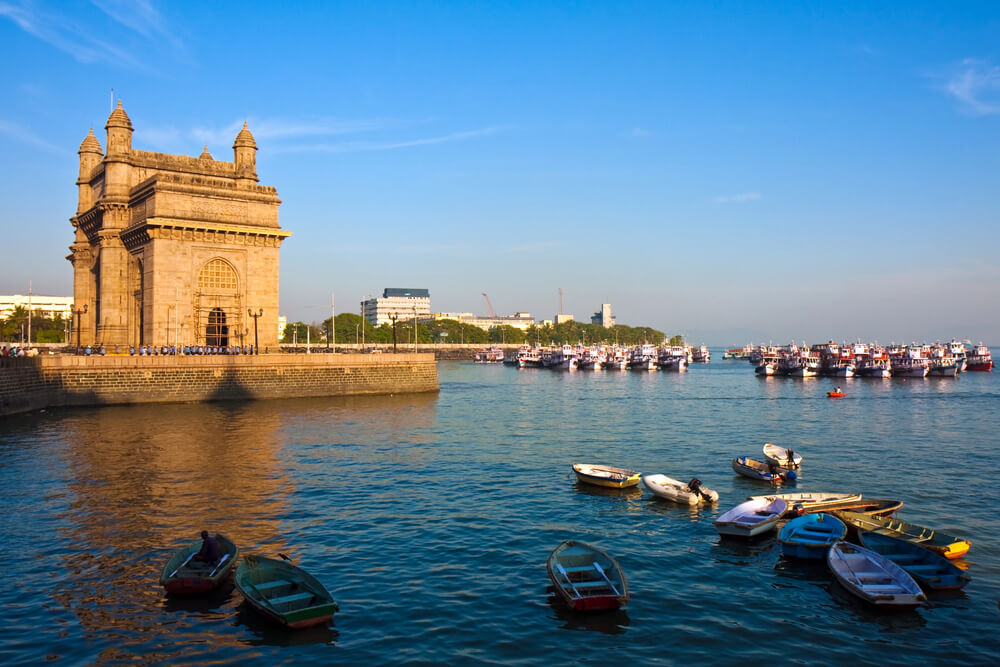
Vasco da Gama left Lisbon in 1497 and reached Calicut on the southwest coast of India in May 1498, completing the first direct sea route from Europe to Asia. The voyage built on Dias’s discovery and opened the spice trade to Portugal without passing through Arab and Venetian middlemen.
The return trip was brutal, and scurvy killed much of his crew. Portugal used the route to build a trading empire across the Indian Ocean.
Da Gama’s success shifted European wealth toward the Atlantic powers and away from the old Mediterranean trading cities.
Magellan and Elcano Circle the Globe
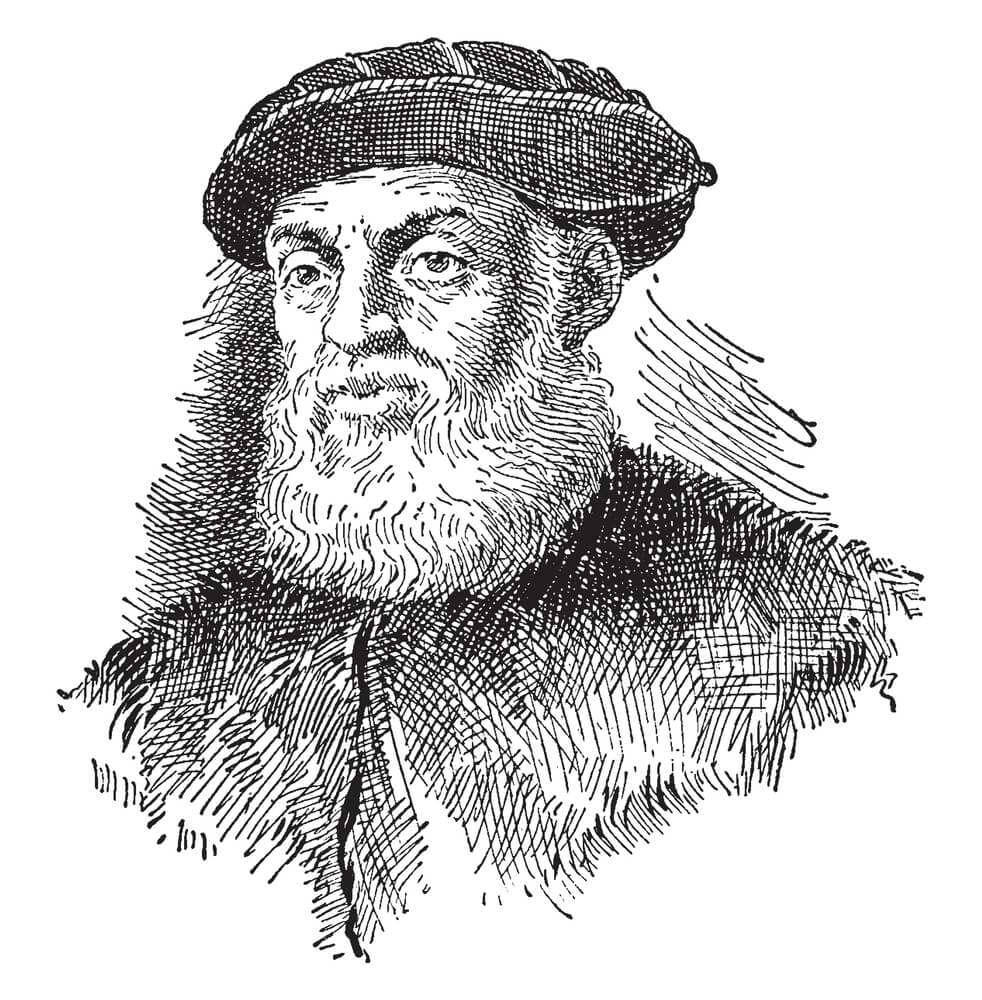
Ferdinand Magellan sailed from Spain in 1519 with five ships and roughly 270 men, seeking a western route to the Spice Islands. He found the strait at the southern tip of South America that now bears his name and crossed the vast ocean he called the Pacific.
Magellan was killed in the Philippines in 1521. Juan Sebastian Elcano took command and brought a single ship, the Victoria, back to Spain in 1522 with only 18 of the original crew.
The voyage proved the true size of the Earth.
Abel Tasman Charts the South Pacific
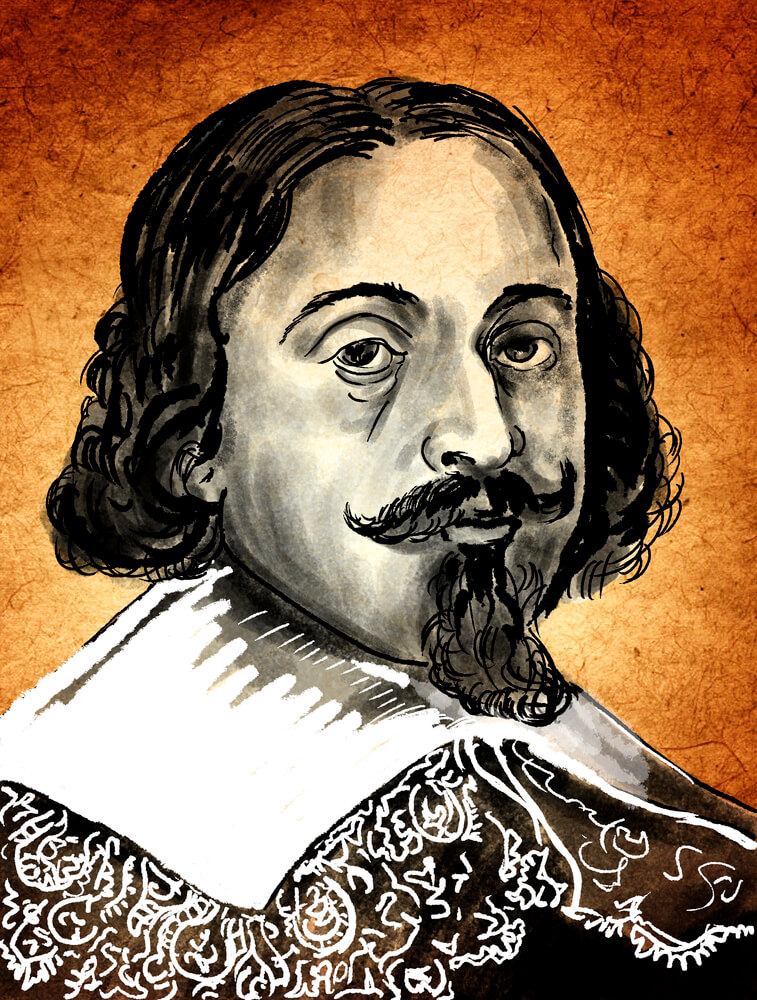
Dutch explorer Abel Tasman sailed for the Dutch East India Company in 1642 and became the first known European to reach Tasmania, which he named Van Diemen’s Land, and New Zealand. He sailed around Australia without ever seeing its mainland, proving it was not connected to a great southern continent as many had imagined.
A violent encounter with the Maori at what is now Golden Bay kept him from landing in New Zealand. His charts guided later explorers.
Tasmania and the Tasman Sea now carry his name.
Henry Hudson and the Northern Waters
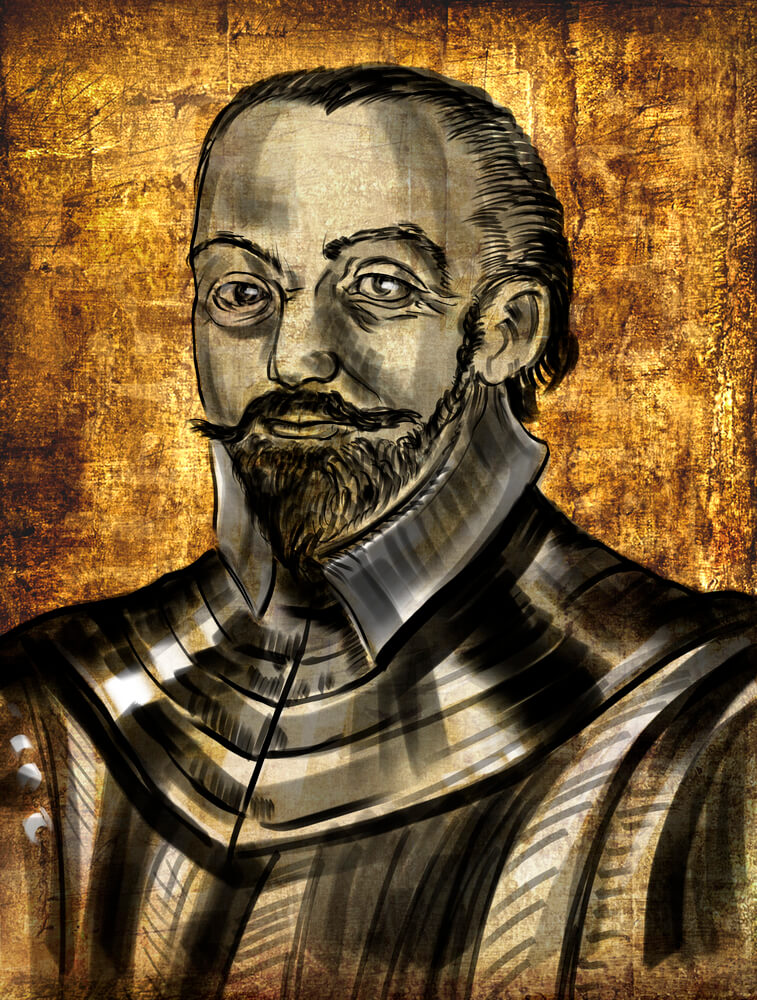
English navigator Henry Hudson made four voyages in search of a northern passage to Asia, and in 1609, sailing for the Dutch, he explored the river that now bears his name. That voyage led to Dutch settlement and the founding of New Amsterdam, later New York.
In 1610 he sailed into the enormous bay in northern Canada also named after him. His crew mutinied the following year and set him adrift with his son and loyal crew members.
They were never seen again, and his fate remains a mystery.
William Dampier, Pirate and Naturalist
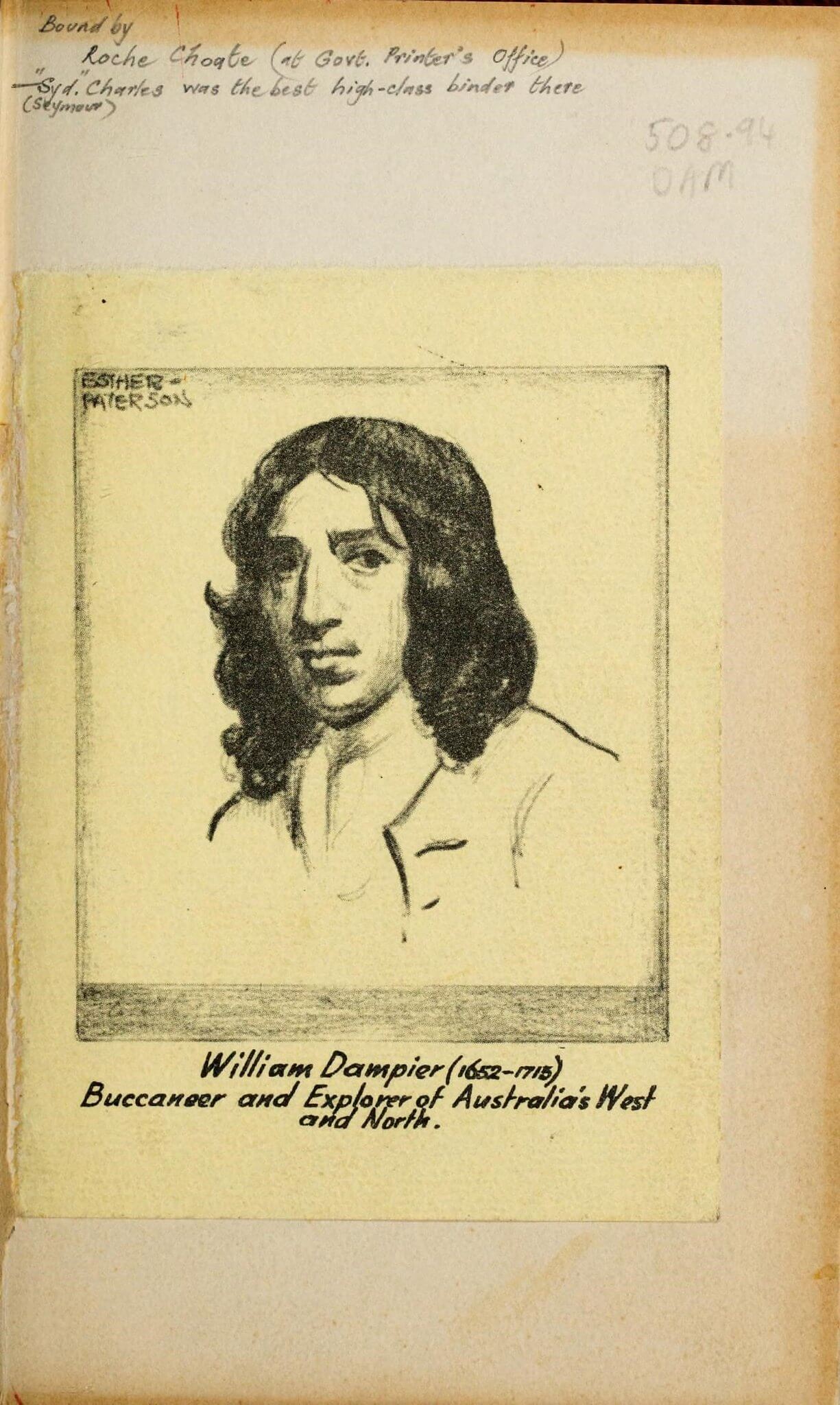
William Dampier was an English buccaneer who circled the globe three times in the late 1600s and early 1700s while keeping detailed notes on plants, animals, winds and currents. His book A New Voyage Round the World, published in 1697, became a bestseller and influenced writers including Daniel Defoe and Jonathan Swift.
Dampier is credited with some of the earliest recorded English uses of words such as avocado and barbecue. Charles Darwin later read his work closely.
A pirate became one of the most useful scientific observers of his era.
Vitus Bering in the North Pacific
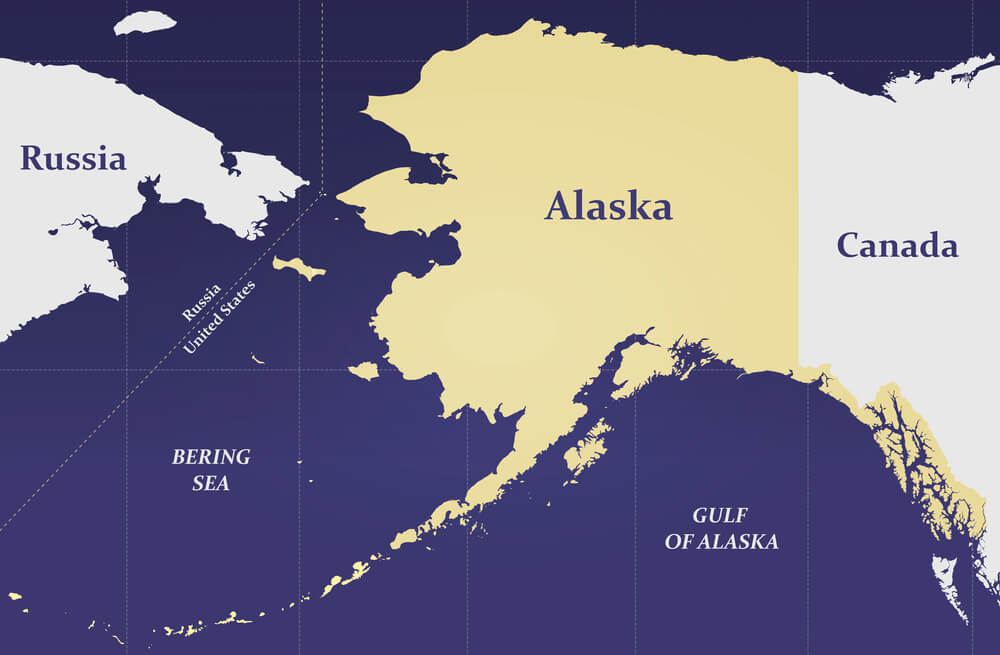
Danish-born navigator Vitus Bering sailed for the Russian navy and in 1728 passed through the strait that separates Asia from North America, now called the Bering Strait. On a second expedition in 1741, he reached the coast of Alaska, opening the way for the Russian fur trade in North America.
On the return voyage his ship wrecked on a barren island, and Bering died there of scurvy and exposure. The island, the strait and the sea all now carry his name.
His expeditions mapped vast stretches of the far north.
James Cook Maps the Pacific
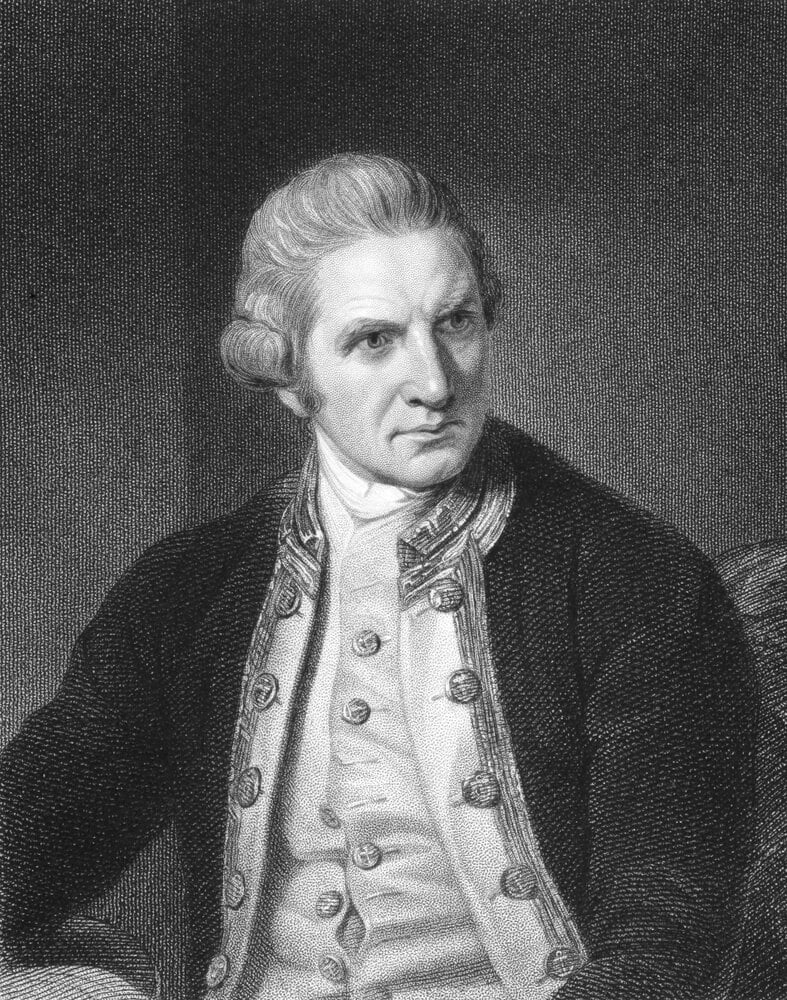
James Cook led three British voyages between 1768 and 1779 that mapped much of the Pacific, from New Zealand and the east coast of Australia to Hawaii and the Pacific Northwest. In January 1773 his ships made the first recorded crossing of the Antarctic Circle.
Cook proved there was no great habitable southern continent where geographers had long imagined one. He also fought scurvy with diet and cleanliness, losing few men to the disease.
Cook was killed in Hawaii in 1779, and his charts were used for generations.
Tupaia, the Polynesian Navigator

Tupaia was a Polynesian navigator and priest from Raiatea who joined James Cook’s first voyage in 1769. He drew a remarkable chart showing dozens of Pacific islands, drawing on generations of Polynesian wayfinding knowledge that relied on stars, swells and birds rather than instruments.
His skills helped Cook communicate with Maori in New Zealand, who treated Tupaia with great respect. He died of illness in Batavia in 1770.
His chart remains one of the most important records of Polynesian navigation ever made, and modern voyaging canoes such as Hokule’a have revived the same skills.
Benjamin Franklin Charts the Gulf Stream
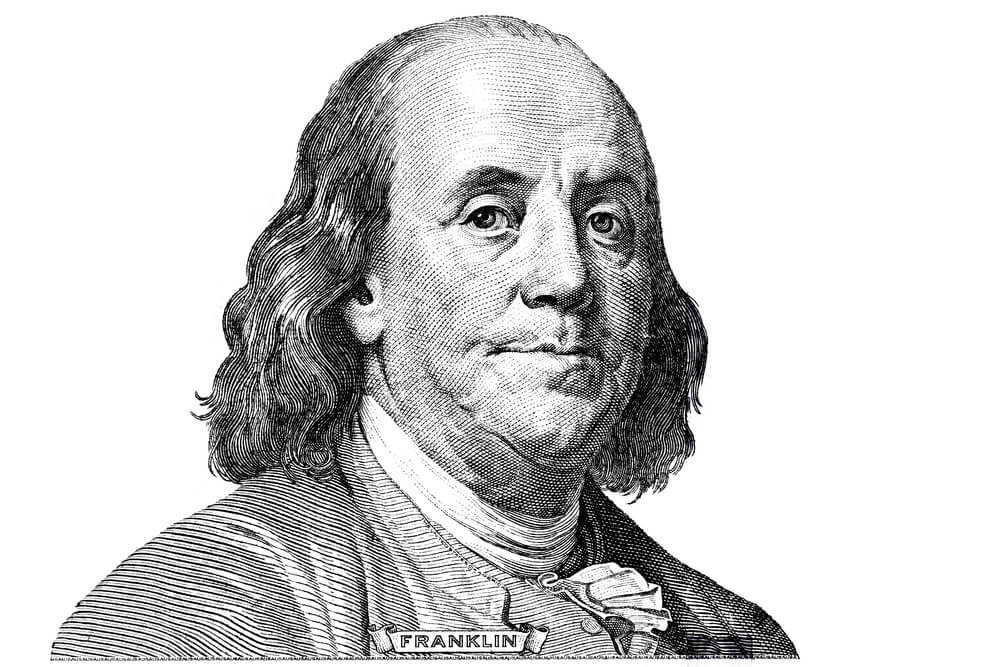
Benjamin Franklin noticed while serving as deputy postmaster general for the colonies that mail ships from England took weeks longer than merchant ships. His cousin Timothy Folger, a Nantucket whaling captain, explained that whalers knew to avoid a powerful current running up the Atlantic coast and across the ocean.
Franklin had the current charted and published around 1770, naming it the Gulf Stream. British captains largely ignored the chart at first.
They lost time fighting the current as a result. Modern satellite images show the chart was remarkably accurate.
Charles Darwin and the Coral Atolls
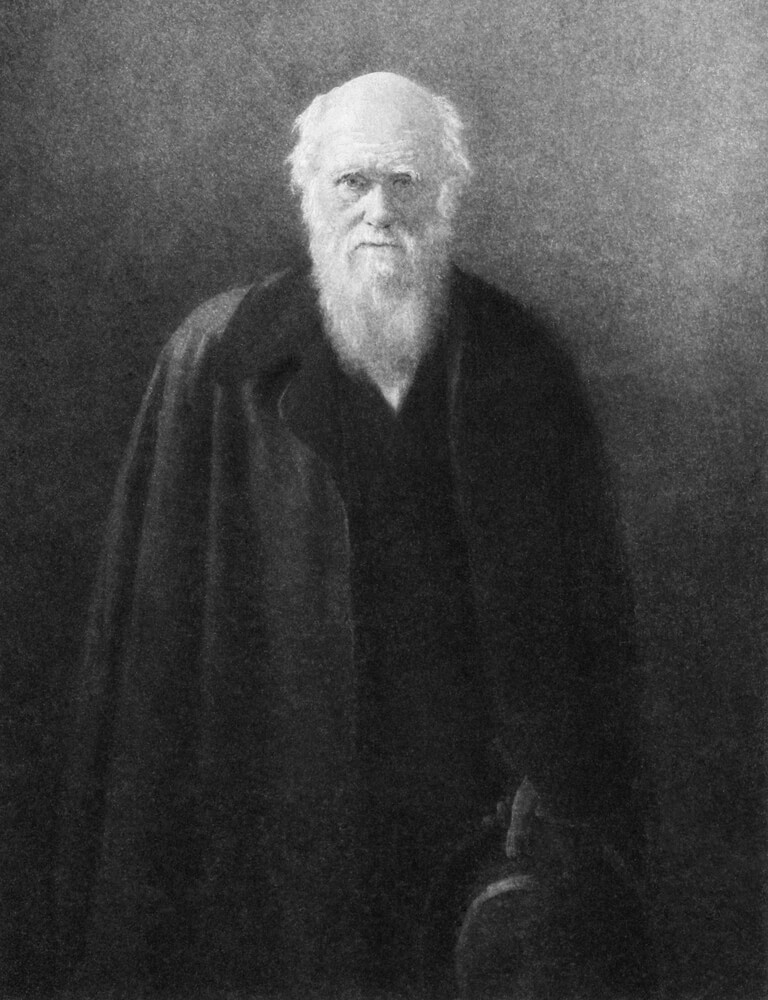
Charles Darwin sailed aboard HMS Beagle from 1831 to 1836, and his observations in the Galapagos Islands later shaped his theory of evolution. Less well known is his ocean science.
Darwin proposed that coral atolls form as reefs grow upward around volcanic islands that slowly sink beneath the sea. His theory was debated for more than a century.
Drilling on Enewetak Atoll in the early 1950s finally reached volcanic rock beneath thousands of feet of coral, confirming the idea. Darwin had been right about the seafloor long before anyone could test it.
Matthew Fontaine Maury, Pathfinder of the Seas
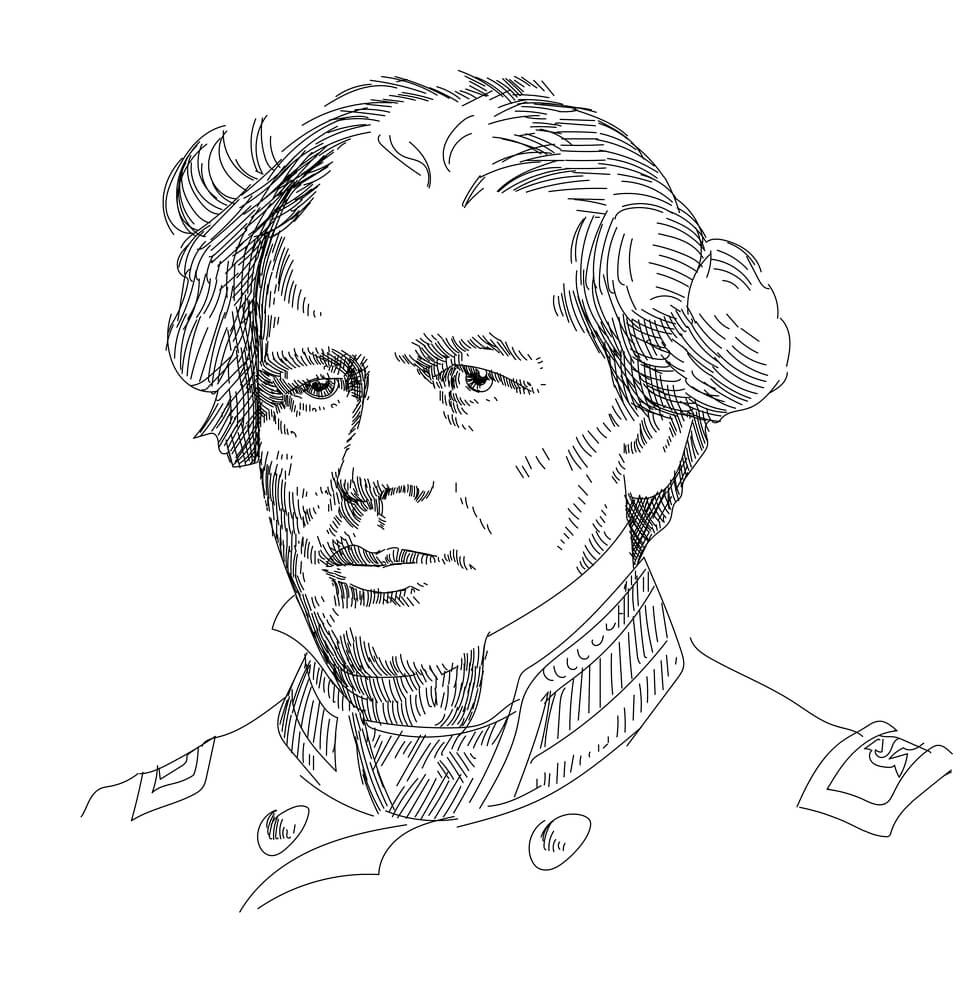
Matthew Fontaine Maury was a US Navy officer who collected thousands of old ship logbooks and used them to chart winds and currents across the oceans. His charts helped ships shave days or weeks off major routes, and captains around the world began sending him their own observations.
In 1855 he published The Physical Geography of the Sea, often called the first textbook of oceanography. Maury also pushed for international cooperation on weather data.
He earned the nickname Pathfinder of the Seas, though his decision to side with the Confederacy later cost him his post.
HMS Challenger and Wyville Thomson
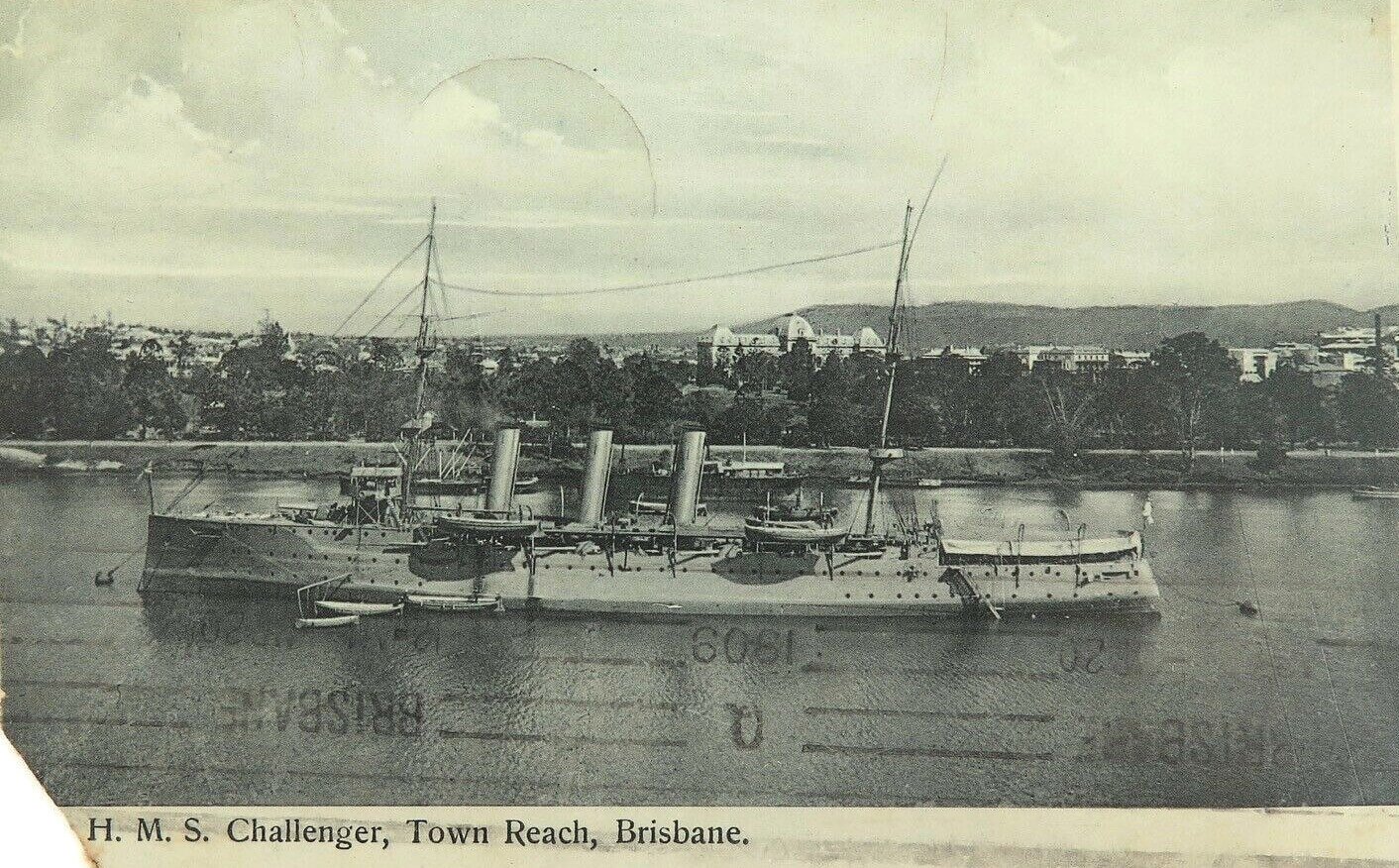
The HMS Challenger expedition, led scientifically by Charles Wyville Thomson, sailed from 1872 to 1876 and is often considered the founding voyage of modern oceanography. The ship covered roughly 70,000 nautical miles, sampling water, sediment and marine life at hundreds of stations.
Scientists described thousands of species new to science. A sounding near the Mariana Islands recorded one of the deepest points then known, and the deepest place in the ocean is now called the Challenger Deep.
The expedition’s results filled 50 volumes and took about two decades to publish.
Fridtjof Nansen and the Drift of the Fram
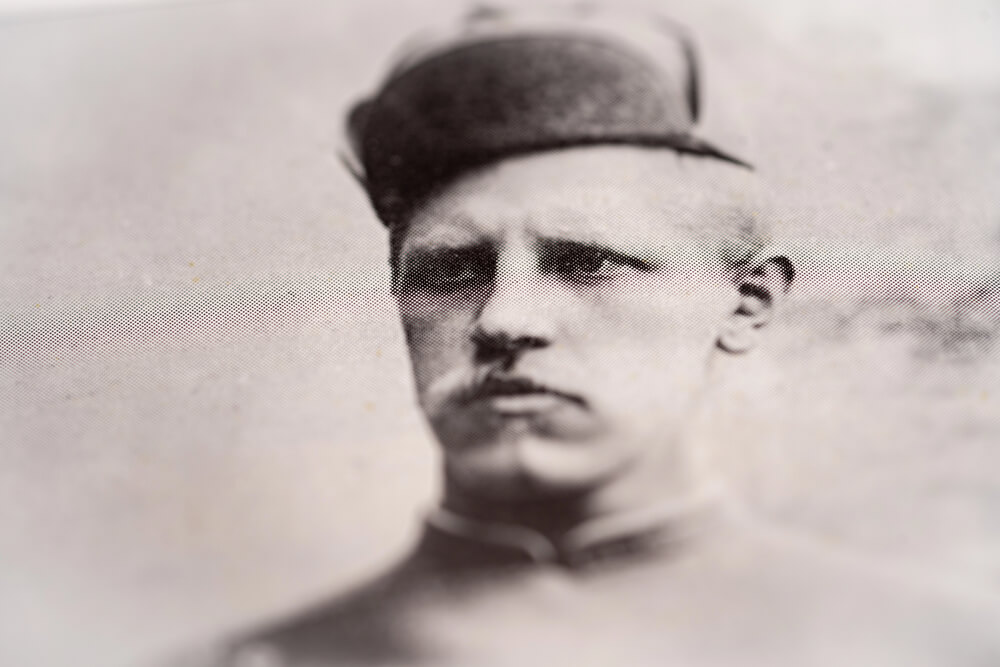
Norwegian scientist Fridtjof Nansen deliberately froze his ship Fram into the Arctic ice in 1893, betting that ocean currents would carry it across the polar region. The drift lasted about three years and proved that the Arctic was an ice-covered ocean rather than a landmass.
Nansen also designed a water-sampling bottle still associated with his name. He later won the Nobel Peace Prize in 1922 for refugee relief work after World War I.
Few explorers had a second career as distinguished as the first, and his ship Fram is now preserved in a museum in Oslo.
William Beebe and the Bathysphere
Naturalist William Beebe and engineer Otis Barton descended in a steel sphere called the bathysphere off Bermuda in 1934, reaching a depth of 3,028 feet. They were lowered on a cable from a ship and communicated by telephone with the crew above.
Beebe described glowing fish and creatures nobody had ever seen alive. Some scientists doubted his reports at the time.
The dives proved humans could observe the deep ocean directly. They also opened the way for every deep submersible that followed, from the Trieste to Alvin.
Jacques Cousteau and the Aqua-Lung
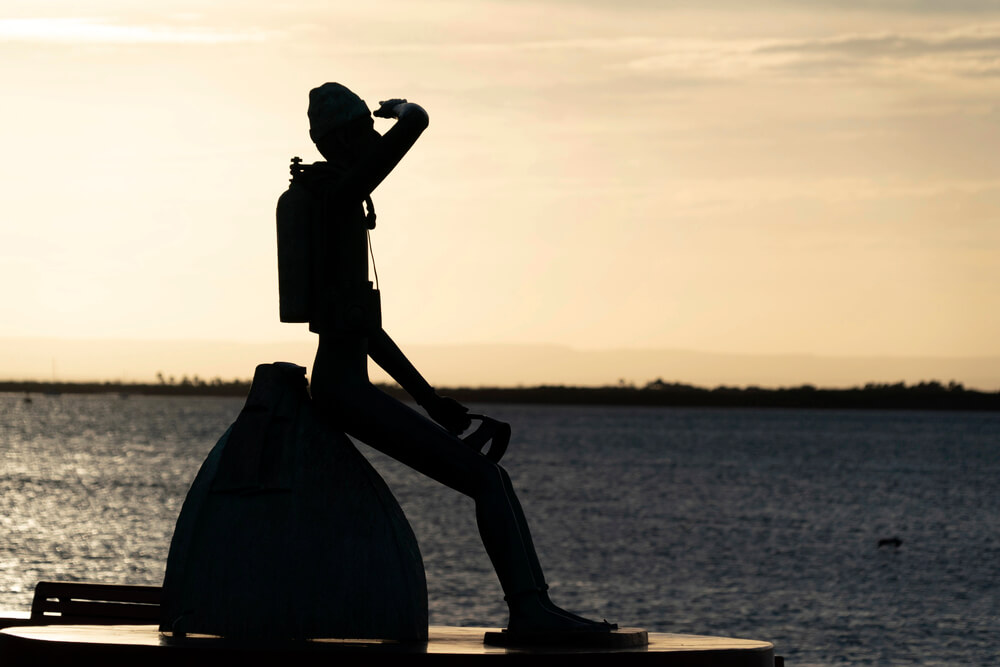
Jacques Cousteau and engineer Emile Gagnan developed the Aqua-Lung in 1943, a self-contained breathing system that let divers move freely underwater. The invention made modern scuba diving possible.
Cousteau then spent decades filming the ocean from his ship Calypso, and his documentary The Silent World won the top prize at the Cannes Film Festival in 1956. His television series brought undersea life into millions of living rooms.
Cousteau also became an early and vocal advocate for protecting the oceans, warning about pollution and overfishing decades before those ideas went mainstream.
Thor Heyerdahl and the Kon-Tiki
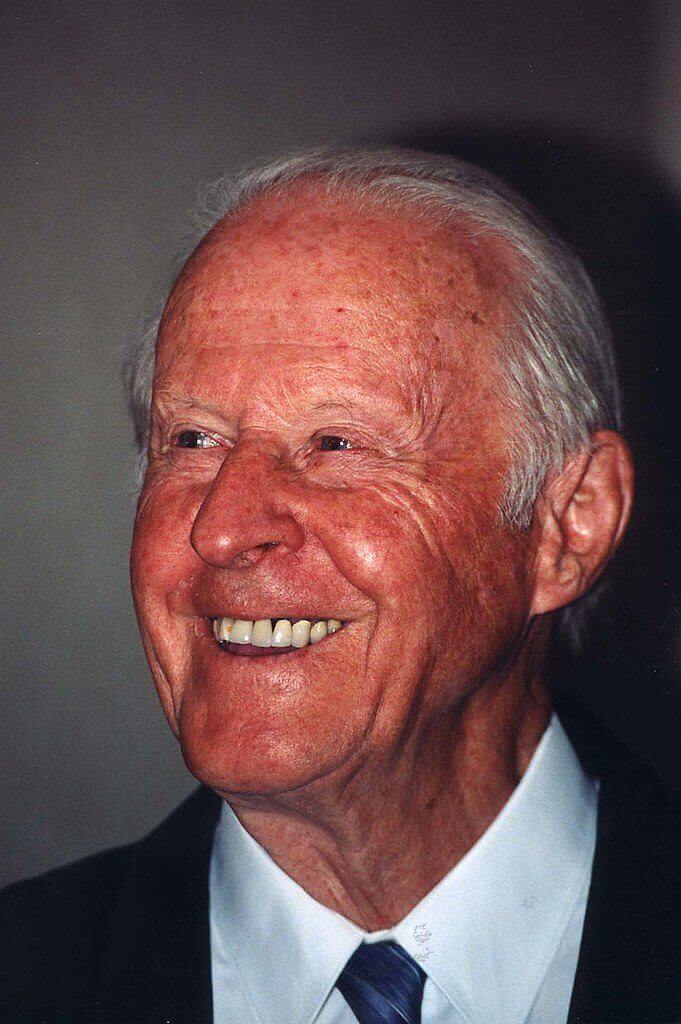
Norwegian adventurer Thor Heyerdahl sailed a balsa wood raft named Kon-Tiki from Peru across the Pacific in 1947, reaching the Tuamotu Islands after 101 days at sea. He wanted to show that ancient South Americans could have reached Polynesia.
Most scientists rejected his theory about Polynesian origins, and later genetic research pointed mainly to Asian ancestry. Yet the voyage proved such crossings were physically possible.
Heyerdahl’s book about the trip became an international bestseller, and the documentary won an Academy Award. The original raft now sits in a museum in Oslo.
Marie Tharp Maps the Ocean Floor
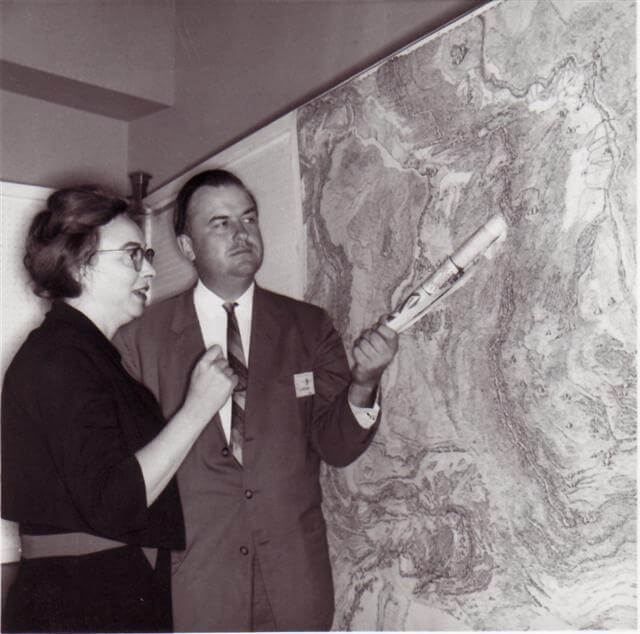
Geologist Marie Tharp worked at Columbia University in the 1950s, turning sonar soundings into maps of the seafloor at a time when women were barred from research ships. She noticed a deep valley running along the center of the Mid-Atlantic Ridge and argued it was a rift where the seafloor was spreading apart.
Her colleague Bruce Heezen first dismissed the idea. The rift turned out to be key evidence for plate tectonics.
Her 1977 World Ocean Floor map, made with Heezen and artist Heinrich Berann, remains famous.
Jacques Piccard and Don Walsh in the Trieste
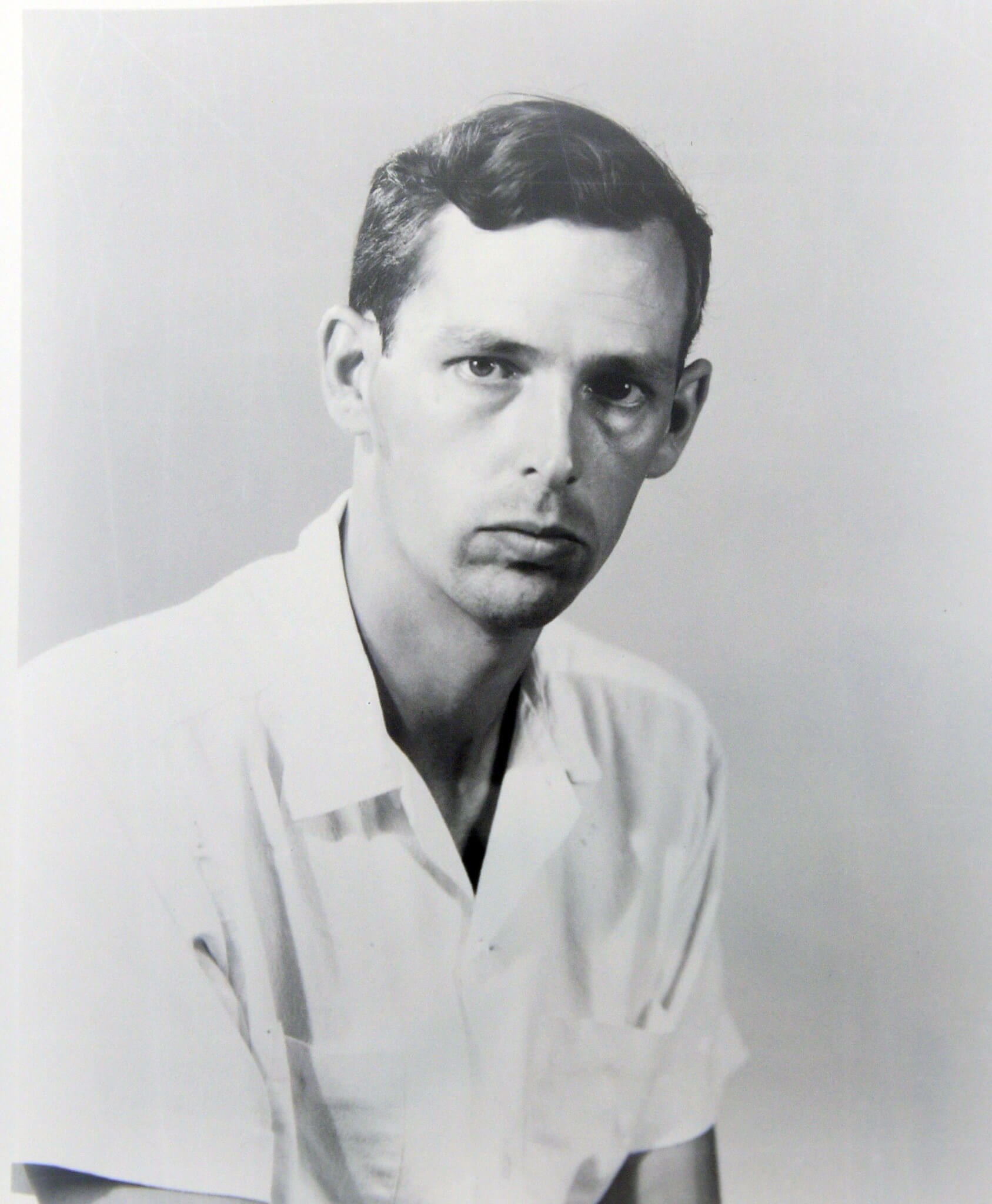
Swiss engineer Jacques Piccard and US Navy Lieutenant Don Walsh descended to the bottom of the Challenger Deep in the bathyscaphe Trieste on January 23, 1960. They reached a depth of roughly 35,800 feet, the deepest point in the ocean.
The Trieste had been designed by Piccard’s father, Auguste. During the descent a window cracked, but they continued.
At the bottom, Piccard reported seeing a flatfish, though scientists still debate that sighting. Nobody returned to the bottom of the trench for more than 50 years.
Alvin Finds the Hydrothermal Vents
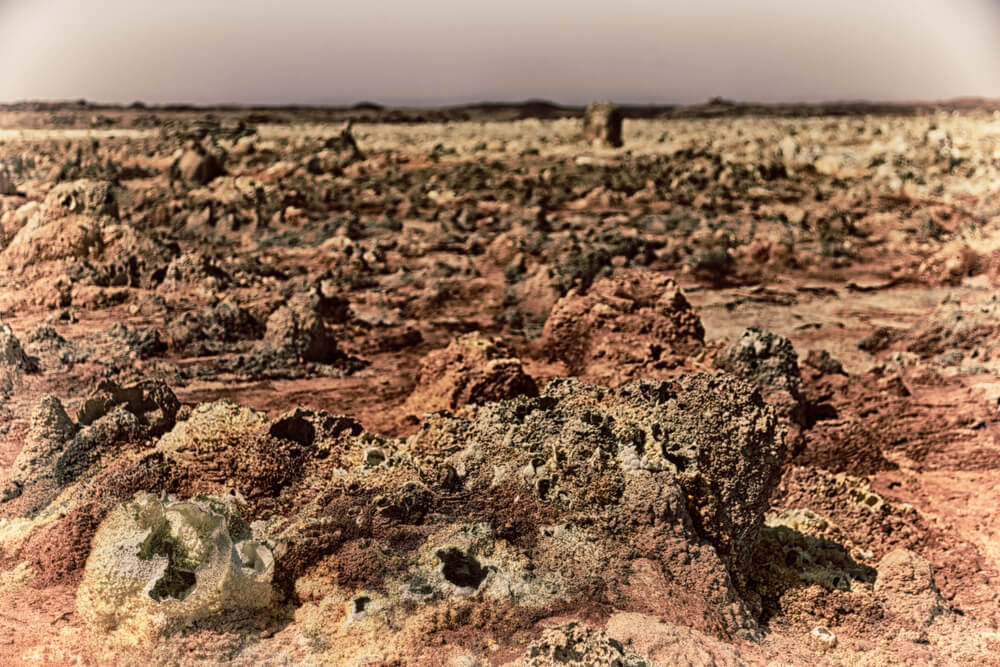
In February 1977, scientists aboard the deep submersible Alvin explored the Galapagos Rift in the Pacific and found hot springs on the seafloor surrounded by thriving life. Giant tube worms, clams and mussels lived in total darkness, relying on bacteria that drew energy from chemicals in the vent water rather than sunlight.
The discovery changed biology, showing that entire ecosystems could exist without the sun. It also shaped theories about the origins of life.
Researchers have since found vents in oceans around the world, and new vent species keep turning up on expeditions.
Sylvia Earle Walks the Seafloor

Marine biologist Sylvia Earle made a record dive in 1979 off Oahu, walking untethered on the seafloor at about 1,250 feet in a pressurized diving suit called a JIM suit. She spent two and a half hours exploring the bottom, studying glowing corals and marine life.
Earle later became the first woman to serve as chief scientist of the National Oceanic and Atmospheric Administration. She has spent decades campaigning for marine protected areas.
Admirers call her Her Deepness, and she has kept diving well into her eighties.
Victor Vescovo Reaches the Five Deeps
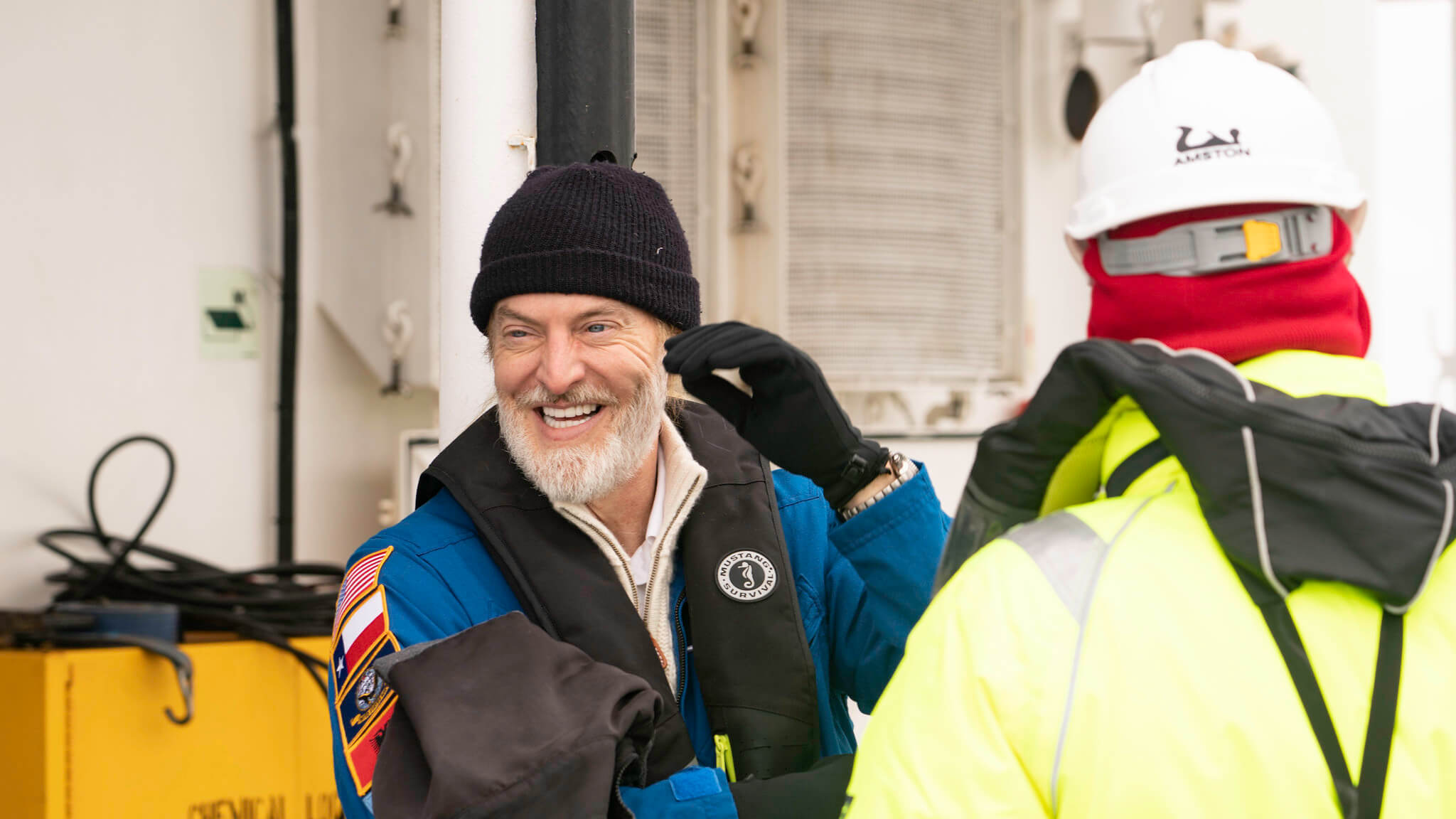
American investor and explorer Victor Vescovo completed the Five Deeps Expedition in 2019, descending to the deepest point of all five oceans in a submersible called Limiting Factor. He made several dives to the bottom of the Challenger Deep, building on filmmaker James Cameron’s solo dive there in 2012.
The expedition mapped trenches and collected samples from places no human had ever visited. Unfortunately, the team also found plastic waste on the seafloor.
The deepest parts of the ocean are no longer beyond human reach.
Horizons Pushed Ever Deeper
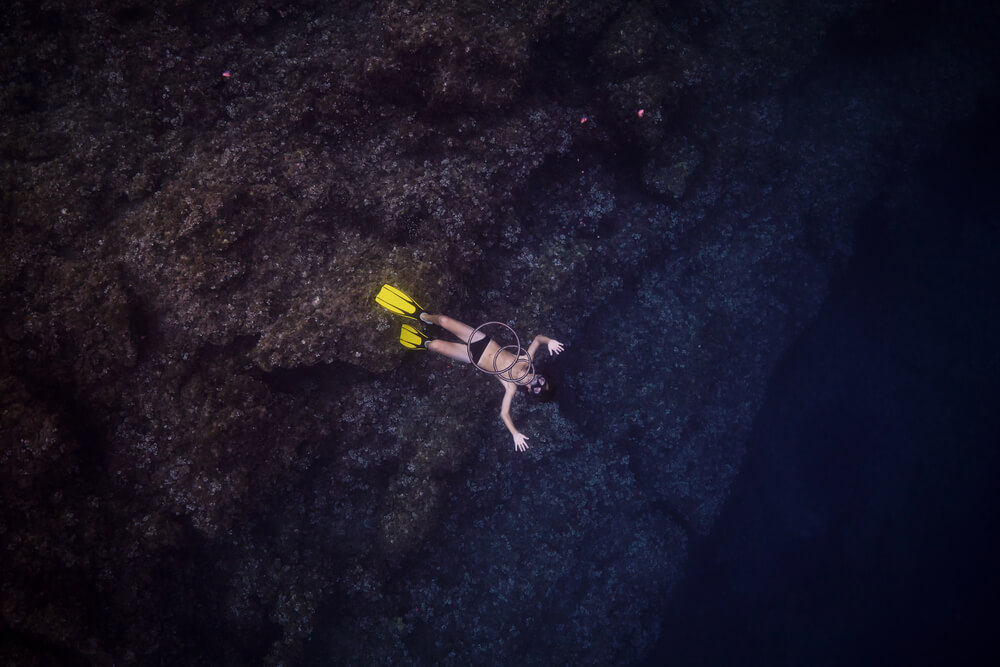
Early explorers measured success by distance, sailing farther than anyone had before. Later explorers measured it by depth, pushing down into the dark rather than out across the waves.
Both kinds of discovery changed the way people understood the planet. Much of the ocean floor is still poorly mapped, and scientists keep finding new species on almost every deep expedition.
The work begun by Pytheas, Cook and Tharp is far from finished. Each new map reveals how much remains unknown.
The next explorer to change history may already be studying the data.
More from Go2Tutors!

- The Romanov Crown Jewels and Their Tragic Fate
- 13 Historical Mysteries That Science Still Can’t Solve
- Famous Hoaxes That Fooled the World for Years
- 15 Child Stars with Tragic Adult Lives
- 16 Famous Jewelry Pieces in History
Like Go2Tutors’s content? Follow us on MSN.