Athletes Who Dominated in Multiple Sports
Becoming a professional athlete requires talent, dedication, and more than a little chance. Making it to the top of one sport puts you in rare company.
Dominating two or more sports simultaneously? That places you in an almost impossibly small group of athletic freaks who rewrote what people thought was possible.
Jim Thorpe Set the Standard
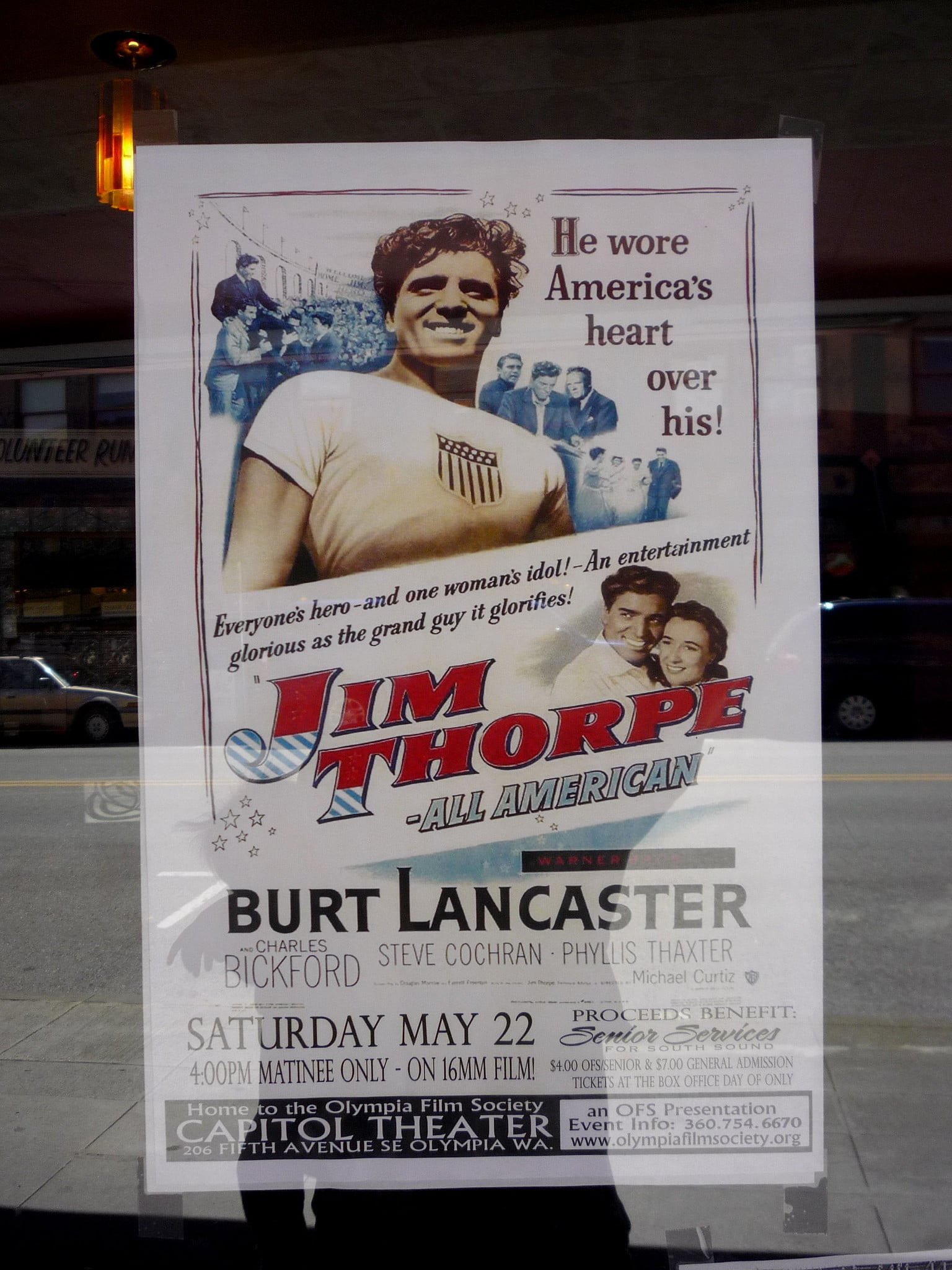
Jim Thorpe accomplished more before 1920 than most athletes manage in an entire career. At the 1912 Stockholm Olympics, he won gold medals in both the decathlon and pentathlon.
King Gustav V of Sweden called him the greatest athlete in the world. Thorpe agreed.
The Olympic committee stripped his medals in 1913 after discovering he had played semi-professional baseball in 1909 and 1910. The amateur-only rules were strictly enforced.
The medals were posthumously returned to his family in 1982, decades after his death.
Thorpe played professional football for 13 years. He was a charter member of what became the National Football League and later made the Pro Football Hall of Fame.
He also played six years of Major League Baseball and barnstormed as a professional basketball player. A member of the Sac and Fox Nation, Thorpe was the first Native American to win Olympic gold for the United States.
His athletic versatility remains unmatched more than a century later.
Bo Jackson Made It Look Easy
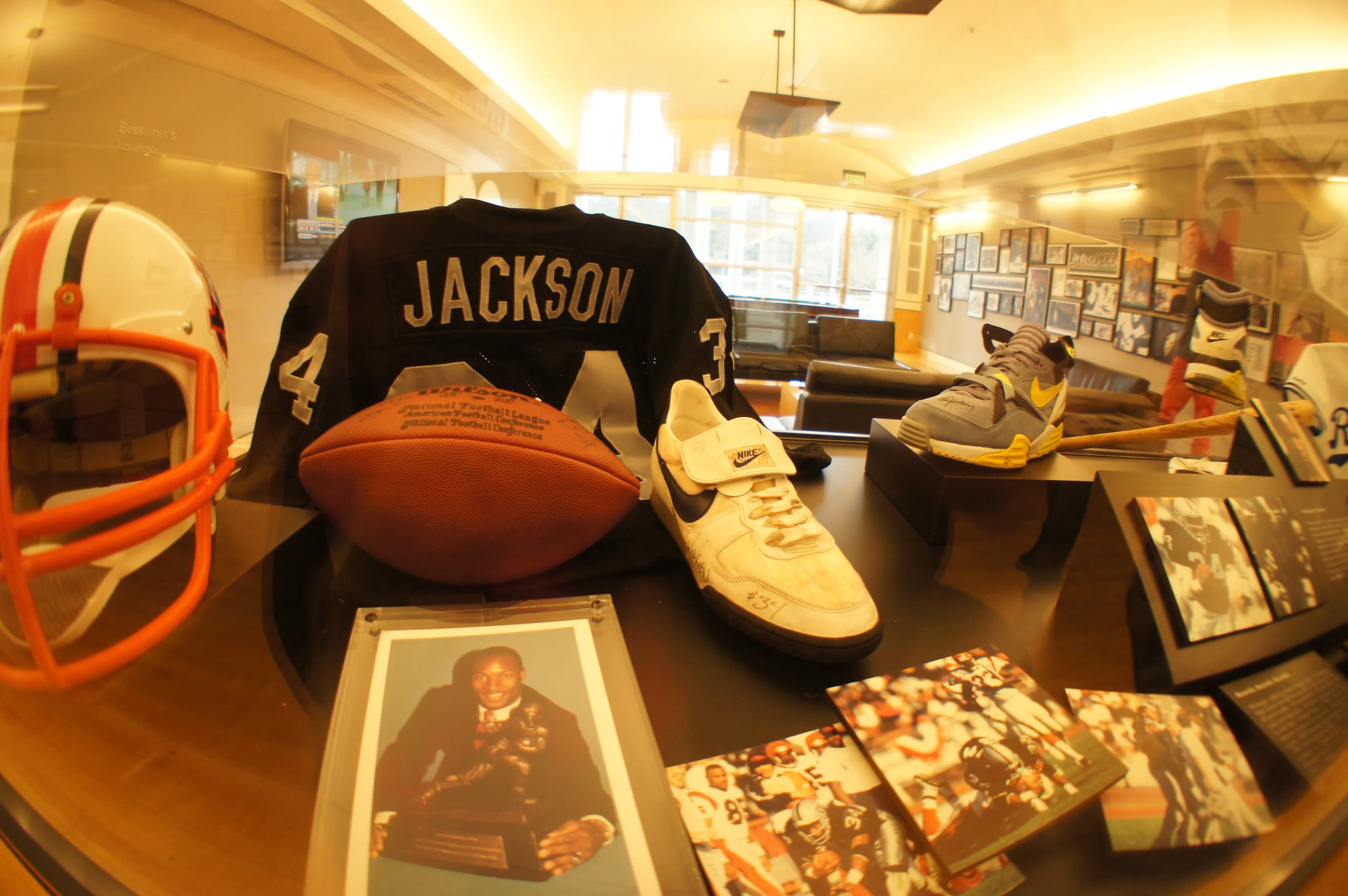
Bo Jackson won the Heisman Trophy at Auburn in 1985. The Tampa Bay Buccaneers selected him first overall in the 1986 NFL Draft, but he refused to sign.
The Los Angeles Raiders took a chance on him in the seventh round of the 1987 draft. The Kansas City Royals had already drafted him for baseball in 1986.
Jackson decided to play both sports professionally at the same time. He played in 38 games across parts of four seasons in the NFL, all with the Raiders.
During that span, he rushed for 18 touchdowns and made the Pro Bowl in 1990. His baseball career lasted longer.
Jackson played eight seasons in Major League Baseball, hitting 141 home runs and making the 1989 All-Star Game, where he was named MVP. Jackson’s career ended prematurely due to a hip injury suffered during a 1991 playoff game.
The injury eventually required hip replacement surgery. He tried to continue playing baseball but retired in 1994.
People still debate what Jackson could have accomplished with a full, healthy career. His combination of size, speed, and power made him unlike anyone before or since.
The Nike “Bo Knows” advertising campaign captured his dominance across multiple sports.
Deion Sanders Played Two Sports in One Day
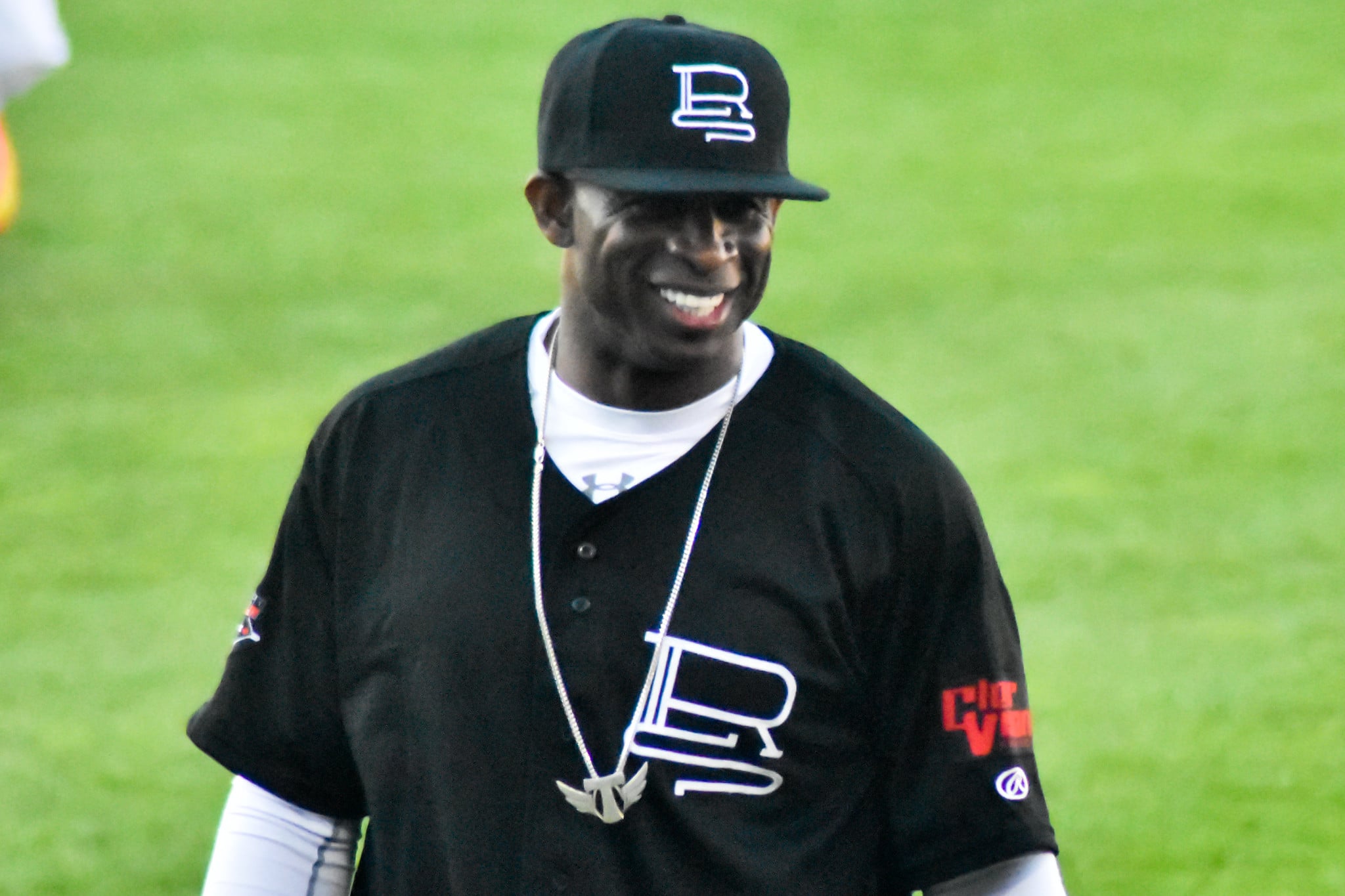
Deion Sanders spent nine years playing professional baseball while simultaneously playing 14 seasons in the NFL. He won two Super Bowl rings and made six First-Team All-Pro selections as a shutdown cornerback.
His 53 career interceptions and 22 return touchdowns cemented his place in the Pro Football Hall of Fame. Sanders also played nine seasons of Major League Baseball.
His most famous day came on October 11, 1992. He started at cornerback for the Atlanta Falcons against the Miami Dolphins.
After the game, he boarded a chartered jet to Pittsburgh to join the Atlanta Braves for Game 5 of the National League Championship Series that same night. The baseball establishment criticized Sanders for the stunt.
He suited up but didn’t play that night. The larger point stood: Sanders remains the only athlete to appear in both a Super Bowl and a World Series.
He played in Super Bowl XXX with the Dallas Cowboys and in the 1992 World Series with the Atlanta Braves. Sanders also ran track at Florida State University.
His speed and athleticism across multiple sports earned him the nickname “Prime Time.”
Jim Brown Could Have Dominated Anywhere
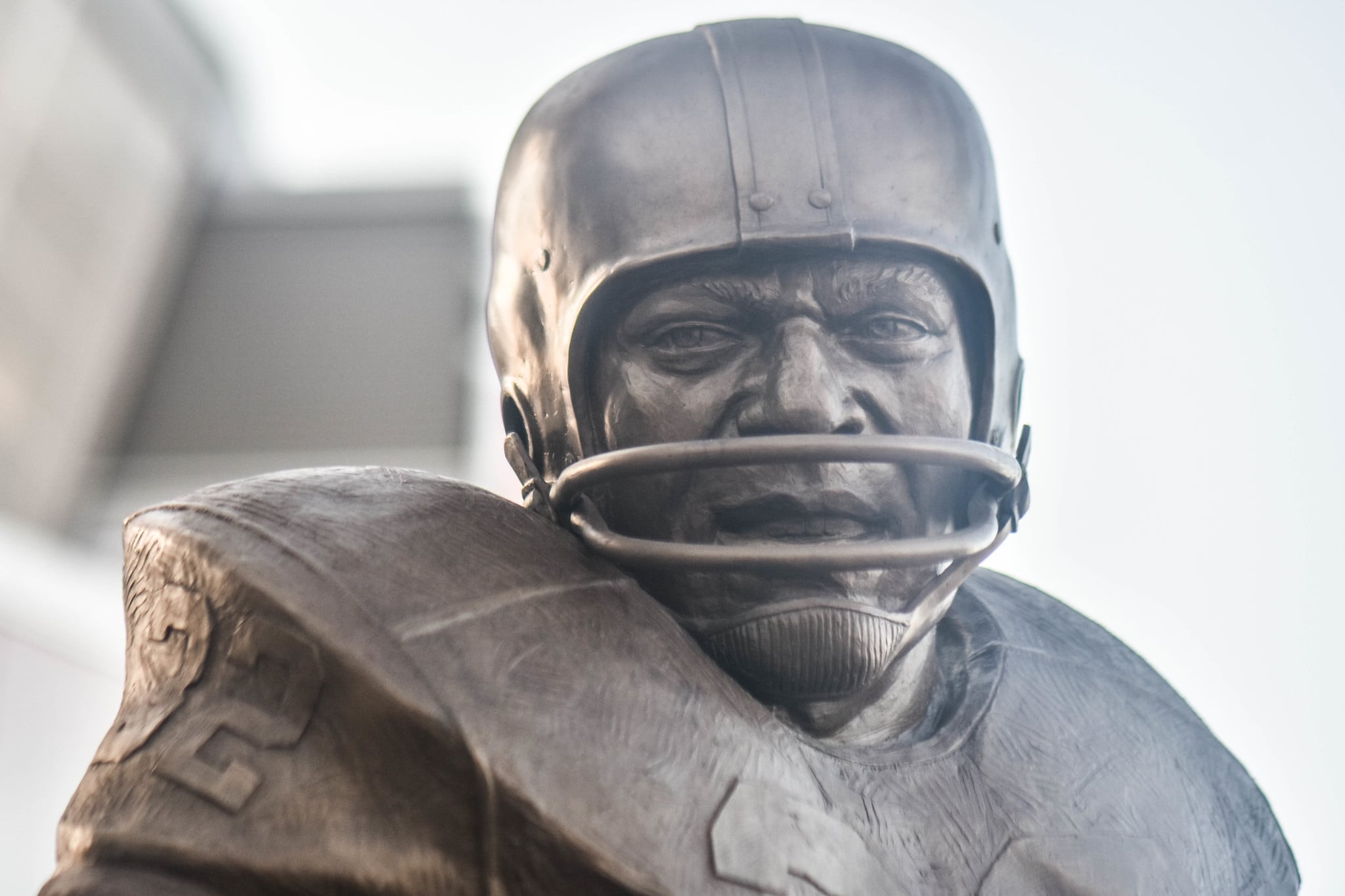
Jim Brown is widely considered the greatest running back in NFL history. He played nine seasons with the Cleveland Browns, rushing for over 12,000 yards with a career average of 5.2 yards per carry.
He scored 126 touchdowns and won three MVP awards. Brown dominated multiple sports at Syracuse University.
He was an All-American lacrosse player and some historians consider him the best lacrosse player of all time. He scored 43 goals in 10 games during his senior season, ranking second in the nation.
Brown also lettered in basketball and track at Syracuse. He averaged 13.1 points per game as a sophomore on the basketball team and finished fifth in the 1956 national decathlon championship.
The New York Yankees offered him a minor league baseball contract. Brown is the only person inducted into the halls of fame for professional football, college football, and lacrosse.
He retired from the NFL at age 29 when he was still at the peak of his abilities, choosing to pursue an acting career instead.
Babe Didrikson Zaharias Redefined Women’s Athletics

Babe Didrikson Zaharias competed at the 1932 Los Angeles Olympics in track and field. She won gold medals in the 80-meter hurdles and javelin throw.
She took silver in the high jump after judges ruled her jumping technique violated the rules. Didrikson then took up golf.
She won 10 LPGA major championships and co-founded the Ladies Professional Golf Association in 1950. She won the 1954 U.S. Women’s Open despite being treated for colon cancer at the time.
Before her Olympic success, Didrikson played basketball for the women’s All-America team. She also pitched in exhibition games during Major League Baseball spring training, becoming one of the few women to do so.
When she died in 1956 at age 45, newspapers called her one of the greatest athletes who ever lived. Her versatility across multiple sports opened doors for future generations of female athletes.
Bob Hayes Won Gold Then Played Football
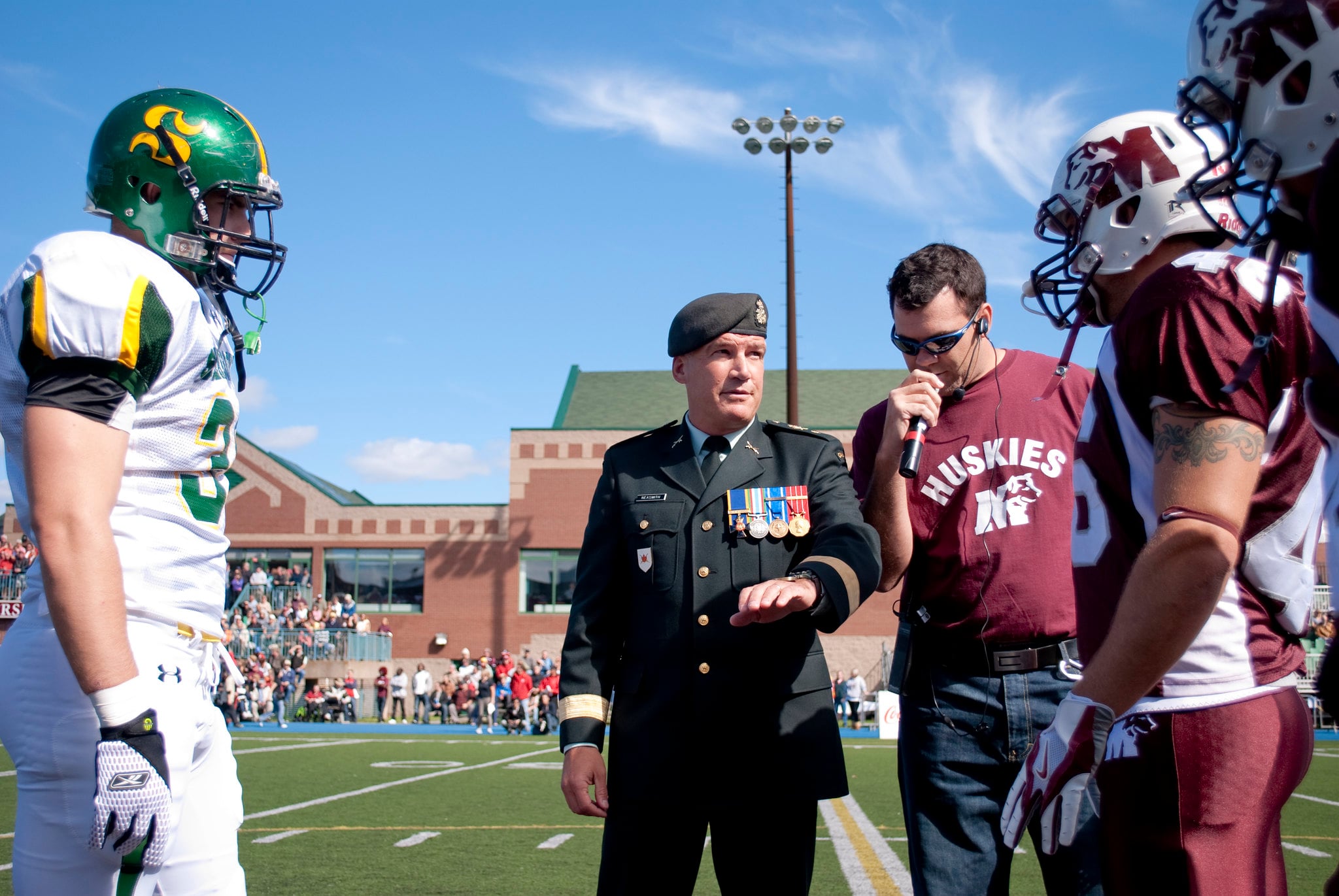
Bob Hayes won two gold medals at the 1964 Tokyo Olympics. He set a world record in the 100-meter dash and ran what some consider the fastest 100 meters ever during the 4×100-meter relay.
People called him “Bullet Bob” for obvious reasons. Hayes then joined the Dallas Cowboys as a wide receiver.
He played 11 seasons in the NFL, making three Pro Bowls and two All-Pro teams. He won a Super Bowl with Dallas and was inducted into the Pro Football Hall of Fame in 2009.
His speed changed how defenses approached coverage. Teams created the zone defense specifically to counter Hayes because no single defender could stay with him.
His impact on football strategy lasted long after his retirement. Hayes’s coach at Florida A&M said it best: “Bob Hayes, he’s a football player.
He just happens to be the world’s fastest human.”
Dave Winfield Got Drafted by Four Different Leagues
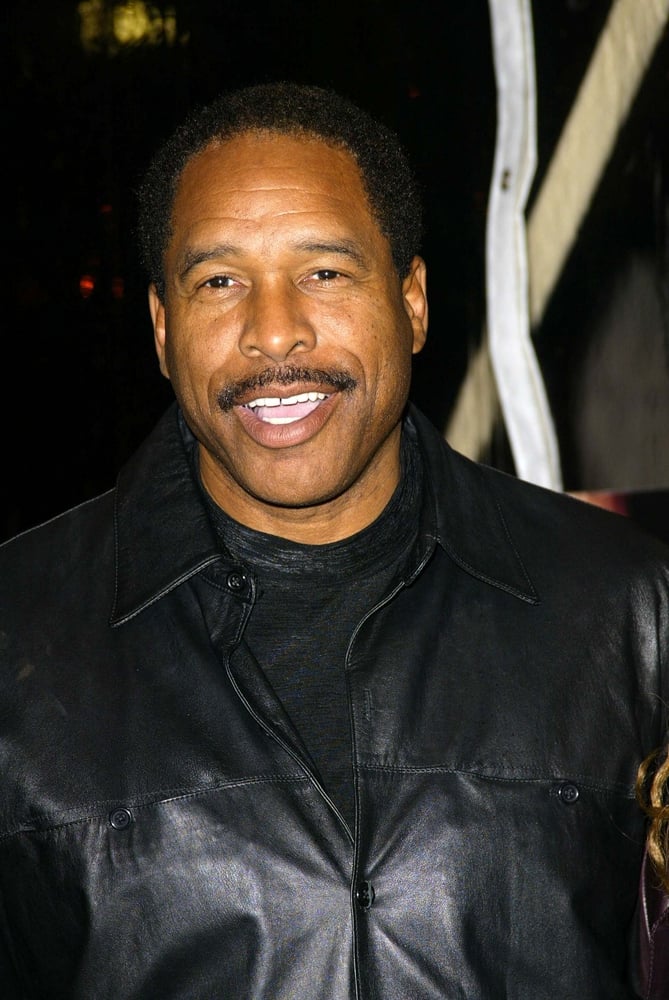
Dave Winfield played basketball and baseball at the University of Minnesota. When he finished college in 1973, four different professional sports leagues drafted him.
The San Diego Padres selected him in baseball. The Atlanta Hawks picked him in the NBA.
The Minnesota Vikings drafted him in the NFL. The Utah Stars chose him in the ABA.
Winfield was the first athlete in history to be drafted by four different leagues. He chose baseball and never regretted it.
His career lasted 22 seasons. He collected over 3,000 hits, smashed 465 home runs, and was inducted into the Baseball Hall of Fame.
The Vikings selection was speculative since Winfield had never played college football. At six-foot-six and 230 pounds with speed and catching ability, they thought he could play tight end.
Winfield declined, not wanting to risk injury in a sport he’d never played. His baseball career proved he made the right choice.
Jackie Robinson Starred at UCLA in Four Sports
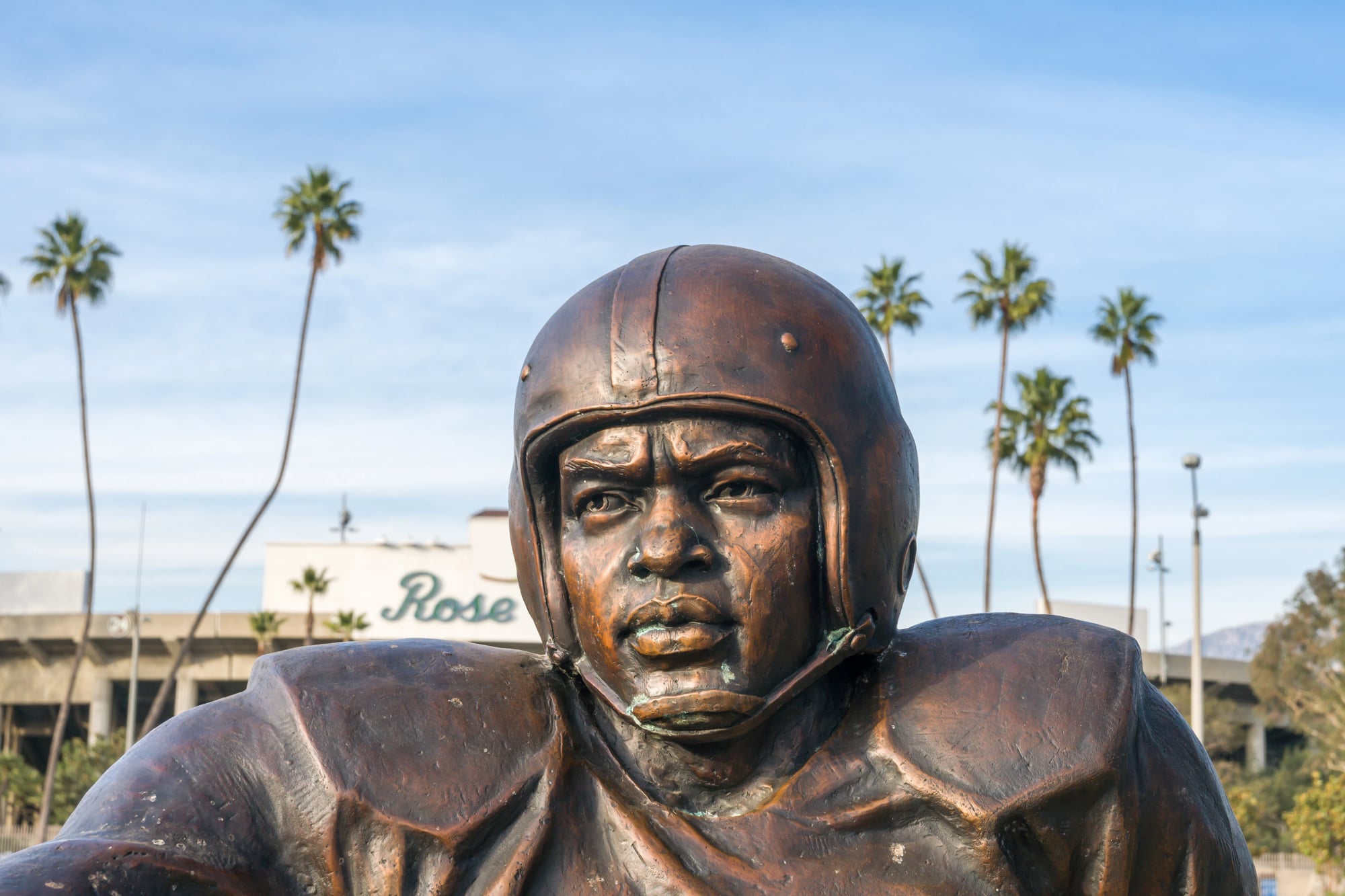
Before Jackie Robinson broke baseball’s color barrier in 1947, he starred in four sports at UCLA. He became the first athlete in school history to letter in baseball, basketball, football, and track and field.
Robinson won the 1940 NCAA championship in the long jump, clearing over 24 feet. He played quarterback on the football team and forward on the basketball team.
Ironically, baseball was his weakest sport at UCLA. He hit just .097 in his only season.
In high school, Robinson also excelled at tennis. He won a regional junior tennis championship in 1936.
His athletic versatility demonstrated the range of his talents before he became a baseball icon. After serving in World War II, Robinson signed with the Brooklyn Dodgers organization.
His breaking of the color barrier overshadowed his multi-sport achievements, but those earlier accomplishments showed his athletic foundation.
Charlie Ward Won Everything
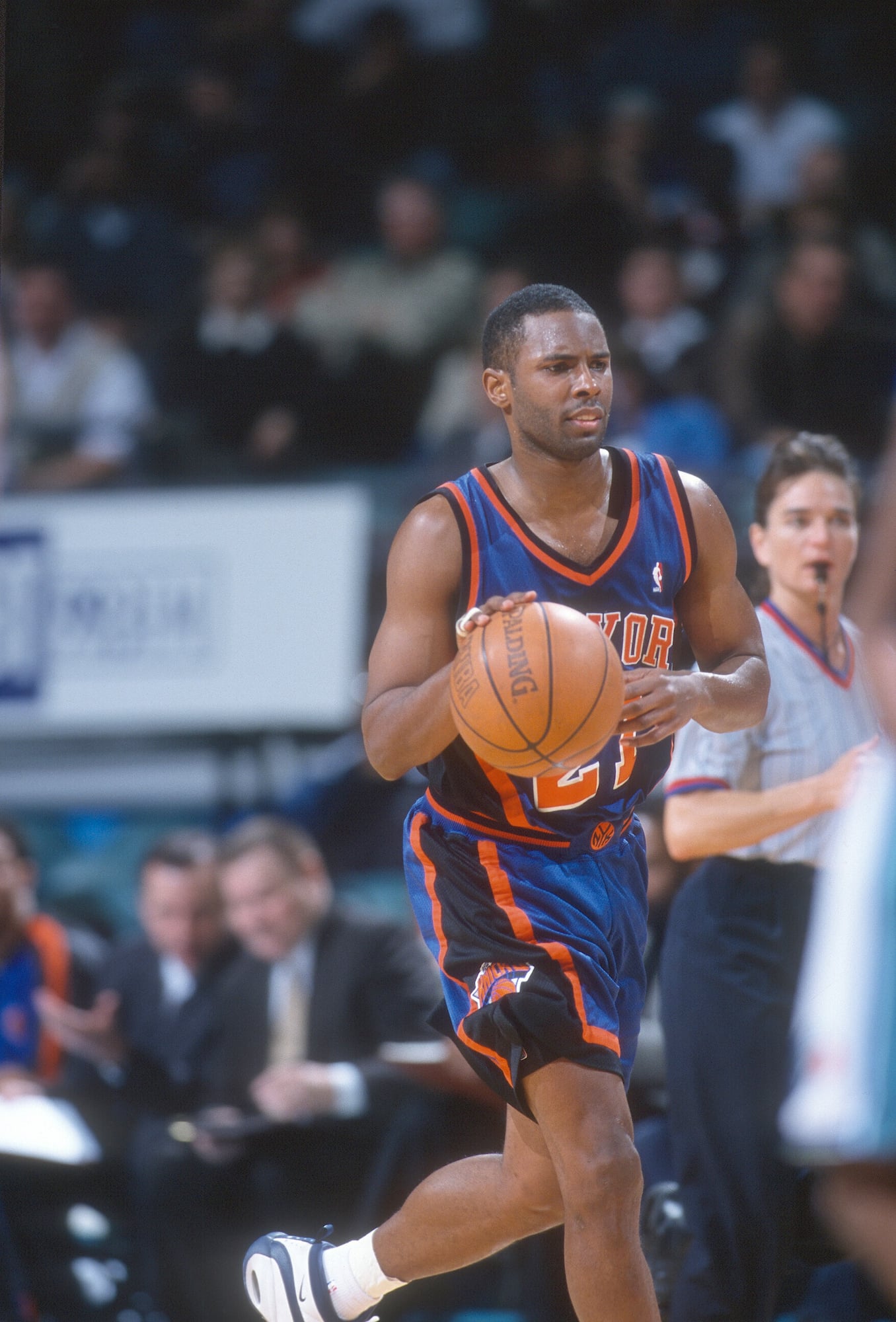
Charlie Ward won the 1993 Heisman Trophy as the quarterback at Florida State. He led the Seminoles to a national championship that same season.
The New York Knicks drafted him in the first round of the 1994 NBA Draft. Ward never played professional football.
Despite winning college football’s highest individual honor, NFL teams passed on him due to concerns about his size and arm strength. He chose basketball instead and played 11 seasons in the NBA.
Ward’s high school career in Georgia included dominance in three sports. He was All-State in football, basketball, and baseball.
Choosing which sport to pursue professionally presented options most athletes never face. His Heisman Trophy sits alongside his college basketball achievements.
Ward helped Florida State reach the Elite Eight in basketball during his senior year. He remains the only Heisman Trophy winner who chose to pursue an entirely different professional sport instead of attempting an NFL career.
Michael Jordan Tried Baseball
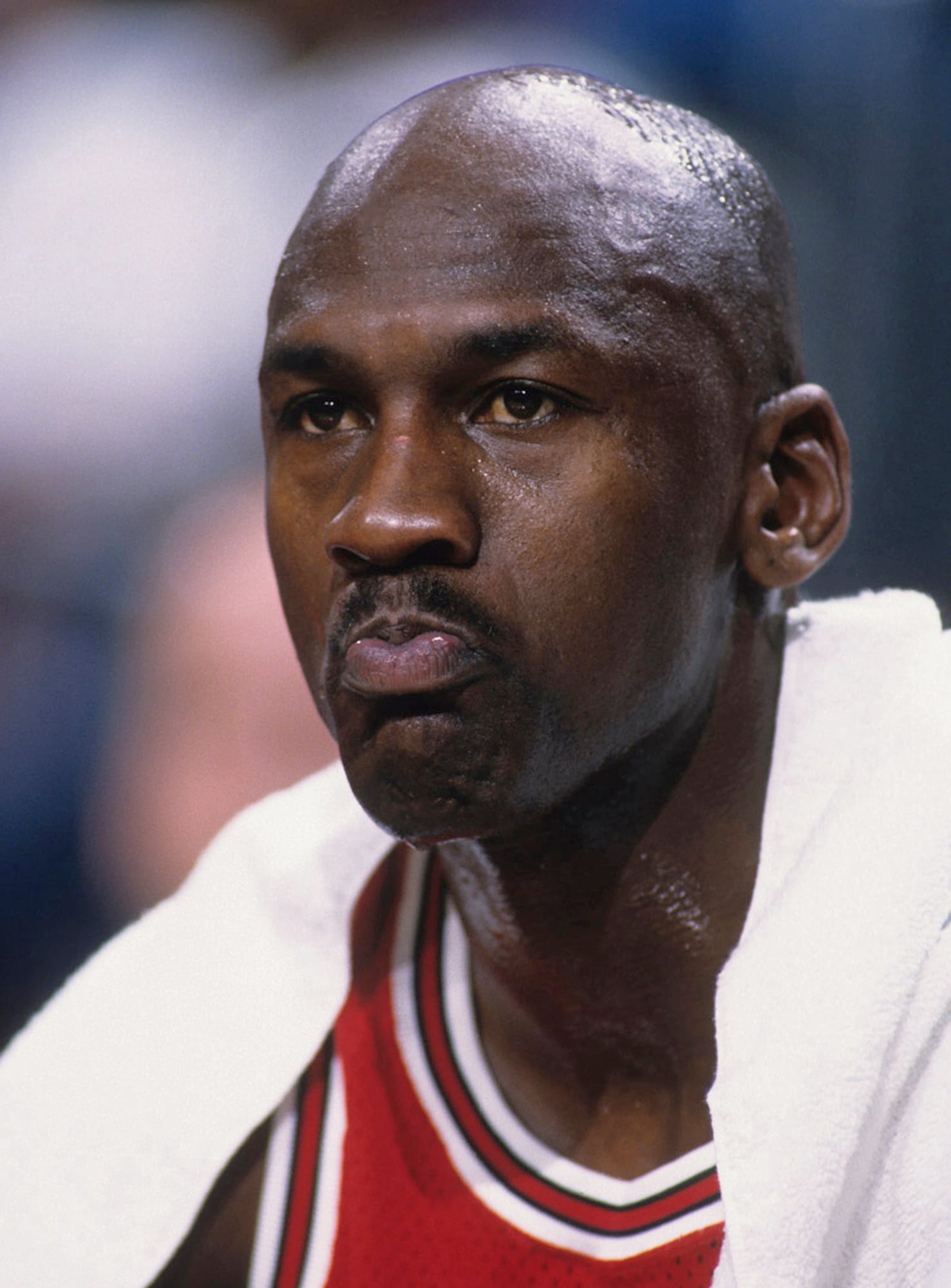
Michael Jordan stepped away from basketball in 1993 after winning three consecutive NBA championships with the Chicago Bulls. He signed with the Chicago White Sox organization to pursue professional baseball.
Jordan played for the Birmingham Barons, the White Sox Double-A affiliate. His 1994 season included a .202 batting average with three home runs, 51 RBIs, and 30 stolen bases.
The numbers showed promise for someone who hadn’t played baseball since high school. Jordan later said his father’s murder in 1993 prompted the baseball experiment.
His father had always wanted to see him play professional baseball. The attempt honored that wish while giving Jordan distance from the pressure of basketball.
He returned to basketball in 1995 and won three more NBA championships. His baseball interlude proved that even the greatest basketball player ever couldn’t instantly dominate a different sport at the professional level.
Russell Wilson Chose Football Over Baseball
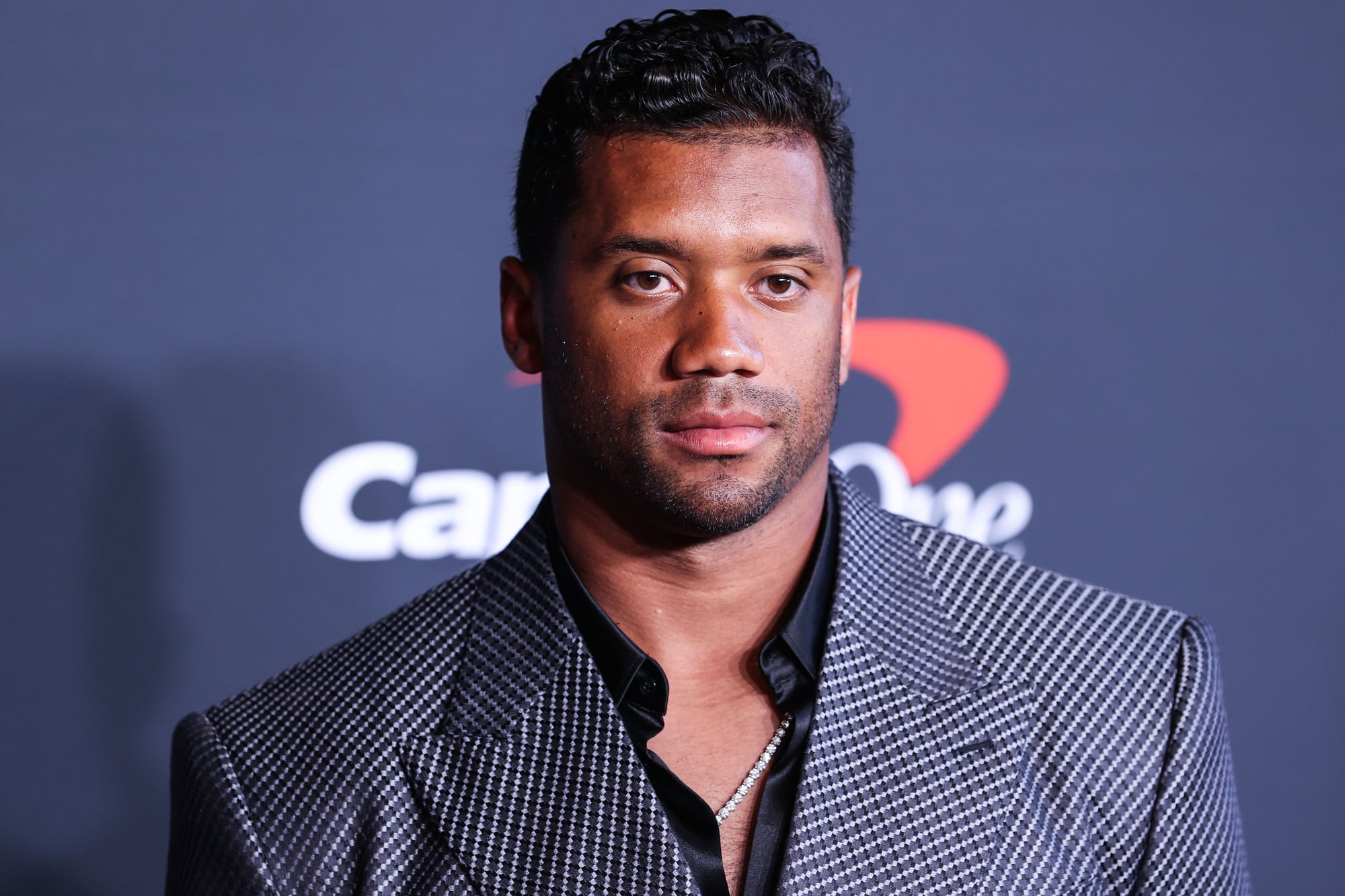
The Colorado Rockies drafted Russell Wilson in the fourth round of the 2010 MLB Draft. He played parts of two seasons in minor league baseball while also playing quarterback at NC State.
When his football coach suggested he choose one sport, Wilson transferred to Wisconsin. The Seattle Seahawks drafted Wilson in the third round of the 2012 NFL Draft. He led them to two Super Bowl appearances, winning one.
His NFL success proved he picked the right sport. Wilson was drafted by an MLB team twice.
The Baltimore Orioles picked him in the 41st round out of high school in 2007. The Rockies selection three years later showed continued interest from baseball scouts.
Wilson demonstrated that elite athletes often have options. His baseball skills were legitimate enough for professional organizations to invest draft picks.
His football talents ultimately won out.
When Genetics and Dedication Collide

These athletes represent the pinnacle of human physical achievement. They didn’t just compete in multiple sports.
They dominated them at the highest professional levels. Their success required natural gifts combined with dedication that most people can’t comprehend.
The modern sports landscape makes these achievements increasingly rare. Specialization starts younger.
Year-round training in single sports has become standard. Young athletes face pressure to choose one path early.
That makes the historical multi-sport achievements even more impressive. These athletes proved that talent transcends individual sports.
The best don’t just master one skill set. They adapt and conquer wherever they compete.
More from Go2Tutors!

- The Romanov Crown Jewels and Their Tragic Fate
- 13 Historical Mysteries That Science Still Can’t Solve
- Famous Hoaxes That Fooled the World for Years
- 15 Child Stars with Tragic Adult Lives
- 16 Famous Jewelry Pieces in History
Like Go2Tutors’s content? Follow us on MSN.