Nike Shoe Milestones Collectors Should Know
Have you ever found yourself ogling someone’s new kicks and curious about their backstory? Nike didn’t just happen to become the massive sneaker company that it is today.
There is a fascinating story behind every iconic silhouette, innovative technological advancement, and cultural moment that left sneakerheads speechless. Imagine entering any sneaker shop.
The walls were adorned with iconic Air Max sneakers, Air Jordans, and those highly sought-after limited editions that sell out quickly. Every pair symbolizes a turning point, a time when Nike created history rather than merely producing shoes.
From basketball courts to skate parks, from high fashion runways to hip-hop stages, Nike has consistently captured the essence of success. These 12 Nike shoe milestones, which influenced not only the brand but also the entire sneaker culture, are essential knowledge for any collector.
Air Force 1 Introduces Nike Air to Basketball

Everything changed in 1982 when Bruce Kilgore designed the first basketball shoe to feature Nike Air technology. Before this moment, basketball players were stuck with basic foam cushioning that couldn’t handle the demands of the hardwood.
The Air Force 1 wasn’t just revolutionary—it was the foundation that everything else would build upon. Named after the presidential aircraft, this shoe brought 30% better shock absorption while delivering 20% more resilience than anything players had experienced before.
Air Jordan 1 Gets Banned by the NBA

Talk about turning controversy into marketing gold. When Michael Jordan first laced up his signature kicks in 1985, the NBA banned them for violating the league’s color policy.
Rather than backing down, Nike leaned into the rebellion with their iconic ‘Banned by the NBA’ campaign—turning a potential setback into the most legendary sneaker launch in history. In reality, it was likely the similar Nike Air Ship that was banned, but Nike leaned into the controversy and created the “Banned” campaign—turning it into one of the most successful marketing stories in sneaker history.
Air Max 1 Makes Technology Visible
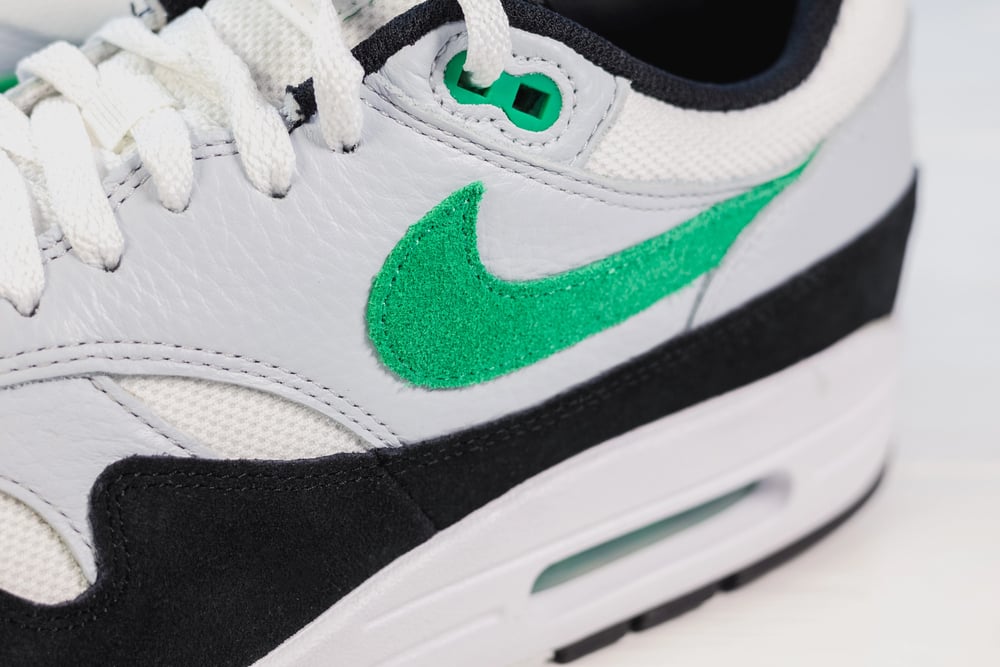
Tinker Hatfield had a wild idea in 1987: what if people could actually see the Air cushioning technology? Inspired by the inside-out architecture of Paris’s Centre Pompidou, he created the Air Max 1 with a visible air bubble in the heel.
This wasn’t just about function—it was about showing off the innovation that made Nike special. Suddenly, sneaker technology became something you could see, touch, plus understand.
Nike SB Enters Skateboarding Culture
When Sandy Bodecker launched Nike SB in 2002, skaters were skeptical about another corporate invasion. Yet Nike won them over by respecting the culture—working with real skaters, selling exclusively through core skate shops rather than big-box retailers.
The SB Dunk took the classic basketball silhouette, added fat tongues with extra padding, then created a whole new category that bridged skateboarding with sneaker collecting.
Air Jordan 3 Introduces the Jumpman Logo
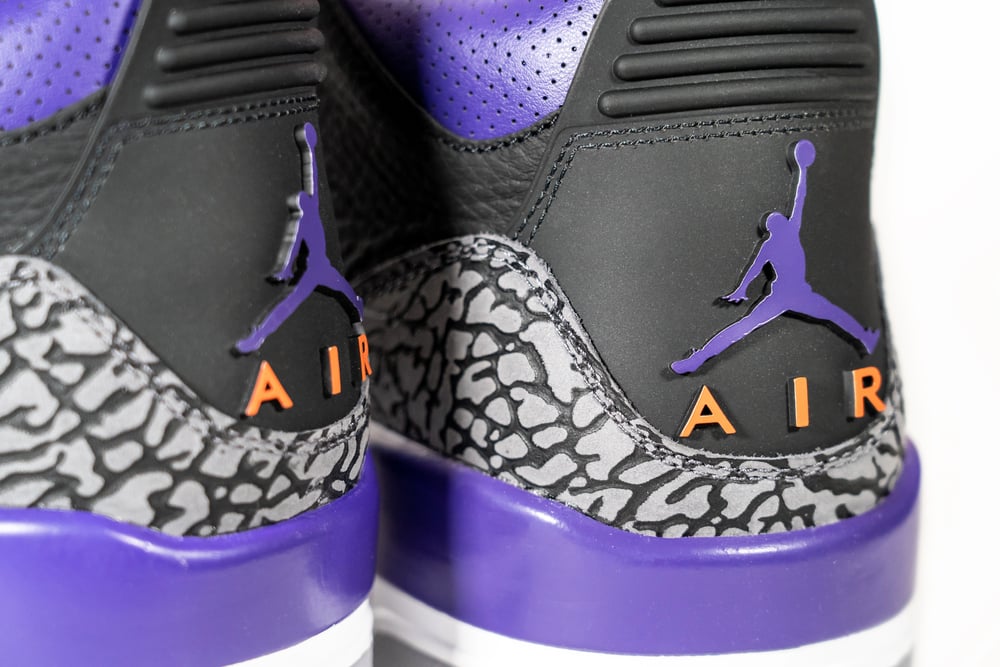
Tinker Hatfield’s 1988 masterpiece did more than just save Michael Jordan’s relationship with Nike. The Air Jordan 3 introduced the now-iconic Jumpman logo while featuring the first visible Air unit on a Jordan, using luxurious materials like elephant print that elevated basketball shoes into fashion statements.
This was also the first mid-cut basketball shoe to gain widespread acceptance—proving that innovation comes in all heights.
Supreme x Nike SB Creates Collaboration Culture

That first Supreme collaboration in 2002 changed everything about how brands could work together. By taking the elephant print from the Air Jordan 3—applying it to an SB Dunk, Supreme proved that streetwear could remix basketball heritage in completely new ways.
Only 500 pairs were made of each colorway, establishing the template for every hyped collaboration that followed.
Air Jordan 11 Sets the Patent Leather Standard
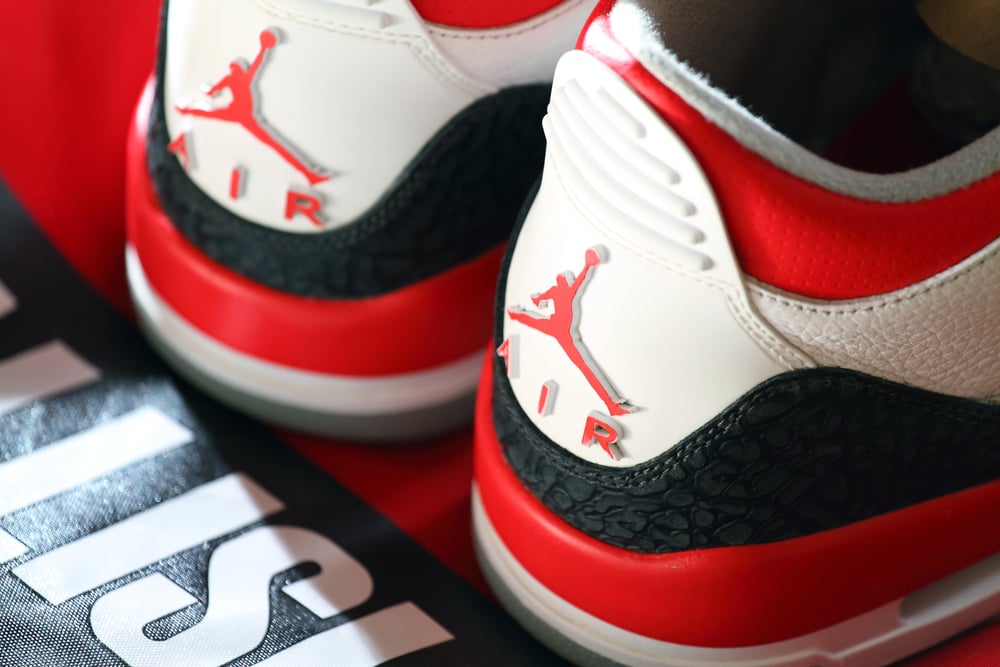
When the Air Jordan 11 dropped in 1995, people couldn’t believe their eyes. Patent leather on a basketball shoe? Tinker Hatfield’s bold choice created one of the most elegant performance shoes ever made, while the carbon fiber plate provided stability that was light-years ahead of its time.
Even today, the ‘Concord’ plus ‘Bred’ colorways remain among the most coveted retros in the game.
Nike Dunk Launches ‘Be True to Your School’
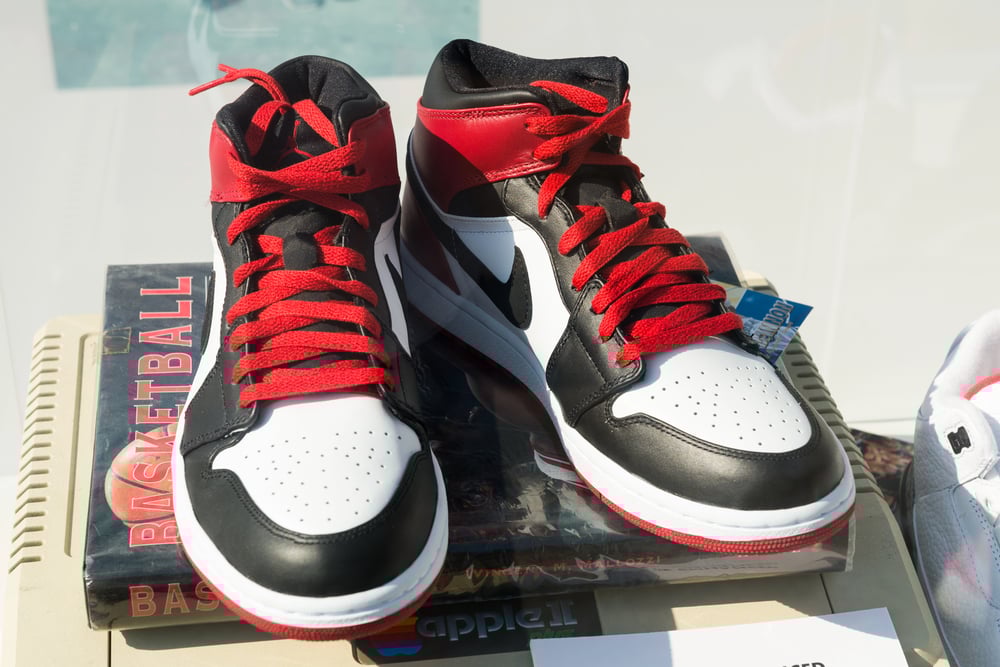
Back in 1985, Nike created something special for college basketball fans. The Dunk was designed in six weeks—combining elements from existing Nike models like the Legend, Terminator, and early Air Jordan.
Each colorway matched a different university’s team colors, creating an emotional connection between fans and their schools. This simple concept laid the groundwork for how Nike would think about storytelling through design.
Air Max 95 Reimagines Athletic Footwear
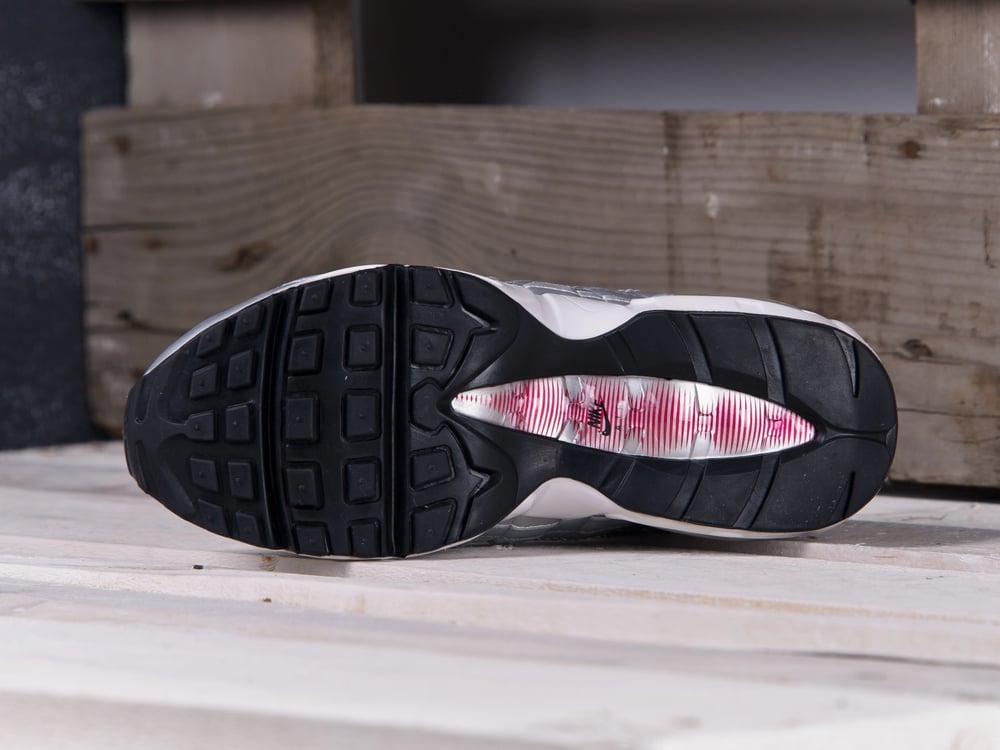
Sergio Lozano’s 1995 creation was inspired by human anatomy, with design lines that mimicked the muscle structure of the human body. The Air Max 95 introduced multiple air chambers with different pressures—creating a cushioning system that was both complex yet incredibly effective.
Its futuristic aesthetic helped establish Nike as more than just a sports brand; they were designing the future.
Diamond Supply Co. Creates the ‘Tiffany’ Phenomenon

The ‘Tiffany’ Nike SB Dunk from 2005 wasn’t just a shoe—it was a cultural earthquake. When a photo of Diamond Supply Co. founder Nick Tershay wearing the aqua blue and black Dunk hit the internet, it created instant hysteria among both skaters plus sneakerheads.
The shoe continues to sell for thousands on the resale market, proving that the right colorway can achieve legendary status.
Air Jordan Retro Program Begins

Nike made a bold decision in 1994: bring back the Air Jordan 1 in its original ‘Chicago’ colorway. This marked the birth of the retro program, a concept that seemed risky at the time yet would become one of Nike’s most profitable strategies.
Suddenly, nostalgia became a business model, while every classic shoe became a potential comeback story waiting to happen.
Nike Introduces Flyknit Technology

The 2012 launch of Flyknit wasn’t just about making lighter shoes. It was about reimagining how footwear could be constructed.
Using a single thread to create an entire upper reduced waste by 60% while providing a sock-like fit that runners had never experienced. This technology would eventually find its way into everything from Air Max to Jordan releases, proving that innovation never stops.
The Evolution Never Stops
Nike’s journey through these milestones, from a small running company in Oregon to the global sneaker empire we know today, demonstrates how innovation, culture, and timing can work their magic. These incidents not only changed Nike, but they also affected how we view athletic footwear, streetwear, and the relationship between fashion and sports.
Collectors can see the connections between each pair in a collection and something larger by comprehending these turning points. The next time someone dons those Jordans or admires those Air Max, they’re not merely donning shoes; they’re donning historical artifacts that continue to influence culture and technology.
What makes collecting Nike shoes so appealing is the opportunity to invest in narratives that will continue to motivate upcoming generations of athletes, designers, and dreamers.
More from Go2Tutors!

- The Romanov Crown Jewels and Their Tragic Fate
- 13 Historical Mysteries That Science Still Can’t Solve
- Famous Hoaxes That Fooled the World for Years
- 15 Child Stars with Tragic Adult Lives
- 16 Famous Jewelry Pieces in History
Like Go2Tutors’s content? Follow us on MSN.