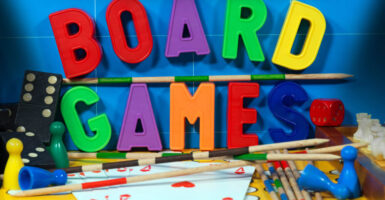
28 Board Games That Filled Family Game Closets
Every family had a game closet, and most of them looked the same. Battered boxes stacked sideways, lids held on with rubber bands, and a plastic bag of loose pieces that belonged to nobody knew which game.
Those games filled rainy weekends, holiday afternoons and power outages for decades. Some taught math or spelling, some taught patience, and a few taught siblings exactly how far they could push each other before somebody flipped the board.
Monopoly and Its Landlord’s Game Roots
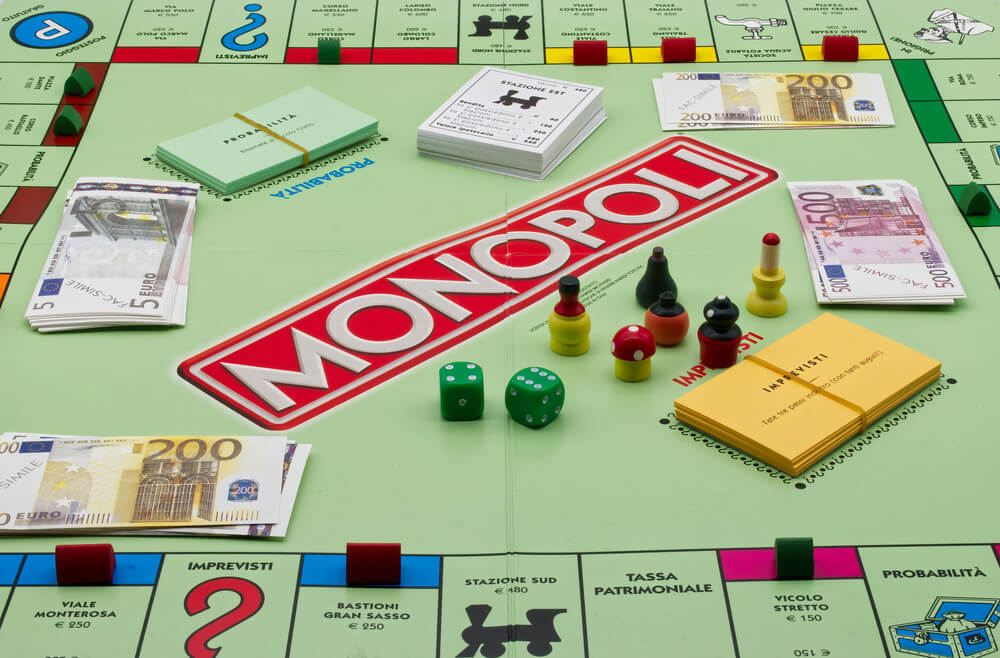
Monopoly grew out of The Landlord’s Game, patented in 1904 by Lizzie Magie, who designed it to show the dangers of concentrated property ownership. Players adapted homemade versions for decades before Charles Darrow sold his take to Parker Brothers, which released Monopoly in 1935.
The streets came from Atlantic City, New Jersey, including Boardwalk and Park Place. Games often dragged on for hours and ended in arguments over house rules about Free Parking.
Few board games have caused more family feuds, and few have sold more copies around the world.
Clue and the Wartime Blackouts
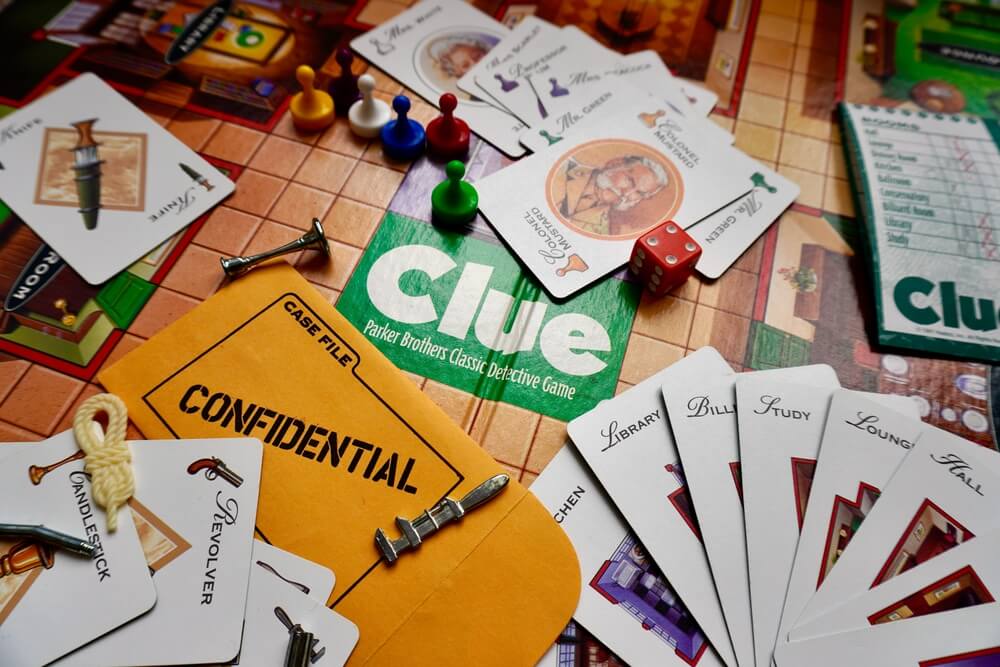
Clue was invented by Anthony Pratt, an English musician who came up with the idea during World War II blackouts, when people stayed home and played murder mystery party games. Waddingtons released it in Britain as Cluedo in 1949, and Parker Brothers brought it to the United States the same year as Clue.
Players moved through a mansion guessing the culprit, the weapon and the room, with suspects such as Colonel Mustard and Miss Scarlet. The game rewarded careful note-taking.
It also inspired a 1985 film with three different endings.
Scrabble and Its Letter Counts
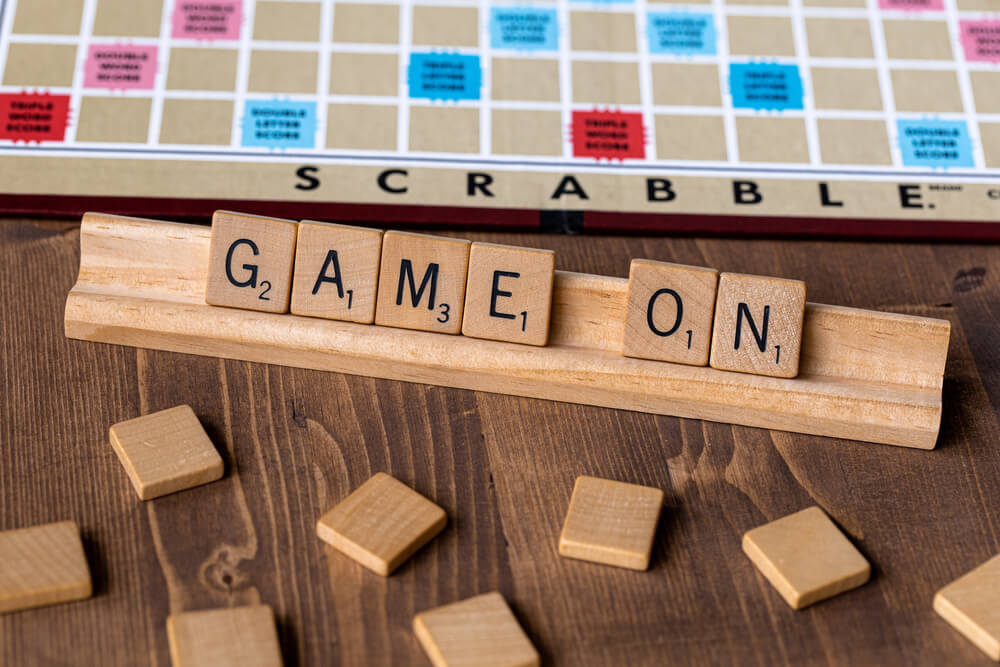
Scrabble began as Criss-Crosswords, created by out-of-work architect Alfred Mosher Butts in 1938. He decided how many of each letter to include and what each was worth by studying the frequency of letters in newspapers.
James Brunot bought the rights, renamed the game Scrabble in 1948 and made the sets by hand in a Connecticut schoolhouse before sales took off in the early 1950s. Families kept a dictionary nearby to settle disputes.
The game turned spelling into a competitive sport and still holds tournaments worldwide.
The Game of Life With Its Spinning Wheel
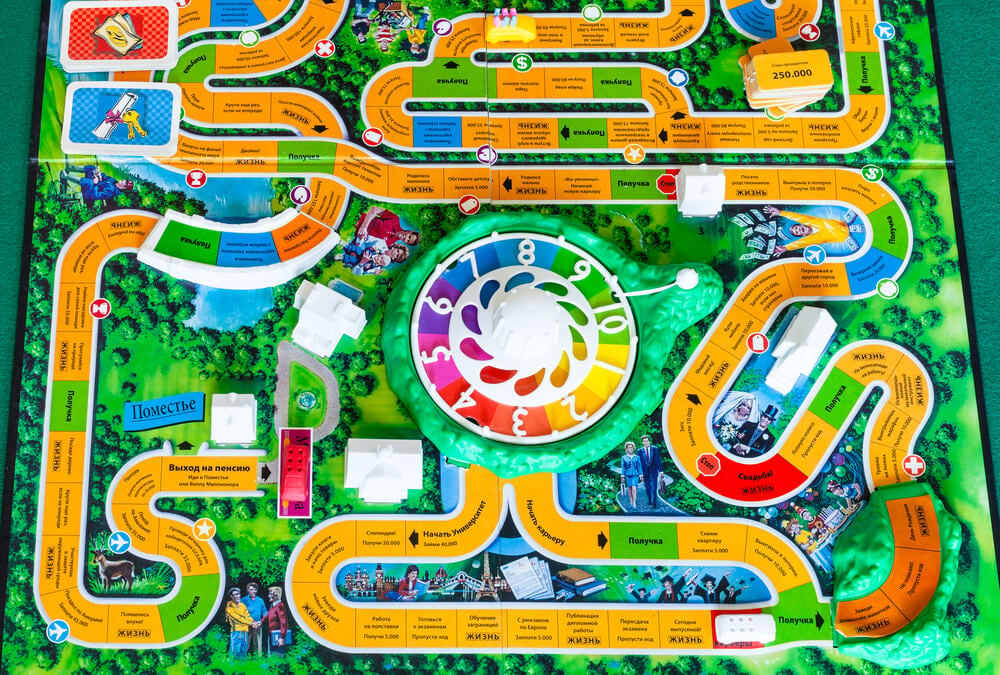
The Checkered Game of Life was Milton Bradley’s first game in 1860, and the company released a new version called The Game of Life in 1960 to mark its centennial. Designer Reuben Klamer gave it a three-dimensional board with hills, a spinning wheel and tiny plastic cars filled with pink and blue pegs.
Players went to college or straight to a career, married, bought houses and collected paychecks. The game ended at retirement, either on Millionaire Acres or the poor farm.
Television host Art Linkletter appeared on the box and its play money.
Candy Land From a Polio Ward
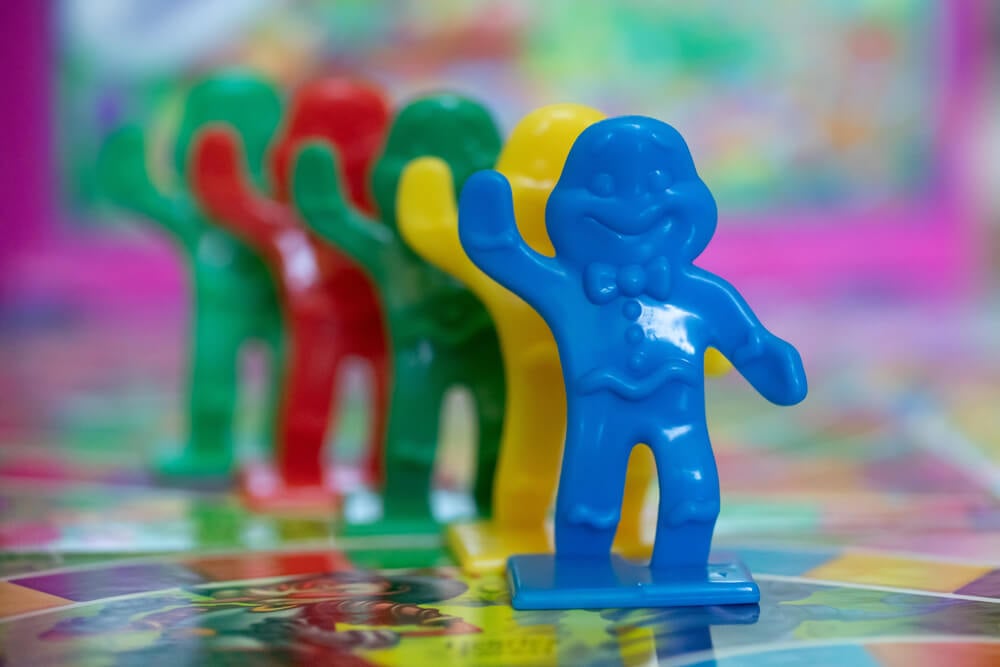
Candy Land was created by Eleanor Abbott, a retired schoolteacher recovering from polio in San Diego in the late 1940s. She designed it for children in the polio ward, giving them a cheerful path through Gumdrop Mountains, the Peppermint Forest and the Molasses Swamp at a time when they could not run outside.
Milton Bradley released it in 1949. The game required no reading and no strategy, making it ideal for very young players.
Its simple colored cards and winding path have introduced generations of preschoolers to the idea of taking turns.
Chutes and Ladders From Ancient India
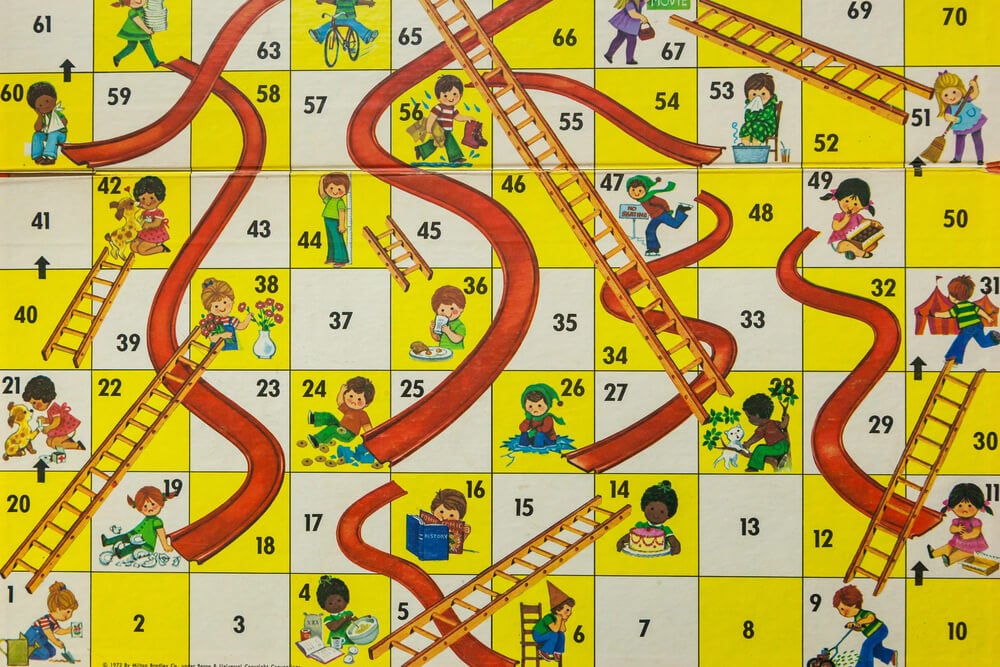
Chutes and Ladders came from Snakes and Ladders, a British game based on Moksha Patam, an ancient Indian board game used to teach moral lessons. Good deeds led up ladders and bad ones led down snakes.
Milton Bradley released its American version in 1943, swapping the snakes for playground chutes and adding pictures of kids doing good and bad deeds. The game is pure chance, so young kids can beat adults.
The long slide from square 87 back near the beginning has caused countless tantrums.
Sorry and Its Bitter Apology
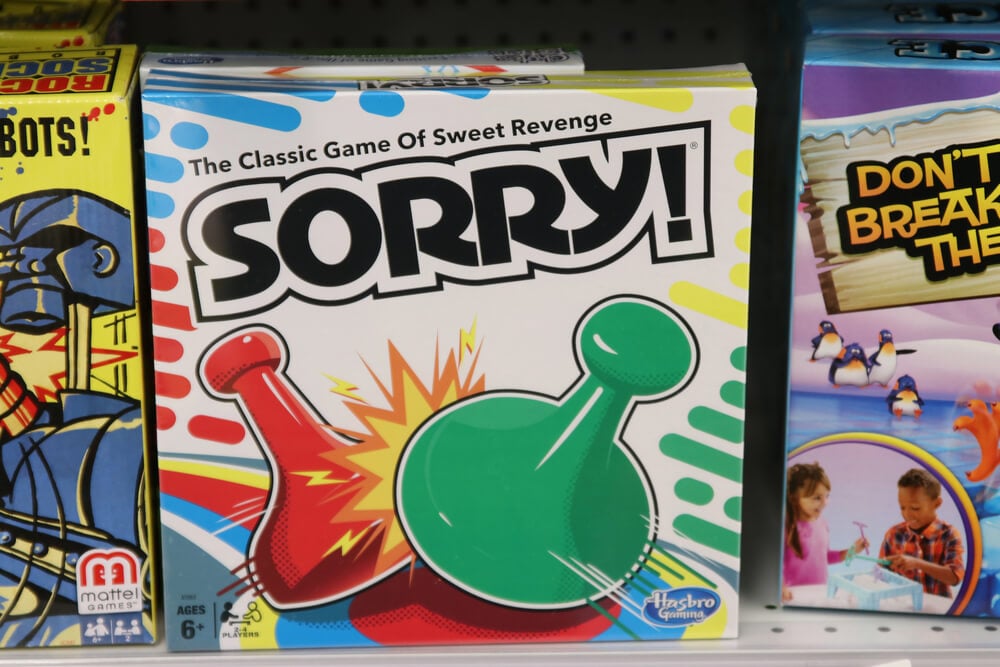
Sorry was patented in Britain in 1929 and released by Parker Brothers in the United States in 1934. Players moved pawns around the board using a deck of cards instead of dice, trying to get all four pawns safely home.
The Sorry card let a player bump an opponent’s pawn back to its base, and the apology that came with it was rarely sincere. The game is simple enough for kids yet cutthroat enough to keep adults engaged.
Few family games have produced so many fake apologies or so much gloating around one table.
Trouble and the Pop-O-Matic Bubble
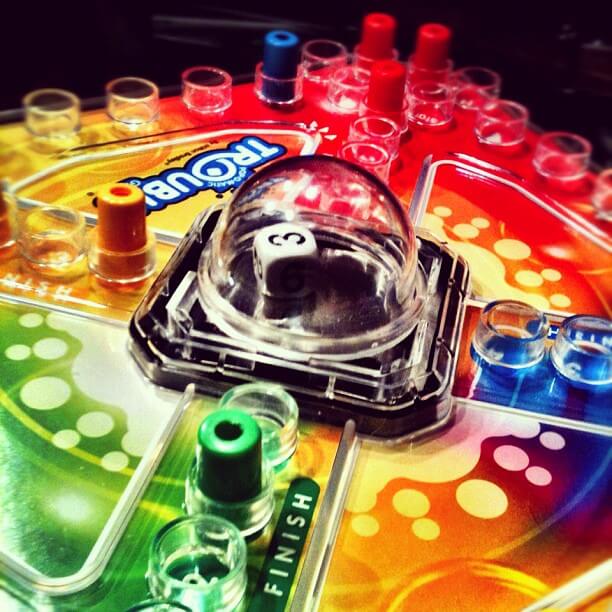
Trouble arrived in the mid-1960s with its signature Pop-O-Matic, a clear plastic dome holding a die that players pressed to roll. The bubble made a satisfying pop and kept the die from disappearing under the couch, a real advantage in homes with young kids and curious dogs.
Players raced four pegs around a track while trying to land on opponents and send them back. Games were fast, loud and short.
Many households remember the sound of the Pop-O-Matic more clearly than the rules, and some kids pressed it long after the game ended just to hear it.
Operation and Cavity Sam
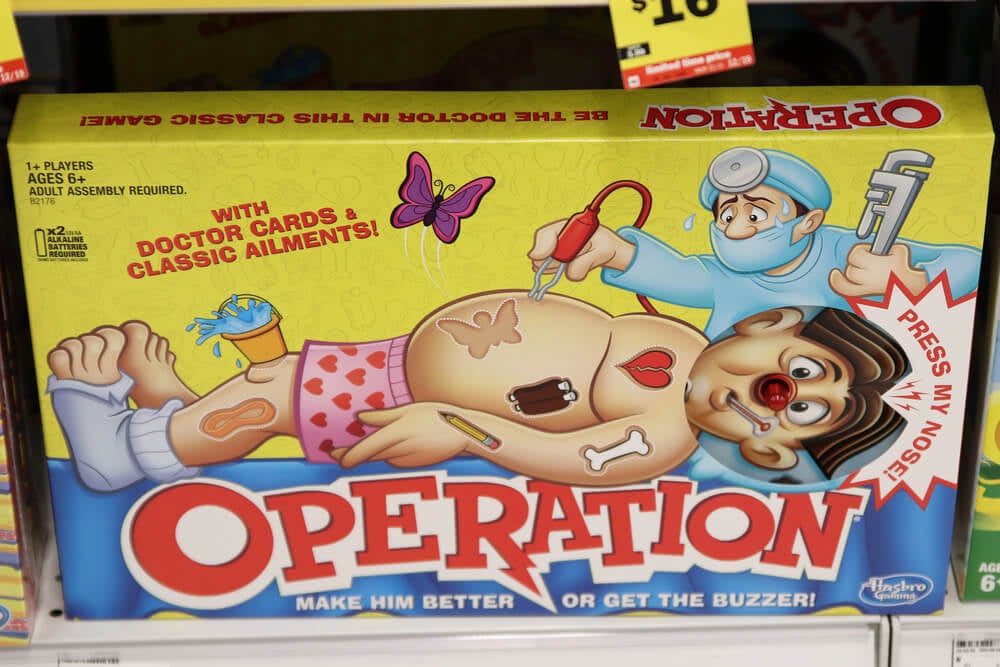
Operation began as a project by John Spinello, an industrial design student at the University of Illinois, who sold the idea to toy designer Marvin Glass for a reported 500 dollars. Milton Bradley released it in 1965.
Players used metal tweezers to remove plastic ailments such as the wrenched ankle and the bread basket from the patient, Cavity Sam, without touching the metal edges. A wrong move set off a buzzer and lit up his red nose.
The game made steady hands a competitive skill.
Mouse Trap and Its Chain Reaction
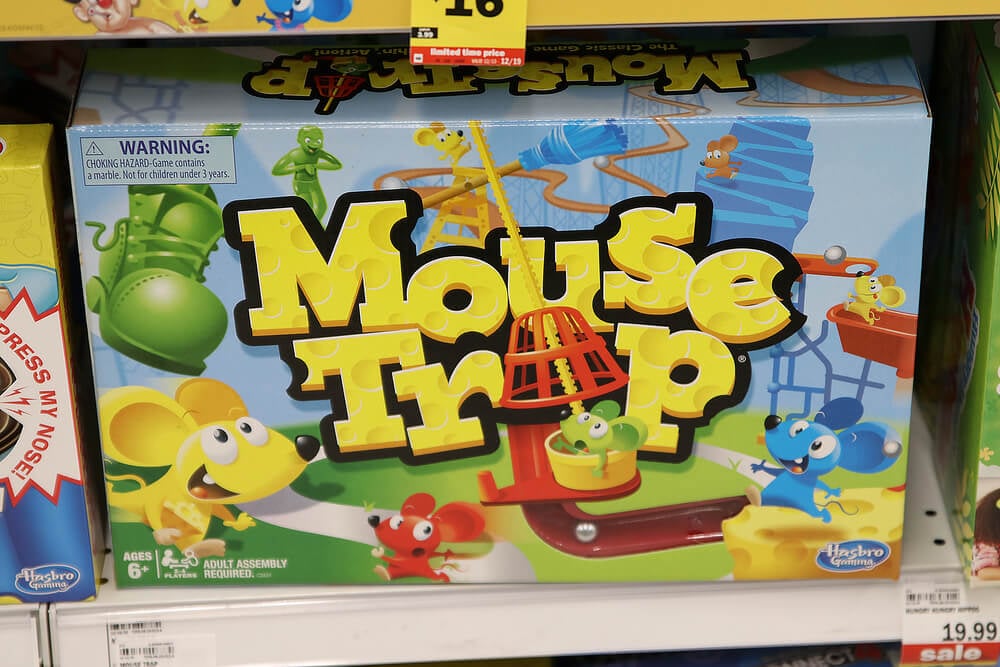
Ideal released Mouse Trap in 1963, a game built around a Rube Goldberg-style contraption that players assembled piece by piece as they moved around the board. Once built, a crank turned a gear, a boot kicked a bucket, a steel marble rolled down a staircase, and eventually a cage dropped on a plastic mouse.
The rules were almost secondary to the machine. Kids often skipped the game entirely and just built the trap over and over.
Missing pieces made many family copies unplayable within a few years, which only added to their legend.
Hungry Hungry Hippos and the Noise Factor
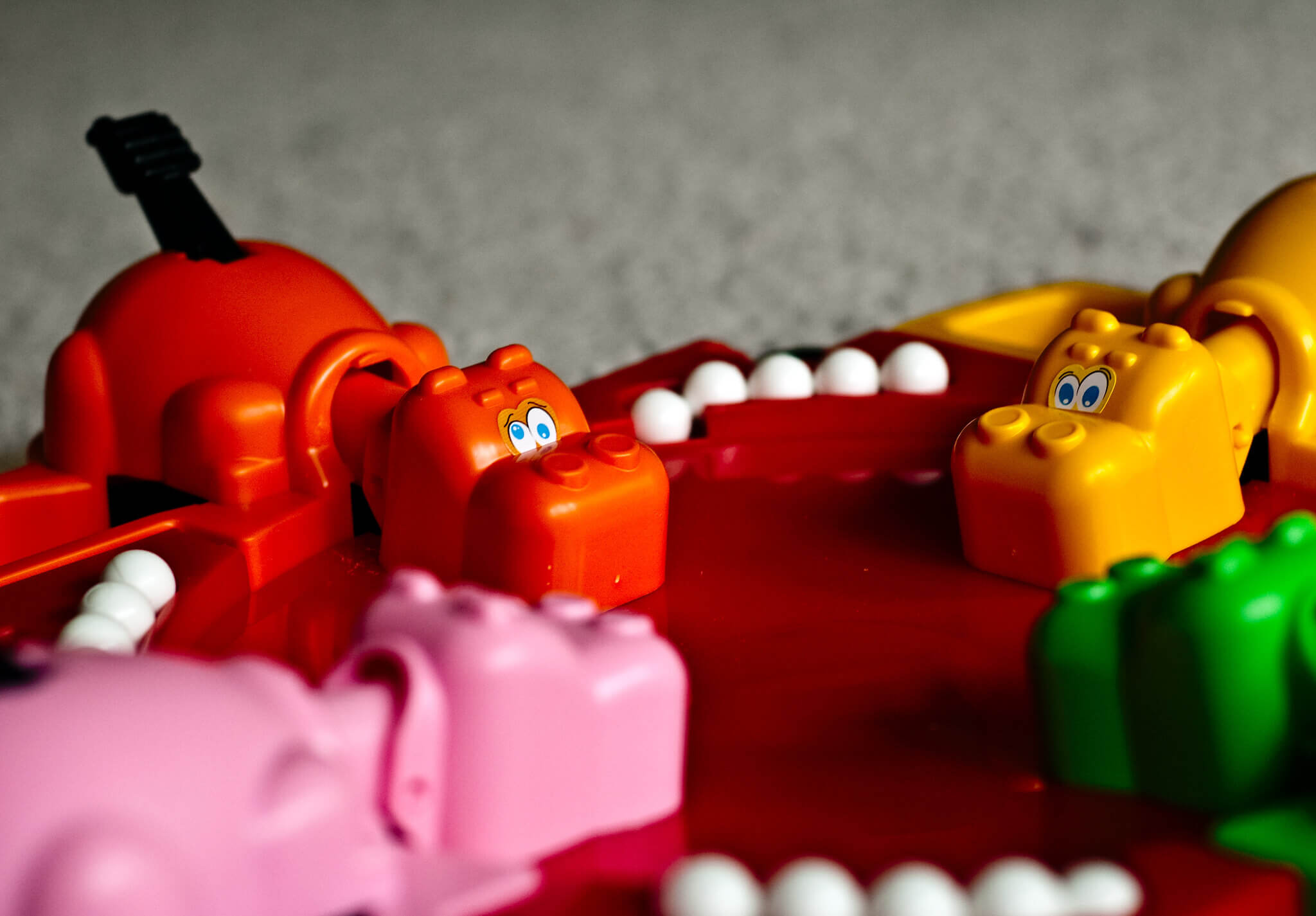
Milton Bradley released Hungry Hungry Hippos in 1978, a game in which four plastic hippos gobbled marbles from the center of the board as players slammed down on levers. The goal was to collect the most marbles, and the result was pure noise that carried through an entire house.
The game required no reading, no strategy and no patience. Parents remember it mostly for the racket and the marbles that rolled under furniture.
Kids remember it as one of the most fun games ever made, and the hippos have stayed in production for decades.
Connect Four and Its Vertical Grid
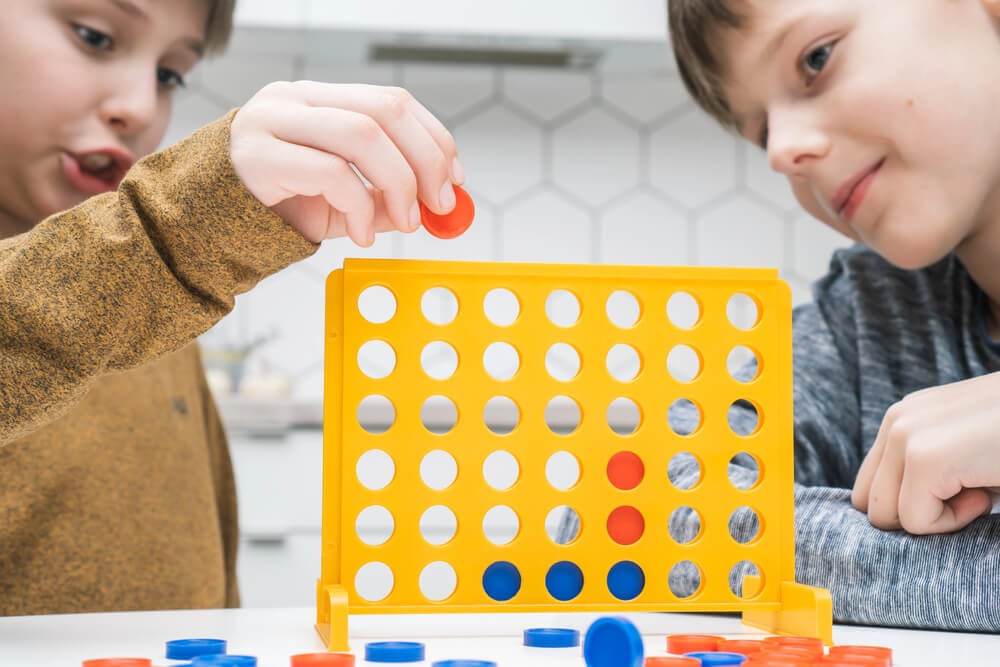
Connect Four reached stores from Milton Bradley in 1974, a vertical plastic grid where players dropped red and black discs, trying to make a line of four in any direction. The game was quick, simple and more strategic than it looked.
In 1988, computer scientists James Dow Allen and Victor Allis independently proved that the first player can always force a win with perfect play. Few families knew that, and fewer would have cared.
The game remained a fixture of rainy afternoons, pizza parlors and pediatrician waiting rooms, with the clatter of releasing the discs as its finale.
Battleship and Its Pegboard Grids
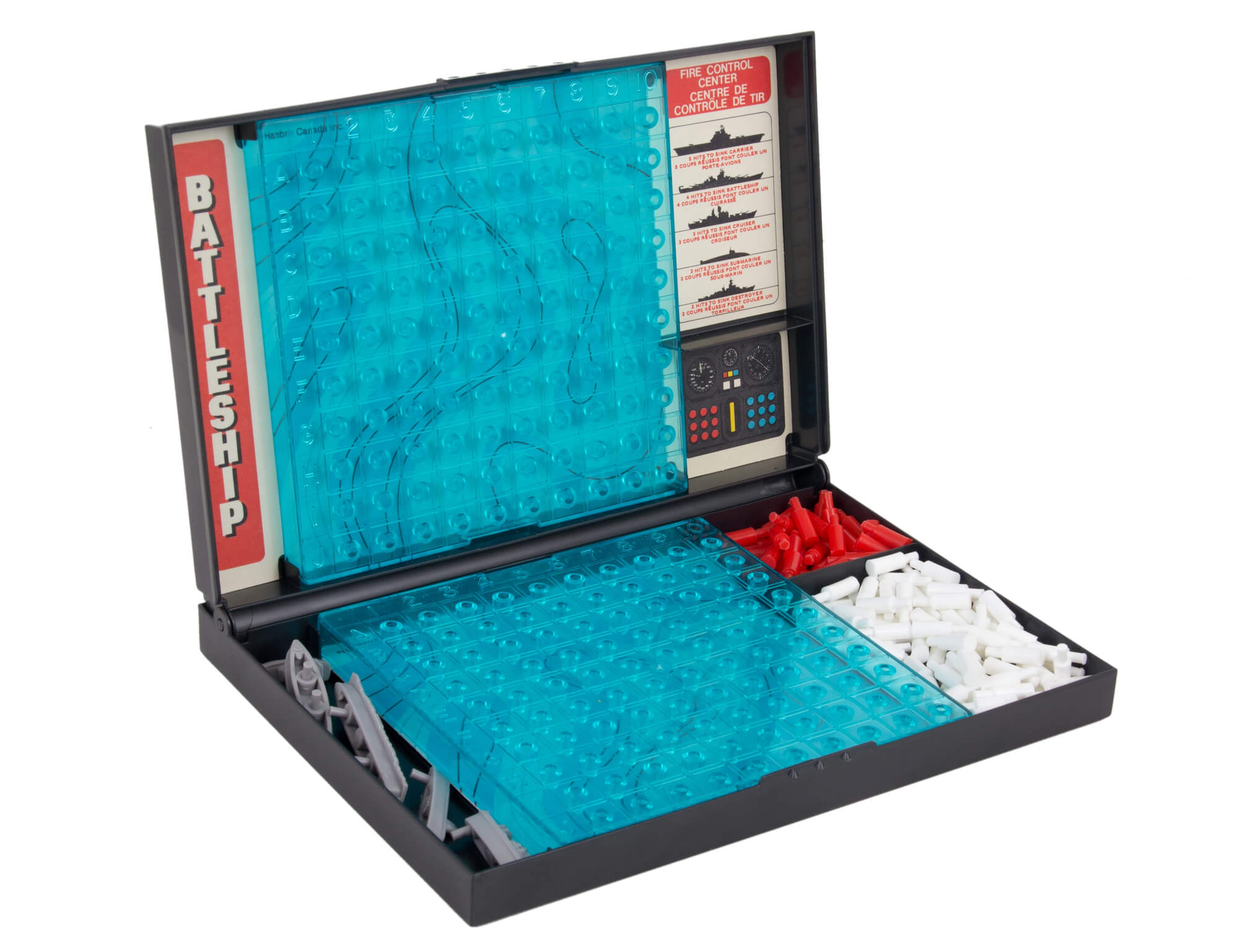
Battleship began as a pencil-and-paper game played for decades before Milton Bradley released a plastic version in 1967. Players hid ships on a grid behind a raised lid and called out coordinates, trying to sink each other’s fleet.
Red pegs marked hits and white pegs marked misses, and the tiny pegs vanished into carpets in every house that owned the game. Kids guarded their boards carefully and sometimes cheated by moving ships.
Electronic Battleship arrived in 1977 and added explosion sounds to every hit, which made the game far louder and somewhat harder to cheat at.
Stratego and Its Hidden Ranks
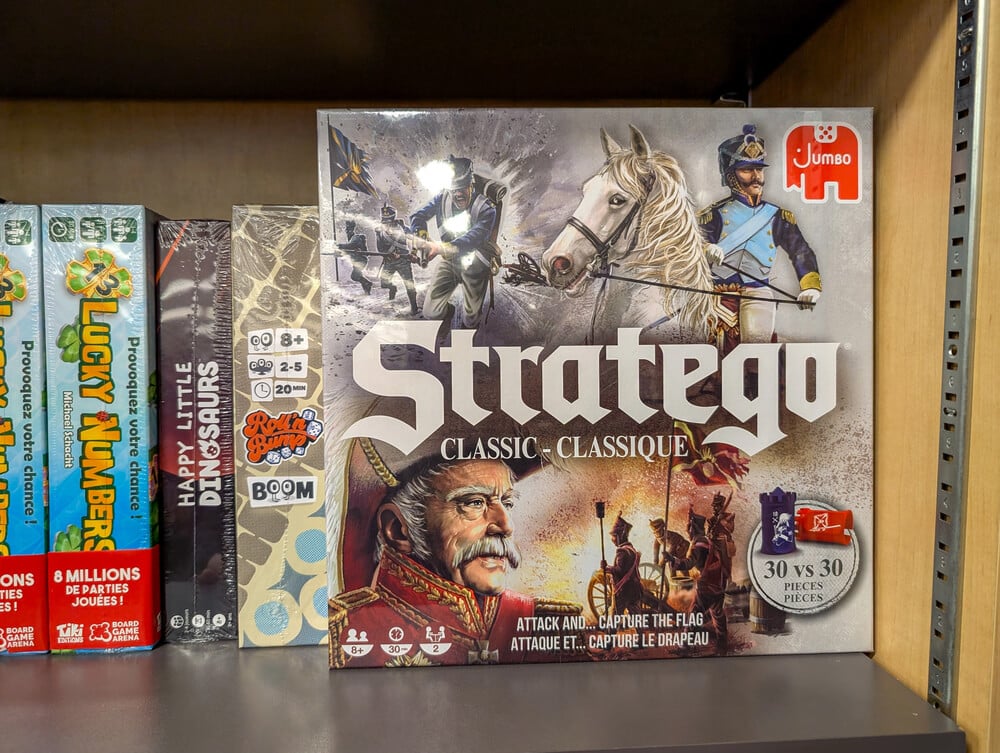
Stratego came from the Netherlands, based on an earlier French game called L’Attaque, and Milton Bradley brought it to American stores in 1961. Players arranged pieces with hidden ranks, from the marshal down to the spy, plus bombs that could not move, then tried to capture the opponent’s flag.
The game rewarded bluffing, memory and careful planning before the first move. Kids learned to surround their flag with bombs and hide a strong piece where nobody expected it.
Stratego became a favorite for older kids who wanted a strategy game shorter and less intimidating than chess.
Risk and World Domination
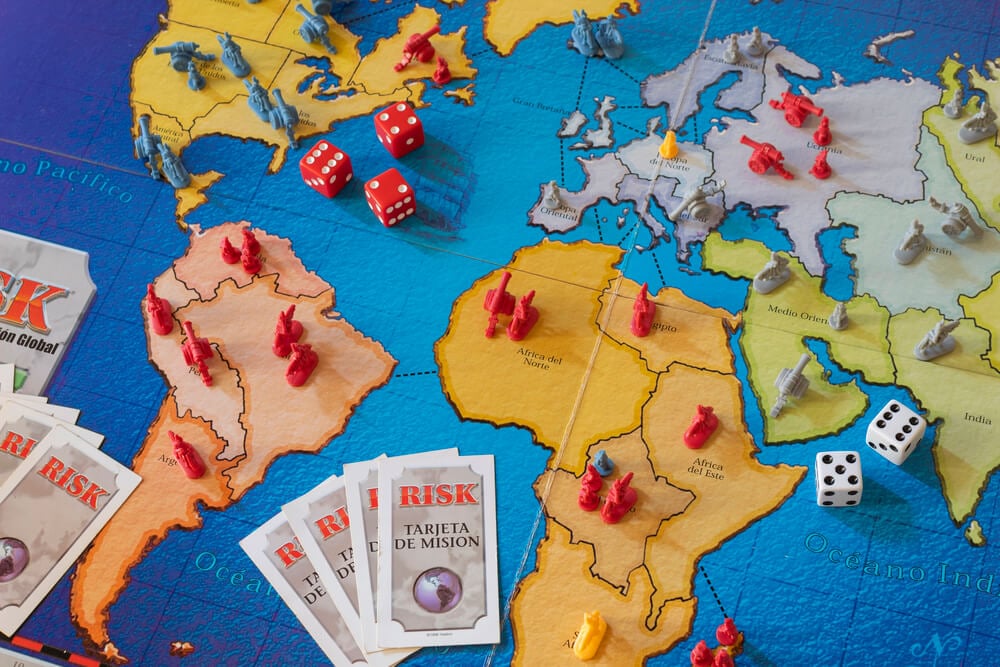
Risk was invented by French filmmaker Albert Lamorisse and released in France in 1957 as La Conquete du Monde, then by Parker Brothers in the United States in 1959. Players moved armies across a map of the world, trying to conquer every territory on the board.
Games could last for hours, sometimes stretching across an entire weekend, and alliances broke down as quickly as they formed. Australia was a famous early stronghold because it had only one way in.
Few board games have ended more friendships, and few have taught more kids the names of distant places such as Kamchatka and Irkutsk.
Yahtzee From a Yacht
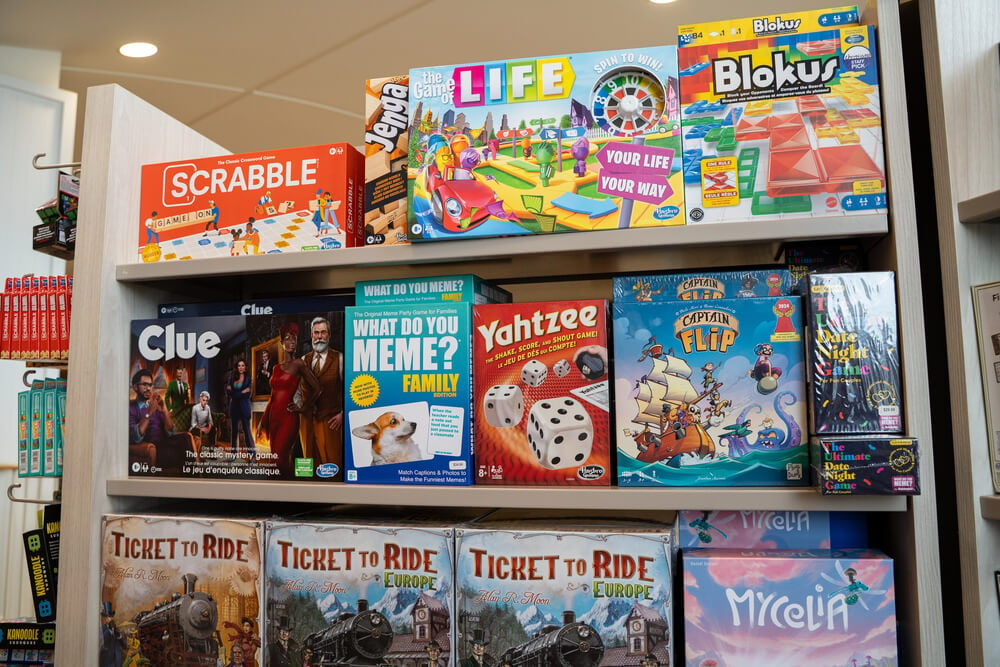
Yahtzee began as a dice game a Canadian couple played on their yacht, and toy entrepreneur Edwin S. Lowe bought the rights and released it in 1956. Players rolled five dice up to three times per turn, trying to fill a scorecard with combinations such as full houses and long straights.
A Yahtzee, five of a kind, earned the biggest single score. Lowe reportedly promoted the game by hosting Yahtzee parties where guests learned to play.
It became one of the best-selling games of all time, and the scorepads ran out long before the dice did.
Boggle and Its Timer
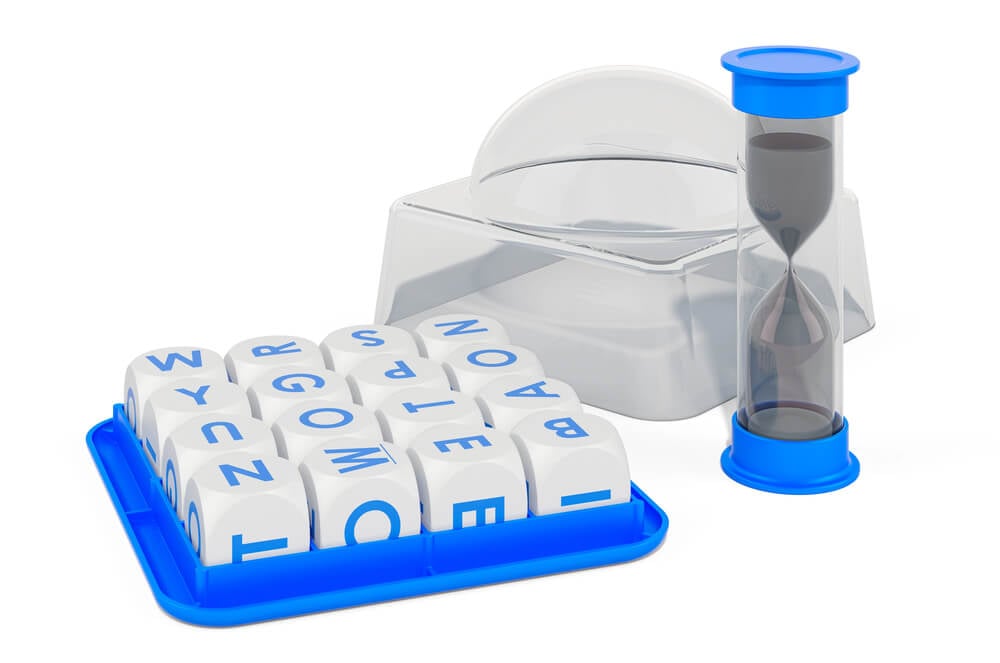
Parker Brothers released Boggle in 1972, a game in which players shook a grid of lettered cubes and hunted for words before a three-minute sand timer ran out. The rattling cubes and frantic scribbling made it loud and competitive.
Players scored only words nobody else had found, so obvious choices often earned nothing. The game rewarded vocabulary, speed and a little creative spelling that opponents rarely accepted.
Families still argue about whether certain words count, and a dictionary usually sits nearby to settle the disputes that inevitably follow each round.
Trivial Pursuit and the Pie Wedges
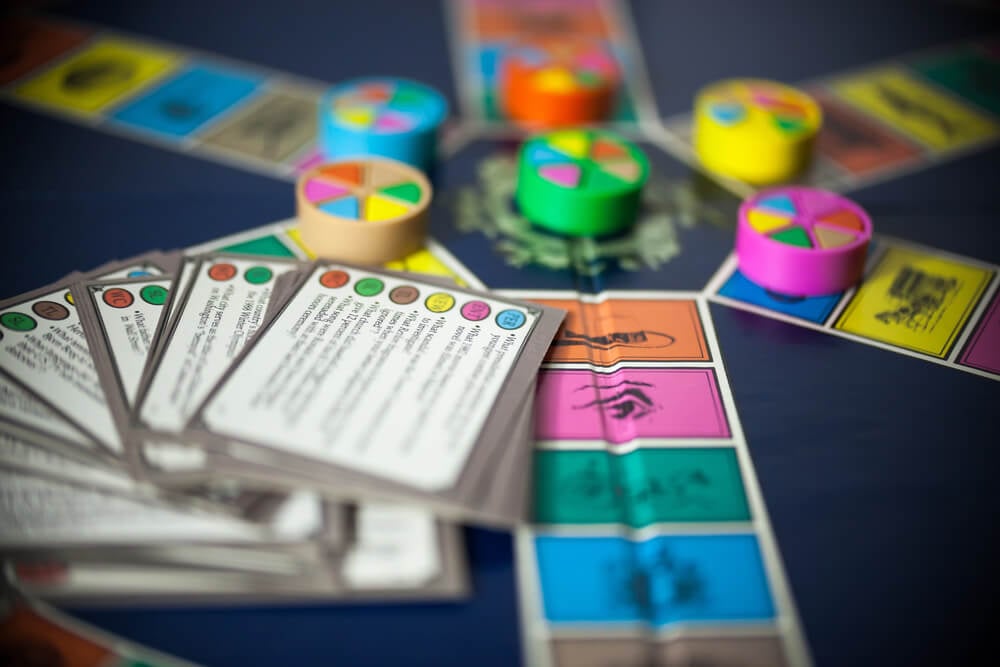
Trivial Pursuit was invented in Montreal in December 1979 by Chris Haney and Scott Abbott after they found pieces missing from their Scrabble set and decided to create their own game. It reached stores in 1981 and became a phenomenon by 1984, when sales in North America ran into the millions.
Players answered questions in six categories, collecting colored wedges for a round playing piece. Arguments over outdated answers were part of the fun.
The game made trivia a family pastime and spawned dozens of specialty editions covering movies, music and sports.
Pictionary and the Drawing Race
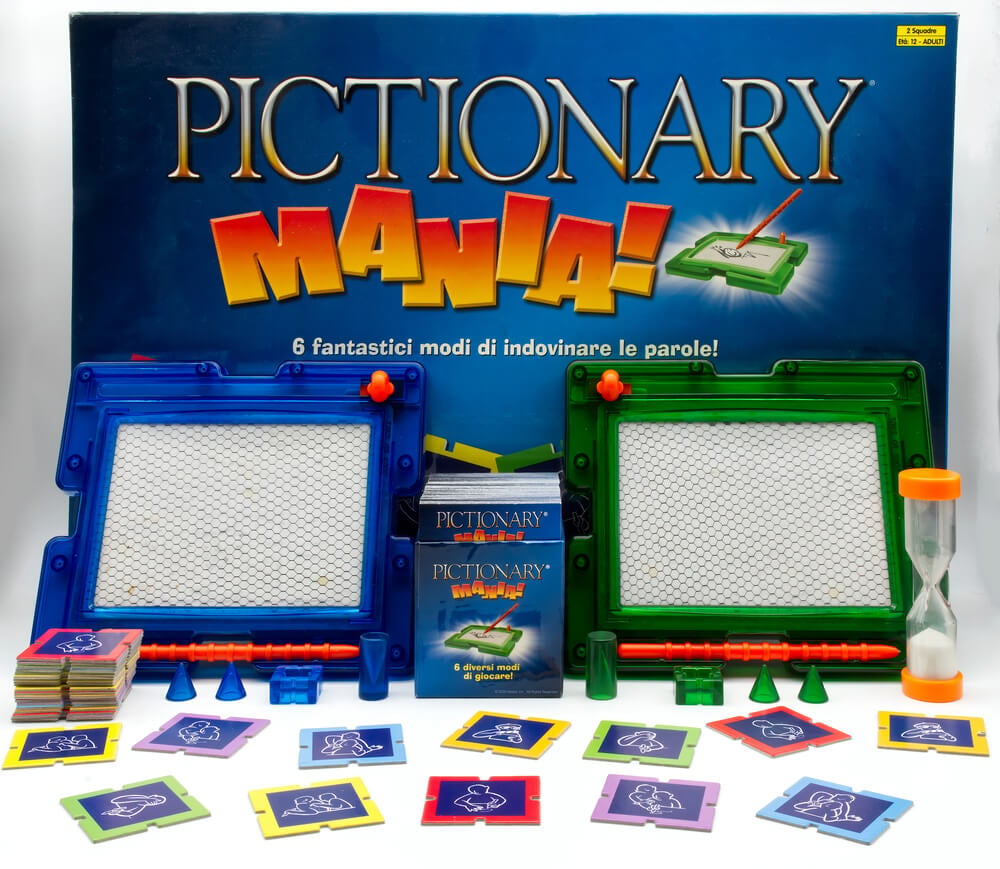
Pictionary was created by Rob Angel, a waiter in Seattle, who released it in 1985 after playing a version with friends. Players drew pictures to help teammates guess words before a one-minute timer ran out, with no letters or numbers allowed.
Artistic skill helped, but wild guessing and frantic scribbling were the real heart of the game. It became a party favorite in the late 1980s and stayed one for decades.
Pictionary proved that terrible drawings could be just as entertaining as good ones, and often more so when an entire table was shouting at once.
Guess Who and Its Flip-Down Faces
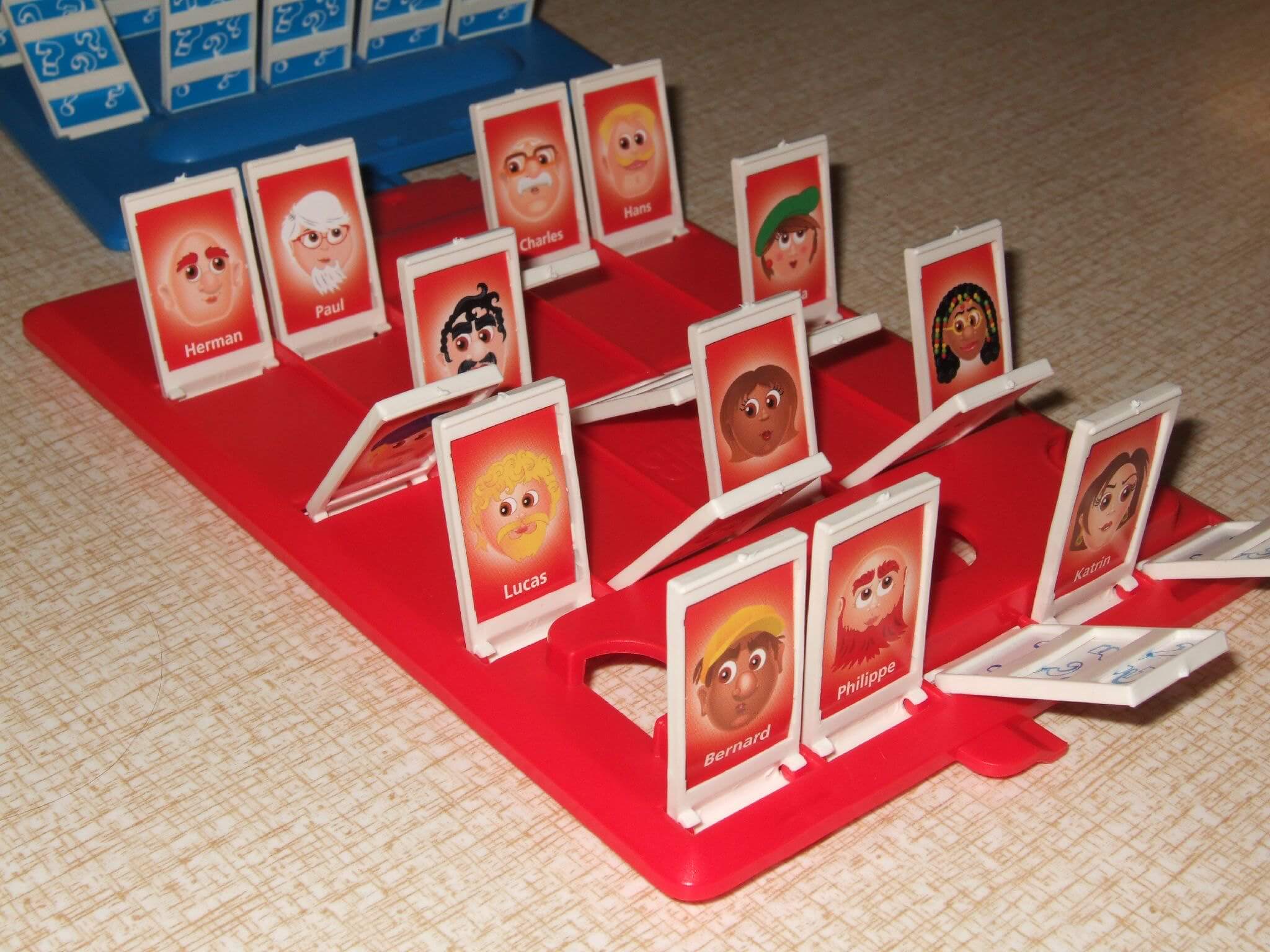
Guess Who first appeared in 1979 and became a Milton Bradley staple, a game in which each player picks a mystery character and asks yes-or-no questions to identify the opponent’s choice. Players flipped down faces on their plastic boards as they ruled them out.
Questions about hats, glasses, hair color and facial hair narrowed the field quickly. The game quietly taught kids logical thinking and the value of a well-chosen question.
It also produced plenty of disputes when someone answered a question wrong and the entire game collapsed in the final round.
Mastermind and the Code Pegs
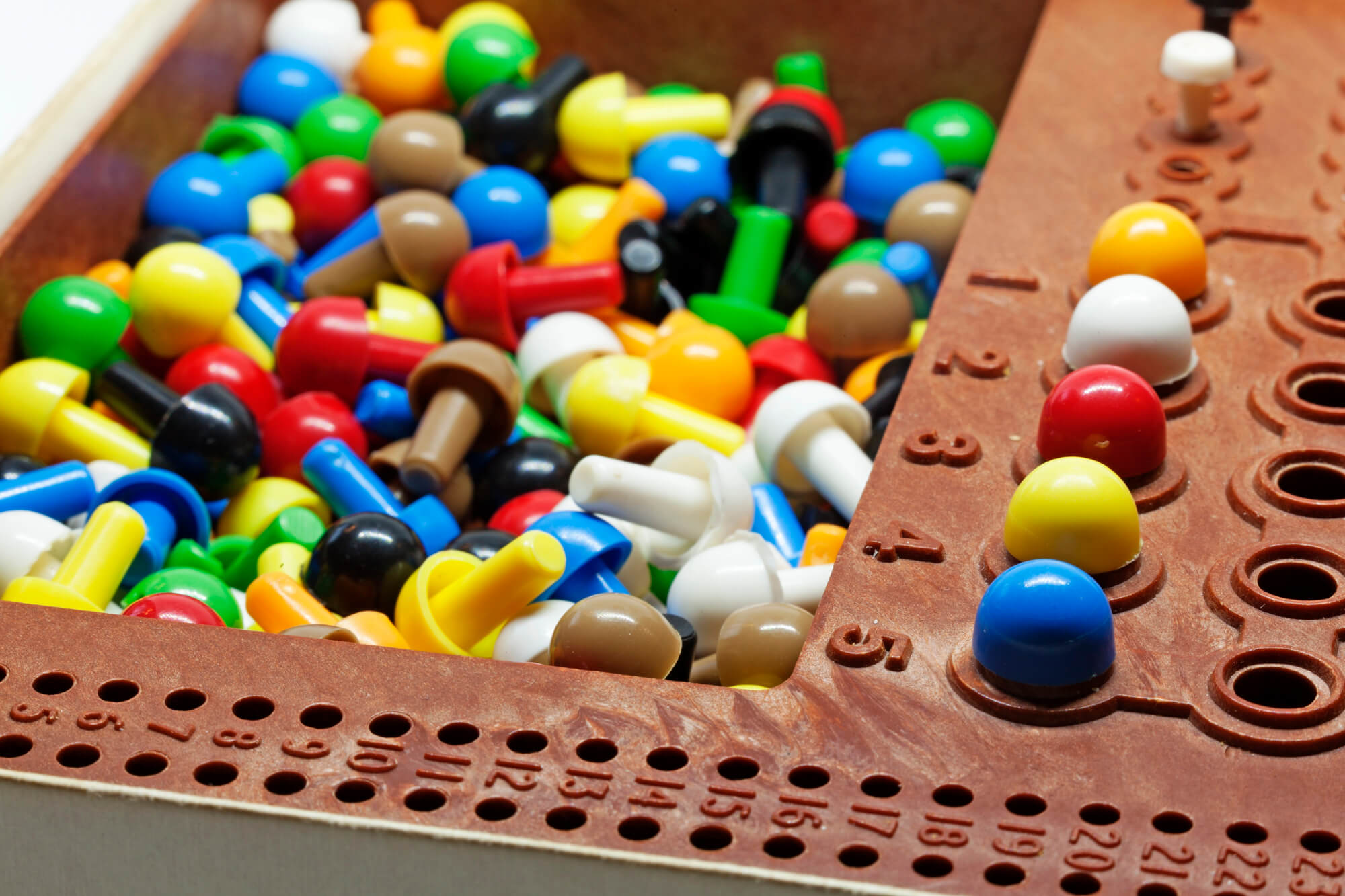
Mastermind was invented by Mordecai Meirowitz, an Israeli postmaster and telecommunications expert, and released in 1970. One player hid a code of colored pegs behind a shield, and the other guessed, getting feedback through small black and white key pegs.
The box art showed a serious man in a suit with a woman standing behind him, and the image became nearly as famous as the game. Mastermind was a logic puzzle in disguise.
It became one of the most popular games of the 1970s and remains a favorite for teaching deductive reasoning in classrooms.
Pay Day and the Monthly Calendar
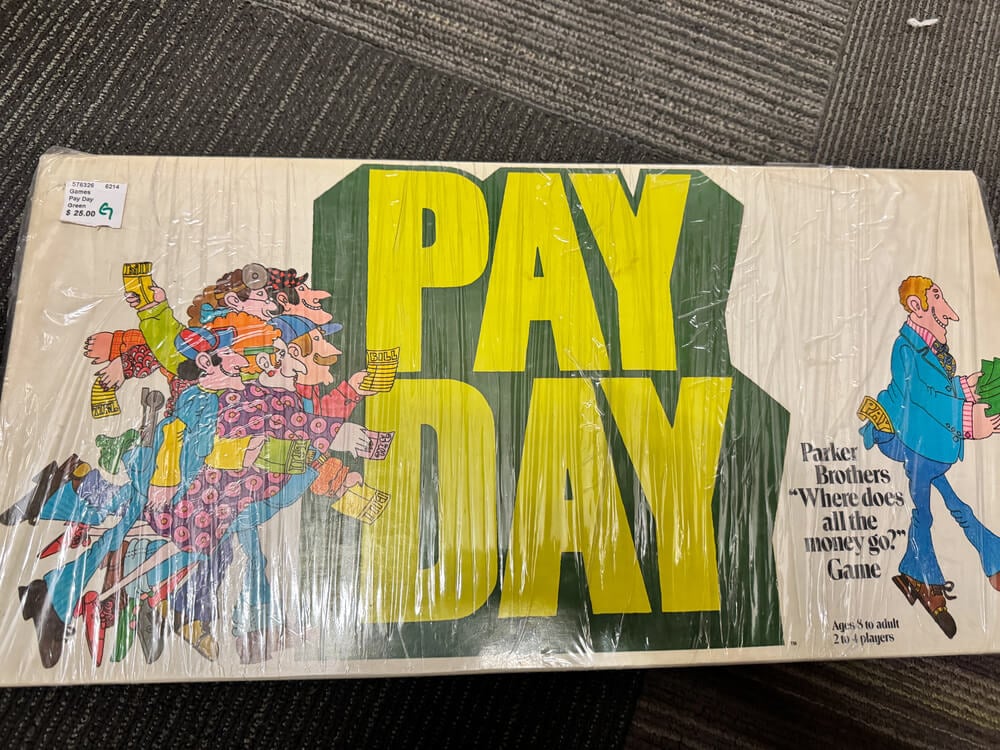
Parker Brothers released Pay Day in 1975, a game built around a monthly calendar board instead of a track. Players collected paychecks, paid bills, bought deals and handled surprise expenses such as a sudden car repair as they moved through the month.
Loans came with interest, which caught many young players off guard. The game quietly taught basic money management to a generation of kids.
Many adults say it was their first lesson in personal finance, even if they did not realize it at the time and mostly cared about collecting the paycheck.
Masterpiece and the Art Auction
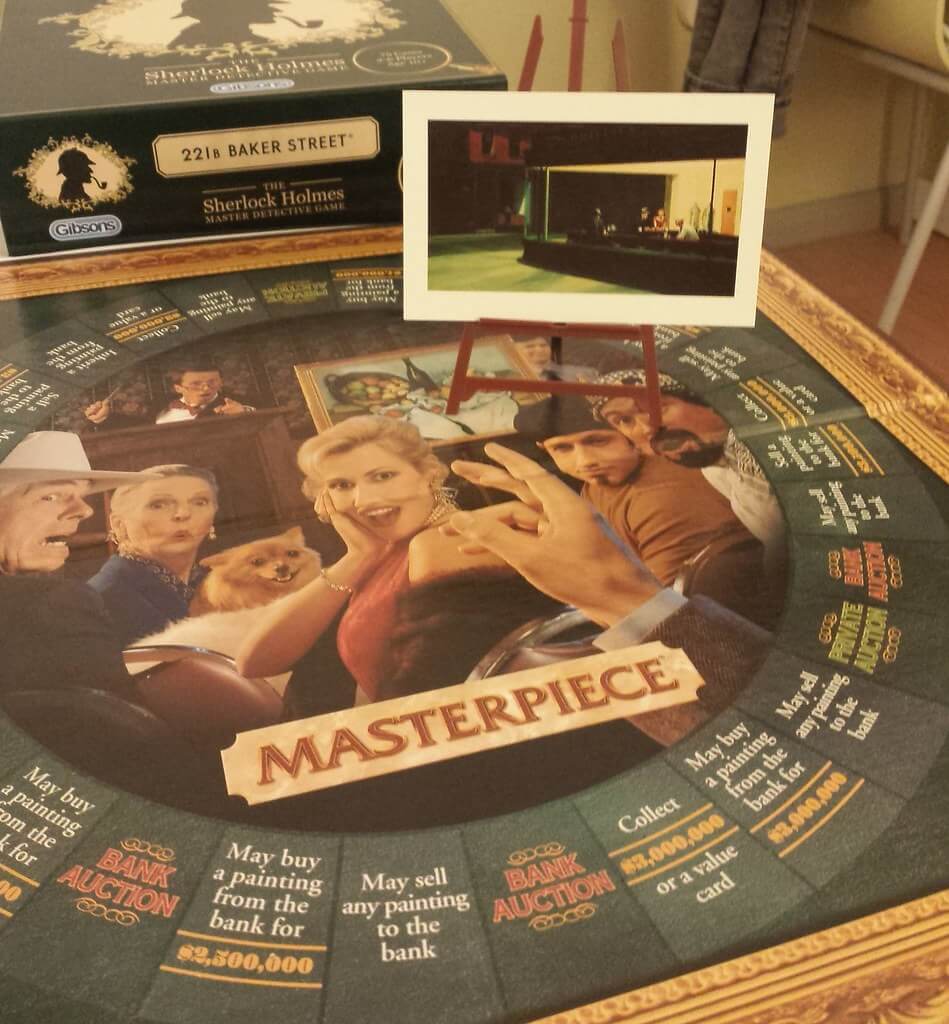
Parker Brothers released Masterpiece in 1970, a game about buying and selling famous paintings at auction. It used reproductions of real artworks from the Art Institute of Chicago, printed on cards that introduced kids to European and American masters.
Players bid on paintings without knowing their true value, which was hidden on separate cards. Some paintings turned out to be forgeries worth nothing, which made bidding wars risky and funny.
Masterpiece introduced many kids to famous art, and some later recognized the paintings in museums with a jolt of recognition.
Othello and Its Flipping Discs
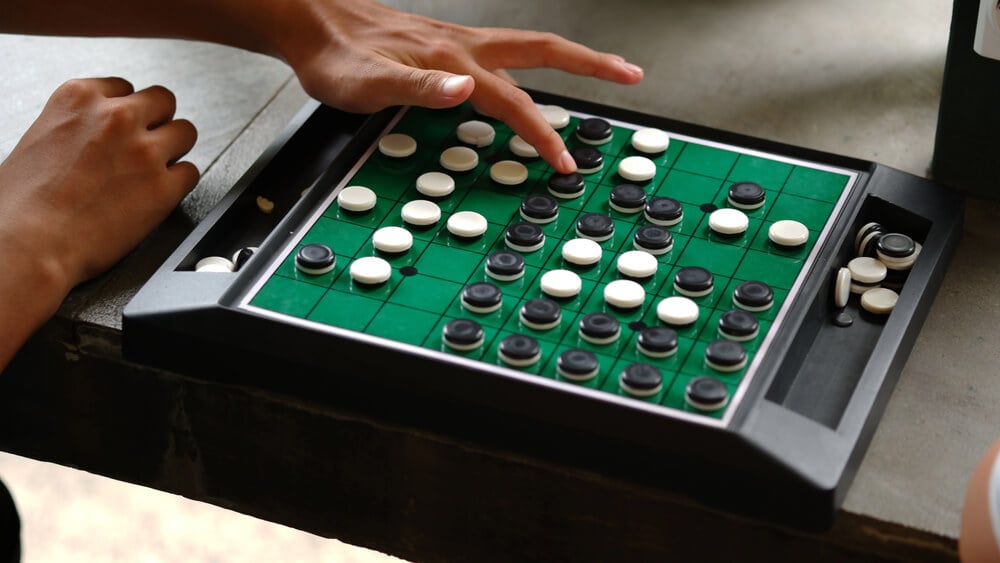
Othello was developed by Goro Hasegawa in Japan in the early 1970s, building on the older English game Reversi. Players placed black and white discs on a green board, flipping the opponent’s discs by trapping them between their own.
The game’s slogan promised a minute to learn and a lifetime to master, and both halves held true. Othello caught on in the United States in the mid-1970s and spread through schools and family game closets.
It remains a favorite of strategy fans, and a single move late in the game can flip the entire board.
Parcheesi From India
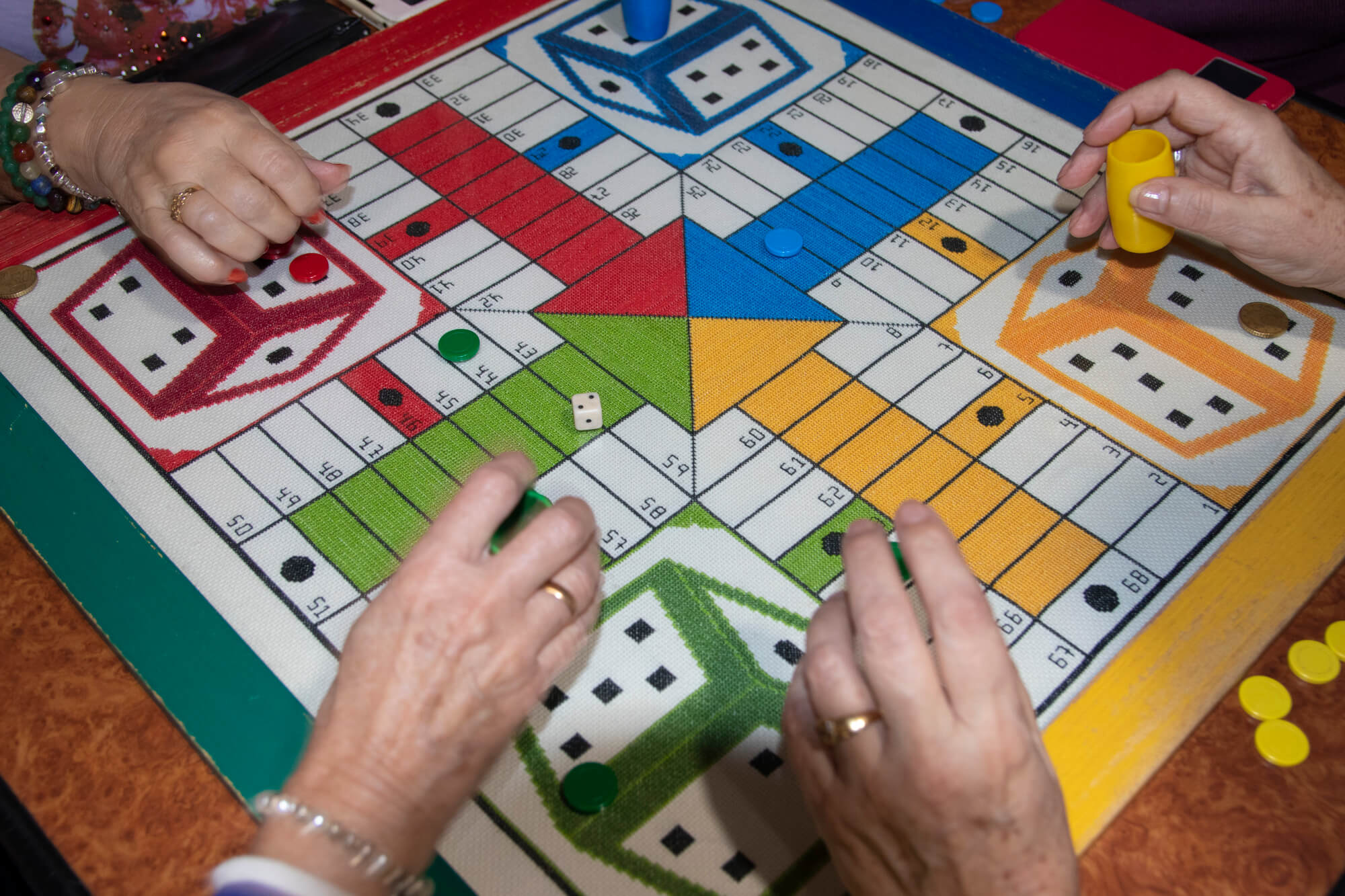
Parcheesi is the American version of Pachisi, an ancient game from India often called the national game of that country. Selchow and Righter trademarked the Parcheesi name in the 1870s, long before Monopoly or Scrabble existed.
Players moved pawns around a cross-shaped board, trying to get all four home, while forming blockades and capturing opponents along the way. The game balanced luck and strategy in a way that kept both kids and grandparents interested.
Parcheesi became a fixture of family game closets and often sat on the shelf beneath newer games for generations.
Chinese Checkers From Germany
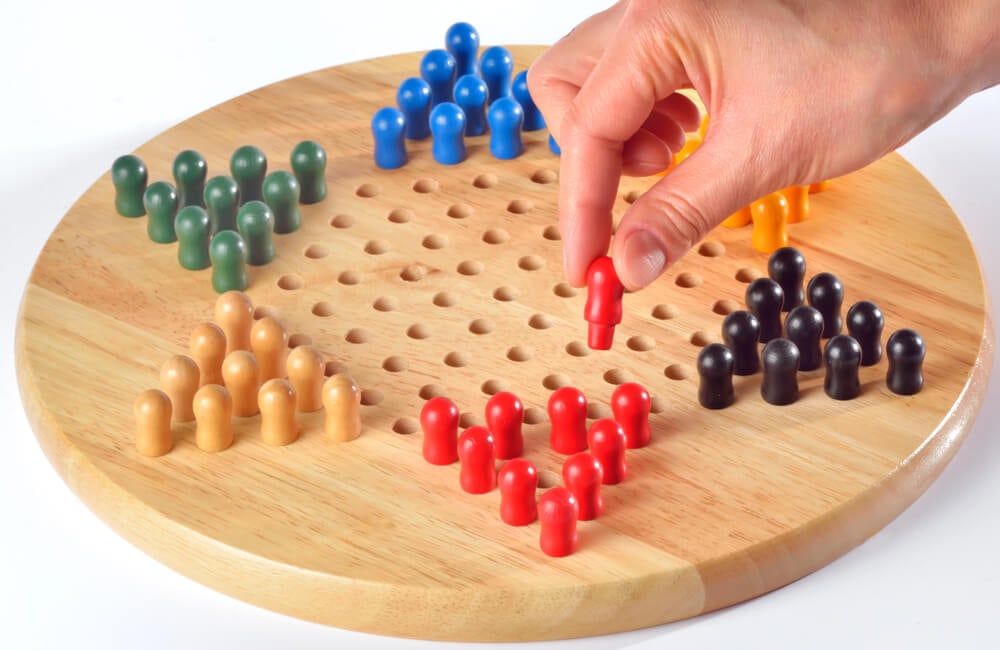
Chinese Checkers did not come from China at all. It was invented in Germany in 1892 as Stern-Halma, a variation on the earlier game Halma, and the name Chinese Checkers was a marketing invention in the United States.
Players moved marbles across a star-shaped board, trying to fill the opposite point before anyone else. The game rewarded long chains of jumps and careful planning.
Metal and plastic boards were common in homes for decades, and a missing marble or two rarely stopped anyone from playing.
Don’t Break the Ice
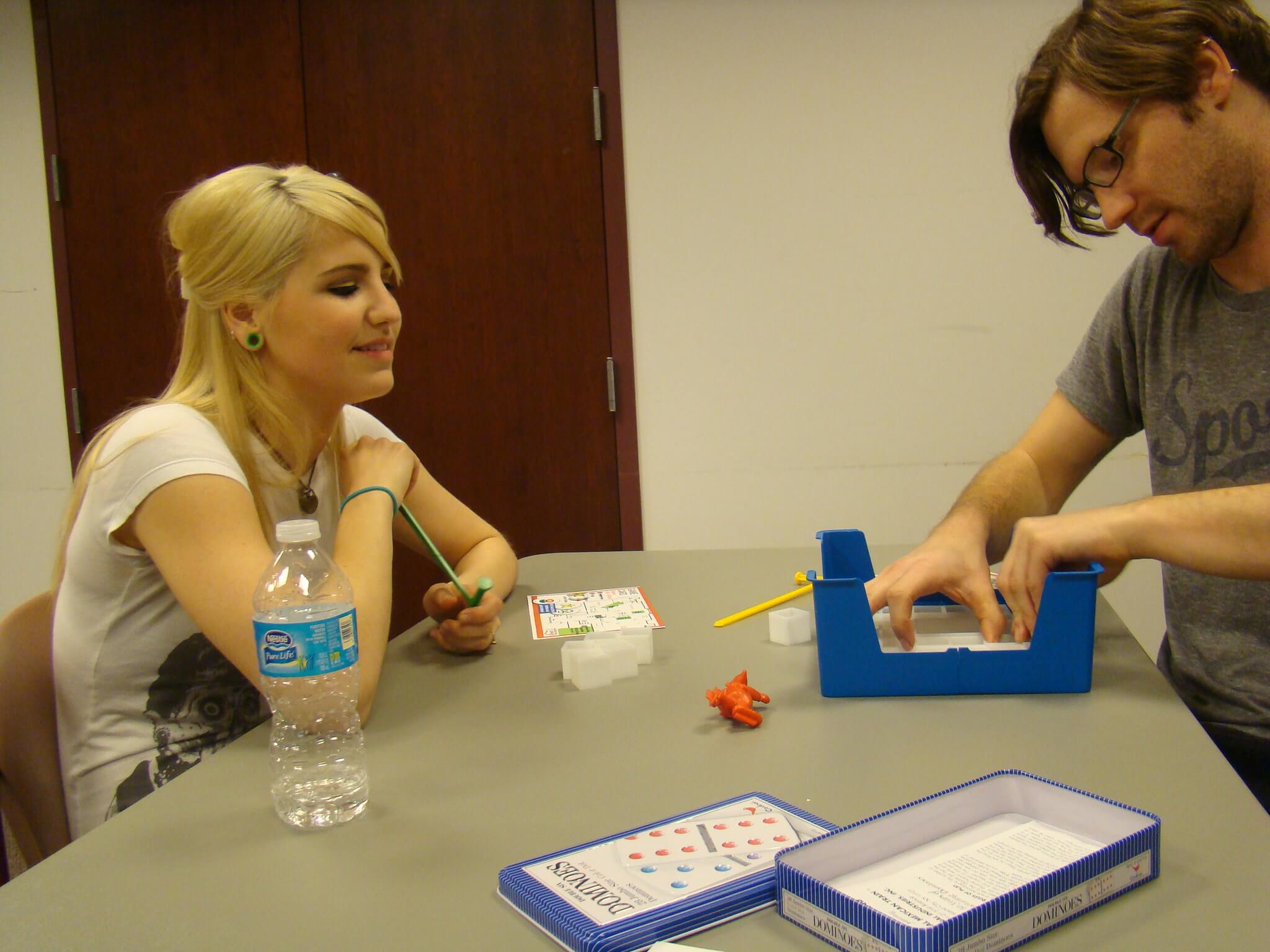
Schaper released Don’t Break the Ice in 1968, a game in which players took turns tapping plastic ice blocks out of a frame with small plastic hammers. The goal was to avoid being the player who caused the ice to collapse and dropped a small figure through the floor.
The game was fast and tense, with every tap a small gamble. Kids loved the moment of collapse and the shouting that followed.
It remains a classic preschool game, and the little hammers were often borrowed for other jobs around the house.
Mall Madness and the Talking Mall
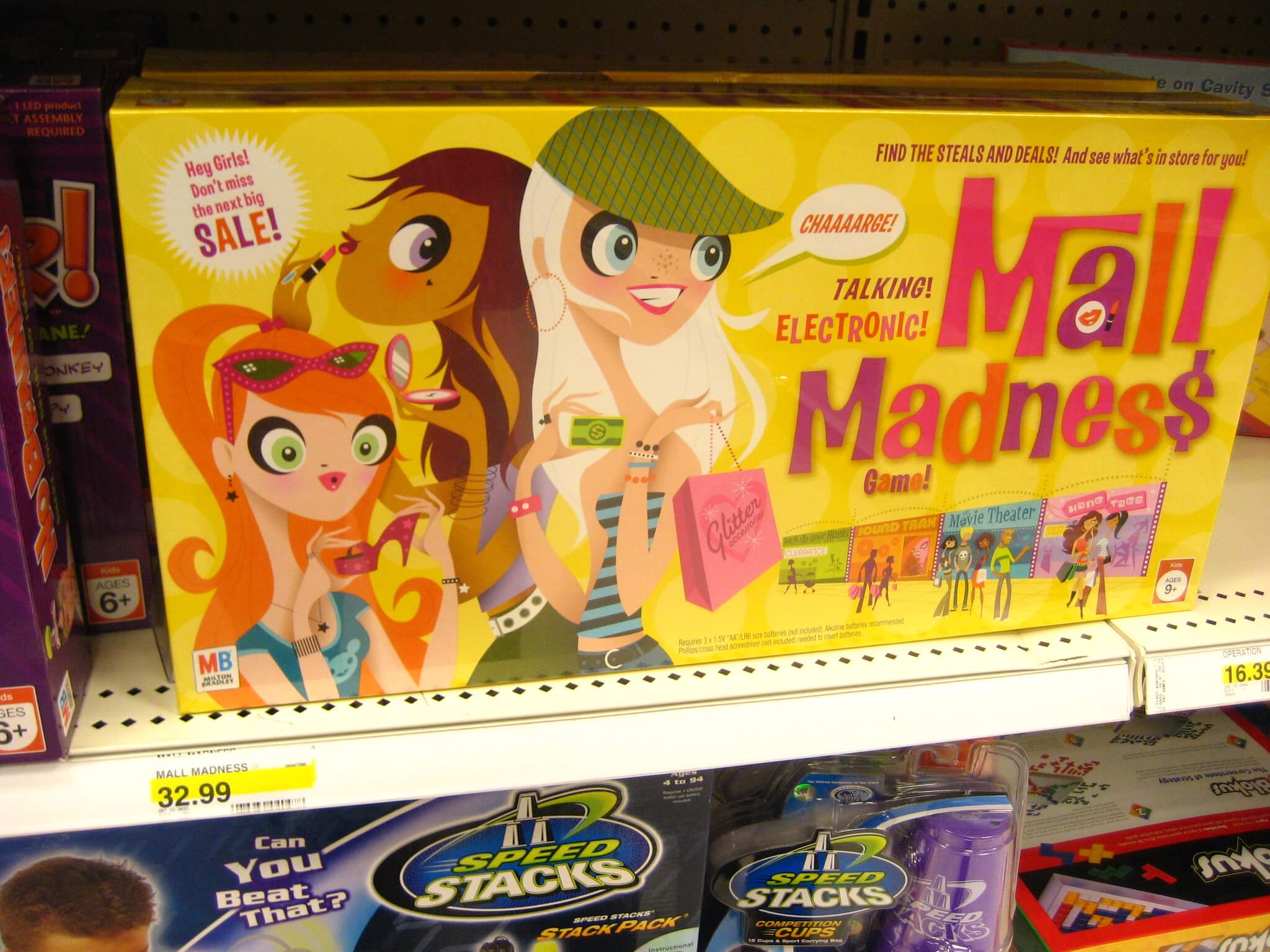
Milton Bradley released Mall Madness in 1988, an electronic board game in which players raced around a two-story shopping mall buying items on a list. A talking electronic voice announced sales and clearances, and players used a plastic credit card to make purchases at stores.
The game was hugely popular with kids in the late 1980s and early 1990s. It captured the mall culture of the era, from the food court to the parking lot.
Original copies with working electronics are now collectible, and battery corrosion is the usual reason they stop talking.
Closets That Kept the Family Home
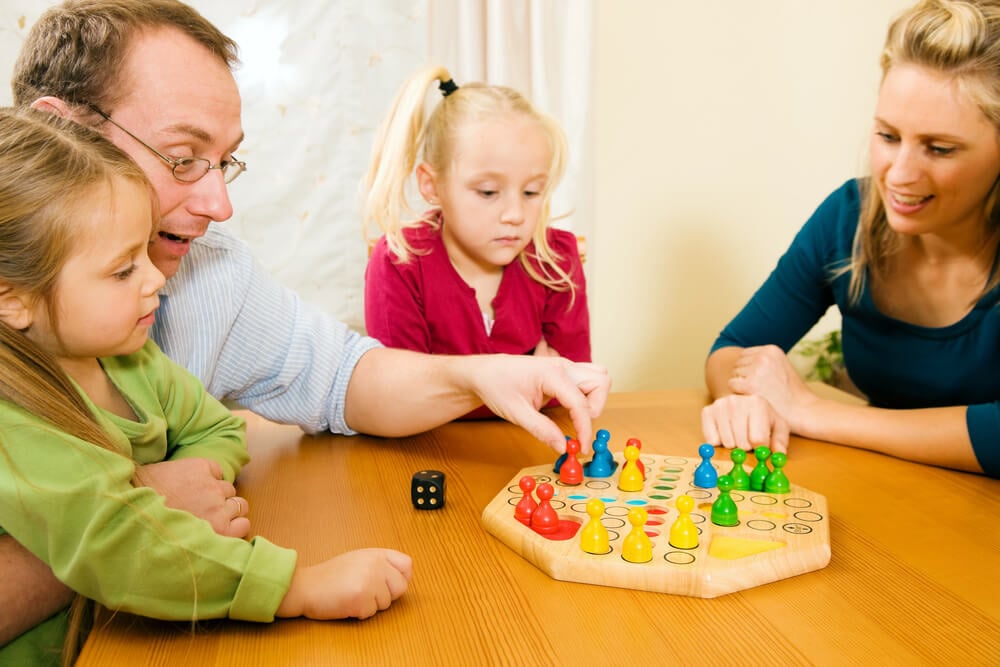
Board games survived the arrival of video games because they offered something screens could not. They put a family around the same table, often for hours, with nothing else competing for attention.
The arguments, the inside jokes and the stubborn house rules became part of family history. Many of these games are still sold, sometimes in updated editions with new pieces or themes.
The old boxes, with their torn corners and missing pieces, still sit in closets across the country. They are rarely valuable to anyone else.
To the families who played them, they are priceless.
More from Go2Tutors!

- The Romanov Crown Jewels and Their Tragic Fate
- 13 Historical Mysteries That Science Still Can’t Solve
- Famous Hoaxes That Fooled the World for Years
- 15 Child Stars with Tragic Adult Lives
- 16 Famous Jewelry Pieces in History
Like Go2Tutors’s content? Follow us on MSN.