Cities with lesser-known Nicknames
Although most people only know New York as the Big Apple and Chicago as the Windy City, many American cities have unofficial nicknames. These names provide intriguing details about the local history, businesses, and peculiarities that shaped each community into what it is today.
Here is a list of 15 cities with lesser-known nicknames that deserve more attention.
Indianapolis – Naptown
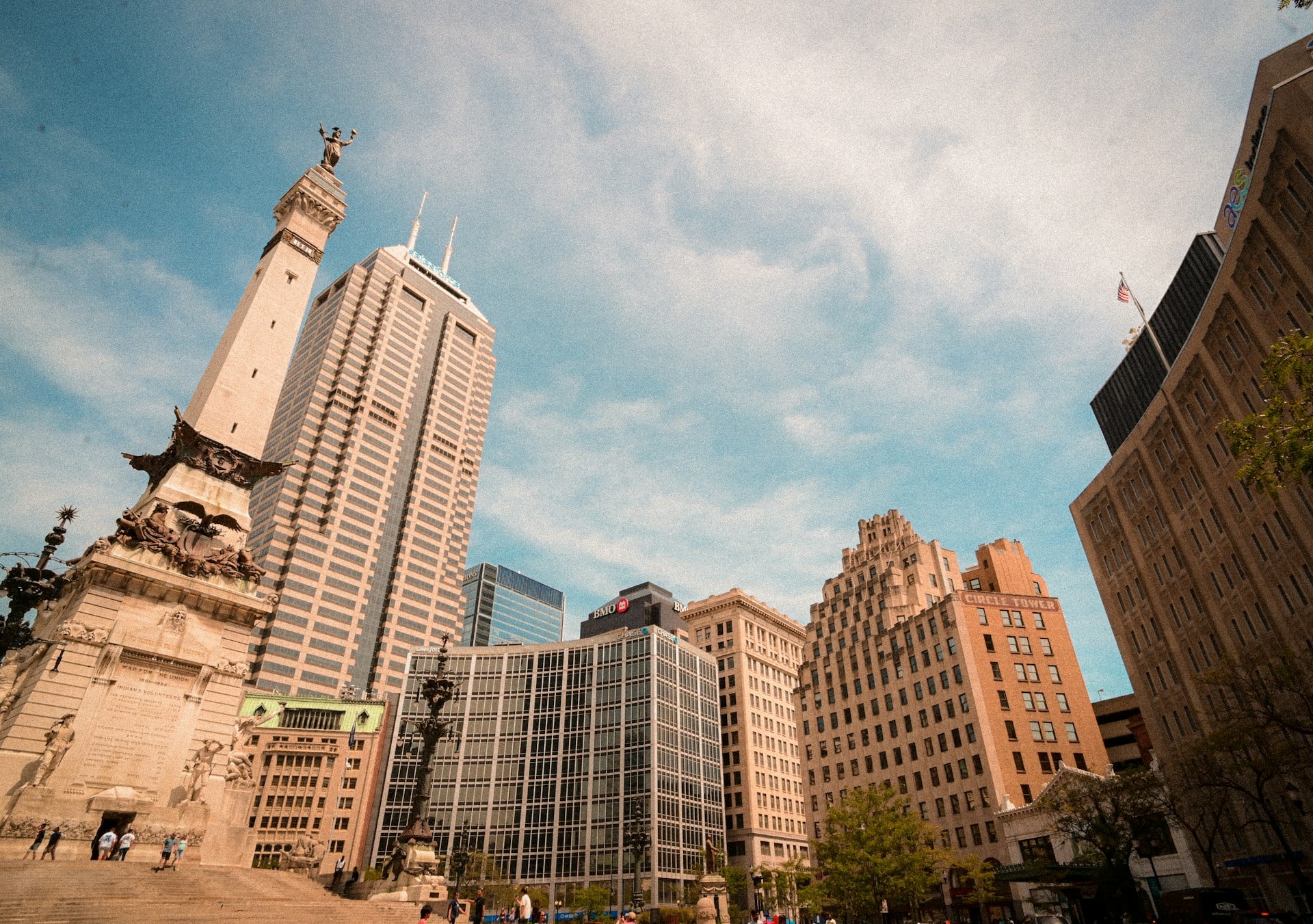
Indianapolis earned the nickname Naptown during the 1920s and 1930s jazz scene, when local musicians started shortening the city’s name to its most prominent syllable. Over time, the name picked up a negative vibe, with outsiders thinking it meant the city was slow or dull.
These days, locals have reclaimed the term and wear it as a badge of honor, celebrating the relaxed, laid-back atmosphere that makes Indianapolis feel welcoming rather than boring.
Sacramento – City of Trees
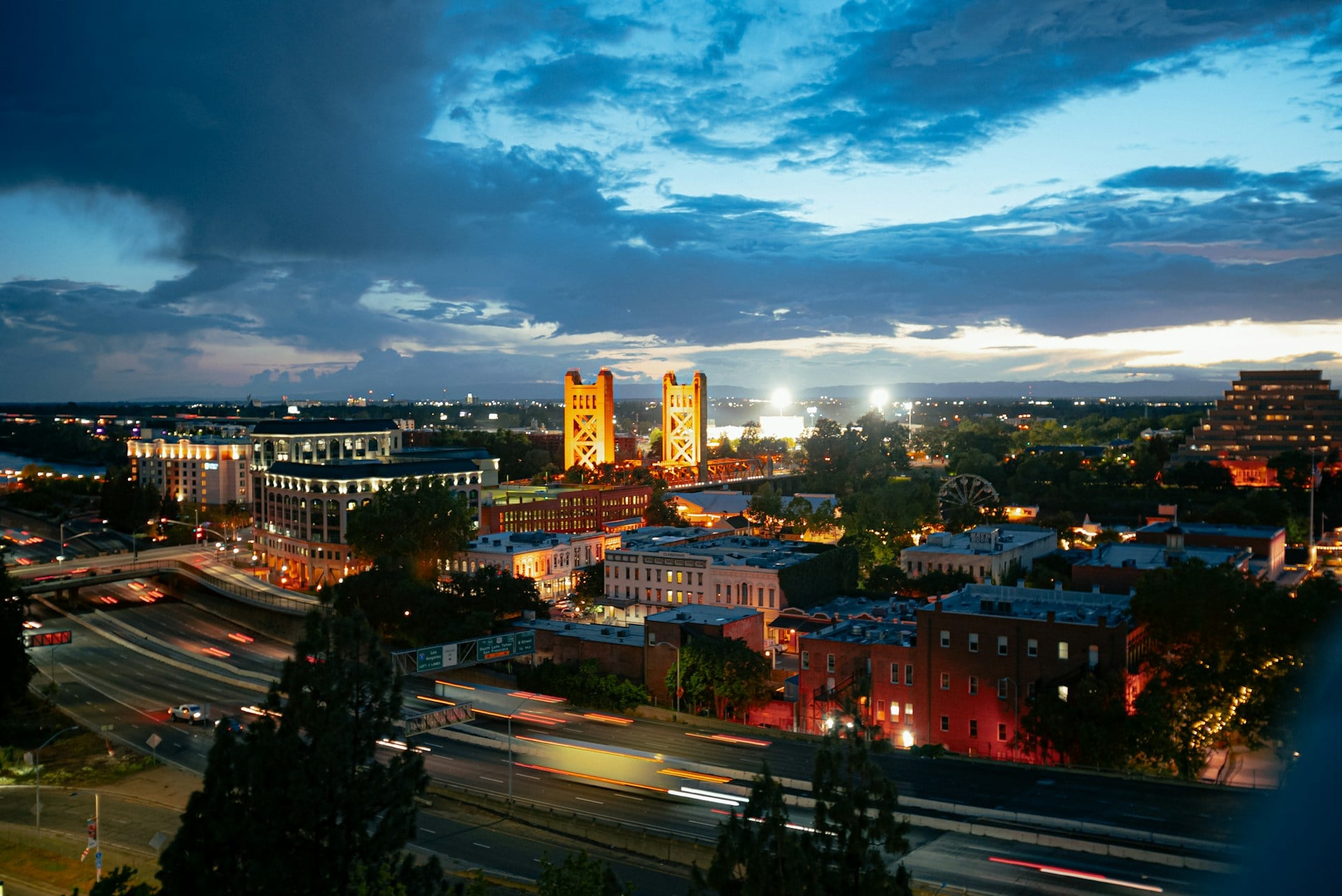
Sacramento has been known as the City of Trees since 1855, though the nickname is a bit ironic given its origins. The area was originally dubbed the City of Plains because it had almost no greenery, so residents started planting trees to create shade from the scorching heat.
Today, Sacramento rivals Paris for tree coverage per capita, and the city has ambitious plans to double its canopy in the coming years.
Hartford – Insurance Capital of the World
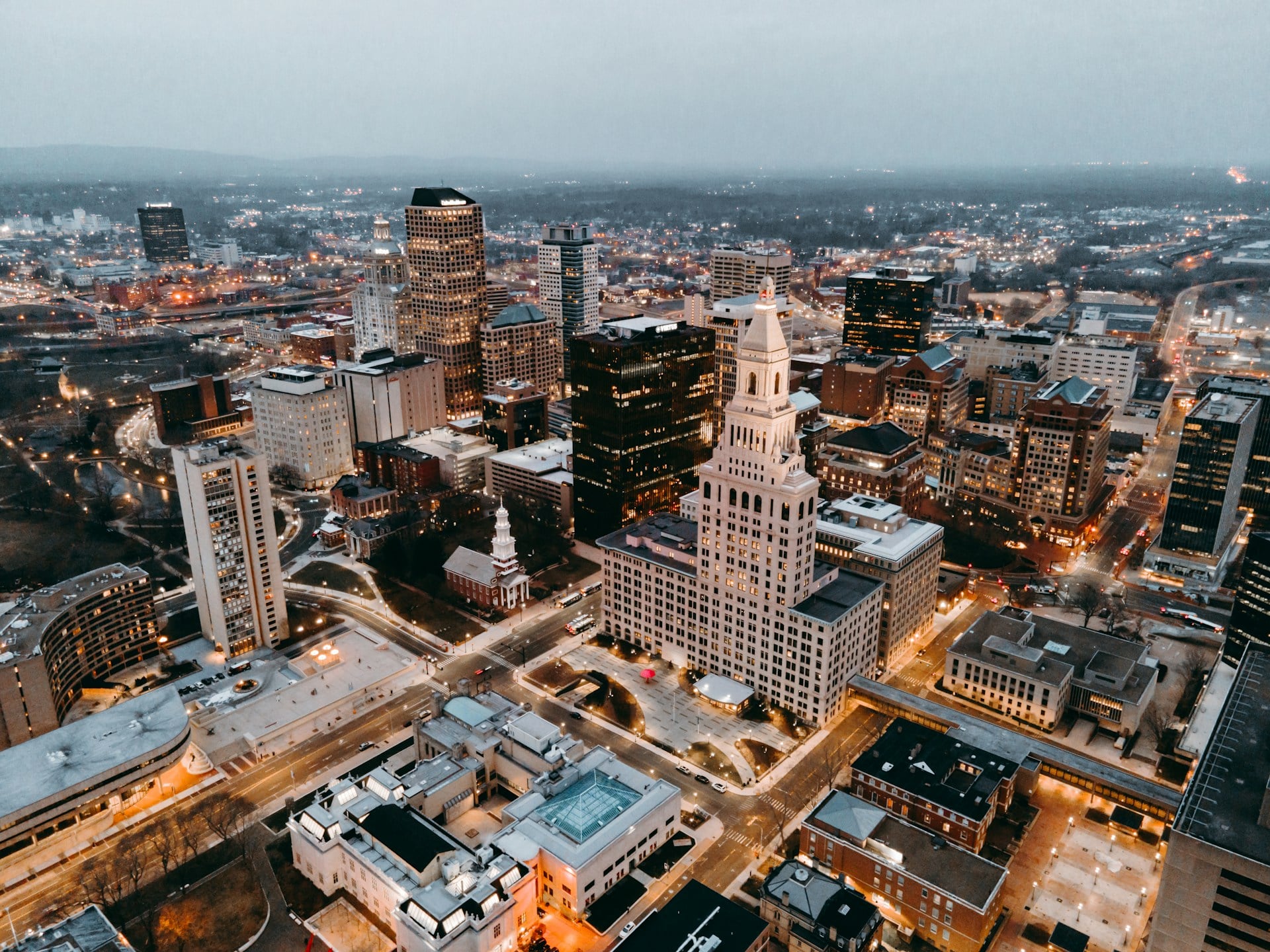
Hartford might not have the flashiest nickname, but it tells you exactly what the Connecticut capital does best. The city became an insurance powerhouse after merchants started making informal risk-sharing agreements centuries ago, eventually formalizing these into full-fledged insurance companies.
The devastating 1845 New York City fire only strengthened Hartford’s reputation, and today about 100 insurance companies maintain operations in the city.
Annapolis – Athens of America
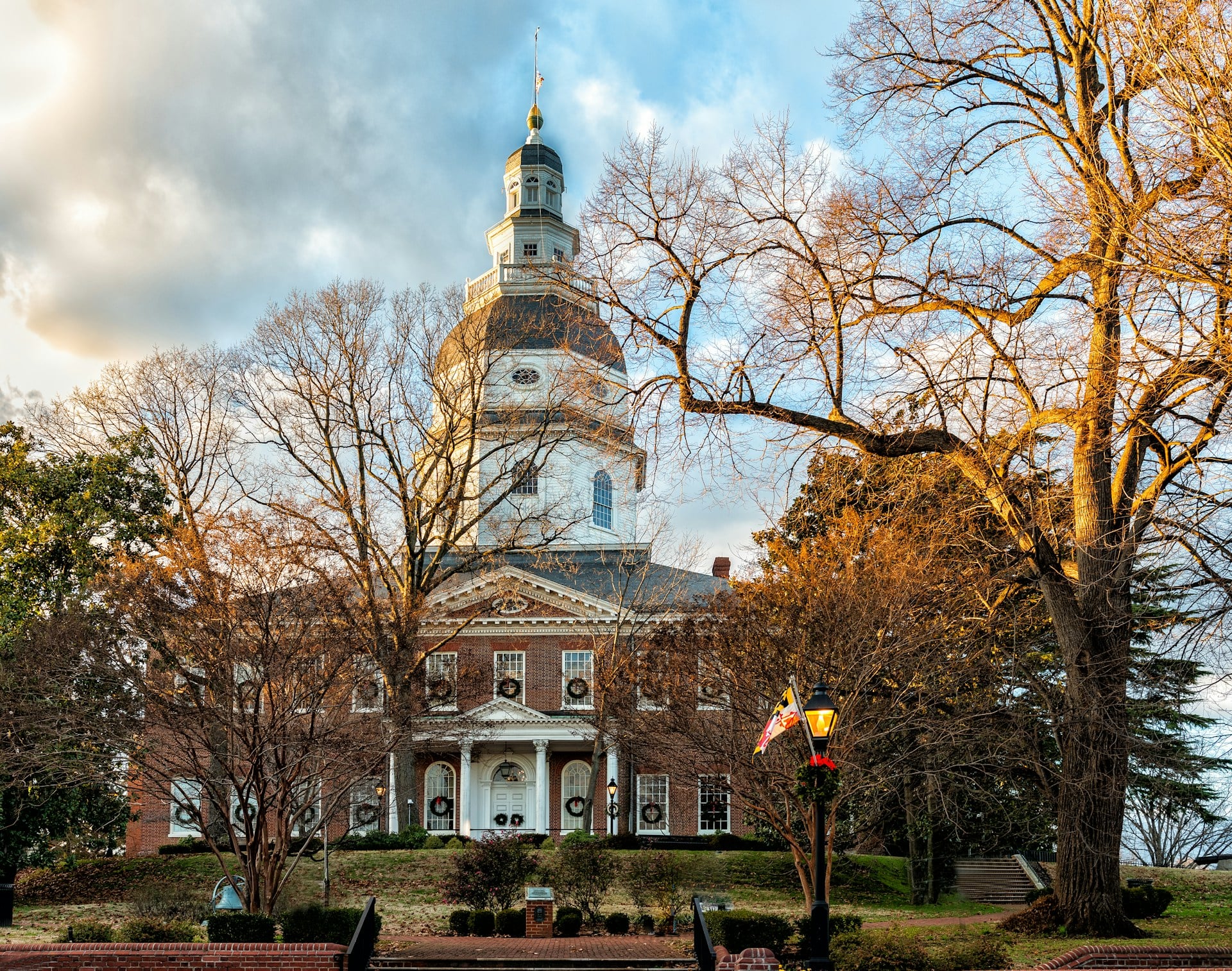
Although Boston has also been referred to by this traditional moniker over the years, Annapolis’s cultural life in the 18th century is the main reason for its use. The name draws attention to Annapolis’s significance as a hub of civic engagement and intellectual activity throughout American history.
The city’s dedication to democracy and education is reflected in the comparison to Athens, which is home to the US Naval Academy and a vibrant cultural scene.
Reno – Biggest Little City in the World
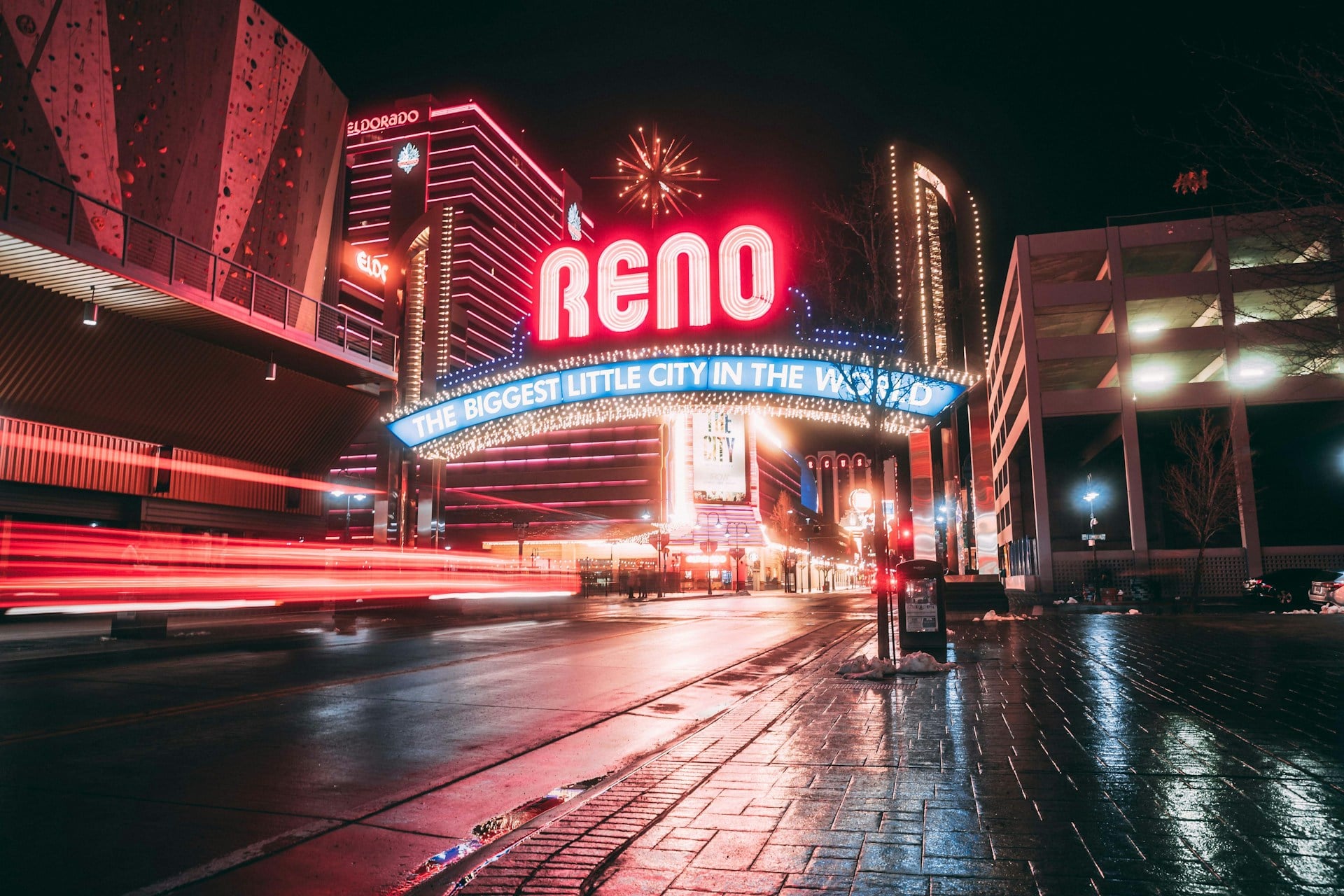
Reno proudly embraces this paradoxical nickname, which first appeared on an arch spanning Virginia Street in 1929. With under 300,000 residents spread across 109 square miles, Reno offers the casinos, resorts, shows, and dining you’d expect from a much larger metropolis.
The founding of the University of Nevada, Reno in 1874 helped transform the city from a simple railroad stop into a cultural hub that gives visitors the best of both worlds.
Buffalo – Queen City
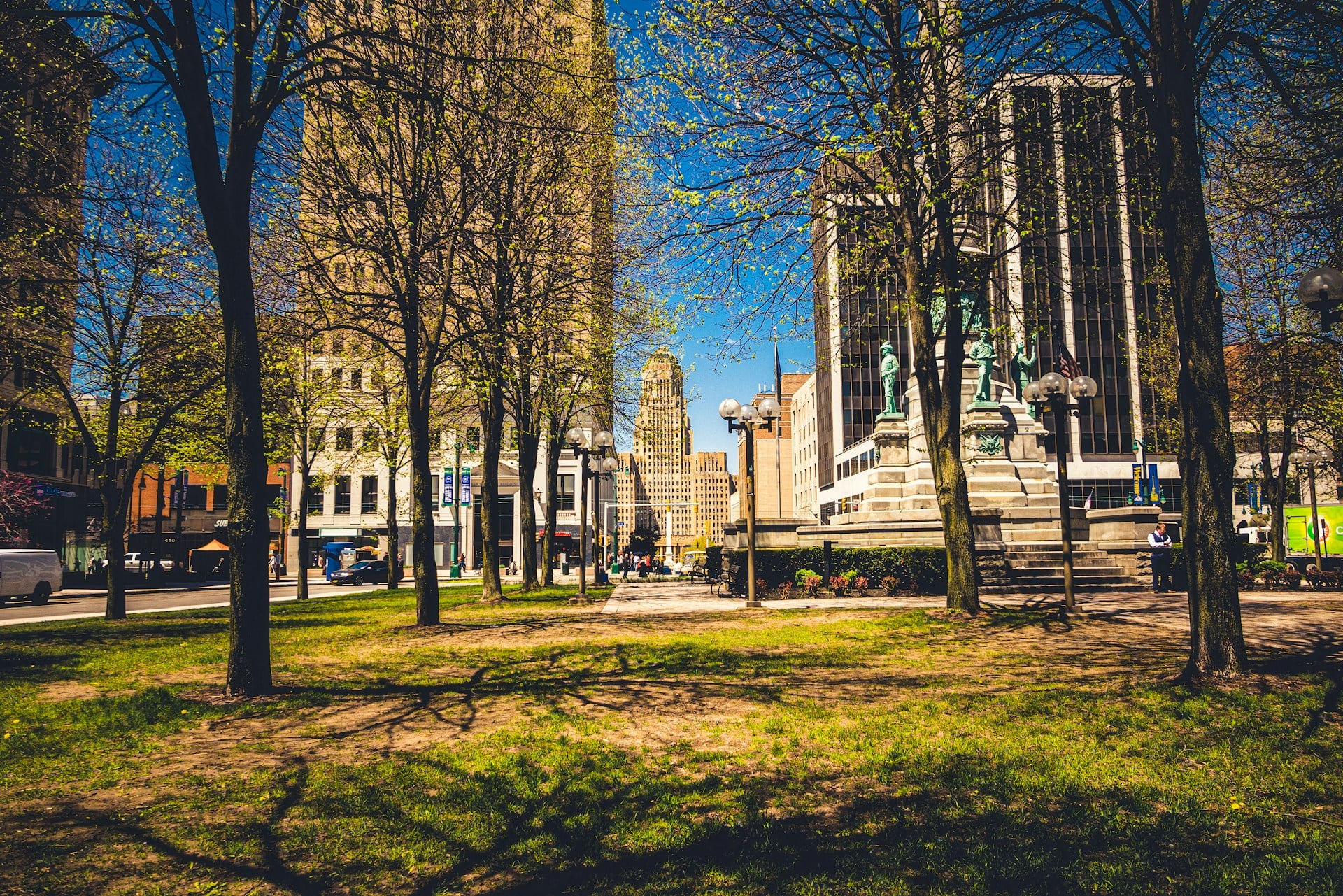
Buffalo earned this royal title when it became the second-largest city in New York State and a major hub at the western end of the Erie Canal. The completion of the canal in 1825 transformed Buffalo into a bustling trade port where grain and other goods moved between the Great Lakes and the Atlantic.
Though Buffalo has other nicknames like Nickel City and City of Light, Queen City remains a favorite that speaks to the city’s historical importance.
Cleveland – Forest City
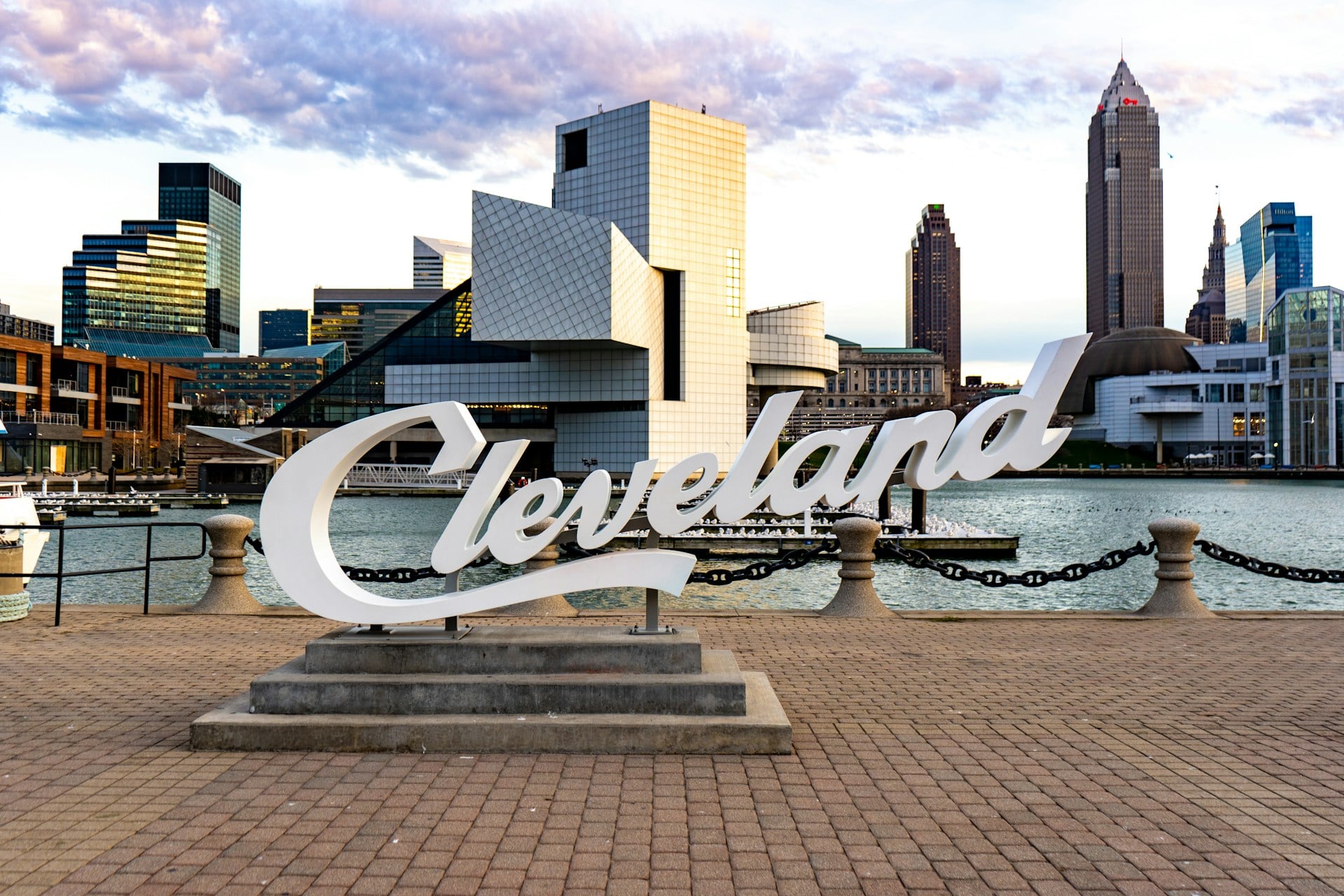
Cleveland’s oldest nickname was popularized in 1834 by the Forest City Hook and Ladder Company and the Cleveland Advertiser newspaper, referencing the dense forests that once covered the area. The name has stuck around for nearly two centuries, even though the city looks pretty different now with its urban skyline and industrial heritage.
Cleveland also goes by other names like the Rock and Roll Capital of the World, but Forest City remains the most enduring moniker in the city’s collection.
Tampa – The Big Guava
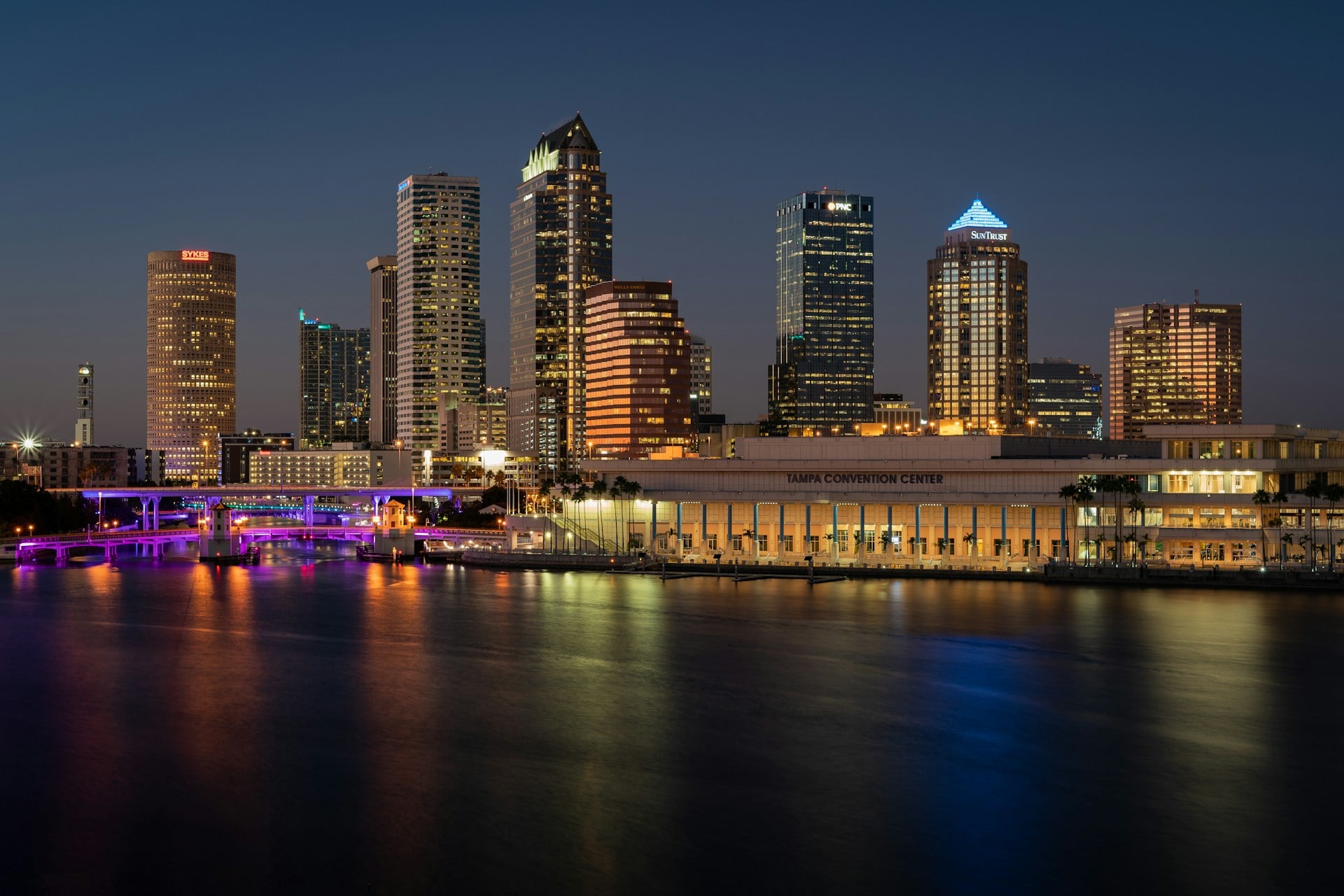
Tampa earned this fruity nickname as a playful counterpoint to New York’s Big Apple, referencing the guava fruit that grows in Florida’s tropical climate. The moniker gained popularity in the late 20th century as a way to celebrate Tampa’s unique identity.
While less famous than some city nicknames, The Big Guava captures Tampa’s warm, laid-back personality and its distinction as a major Florida metropolis.
Akron – Rubber City
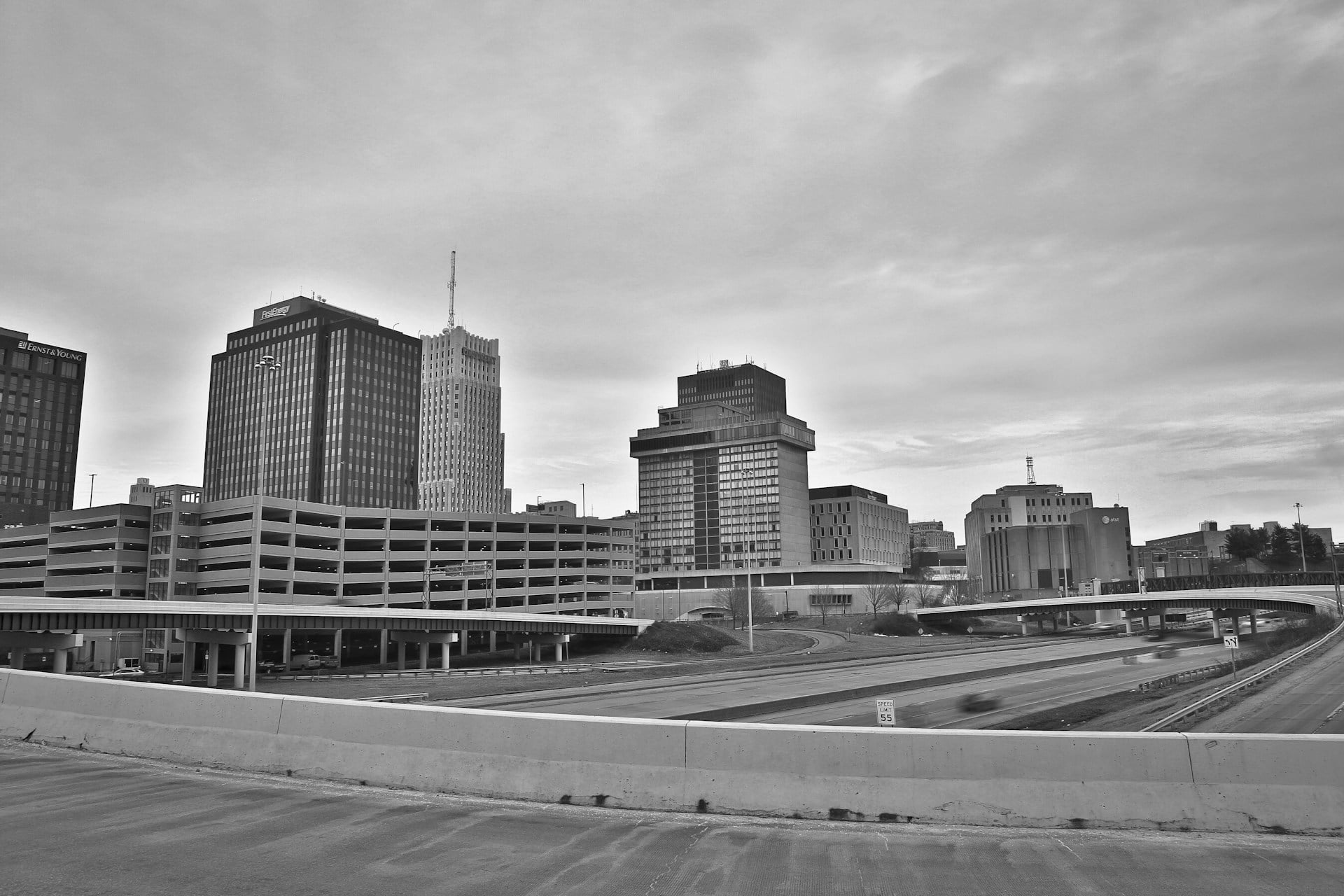
Akron became the Rubber Capital of the World when tire giants like Goodyear, Firestone, B.F. Goodrich, and General Tire all set up shop in the city. The rubber boom turned Akron into America’s fastest-growing city between 1910 and 1920, with the population tripling in just a decade.
Although many factories have closed or moved overseas, Goodyear still maintains its world headquarters in Akron, keeping the Rubber City legacy alive.
Louisville – Derby City
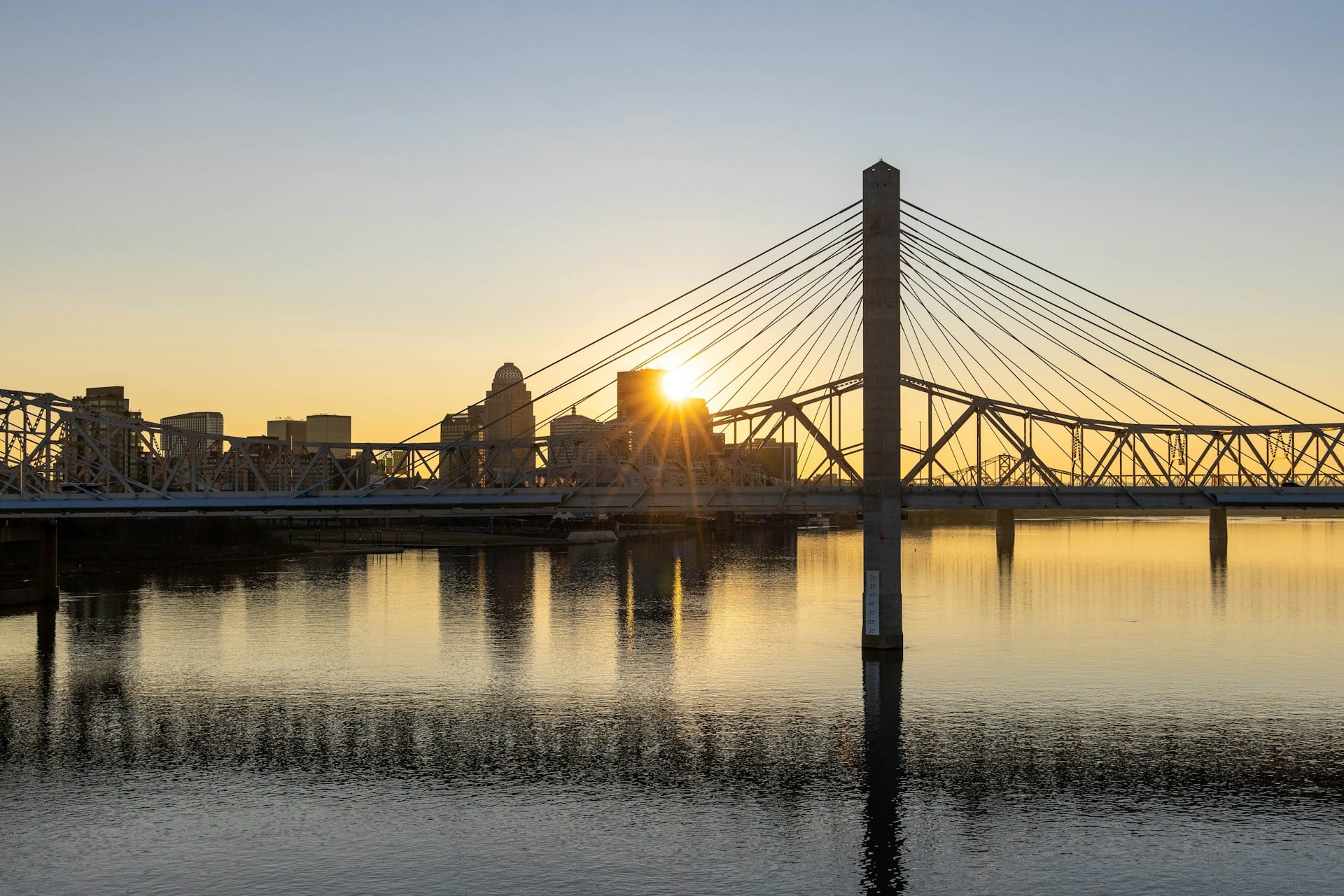
Since 1875, Louisville has hosted the Kentucky Derby at Churchill Downs every May, and the city has made the most of its association with horse racing. One of the most prominent athletic events in America, the two-minute race attracts spectators from all over the world.
Louisville’s equestrian heritage and the yearly pageantry that shapes the community’s identity are aptly embodied by Derby City.
Portland – Stumptown
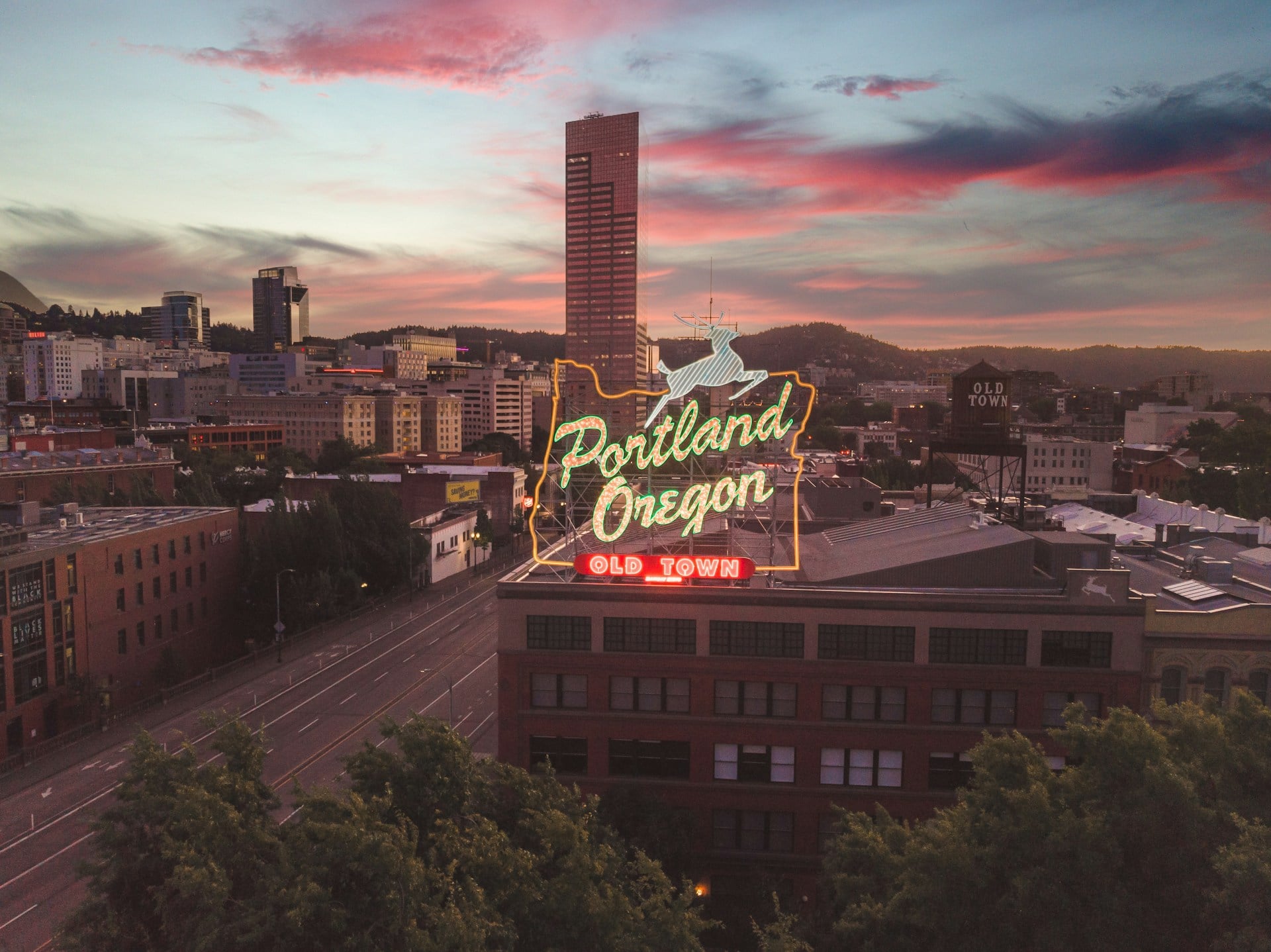
Portland got this blunt nickname in the 1850s after heavy logging left the area looking like a forest graveyard covered in tree stumps. The logging industry boomed so fast that workers couldn’t keep up with clearing the stumps, creating a distinctive landscape.
The nickname was later repopularized in the 1990s through coffee culture, and today Stumptown has become an affectionate term that locals use proudly.
Birmingham – Magic City
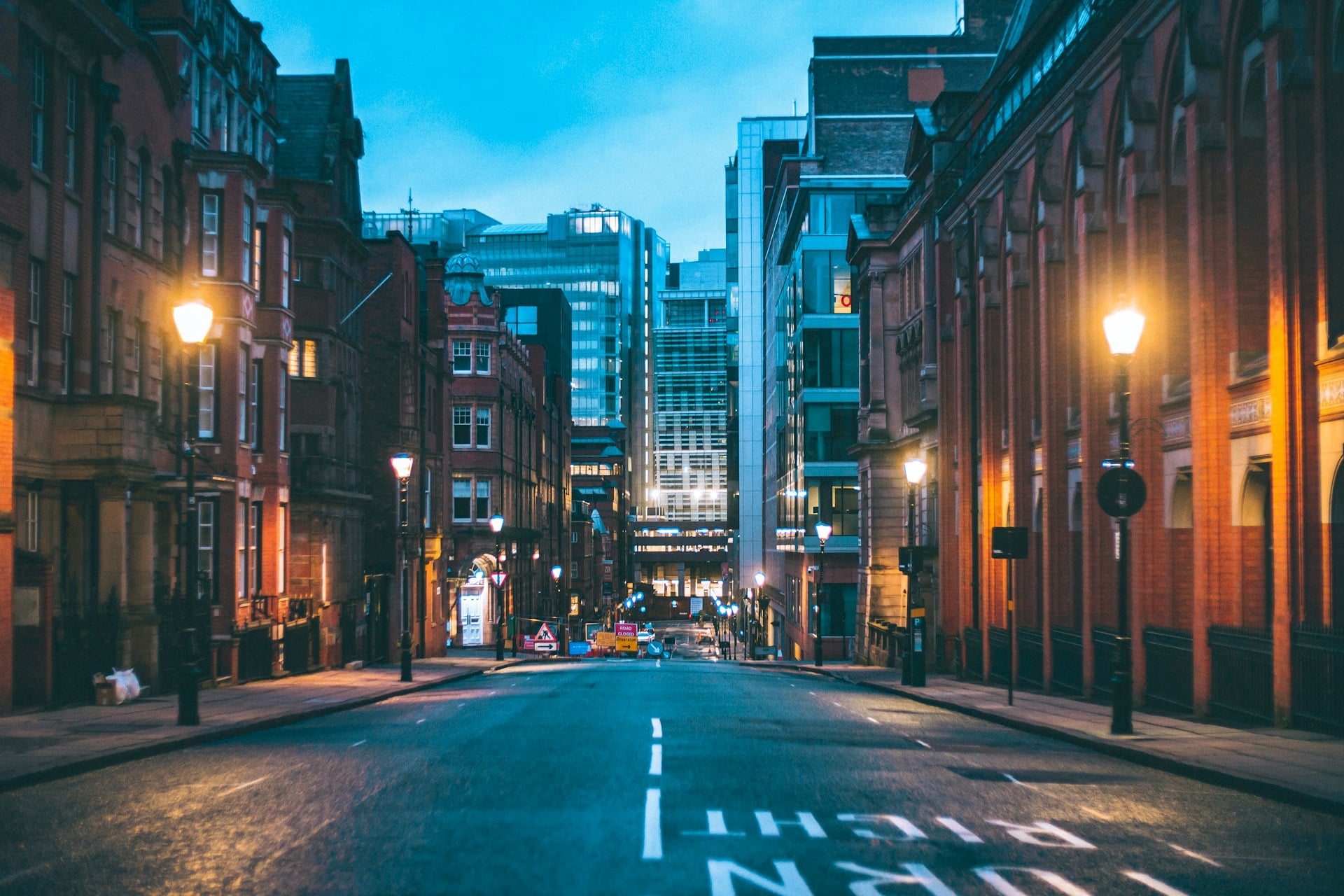
Birmingham earned this enchanting nickname in the 1880s because the city grew at a seemingly magical pace after its 1871 founding. The steel industry fueled rapid expansion, attracting workers and businesses at a breakneck speed.
The Magic City moniker celebrated how quickly Birmingham transformed from a small railroad junction into a major industrial center that helped power America’s growth.
Kansas City – City of Fountains
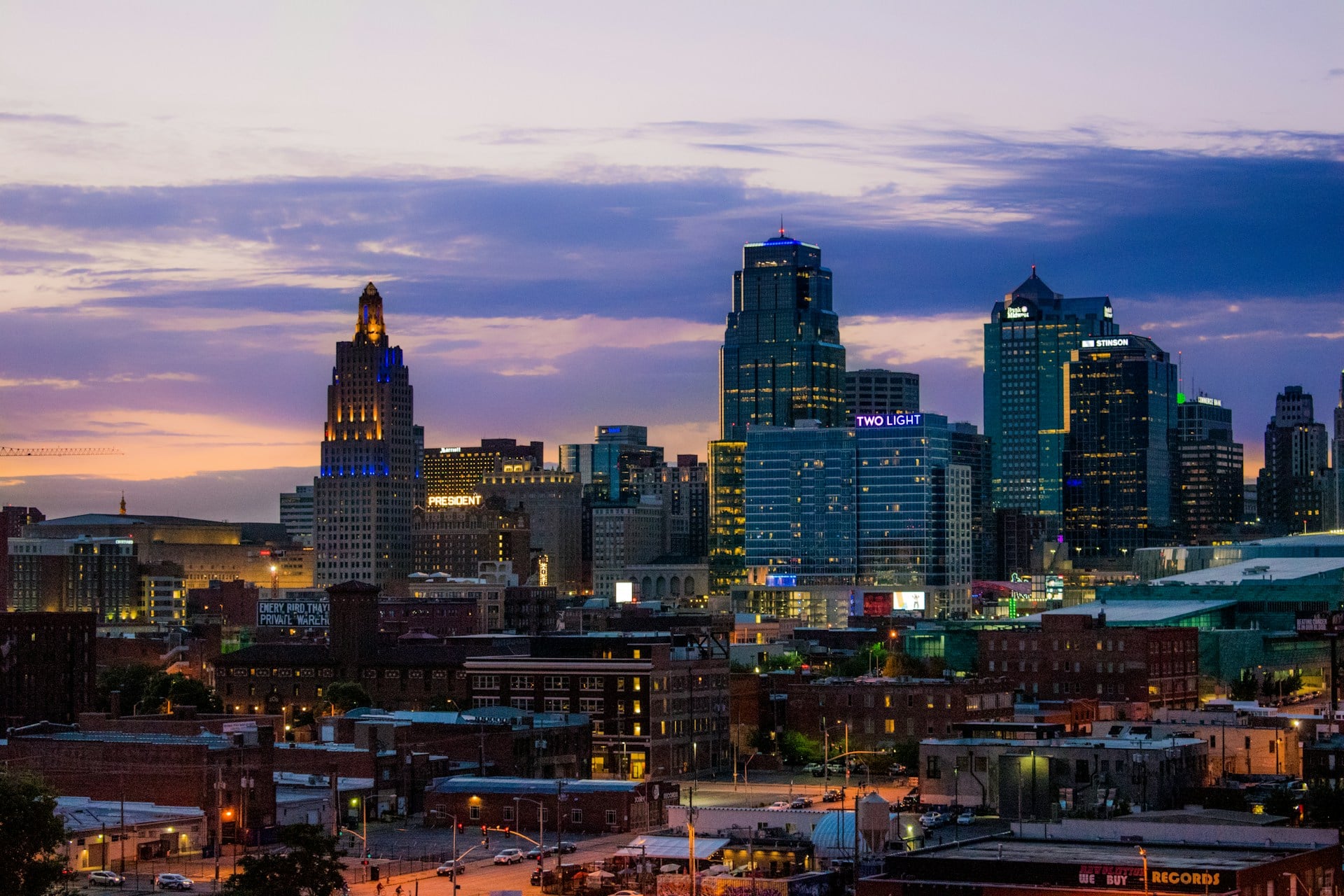
Kansas City boasts more than 200 public fountains scattered throughout the metro area, with some counts listing over 215, giving it one of the highest fountain counts in the world. The fountains range from classic European-style designs to modern artistic installations.
This abundance of water features has become such a defining characteristic that the City of Fountains nickname feels completely natural.
San Antonio – Alamo City
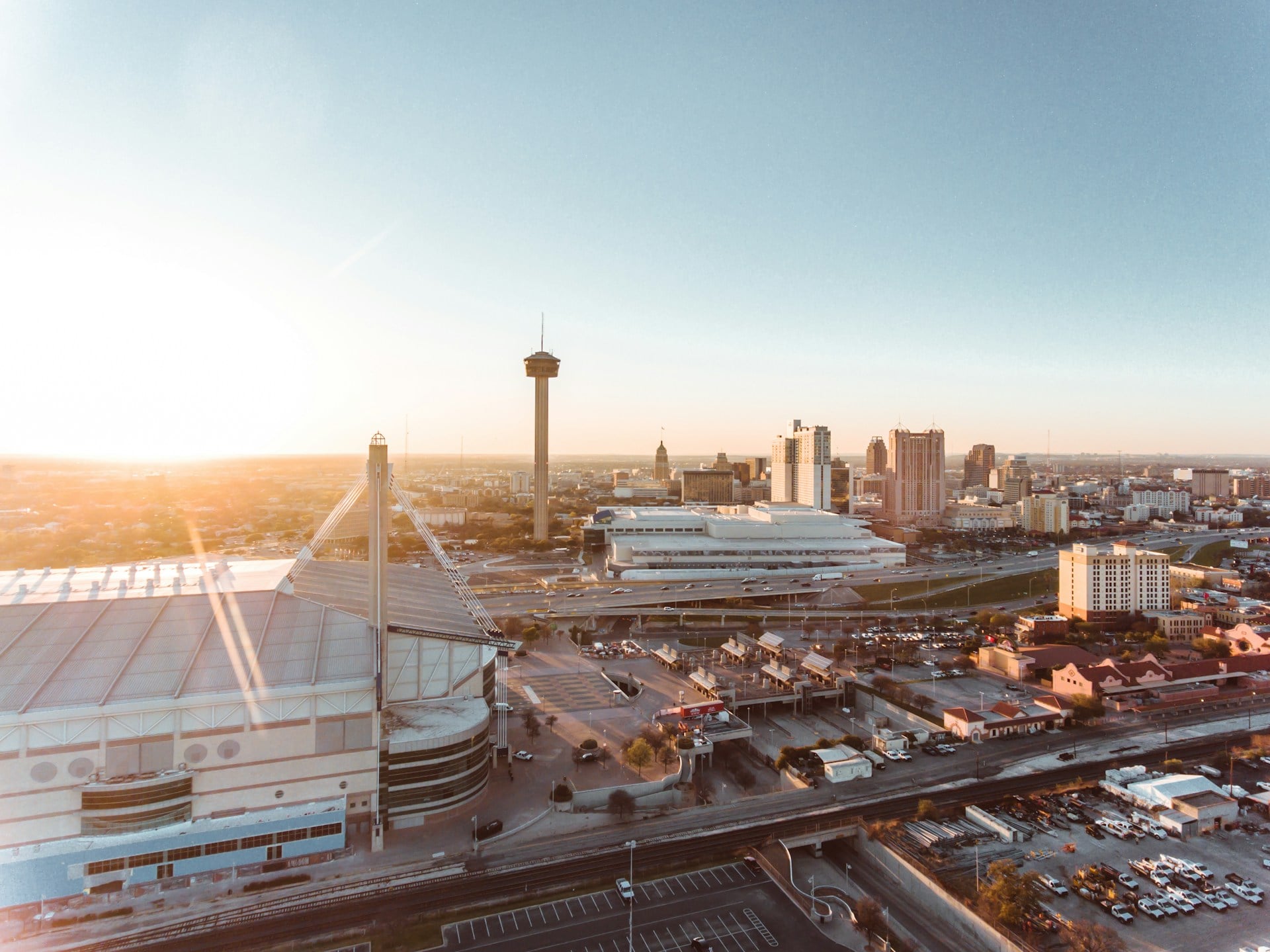
The Alamo, a historic mission established in 1718 and the site of a renowned battle during the Texas Revolution in 1836, is central to San Antonio’s identity. The location embodies Texans’ strong sense of independence and spirit of rebellion.
San Antonio’s designation as the Alamo City honors not only a structure but also the perseverance and defiance that shaped Texas into what it is today.
Cincinnati – Queen of the West
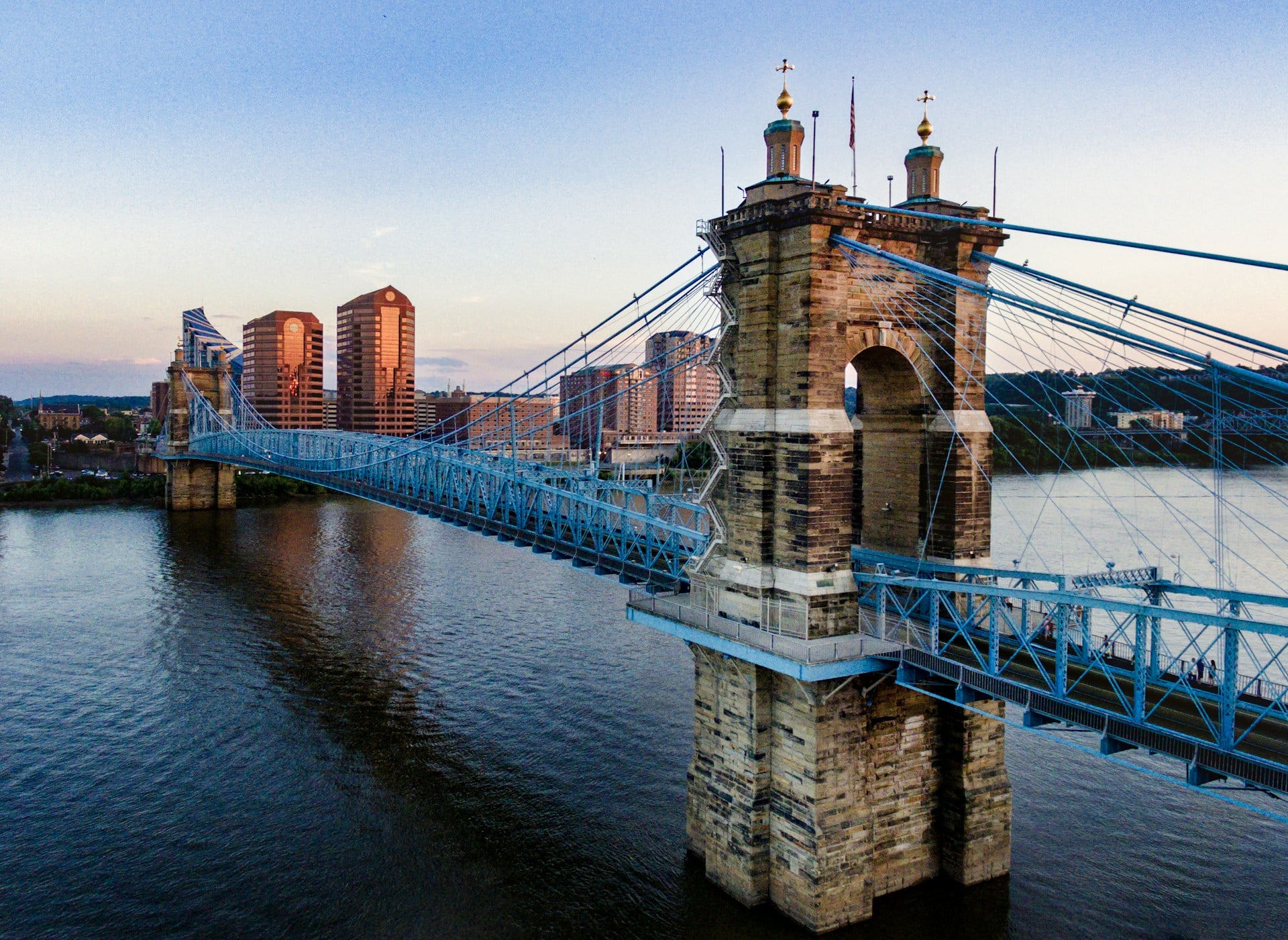
When poet Henry Wadsworth Longfellow praised Cincinnati’s status as a flourishing trading hub along the Ohio River in 1846, the city was granted this regal title. Cincinnati, a commercial and cultural powerhouse, was the most significant city in the American West at the time.
The moniker endured as a reminder of Cincinnati’s dominance of the western frontier before other cities overtook it.
How Nicknames Stick Around
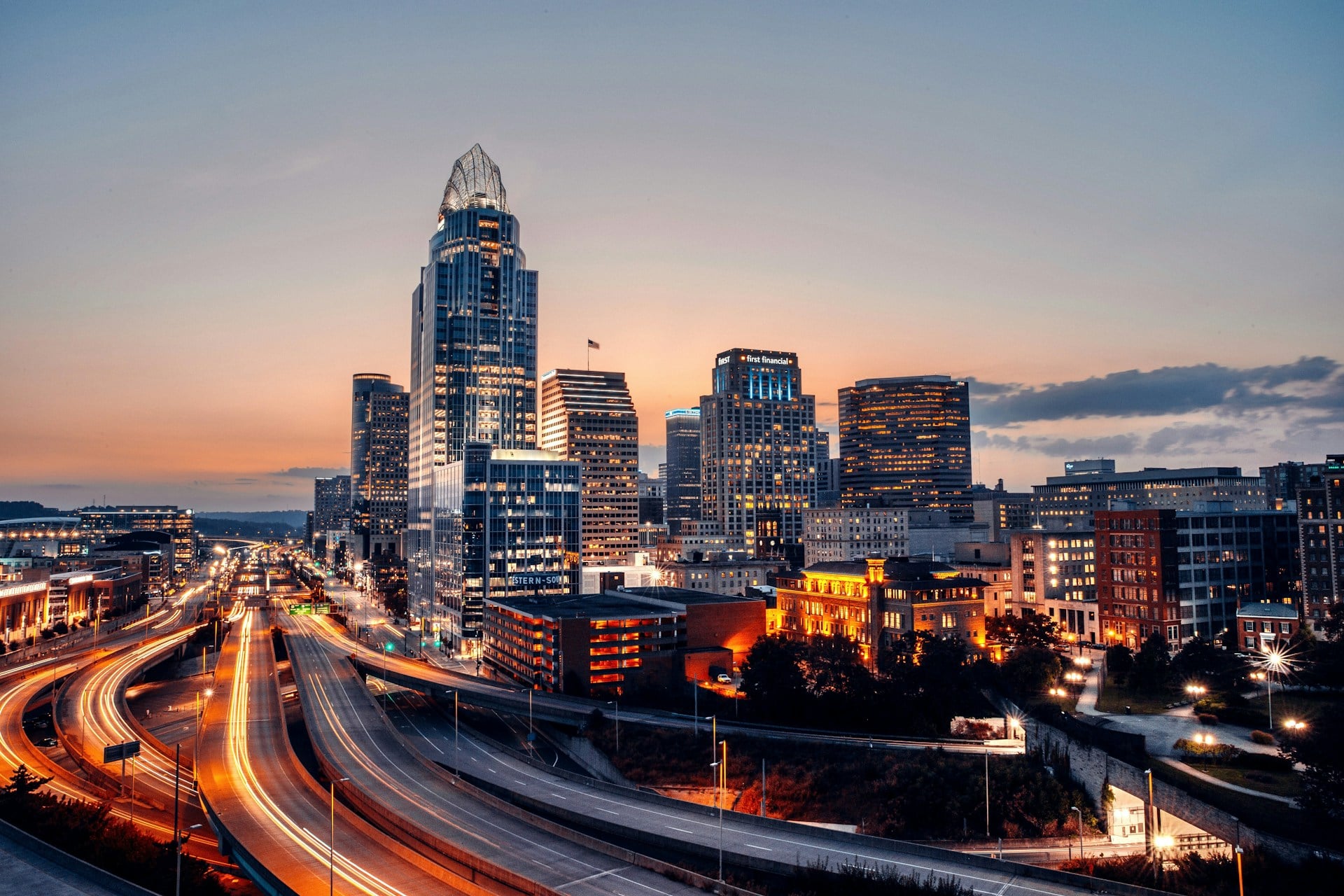
The best nicknames reveal something genuine about a place’s personality, and cities gather them in the same way that people gather stories. What began as straightforward summaries of regional industries or geographical characteristics have evolved into an integral part of how communities view themselves.
These lesser-known nicknames, such as Portland’s stumpy origins or Akron’s rubber heritage, link the past to the present in ways that official names could never.
More from Go2Tutors!

- The Romanov Crown Jewels and Their Tragic Fate
- 13 Historical Mysteries That Science Still Can’t Solve
- Famous Hoaxes That Fooled the World for Years
- 15 Child Stars with Tragic Adult Lives
- 16 Famous Jewelry Pieces in History
Like Go2Tutors’s content? Follow us on MSN.



