19 Rivers That Altered the Course of Empires
Rivers have always been more than just water flowing toward the sea—they’ve served as highways for conquest, barriers against invasion, and lifelines that determined which civilizations would rise or fall. Throughout history, emperors and generals have won or lost entire empires based on their ability to control, cross, or navigate these flowing arteries of power.
From ancient Rome’s expansion to modern industrial revolutions, rivers have shaped the destinies of nations in ways that still echo today. The course of human civilization has literally followed the course of these waterways, creating empires along their banks and destroying others that couldn’t adapt to their power.
Here is a list of 19 rivers that didn’t just witness history—they actively rewrote it.
The Nile River
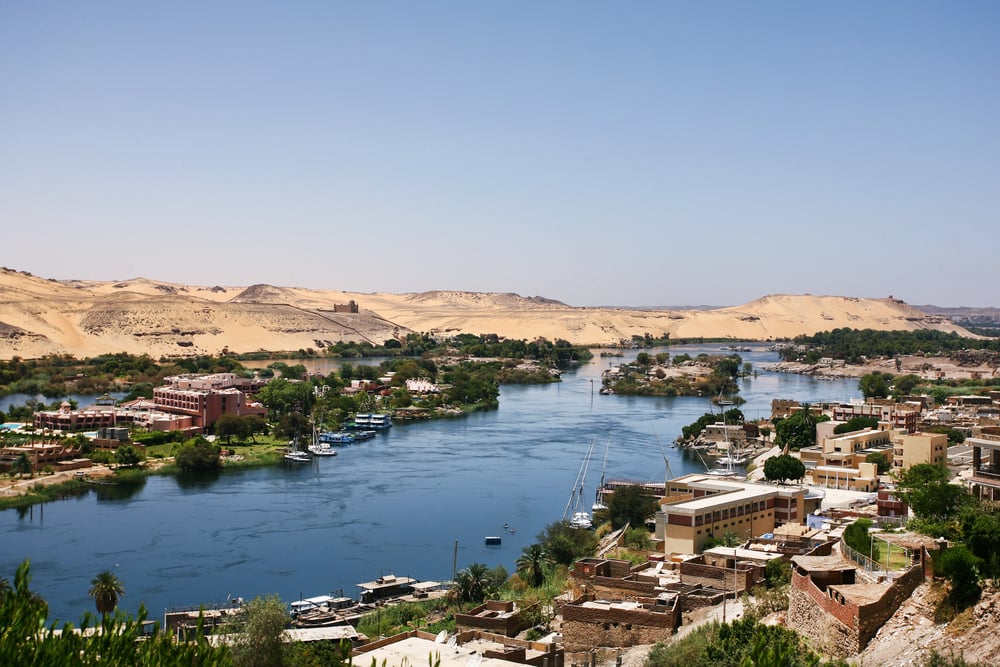
The Nile River created the Egyptian Empire by providing the only reliable water source in an otherwise barren desert, making Egypt the breadbasket of the ancient world. Egyptian pharaohs controlled this 4,000-mile lifeline for over 3,000 years, using its predictable floods to grow surplus crops that funded massive armies and monument construction.
When other empires like Rome gained control of Egypt’s grain exports, they essentially controlled the Mediterranean world, proving that whoever ruled the Nile ruled much of the known universe.
The Euphrates River
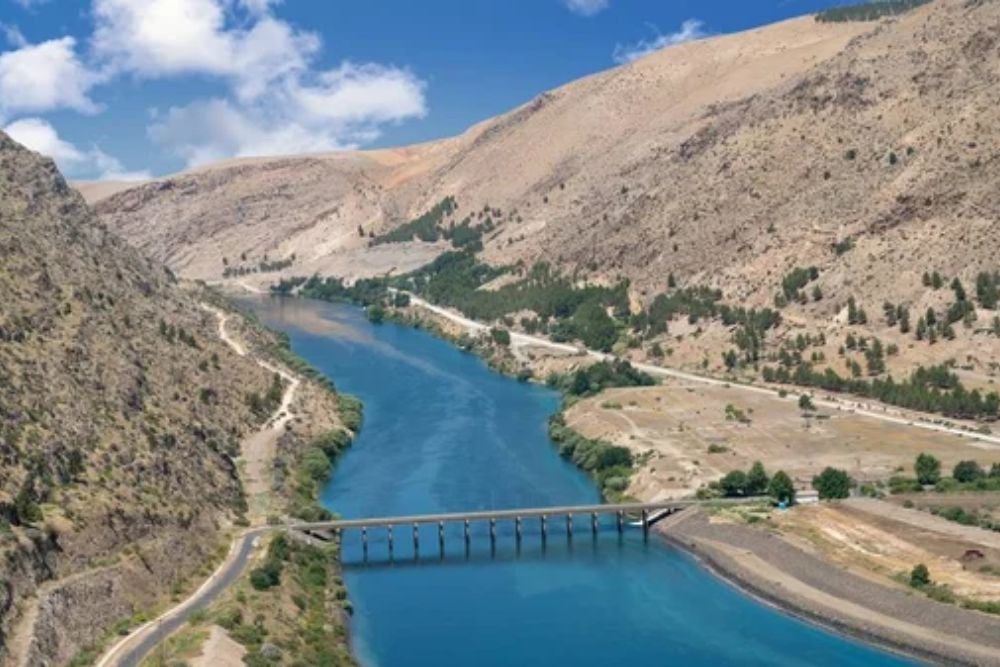
The Euphrates River became the backbone of the world’s first empires in Mesopotamia, where civilizations like Babylon and Assyria built their power on its fertile banks. This river provided the agricultural foundation that allowed humanity’s first cities to grow beyond mere villages, creating surplus wealth that funded professional armies and administrative bureaucracies.
When Cyrus the Great diverted the Euphrates to capture Babylon in 539 BCE, he demonstrated how controlling a river could topple even the mightiest empire overnight.
The Rhine River
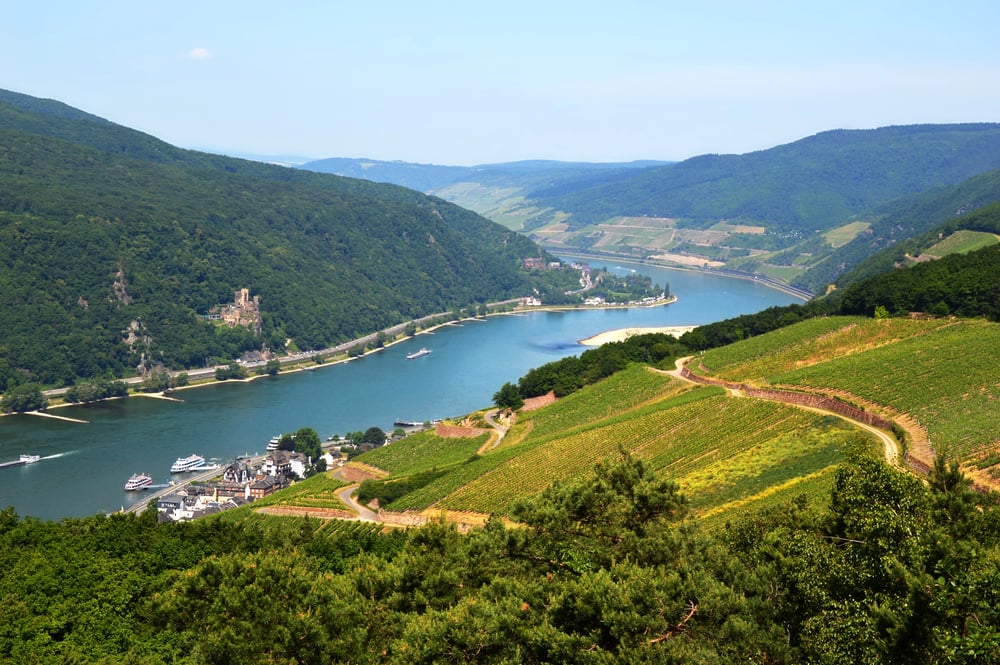
The Rhine River served as the Roman Empire’s northern frontier for over 400 years, marking the boundary between civilization and the ‘barbarian’ tribes of Germania. Roman legions built fortified cities along its banks like Cologne and Mainz, using the river as both a defensive barrier and a supply route for their frontier armies.
When Germanic tribes finally crossed the frozen Rhine in 406 CE, they triggered the collapse of Roman power in Western Europe, proving that rivers could protect empires only as long as they remained uncrossable.
The Danube River
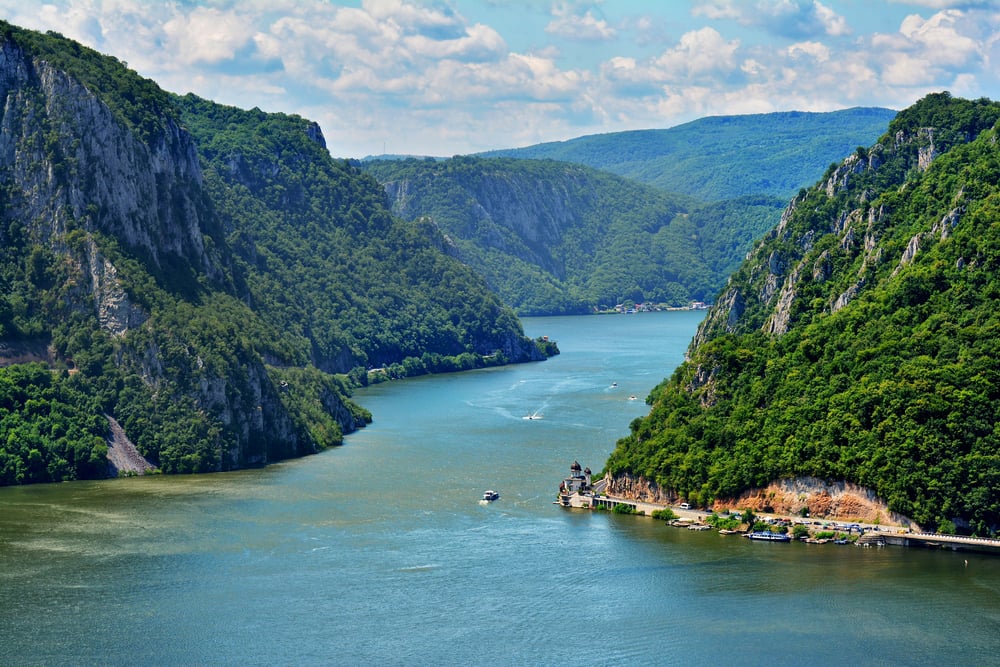
The Danube River formed the backbone of the Austro-Hungarian Empire, connecting Vienna to the Black Sea and allowing Habsburg rulers to control trade across Central Europe. This 1,770-mile waterway enabled the empire to move troops and supplies efficiently across vast distances, from the Alps to the Carpathian Mountains.
The empire’s collapse after World War I directly resulted from losing control of the Danube’s mouth, cutting off Austria-Hungary’s access to global maritime trade.
The Yellow River
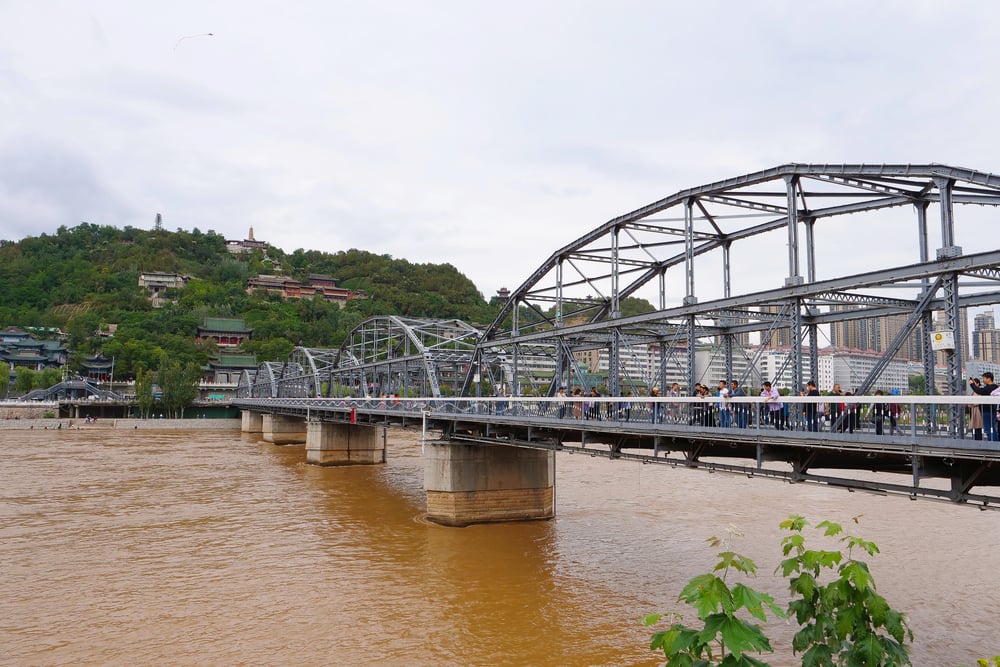
The Yellow River earned its nickname as ‘China’s Sorrow’ because its devastating floods and course changes repeatedly destroyed Chinese dynasties throughout history. The river’s tendency to shift its mouth by hundreds of miles would wipe out entire agricultural regions, triggering famines and rebellions that toppled emperors.
The Qing Dynasty spent enormous resources trying to control the Yellow River’s floods, weakening the empire financially and contributing to its eventual downfall in 1912.
The Ganges River
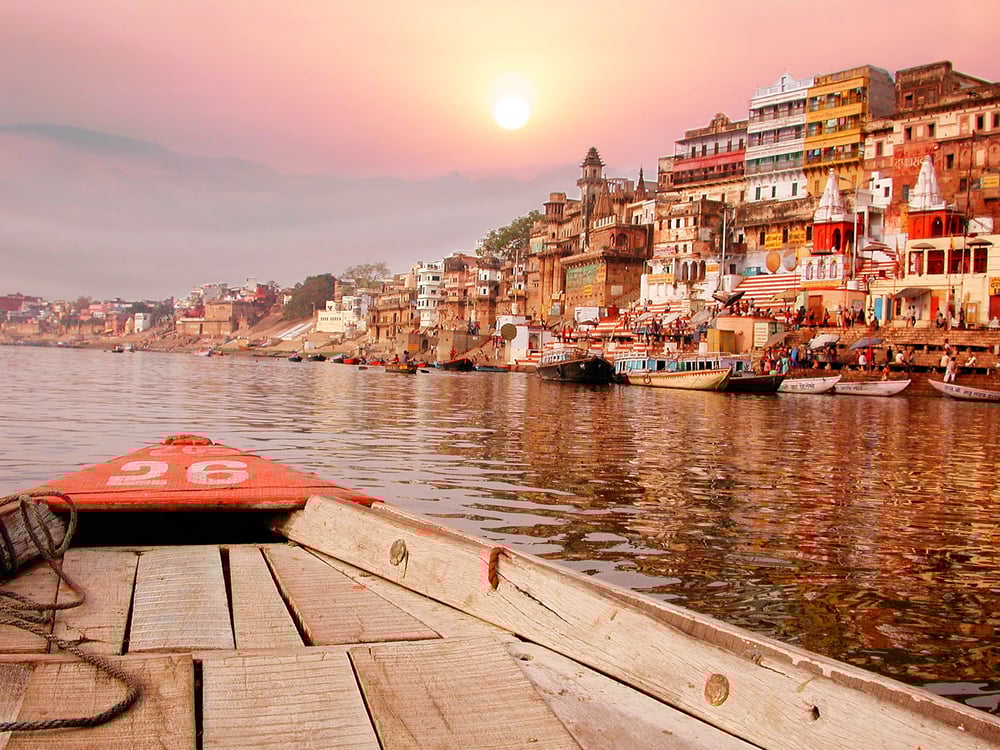
The Ganges River became the foundation of multiple Indian empires, from the Mauryans to the Mughals, who controlled its fertile plains and used its sacred status to legitimize their rule. The river’s predictable monsoon floods created some of the world’s most productive farmland, generating wealth that funded armies capable of conquering most of the Indian subcontinent.
British colonial control of the Ganges valley gave them the resources to dominate all of India, demonstrating how river control translated directly into imperial power.
The Amazon River
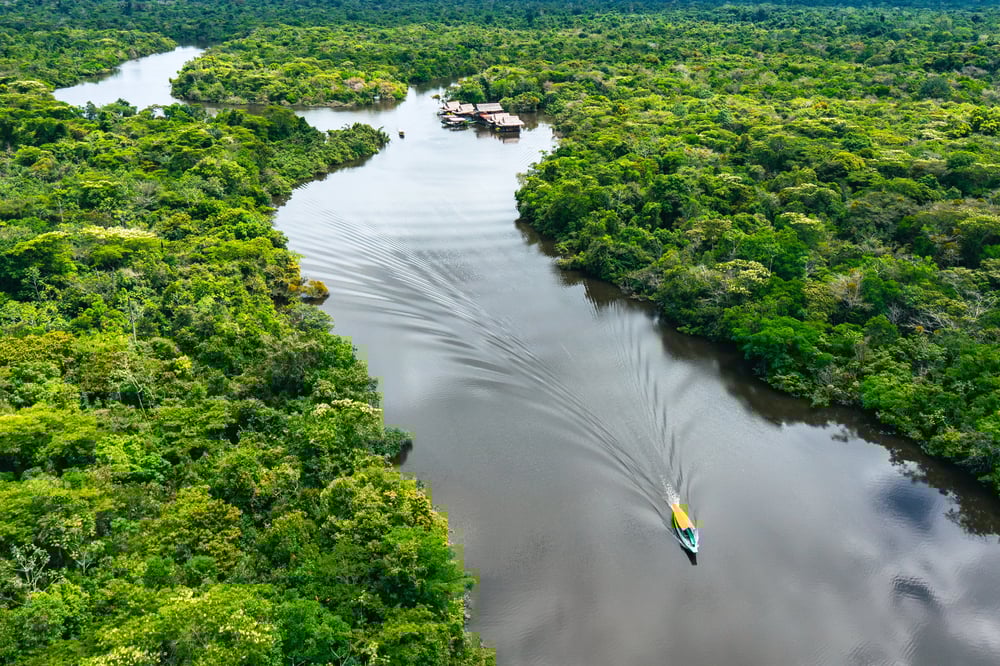
The Amazon River prevented European empires from penetrating South America’s interior for centuries, creating a natural barrier that protected indigenous civilizations from colonial conquest. Spanish and Portuguese explorers could navigate only short distances up the river before disease, hostile tribes, and impossible logistics forced them back to the coast.
When modern technology finally allowed deep Amazon exploration in the 19th century, it revealed a continental interior rich in rubber and other resources that transformed Brazil from a coastal colony into a continental power.
The Mississippi River
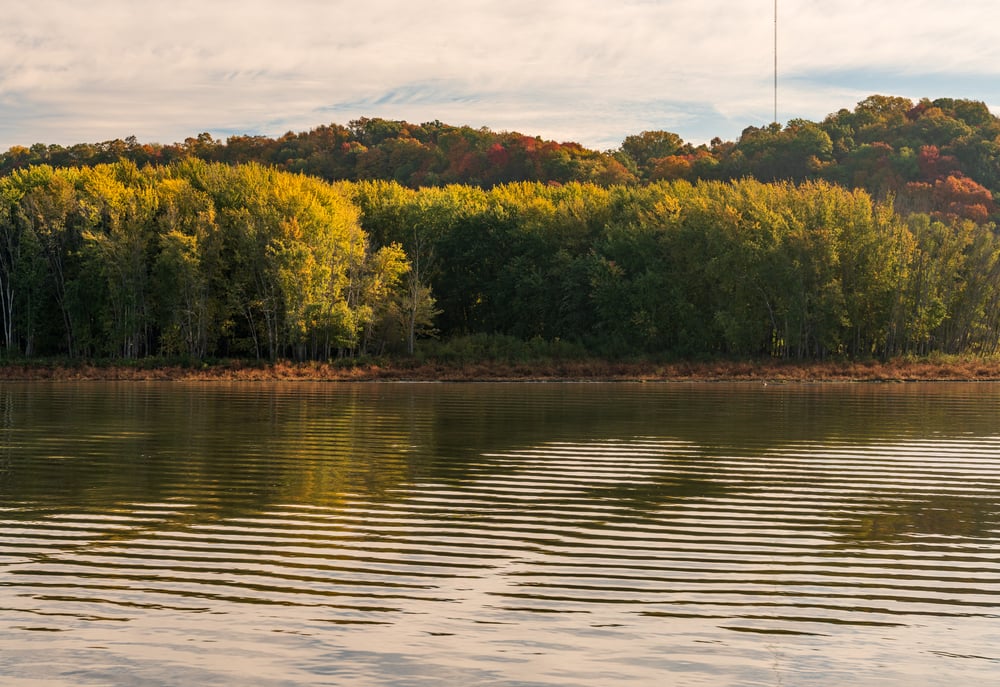
The Mississippi River determined the fate of European colonial empires in North America by controlling access to the continent’s agricultural heartland. France built its Louisiana Territory empire around the Mississippi River trade, while Britain’s inability to control the river’s mouth limited its expansion westward.
When the United States purchased Louisiana in 1803, it gained control of the entire Mississippi watershed, providing the agricultural and transportation foundation for America’s expansion to the Pacific Ocean.
The Volga River
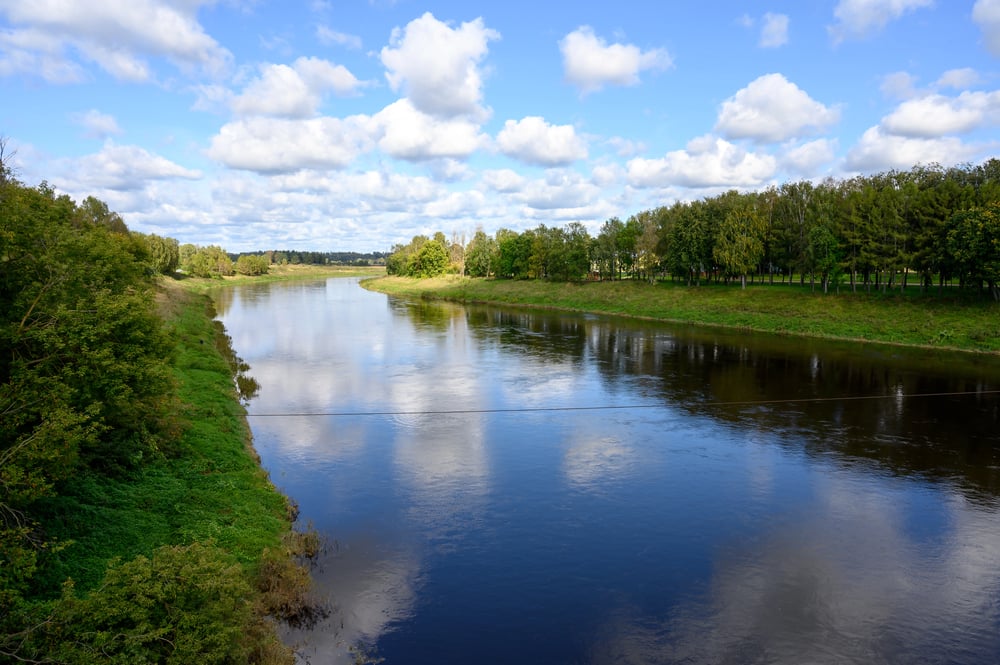
The Volga River served as the main highway for Russian imperial expansion, allowing Moscow to project power from the Arctic Ocean to the Caspian Sea. Ivan the Terrible’s conquest of the Volga cities of Kazan and Astrakhan in the 1550s gave Russia control of this 2,300-mile trade route and opened the path to Siberian colonization.
Soviet industrial development along the Volga during World War II kept Russian war production out of German reach, helping the USSR survive and ultimately defeat Nazi Germany.
The Thames River
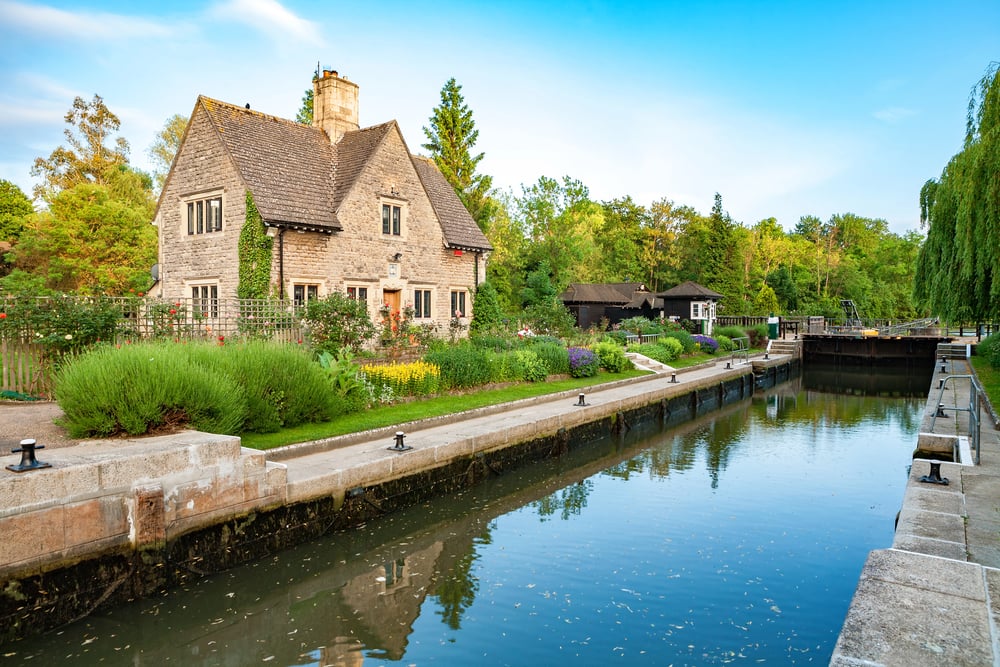
The Thames River made London the center of the British Empire by providing deep-water access 50 miles inland, creating the perfect balance of security and accessibility for global trade. The river’s tidal reach allowed large ships to dock in London’s heart while its location protected the city from immediate coastal assault.
British naval dominance grew directly from Thames-based shipyards and docks that could build and supply the world’s largest fleet.
The Hudson River
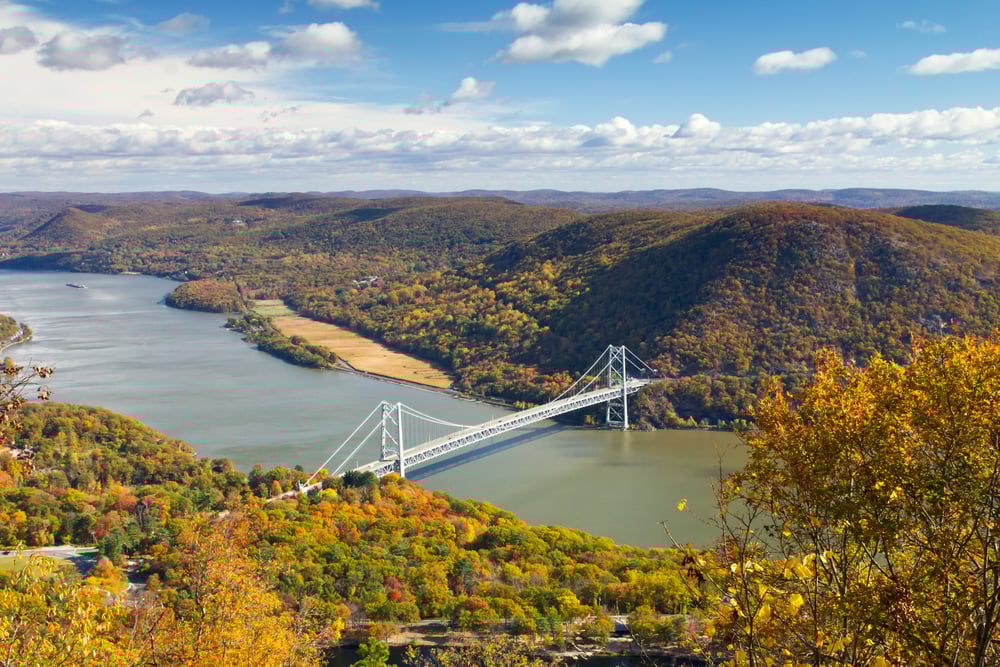
The Hudson River created the geographical foundation for New York’s rise as America’s dominant city by providing the only sea-level route through the Appalachian Mountains. The Erie Canal’s connection to the Hudson in 1825 gave New York exclusive access to Great Lakes trade, making it the funnel through which western expansion flowed.
This river-canal system concentrated so much wealth and power in New York that it became America’s unofficial capital, rivaling Washington, D.C. in national influence.
The Indus River
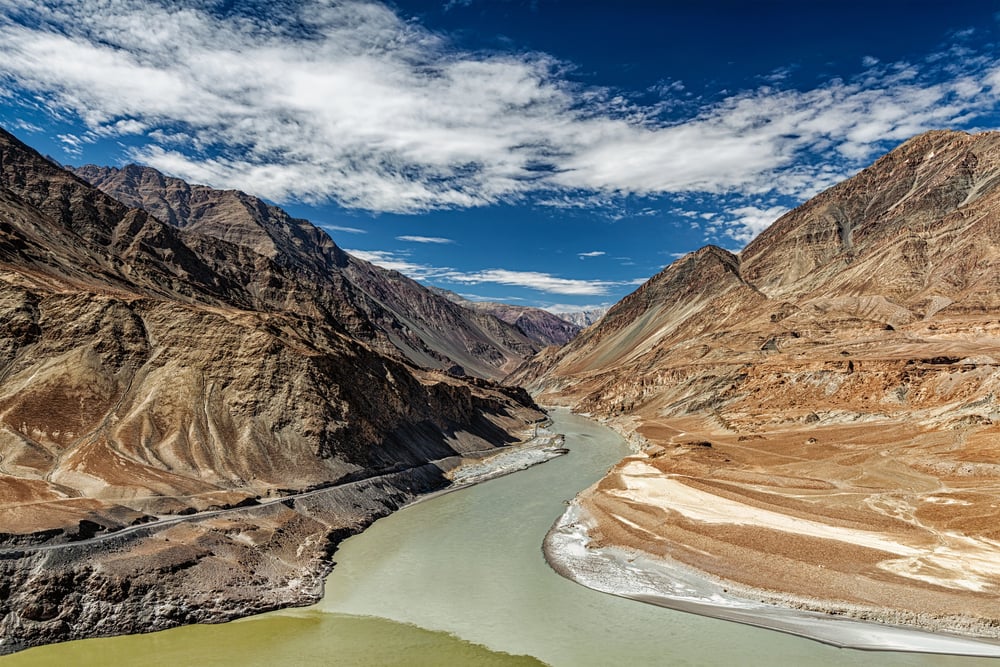
The Indus River supported one of humanity’s earliest urban civilizations around 2500 BCE, creating cities like Harappa and Mohenjo-daro that were more advanced than contemporary settlements in Egypt or Mesopotamia. The river’s predictable floods and fertile silt enabled agriculture sophisticated enough to support populations of over 100,000 in single cities.
When climate change shifted monsoon patterns around 1900 BCE, the resulting drought along the Indus caused this entire civilization to vanish, demonstrating how river-dependent empires could disappear as quickly as they arose.
The Congo River
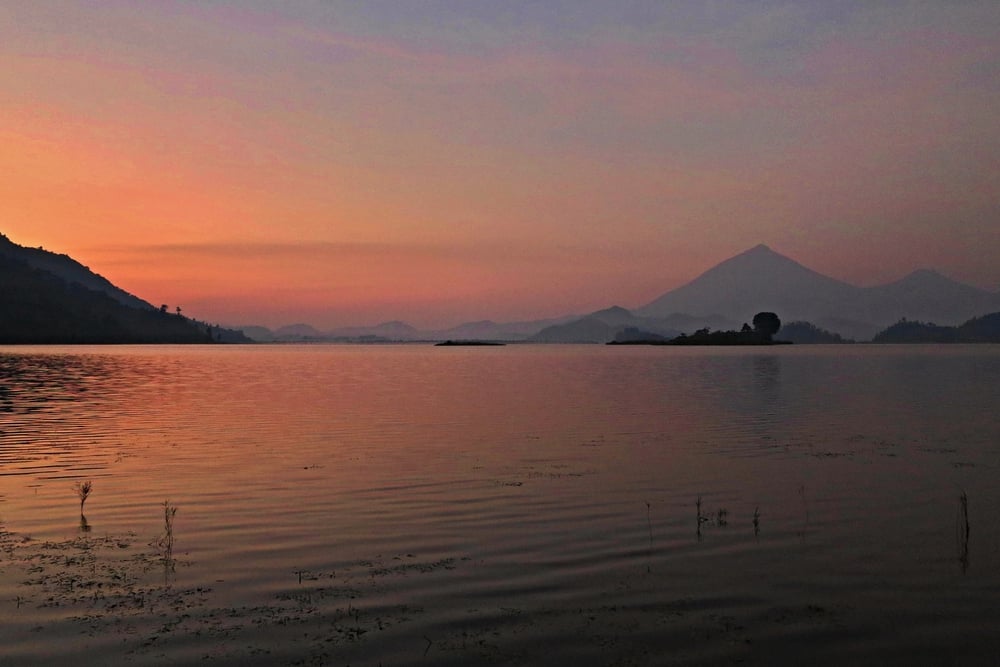
The Congo River created an impenetrable barrier that prevented European colonial empires from accessing Central Africa’s interior until the late 19th century. The river’s series of rapids and waterfalls, combined with tropical diseases, made upstream navigation impossible for European explorers until steamboat technology finally conquered the obstacles.
King Leopold II of Belgium’s brutal exploitation of the Congo River basin from 1885 to 1908 extracted enormous wealth through rubber production, showing how late-arriving colonial powers could still build empires around river control.
The Yangtze River
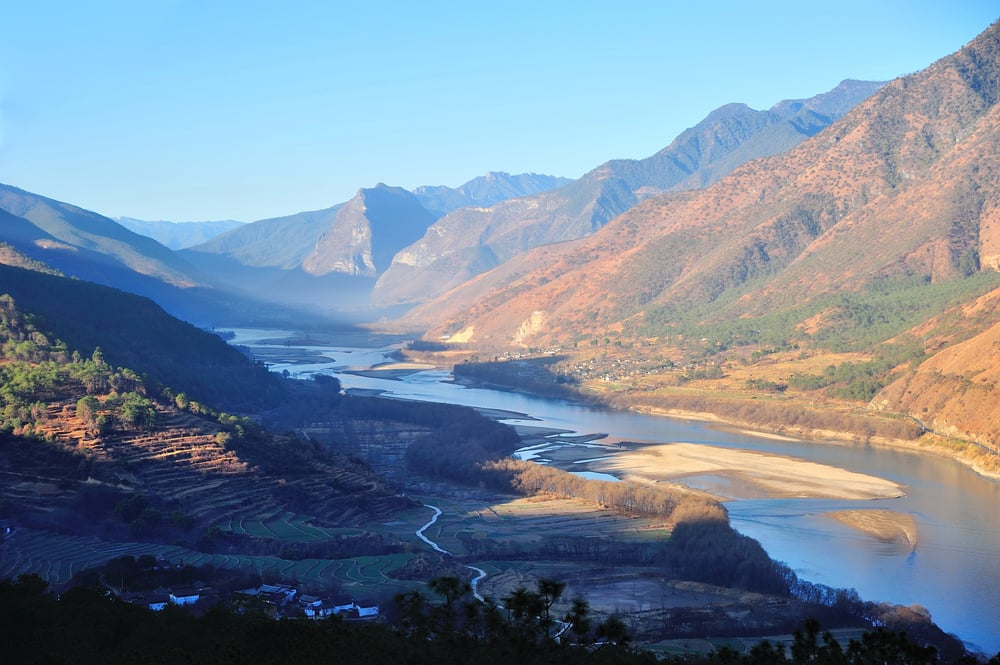
The Yangtze River served as China’s internal highway for over 2,000 years, allowing dynasties to move troops and grain from the productive south to defend the northern capital regions. The Grand Canal’s connection between the Yangtze and Yellow Rivers gave Chinese emperors unprecedented control over their vast territory by linking the empire’s two major river systems.
When British gunboats forced their way up the Yangtze during the Opium Wars, they effectively broke Chinese imperial control and opened the country to foreign domination.
The Rio Grande
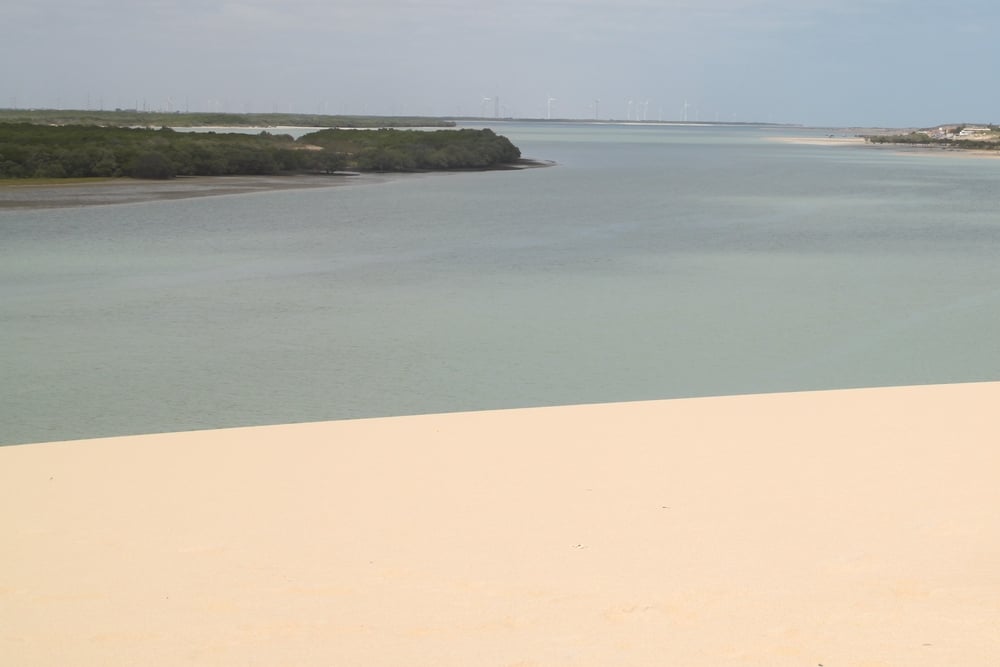
The Rio Grande became the contested boundary between expanding American and Mexican empires, with control of its waters determining which nation would dominate the American Southwest. The Mexican-American War of 1846-1848 was fought primarily over Rio Grande access and navigation rights, with American victory giving the United States control of present-day Texas, New Mexico, Arizona, and California.
The river’s role as an international boundary continues to influence American immigration policy and border security more than 150 years later.
The Jordan River
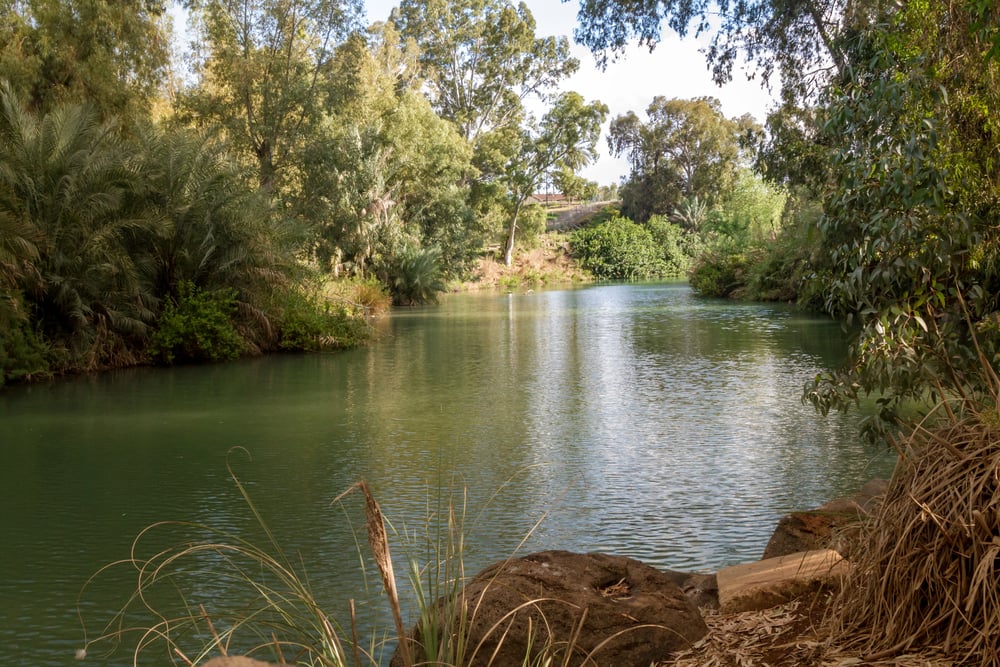
The Jordan River created the geographical foundation for ancient Israel’s kingdom by providing the only reliable water source in an otherwise arid region between Egypt and Mesopotamia. Control of the Jordan valley allowed Hebrew kingdoms to dominate trade routes between Africa and Asia, generating wealth that funded Solomon’s temple and Jerusalem’s expansion.
Modern conflicts over Jordan River water rights continue to influence Middle Eastern politics, showing how ancient river disputes persist into contemporary geopolitics.
The Mekong River

The Mekong River enabled the Khmer Empire to dominate Southeast Asia from the 9th to 15th centuries by providing the agricultural foundation for Angkor—then the world’s largest pre-industrial city. The empire’s sophisticated irrigation system harnessed Mekong floods to support over one million people in a single urban complex, creating wealth that funded massive temple construction and military expansion.
When climate change disrupted monsoon patterns in the 14th century, Angkor’s water management system failed, causing the empire’s rapid collapse and abandonment.
The Don River
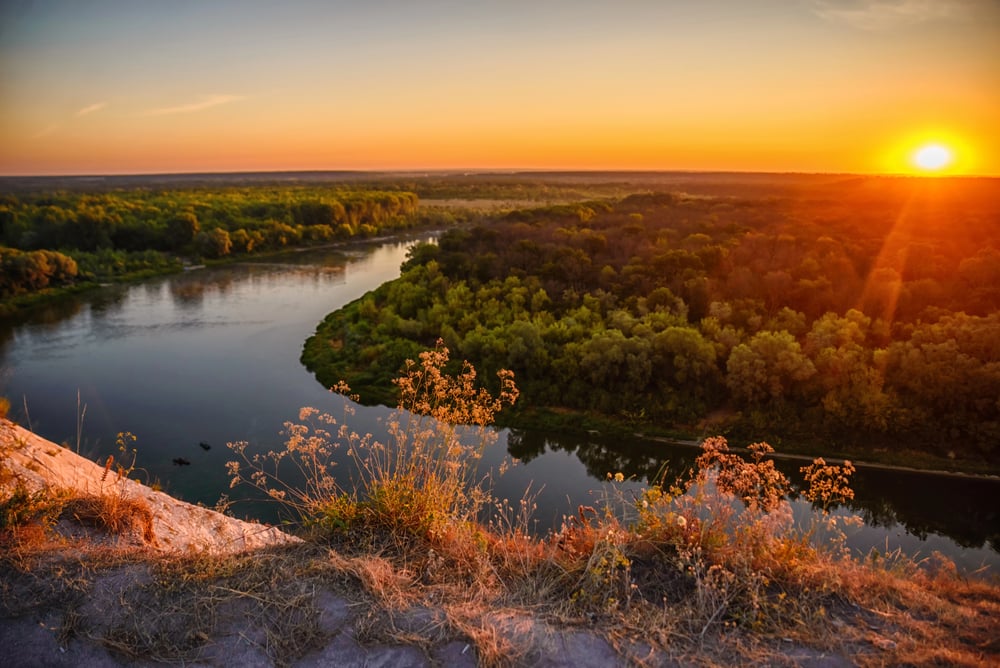
The Don River served as the highway for Mongol expansion into Europe, providing the route that allowed Golden Horde armies to dominate Russia for over 200 years. The river’s connection to the Volga gave Mongol rulers control over trade between Asia and Europe, generating tribute wealth that maintained their military superiority.
When Ivan the Great finally defeated the Golden Horde at the Don River crossing in 1480, he established Russian independence and began Moscow’s transformation from tributary state to expanding empire.
The Orinoco River
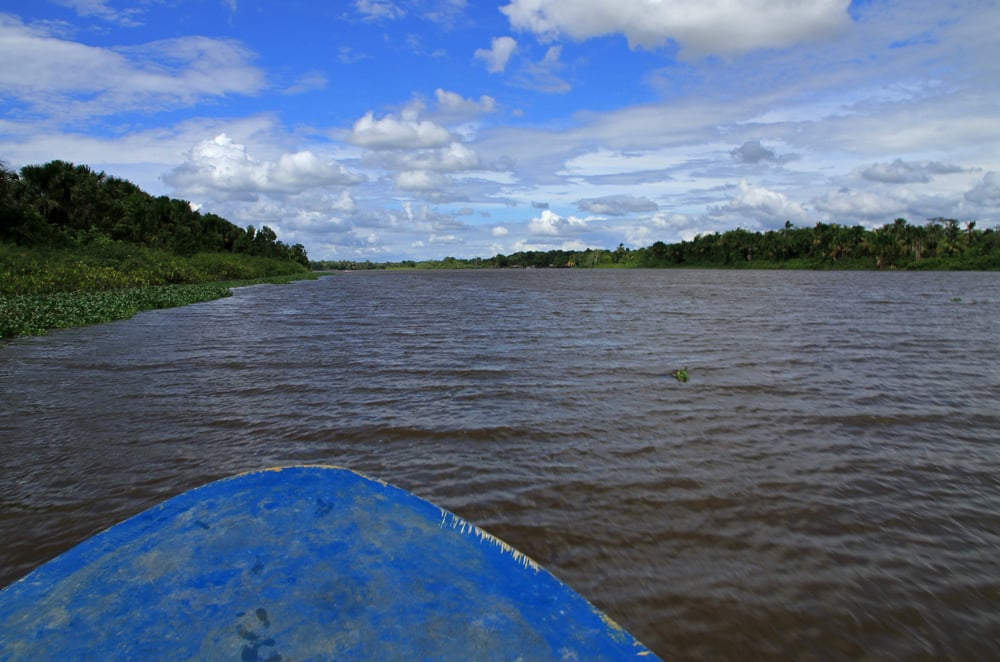
The Orinoco River prevented Spanish colonial expansion into northern South America’s interior, creating a natural barrier that protected indigenous peoples from European conquest for over 300 years. The river’s seasonal floods, hostile tribes, and disease-carrying insects made exploration nearly impossible until 19th-century steam and medical technologies enabled deeper penetration of the region.
When Venezuela gained independence in 1821, control of the Orinoco basin provided the new nation with vast agricultural and mineral resources that funded its development as a regional power.
Where Waters Still Shape Nations
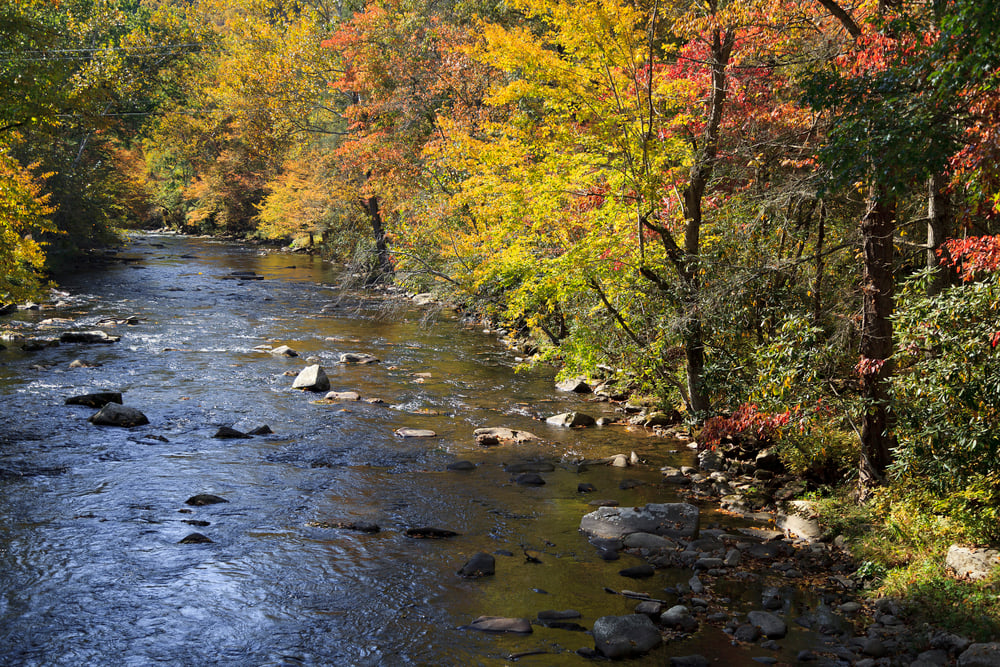
These rivers continue to influence global politics today, from the Nile’s role in Middle Eastern stability to the Mississippi’s importance for American agriculture and trade. Modern empires may not rise and fall as dramatically as ancient ones, but access to freshwater resources still determines which nations prosper and which struggle to survive.
Climate change and growing populations are making river control more critical than ever, suggesting that the next century’s geopolitical conflicts may once again be decided by whoever controls the world’s flowing waters. The emperors and generals of tomorrow will need to understand what their predecessors learned long ago—that rivers don’t just reflect the sky, they shape the destiny of nations.
More from Go2Tutors!

- The Romanov Crown Jewels and Their Tragic Fate
- 13 Historical Mysteries That Science Still Can’t Solve
- Famous Hoaxes That Fooled the World for Years
- 15 Child Stars with Tragic Adult Lives
- 16 Famous Jewelry Pieces in History
Like Go2Tutors’s content? Follow us on MSN.